Cycling Accessories
Garmin Varia Radar Review: A Major Upgrade Six Years in the Making
The next-generation Garmin Varia radar has finally arrived, bringing USB-C charging, a more powerful chipset, and innovative software features. We put this essential cycling safety device to the test to see how it stacks up.
Introduction
After a six-year wait, Garmin has closed the loop and released the next-generation Varia radar to succeed the venerable RTL515. This is far more than a simple USB-C refresh with a slightly larger battery; it introduces a completely overhauled radar chipset, innovative safety features, and a redesigned user interface. I spent extensive time testing this unit in a wide range of real-world riding conditions—from urban gridlock to quiet mountain roads, under blazing sun and through rainy nights—to evaluate its strengths and weaknesses.
Who This Product Is For
The next-generation Garmin Varia radar is ideal for any rider who prioritizes road safety, particularly:
- Daily commuters on busy roads: Providing early warning of approaching vehicles so you can adjust your lane position proactively.
- Long-distance endurance riders: Keeping you alert and aware on quiet, winding country roads.
- Riders in complex urban traffic: Especially on multi-lane arterials where the new lane-tracking feature shines.
- Garmin Edge x40 or x50 series users: Who can unlock and display the full suite of new visual features.
Main Strengths
Outstanding Detection Range
Garmin claims a detection range increase from 140 meters to 170 meters, but real-world testing proved it to be even better. Under ideal conditions (a straight road on a clear day), I clocked target acquisitions as far out as 224 meters. This gives you significantly more time to prepare for passing traffic.
Wider Beam Angle
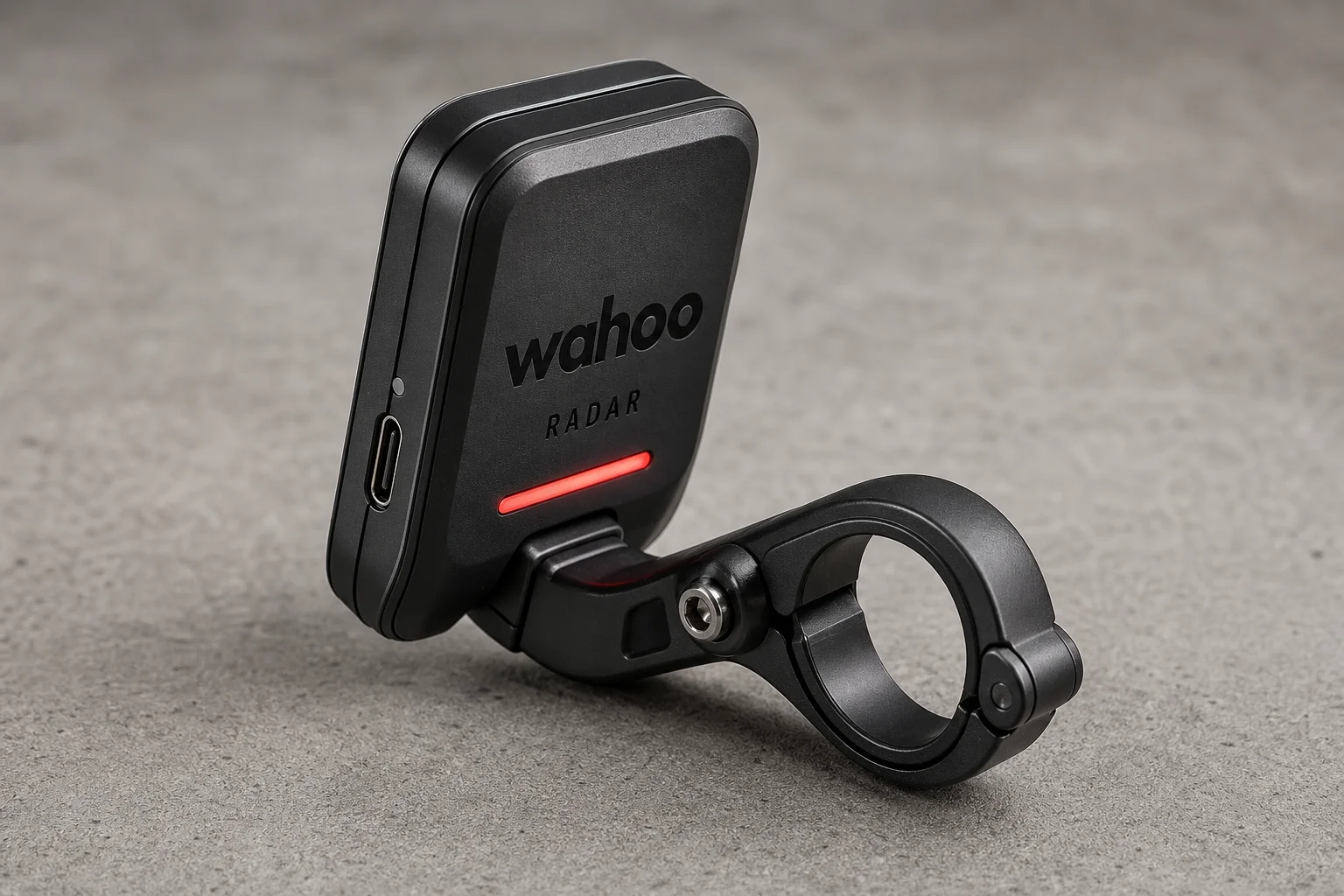
The radar beam angle has expanded from 45 degrees to 60 degrees, which is a massive boon on twisting descents and mountain roads. It tracks vehicles through winding corners far better without dropping the signal. Compared to Wahoo’s radar, the new Garmin consistently detects vehicles 2 to 3 seconds earlier.
Same-Speed Vehicle Tracking
This is a massive usability improvement. When a car matches your pace and trails behind you at the same speed, older radars would frequently drop the target. The new Varia excels here, maintaining a lock on same-speed vehicles where competitors often drop out.
Vehicle Classification
The new radar categorizes approaching threats into three distinct classes: two-wheelers (cyclists and motorcycles), standard passenger cars, and large vehicles (commercial trucks and buses). This classification proved accurate roughly 80% to 90% of the time, alerting you when a heavy commercial vehicle is closing in.
Lane Detection
When paired with a Garmin Edge x40 or x50 computer, the screen displays exactly where the vehicle is positioned behind you—left, right, or center. This is exceptionally helpful on multi-lane urban roads, allowing you to make smarter lane adjustments.
Modern USB-C Port
Finally, Garmin has retired the outdated Micro USB port. The new Varia features a robust USB-C port, making charging faster and far more convenient.
Improved Battery Life
Despite the brighter LED output, battery efficiency has improved. Garmin claims up to 10 hours in solid mode, 15 hours in group ride mode, and an impressive 30 hours in radar-only mode. Our real-world tests closely matched these specs.
User-Replaceable Battery
When the battery eventually degrades after years of use, the design allows you to replace it yourself, bypassing the need to send the entire unit back for servicing.
Zero False Positives
Throughout my test miles, the Varia did not register a single false positive (alerting to non-existent vehicles). This reliability is significantly better than some rival units.
What to Consider Before Buying
Pricing Increase
The retail price of the Varia has stepped up from $199 to $299. While it is a noticeable increase, it is a logical adjustment considering the high inflation since 2020 and the significant leap in hardware capability. Garmin’s new radar remains superior to Wahoo’s equivalent at this price bracket.
Adjustment Period
The new visual features—particularly the lane detection and vehicle classification—take a few rides to get used to. On my first outing, the crowded screen felt slightly confusing, but it quickly became second nature with more miles.
Degraded Performance in Wet Weather
The vehicle classification accuracy drops in the rain. Under heavy downpours, the classification algorithm essentially fails to differentiate between vehicle types.
196-Meter ANT+ Limitation Bug
This is a technical oversight. The legacy ANT+ radar profile has a built-in limit of 196 meters. When the Varia acquires a target beyond 196 meters, non-x40/x50 Garmin Edge units can exhibit a brief positioning glitch on the screen for 1 to 2 seconds. It is a minor bug that should have been caught in QC, though it has little impact on real-world safety.
Ecosystem Limitations
Lane tracking and vehicle classification are strictly locked to the Garmin Edge x40 and x50 series. If you ride with a Wahoo, Hammerhead, or an older Garmin unit, the device will fall back to standard radar tracking.
Classification Imperfections
While vehicle classification is a great concept, it is not flawless. For example, a trailing rider in your group can occasionally be misclassified as a car. Additionally, because all approaching targets eventually turn orange on the status bar as they close in, the color coding somewhat dilutes the value of the classification.
Buying Advice
If road safety is your absolute highest priority, the new Garmin Varia is the best option on the market. It remains the industry leader in range, tracking reliability, and hardware refinement.
If you are on a budget, the older generation or budget alternatives (around $179) still offer solid basic tracking, though you miss out on the extended range, USB-C, and advanced software features.
If you own a Garmin Edge x40 or x50 series computer, the Varia’s lane detection and classification systems add genuine safety value that makes the price tag worth it.
If you ride with another brand of head unit, the Varia is still a top-tier safety light, but you should be aware that you will only have access to standard vehicle tracking and cannot display the advanced lane tracking metrics.
Conclusion
The next-generation Garmin Varia radar is a highly successful update that pushes the boundaries of cycling safety technology. Its detection range, tracking reliability, and overall hardware polish stand head and shoulders above the competition. While the advanced visual metrics take some getting used to and a few minor firmware quirks exist (like the 196m ANT+ issue), these do not overshadow the unit’s stellar performance.
If you are serious about road safety, the new Varia is well worth the investment. It is not cheap, but you absolutely get what you pay for. For anyone who routinely rides in heavy traffic or takes on long endurance miles, this radar is a true game-changer.
Product link
View more details for Garmin Varia Radar
This product is mentioned in the review. Check the specifications, options, and compatibility before buying.
View more details for Garmin Varia RadarFurther reading
Related Reviews
Cycling Accessories
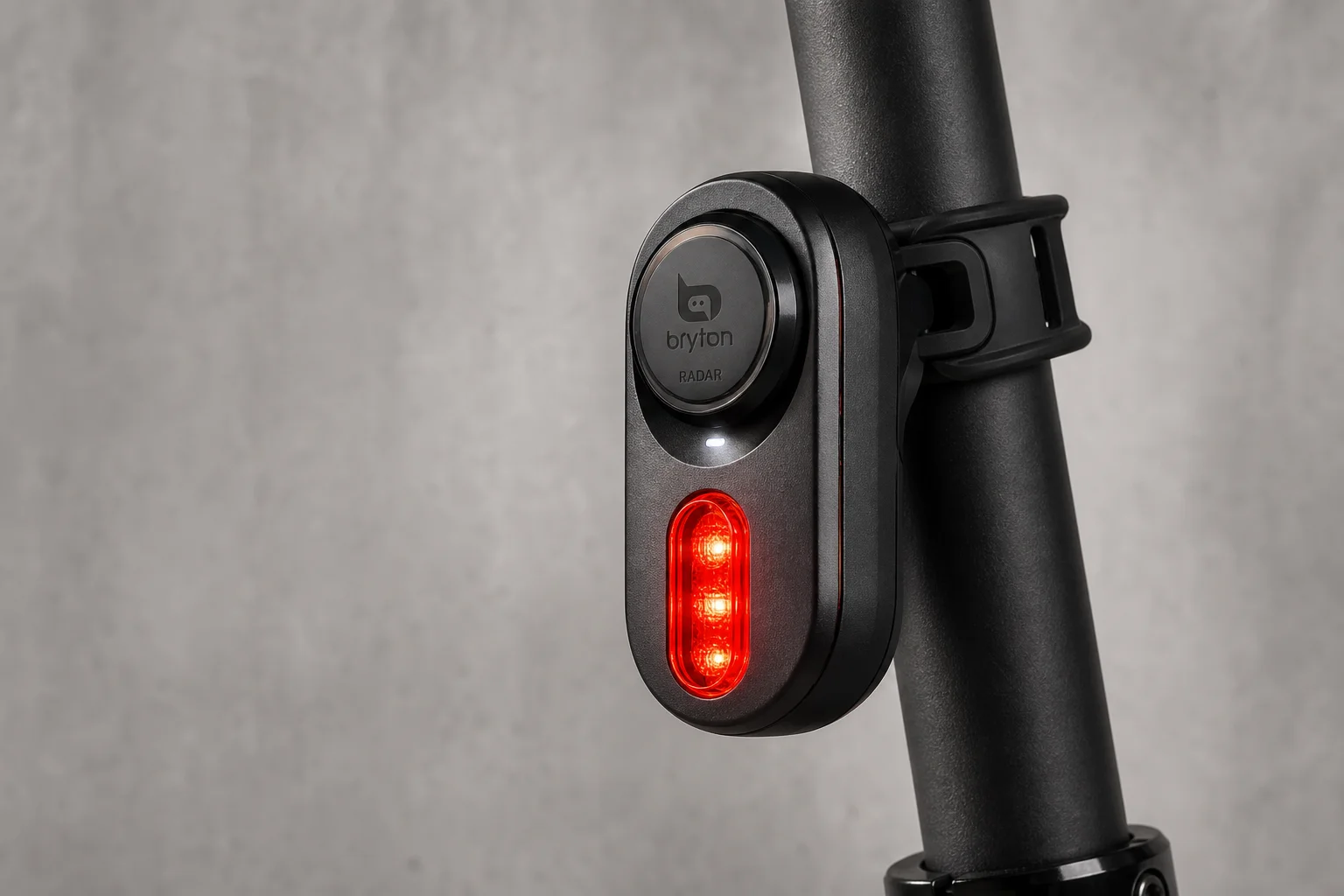
BBB Signal Radar Rear Light Combo Review: Performance & Reliability Analysis
The BBB Signal Radar (BLS 251) is a newly released cycling radar rear light with a unique built-in speaker. We extensively test its detection accuracy, battery life, and real-world riding performance.
Cycling Accessories
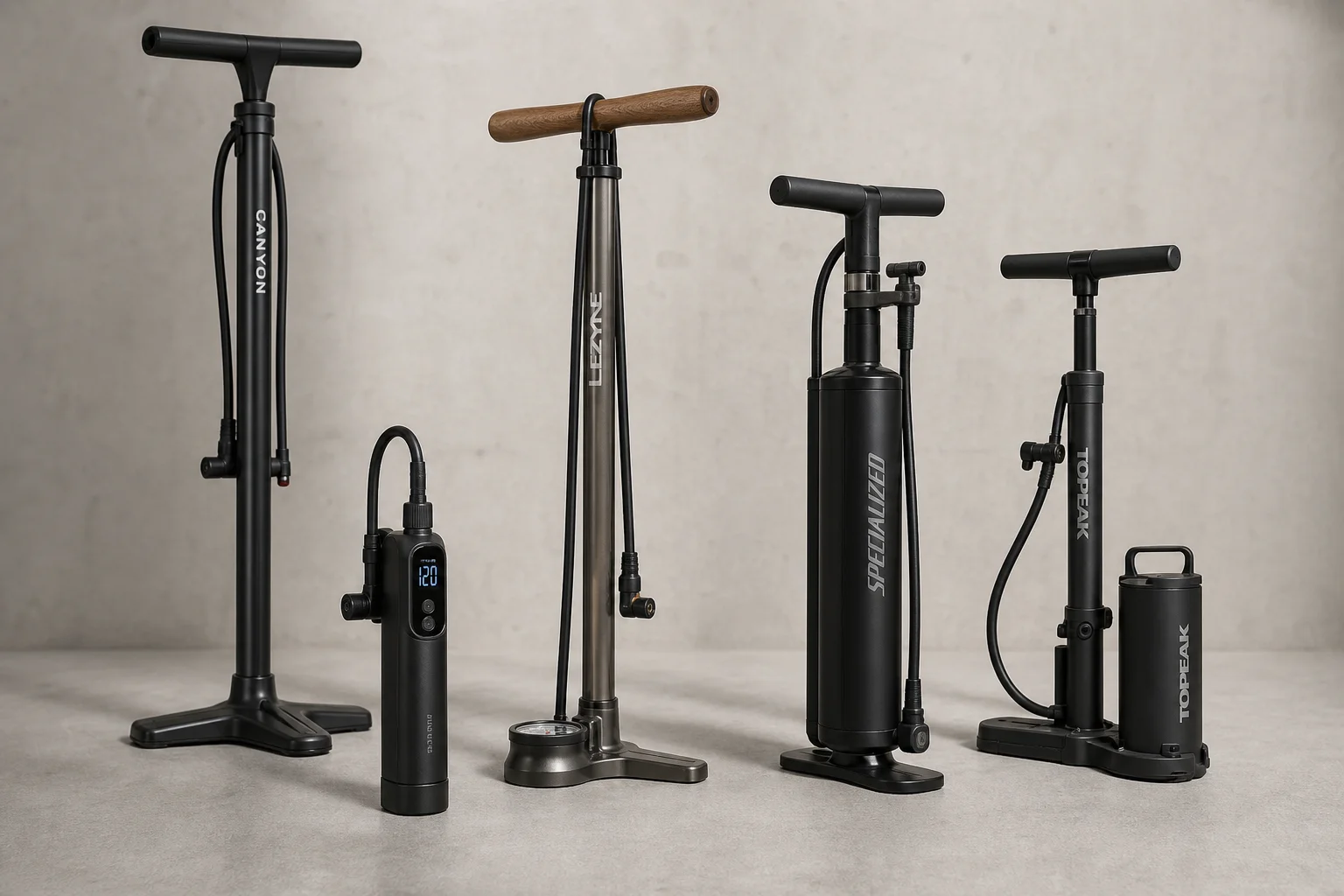
Best Bike Pumps 2026: Five Top Models for Every Riding Style
A practical guide to five high-quality bike pumps, from reliable floor models to versatile tubeless-ready options, with clear strengths and trade-offs for each.
Cycling Accessories
2026 Cycling Accessories Awards: Nine Pieces of Cycling Gear Most Worth Buying
A curated selection of nine real-world tested cycling accessories, covering Best Value, Biggest Surprise, Best Innovation, Best Performance Upgrade, and Best Product Awards, helping you spend every dollar where it counts.