Trail Running Shoes
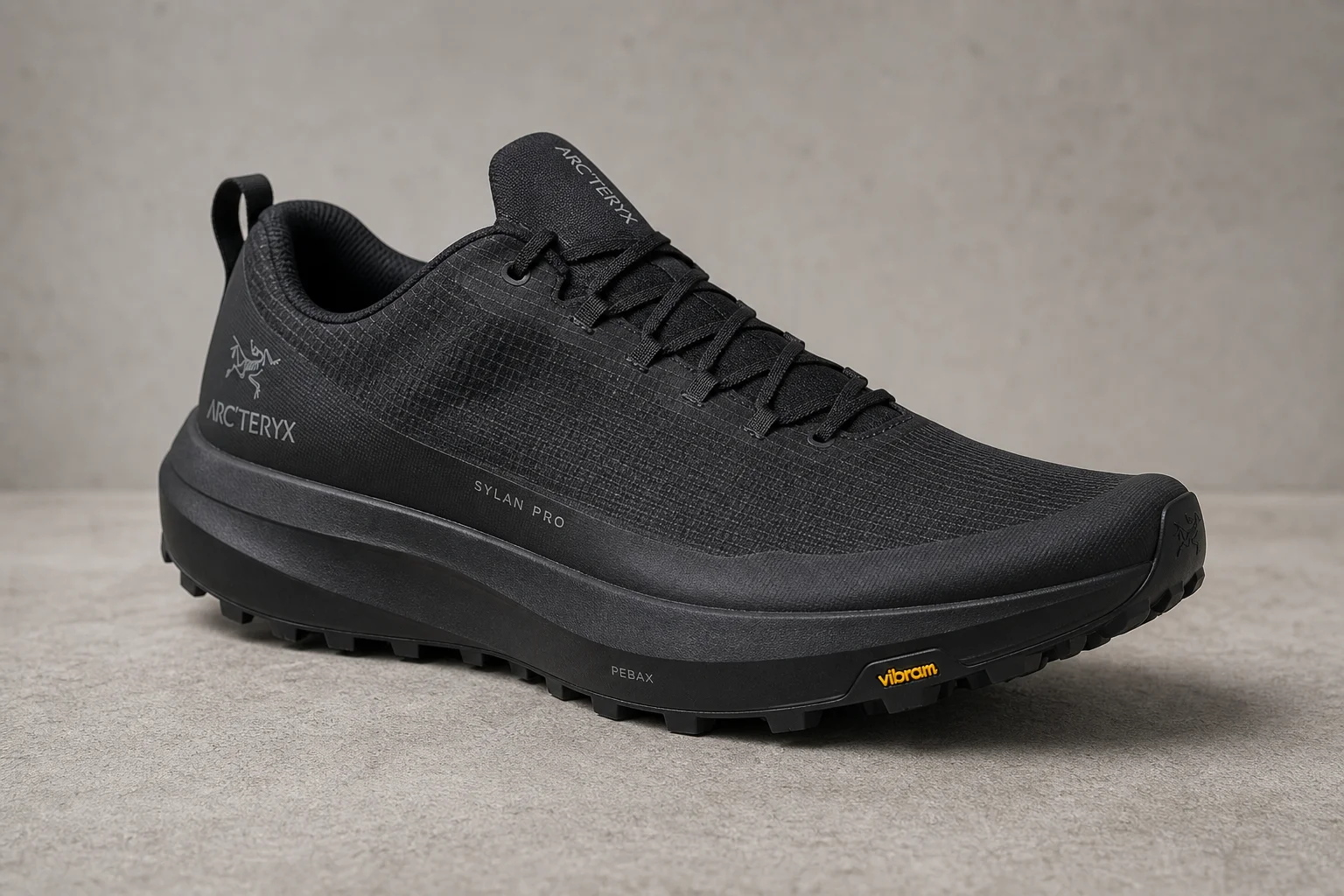
Arc'teryx Sylan Pro Review: A Rocker-Focused Mountain Running Shoe Tested on 20 Miles
The Arc'teryx Sylan Pro brings a pronounced rocker geometry and secure fit to mountain terrain. We tested it on a 20-mile Sawtooth loop to evaluate its climbing efficiency, protection, and handling of technical descents.
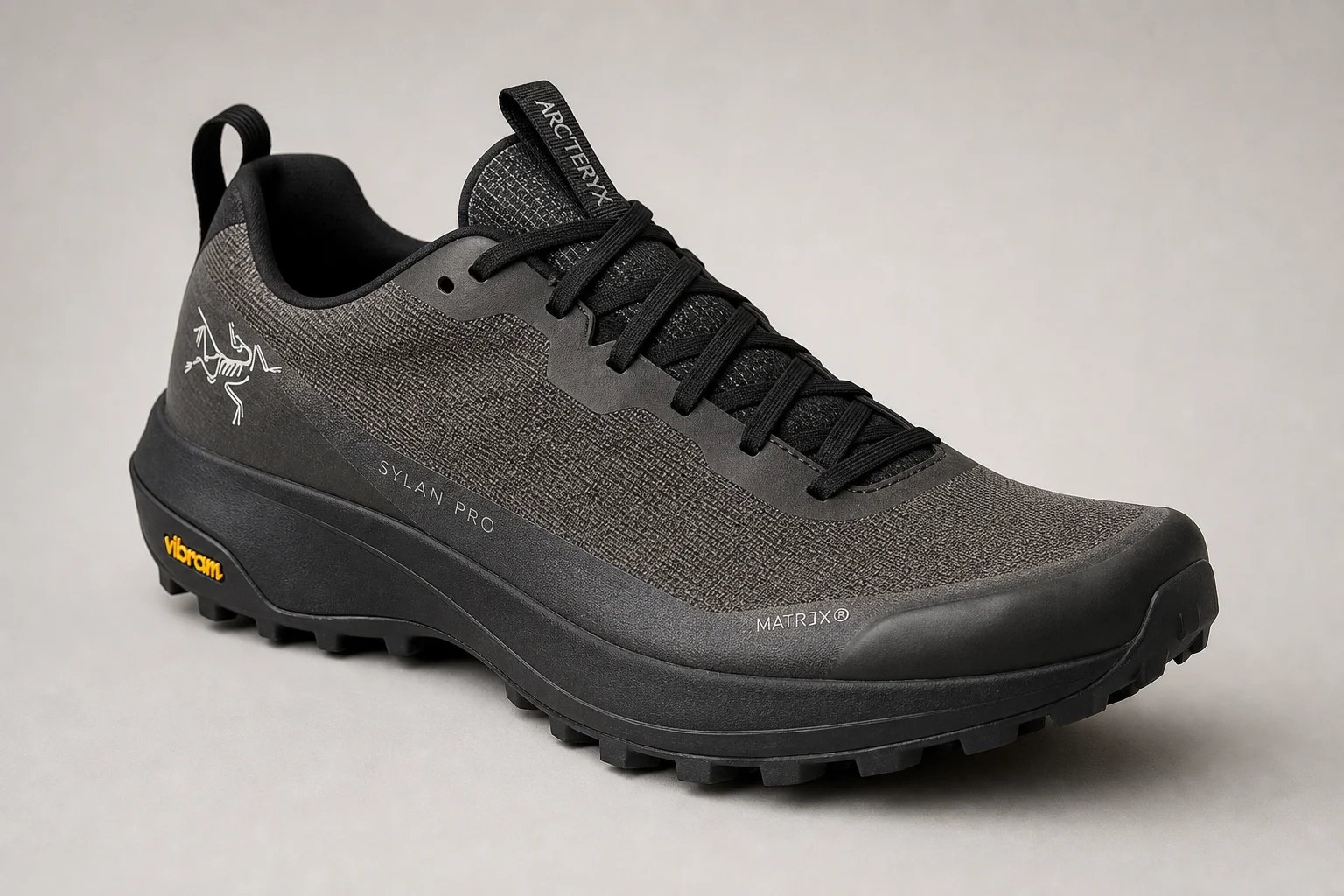
Introduction
The Arc’teryx Sylan Pro is a rocker-focused mountain running shoe designed for long-distance trail running in technical terrain. After testing it on a 20-mile loop in the Sawtooth Mountains, including significant elevation gain, creek crossings, and mixed terrain ranging from smooth forest trails to extremely rocky burn areas, this shoe reveals a clear design philosophy: prioritize running efficiency through pronounced rocker geometry while maintaining the protection and security needed for all-day mountain adventures.
First Impressions: Fit and Rocker Geometry
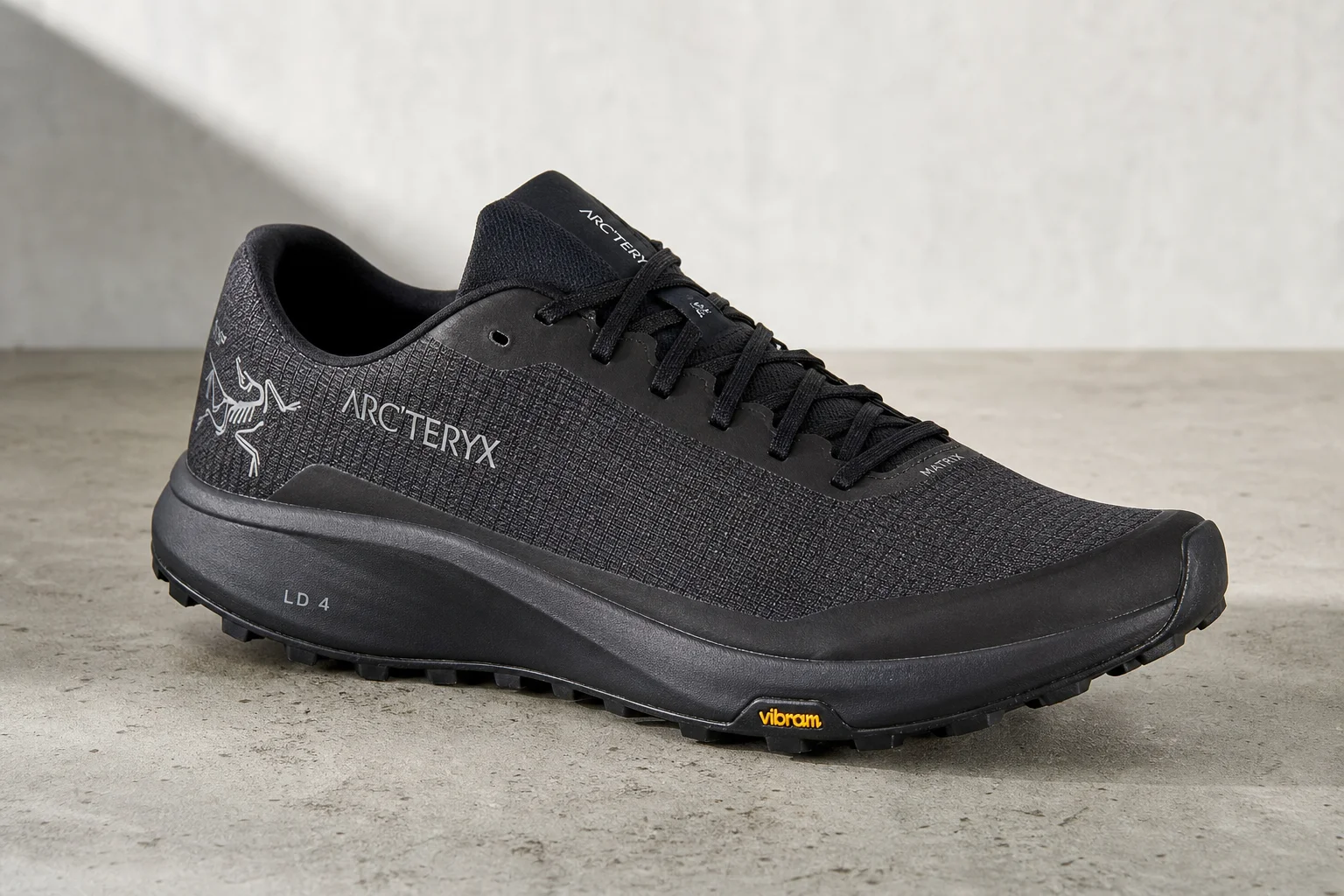
Out of the box, the Sylan Pro presents a noticeably different fit profile compared to its sibling, the Arc’teryx LD 4. The shoe features a strapped-down, snug fit over the forefoot and toe box, with less vertical space than the LD 4. The Matryx upper feels stiff initially, though it begins to break in within the first hour of running.
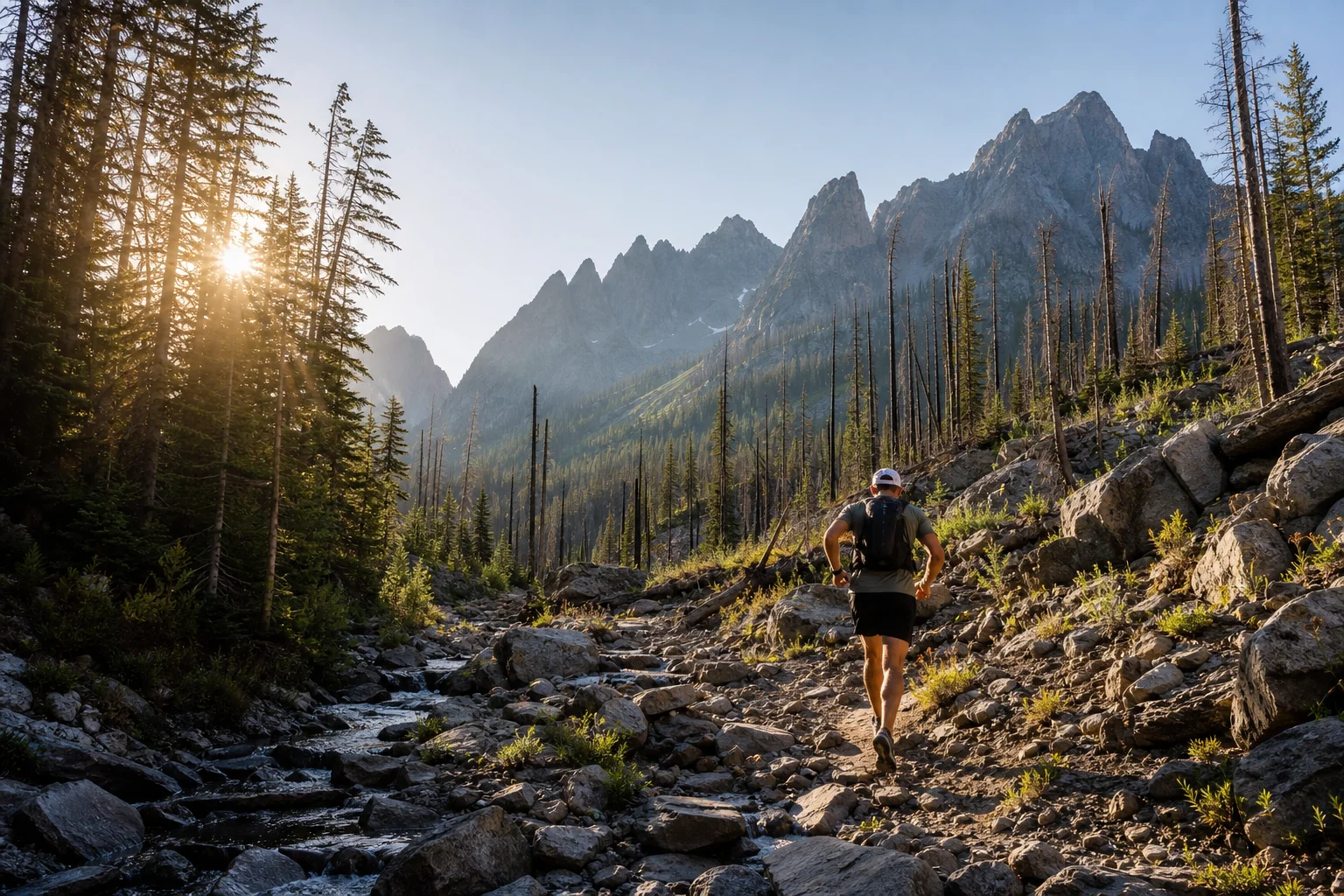
The most immediately apparent feature is the rocker geometry. Unlike the flatter profile of the LD 4, the Sylan Pro’s rocker is pronounced and evident from the first few miles. This rocker pushes up prominently under the arch, creating a secure, snug feel around the midfoot and naturally seating the heel better in the heel cup. The vamp—a stretching material running along the middle of the toes—provides some give, though the upper remains fairly stiff throughout the first run.
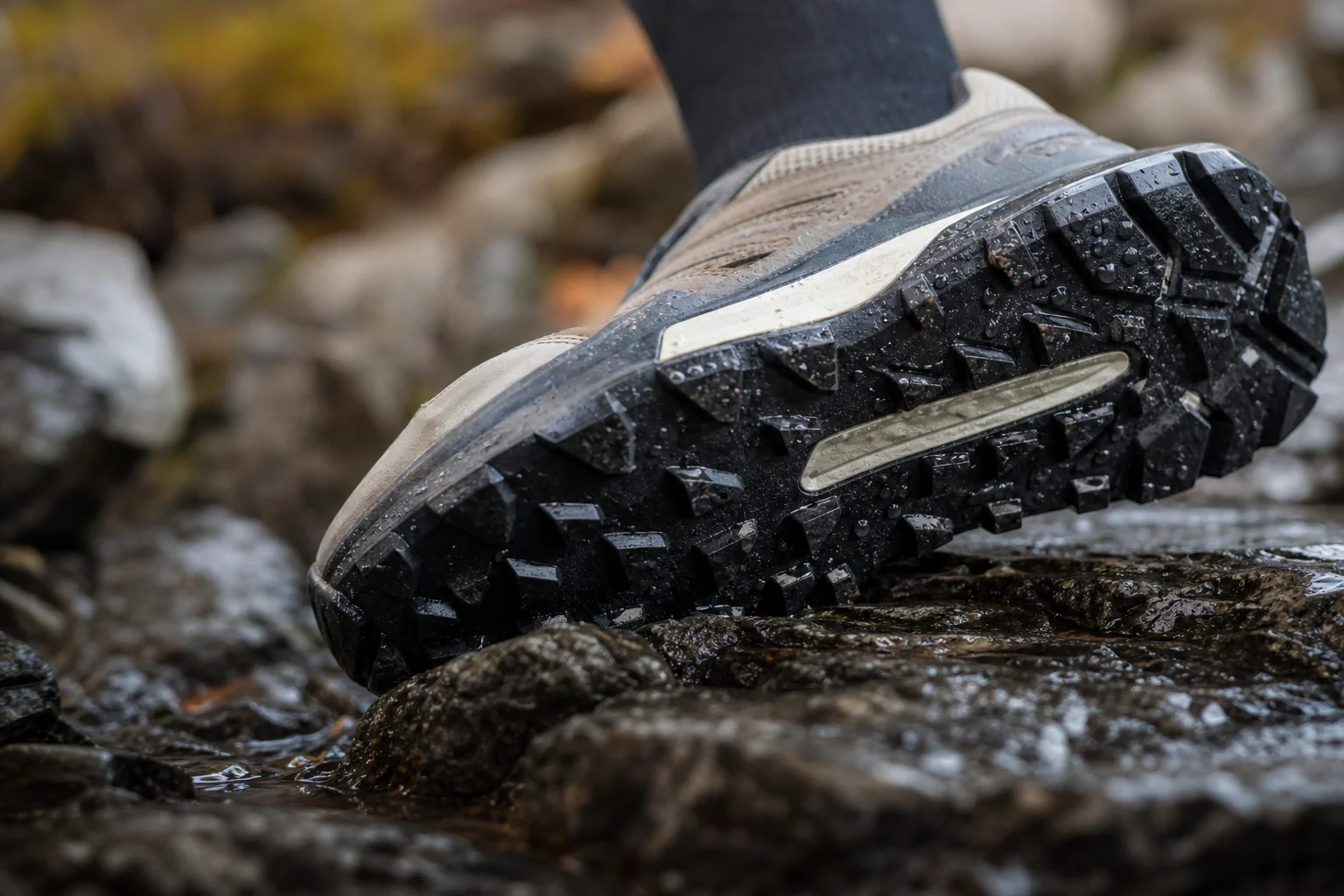
Arc’teryx lists the Sylan Pro at a 6mm drop, with measured stack heights of 38mm at the heel and 32mm at the forefoot, yielding a full stack of 38-32. The shoe weighs 10.6 ounces, a reasonable weight for an all-day mountain shoe given the full-coverage Vibram Megagrip Light outsole and 6mm lugs.
Midsole Foam and Ground Feel
The midsole uses an EVA polyolefin blend, which provides durability and a degree of reactivity without the soft, squishy feel of high-stack super shoes. This creates a dense, firm ride that prioritizes ground feel and foot stability over plush cushioning.
The rocker geometry becomes especially apparent on rolling and slightly descending terrain. When landing dead-center in the rocker, the shoe transitions smoothly from midfoot to forefoot, delivering a running efficiency that feels noticeably different from the LD 4. The transition is gradual rather than abrupt, with no sharp flex point at the toe. This smooth roll makes the shoe feel more runnable on flatter or rolling sections, though it does sacrifice some of the ground feel and flexibility that the LD 4 offers on extremely technical terrain.
On climbs, the rocker’s effect is less pronounced, but the shoe maintains good ground feel under the ball of the foot. The midsole does not feel chunky through the forefoot, allowing climbers to maintain contact with the terrain while benefiting from the arch support provided by the rocker. Protection has been excellent throughout, with no rocks poking through to the foot despite the absence of a rock plate. The 6mm Vibram lugs provide substantial buffering, and the dense foam contributes to overall foot security.
Climbing Efficiency and Upper Comfort
The Sylan Pro excels on sustained climbs, where the rocker geometry and secure fit shine. The stiffness of the Matryx upper, initially a concern, becomes an asset—it holds the foot firmly to the midsole and outsole, reducing unwanted movement and creating confidence on steep terrain.
By the midpoint of the run (around 8 miles and 2,700 feet of elevation gain), the upper has begun to break in noticeably. The initial pressure on top of the foot and toe box has eased, though the shoe remains snug and supportive. The fit, in a US size 9.5 (true to size for Arc’teryx), provides approximately three-quarters to a full thumb’s width of space at the toe, which is appropriate for long mountain runs without excessive slop.
The collar design, however, presents a notable weakness. It is a bootie-style collar with no reinforcement at the back, and it opens significantly when the foot articulates forward. While this may help deflect debris, it lacks the security of designs like the La Sportiva Prodigio Pro, which features a tight bootie collar. Arc’teryx has indicated that a version two is coming in spring/summer, and addressing this collar design would be a worthwhile improvement.
Inside the upper, blue neoprene-like pads run along the left and right sides of the foot, providing excellent heel hold without any irritation. The heel design is notably different from typical mountain shoes and works well in practice. The knit bootie interior, combined with the Matryx exterior, creates a two-layer system that drains water effectively and does not feel warm or clammy even after multiple creek crossings.
Rocker Geometry on Technical Descents
The rocker geometry that makes the Sylan Pro efficient on rolling terrain becomes a trade-off on extremely rocky, uneven descents. In the most technical sections—particularly through a burn area with loose rocks, charred sticks, and highly uneven ground—the shoe exhibits some wobble, especially under the arch and midfoot. This is not a stability crisis, but it does require more cautious footfall placement and slightly shorter, more controlled steps.
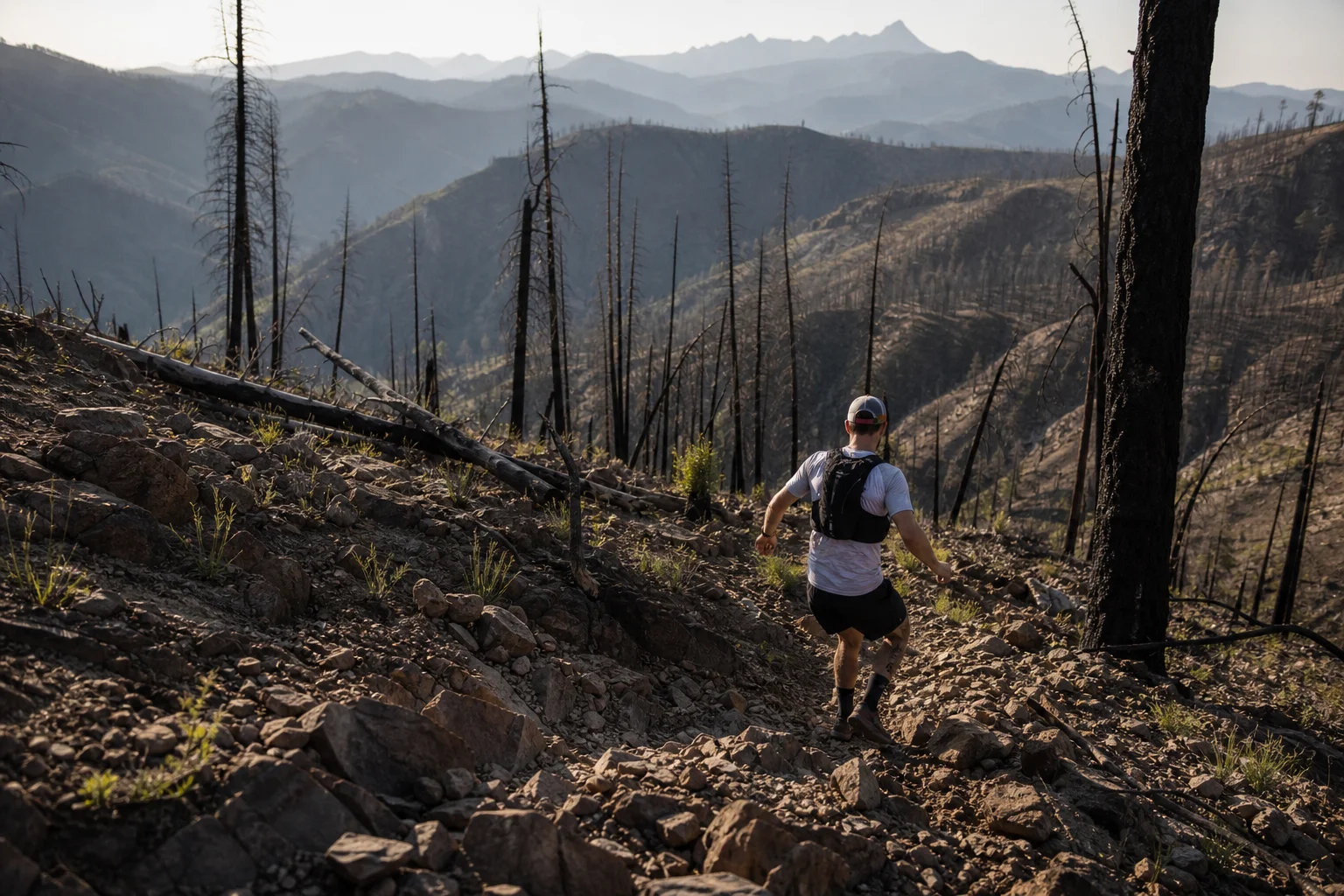
In comparison, the LD 4’s flatter profile and greater ground feel provided more confidence in these extremely rocky sections. The Sylan Pro’s rocker, while excellent for running efficiency, does limit maneuverability on the most technical terrain. However, this trade-off is context-dependent: if the majority of a run is rolling or moderately technical (as was the case for the first two and a half hours of this 20-mile loop), the Sylan Pro’s efficiency and comfort far outweigh the slight instability encountered in short, extremely rocky sections.
The shoe’s protection remains strong throughout descents. Despite the wobble, no rocks penetrated to the foot, and the dense foam combined with the 6mm lugs provides reliable buffering. Landing on the forefoot, where ground feel is most pronounced, offers more natural stability than landing on the midfoot rocker, making the shoe feel more secure on rolling downhill terrain.
Sizing and Fit Recommendations
Arc’teryx runs large, and the Sylan Pro is no exception. The shoe is offered in their “comfort fit,” which provides extra volume around the toe box compared to other Arc’teryx models. True-to-size sizing is recommended: a US 9.5 provides adequate space without excessive room. The shoe should not be sized up, even for long ultra runs, as the fit is already generous and the snug midfoot support is a key strength.
Conclusion
The Arc’teryx Sylan Pro is a well-executed mountain running shoe that prioritizes running efficiency and climbing comfort through its pronounced rocker geometry and secure fit. It excels on rolling terrain, sustained climbs, and mixed mountain running where the majority of the route is not extremely technical. The Matryx upper is durable and supportive, the protection is solid, and the weight is reasonable for an all-day mountain shoe.
The trade-off is reduced maneuverability on extremely rocky, uneven terrain compared to flatter, more flexible mountain shoes like the LD 4. For runners tackling races or routes with significant rocky, technical sections (such as the Beaverhead race), a more flexible mountain shoe may be preferable. For long mountain runs where rolling and climbing dominate, the Sylan Pro’s efficiency and comfort make it a strong choice.
Further reading
Related Reviews
Trail Running Shoes
Adidas Terrex Agravic TT Review: A Technical Trail Shoe Built for Rocky Terrain
The Adidas Terrex Agravic TT combines a full-coverage rock plate with a firmer midsole to deliver protection and stability on technical, rocky trails. A capable choice for runners who prioritize underfoot defense over lightweight cushioning.
Trail Running Shoes
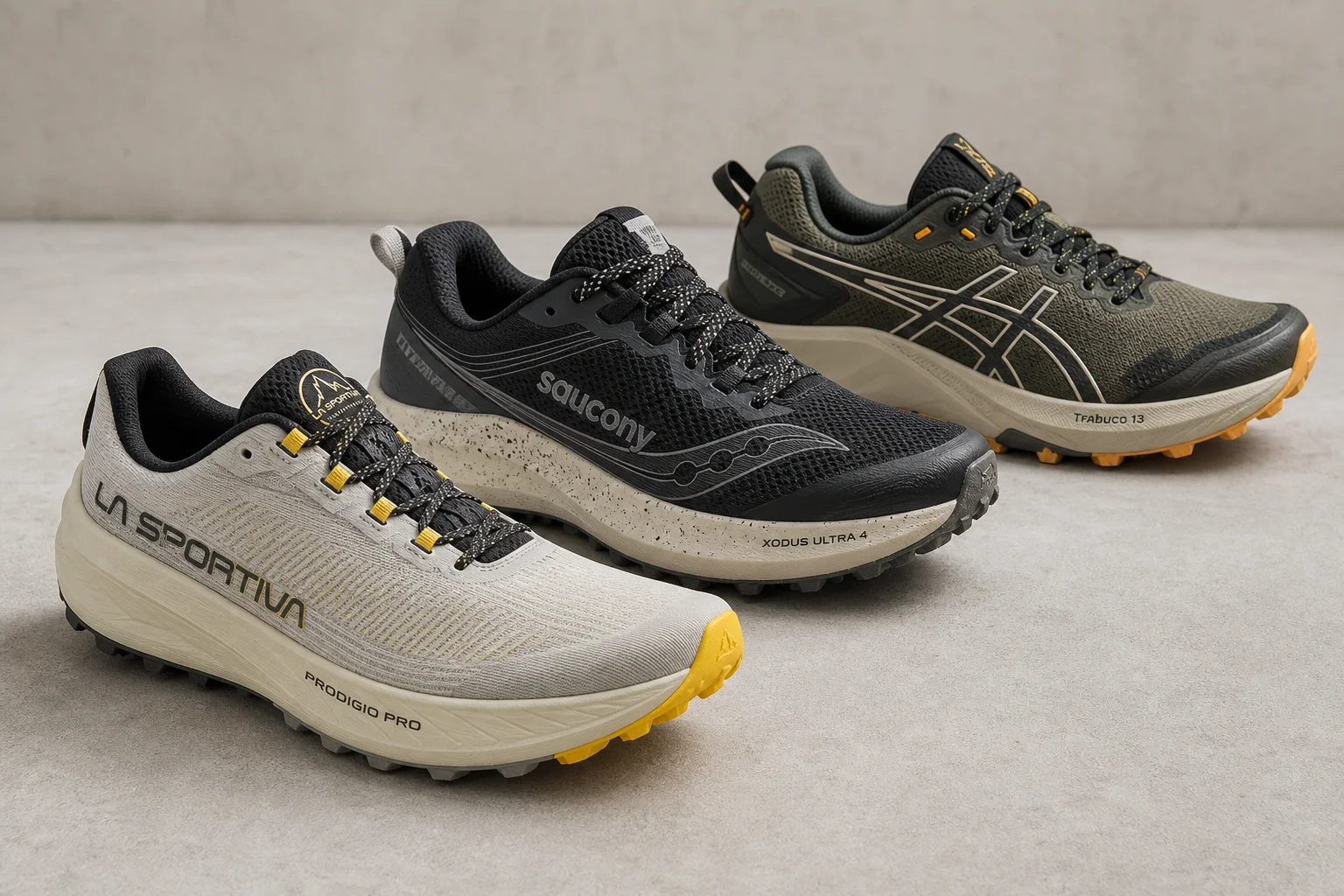
Best All-Mountain Trail Running Shoes: Three Versatile Options for Any Trail
A focused roundup of three all-mountain trail running shoes that handle technical terrain, long distances, and variable conditions with real strengths and practical trade-offs.
Trail Running Shoes
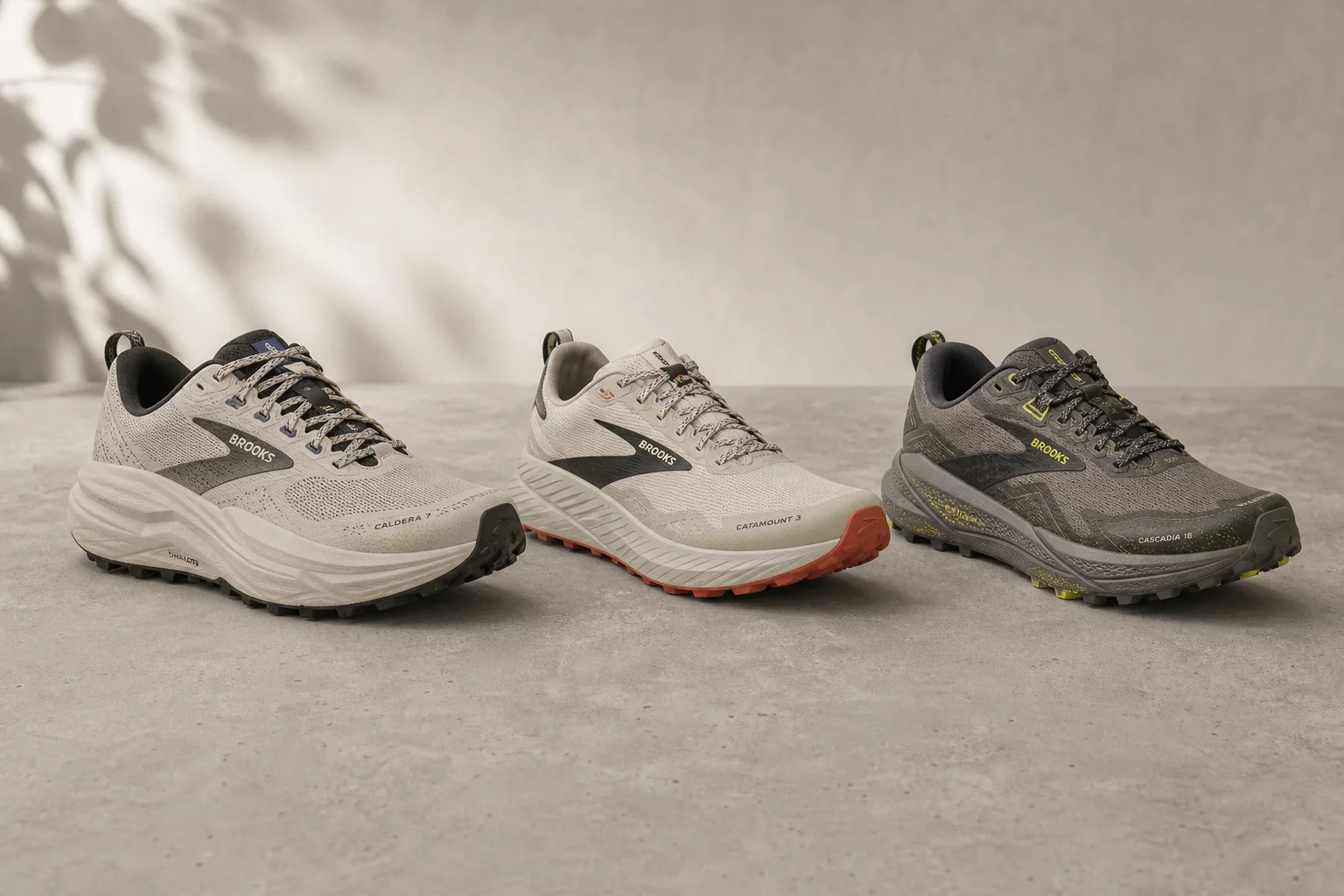
Best Brooks Trail Running Shoes: Three Distinct Options for Different Running Styles
A breakdown of three Brooks trail running shoes with different cushioning profiles, stability features, and ideal use cases for various terrain and distance preferences.