Footwear Reviews
Barefoot Shoes Guide: 40 Pairs Across 13 Brands Tested and Compared
A comprehensive review of barefoot footwear across 13 brands, from Vivobarefoot and Xero to Merrell and Wildling, with practical recommendations for different use cases.
Introduction
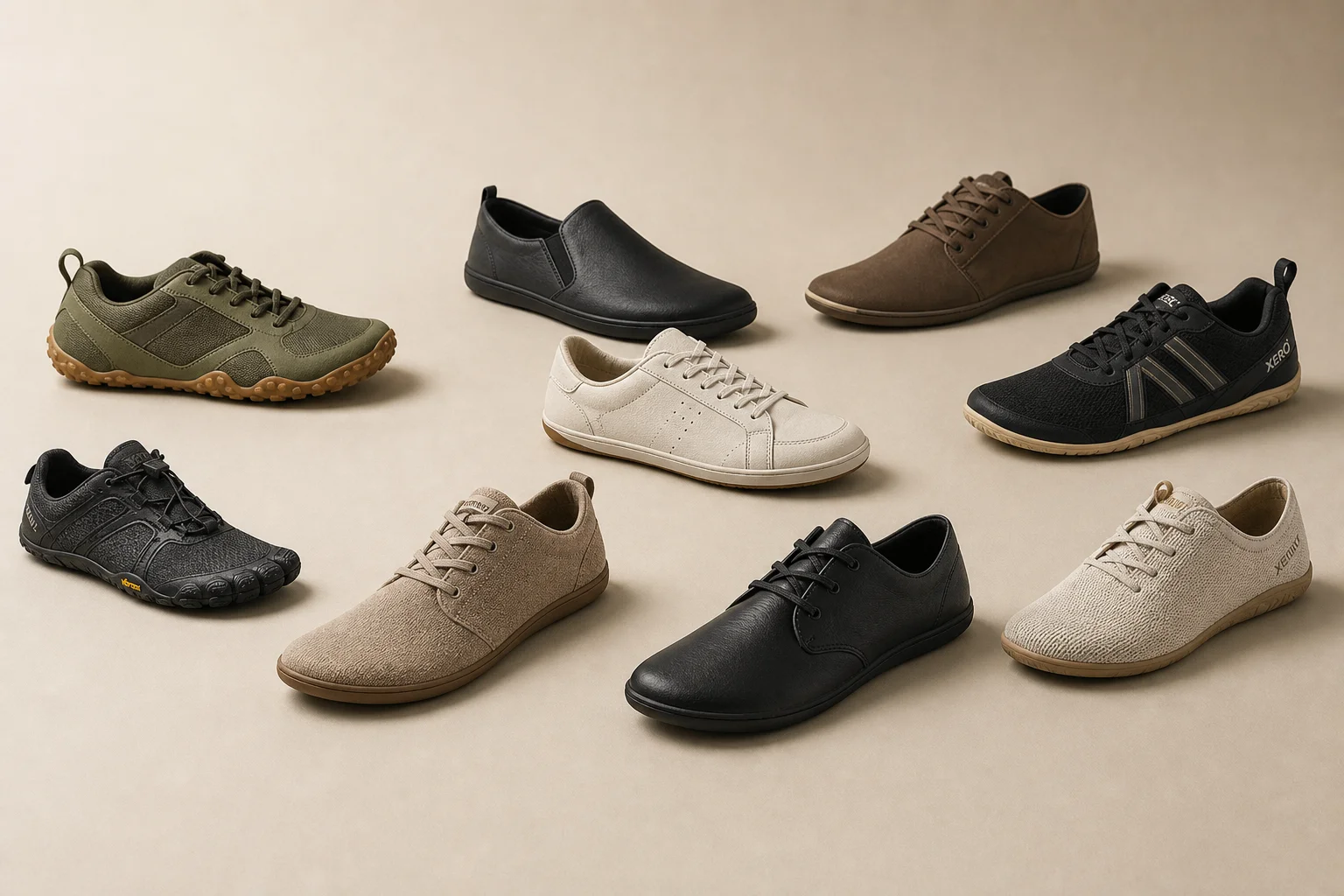
Barefoot shoes have evolved from niche footwear into a diverse category spanning casual everyday wear, athletic performance, and even formal occasions. This guide covers 40 pairs across 13 brands, highlighting the strengths, trade-offs, and best use cases for each.
Vivobarefoot: Performance Across Multiple Use Cases
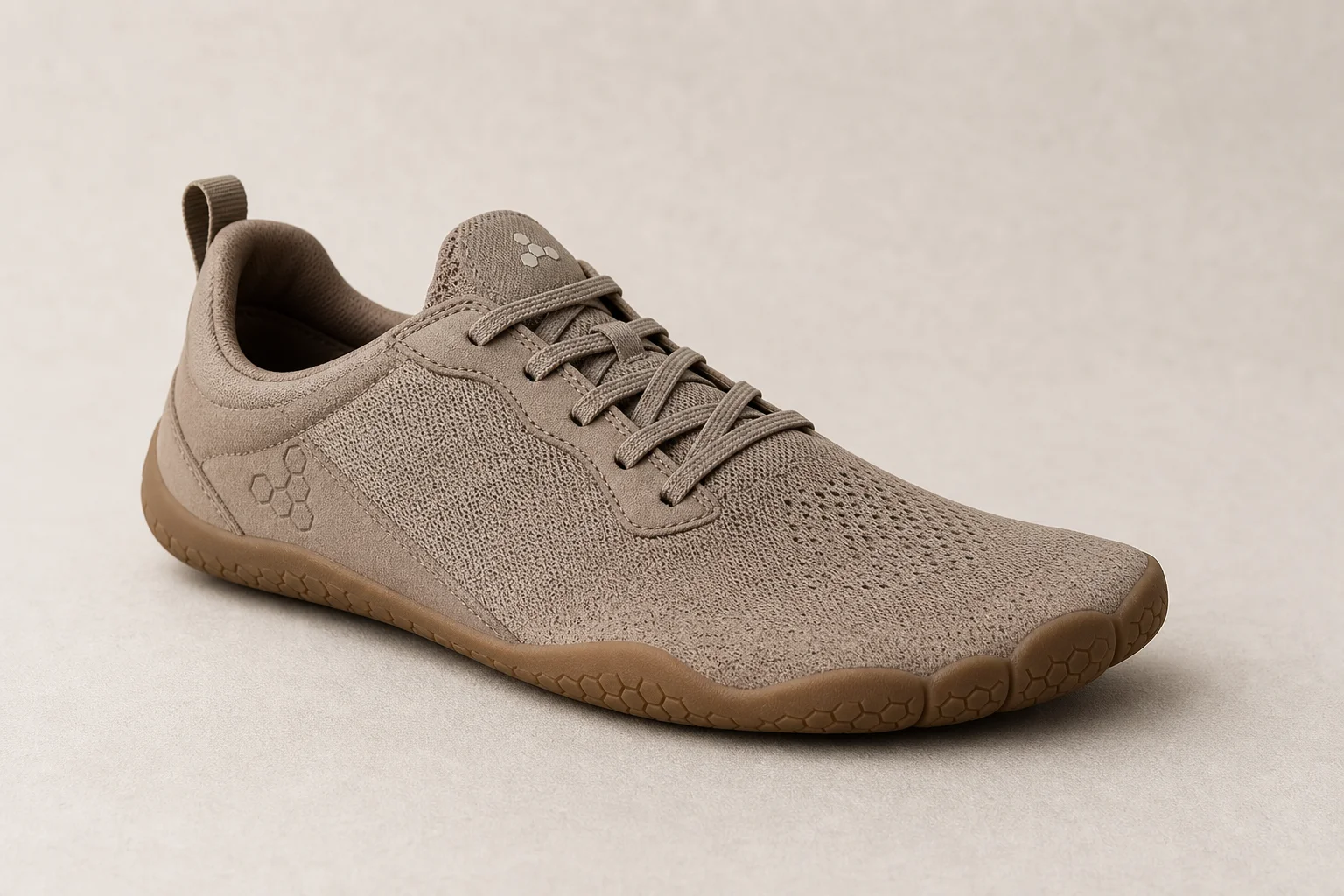
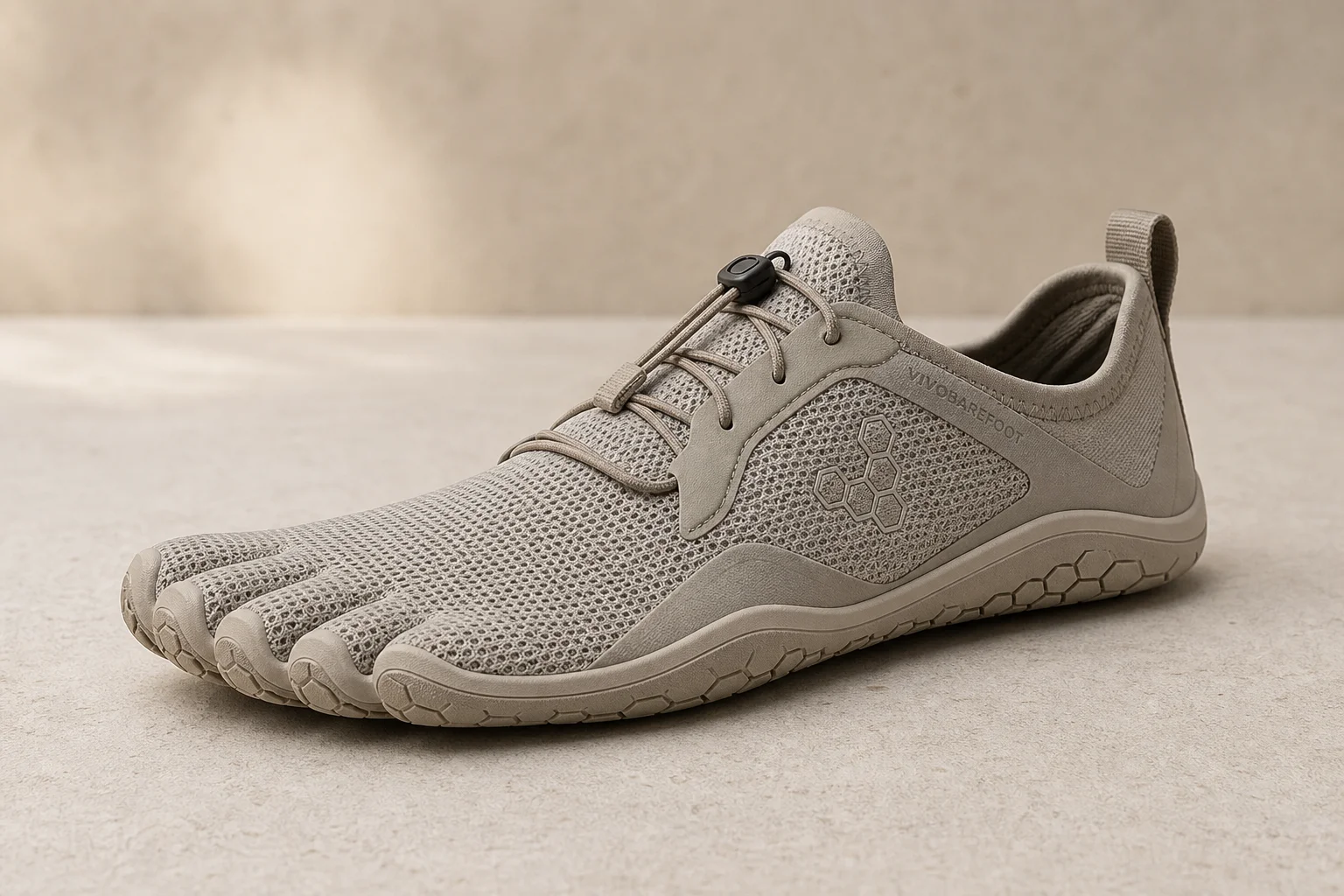
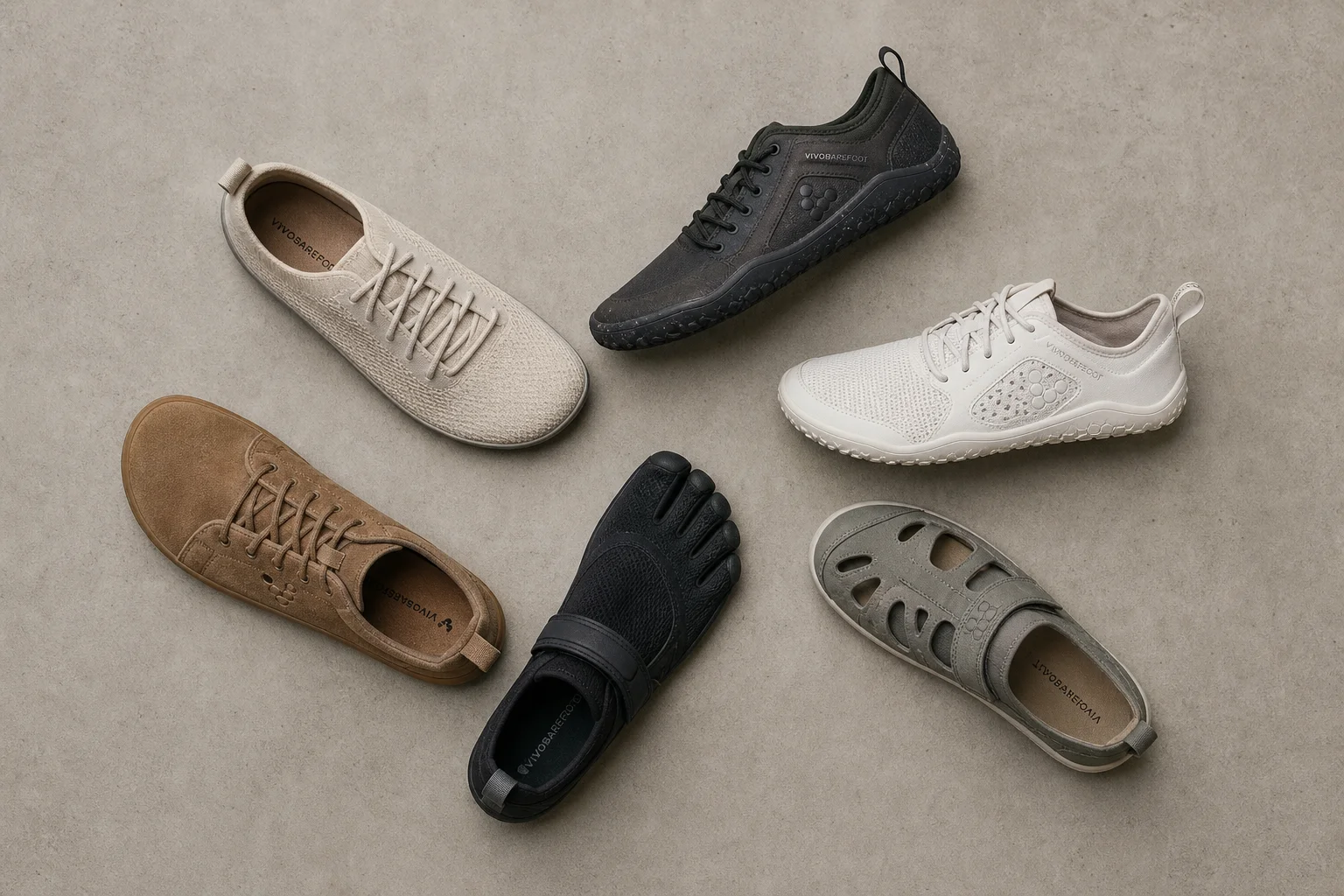
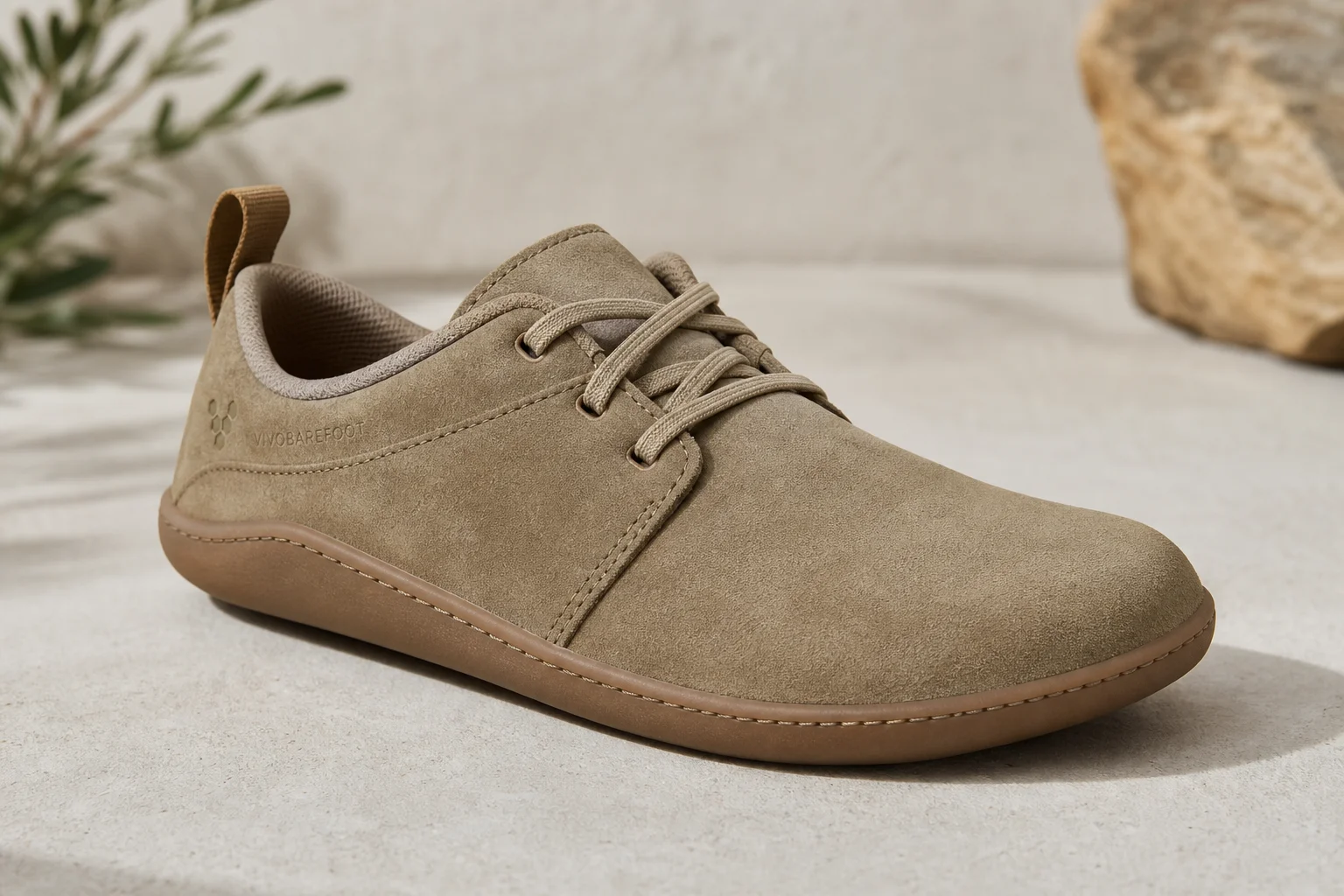
Vivobarefoot has established itself as a leader in the barefoot shoe space, offering a wide range of models that perform well across running, gym work, and casual or formal wear. Nearly 20 models have been tested without disappointment.
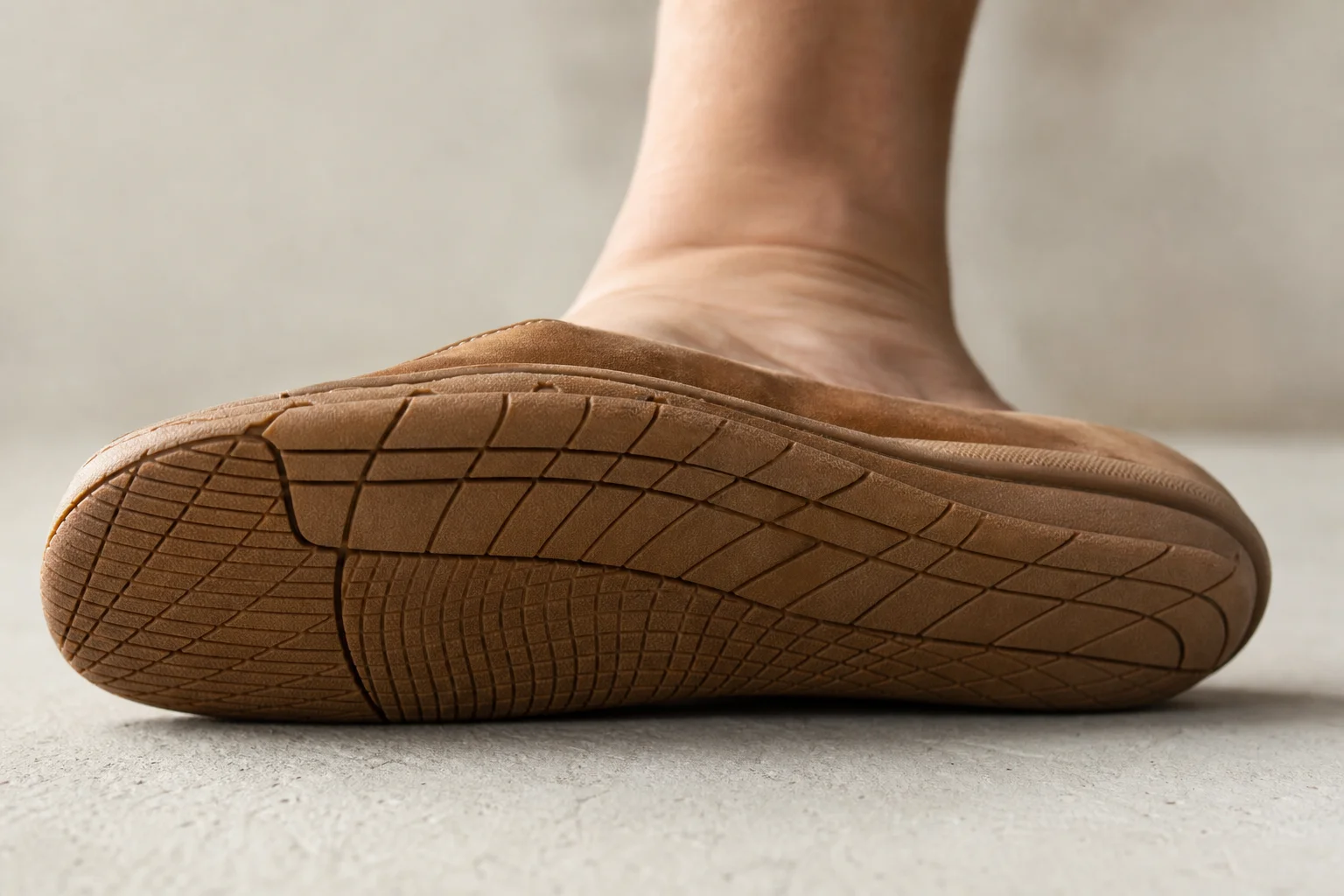
The brand’s soles provide strong ground feel even with their patented puncture-resistant membrane. Toe boxes are generally wide enough for most feet, making them accessible to a broad range of users.
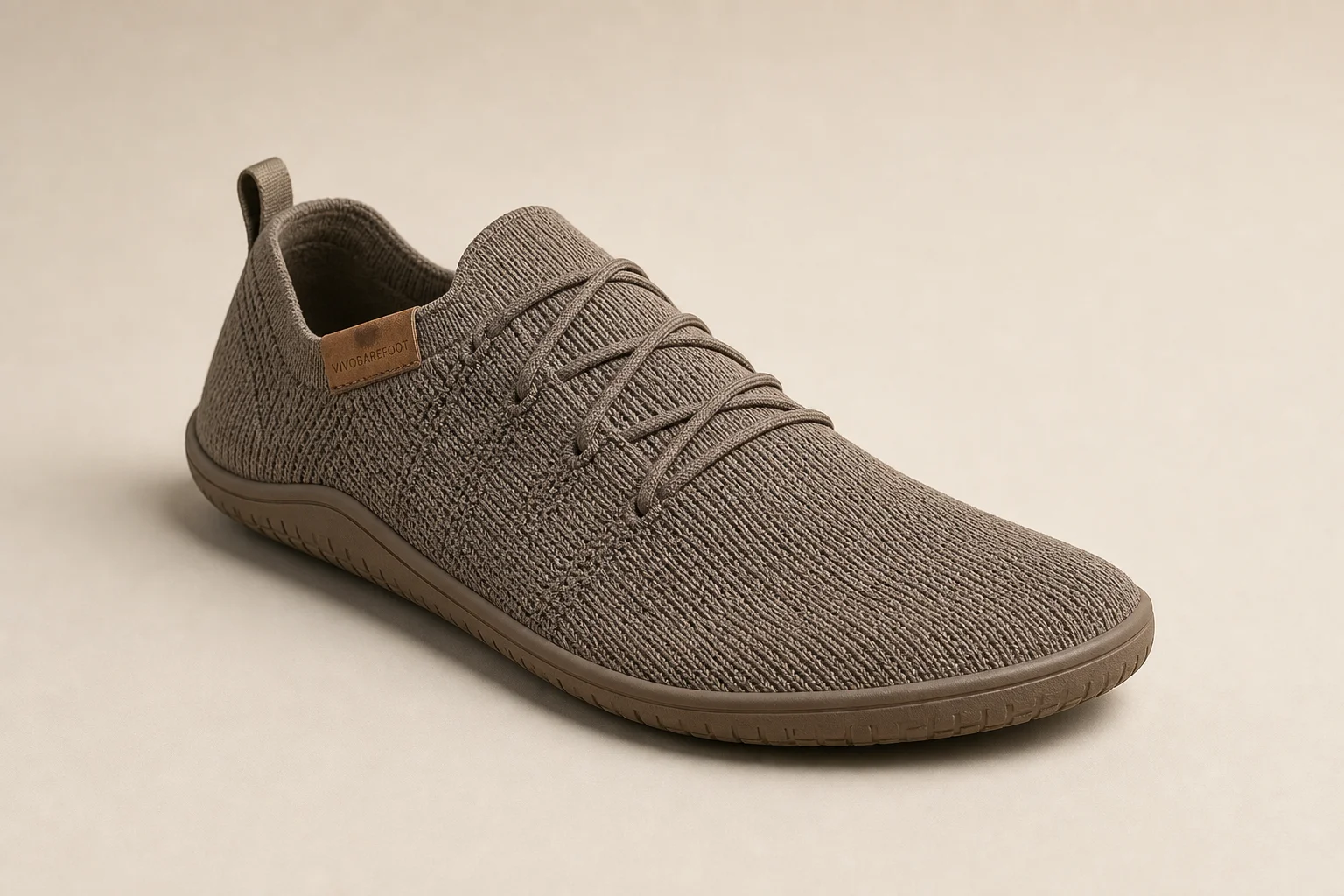
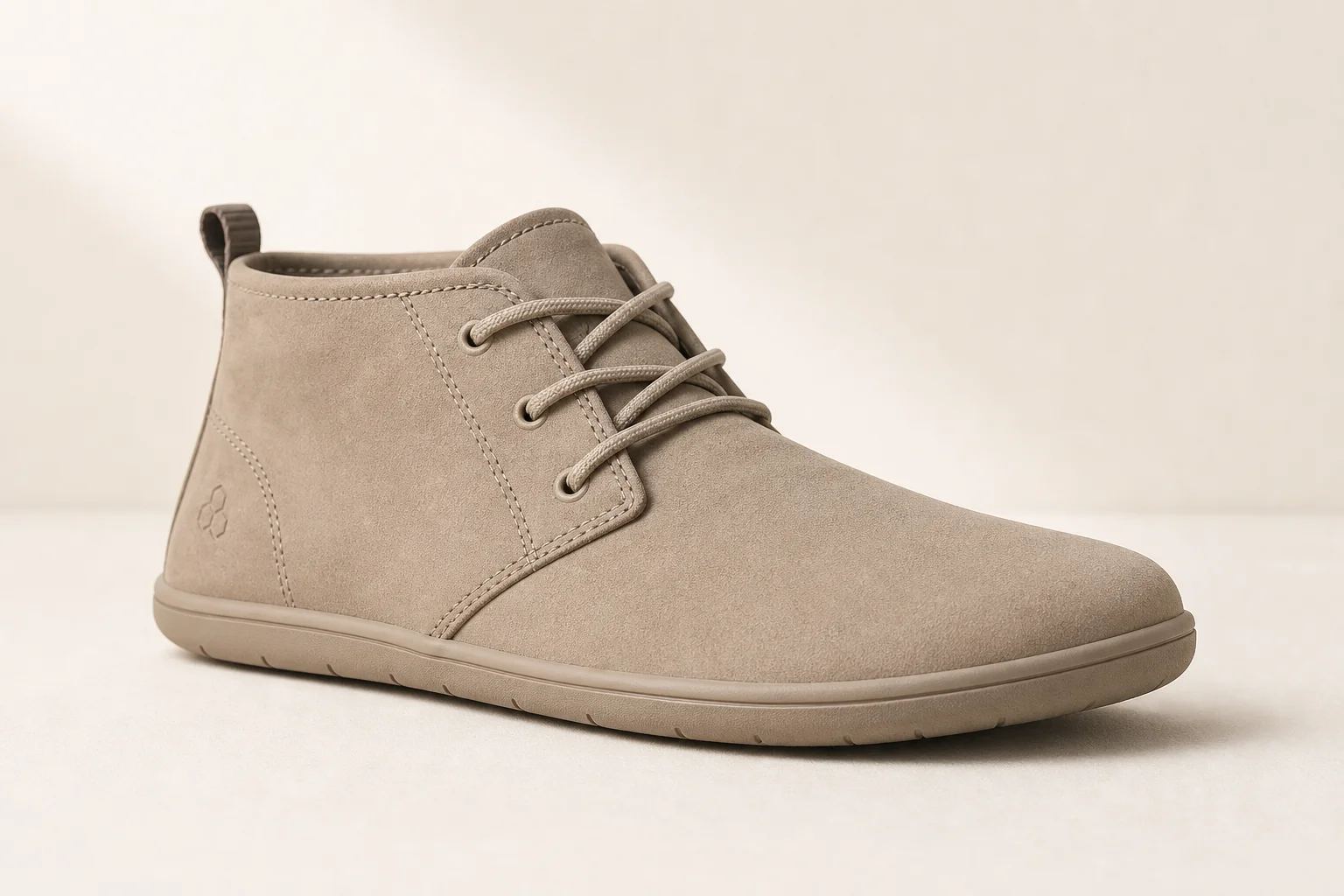
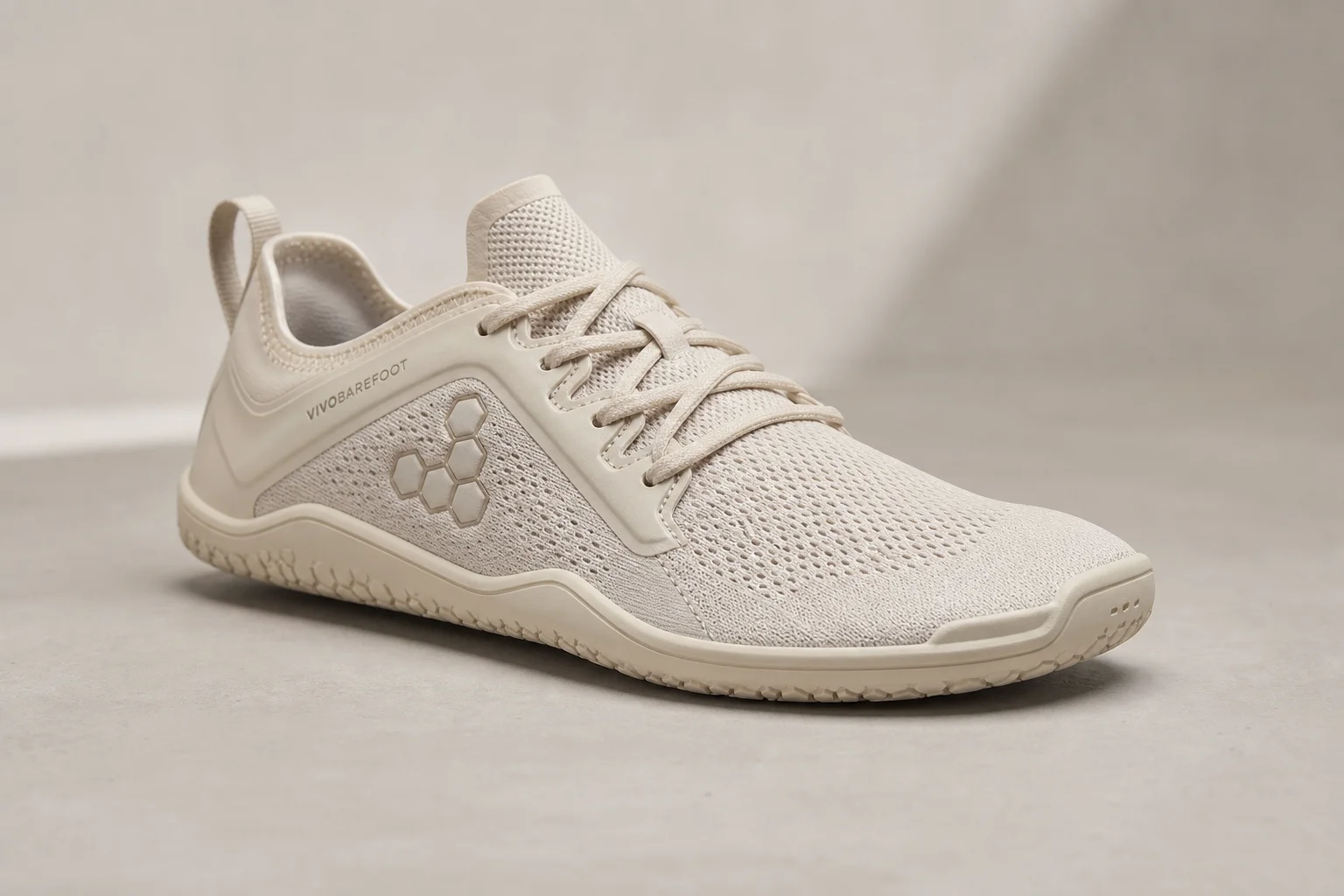
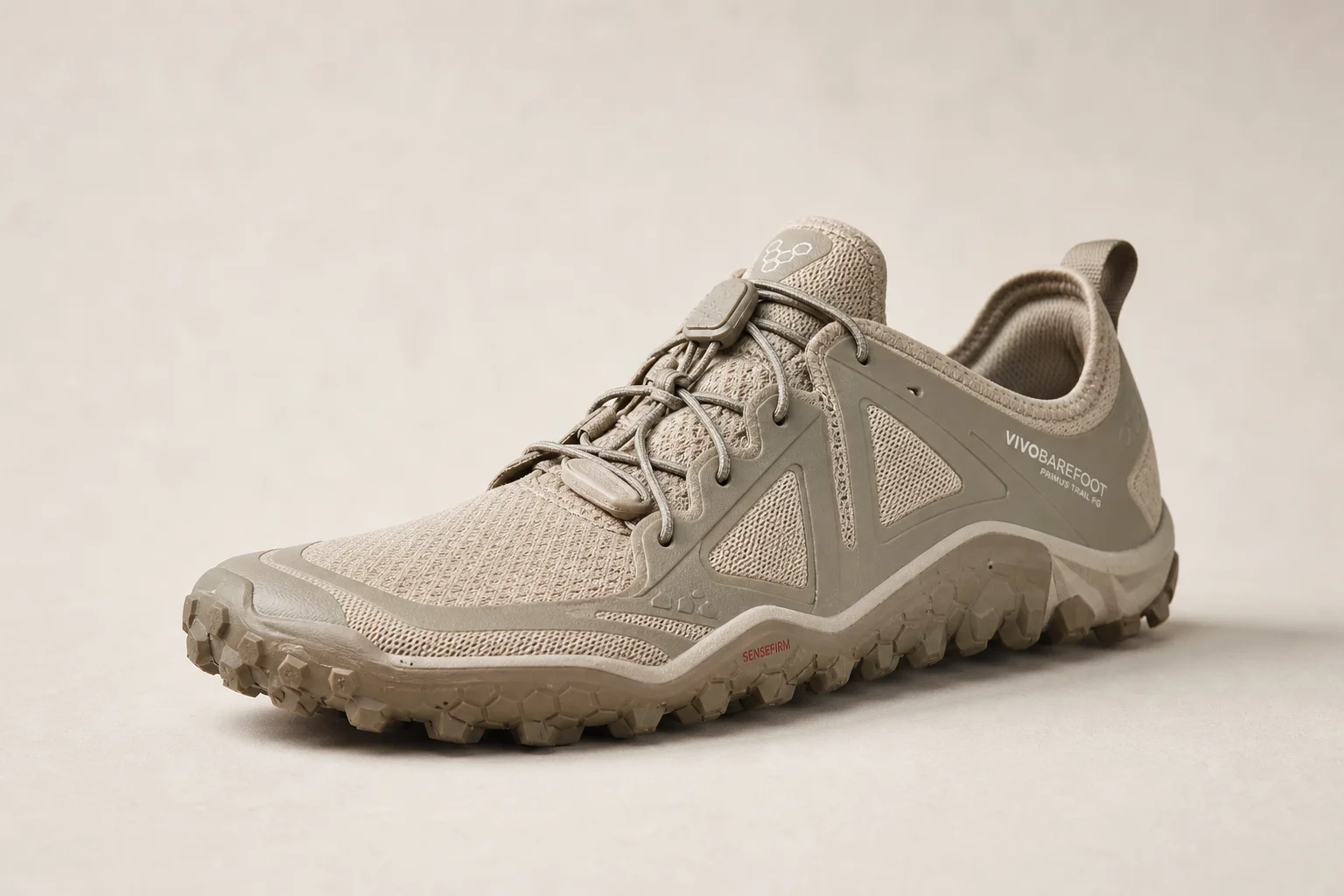
For men, the Gobi II excels in semi-formal settings, the Primus Knit works well for casual everyday wear, and the Primus FG suits outdoor exercise. Women on the testing team prefer the Geo Racer for its overall performance and fit.
Xero: Lightweight and Reasonably Priced
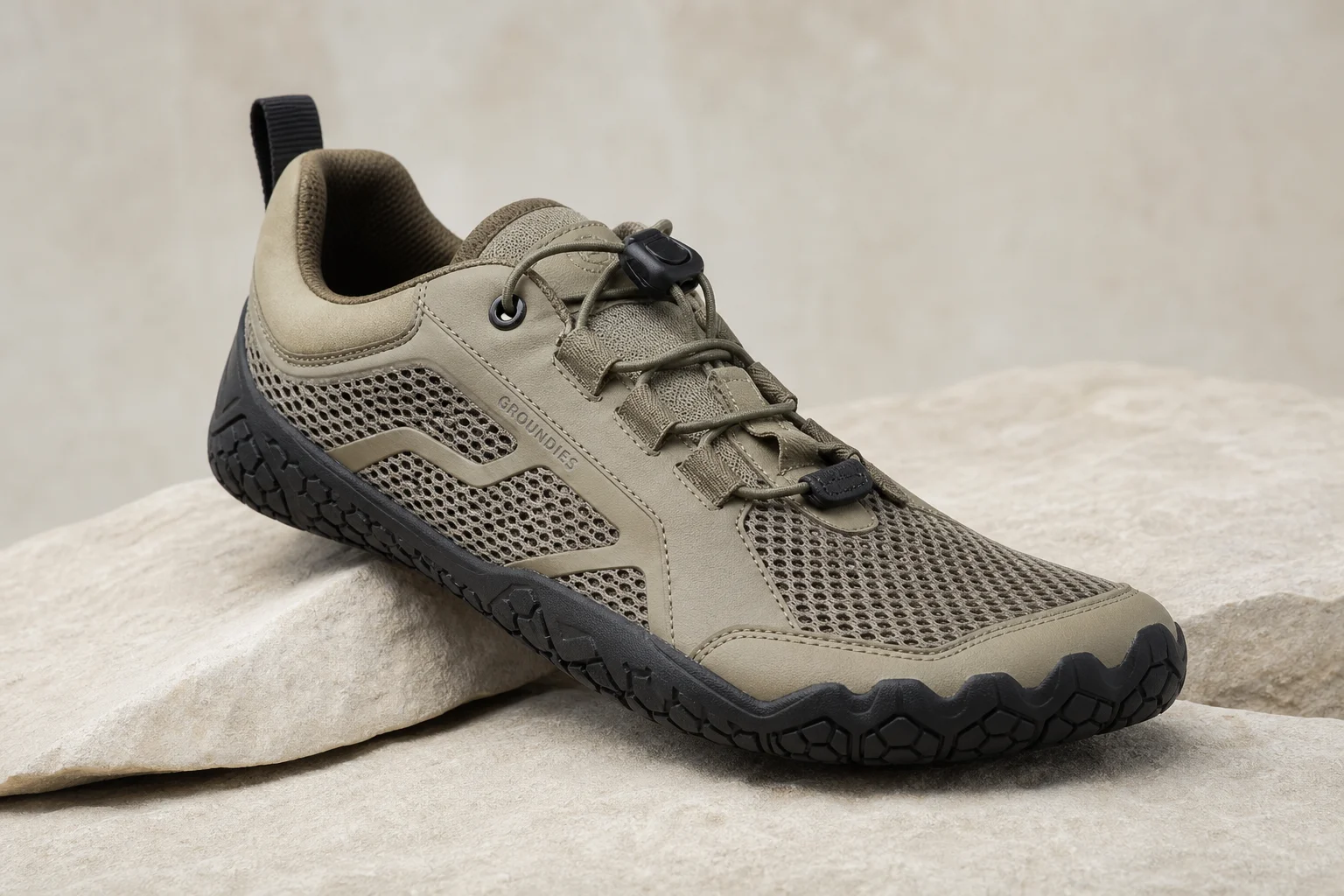
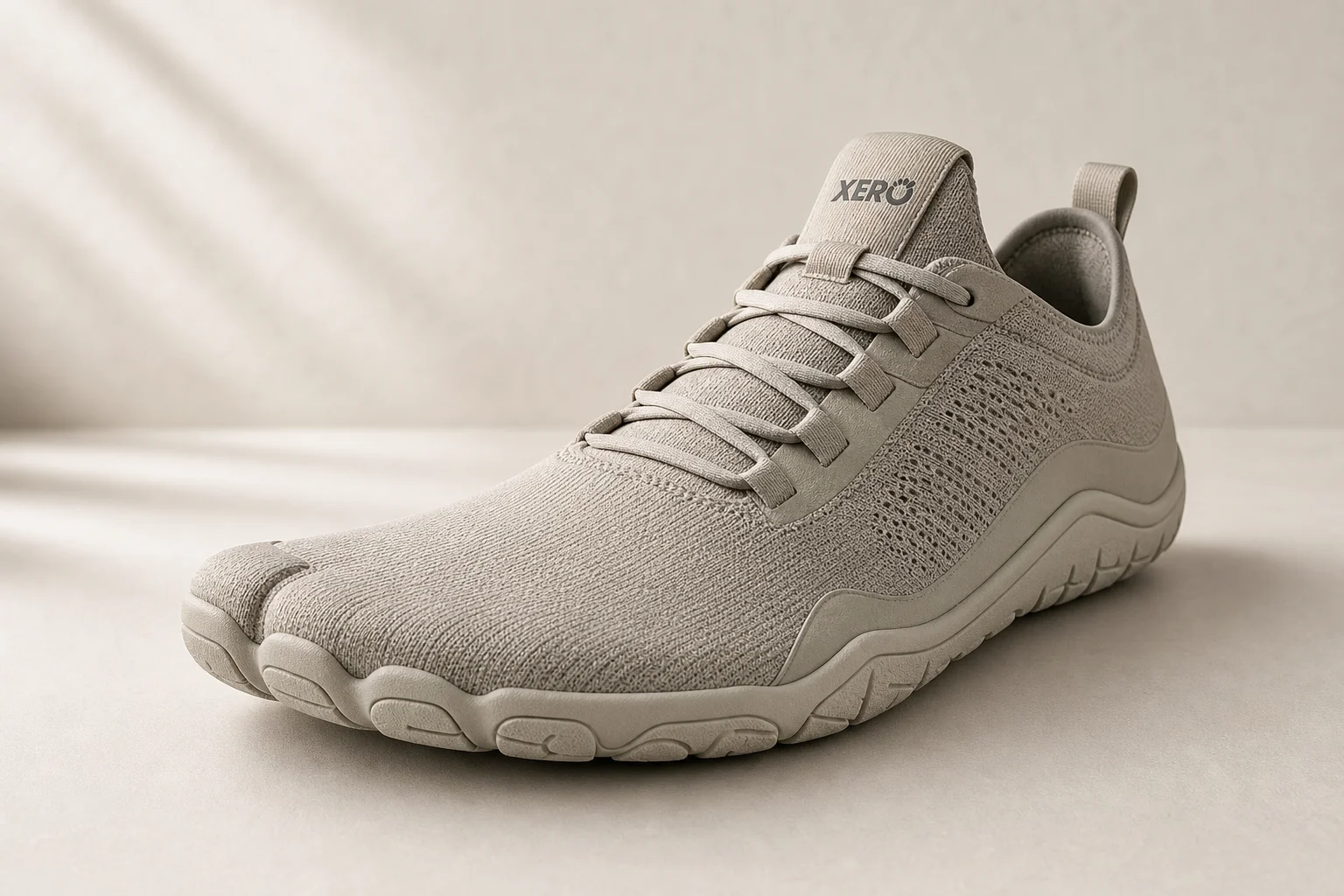
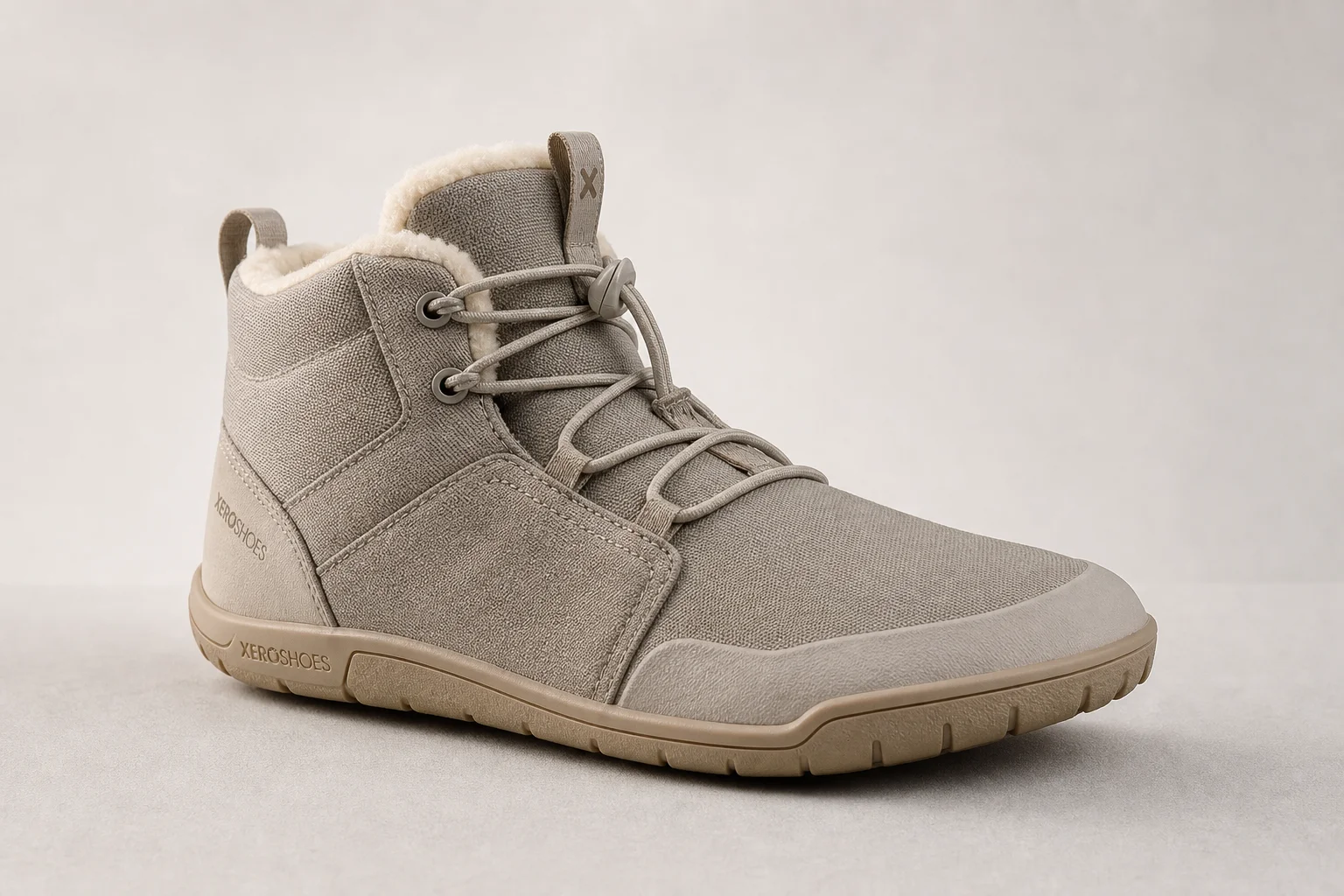
Xero offers a wide range of barefoot shoes at accessible price points. The new Aqua X Sport stands out as one of the lightest outdoor fitness shoes tested, weighing just 200 grams without the optional insole. This represents a 35 percent weight reduction compared to the Vivobarefoot Primus FG, despite serving the same utility class.
Xero shoes are solid, hard-wearing, and durable. The main limitation is that toe boxes sit on the narrower end of the barefoot shoe spectrum, which may not suit all feet.
Lems: Wide Toe Boxes and Transition-Friendly Design
Lems was founded in 2008 specifically to address the lack of shoes fitting the natural shape of the forefoot. All Lems shoes feature foot-shaped toe boxes that rank among the roomiest in the barefoot category.
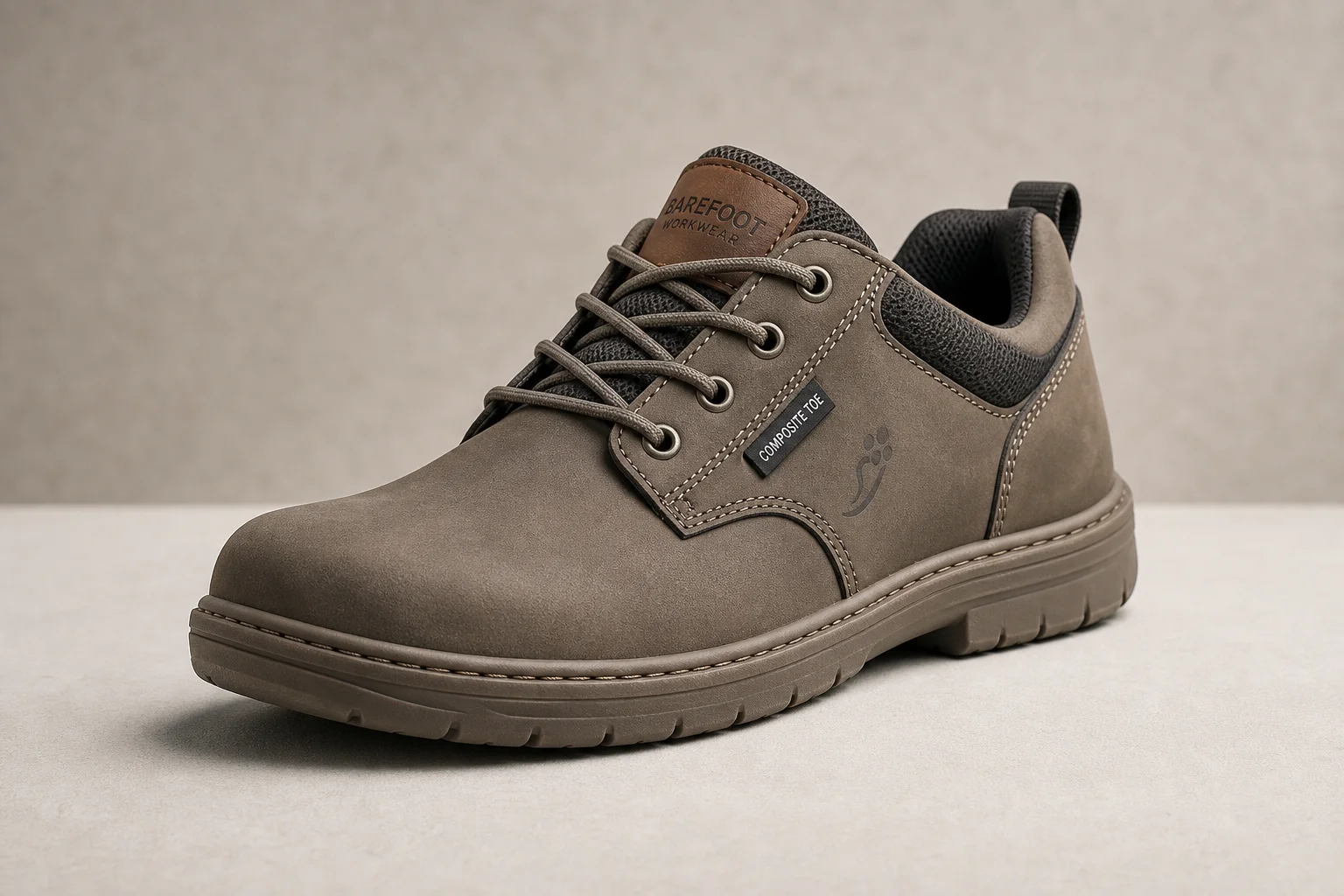
However, not all Lems models feature ultra-thin, zero-drop soles, so careful model selection is necessary for true barefoot shoes. The Primal fitness shoe offers width in the toe area but lacks sufficient ground feel in the sole. The Nine2Five work shoe provides excellent comfort and serves as a strong alternative to traditional semi-formal wear, though it has less ground feel and uses synthetic materials rather than real leather compared to the Vivobarefoot Gobi II.
The Chukka and Chillum models were well-received by women on the testing team, though some reported sizing running large. Lems functions well as a transition shoe for those new to barefoot-style footwear who are not yet ready for ultra-slim soles.
Wildling: Natural Materials and Cold-Climate Options
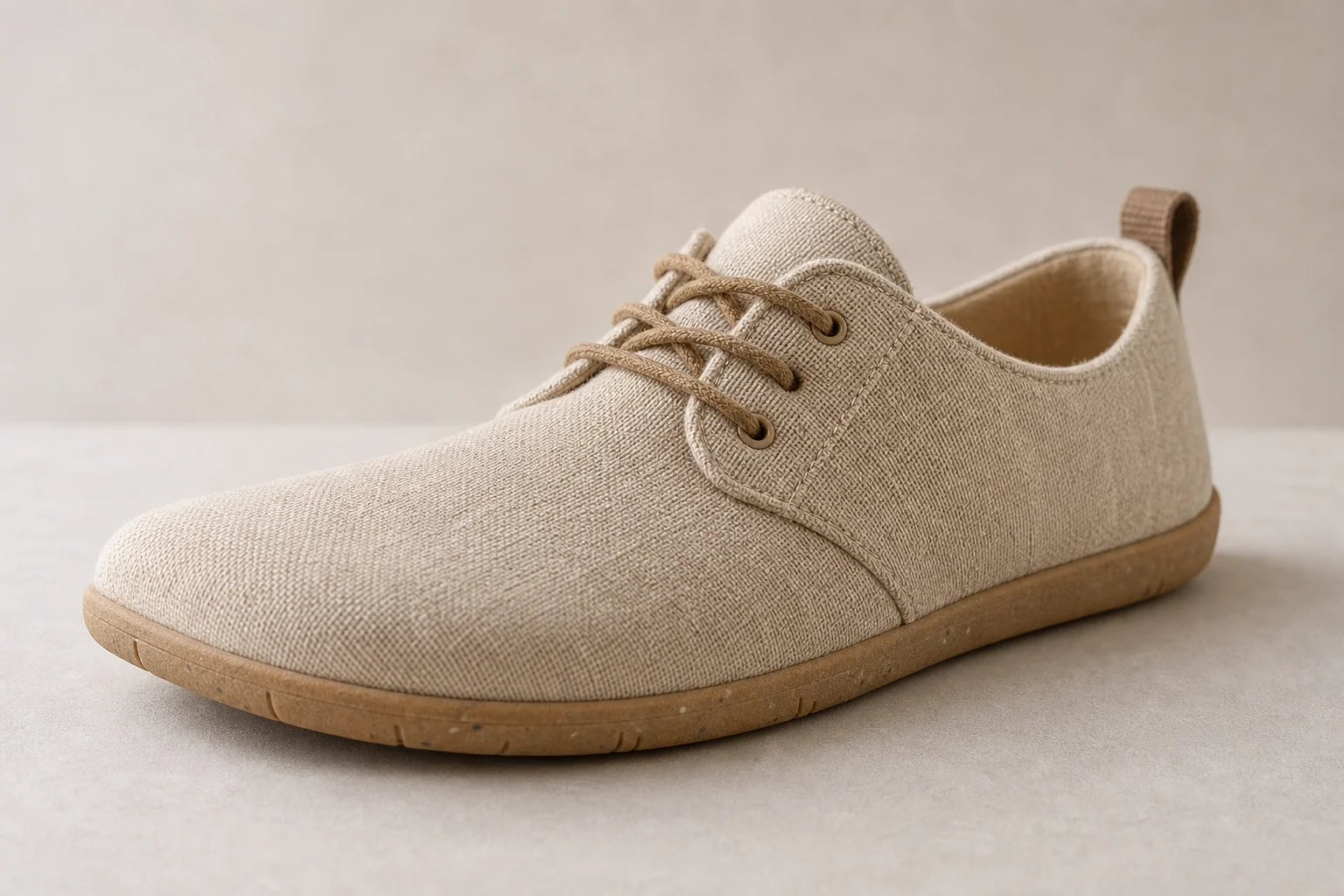
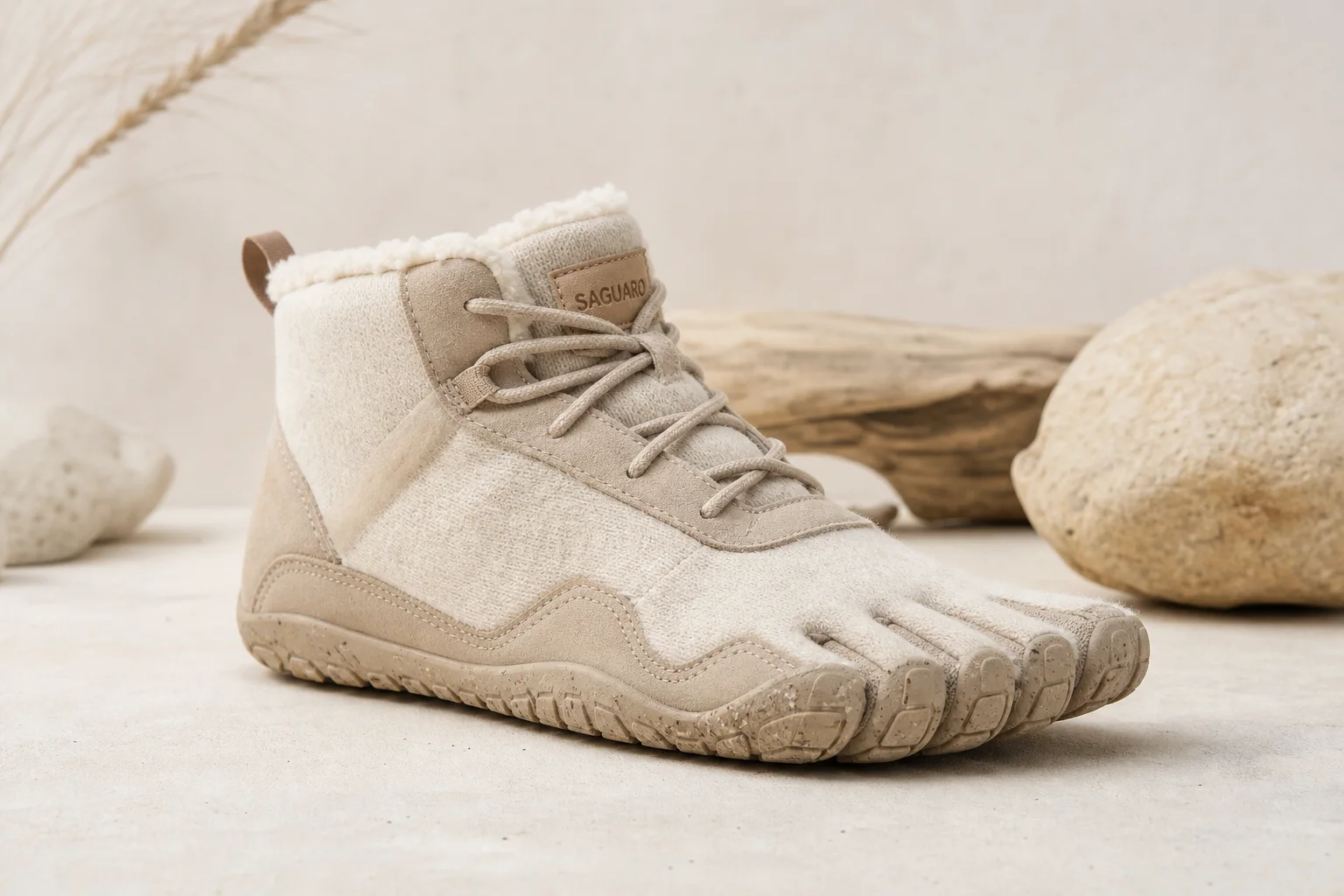
Wildling’s Nebula model tied for first place in a dedicated bunion-focused review. The brand features very wide toe boxes and slits in the soles for added flexibility through the mid and forefoot.
Wildling uses natural materials including linen, canvas, cotton, merino wool, and even Japanese paper in their uppers. Because many models are made in Germany, options like the North Wolf and Astron are designed for cold climates. Pricing is reasonable given the quality of materials used.
Merrell: Established Brand with Toe Box Limitations
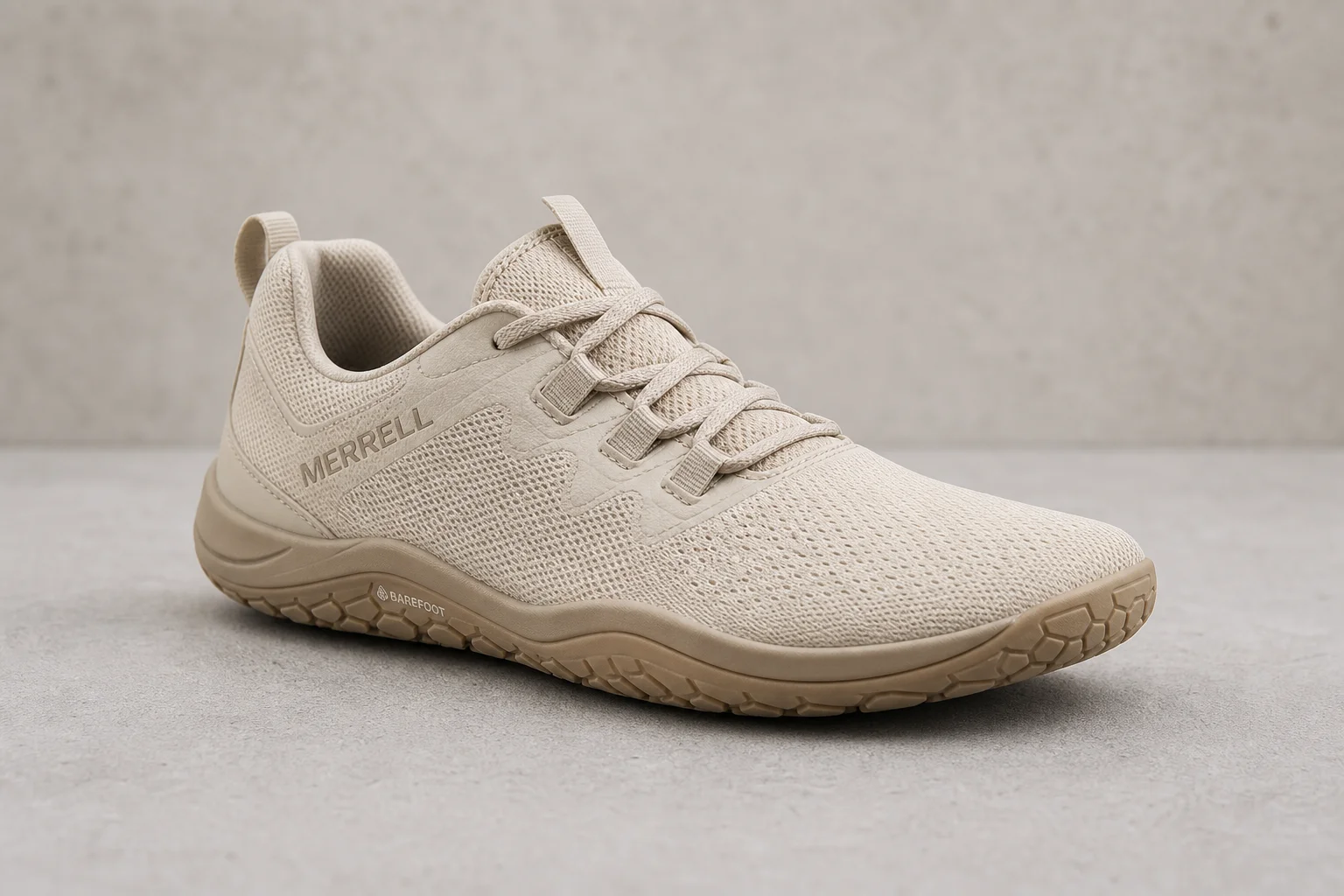
Merrell is one of the oldest and most popular barefoot shoe brands. While the original Vapor Glove Generation 1 was an excellent introduction to barefoot footwear, the newer Vapor Glove 5 is significantly narrower. The Vapor Trail also has toe box limitations.
The Vapor Move is the most tolerable option from a toe box width perspective, though it remains 0.5 to 1.5 centimeters narrower in the forefoot compared to other popular barefoot shoes on the market. The brand’s overall aesthetic and price point are appealing, but toe box width remains a consideration.
Skinners: Maximum Ground Feel in a Sock-Shoe Hybrid
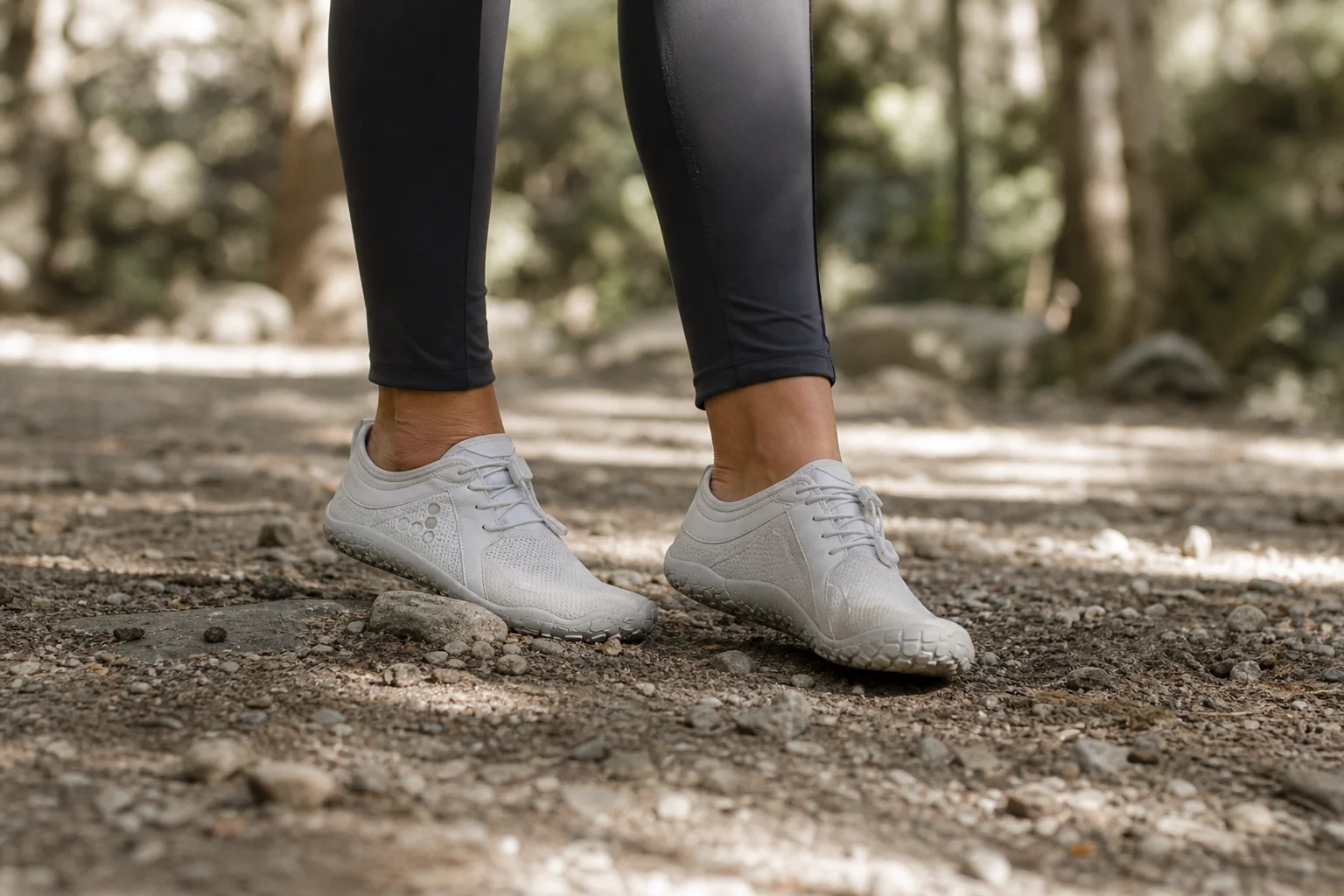
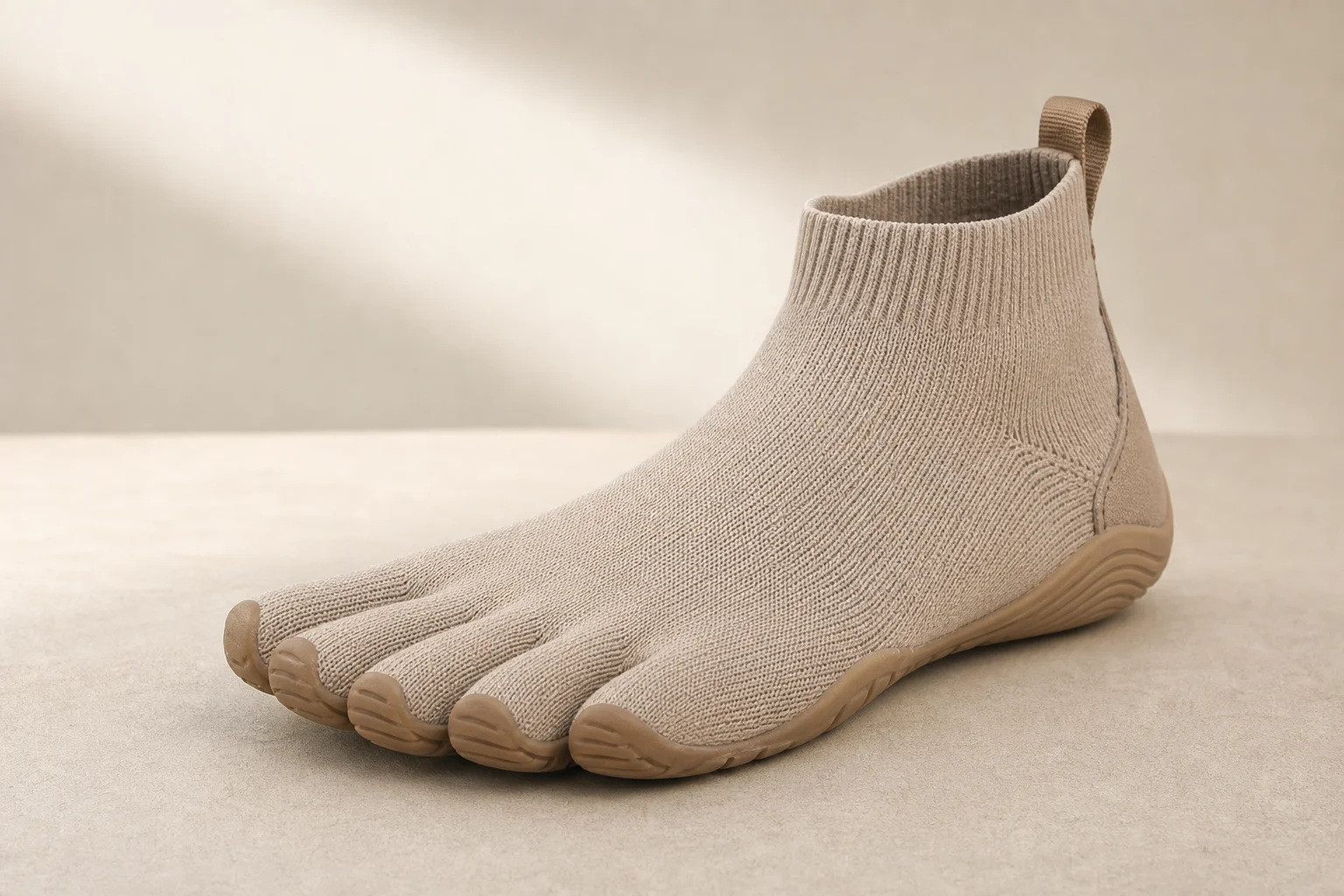
Skinners represent a shoe-sock hybrid concept executed better than competing designs. While the first generation had a narrow forefoot, generation 2 widened the toe box significantly.
Compared to any other barefoot shoe tested, Skinners deliver the maximum amount of ground feel. The sensitivity is so pronounced that individual coins can be distinguished underfoot. They are currently the preferred running shoe for serious barefoot enthusiasts.
Carets: Barefoot Formal Footwear Innovation
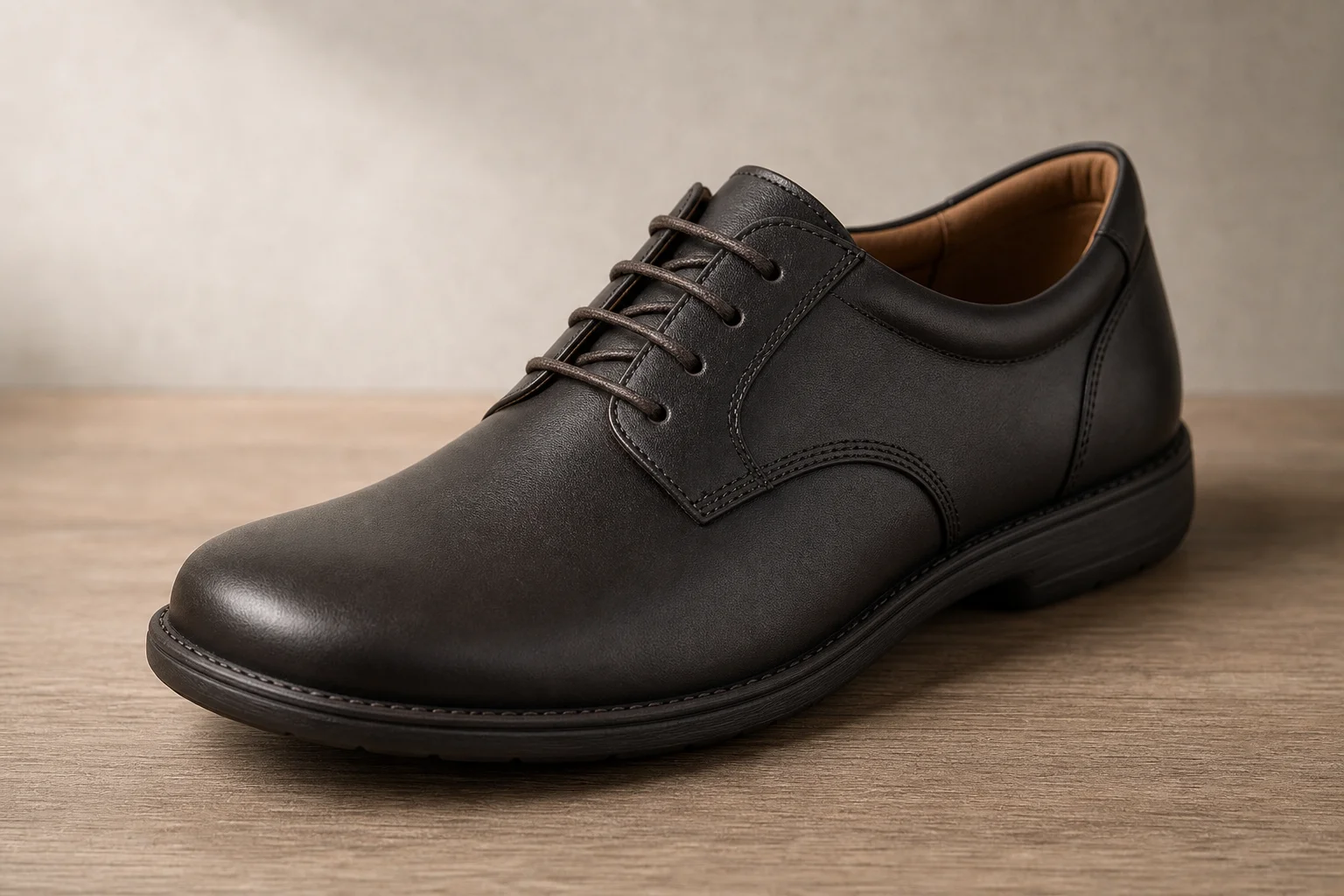
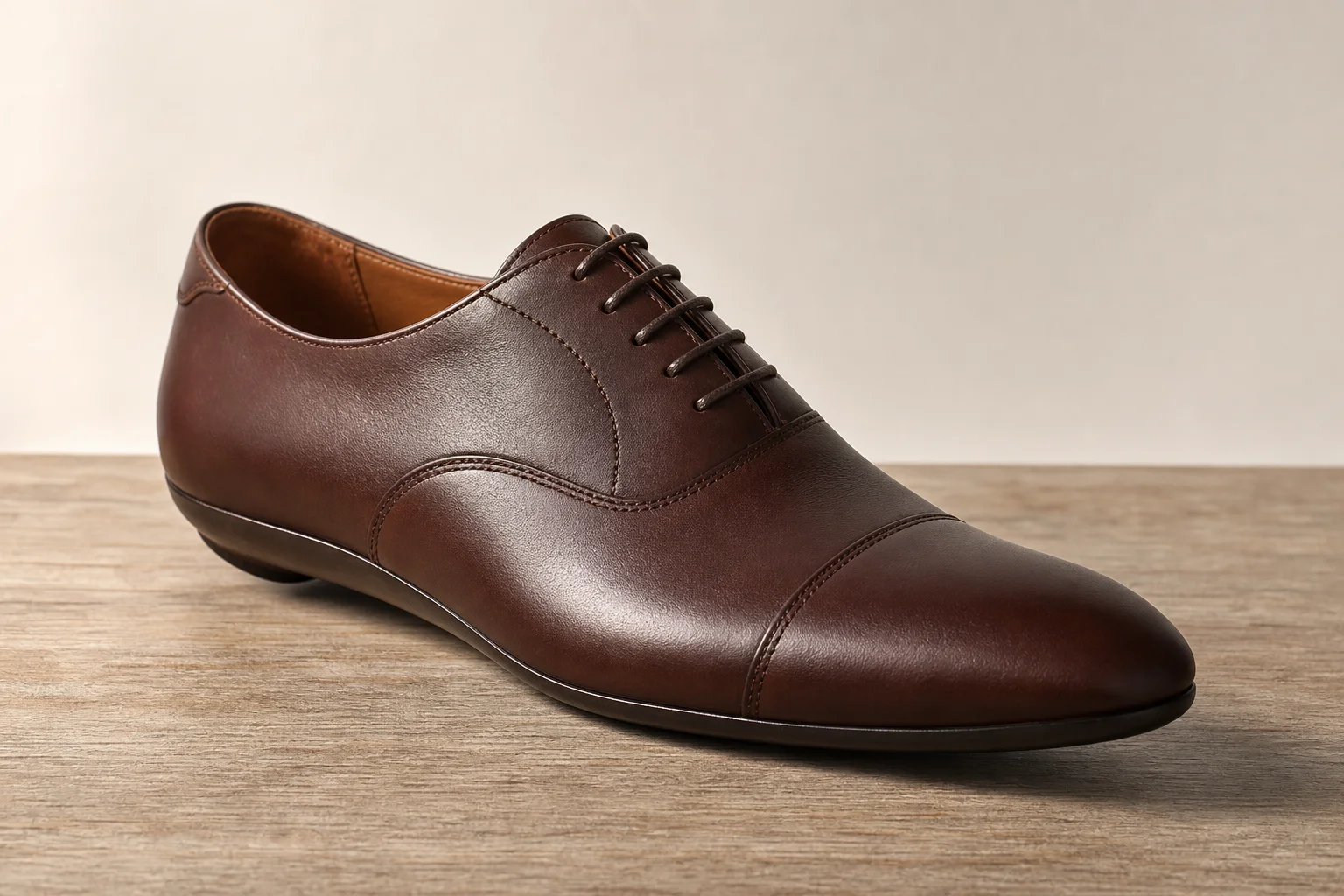
Carets produce the first barefoot-style dress shoe tested. These full-grain leather formal shoes are wider in the forefoot than traditional dress shoes while retaining the classic pointed shape expected in formal wear.
The shoes feature a hollow heel that maintains zero heel-to-toe drop despite appearing to have a raised heel. The soles allow flexibility throughout the shoe, a feature absent in traditional formal footwear. This innovation makes formal occasions more comfortable for barefoot shoe enthusiasts.
Conclusion
The barefoot shoe market now offers options for nearly every occasion, from casual everyday wear to athletic performance to formal events. Vivobarefoot leads in overall range and performance, while Wildling excels in natural materials and Lems serves as an excellent entry point for newcomers. Merrell and Xero offer solid options at various price points, though toe box width varies by model. For those seeking maximum ground feel, Skinners deliver unmatched sensitivity, and Carets finally bring barefoot design to formal footwear.
The key to finding the right barefoot shoe is matching the model to your specific use case and foot shape, particularly regarding toe box width and sole thickness.
Further reading
Related Reviews
Automotive Accessories
70mai Dash Cam Comparison: A200 vs A510 vs A810
Three dash cameras from 70mai across different price points reveal how resolution and sensor quality impact real-world footage clarity, especially for number plate visibility and low-light performance.
Cycling Power Meters
Five Affordable Power Meters for Road and Off-Road Cycling
Five practical power meter options under $500 that deliver reliable power measurement without breaking the budget.
Coffee Gear
AliExpress Coffee Gear Review: Five Products Worth Testing
A practical look at five coffee tools from AliExpress, including a sand heater, automatic brewer, latte art printer, espresso machines, and home roaster.