Photography Gear
Beginner Photography Gear Guide 2025: Building a Budget Setup Without Compromise
Start photography affordably in 2025 with the right camera body, versatile lenses, and essential accessories. A practical guide to building a capable beginner kit.
Introduction
Starting photography in 2025 does not require a large budget. With thoughtful choices about camera body, lenses, and accessories, you can build a capable setup that grows with your skills. The key is prioritizing the right gear and avoiding common beginner mistakes.
The Foundation: Choosing the Right Camera Body
The camera body is your starting point, but it should not consume your entire budget. A mid-range body paired with quality glass will outperform an expensive body with poor lenses.
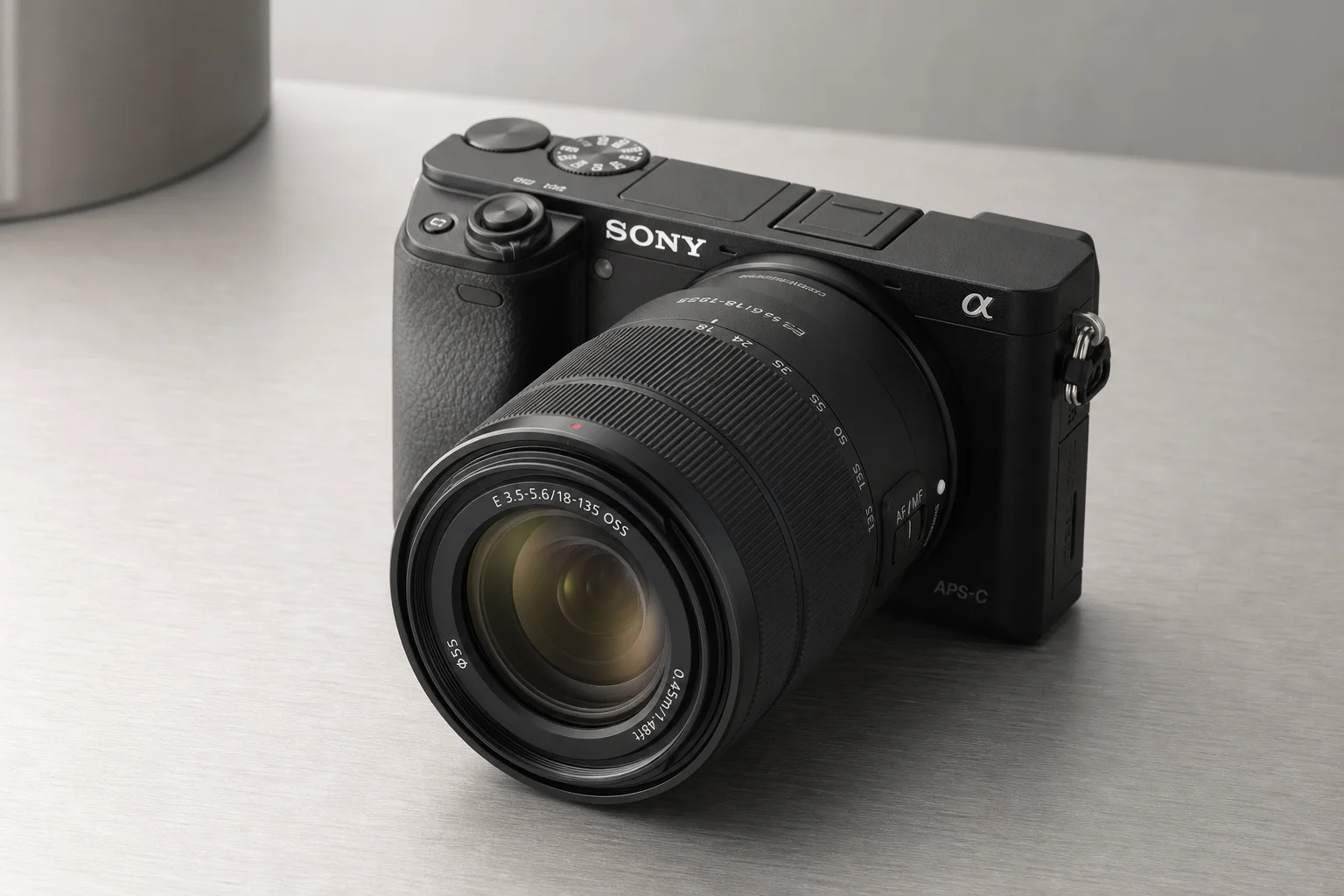
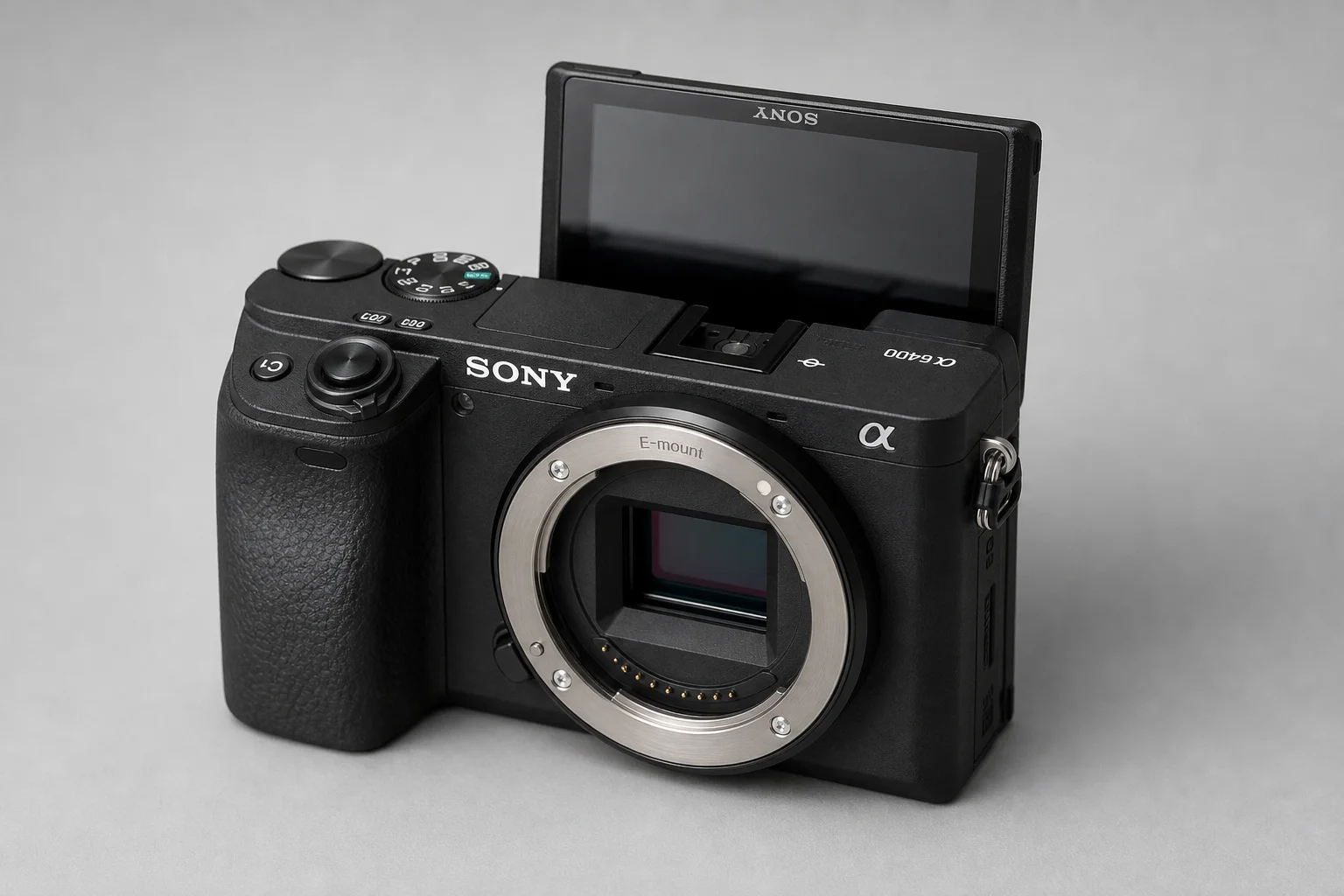
The Sony A6400 stands out as the best beginner recommendation. Its 24.2 MP APS-C sensor delivers sharp images across a wide range of conditions. The camera records 4K at up to 30 fps and 1080p at up to 120 fps for slow-motion work. Its compact, portable design makes it ideal for travel and everyday shooting.
A defining feature is the flip-up screen that rotates all the way up, making it excellent for vlogging or self-filming. The viewfinder remains available for traditional photography. Build quality is robust, with users reporting the camera has survived drops and performed reliably in extreme conditions from freezing temperatures to tropical environments.
The main trade-offs are 8-bit color recording, which limits color grading flexibility, and rolling shutter, which can cause distortion in fast-panning shots.
Budget Alternatives
If the A6400 is beyond your budget, consider the Sony A6300. It uses the same 24.2 MP sensor and offers similar performance, but the screen only tilts rather than flipping up, making it less convenient for vlogging.
The Sony A6000 is an older option with the same sensor but limited to 1080p recording and no 4K capability. It remains a viable choice if you prioritize stills over video.
Building Your Lens Collection
Investing in better lenses over a more expensive camera body is the smarter long-term strategy. A quality lens will serve you across multiple camera upgrades.
Prime vs. Zoom Lenses
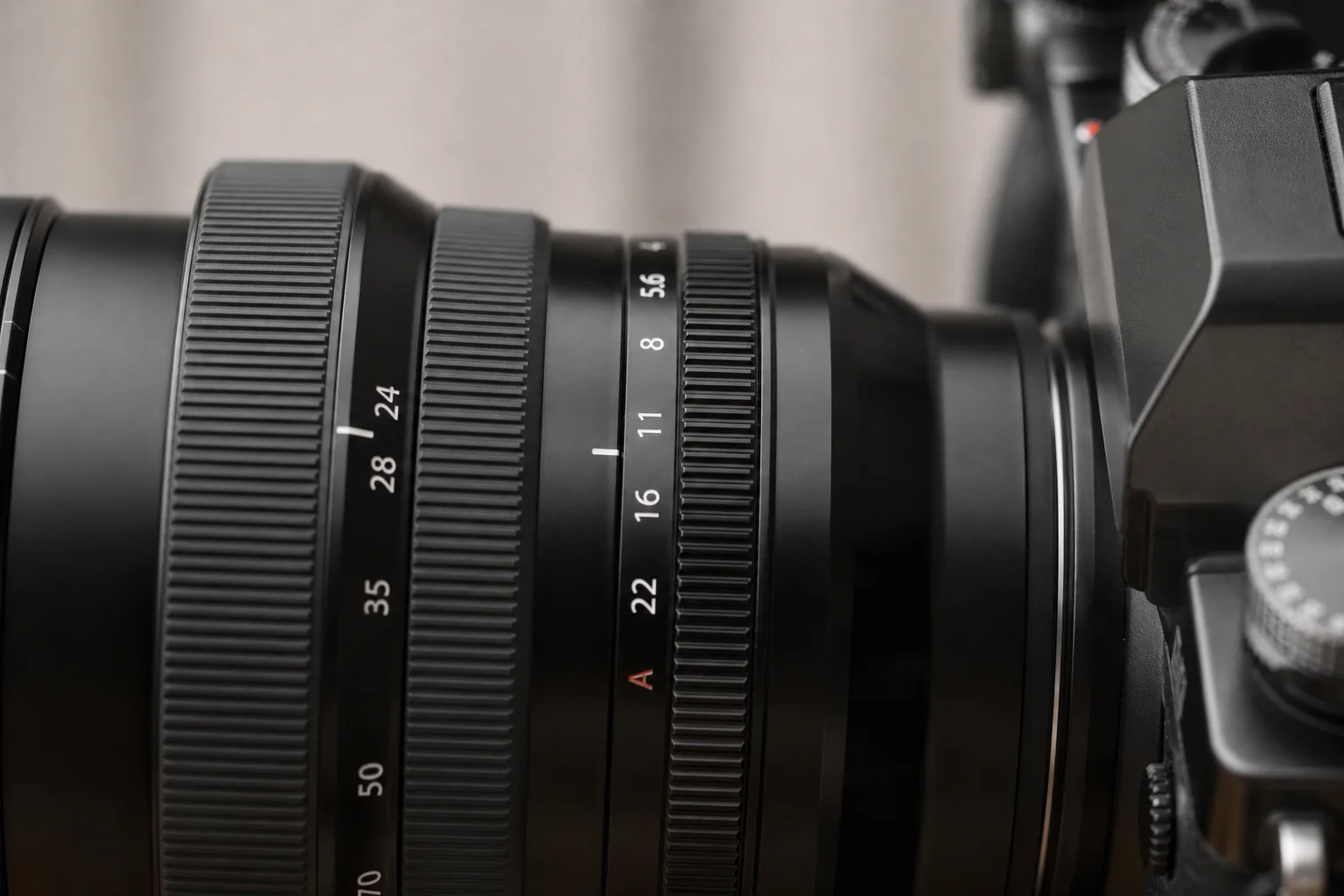
Prime lenses have a fixed focal length and typically offer sharper image quality, better low-light performance with wider apertures, and superior background blur. The Sigma 16mm f/1.4 is an excellent example, delivering exceptional sharpness and a fast f/1.4 aperture.
Zoom lenses provide variable focal lengths and are more versatile for run-and-gun situations where changing lenses frequently is impractical. They sacrifice some sharpness and low-light capability but gain flexibility.
Top Lens Recommendations
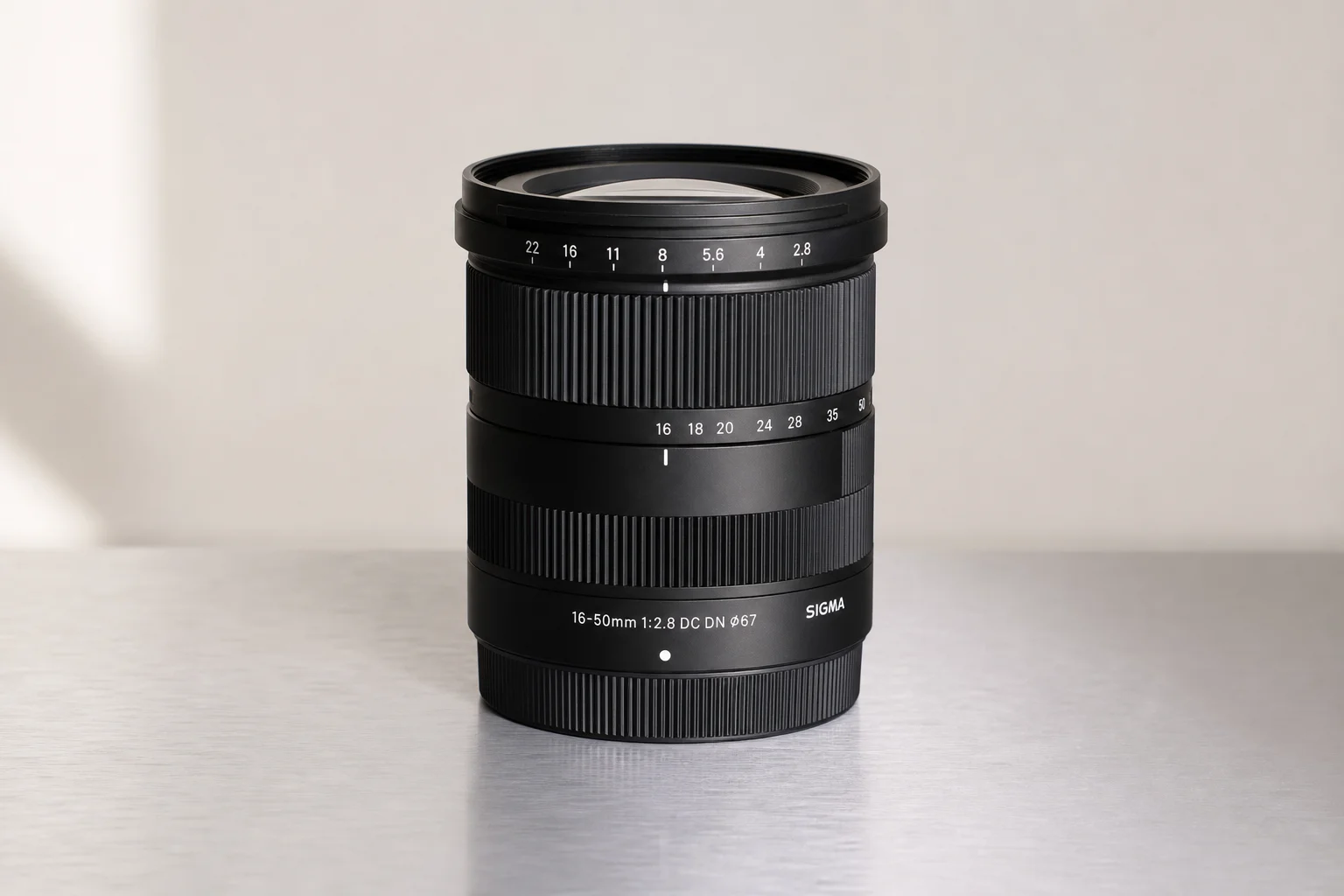
If you can only choose one lens, the Sigma 16-50mm f/2.8 is the top recommendation. It is small, high-quality, and versatile enough to handle most shooting scenarios. The constant f/2.8 aperture maintains consistent exposure across the zoom range.
For wider perspectives, the Sigma 10-18mm f/2.8 excels at ultra-wide-angle work, making it ideal for vlogging, architecture, and landscape photography.
For telephoto reach, the Sony 70-350mm f/4.5-6.3 is a compact option with impressive focal length coverage, perfect for wildlife and distant subjects.
Avoid Kit Lenses
Camera kits often bundle a basic lens with the body. These kit lenses typically have poor optical quality, slow apertures, and limited versatility. Buying the camera body only and selecting a dedicated lens separately will yield far better results.
Essential Accessories for Every Beginner
Beyond the camera and lens, several accessories will significantly improve your shooting experience and protect your investment.
Power and Storage
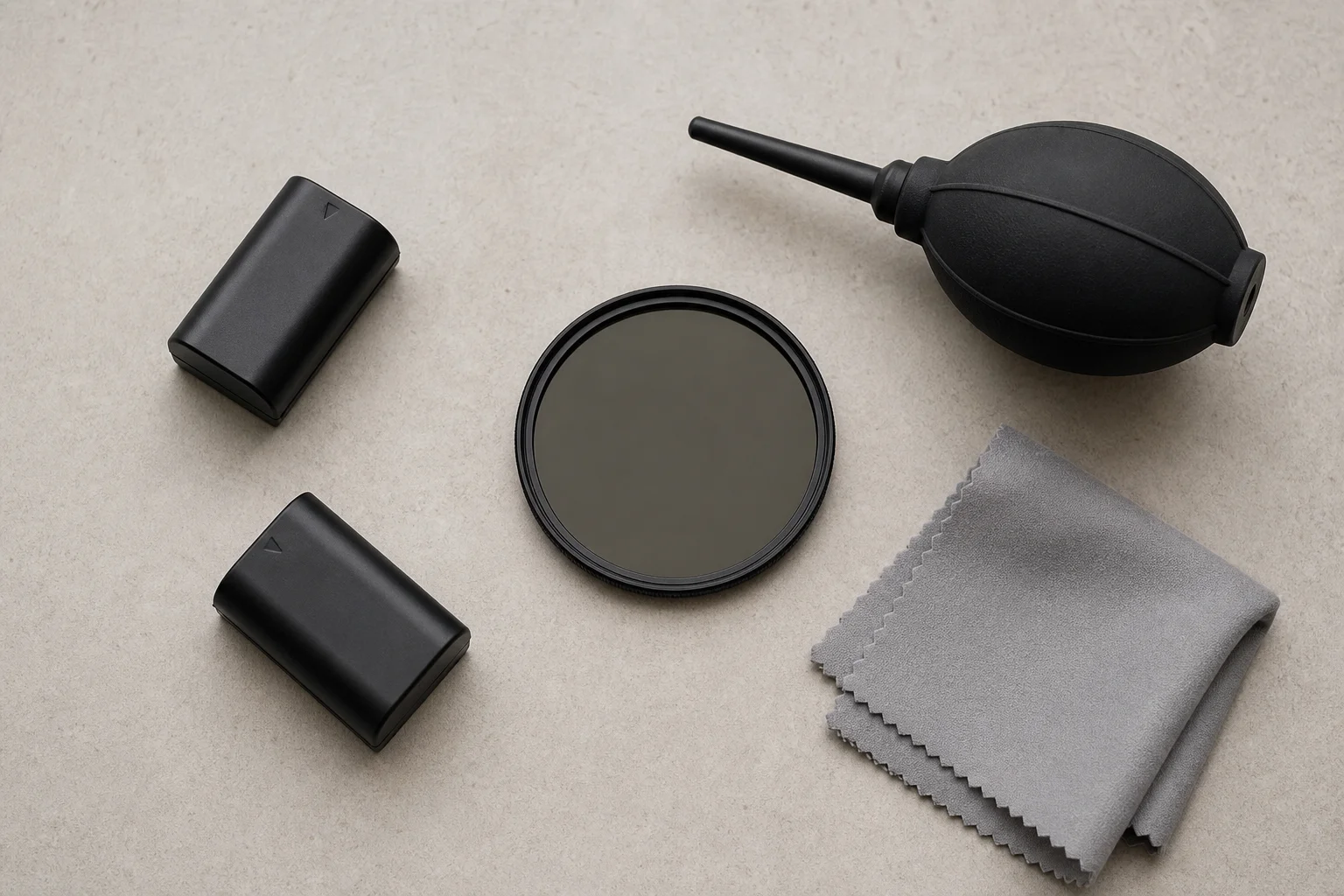
Older Sony APS-C cameras, including the A6000, A6300, and A6400, use small batteries with limited runtime. Carrying three to five spare batteries is essential for full-day shoots. Battery life is particularly important if you plan to shoot video, which drains power quickly.
Stabilization and Support
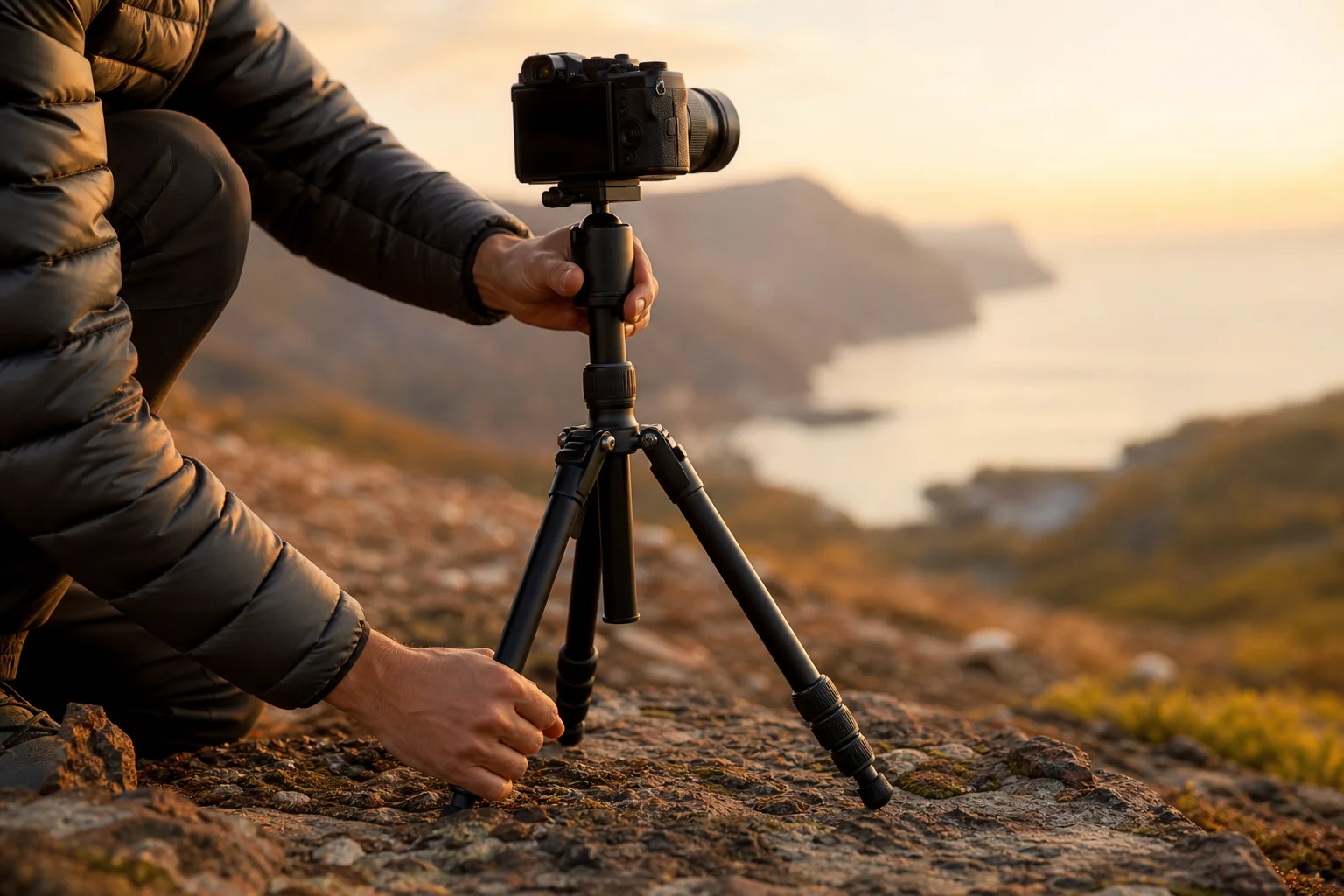
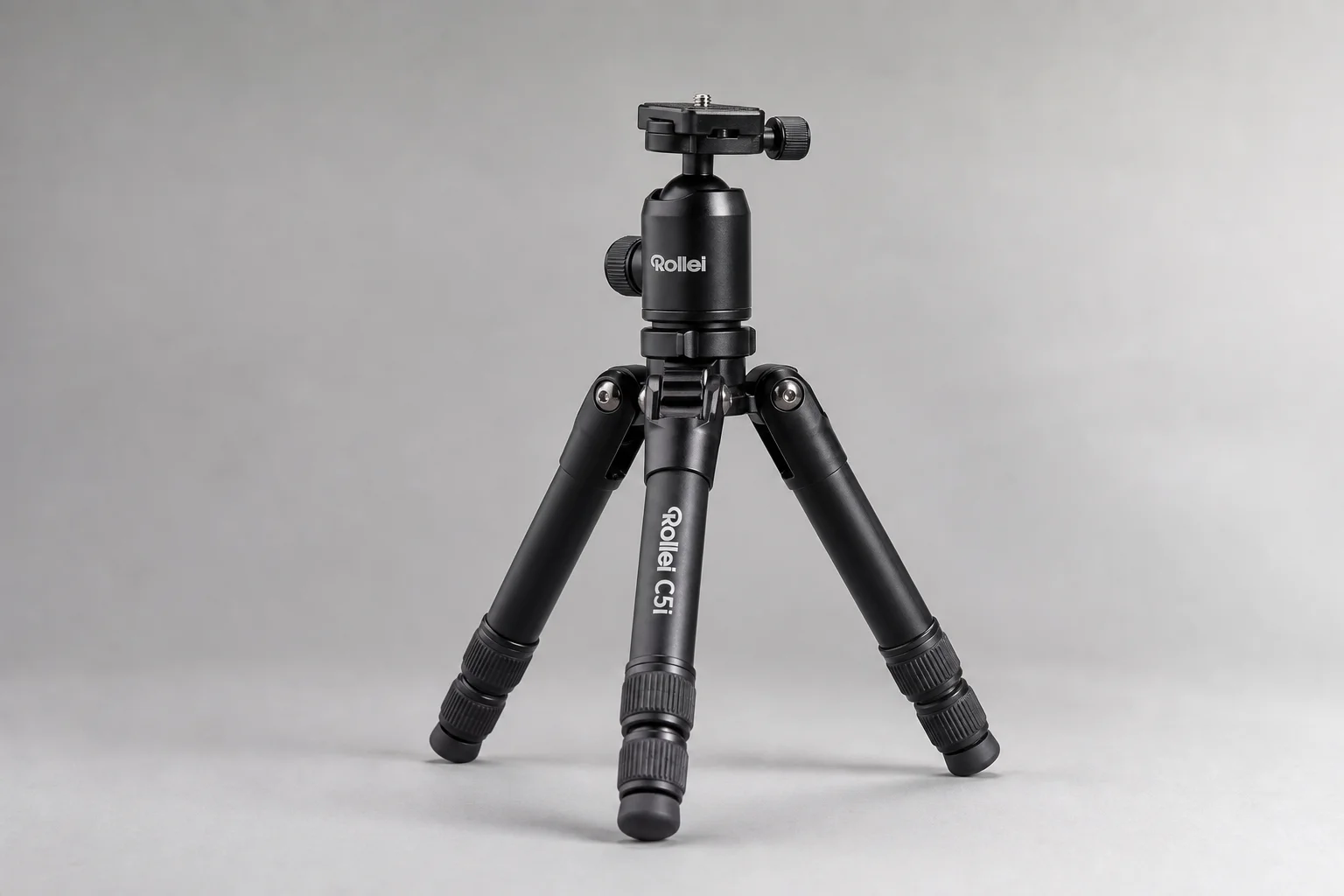
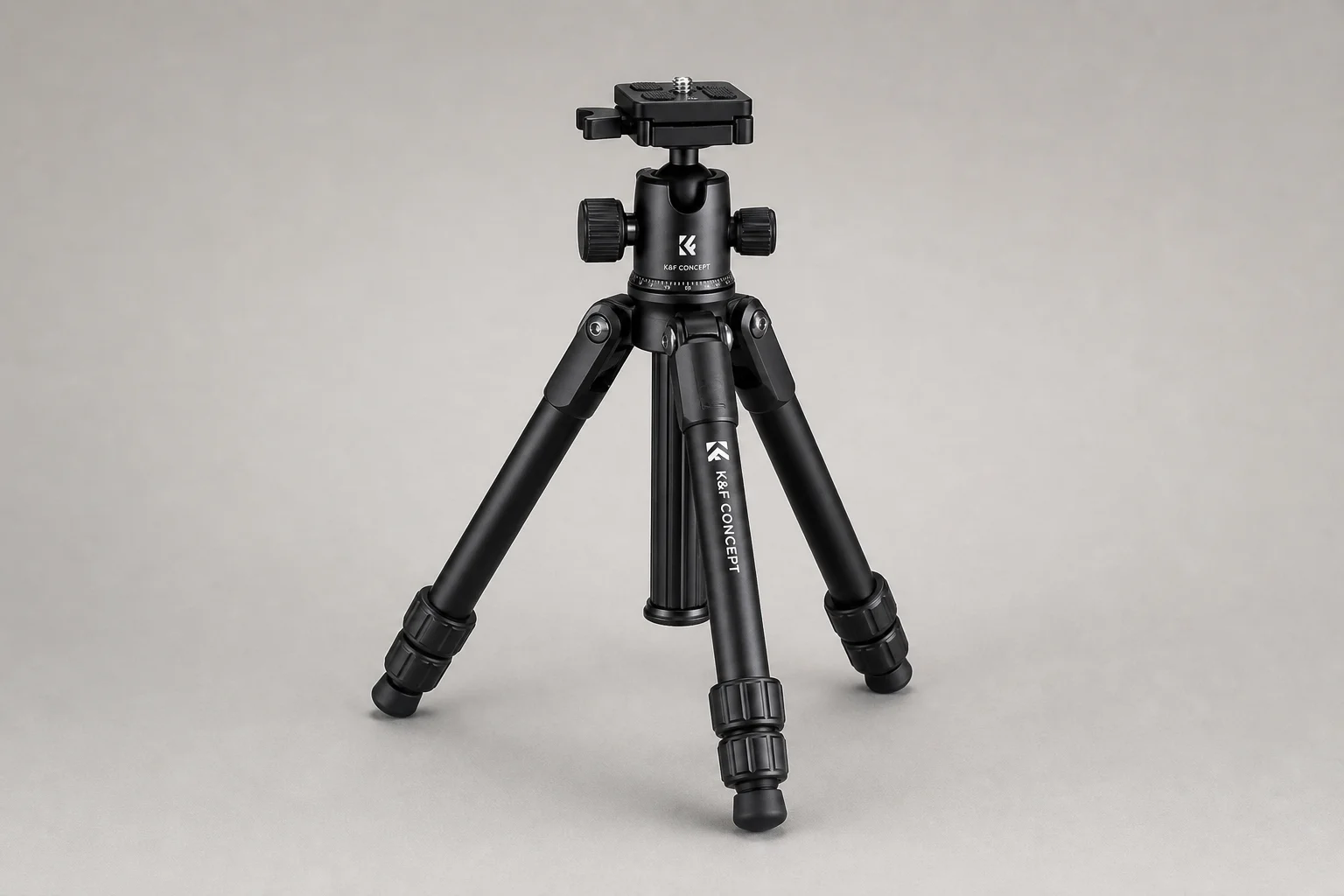
A tripod is invaluable for long exposures, astrophotography, and filming yourself. Budget options like the Rollei C5i, Rollei C6i, K&F Concept tripods, and Mactrem tripods are often available for under 50 Euros and offer solid stability for beginner work.
Optical Filters and Tools
A dust blower is a simple but essential tool for cleaning lenses and sensors without touching them directly. Neutral Density (ND) filters are particularly useful for video work, allowing you to control exposure and motion blur in bright conditions. Variable ND filters offer convenience, though some users report slight quality trade-offs like X-pattern artifacts.
A mist filter diffuses highlights and creates a subtle blooming effect, softening the image for a more filmic, dreamier look that reduces the harsh digital edge of modern sensors.
Learning and Community
Building photography skills goes beyond gear. Engaging with a community accelerates your learning. The Darkroom is an online community where photographers develop skills in photography, editing, and content creation. It features monthly photo challenges, weekly Q&As, and access to digital courses and resources.
Conclusion
A beginner photography setup in 2025 does not require a large investment. Start with the Sony A6400 or a budget alternative, pair it with a versatile lens like the Sigma 16-50mm f/2.8, add essential accessories like spare batteries and a tripod, and invest time in learning. This foundation will serve you well as your skills and interests evolve.
Further reading
Related Reviews
Photography Gear
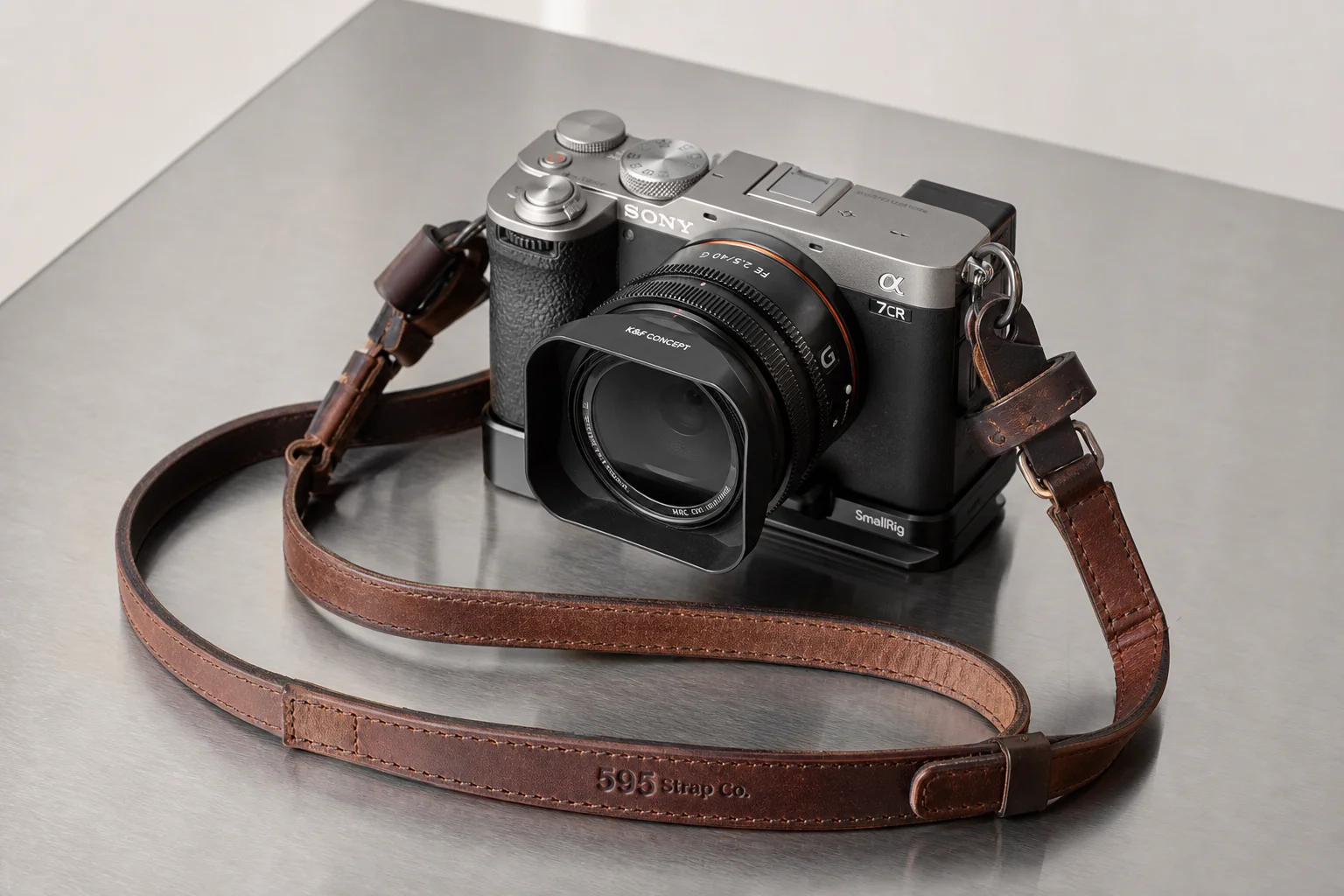
Building a Street Photography Camera: Six Elements That Work Together
A custom-built street photography setup using the Sony A7CR, 40mm lens, and five carefully chosen accessories that rival premium fixed-lens cameras at a fraction of the cost.
Automotive Accessories
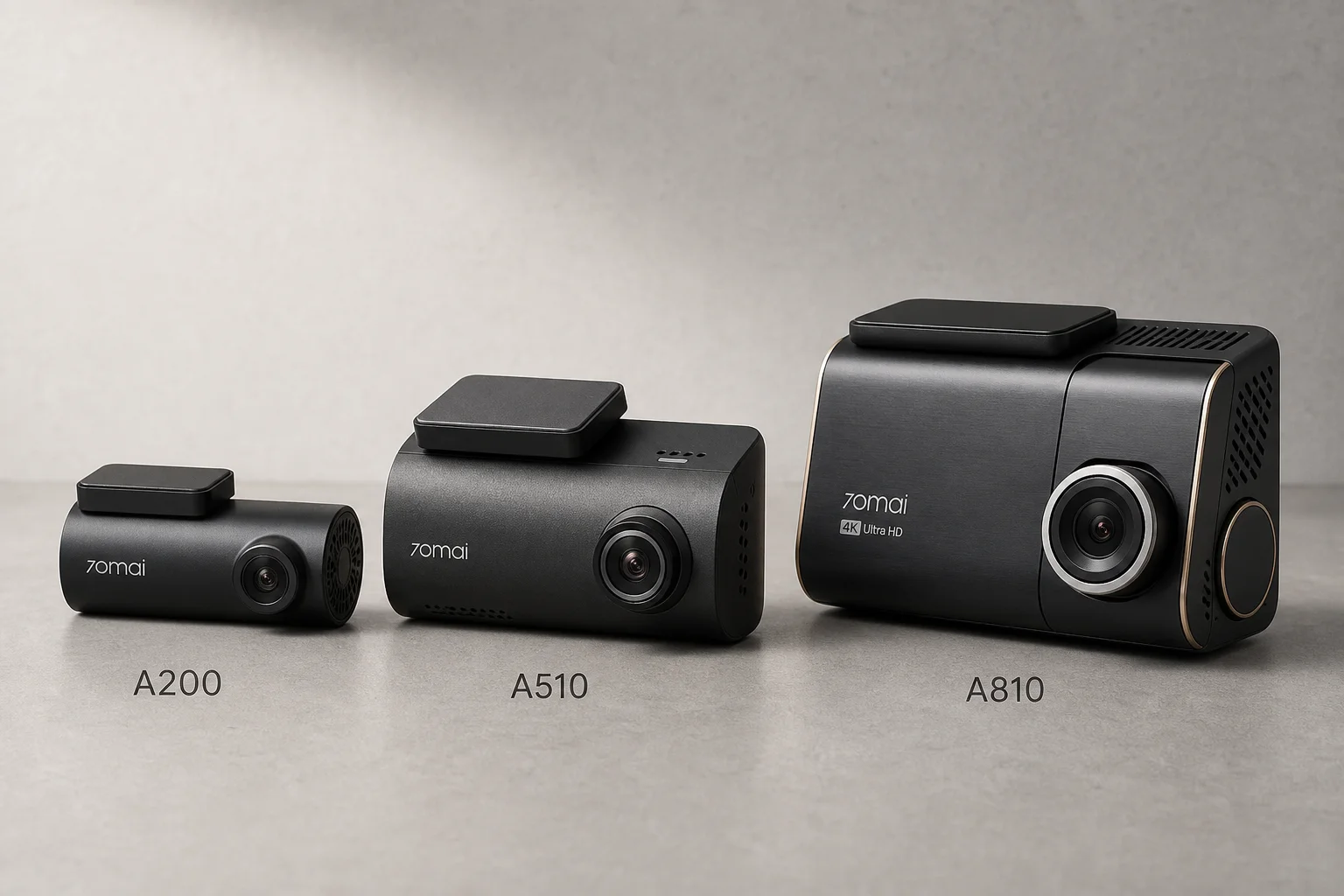
70mai Dash Cam Comparison: A200 vs A510 vs A810
Three dash cameras from 70mai across different price points reveal how resolution and sensor quality impact real-world footage clarity, especially for number plate visibility and low-light performance.
Cycling Power Meters
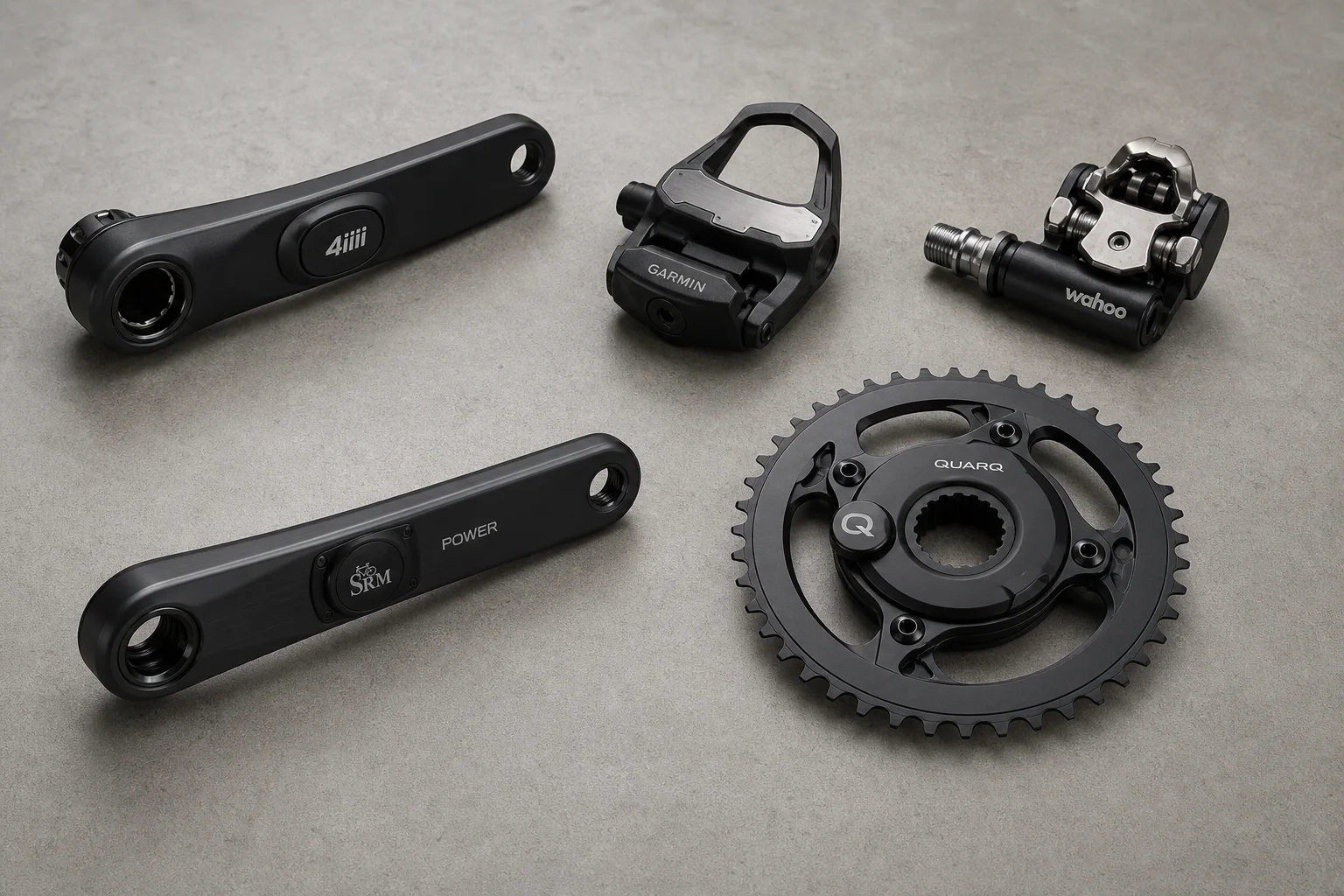
Five Affordable Power Meters for Road and Off-Road Cycling
Five practical power meter options under $500 that deliver reliable power measurement without breaking the budget.