Action Cameras
Best Action Cameras: A Practical Guide to Choosing the Right Style for Your Needs
Four key questions to match the right action camera to your specific filming scenario, from social media to professional video work.
Introduction
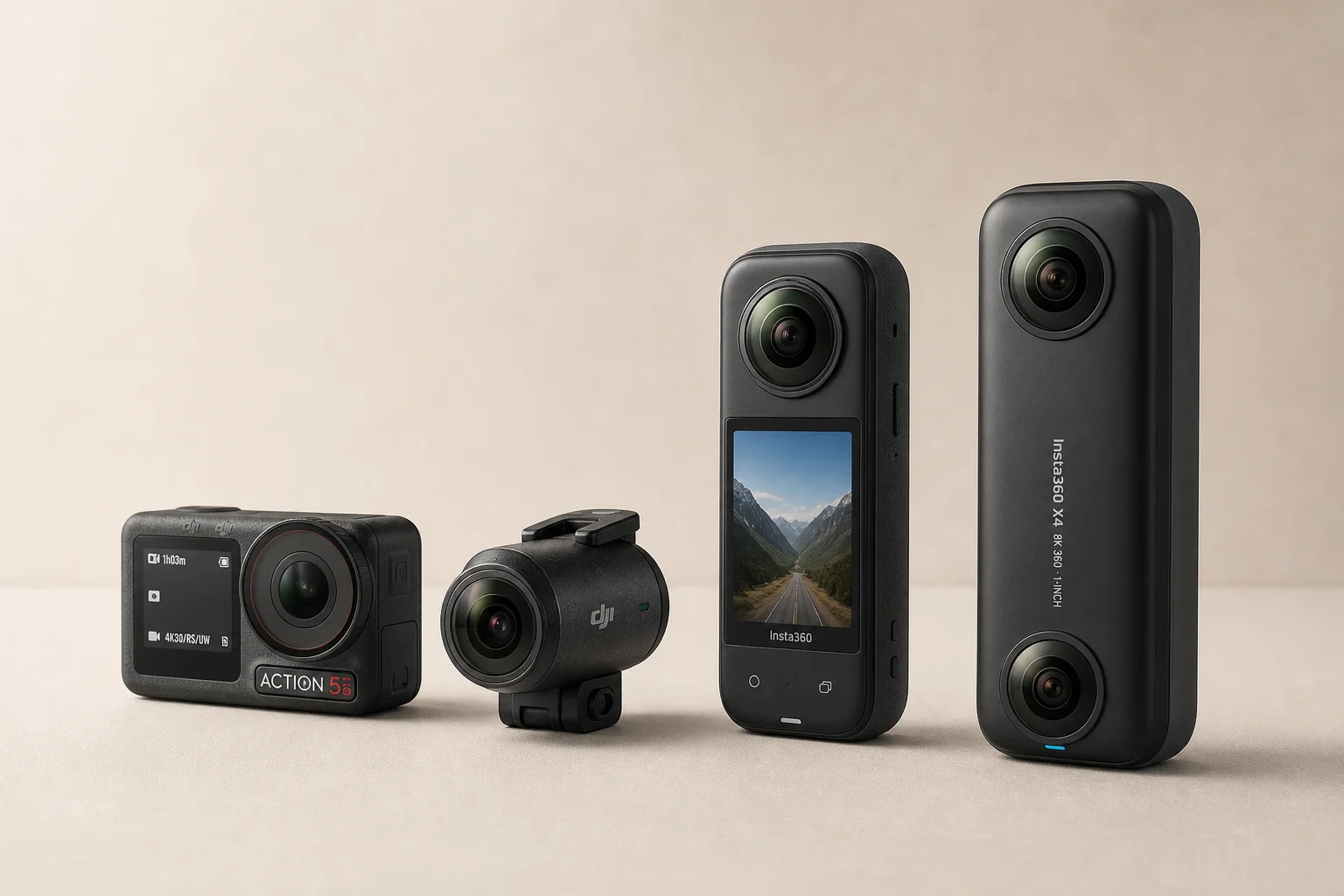
Modern action cameras have reached a point where nearly any model released in recent years delivers solid sensor technology, strong resolution, reliable audio, and dependable battery life. This abundance of capable options creates a genuine challenge: with so many good cameras available, how do you choose the right one for your specific needs?
The answer lies not in chasing the newest model or the most expensive flagship, but in understanding your actual filming scenario. By asking four straightforward questions about how and where you’ll use the camera, you can match the right camera style to your workflow and get footage that truly works for you.
Video Output Format and Display Context
The first consideration is how your final footage will be viewed. Will it appear primarily on social media in vertical format on small screens? Will it be long-form horizontal content for streaming platforms? Or will it be displayed on a larger television screen at home?
This decision fundamentally changes what matters in your camera choice. If your content is destined for small screens and vertical social media feeds, raw resolution becomes far less critical. A camera shooting 2.7K can work beautifully when the viewer is watching on a phone, especially if you’re editing on mobile and managing file sizes. Meanwhile, an 8K-capable camera like the Ace Pro may be overkill for that use case.
For vertical social media content, field of view becomes the dominant priority. This is where dual-lens and 360-degree cameras shine. A 360-degree camera captures a complete spherical image, allowing you to reframe the shot after filming. You can export the same footage as horizontal 16:9, vertical 9:16, or any other aspect ratio without re-shooting. The unlimited field of view means you’re never locked into a single framing choice.
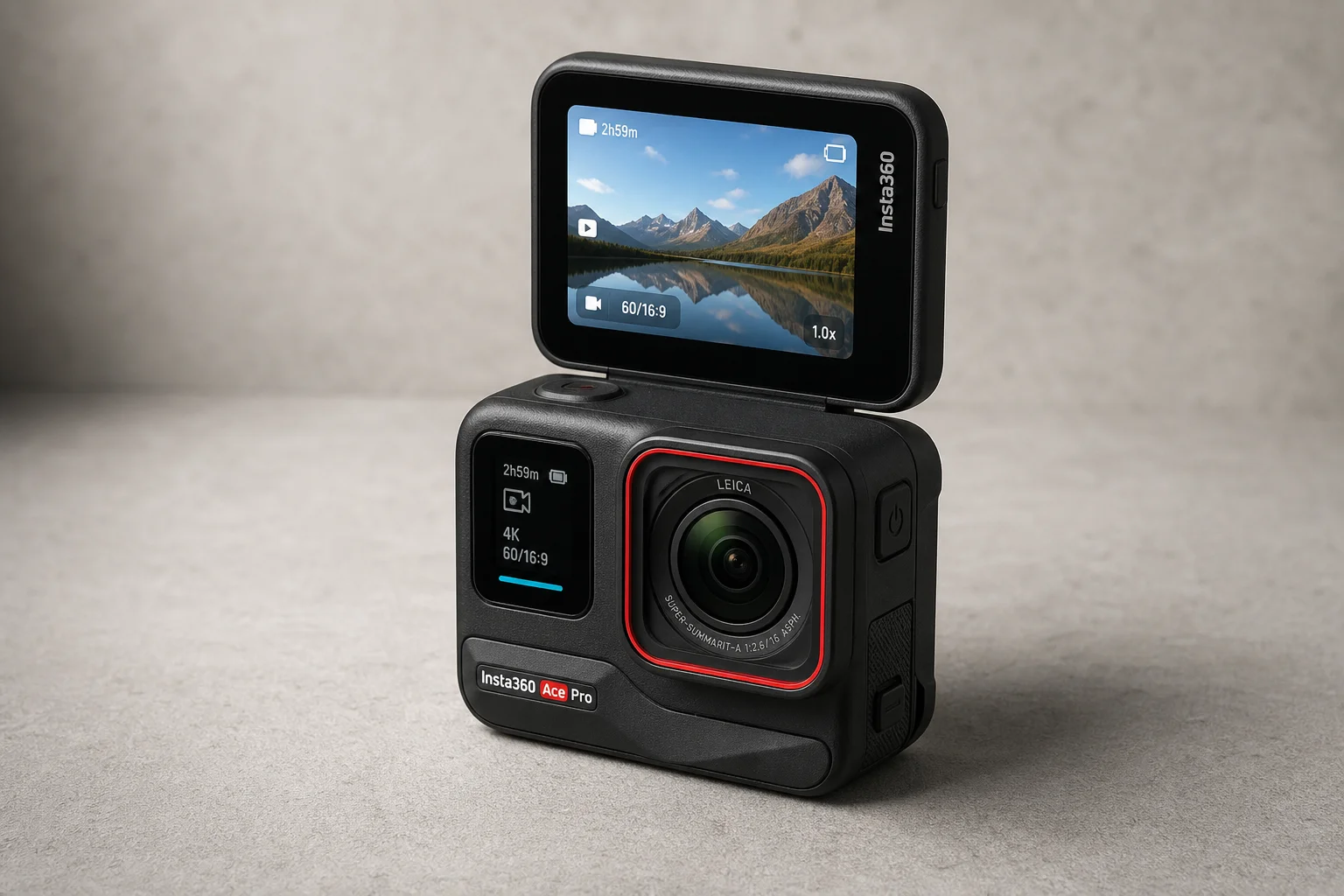
In contrast, if your output is horizontal widescreen content for streaming or television, image quality and resolution gain importance. A flagship single-lens camera becomes more valuable because you’re displaying the full resolution on a larger screen where viewers will notice the difference. Downsampling 8K footage to 4K can actually improve perceived image quality compared to native 4K recording.
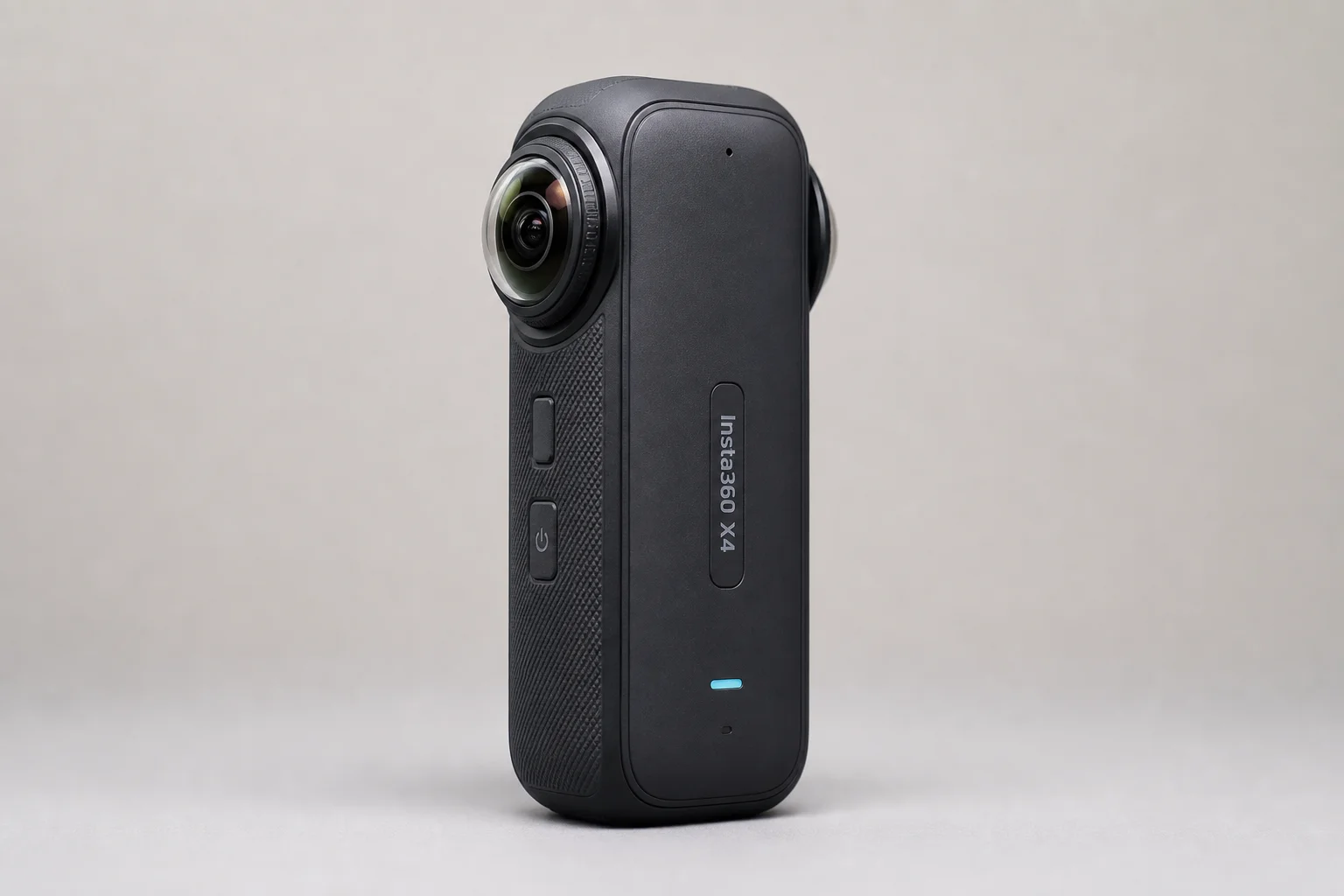
The 1-inch dual-sensor 360 camera bridges this gap by offering exceptional 360-degree image quality, though it comes with trade-offs: it’s not waterproof, audio quality is limited, and the form factor is more complex.
Mounting Style and Form Factor
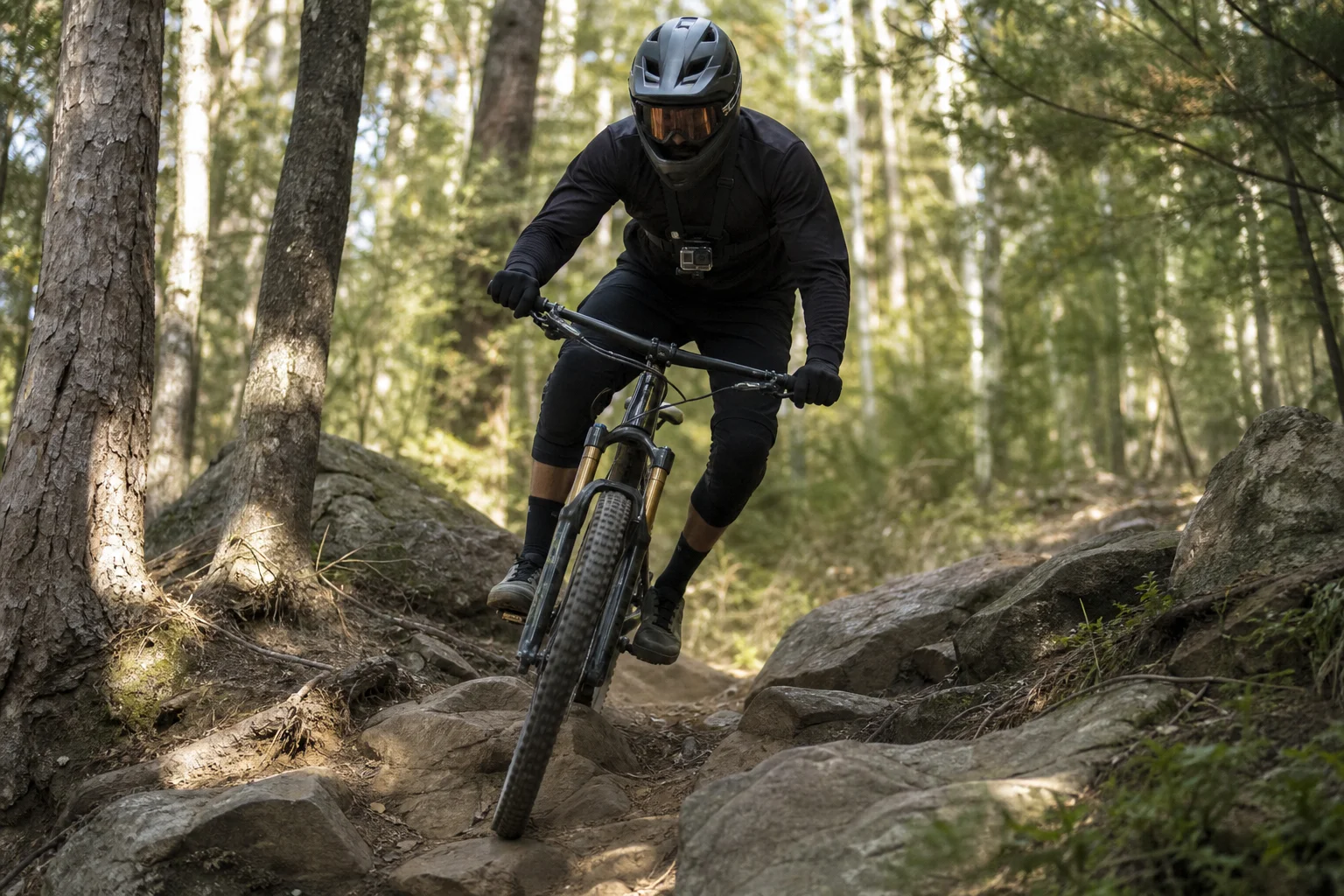
How you plan to mount the camera matters enormously. A compact single-lens design works well for chest mounting because the shorter body creates minimal leverage that could destabilize the mount during impacts. Longer cameras with protruding lenses generate more leverage, requiring heavier, more robust chest mounts that can feel cumbersome on hot days.
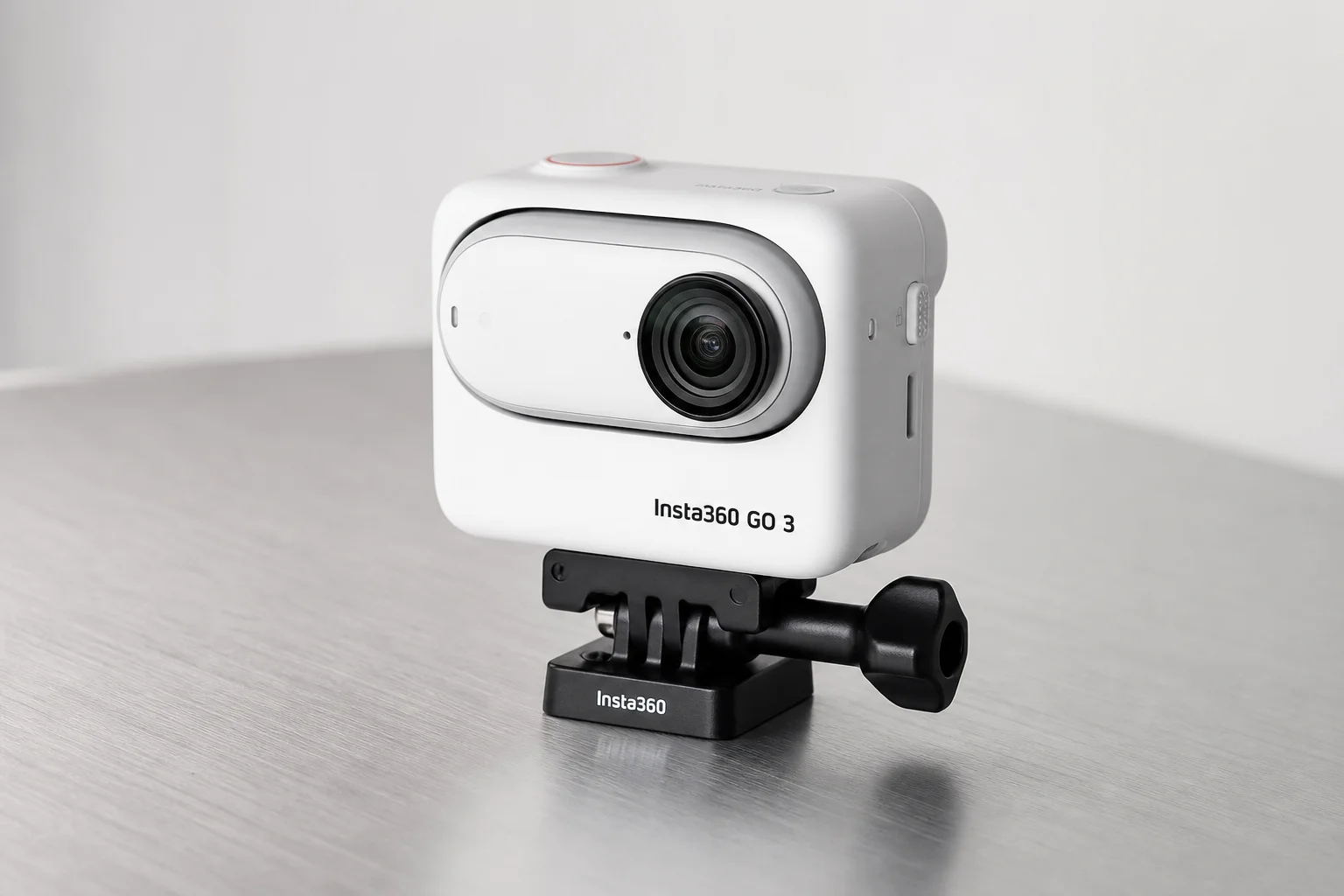
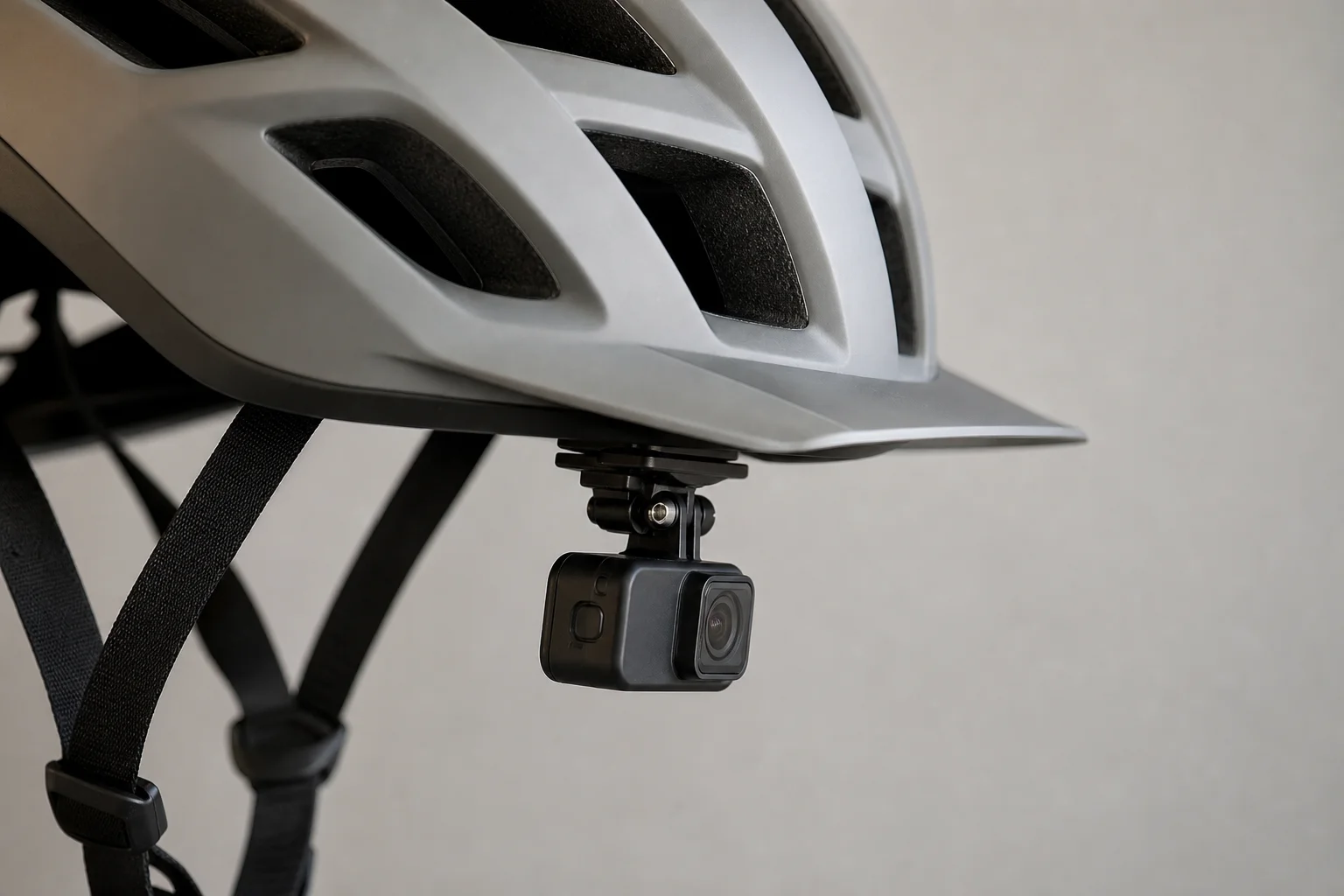
For helmet mounting, weight and size become critical. Flagship cameras with larger sensors and lenses add noticeable weight that you’ll feel during hard compressions and big impacts. Tiny, lightweight cameras like the GO 3 are barely perceptible on a helmet, allowing you to run a visor-mounted option all day without fatigue.
The GO 3 excels as a helmet camera precisely because of its minimal weight and compact form factor. You can mount it under your visor and forget it’s there, capturing moments your chest camera won’t see. The trade-off is shorter battery life, lower resolution (2.7K), and a narrower field of view compared to flagship models.
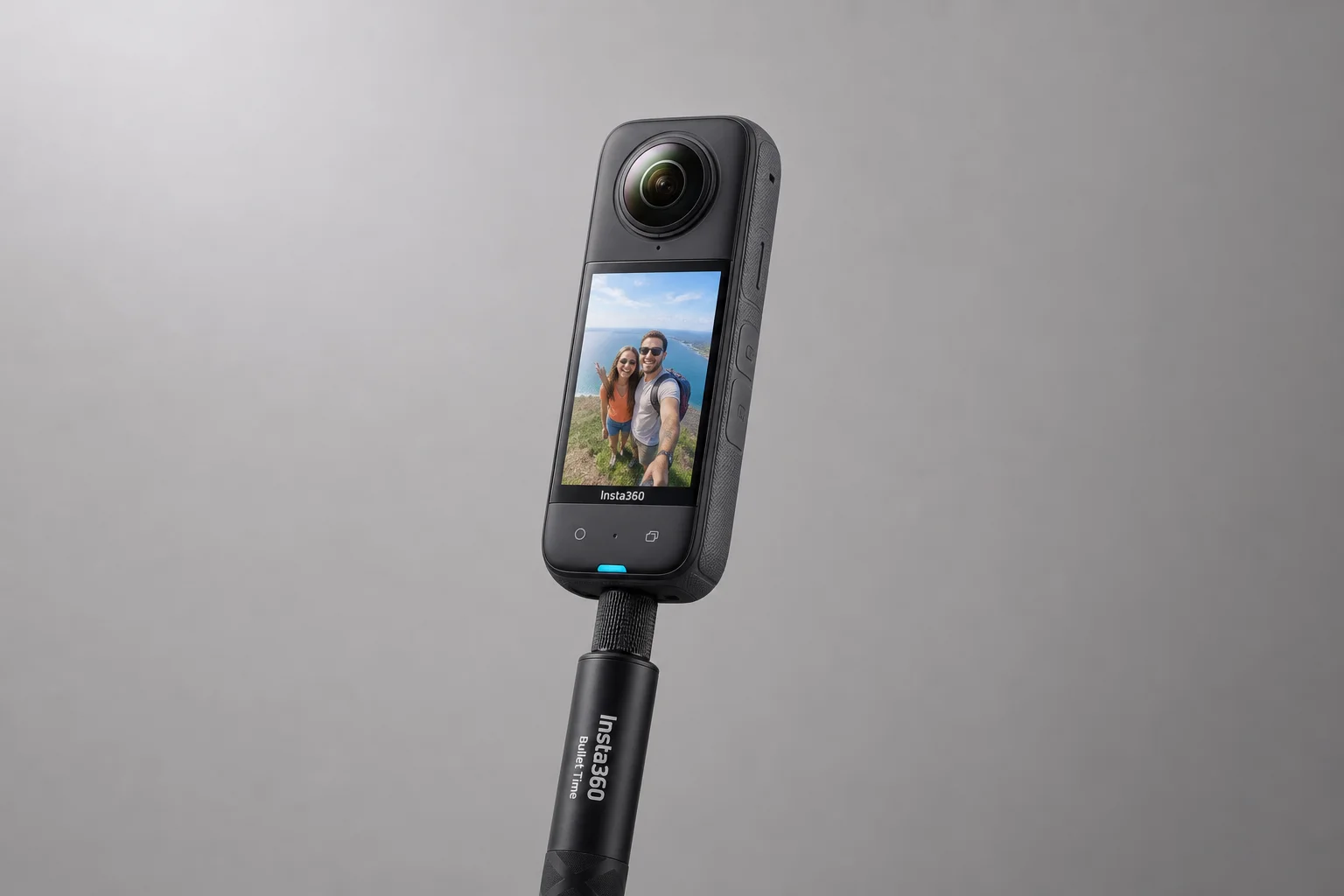
For creative mounting options like pole-mounted shots or waist-mounted configurations, 360-degree cameras are purpose-built. The dual-lens design was specifically engineered for these scenarios, and the software can remove the pole from the final footage, creating seamless shots that would be impossible with a single-lens camera.
Shooting Conditions and Environmental Durability
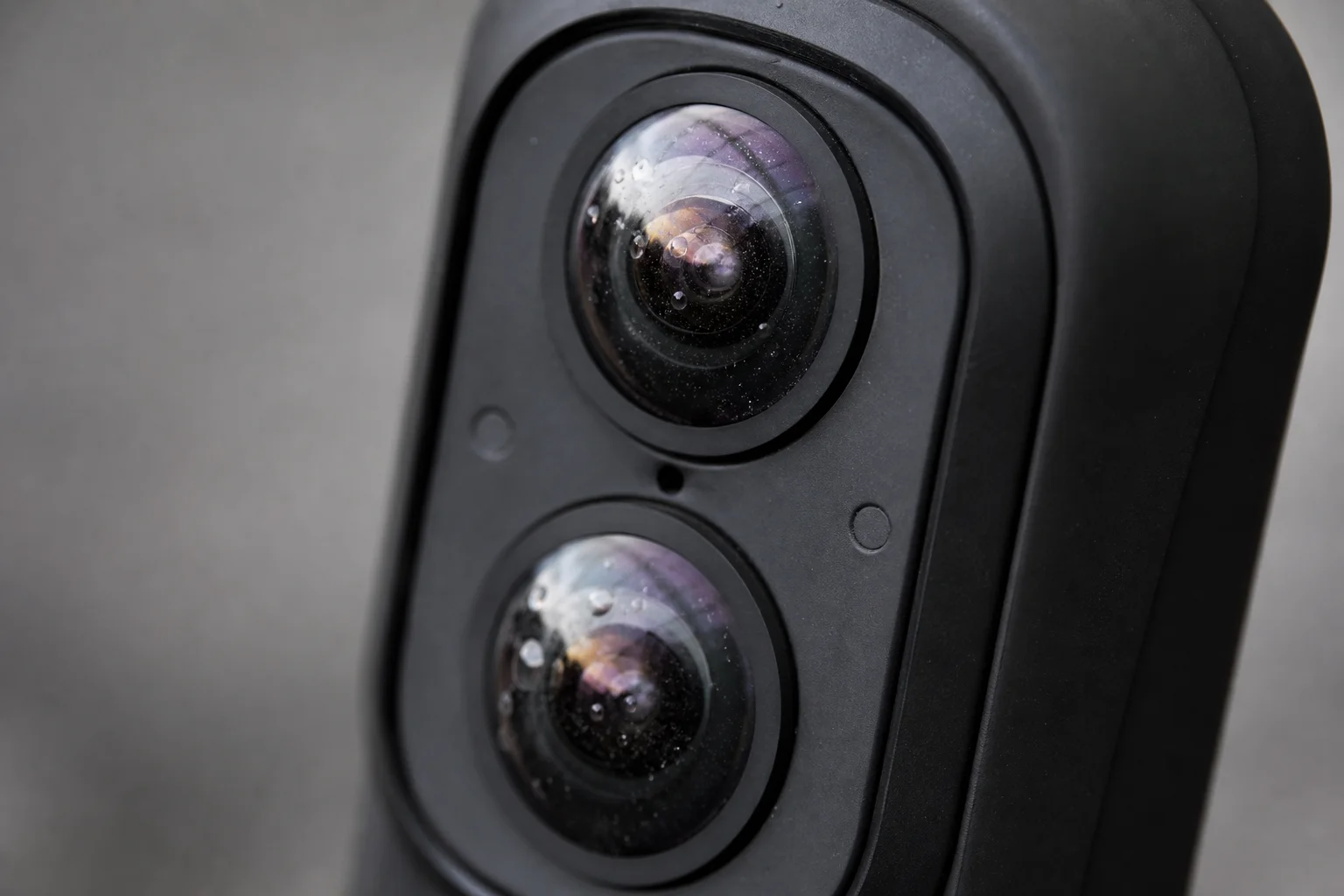
The environment where you film determines which camera architecture makes sense. Dual-lens 360 cameras are inherently more challenging to keep clean because both lenses protrude significantly and attract water droplets, dust, and debris easily. When you do get a speck of dust on one of these lenses, it’s magnified in the final frame because you’re typically extracting a small 16:9 portion from the full 360-degree sphere, enlarging everything within that frame.
Single-lens cameras are more forgiving in dusty or rainy conditions because the lens sits flush and is less prone to collecting particles. If you’re constantly filming in wet or dusty environments, a single-lens camera requires less maintenance.
Lens protection is another consideration. The extreme wide-angle lenses on dual-lens cameras protrude far enough that crashes and impacts are likely to scratch them. You can buy lens covers to protect them, but these reduce image quality. Single-lens cameras tolerate more impact before sustaining damage.
For audio, pay attention to microphone placement. Wind noise is a constant challenge with action cameras. Rather than relying on automatic wind reduction (which often sounds unnatural), many professionals switch to stereo mode and add small wind mufflers to the microphone ports. On the X3, the stereo microphones sit on the sides where the lenses won’t see the mufflers. On other models, you may need to place mufflers on the front where they’re visible in the frame.
Creative Mounting Options and Specialized Use Cases
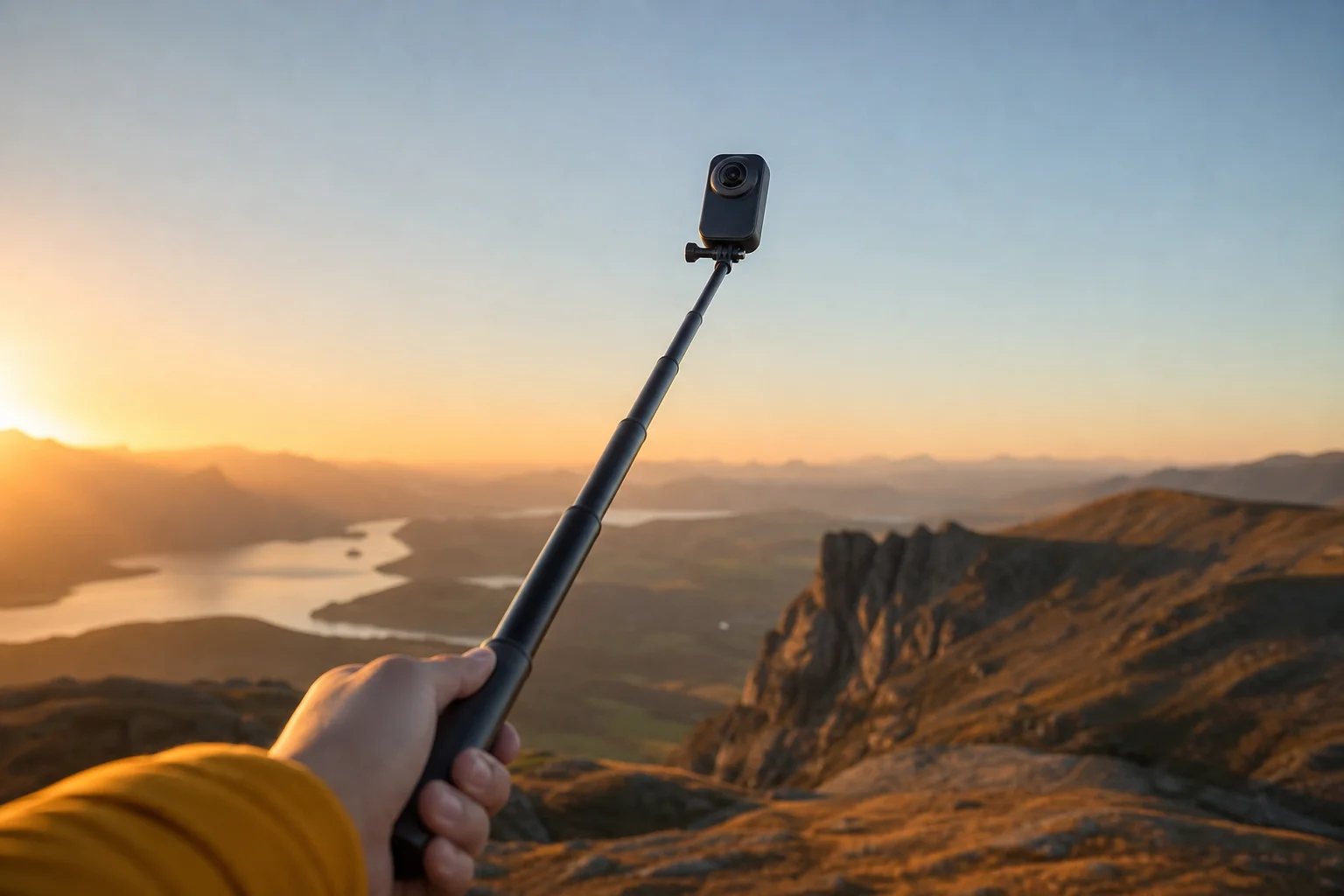
Beyond standard chest and helmet mounts, action cameras enable creative perspectives. Pole-mounted shots, waist-mounted configurations with extended poles, and other unconventional setups open up storytelling possibilities that fixed mounts can’t achieve.
360-degree cameras are purpose-built for these scenarios. The dual-lens design captures everything around the camera, and the post-production software can remove the mounting pole from the final footage. This creates seamless, floating perspectives that single-lens cameras cannot replicate.
Identifying Your Primary Need
After considering output format, mounting style, and environmental conditions, the final step is identifying your single most important requirement from the camera. This clarity drives all other decisions.
If your primary need is a small, lightweight, wearable camera for helmet mounting, the GO 3 is the logical choice. You’ll accept lower resolution and a narrower field of view because the camera’s weight and size are non-negotiable for your use case.
If maximum field of view and format flexibility are essential, a dual-lens 360 camera like the X3 becomes the right choice. You’ll build your ecosystem around it, investing in appropriate chest mounts and accepting the extra maintenance required for dual lenses.
If absolute maximum image quality is your priority, a flagship single-lens camera or a 1-inch dual-sensor 360 model makes sense. You’ll work around their limitations because image quality is what matters most for your specific workflow.
The key insight is that no single camera is universally best. Each style has genuine strengths and real compromises. By matching your primary need to the camera that excels at meeting it, you’ll end up with a tool that works for your actual filming scenarios rather than forcing yourself to adapt your work to a camera that doesn’t fit your needs.
Conclusion
Action camera selection is ultimately about self-awareness: understanding what you film most often, how you mount your gear, where you film, and what outcome matters most. Rather than chasing specifications or brand loyalty, focus on these four questions and match the camera style that answers them best. The result will be footage that works for your workflow and a camera you’ll actually enjoy using.
Further reading
Related Reviews
Action Cameras
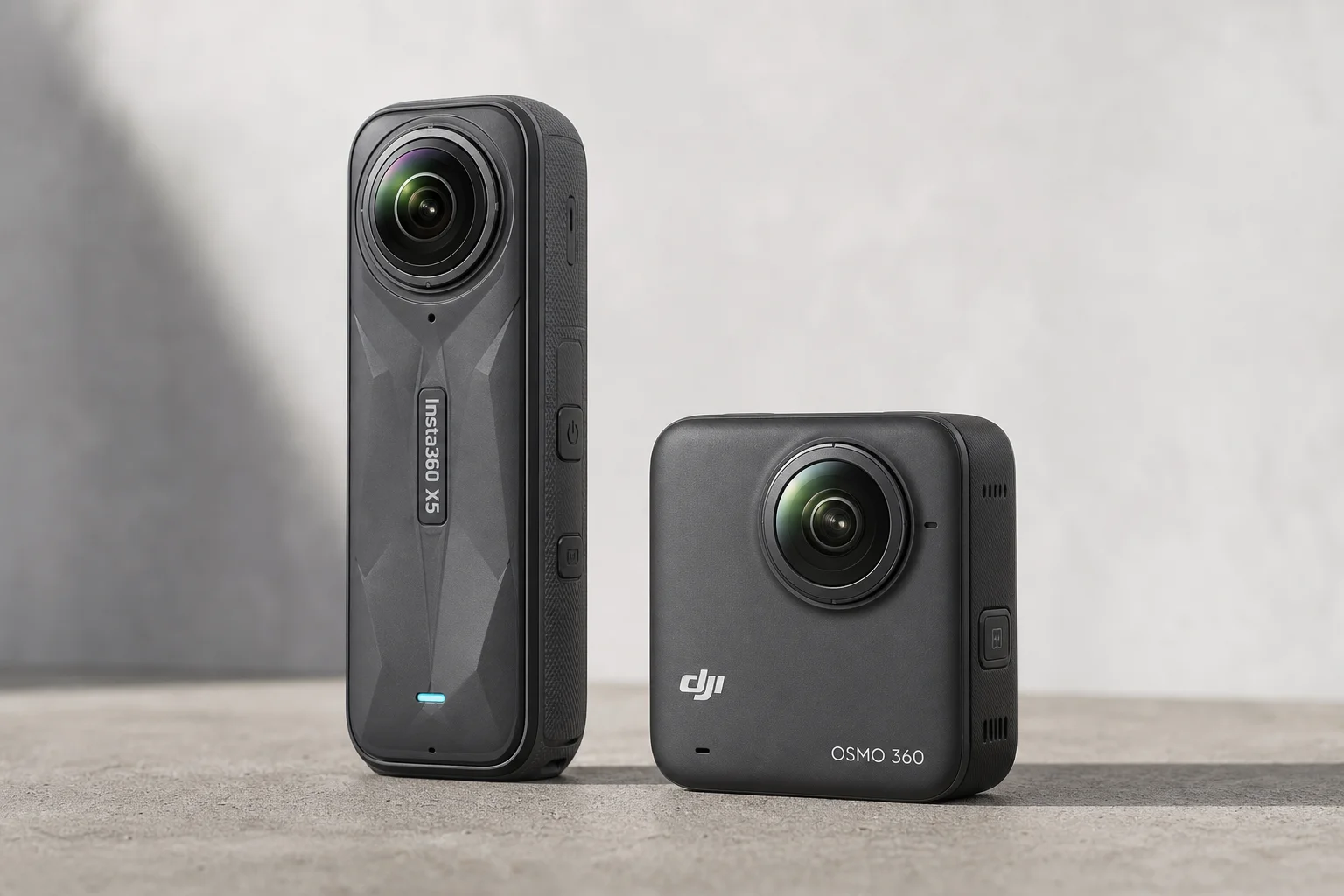
360 Cameras for Adventure Motorcycling: Insta360 X5 vs DJI Osmo 360
Two 360-degree action cameras designed for off-road and adventure riding. A detailed comparison of features, stabilization, and real-world performance for motorcycle touring.
Action Cameras
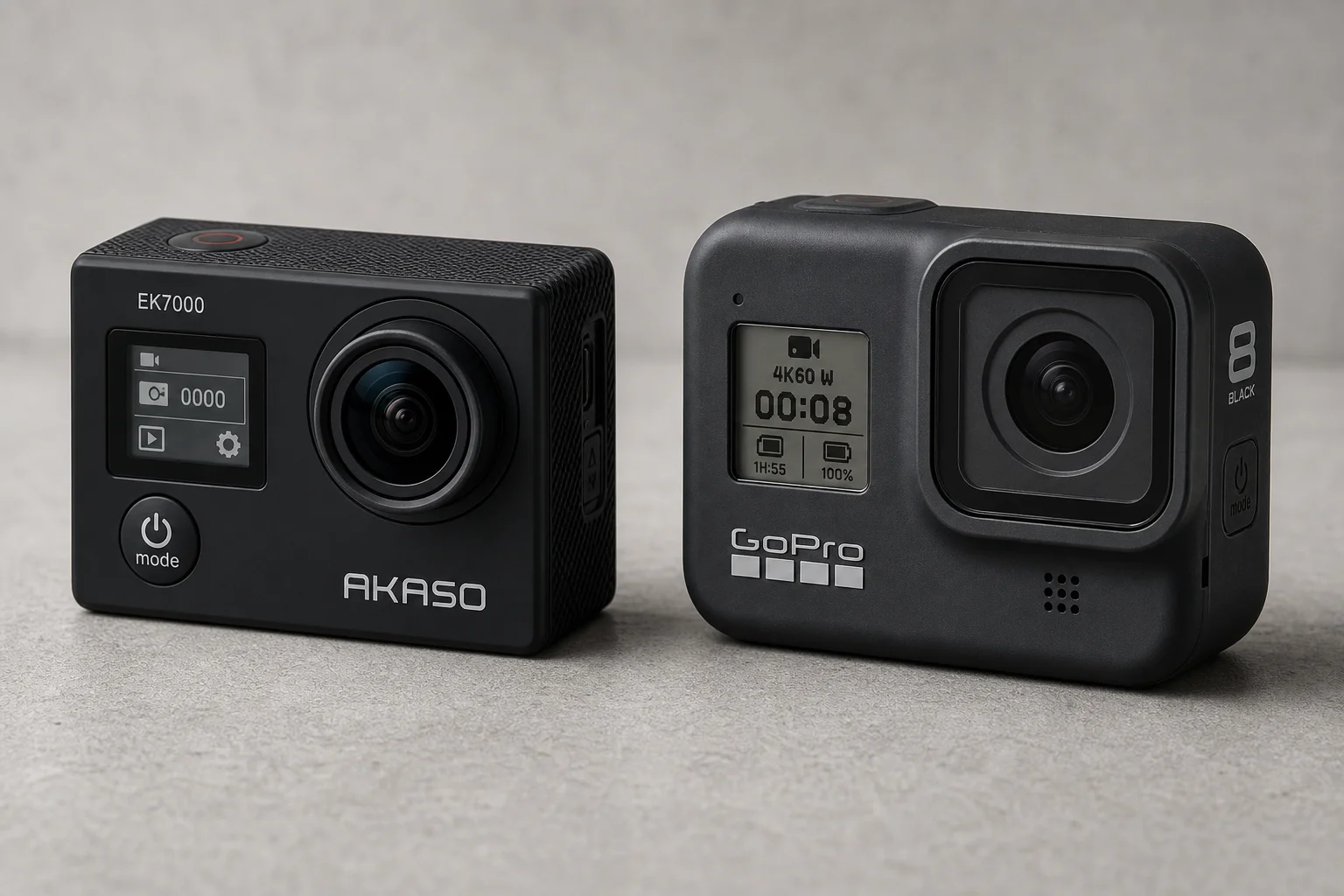
Akaso EK7000 vs GoPro Hero 8 Black: Budget Action Camera Tested
A $50 budget action camera faces off against the GoPro Hero 8 Black. Here's how the Akaso EK7000 really performs in video, audio, and photo quality.
Action Cameras
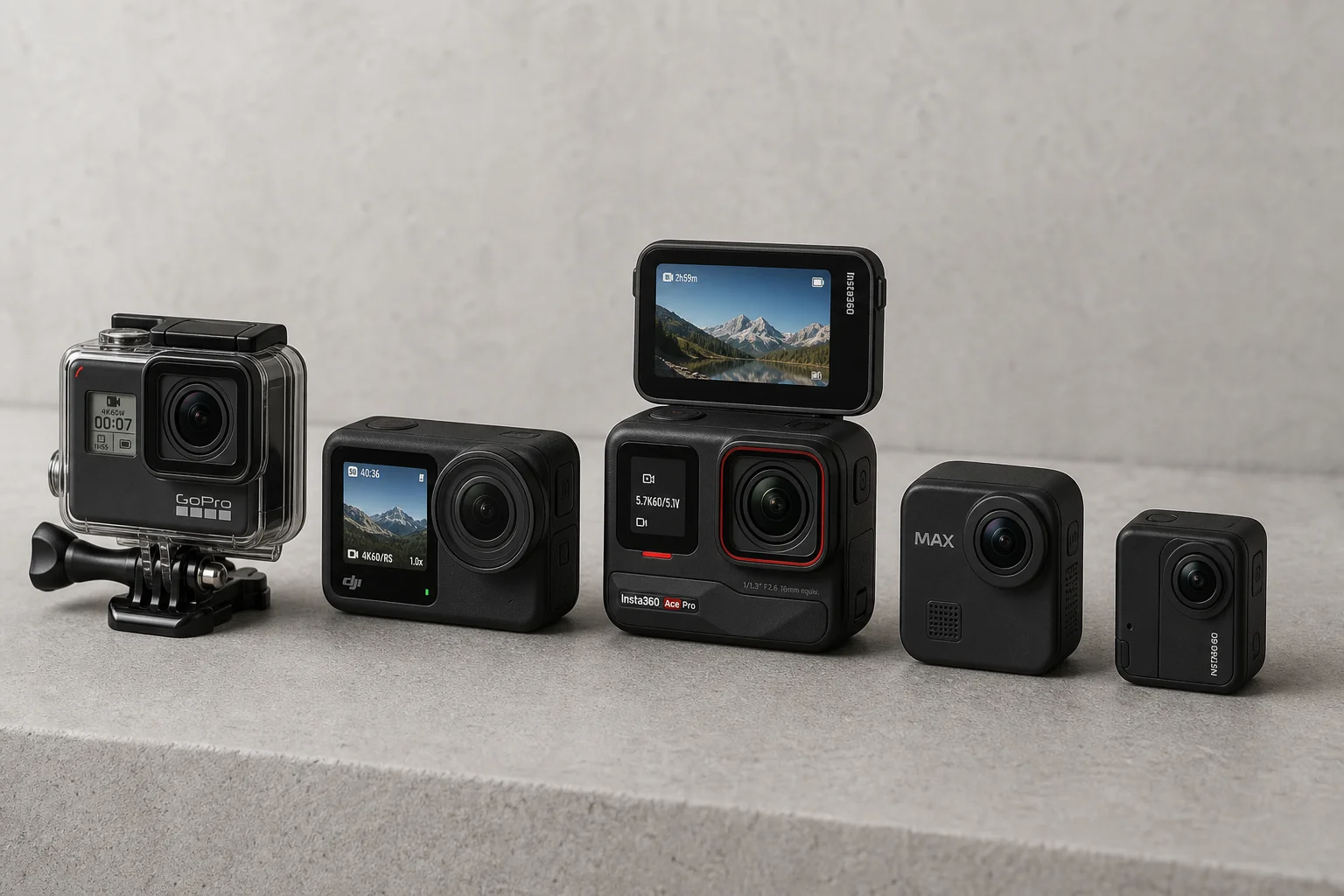
Best Action Cameras 2026: Five Top Picks Ranked
A comprehensive ranking of five action cameras from budget-friendly to premium, covering durability, video quality, stabilization, and low-light performance.