Aquarium Equipment
Best Aquarium Return Pumps: A Complete Buyer's Guide
Navigate the full range of aquarium return pumps from budget AC models to premium DC options. Find the right pump for your tank setup, flow requirements, and priorities.
Introduction
Choosing the right return pump is one of the most important decisions in aquarium setup. Whether you prioritize cost, silence, reliability, or flow capacity, there is a pump designed for your specific needs. This guide breaks down the major categories and helps you understand what each type does best.
Understanding Return Pump Categories
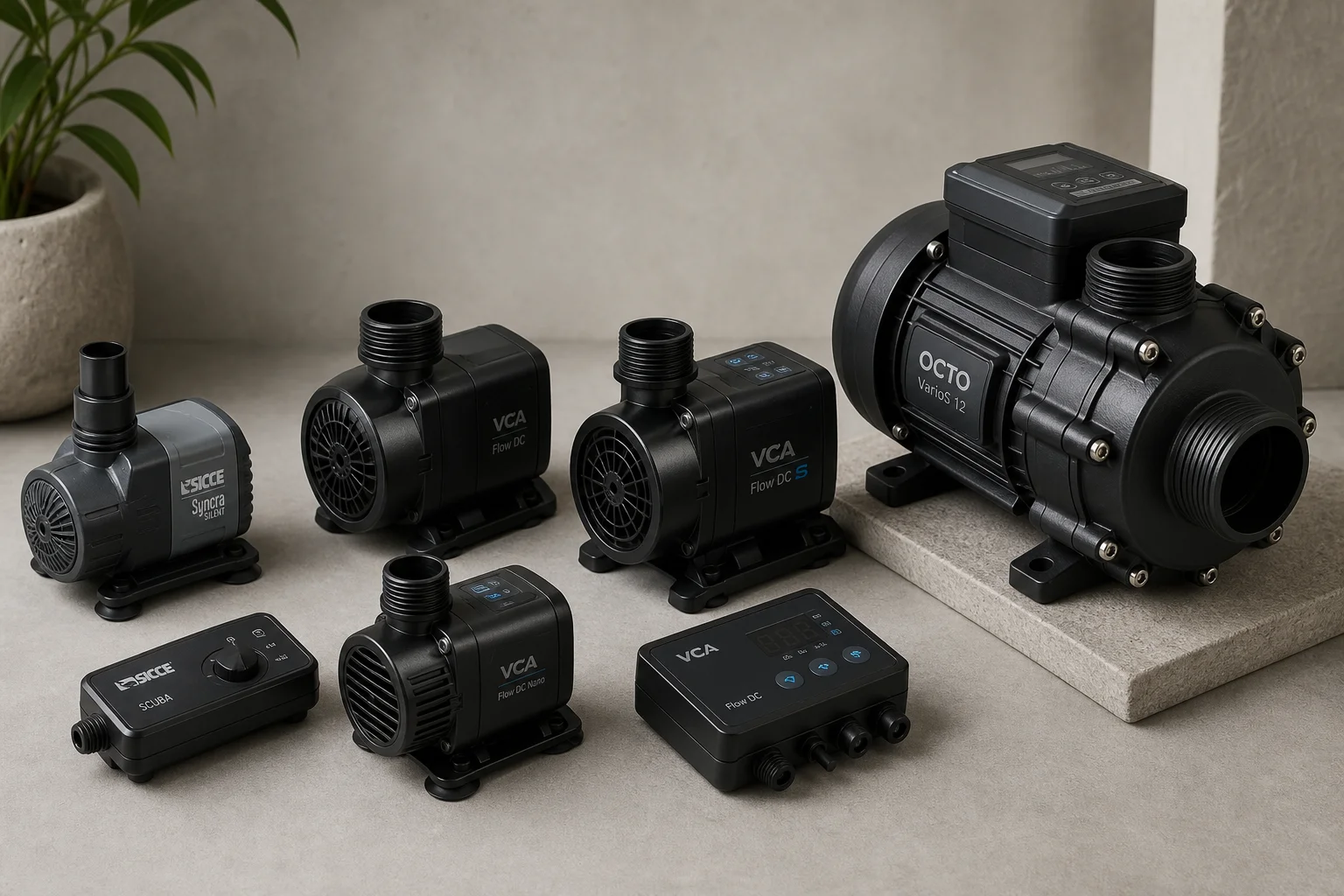
The return pump market divides into three main segments: budget AC pumps, mid-range DC options, and high-end DC models. AC pumps are the traditional choice, offering proven reliability and lower cost. DC pumps represent the modern standard, delivering quieter operation and adjustable flow rates. High-end DC pumps add premium build quality, extended warranties, and advanced features.
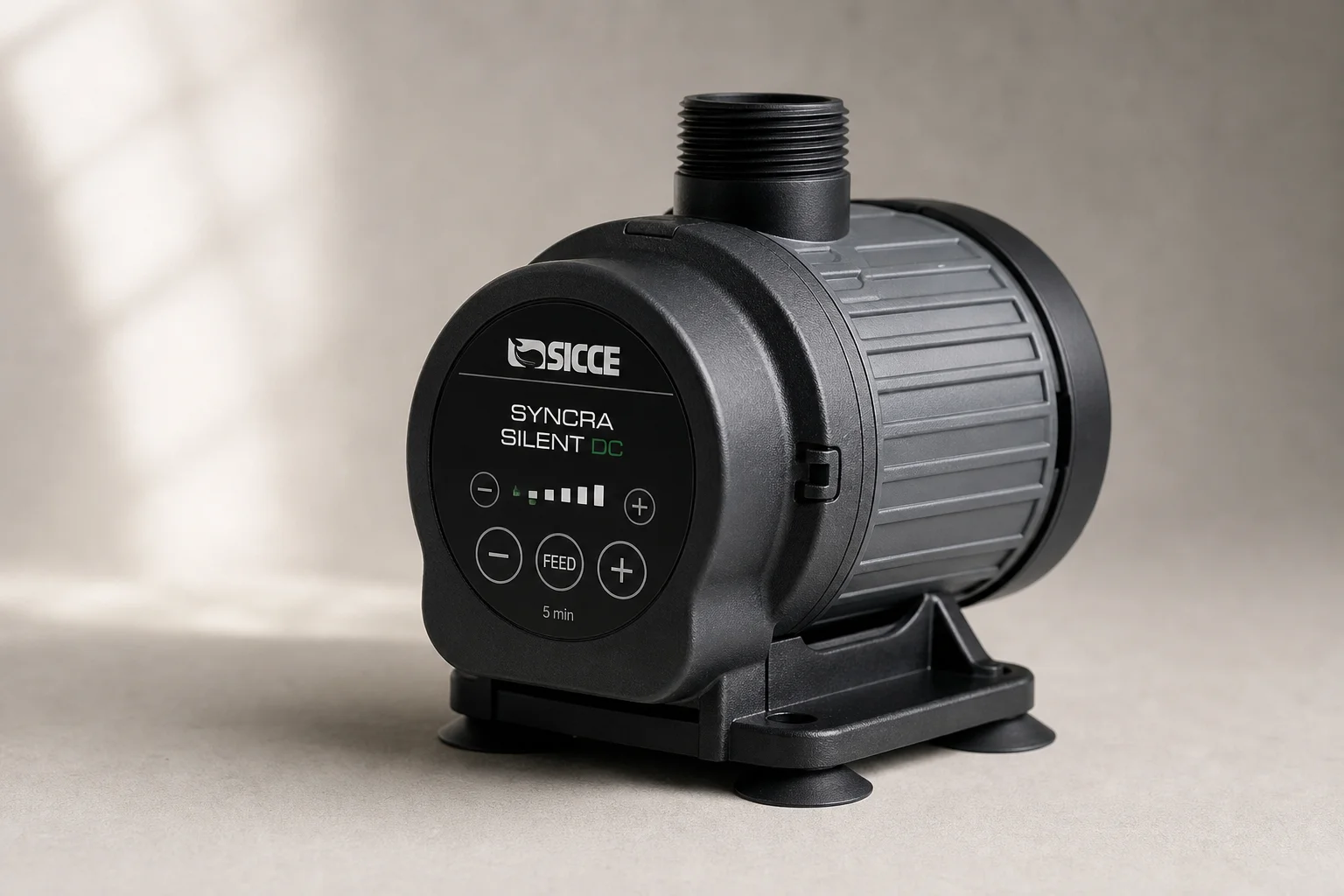
The most popular choice across all categories is the Sicce Syncra Silent, an AC pump that outsells its nearest competitor by a factor of four. This Italian pump company specializes exclusively in pump manufacturing, which explains their market dominance. Among DC options, adoption is more evenly distributed across several brands, with each serving specific use cases rather than one clear winner.
Budget-Conscious Setup: Lifegard Quiet One Pro
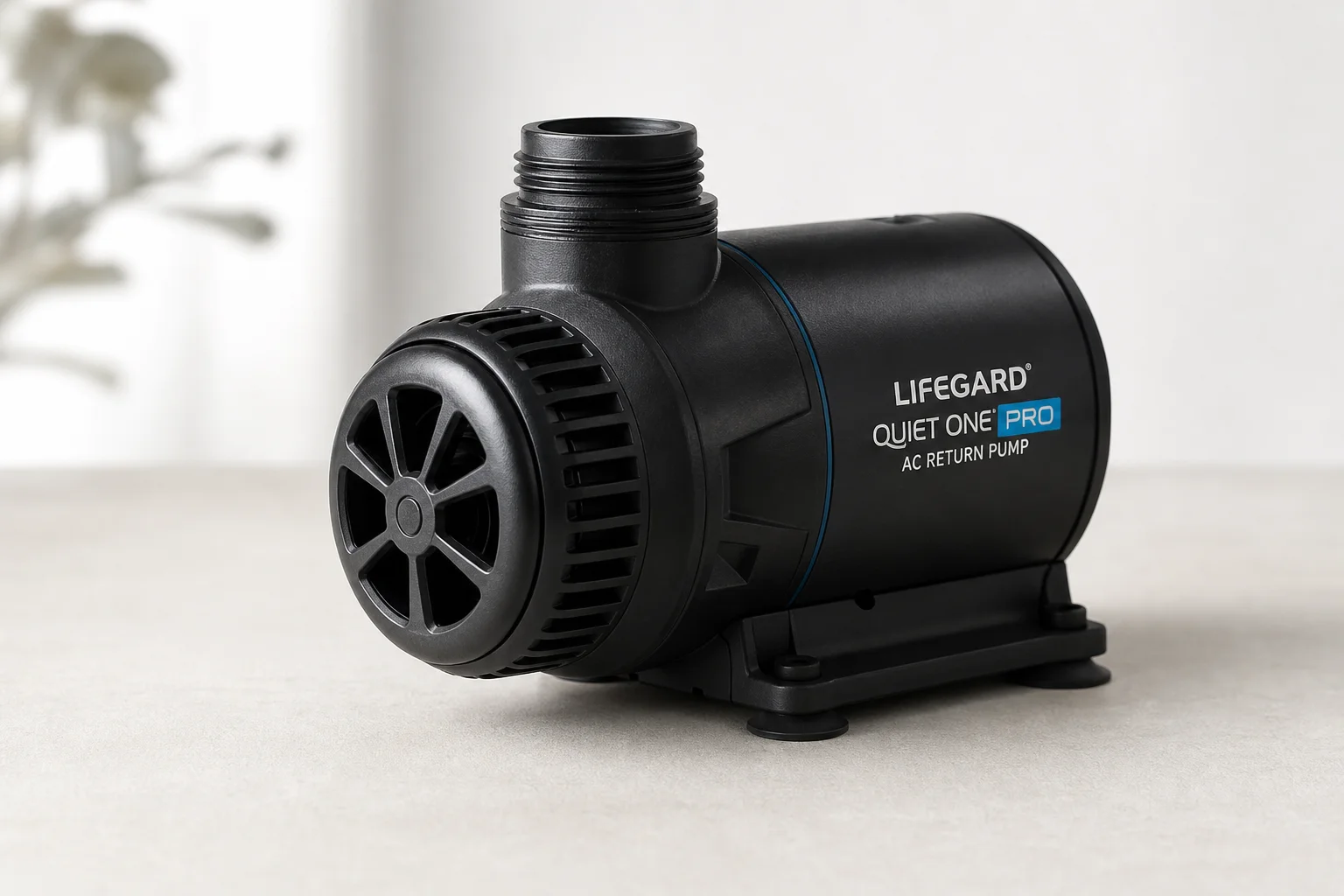
If your primary goal is to move water affordably without unnecessary features, the Lifegard Quiet One Pro delivers. This AC pump handles the job with no frills, making it the most cost-effective option available.
The Quiet Tank Priority
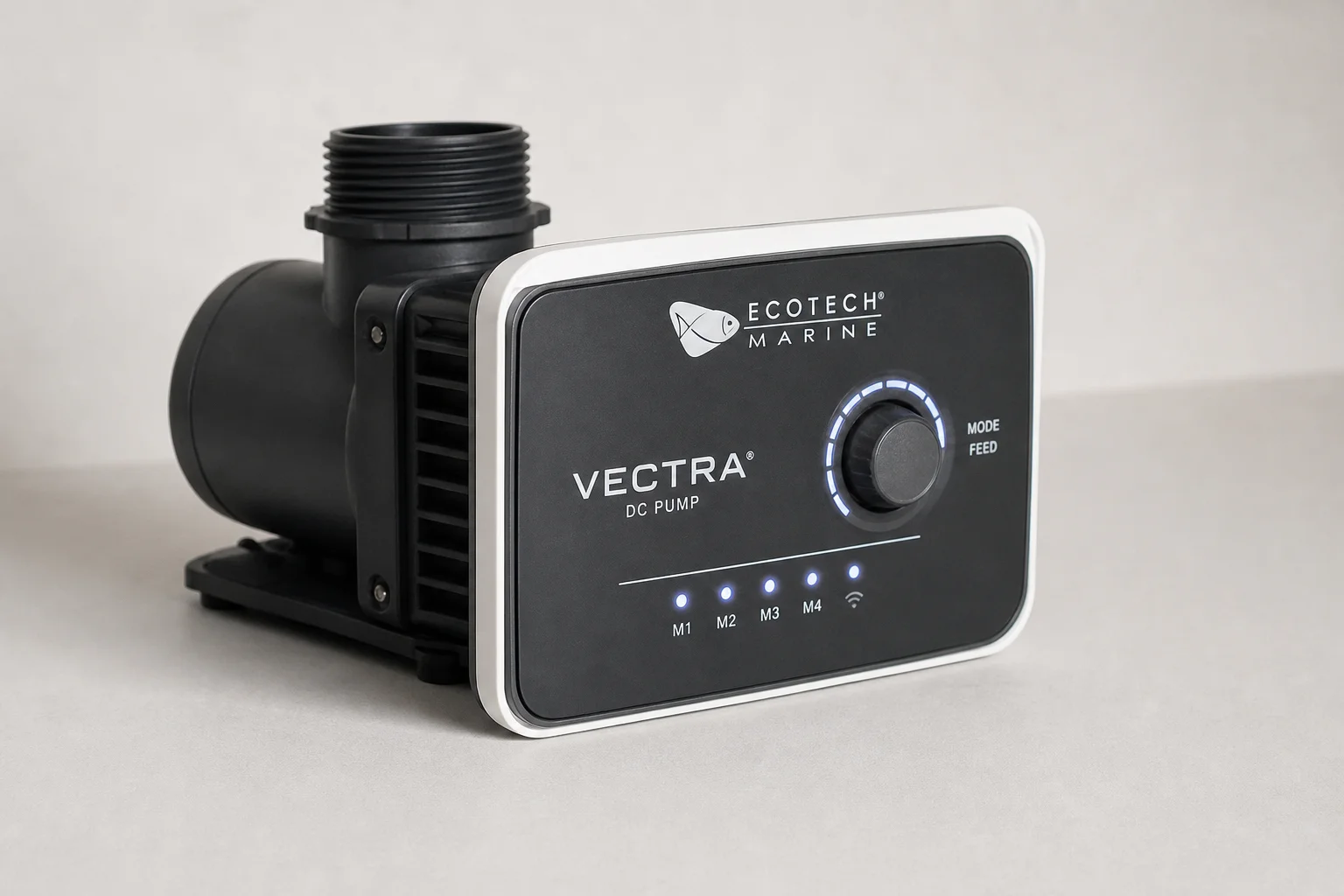
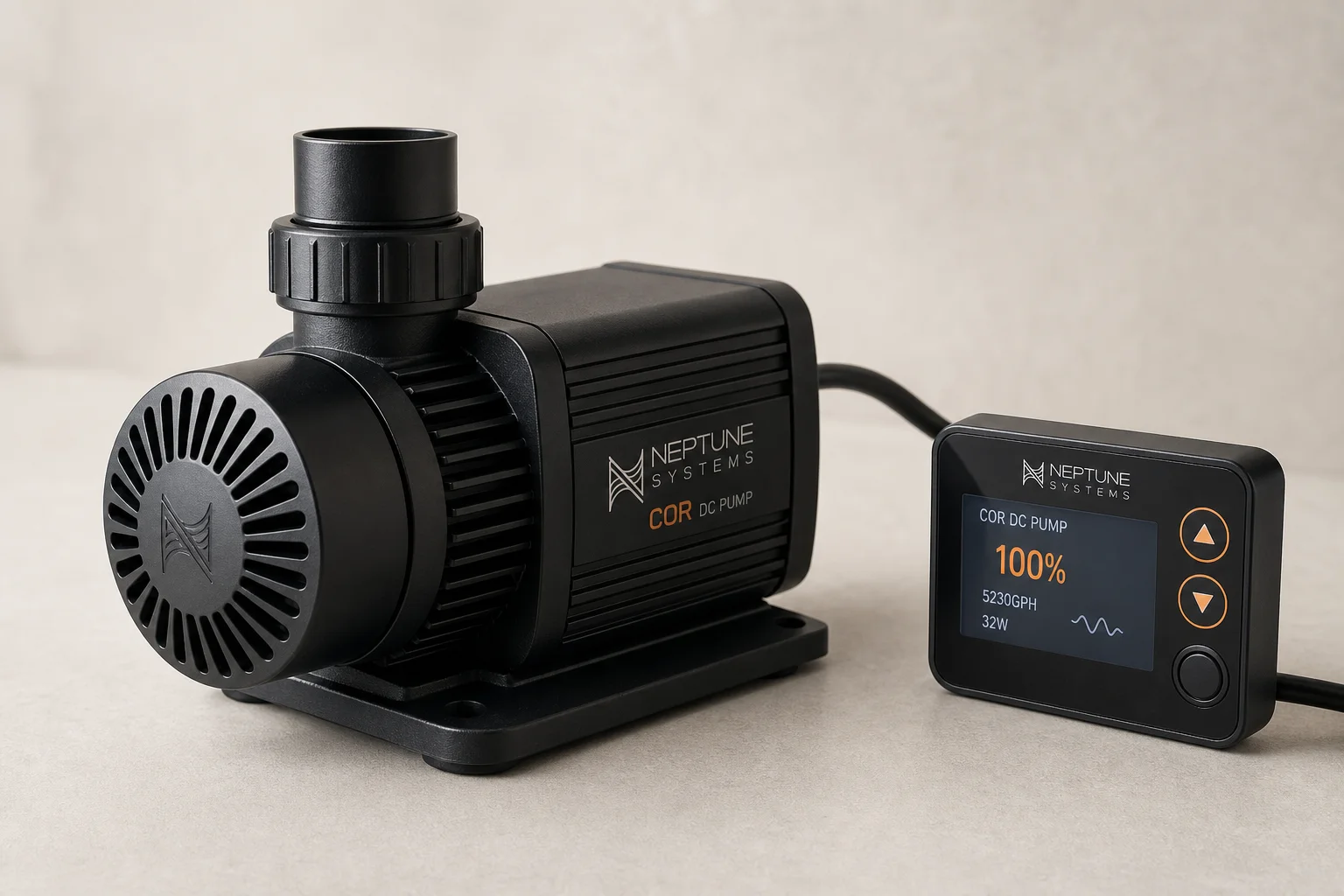
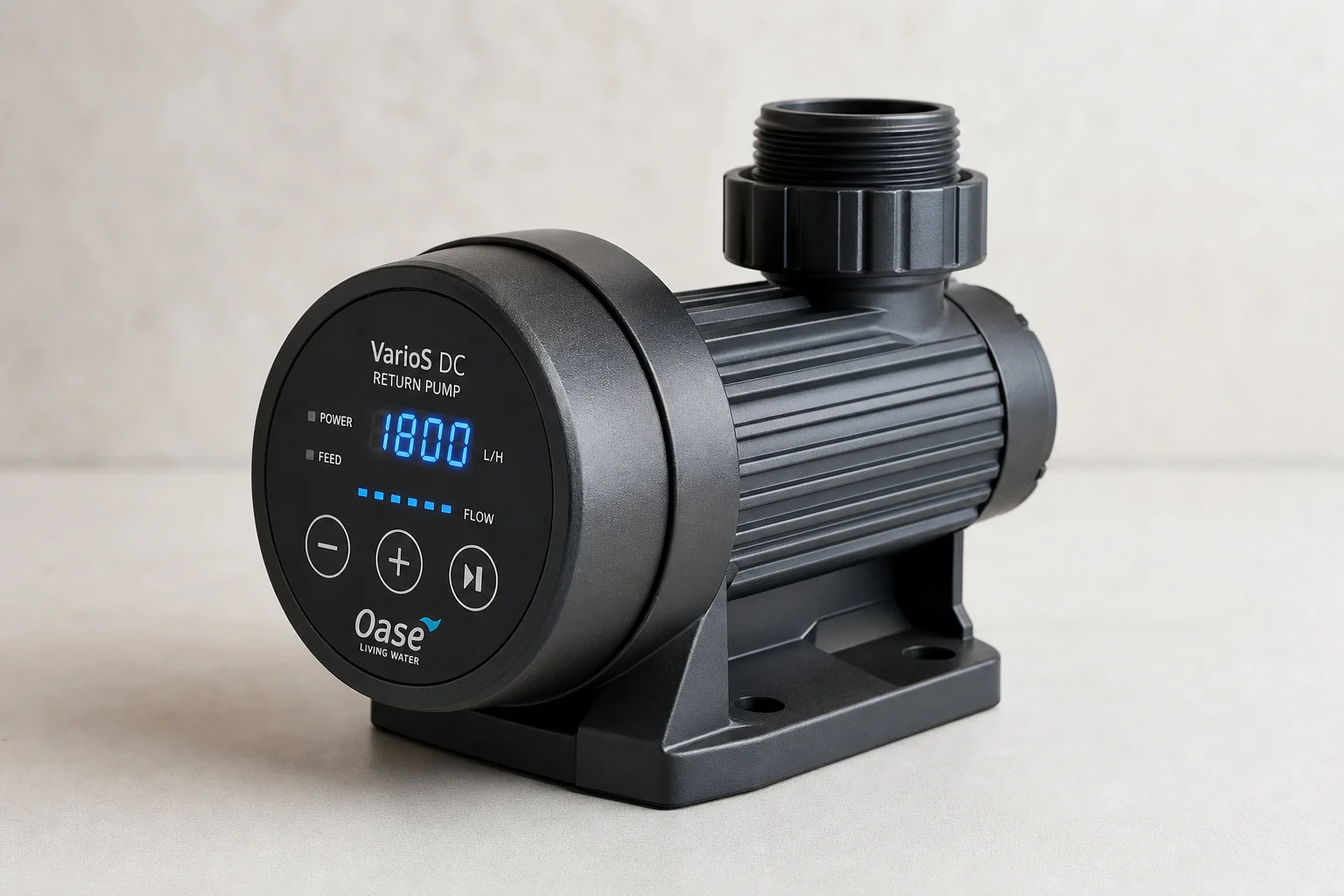
When silence matters—whether your tank sits in a living room, bedroom, or theater space—any modern DC pump will satisfy. The Ecotech Marine Vectra, Neptune Systems COR, and VarioS all incorporate rubber dampening and tight tolerances that eliminate the humming and rattling common in AC models. Even at maximum speed, these pumps produce minimal audible noise when the cabinet is closed.
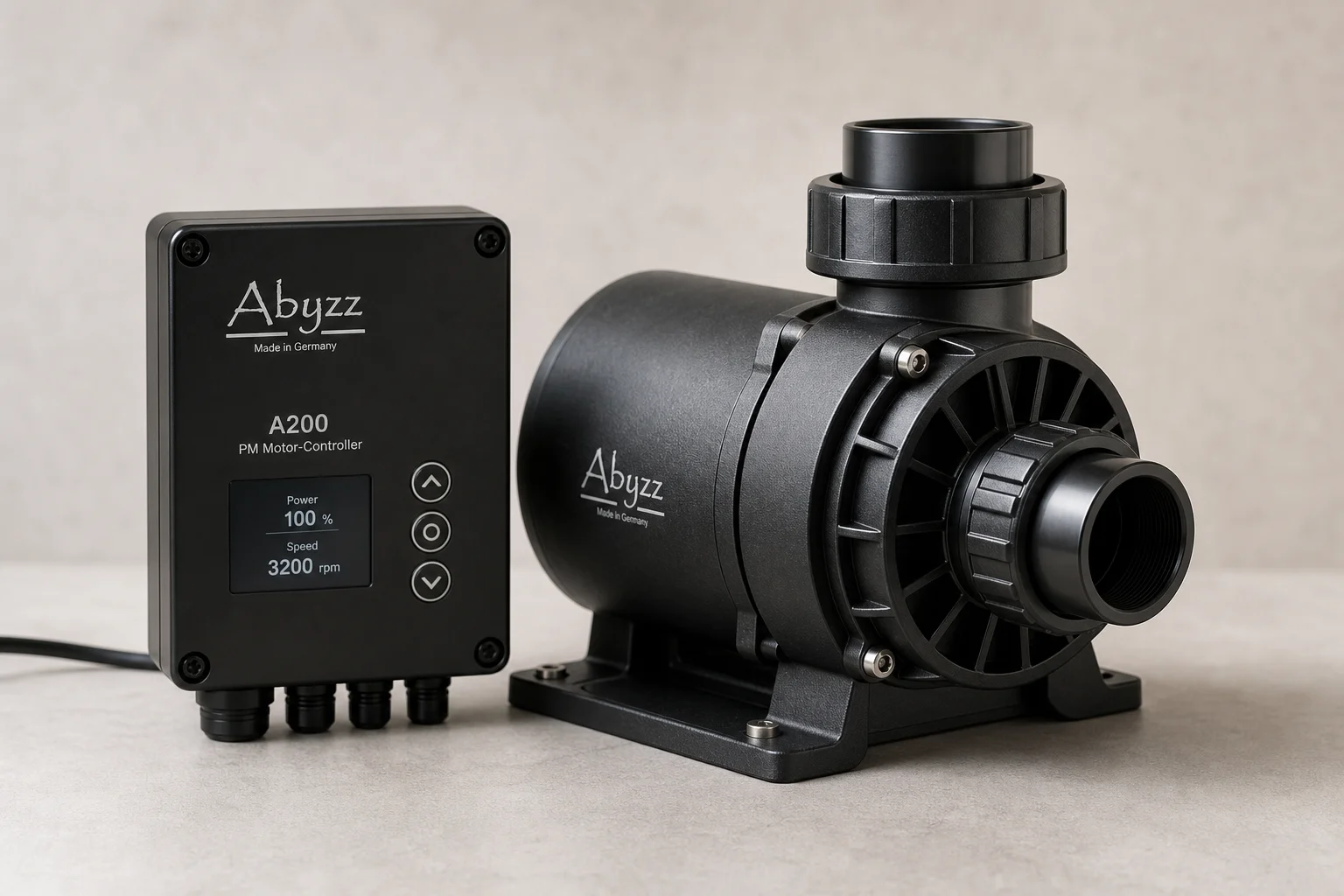
For applications requiring exceptional silence beyond typical DC performance, the high-end options like the Royal Exclusiv Red Dragon and Abyzz deliver near-silent operation even when your ear is placed directly on the pump at full throttle.
Reliability and Redundancy Strategy
Pump failure is not a question of if but when. The most effective reliability strategy is not selecting the most durable individual pump, but rather installing two smaller pumps instead of one. If one fails, the second maintains circulation and keeps the tank alive. This approach outweighs any single-pump reliability advantage.
Between AC and DC technologies, AC pumps like the Sicce Syncra Silent demonstrate exceptional longevity, with many units operating for decades. The wider tolerances in AC motor design allow them to function across a broader operating range with less maintenance sensitivity. DC pumps, while quieter and more refined, require more precise conditions.
Warranty length signals manufacturer confidence. The Sicce Syncra Silent offers three years standard, extending to five years with registration. The Abyzz provides a ten-year warranty, indicating the manufacturer’s expectation that the pump will outlast most tank setups.
High Head Pressure and Vertical Lift
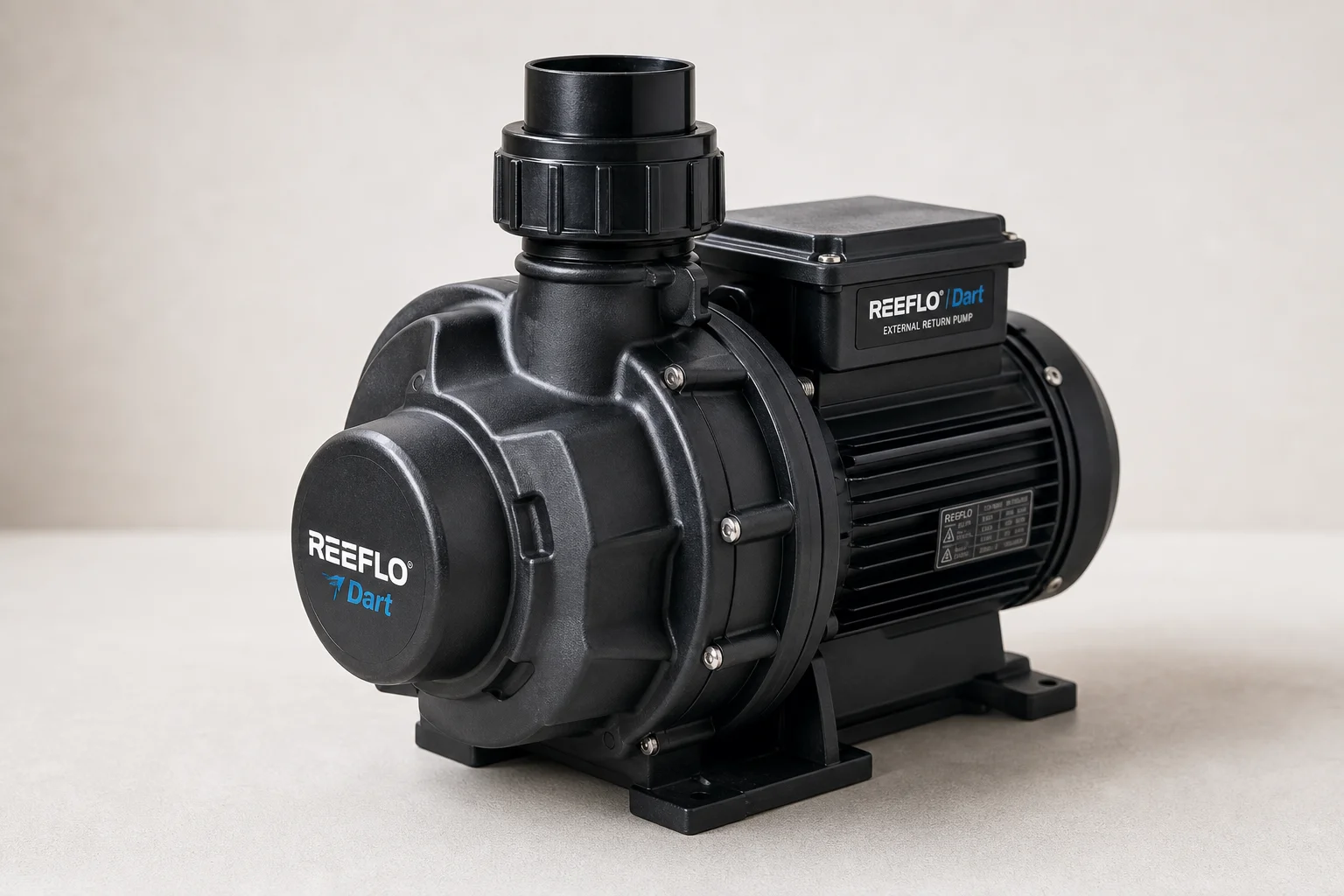
When your sump sits on the floor and your display tank is two stories above, only specific pumps handle the job effectively. External pressure-rated pumps like the Reeflo Dart excel at pushing water through significant vertical distances and complex plumbing runs. Most internal pumps struggle at head pressures exceeding 20 feet.
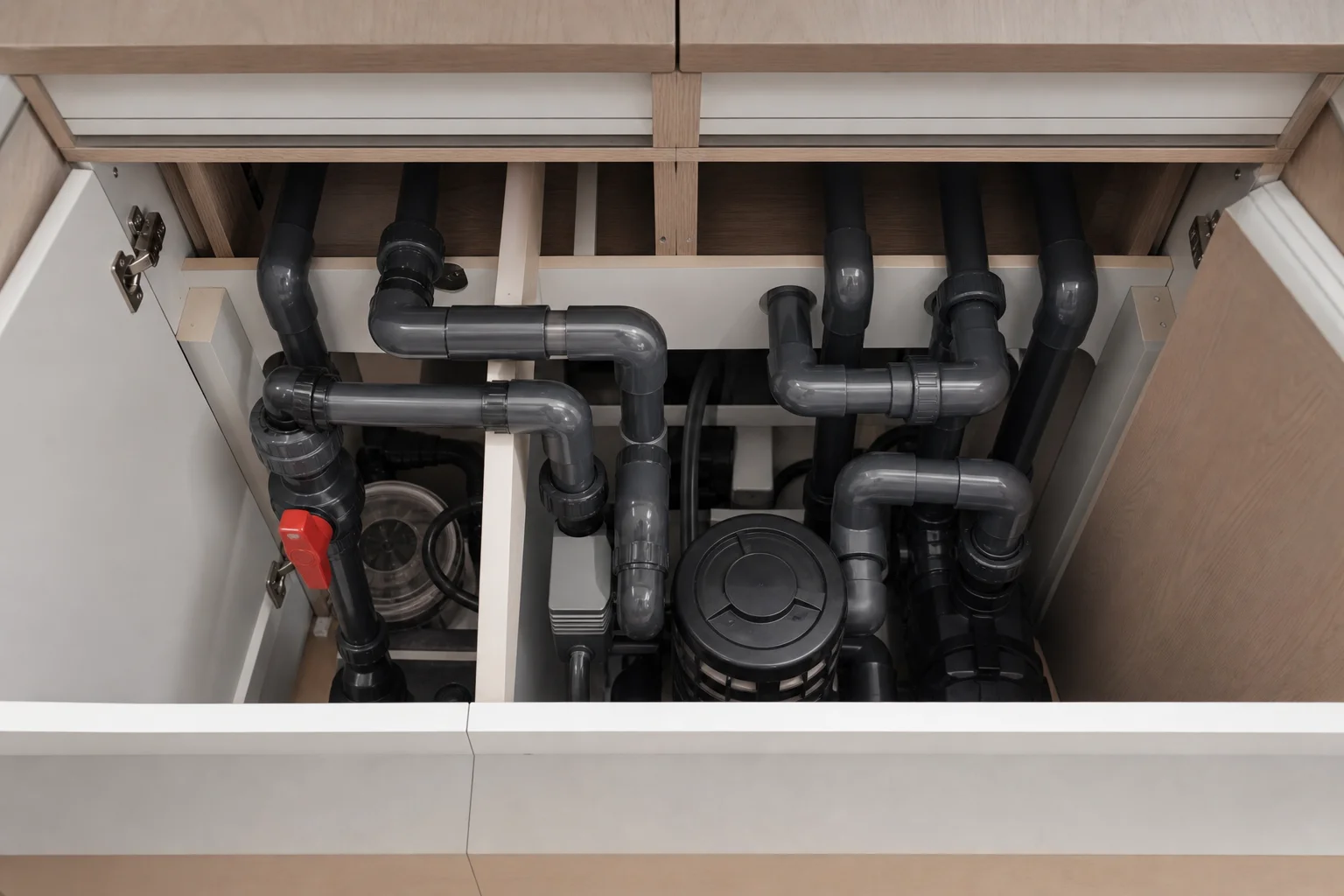
The Reeflo Dart’s warranty history demonstrates real-world reliability. One user’s pump became clogged with homemade frag plug material and seized completely. The manufacturer replaced it without question, showing genuine commitment to standing behind their product.
For DC options requiring high head pressure, the Abyzz is the notable exception, handling elevated head pressure better than most DC competitors. Iwaki and Pan World also manufacture head-pressure-specific pumps, though Reeflo remains the primary choice for this application.
Precise Flow Rate Control
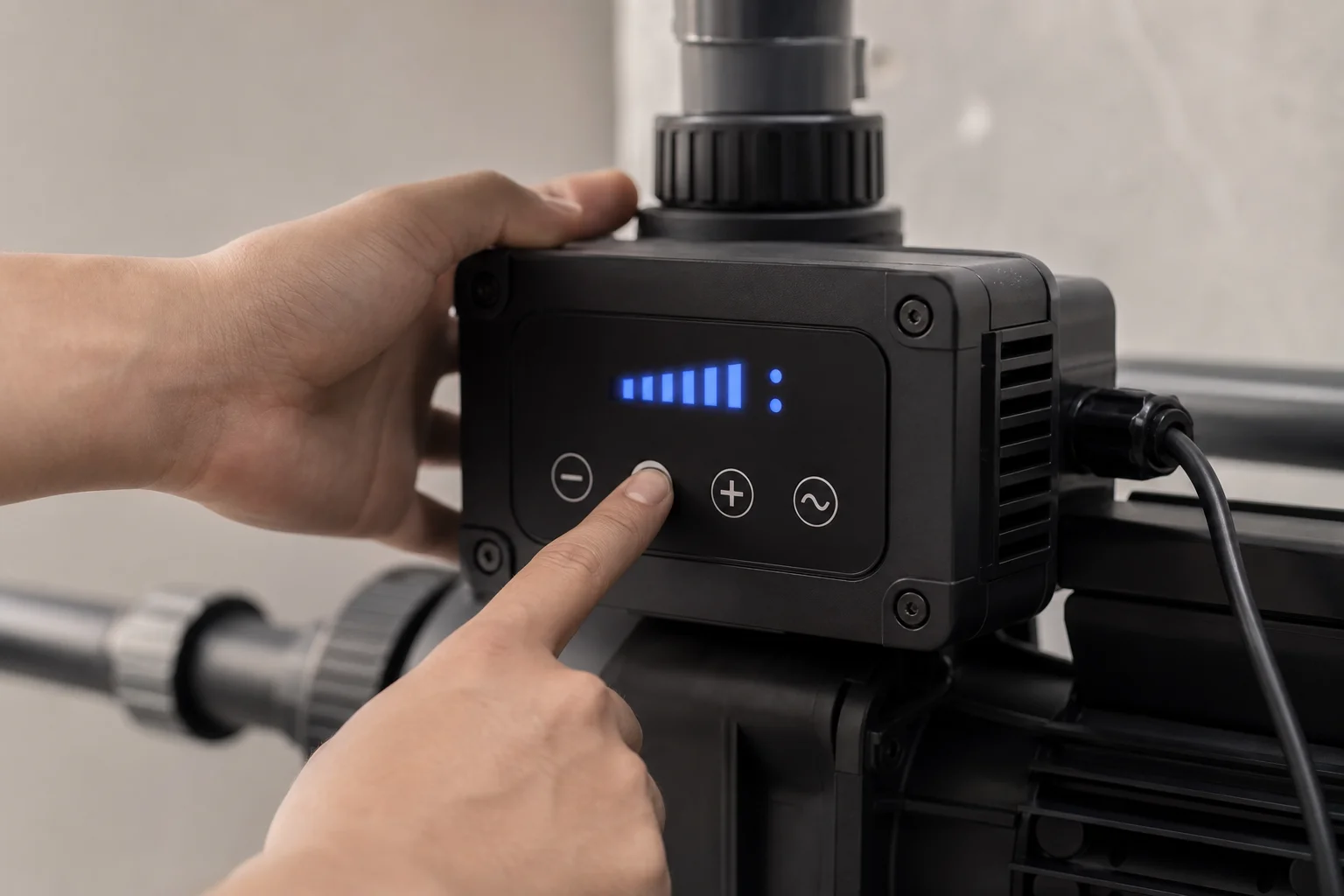
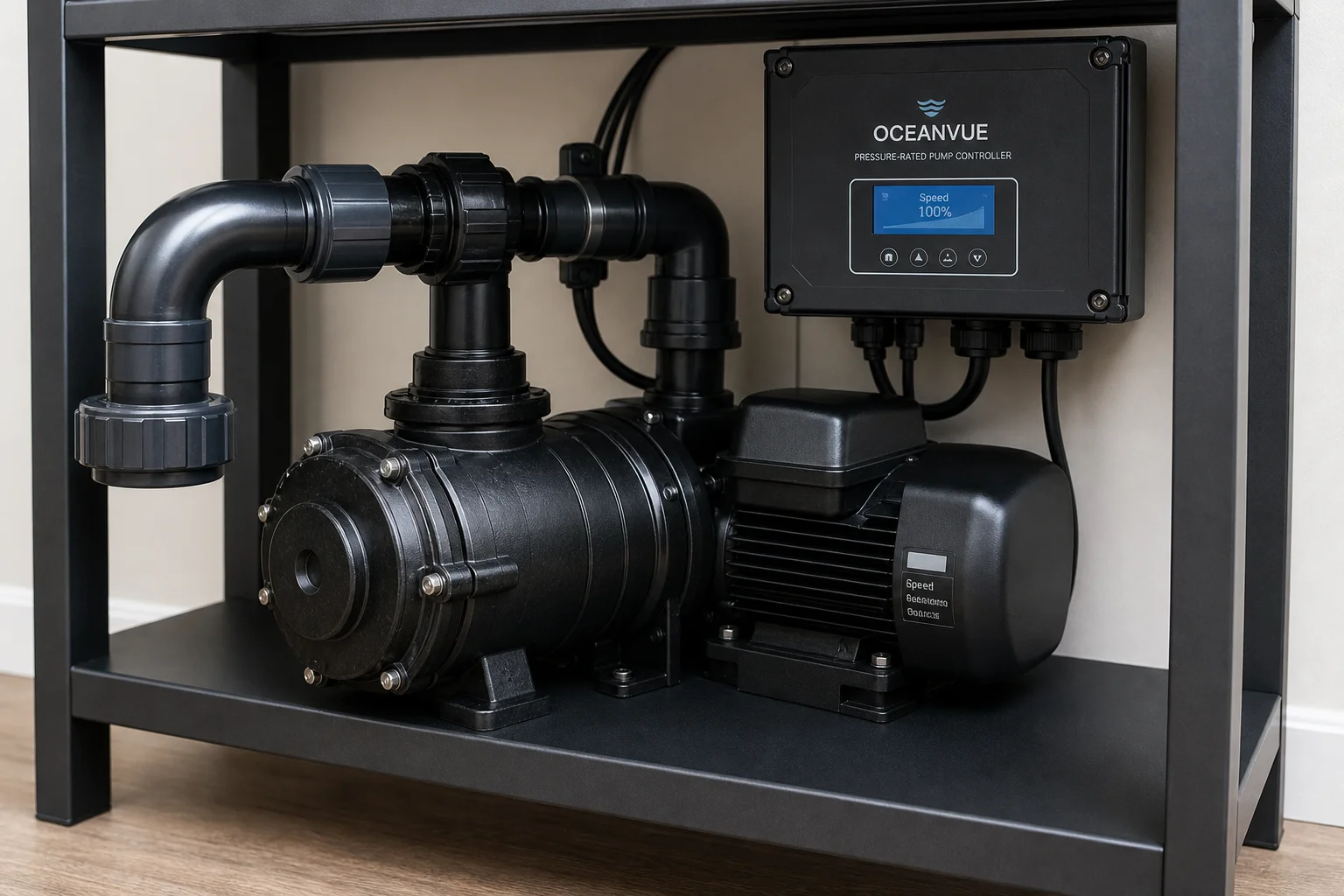
When exact gallons-per-hour output matters—such as for UV sterilizer specifications or overflow management—DC pumps with multiple speed steps provide the best solution. The Neptune Systems COR offers 15 to 16 discrete flow rate steps, allowing button-press adjustment rather than tweaking plumbing valves that clog over time.
For bean animal or Herbie-style overflows, adjusting the return pump speed eliminates the need to constantly fiddle with standpipe valves. A single button press on the pump controller compensates for clogging or changing conditions, maintaining stable water levels without noise.
The VarioS provides five speed steps, which initially seems limiting but proves sufficient once you understand how fine-tuned adjustment works in practice. More steps simply offer greater precision.
Premium DC Pumps: Red Dragon vs. Abyzz
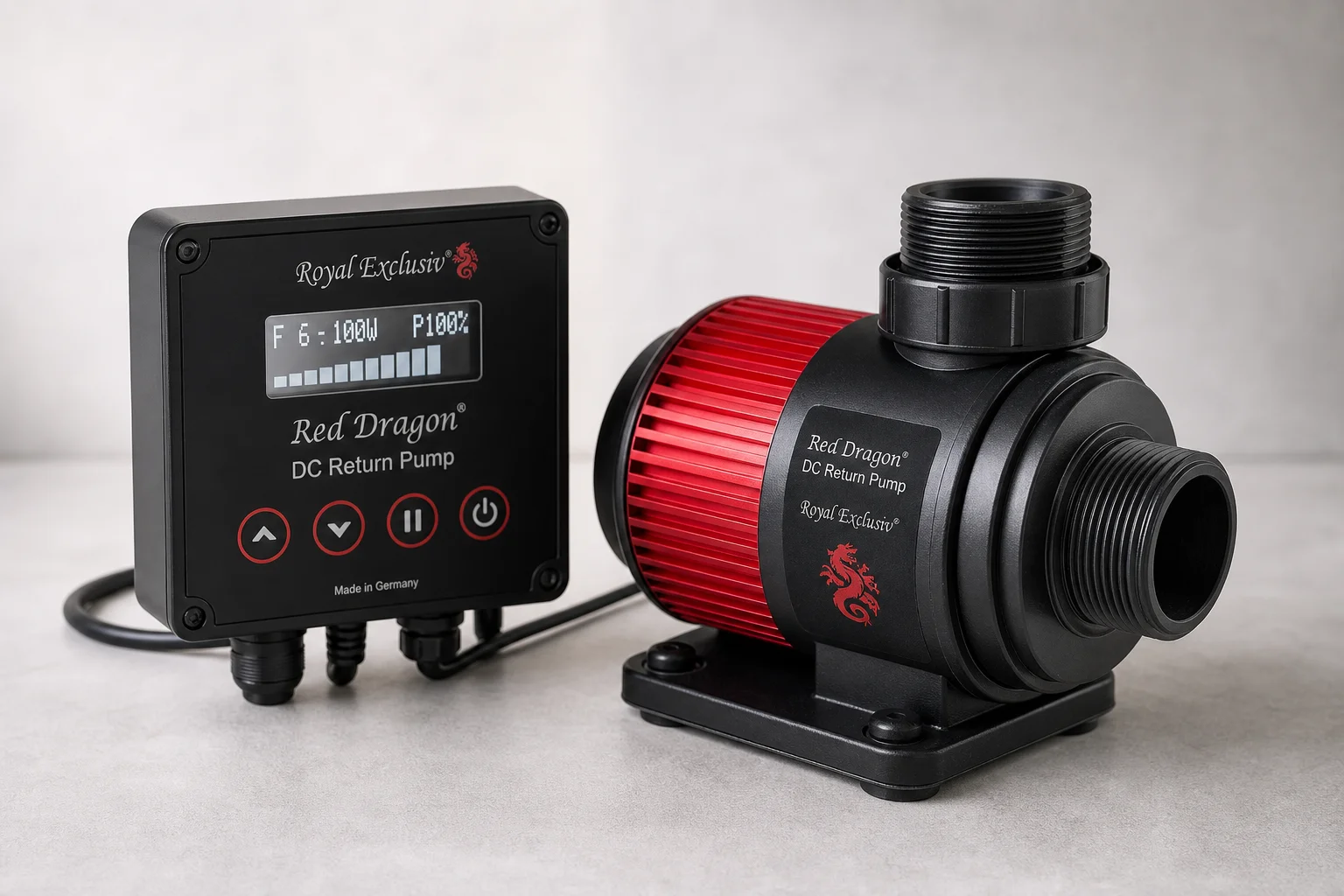
When budget is no constraint and you want the best available, the choice narrows to the Royal Exclusiv Red Dragon and the Abyzz. Both deliver exceptional performance, but practical differences matter.
The Abyzz includes unions on both the top and front, allowing easy plumbing disconnection and reconfiguration. The Red Dragon uses a collar system that, once glued and pressurized, becomes essentially permanent. For future maintenance or plumbing changes, the Abyzz design proves significantly more convenient.
The Abyzz also features a more refined control box and overall fit-and-finish quality. However, the Red Dragon has proven more reliable in long-term use, with no documented failures in extended home testing. The Abyzz has experienced occasional failures, though anecdotal evidence is limited due to the small user base.
Both pumps operate nearly silently and offer extremely wide, fine-increment speed adjustment. Both are frequently out of stock for months at a time. The practical recommendation: purchase whichever is in stock when you need it, as availability often outweighs minor performance differences.
Space-Constrained Setups: Compact Pumps
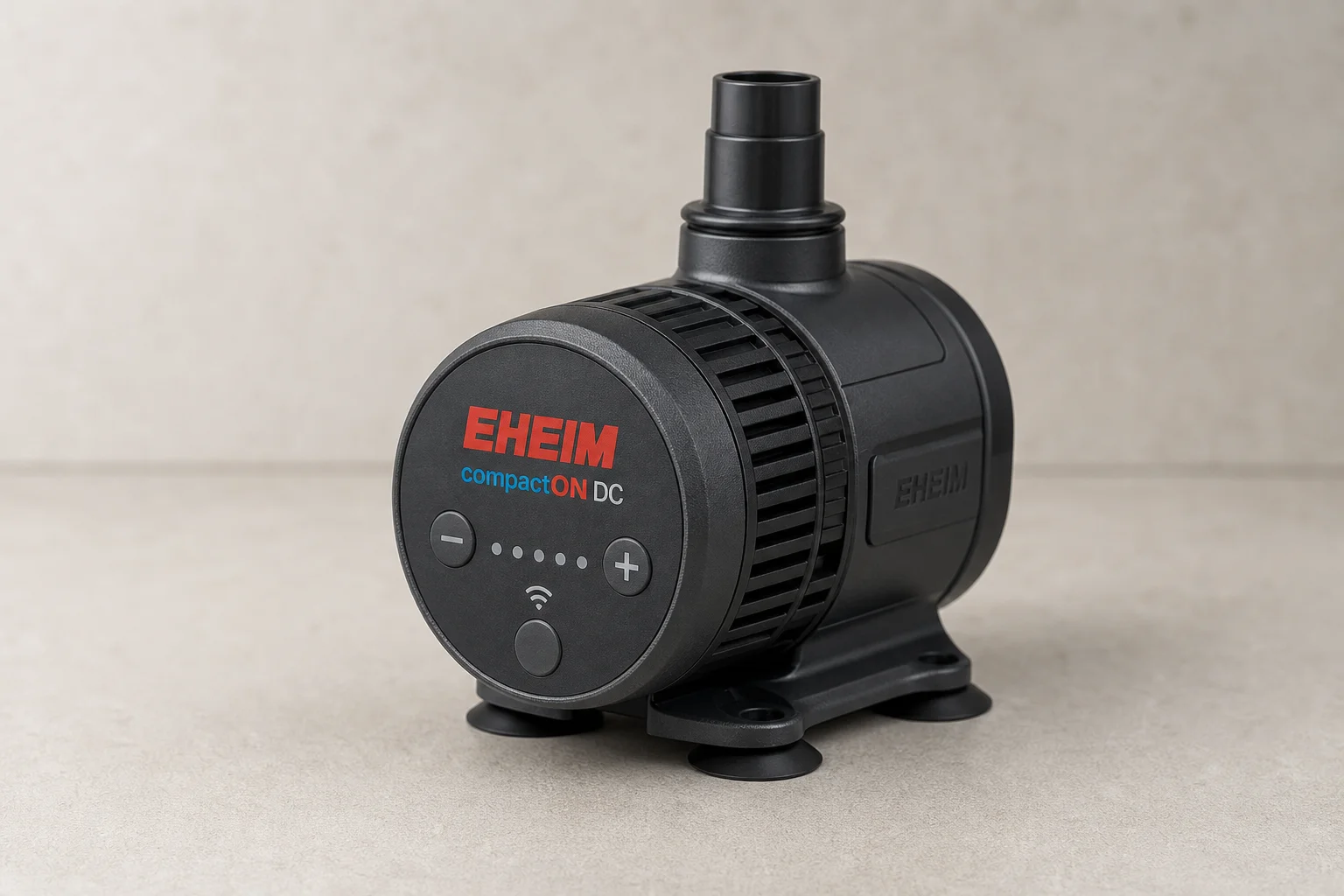
When sump space is severely limited—such as in all-in-one tanks or heavily packed filter compartments—the Eheim CompactON stands out as the smallest available option. For dual-pump redundancy in tight spaces, the VarioS offers the next-best compact footprint.
The VarioS includes a protective intake guard and a float switch that prevents dry-running if your auto top-off fails. This mechanical safeguard automatically stops the pump when water level drops too low, protecting the motor from burnout.
Smart Pump Features and Dry-Run Protection
Modern DC pumps recognize when water level drops dangerously low and shut down automatically, preventing catastrophic motor damage. The Ecotech Marine Vectra, Neptune Systems COR, and VarioS all employ different detection methods—some electronic, some mechanical—but all achieve the same protective outcome.
The Sicce Syncra Silent DC option includes Wi-Fi connectivity and an app that sends push notifications about pump status, temperature, and failure modes. This allows remote monitoring even without a dedicated aquarium controller.
For users with a Neptune Systems Apex controller, the COR pump integration is unmatched. The pump not only stops when water level drops but sends specific error codes explaining why, enabling immediate remote diagnosis and response.
Flow Rate Reality and Tank Turnover
A common misconception is that aquarium return pumps must achieve 10 times per hour turnover. Modern reef tank practice shows that three times per hour turnover is sufficient. After accounting for plumbing losses—elbows, fittings, and restrictions—expect to achieve roughly half the pump’s rated flow at your actual head pressure.
A pump rated at 600 gallons per hour at six feet of head will likely deliver closer to 300 gallons per hour in a real installation with typical plumbing complexity. This means a 100-gallon tank needs only a 300 gallons-per-hour pump, not the 1,000 gallons-per-hour pump older guidelines suggested.
Three times per hour means water passes through your filtration, heater, and skimmer approximately 72 times daily—far more than sufficient for heating and filtration. Even two times per hour turnover provides adequate circulation for most reef systems. The professional tanks at major aquaculture facilities often operate at one to one-and-a-half times turnover, proving that excessive flow is unnecessary.
Lower flow rates mean quieter operation, lower cost, and the ability to run two smaller redundant pumps instead of one large pump. This approach improves both reliability and overall system noise.
Internal vs. External Pump Placement
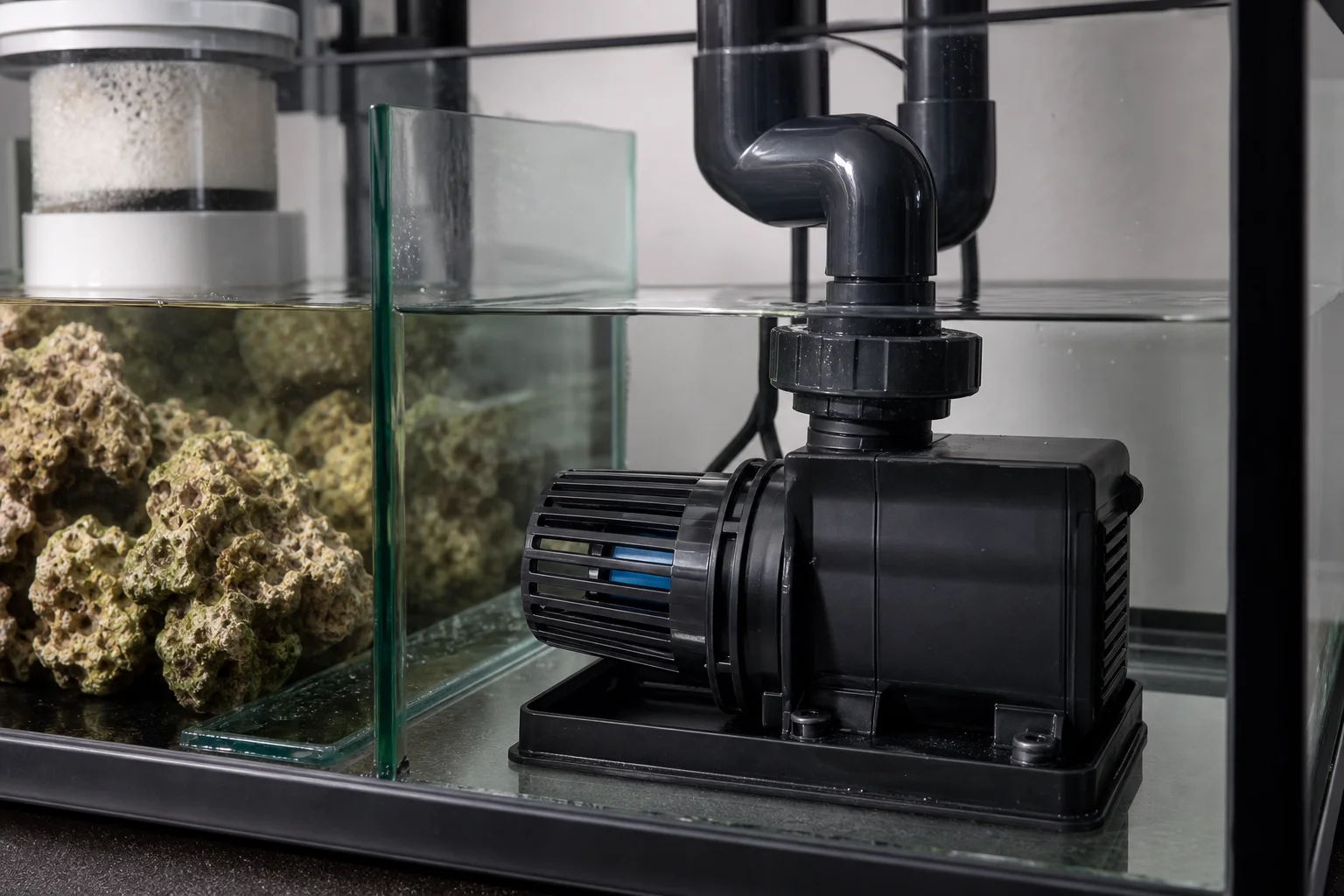
Internal pumps submerged in the sump are the default choice for most installations. External pumps add plumbing complexity, potential leak points, and maintenance requirements. The only reason to use an external pump is when the required flow rate demands a pump too large to fit in your sump.
External pumps designed specifically for external use—like the Reeflo Dart—are engineered to prevent leaks at all costs and prove more reliable than internal pumps adapted for external mounting. If you must use external, choose a pump designed for that purpose.
Even external pumps eventually wear seals and may develop small leaks over time. Periodic seal replacement prevents this from becoming a problem.
Remote Failure Notification
The most critical feature of any return pump is not preventing failure but alerting you when failure occurs. A pump can fail while you sleep, work, or travel. Without notification, you discover the problem only when you arrive home to a catastrophic tank crash.
Apex controller integration provides the gold standard: instant notification with specific error codes explaining the failure mode. For systems without a controller, the Sicce Syncra Silent’s Wi-Fi app delivers push notifications about pump status, temperature, and failure reasons.
These notifications allow you to call a trusted friend to save your tank, contact a service professional, or rush home to address the problem. Without notification, you have no way to know your tank is in crisis.
Warranty Registration
Most pumps include a three-year warranty standard. Registering the pump online extends this to five years at no cost. While warranty claims are rare, registration takes three minutes and costs nothing. The warranty itself signals manufacturer confidence—a pump backed by a five or ten-year warranty represents a product the manufacturer trusts completely.
Conclusion
The right return pump depends on your specific priorities. If cost is paramount, the Lifegard Quiet One Pro handles the job. If silence matters, any modern DC pump delivers. If you own an Apex controller, the Neptune Systems COR is the obvious choice. If you want the absolute best and cost is no object, choose whichever of the Red Dragon or Abyzz is currently in stock.
For maximum reliability, install two smaller pumps instead of one large pump. For most tanks, three times per hour turnover is sufficient, allowing you to choose a smaller, quieter, more affordable pump than older guidelines suggested. Register your warranty, monitor your tank remotely when possible, and remember that notification of failure matters more than preventing failure entirely.
Further reading
Related Reviews
Aquarium Equipment
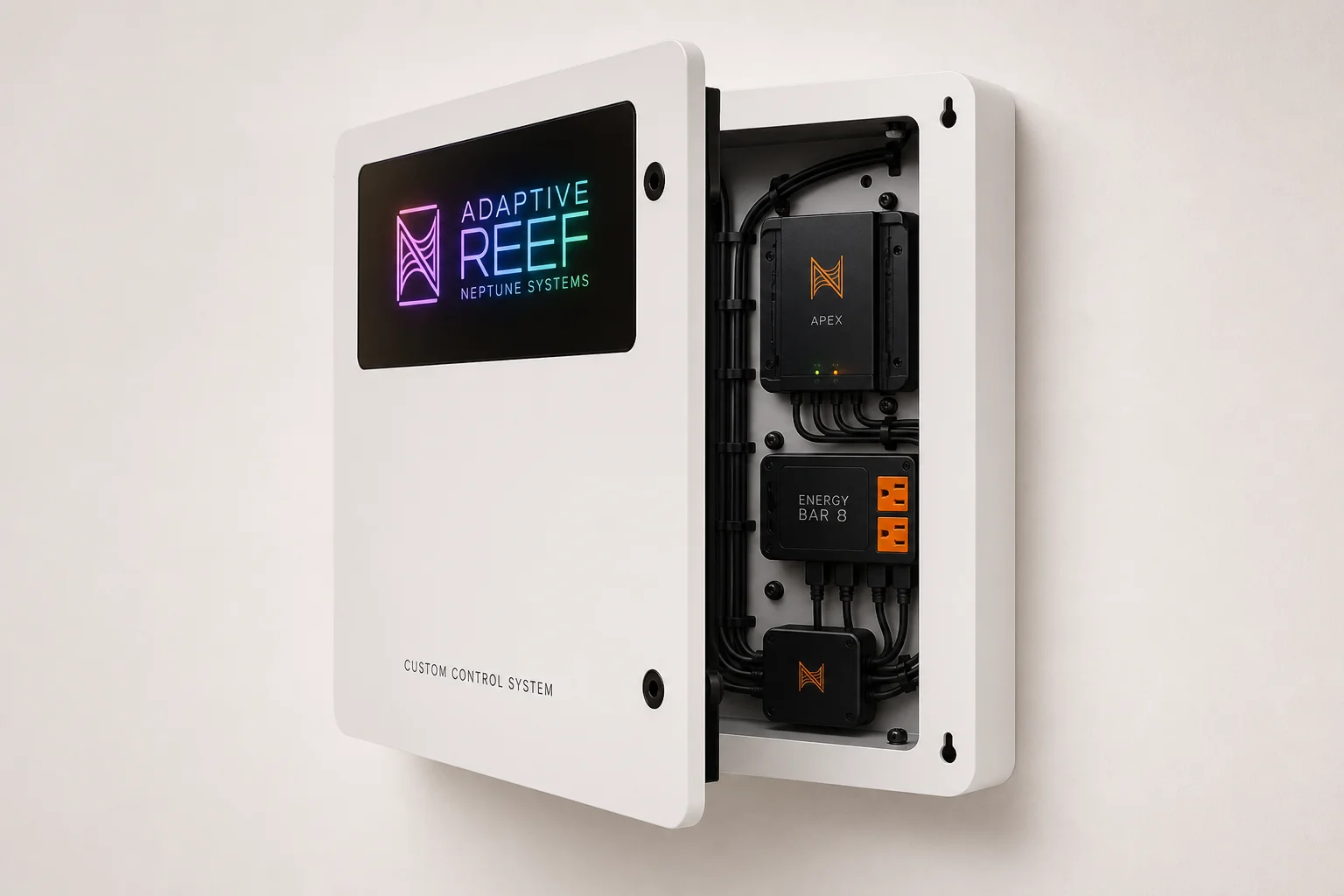
Adaptive Reef Neptune Systems Custom Control Board Review: Purpose-Built Organization for Apex Systems
A pre-configured controller board designed specifically for Neptune Systems Apex setups, offering integrated cable management, tablet mounting, and RGB lighting in a ready-to-use package.
Aquarium Equipment
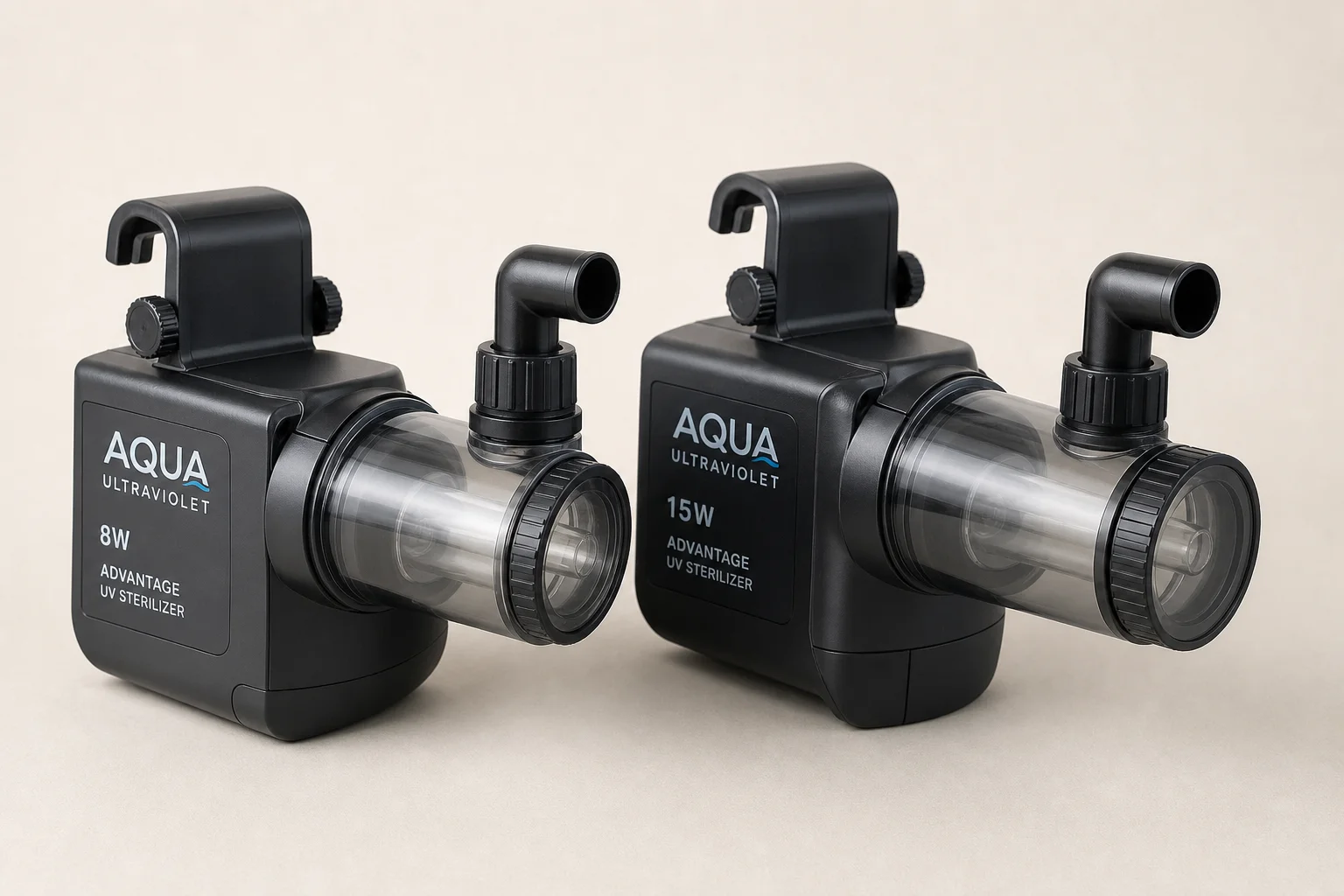
Aqua Ultraviolet Advantage Hang-On UV Sterilizer: 8-Watt vs 15-Watt Guide
Two compact UV sterilizers designed for aquarium owners seeking parasite and algae control without complex plumbing or large footprints.
Aquarium Equipment
Best Aquarium CO2 Systems: Five Options From Budget DIY to Multi-Tank Setups
A practical guide to five aquarium CO2 systems, from homemade fermentation kits to pressurized cylinders with multi-tank regulators. Find the right setup for your tank size and budget.