Cycling Safety
Best Bike Helmets: What Virginia Tech Safety Testing Reveals
A deep dive into helmet safety ratings from Virginia Tech's independent testing lab, revealing which helmets offer genuine protection and which price points deliver real value.
Introduction
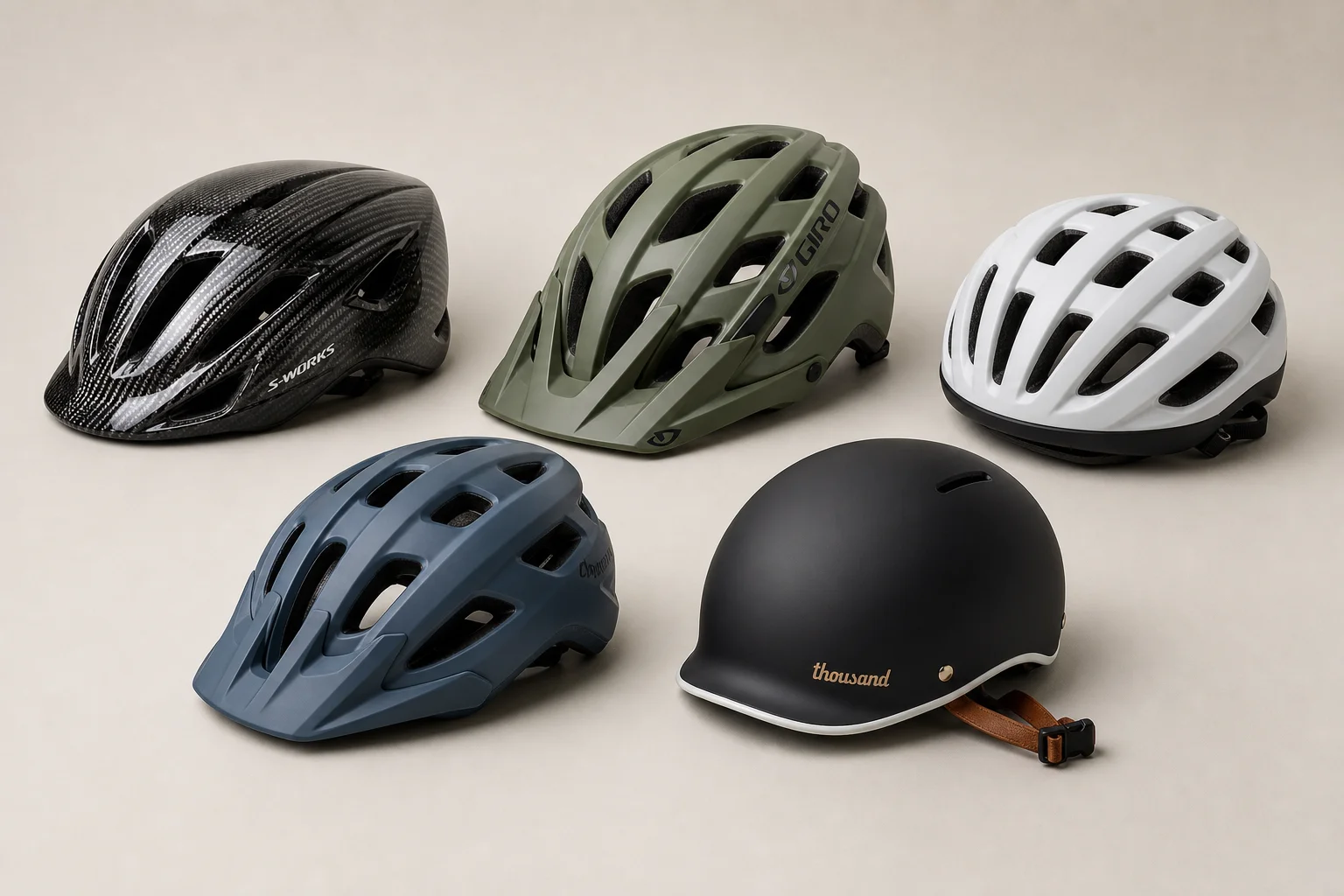
Bicycle helmets all look similar, and most carry safety certifications. Yet Virginia Tech’s independent testing lab has revealed a surprising truth: price does not determine safety, and some budget helmets outperform premium models costing three times as much. Understanding how helmets are actually tested and what the ratings mean can help you choose genuine protection without overspending.
Why Helmet Safety Testing Matters
In 2011, Virginia Tech began testing football helmets to improve player safety on their own field. The testing was so effective that the industry adopted it as a benchmark, and player safety improved measurably. The lab later expanded to test road and mountain bike helmets using completely different impact protocols tailored to each sport.
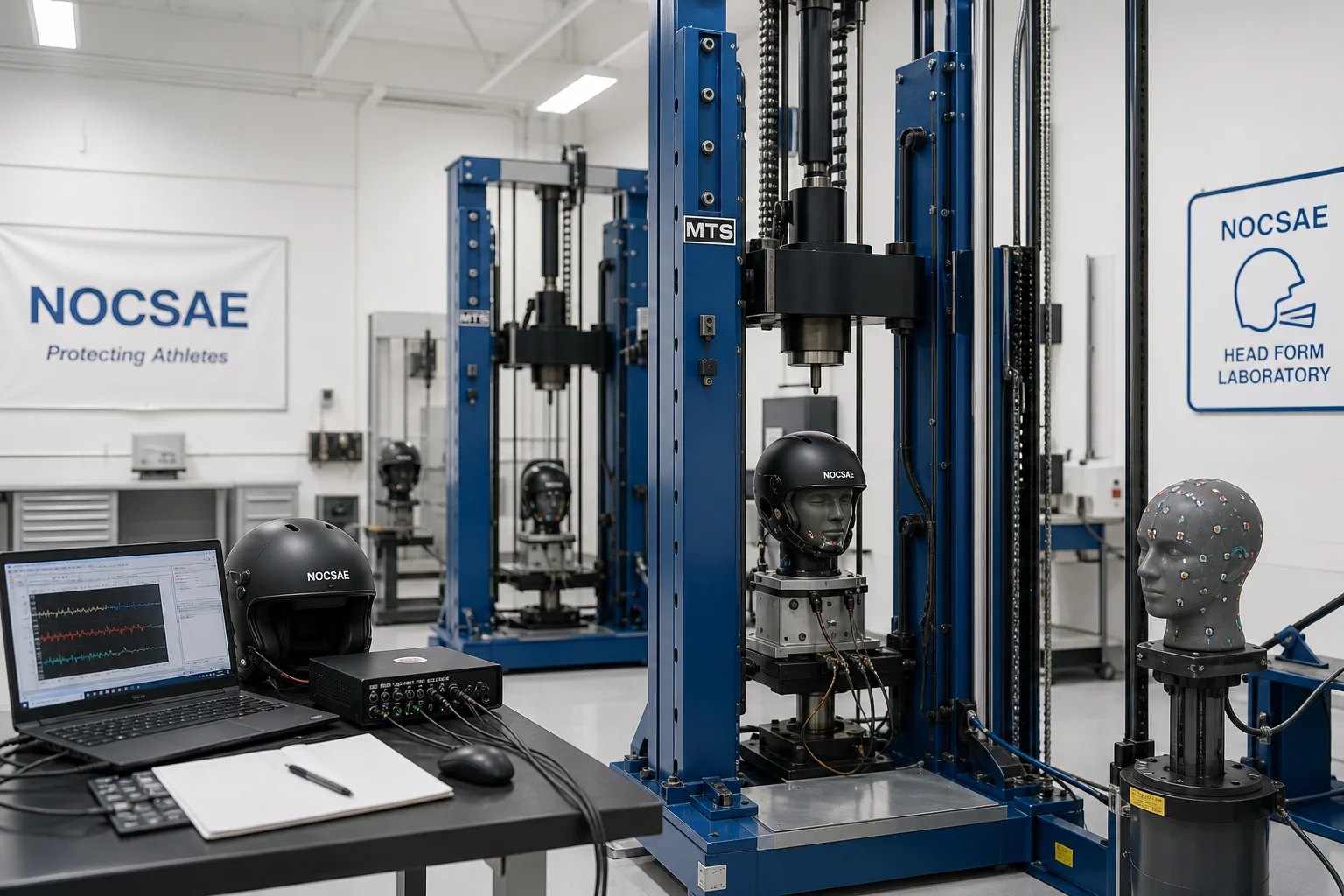
Virginia Tech now publicly publishes test results for hundreds of bicycle helmets on their website, assigning each a Star Score based on how well it reduces concussion risk. The Specialized Tactic 4, a $110 mountain bike helmet, ranks third overall for cycling and first for mountain biking with a Star Score of 8.55. This rating system has become the most reliable independent measure of helmet safety available to consumers.
Understanding Virginia Tech’s Testing Methodology
Virginia Tech uses a NOCSAE head form, a biofidelic design created specifically for sport helmets. The head form sits on a halo that positions it precisely in three dimensions relative to an anvil. Each helmet undergoes a minimum of 24 tests across six impact locations, two energy levels, and two trials per condition. This process takes five to six hours per helmet model and measures both linear acceleration and rotational velocity, the rapid head movements that cause brain tissue strain and concussion risk.
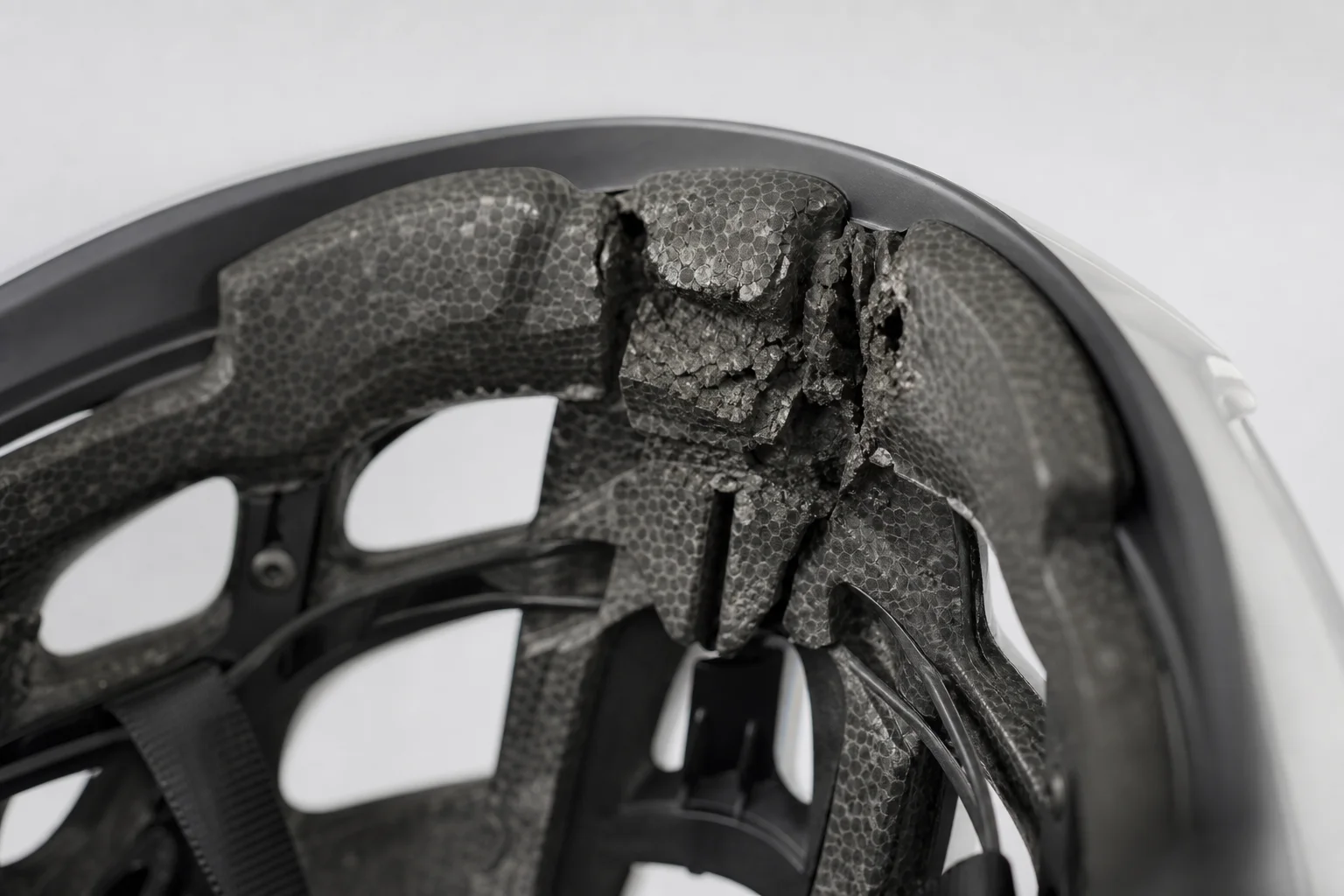
The oblique impact test is particularly important because most real-world bike crashes involve angled impacts rather than straight-on collisions. Helmets that better reduce peak linear and rotational acceleration numbers reduce concussion risk. Technologies like MIPS (Multi-directional Impact Protection System) can help, but the most effective way to improve helmet safety remains adding more padding, which is why football helmets are vastly more resistant to impact than bicycle helmets. However, bicycle helmets are designed for single impacts, while football helmets must withstand multiple crashes per game, making them heavier and more expensive.
Star Scores and What They Mean
Of the 72 mountain bike helmets currently tested, the top 25 all score below 12. The lowest-ranking helmet scores 24.98 with a two-star rating. Interestingly, many inexpensive helmets rank higher than expensive ones. The Scott Argo Plus Mips costs $80 and scores 11.6, making it one of the best-ranked helmets under $100. The Laser Chiru Mips costs just $55 and scores 13, placing it in the very safe category (any helmet scoring below 14 is considered very safe).
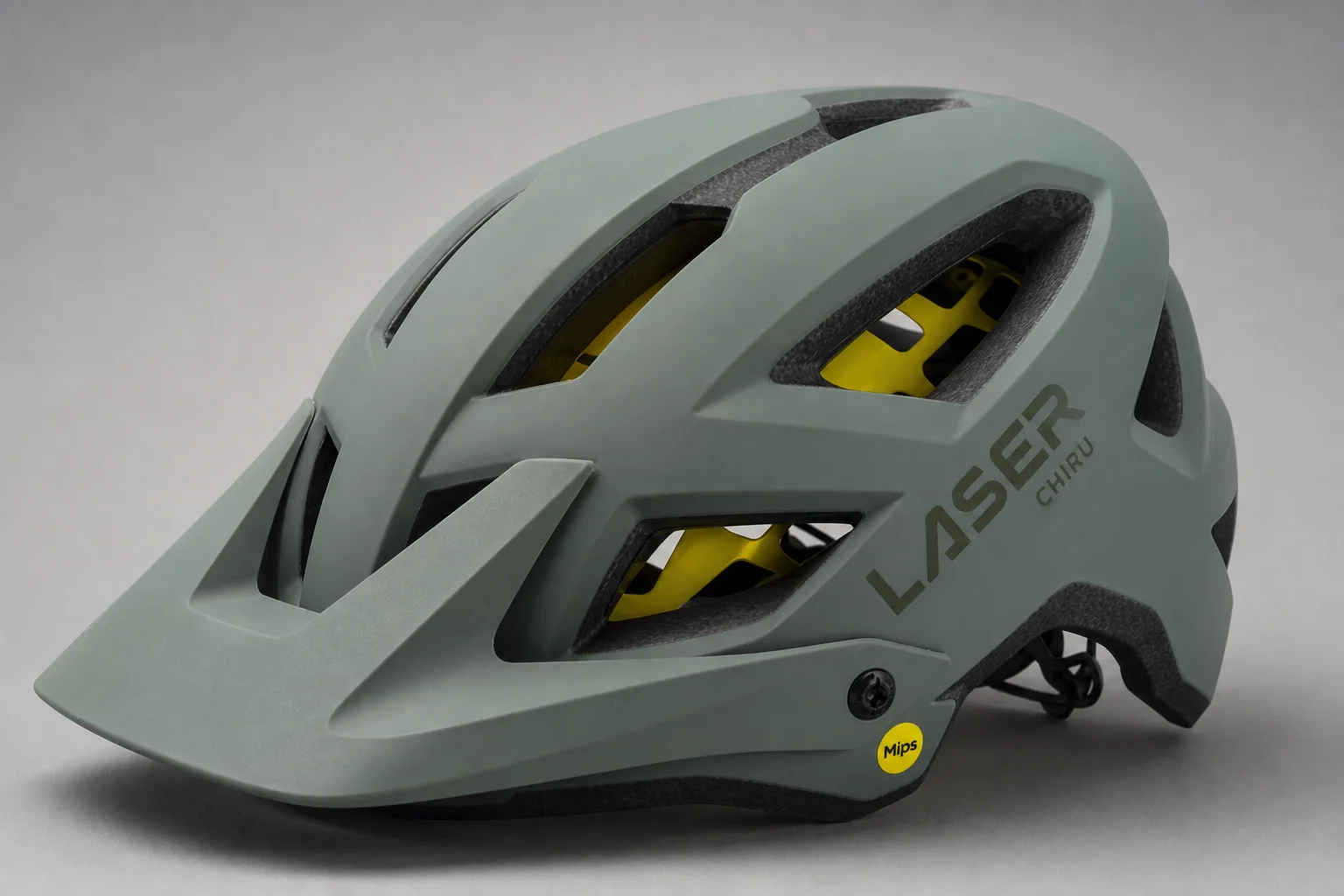
This means that for safety alone, $55 is enough to buy genuine protection. Other factors like comfort, fit, weight, styling, and aerodynamics affect helmet choice, but from a pure safety standpoint, premium pricing does not guarantee better protection.
How Helmets Reduce Concussion Risk
Helmets work by absorbing impact energy through foam deformation and by reducing the rapid head movements that strain brain tissue. When a helmet impacts the ground, the foam compresses in a controlled manner, spreading the force over time and area. Some foam deforms linearly while other sections twist and bend to the side, mitigating rotational forces that are particularly damaging.
Virginia Tech tests the same helmet model five times at different locations to ensure results are consistent and not affected by deformation from previous impacts. This methodology is as close to real-world performance as controlled testing can achieve, though actual crashes are unpredictable and may impact different helmet areas than the test locations.
Counterfeit Helmets and Safety Risks
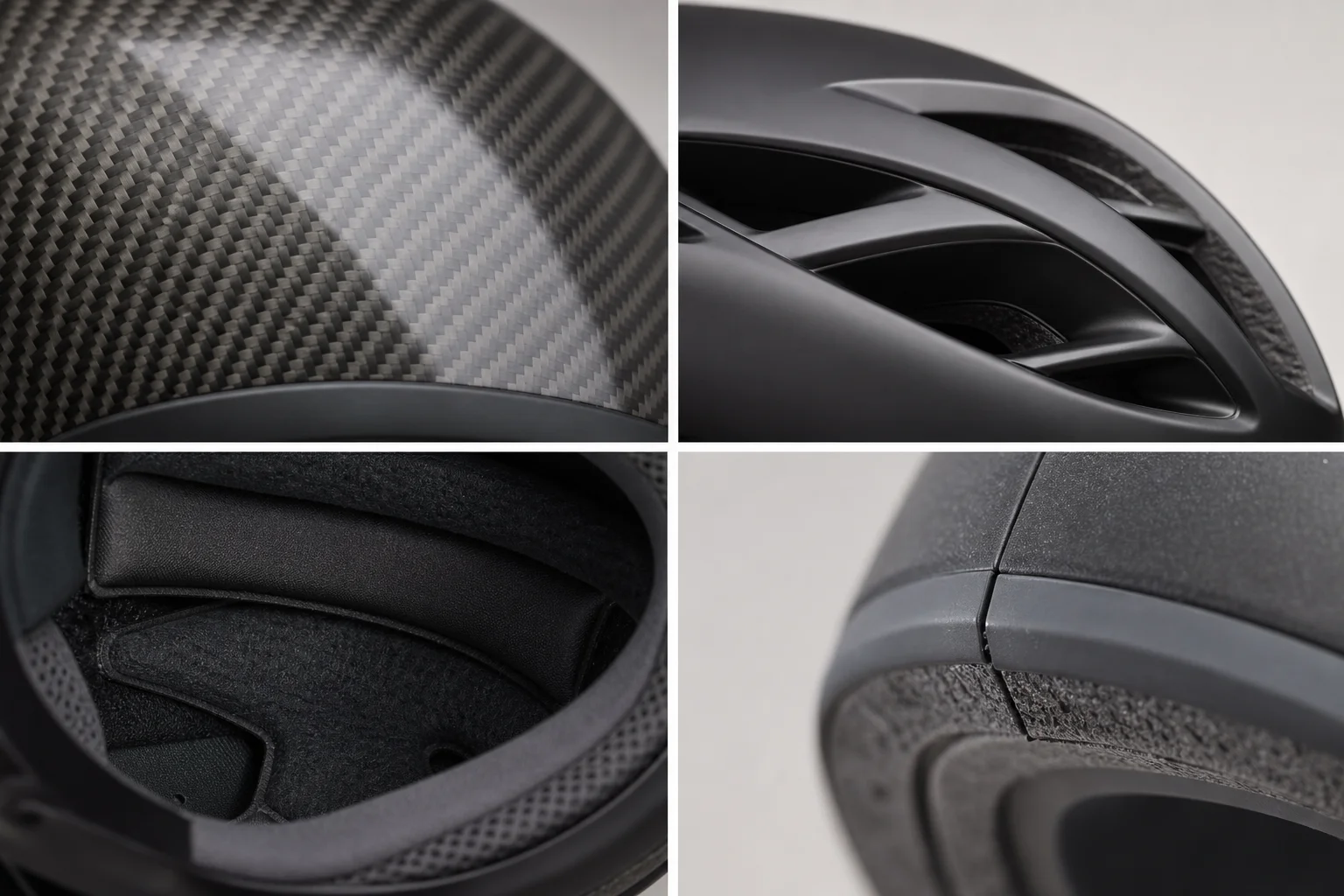
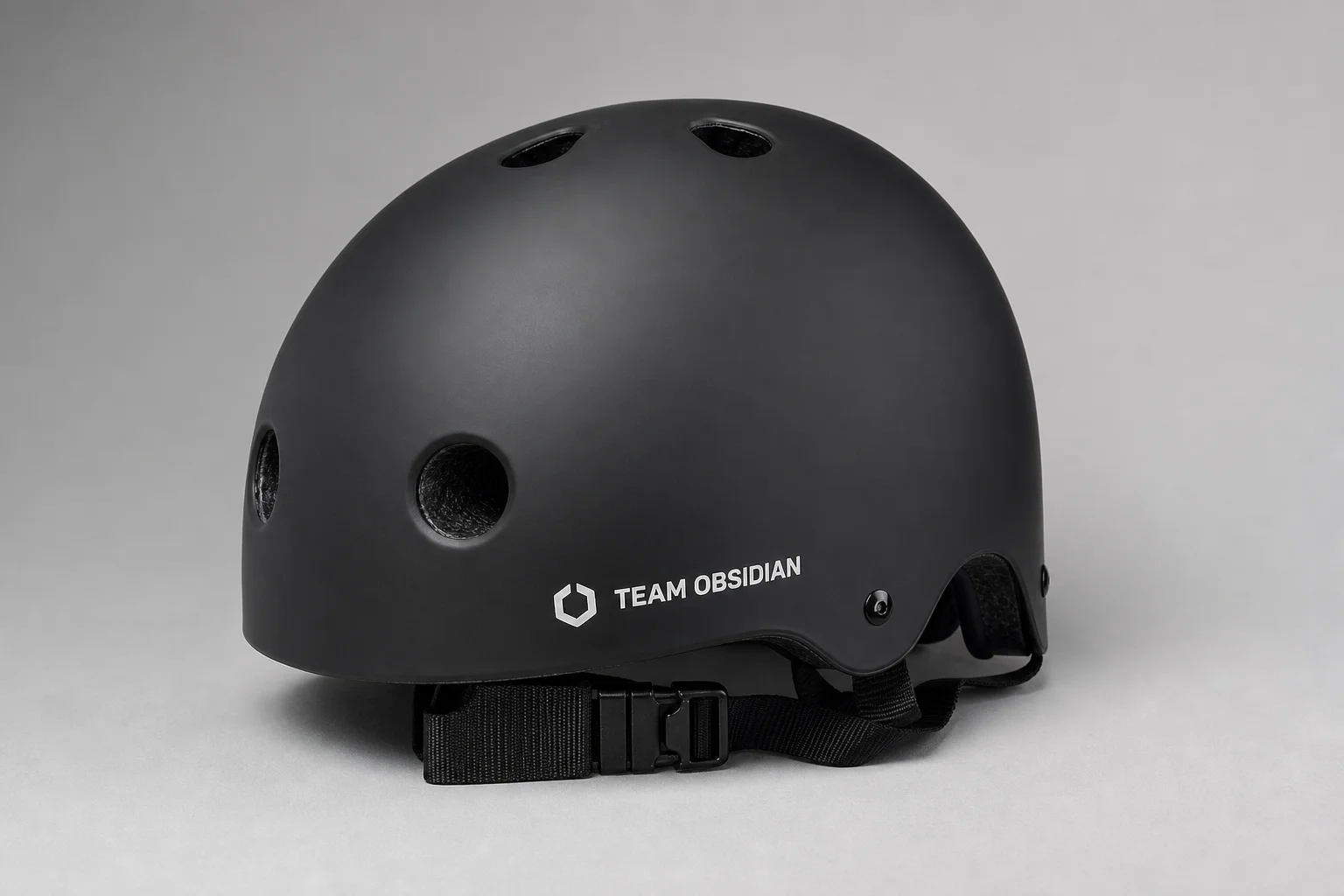
A critical issue emerged during testing: counterfeit helmets are being sold online, particularly on Amazon and AliExpress. A counterfeit Specialized Prevail 2 (a $300 helmet with a carbon fiber mesh) failed catastrophically when stomped on, showing a major crack and huge indentation but lacking the proper crumple-zone structure of genuine helmets. In contrast, a genuine budget helmet from Team Obsidian, costing under $20 and CPSC certified, performed far better in the same test, showing controlled deformation rather than structural failure.
Counterfeiters target expensive helmets with distinctive designs because they are worth counterfeiting. Budget helmets are rarely counterfeited because the profit margin is too low. Secret shopper exercises by cycling industry companies have found that counterfeit helmets are almost never present at legitimate bike shops in the United States, but they are common on third-party sellers on Amazon and AliExpress.
Choosing and Buying a Safe Helmet
To ensure you are buying a genuine helmet, purchase from authorized dealers such as Backcountry, Jensen, or other major brand retailers. If buying on Amazon, verify that the seller is the actual manufacturer, not a third-party reseller. Authorized resellers can be verified through the brand’s official website. Examine the helmet carefully: counterfeit helmets often have poor quality control, visible manufacturing defects, incorrect logos, and even phone numbers printed on the box that do not work.
Virginia Tech allows companies to license their testing badge at no fee, so look for the Virginia Tech logo on helmets that have been independently tested. The Bikeroo helmet, a $25 option, scored 16.18 and is safer than many helmets costing over $100, including models from Giro, Troy Lee, Smith, and Endura. While not a top-tier rating, it demonstrates that budget helmets can offer genuine protection.
Conclusion
Helmet safety is measurable and independent of price. Virginia Tech’s testing provides a reliable resource for comparing helmets based on actual concussion risk reduction. A $55 helmet with a strong Star Score offers better protection than a $300 counterfeit. When choosing a helmet, prioritize Virginia Tech’s ratings, buy from authorized dealers, and verify authenticity. Your brain deserves protection based on science, not marketing.
Further reading
Related Reviews
Cycling Safety
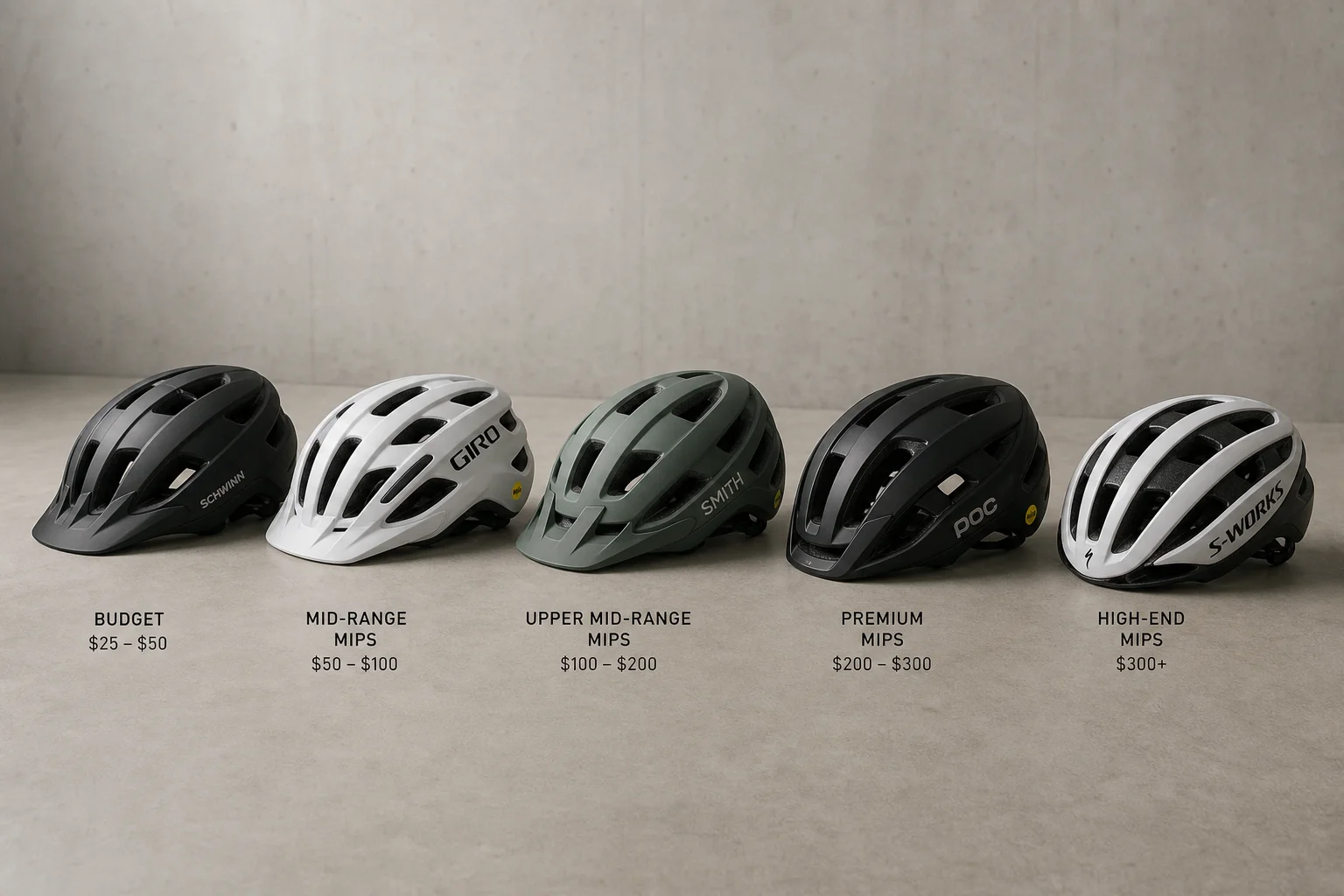
Best Bike Helmets by Safety Rating: What Virginia Tech Testing Reveals
Five helmets tested and ranked by Virginia Tech's independent safety lab, from budget options to premium models. Real safety data beats brand names.
Cycling Safety
Best Road Bike Helmets 2026: Five Options for Different Priorities
Five road bike helmets tested and ranked by budget, value, comfort, weight, and overall performance. Find the right fit for your riding style.
Cycling Safety
Coospo TR70 Radar Taillight Review: Budget Radar That Actually Works
The Coospo TR70 combines rear radar detection with a bright taillight at a fraction of premium radar prices. We tested it on real roads to see if budget radar is trustworthy.