Audio Equipment
Best Bookshelf Speakers Under $1,500: Six Standout Models for Every Priority
Six passive bookshelf speakers under $1,500 that deliver premium build quality, meaningful sound improvements, and real value across vocals, bass, home theater, detail, design, and overall performance.
Introduction
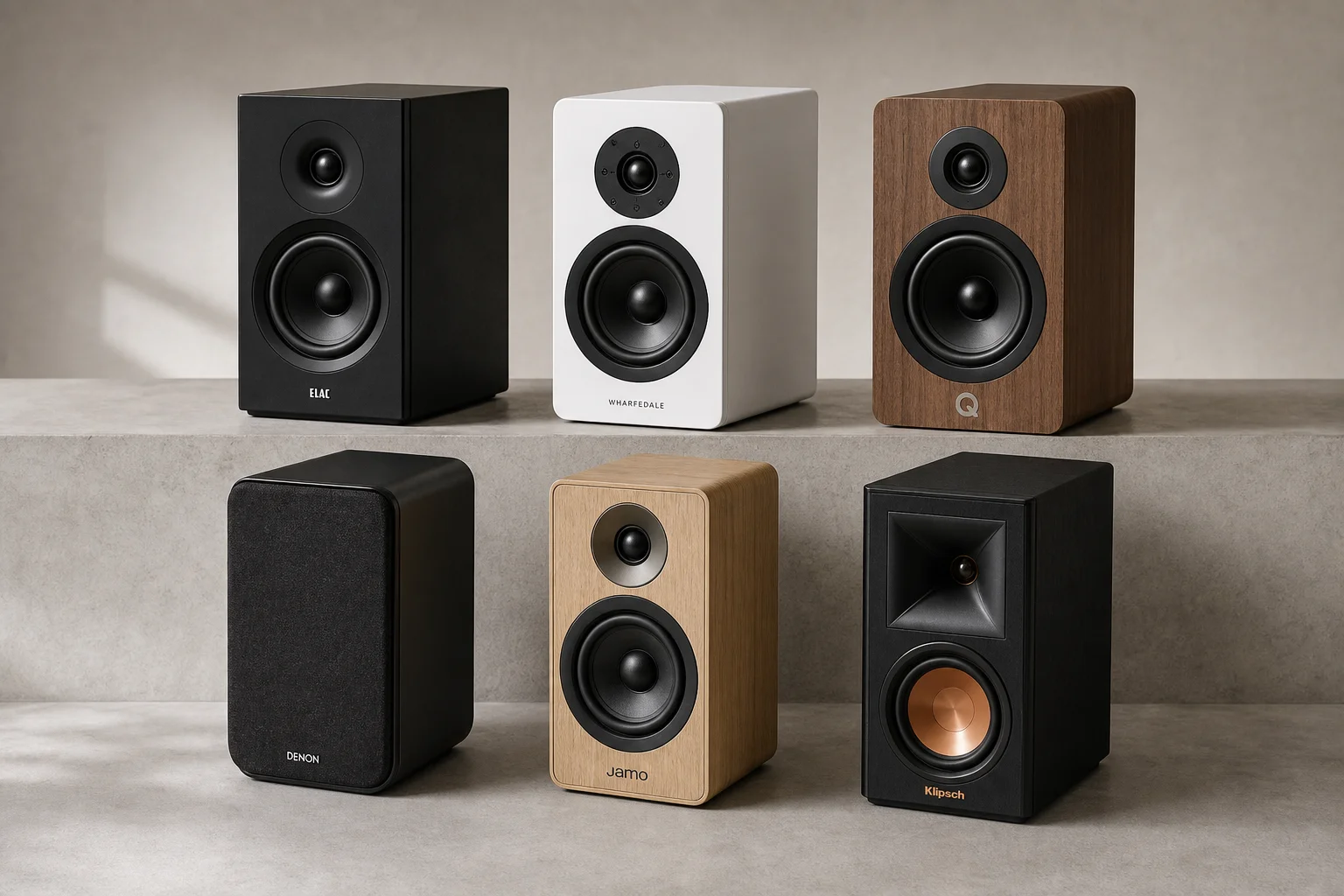
In the under-$1,500 bookshelf speaker market, you encounter a meaningful shift in build quality and sonic refinement. This price range introduces premium materials, thoughtful engineering details, and construction methods that elevate speakers from temporary purchases into lasting investments. Many of these models feature three-way designs with dedicated mid-range drivers, offering more nuanced sound reproduction than typical two-way woofer-tweeter configurations.
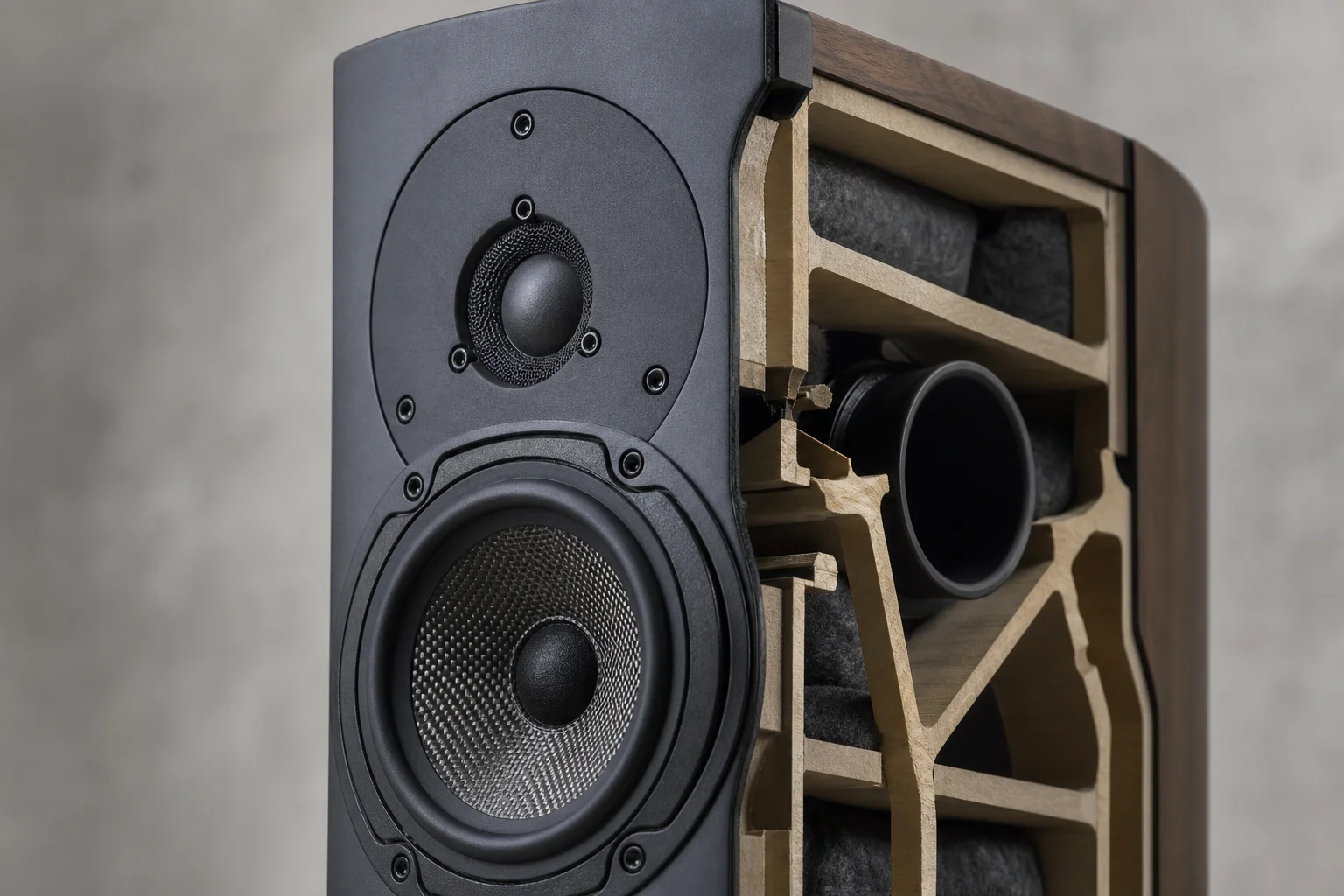
Understanding a few technical considerations will help you choose the right pair. Several speakers on this list have impedance ratings below 8 ohms, which means they benefit from pairing with a high-performance amplifier to unlock their full potential. Some models are biampable, featuring dual binding posts that allow you to use separate amplifiers for high and low frequencies, reducing distortion and improving dynamic range. All speakers here use ported cabinets with vents that extend bass response; front-ported designs offer more flexible placement, while rear-ported models require careful distance from back walls to avoid bass bloat.
Best for Vocals: Bowers & Wilkins 606 S3
The Bowers & Wilkins 606 S3 earns consistent praise for vocal clarity and dialogue reproduction. These biampable two-way speakers excel in both stereo music listening and as part of a surround sound system, making them versatile for different room setups.
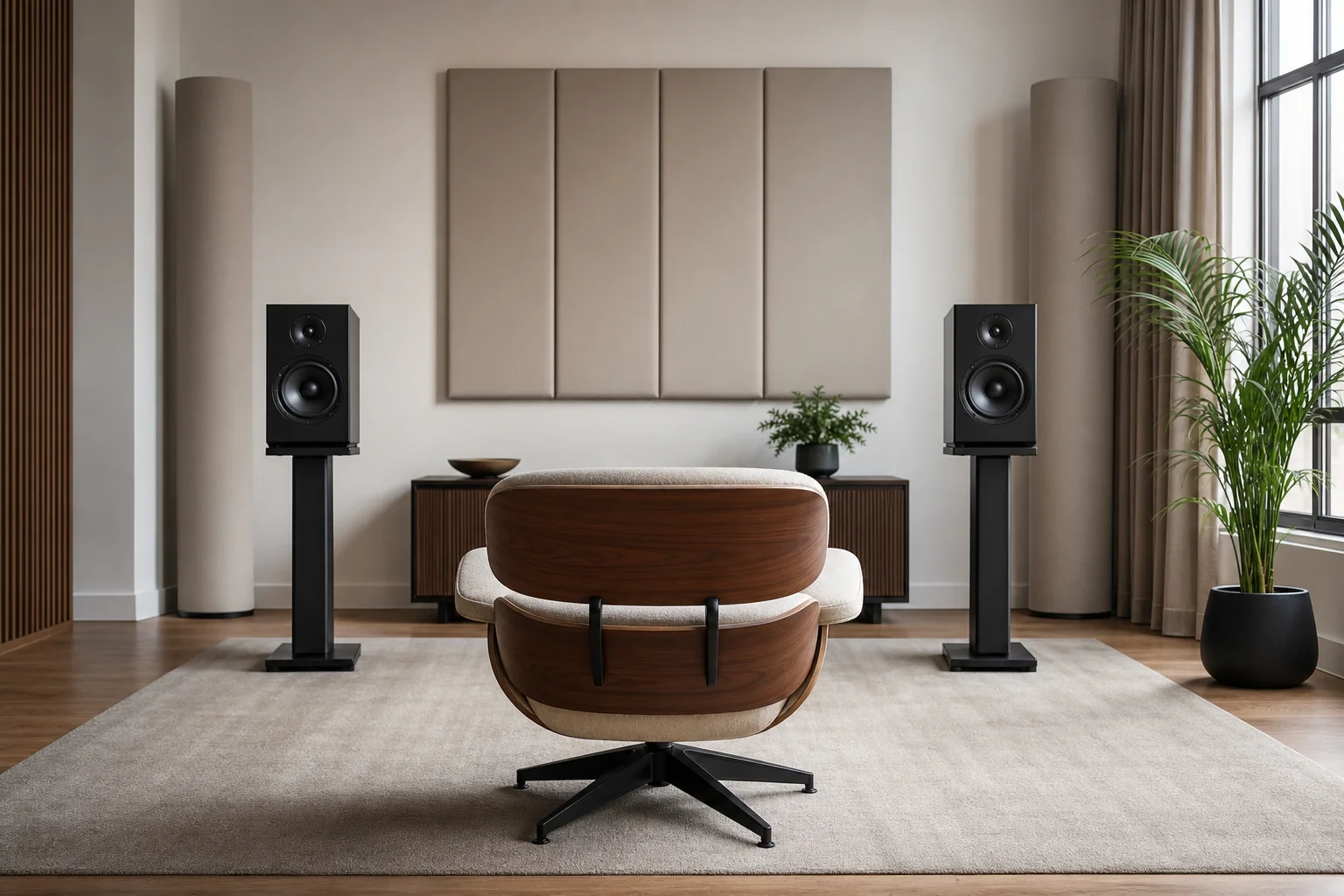
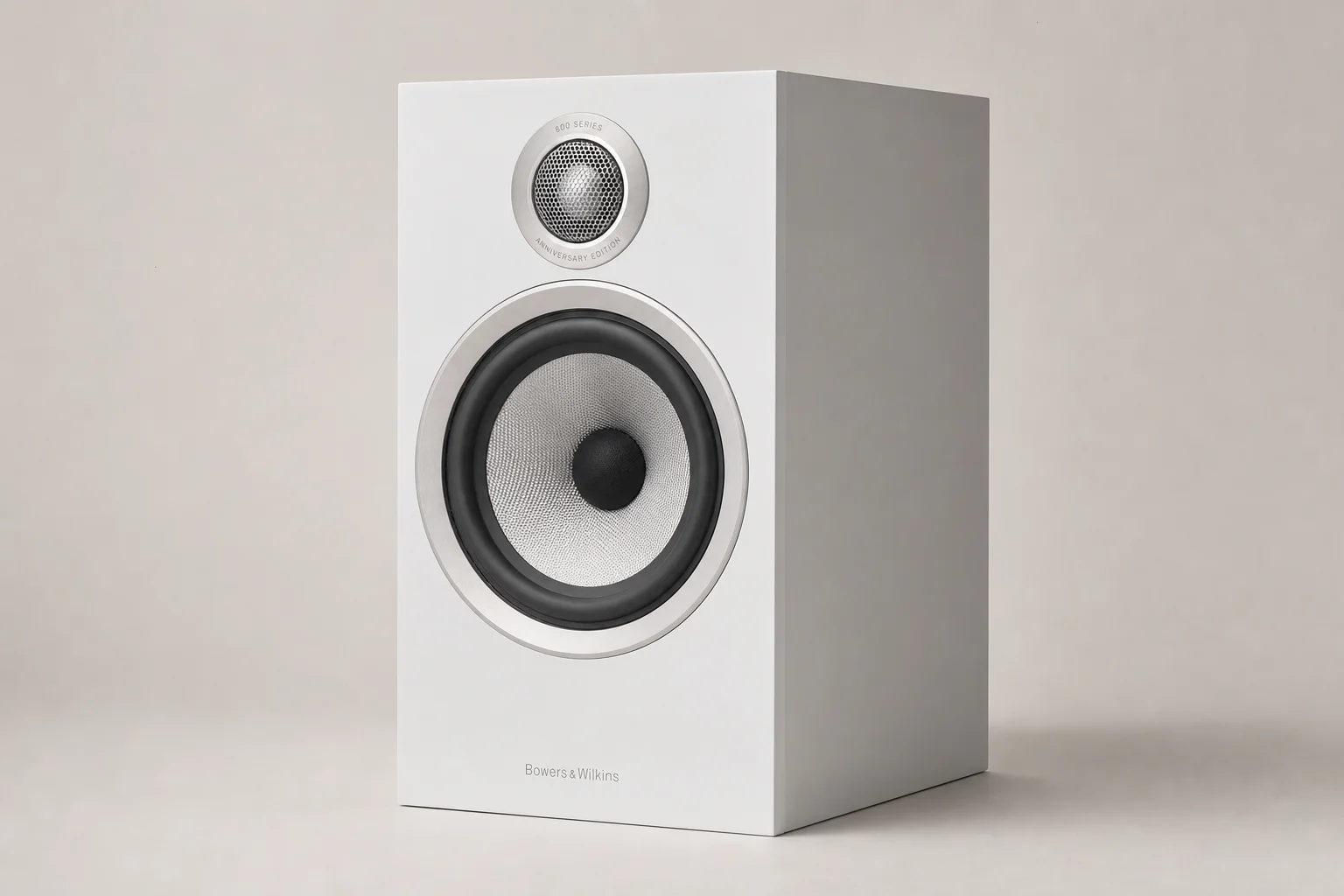
The 606 S3 uses a 1-inch titanium dome tweeter that is mechanically decoupled from the cabinet using synthetic gel, reducing acoustic noise and improving clarity. The 6.5-inch continuum cone woofer employs a unique composite construction that delivers exceptional resolution and transparency, handling dynamic shifts in music and film soundtracks without strain. At 8 ohms impedance, these speakers are relatively easy to drive with standard amplifiers. The cabinet comes finished in black, white, or real wood veneers in cherry and oak. Two-part foam plugs in the rear-firing port allow you to dial in bass response to match your room.
Best Bass: Elac Uni-Fi Reference UBR62
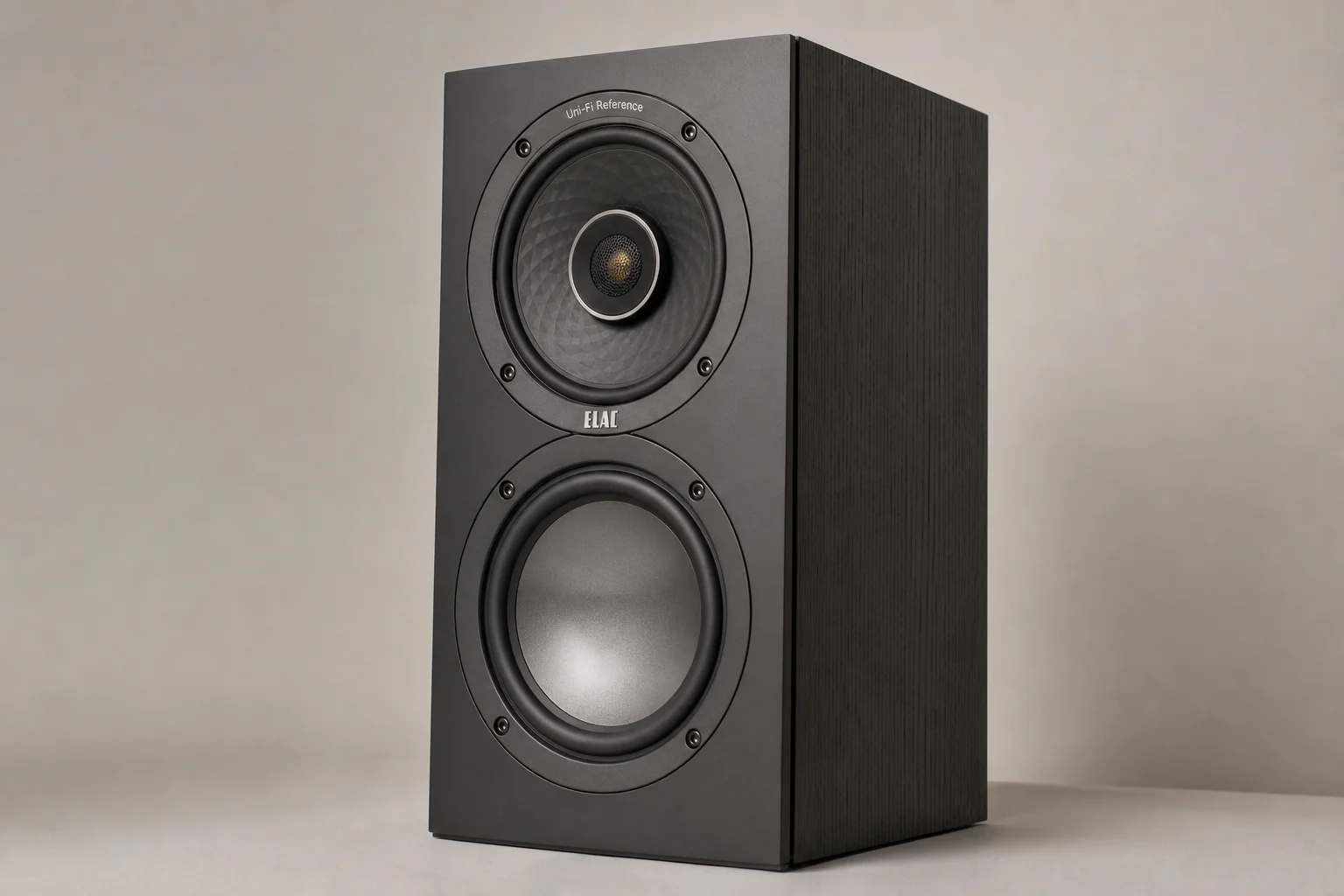
The Elac Uni-Fi Reference UBR62 stands out for bass performance that is clean, articulate, and powerful. These three-way speakers deliver the kind of low-end clarity that makes bass lines feel present and defined rather than boomy or indistinct.
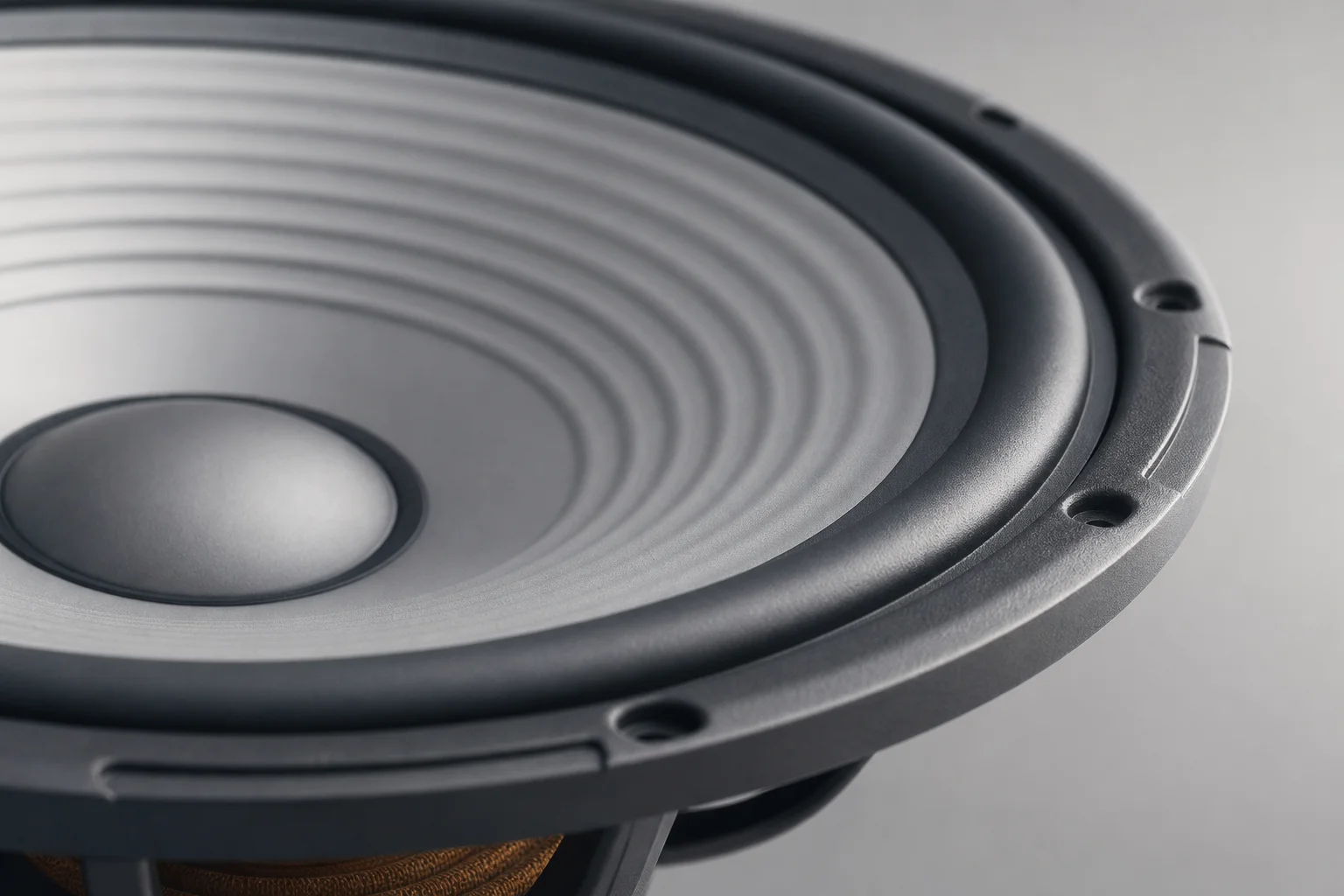
The UBR62’s 6.5-inch woofer uses a single-piece compound curvature aluminum cone paired with a large rear-vented magnet structure that provides balanced frequency response and increased power handling. Elac’s concentric driver array places the tweeter at the center of the mid-range driver, creating precise acoustic alignment that produces coherent, accurate sound across the frequency spectrum. High-quality crossovers and robust cast chassis construction, combined with heavily braced front-ported cabinets, complete the design vision of veteran speaker engineer Andrew Jones.
These biampable speakers have a 6-ohm impedance, making them somewhat power-hungry. Pairing them with a high-performance, high-current amplifier is essential to realize their full sonic potential and dynamic range.
Best for Home Theater: Polk Audio Reserve R200
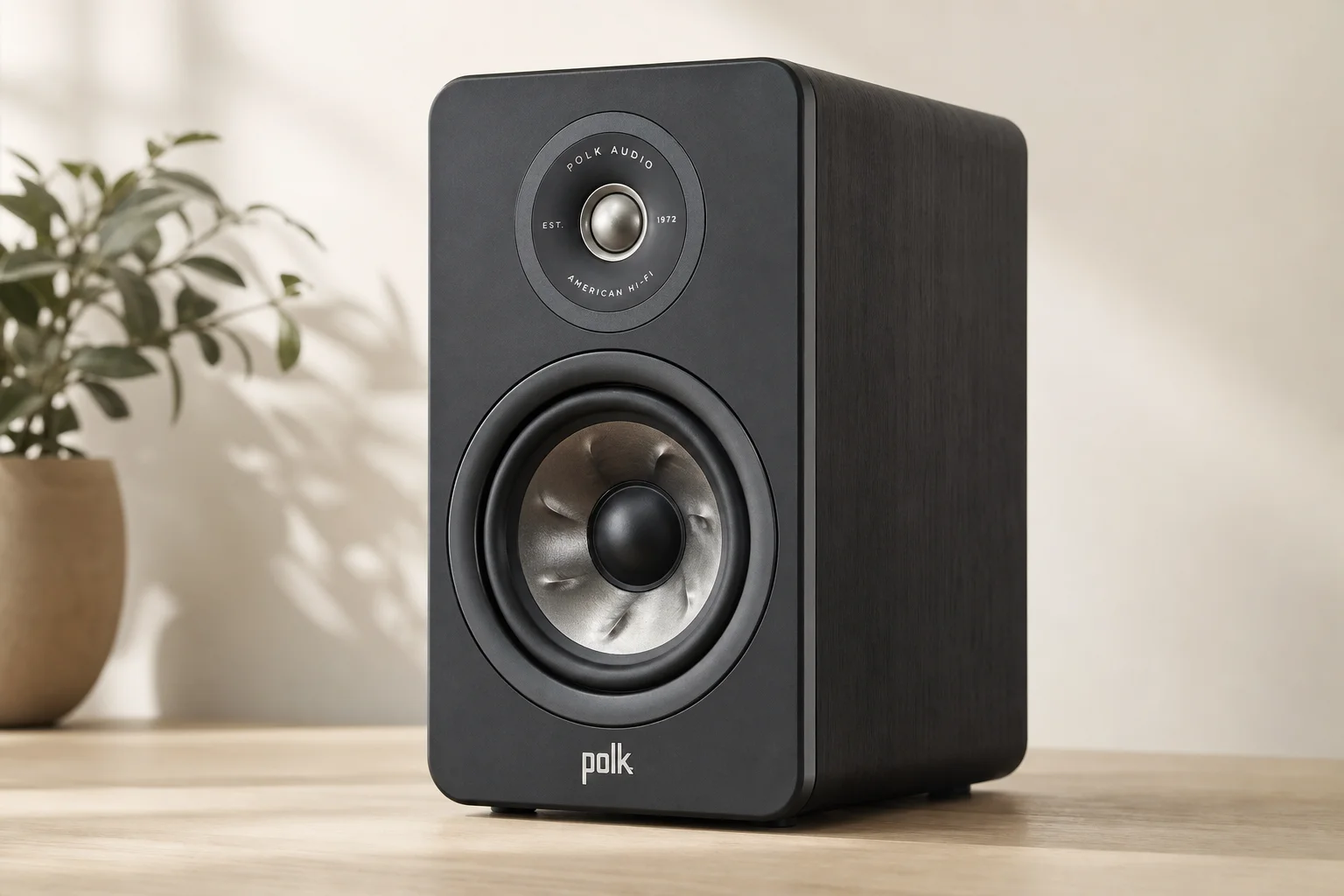
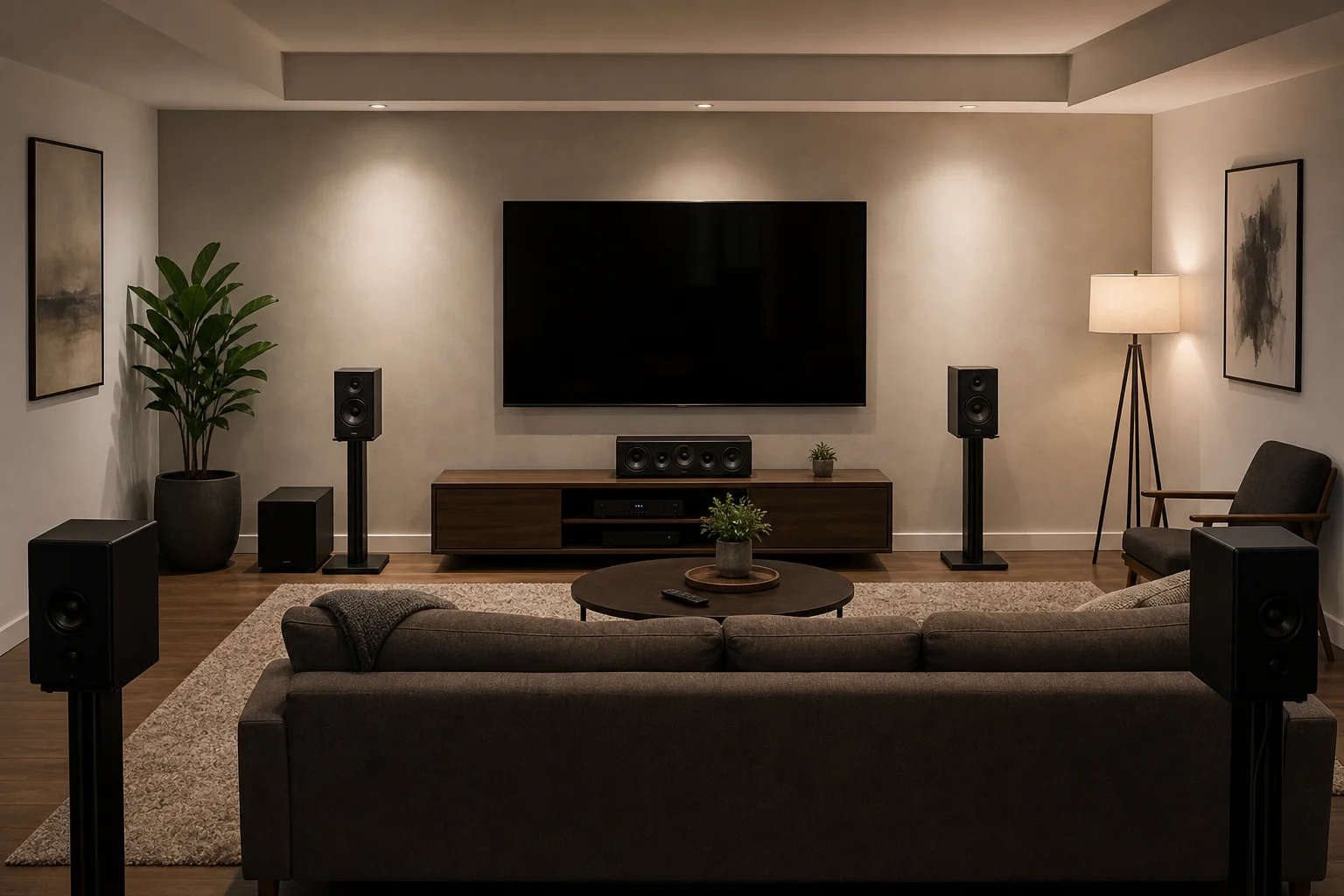
The Polk Audio Reserve R200 delivers full, accurate sound that works equally well in a two-channel stereo system or as part of a larger surround sound setup. For home theater builders, these speakers sit at the more affordable end of this price range, which becomes significant when purchasing five, seven, or nine speakers for a complete system.
The R200 uses a 1-inch ring radiator tweeter with an integrated wave guide that produces smooth treble with wide dispersion, ensuring balanced sound throughout your listening space. Critical damping in the tweeter’s rear chamber reduces unwanted high-frequency resonance. The 6.5-inch molded turbine cone woofers are the same drivers found in Polk’s higher-end Legend series, delivering accurate, natural-sounding mid-range and bass. The patented Xport on the rear of the cabinet uses closed-pipe absorbers specifically tuned to keep bass response tight and accurate.
Best for Detail: KEF Q Concerto Meta
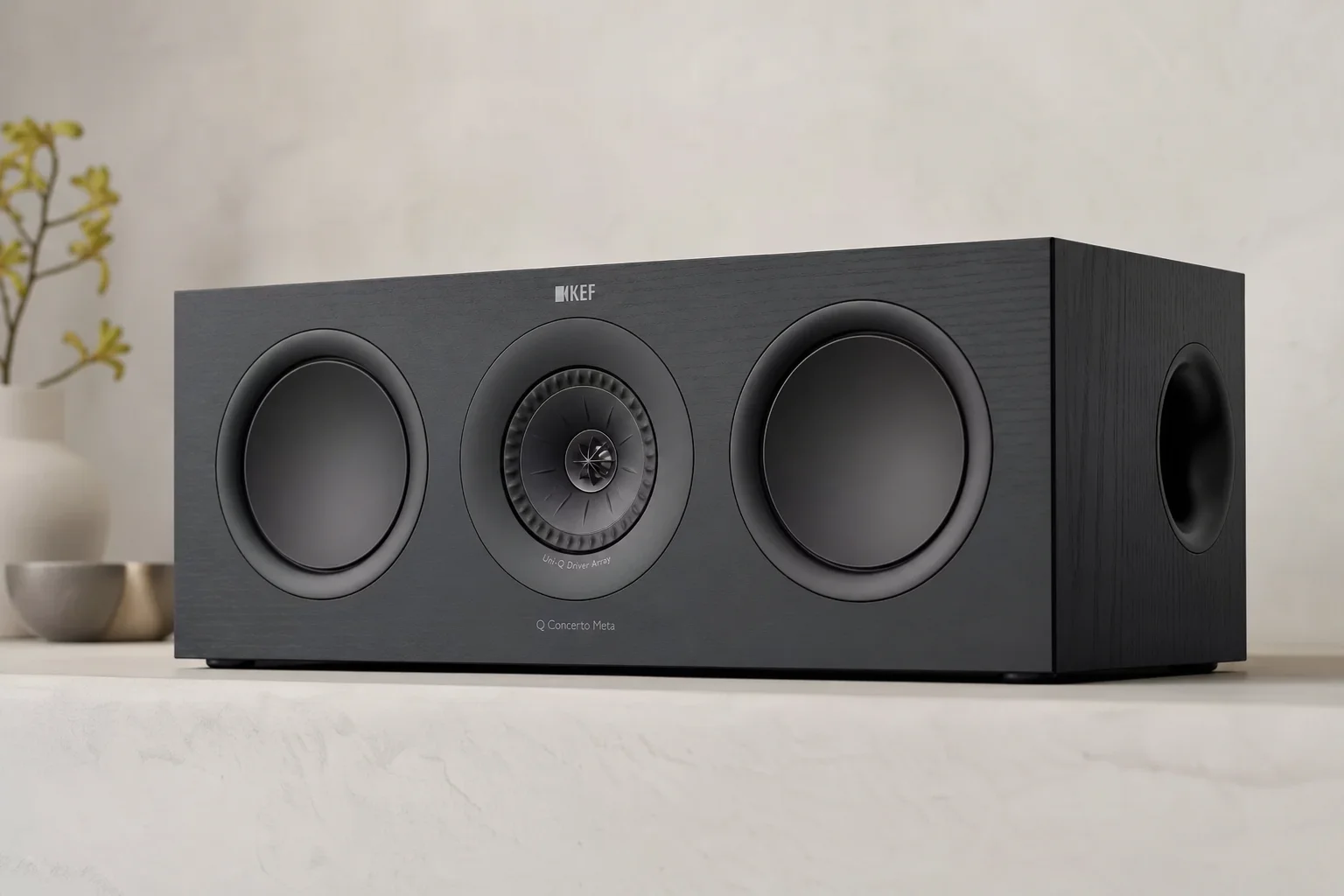
The KEF Q Concerto Meta incorporates technology from KEF’s premium flagship and reference models to deliver pinpoint detail, surprisingly deep bass, and wide, even dispersion throughout your listening space. These speakers are consistently favored by both audio professionals and enthusiasts.
The Q Concerto Meta uses the 12th generation of KEF’s Uni-Q driver array, with the tweeter positioned at the center of the mid-range cone. This design ensures the music sounds full and balanced throughout the room rather than being confined to a narrow sweet spot. A flexible decoupling chassis isolates the mid-range driver’s motor structure from the rest of the array, preventing cabinet vibrations from muddying the sound. A shadow flare surrounding the Uni-Q array prevents baffle reflections and diffraction from coloring the sound.
The tweeter’s cone-shaped waveguide and gap material damper clarify treble response. KEF’s metamaterial absorption technology, a small plate behind the tweeter with a labyrinth-like structure, absorbs unwanted sound for clean, articulate detail. The 6.5-inch hybrid aluminum bass drivers feature a paper cone covered by a shallow concave aluminum film, providing low weight and high rigidity for fast, accurate bass.
At 4 ohms impedance, these speakers perform best with a high-performance, high-current amplifier. The rear-ported cabinet is finished to a high standard.
Best Looking: Wharfedale Super Denton
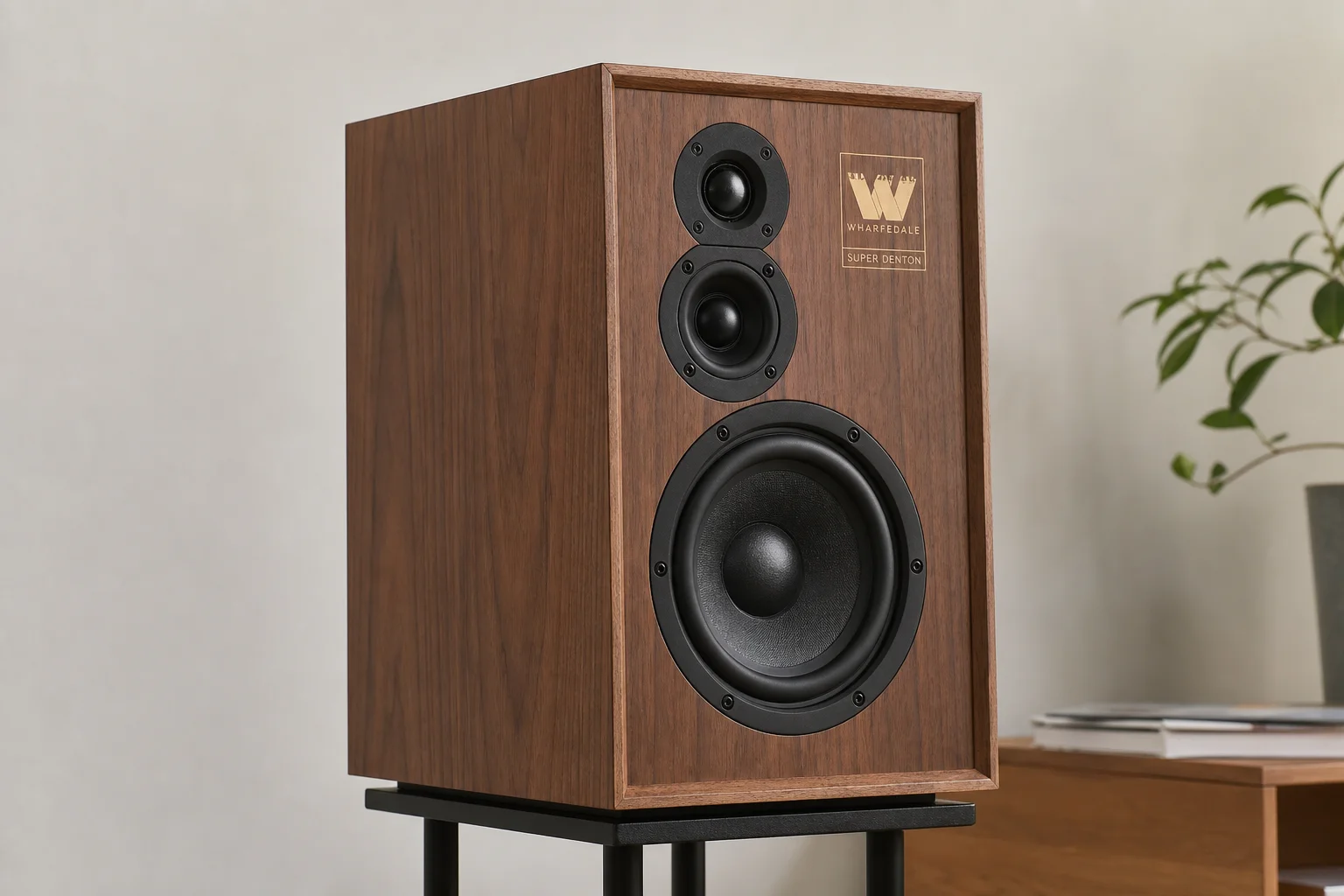
The Wharfedale Super Denton stands out for its furniture-grade real wood veneer finish, combining aesthetic appeal with serious audio engineering. These three-way speakers draw inspiration from Wharfedale’s iconic Denton 3 speakers from the early 1970s, but with modern drivers, crossovers, and cabinet design that deliver even bigger sound in a smaller footprint.
Each speaker uses a 1-inch soft dome tweeter and 2-inch soft dome mid-range driver offset from one another on the baffle, each fitted in its own anti-resonant rear chamber for excellent clarity and imaging. A cast chassis 6.5-inch woofer delivers surprisingly deep, full bass. The asymmetrical driver layout means left and right speakers are designated; position them so tweeters face inward for optimal stereo imaging.
The rear-ported enclosures are extensively braced and internally damped with long-hair fiber. Different woods throughout the cabinet construction prevent any single resonant frequency from dominating. Even the adhesive used to bond MDF and particle board panels has resonant damping properties. This meticulous construction creates an inert cabinet that optimizes driver performance for a warm, lifelike soundstage with precise transients and substantial bass.
At 6 ohms impedance, these speakers benefit from high-performance, high-current amplification.
Best Value: Klipsch Reference Premiere RP-600M II
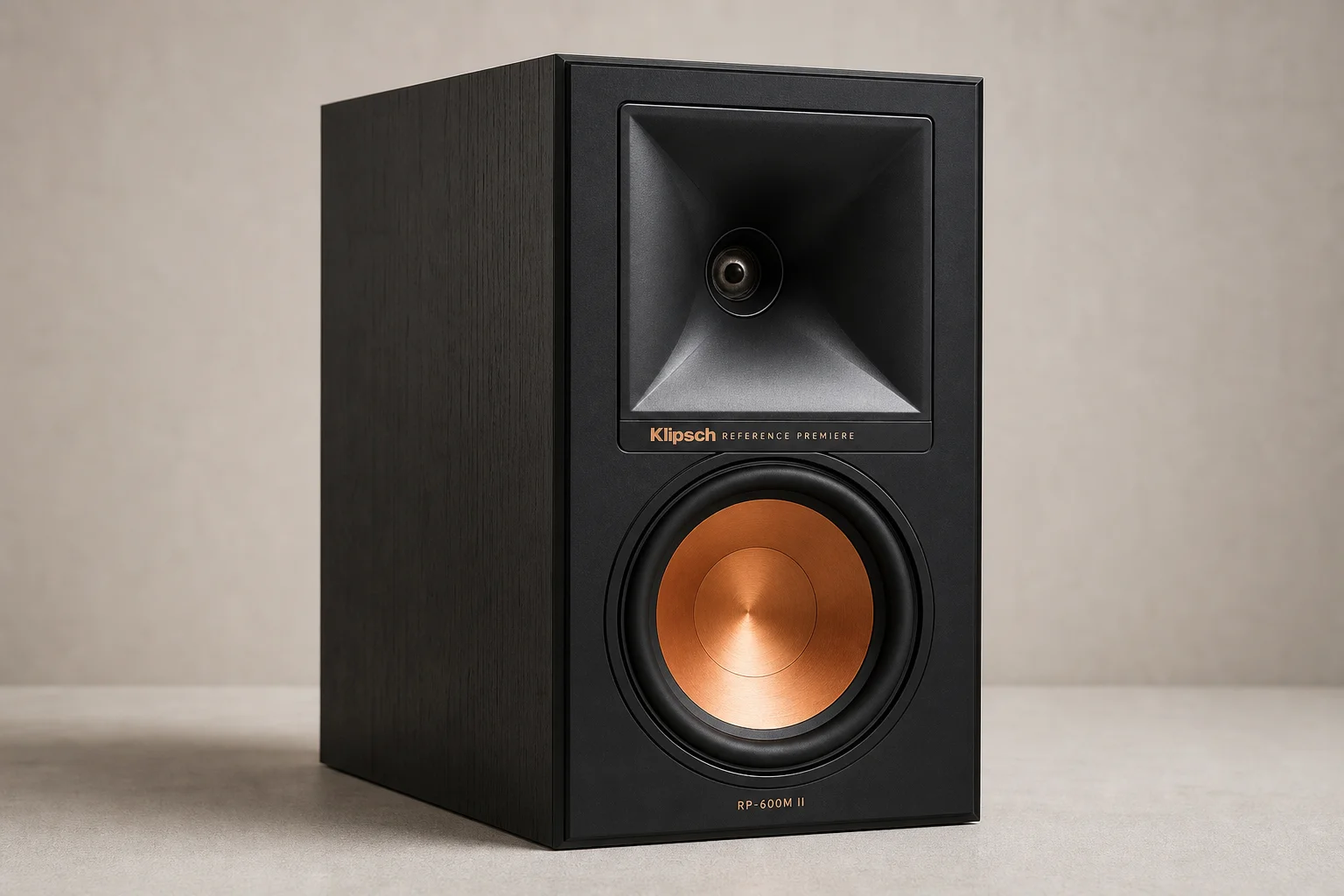
The Klipsch Reference Premiere RP-600M II offers a refined version of Klipsch’s signature big, bright, room-filling sound at an accessible price point. Customer reviews consistently highlight their clear, engaging sonic profile and impressive bass performance.
The 1-inch linear travel suspension tweeter features a vented housing to reduce standing waves that can muddy sound. It sits in a version of Klipsch’s distinctive Tractrix horn with a widened mouth for better dispersion and imaging. A soft silicone face and unique phase plug keep treble response smooth and non-fatiguing. The 6.5-inch woofers use Klipsch’s proprietary Cerametallic material, which is extremely light and rigid for fast, accurate bass. A voice coil 70 percent larger than previous versions improves power handling, while an improved motor structure keeps the low-end nimble and responsive.
These speakers are relatively easy to drive with any decent integrated amplifier or receiver. They also feature a biampable design if you want to use separate amplifiers for cleaner sound. The rear-ported cabinets look great and integrate well into most listening spaces.
Conclusion
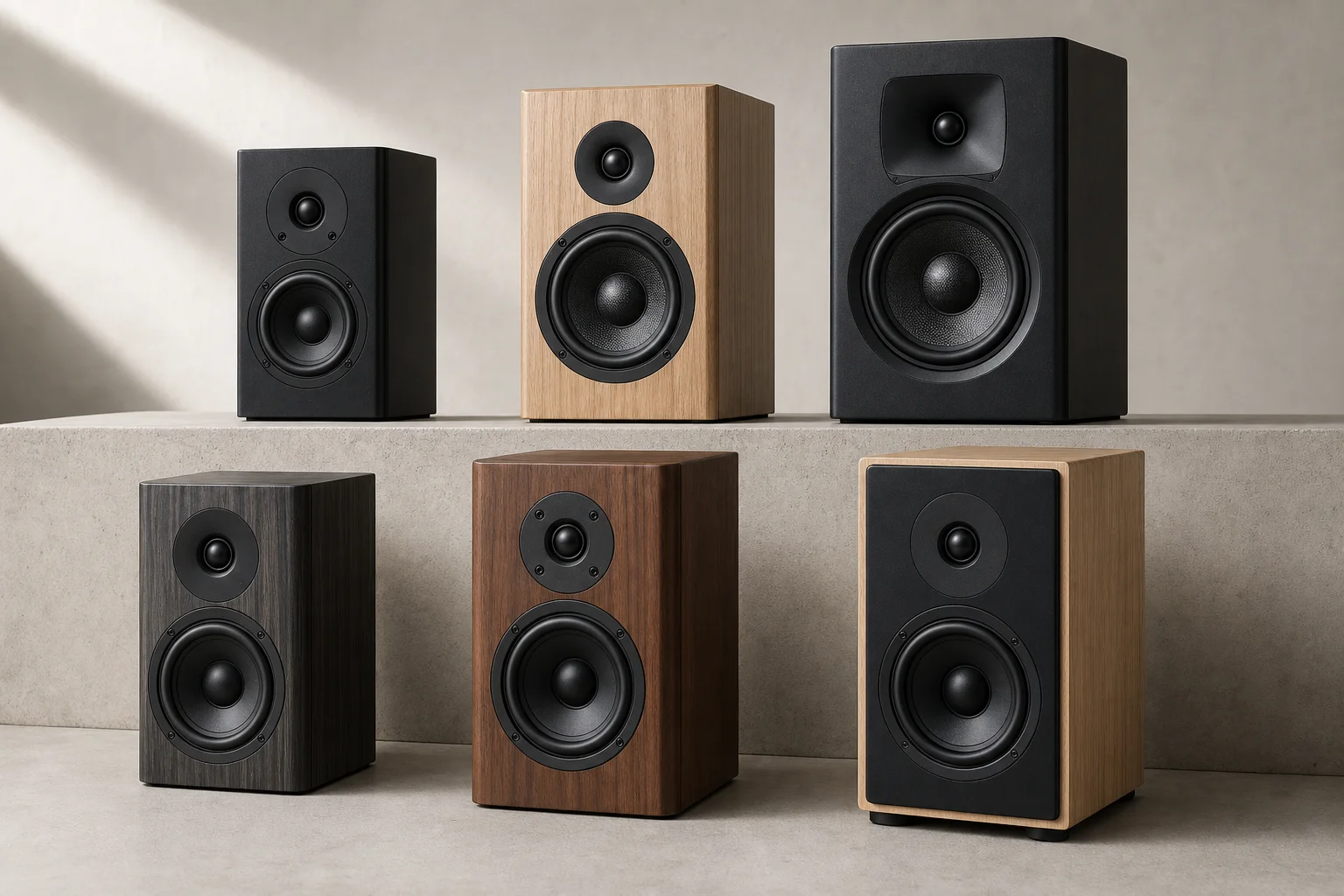
Each of these six speakers excels in a specific area while maintaining solid overall performance. Choose based on your priorities: vocal clarity, bass depth, home theater flexibility, sonic detail, aesthetic appeal, or overall value. All represent meaningful investments in sound quality that will reward careful listening for years to come.
Further reading
Related Reviews
Audio Equipment
Best Bookshelf Speakers Under $500: Six Versatile Options for Any Room
A practical guide to six bookshelf speakers under $500, each suited to different listening priorities and room setups, from compact desktop systems to home theater configurations.
Audio Equipment
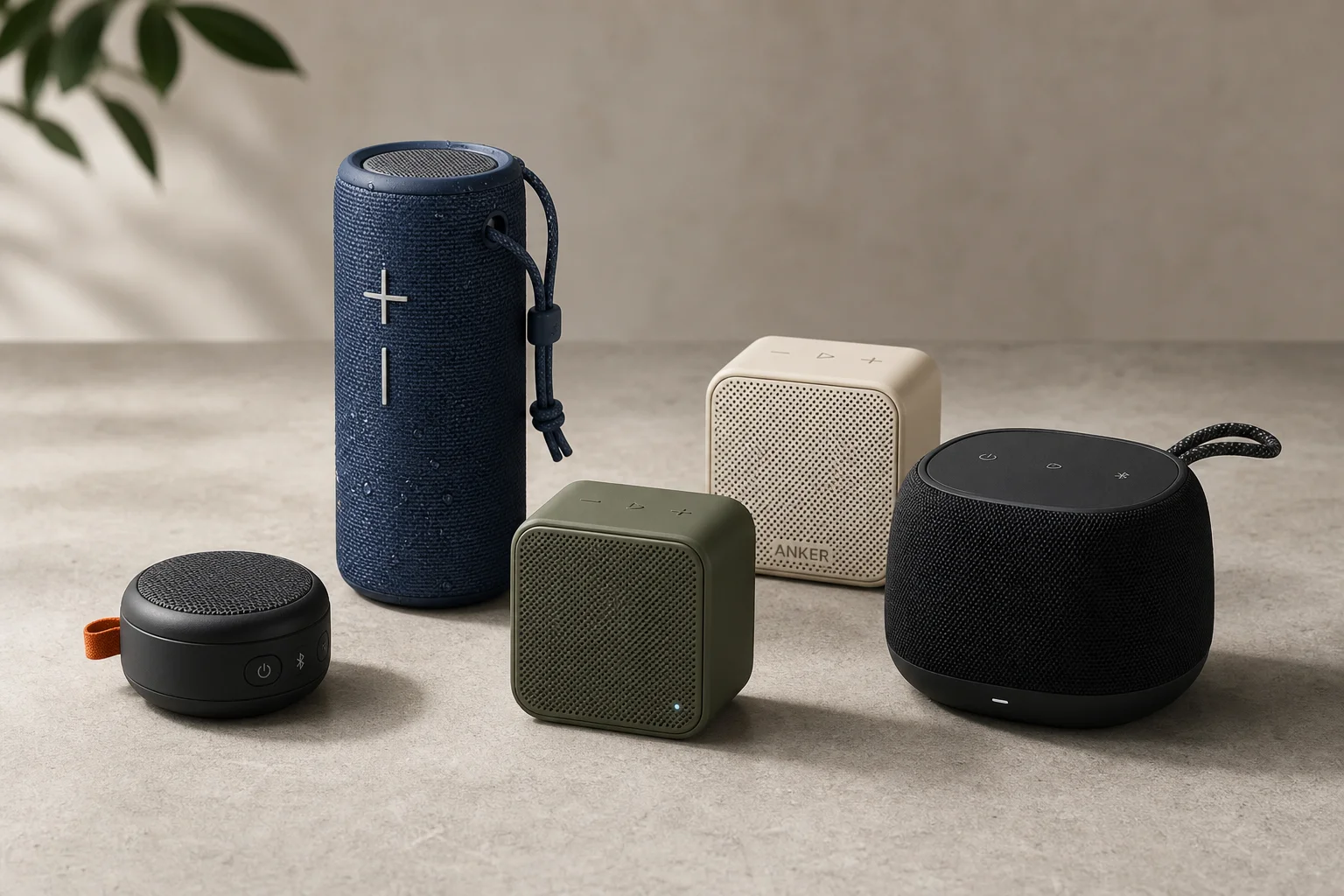
Best Budget Bluetooth Speakers: 5 Models That Actually Sound Good
Five affordable Bluetooth speakers tested for real-world sound quality, durability, and value. From ultra-portable to feature-rich, find the right speaker for your budget and use case.
Audio Equipment
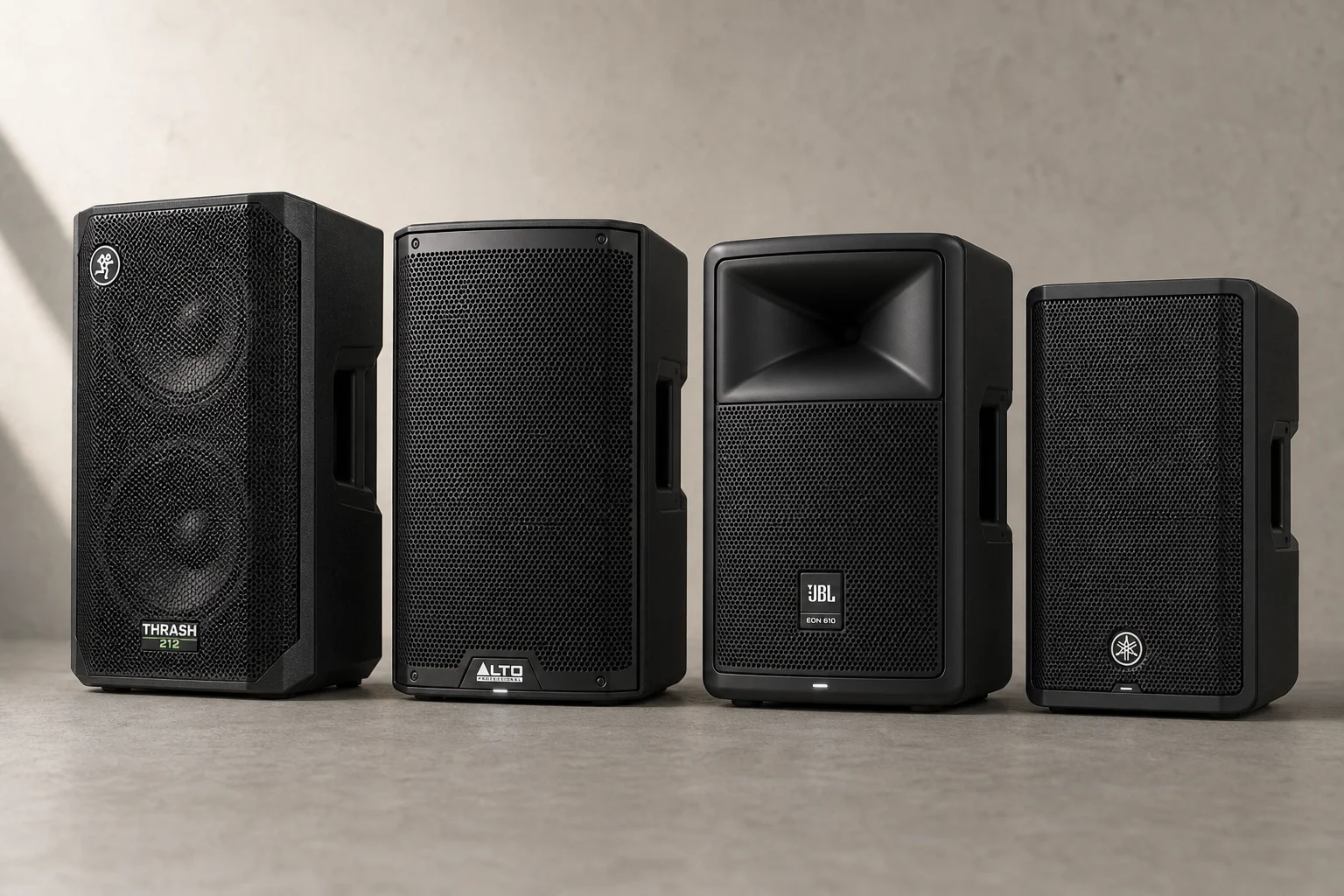
Best Budget PA Speakers: Four Solid Options for Gigs Without Breaking the Bank
Four reliable PA speakers that deliver professional sound at budget-friendly prices, with clear strengths and trade-offs to consider before purchasing.