Backpacking Gear
Best Budget Backpacking Tents 2026: Eight Models Tested for Spaciousness, Rain Protection, and Value
A comprehensive test of eight budget-friendly 2-person backpacking tents across spaciousness, setup ease, rain protection, ventilation, and portability. Find the best value in the $100 to $300 range.
Introduction
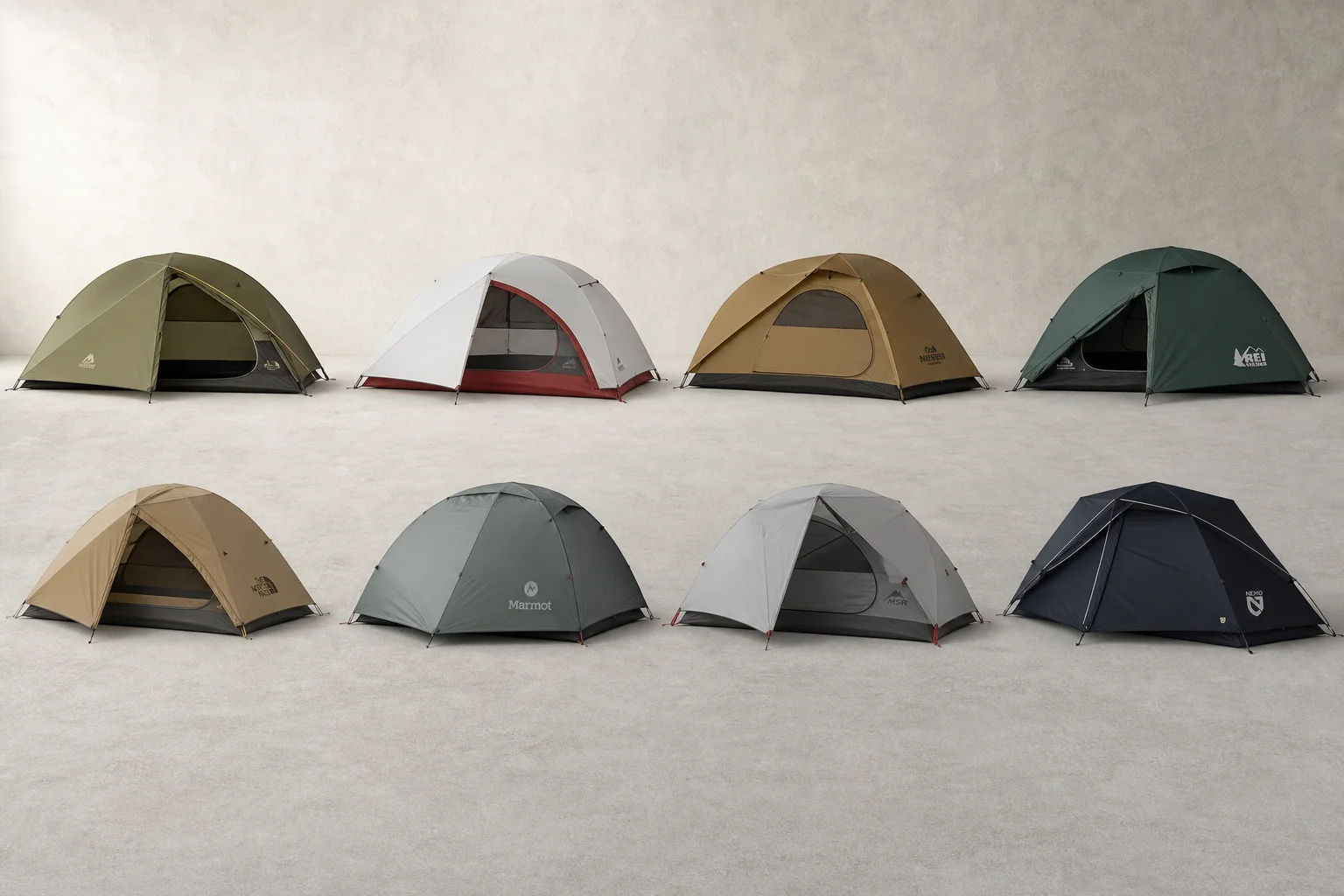
Choosing a backpacking tent involves balancing spaciousness, weather protection, ease of setup, and weight. This review tests eight budget-friendly 2-person tents across multiple real-world criteria to help you find the best value for your needs and budget.
Spaciousness and Interior Design
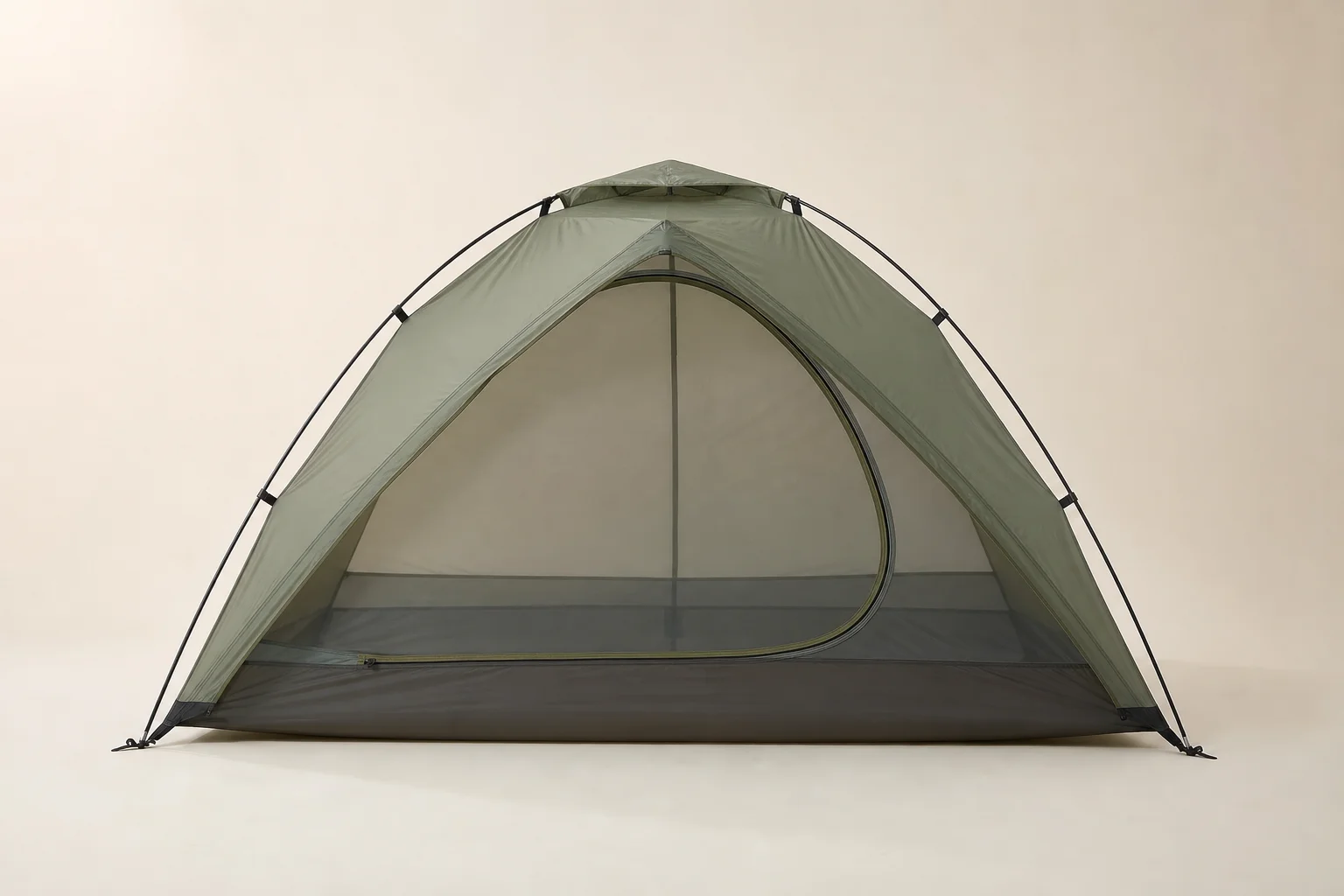
Interior space matters more than peak height alone. The Alps Mountaineering Lynx has the highest peak height of all tested tents, but its simple two-pole dome structure means all four walls slope downward from the center, creating less usable floor space than tents with vertical walls.
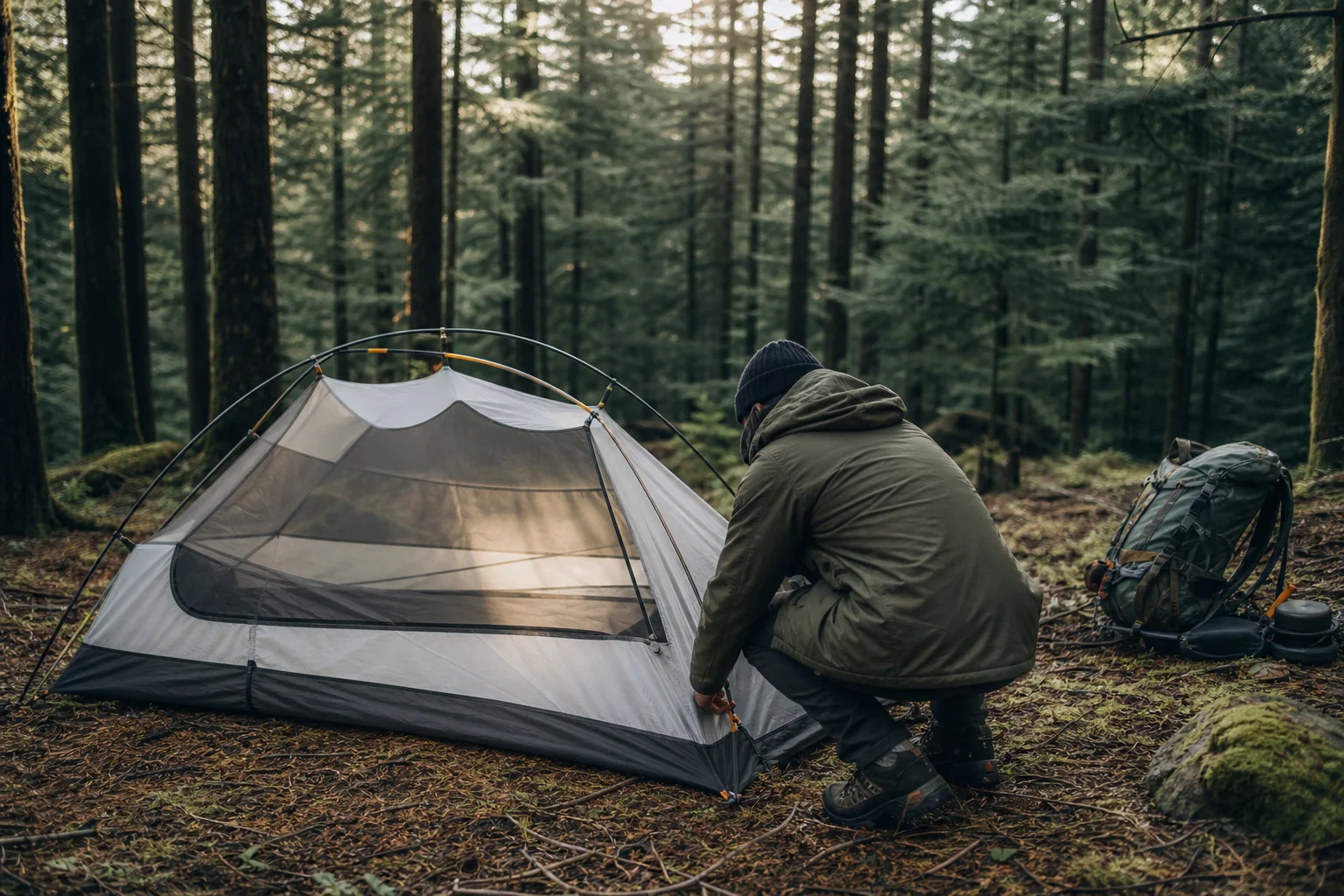
The North Face Stormbreak 2, despite being 4 inches shorter, feels significantly more spacious because it features four vertical walls. This design uses two main poles plus two additional short poles at the tent’s top, creating an extended peak height across a wide square area. This structural difference translates directly to more comfortable interior living space.
Tents with no vertical walls typically use two poles. Those with two vertical walls use three poles, and those with vertical walls on all four sides use four poles. The Nemo Aurora 2 takes this further with a hub pole system that creates nearly vertical walls on the left and right, plus a ridge pole at the top for two additional vertical walls, resulting in the most spacious interior of all tested models.
Base area measurements range from approximately 28 to 35 square feet for the tent body alone, with vestibule space adding another 8 to 15 square feet depending on the model. Most tents feature two vestibules, though the Kelty Late Start has only one.
Setup and Packing
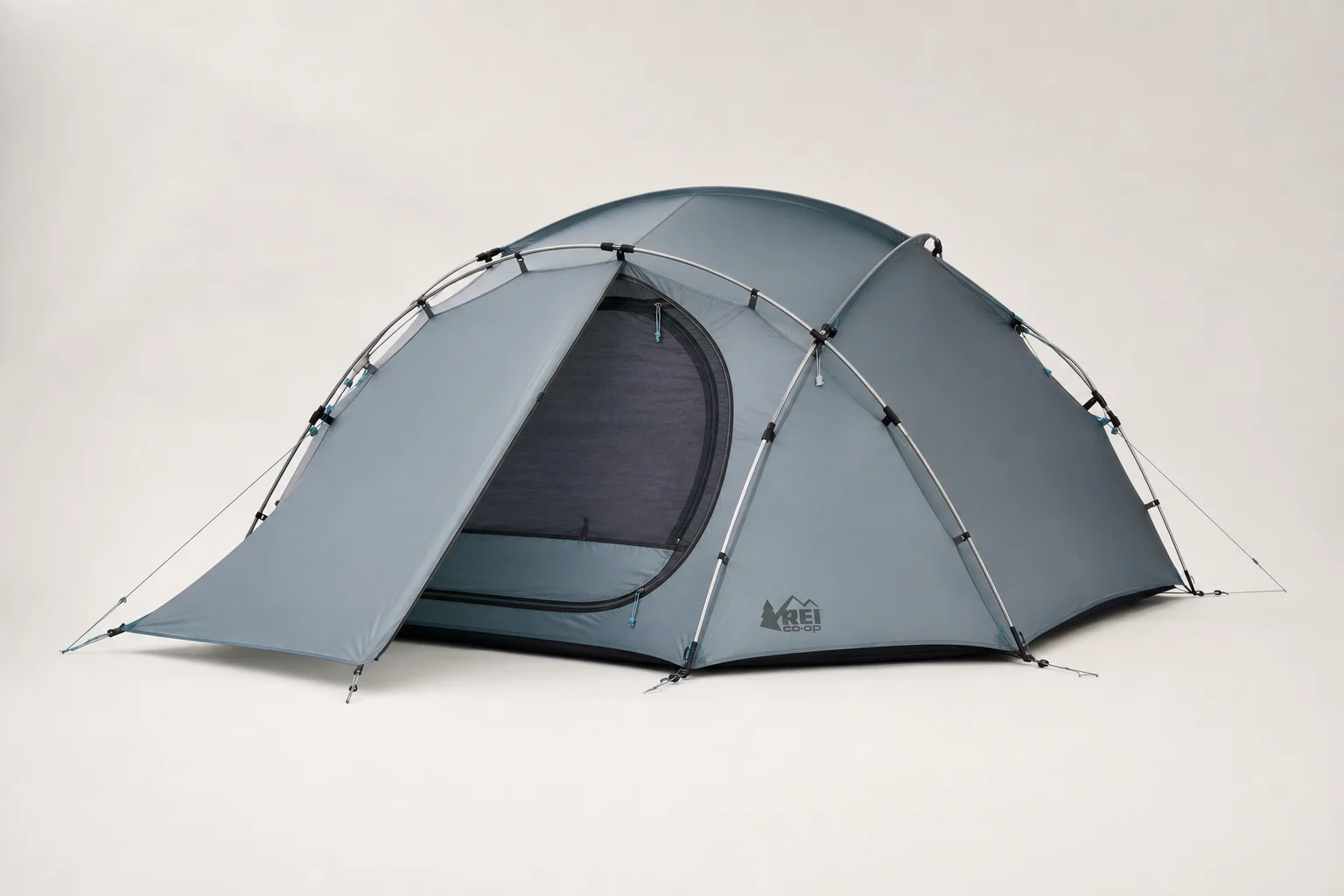
Setup times range from roughly 3 minutes for simpler designs to 5 minutes for more feature-rich models. The Kelty Late Start, with only two poles and one vestibule, sets up fastest. The North Face Stormbreak 2, with four poles and two vestibules, takes slightly longer but the difference is minimal—less than 2 minutes separates the fastest from the slowest.
Pack-away times follow the same pattern: simpler tents pack faster, but the overall difference remains negligible for practical purposes. Feature complexity matters more than setup speed for most backpackers.
Features and Door Design
Door size and design significantly affect daily usability. The Nemo Aurora 2 has the largest doors, at least 20 percent bigger than other models, making entry and exit easier and improving cross-ventilation.
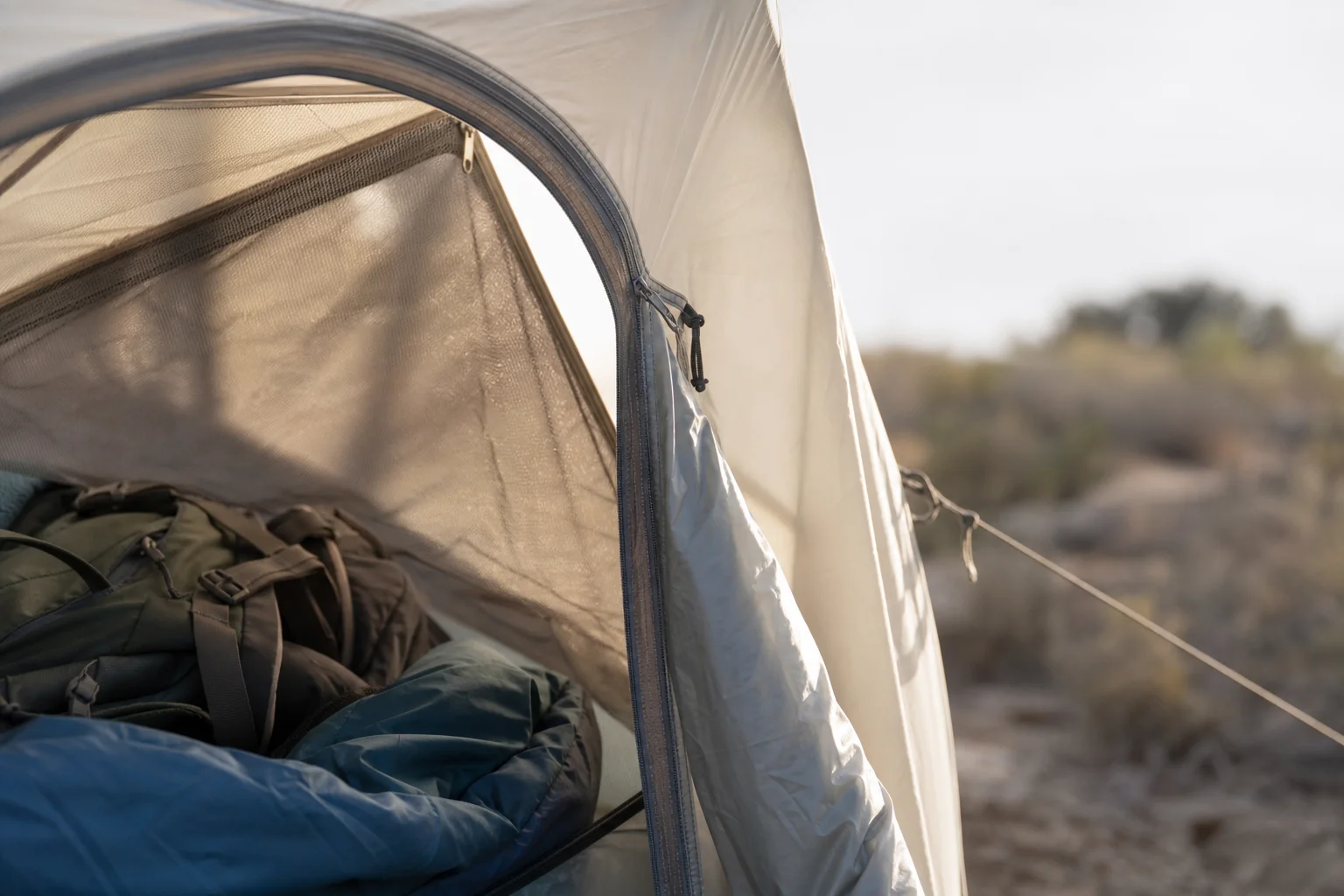
Door closure mechanisms vary. Toggles require 5 to 10 seconds to secure, while door pockets—where you stuff the fabric beside the opening—take only 1 to 2 seconds. Pockets are more user-friendly, especially when entering or exiting quickly.
For 2-person tents, single-door designs are inconvenient; you must climb over a sleeping partner to exit. All tested models feature two doors except where noted.
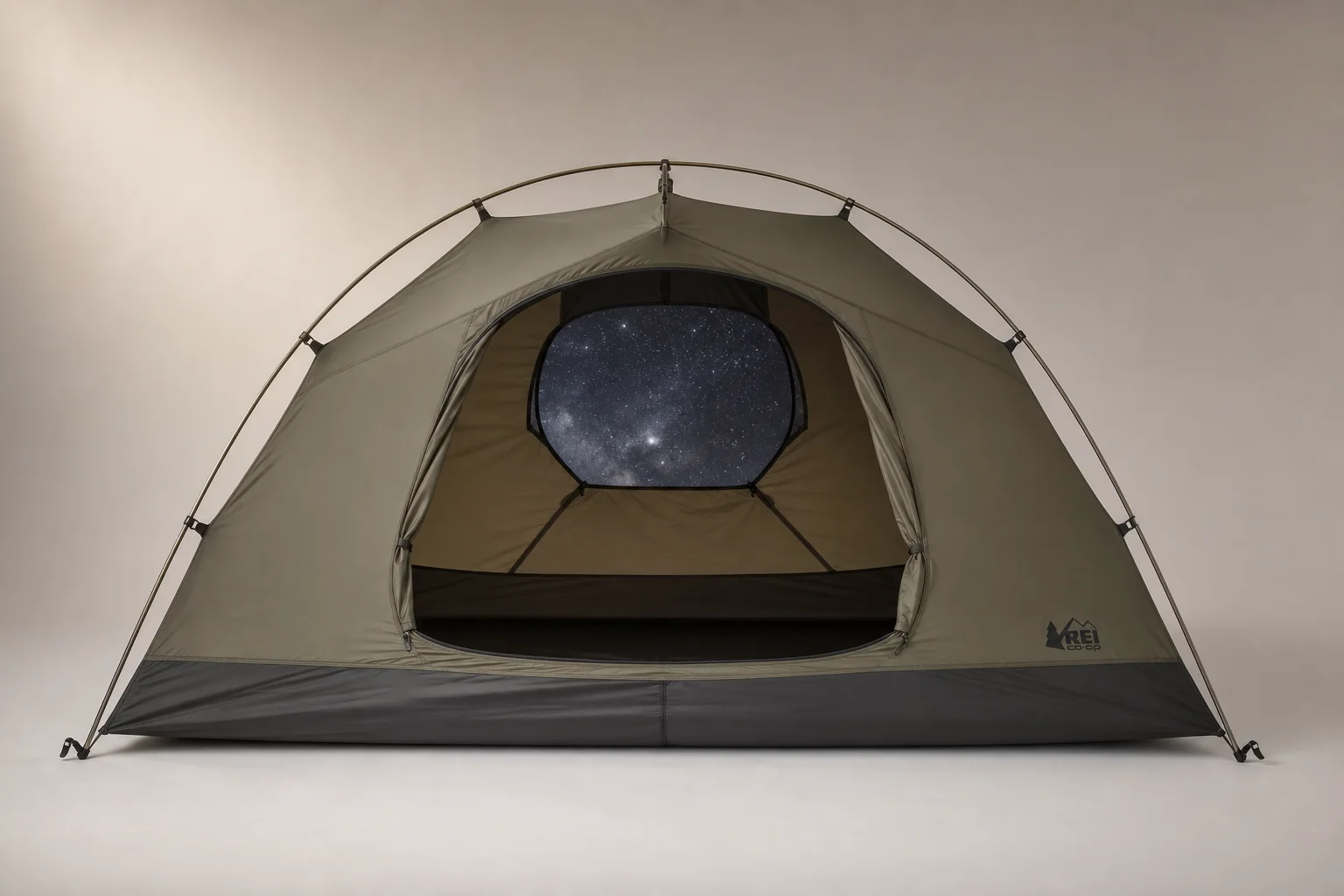
Storage options include pockets, loops, and gear lofts. Most tents offer two pockets and approximately five loops. The Coleman 2-Person Tent stands out with a star-view window at the back, allowing daytime views and stargazing without removing the rainfly. The North Face Stormbreak 2 includes the most pockets of any tested model.
Vestibule design also matters. The North Face features large trapezium-shaped vestibules, while others use smaller triangular designs. Larger vestibules provide more gear storage and weather protection.
Rain Protection and Waterproofing
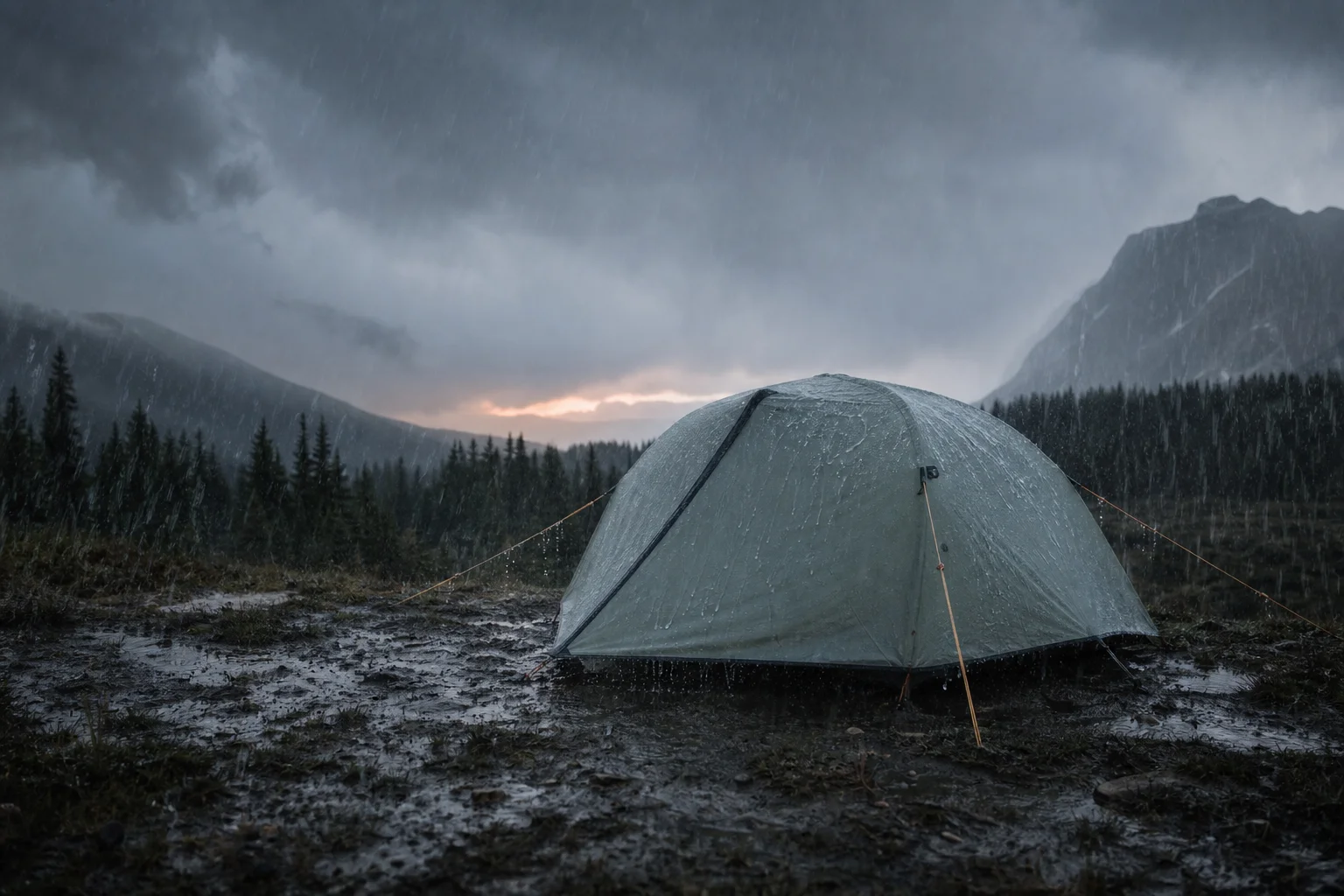
All eight tents passed a minimum 1-hour heavy rain test without leaks. Extended testing revealed performance differences:
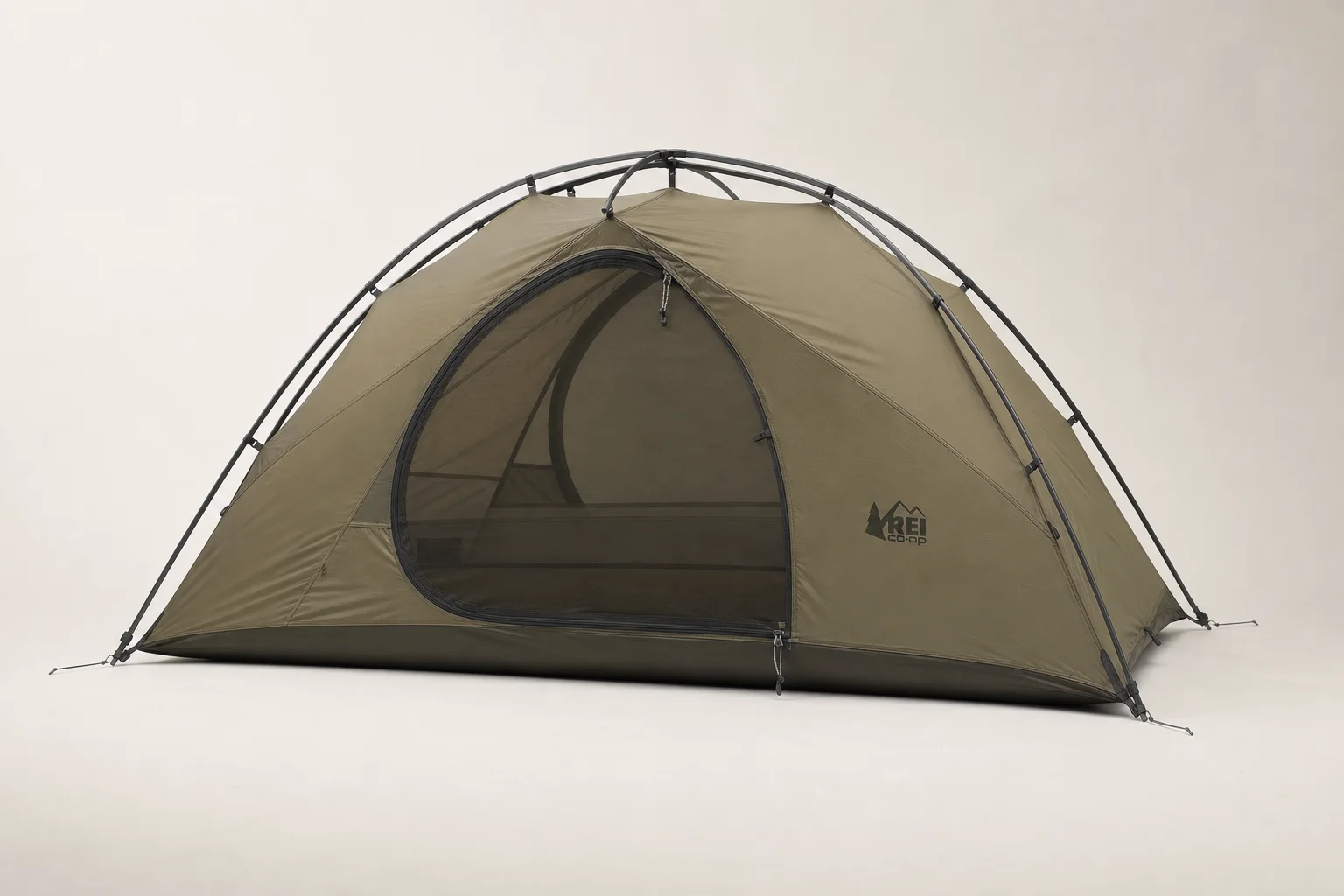
- The North Face Stormbreak 2 and REI Trail Hut 2 survived 24 hours of continuous heavy rain with zero leaks, but their rainflies began leaking beyond 24 hours.
- The Teton Mountain Ultra endured 24 hours of heavy rain plus an additional 12 hours of light-to-moderate rain without any water ingress.
- The Kelty Late Start showed a damp rainfly after 2 hours of heavy rain, though no water dripped into the tent.
- The Alps Mountaineering Lynx had insufficient tub floor height; backsplash during heavy rain soaked the seam where the floor meets the walls, causing water to drip into the tent and soak pockets.
Rainfly material quality varies. The Teton uses ripstop fabric, which resists tearing better than standard polyester. Most others use polyester or polyester taffeta. The North Face uses DAC aluminum poles, the only brand in this test with top-tier pole construction.
Ventilation and Condensation
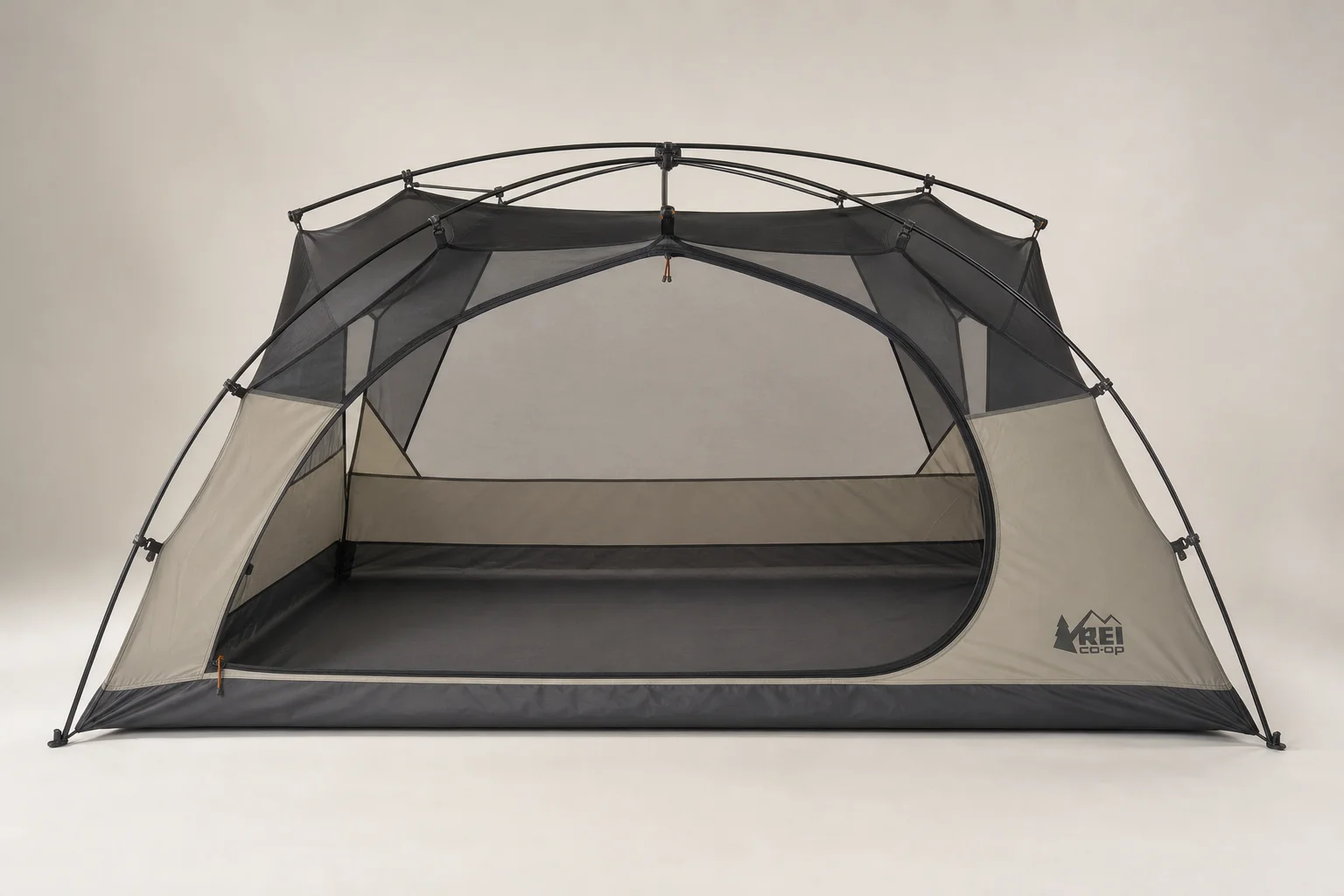
Mesh coverage ranges from 50 percent to 80 percent of the tent body. The Teton Mountain Ultra and Kelty Late Start offer 80 percent mesh, making them pure 3-season summer tents. The Alps Mountaineering Lynx and REI Trail Hut 2 have approximately 50 percent mesh, positioning them as 3-plus season tents suitable for shoulder seasons but not winter.
Rainfly vents improve airflow. Most tents have 2 to 4 vents, though not all remain usable in rain. Some leak if left open during precipitation. Additional ventilation comes from guy-out points at the tent width; when pulled tight, these create a bottom vent between the rainfly and tent body.
None of the tested tents showed condensation issues during overnight testing, though results may vary with multiple occupants or extreme humidity.
Material Quality and Durability
Fabric thickness is measured in denier. The Teton Mountain Ultra uses 150D fabric—double the thickness of most competitors—making it more durable. Higher denier ratings indicate thicker, more durable materials.
The North Face features DAC aluminum poles, a premium brand. Other tents use standard aluminum poles, with some specifying 7000-series aluminum. The North Face also uses SBS-branded zippers; others have unbranded zippers.
Warranties vary. Most brands offer 1 to 2-year warranties. The REI Trail Hut 2 has a notably shorter warranty period.
Weight and Portability
Packaged weight—including tent body, rainfly, poles, stakes, guylines, repair sleeve, and carry bag—ranges from approximately 4.5 to 5.5 pounds. Trail weight (excluding carry bag, repair sleeve, and stakes) typically runs 7 to 10 ounces lighter.
For 2-person tents, weight per person ranges from 2 to 3 pounds, which is reasonable for budget models but heavier than ultralight alternatives.
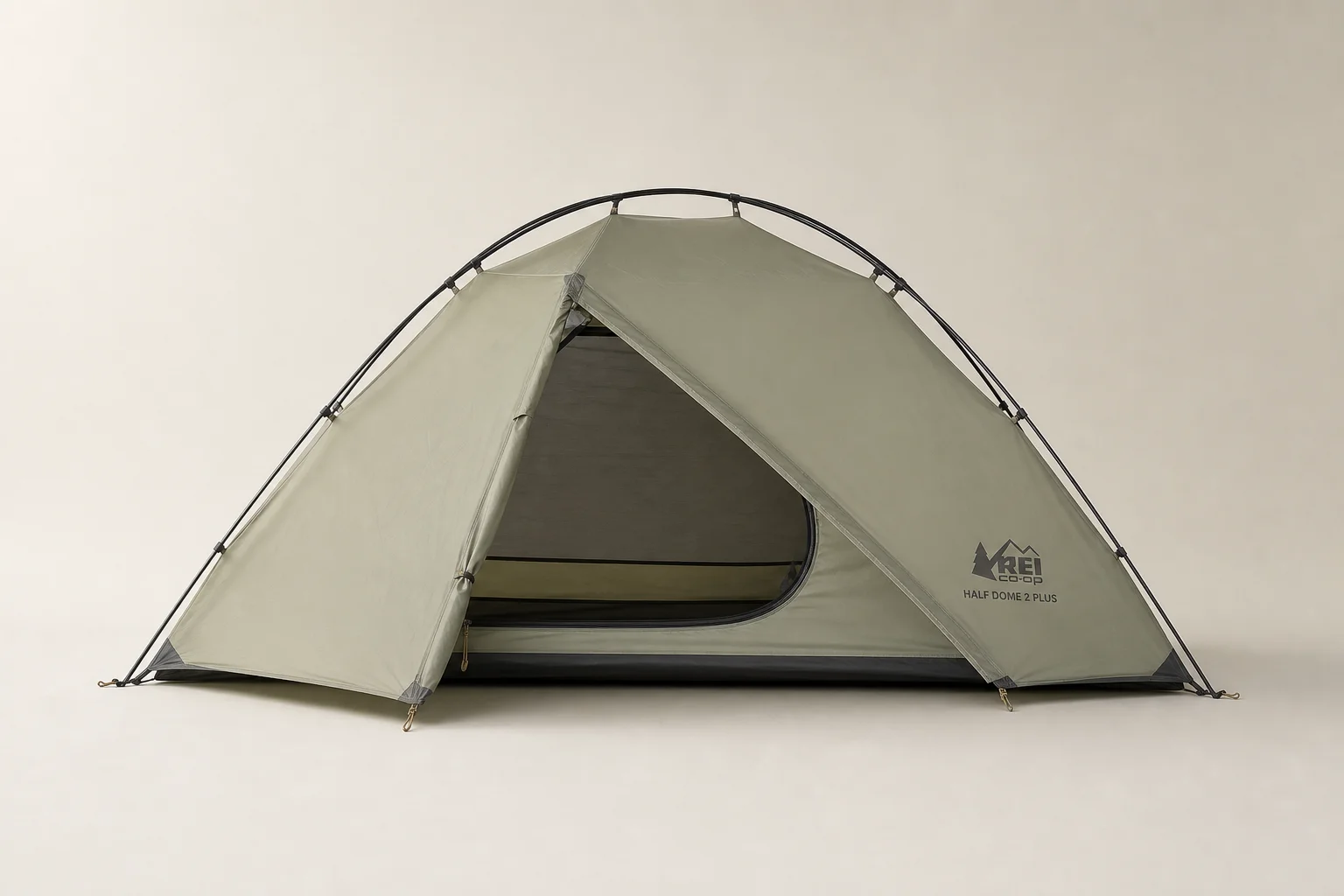
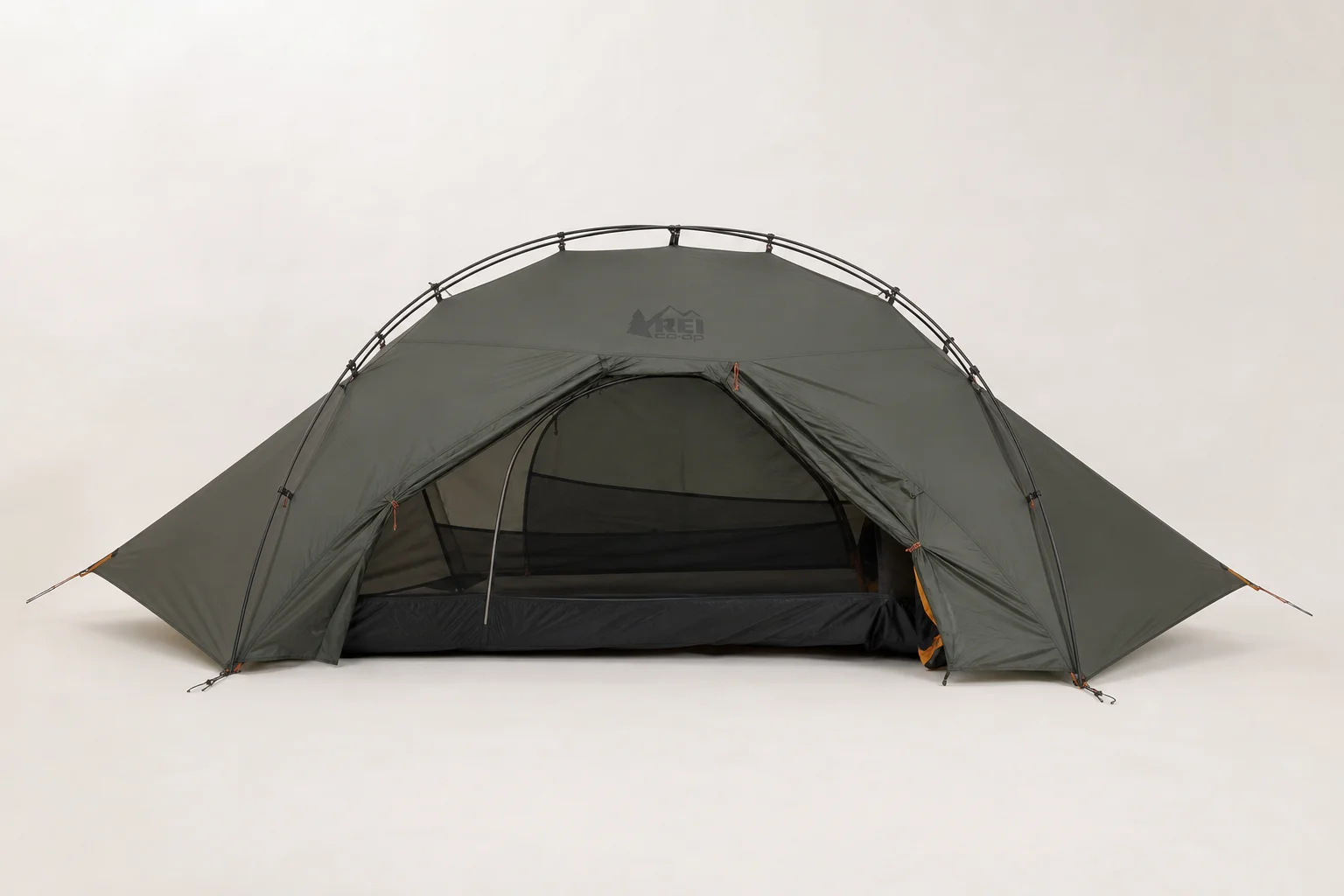
The REI Trail Hut 2 and Teton Mountain Ultra come with free footprints. The REI footprint attaches via toggles rather than grommets, so it does not support footprint-only setups. The Teton footprint uses standard grommets, allowing flexible deployment options.
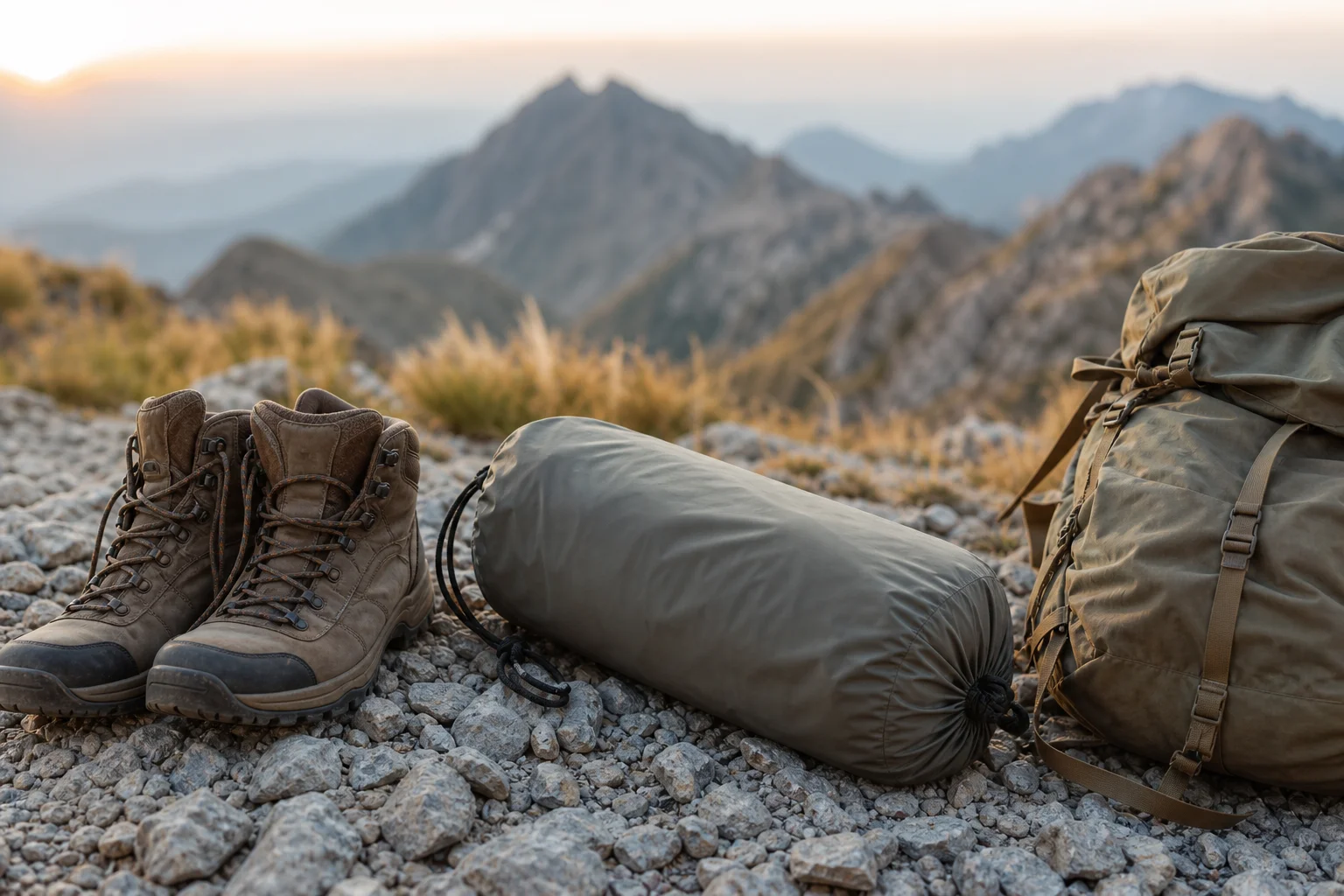
Packed size depends on carry bag dimensions and is less meaningful for comparison than weight. Most tents pack into bags approximately 18 to 22 inches long and 8 to 10 inches in diameter.
Value and Recommendations
The North Face Stormbreak 2 offers the best overall performance in the $200 price range. It scores highest among similarly priced tents, with four-pole spaciousness, excellent rain protection (24-hour tested), premium DAC poles, and the most pockets of any tested model. The main drawback is that vestibule zippers require two hands to operate smoothly.
For the $100 budget, the Teton Mountain Ultra delivers comparable overall performance to the North Face. It uses thicker, more durable fabric and survived extended rain testing. The trade-off is less interior spaciousness due to its three-pole structure and smaller vestibules. If budget allows, the North Face’s extra interior space and proven 24-hour rain performance justify the additional cost.
The Nemo Aurora 2, at $300, is the most spacious option with the largest doors and unique hub-pole design creating vertical walls on all four sides. It suits backpackers who prioritize interior comfort and are willing to pay a premium.
The REI Trail Hut 2 frequently discounts 30 percent or more from its MSRP, bringing the effective price into the $140 to $160 range. With a free footprint (typically $20 to $30 value), it becomes competitive with the Teton for value.
The Coleman 2-Person Tent, Marmot 2-Person Tent, Kelty Late Start, and Alps Mountaineering Lynx are functional tents but do not outperform the recommended options. The Lynx’s rain vulnerability and the Kelty’s damp rainfly after extended rain are notable concerns.
Conclusion
Budget backpacking tents have improved significantly, with most models now offering reliable rain protection and reasonable comfort. The North Face Stormbreak 2 and Teton Mountain Ultra represent the best value across their respective price points, balancing spaciousness, durability, weather protection, and cost. Choose based on your budget and priority: maximum interior space (Nemo Aurora 2), best overall value ($200 range: North Face), or best $100 option (Teton Mountain Ultra).
Further reading
Related Reviews
Backpacking Gear
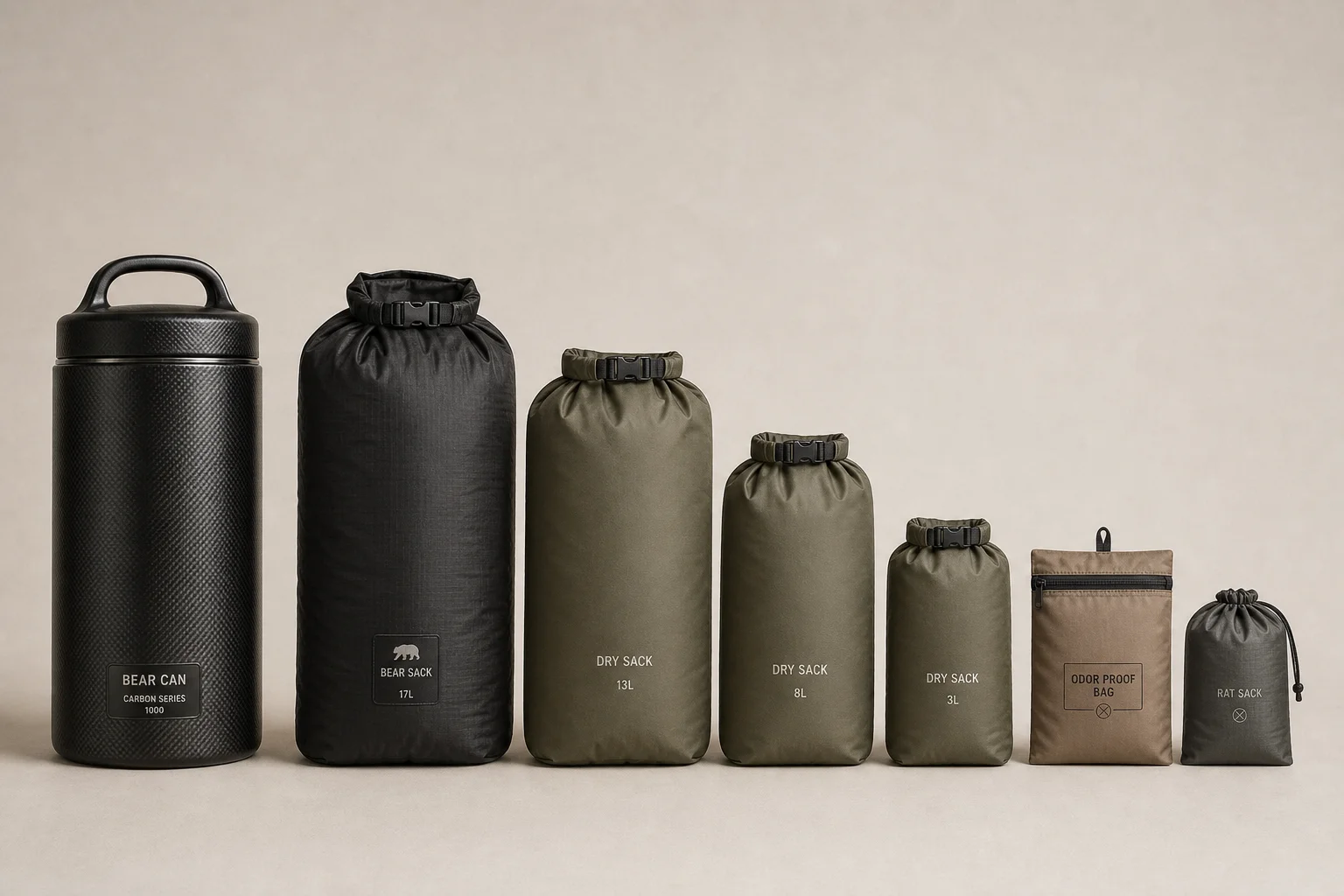
Bear-Proof Food Storage Methods: A Complete Guide to Backpacking Food Protection
Explore seven proven methods for protecting your food from bears and smaller wildlife while backpacking, from hard-sided bear cans to specialized desert rat sacks.
Backpacking Gear
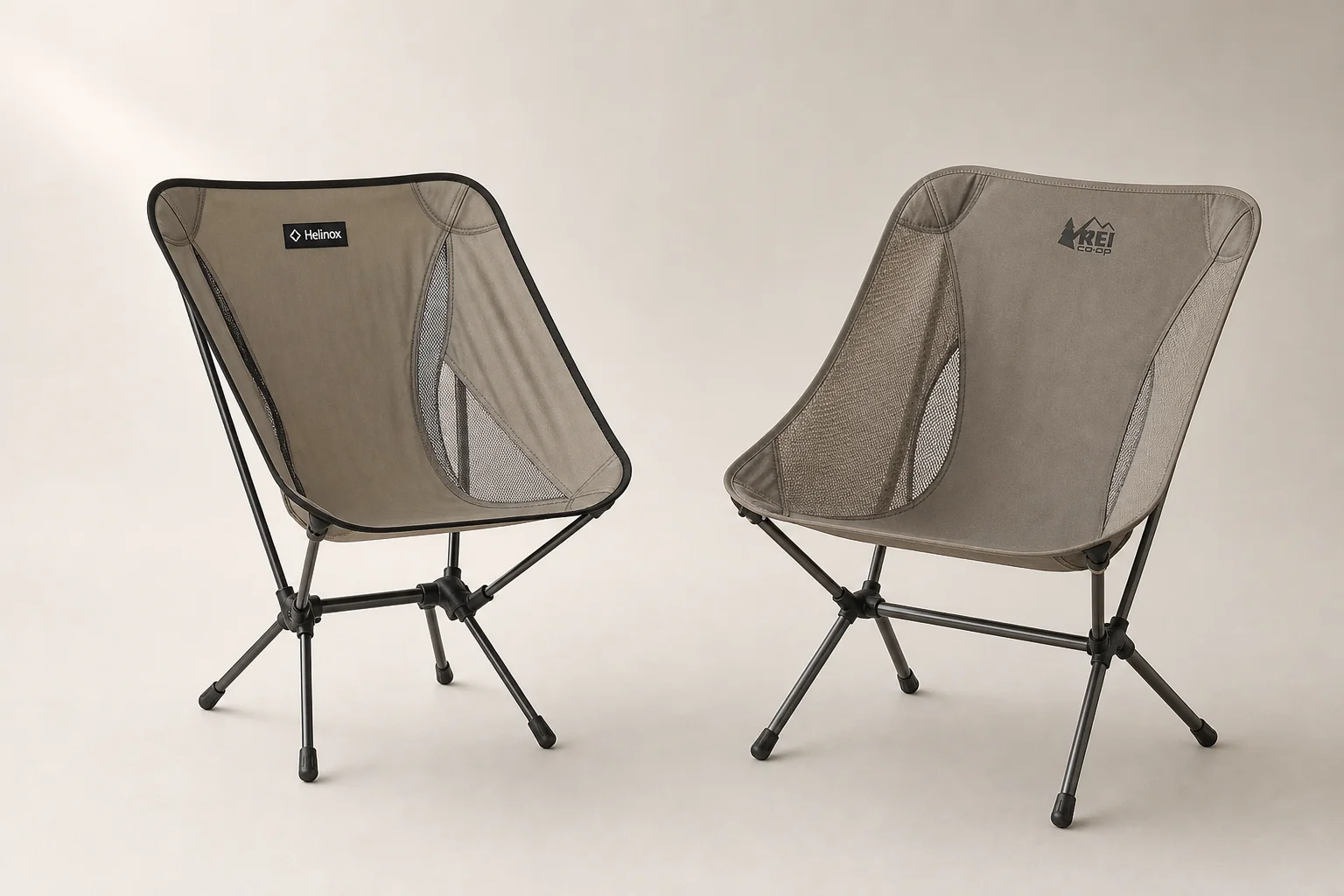
Best Backpacking Chairs: Helinox Chair Zero vs REI Co-op Flexlite Air
Two lightweight backpacking chairs compared side by side. One is a proven classic; the other offers surprising comfort at half the price.
Backpacking Gear
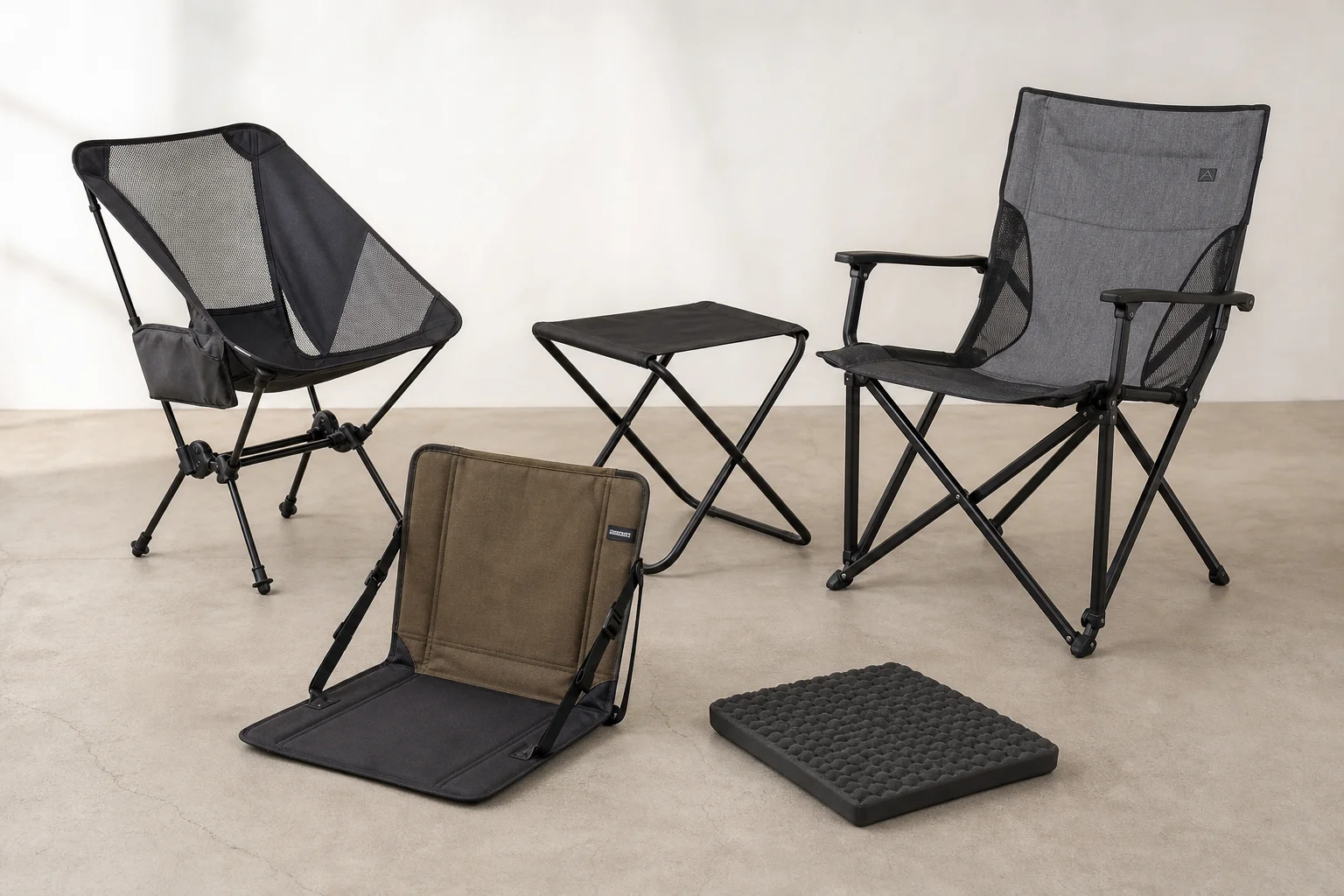
Best Backpacking Chairs Tested: Five Options From Luxury to Budget
Five backpacking chairs tested on real trips. One is a gold standard, one is an underdog bargain, one is a classic, one is essential minimalism, and one to avoid.