Car Accessories
Best Dash Cams: What to Prioritize and What to Ignore When Buying
A comprehensive guide to choosing the right dash cam, covering night vision performance, capacitor technology, and top recommendations across single, dual, and triple channel options.
Introduction
Choosing the right dash cam can feel overwhelming with hundreds of options available in the market. However, understanding what truly matters and what you can safely ignore will help you make a confident decision. Two critical factors stand out: night vision performance and capacitor technology. Everything else is either fairly similar across brands or less essential to your core needs.
Understanding Dash Cam Types
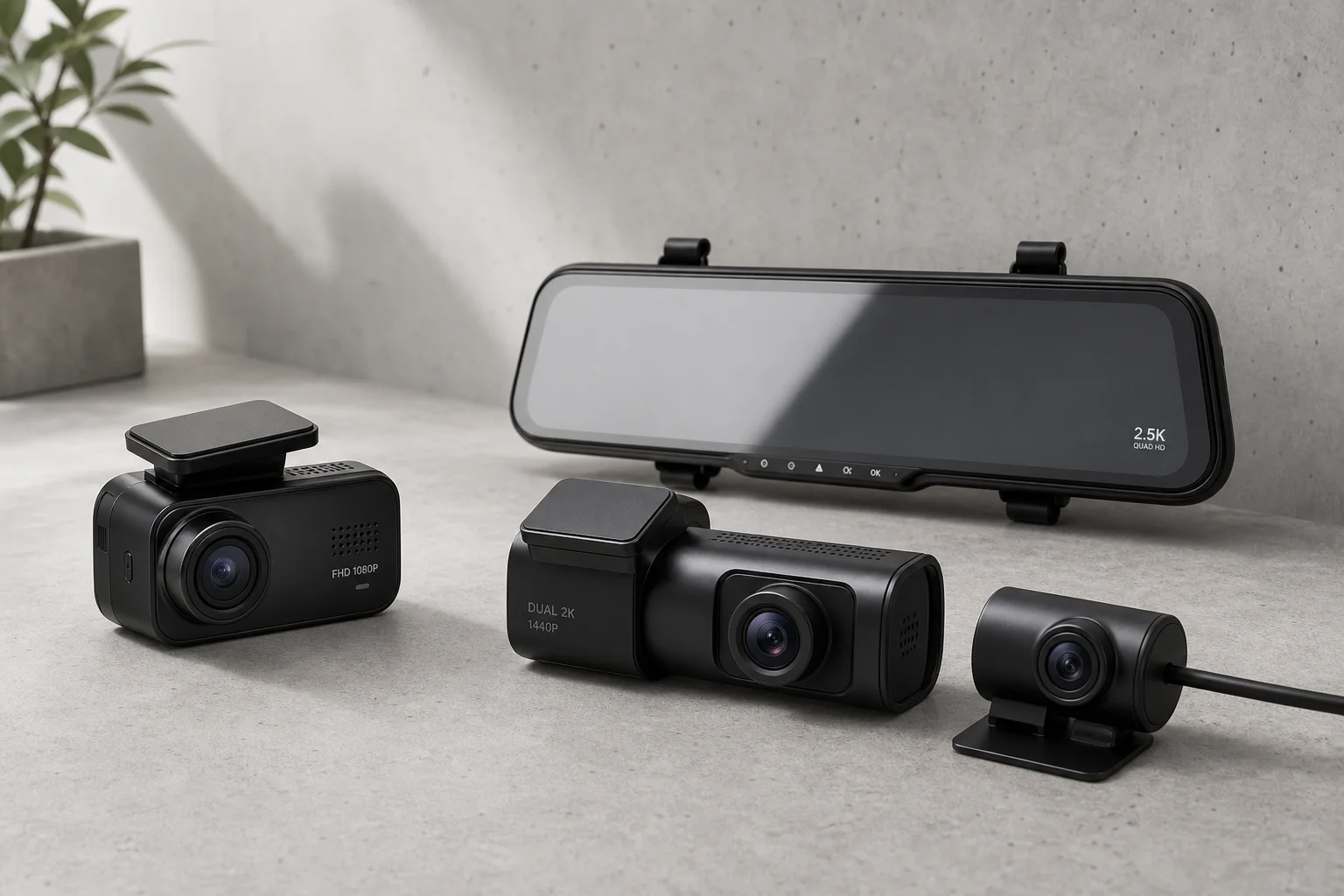
Dash cams come in three main configurations. Single channel dash cams have only a front camera, making them the most affordable option. Dual channel dash cams include both front and rear view cameras, offering more comprehensive coverage. Triple channel dash cams add a cabin or interior view camera, providing full 360-degree recording of your vehicle and its occupants.
For dual or triple channel setups, professional installation is typically required due to the wiring involved. This is an important consideration when budgeting for your purchase.
Resolution and Image Quality
Front cameras are available in 1080p, 2K, 3K, and 4K resolution options. Higher resolution means better video quality but also requires more storage space and costs more. In practice, 2K or 3K resolution is sufficient for most driving needs. Rear cameras are usually capped at 1080p except in premium models where they may reach 2K or 4K. Cabin cameras are generally limited to 1080p resolution.
The resolution you choose should match your actual driving habits and requirements. There is no need to overpay for 4K if 2K meets your needs.
Night Vision and Headlight Glare
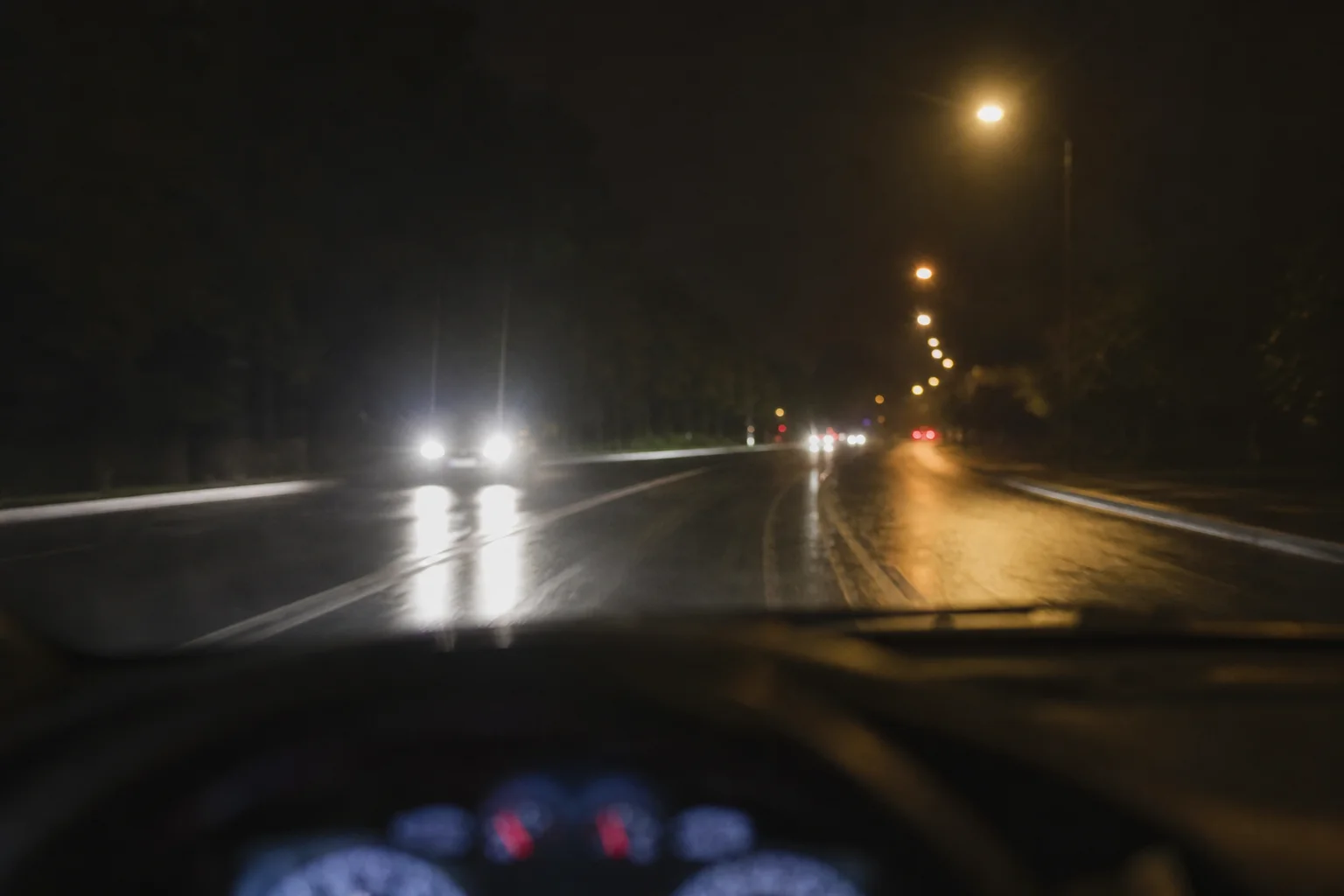
This is the single most important factor you should not ignore. A common problem with cheaper dash cams is headlight glare, which makes number plates difficult to read at night, even when the camera claims 4K resolution. The solution is to look for Star 2 or Star Enhanced sensors, which deliver the best night clarity and glare reduction.
Many budget dash cams either skip star technology entirely or use older versions like Star 1. While better than nothing, Star 2 represents a significant upgrade with noticeable improvements in low-light footage. Unless a dash cam specifically mentions Star 2, it does not have it. Labels such as IMX 291, 307, 335, or generic “Star” references indicate Star 1 sensors only.
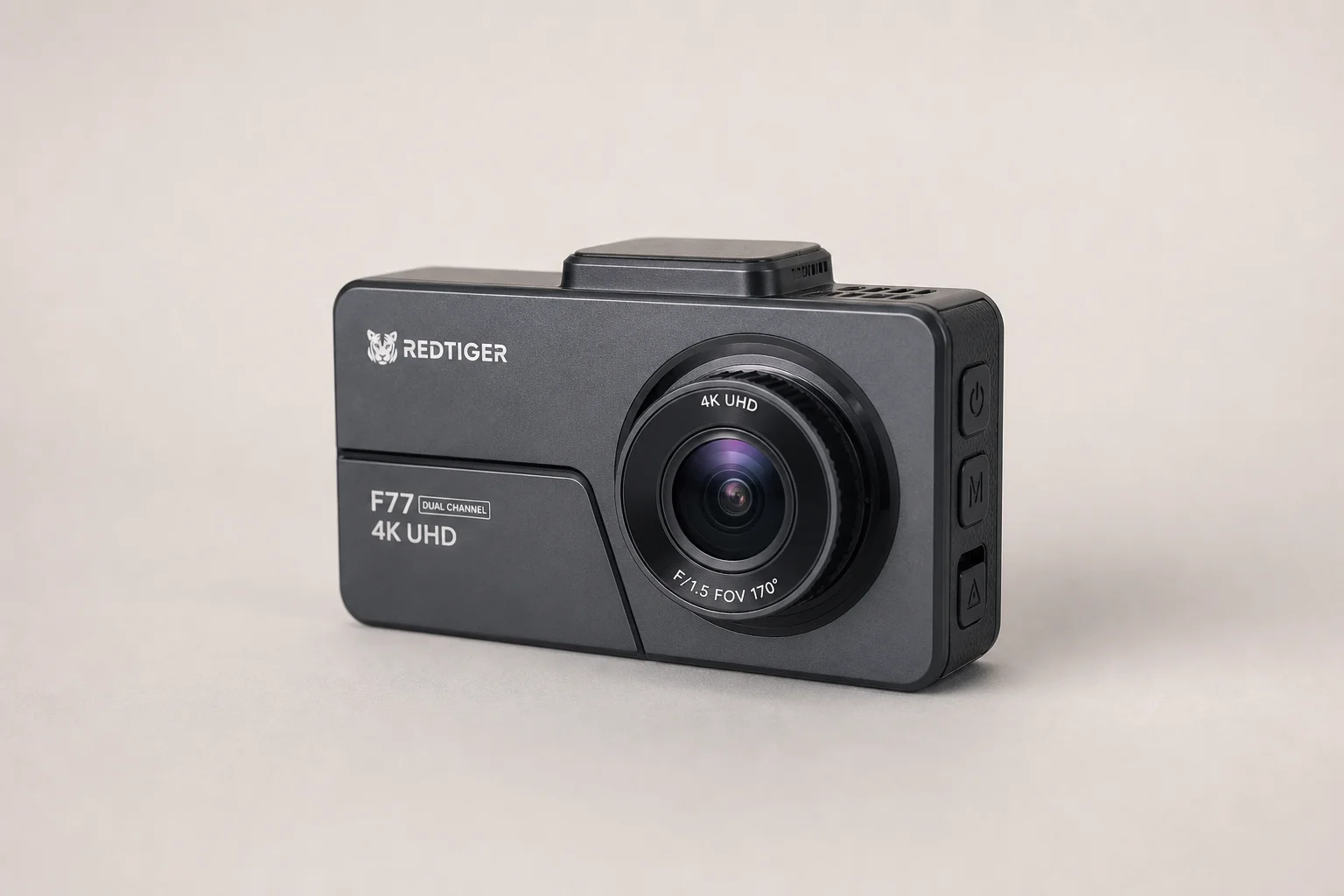
The Viofo A229 Plus and VIOFO A229 Pro both support dual Star 2 sensors for front and rear cameras. The Red Tiger F77 also offers this dual Star 2 capability, making it an excellent choice if night vision is your priority.
Field of View and Frame Rate
Field of view determines how much of the road the dash cam can capture. Most dash cams offer between 130 and 150 degrees, with Red Tiger models providing the widest coverage at nearly 170 degrees in the F7N Elite. A wider field of view is useful but not essential.
Frame rate, typically 30 fps, affects how smooth the footage appears. For most purposes, 30 frames per second is more than adequate.
Storage and Power Considerations
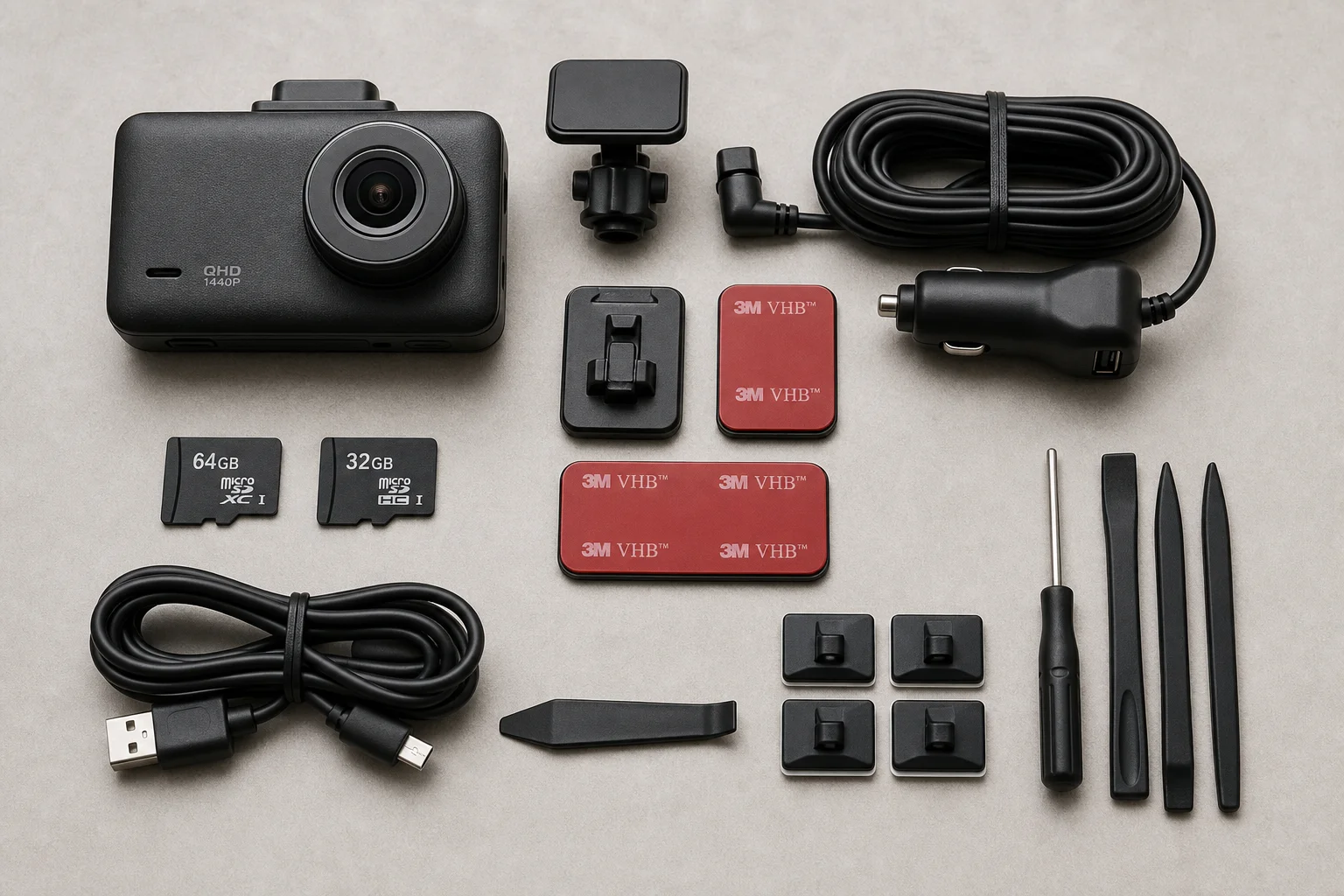
All dash cams store footage on microSD cards. Most support up to 128GB or 256GB, while the Viofo models and Wolfbox support up to 512GB. The Cubo Pro 3K supports up to 1TB. Some brands including Red Tiger and Wolfbox include an SD card with purchase, while others require separate purchase.
Higher resolution means larger files and fewer videos stored, but since dash cams record in a loop, older footage is automatically overwritten. There is no cloud storage option yet, though some premium models support SIM card insertion for remote viewing and vehicle location.
Dash cams use either batteries or super capacitors for power backup during sudden shutdowns. Batteries support up to 60-65°C but can bloat or leak in hot climates. Super capacitors are safer and more heat-resistant, making them ideal if you park outdoors in the sun frequently. Most dash cams from Cubo, Red Tiger, Viofo, Wolfbox, and other premium brands now use super capacitors, while many budget models from 70mai and CP Plus still use batteries.
Parking Mode and Additional Features
Parking mode recording allows your dash cam to continue recording when the car is parked. This feature requires a separate hardwire installation kit and must be installed by an authorized technician. G sensor or impact detection is standard in most dash cams, automatically triggering emergency recording during collisions or sudden movements. You can adjust sensitivity to avoid unnecessary recordings on rough roads.
GPS logging, which records your location and speed, is supported by most mid-range and premium dash cams but not budget models. Some dash cams also include ADAS (Advanced Driver Assistance Systems) for features like lane departure warnings, proximity alerts, and fatigue warnings. If your vehicle lacks these features, they may be worth considering.
Mounting and Display Options
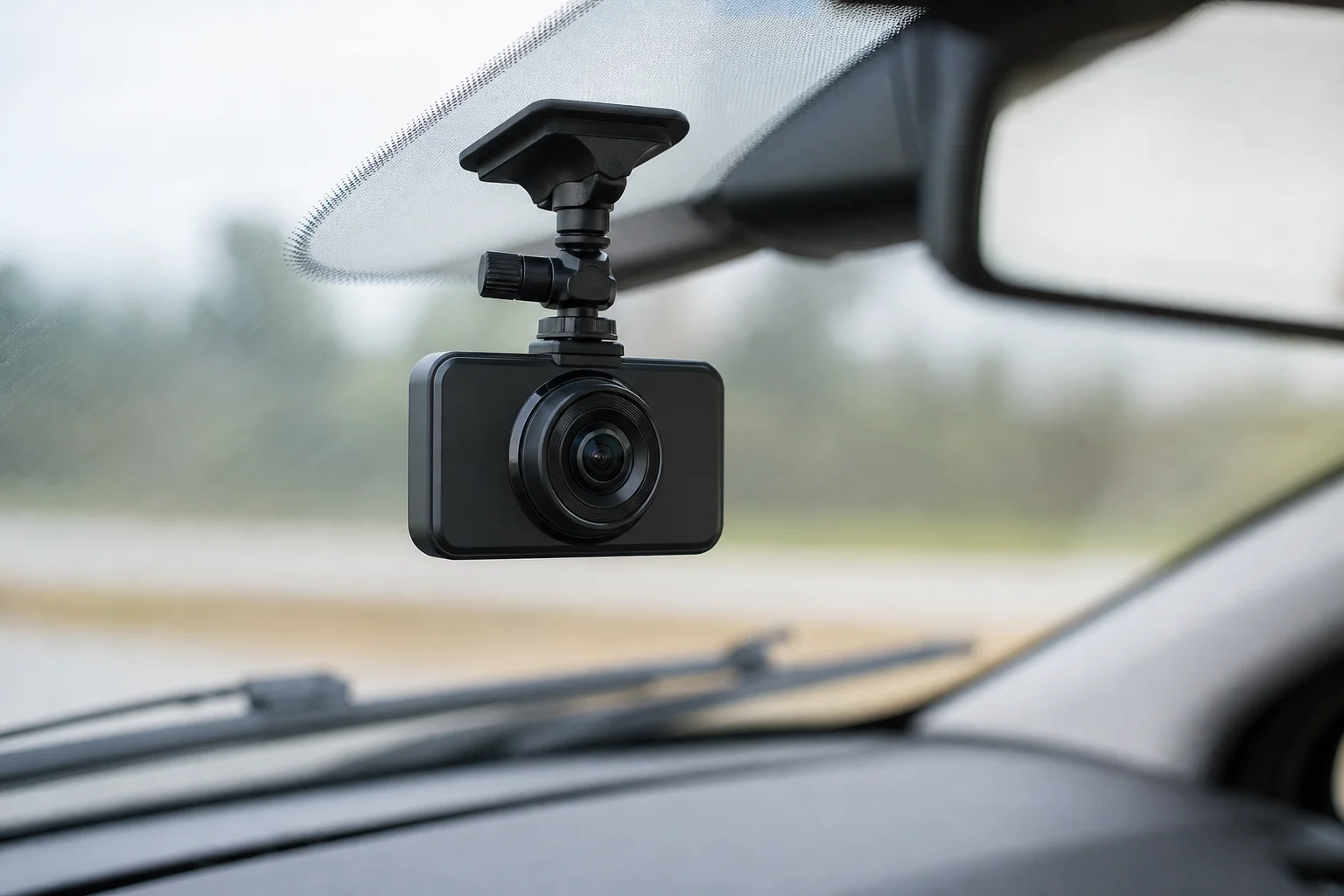
Mounting is typically done with adhesive on the windshield. Some users report adhesive melting in extreme heat, though double-sided tape can resolve this issue. A few models are mirror-based, mounting on your existing rearview mirror using provided straps.
Many dash cams lack a built-in display, which is not a problem since you can always view recordings via the phone app. Some users prefer turning off the screen after 30 seconds to reduce distraction while driving.
Service, Warranty, and Installation
Most dash cam brands are relatively new to the market, so service quality varies. Cubo offers slightly better service support due to their established network for other products. Warranty is typically 1 year, with Red Tiger currently offering 18 months. Installation for dual or triple channel setups costs between 500 to 2,000 rupees depending on the installer. Cubo offers installation services in select cities.
Top Recommendations by Category
Dual Channel Dash Cams
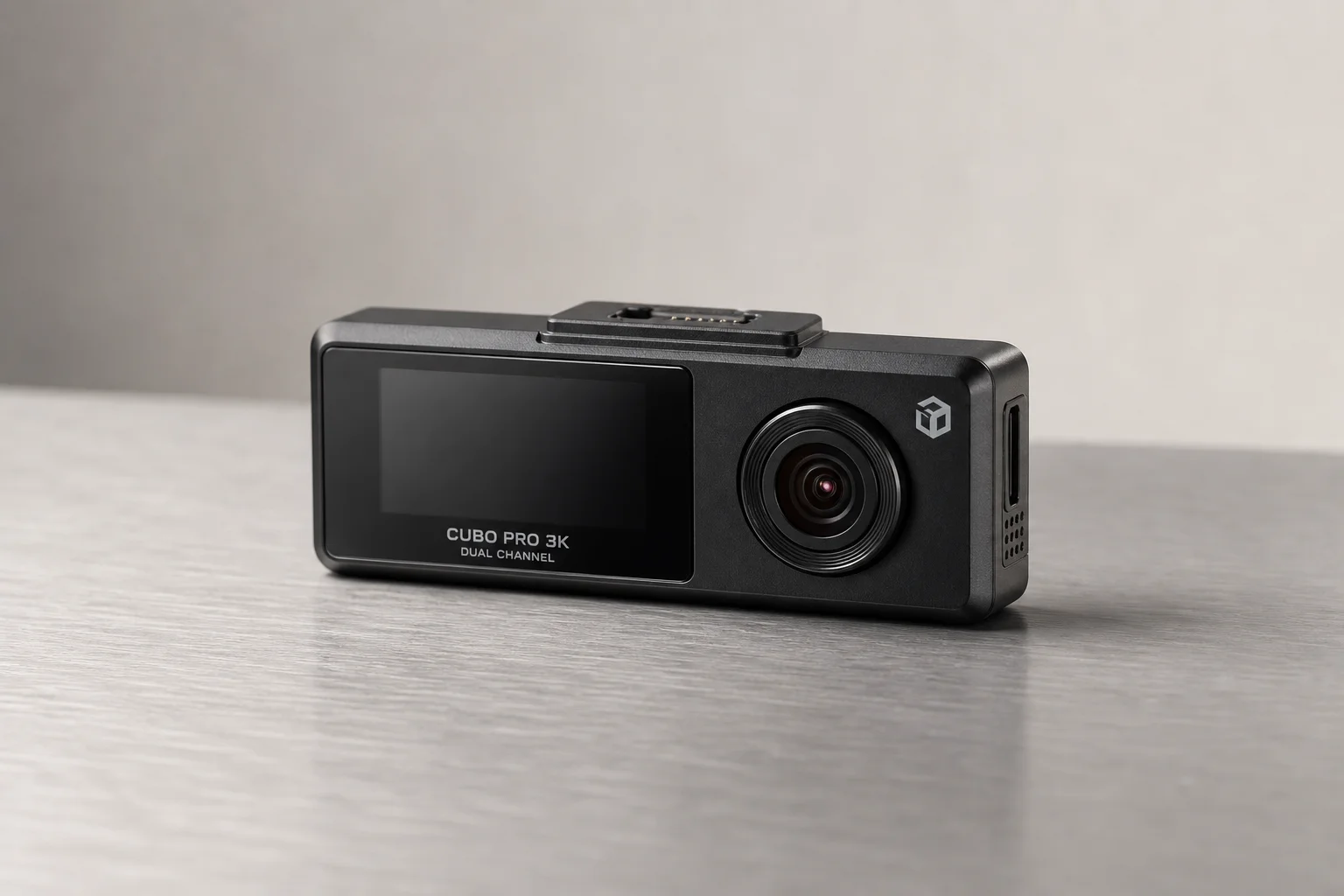
The Cubo Pro 3K is an excellent starting point. It features 3K front resolution with Star 2 sensor for excellent low-light performance, a 1080p rear camera, support for up to 1TB SD cards, and uses a capacitor for heat resistance. Cubo also offers installation services in select cities.
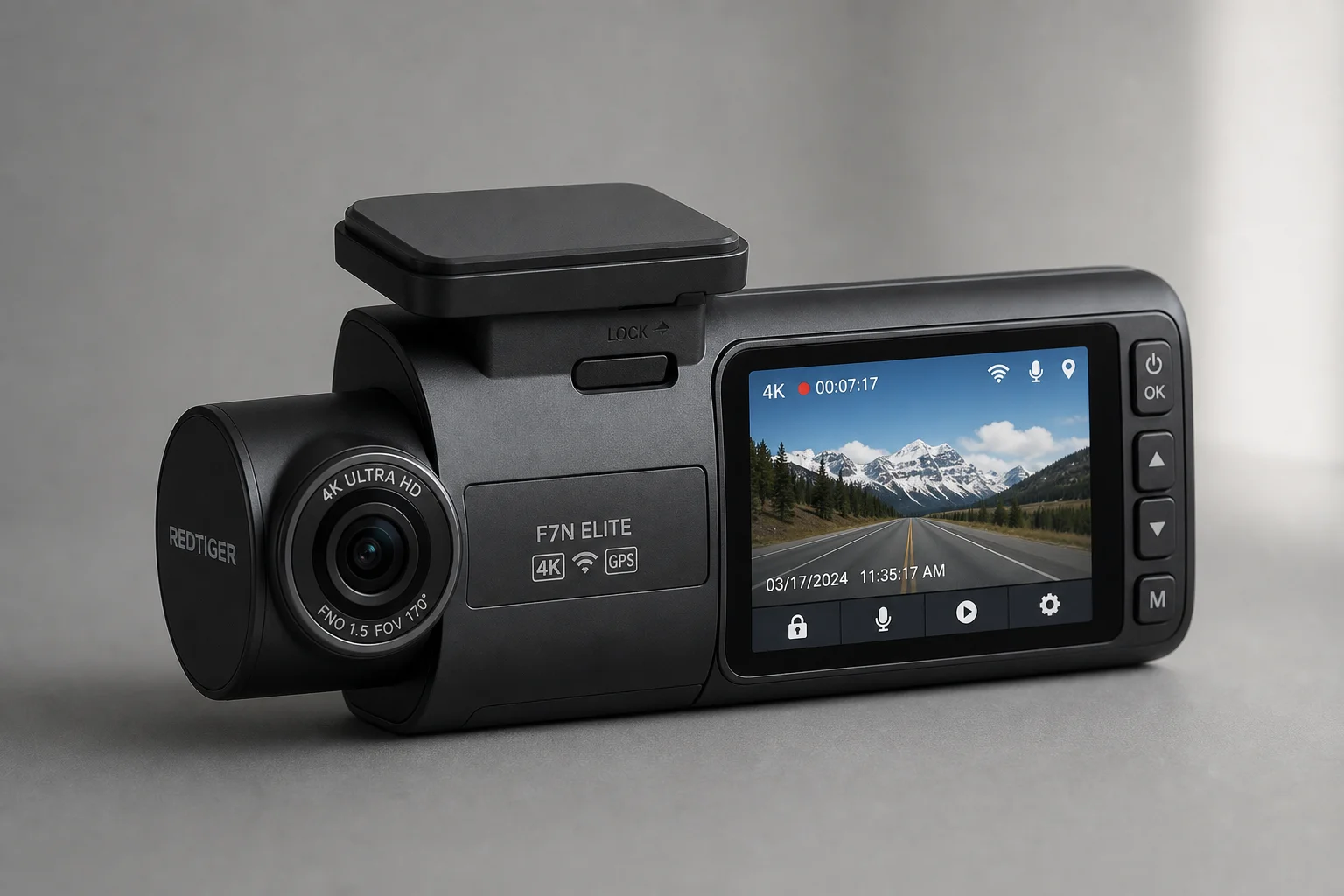
For 4K resolution, the Red Tiger F7N Elite offers a slight edge over 3K but at a 4,000-5,000 rupee premium. It includes all essential features: 4K resolution with Star 2, dual channel setup, capacitor usage, and a 3.2-inch display for live footage viewing. Red Tiger’s international reputation may justify the premium for some buyers.
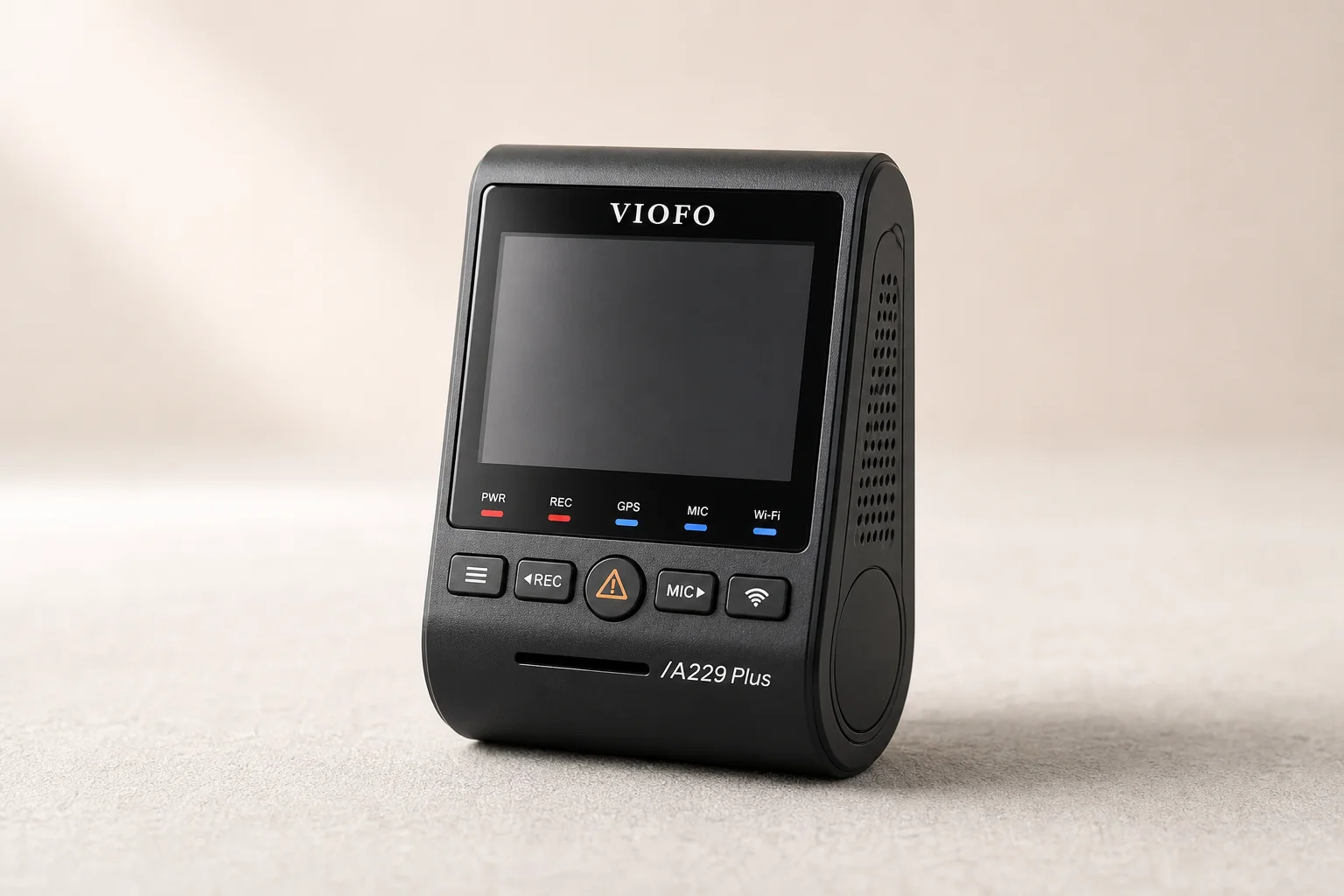
If you want dual Star 2 sensors for both front and rear cameras, options start above 20,000 rupees. The Viofo A229 Plus offers 2K front and rear resolution with Star 2 on both cameras, supports 512GB cards, includes voice command capability, and features 5G Wi-Fi for fast data transfer.
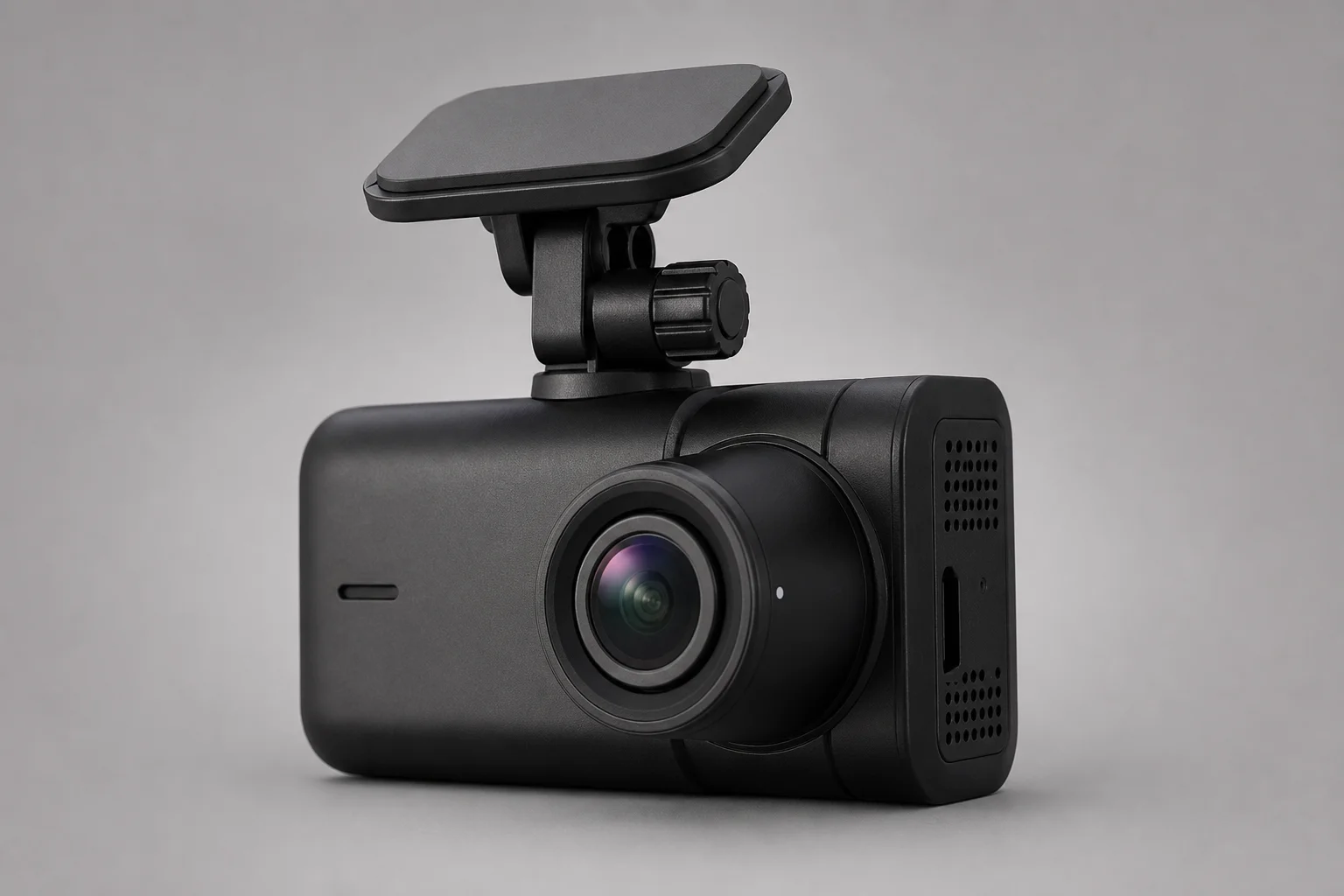
For 4K dual Star 2 performance, the VIOFO A229 Pro provides a 4K front camera at approximately 10,000 rupees higher than the A229 Plus, with all other capabilities remaining the same.
Alternatively, the Red Tiger F77 delivers 4K front and rear cameras with dual Star 2 at only 3,000 rupees more than the A229 Plus. Its only limitation is 128GB inbuilt non-expandable storage, which is sufficient for approximately 300 minutes of 4K recording with automatic looping.
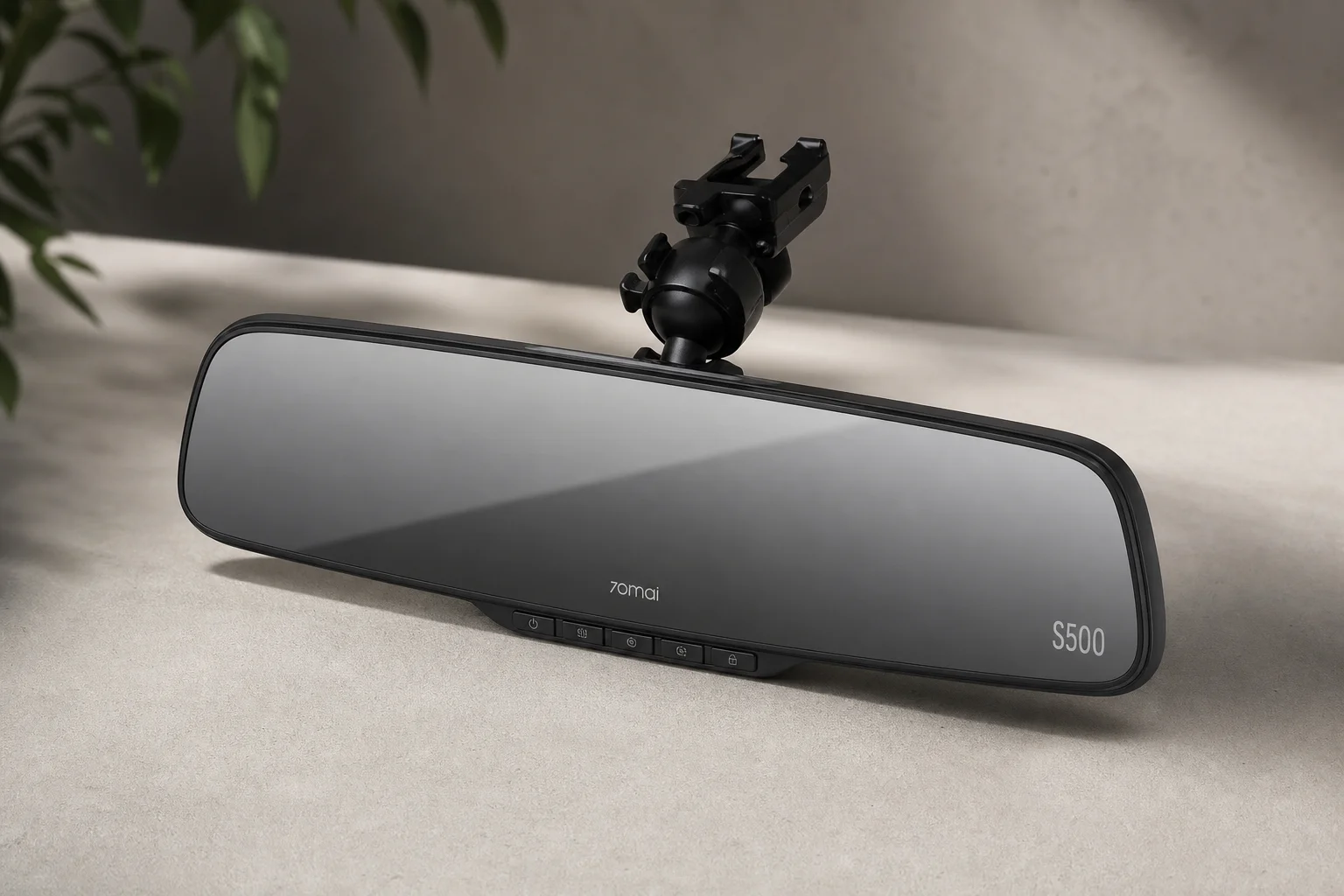
For a mirror-based dual channel option, the 70mai S500 provides 3K resolution with Star 2 sensor and good low-light video playback. Unlike other 70mai models, it uses a capacitor but lacks ADAS.
Triple Channel Dash Cams
The Wolfbox X5 is ideal for full coverage recording. It features a 4K front camera with Star 2, 2.5K rear camera, 1080p cabin camera, includes a 128GB SD card, uses a capacitor, and supports GPS logging. It lacks ADAS but provides excellent value for money.
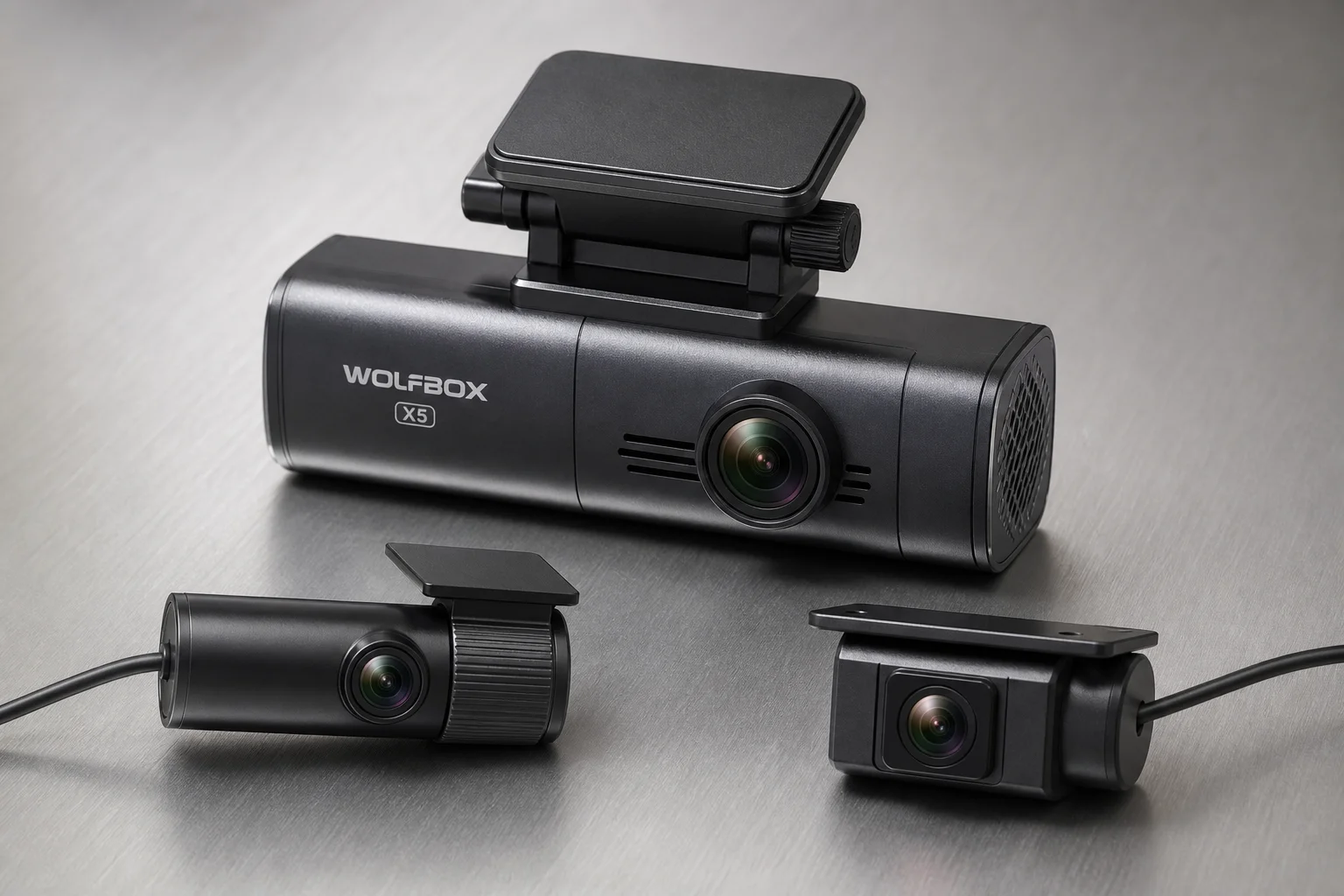
For dual Star 2 triple channel recording, the Viofo A229 Pro 3 Channel offers the same front and rear Star 2 capability as the dual channel model plus a cabin camera. It commands a significantly higher price but eliminates the compromise of single Star 2 in the rear camera.
Single Channel Dash Cams
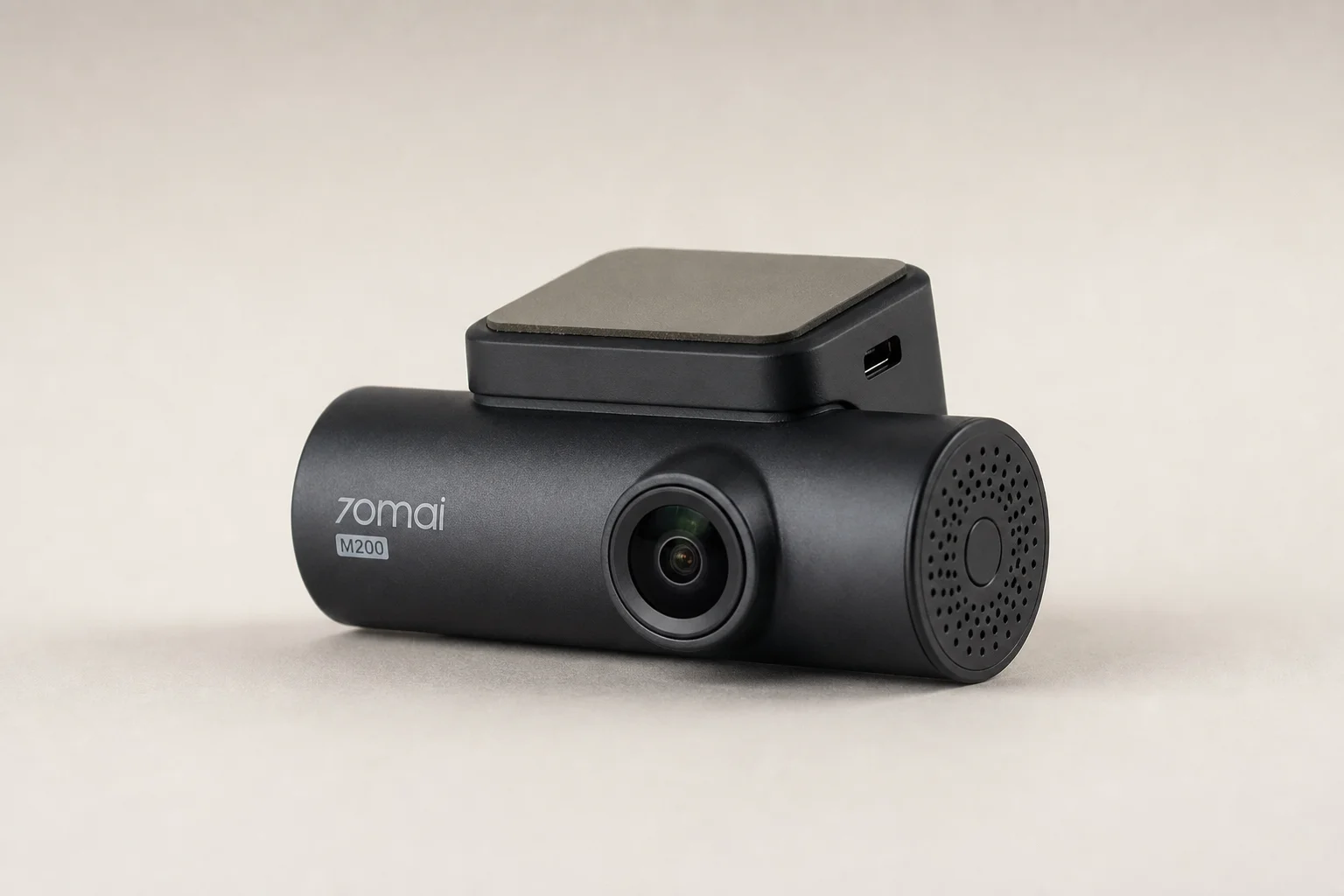
While dual channel is recommended as a minimum, budget constraints sometimes necessitate single channel options. The 70mai M200 is the only camera under 5,000 rupees offering a Star 2 sensor. It features 2MP 1080p resolution with a 130-degree field of view. It lacks GPS logging, ADAS, and a display screen, but the app provides real-time video. It represents excellent value on a tight budget.
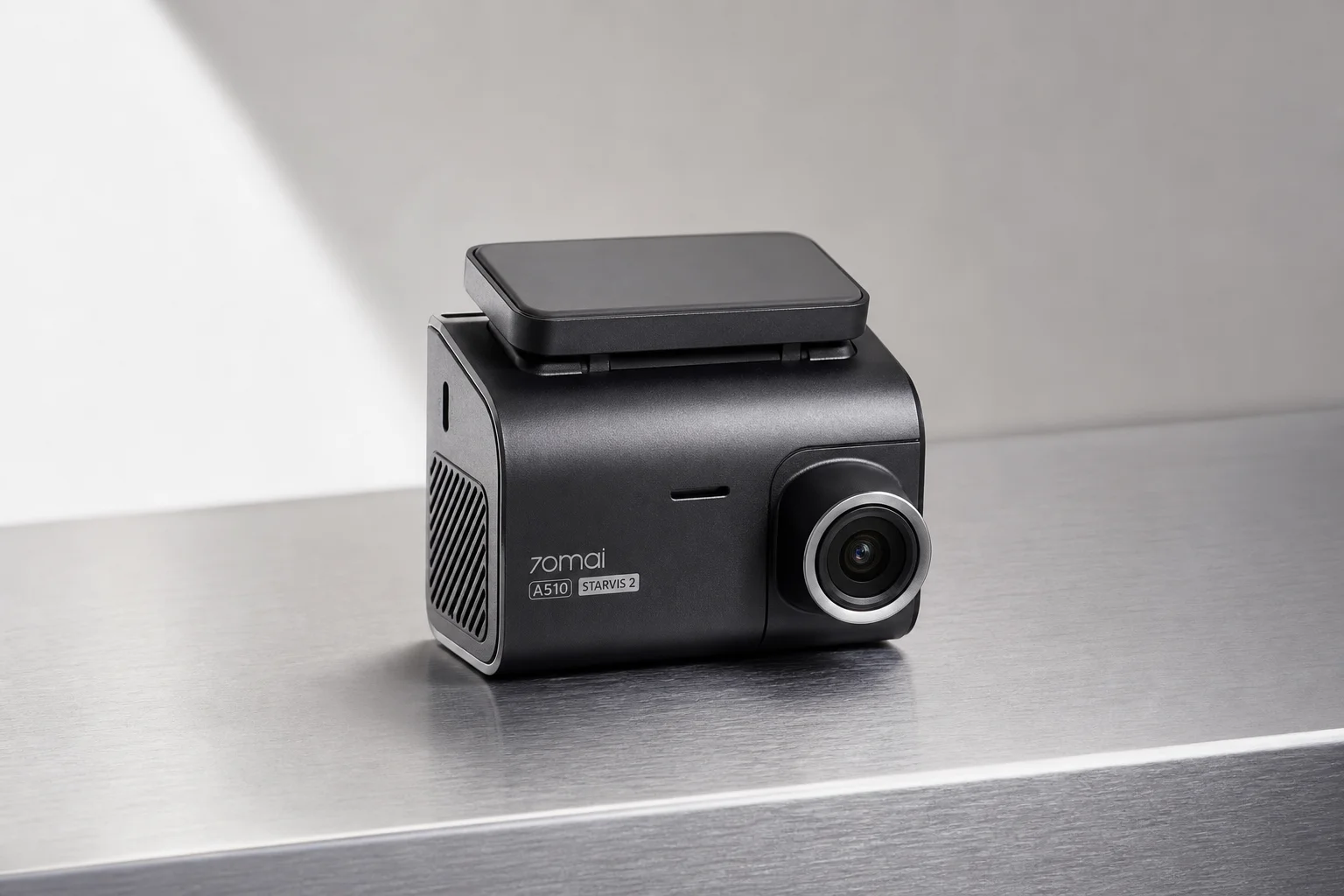
Under 10,000 rupees, the 70mai A510 is available, but a dual channel dash cam is achievable at only 2,000 rupees higher. Expanding your budget slightly for dual channel coverage is strongly recommended.
Conclusion
The dash cam market offers options for every budget and requirement. Prioritize night vision performance with Star 2 sensors and capacitor technology if you park outdoors frequently. Everything else should be chosen based on your actual needs rather than maximum specifications. Whether you opt for single, dual, or triple channel recording, selecting a model that matches your driving habits and environment will provide the best value and peace of mind on the road.
Further reading
Related Reviews
Car Accessories
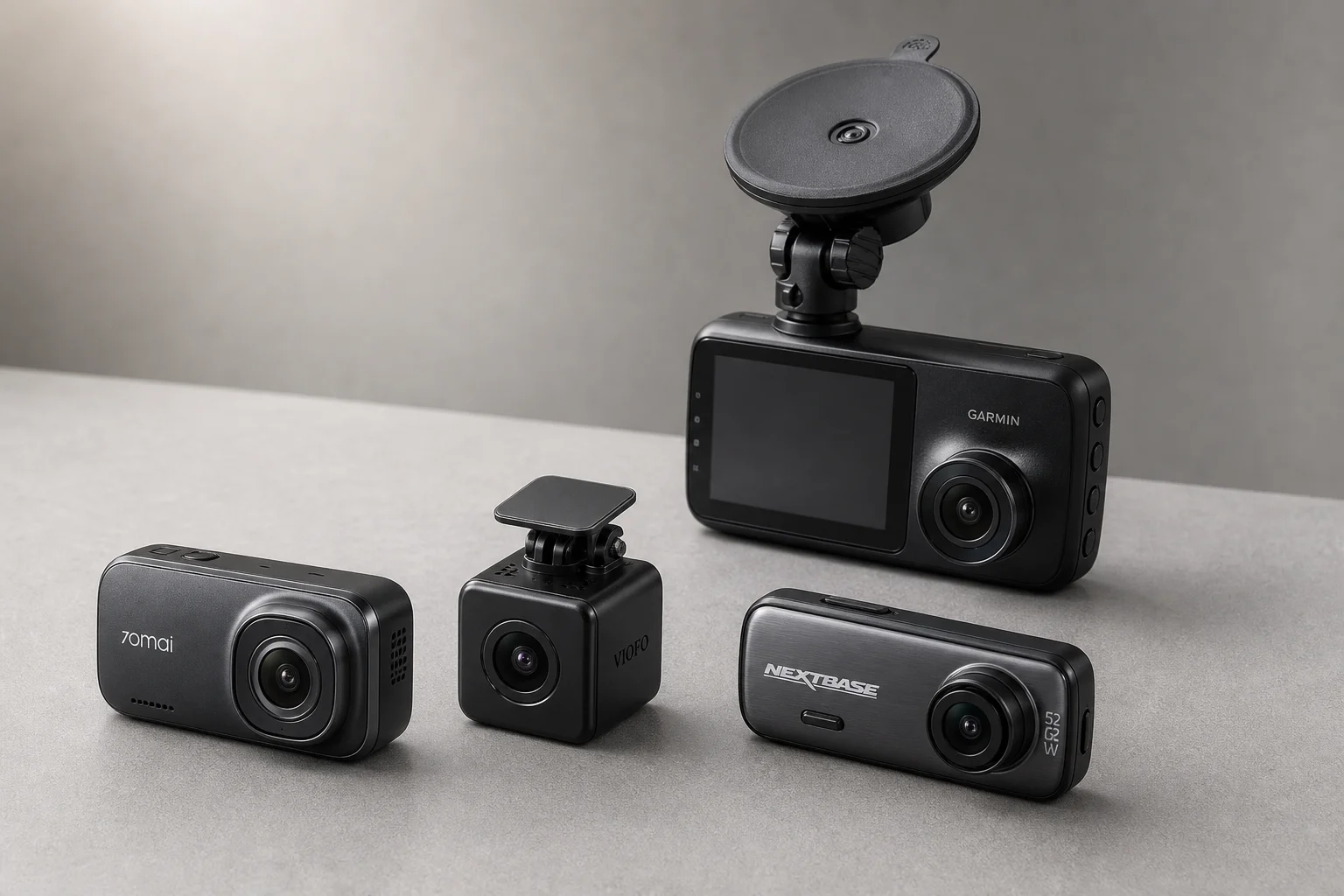
Best Dash Cams Under $100: Budget-Friendly Options That Actually Work
We tested twelve popular dash cams to find which models deliver real value. Most are disappointing, but two stand out as genuinely practical choices.
Car Accessories
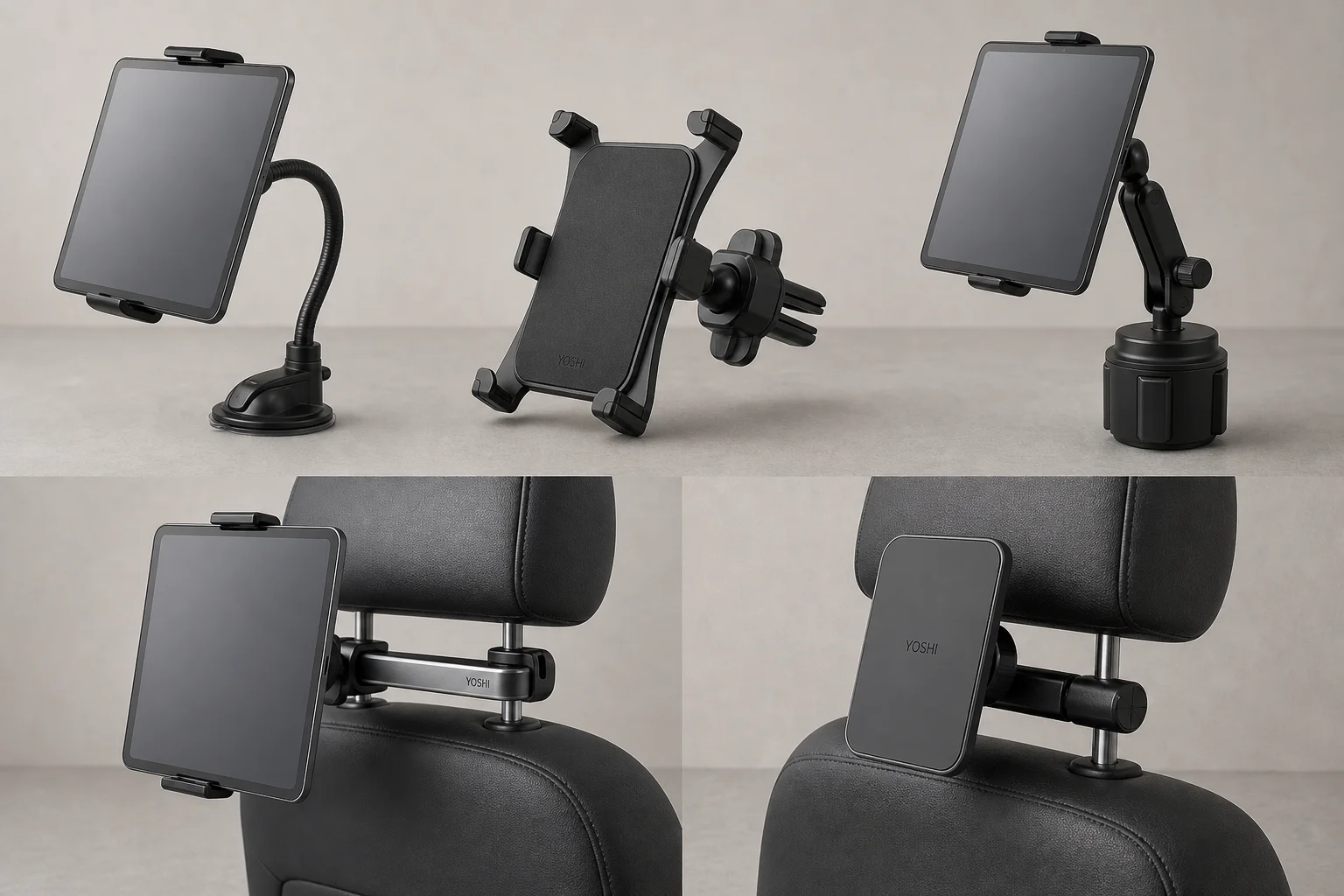
Best Tablet Car Mounts: Five Options for Every Driving Need
A practical comparison of five tablet car mounts, from flexible gooseneck designs to magnetic headrest holders, helping you choose the right mount for your vehicle and passengers.
Automotive Accessories
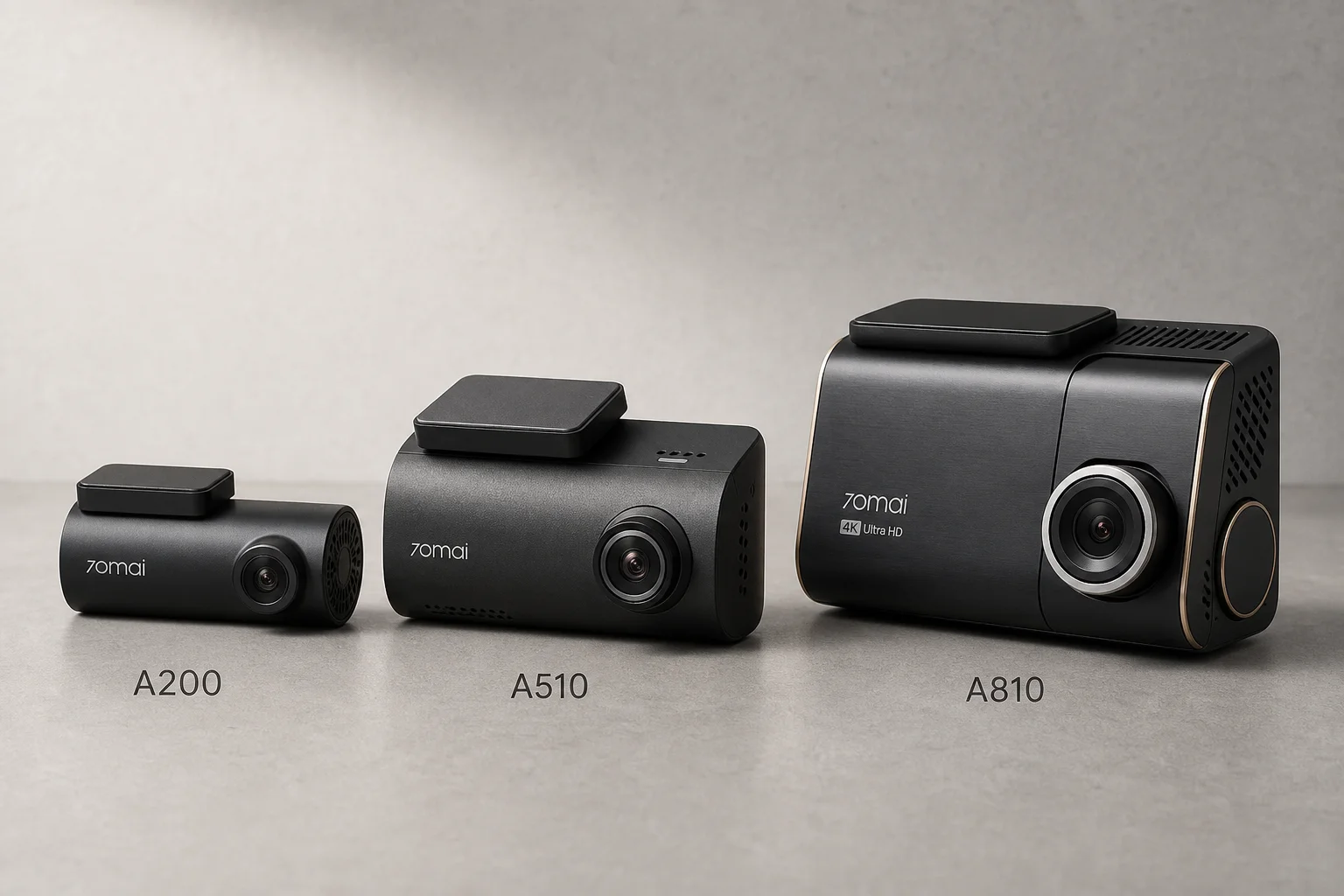
70mai Dash Cam Comparison: A200 vs A510 vs A810
Three dash cameras from 70mai across different price points reveal how resolution and sensor quality impact real-world footage clarity, especially for number plate visibility and low-light performance.