Drones
Best Drones 2026: Five Practical Options from Budget to Professional
A breakdown of five drones across different price points and use cases, from beginner-friendly to professional aerial filmmaking.
Introduction
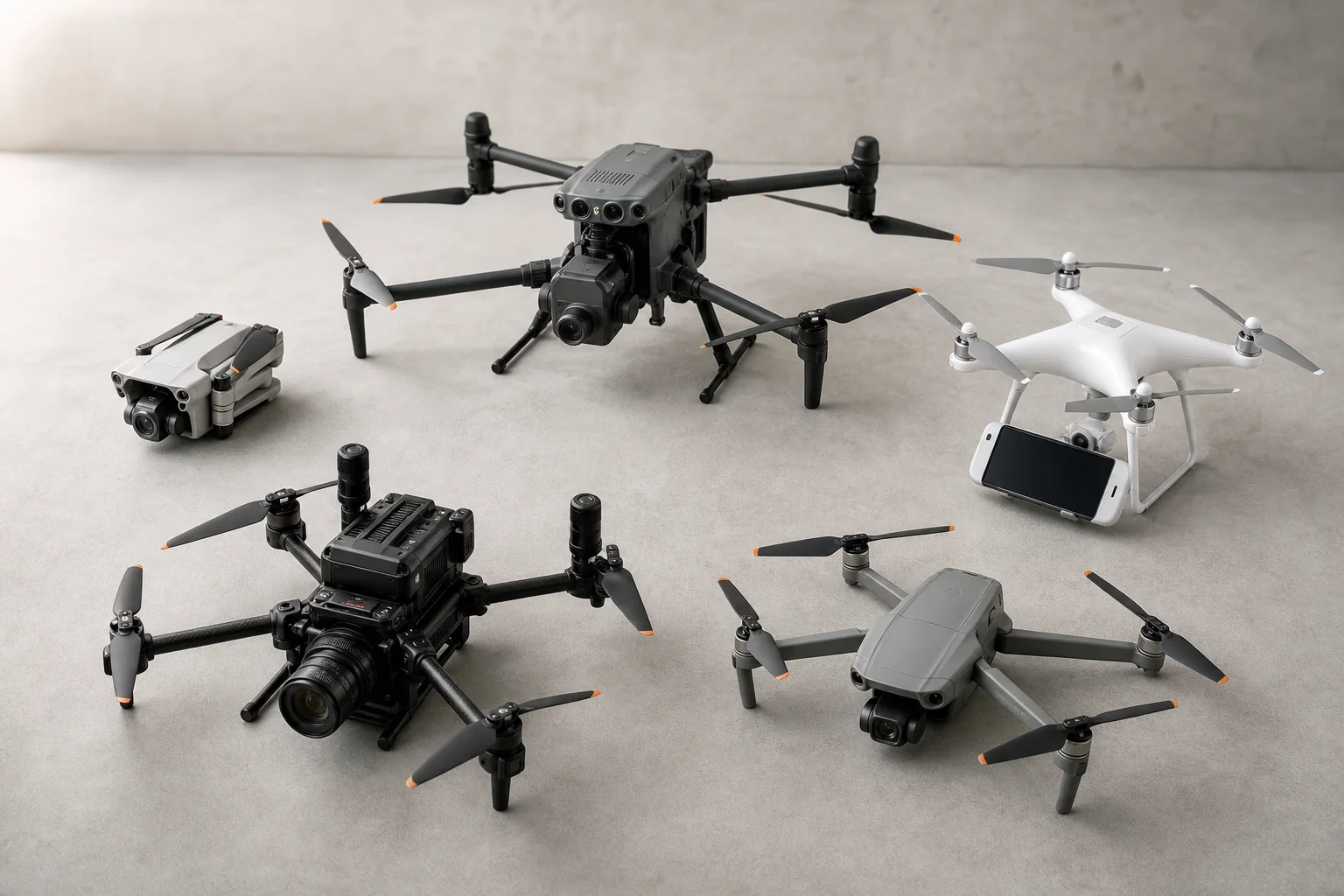
Whether you are looking to capture stunning aerial footage, explore a new hobby, or invest in professional filmmaking equipment, the drone market offers options across every budget and skill level. This guide breaks down five drones that stand out for their balance of features, performance, and value.
DJI Mavic Pro: Portable and Feature-Rich
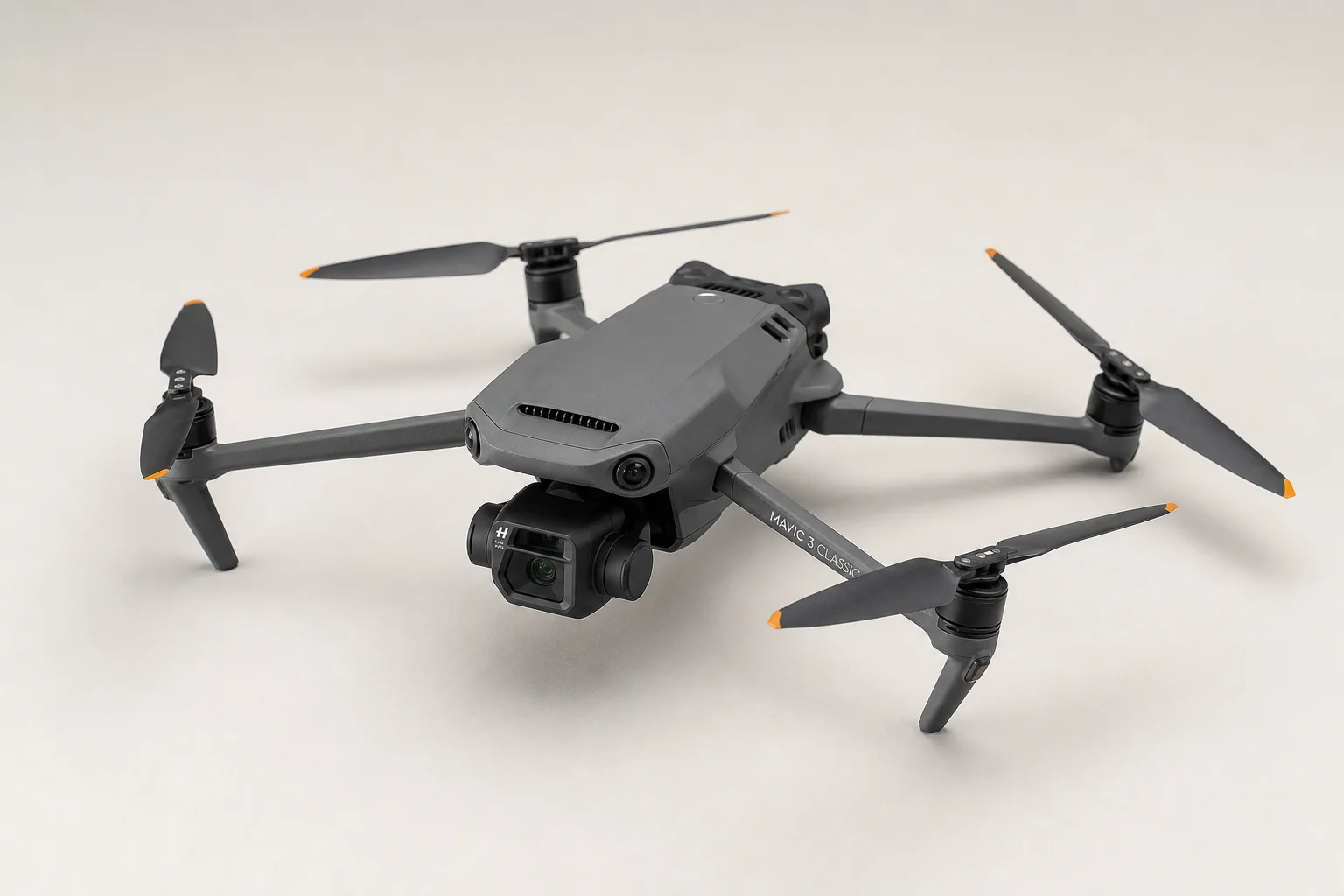
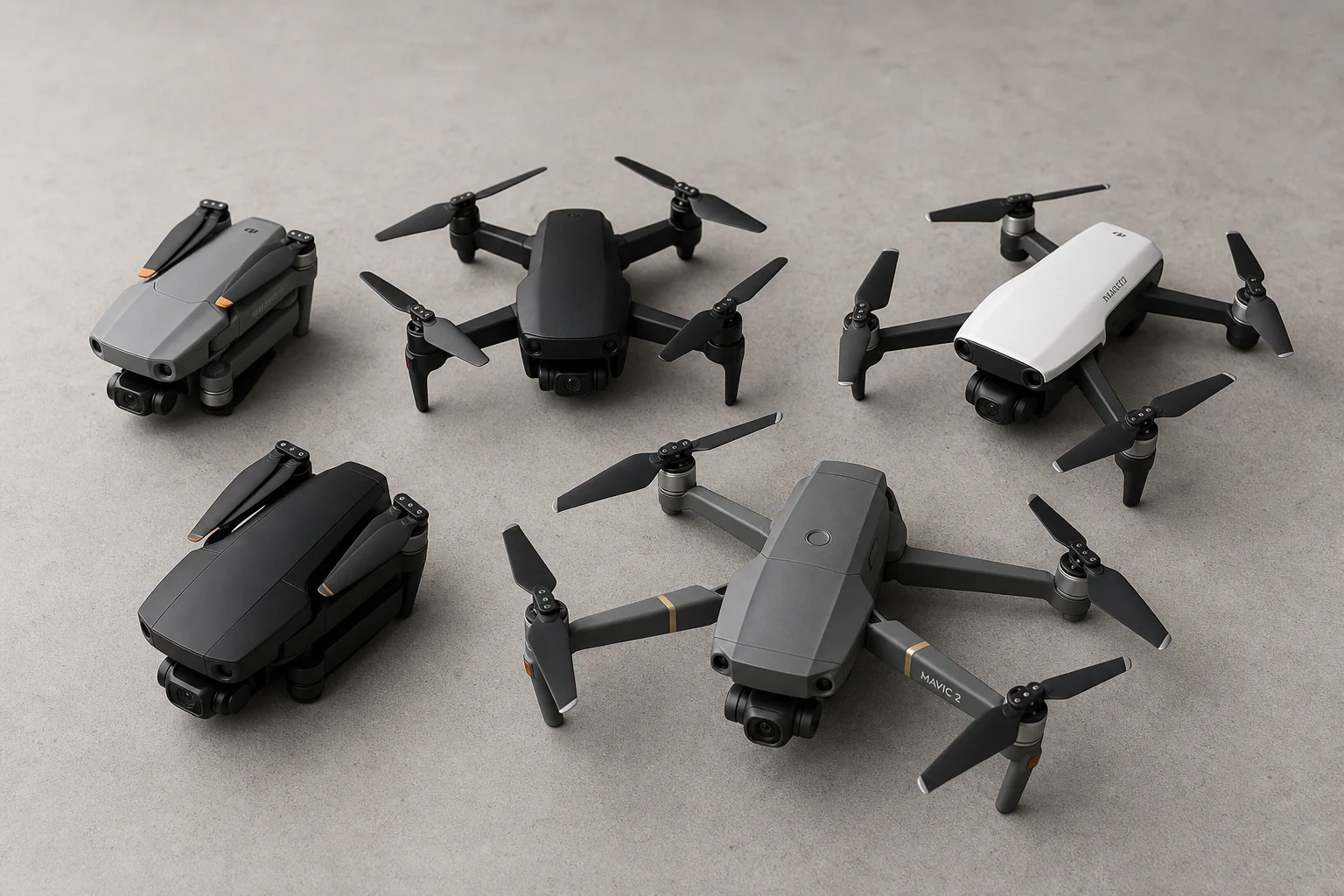
The DJI Mavic Pro is designed for portability without compromising on technology. It unfolds and is ready to fly in under a minute, making it ideal for travelers and casual pilots who want to capture footage on the go.
The Mavic features a miniaturized gimbal that keeps the camera steady without adding bulk. Its spotlight mode keeps the camera focused on a subject while you fly around, making it easy to capture tracking shots. The drone uses a five-sensor system and connects with up to 20 satellites for reliable positioning and automatic return-to-home capability. Precision landing technology enables it to land exactly where it took off.
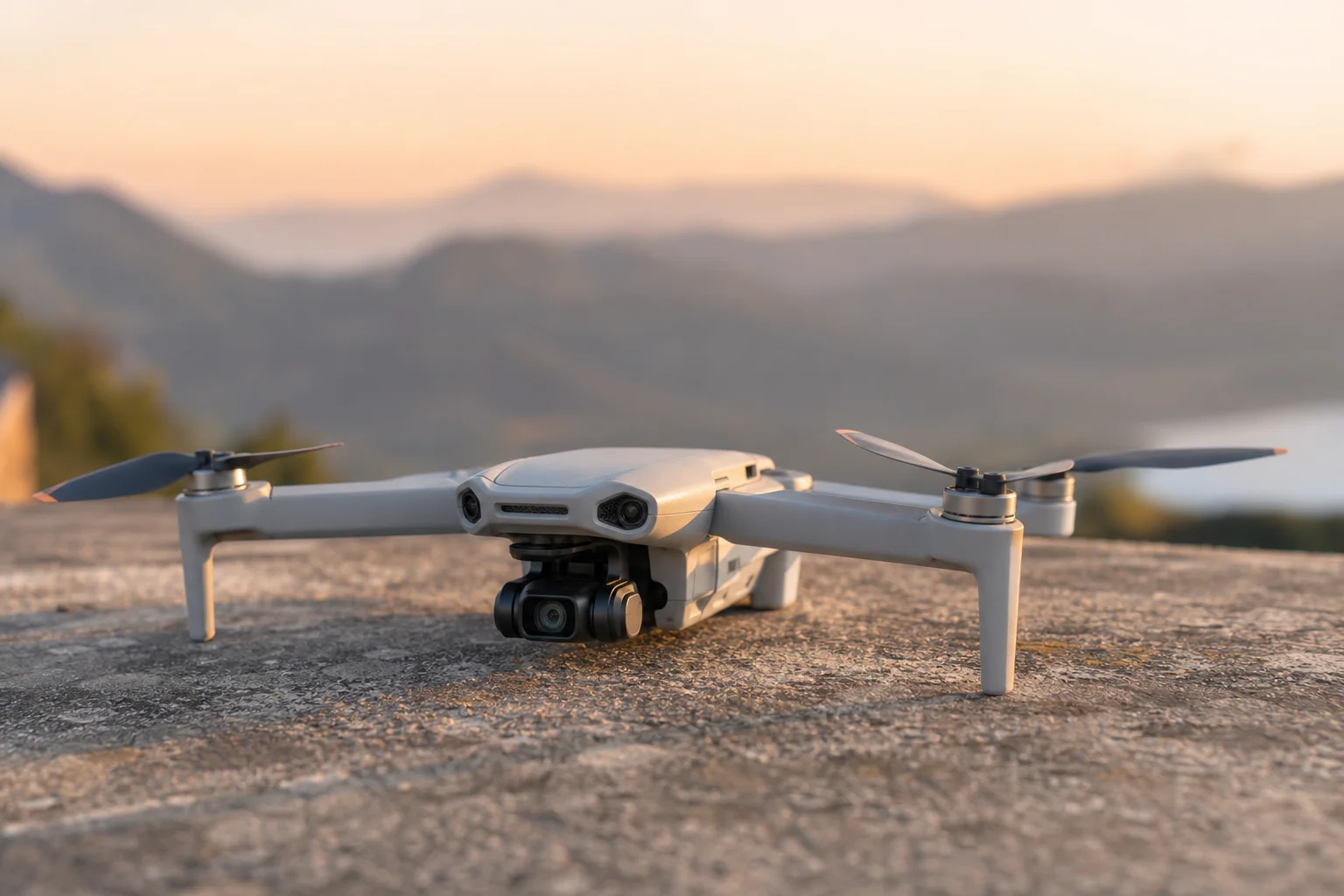
Flight modes include sport mode, which allows speeds up to 40 mph, and trace mode for following moving subjects. The pocket-sized controller makes operation straightforward. However, the Mavic shows instability in strong winds, and object avoidance only functions when flying forward. Despite these limitations, it remains a strong choice for both novice and experienced pilots.
DJI Phantom 4 Pro: Professional Imaging
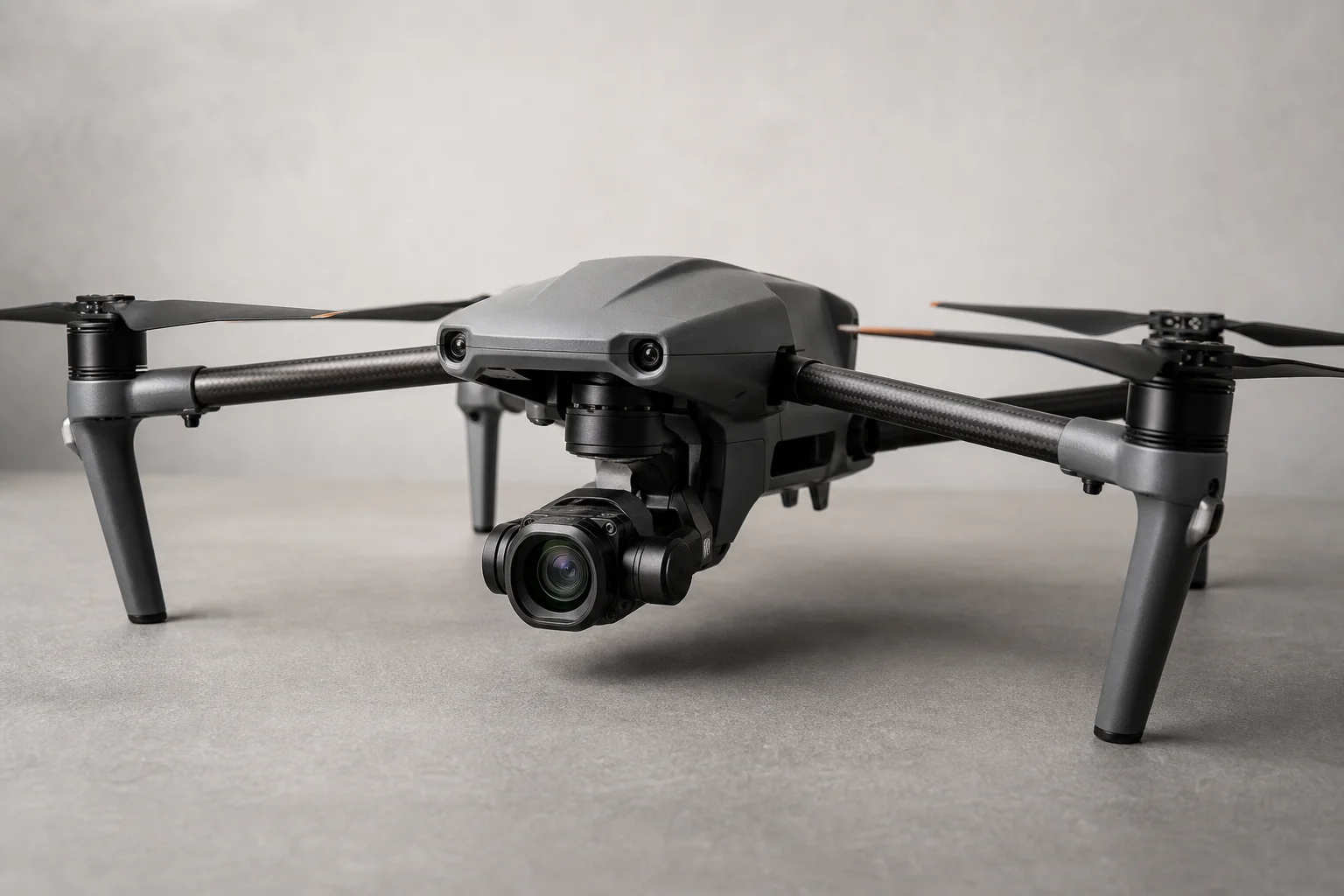
The DJI Phantom 4 Pro is built for serious aerial imaging. It combines an F2.8 aperture, mechanical shutter, and a large one-inch sensor to produce bright, sharp, and detailed imagery. The drone records 4K video at 60 fps with advanced compression and wide dynamic range, enabling detailed slow-motion footage.
The five-point-five-inch monitor is bright enough to view clearly in direct sunlight. Light Bridge technology automatically detects interference sources and switches transmission modes for reliability. The camera captures 20-megapixel still images with a mechanical shutter that eliminates rolling shutter distortion, and burst mode helps capture the perfect moment.
Three smart flight modes enhance creative control: profile mode tracks subjects horizontally, spotlight mode locks the camera on a subject regardless of your direction, and circle mode orbits 360 degrees around the subject. Reverse tap fly enables flying selfies. Sensors positioned on the rear, sides, and bottom provide comprehensive obstacle detection. The main drawback is its higher price and larger size compared to compact alternatives, but it delivers professional-grade results.
Parrot AR.Drone 2.0: Budget-Friendly Entry Point
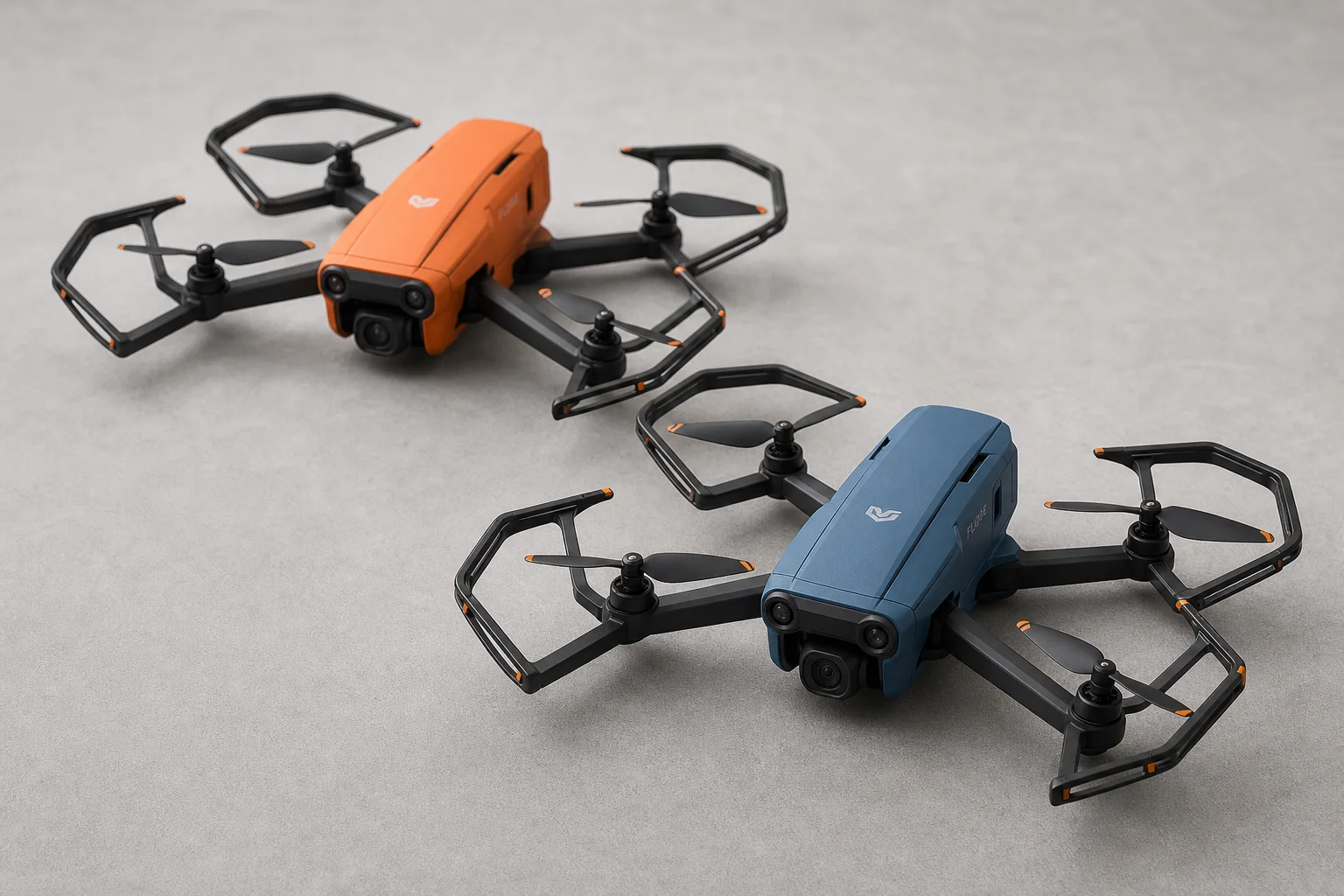
The Parrot AR.Drone 2.0 is an older design but remains a solid entry point for beginners. It is reasonably priced compared to other drones and available in multiple versions, including standard blue and orange, elite, and power editions with extended battery life.
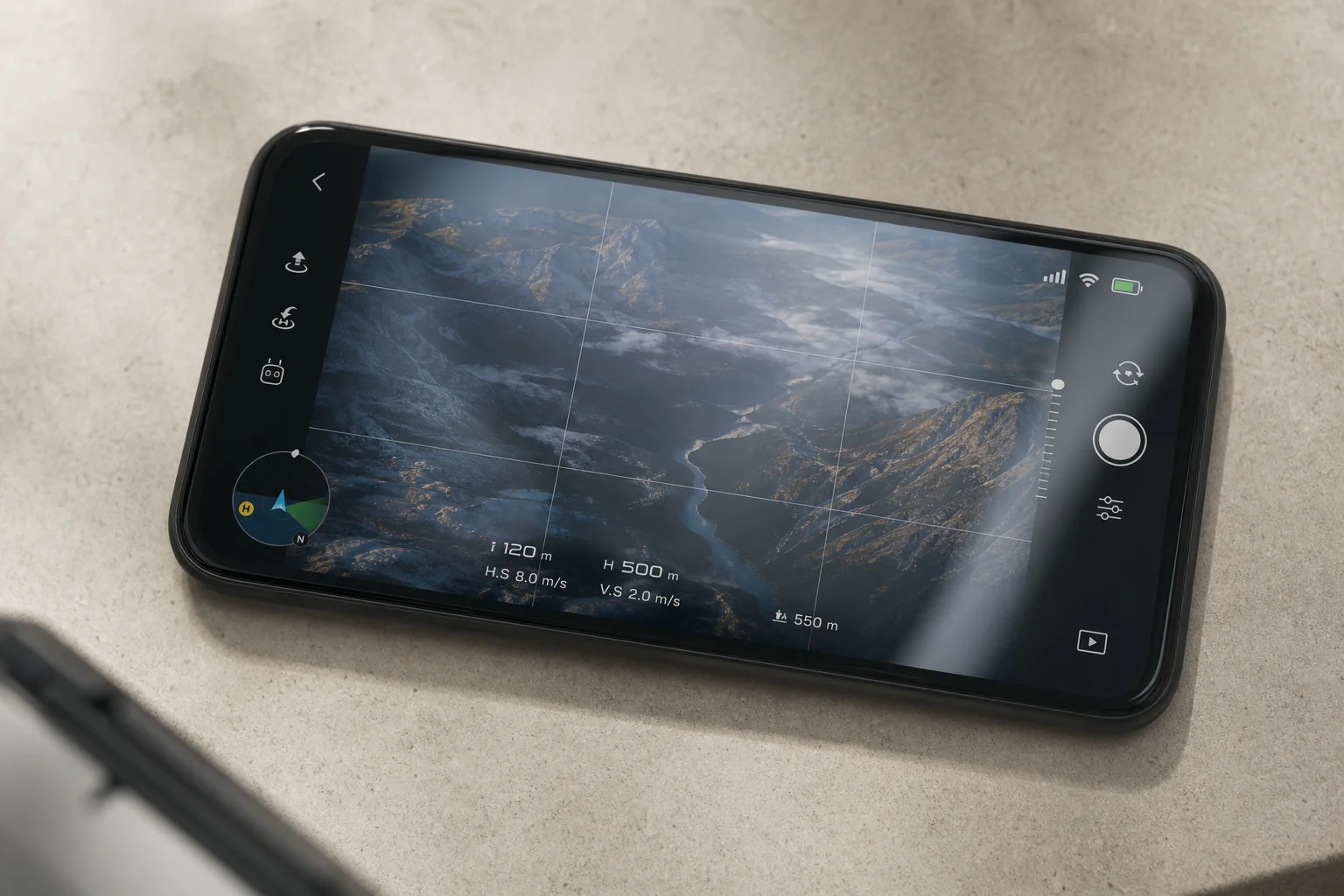
The drone is controlled entirely through a smartphone app, with the camera feed and controls displayed on your phone screen. This makes it intuitive for users familiar with mobile gaming. Battery life ranges from 12 to 15 minutes, and the 720P camera includes an autopilot feature. The build is fairly sturdy, and setup is straightforward on both iOS and Android devices.
The software can be glitchy, and camera quality is basic. You cannot fly without a smartphone, and the short battery life limits flight sessions. Despite these drawbacks, it remains a practical starting point for newcomers to drones with a limited budget.
DJI Inspire 1: Professional Aerial Filmmaking
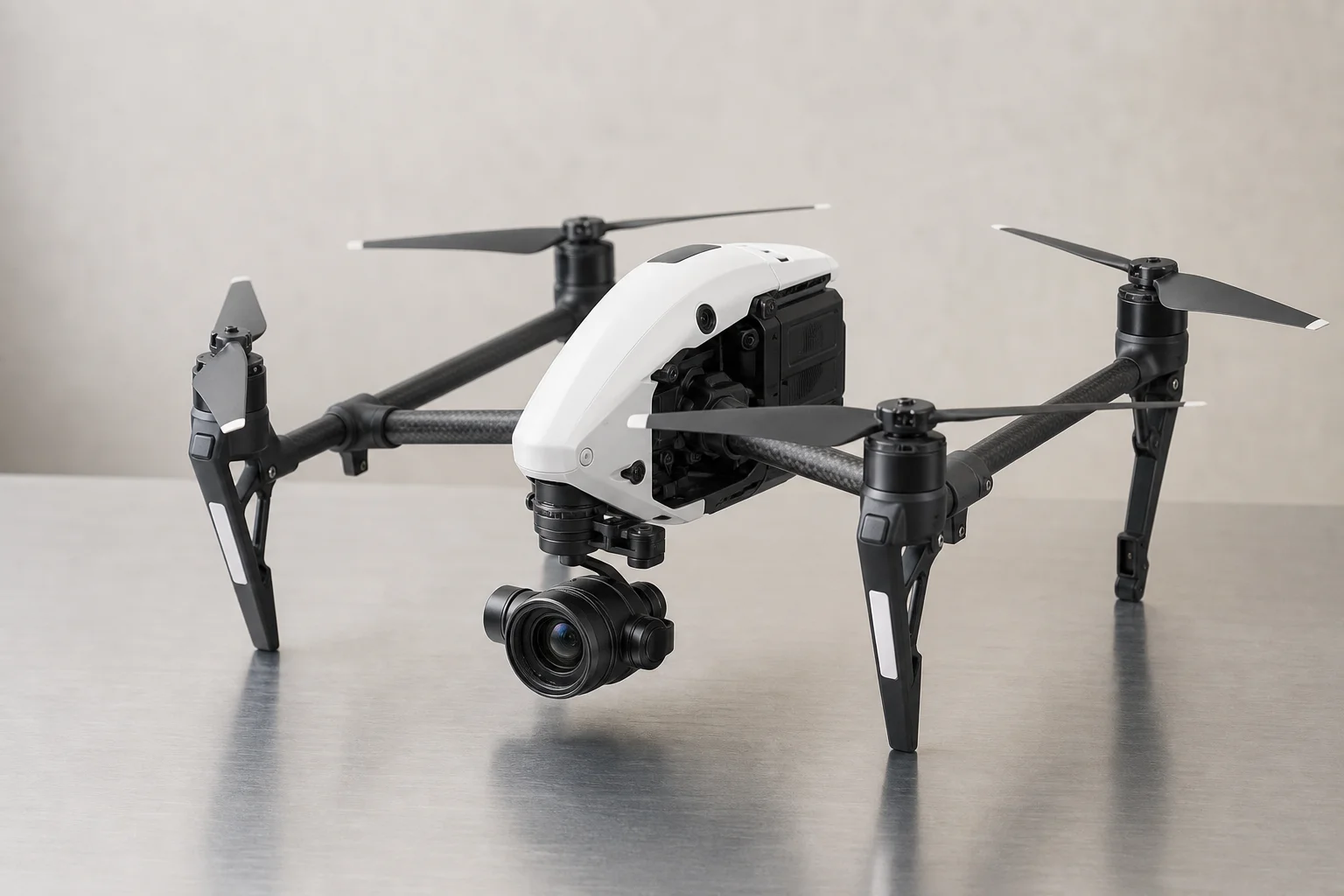
The DJI Inspire 1 is a complete system for professional aerial filmmaking and photography. Weighing 6.5 pounds with battery included, it supports 4K video recording at 24, 25, and 30 fps, with options for up to 60 fps. The lens offers a 94-degree field of view.
The drone feels extremely stable even at high altitude and in strong winds. Advanced GPS technology enables dynamic home point setting, and optical flow from a downward-facing camera aids stabilization by tracking terrain below. The three-axis gimbal system provides a full 360-degree pan range, keeping the camera fixed on a subject regardless of drone movement. The design is lightweight and ready to fly out of the box, and it works with both iOS and Android devices.
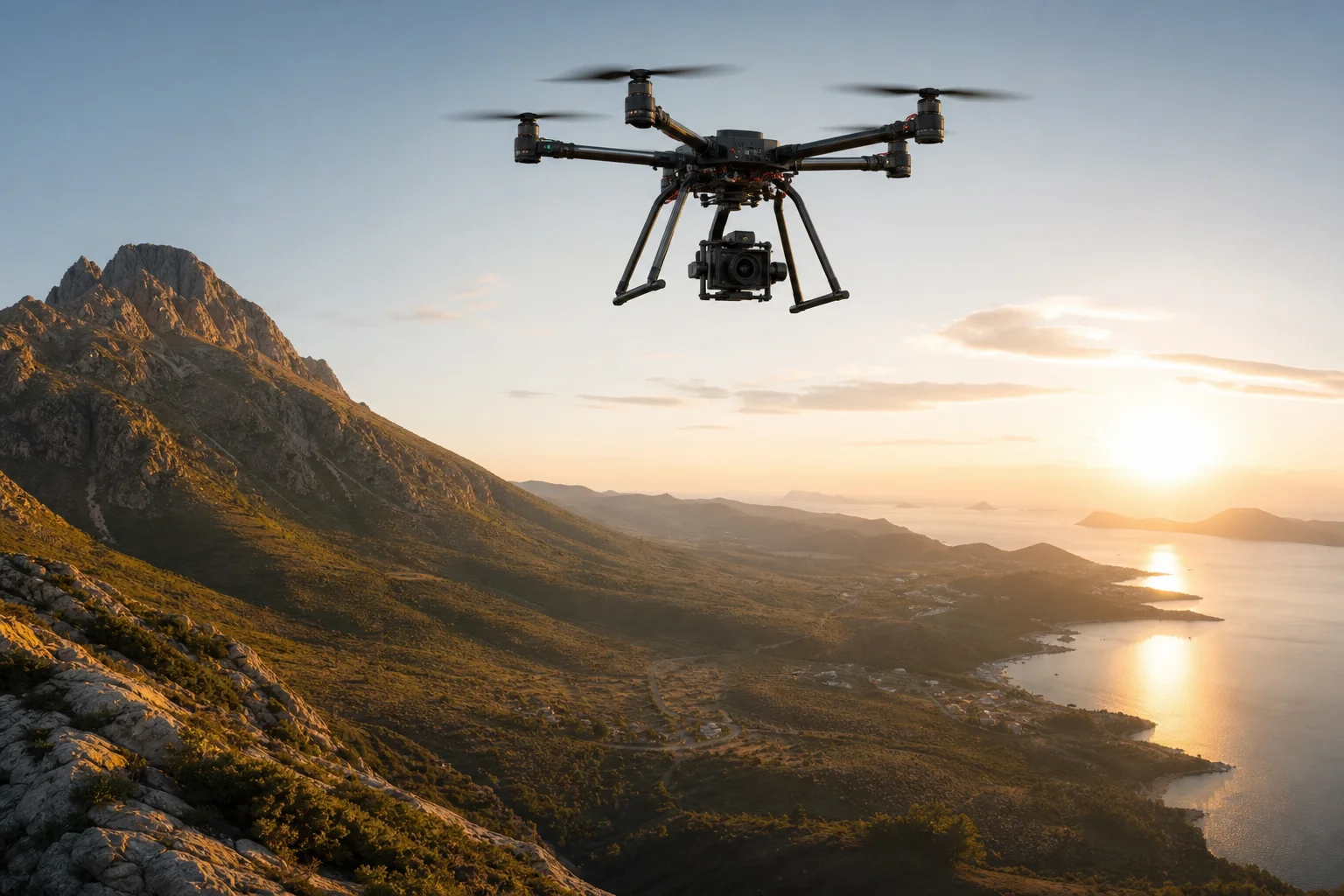
The primary drawback is very short battery life, and the high price may be prohibitive for some users. However, for professional filmmakers and those serious about aerial cinematography, the Inspire 1 delivers the performance and reliability required.
Cheerson Hobby CX20 Pro: Value and Performance
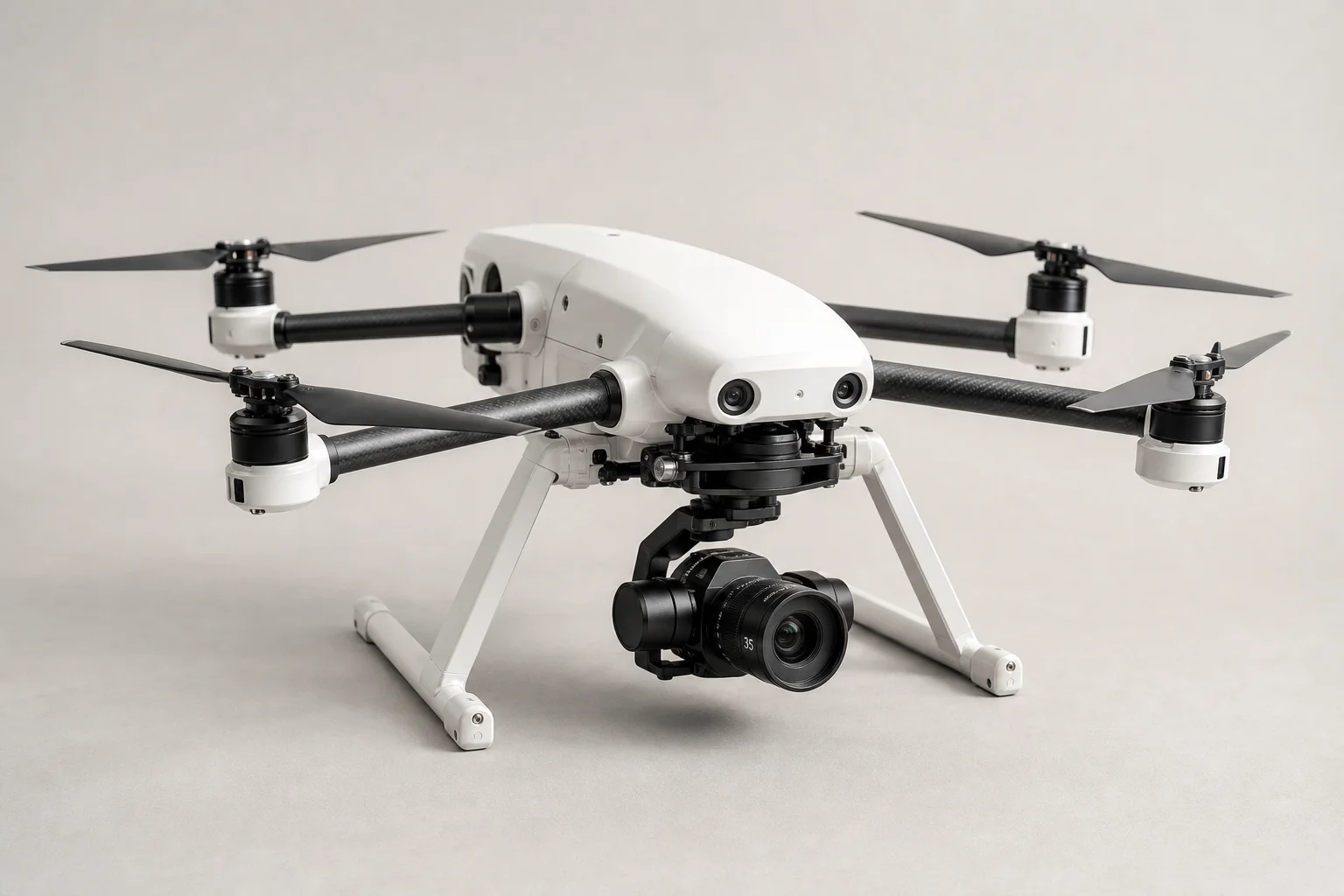
The Cheerson Hobby CX20 Pro is a full-size quadcopter that competes directly with larger models like the DJI Phantom series. Its standout feature is a low price that delivers strong value across features, build quality, and performance.
Maximum speed reaches 22 mph, with a control distance and altitude capability of 300 meters, which is respectable for a quadcopter in this category. Flight time is estimated at around 15 minutes. The drone includes multiple smart functions: return home, fixed position hover, altitude hold, and auto landing failsafe that prevents crashes when the battery runs low. Intelligent orientation control corrects the drone’s course if it enters a spin. The CX20 is compatible with GoPro cameras and includes an LED light system for orientation awareness.
The main risk is durability; crashes can cause significant damage. Beyond that concern, it represents an excellent value proposition for pilots seeking a capable full-size quadcopter at an accessible price.
Conclusion
The right drone depends on your priorities. The Mavic Pro suits travelers and casual pilots. The Phantom 4 Pro is for those who demand professional imaging quality. The AR.Drone 2.0 is ideal for beginners on a budget. The Inspire 1 is the choice for professional filmmakers. The CX20 Pro offers strong performance at a competitive price. Each has clear strengths and trade-offs worth considering before purchase.
Further reading
Related Reviews
Drones
Best Budget Camera Drones Under 3000: Five Practical Options for Video and Photography
Five affordable camera drones with HD video capability and stable flight performance, each suited to different needs and budgets.
Drones
Best Budget Drones Under $200: Five Practical Options for 2026
Five budget-friendly drones with GPS, 4K cameras, and FPV capabilities. Real strengths and trade-offs to consider before buying.
Drones
Best Drone Cameras Under $500: Five Options for Different Needs
A practical guide to five drones under $500, covering portability, flight time, camera quality, and key features to help you choose.