Drones
Best Drones Under $500: Six Practical Options Across Two Price Ranges
A practical guide to six drones under $500, organized by budget tier. From beginner-friendly models to 4K-capable machines, find the right drone for your needs and price range.
Introduction
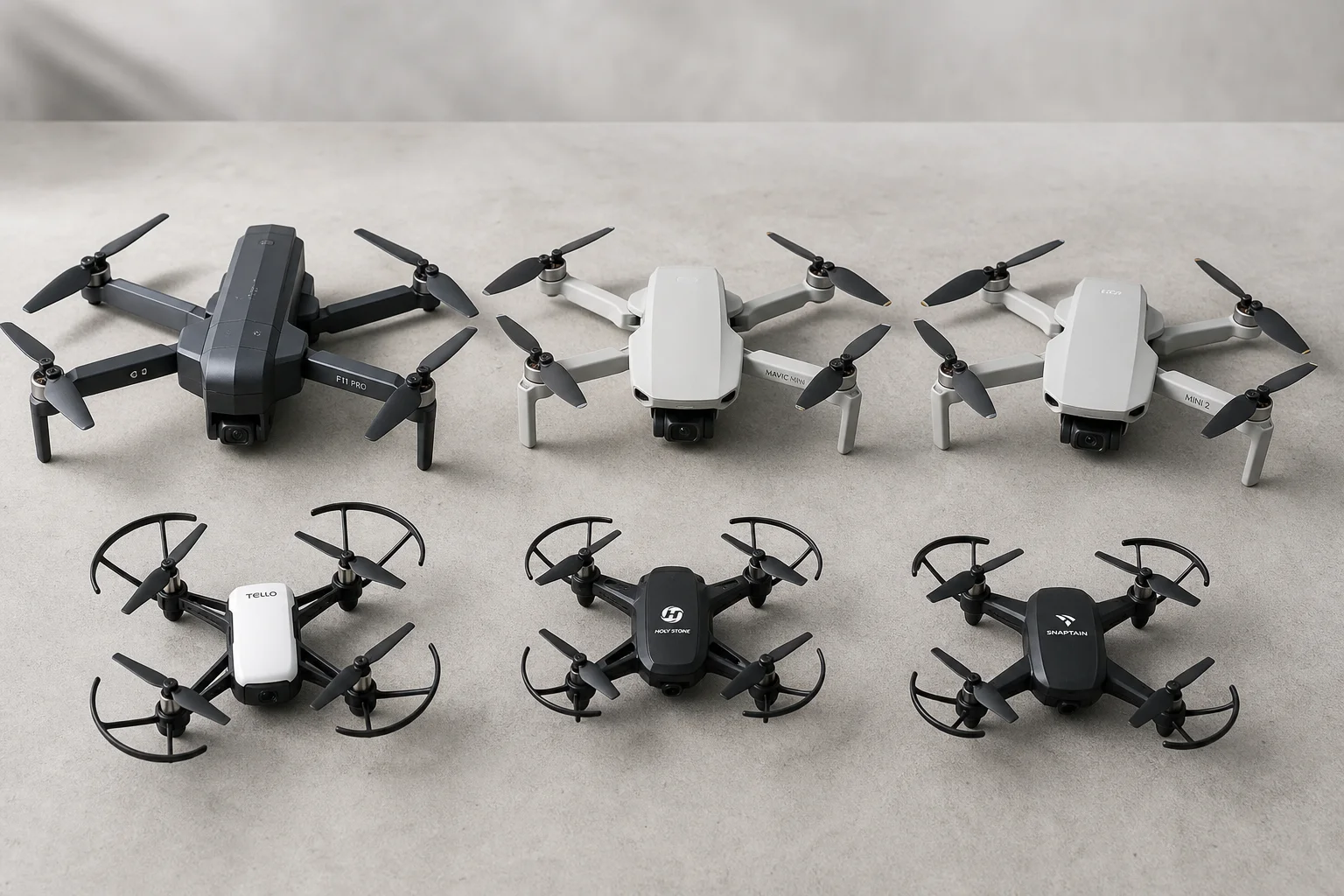
Finding the right drone depends on your budget and flying needs. This guide covers six solid options under $500, organized into two price tiers: under $200 and $200 to $500. Each drone offers distinct strengths, and prices may vary over time, so check current listings for the most up-to-date costs.
Under $200: Budget-Friendly Entry Points
Under $200: DJI Tello
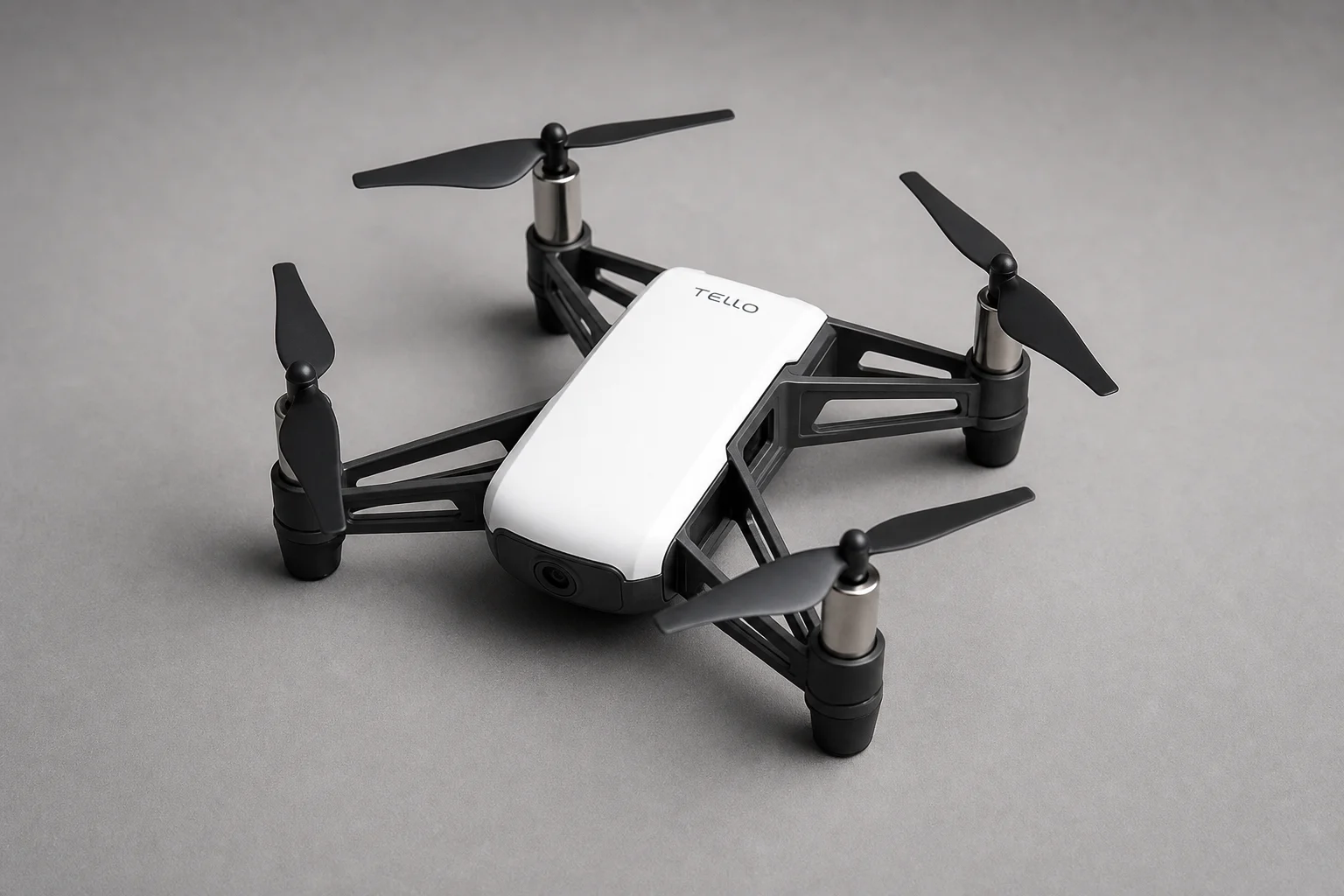
The DJI Tello is a strong starting point for beginners, families, and indoor flyers. Made by DJI, the leading consumer drone manufacturer, it delivers reliable performance at an accessible price.
The Tello flies for up to 13 minutes per charge and captures 720p HD video and 5-megapixel photos. It records directly to your mobile device, so no memory card is needed. The drone performs fun tricks like 360-degree flips and can be thrown into the air to start flying, or caught and landed in your palm. Batteries swap easily, making it practical for extended sessions.
At $99 for the standard model or $150 for the combo bundle, the Tello suits indoor flying and calm outdoor conditions. It will struggle in wind, so reserve it for non-windy days if flying outside.
Under $200: Holy Stone HS270
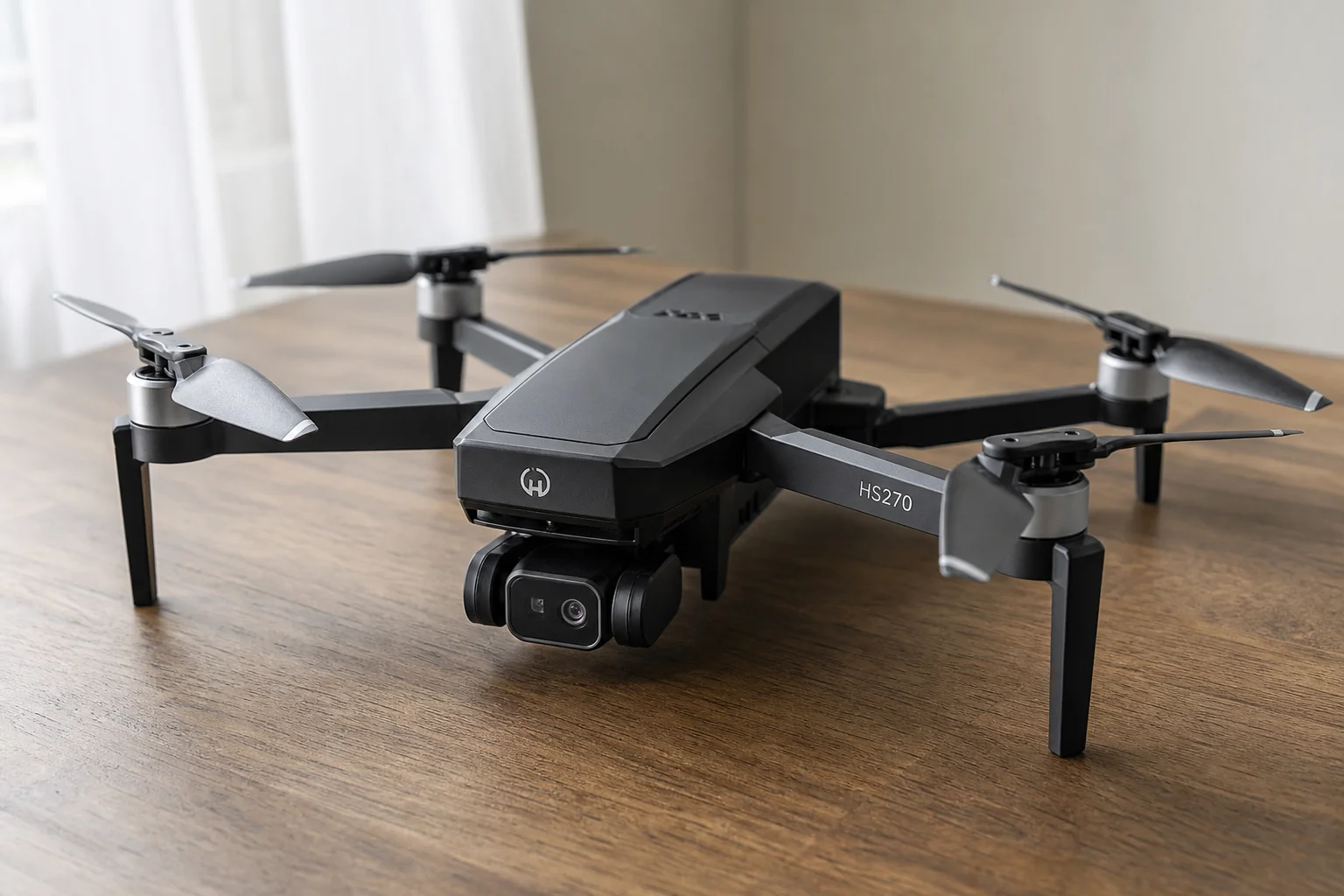
The Holy Stone HS270 is a foldable drone that steps up in camera quality and flight capability compared to the Tello. It shoots 2.7K video and features a camera that tilts down 90 degrees, priced at $160.
Unlike the Tello, the HS270 records footage to a MicroSD card (sold separately), giving you more flexibility in post-production. The included controller is well-built for the price. As a GPS drone, it delivers relatively smooth flying and stable hovering. It includes follow-me mode, point-of-interest orbits, waypoint navigation, and tap-to-fly features, though execution is not as refined as premium drones.
The HS270 returns to home reliably and has landing lights for low-light conditions. It offers normal and sport flight modes, flies for up to 18 minutes, and comes with an extra battery featuring LED indicators for remaining charge. It handles wind gusts up to 15 mph and reaches altitudes around 1,500 feet.
Under $200: Snaptain SP510
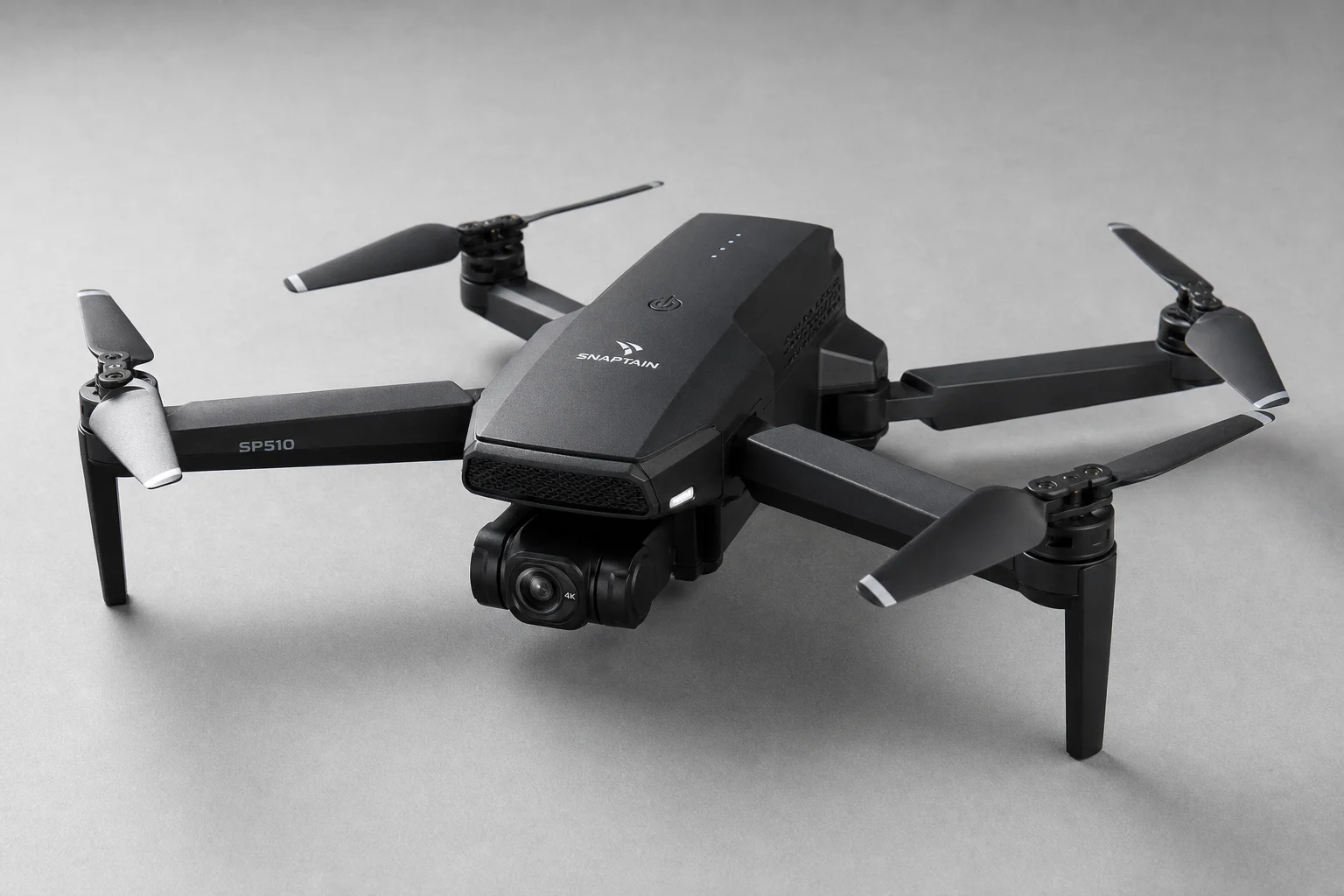
The Snaptain SP510 is a foldable drone with a similar design and feature set to the Holy Stone HS270. It includes an extra battery with LED charge indicators, a MicroSD card slot, GPS stabilization, a tilting gimbal, and 2.7K video recording.
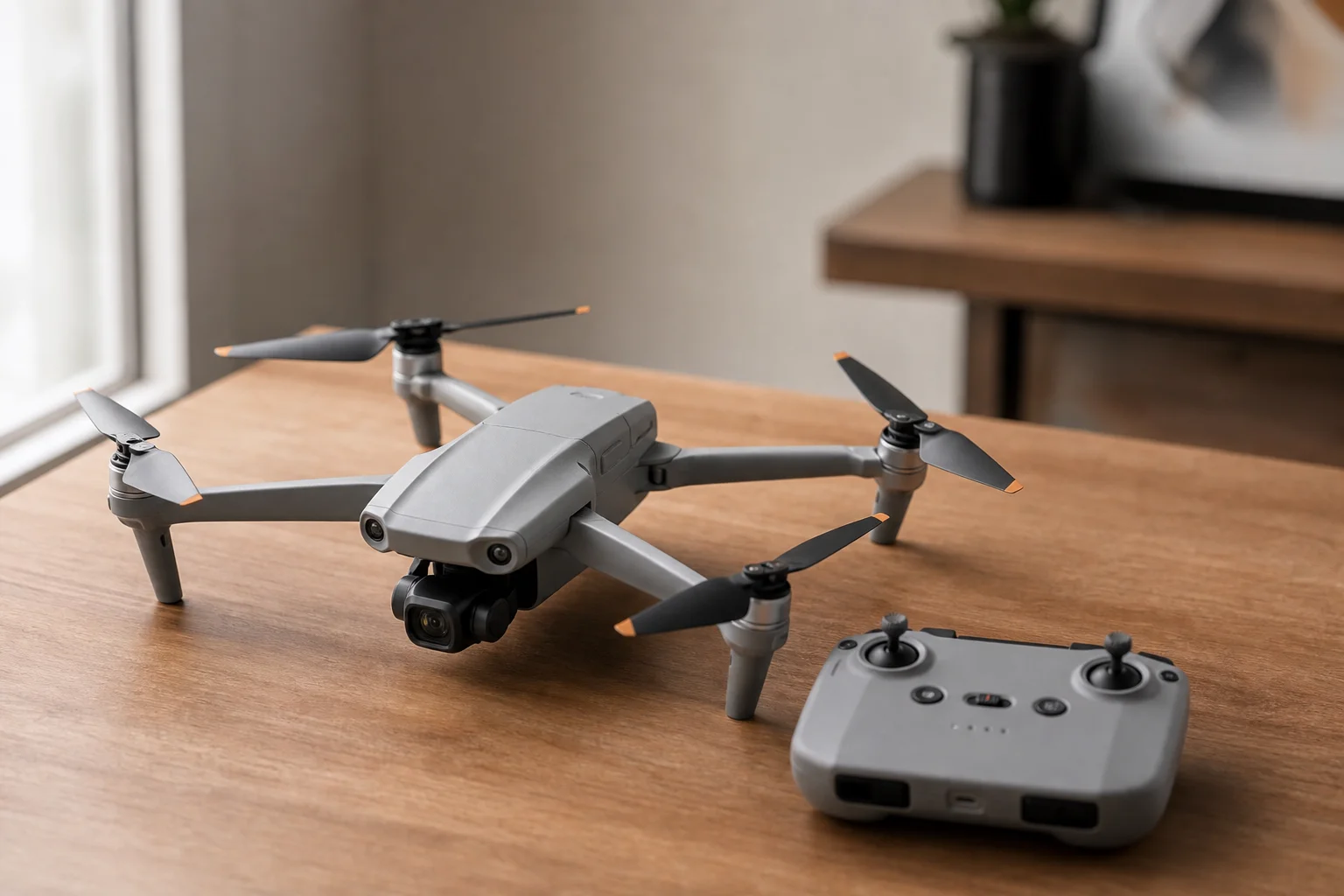
The SP510 costs about $10 more than the HS270. However, the Holy Stone HS270 edges it out due to Holy Stone’s strong customer service reputation, slightly longer flight time, and a range advantage of approximately 500 feet. Camera quality and other core features are comparable between the two.
$200 to $500: Performance and 4K Capability
$200 to $500: Powerextra F11 Pro
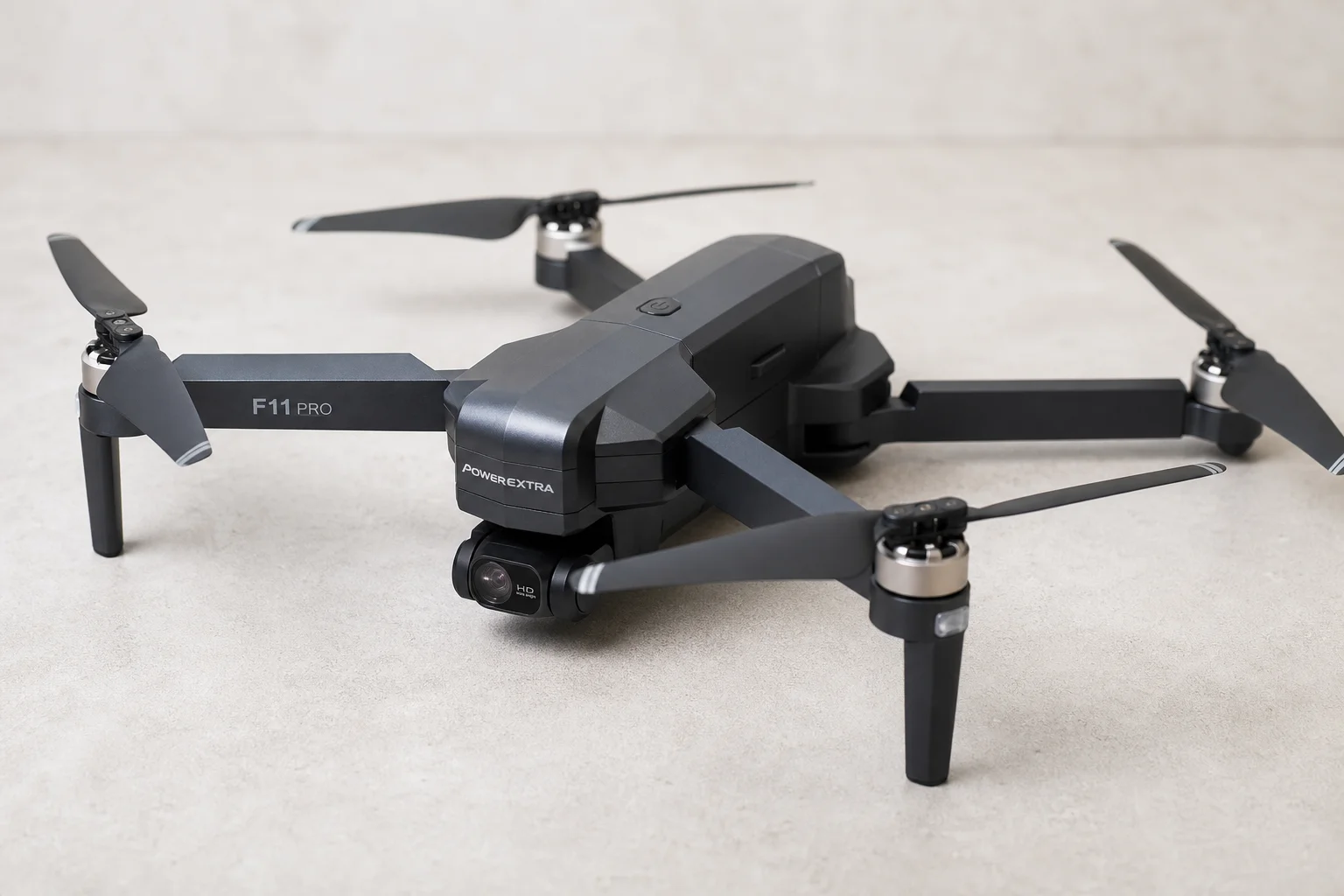
The Powerextra F11 Pro stands out as one of the most affordable 4K drones on the market. It features a GoPro-style wide-angle camera with a 120-degree field of view, ideal for expansive landscape shots.
As a GPS drone without obstacle-avoidance sensors, it allows you to fly extremely low and capture dramatic ground-level footage that would be risky on sensor-equipped drones. The F11 Pro offers follow-me modes in both forward and sideways profiles, a capability rarely found at this price point. Flight time reaches up to 28 minutes, and it comes with an extra battery, providing over 50 minutes of total flight time per charge cycle. The range extends to approximately 1,600 feet.
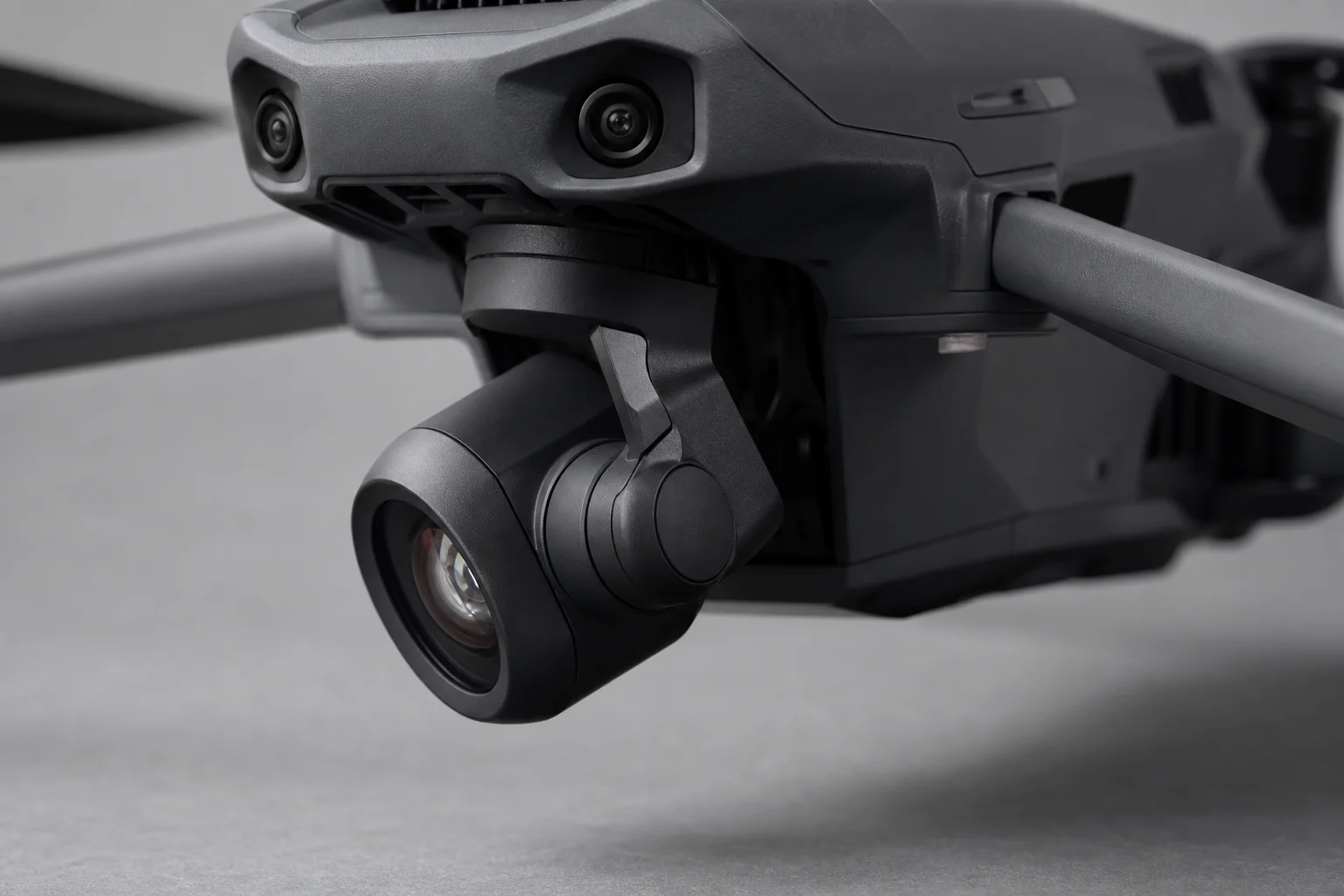
Additional features include timed photo capture and waypoint navigation. The main drawbacks are lengthy battery charging times (several hours) and a weight exceeding 250 grams, which requires drone registration in most regions. For a budget-conscious beginner or someone seeking 4K capability without premium pricing, the F11 Pro delivers strong value.
$200 to $500: DJI Mavic Mini
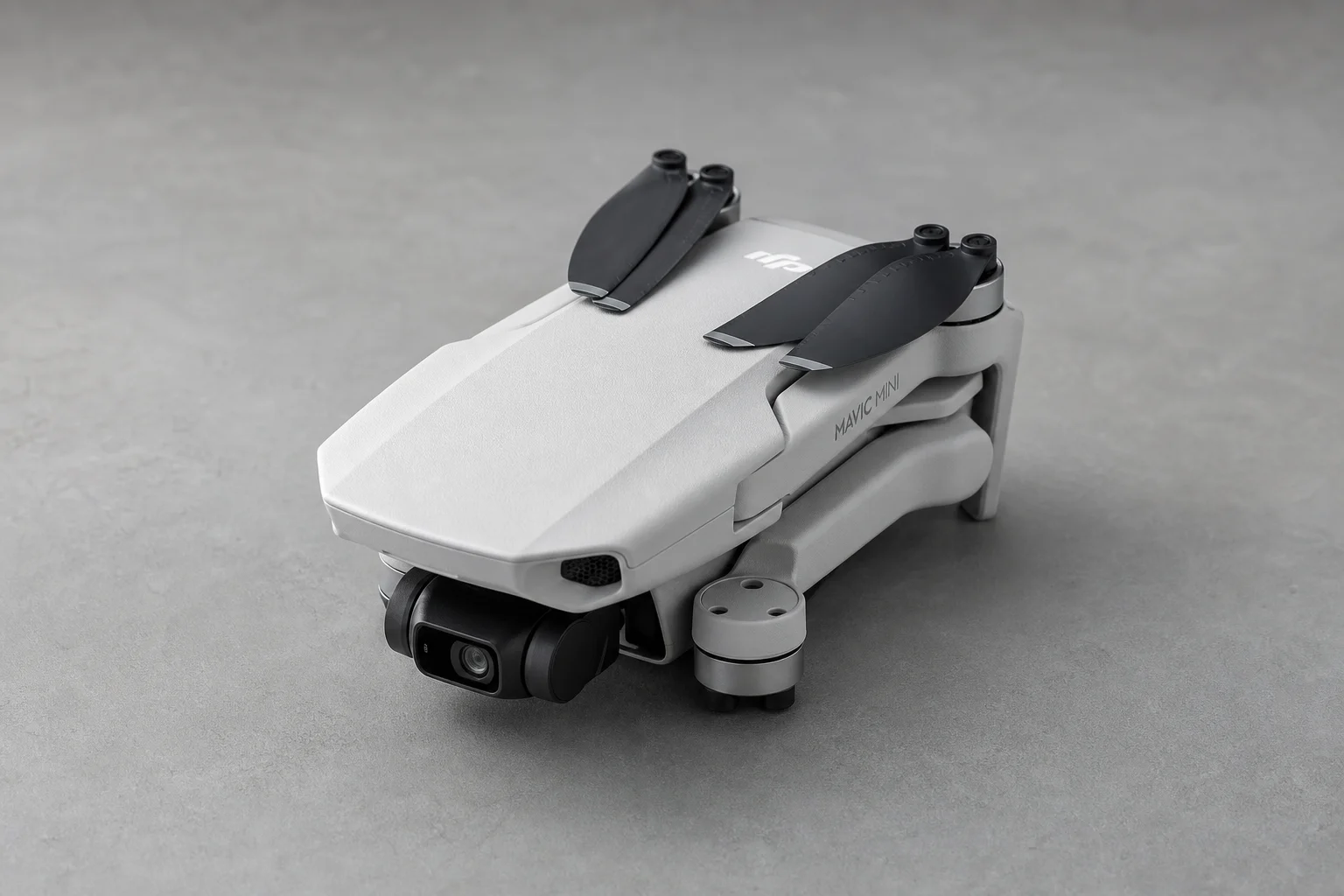
The DJI Mavic Mini is remarkably compact, smaller than most smartphones and lighter than a Mavic 2 battery. It flies for up to 30 minutes on a single charge and features a 3-axis gimbal with 2.7K video recording.
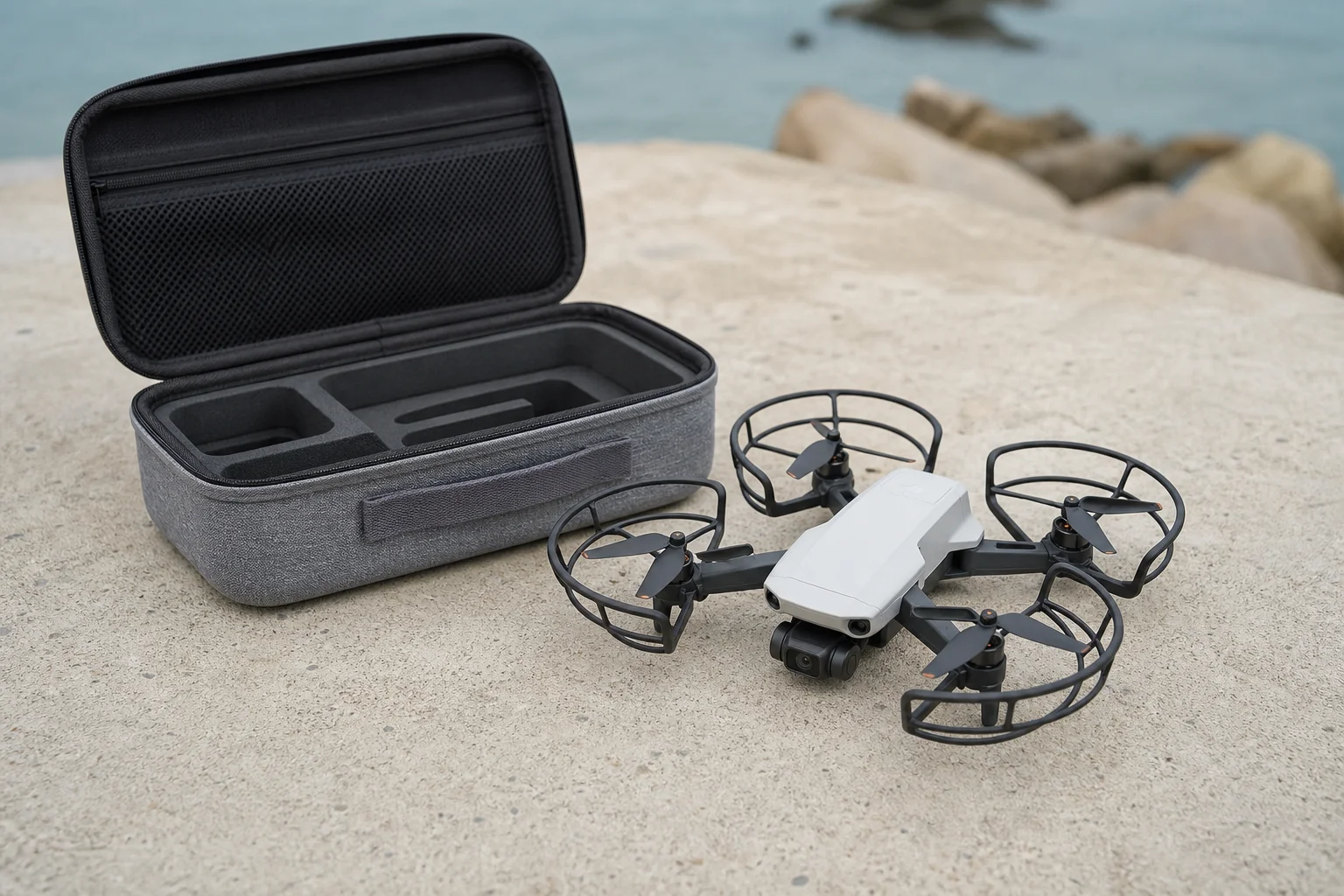
The Mavic Mini lacks obstacle-avoidance sensors, so the combo bundle is recommended because it includes protective propeller guards. These guards function more like a propeller cage, offering superior protection compared to standard guards on other drones. This makes the combo particularly suitable for indoor flying or flying near obstacles, and it is an excellent choice for children.
When folded, the Mavic Mini is one of DJI’s most portable outdoor drones, nearly matching the size of the larger Mavic Air when unfolded. It suits pilots who prioritize portability or need a backup drone for high-risk shots. Image quality and overall smoothness exceed the Powerextra F11 Pro.
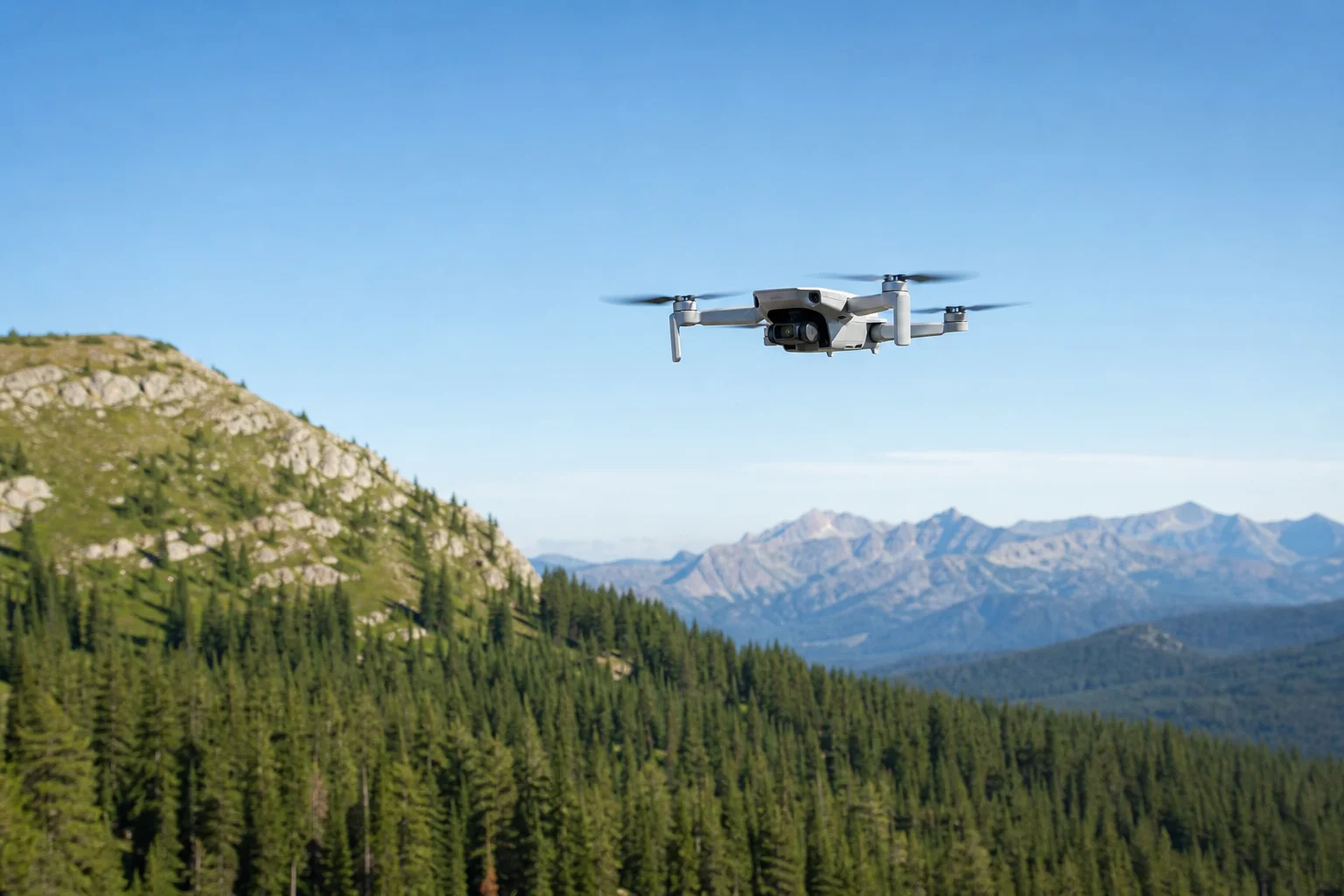
$200 to $500: DJI Mini 2
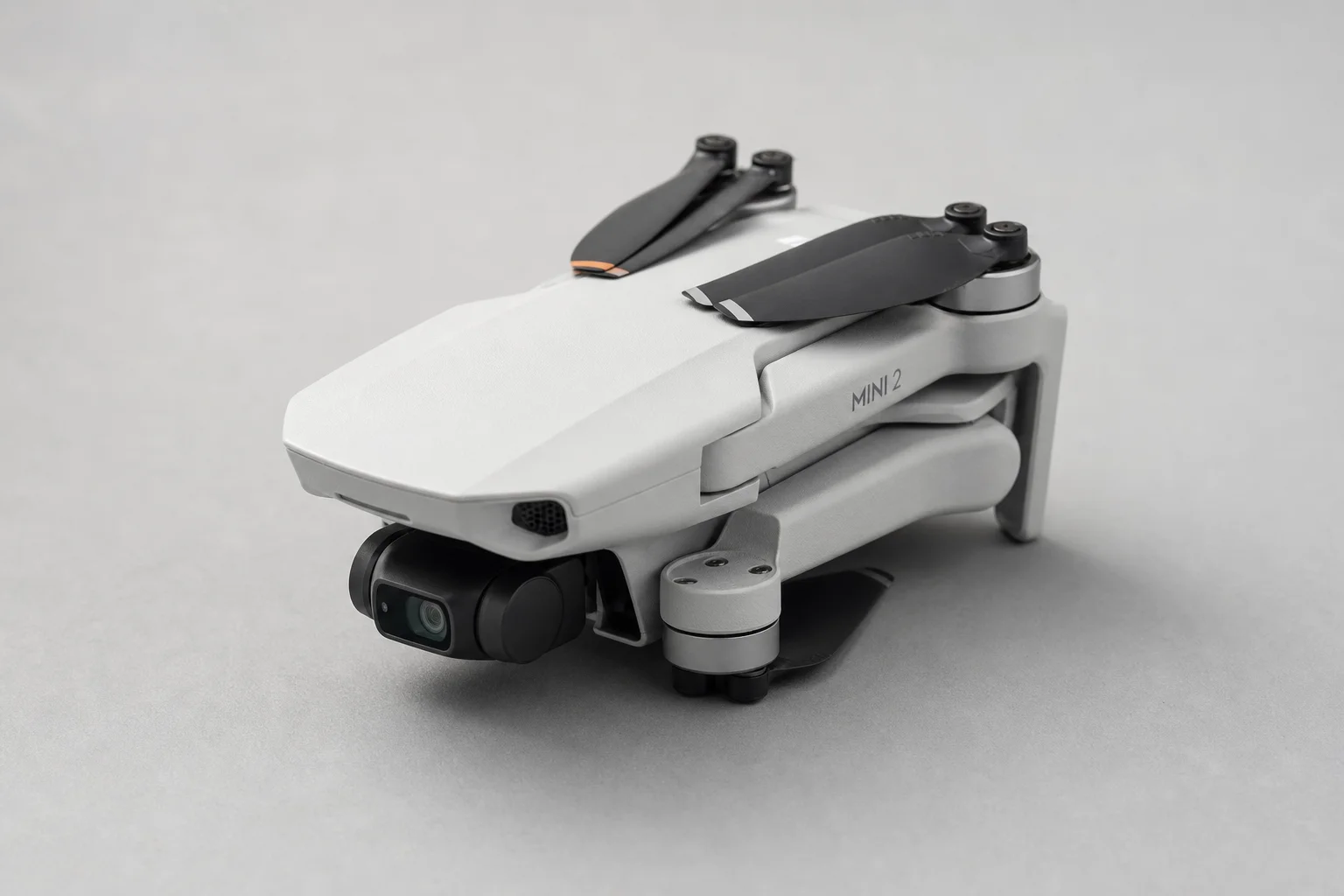
The DJI Mini 2 is the successor to the original Mavic Mini and delivers meaningful upgrades. It performs better in windy conditions and includes OccuSync 2.0 transmission technology, allowing it to fly several miles away while maintaining stable signal. This is a significant advantage on blustery days when signal stability matters.
The Mini 2 shoots 4K video, maintains the same compact size and nearly identical weight as the original Mini, and stays under 250 grams with battery included. If budget allows, the combo package with three batteries and a carrying case is worth the investment, though it pushes the total cost slightly above $500.
Between the Powerextra F11 Pro and DJI Mini 2, the F11 Pro is the better choice for budget-conscious buyers, while the Mini 2 is the superior option if you can stretch your budget. The Mini 2 offers better wind resistance, longer range, 4K recording, and more refined flight characteristics overall.
Conclusion
Your choice depends on your budget and intended use. Under $200, the Holy Stone HS270 balances features, flight time, and value. In the $200 to $500 range, the Powerextra F11 Pro offers 4K on a tight budget, while the DJI Mini 2 delivers the most refined flying experience and best all-around capability. Whichever drone you choose, remember that owning the right equipment is only half the equation; learning to fly it skillfully and creatively is equally important.
Further reading
Related Reviews
Drones
Best Budget Camera Drones Under 3000: Five Practical Options for Video and Photography
Five affordable camera drones with HD video capability and stable flight performance, each suited to different needs and budgets.
Drones
Best Budget Drones Under $200: Five Practical Options for 2026
Five budget-friendly drones with GPS, 4K cameras, and FPV capabilities. Real strengths and trade-offs to consider before buying.
Drones
Best Drone Cameras Under $500: Five Options for Different Needs
A practical guide to five drones under $500, covering portability, flight time, camera quality, and key features to help you choose.