Hiking Footwear
Best Hiking Shoes 2026: Five Options for Different Terrain and Support Needs
A practical guide to five hiking shoes covering max cushioning, zero-drop design, all-around versatility, waterproof protection, and balanced comfort for long-distance trails.
Introduction
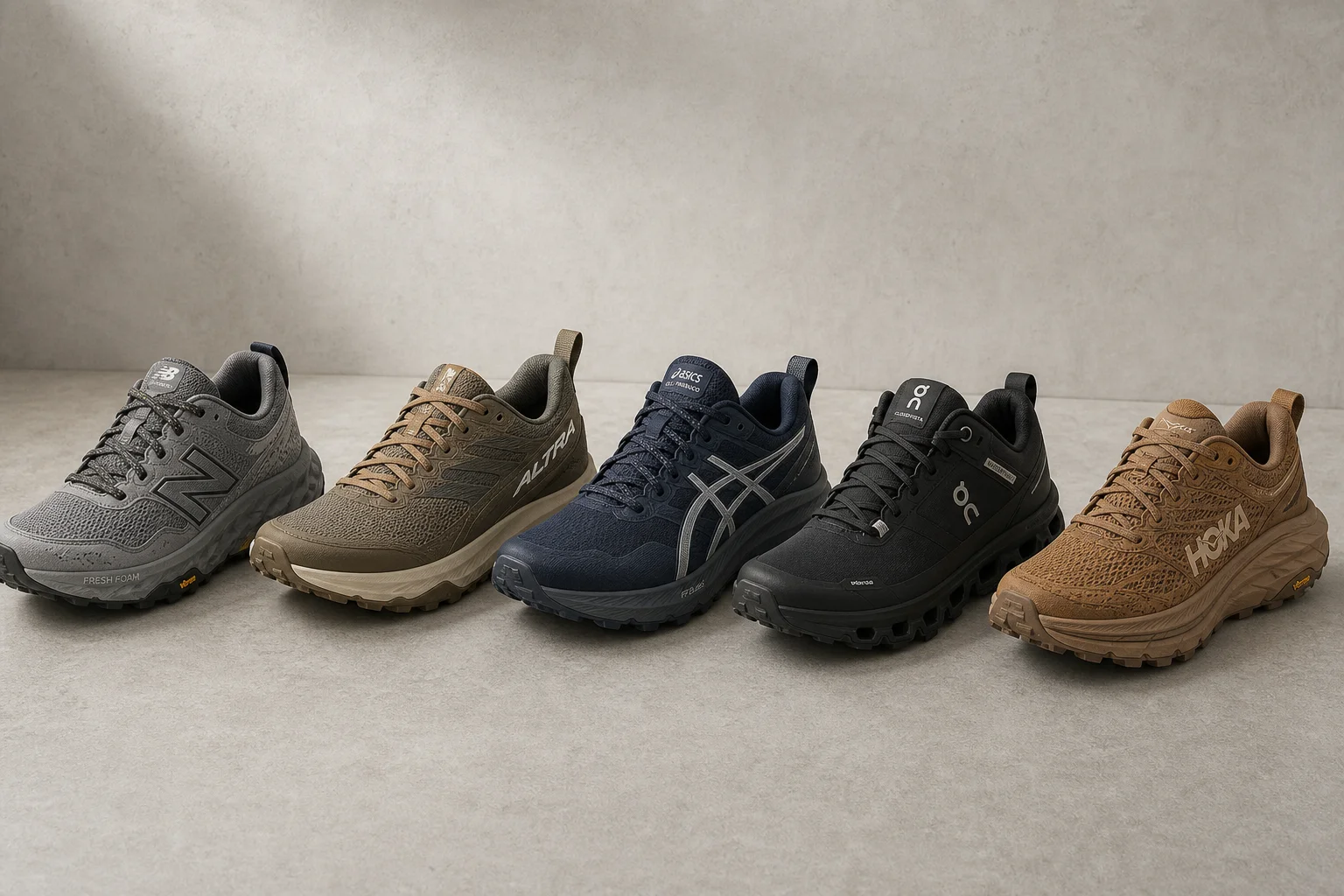
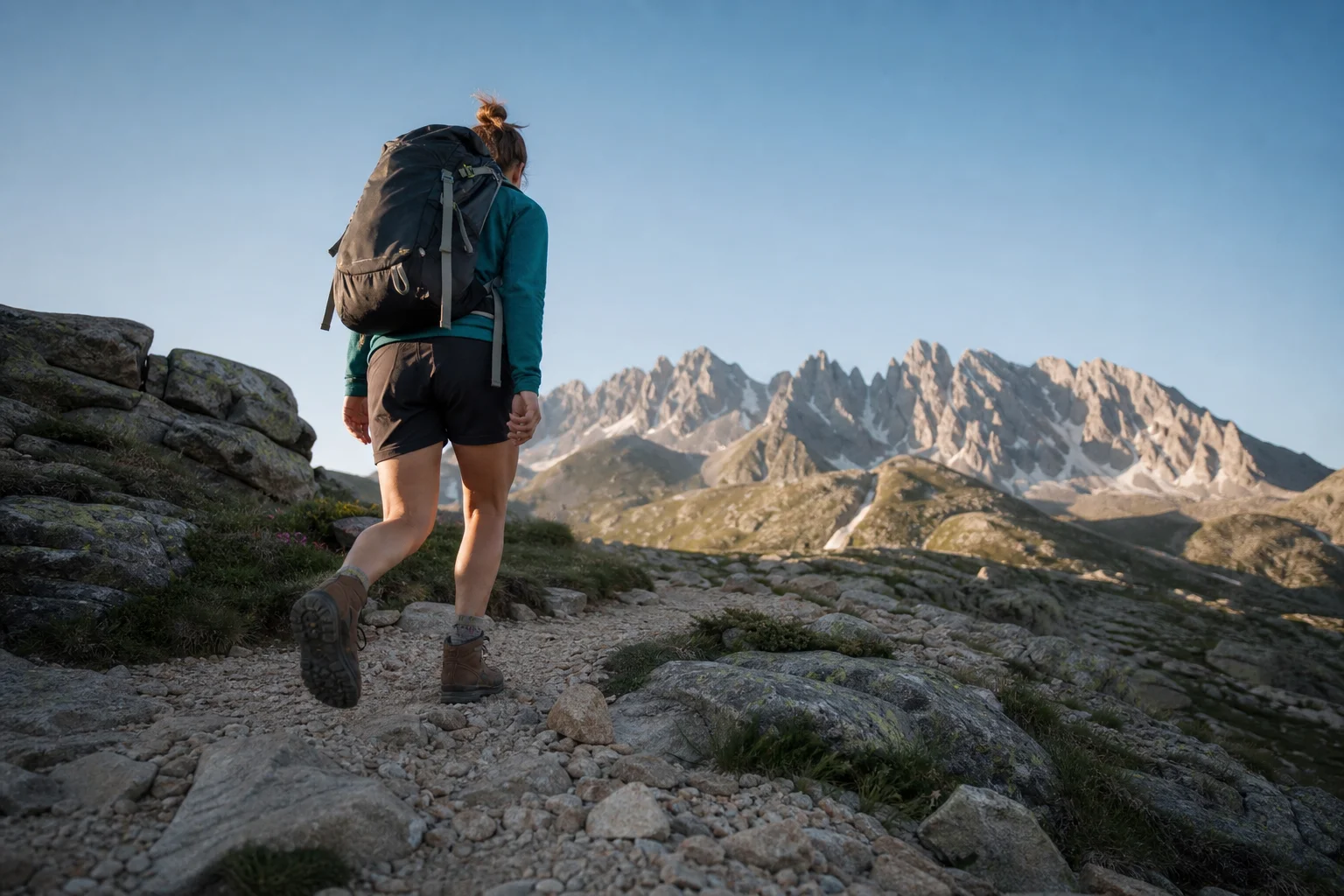
Choosing the right hiking shoe depends on your terrain, support needs, and foot shape. These five options cover the main categories: maximum cushioning for long distances, zero-drop design for ground feel, balanced all-around performance, waterproof protection for wet conditions, and high-comfort versatility. Understanding the trade-offs between cushioning, drop, traction, and fit will help you find the shoe that matches your hiking style.
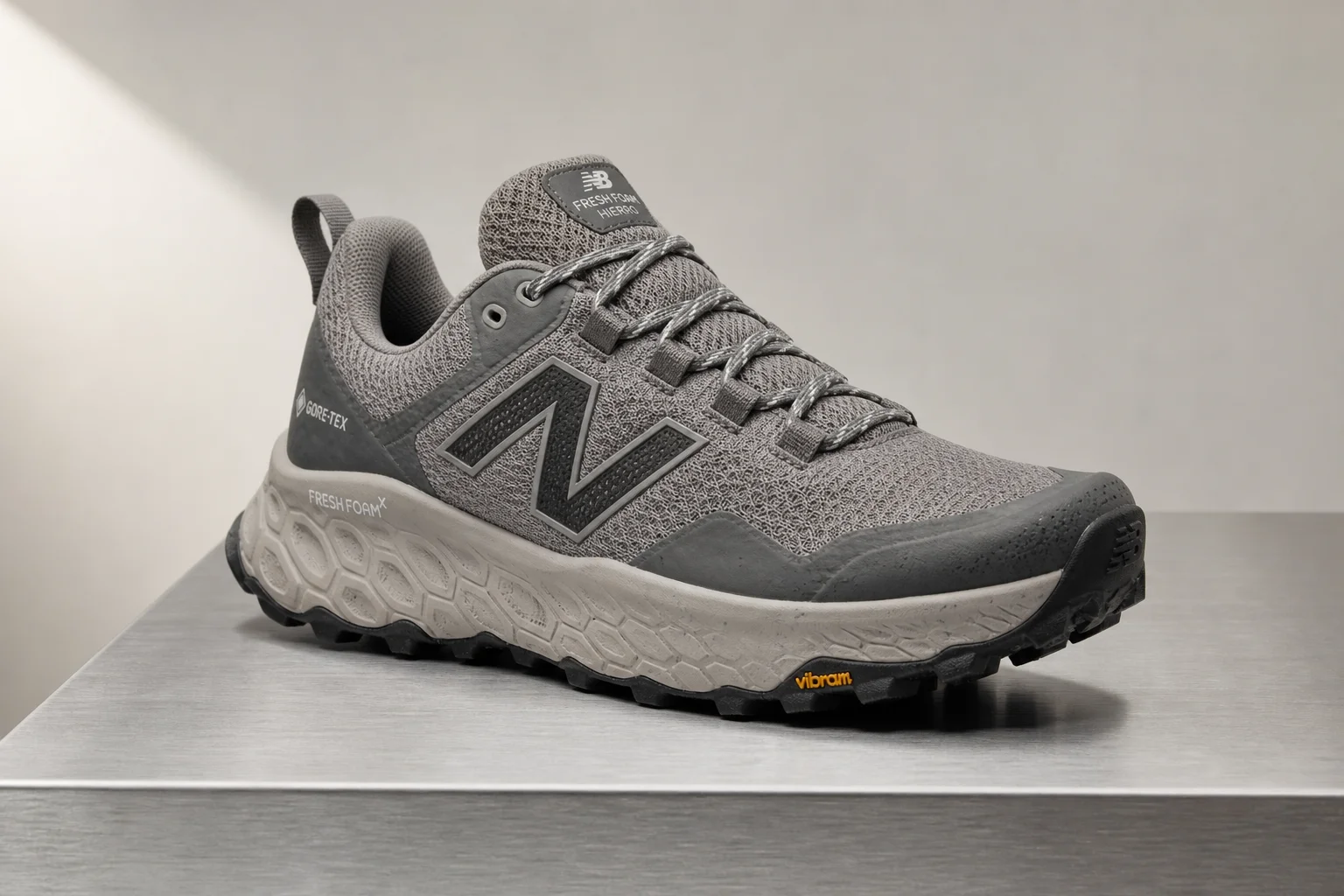
New Balance Fresh Foam X Hierro v8: Maximum Cushioning
The New Balance Fresh Foam X Hierro v8 is a max-cushion hiking shoe built for long-distance comfort. It features Fresh Foam Max cushioning with 42mm of stack height under the heel, creating a cloud-like feel that lets you stand and walk all day without foot fatigue.
The shoe includes four-millimeter lugs that deliver good traction on moderately deep mud and technical terrain when changing direction. The forefoot has enough stiffness to protect your foot even without a rock plate, and the abrasive upper covering adds durability. Heel and midfoot lockdown keeps your foot secure inside the shoe.
The main trade-off is stability. The thick cushioning can feel less stable underfoot compared to firmer designs, making it less ideal if you need strong lateral support or plan to carry heavy loads on technical descents.
Altra Outroad 3: Zero-Drop Design
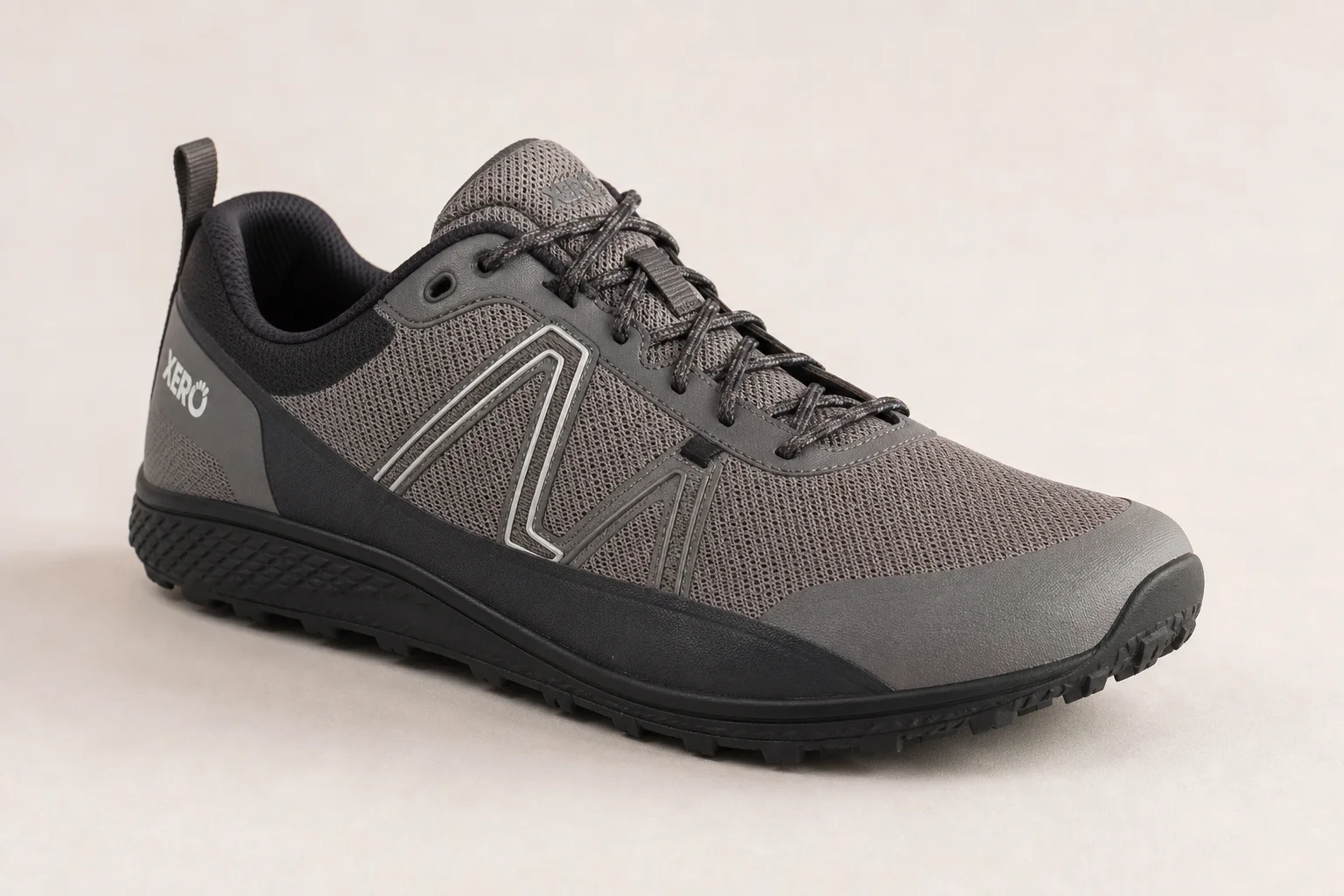
The Altra Outroad 3 takes a completely different approach with zero drop, meaning no height difference from heel to toe. This signature Altra feature creates a more natural foot position and encourages a midfoot strike pattern.
The shoe uses 27mm of Ego Max cushioning throughout, which is firmer than the New Balance’s 42mm stack. This firmness delivers excellent ground contact and stability underfoot, though the zero drop can place extra stress on your Achilles tendon and calf if you are not accustomed to it. The anatomical toe box is notably wide, which should be how all hiking shoes are shaped, and the heel and midfoot lockdown prevents your foot from sliding forward on descents despite the spacious fit.
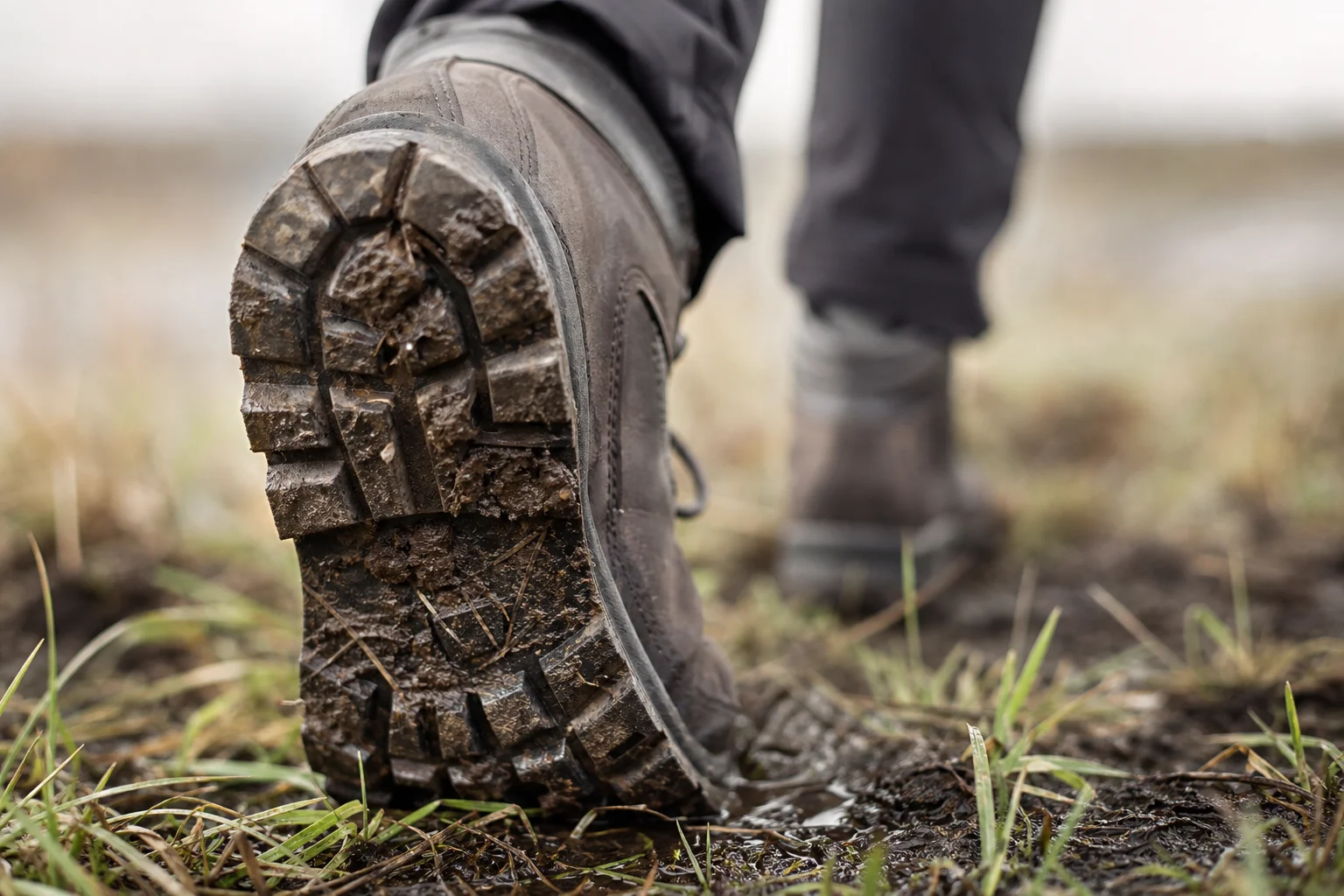
The three-millimeter lugs provide adequate grip on light to moderately technical terrain, covering wet grass and entry-level hikes. This shoe suits hikers who prioritize natural foot positioning and ground feel over maximum cushioning.
ASICS Gel-Trabuco 13: Balanced All-Rounder
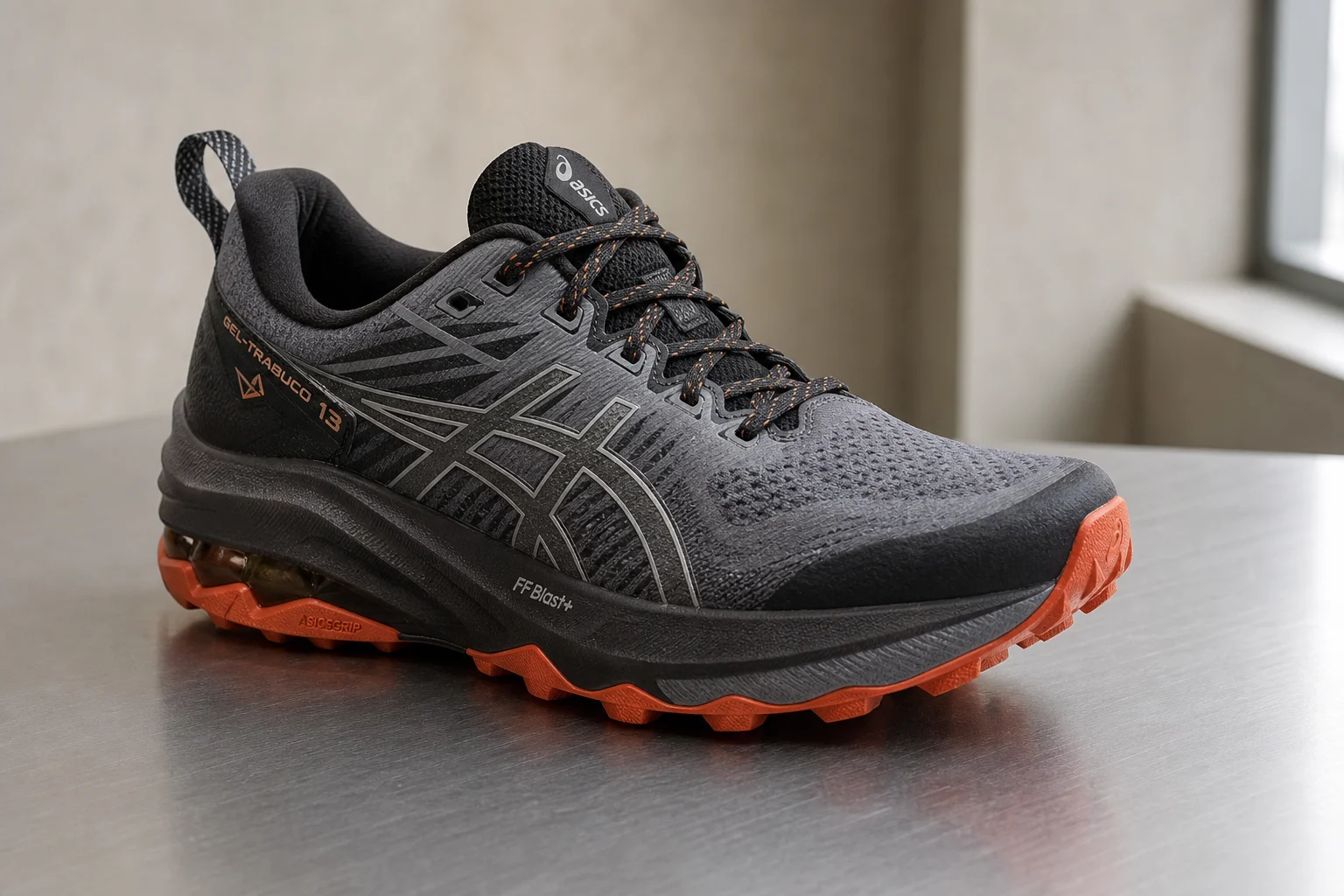
The ASICS Gel-Trabuco 13 sits in the middle ground, offering comfort without the max-stack approach. It has 34mm of cushioning in the heel and 26mm in the forefoot, creating an 8mm drop that facilitates the push-off phase of your gait cycle and distributes impact evenly from back to foot.
The FF Blast cushioning is balanced, so you do not sink into it as much as the New Balance, but it remains softer than the Altra. The 3.3-millimeter lugs provide excellent traction when transitioning from road to trail, and the shoe comes in standard and wide fits. This is a neutral shoe with mild stability elements, making it versatile for longer hikes, road sections, and gravel paths.
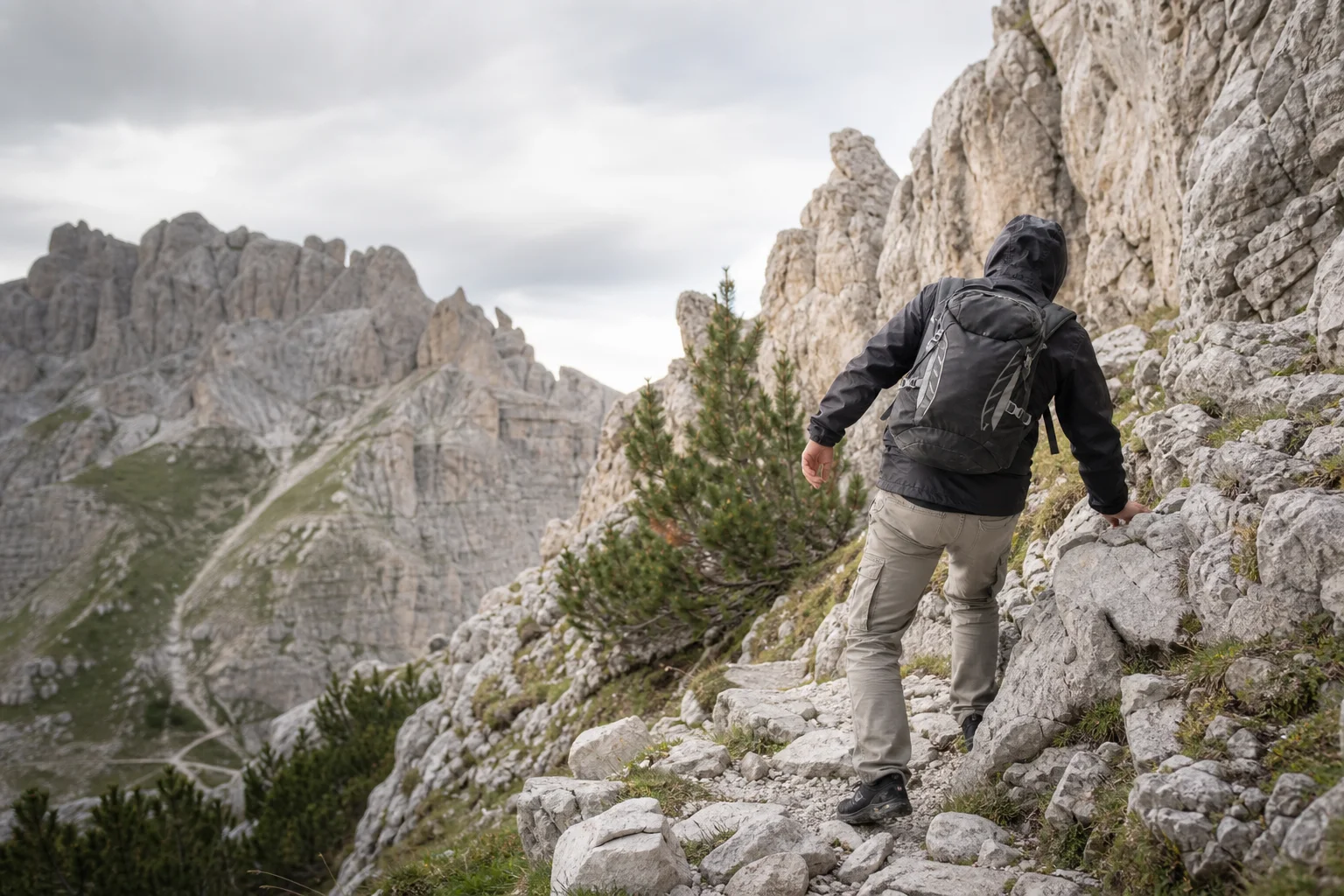
The Gel-Trabuco 13 is an excellent choice if you want a single shoe that performs well across mixed terrain without committing to either maximum cushioning or zero-drop philosophy.
On Cloudvista 2 Waterproof: Weather Protection and Stability
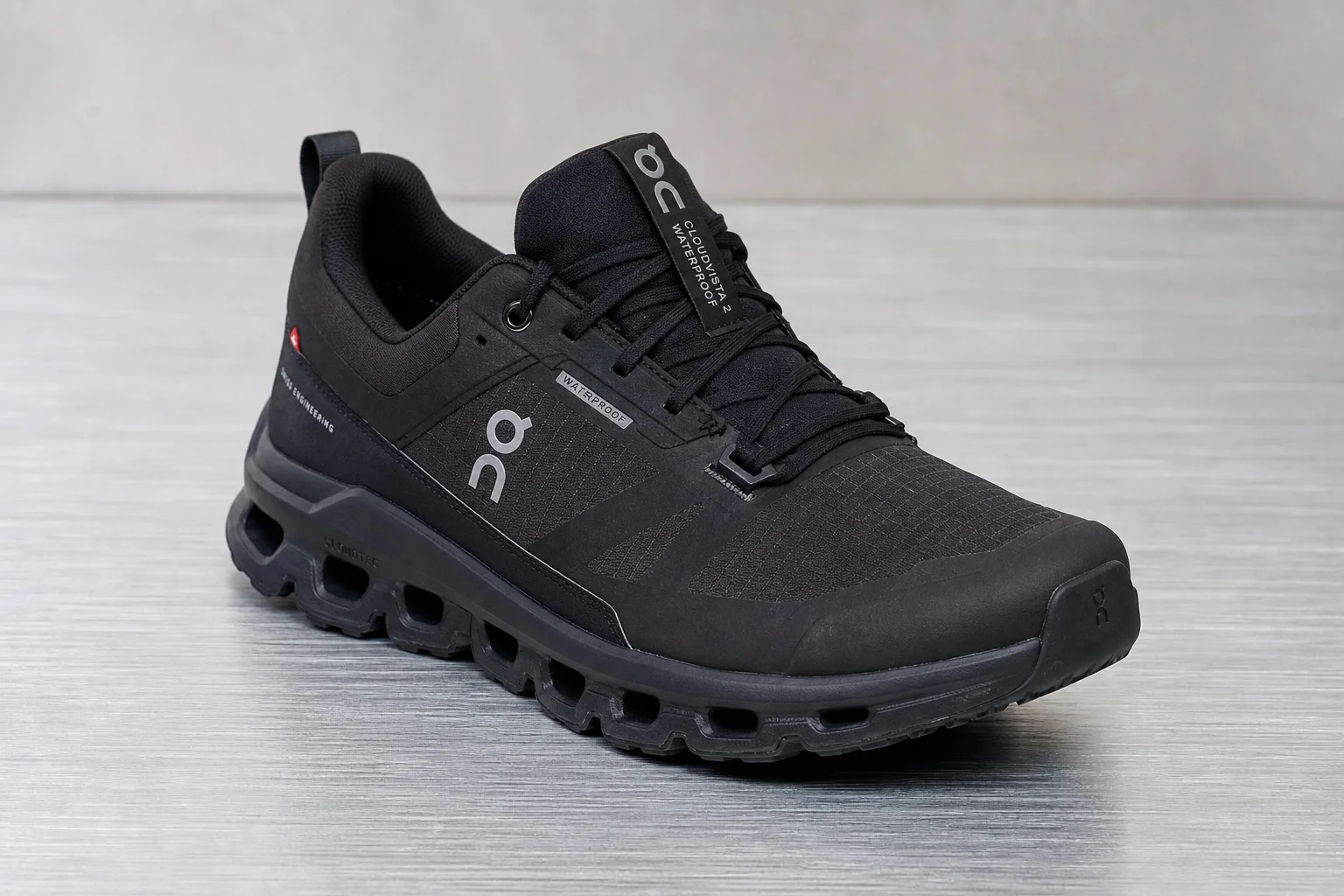
The On Cloudvista 2 Waterproof adds a complete waterproof membrane, making it essential for winter hiking and wet conditions. The abrasive front covering is stiff, protecting your toes if you kick branches or roots.
On’s signature Cloud tech cushioning uses holes in the midsole that look soft but feel quite firm under pressure, delivering good ground contact feel similar to the Altra. The shoe has a five-millimeter drop and a forefoot rocker that aids forward motion. The three to 3.5-millimeter lugs are positioned in an L-shape for comprehensive grip on most terrain.
The original Cloudvista had a fit issue where your foot would move inside the shoe on descents and direction changes. The newer model corrects this with improved midfoot lockdown and mild sidewalls on both sides of the heel, keeping you secure. This is classified as a stable neutral shoe with plenty of grip and waterproof protection.
Hoka Challenger 8: Comfort and Traction
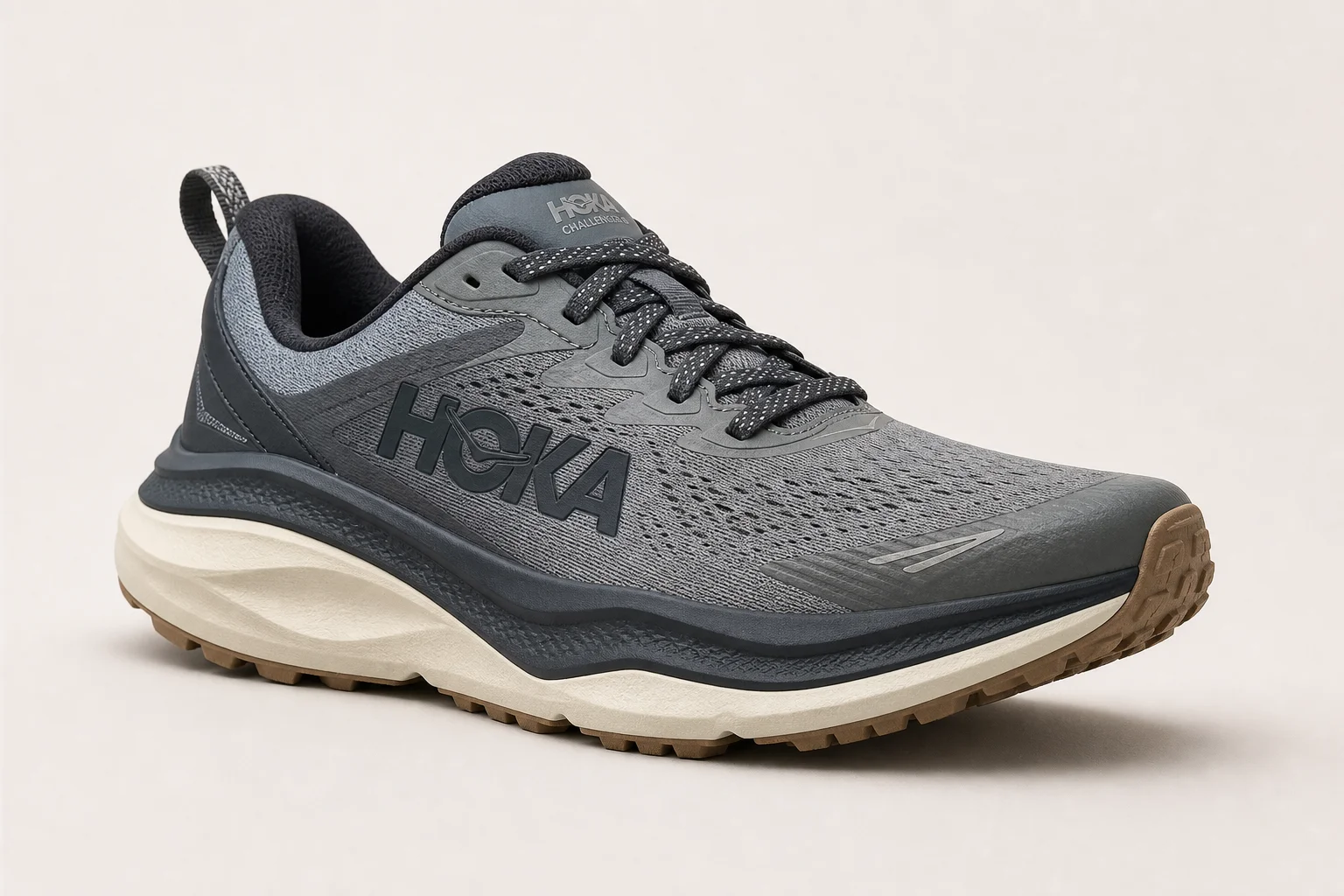
The Hoka Challenger 8 is a well-rounded hiking shoe that excels for long days on mixed terrain. It features Hoka’s classic CMEVA cushioning, which is balanced and comfortable without being overly soft. The shoe transitioned from a five-millimeter to an eight-millimeter drop, giving you slightly more heel lift than the New Balance and better push-off assistance.
The four-millimeter lugs match the New Balance for traction on most trails. The main drawback is a narrow toe box, the narrowest of these five options, though a wide version is available. The shoe offers excellent lockdown on top and is highly versatile for long hiking days that transition from road to trail.
The Hoka Challenger 8 is one of the most popular hiking shoes available and suits hikers who prioritize comfort and traction with a preference for higher drop and a snug fit.
Conclusion
Each of these five shoes serves a specific hiking need. Choose the New Balance Fresh Foam X Hierro v8 if you prioritize maximum cushioning for long distances. Pick the Altra Outroad 3 if you want zero-drop design and a wide toe box. The ASICS Gel-Trabuco 13 works best as a balanced all-rounder for mixed terrain. Select the On Cloudvista 2 Waterproof if you hike in wet or winter conditions. And the Hoka Challenger 8 is ideal if you want comfort and traction with a higher drop and snug fit. Consider your terrain, support needs, and foot shape to find the best match for your hiking style.
Further reading
Related Reviews
Hiking Footwear
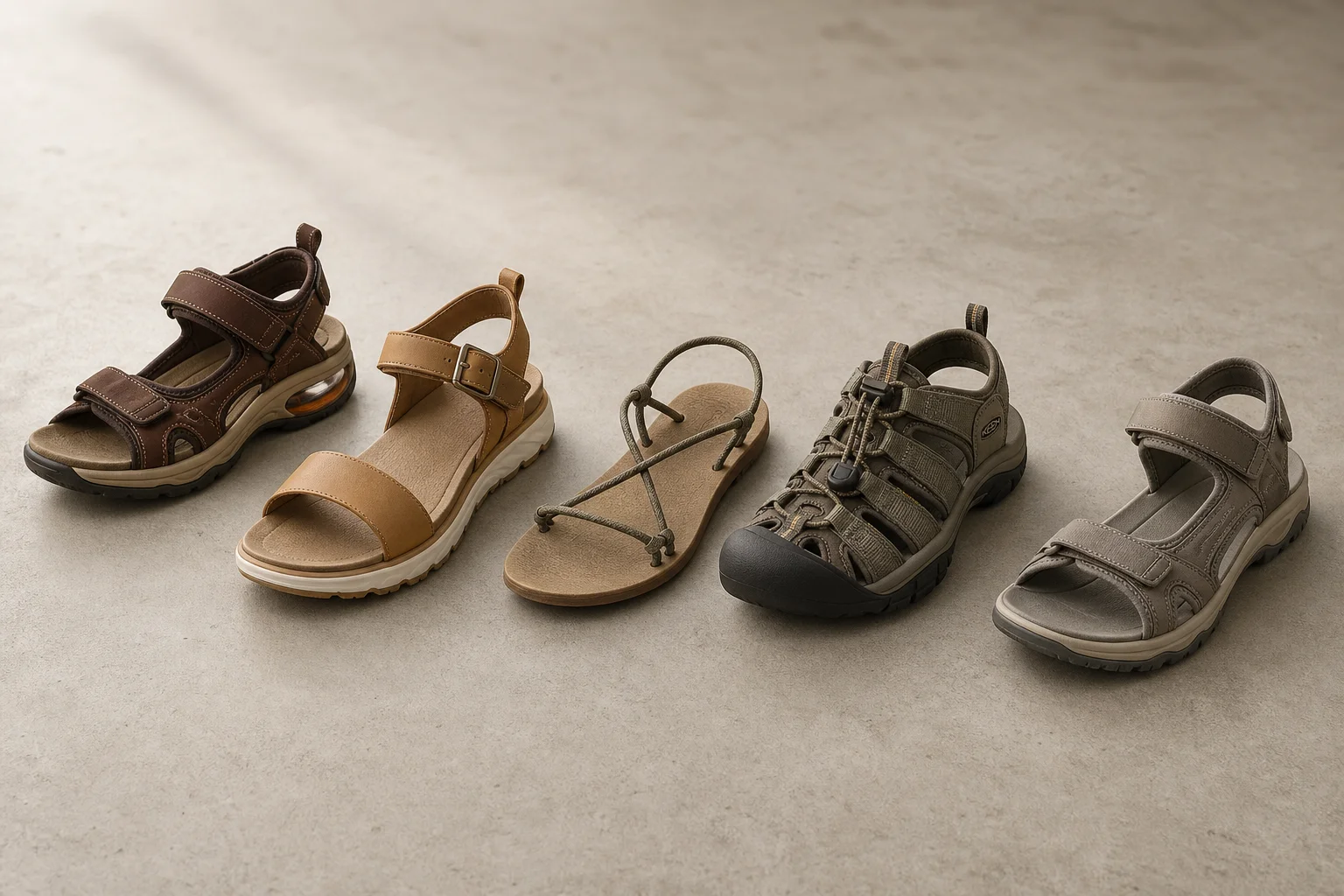
Best Hiking Sandals 2026: Five Options for Different Trail Needs
Five hiking sandals tested for comfort, protection, and versatility. Find the right pair for your hiking style, from minimalist designs to heavy-duty closed-toe options.
Hiking Footwear
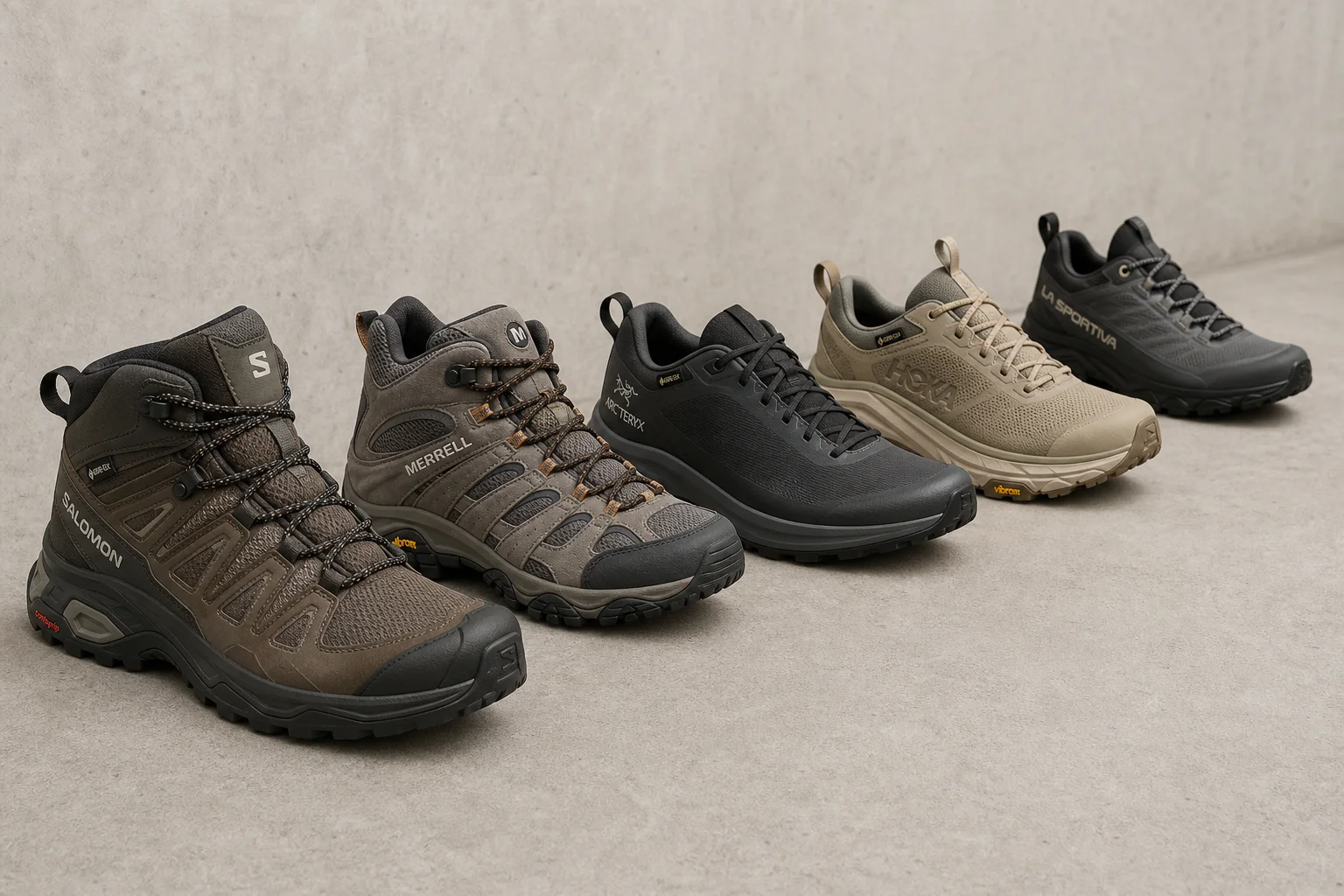
Best Hiking Shoes for Men: Five Tested Options Ranked
A detailed ranking of five hiking shoes tested for comfort, traction, and durability across varied terrain and conditions.
Hiking Footwear
Best Hiking Shoes for Women: Five Practical Options Ranked
A ranked breakdown of five women's hiking shoes, from versatile all-terrain options to high-performance waterproof models, with real strengths and trade-offs.