Hiking Gear
Best Hiking Socks for Beginners: Material, Cushioning, and Fit Guide
Four essential factors to consider when choosing hiking socks, plus recommendations for wool blends, synthetic options, and specialty designs that reduce blistering and improve comfort on the trail.
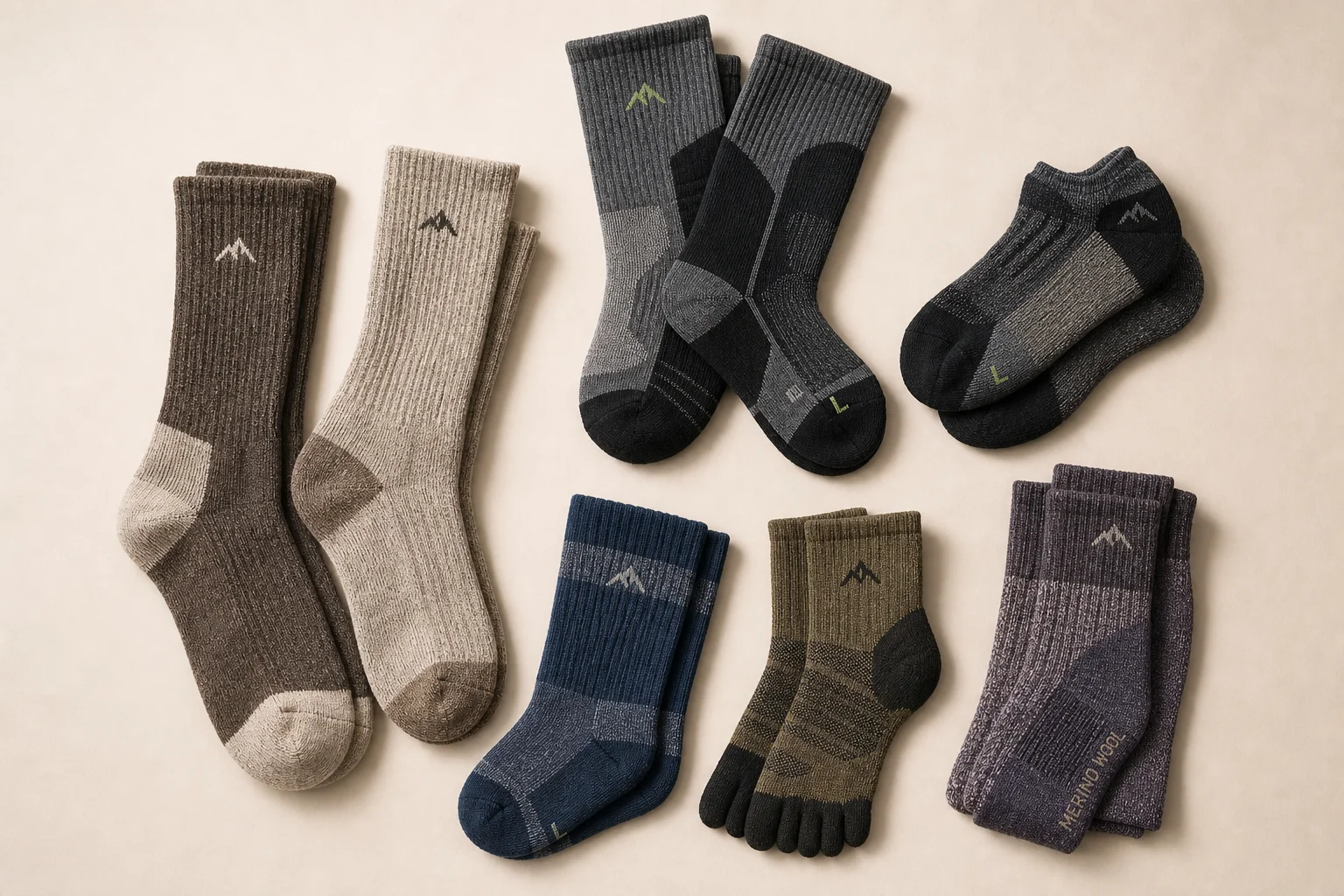
Introduction
Choosing the right hiking socks is one of the most overlooked decisions a beginner hiker can make, yet it directly impacts comfort, blister prevention, and overall trail experience. The difference between a day ruined by foot pain and a comfortable hike often comes down to what you wear on your feet. This guide covers four essential factors to evaluate when selecting hiking socks, plus practical tips and product recommendations to help you find the best pair for your needs.
Material Matters: Wool, Synthetic, and Blends
The first decision when selecting hiking socks is understanding the material options available. Cotton is the big no-no for hiking. While you likely have plenty of cotton socks at home, they absorb moisture and hold it for extended periods, keeping your feet wet and significantly increasing blister risk. Leave cotton at home.
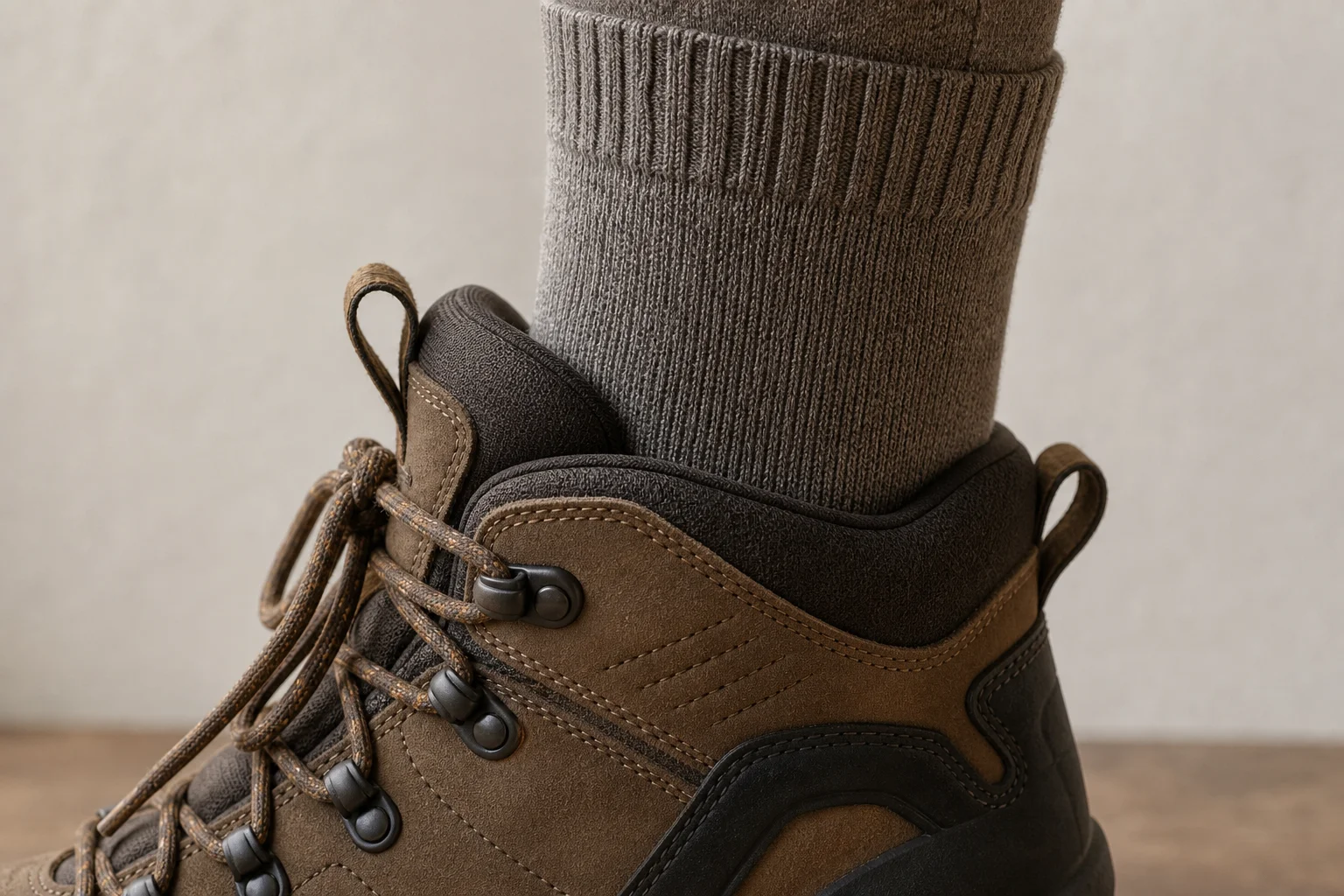
The three categories worth considering are wool, synthetic, and blends of the two. Wool excels at temperature regulation, moisture wicking, and odor resistance, making it ideal for multi-day trips where you might wear the same socks for extended periods. Synthetic materials offer excellent durability and moisture-wicking properties, keeping feet dry and reducing blister potential. Wool-synthetic blends combine the best of both worlds: the durability and moisture-wicking of synthetics with the odor resistance and temperature regulation of wool.
Cushioning Levels: Light, Mid-Weight, and Heavy
Hiking involves thousands of footfalls, and your feet take considerable pounding on the trail. Cushioning levels vary to match different hiking scenarios. Light-cushioned socks work well for day hikes in warm weather, offering increased breathability due to their thinner construction. Mid-weight cushioned socks represent the all-around performer, providing moderate cushioning and warmth while maintaining reasonable breathability even in warm conditions. Heavy-cushioned socks deliver maximum padding and warmth, making them ideal for longer multi-day hikes or cold-weather hiking where extra insulation matters.
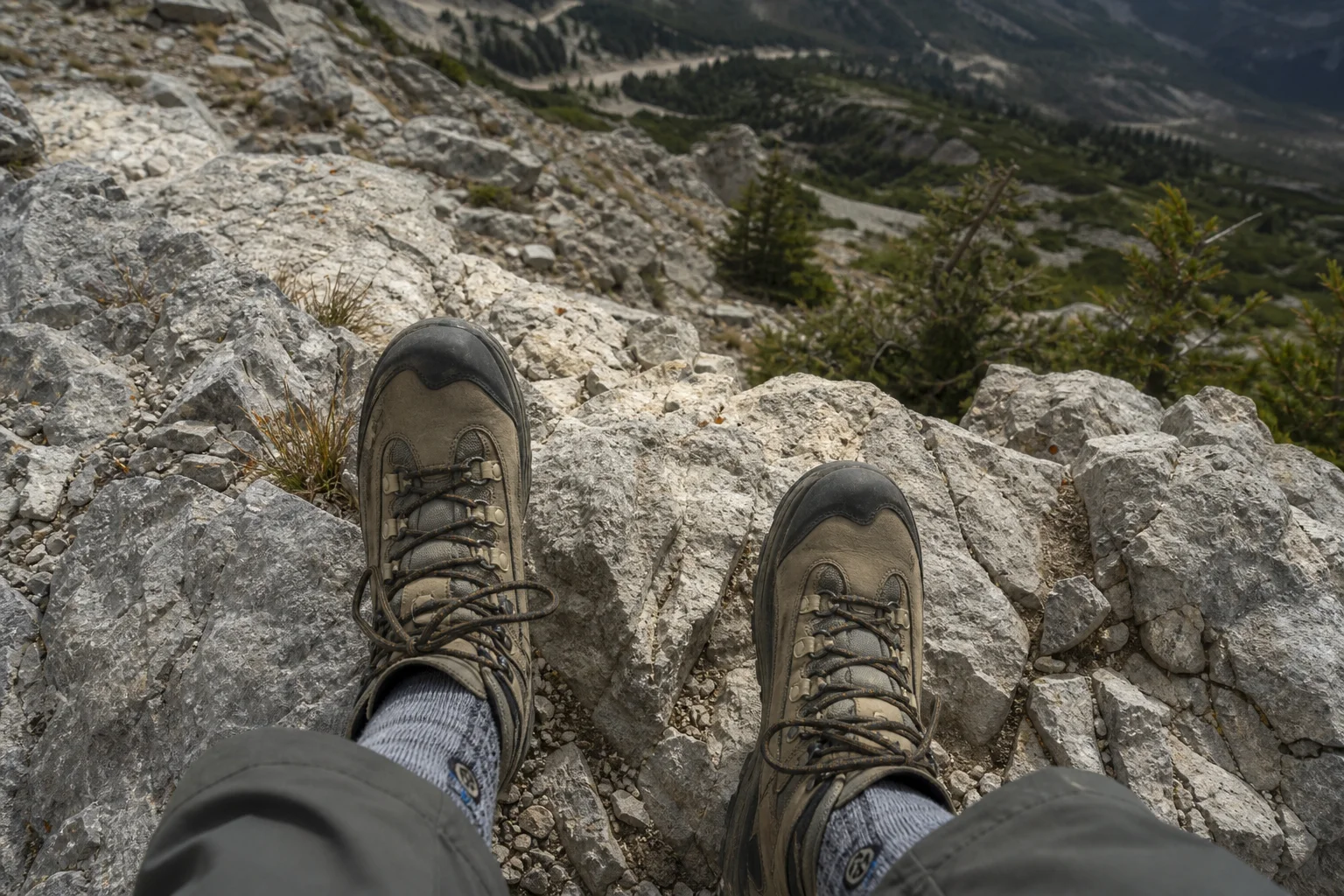
Your choice depends on your specific hiking plans. Warm-weather day hikers may find light cushioning sufficient, while cold-weather or multi-day backpackers benefit from heavy cushioning. Many hikers find mid-weight socks strike the best balance for varied conditions.
Sock Length and Trail Protection
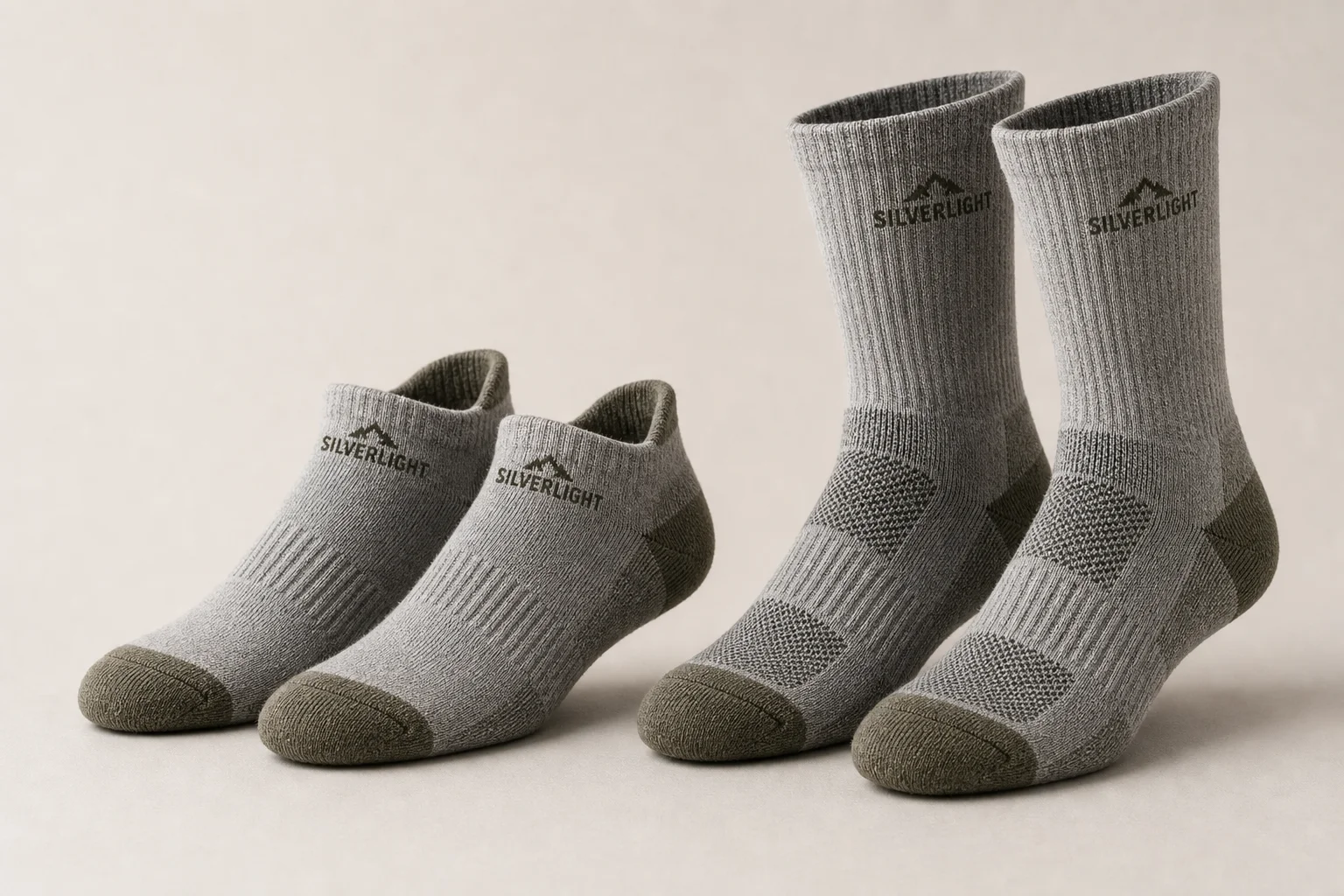
Sock length should match both your footwear and the terrain you’ll encounter. Boot-length or calf-length socks provide adequate coverage to extend above hiking boots, offering protection from brush, undergrowth, and potential irritants like poison ivy. Crew-length socks work well for most boots and are also suitable for hiking shoes or trail runners. Quarter-cut socks reach the ankle and suit hiking shoes or trail runners, while no-show socks are best reserved for trail runners and not recommended for mid-length or high-top boots.
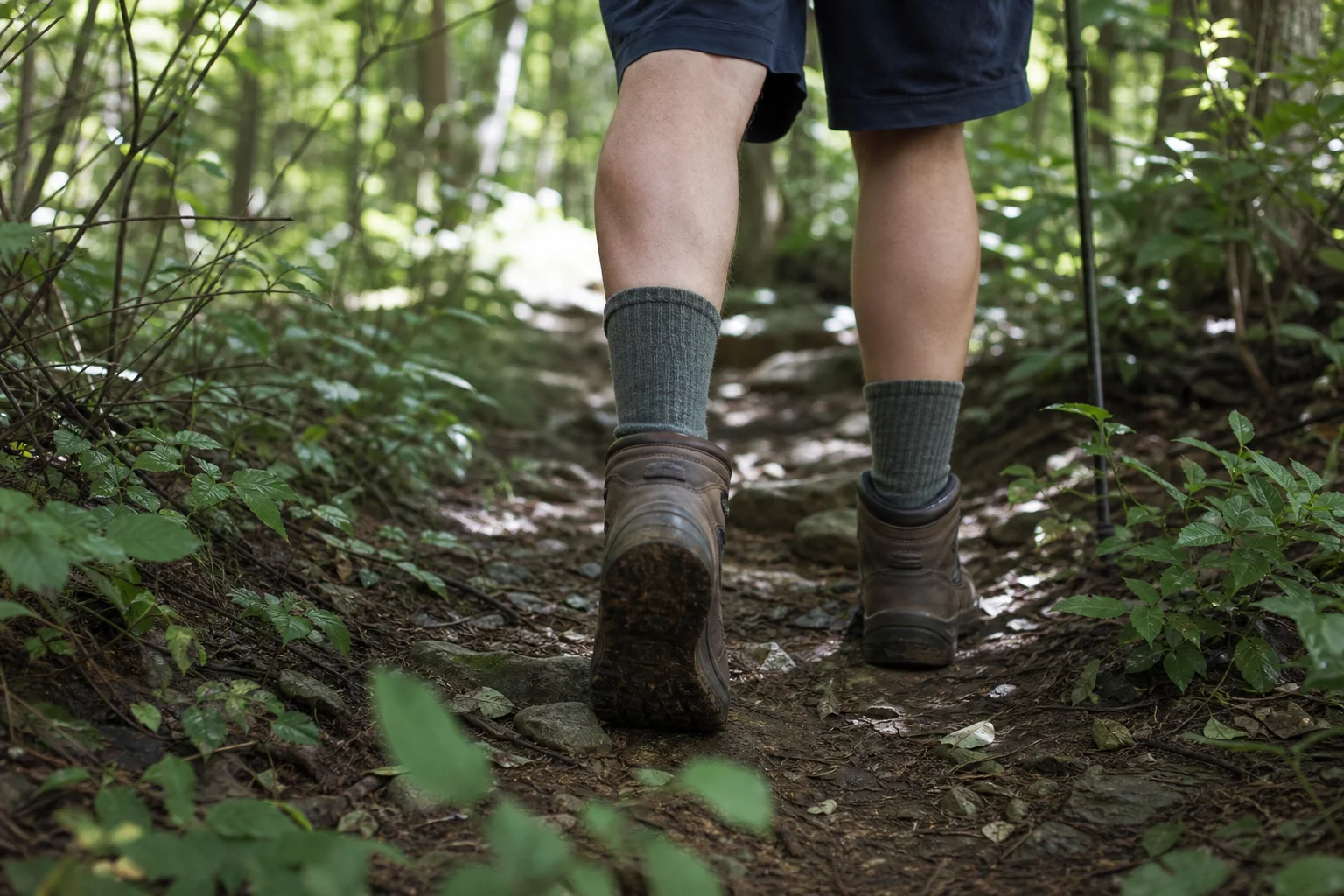
Beyond comfort, sock length provides practical protection. Extra coverage shields your lower legs from abrasion, scratching, and contact with brush or thorns commonly found on trails.
Fit and Construction: Seams and Liners
Proper fit is critical for blister prevention. The heel section should sit exactly where it belongs without excess material bunching in the toe or around the heel. Fit varies between manufacturers, so you may need to try several brands before finding the one that works best for your foot shape. A snug, secure fit that does not slip or slide is essential.
Pay attention to seam construction. Flat seams or seamless socks minimize friction points that can cause rubbing and irritation. Many modern sock manufacturers have perfected flat-seam or seamless designs specifically to reduce these problem areas.
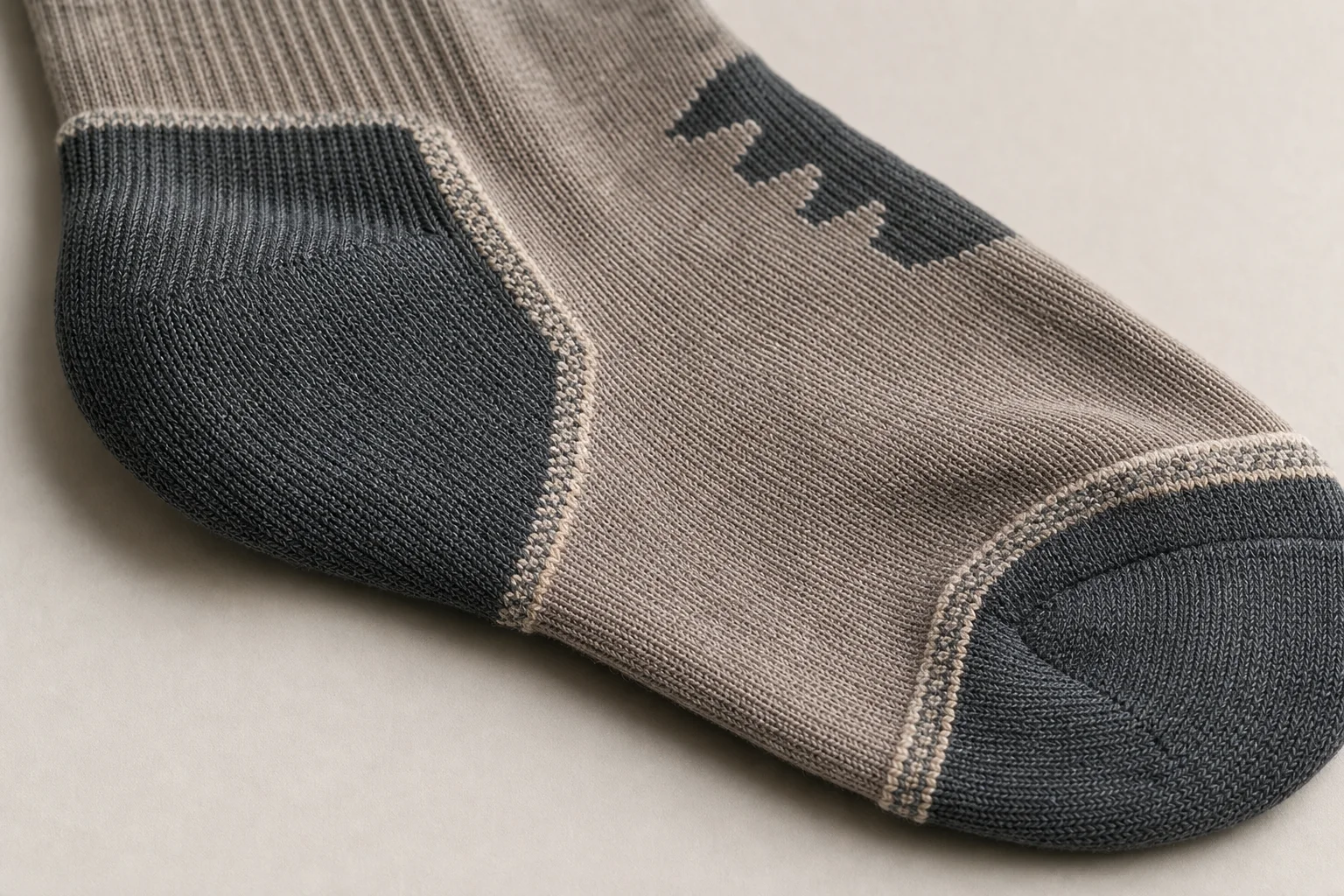
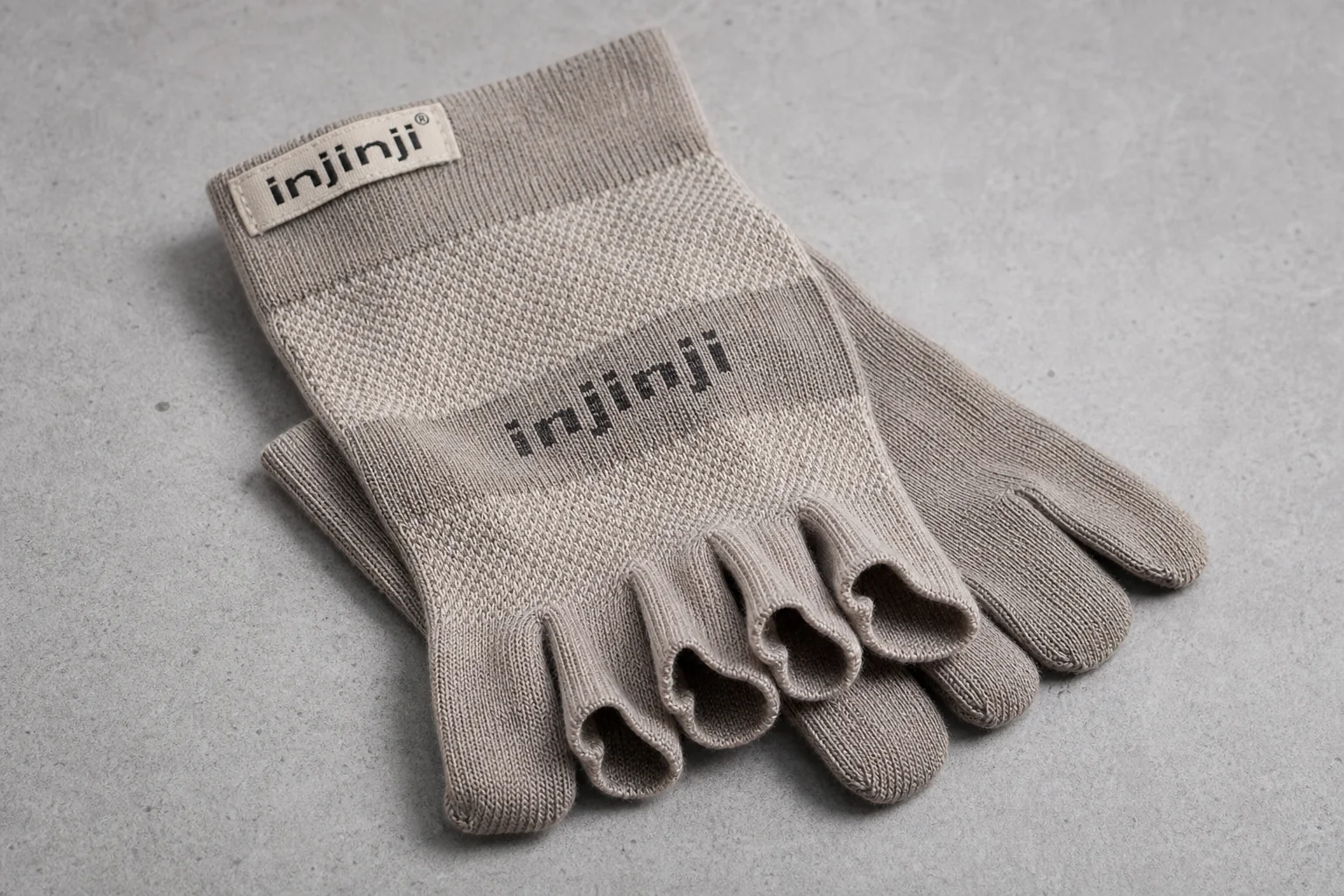
Some hikers use sock liners, thin synthetic socks worn under main hiking socks to provide additional moisture-wicking and abrasion protection. While not essential, liners appeal to those prone to blistering. Toe socks, which feature individual sleeves for each toe, represent another specialty option designed to prevent toe-to-toe friction and blister formation. These take adjustment but have a dedicated following among hikers who swear by them.
Top Hiking Sock Recommendations
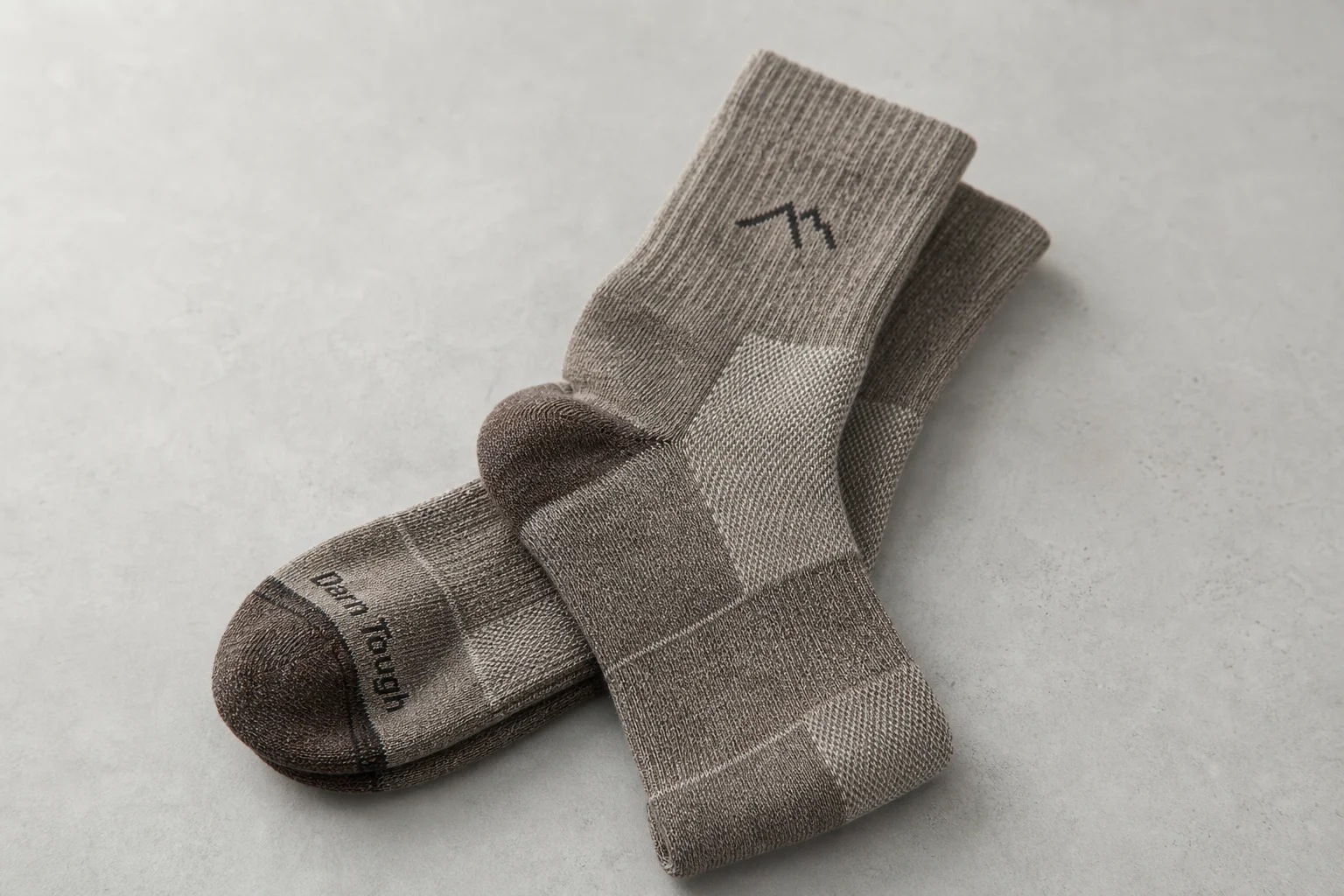
Based on performance, durability, and comfort, several brands stand out in the hiking community. Darn Tough offers wool-synthetic blends that are form-fitting, long-lasting, and exceptionally comfortable. Their lifetime warranty, which replaces socks if you wear a hole in them, reflects confidence in durability. Prices typically range from 20 to 23 dollars, with occasional sales throughout the year.
Injinji specializes in toe socks designed to eliminate toe-to-toe friction and blister formation. These require a brief adjustment period but appeal strongly to hikers who have experienced toe blistering.
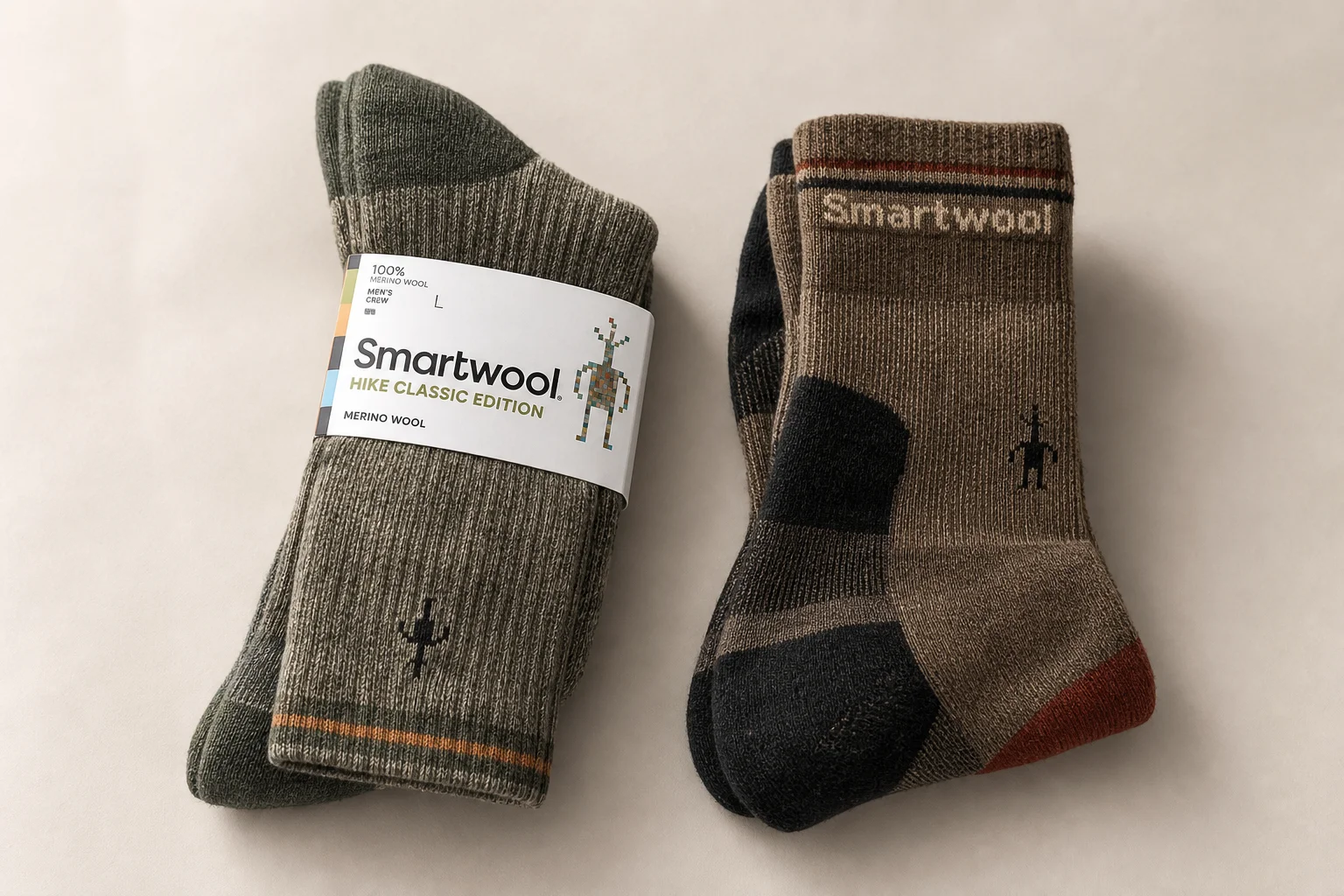
Smartwool is a well-established brand in the hiking community, known for quality wool-blend construction and reliable performance across various conditions.
REI Co-op offers solid mid-range options that balance quality and affordability, making them accessible for beginners building their hiking sock collection.
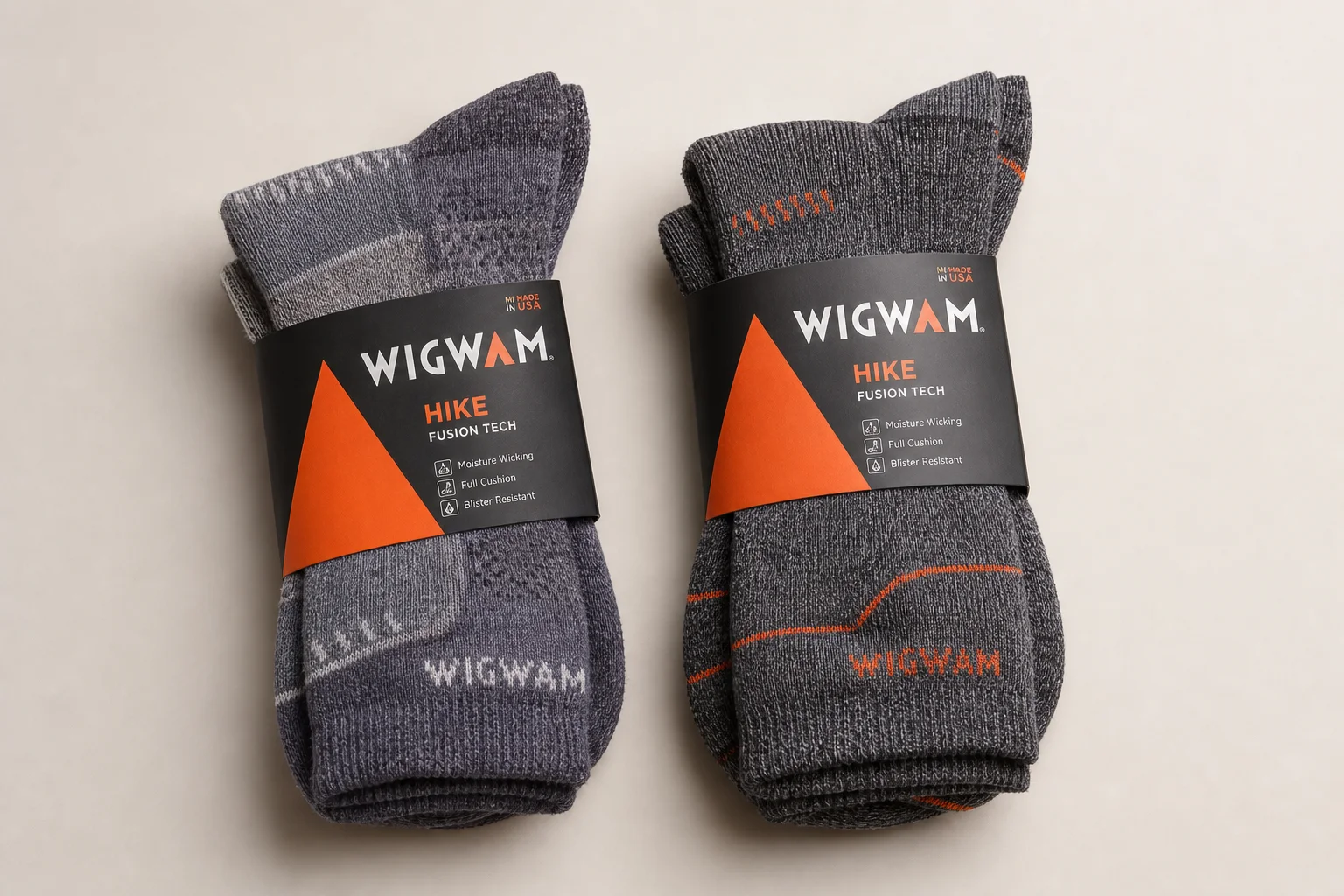
Wigwam provides durable synthetic and blend options with strong moisture-wicking properties and a loyal following among day hikers and backpackers.
Conclusion
Selecting the right hiking socks involves evaluating material composition, cushioning level, sock length, and fit. Prioritize moisture-wicking materials like wool or synthetics over cotton, choose cushioning that matches your hiking style, ensure adequate coverage for your boots and terrain, and invest time in finding a brand that fits your foot well. The small investment in quality hiking socks pays dividends in comfort and blister prevention on every trail.
Further reading
Related Reviews
Hiking Gear
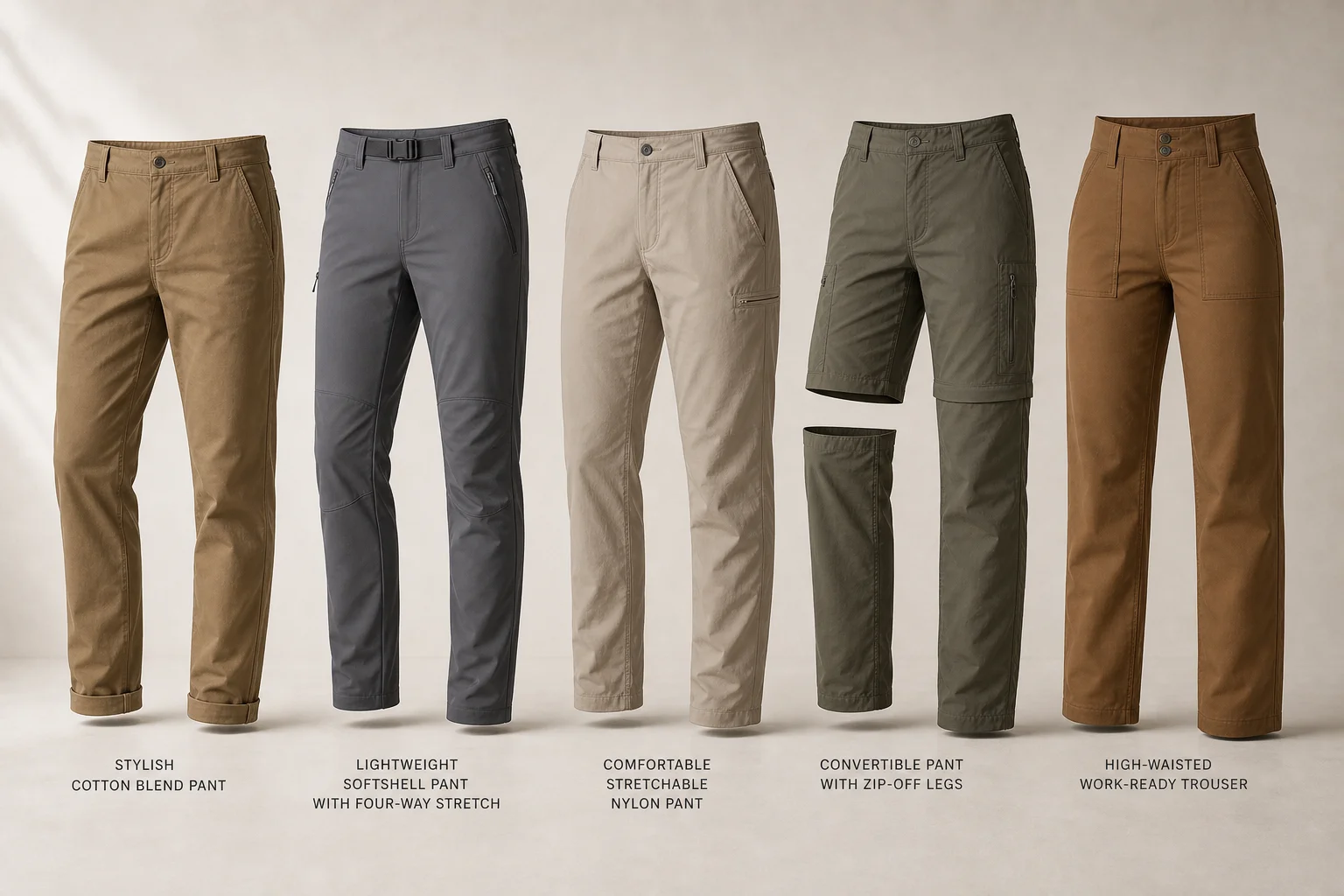
Best Hiking Pants on Amazon: Five Practical Options for Different Needs
A practical review of five hiking pants with clear strengths and trade-offs, from lightweight convertible styles to durable work-ready trousers.
Hiking Gear
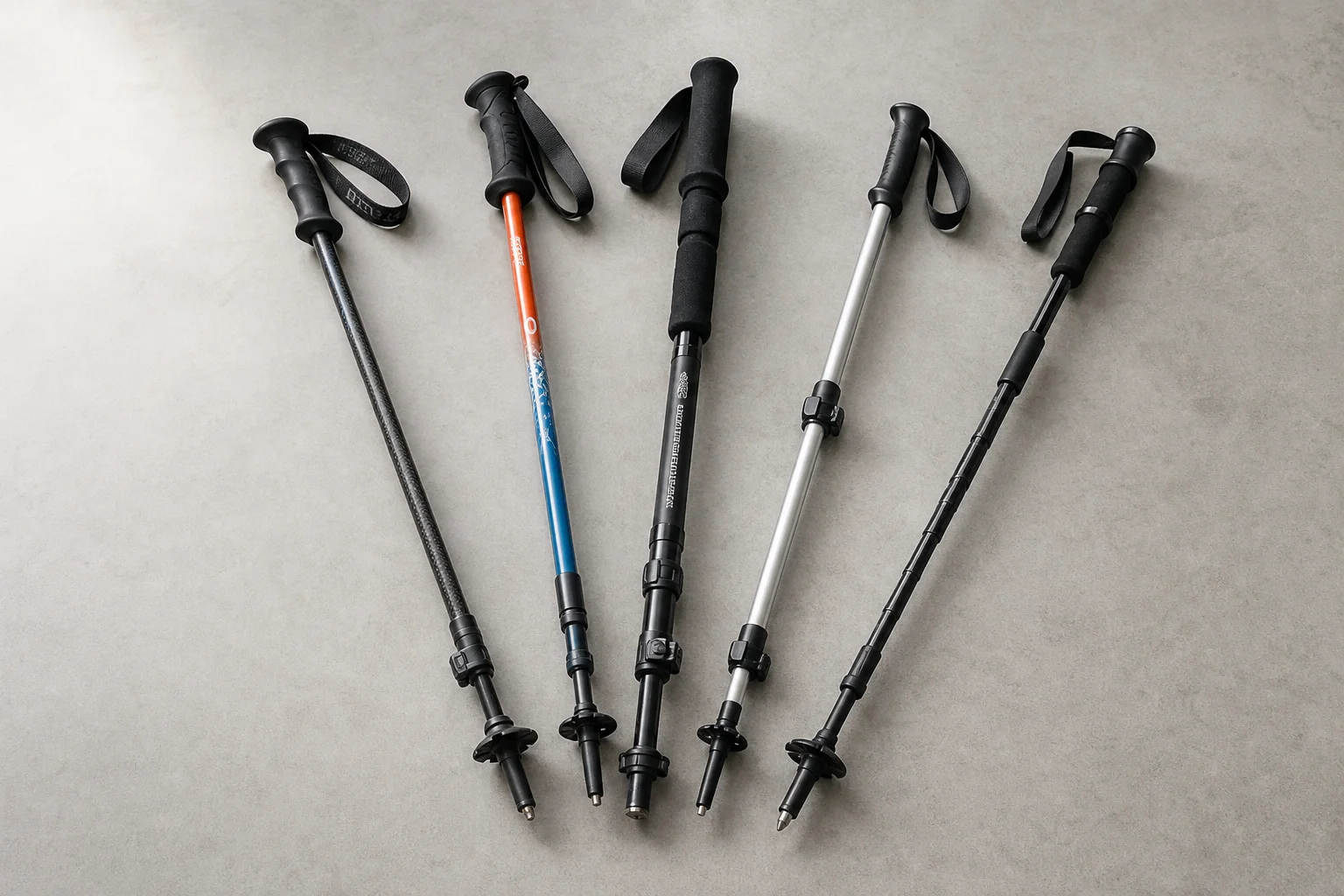
Best Hiking Poles 2026: Five Options for Different Trail Needs
A practical review of five hiking poles, from lightweight carbon designs to versatile all-terrain options, with clear strengths and trade-offs for each.
Hiking Gear
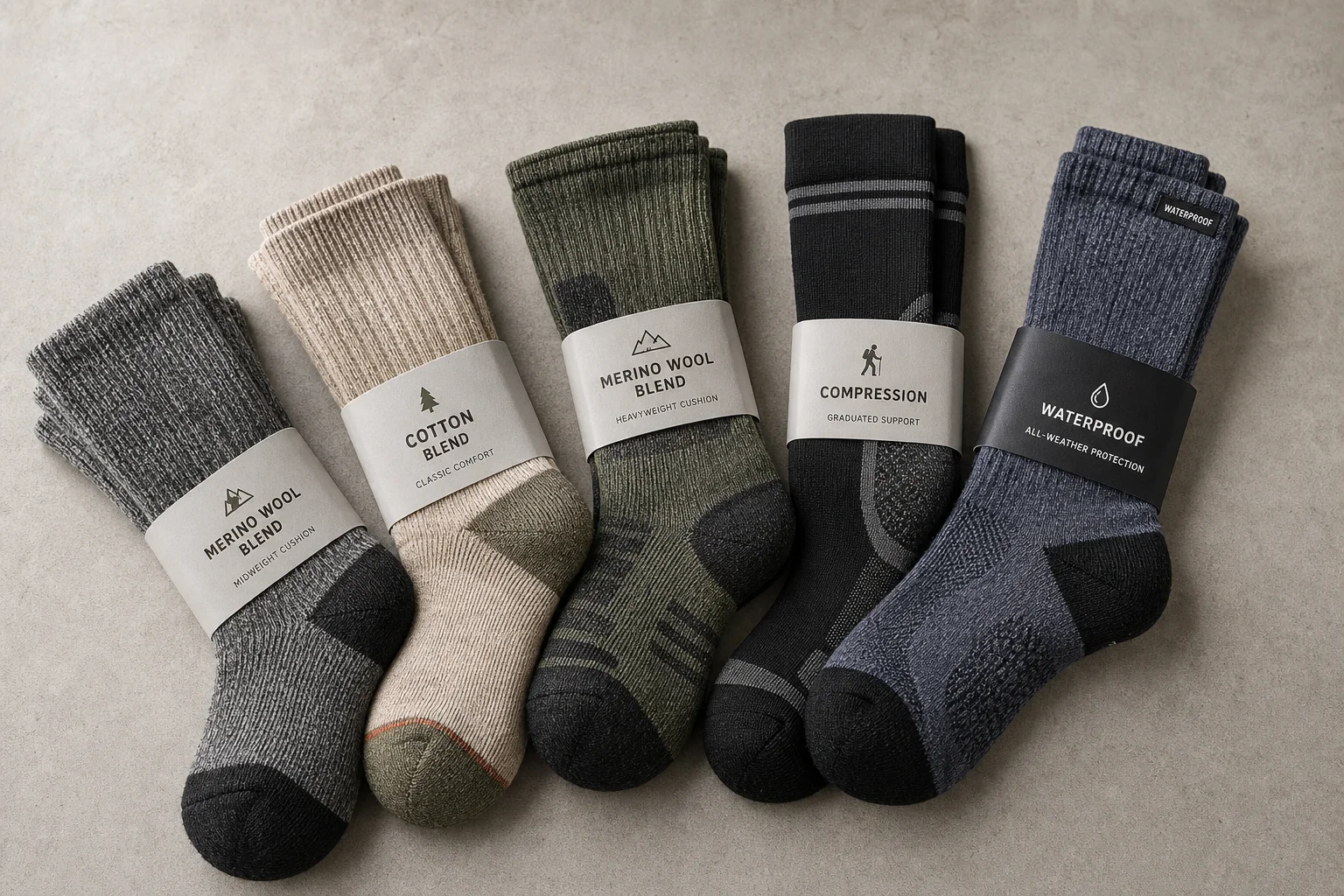
Best Hiking Socks 2026: Five Top Choices for Different Trail Needs
A practical roundup of five hiking socks, from lightweight merino options to heavy-duty compression styles, with clear guidance on which suits your outdoor activity.