Hiking Gear
Best Hiking Water Bottles and Filters: Lightweight Systems That Actually Work
Skip the expensive insulated bottles. The best hiking hydration setup combines ultralight bottles, reliable filters, and smart backup strategies that cost less and weigh far less than premium alternatives.
Why Insulated Bottles Are Dead Weight
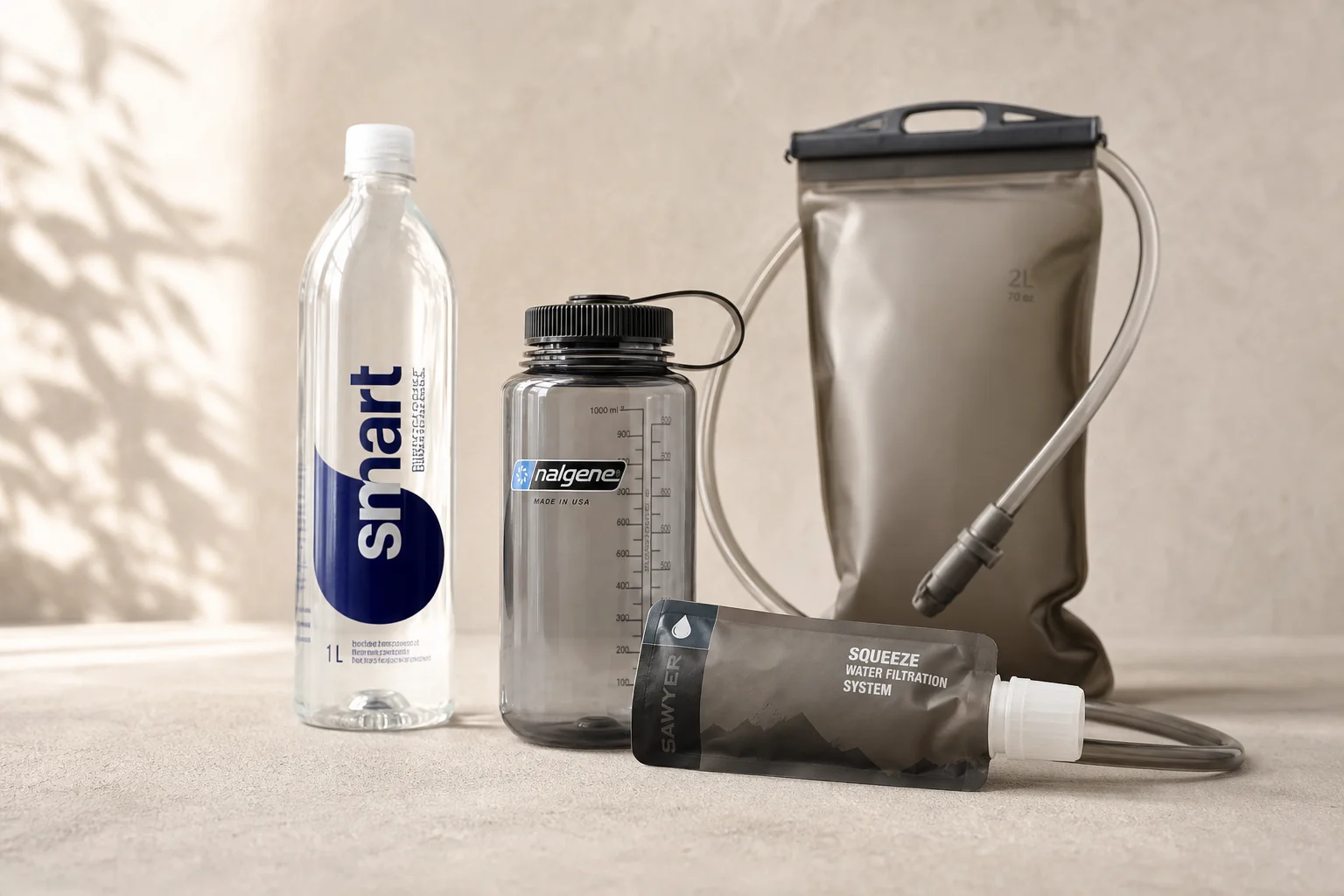
The outdoor retail industry wants you to spend $45 on an insulated hydration bottle. Don’t. Heavy insulated bottles like HydroFlasks weigh nearly a pound empty and add nothing but dead weight to your pack on a hiking trail. The insulation keeps water cold for a few hours, but on a multi-day trek, you’re carrying that weight for a feature you’ll rarely use.
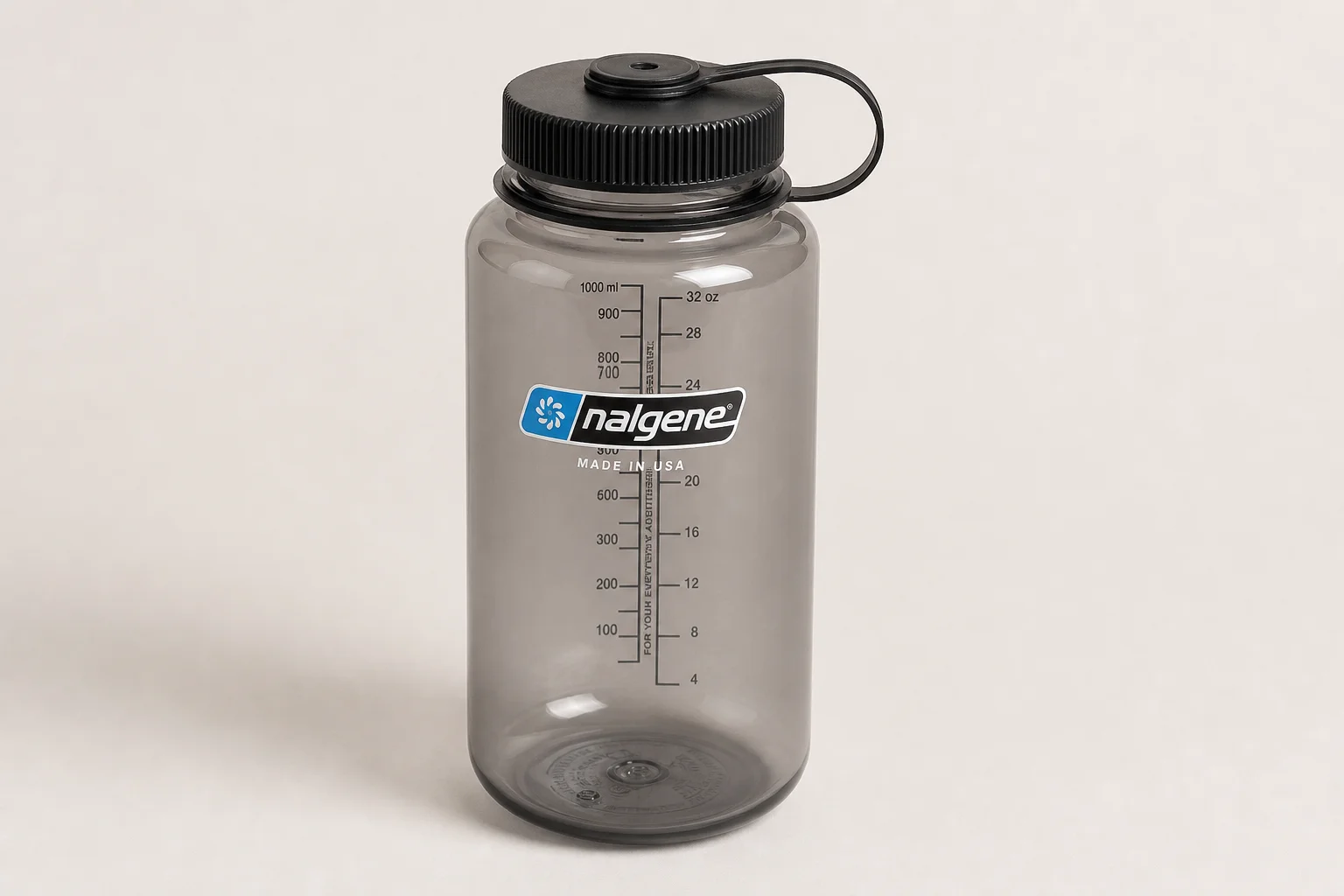
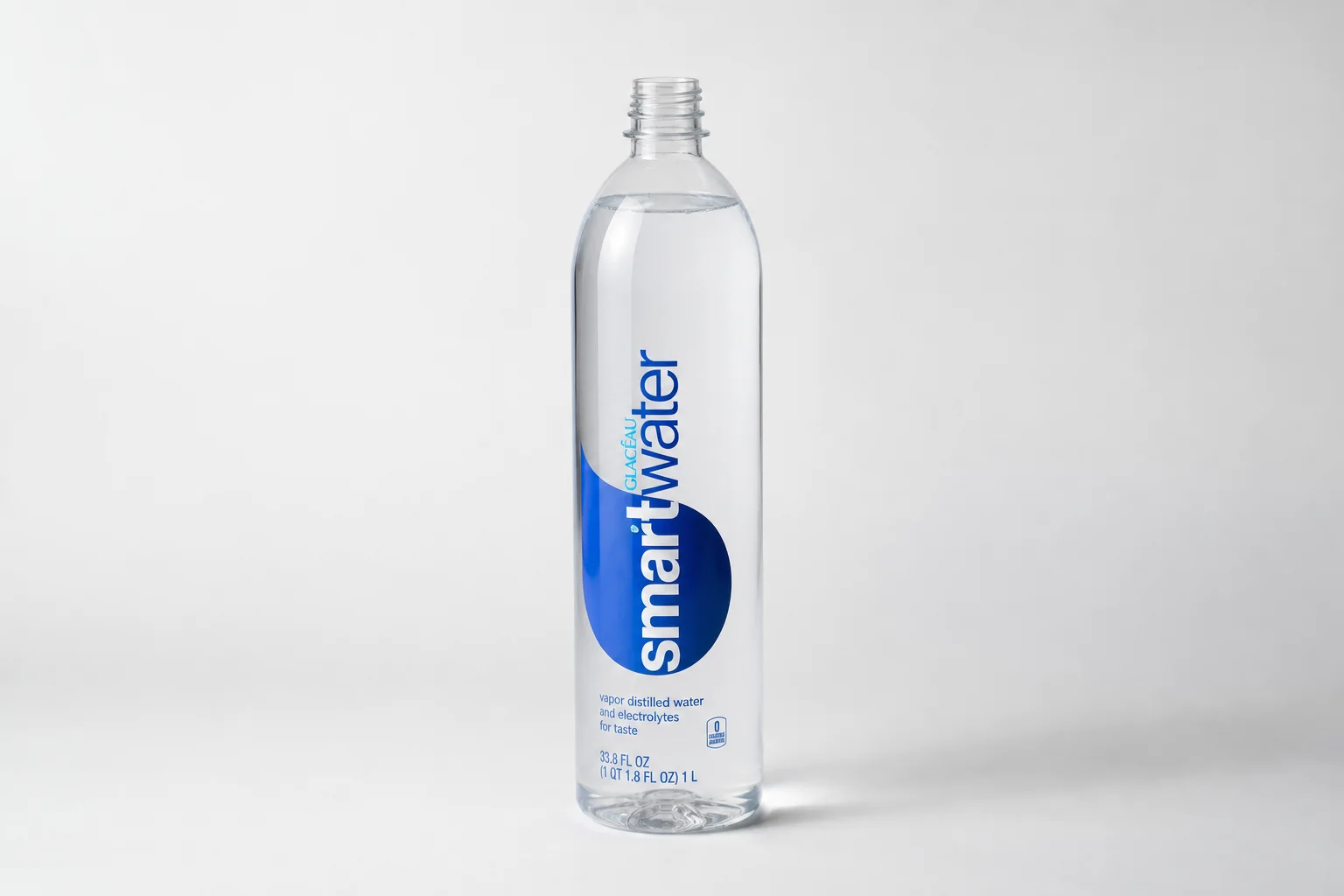
The classic Nalgene Wide Mouth ($16) is virtually indestructible and remains a solid choice for day hikes or base camp use. But the pro move is the 1L Smartwater bottle. It costs around $2 at any gas station, weighs almost nothing, and is slender enough to fit in side pockets. The real advantage: it uses standard 28mm threading that fits most modern water filters directly.
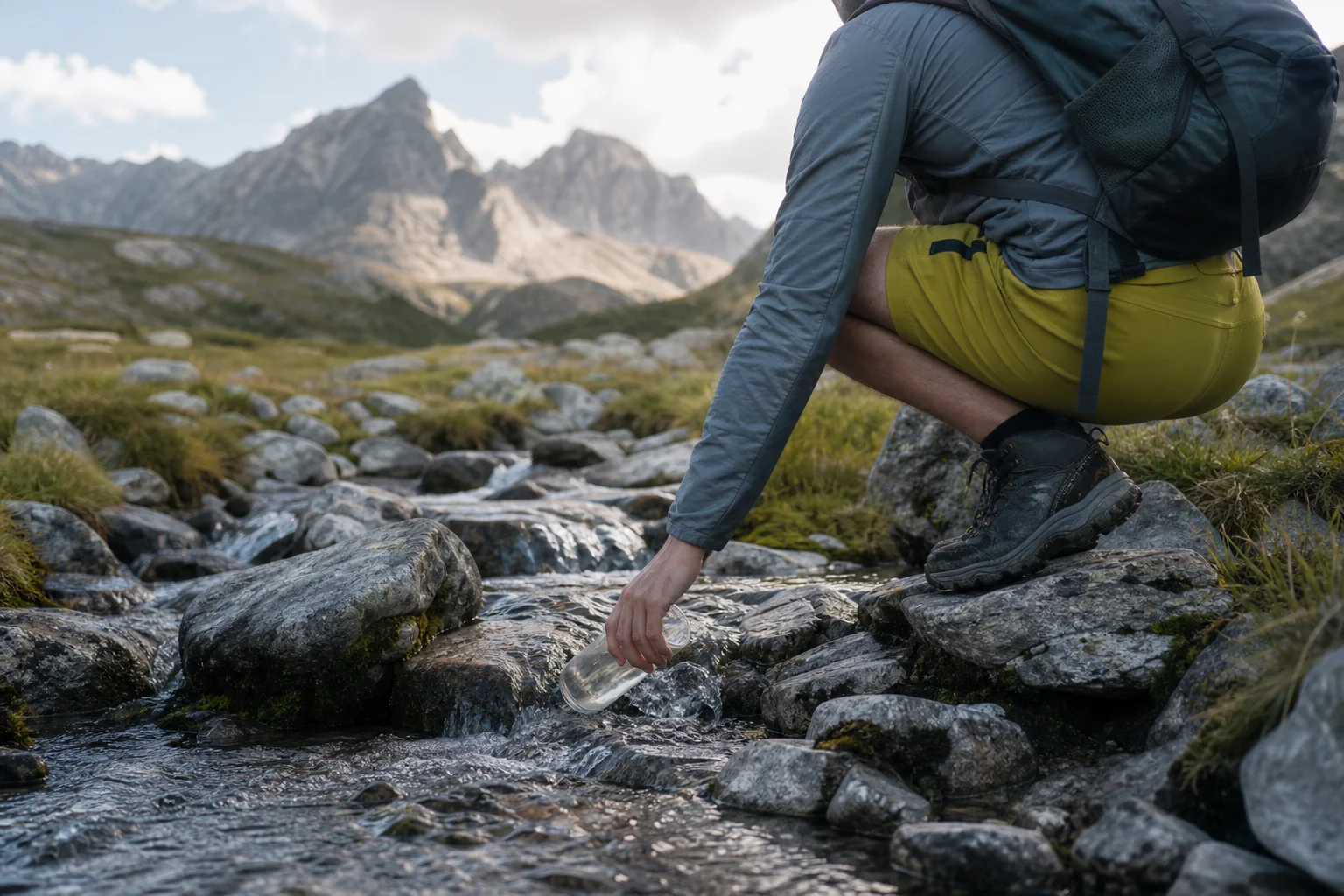
For hiking, ultralight is not a luxury—it’s a practical strategy that saves your knees and shoulders over long distances.
Hydration Bladders: Convenience vs. Reliability
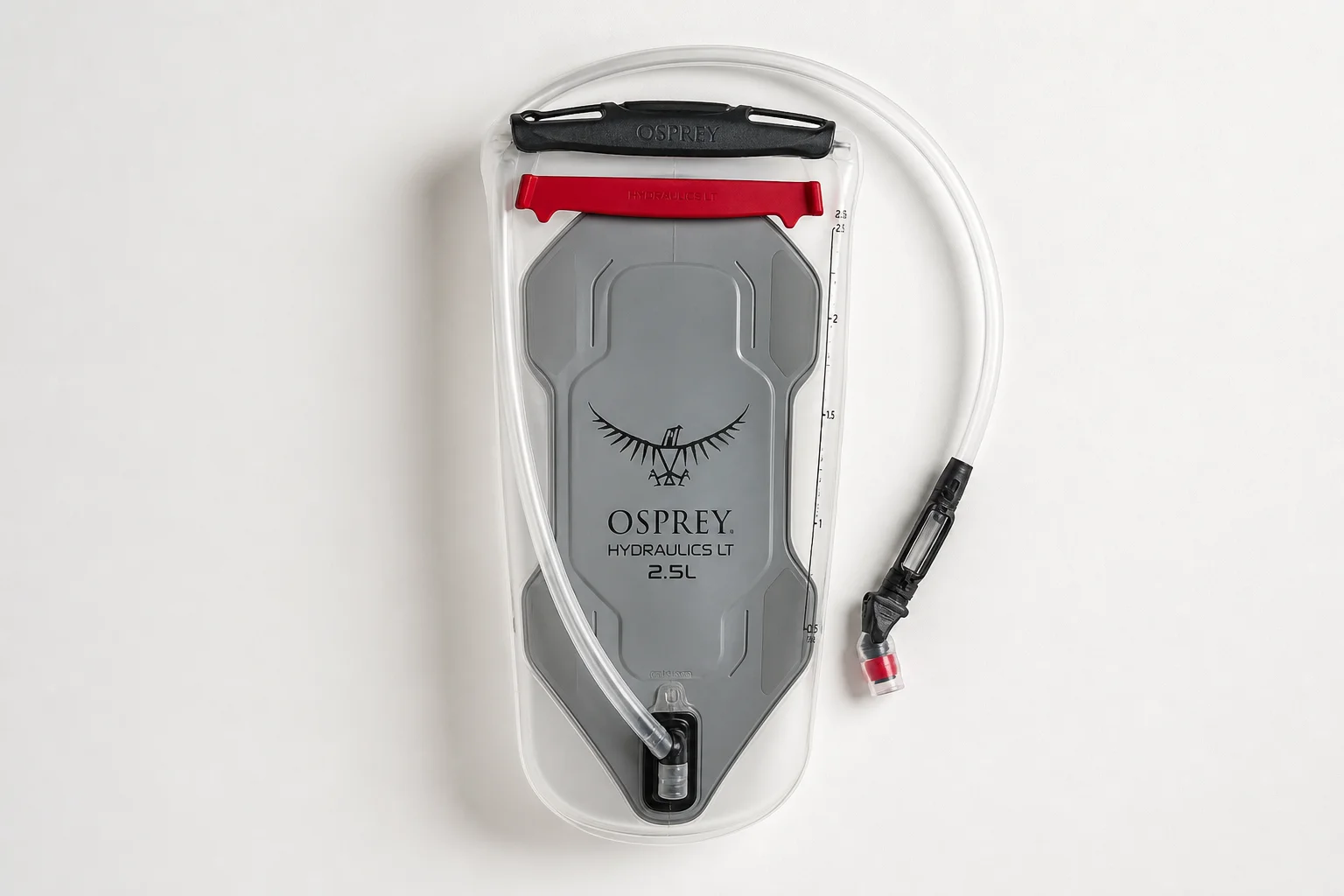
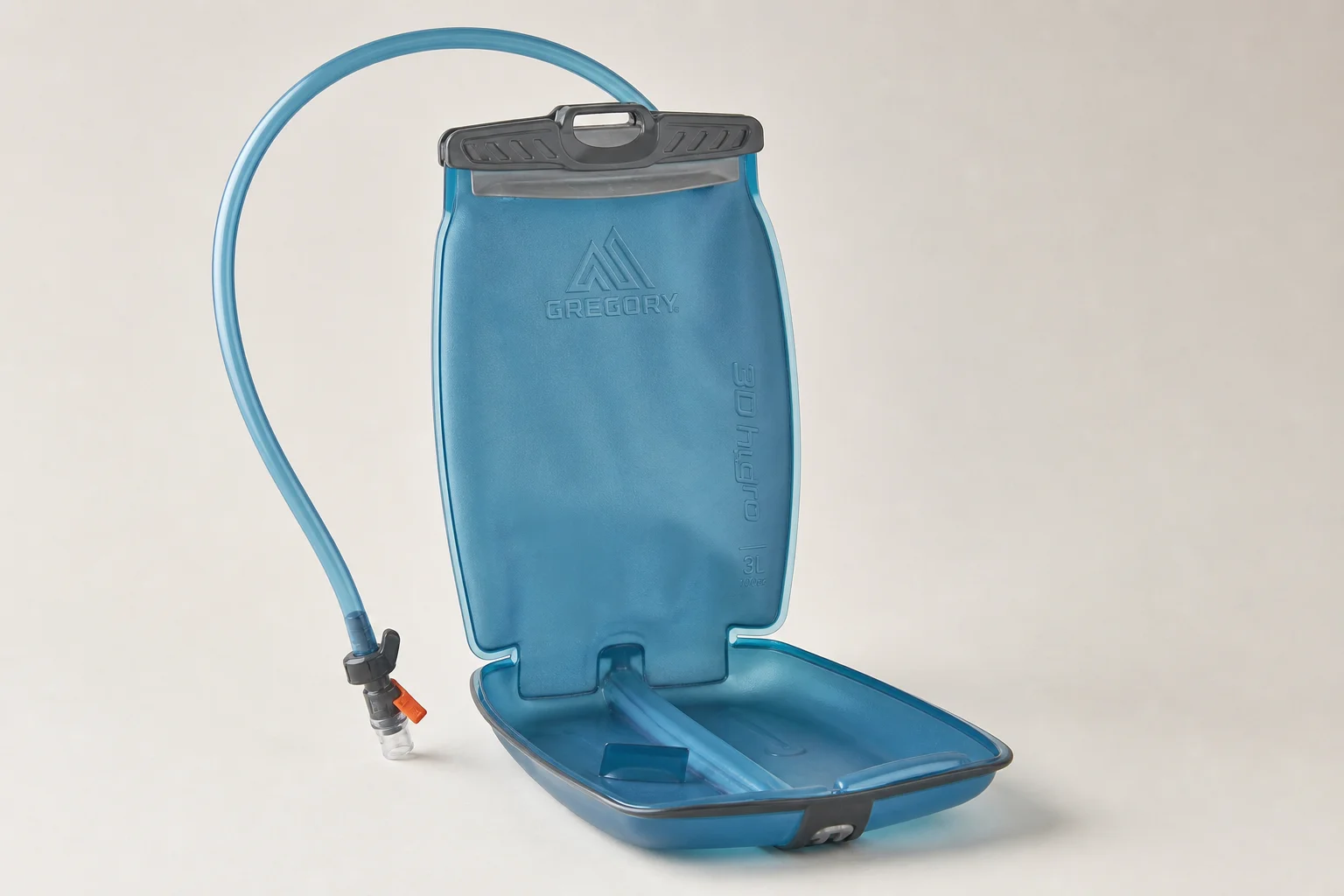
If you prefer drinking on the go without stopping, hydration bladders offer genuine convenience. The Osprey Hydraulics LT 2.5L ($45) includes a rigid backplate that helps with pack loading and structure. The Gregory 3D Hydro ($40) is the current standout because its molded shape stays open to dry completely, solving the chronic mold and mildew issues that plague standard Platypus or CamelBak reservoirs.
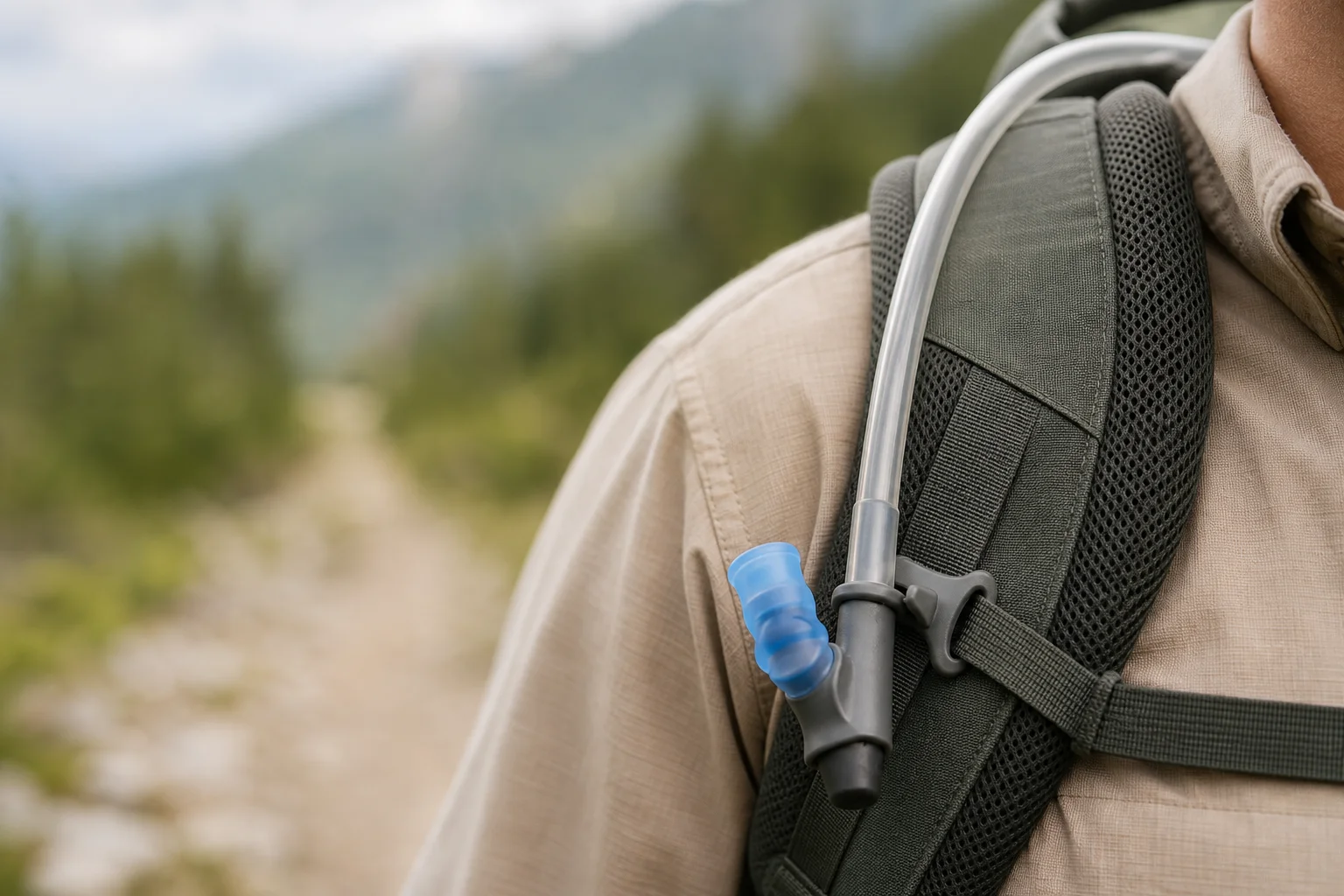
However, bladders carry a major hidden cost: refilling them on a multi-day trip requires unpacking your entire bag. They also have failure points at the hose and bite valve. If a valve fails or the bladder develops a pinhole leak, you lose your water supply mid-hike.
The critical rule: never rely on a bladder as your only water storage. Always carry a rigid backup bottle. If you run a bladder, you strictly need a second vessel in case of a leak.
Squeeze Filters: The Filtration Standard
Avoid the original LifeStraw. Laying in the mud to drink directly from a puddle isn’t practical, and you can’t fill a pot for cooking. Instead, squeeze filters are the modern standard for backcountry water treatment.
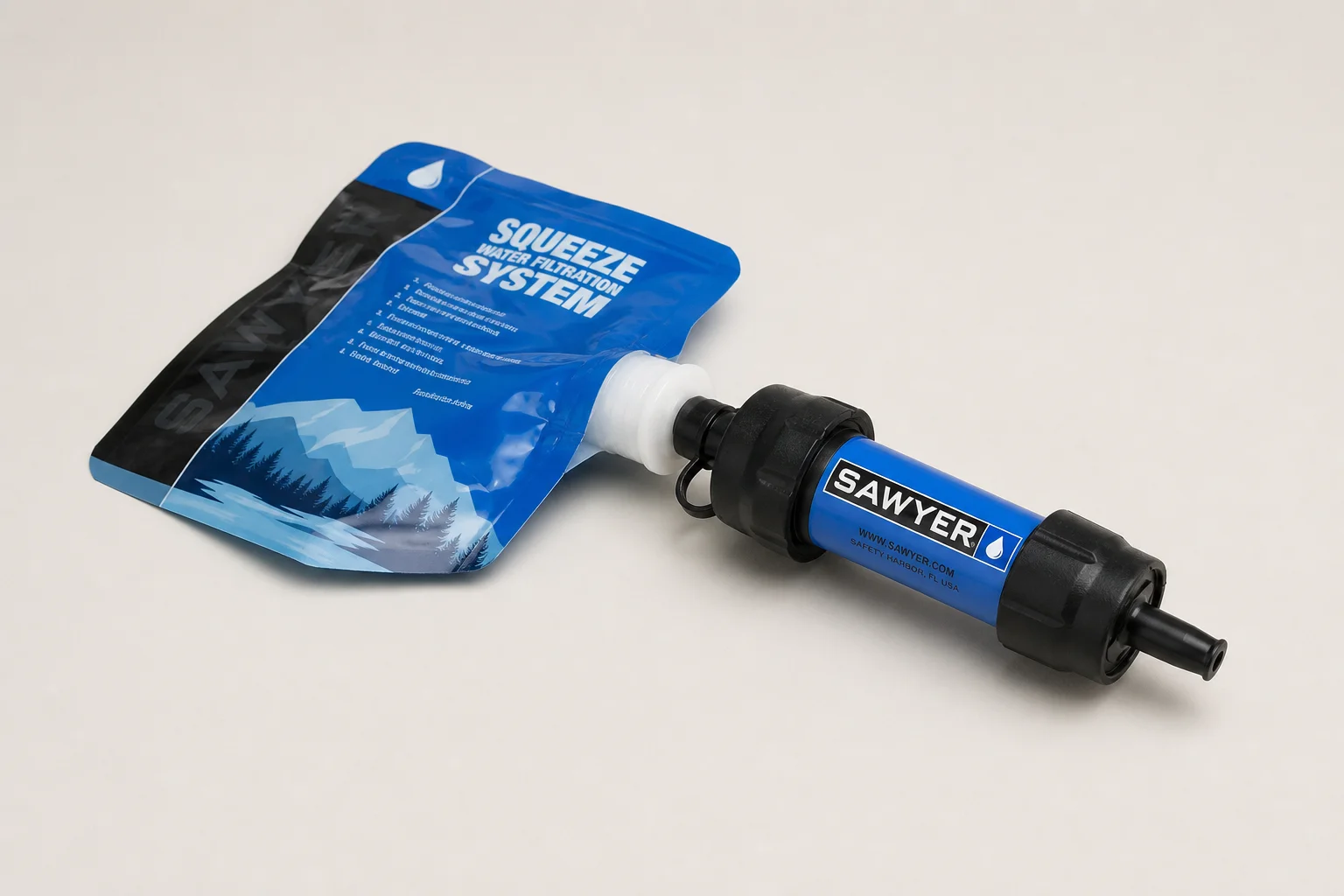
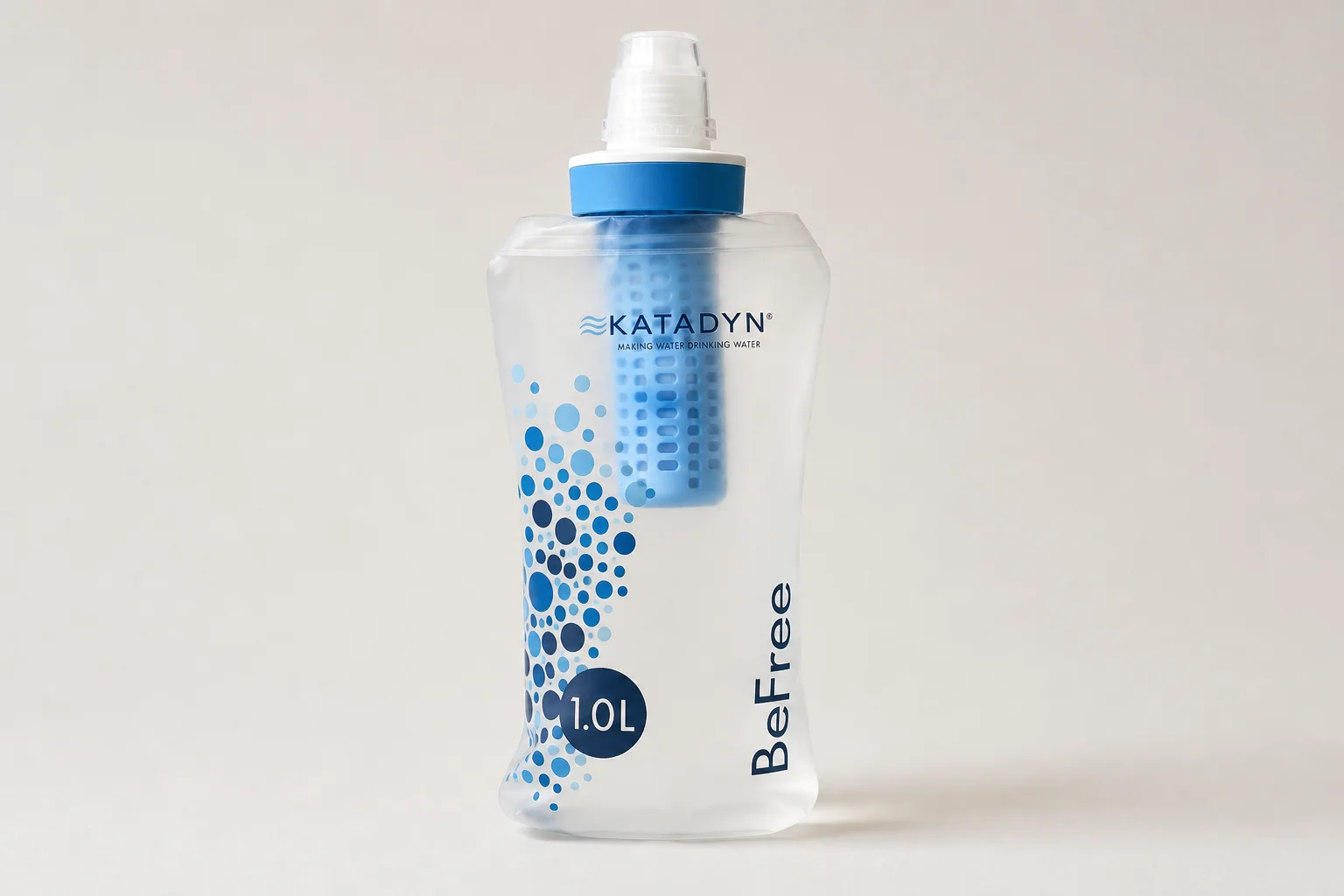
The market is a battle between flow rate and longevity. The Sawyer Squeeze ($40)—not the Mini or Micro—is the gold standard for durability. It lasts nearly indefinitely if backflushed with a syringe, but it has a slower flow rate. The Katadyn BeFree ($45) offers incredible flow speed and easy cleaning, but it has a shorter lifespan and uses proprietary threads that limit compatibility.
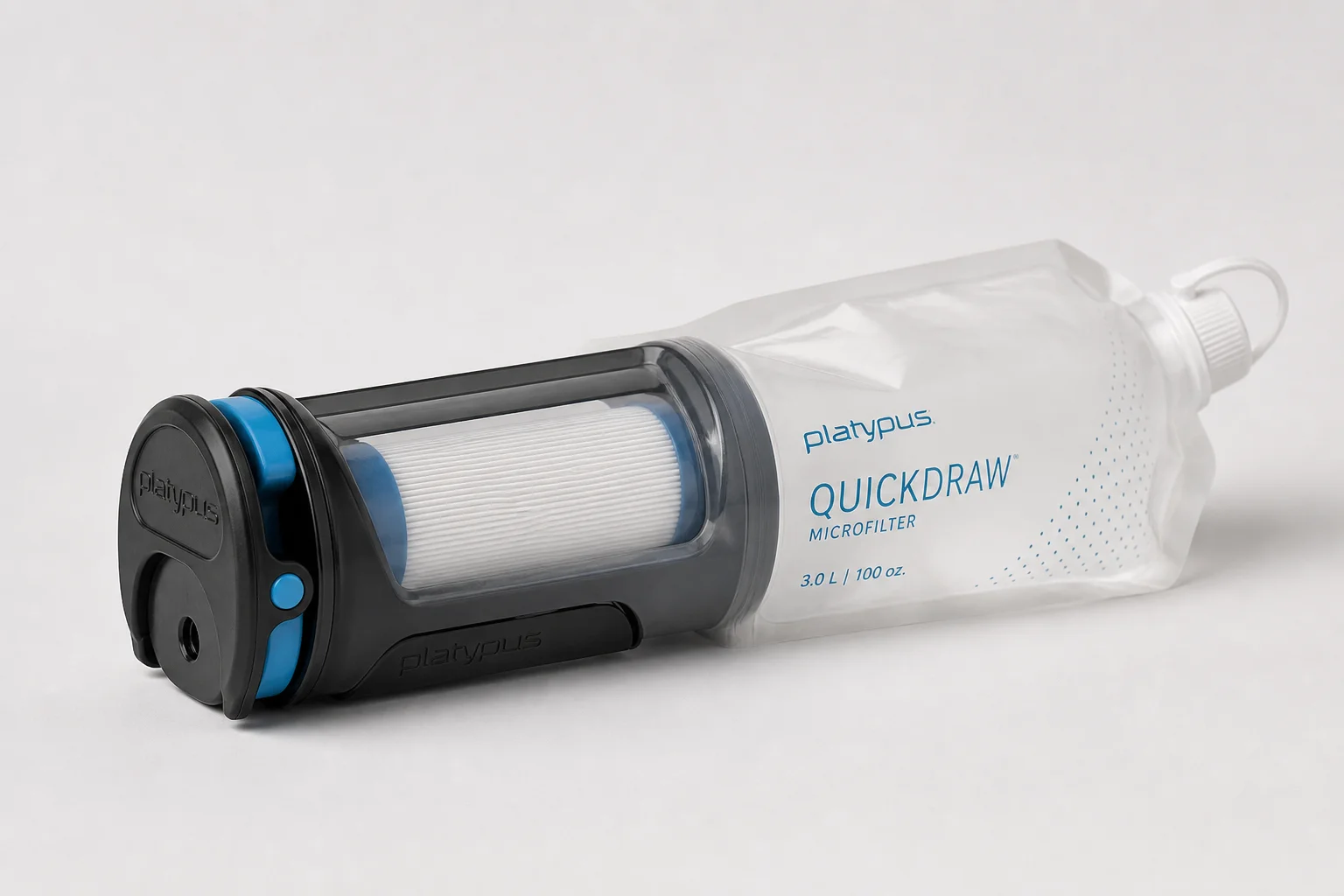
The new middle ground is the Platypus QuickDraw ($50), which combines fast flow with integrity checks to catch fiber collapse before it becomes a problem.
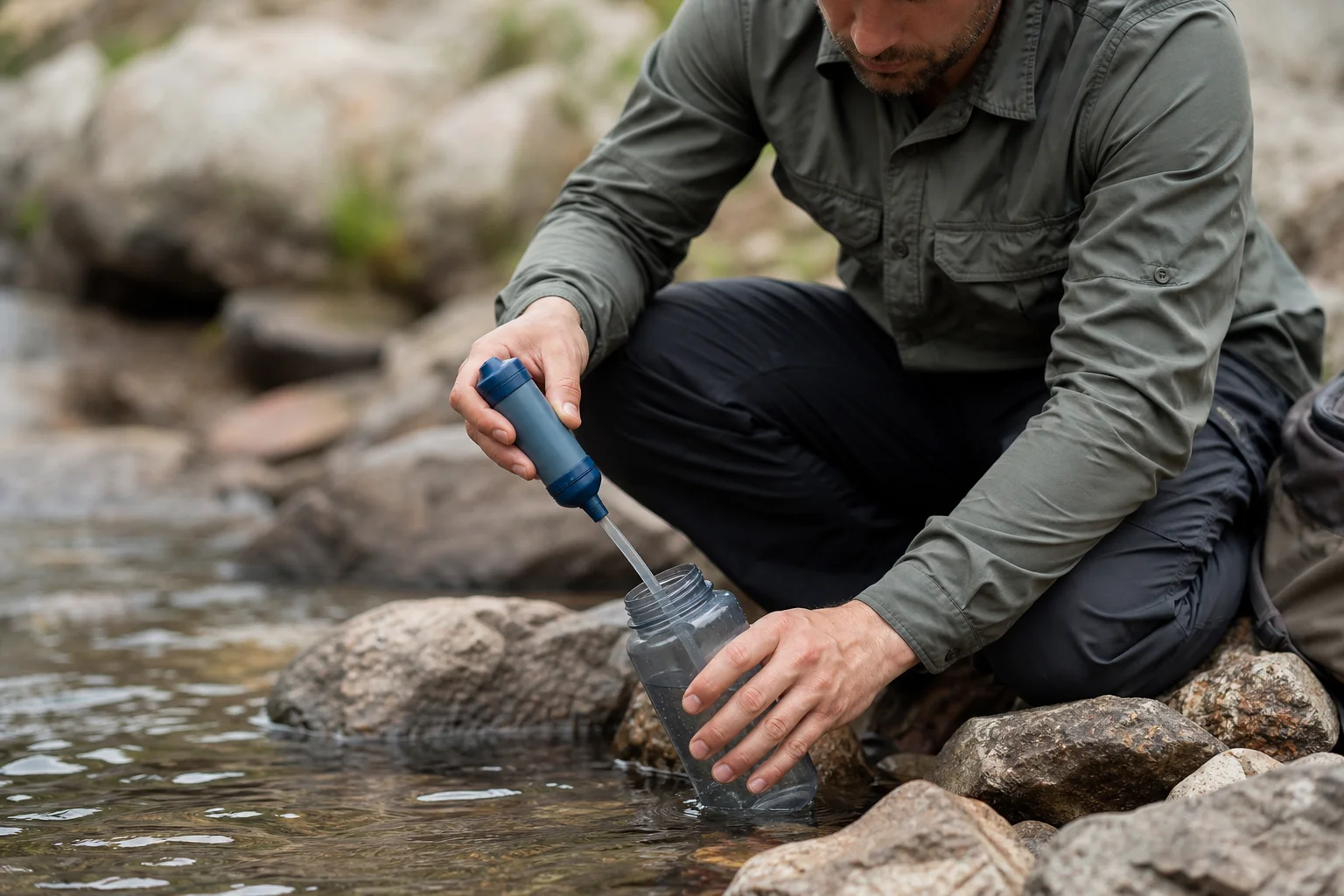
Here is the reality of the trade-offs: the BeFree is faster, but if the fibers collapse, you have to buy a new one. The Sawyer can be restored with a syringe backflush almost indefinitely. Choose based on your trip length and how much you value speed versus long-term durability.
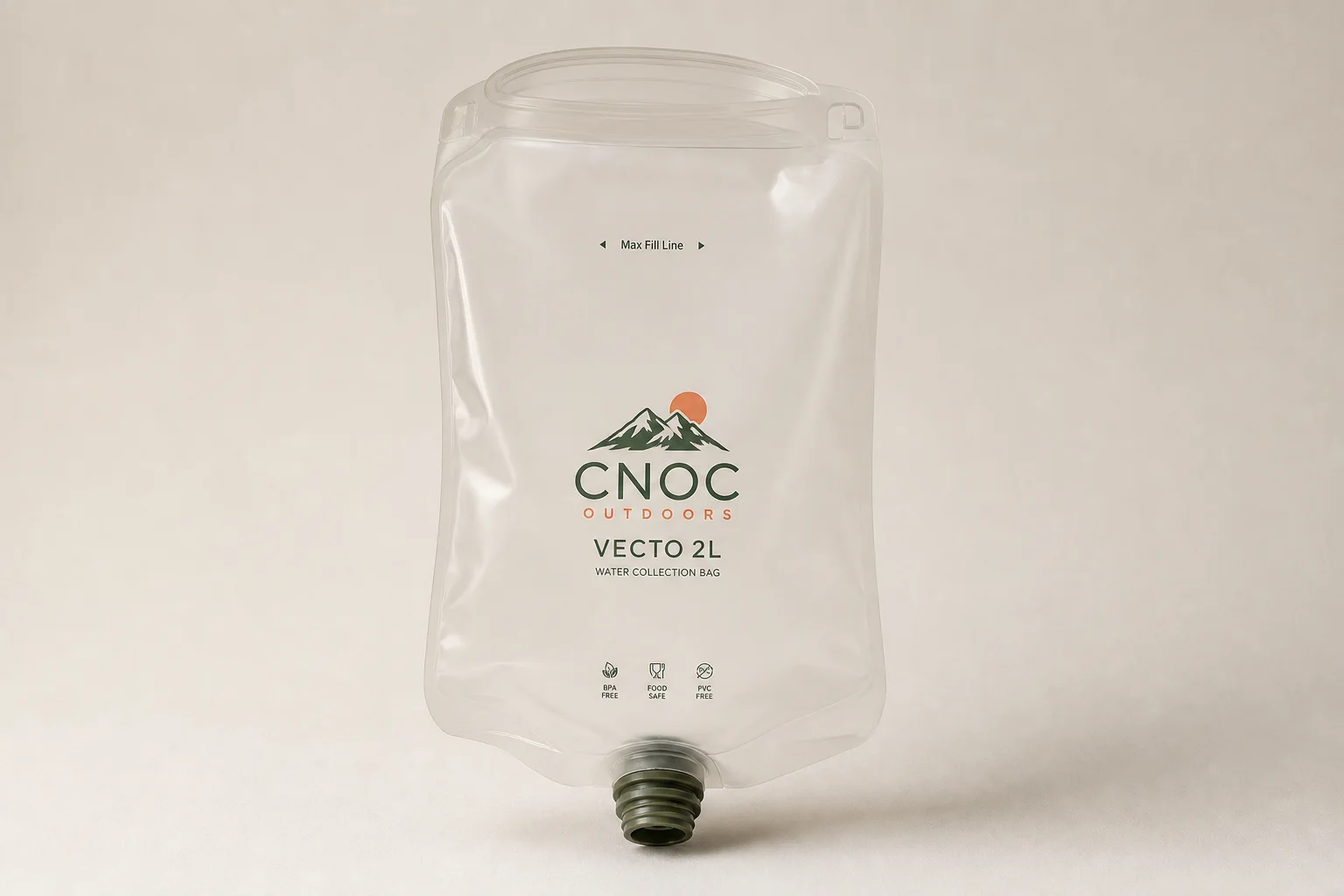
A critical mistake with squeeze filters is using the pouches included in the box—they almost always burst under pressure. Upgrade immediately to a CNOC Vecto 2L ($25). It has a wide opening for easy scooping and threads directly onto your Sawyer or QuickDraw for a gravity system. This single upgrade eliminates one of the most common failure points in backcountry water treatment.
Building Your Backpacking Water System
For day hikes under 4 hours, the best value setup is a Gregory 3D Hydro 2L bladder for drinking and a single Nalgene for backup or electrolytes. You likely don’t need a filter for trips under 4 hours if you carry 3 liters of water from a reliable source.
For backpacking trips, ditch the bladder entirely. The pro system is two 1L Smartwater bottles, a Sawyer Squeeze, and a CNOC Vecto for dirty water collection. This setup is lighter, fail-safe, and costs less than a fancy hydration reservoir system. You have redundancy at every level: two bottles, a primary filter, and the ability to boil water if needed.
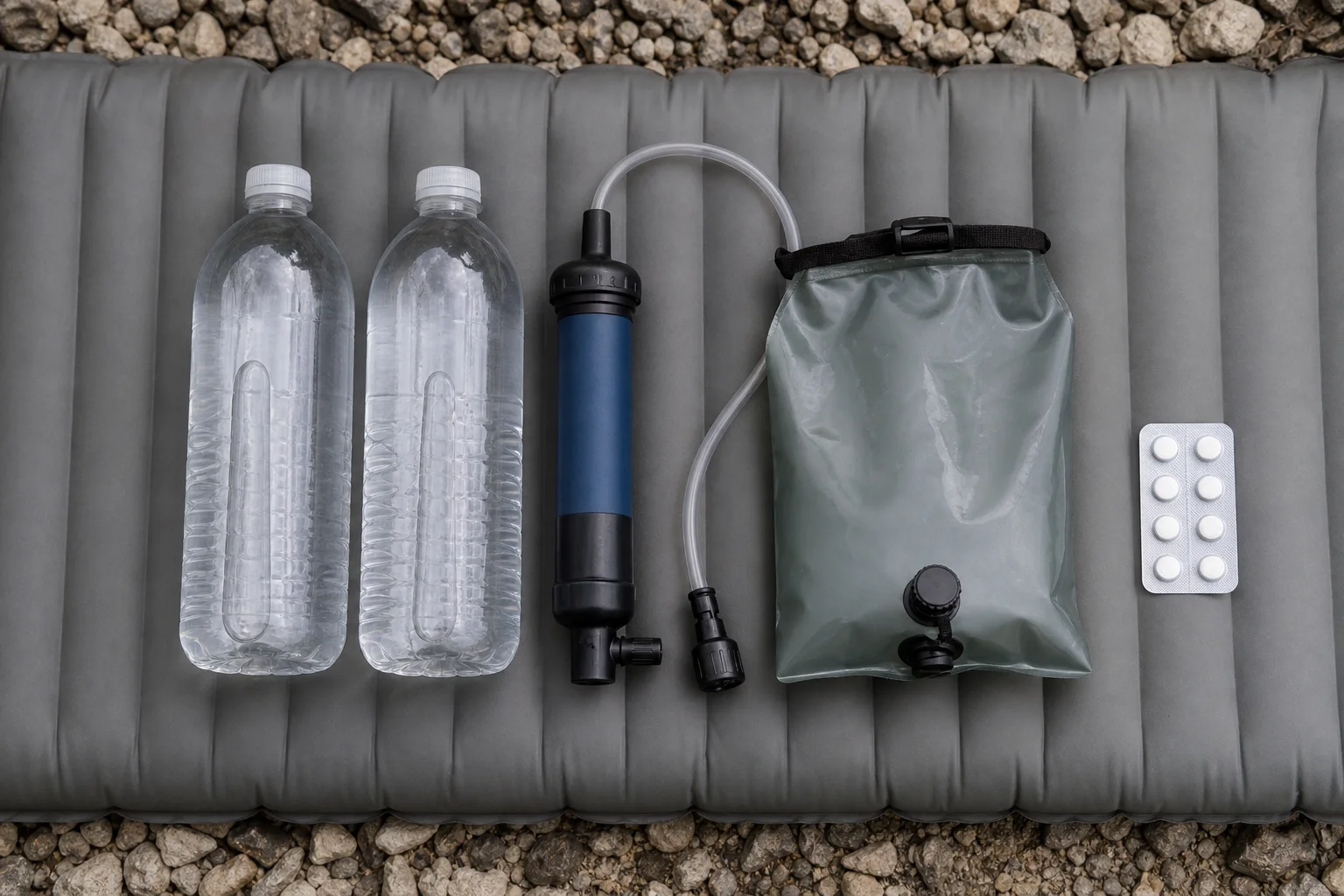
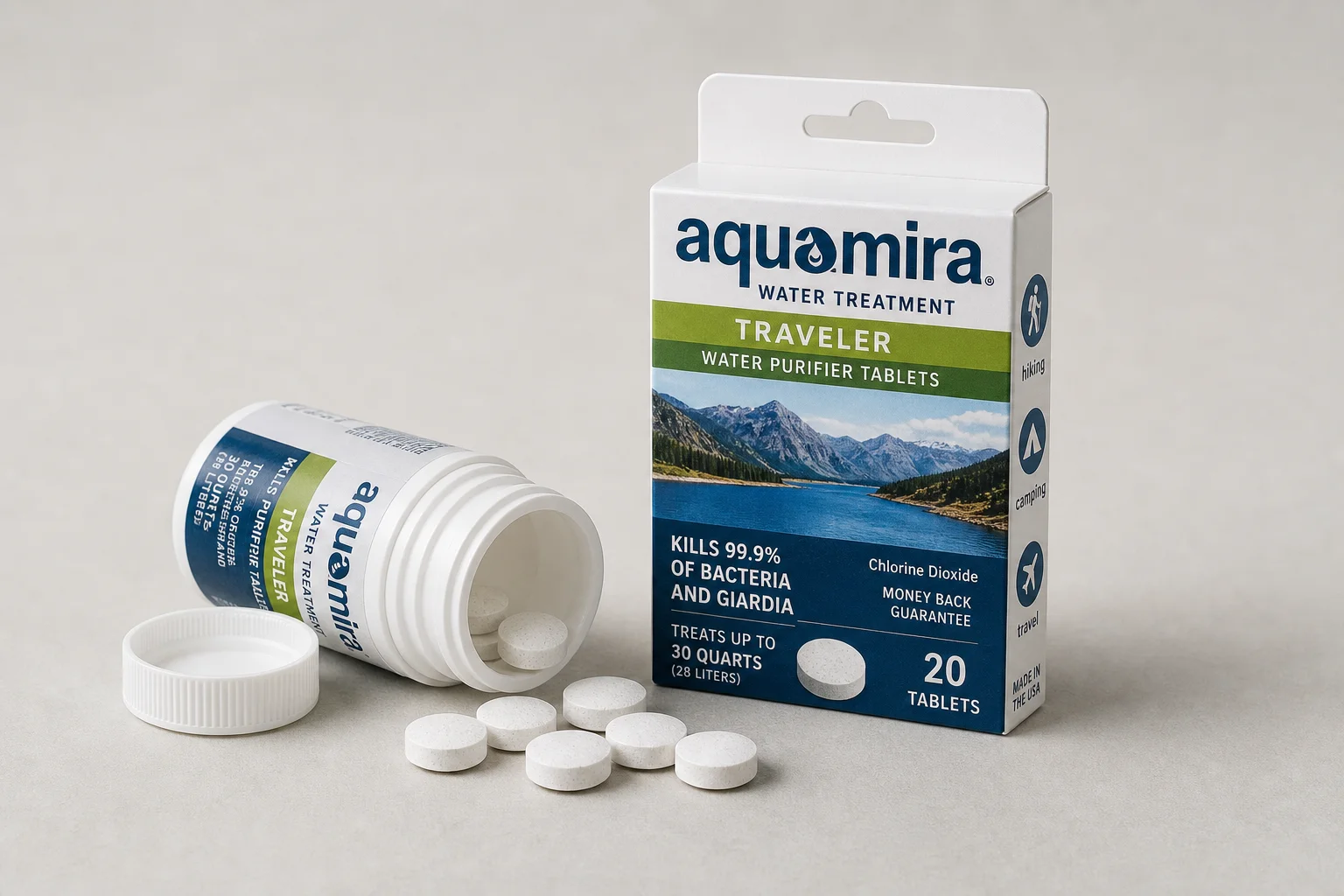
Always carry ten Aquamira tablets or drops as an emergency backup. Filters can freeze or crack if dropped, and tablets provide a lightweight insurance policy. They weigh almost nothing and have saved countless hikers when a filter failed mid-trip.
Conclusion
If you are buying today, choose the Sawyer Squeeze for durability or the Platypus QuickDraw for speed, and pair it with a CNOC Vecto bag. Skip the expensive insulated bottles and hydration bladder-only setups. Ultralight bottles, a reliable filter, and smart backup strategies will keep you hydrated, reduce pack weight, and cost less than premium alternatives. Hydrate smart, carry less weight, and hit the trail.
Further reading
Related Reviews
Hiking Gear
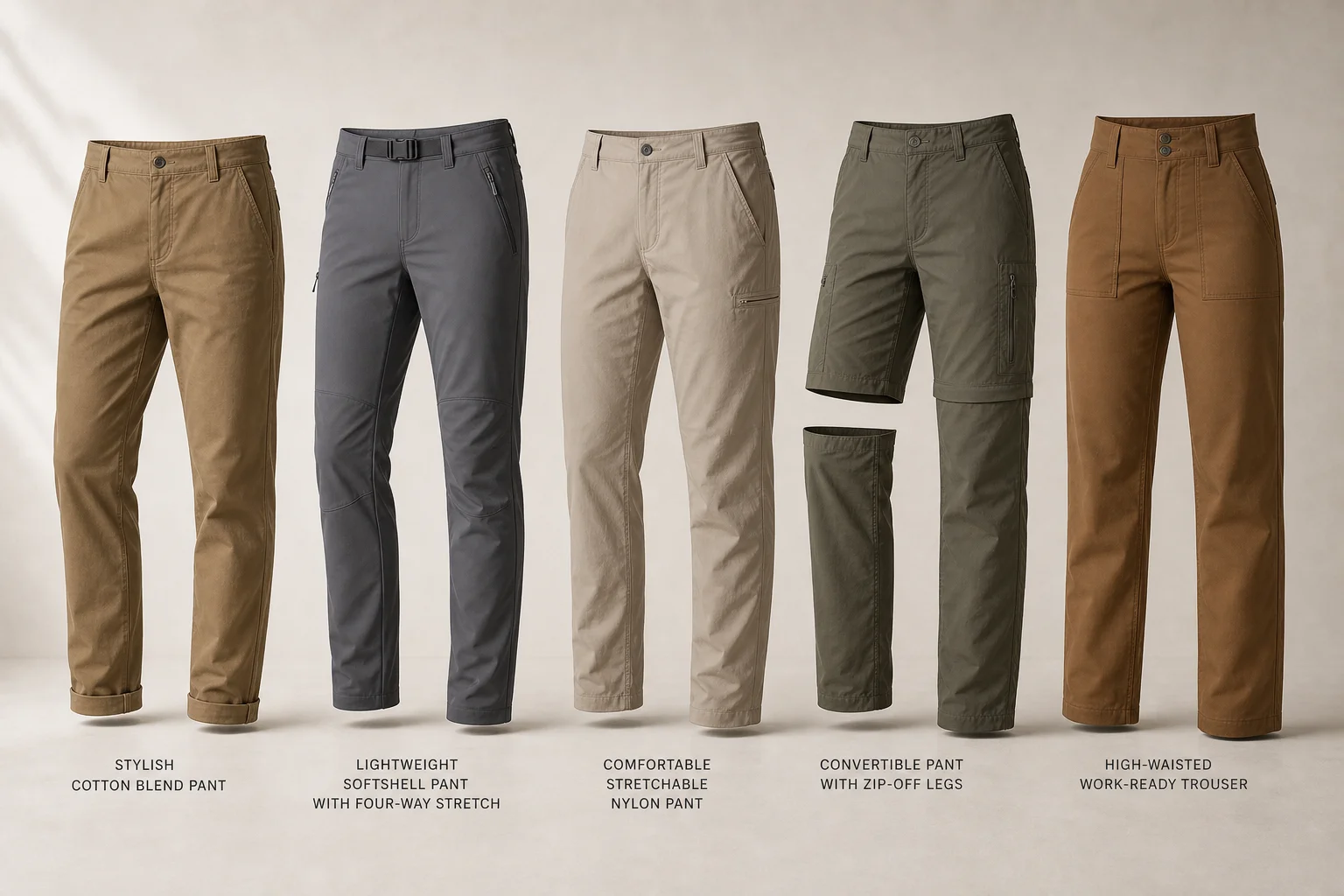
Best Hiking Pants on Amazon: Five Practical Options for Different Needs
A practical review of five hiking pants with clear strengths and trade-offs, from lightweight convertible styles to durable work-ready trousers.
Hiking Gear
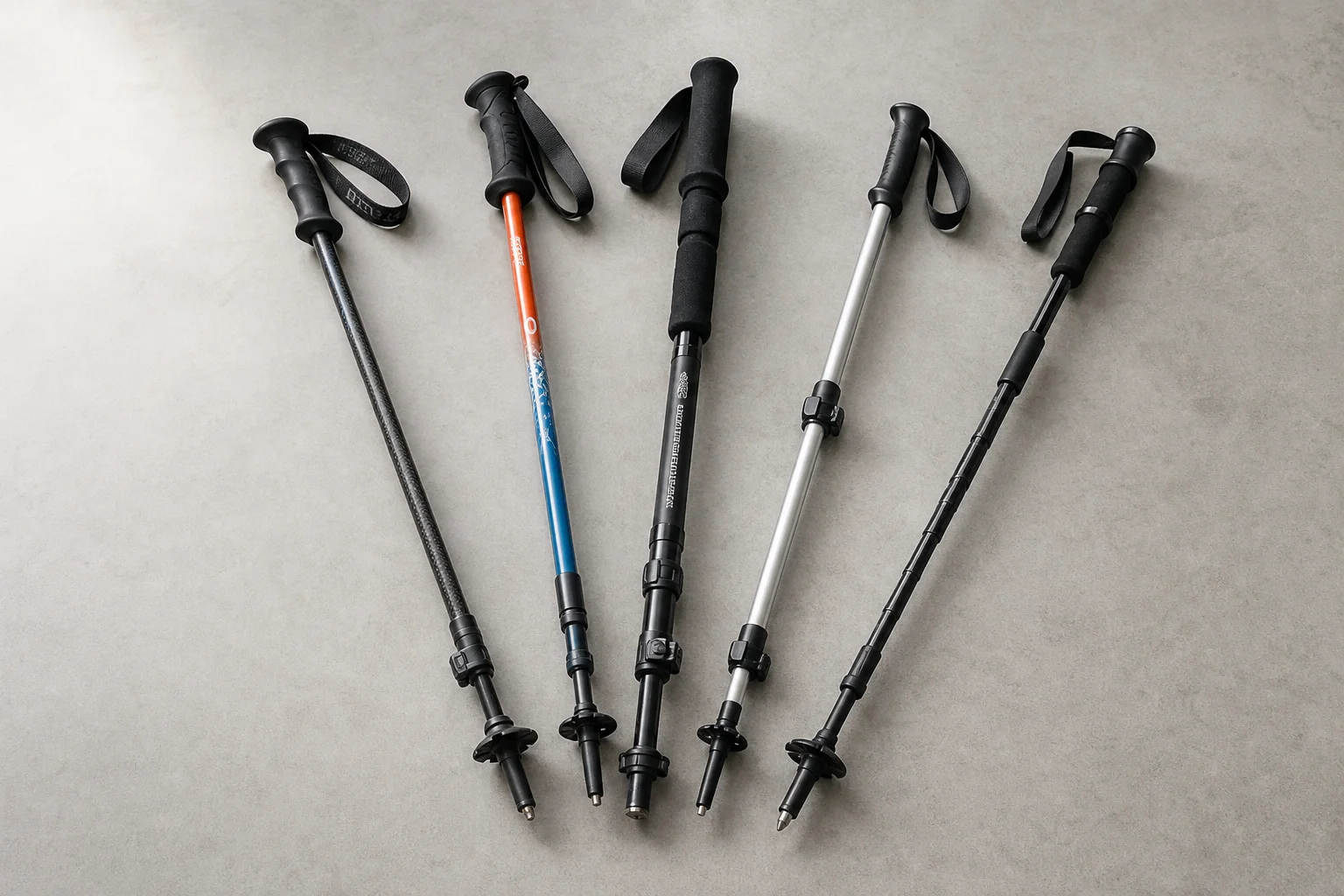
Best Hiking Poles 2026: Five Options for Different Trail Needs
A practical review of five hiking poles, from lightweight carbon designs to versatile all-terrain options, with clear strengths and trade-offs for each.
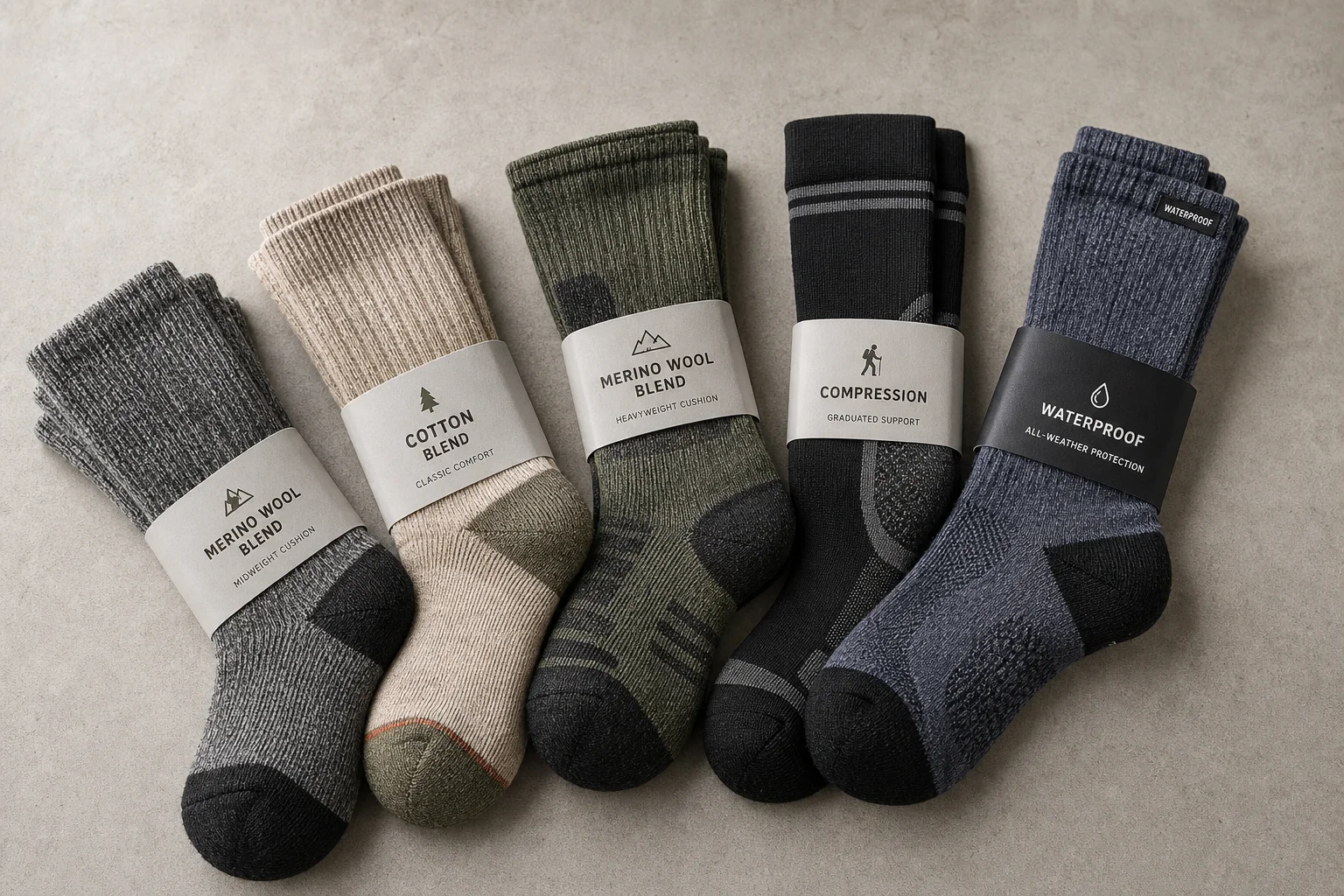
Hiking Gear
Best Hiking Socks 2026: Five Top Choices for Different Trail Needs
A practical roundup of five hiking socks, from lightweight merino options to heavy-duty compression styles, with clear guidance on which suits your outdoor activity.