Kitchen Appliances
Best Portable Burners 2026: Electric, Gas, and Induction Options Compared
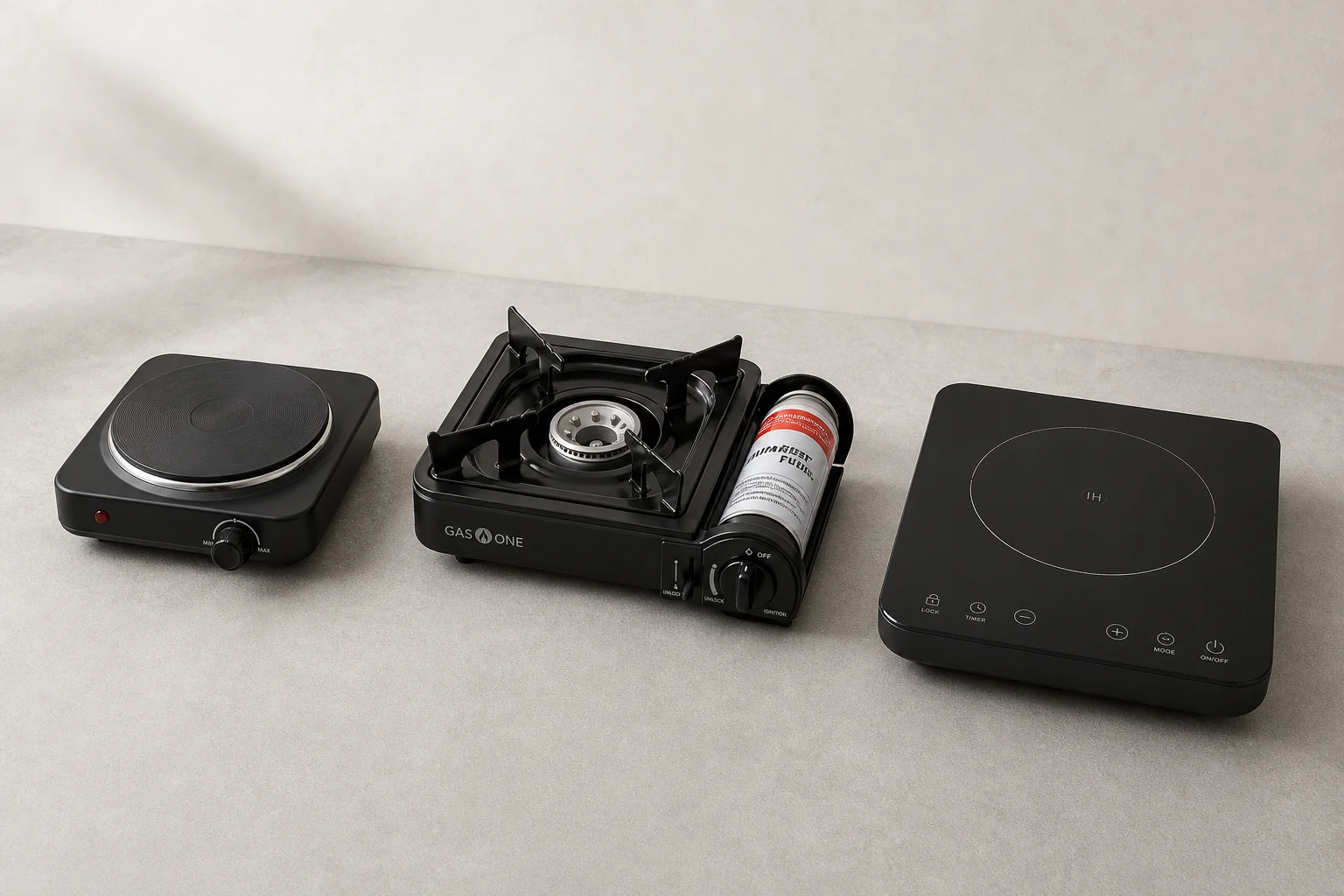
Three winning portable burners across electric, gas, and induction technologies, each with distinct strengths for different cooking needs and situations.
Introduction
Portable burners have become increasingly popular for home cooks who need extra cooking capacity, whether for outdoor entertaining, emergency situations, or simply expanding kitchen capabilities. Each technology offers distinct advantages and trade-offs. We tested winning models across three categories: electric, gas, and induction burners to help you choose the right option for your cooking style and needs.
Electric Burners: IMUSA
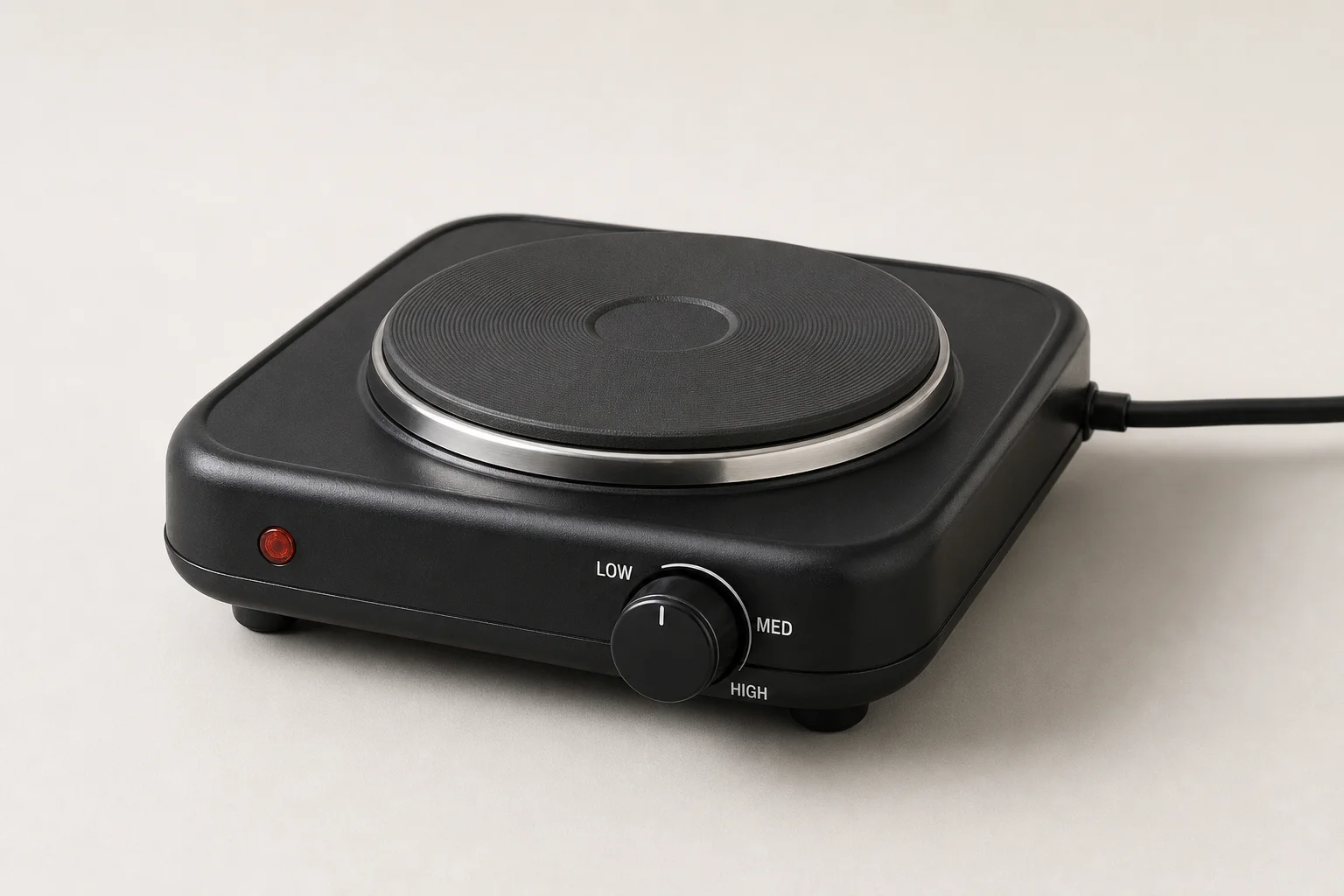
The IMUSA electric burner stands out as the best electric option due to its combination of portability, affordability, and genuine cooking performance. Unlike other sleek electric models we tested that featured safety cut-off switches, the IMUSA actually boils water reliably and maintains consistent heat output.
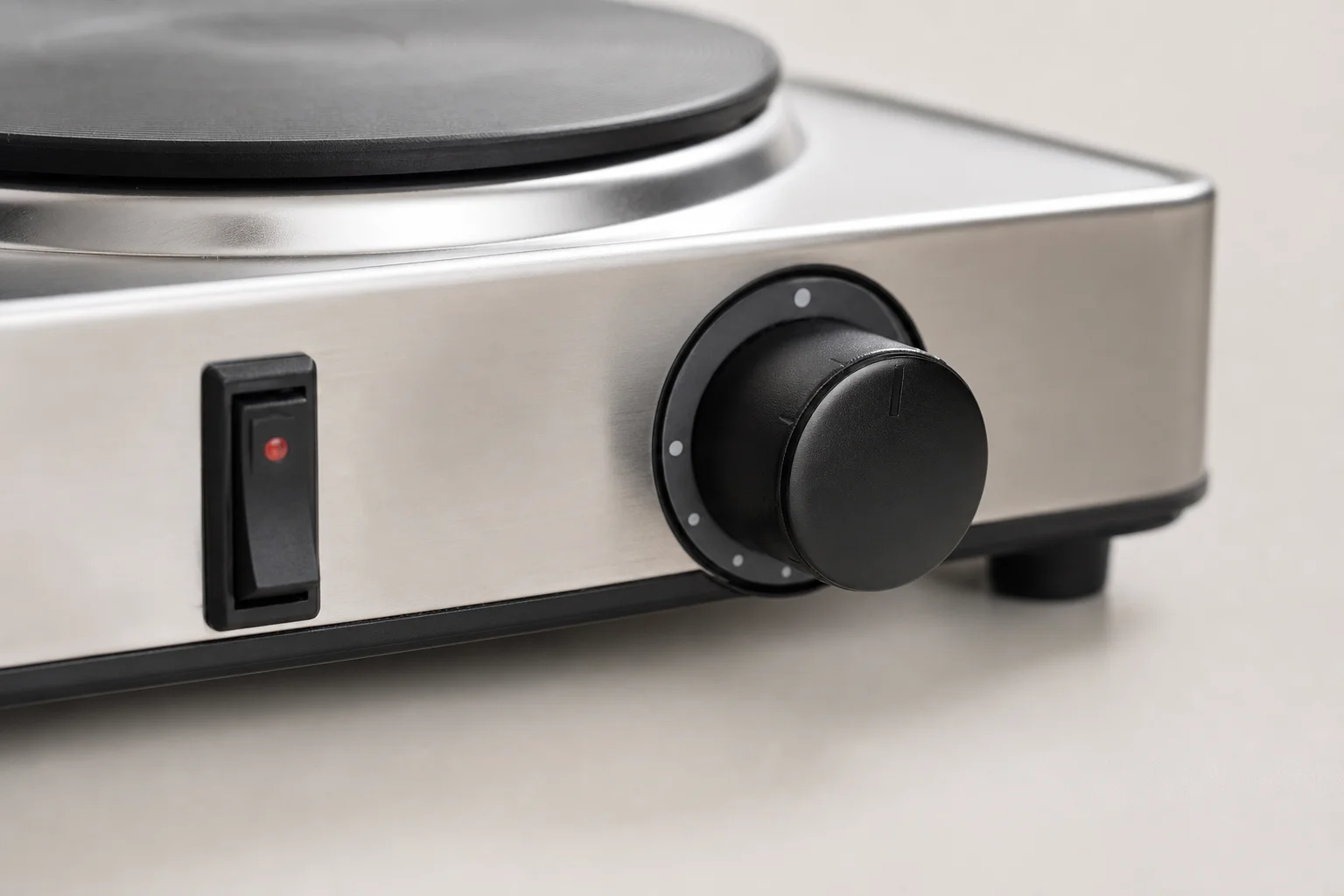
This burner excels at low-temperature cooking tasks. It successfully held fondue at a stable low temperature for extended periods, keeping the mixture bubbly and properly emulsified without scorching. The simple control interface offers just three settings: low, medium, and high, making it intuitive to use. The compact footprint means splatters and spills stay contained, and the surface wipes clean easily.
The main limitation is weight capacity. Pans over 10 pounds are unsafe on this burner, which rules out large stock pots, Dutch ovens, and deep frying operations. The short cord is intentional for safety, though a well-grounded heavy-duty extension cord can extend reach if needed. The burner requires electricity, making it unsuitable during power outages. Despite these constraints, for basic cooking tasks and holding low temperatures, this burner delivers reliable performance at an inexpensive price point.
Gas Burners: Grill Boss
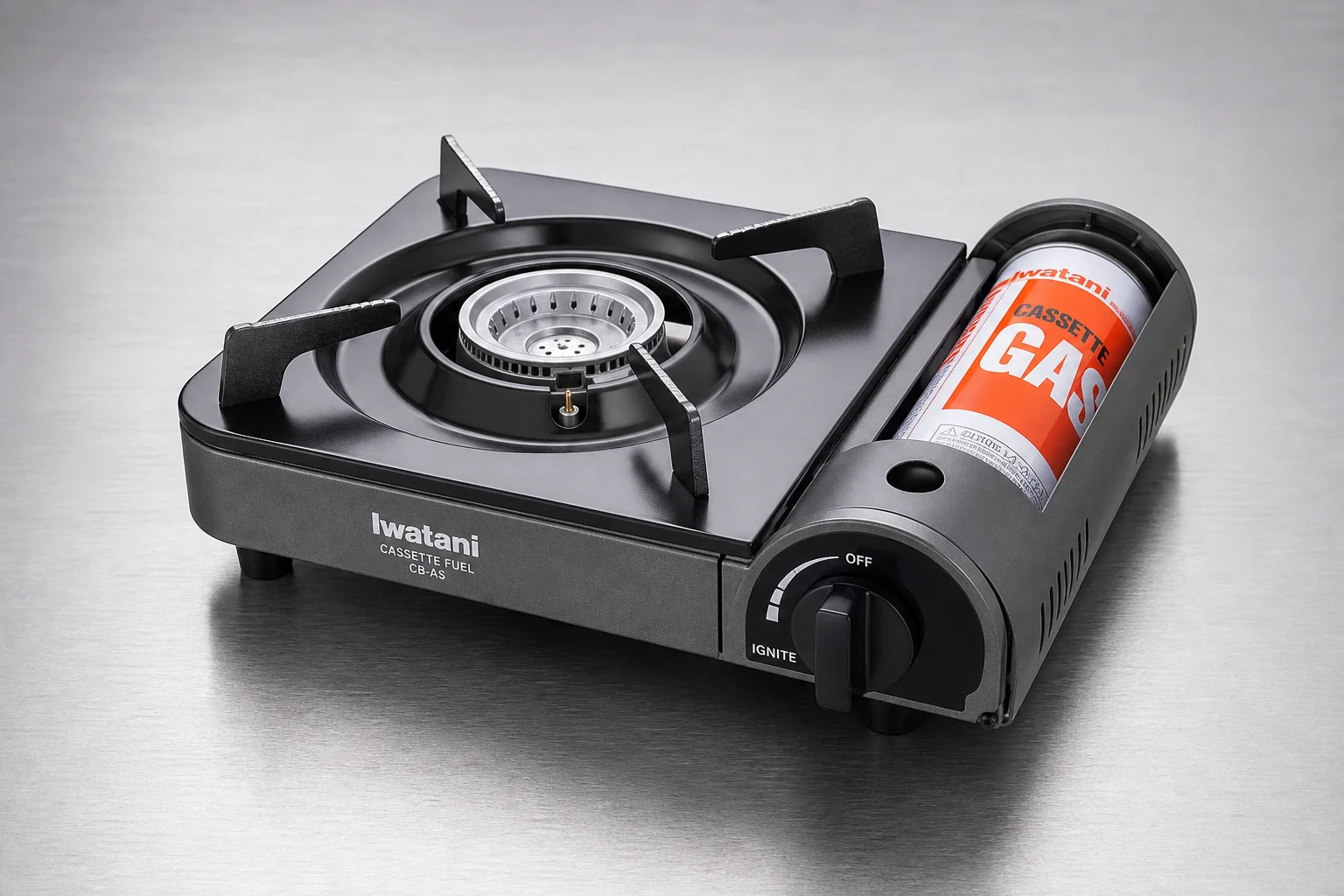
The Grill Boss portable gas burner emerges as the top gas choice, offering powerful, flexible cooking without requiring electricity. All gas burners share a similar profile: the burner sits atop a fuel chamber that holds either butane or propane canisters, with an adjustment knob to control flame intensity just like a home gas range.
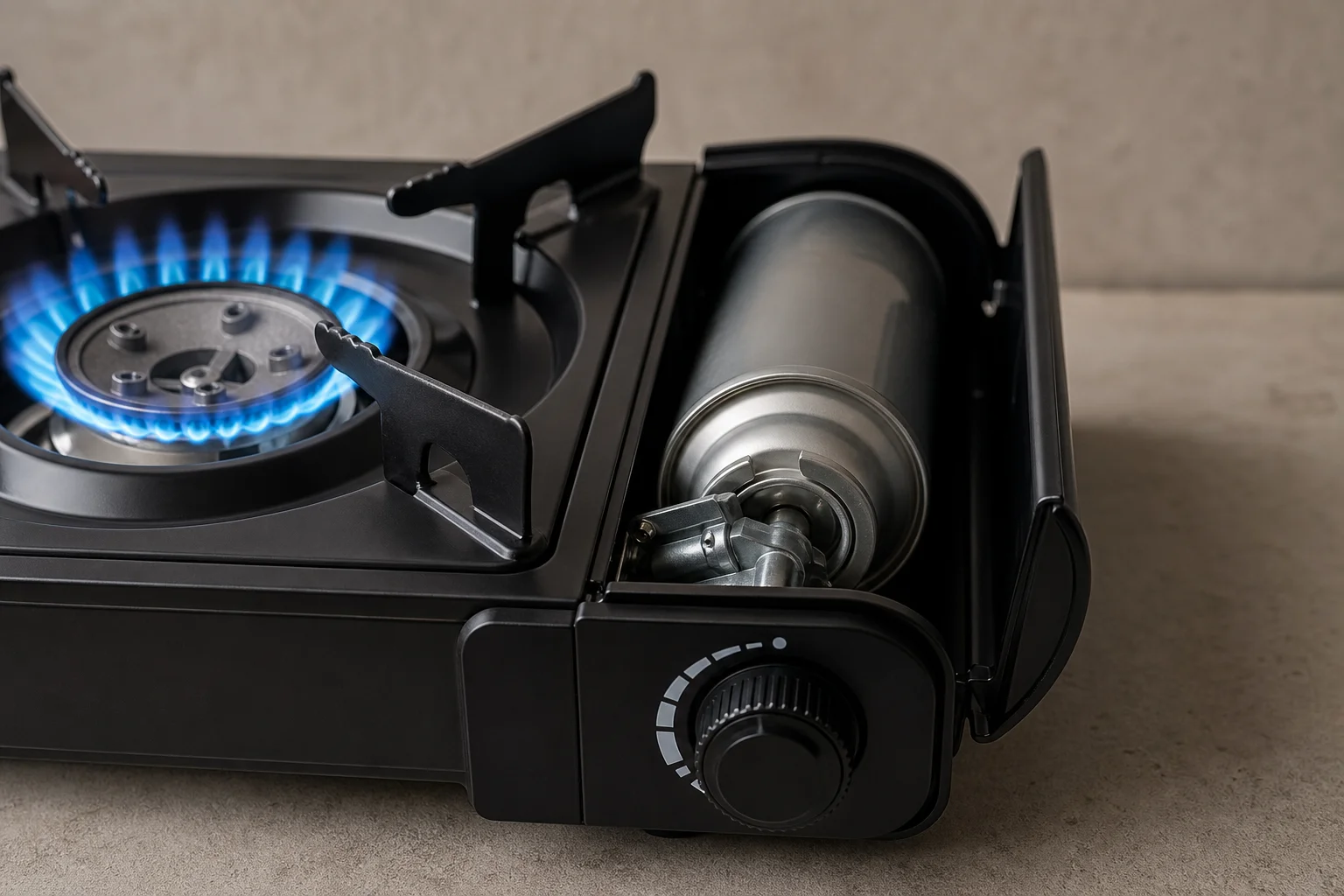
The Grill Boss distinguishes itself through dual-fuel capability, accepting both butane and propane. This flexibility matters because butane canisters can trap heat when large pans overhang the side chamber, creating a potential explosion hazard. Propane allows you to position the tank farther away via a longer hose, making it safer for large cookware. The model we tested features a comparatively long hose connection, which is reassuring compared to shorter alternatives that keep the tank dangerously close to the burner.
At 12,000 BTUs, this burner delivers power comparable to a strong home gas range. It excels at high-heat tasks: searing burgers to a proper crust, stir-frying in a wok, and maintaining oil temperature for deep frying. The prongs that hold cookware in place are grippy and secure, preventing slipping during vigorous cooking. The removable top comes off for easy cleaning in hot soapy water.
One weakness is low-temperature control. Some gas burners we tested either went out or couldn’t dial down low enough to hold fondue at a stable temperature for hours. Never leave these burners unattended on low flame, and avoid using them indoors without excellent ventilation and open windows. Always store the burner and fuel canisters separately in a cool, dry place, and never leave a canister attached when not in use.
Induction Burners: Duxtop
Induction burners use magnetism to generate heat directly in ferromagnetic cookware, offering efficiency and safety advantages over gas and electric. The Duxtop represents the best value in induction technology, delivering strong performance for most home cooking tasks.
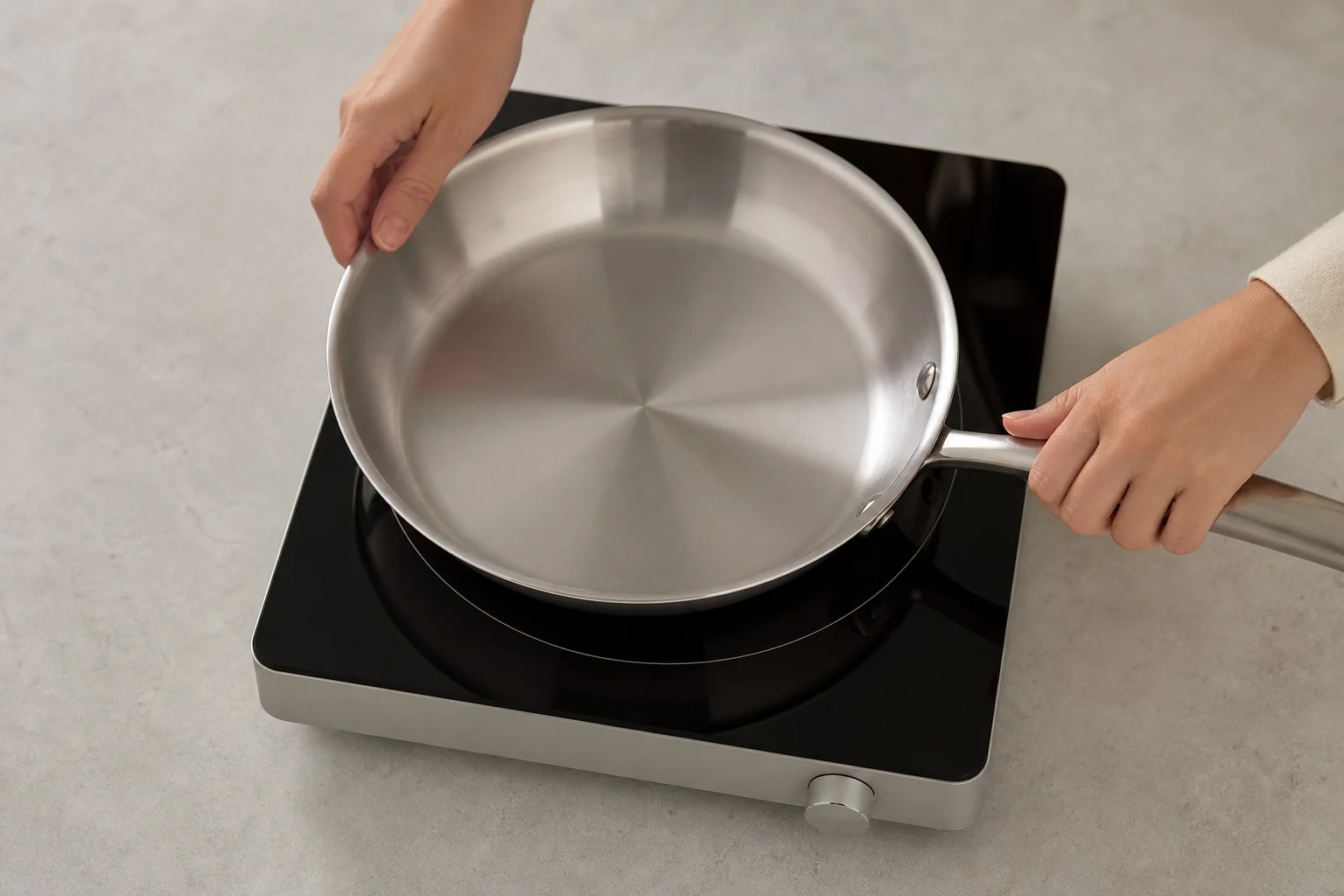
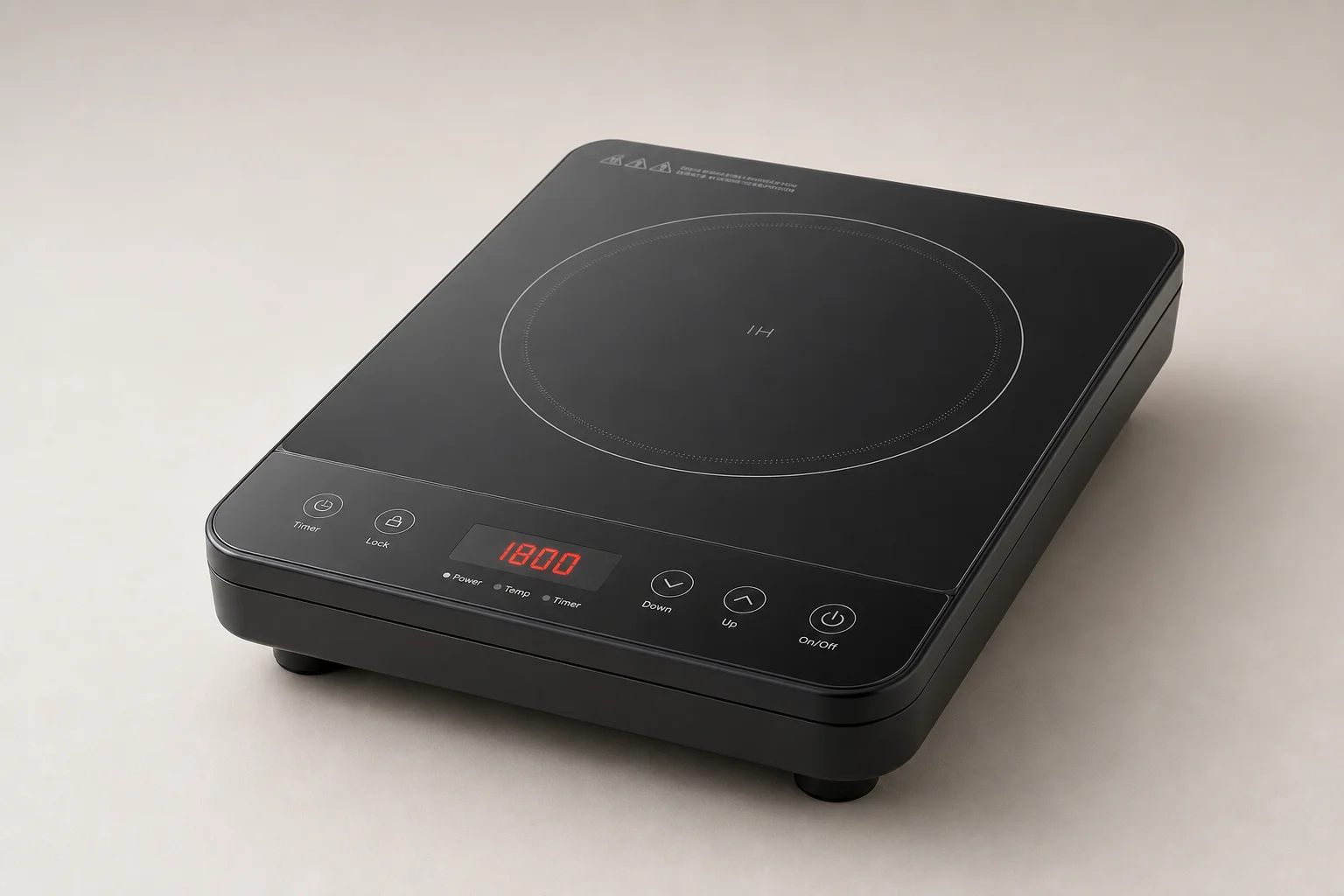
The Duxtop features an intuitive control panel that responds quickly to adjustments. It boiled water in 24 minutes and maintained cheese fondue at a consistent low temperature for four hours without scorching, demonstrating excellent temperature stability across the range. The burner will not activate unless induction-compatible cookware is placed on top, adding a safety layer.
However, induction burners have inherent limitations due to their smaller six-inch coils. When we tested a 12-inch skillet for searing burgers, results were uneven because heat concentrates in the center of the pan. Deep frying also proved slower, taking 20 minutes to recover temperature after adding food. These limitations stem from cost: larger coils would make the burner significantly more expensive and bulkier.
To work around these constraints, preheat pans with oil for a few extra minutes to allow heat to spread from the center outward. Use heavy-duty heat-retaining cookware like cast iron or triply-bonded stainless steel and aluminum. Match your pan size to the coil size: a 10-inch skillet works better than a 12-inch. Induction burners require electricity and are more expensive than electric models, but they offer greater power and efficiency than basic electric burners.
Premium Induction: Breville PolyScience Control Freak
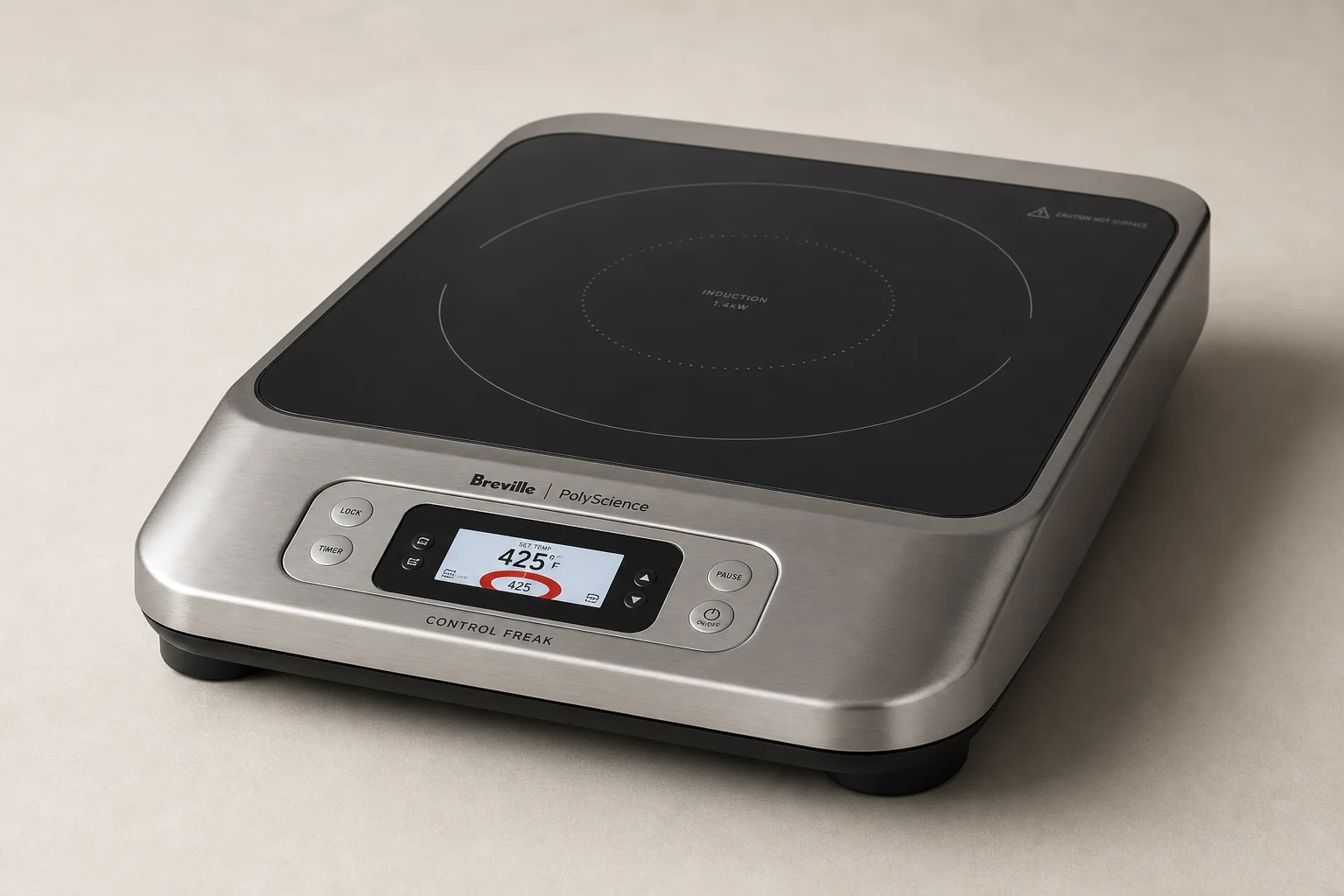
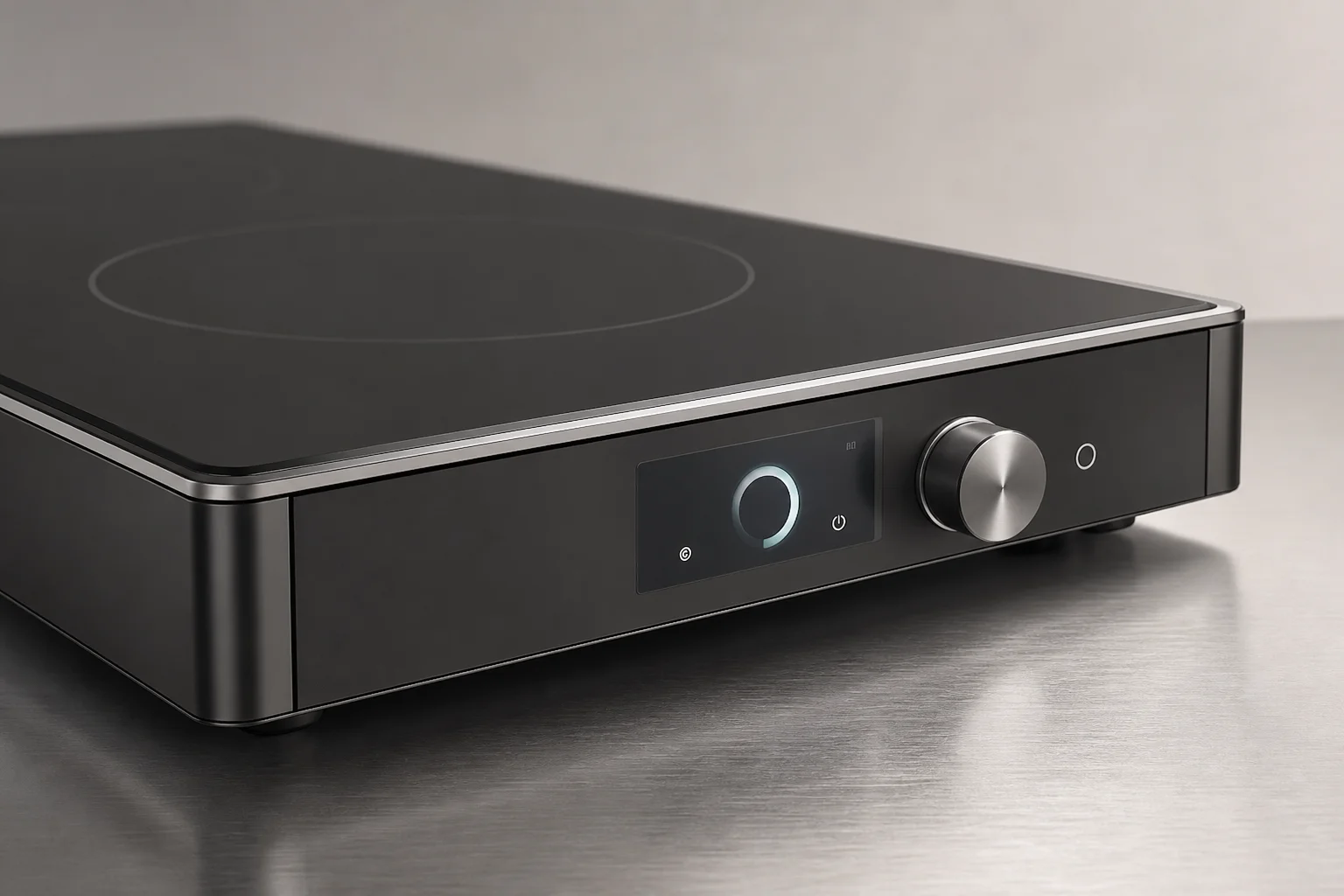
The Breville PolyScience Control Freak represents the pinnacle of portable induction technology, though at $1,500 it is not for everyone. This burner features a nine-inch coil, significantly larger than the six-inch coils typical in other induction models, allowing it to handle larger cookware and cook more evenly across the pan surface.
The precision control is exceptional. A front knob allows you to dial in exact temperatures, while the display screen shows familiar stove-top references like low, medium, and high. This burner boiled four quarts of water in just 20 minutes, faster than a conventional stovetop. It is the only portable burner we tested to achieve this speed.
The larger coil and superior power make this burner ideal for experienced cooks who prioritize precision cooking and are willing to invest in premium equipment. For most home cooks, the Duxtop delivers excellent value. But for those who want the absolute best performance and can justify the cost, the Breville PolyScience Control Freak is an amazing piece of equipment.
Choosing the Right Burner for Your Needs
Electric is your choice if you need an inexpensive, truly portable extra burner for basic cooking tasks. Accept the limitations on cookware size and power, and you gain affordability and simplicity.
Gas suits you if you want maximum power for searing, wok cooking, and deep frying, or if you need to cook during power outages. You must use it in well-ventilated spaces indoors and store fuel safely away from the burner.
Induction offers a middle ground: more power and efficiency than electric, safer than gas, but requires electricity and compatible cookware. The Duxtop provides excellent value for most cooks, while the Breville PolyScience Control Freak is the choice for precision-focused cooks with a larger budget.
Conclusion
The best portable burner depends on your cooking style, budget, and situation. For everyday extra cooking capacity on a tight budget, the IMUSA electric burner is hard to beat. If you prioritize power and outdoor flexibility, the Grill Boss gas burner excels. For efficiency and precision without the expense of premium models, the Duxtop induction burner is the smart choice. Each technology has genuine strengths, and the right choice is the one that matches your actual cooking needs.
Further reading
Related Reviews
Kitchen Appliances
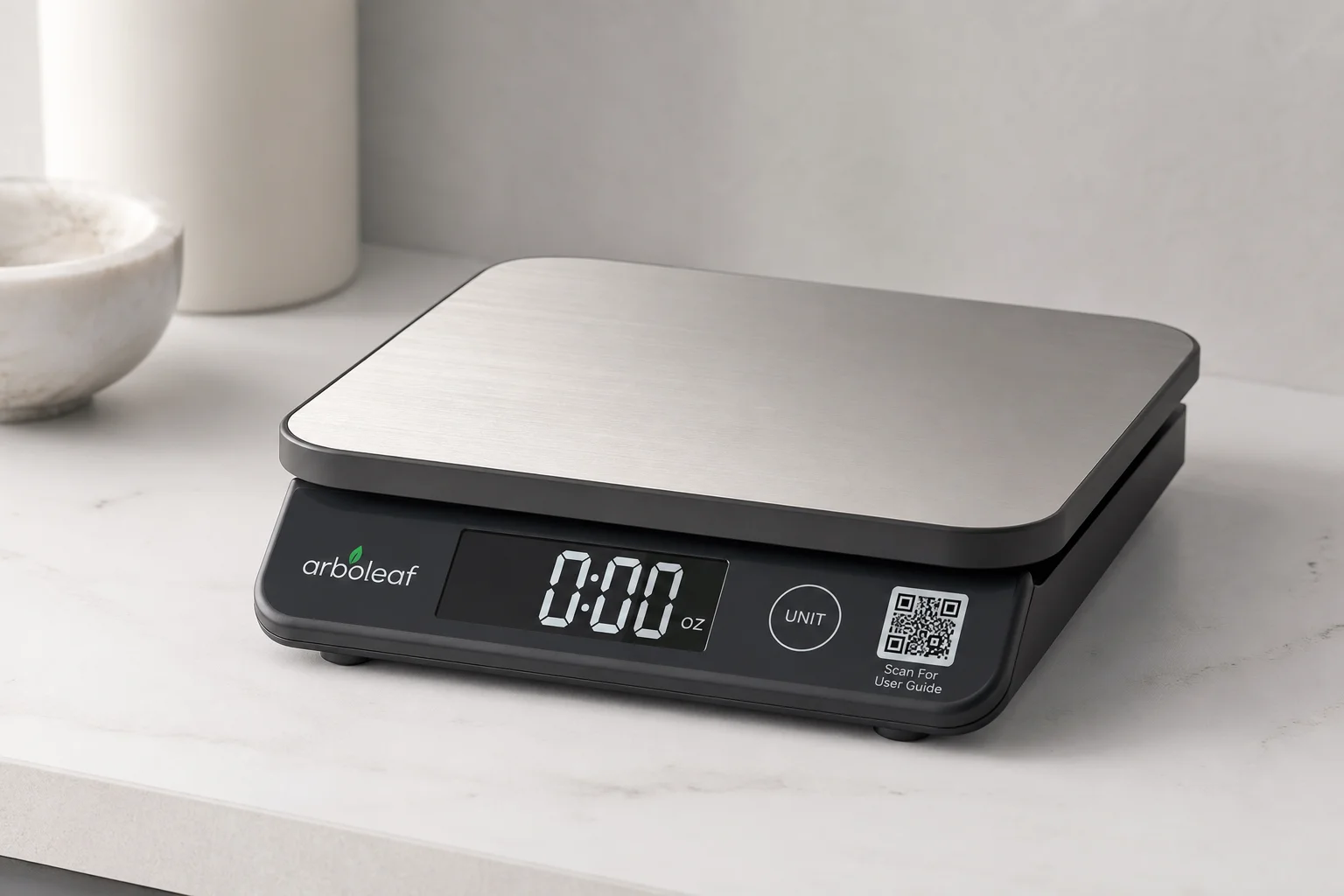
Arboleaf Smart Kitchen Scale Review: Connected Cooking Made Simple
A Bluetooth-enabled kitchen scale that syncs with a nutrition-tracking app, offering real-time weight monitoring and recipe guidance for home cooks.
Kitchen Appliances
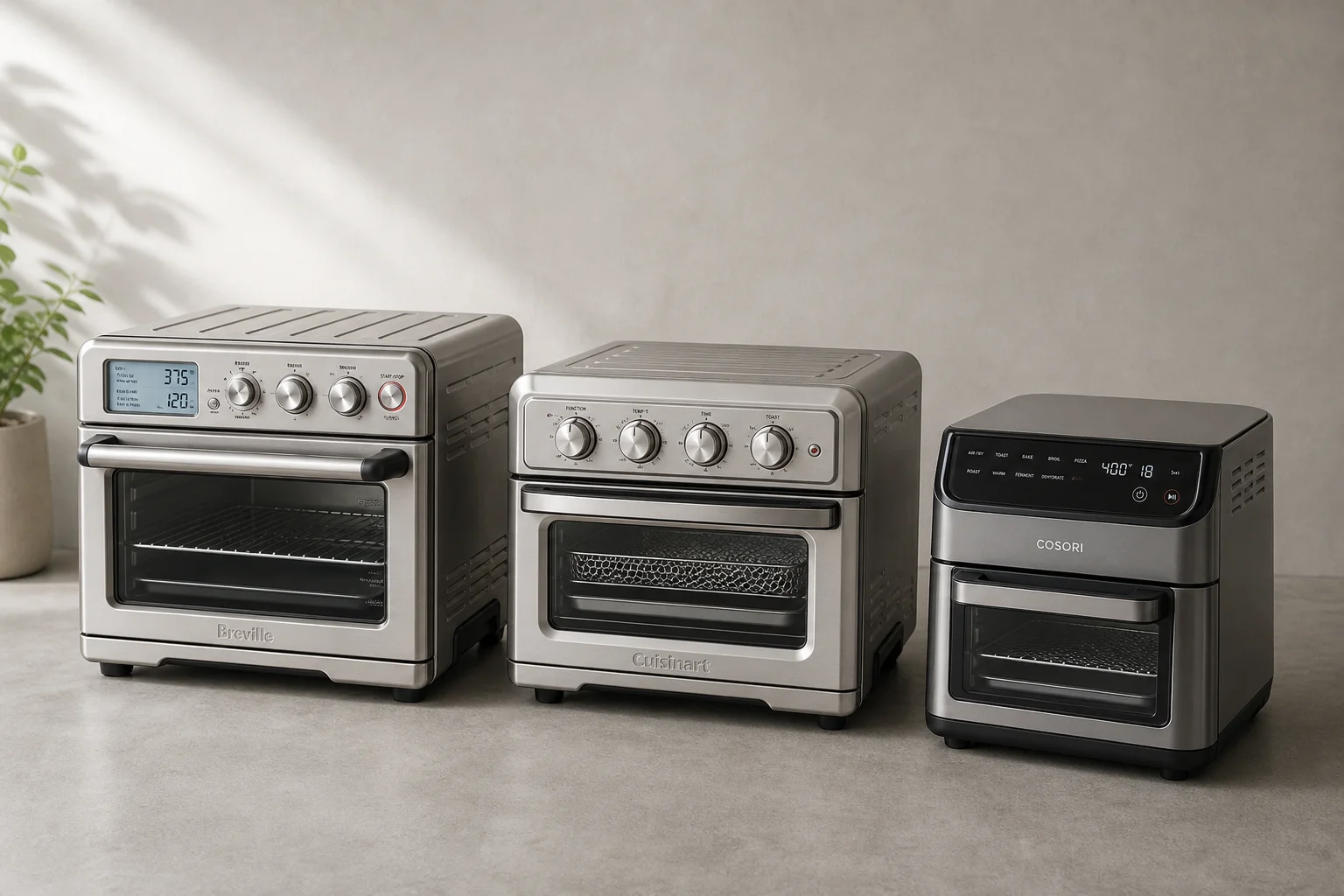
Best Air Fryer Toaster Ovens: Three Top Picks for Multi-Function Cooking
Three high-performing air fryer toaster ovens tested for versatility, ease of use, and real-world cooking results. Find the right fit for your kitchen.
Kitchen Appliances
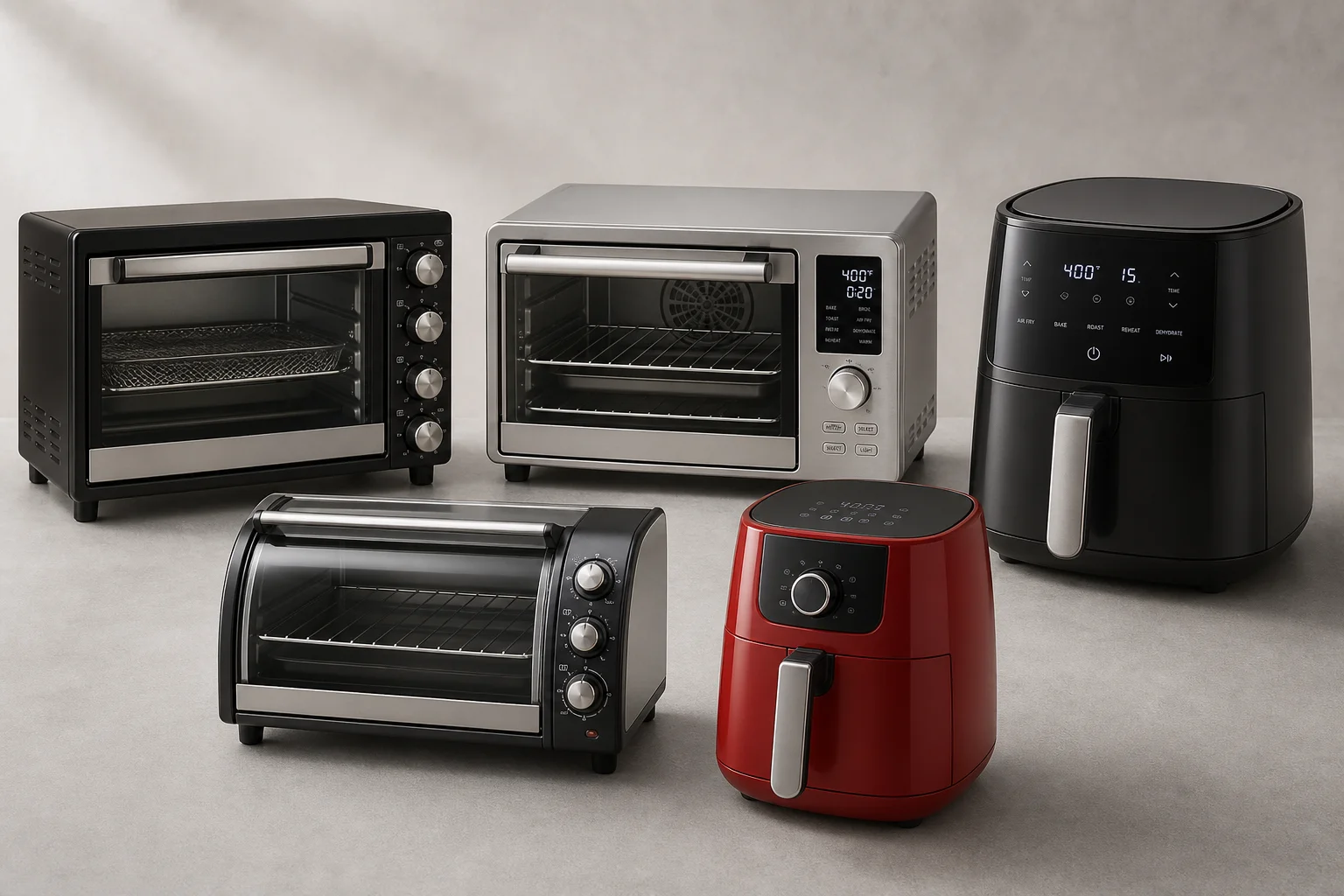
Best Air Fryer Toaster Ovens Under 100: Five Practical Options for Budget-Conscious Kitchens
Five air fryer and toaster oven combinations that deliver real cooking performance without breaking the bank, each with distinct strengths for different kitchen needs.