Running Shoes
Best Running Shoes for Heavy Runners 2026: 13 Options Tested
A comprehensive guide to running shoes designed for heavier runners, covering neutral cushioning, max-cushion stability, and arch support options with real trade-offs.
Introduction
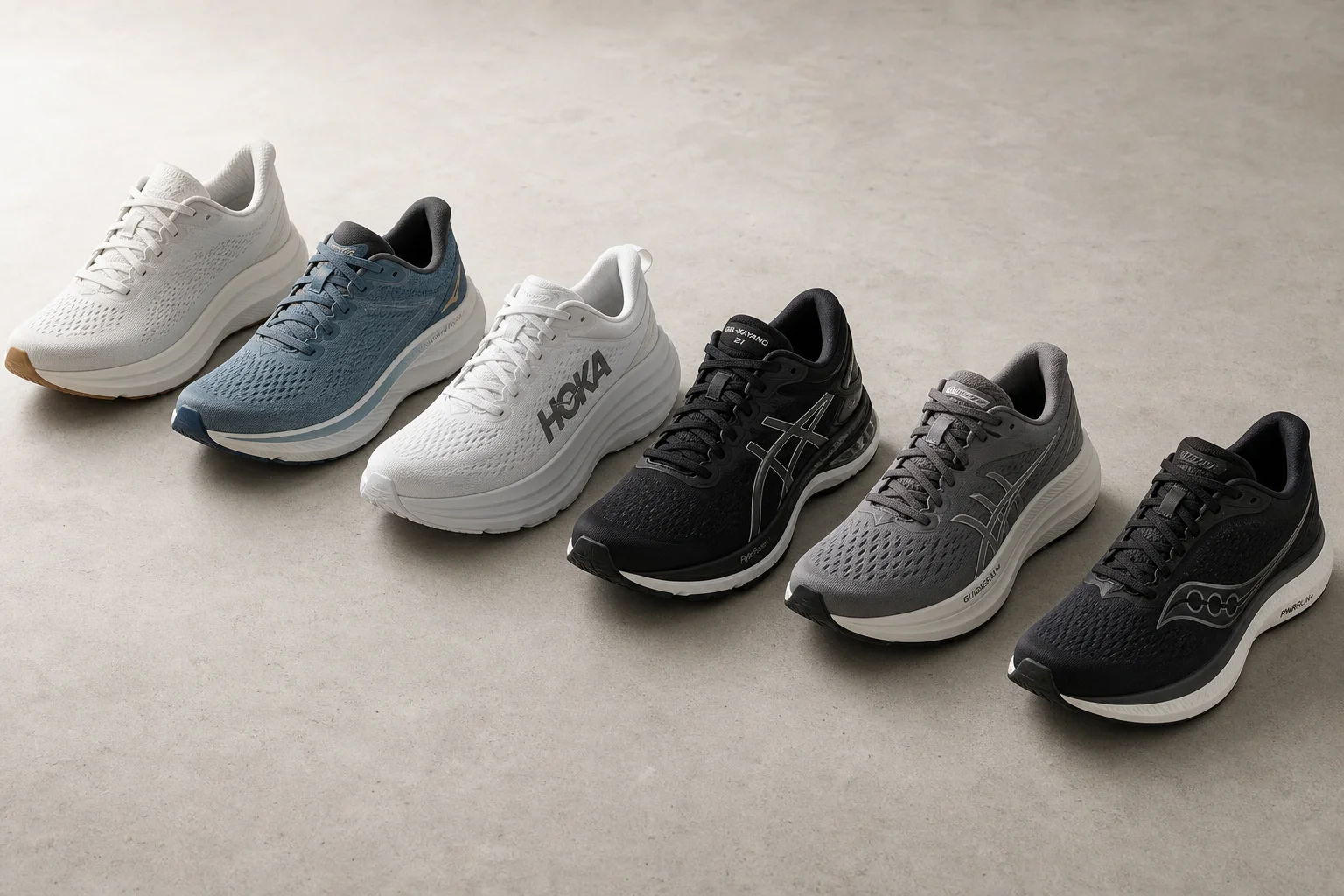
For heavy runners, shoe choice is not a minor detail. The right shoe absorbs impact without sacrificing stability, lasts through high mileage without becoming stiff, and offers a platform wide enough to maintain balance through the entire gait cycle. This guide covers 13 shoes tested across three key categories: neutral cushioning for everyday miles, max-cushion options that balance softness with stability, and shoes with dedicated stability or arch support features.
Neutral Cushioning for Daily Miles
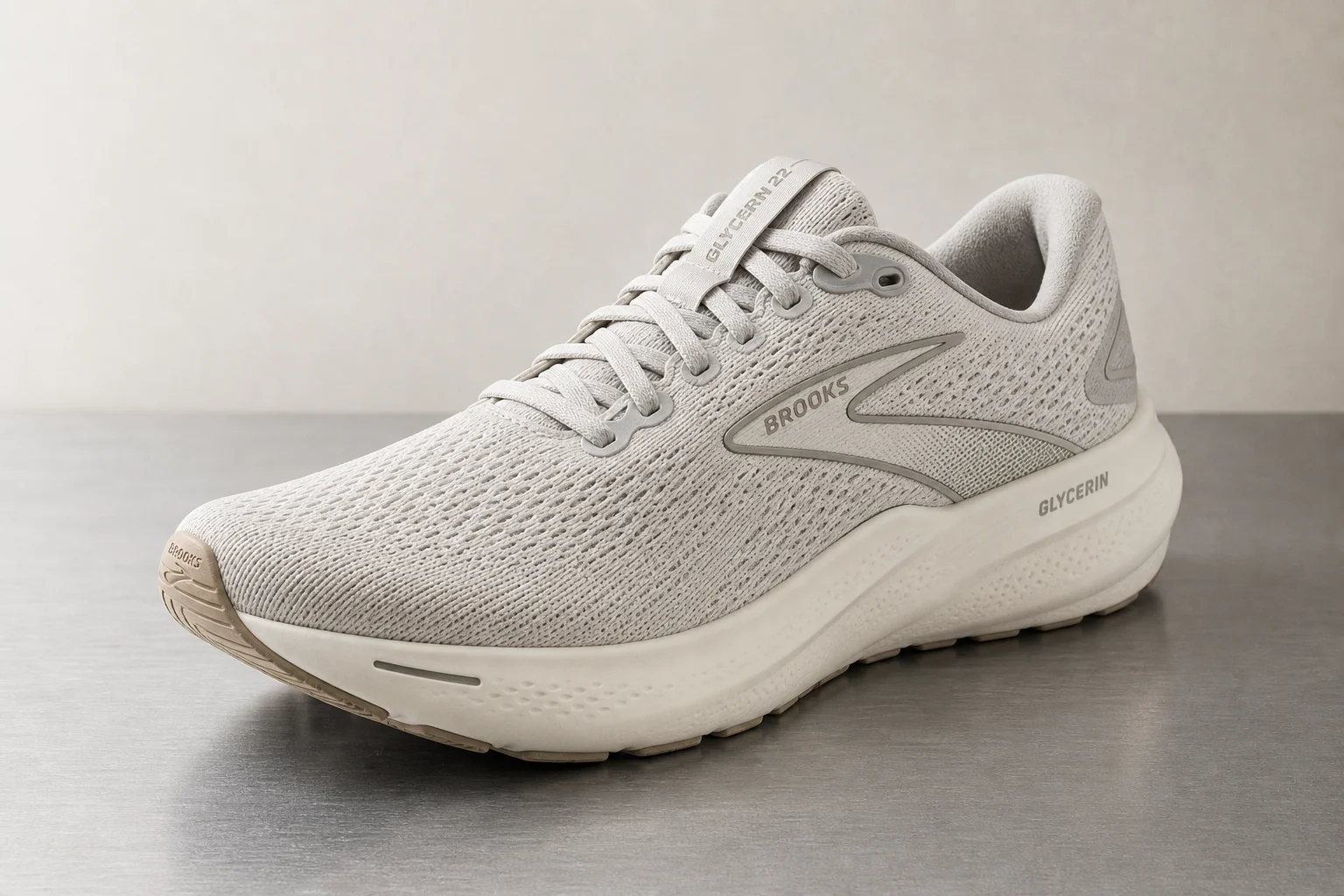
Brooks Glycerin 22
The Brooks Glycerin 22 is a foundational neutral shoe in the Brooks lineup. It excels at impact absorption during ground strike and transitions smoothly through the push-off phase of the gait cycle. This makes it a reliable choice for everyday miles and building base mileage. The shoe comes in standard, wide, and extra-wide versions, accommodating a range of foot widths. The main trade-off is responsiveness: the Glycerin 22 prioritizes cushioning comfort over snappy feedback, so runners seeking a more reactive feel may find it less engaging.
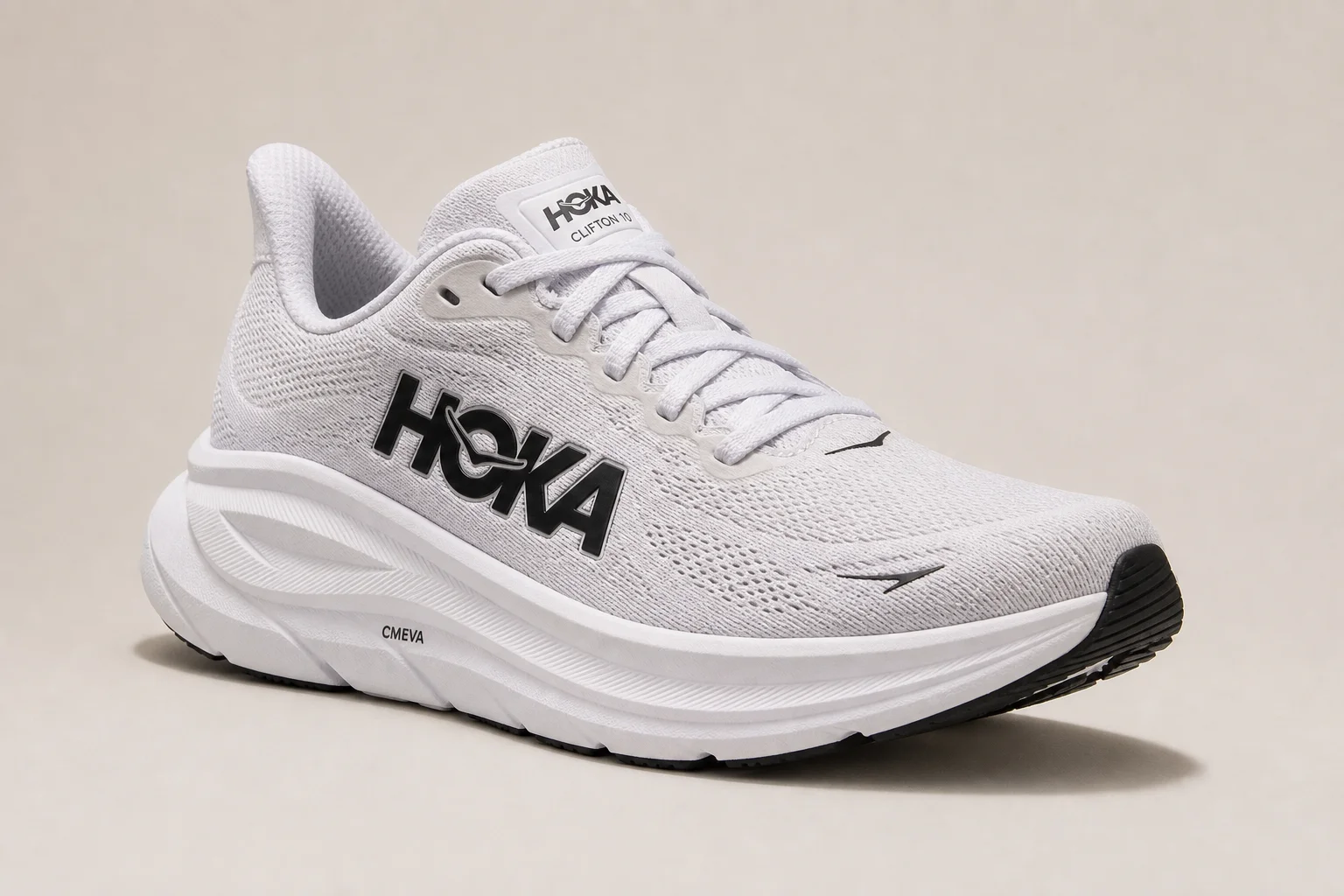
Hoka Clifton 10
The Hoka Clifton 10 offers an 8 mm drop and Hoka’s responsive CMEVA cushioning, delivering a snappier underfoot feel than the Glycerin 22. This makes it an excellent choice for runners who want a neutral shoe with more energy return. The trade-off is the toe box: it runs narrow, and while a wide version exists, it may still feel tapered for runners with wider forefeet. Those with standard to slightly wide feet will find it more accommodating than those with broader toe boxes.
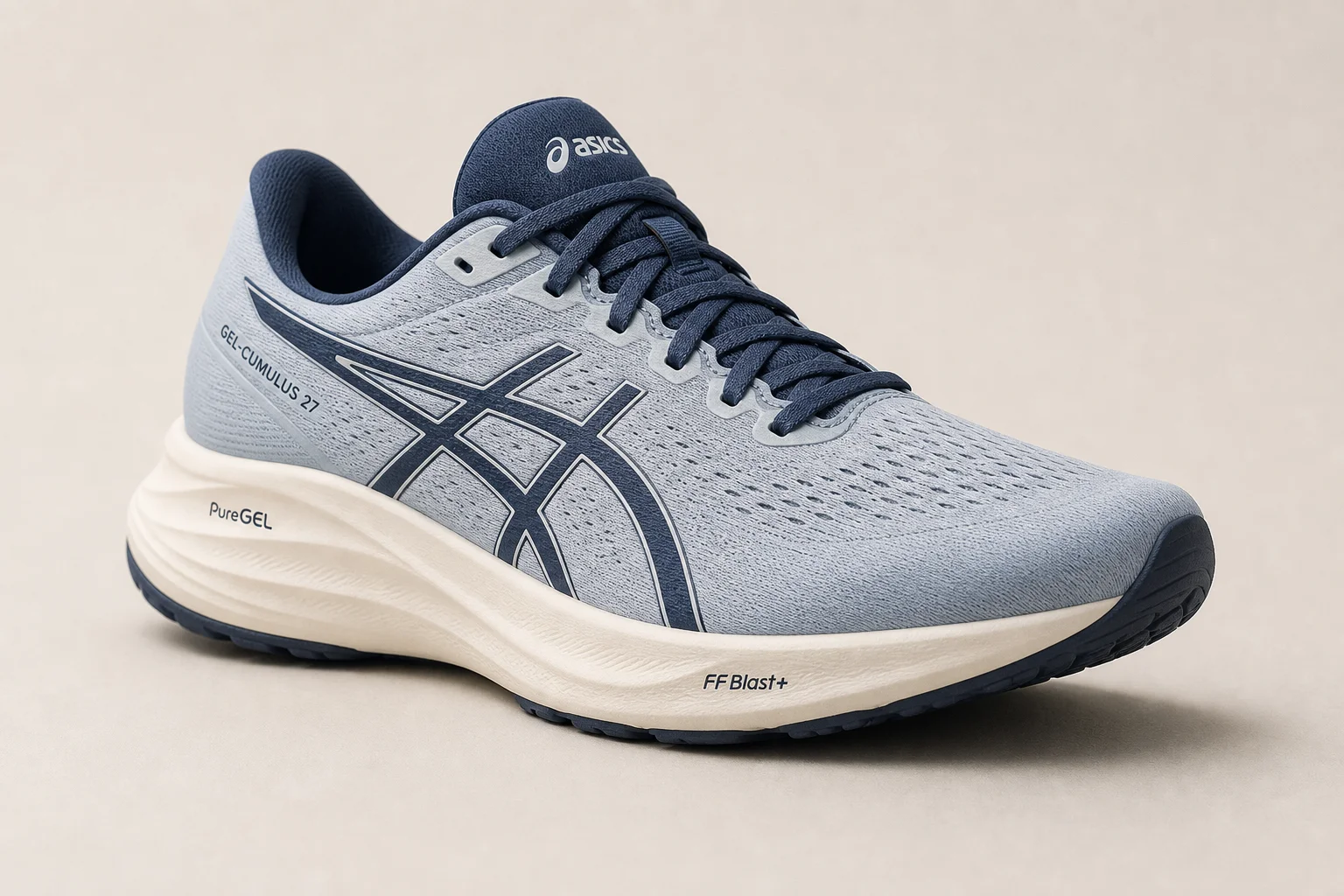
ASICS Gel-Cumulus 27
The ASICS Gel-Cumulus 27 provides less padding than the Hoka Clifton 10 but delivers excellent ground contact feel, making it ideal for runners new to the sport or those seeking a daily walking shoe with responsive feedback. It comes in a wide version. The limitation is cushioning depth: runners planning long walks or marathon-distance running may find the padding insufficient for extended protection, especially on high-impact days.

New Balance 880 v15
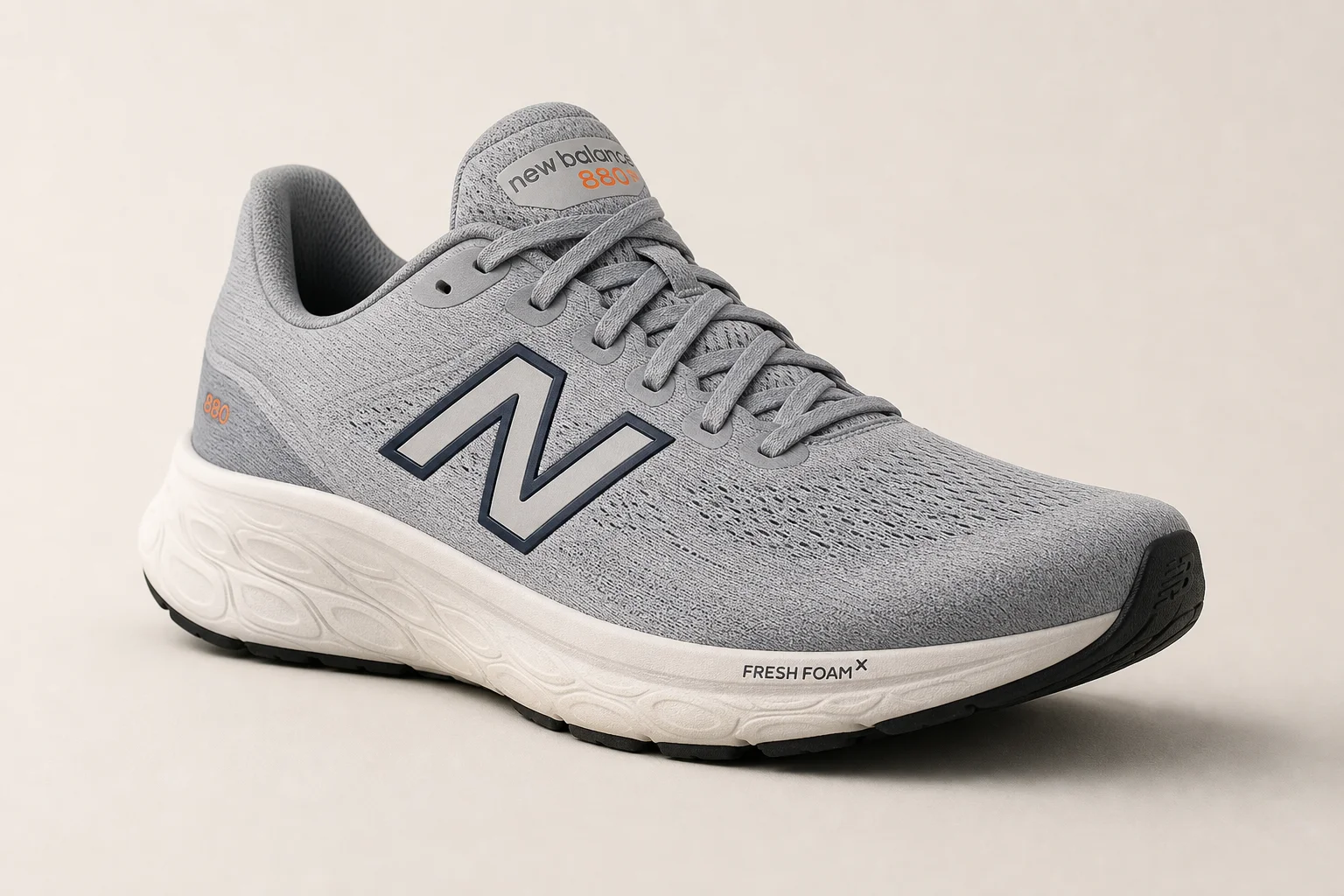
The New Balance 880 v15 is often overlooked despite being one of the market’s most capable shoes. It features Fresh Foam X cushioning, which is firmer than many competitors but remains well-balanced overall. Available in standard, wide, and extra-wide versions, it suits runners who want substantial padding underfoot without sacrificing stability. The downside is feel: if you prefer a softer, more plush sensation, this shoe’s firmer profile may not satisfy that preference.
Max Cushioning Without Instability
Max-cushion shoes can be problematic for heavier runners if they sacrifice stability. Excessive softness allows the midsole to compress too much, especially at the angle of initial ground contact, which can increase the risk of ankle sprains and force the foot to work harder than necessary. The following shoes balance maximum cushioning with platform stability.
Brooks Glycerin Max 2
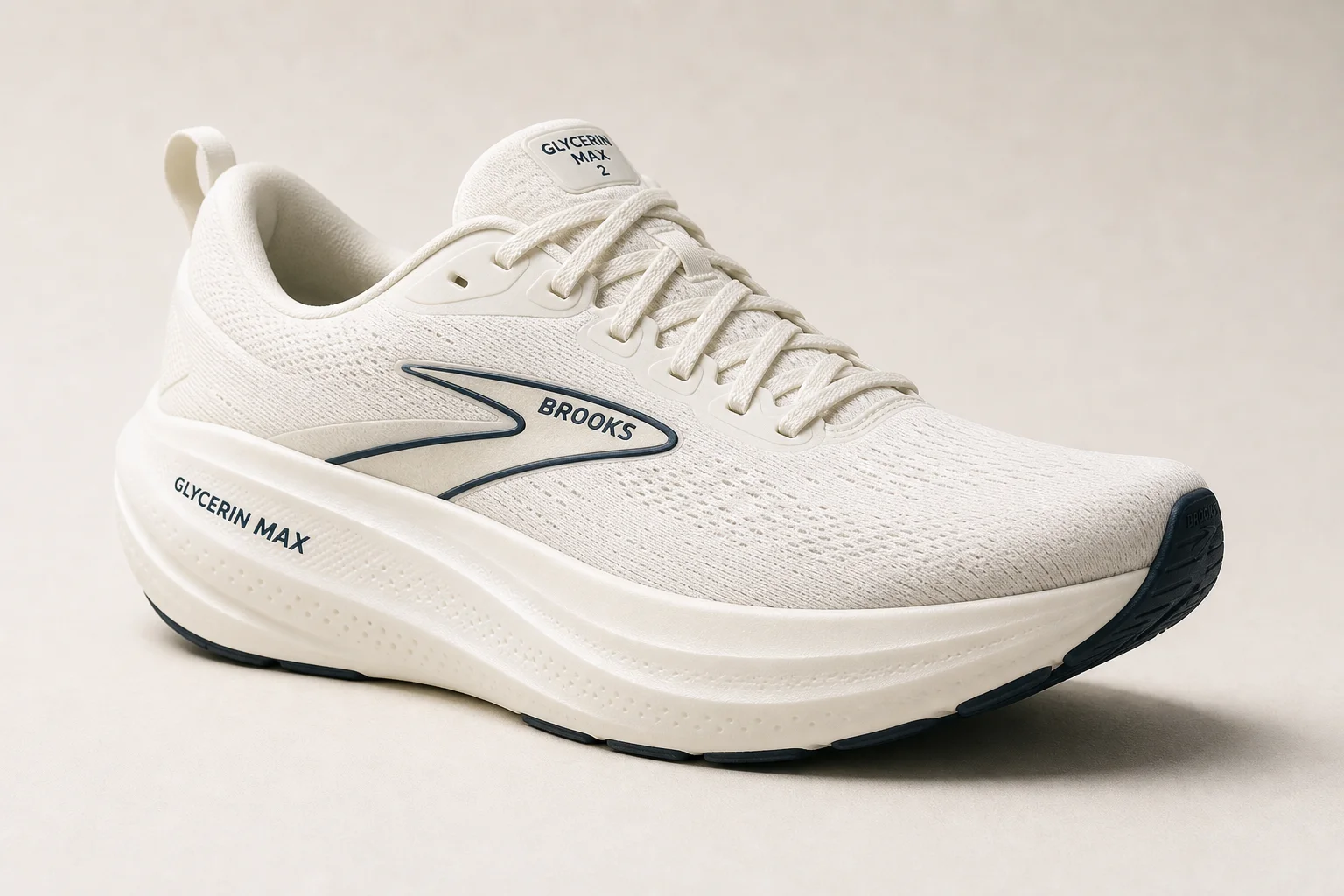
The Brooks Glycerin Max 2 is a recent release that refines the original Glycerin Max with a firmer update. Despite substantial padding, it maintains excellent ground contact feel and features a broader platform and strong rocker geometry. This shoe suits runners planning marathon-distance efforts or those who want to walk for extended periods. The limitation is sizing: it does not currently come in a wide version, which may exclude some runners from this option.
Hoka Bondi 9
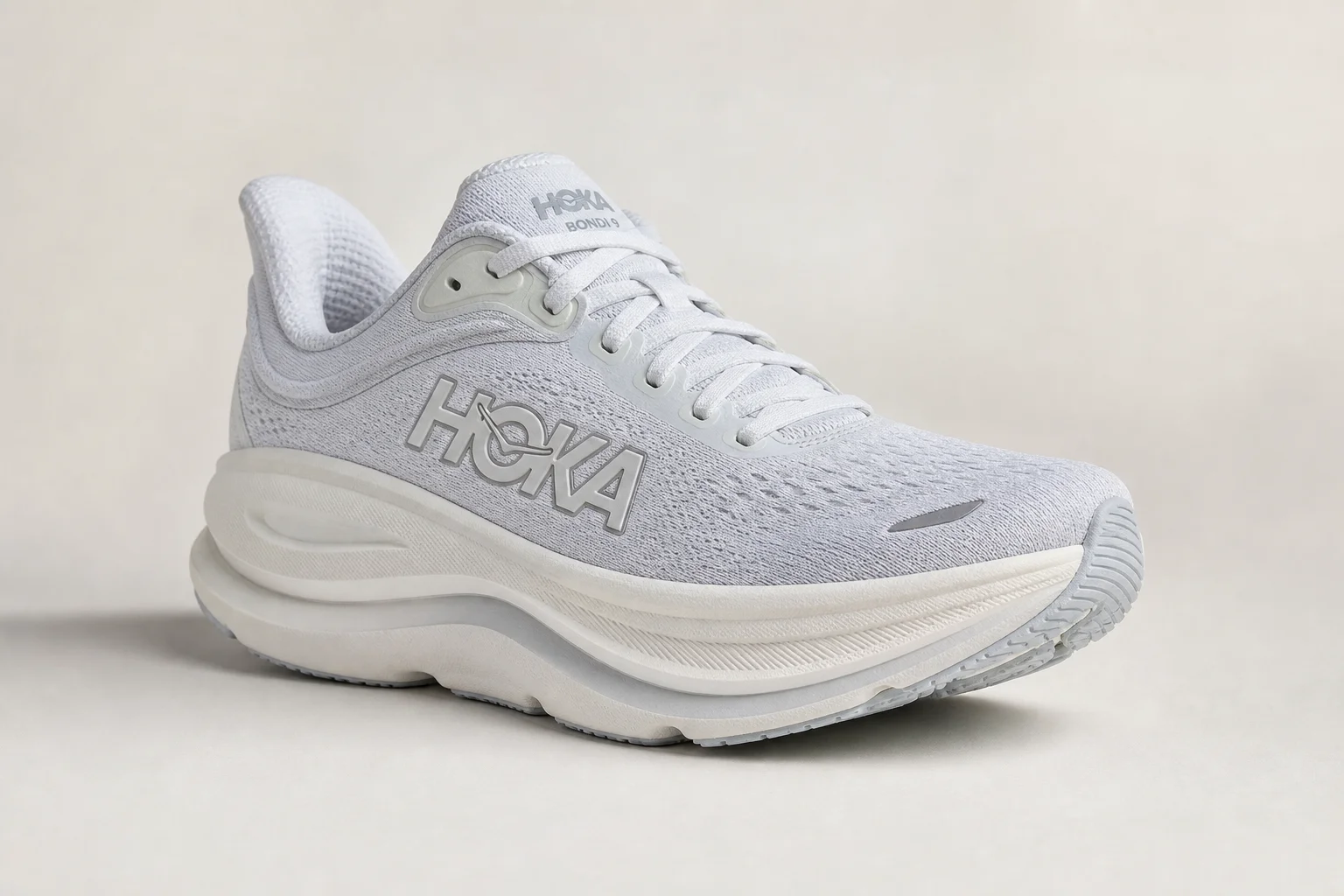
The Hoka Bondi 9 is one of Hoka’s most popular lifestyle and running shoes. It features updated super-critical foam that feels soft and pillow-like underfoot, paired with a wider platform and enhanced sidewalls that improve stability compared to the Glycerin Max 2. It excels as a max-cushion shoe for easy miles, recovery runs, or everyday wear. Like most Hoka shoes, the toe box is relatively narrow despite the overall width; a wide version is available but may still feel tapered for very broad forefeet.
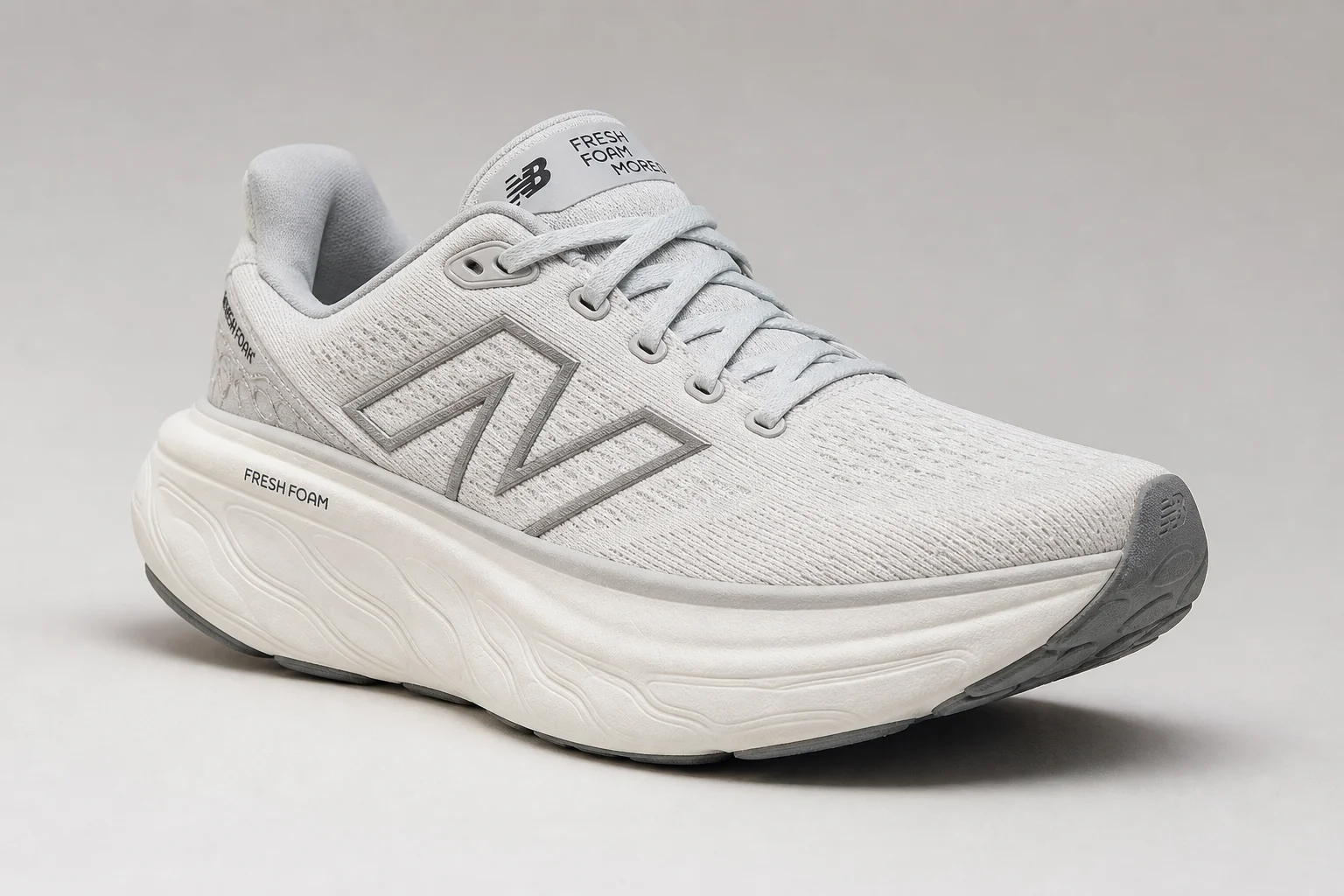
New Balance Fresh Foam More v6
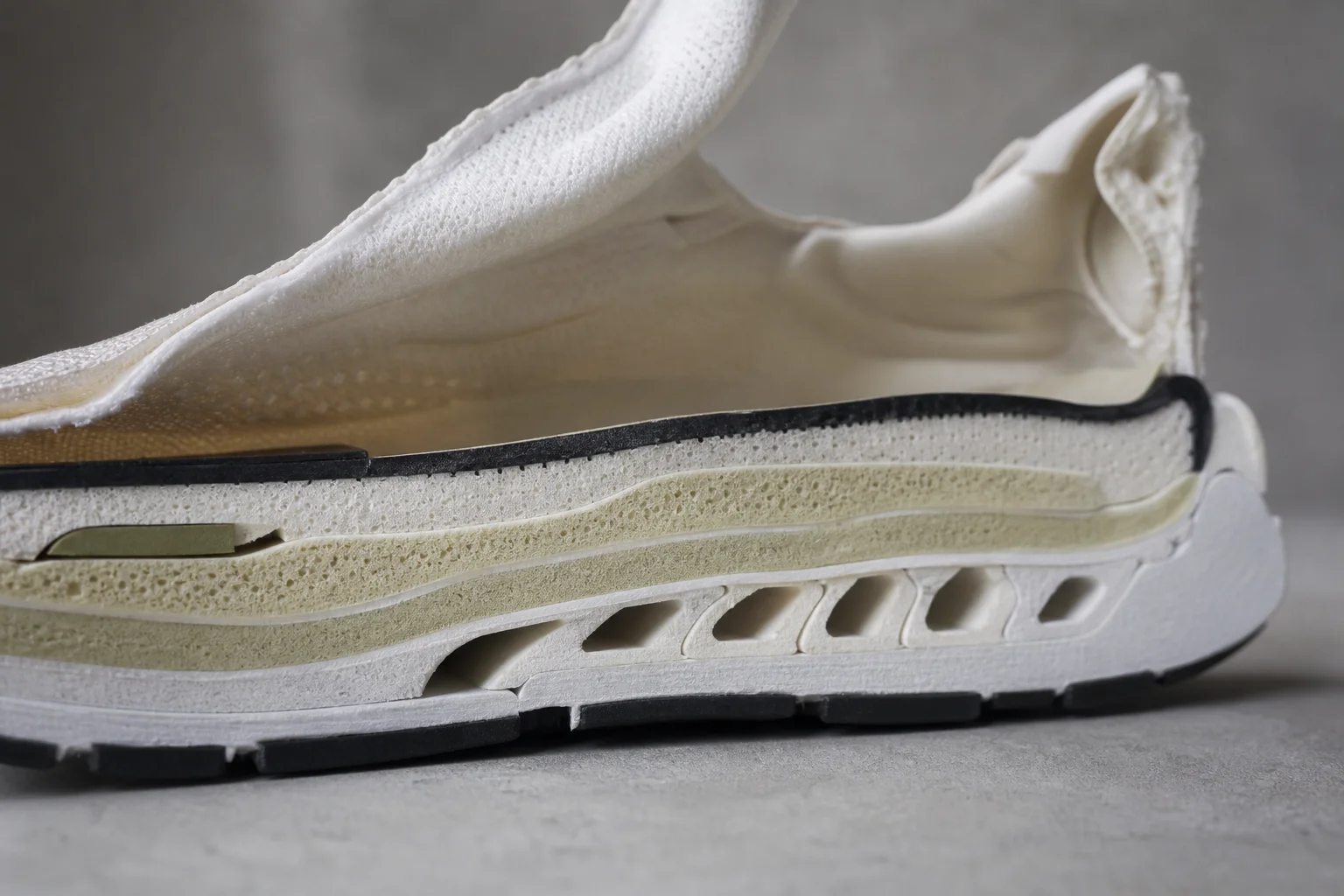
The New Balance Fresh Foam More v6 features the widest platform of any recent release this year, delivering exceptional stability underfoot. Its Fresh Foam X cushioning is more balanced and slightly softer than the 880 v15, creating a comfortable feel for walking, standing, or easy running. The platform width is a major strength, though the toe box does not match that width, so runners with very broad forefeet may still need the wide version despite the generous platform.
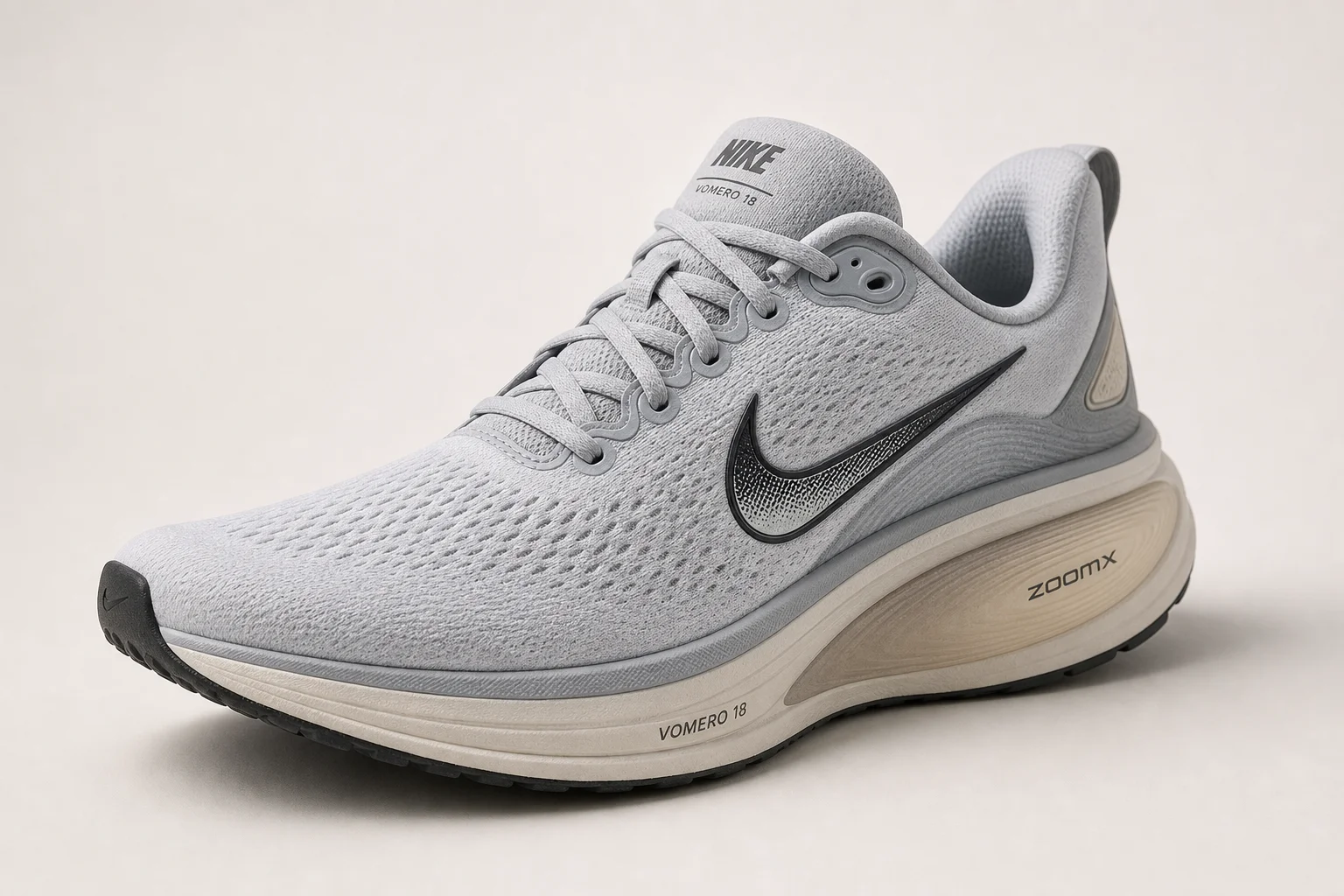
Nike Vomero 18
The Nike Vomero 18 is a strong addition to Nike’s 2025 lineup. Its blended midsole combines softness with responsiveness, and the relatively broad platform delivers a springy, bouncy feel underfoot. It is not as wide as the Fresh Foam More v6, but it offers excellent energy return. The rocker geometry is fairly aggressive, which may feel too pronounced for day-to-day walking, so this shoe is better suited to runners than casual walkers.
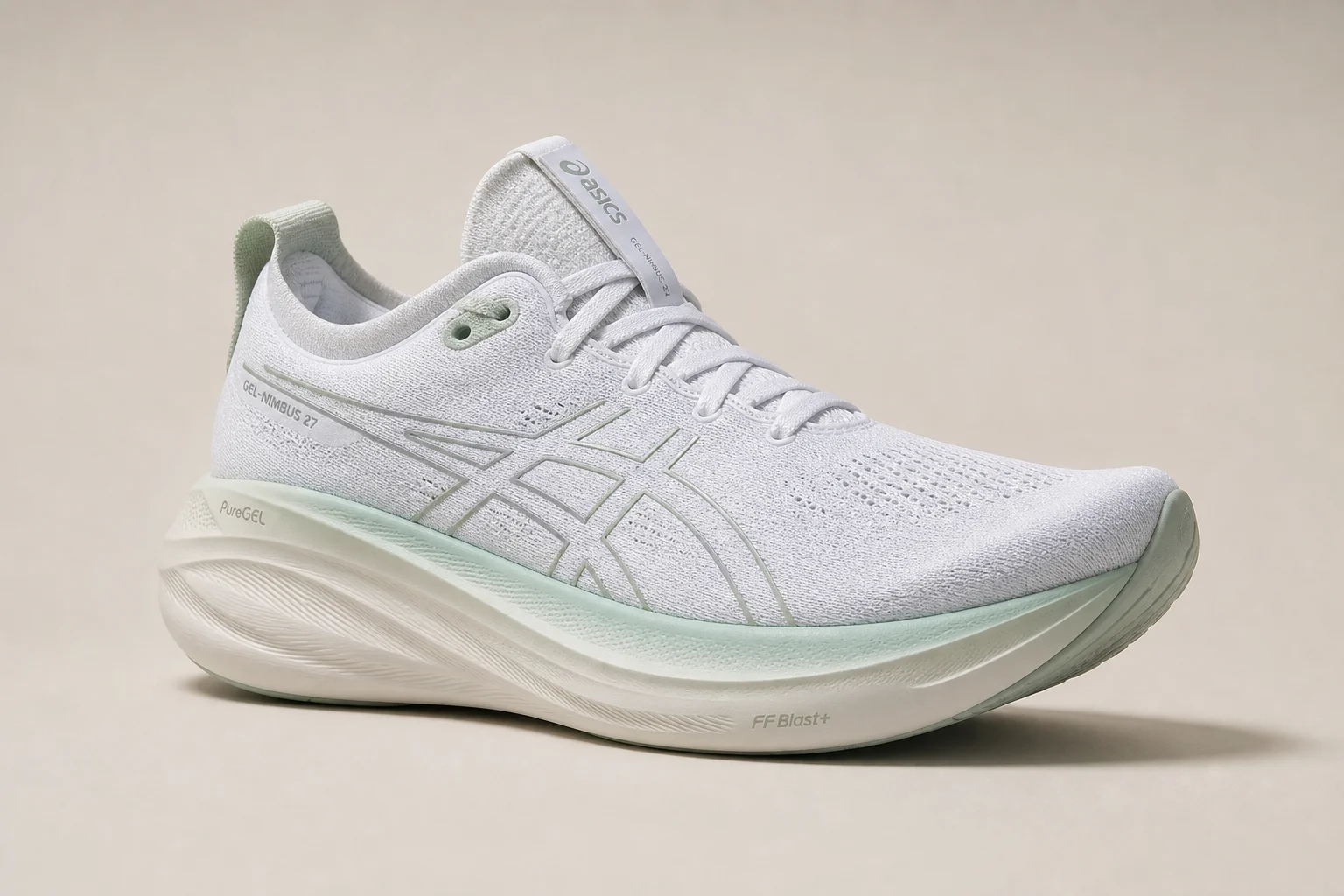
ASICS Gel-Nimbus 27
The ASICS Gel-Nimbus 27 is among the standout shoes of 2025. ASICS improved the rocker geometry and cushioning to deliver a springy, bouncy underfoot feel. It works well for uptempo runs, marathon-distance efforts, or daily miles, and comes in a wide version. Like the Vomero 18, the rocker geometry may be too aggressive for some, particularly those who prioritize a more neutral, less curved sole.
Stability and Arch Support Options
Runners with flatter feet or those who need arch support require shoes with dedicated stability features. The following options address overpronation, arch collapse, and related concerns.
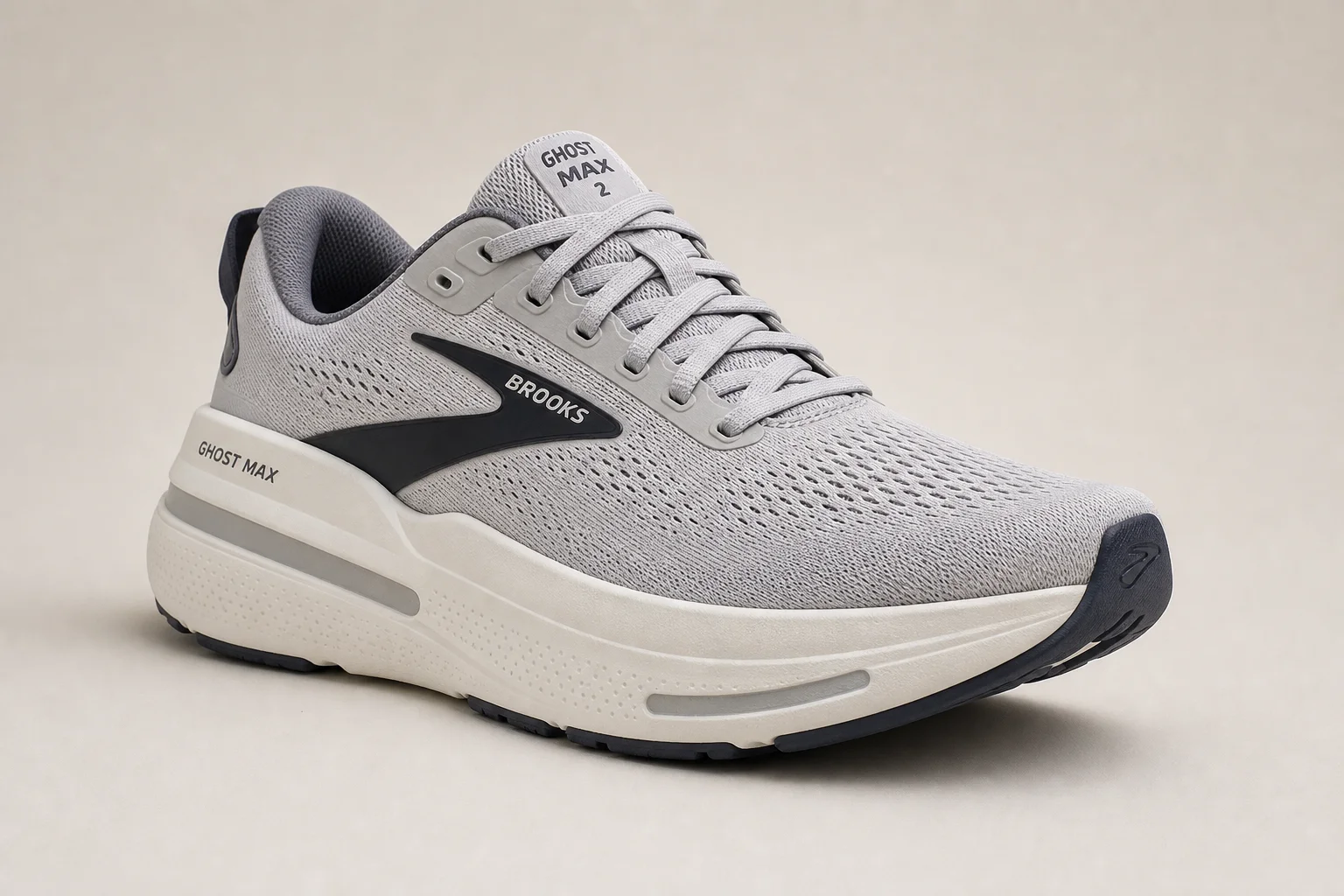
Brooks Ghost Max 2
The Brooks Ghost Max 2 is one of the most orthotic-friendly shoes on the market. Its broad platform and wide toe box allow runners to remove the insole and insert custom orthotics without crowding. Even without orthotics, it provides a stable platform that does not press into the arch, making it ideal for runners who use custom support. The trade-off is performance: it is heavier and less responsive than many competitors, prioritizing stability and accommodation over speed.

Hoka Gaviota 5
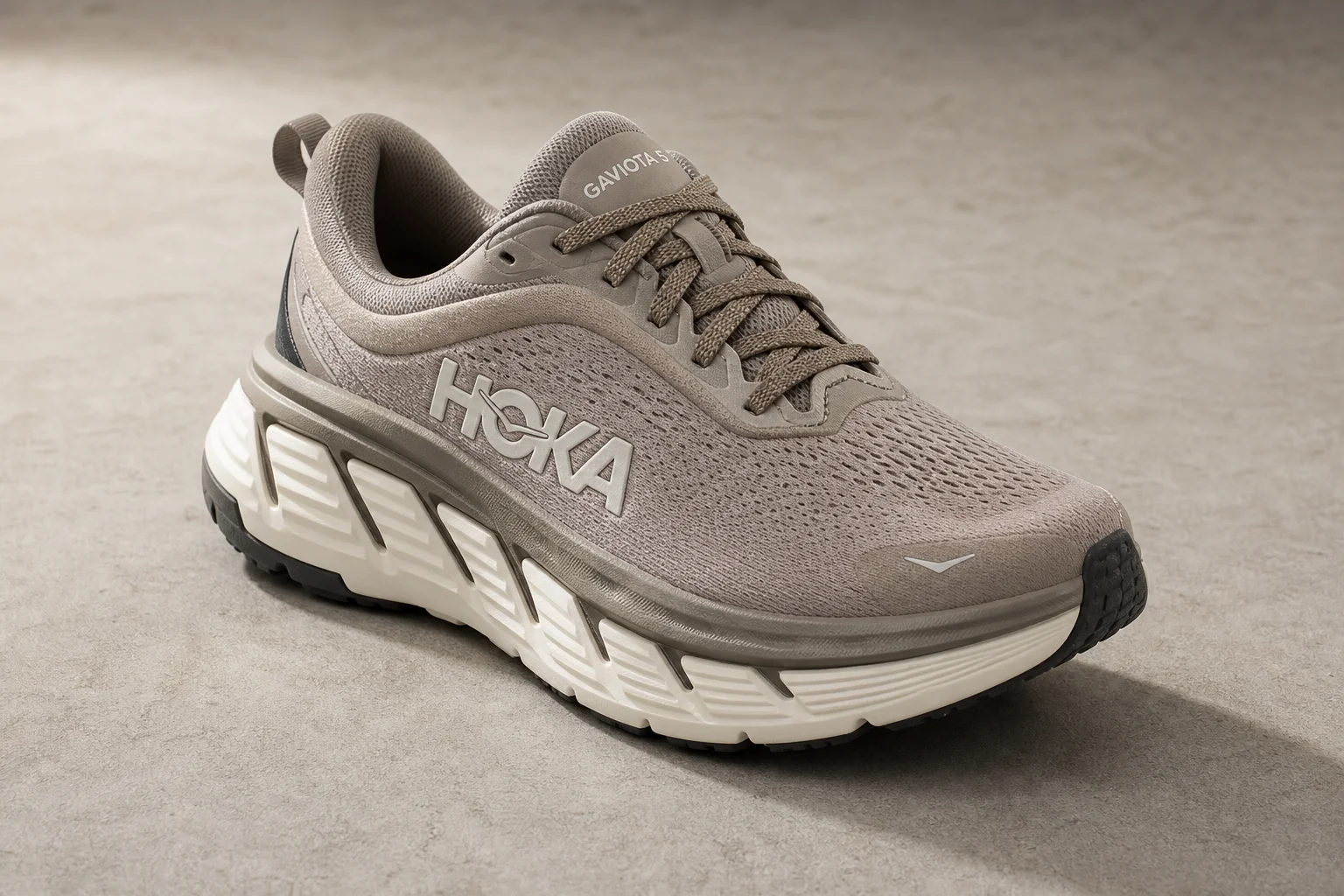
The Hoka Gaviota 5 is Hoka’s maximum stability shoe and features the best toe box of any Hoka model. Its H-frame provides excellent stability, keeping the foot centered throughout the gait cycle whether walking or running. It comes in a wide version. The downside is softness: the shoe is relatively soft underfoot, so runners seeking a more responsive, firmer feel may find it less engaging.
ASICS Gel-Kayano 32
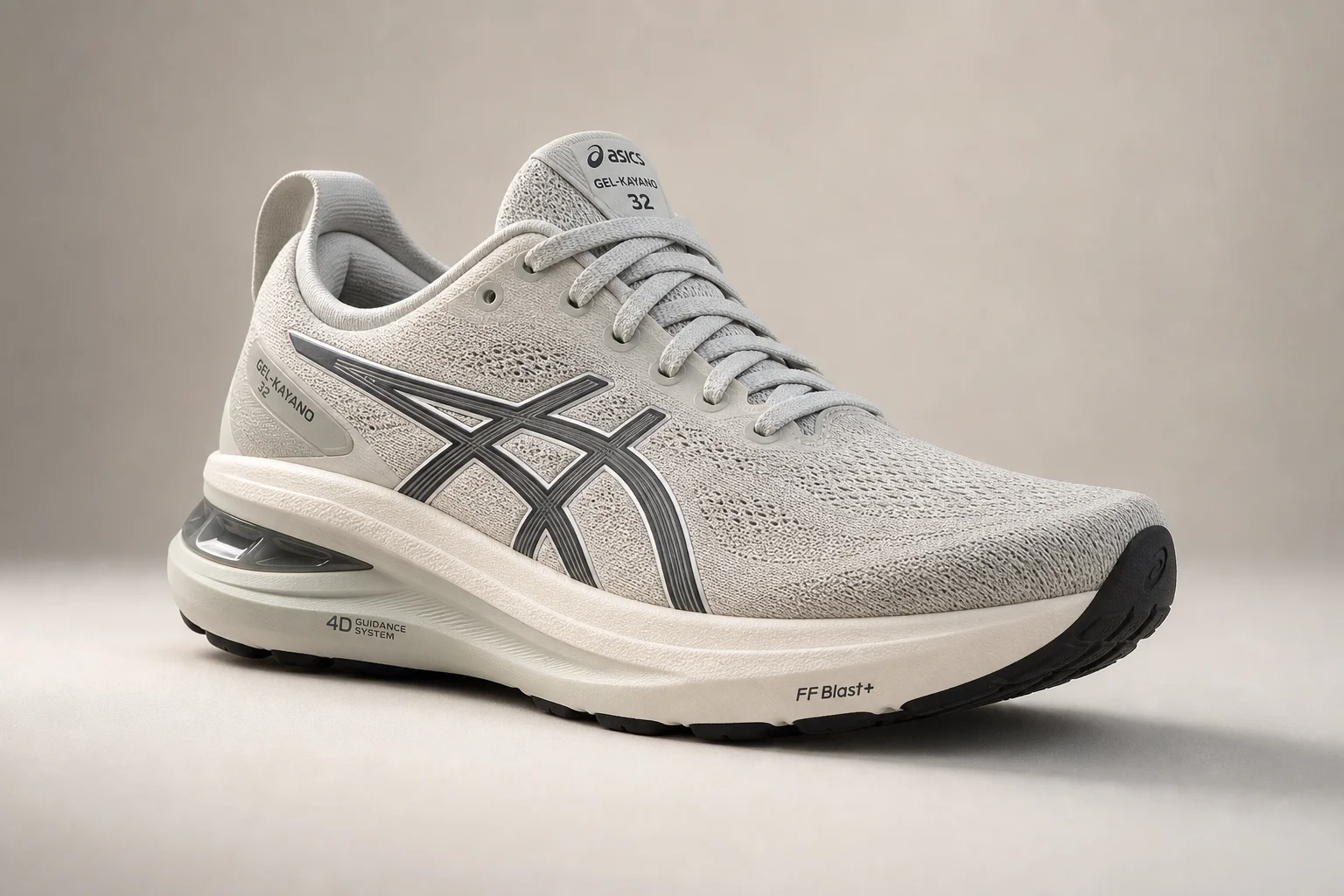
The ASICS Gel-Kayano 32 offers direct arch support through its 4D Guidance System, which presses up into the arch to provide active support and keep the foot centered. Runners who enjoy feeling that support benefit significantly from this shoe, and it pairs well with those seeking a plush, cushioned feel alongside arch support. It comes in a wide version. The limitation is firmness: runners preferring a firmer feel may find the plush profile less suitable.
New Balance 860 v14
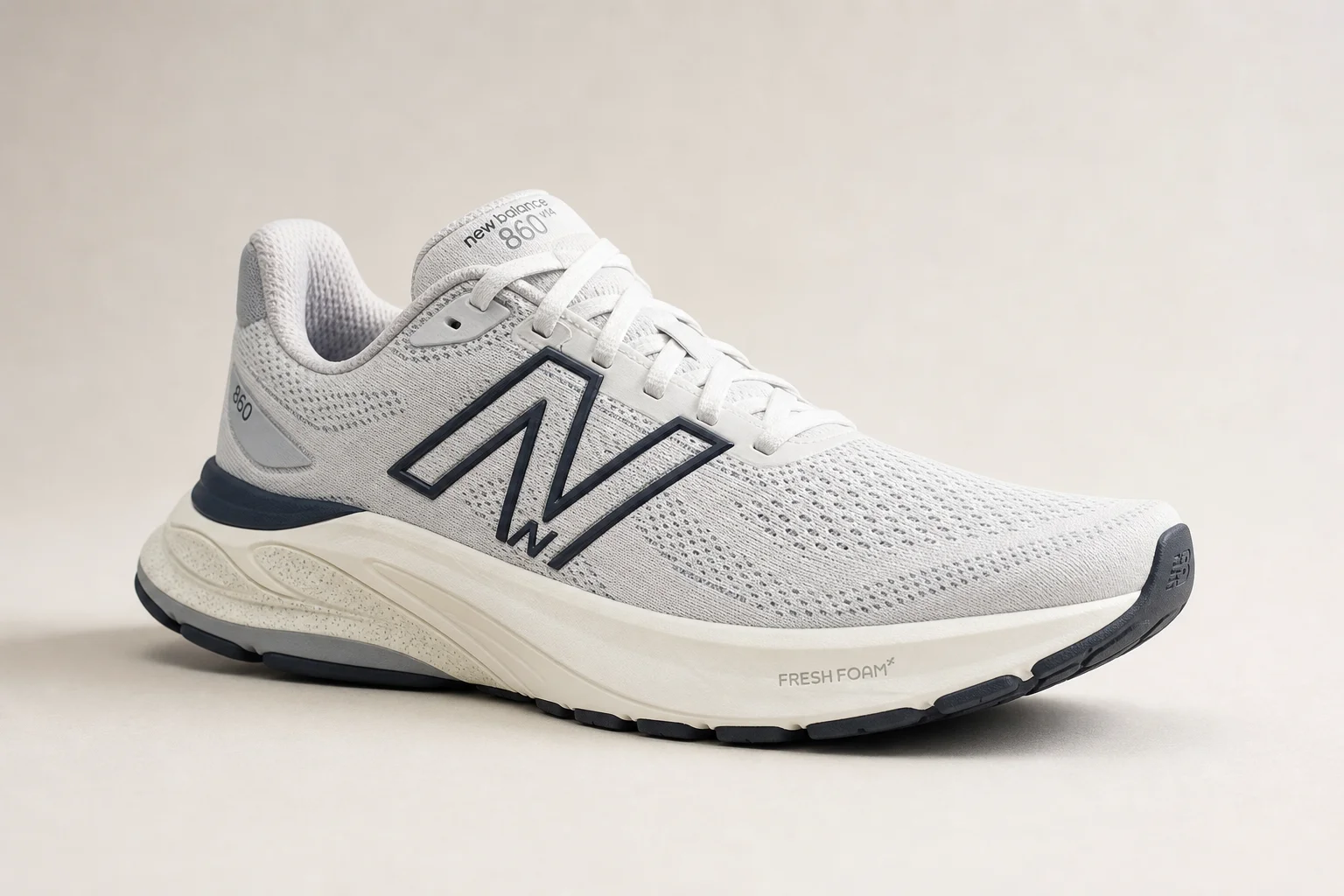
The New Balance 860 v14 features a medial tilt that turns the foot slightly outward, shifting weight away from the inside of the foot toward the outside. This design benefits runners who experience arch discomfort during long wear or those with posterior tibial tendonitis. It offers Fresh Foam cushioning for comfort and comes in a wide version. The trade-off is lateral stability: runners prone to ankle sprains or peroneal tendonitis may find the outward weight shift problematic, as it places more load on the outer foot structures.
Conclusion
Choosing the right shoe as a heavy runner means matching your specific needs: neutral cushioning for everyday miles, max-cushion stability for longer efforts, or dedicated arch support and stability features for biomechanical concerns. Each of these 13 shoes addresses a distinct use case, and the best choice depends on your gait, foot width, desired feel, and running goals. Consider your primary use case, try on multiple options if possible, and prioritize fit and comfort over brand loyalty.
Further reading
Related Reviews
Running Shoes
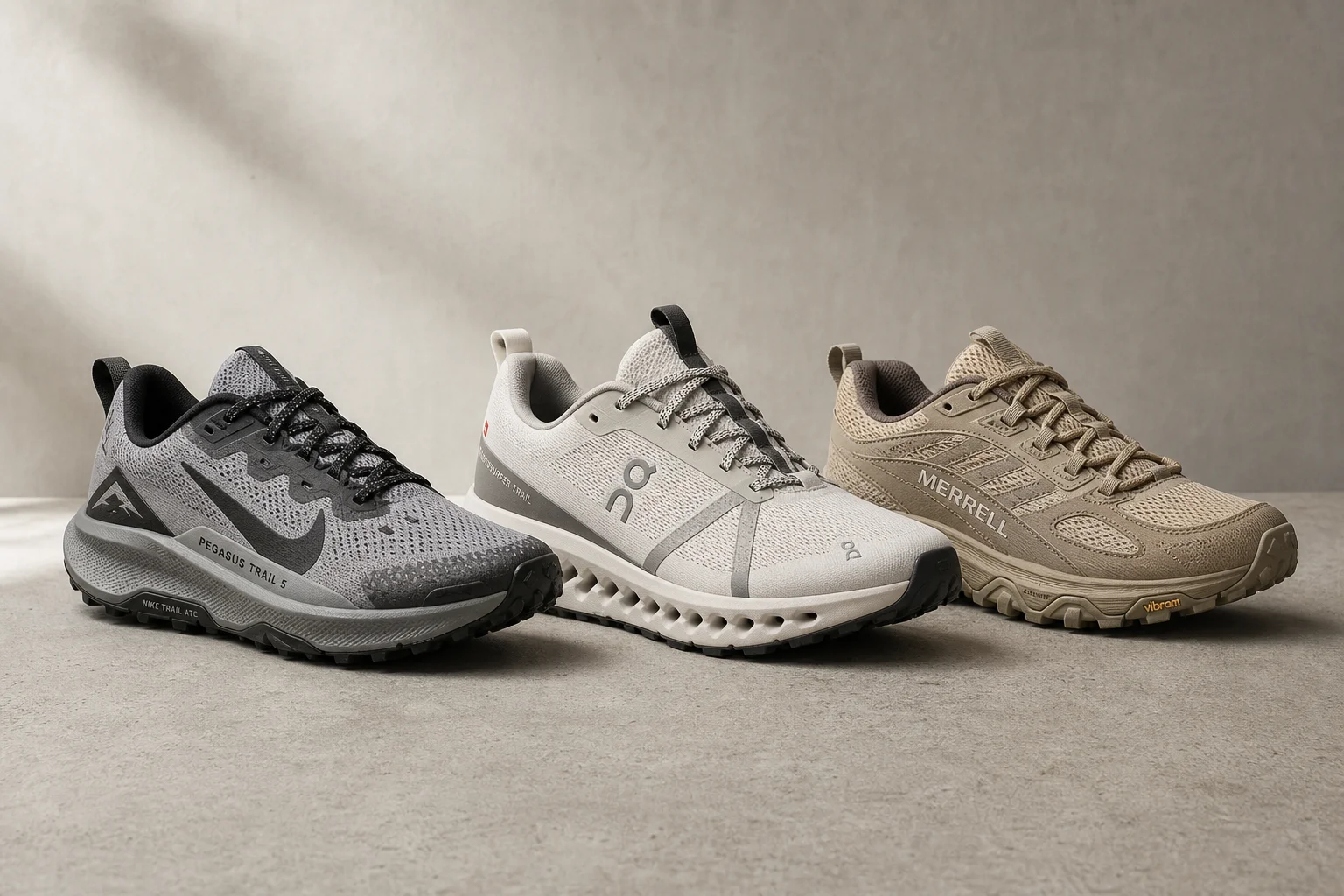
Best Road-to-Trail Running Shoes: Three Versatile Options for Mixed Terrain
A practical guide to three road-to-trail running shoes that handle both pavement and mild trails, with clear strengths and trade-offs for different runner types.
Running Shoes
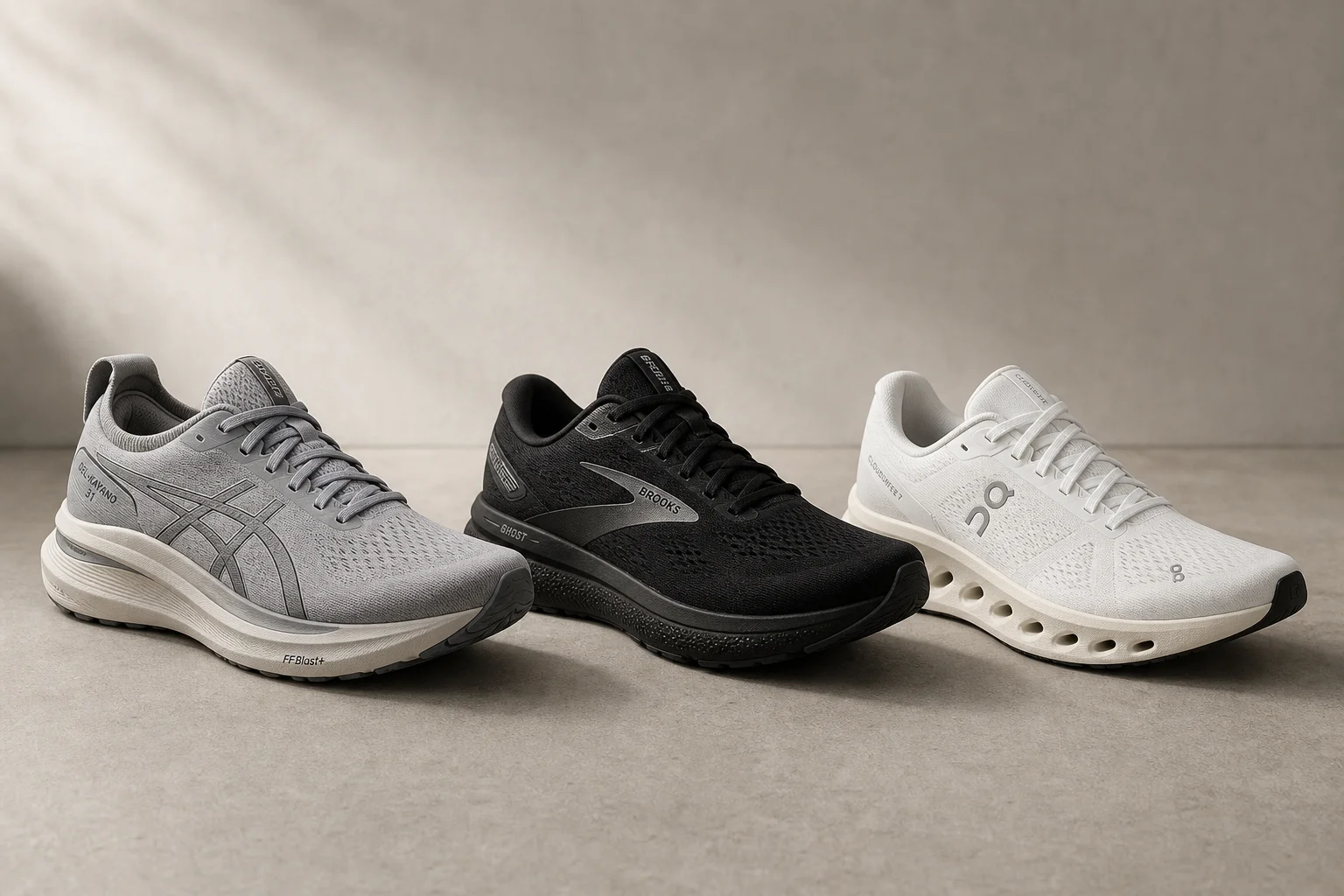
Best Running Shoes for Achilles Tendonitis: Three Options Explained
Three running shoes with different heel drops and support features designed to help reduce Achilles tendon pain during walking and running.
Running Shoes
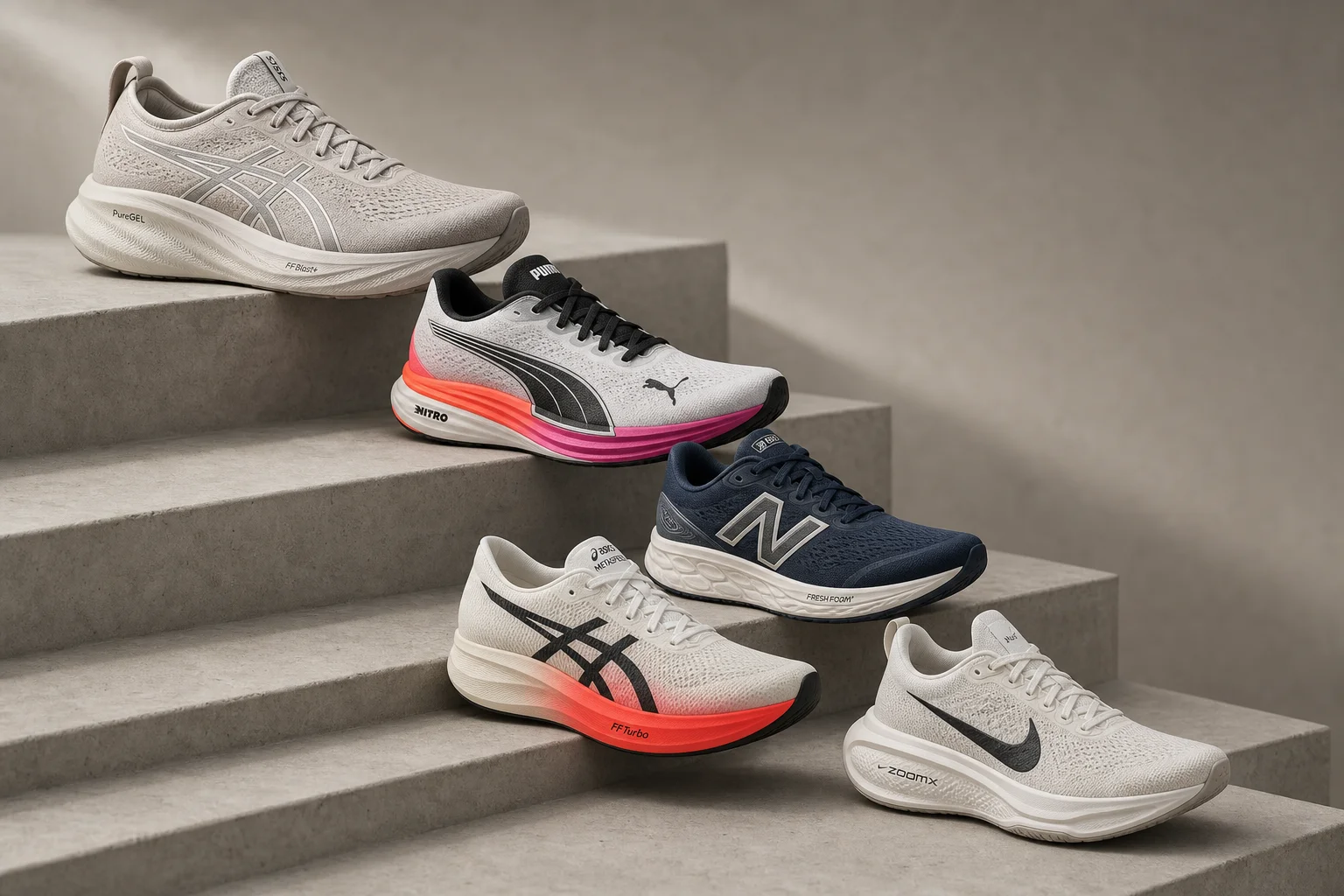
Best Running Shoes for Women: Five Top Choices Ranked
A ranked guide to five women's running shoes, from versatile daily trainers to high-performance racing options, with real strengths and trade-offs for each.