Running Gear
Best Running Socks 2026: A Complete Gear Roundup
A comprehensive review of 15 running sock models across multiple brands, covering cushioning levels, materials, and specific use cases for trail and road running.
Introduction
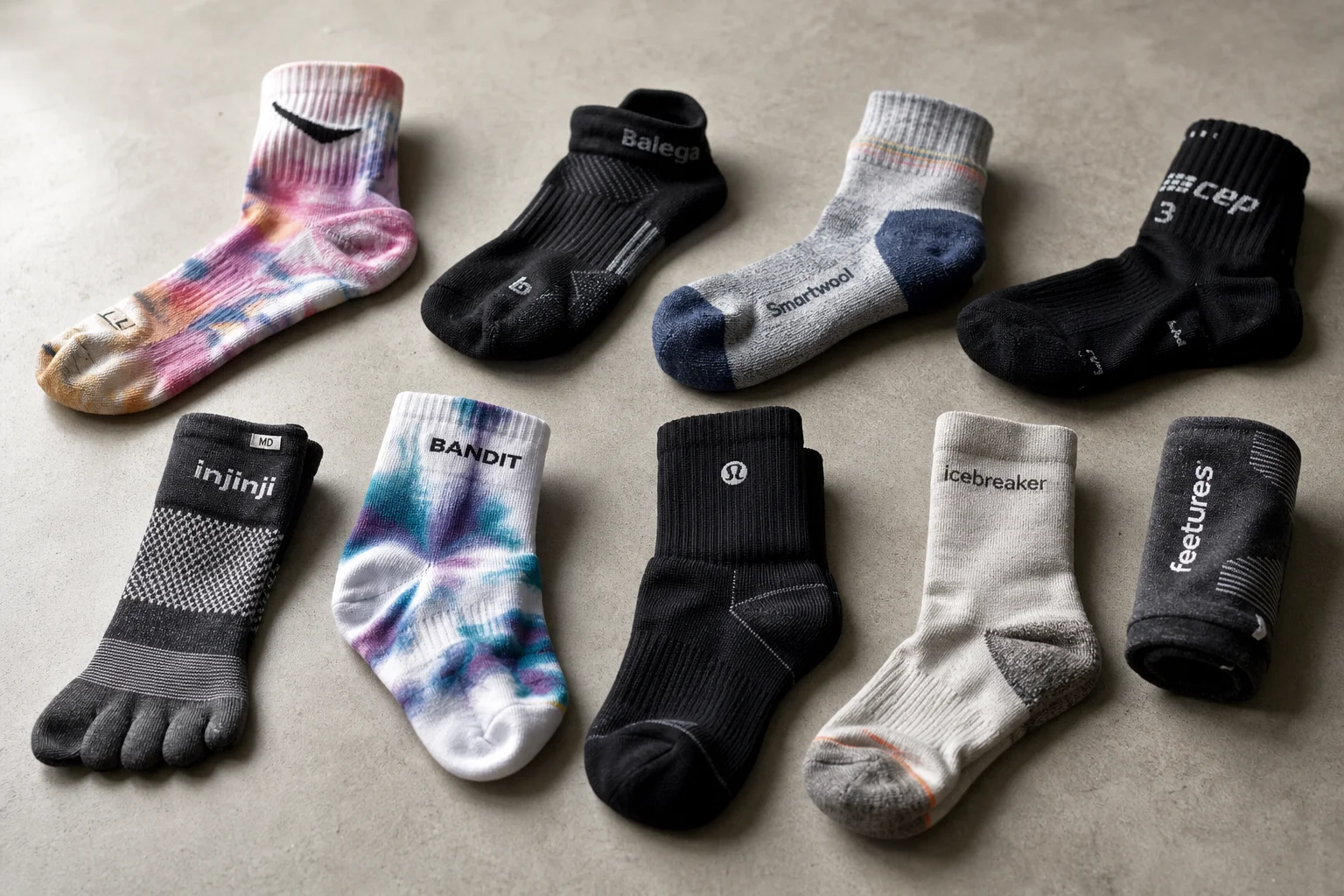
Running socks matter more than most runners realize. The right sock can improve comfort, reduce friction, fill volume in loose shoes, and enhance your connection to the ground. This roundup covers 15 models across multiple brands, from minimalist designs to heavily cushioned options, helping you find the right sock for your running style and shoe fit.
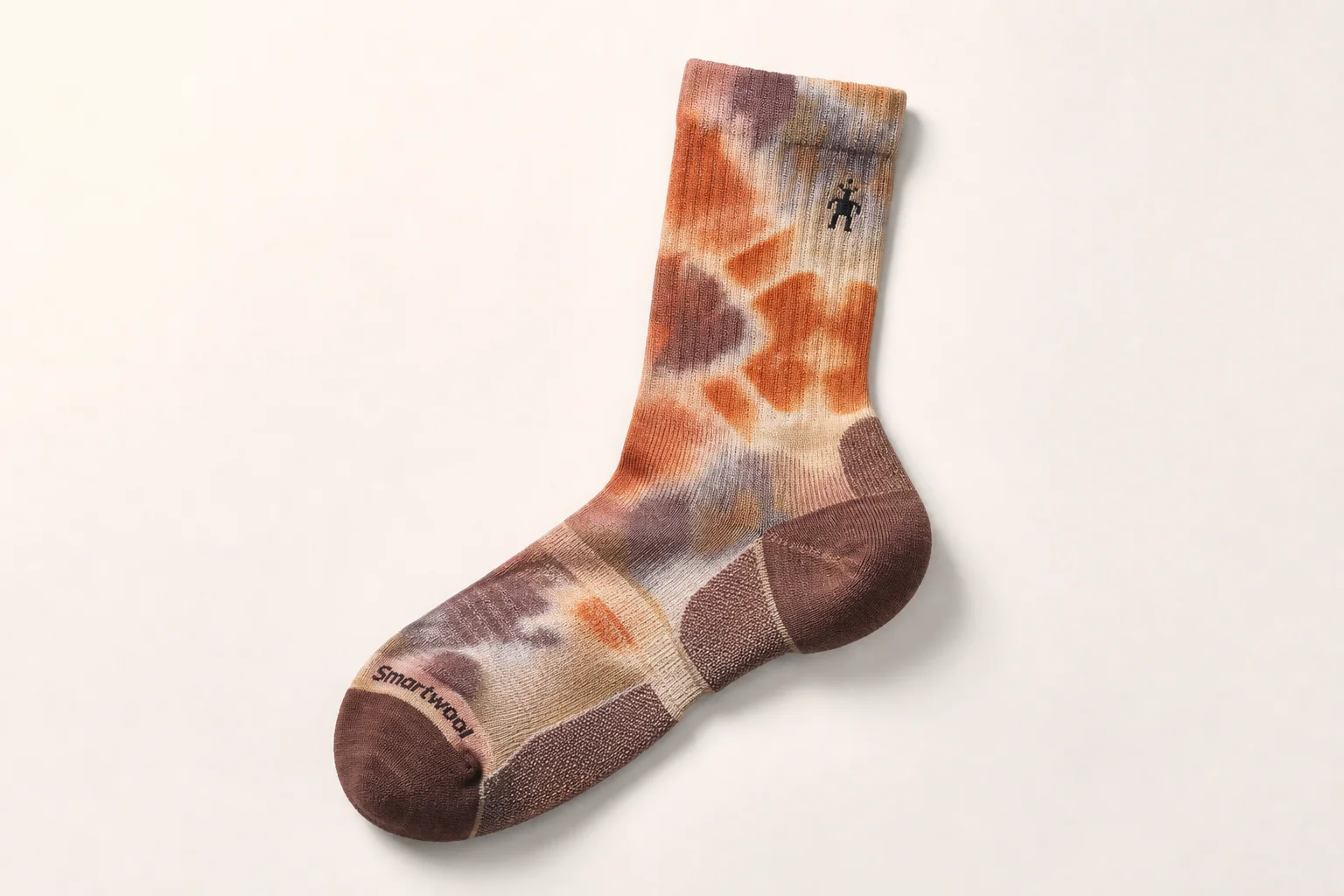
Smartwool Targeted Cushion
The Smartwool Targeted Cushion features a reflections tie-dye print and targeted padding in the heel and toe box. The heel cushioning is particularly useful if you have a narrow heel and run in shoes with spacious heel cups, allowing you to achieve a snug fit without over-tensioning your laces. The toe box padding provides classic protection during longer runs.
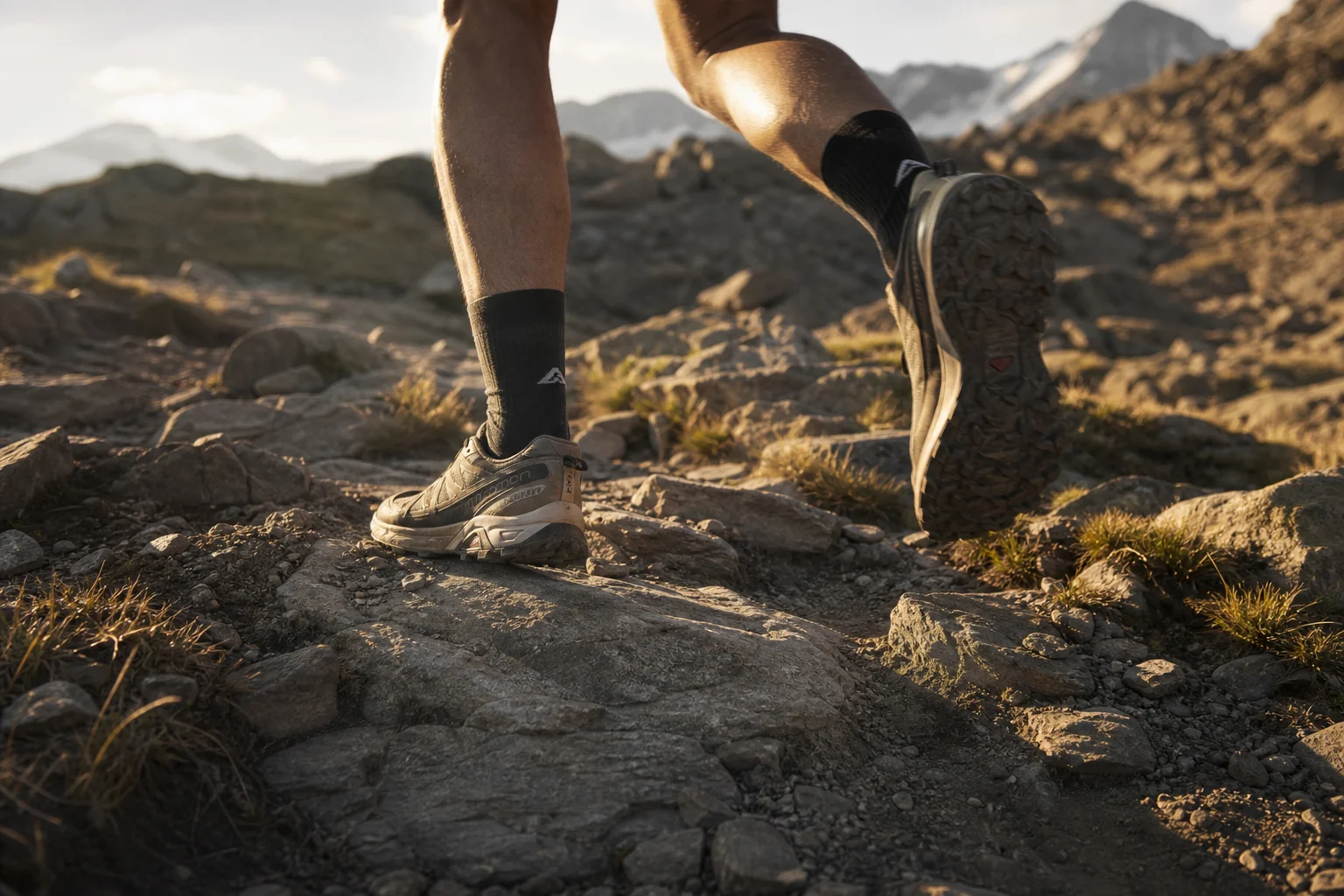
This sock works well as an everyday option and transitions smoothly between casual wear and running. The merino wool construction is durable, and many runners find these socks last through years of use. The crew height is ideal for trail running, offering ankle protection from brush and branches.
Jogology Running Sock
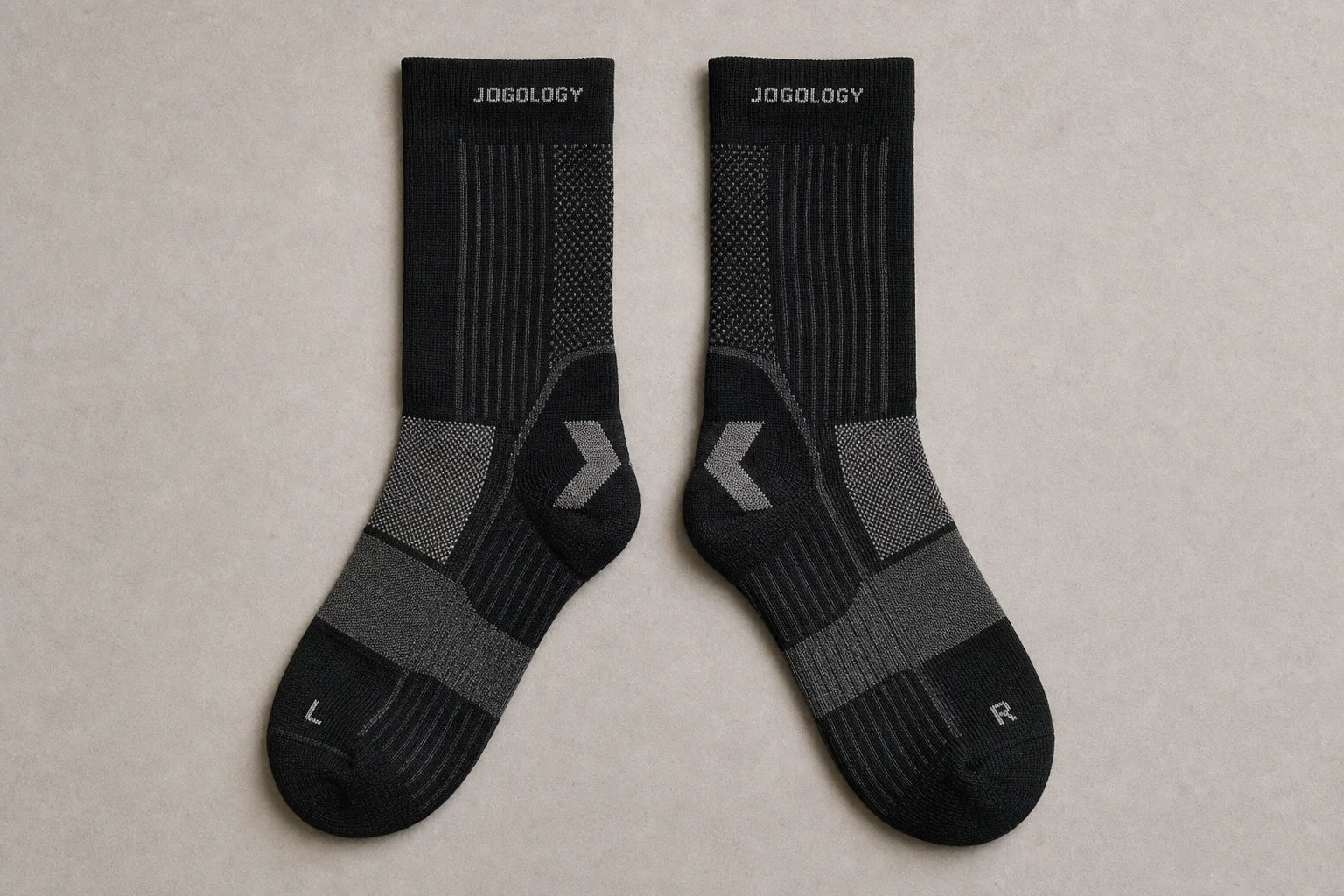
Jogology socks arrive in basic colors—black, gray, and white—without the tie-dye aesthetic some runners prefer. However, they offer genuine performance features. The anatomical left-and-right design is a key differentiator; your feet are not symmetrical, and anatomical socks better accommodate that reality. The sock includes ventilation panels and an arrow heel design with stretch panels that wrap around the heel cup, keeping the sock snug and the cushioning in place.
The cushioning level is similar to Smartwool’s targeted cushion, with padding in the heel and toe box that extends slightly further across the foot. The dry-max material is breathable despite its thickness, and the sock does not feel overly warm during runs. Many runners find these socks migrate between their everyday drawer and running drawer because they work equally well for both purposes.
Sidas Run Anatomic
The Sidas Run Anatomic is a thinner sock designed for runners with dialed-in shoe fits. It features a grip strip—a seamless silicon band in the front of the sock that provides extra grab around the toes without creating noticeable seams against your foot. The sock has a distinctive front design that adds a subtle protective element without flopping or feeling loose.
All Sidas socks are anatomical, with the side logo always appearing on the outside to help you identify left from right. This thinner model suits runners who do not need extra cushioning and want maximum ground feel.
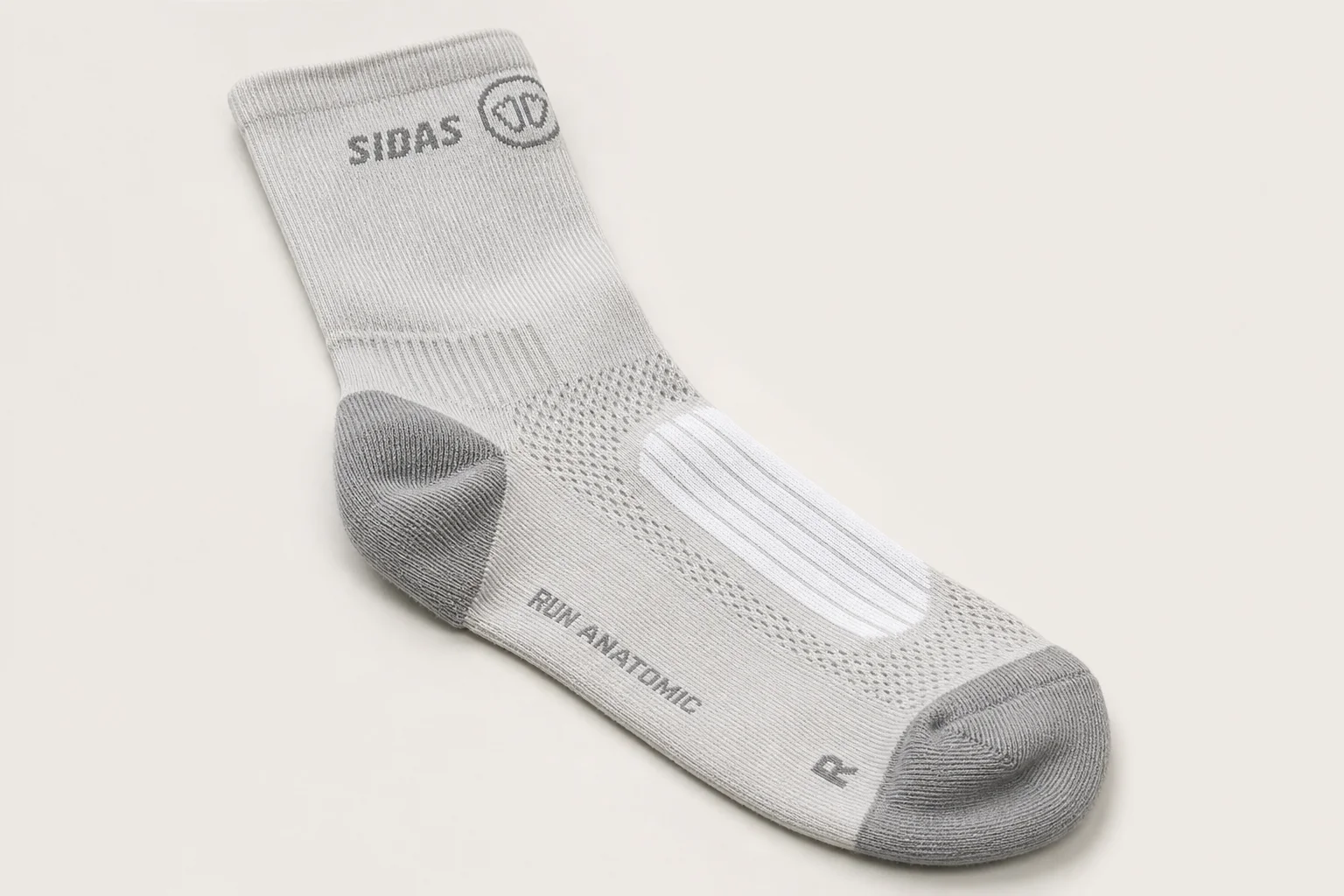
Sidas Run Anatomic Comfort
The Sidas Run Anatomic Comfort is similar to the standard Run Anatomic but adds extra cushioning in the toe box. A gray padded area extends across the ball of the foot and down the medial side of the big toe, providing protection during toe-off. The sock also includes an ankle support strap with a structured gray line that wraps around the heel cup, locking the sock onto your foot.
This model is ideal when you want to fill extra volume in a loose heel cup or add comfort to a snug toe box. The breathable material keeps your feet cool while the targeted padding prevents rubbing.
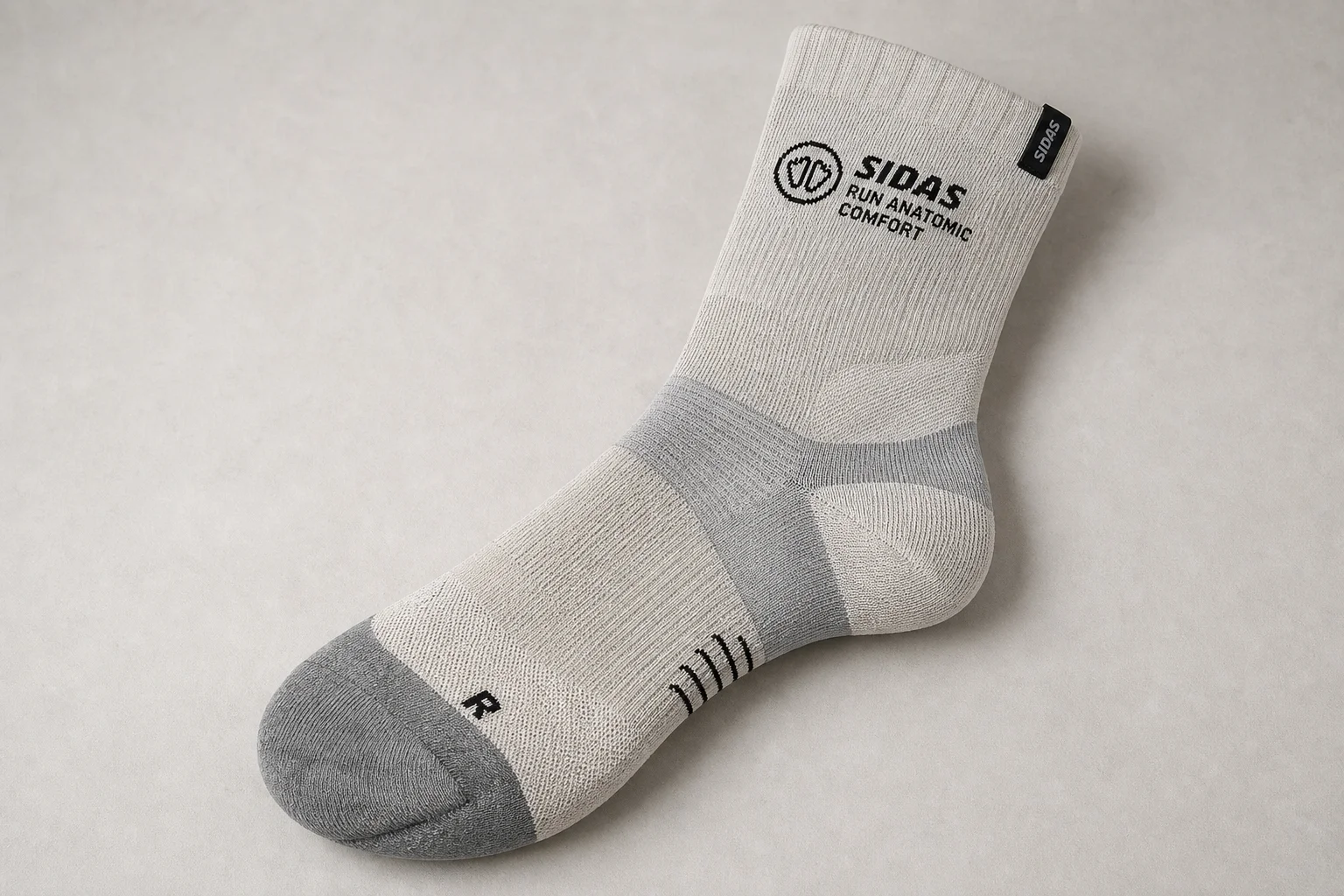
Sidas Trail Protect
The Sidas Trail Protect adds enhanced cushioning around the ankle bones, making it useful for runners who kick their ankles during technical terrain or due to their running gait. The toe box padding is slightly thinner than the Comfort model, and the heel padding is also reduced, but the wider grip band provides extra security. This sock is ideal for technical trail running where foot placement varies significantly.
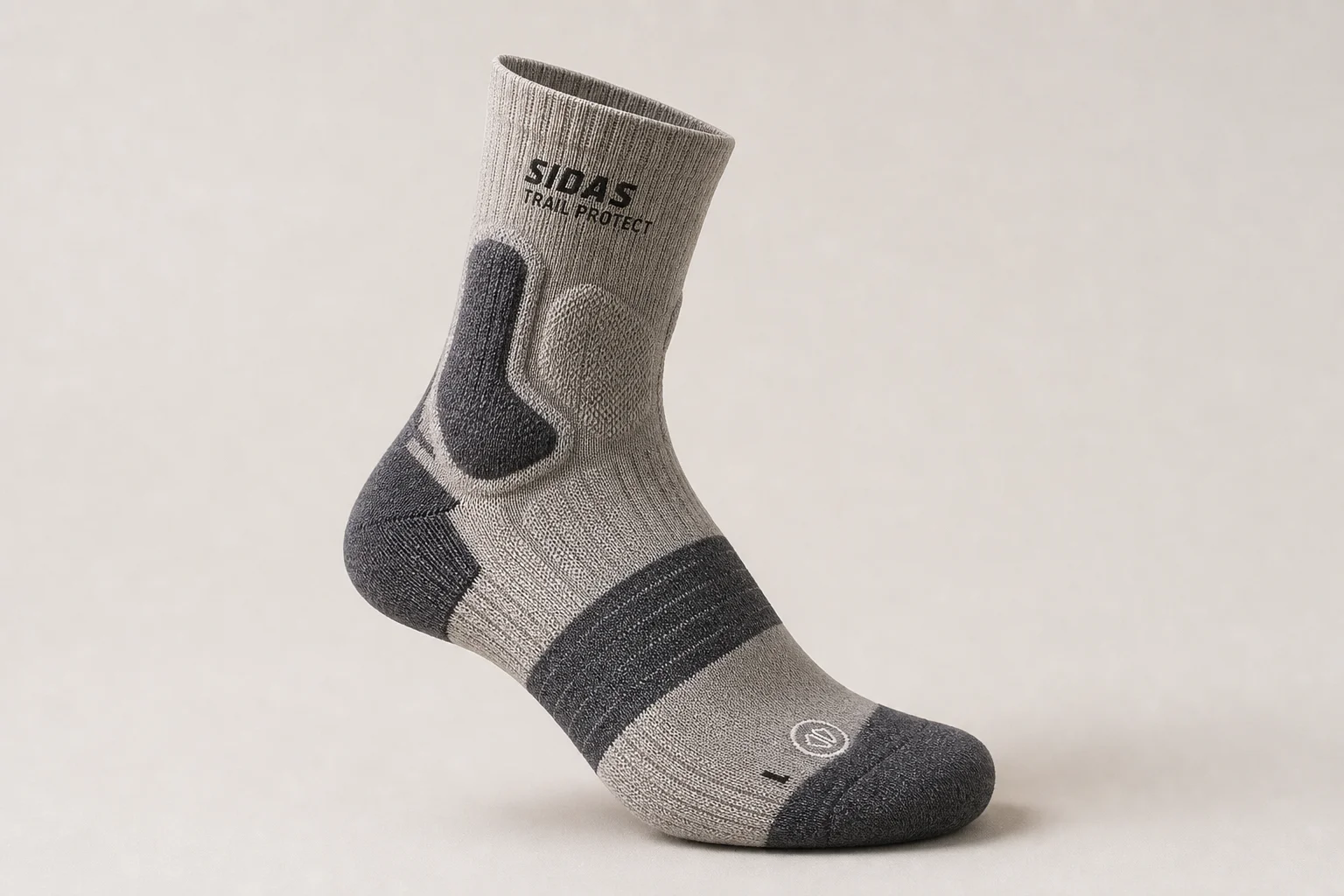
Sidas Trail Ultra
The Sidas Trail Ultra combines ankle protection with a dual grip strap for maximum foot security. Unlike the Trail Protect, this model is thin throughout the rest of the sock, with no extra padding in the toe or heel. The dual grip strap—sticky silicon bands in the front and under the forefoot—provides excellent hold without being noticeable against your skin.
This sock pairs well with shoes that lack an insole or have minimal cushioning, such as the S-Lab Pulsar from Salomon. The thin construction suits runners who prefer minimal sock interference.
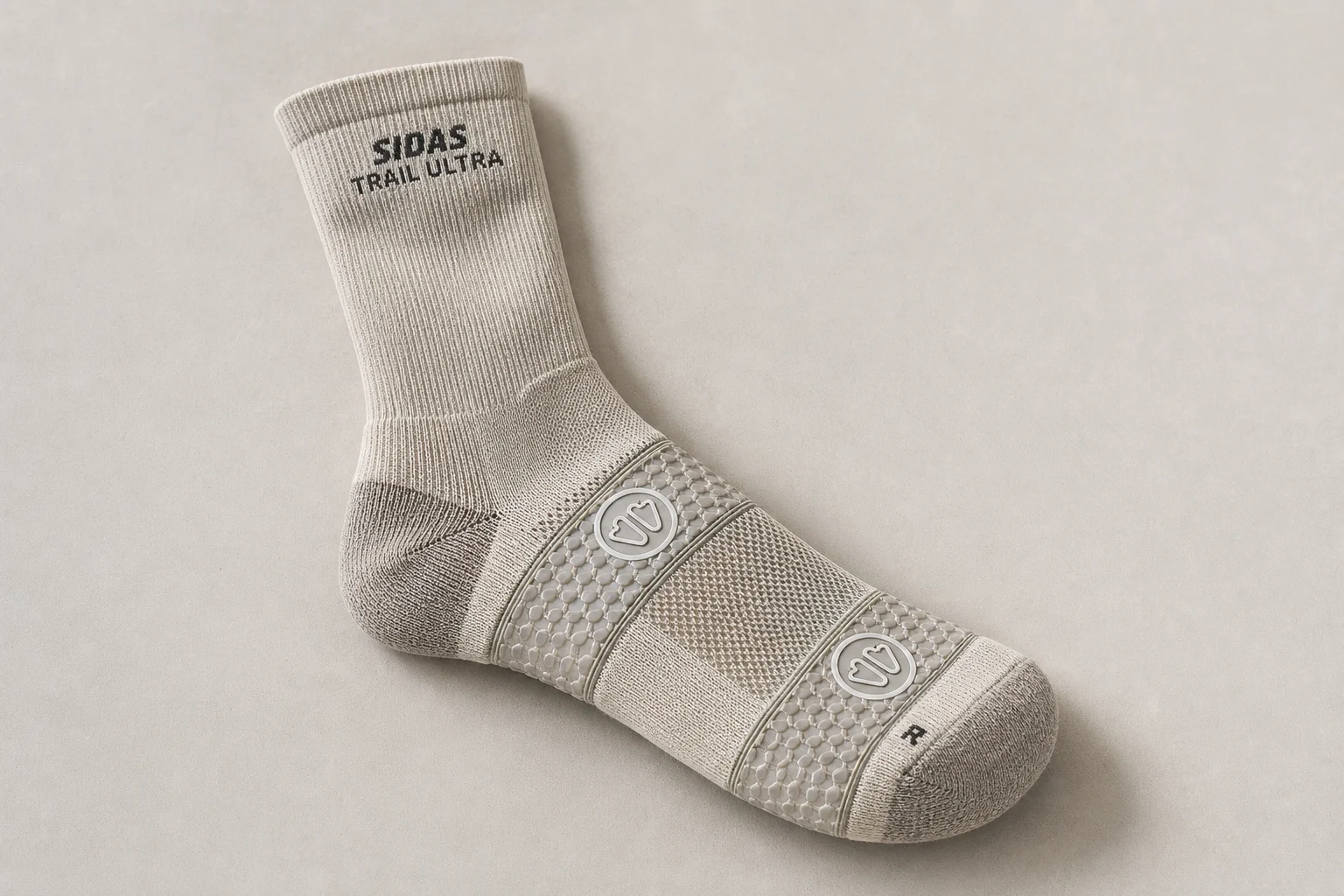
Sidas T-Free Trail
The Sidas T-Free Trail is a unique toe sock with a separate compartment only for the big toe. This design isolates the big toe to direct power during toe-off, which is where your propulsive force originates during running. The trail version includes extra cushioning in the toe area and ankle pads for protection on technical terrain, plus a wider grip band.
This sock is worth trying if you tape your big toe during ultras to prevent edge blistering, or if you want to protect your big toe without the full expansion of traditional toe socks. It offers a middle ground between standard socks and full toe separation.
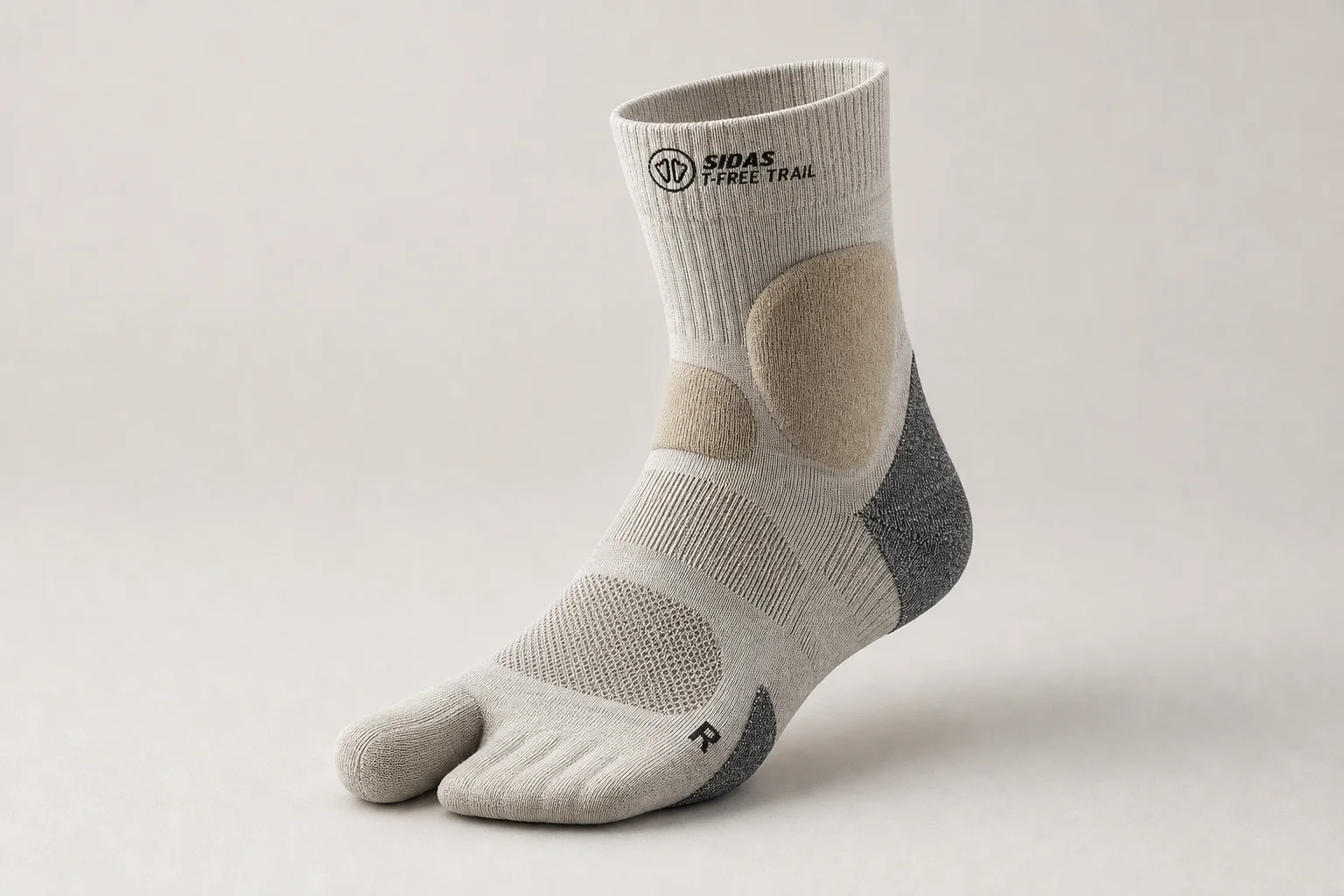
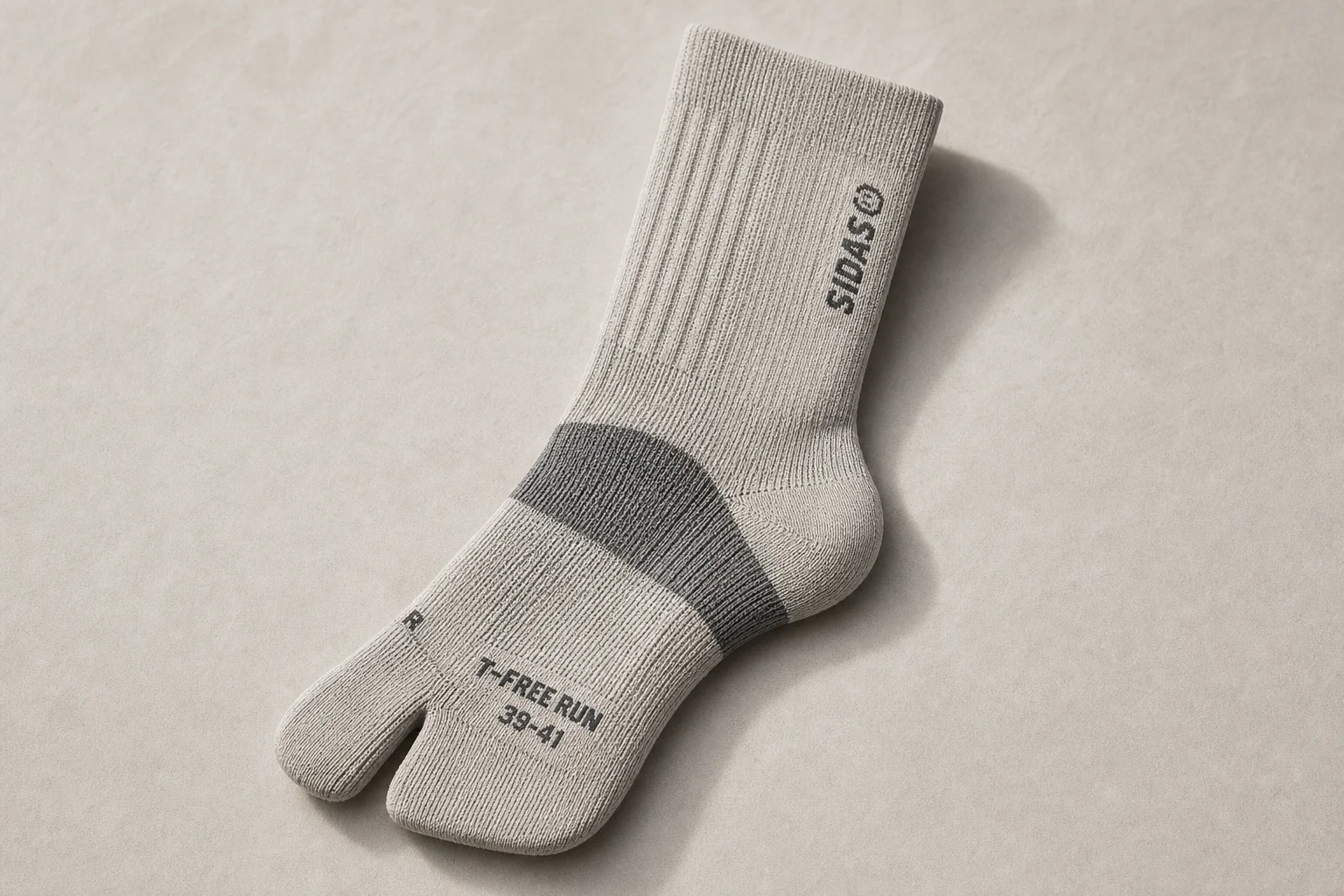
Sidas T-Free Run
The Sidas T-Free Run is the road-running version of the T-Free design. It is thinner overall, lacks the ankle padding, and has a narrower grip band. This sock was used during a marathon and provides an interesting alternative for runners focused on big-toe power and ground feel.
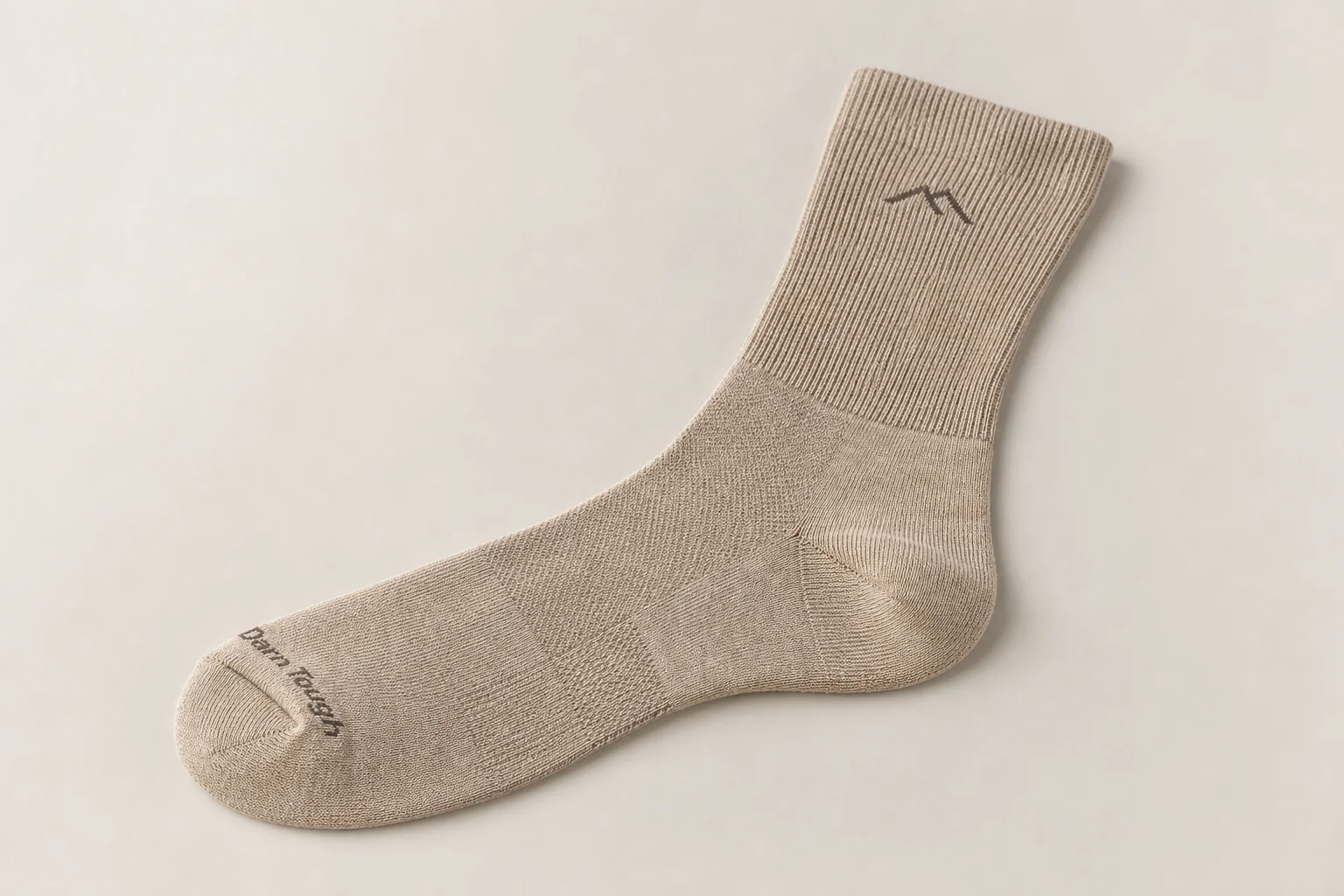
Darn Tough Ultra Lightweight
The Darn Tough Ultra Lightweight is a no-nonsense, minimalist sock with no padding in the heel or toe box. It suits runners with tight-fitting shoes or those who prefer maximum ground feel on road runs. The 42 percent merino wool construction provides durability and temperature regulation.
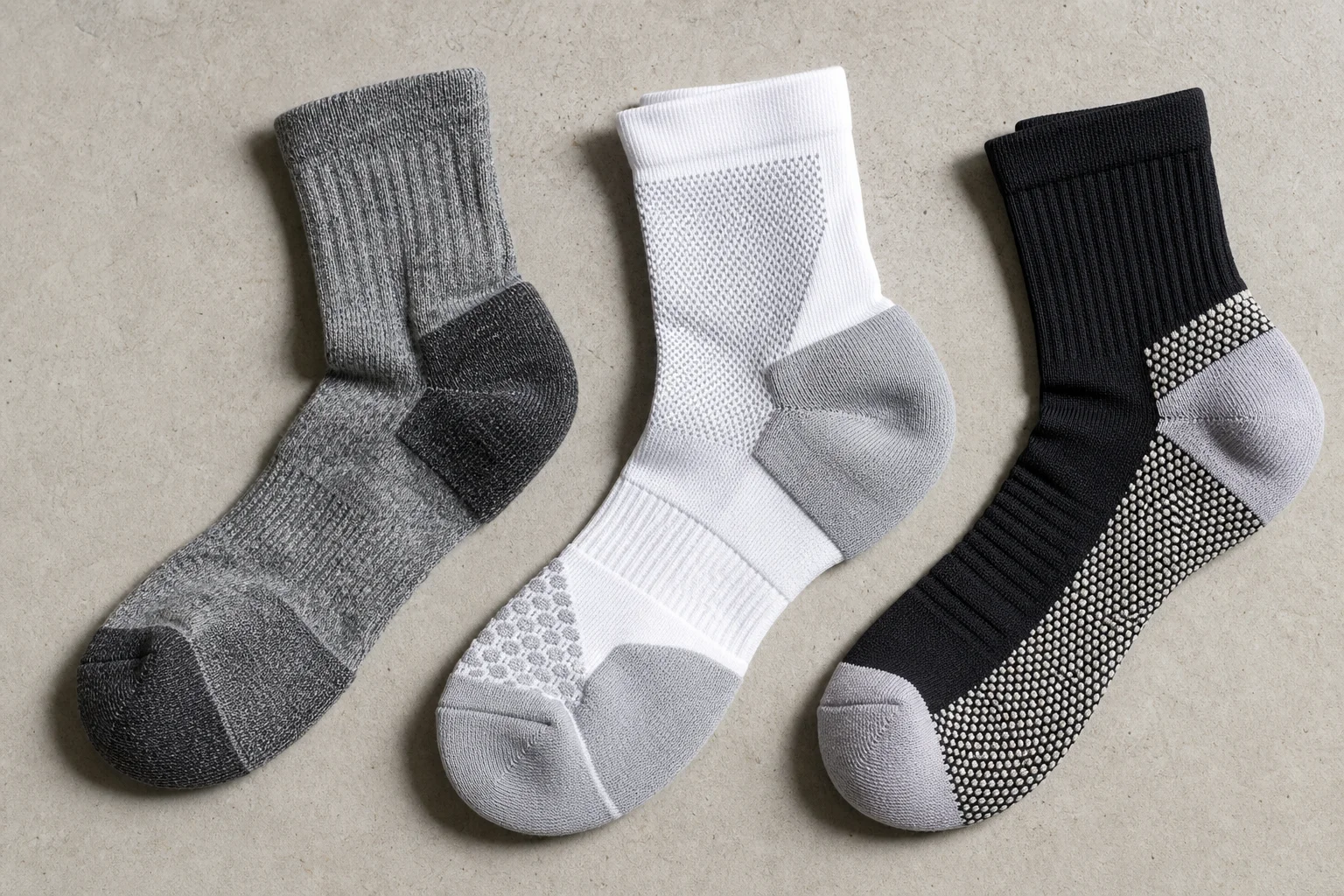
Darn Tough backs all socks with a 100 percent guarantee, replacing damaged pairs without questions asked. This sock is ideal for shorter runs or road running where you do not need extra protection or cushioning. The ultra-lightweight design works well when shoe fit is already dialed in.
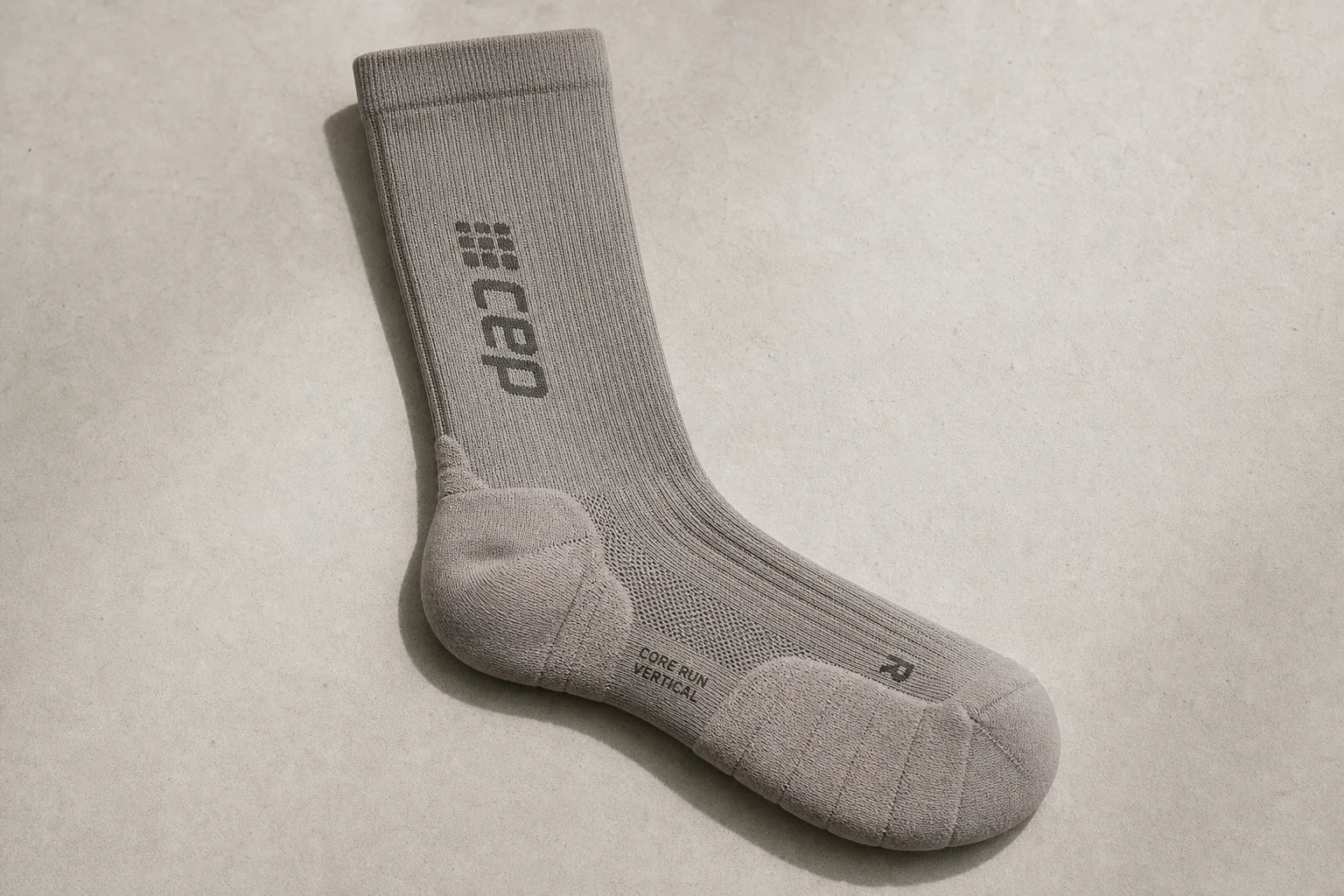
CEP Core Run Vertical Mid
The CEP Core Run Vertical Mid is a compression sock with medium compression around the ankle and padding throughout the heel. The unique feature is padding on both the medial and lateral sides of the foot, providing cushioning if you land on the outside of your foot or need extra support there.
This sock is anatomical with left and right options. The 87 percent polyamide construction means no merino wool, but the compression feel and targeted padding make it useful for longer ultras where you want a locked-in, cushioned fit. The sock is not designed for cold weather despite its compression appearance.
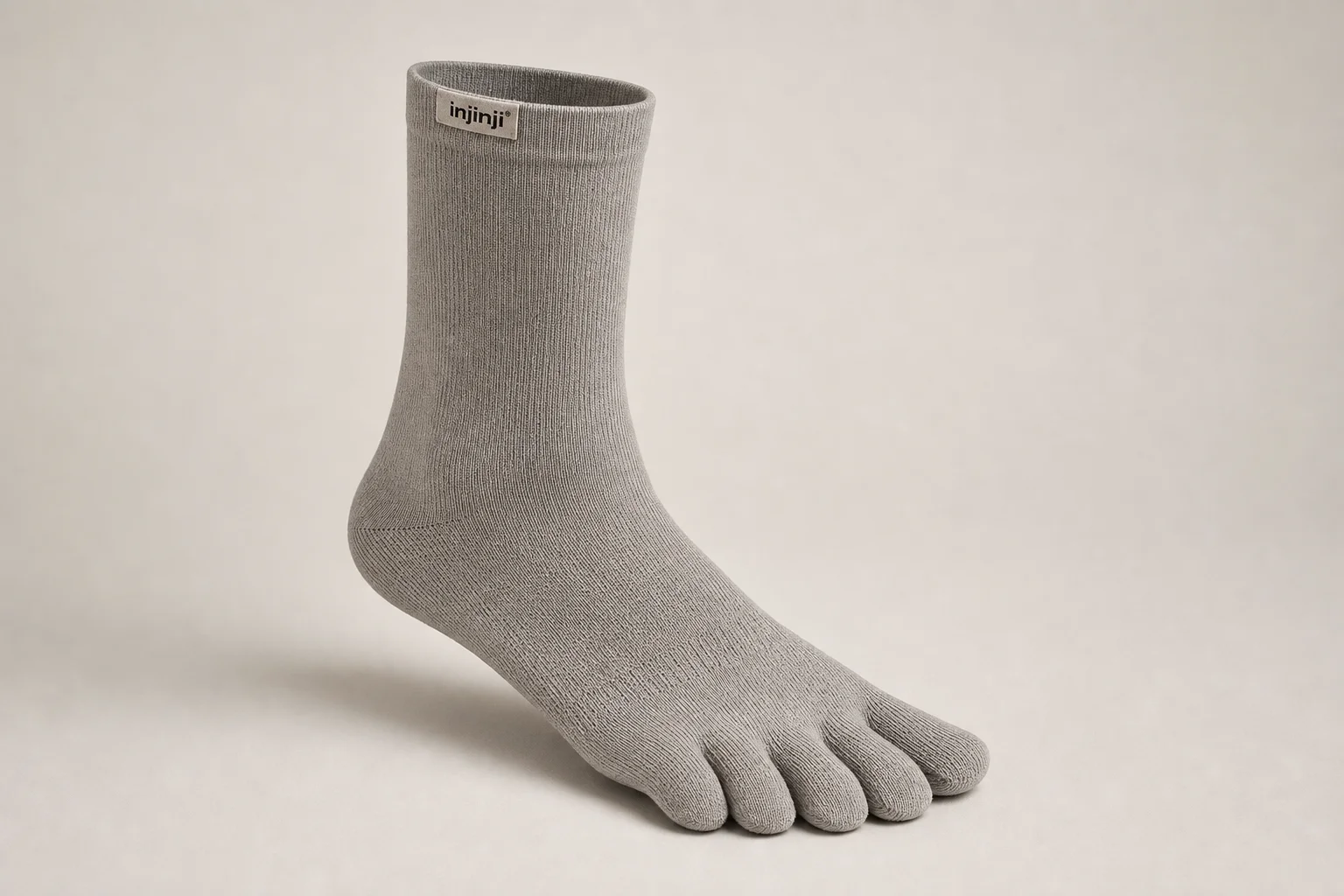
Injinji Liner Crew
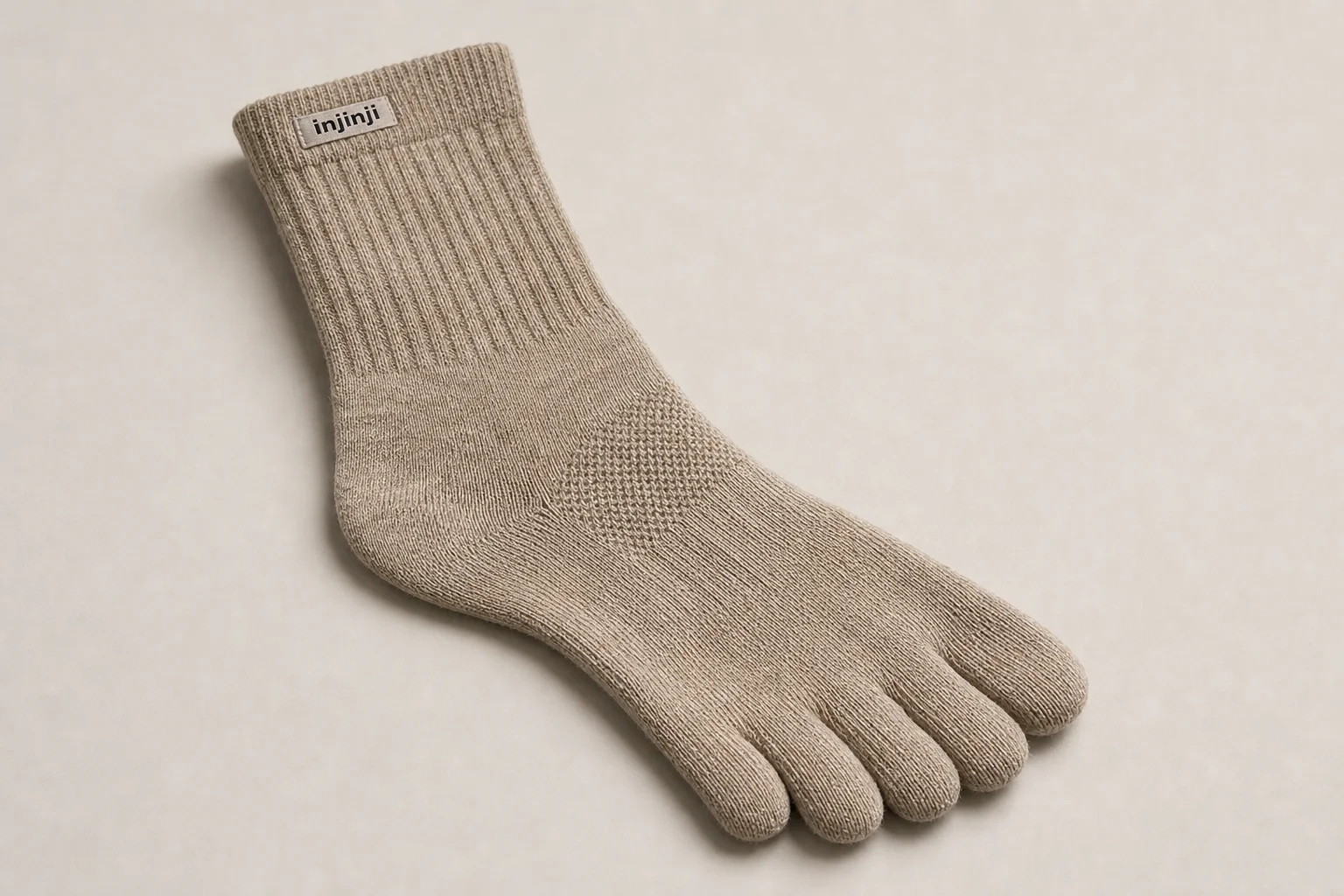
The Injinji Liner Crew is a thin liner sock designed to be worn under a thicker sock or by itself in tight-fitting shoes. The merino wool version feels smooth and premium for everyday use, though merino can hold water when soaked, making it less ideal for racing in wet conditions.
A cotton version is also available and is commonly used as part of a two-sock system for 100-mile ultras. Wearing a liner sock under a thicker sock creates multiple layers that slide against each other, reducing friction and preventing blisters during long distances.
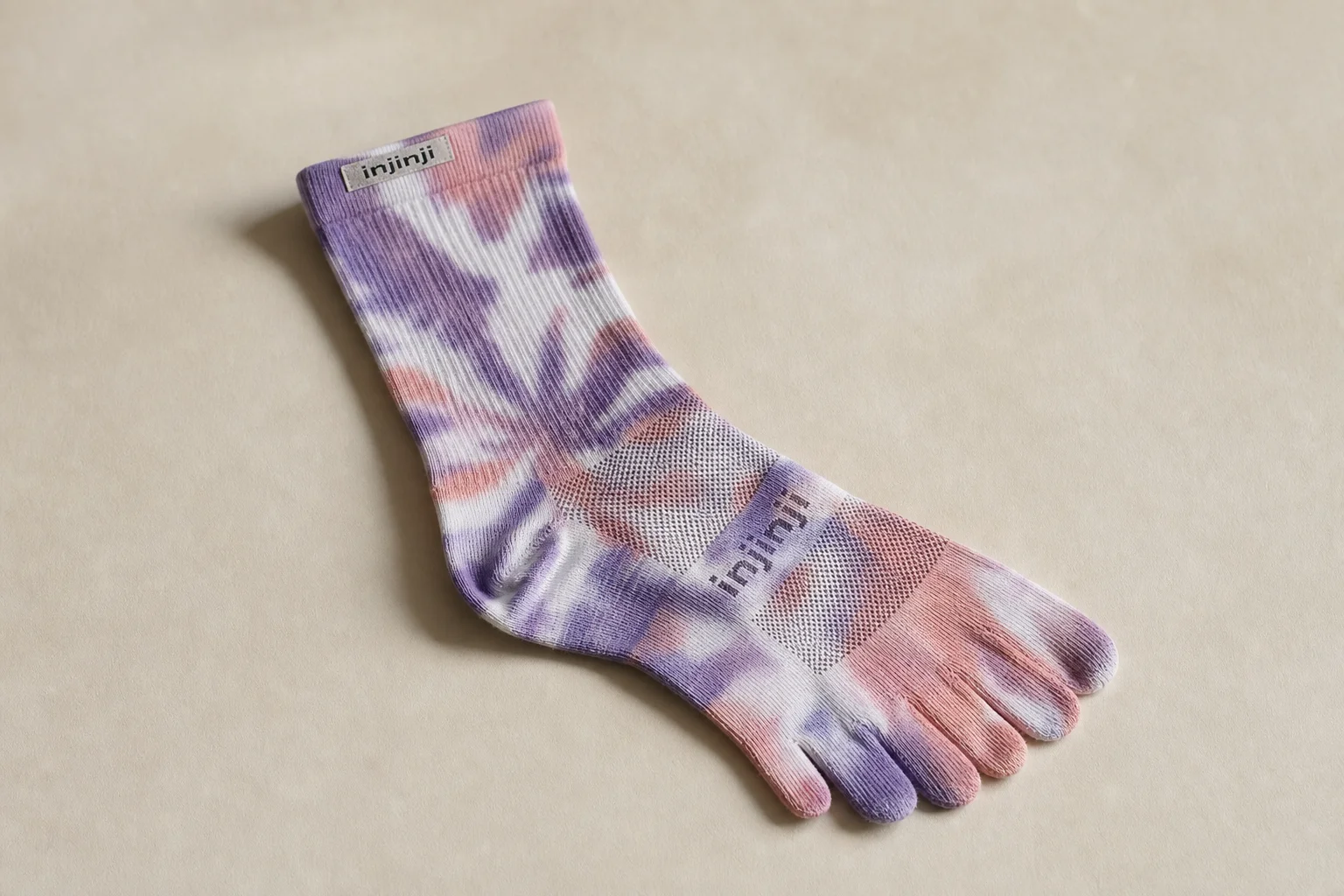
Injinji Run Lightweight Crew
The Injinji Run Lightweight Crew is a standard mid-weight toe sock with cushioning in the heel and toe box, plus breathable panels on the top of the foot. The tie-dye design is visually appealing. This sock works well in shoes with extra toe box volume, such as Topo, Altra, and Keen models, where the individual toe compartments feel natural rather than cramped.
Injinji Midweight Merino Wool
The Injinji Midweight Merino Wool is a plush, soft option ideal for hiking and winter running. The merino wool construction feels luxurious, and the sock works best in boots or shoes with extra toe box space. Proper winter boot sizing—with room for thicker socks—keeps feet warmer than tight boots with thin socks, since compression reduces circulation.
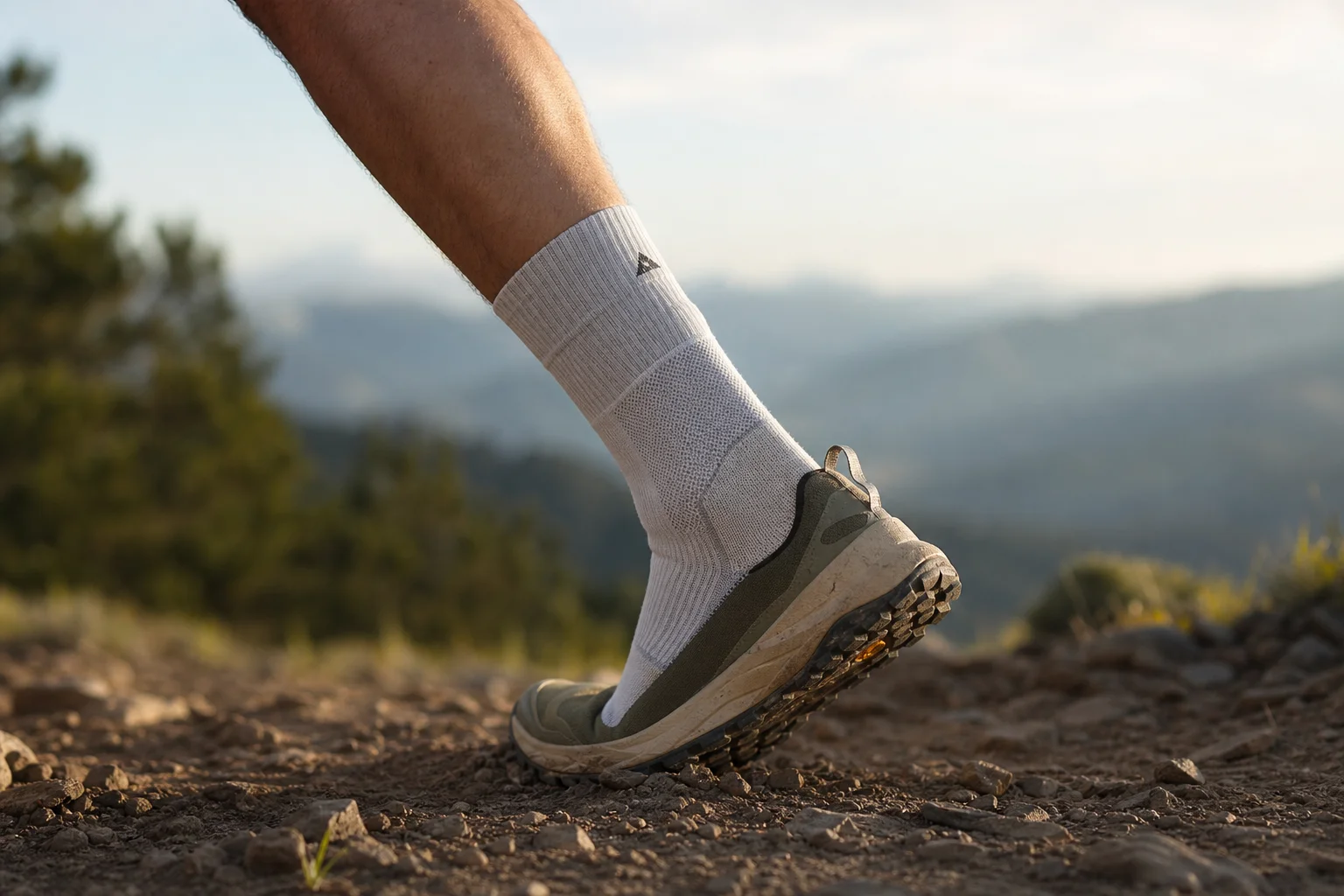
These socks are also available in an over-the-calf version for additional warmth and coverage during cold-weather running with long pants.
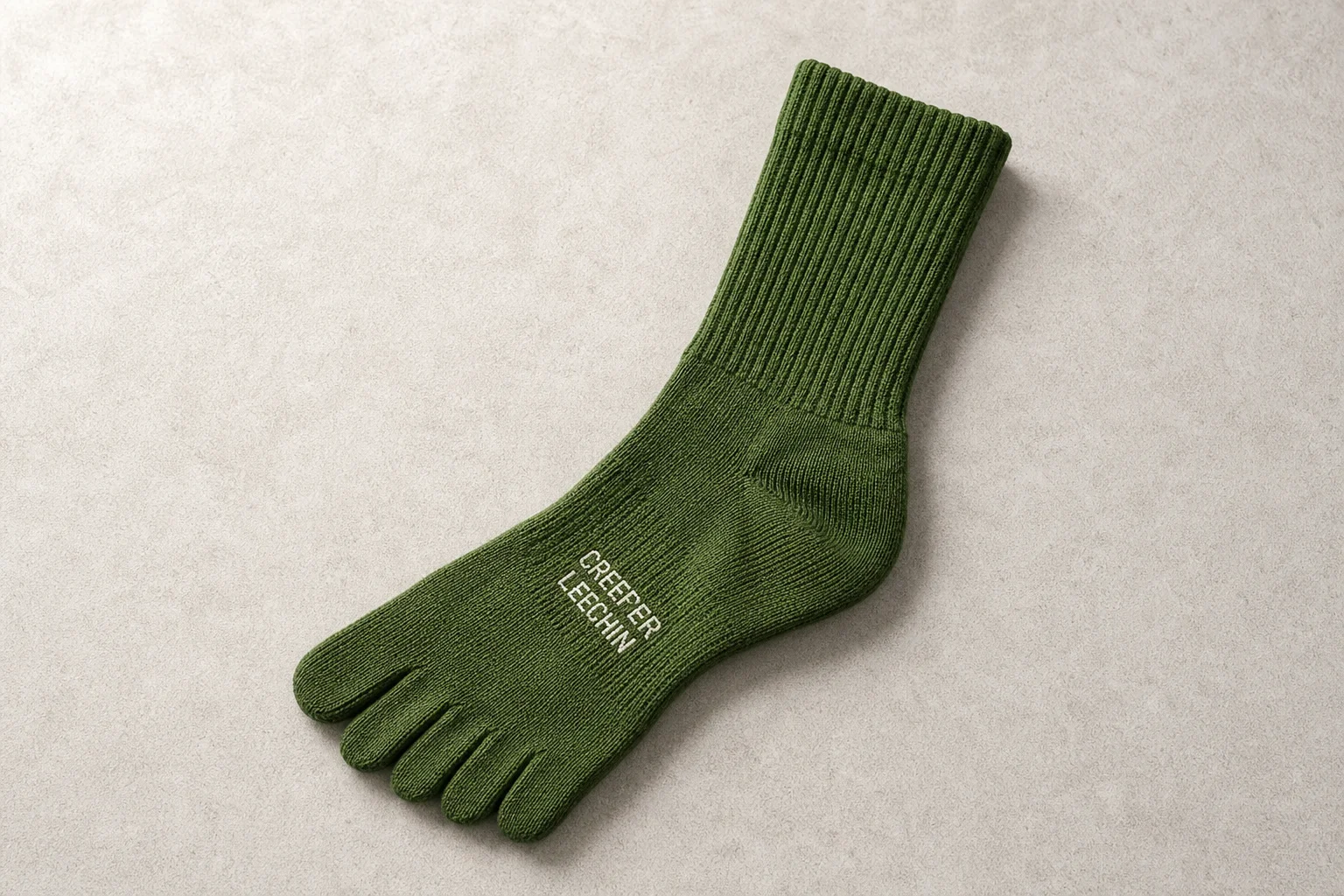
Creeper Leechin
The Creeper Leechin is a 100 percent merino wool toe sock in a striking green color. Creeper socks feel softer and smoother than some Injinji merino options, with a different texture that many runners prefer. The sock includes stretch support around the foot and breathable panels on top.
Creeper socks are known for durability and are favored by ultramarathoners like Phil Gore, who wears them during multi-day backyard ultras. The toe length is carefully calibrated for proper fit, and the brand pays close attention to individual toe sizing. These socks require hand washing and line drying to maintain their quality.
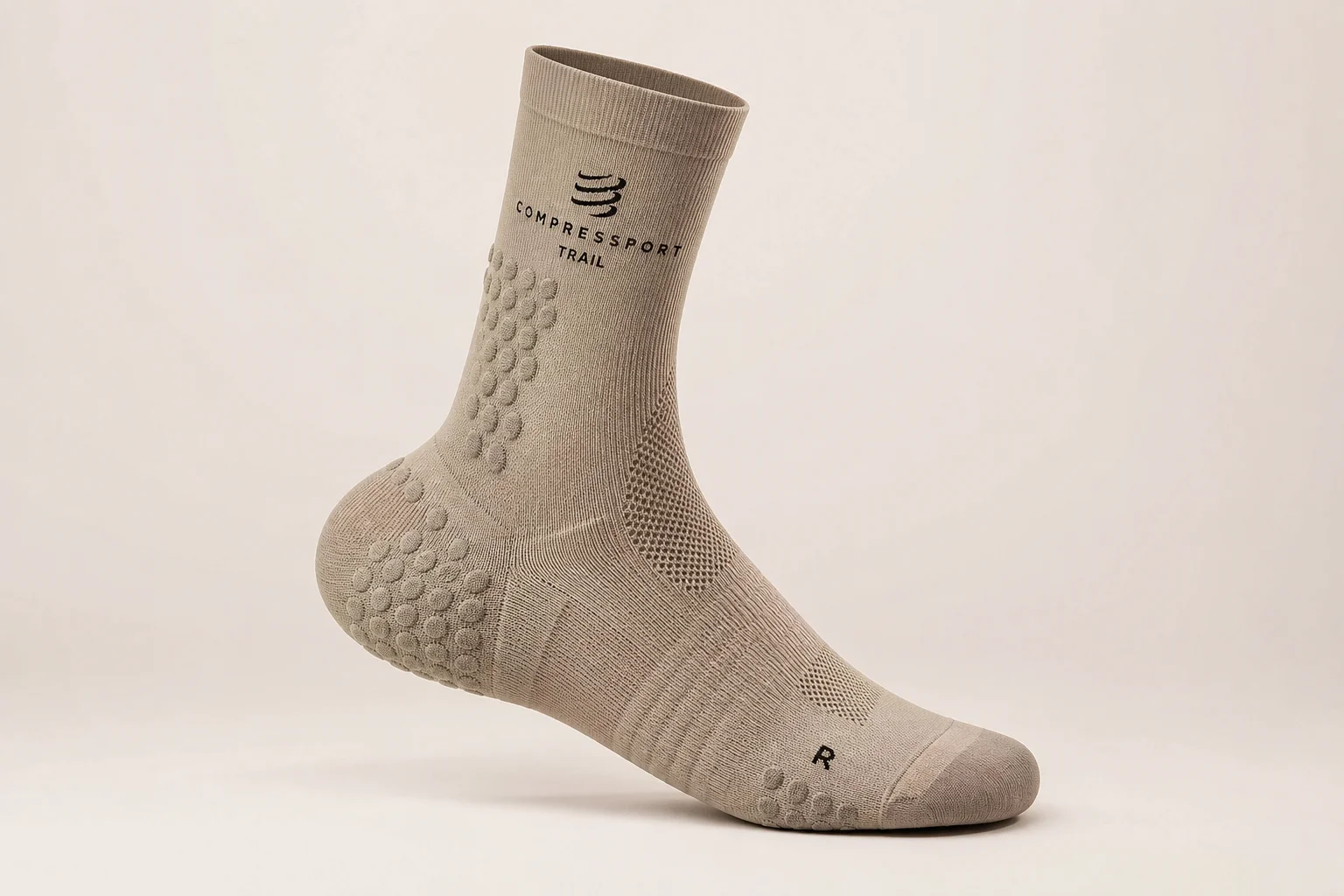
Compressport Trail
The Compressport Trail features small dots in strategic areas—around the heel, ankle bone, and Achilles—designed to reduce friction in high-rubbing zones. The dots may help with heel rubbing or Achilles irritation, though their effectiveness varies by individual. The sock is anatomical with left and right options and holds the foot securely.
The thin construction and unique dot pattern create a different feel compared to standard socks. If you experience heel or Achilles rubbing from a particular shoe, this sock is worth testing.
Choosing the Right Sock for Your Needs
Sock selection depends on three main factors: shoe fit, running distance, and personal preference.
For shoes with spacious heel cups, choose socks with targeted heel padding like Smartwool Targeted Cushion, Jogology, or Sidas Run Anatomic Comfort. For tight-fitting shoes or road running, opt for minimal-padding options like Darn Tough Ultra Lightweight or Sidas Run Anatomic.
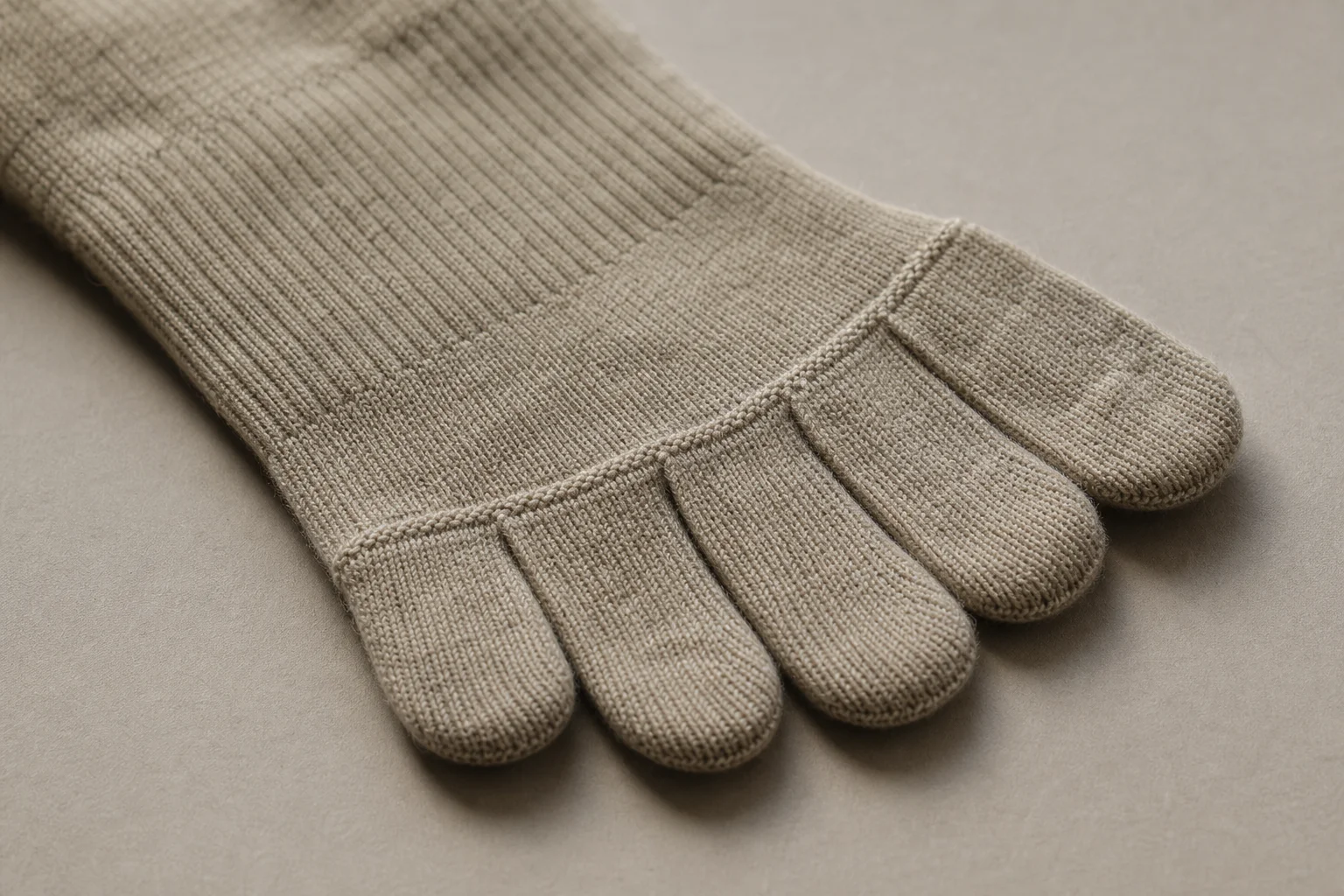
For trail running, crew-height socks provide ankle protection. For ultras, consider a two-sock system using a liner under a thicker sock to reduce friction. For shoes with extra toe box volume, toe socks like Injinji or Creeper offer comfort and ground feel.
Material matters too. Merino wool provides softness and temperature regulation but can hold water when soaked. Synthetic materials like dry-max dry faster and work better in wet conditions. Anatomical socks with left-and-right designs offer better fit than universal socks.
Conclusion
Running socks are not an afterthought—they are a critical part of your running kit. Whether you prioritize cushioning, minimal interference, toe separation, or specific protection, there is a sock on this list that matches your needs. Start with one or two models that align with your shoe fit and running style, then experiment with others as your needs change with the seasons and distances you run.
Further reading
Related Reviews
Running Gear
Best Running Caps 2026: Nine Tested Options for Summer and Winter
A comprehensive guide to nine running caps tested across different conditions, from lightweight summer options to waterproof winter choices.
Running Gear
Best Running Caps: A Guide to Summer and Winter Options
A comprehensive review of nine running caps for different conditions, styles, and preferences, from lightweight summer options to waterproof winter choices.
Running Gear
Best Running Socks Reviewed: 17 Options for Every Distance and Preference
A comprehensive guide to running socks covering performance, cushioning, blister prevention, and material choices. Find the right sock for your running style.