Aquarium Supplies
Best Saltwater Aquarium Mixes: A Beginner's Guide to Seawater Chemistry
Understanding seawater mixes and how to choose the right one for your reef tank, FOWLR setup, or beginner goals.
Introduction
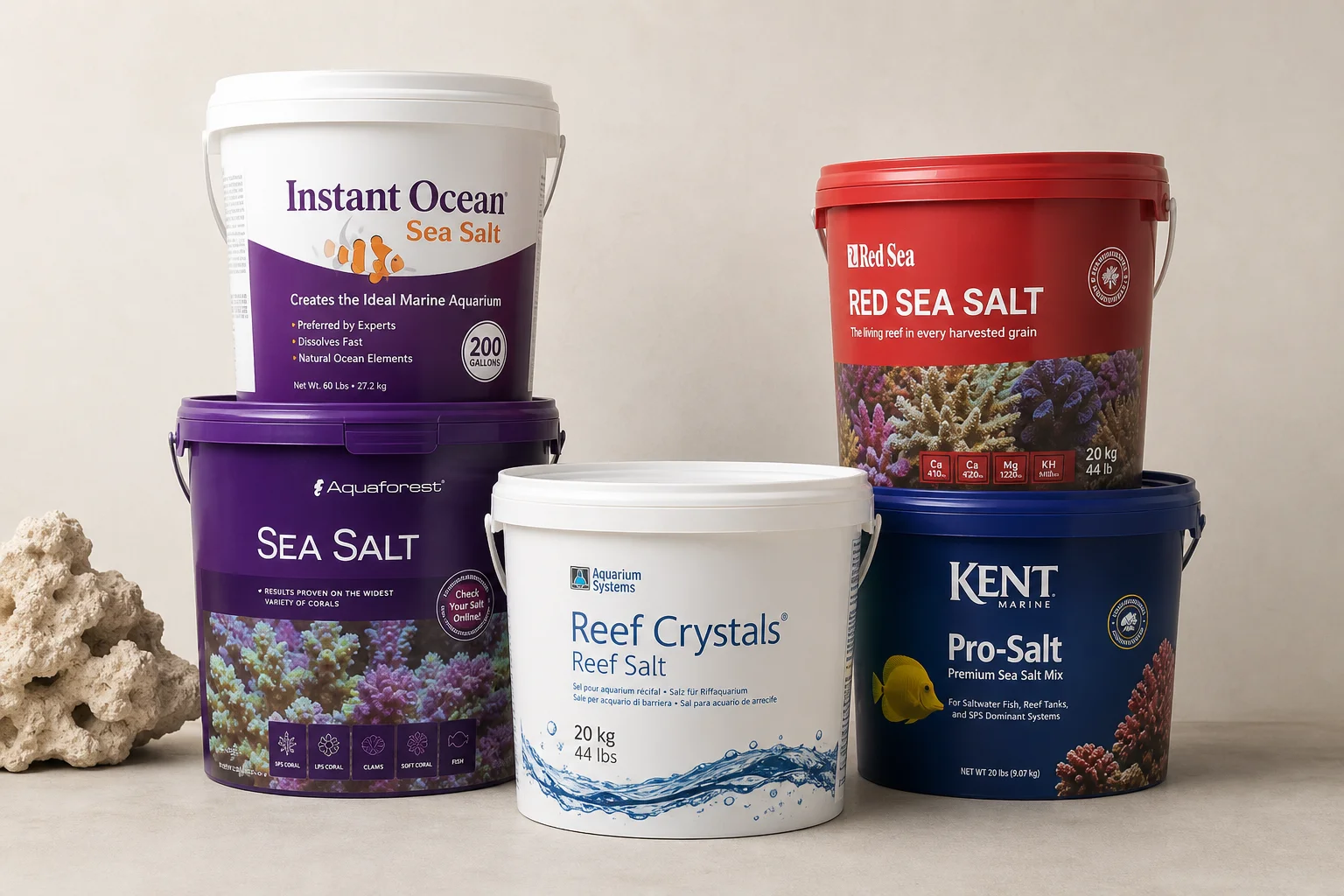
Not all saltwater mixes deliver the same results. The cost per gallon can range from as little as 33 cents to well over 55 cents, and the chemical composition varies significantly between brands. Understanding these differences is essential for building a healthy reef tank, whether you are a complete beginner or planning a specialized setup.
The key distinction lies in what you are actually buying. A seawater mix is not simply salt dissolved in water. Ocean water contains 96.5% water, 2.5% various salts, and 1% major, minor, and trace elements. A quality synthetic seawater mix attempts to replicate this composition, though some formulations emphasize different elements depending on their intended use.
Understanding Seawater Mix Composition
When you fill an aquarium with table salt and water alone, you miss the crucial major, minor, and trace elements that support coral health and growth. These elements are what separate a basic salt solution from a true seawater mix.
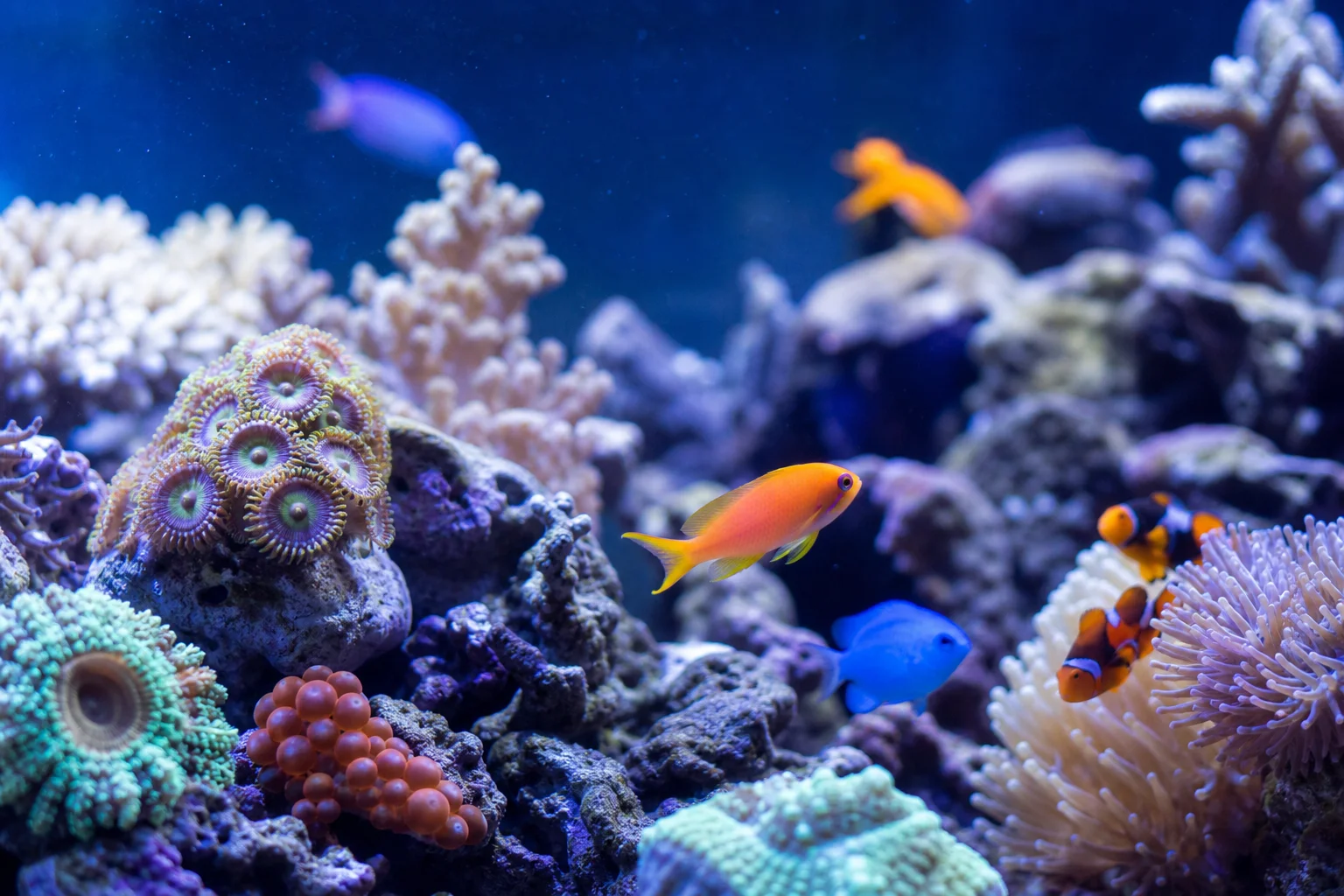
The two most important parameters to monitor are calcium and alkalinity. Most hobbyists maintain calcium levels between 400 and 425 parts per million and alkalinity (dKH) between 7 and 9. However, different mixes deliver different starting points. Some formulations are deliberately designed with elevated levels to reduce the need for supplemental dosing, while others provide a more neutral baseline.
Choosing the Right Mix for Your Tank
Your choice of seawater mix should align with your specific goals and livestock requirements.
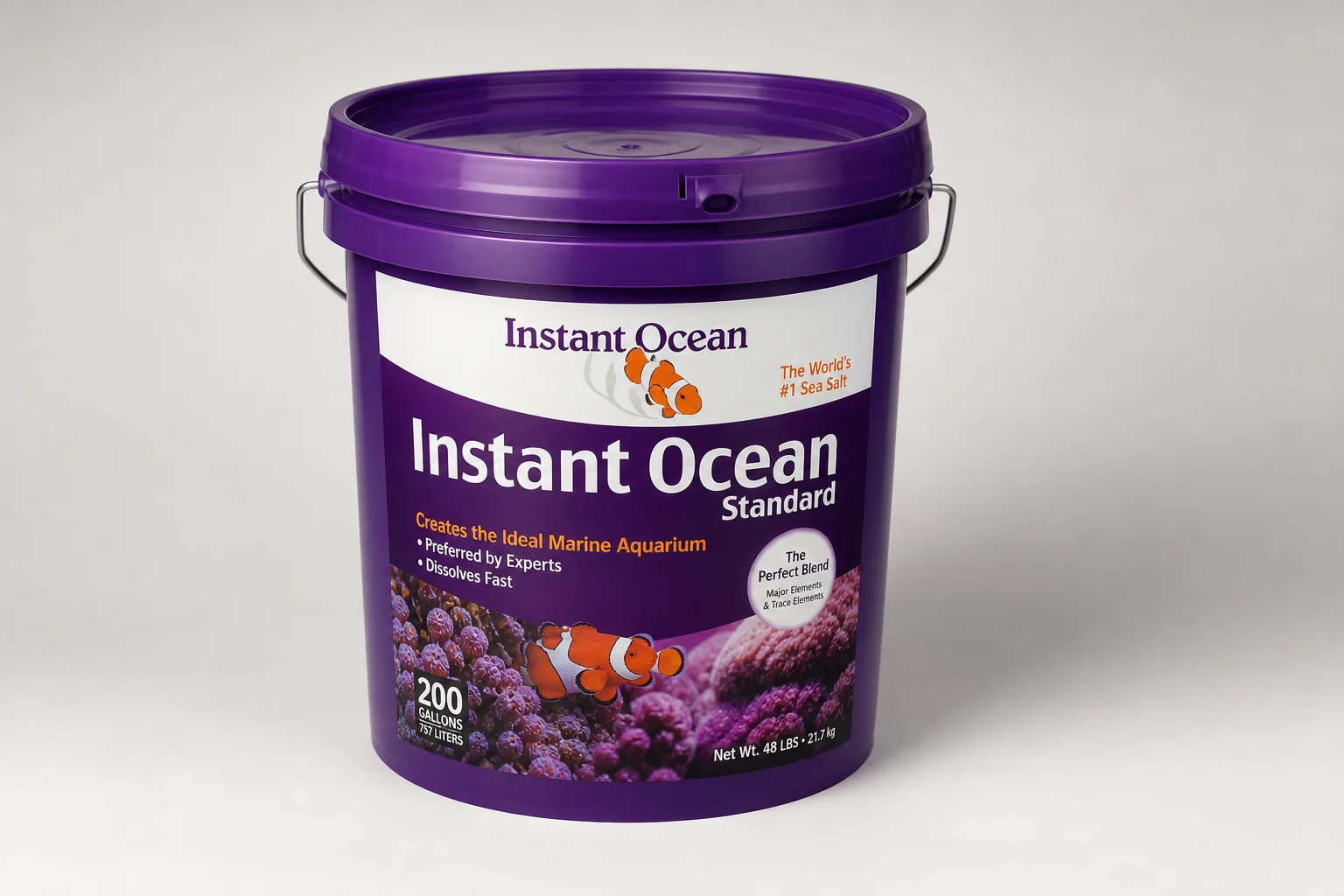
Best Budget Option: Instant Ocean Standard
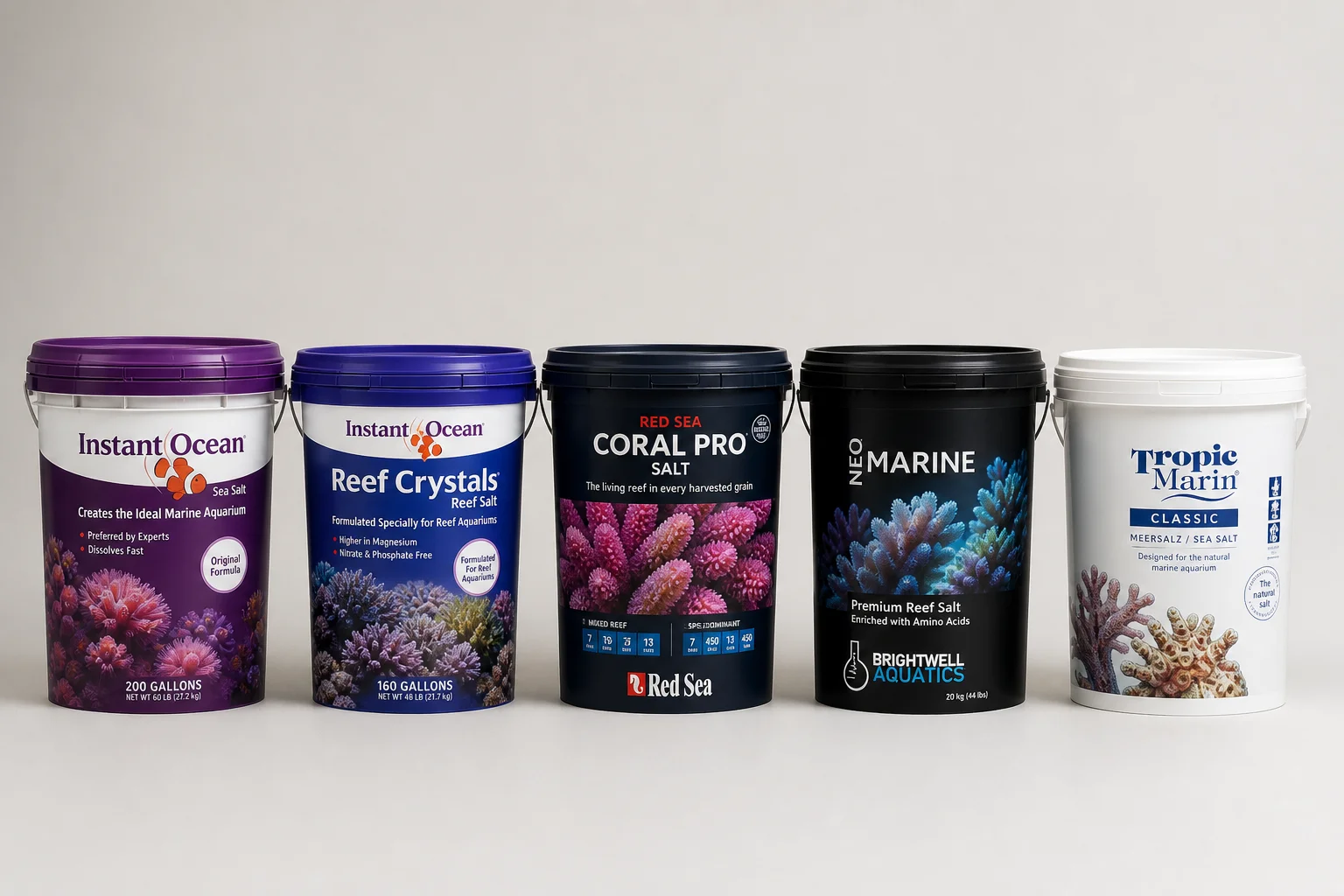
For those prioritizing cost, Instant Ocean Standard in the purple bucket is the clear winner. It mixes to approximately 425 parts per million calcium and 10 dKH, delivering solid baseline chemistry at the lowest price point.
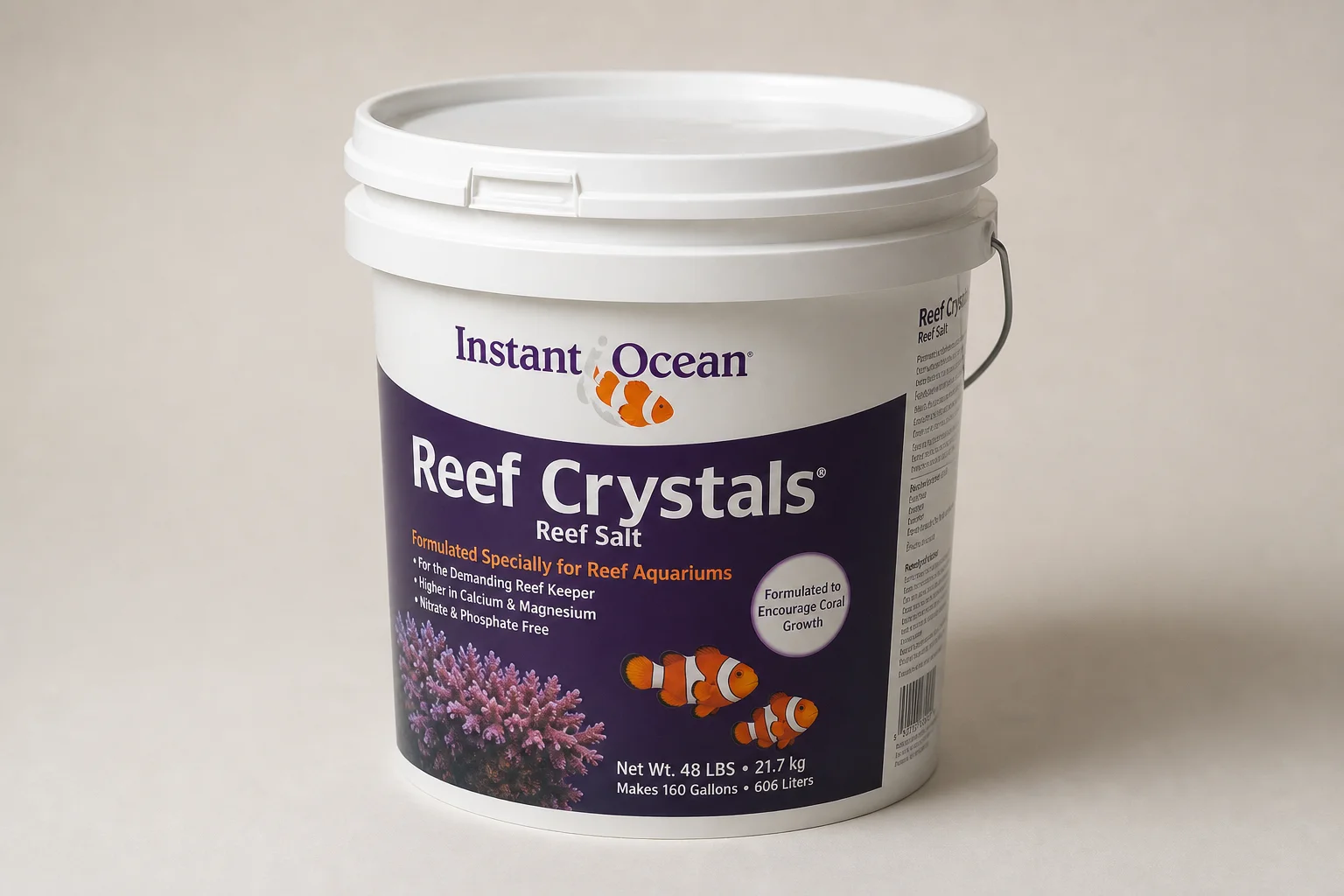
Highest Calcium and Alkalinity: Instant Ocean Reef Crystals
If you want the highest calcium levels available, Instant Ocean Reef Crystals delivers calcium above 500 parts per million and dKH above 10. However, this mix does tend to mix somewhat cloudily.
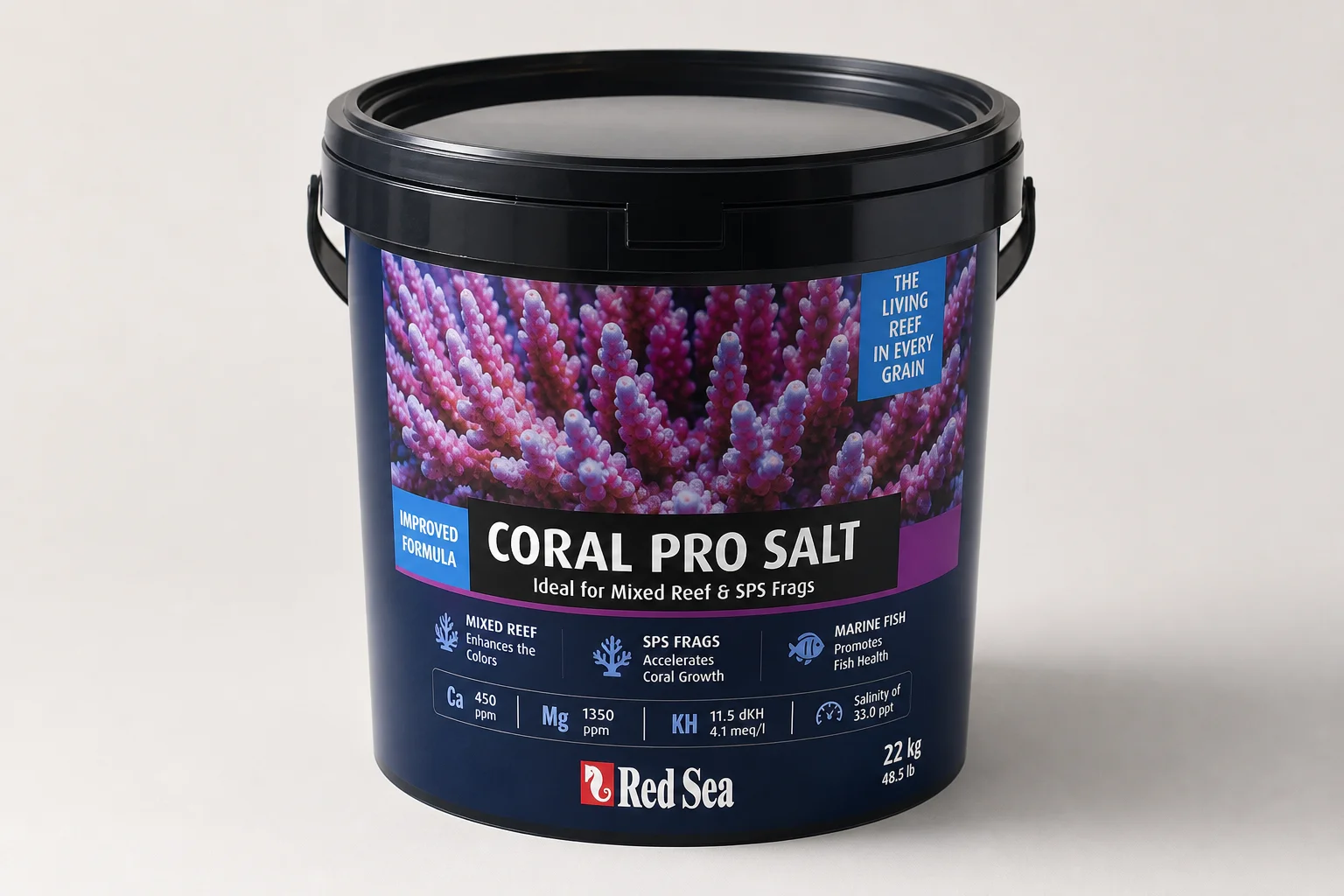
Highest Alkalinity: Red Sea Coral Pro
For those prioritizing alkalinity above all else, Red Sea Coral Pro stands out with an exceptional 12.3 dKH and a still-respectable 450 parts per million calcium. This mix also tends to mix more cleanly than some alternatives.
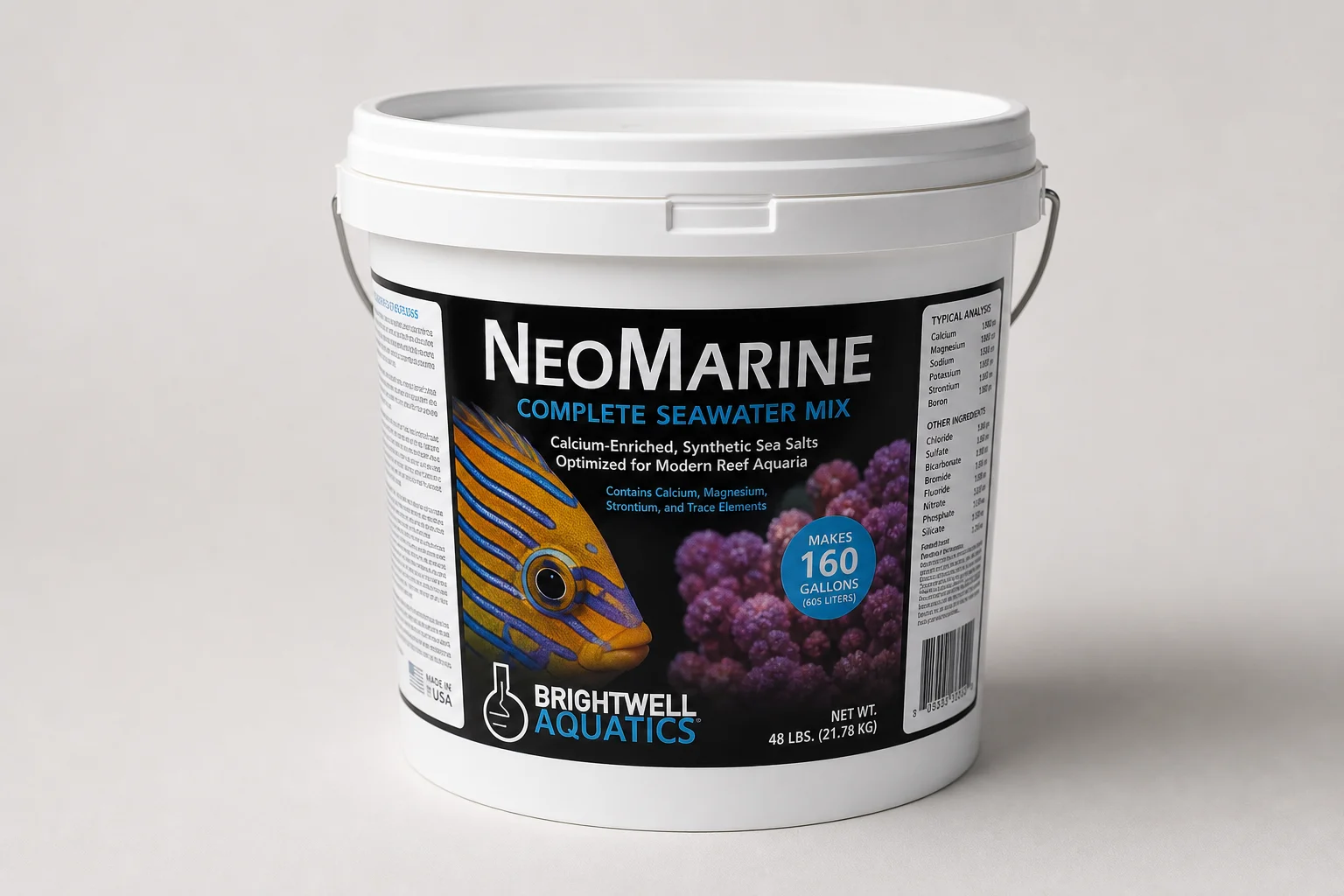
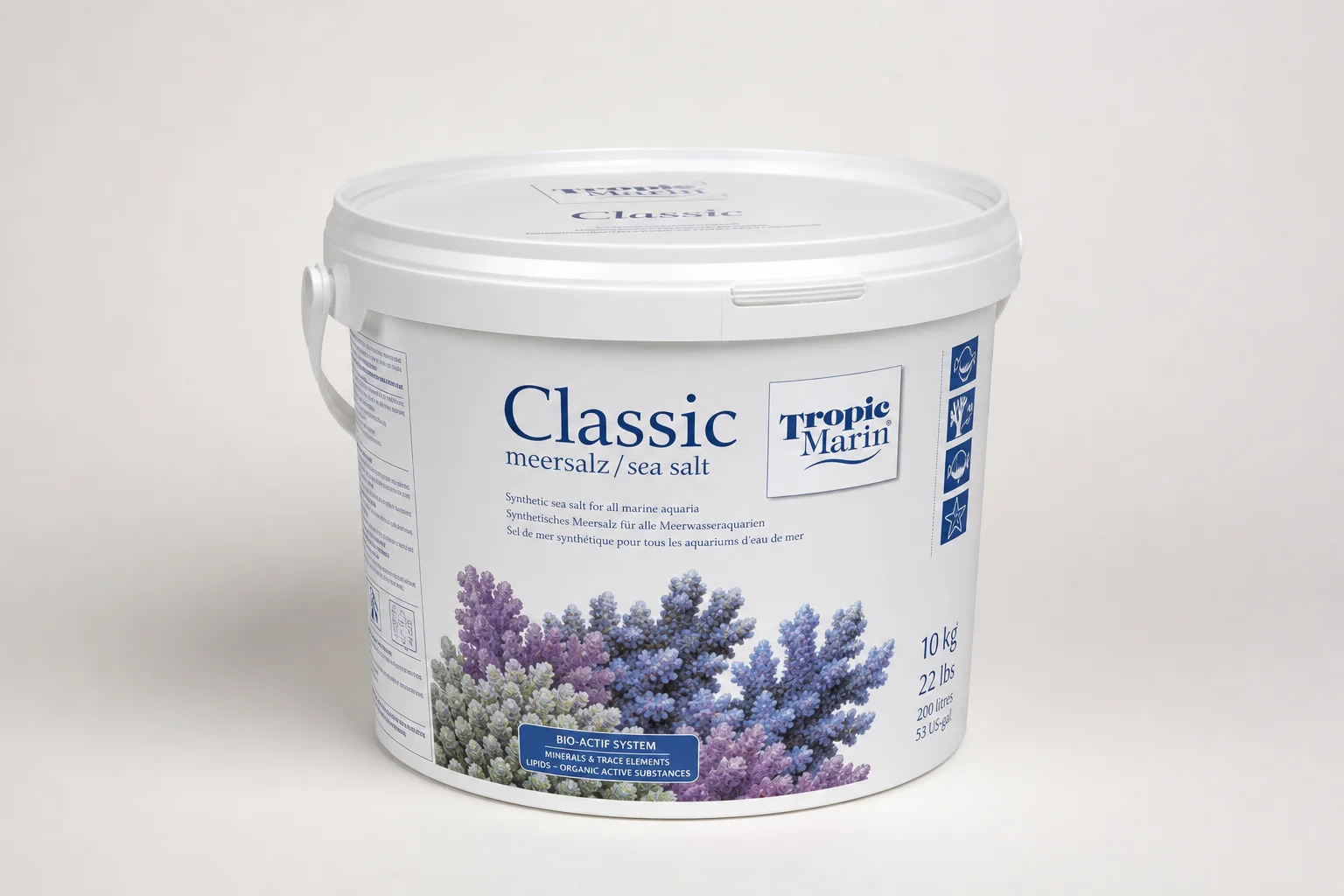
Best for Fish-Only Tanks: Tropic Marin Classic and Brightwell Aquatics NeoMarine
If you are building a Fish Only With Live Rock (FOWLR) tank, you do not need elevated calcium and alkalinity. Tropic Marin Classic delivers approximately 400 parts per million calcium with 9.6 dKH, while Brightwell Aquatics NeoMarine comes in lower across the board with around 400 calcium and 7.8 dKH.
Best for Stony Corals: Red Sea Coral Pro
If you plan to keep stony corals and maintain consistent weekly water changes, Red Sea Coral Pro with its 450 calcium and 12+ dKH can support coral growth with minimal supplemental dosing.
View more details for Red Sea Coral Pro
Best for Beginners: Red Sea Coral Pro or Instant Ocean Reef Crystals
If you are new to the hobby and expect to add stony corals eventually, either Red Sea Coral Pro or Instant Ocean Reef Crystals will serve you well. Both offer elevated calcium and alkalinity. Reef Crystals has higher calcium but lower dKH and mixes cloudier. Red Sea mixes cleaner with higher dKH but slightly lower calcium. Either choice will work; pick whichever appeals to you.
The Proper Seawater Mixing Procedure
The way you mix your seawater matters more than many aquarists realize. Research has shown that heating duration, stirring time, and following manufacturer instructions all impact the final result.
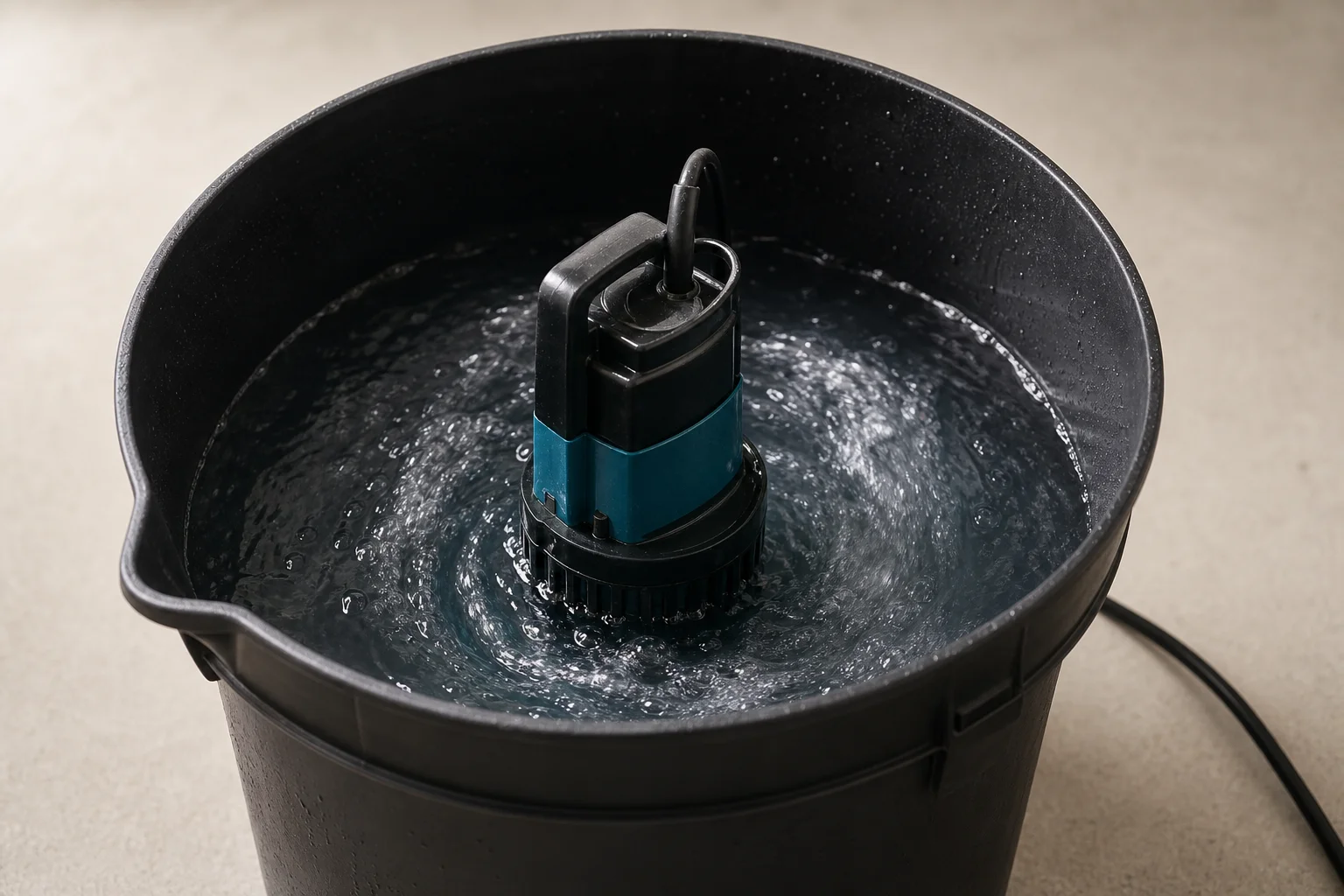
Follow these steps for optimal results:
- Read the instructions on your chosen seawater mix.
- Start with room-temperature reverse osmosis deionized (RODI) water, around 68 degrees Fahrenheit (20 degrees Celsius).
- Plug in a small utility pump such as the NEWA MP 1200 to circulate the water.
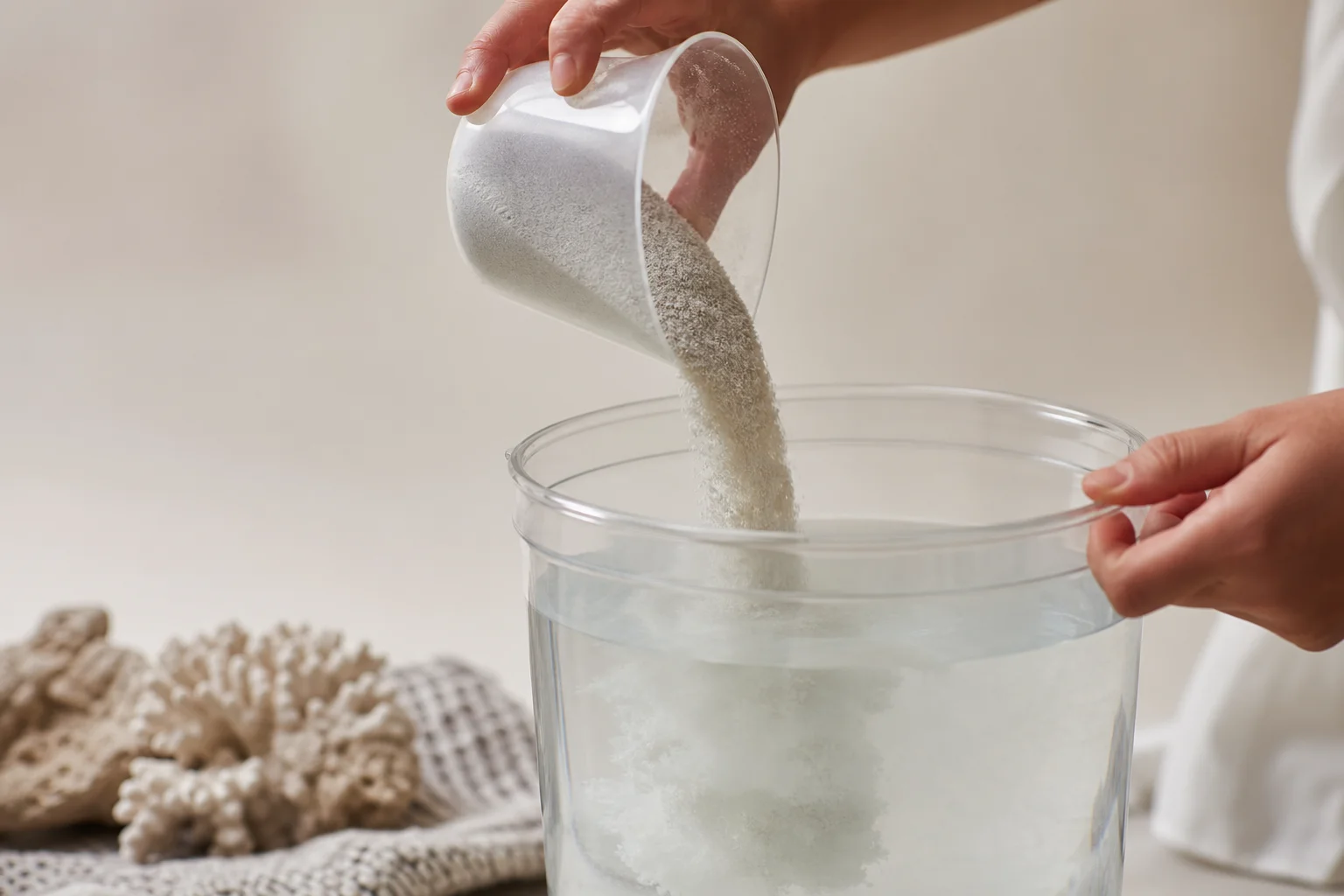
- Slowly add your seawater mix until you reach your target salinity, typically 35 parts per thousand or a specific gravity of 1.025.
- Plug in a heater and set it to 78 degrees Fahrenheit.
- Allow the freshly made seawater to mix for at least 48 hours before use.
View more details for NEWA MP 1200
Storage and Long-Term Maintenance
After 48 hours of mixing, you can store your prepared seawater for several weeks. You have two options: store it with continuous heat and circulation, or store it without, provided you keep it covered to prevent evaporation.
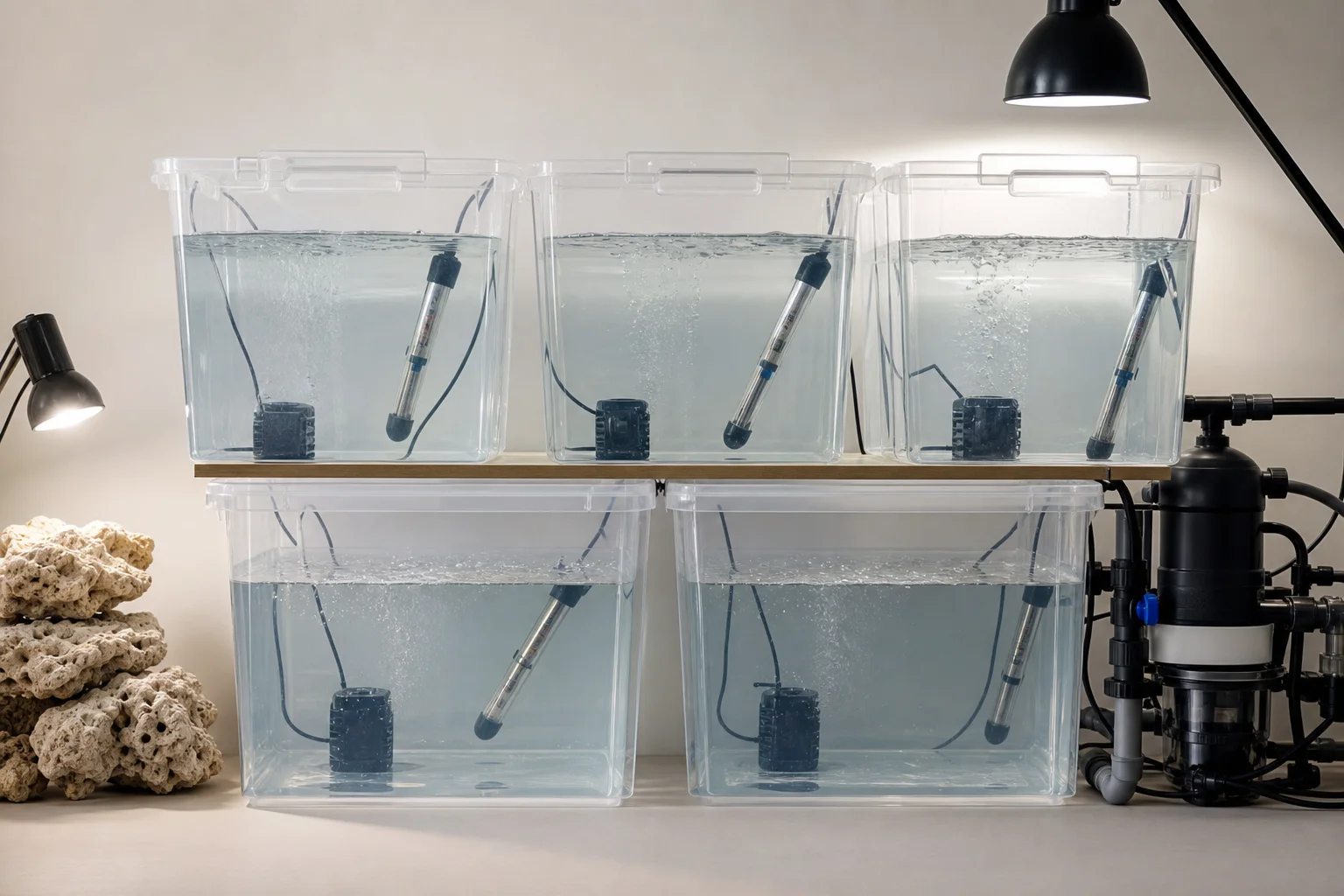
For the most consistent long-term results, maintain heat and circulation at all times and prepare your seawater at least 48 hours before use. If you need saltwater faster, a minimum of 24 hours is acceptable. In emergency situations, you can use freshly mixed seawater immediately, though this is not ideal.
Many experienced aquarists keep 60 gallons or more of prepared seawater on hand, continuously circulating and heating. This approach ensures water is always ready for scheduled changes and provides a backup supply for unexpected situations.
Conclusion
Selecting the right seawater mix depends on your tank type and goals. Budget-conscious hobbyists should choose Instant Ocean Standard. Those building reef tanks with stony corals benefit from the elevated chemistry of Red Sea Coral Pro or Instant Ocean Reef Crystals. FOWLR keepers can save money with Tropic Marin Classic or Brightwell Aquatics NeoMarine. Regardless of which mix you choose, follow a consistent mixing procedure with proper circulation and heating, and your aquarium chemistry will remain stable and supportive of healthy marine life.
Further reading
Related Reviews
Aquarium Supplies
Best Saltwater Aquarium Salt Mixes 2019: Six Categories Tested and Ranked
A comprehensive breakdown of the top salt mixes across popularity, cost, mixing speed, purity, consistency, and overall performance for reef aquariums.
Aquarium Supplies
Best Saltwater Mixes for Aquariums: A Practical Guide for Beginners and Reef Keepers
Compare the top saltwater mixes by price, calcium, alkalinity, and intended use. Find the right mix for your tank setup and learn the proper mixing procedure.
Aquarium Supplies
CaribSea LifeRock Shapes Review: Pre-Formed Aquascaping Without the Guesswork
CaribSea LifeRock Shapes delivers arches, tunnels, and caves in a single box, eliminating the need to source and glue individual pieces for a functional reef aquascape.