Travel Gear
Best Shoes for Camino de Santiago: Hiking Boots, Trail Runners, or Barefoot
A practical guide to choosing the right footwear for the Camino de Santiago, comparing hiking boots, trail running shoes, and minimalist barefoot options across different routes and seasons.
Introduction
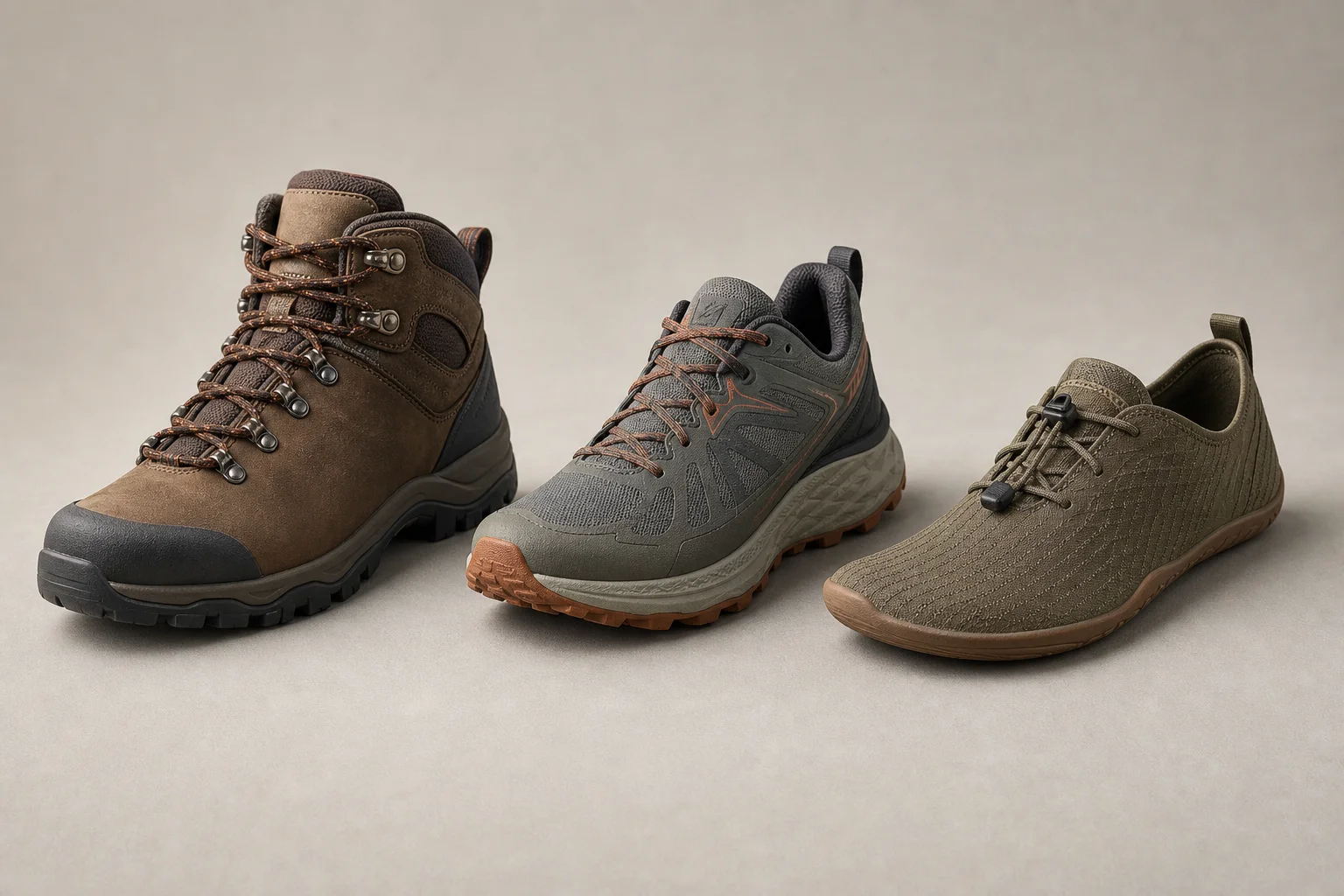
Choosing the right shoes for the Camino de Santiago is one of the most critical decisions a pilgrim can make. Walking more than 500 kilometres across varied terrain and unpredictable weather demands footwear that balances protection, comfort, and versatility. The wrong choice can lead to blisters, injuries, and a compromised journey. This guide examines three main shoe categories and helps you select the best option based on your chosen route, season, and personal needs.
Understanding Camino Routes and Terrain
The Camino de Santiago offers several distinct routes, each with different terrain and altitude challenges. Understanding your chosen path is the first step in selecting appropriate footwear.
The French Camino, starting from Saint Jean Pied de Port, covers 820 kilometres and includes significant mountain sections: the Pyrenees crossing (two to three days), the Roncevaux Pass (one day), the Foncebadon climb (two days), and the Cruz de Ferro mountain section (two days). After these initial mountain stages, the terrain becomes relatively flat. The total mountain hiking spans approximately six days.
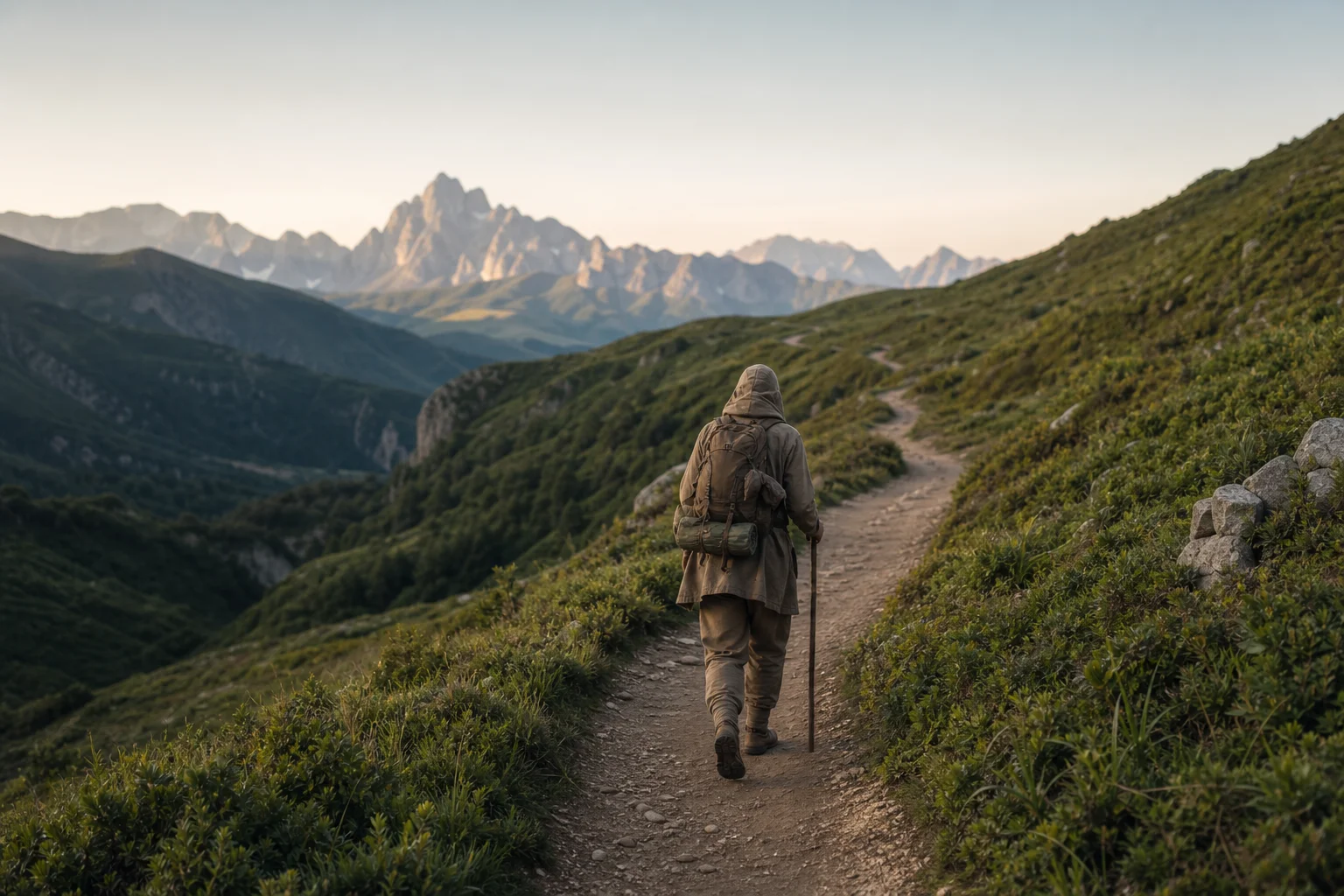
The Camino Portugués, starting from Lisbon or Porto, is often considered the easier alternative. This route takes two or more weeks and features minimal altitude change, with elevation differences rarely exceeding 500 metres. It suits pilgrims seeking a gentler walking experience.
The Camino del Norte follows the northern coast and presents the most challenging terrain, with steep mountain passes and seven to eight days of significant climbing. This route demands the most robust footwear support.
Beyond these major routes, the Camino also transitions between off-beaten tracks and asphalted city roads, requiring shoes that perform equally well on natural terrain and urban surfaces.
Hiking Boots: Full Protection and Durability
Hiking boots represent the traditional choice for long-distance walking. These shoes are engineered for mountain terrain and harsh conditions, with rigid soles, ankle support, and durable construction. Many military-grade hiking boots have proven their longevity across thousands of kilometres.
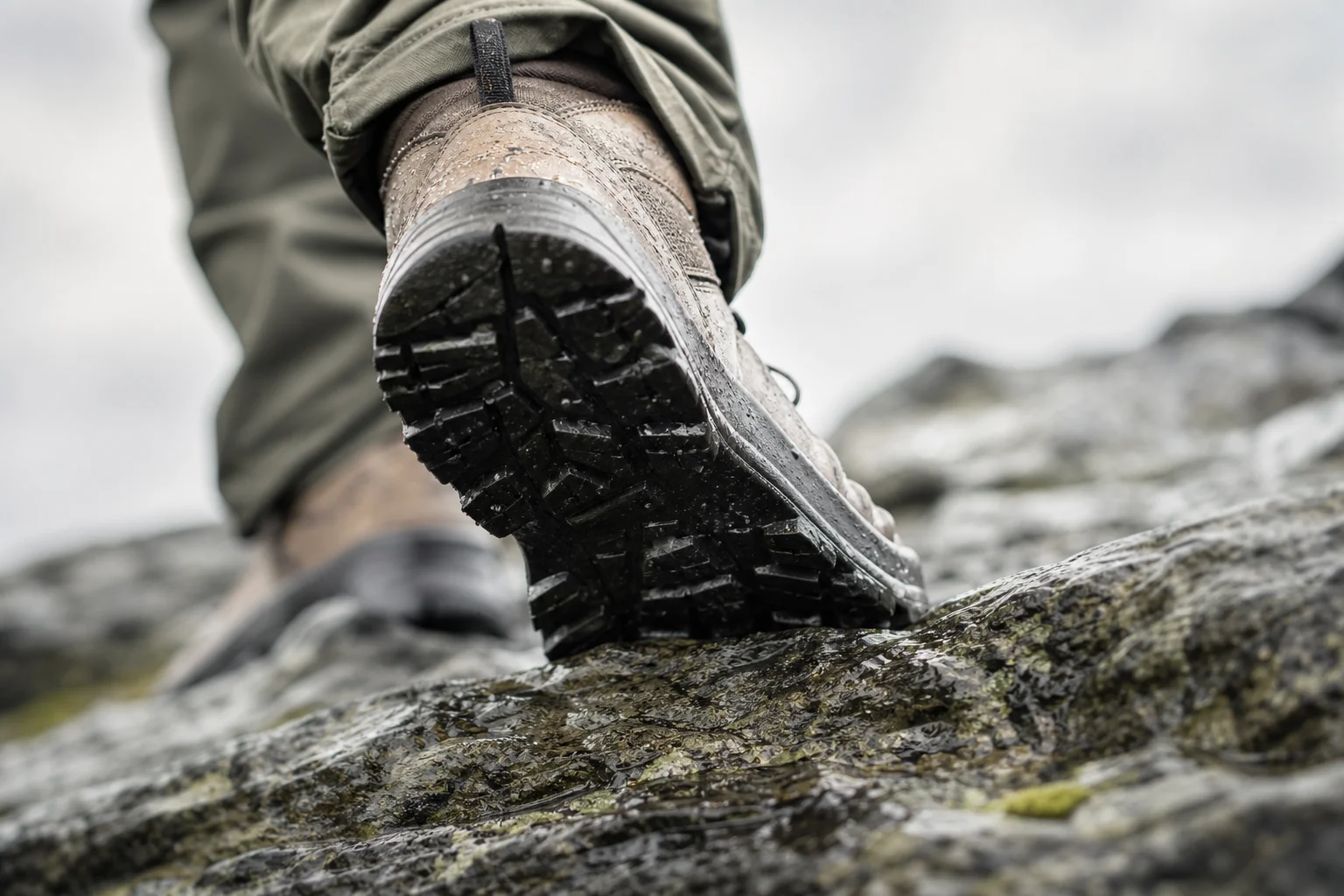
The primary advantages of hiking boots include exceptional stability on uneven terrain, proven durability (many boots remain functional after 1,000 kilometres with minimal sole wear), and comprehensive weather protection. The rigid construction provides consistent support across varied ground conditions.
However, hiking boots come with trade-offs. Their weight and stiffness can feel cumbersome during long walking days, particularly on flatter sections. The rigidity also reduces ground feedback and natural foot movement. For pilgrims seeking a lighter pack and more flexible walking experience, this option may feel restrictive.
Trail Running Shoes: Versatility and Comfort
Trail running shoes occupy the middle ground between hiking boots and minimalist options. These shoes combine the flexibility and lightweight design of running footwear with the protective features needed for off-road terrain.
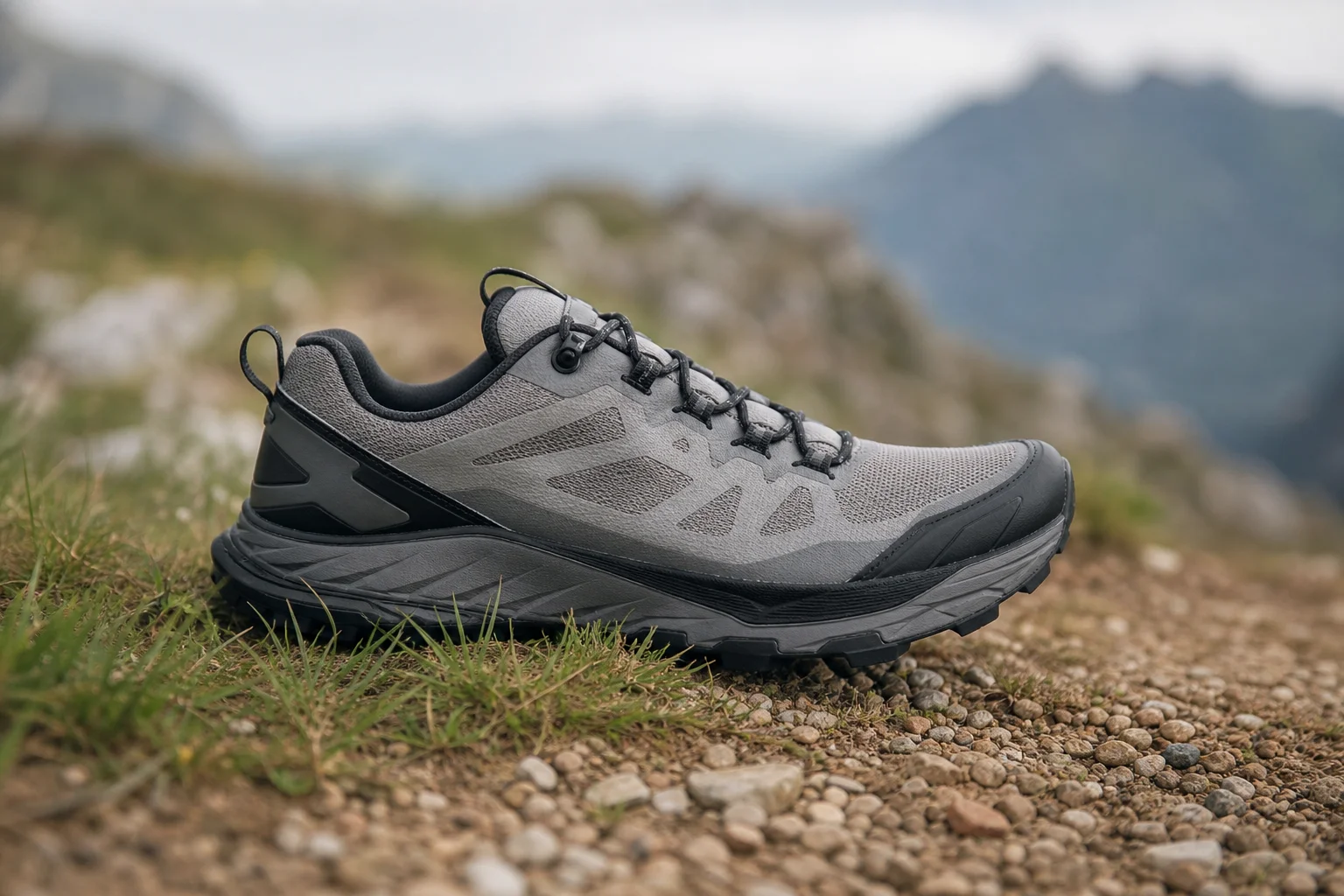
Trail running shoes typically feature substantial cushioning (around two centimetres) to absorb impact, making them exceptionally comfortable for extended walking. They are light enough to reduce pack weight significantly compared to hiking boots, yet durable enough to handle rough terrain. Many trail running shoes have proven capable of lasting 2,000 kilometres or more, even surviving monsoon conditions while maintaining functionality.
The key advantage is versatility: these shoes perform well on mountains, flat terrain, and city streets without requiring a shoe change. They dry relatively quickly due to breathable materials, and the cushioning reduces foot fatigue during long walking days.
The main limitation is reduced ankle support compared to hiking boots, which may concern pilgrims with ankle instability or those tackling the most technical mountain sections.
Barefoot and Minimalist Shoes: Natural Connection
Minimalist barefoot shoes represent a philosophy-driven choice, emphasizing natural foot movement and connection to the ground. These shoes feature zero-drop design (no height difference between heel and toe), thin soles, and wide toe boxes that allow each toe to move independently.
Brands like Vivobarefoot specialise in this category, combining barefoot principles with practical durability for long-distance walking. The appeal lies in the natural gait they encourage and the sensory connection to the terrain that many pilgrims value.
The primary advantages include lightweight construction, natural foot mechanics, and the philosophical alignment with pilgrimage values of simplicity and connection to nature. The wide toe box prevents cramping and allows natural toe splay.
The significant limitation is lack of water resistance. Minimalist shoes offer no protection against puddles or heavy rain, meaning wet feet are inevitable during wet seasons. This makes them best suited for dry-season walking or pilgrims comfortable with frequent wet feet.
Weather, Seasons, and Gore-Tex Considerations
The Camino walking season runs from April through November, with distinct weather patterns affecting footwear choice.
Spring (April-May) and autumn (September-October) bring moderate rainfall and variable temperatures. Winter months (November-February) feature heavy rain and cold conditions. Summer (July-August) offers dry, hot weather with minimal precipitation.
Gore-Tex membranes, commonly used in hiking boots and some trail shoes, create a waterproof barrier while attempting to maintain breathability. However, in practice, Gore-Tex shoes can trap heat and moisture during warm weather, leading to sweaty feet despite water resistance. In heavy rain, even Gore-Tex shoes eventually allow water penetration.
For spring and autumn walking, Gore-Tex provides useful protection without excessive heat buildup. For summer walking, breathable shoes without Gore-Tex dry faster and keep feet more comfortable. For winter walking, Gore-Tex becomes more valuable due to persistent wet conditions.
Choosing Your Perfect Camino Shoe
The ideal Camino shoe should possess several key characteristics:
Versatility: The shoe must perform across mountains, flat terrain, and city streets without requiring changes.
Light weight: Since you carry your shoes in your backpack, minimising weight matters. Trail running shoes excel here compared to hiking boots.
Wide toe box: Cramped toe boxes cause blisters and foot pain. Adequate space allows natural toe movement and prevents pressure points.
Quick drying: Breathable, lightweight materials allow shoes to dry rapidly after rain or stream crossings.
Foot anatomy consideration: Individual foot structure varies significantly. Pilgrims with plantar fasciitis or other foot conditions may require specialised shoes. Professional fitting services can identify your specific needs.
Conclusion
The best shoe for your Camino de Santiago depends on your chosen route, walking season, and personal preferences. Hiking boots suit pilgrims tackling the French Camino or Camino del Norte during wet seasons and prioritising maximum support. Trail running shoes offer the best balance for most pilgrims, combining comfort, versatility, and durability across all routes and seasons. Minimalist barefoot shoes appeal to those seeking natural movement and philosophical alignment with pilgrimage values, best suited for dry-season walking.
Consider your route’s terrain, the season you plan to walk, and your foot’s individual characteristics. The right shoe choice transforms your Camino experience from an endurance test into a comfortable, connected journey.
Product link
View more details for Vivobarefoot Barefoot Shoe
This product is mentioned in the review. Check the specifications, options, and compatibility before buying.
View more details for Vivobarefoot Barefoot ShoeFurther reading
Related Reviews
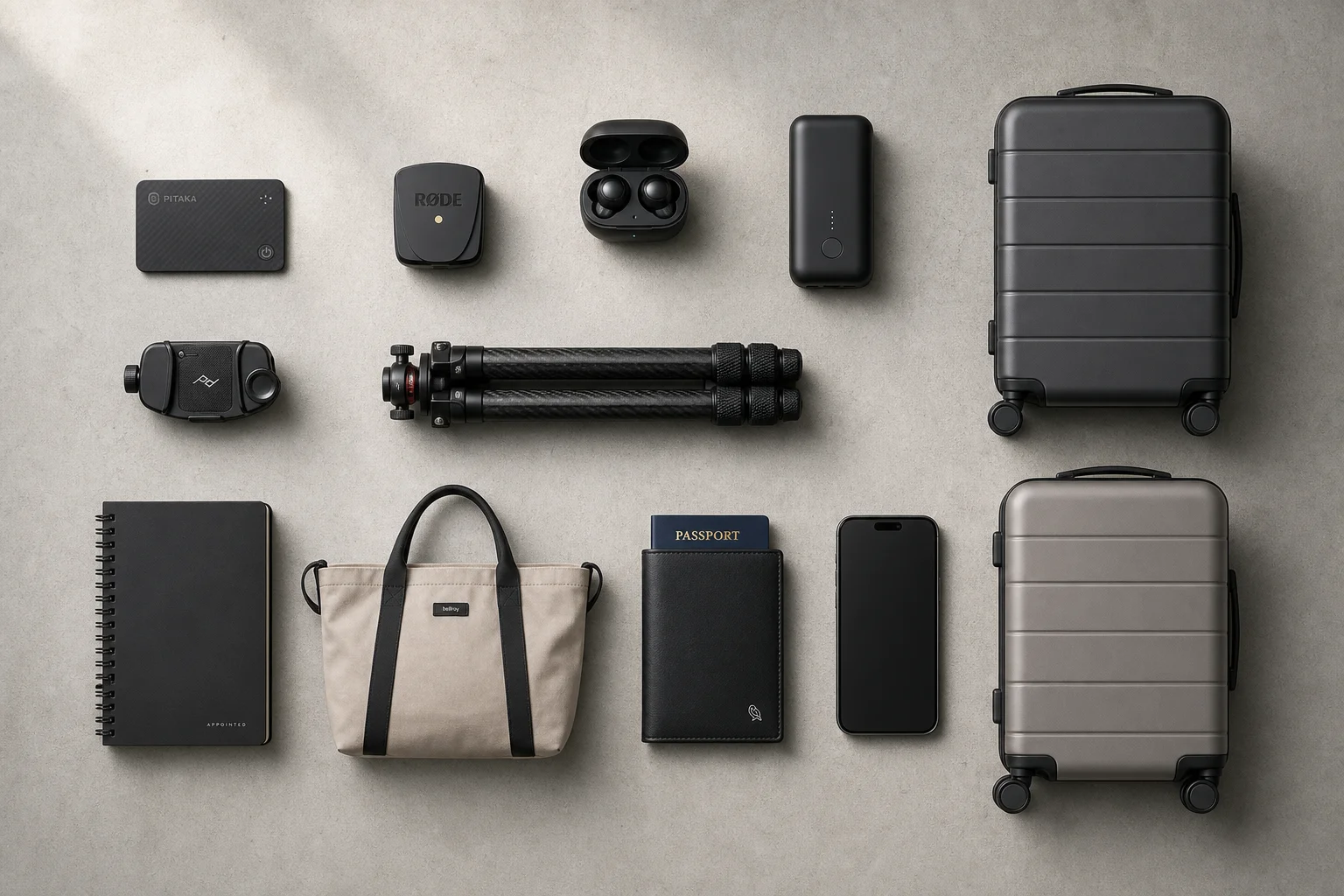
Travel Gear
12 Essential Travel Items That Make Every Trip Better
After traveling to over 150 cities worldwide, here are the practical items that have become indispensable for modern travel.
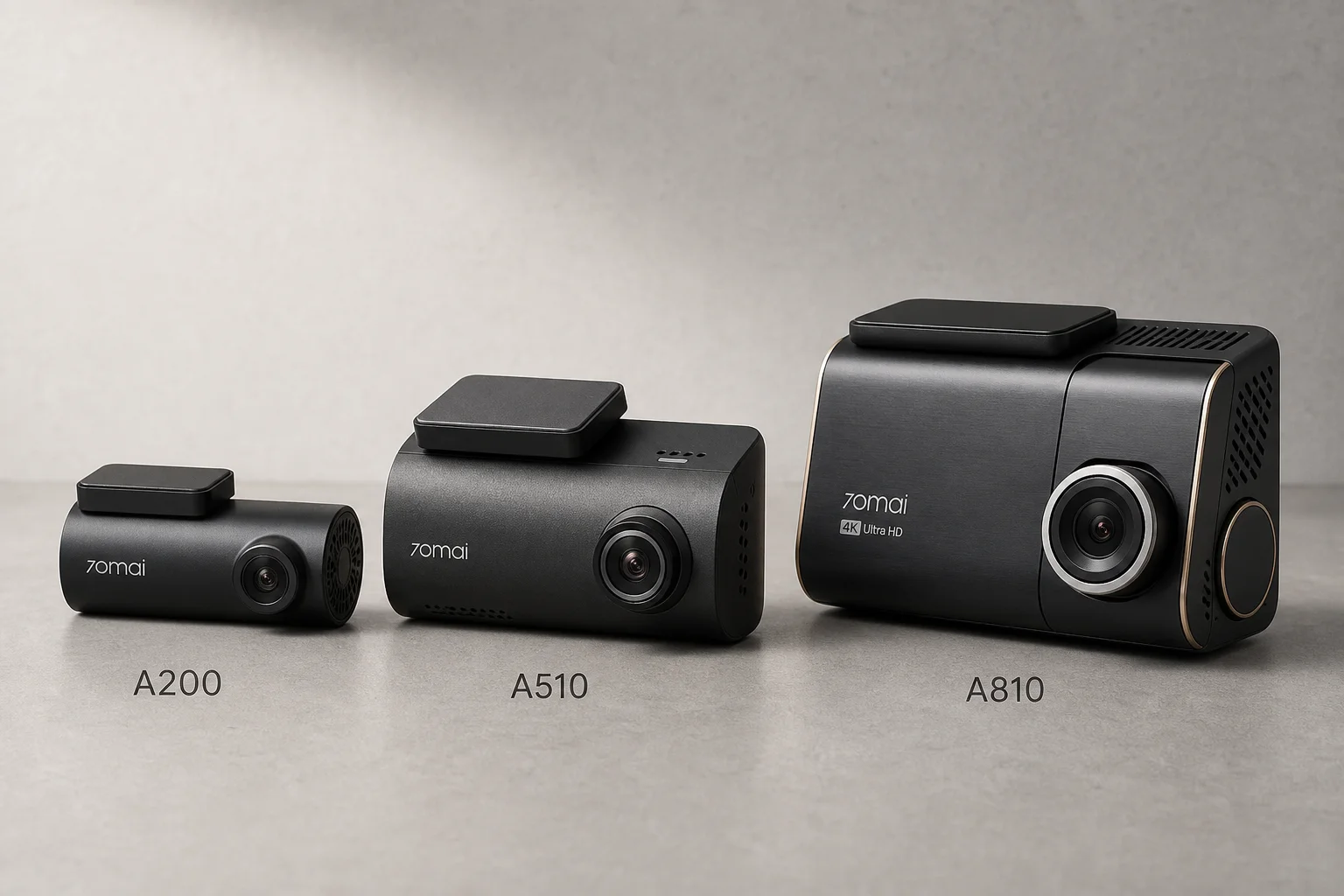
Automotive Accessories
70mai Dash Cam Comparison: A200 vs A510 vs A810
Three dash cameras from 70mai across different price points reveal how resolution and sensor quality impact real-world footage clarity, especially for number plate visibility and low-light performance.
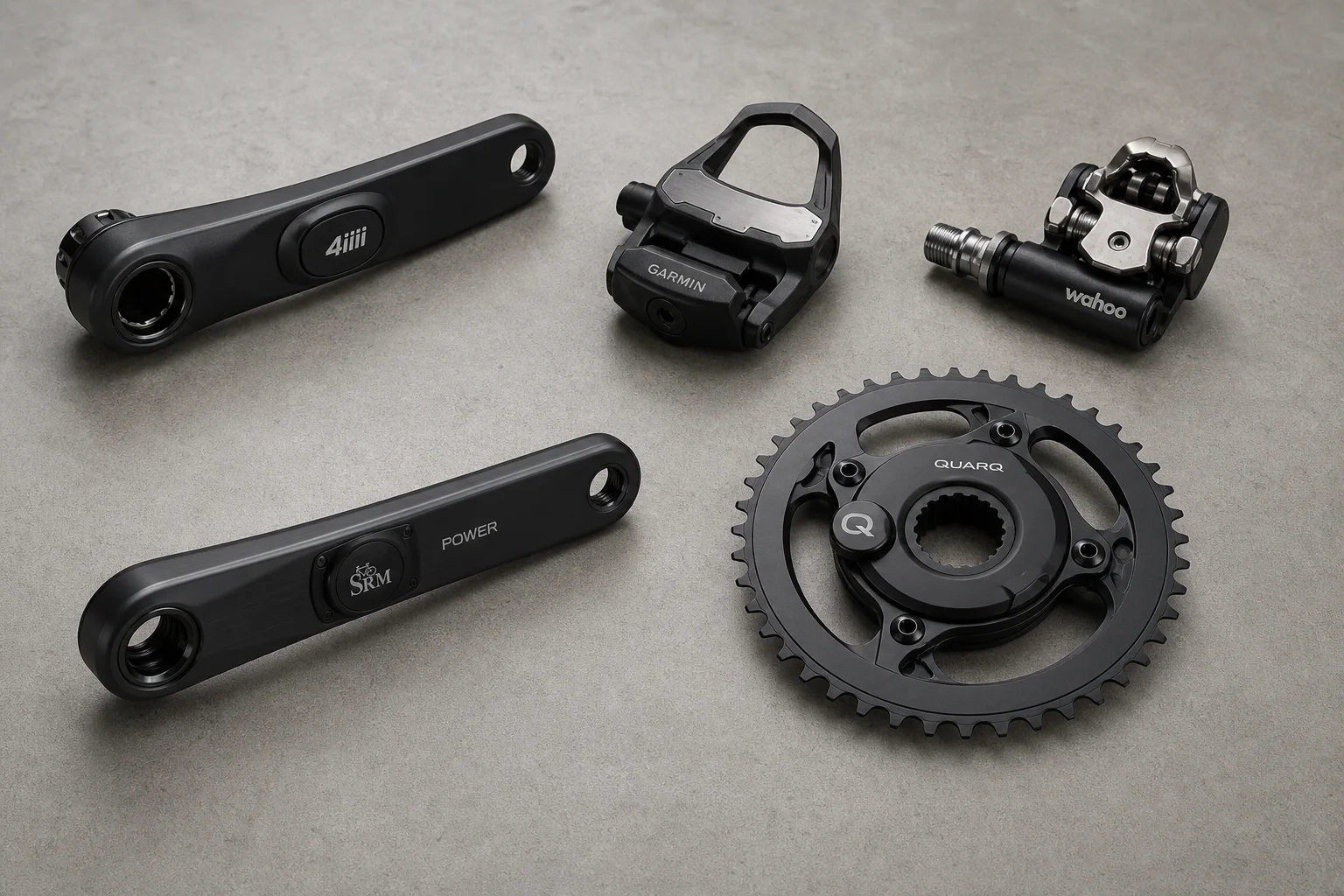
Cycling Power Meters
Five Affordable Power Meters for Road and Off-Road Cycling
Five practical power meter options under $500 that deliver reliable power measurement without breaking the budget.