Smartphones
Best Smartphones for Vlogging 2025: Five Budget-Friendly Options for Content Creators
Five affordable smartphones with strong cameras, long battery life, and powerful processors designed for smooth 4K video recording and content creation, ranging from $290 to $700.

Introduction
Vlogging and video content creation demand more from a smartphone than casual use. The camera quality, battery endurance, processing power, and storage capacity all directly impact the final output of your videos. Finding the right device does not require spending over $700, however. This guide highlights five smartphones that deliver professional-grade video recording capabilities at budget-friendly prices, ranging from $290 to $700.
Key Features for Vlogging Smartphones
Before selecting a smartphone for content creation, understanding the essential features will guide your decision.
Camera Quality and Resolution
The camera is the foundation of any vlogging smartphone. A minimum 4K recording capability ensures sharp, detailed footage that viewers expect. While 8K recording exists on some devices, most viewers do not watch content on 8K-capable displays, making 4K the practical standard. Low-light performance is equally important, as it reduces noise, brightens shadows, and maintains clarity in dimly lit environments without excessive graininess.

Battery Capacity and Charging
Video recording drains battery quickly. A minimum battery capacity of 4,000 milliamp hours ensures several hours of continuous recording without interruption. Fast charging capability, whether wired or wireless, minimizes downtime between shoots and editing sessions.
Memory and Storage
Video files consume significant storage space. A smartphone with at least 8 GB of RAM and 256 GB of storage prevents lagging, freezing, and frequent cache clearing that disrupts workflow. Insufficient memory leads to slower processing times and limited background app functionality.
Processor Performance
A strong processor with at least 8 cores and a clock speed of 3 GHz or higher ensures smooth 4K recording without overheating, lagging, or frame drops. Fast processing also accelerates video editing, reducing the time spent on post-production work.
Xiaomi 13 Pro: Premium Camera and Performance
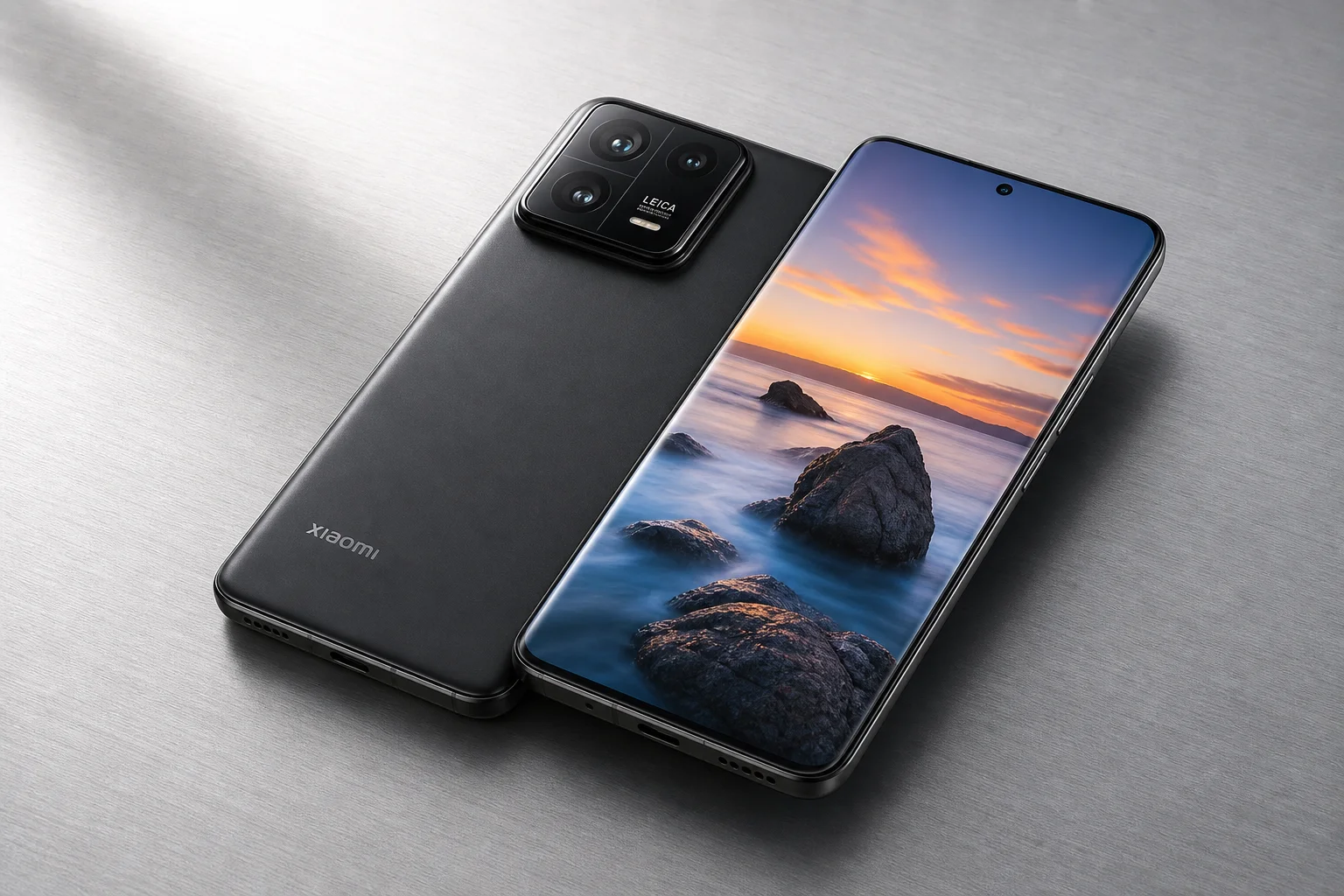
The Xiaomi 13 Pro stands out as an exceptional value at $290. Its camera system features a 50-megapixel main sensor with a 1-inch Sony sensor, a 50-megapixel ultrawide lens, and a 50-megapixel telephoto camera with 3.2x optical zoom and macro capabilities down to 10 cm. The 32-megapixel front camera rounds out a comprehensive imaging setup.
Video recording reaches both 4K and 8K resolutions with excellent dynamic range, detail, and low noise. The 4,820 milliamp-hour battery supports extended recording sessions, while 120W wired and 50W wireless fast charging minimize downtime. Memory configurations range from 8 GB RAM with 128 GB storage up to 12 GB RAM with 512 GB storage.
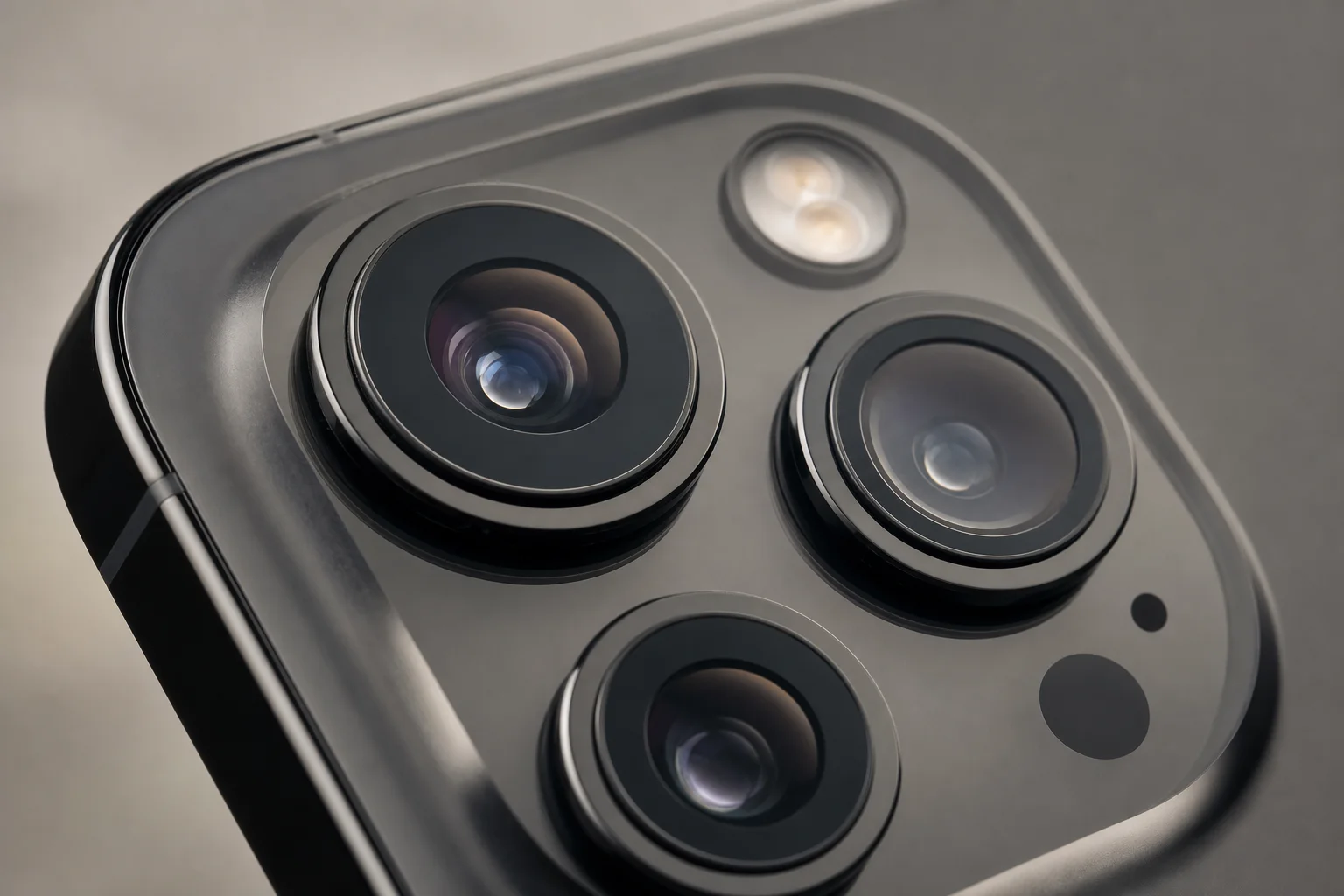
The Snapdragon 8 Gen 2 processor delivers fast, efficient performance without thermal issues. The OLED display supports Dolby Vision and Dolby Atmos, enhancing both preview and playback quality. The Leica authentic color mode ensures accurate color reproduction in videos.
Pros: Impressive OLED display, excellent battery life, incredibly fast wired and wireless charging, top-notch performance, lossless 2x zoom via main camera, macro capabilities with telephoto lens, Leica authentic color mode.
Cons: Slippery body with poor grip, basic selfie camera with average quality.
OnePlus 11 5G: Fast Charging and Reliable Performance
Released in 2023, the OnePlus 11 5G at $698 offers one of the best camera setups OnePlus has produced. The rear module includes a 50-megapixel main camera, 48-megapixel ultrawide lens, and 32-megapixel telephoto lens. The 6.7-inch AMOLED display produces subtle, natural-looking bokeh effects.
Video recording supports 8K, 4K, 1080p, and 720p at various frame rates. AI highlight video mode enhances HDR recording in uneven lighting, while Ultra Steady Pro maintains sharper footage in well-lit conditions. The 5,000 milliamp-hour battery lasts through extended recording and editing sessions. The 100W Super Flash charge technology provides rapid charging, though wireless charging is absent.
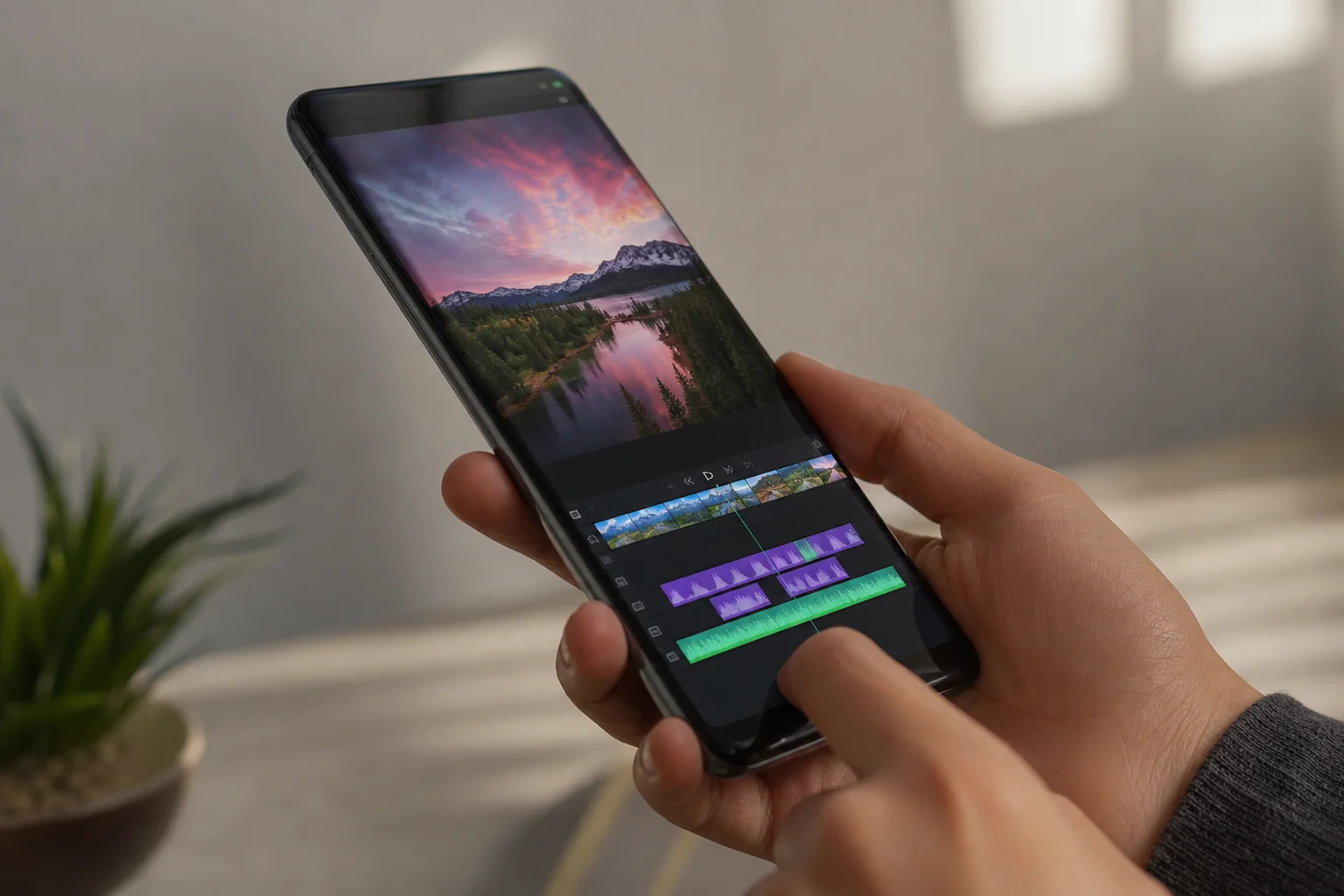
The Qualcomm Snapdragon 8 Gen 2 processor ensures smooth multitasking between social apps and video editing software. Heat management remains efficient throughout demanding workflows.
Pros: High-quality 120 Hz AMOLED display with precise color accuracy, long-lasting battery ideal for extended filming, blazing fast 100W charging, strong stable performance with efficient heat management, reliable camera setup for bright and low-light conditions.
Cons: HDR and adaptive refresh rate issues may impact video quality and editing, no wireless charging.

Google Pixel 8 Pro: Advanced Computational Photography
The Google Pixel 8 Pro delivers comprehensive video capabilities at a competitive price. Its camera system includes a 50-megapixel main lens with an 82-degree field of view, 48-megapixel ultrawide lens with 125.5 degrees, and 48-megapixel telephoto lens with 10x optical zoom. The 6.7-inch AMOLED display provides excellent visual quality.
4K video recording produces smooth footage with stunning resolution and clear audio, even in crowded or dimly lit environments. The 5,050 milliamp-hour battery offers durability and fast charging. The Tensor G3 processor enhances everyday performance and supports efficient video creation and editing workflows.
Pros: Unique flat screen design for easy handling and protection, ultra-bright high-resolution display with accurate colors and smooth adaptive refresh rate, stock Android experience with exclusive features and long-term software support, high-quality camera system for professional-looking videos.
Cons: Battery life and charging speed limit competitiveness, Tensor G3 chipset lags behind in raw performance and stability for heavy tasks like 4K video editing.

Oppo Reno 3 Pro: Exceptional Zoom and Video Stabilization
The Oppo Reno 3 Pro remains underrated despite its exceptional capabilities. The quad camera system features a 64-megapixel main sensor powered by a Samsung sensor, delivering rich, high-quality images. Oppo’s imaging algorithm produces outstanding dynamic range and hybrid zoom performance. Combined with a 13-megapixel telephoto lens, the system achieves sharp, lossless images at 5x zoom.
The 8-megapixel ultrawide lens captures expansive, vivid shots. Ultra dark mode and Dazzle color mode push image processing to its limits. The Ultra Steady Video 2.0 feature keeps footage smooth and shake-free. The dual selfie camera setup delivers industry-leading depth mapping, excellent dynamic range, and exceptional clarity even in video mode.
4K video recording combined with rock-steady stabilization makes this device irresistible for video content creation. The 4,025 milliamp-hour battery supports extended use, while 30W fast charging provides quick top-ups. The Super AMOLED display enhances daily usage and content preview. The Helio P95 processor handles vlogging tasks without lagging, overheating, or battery drain.
Pros: Extremely bright and vibrant OLED display for clear video previews and editing, long-lasting battery, high-quality camera system, reliable and fast under-display fingerprint sensor, competitive fast charging speeds.
Cons: Punch-hole camera slightly intrudes on screen affecting framing, build quality may feel less premium compared to competitors, Helio P95 chipset may struggle with intensive video editing and multitasking.

Samsung Galaxy A53 5G: Versatile Budget Option
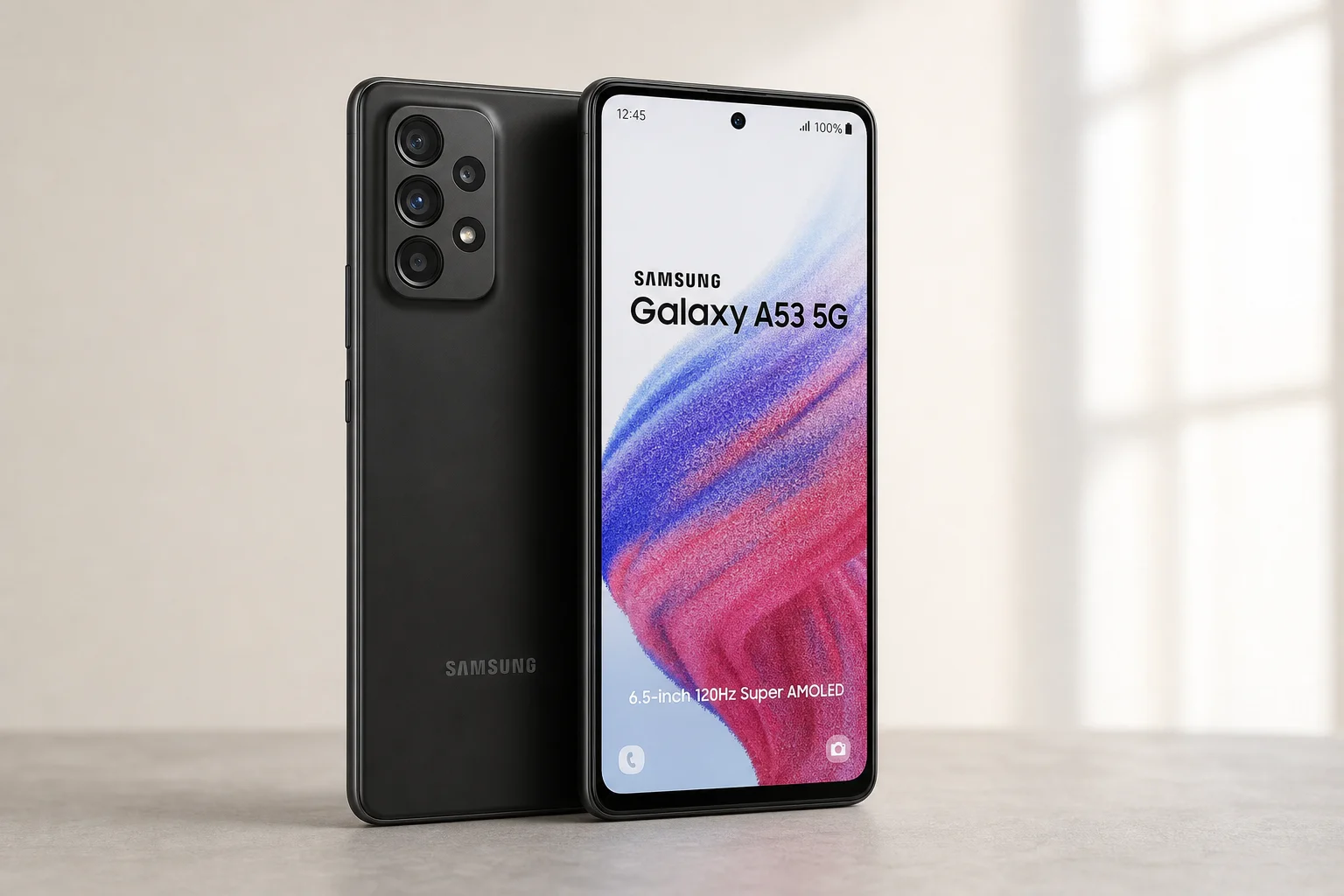
For budget-conscious vloggers, the Samsung Galaxy A53 5G delivers professional capabilities without premium pricing. The quad camera setup includes a 64-megapixel main camera that captures 12-megapixel photos by default with 2x zoom simulation via sensor cropping. A 12-megapixel ultrawide lens with 123-degree field of view, 5-megapixel macro camera, and 5-megapixel depth sensor complete the rear setup. The 32-megapixel front camera ensures crisp selfies.
4K recording at 30 frames per second delivers sharp, smooth footage. Night mode enhances low-light shots with brighter, more detailed images in dim environments. Portrait mode accurately detects edges for professional-looking shots from both rear and front cameras. The massive 5,000 milliamp-hour battery guarantees up to 12.5 hours of streaming video at full brightness, ensuring extended recording and editing sessions without constant charging.

The 6.5-inch 120 Hz Super AMOLED display with 2400x1080 pixel resolution remains visually appealing, bright, and vibrant both indoors and in direct sunlight. The Samsung Exynos 1280 chipset with octa-core CPU handles demanding vlogging tasks while optimizing power consumption.
Pros: Eye-catching design, bright 120 Hz AMOLED display for smooth visuals, reliable battery life for extended use, latest Android and One UI features, versatile quad cameras with 4K recording on all lenses.
Cons: No charger included, no headphone jack or Wi-Fi 6 support, 1080p limit for stabilization.
Conclusion
Each of these five smartphones excels at video content creation within the $290 to $700 price range. The Xiaomi 13 Pro offers the best value with premium features at the lowest price. The OnePlus 11 5G delivers fast charging and reliable performance for serious creators. The Google Pixel 8 Pro provides advanced computational photography. The Oppo Reno 3 Pro stands out for exceptional zoom and stabilization. The Samsung Galaxy A53 5G remains the most accessible option for budget-conscious vloggers. Selecting the right device depends on your specific priorities: whether you prioritize camera versatility, battery longevity, processing power, or overall affordability. All five phones will elevate your video content quality and streamline your creative workflow.
Further reading
Related Reviews
Smartphones
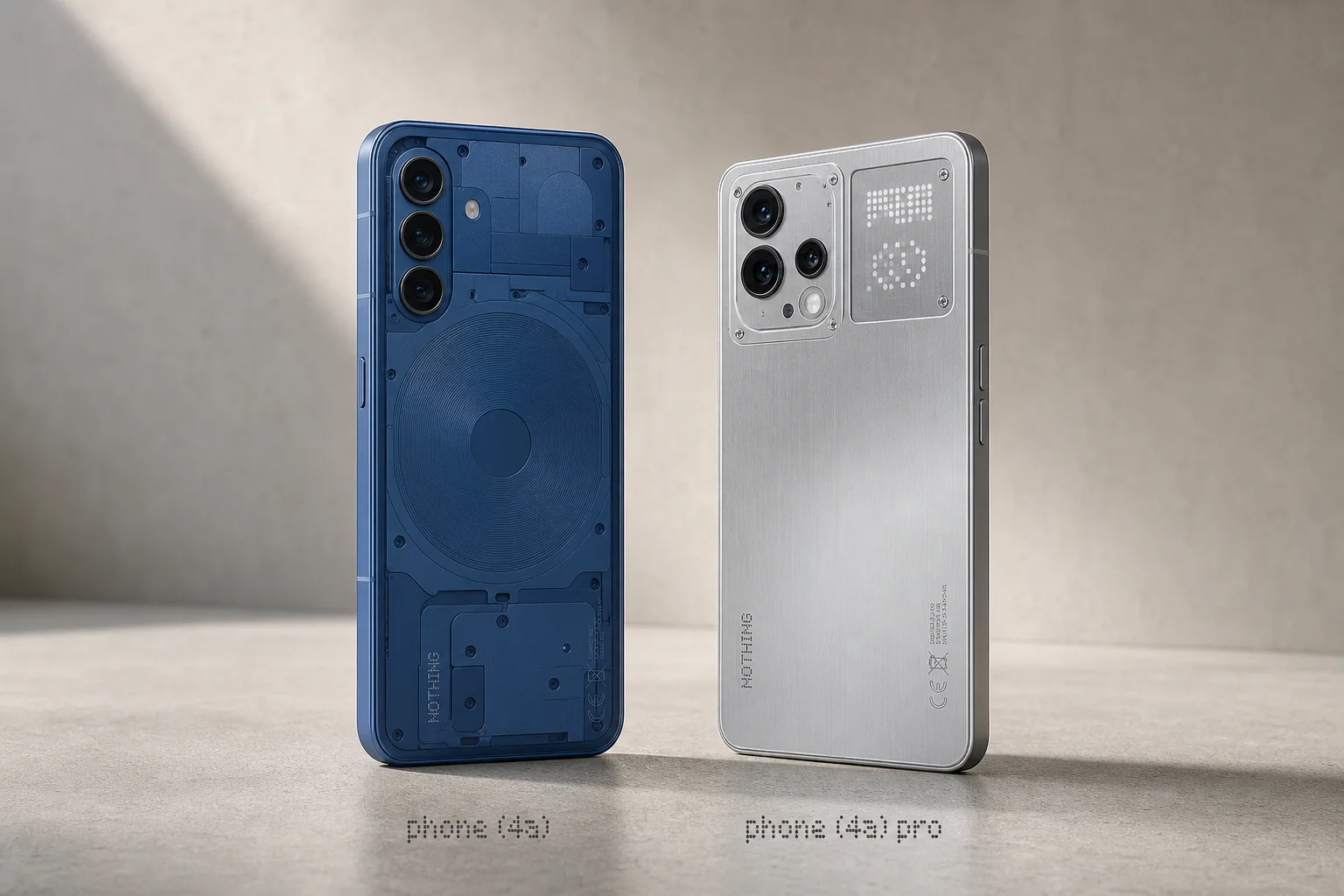
Nothing Phone 4A and 4A Pro Review: Smart Mid-Range Design Over Flagship Specs
Two thoughtfully designed mid-range phones that prioritize distinctive software and build quality over raw performance. The 4A at €349 offers excellent value; the 4A Pro adds premium materials and a customizable glyph matrix for $499.
Smartphones
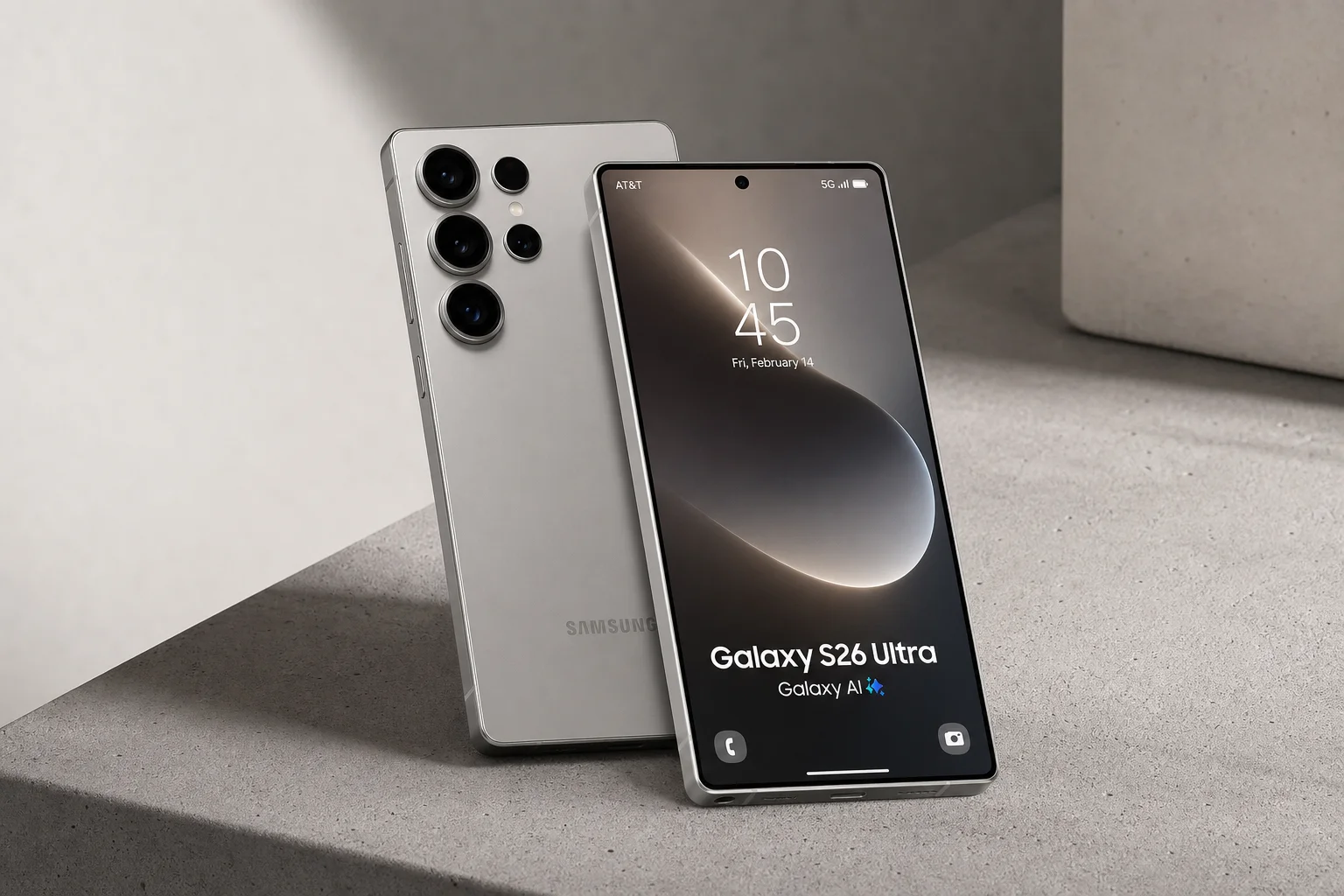
Samsung Galaxy S26 Ultra Review: Privacy Display Innovation Comes With Real Trade-offs
The S26 Ultra introduces a genuinely novel privacy display feature, but achieving it requires accepting compromises in resolution, brightness, and viewing angles. A detailed look at what's new, what's been refined, and what Samsung left on the table.
Smartphones
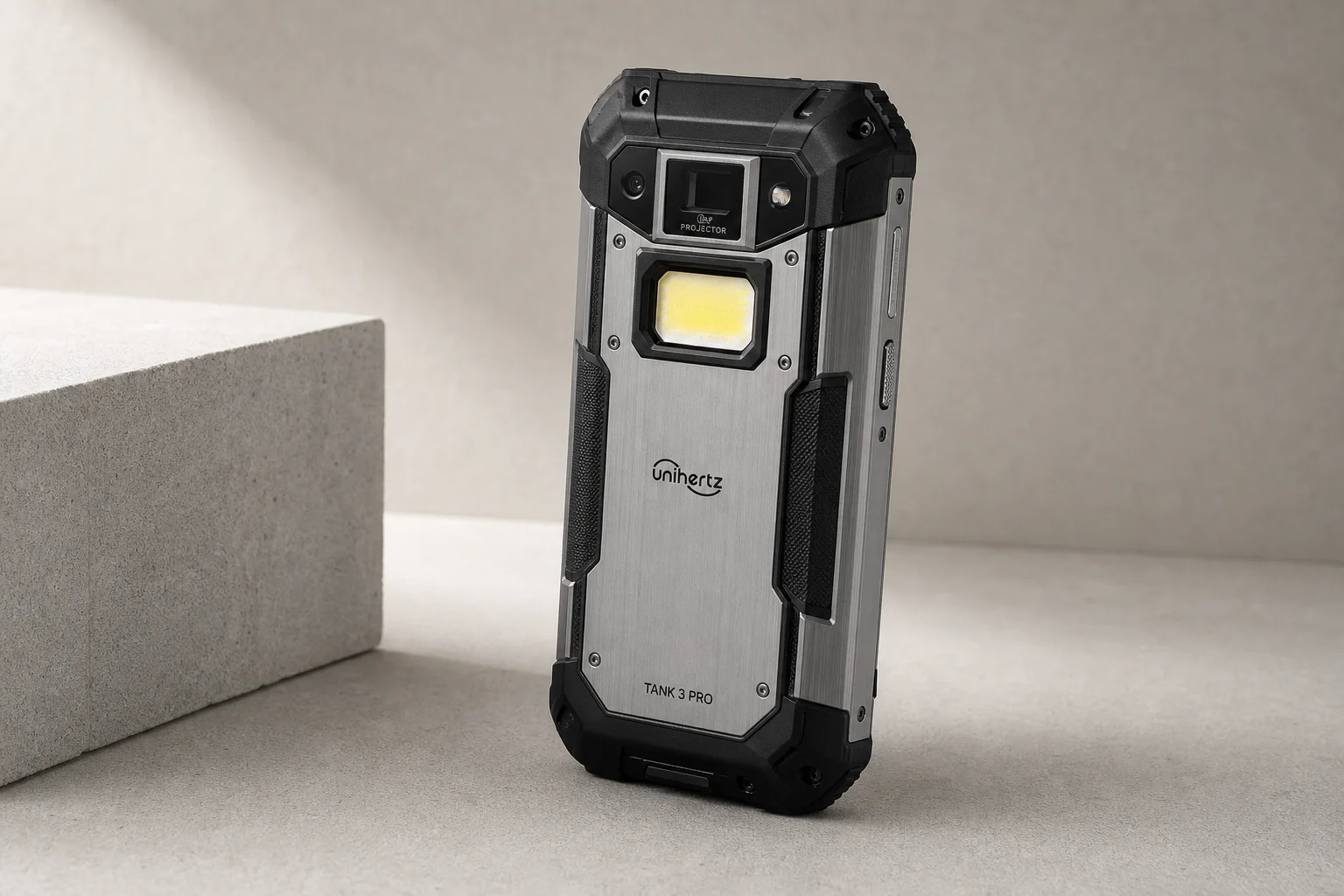
UniHertz Tank 3 Pro Review: A Rugged Phone With a Built-In Projector
The Tank 3 Pro combines extreme durability with a 40-inch DLP projector, 23,000 mAh battery, and a suite of survival-focused features. A detailed look at what makes this $700 ultra-rugged phone different.