Survival Gear
Best Survival Bivvy Sacks 2026: Five Emergency Shelters Tested
Five survival bivvy sacks evaluated for warmth, portability, and reliability in emergency wilderness situations.
Introduction
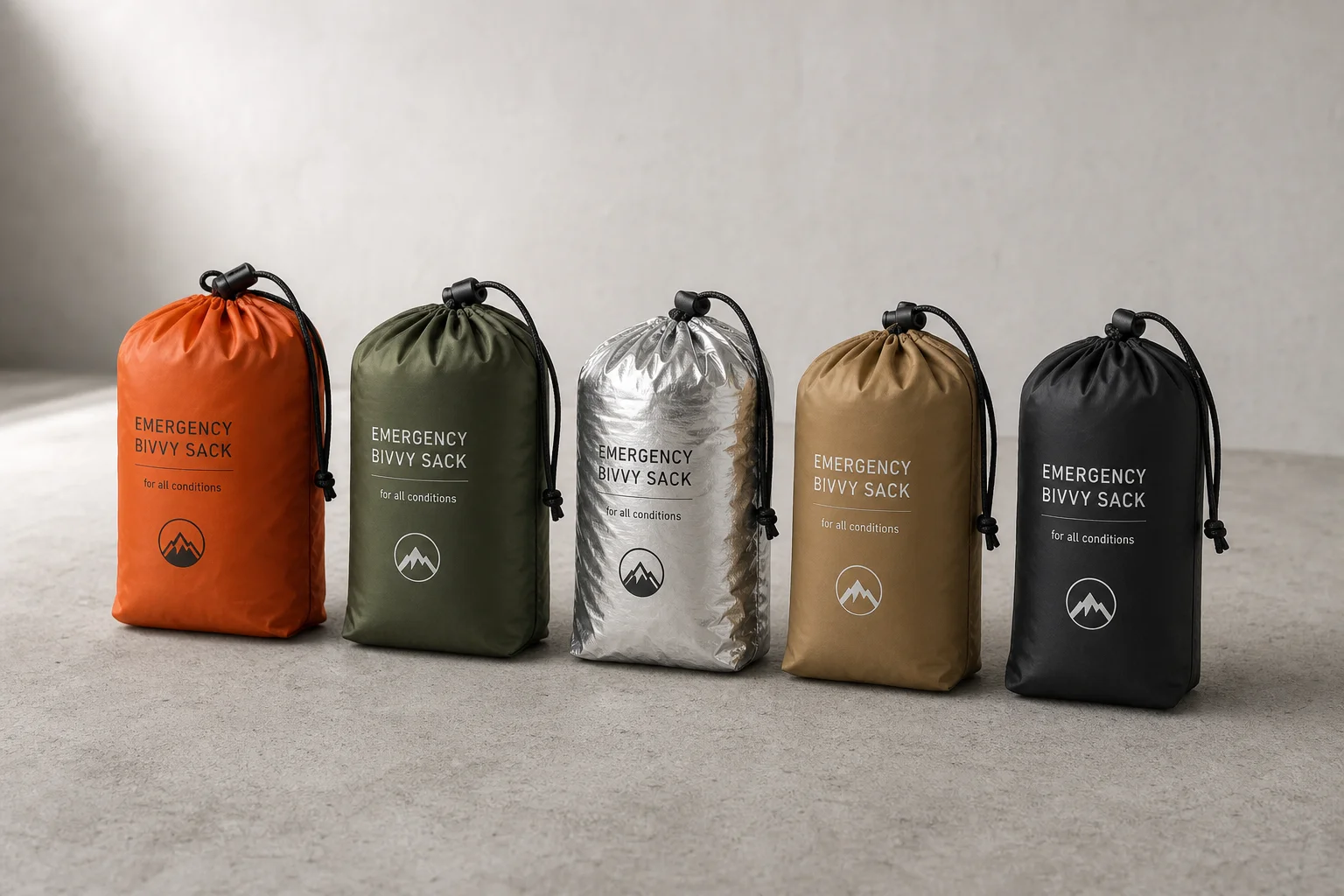
Survival bivvy sacks are compact emergency shelters designed to protect you from wind, rain, and extreme cold when you are caught unprepared in the wilderness. These lightweight thermal shelters reflect your body heat and can mean the difference between a manageable situation and a life-threatening one. This guide reviews five of the most practical options available, each with distinct strengths and trade-offs.
Fifth Place: Dibbatu Bivvy Sack
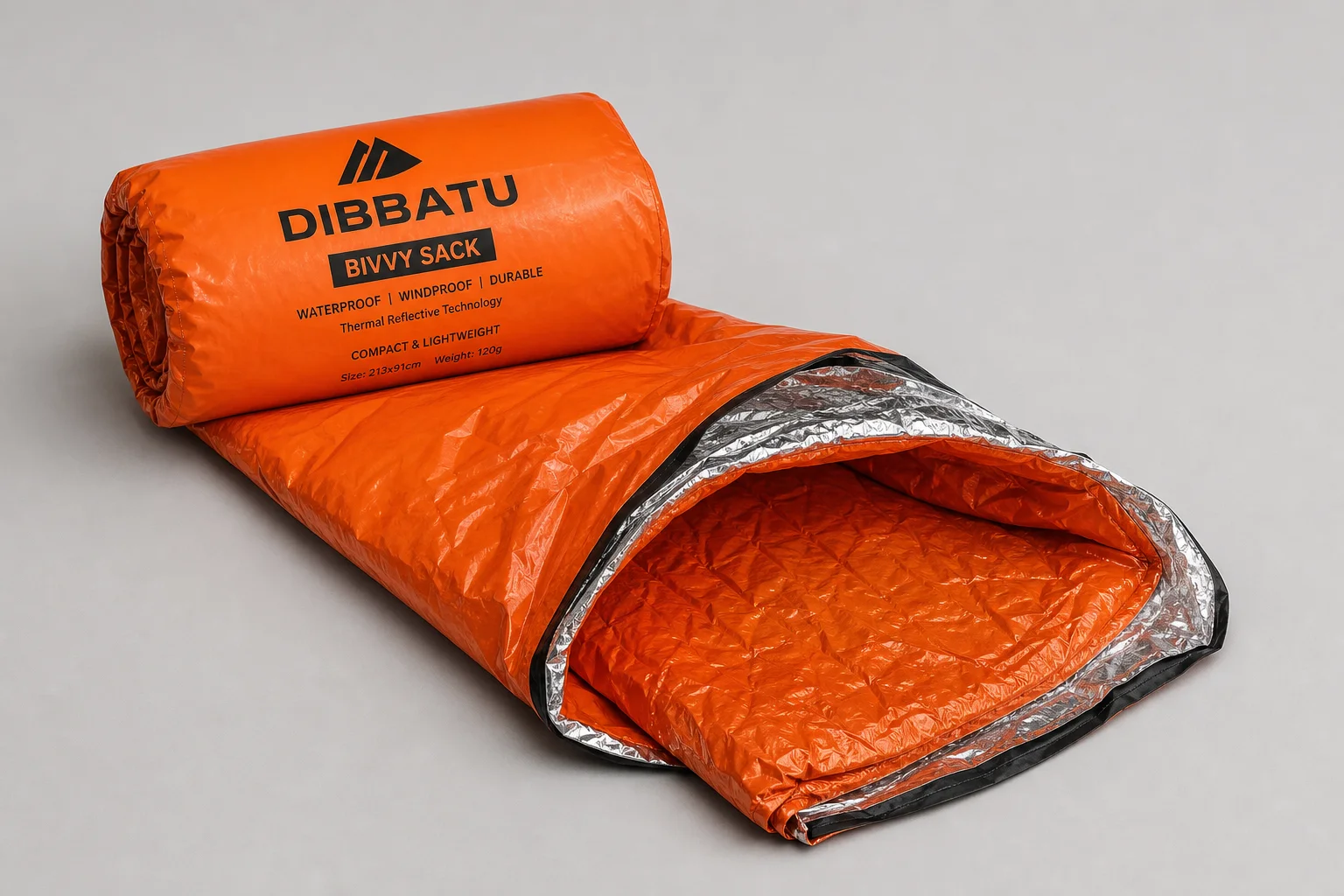
The Dibbatu Bivvy Sack is designed to keep you warm and alive during an emergency. It protects against rain, wind, and snow and can also serve as a ground cover or sleeping bag liner in extreme environments.
The unit is straightforward to use: simply pull out the bivvy sack, unroll it, and climb inside. It comes in a small carrying bag that makes it easy to transport. Each package includes two survival sleeping bags, each measuring 83 by 35 inches and weighing just 4 ounces. The bright orange color aids visibility for rescue teams spotting you from a distance.
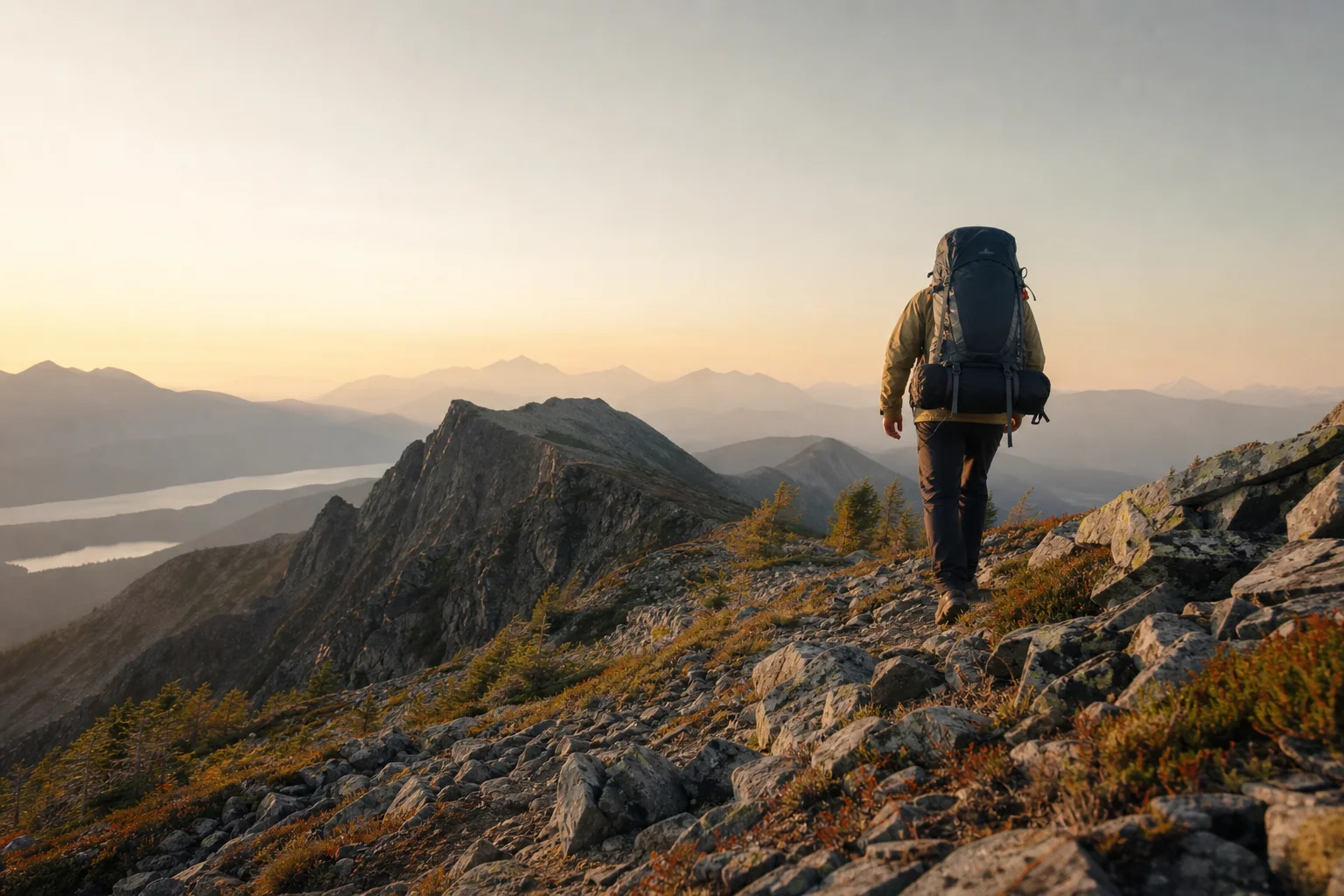
The Dibbatu is water resistant, windproof, and compact enough to fit into a rucksack pocket, car glove compartment, or first aid kit. The main drawback is a strong odor when first opened. Despite this, the combination of waterproofing, windproofing, lightweight construction, and portability makes it a solid choice for emergency preparedness.
Fourth Place: Mizon Emergency Sleeping Bag
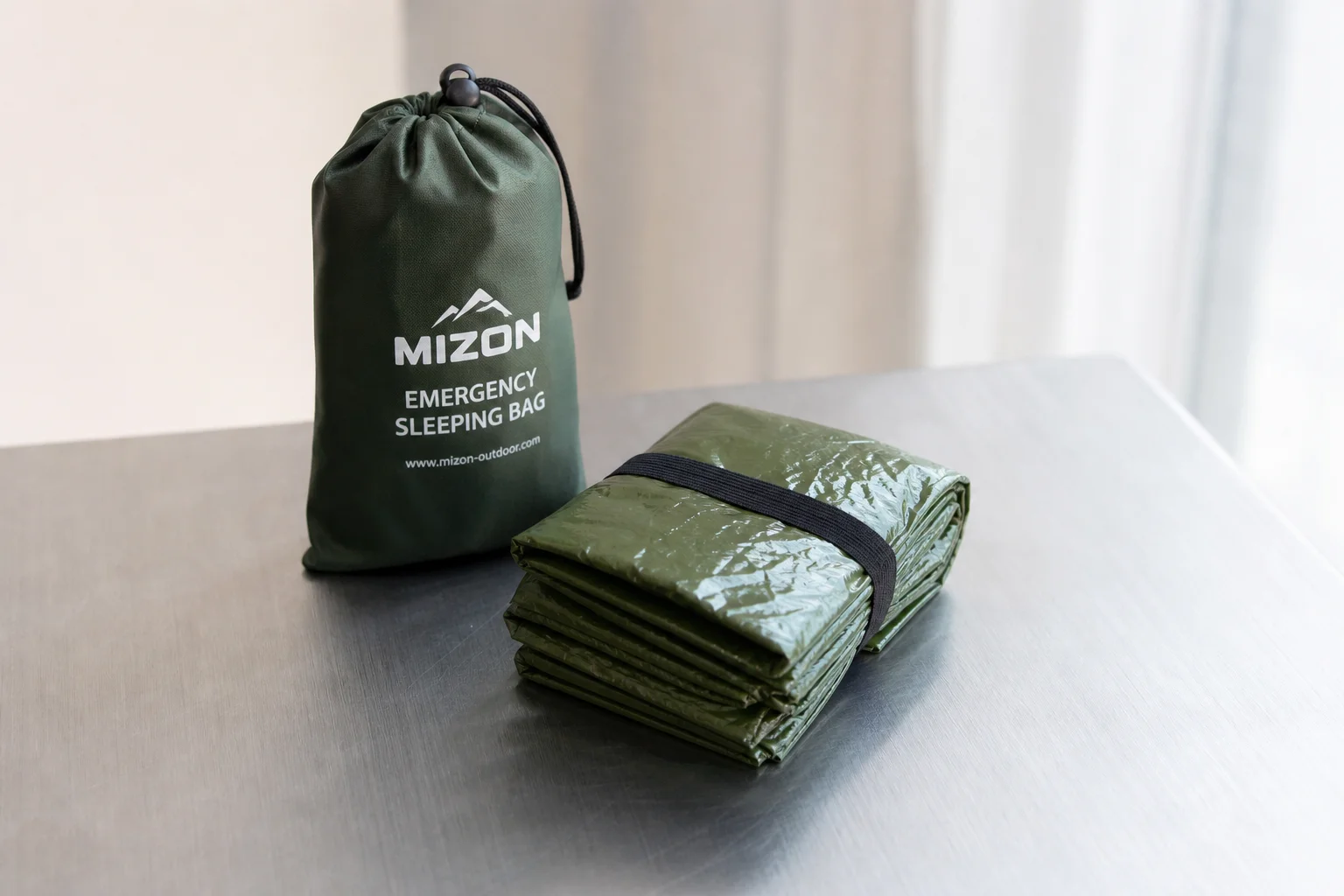
The Mizon Emergency Sleeping Bag is a thermal shelter kept in a compact 3.9 by 5.1 inch bag weighing just 0.35 pounds. This minimal weight means you will not notice it in your backpack or car until you need it.
The bag is made of ultra-lightweight PE material that reflects 90 percent of your own body heat and can keep you warm for over 24 hours. It comes in green and orange, with bright colors helping rescue teams spot you from miles away if you become lost. The material is ultra-thin yet surprisingly strong, with reinforced tape seams creating a weather-resistant barrier.
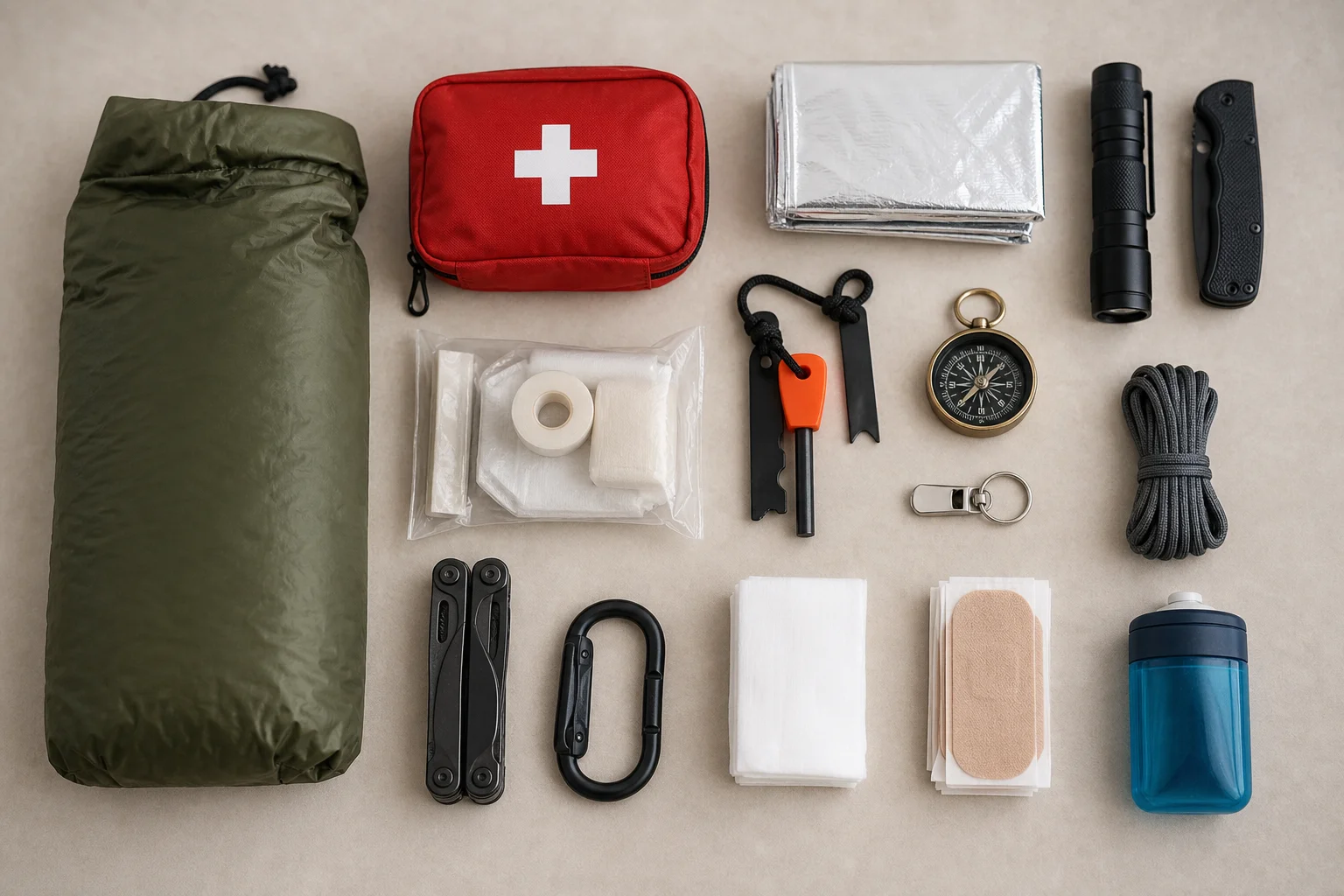
You can wrap the Mizon around an adult body or use it as an emergency blanket. It is strong, weather-proof, and waterproof. The main limitation is breathability, which means condensation will eventually form on the inside. For outdoor activities and emergency wilderness situations, the Mizon offers reliable protection at minimal weight and bulk.
Third Place: Don’t Die In The Woods Emergency Sleeping Bag
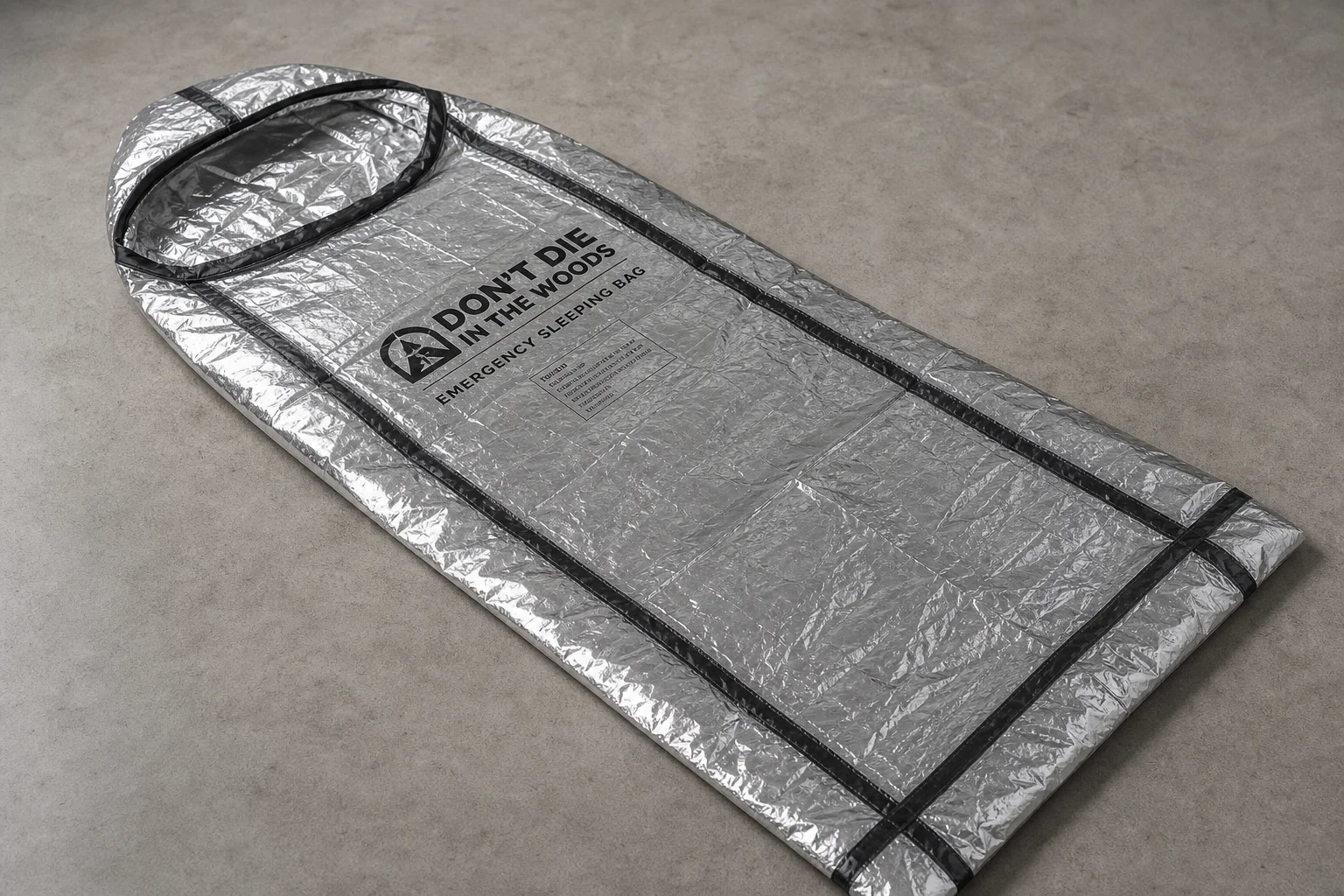
The Don’t Die In The Woods is made of mylar and nylon with extra-thick heat-flex mylar that is stronger and more flexible than ordinary foil emergency blankets. This construction makes it excellent for outdoor activities and unexpected bad weather.
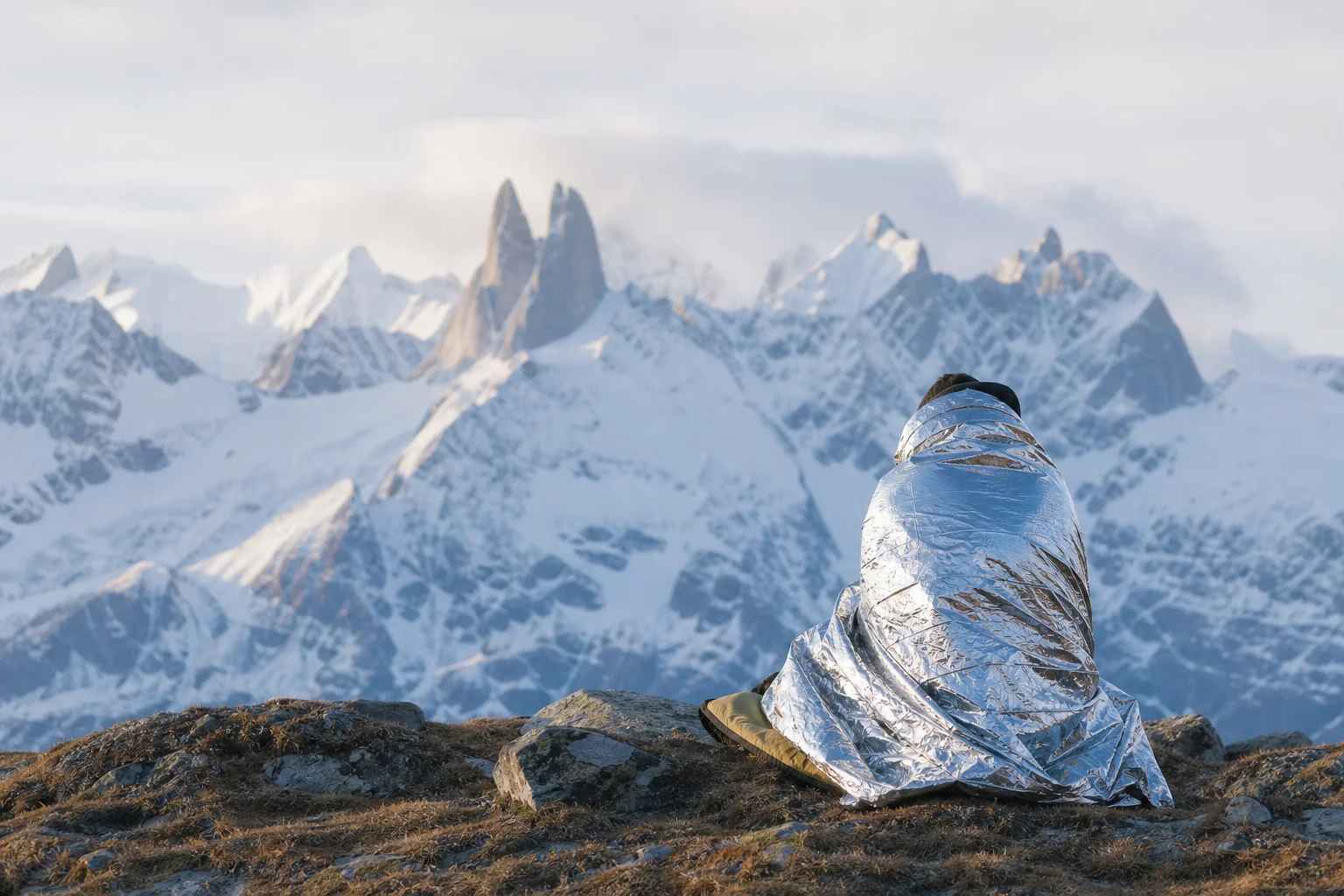
The design includes a hood section to protect your head and reinforced tape seams for durability and reusability. It reflects up to 90 percent of your body heat, boosting the heat retention of your sleeping bag, and is waterproof to protect your sleeping bag from condensation. At just 7 ounces, it strikes a balance between durability and weight, fitting easily into your car or backpack.
A notable feature is that the manufacturer donates a percentage of profits to conservation efforts worldwide. The main drawback is that the compact carry bag, while portable, can be difficult to repack the bivvy into. The rugged design with head protection and environmental commitment make this a strong choice for hikers facing sudden weather changes in the wilderness.
Second Place: Survival Frog Tact Bivvy
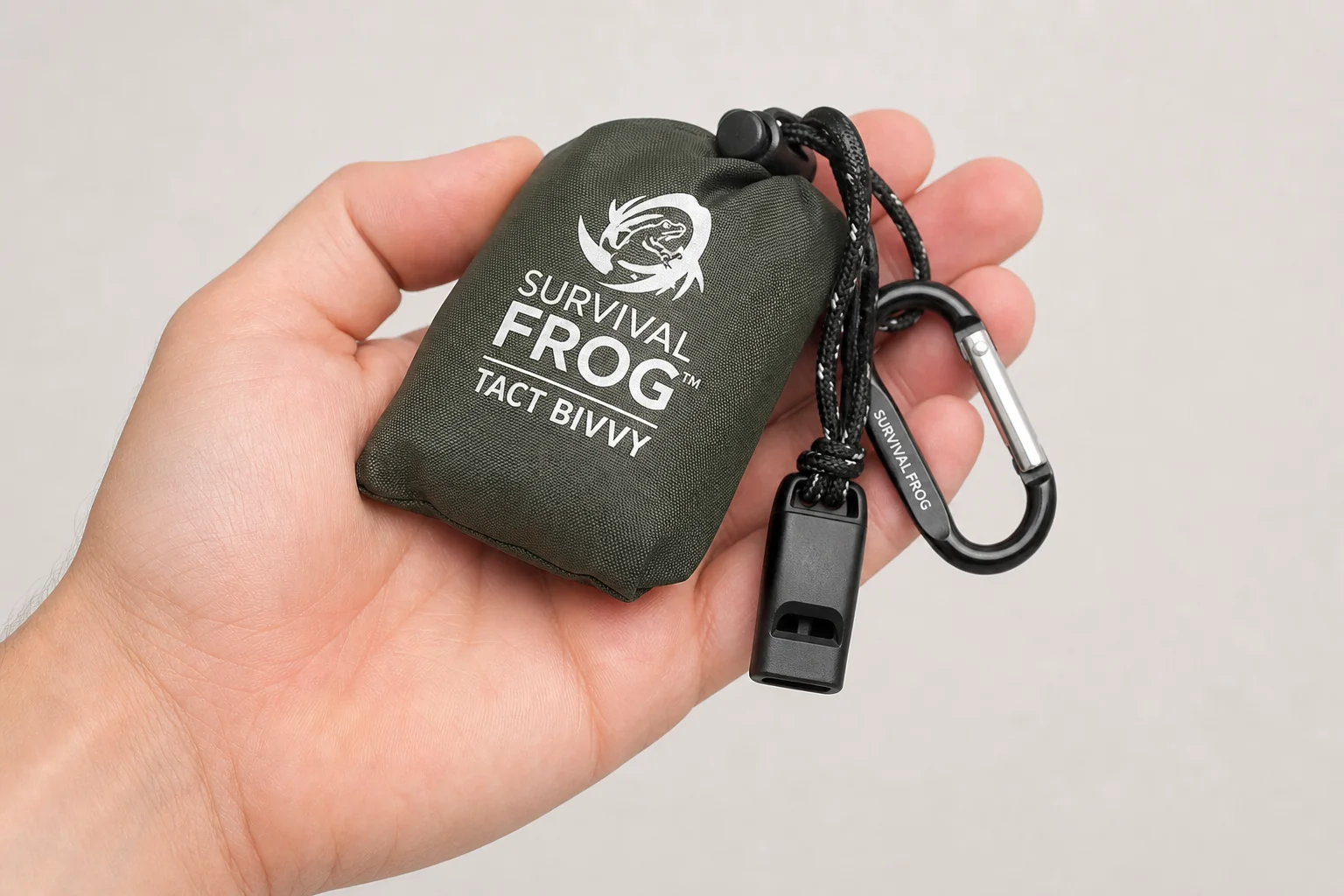
The Survival Frog Tact Bivvy is remarkably compact, small enough to fit in one hand and not much larger than a grown person’s palm. Despite its tiny size, it weighs only 4.8 ounces and is made for repeated use, folding and rolling back into its small carrying case.
The bivvy is made with reflective polyester film using heat-echo material to keep 90 percent of your body heat inside. It is tear-resistant, windproof, and waterproof. The drawstring is paracord that can tie down gear or be exposed and used as a fire starter. At the end of the string is a 120-decibel emergency whistle and a carabiner for attaching to your backpack.
The main trade-off is that the material collects moisture on the inside over time. For extreme camping or ultra-light multi-day hikes, the Survival Frog’s combination of portability, durability, fire-starting capability, and emergency whistle makes it an excellent choice.
First Place: Go Time Gear Life Bivvy
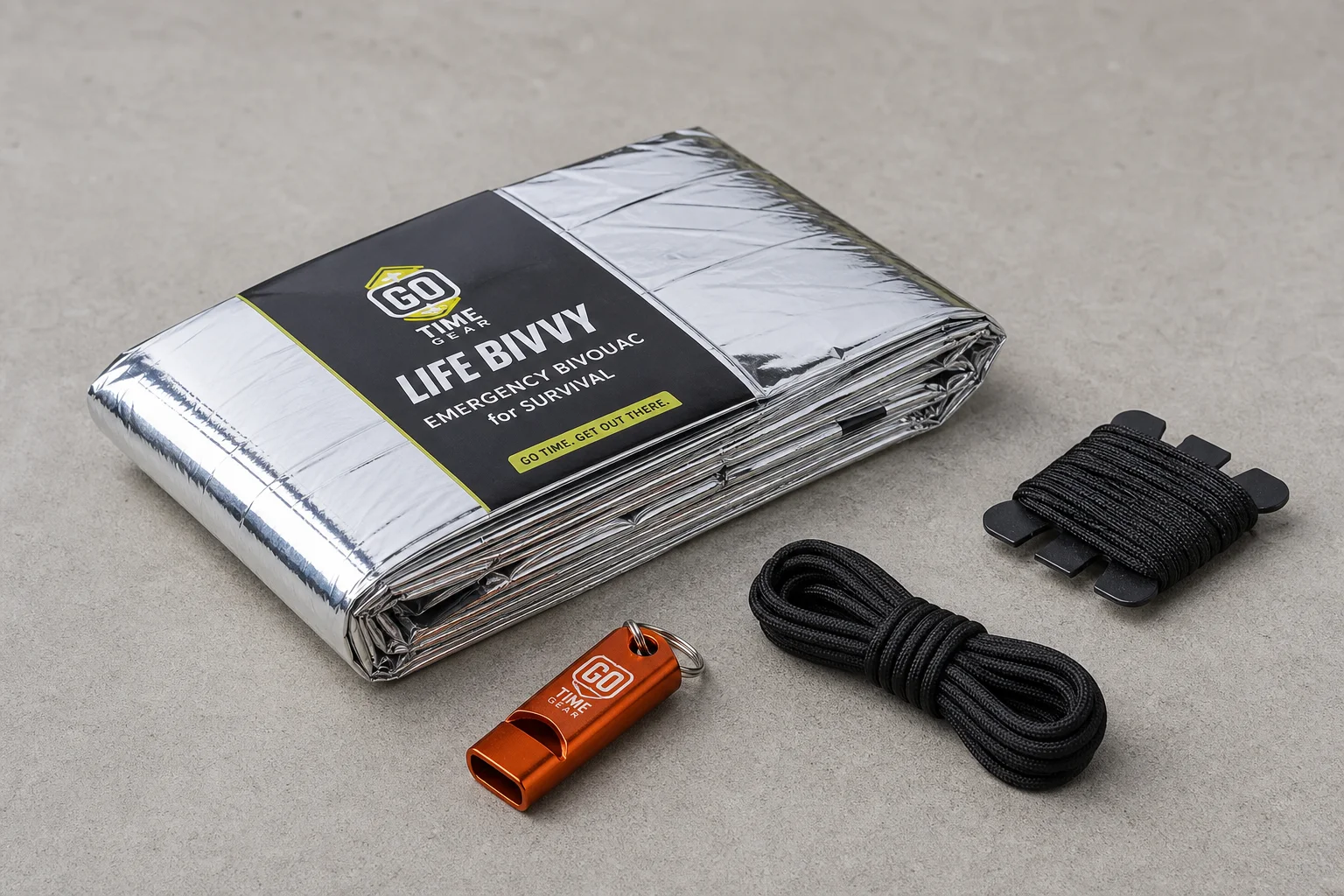
The Go Time Gear Life Bivvy is a sleeping bag, survival shelter, and emergency blanket all in one, designed to address one of the most dangerous survival situations: exposure to extreme cold. The company’s mission is to lower the number of lives lost each year from extreme cold exposure.
The bivvy comes with a whistle that can cut through trees and wind and be heard up to a mile away, making it perfect for car survival kits and essential for anyone living in cold climates or remote areas. It is so compact it fits in a car glove compartment. The nylon paracord has 550-pound strength and can secure gear or set up an emergency shelter. A tinder cord inside can be cut and used as a fire starter.
The Go Time Gear is made with 26 micrometer extra-thick mylar material that is tear and puncture resistant, water and snow proof, and reflects 90 percent of your body heat back onto you. The wind resistance is particularly important, as wind chill is dangerous even in non-threatening cold temperatures. The main limitation is that the material can stretch out over time. For hiking, camping, bug-out bags, or car emergency kits, this is a must-have for anyone in cold or remote regions.
Conclusion
Each of these five bivvy sacks offers practical emergency protection with different strengths. The Dibbatu provides two units in one package, the Mizon excels at minimal weight, the Don’t Die In The Woods balances durability with environmental values, the Survival Frog combines portability with fire-starting capability, and the Go Time Gear stands out for extreme cold protection and comprehensive features. Choose based on your environment, activity level, and the specific risks you want to prepare for.
Further reading
Related Reviews
Survival Gear
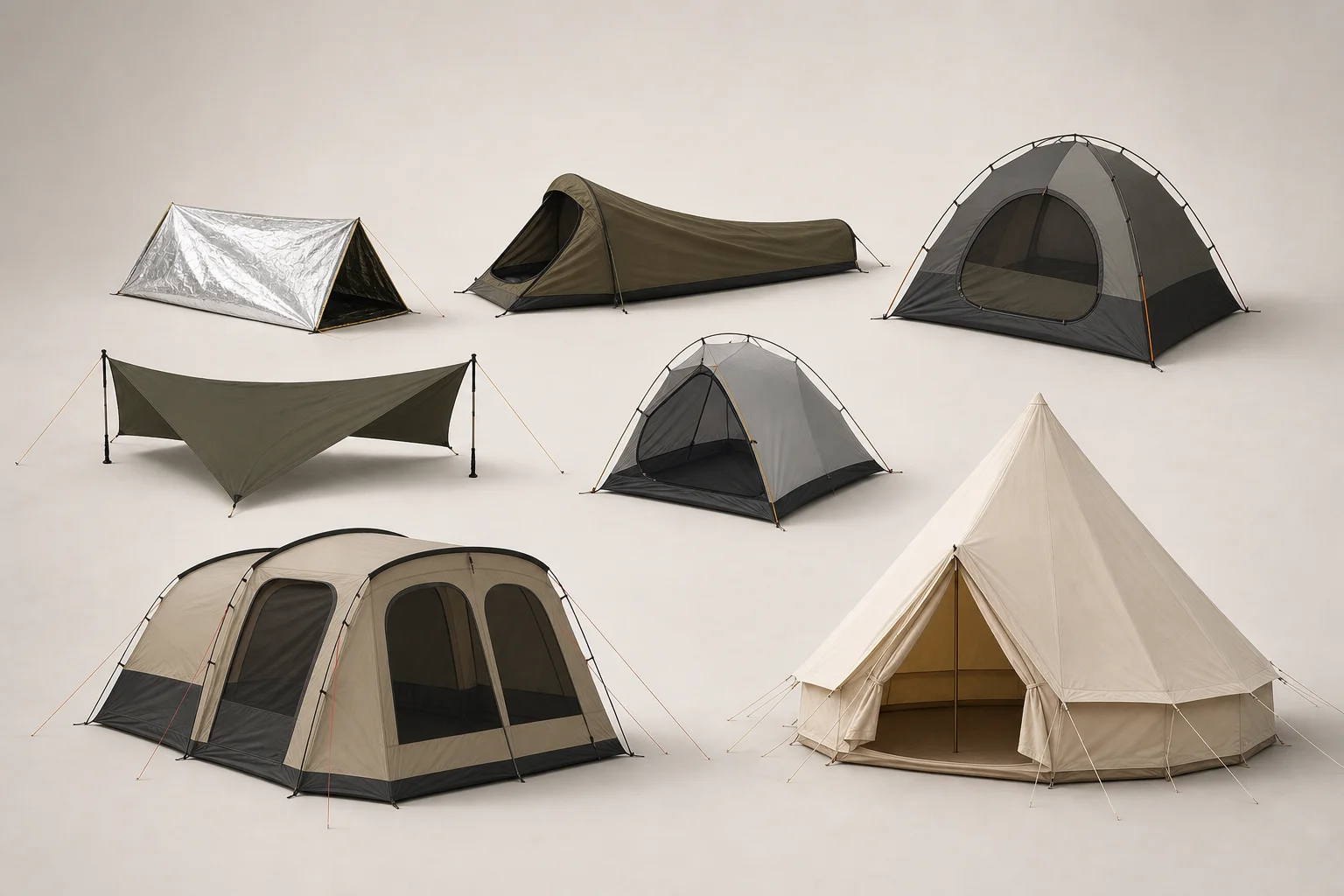
Best Survival Tents: 7 Shelters for Every Situation and Budget
From ultracompact emergency shelters to spacious canvas bell tents, we review seven survival tents trusted by bushcrafters and outdoor enthusiasts.
Survival Gear
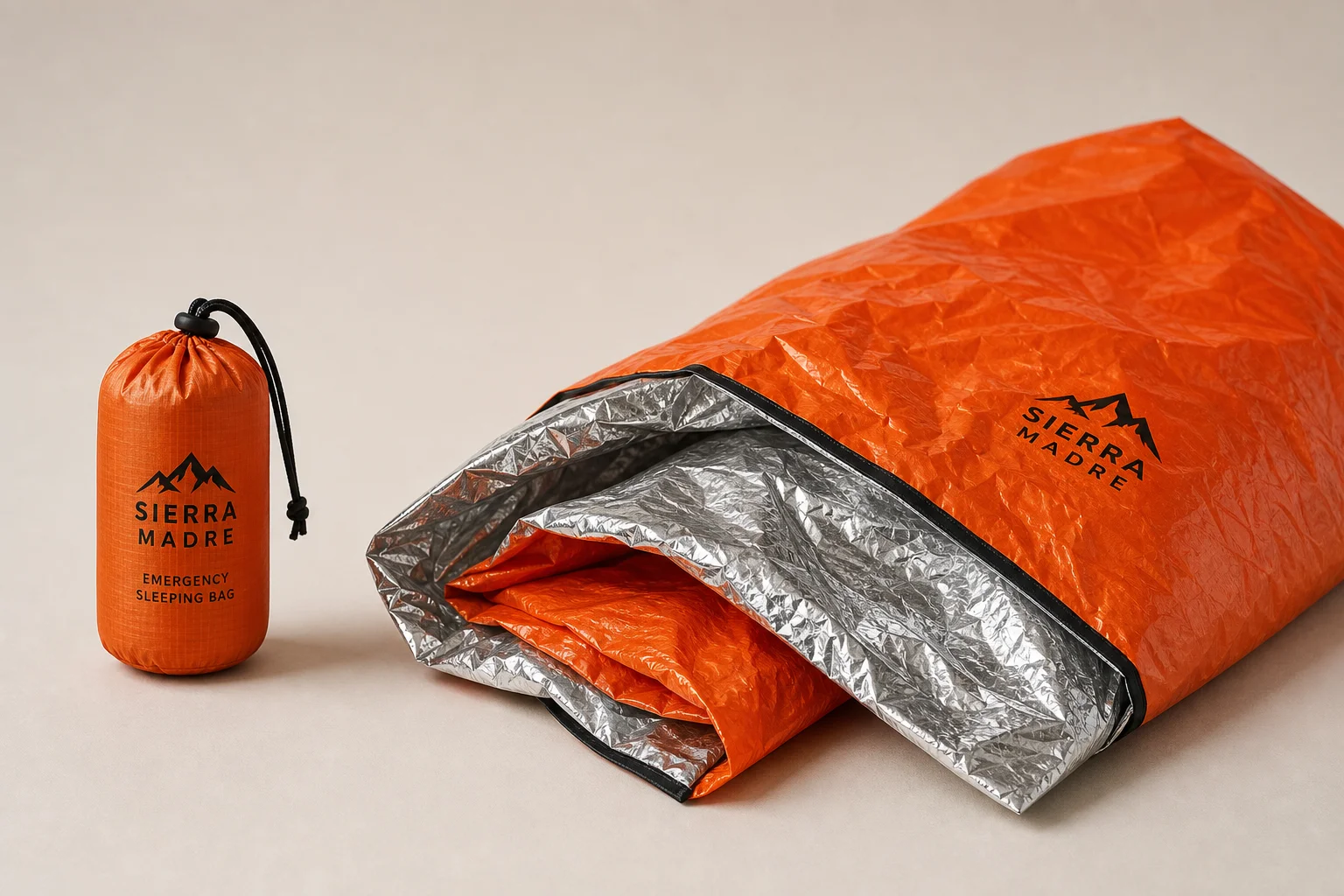
Sierra Madre Emergency Sleeping Bag Review: Compact Warmth for Survival Kits
A practical emergency sleeping bag that traps body heat effectively in a compact form factor smaller than a Coke can. Real strengths and trade-offs for backpacks, vehicles, and survival kits.
Outdoor Gear
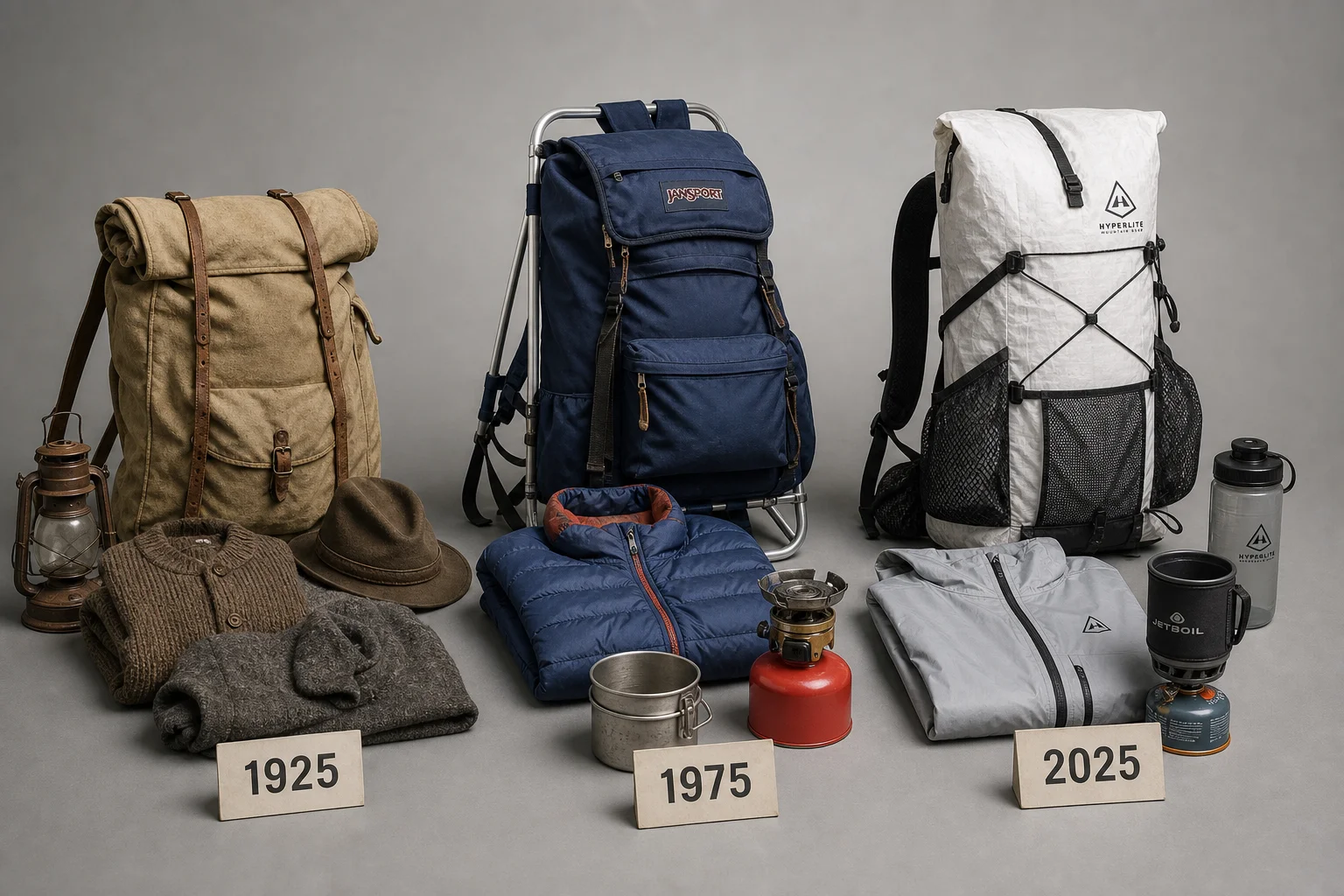
Backpacking Gear Evolution: 100 Years of Technology Compared
We tested backpacking gear from 1925, 1975, and 2025 across a three-day hike in Yosemite. Here's how technology has transformed comfort, weight, and the outdoor experience.