Trail Running Gear
Best Trail Running Gear 2025: Nine Products That Earned Real Use This Season
A curated look at nine trail and ultrarunning essentials that delivered genuine performance across training, racing, and adventure throughout 2025.
Introduction
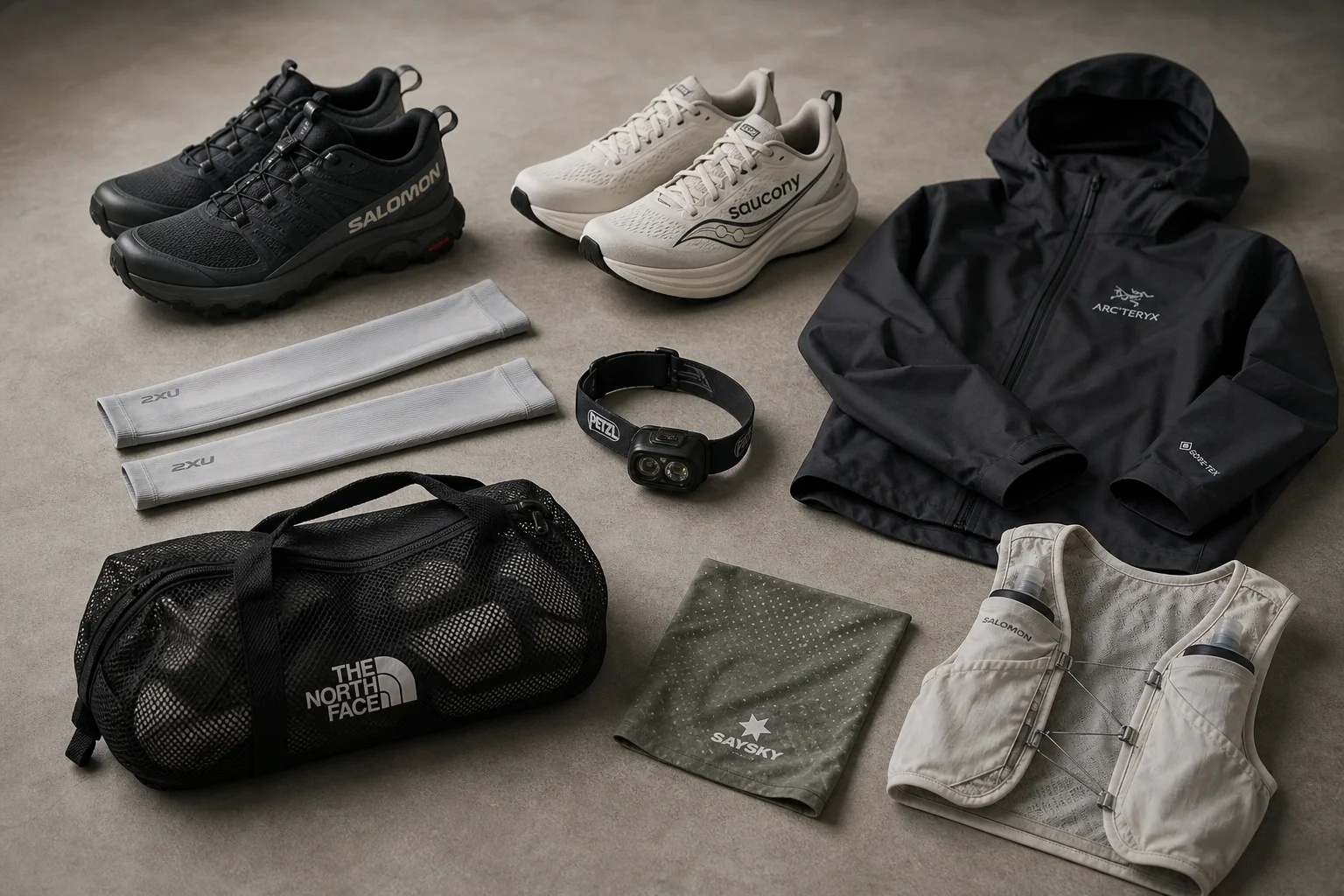
After a season of training, racing, and adventure, several new pieces of gear proved themselves indispensable. This year brought a shift: testing shoes and packs from multiple brands rather than relying on a single sponsor. The result is a collection of nine products that earned genuine use across ultramarathons, mountain adventures, and daily training runs.
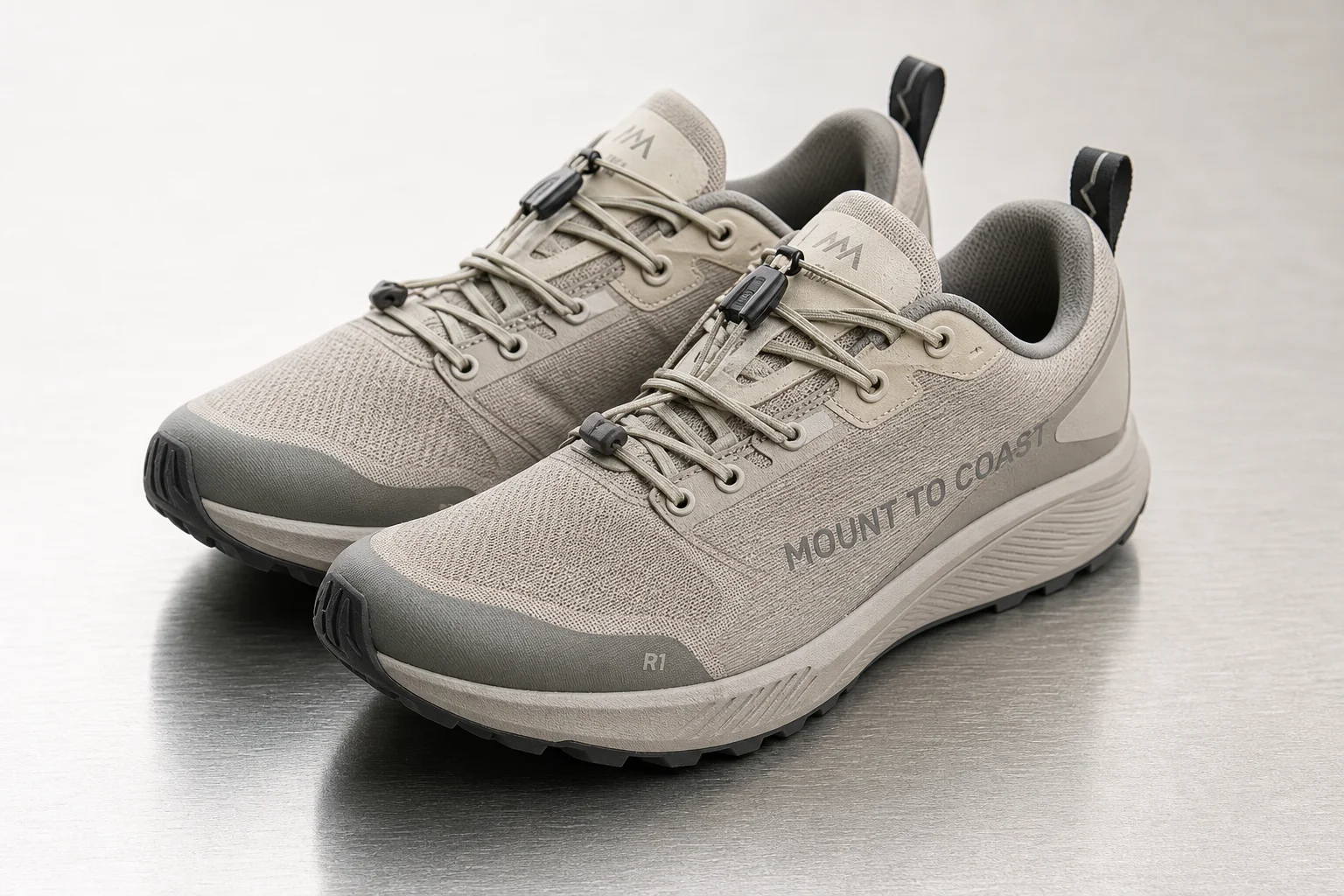
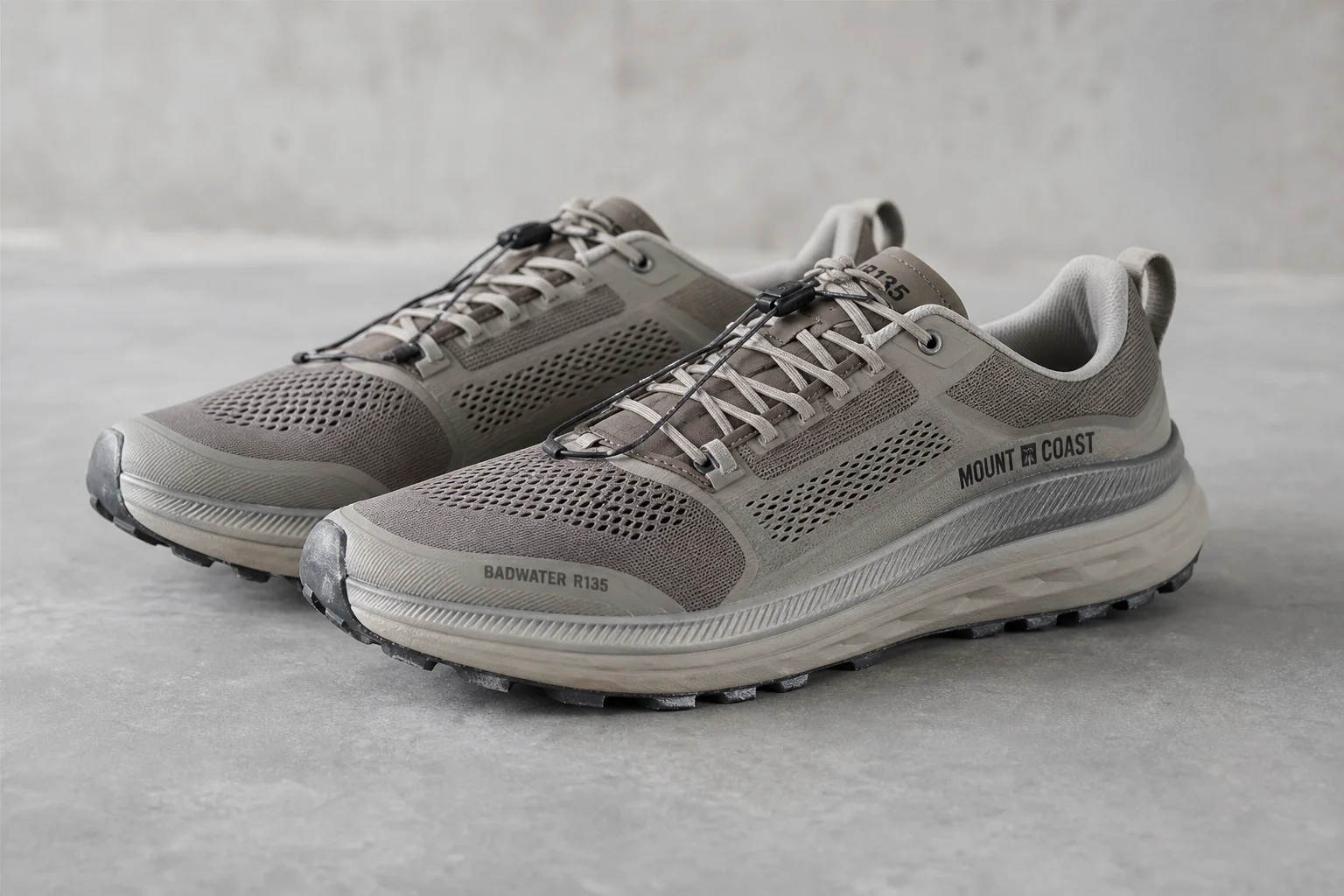
Road Ultramarathon Shoes: Mount to Coast R1 and R135
The Mount to Coast R1 was designed specifically for ultra distances on pavement, with races like Badwater 135 and Comrades in mind. The R135 is a special edition built exclusively for Badwater, featuring a lighter construction, enhanced breathability in the upper, and a reflective outsole coating for visibility during nighttime highway running.
Both shoes prioritize durability and comfort over speed. The midsole foam remains responsive after hundreds of kilometers, and the dual lacing system (standard lace plus quick-release lower lace) allows for rapid adjustment as feet swell during long efforts. The R1 has logged approximately 250 km and remains in near-new condition. The R135, used for training runs and the Badwater race itself, shows similar durability.

The fit runs slightly narrow in the heel and wider in the forefoot, comparable to the SLAB Genesis. The minimalist aesthetic appeals to runners who prefer understated design. These are not fast-feeling shoes; they lack the rocker and energy return of modern super shoes. Instead, they excel at their intended purpose: providing stable, durable support for extended pavement running.
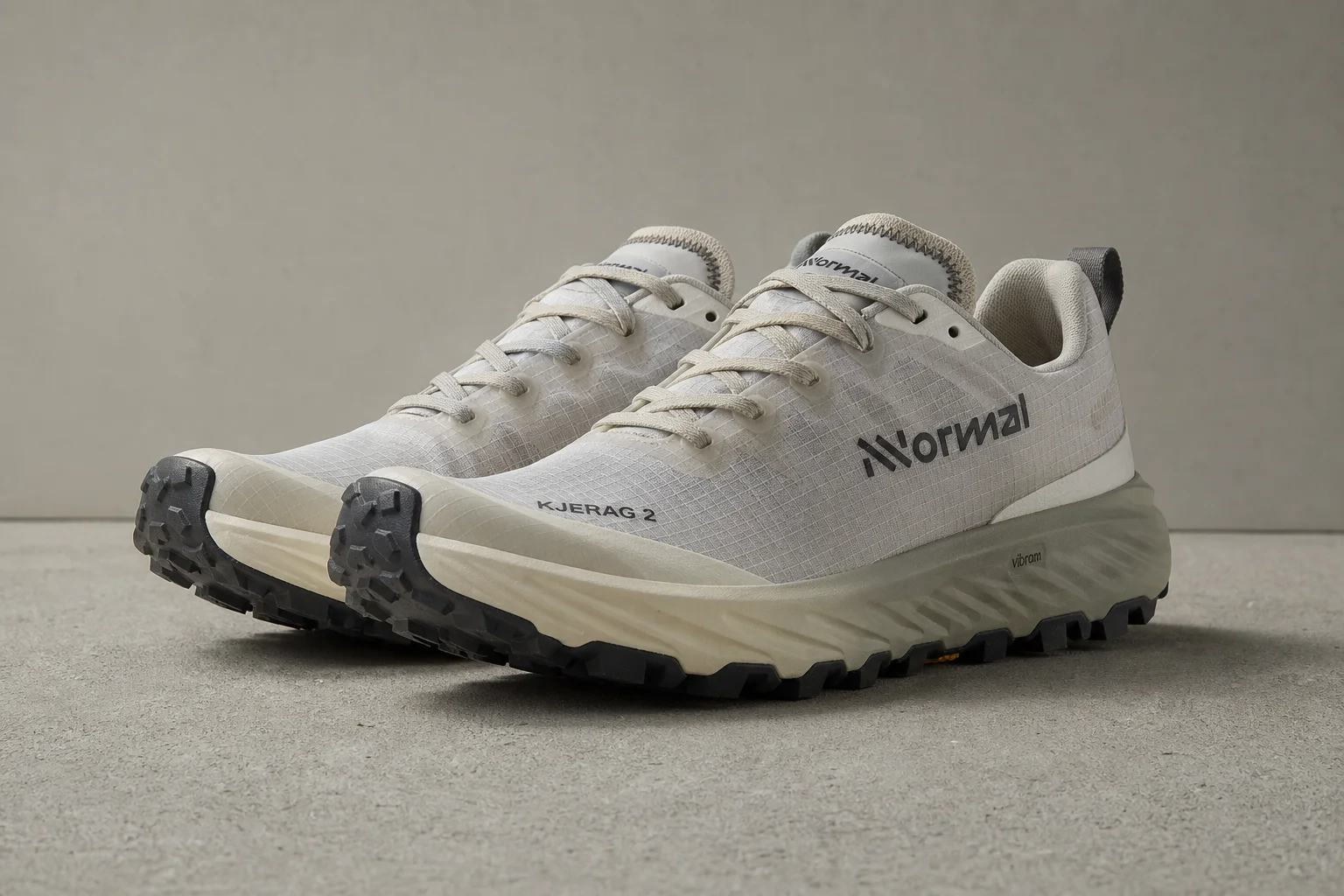
Trail Shoe: Nnormal Kjerag 2
The Nnormal Kjerag 2 builds on an already excellent first version with increased stack height and midsole foam, making it suitable for longer distances like 100-milers without sacrificing the ground feel that made the original special. The shoe maintains the narrow fit characteristic of Salomon’s S/LAB line, from which it draws design inspiration.
Designed by and for Kilian Jornet, the Kjerag 2 uses a Vibram outsole instead of Contagrip, paired with a durable ripstop upper. After approximately 450 km of use, including significant pavement running during the Tour du Mont Blanc, the outsole shows notable wear, with nearly half the original 3.5 mm lugs worn away in the forefoot. Minor peeling at the upper-midsole junction has not affected performance or water resistance.
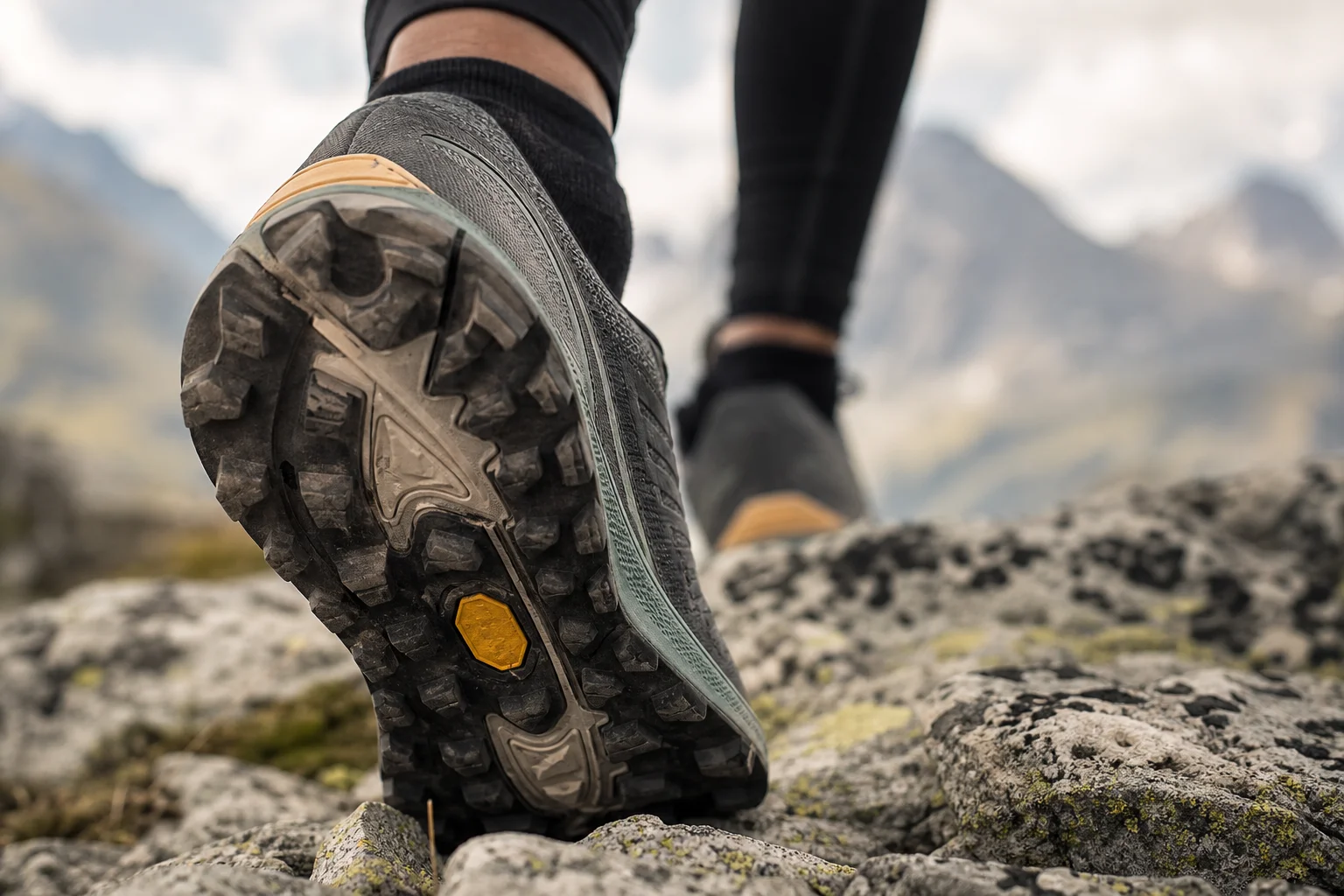
Nnormal partners with certified Vibram cobblers for resoling, which could extend the shoe’s life by another 400 km from a sustainability perspective. Despite the wear, the shoe remains a top choice for trail running, and a replacement pair is planned for future use.
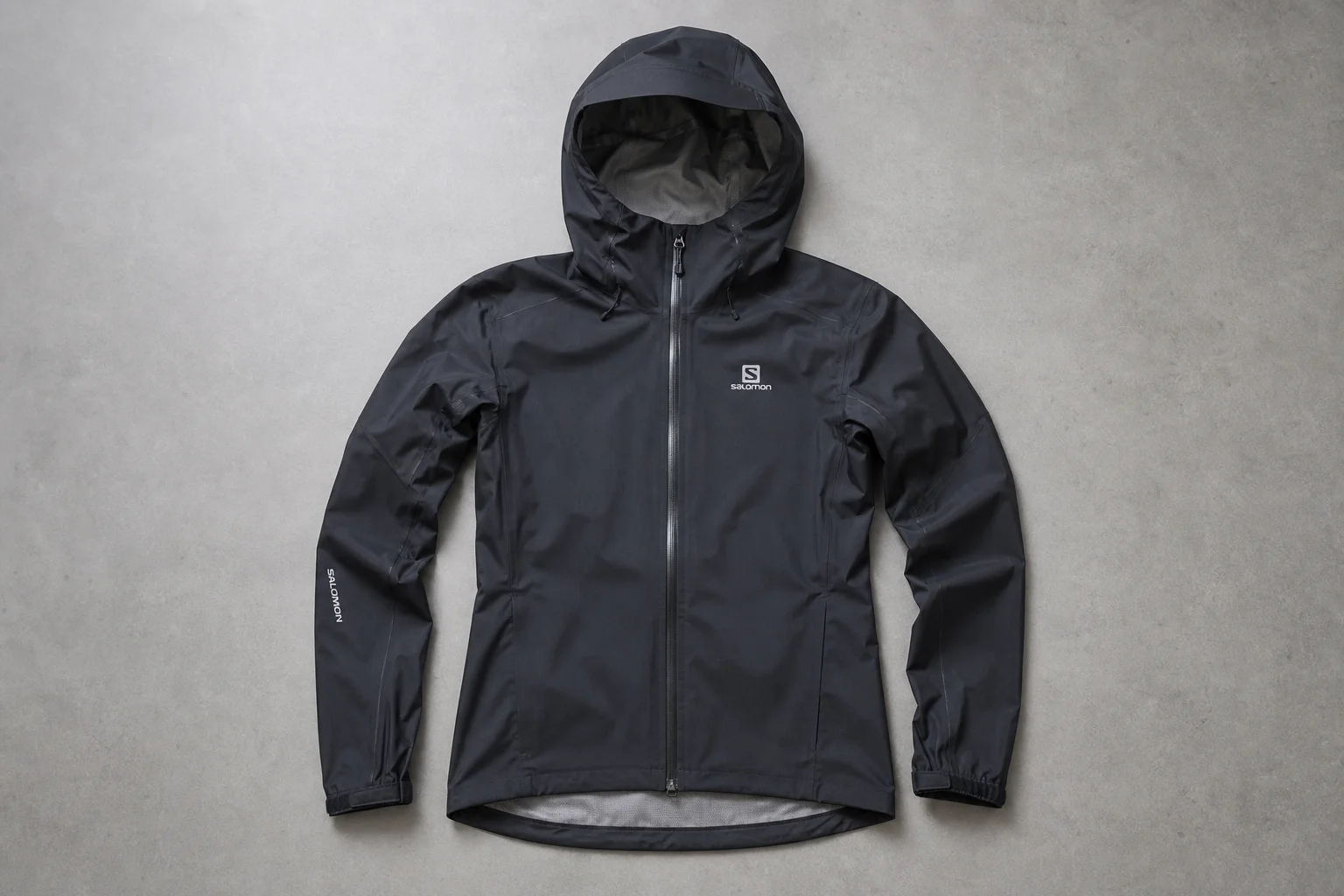
Waterproof Shell: Salomon Bonatti and Hoka Alternative
The Salomon Bonatti has been a reliable lightweight waterproof jacket for years. This season, testing revealed an unexpected contender: a Hoka jacket that, while slightly heavier, offers superior coverage and comfort for extended wet-weather running.
The Hoka design fits looser than the Bonatti, with longer arms featuring stretchy cuffs and a rear bib-like extension that keeps the lower back dry. The hood includes a stretchy seam that contours to the face, and two zippered front pockets provide practical storage for keys or a phone. These features make it ideal for training runs in wet conditions, though it may be overkill as a minimal emergency layer.
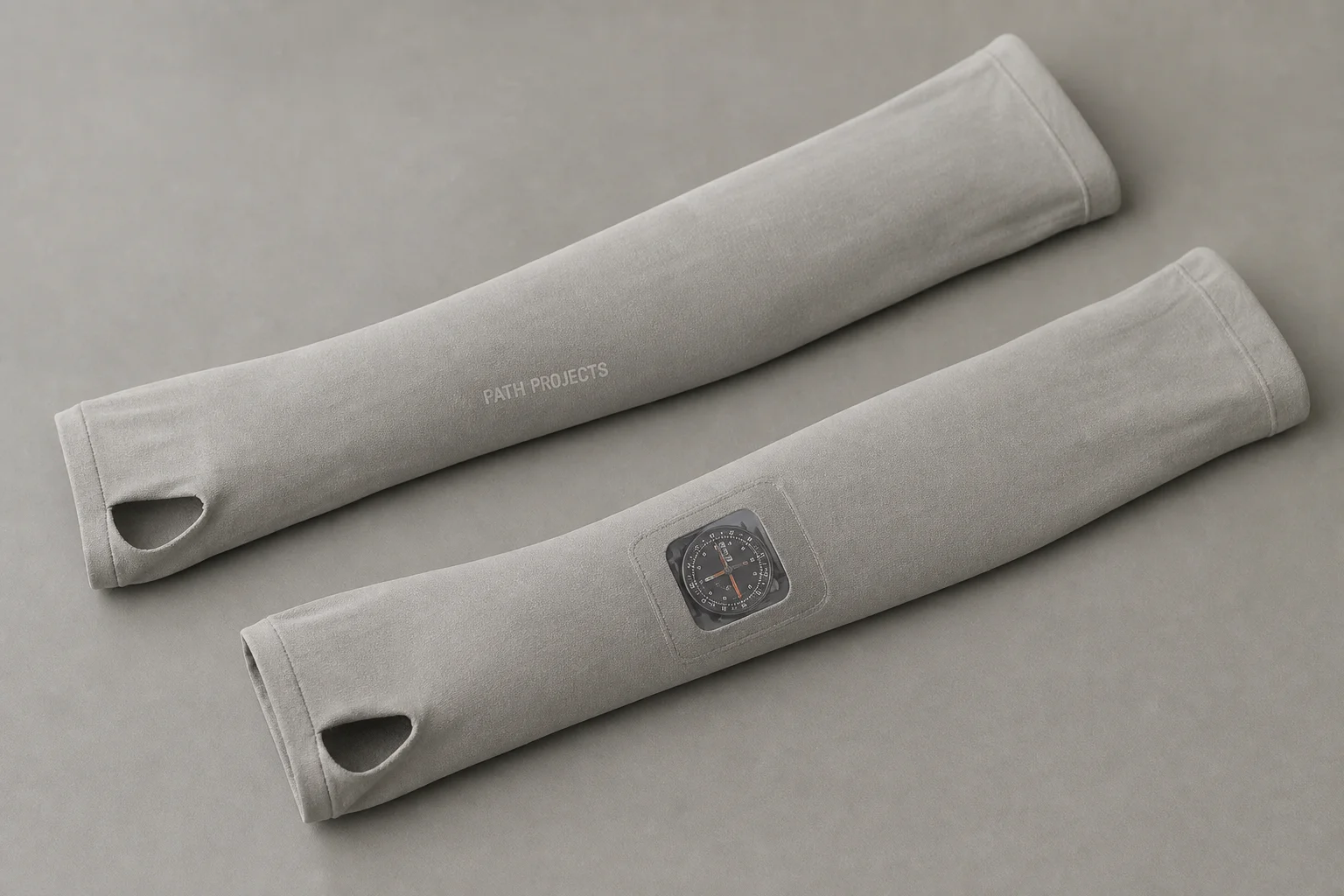
Arm Sleeves: Path Projects Moab
The Moab arm sleeve from Path Projects was developed in collaboration with the brand’s design team. The result is a longer-cut sleeve than most market alternatives, addressing a common complaint about sleeves that are too short. Key features include a watch window on both sides, a thumb hole, and full hand coverage, eliminating the need to roll them up during use.
The stitchless, stretchy fabric includes built-in UPF 50+ sun protection, providing warmth in cold weather and UV defense in the desert and alpine environments where UV exposure is high. These sleeves saw extensive use at Badwater 135, the Mammoth 200, and throughout mountain adventures, and are now a daily staple for warmth in the Pacific Northwest.

The original production run has sold out, but restocking is expected early in the new year.
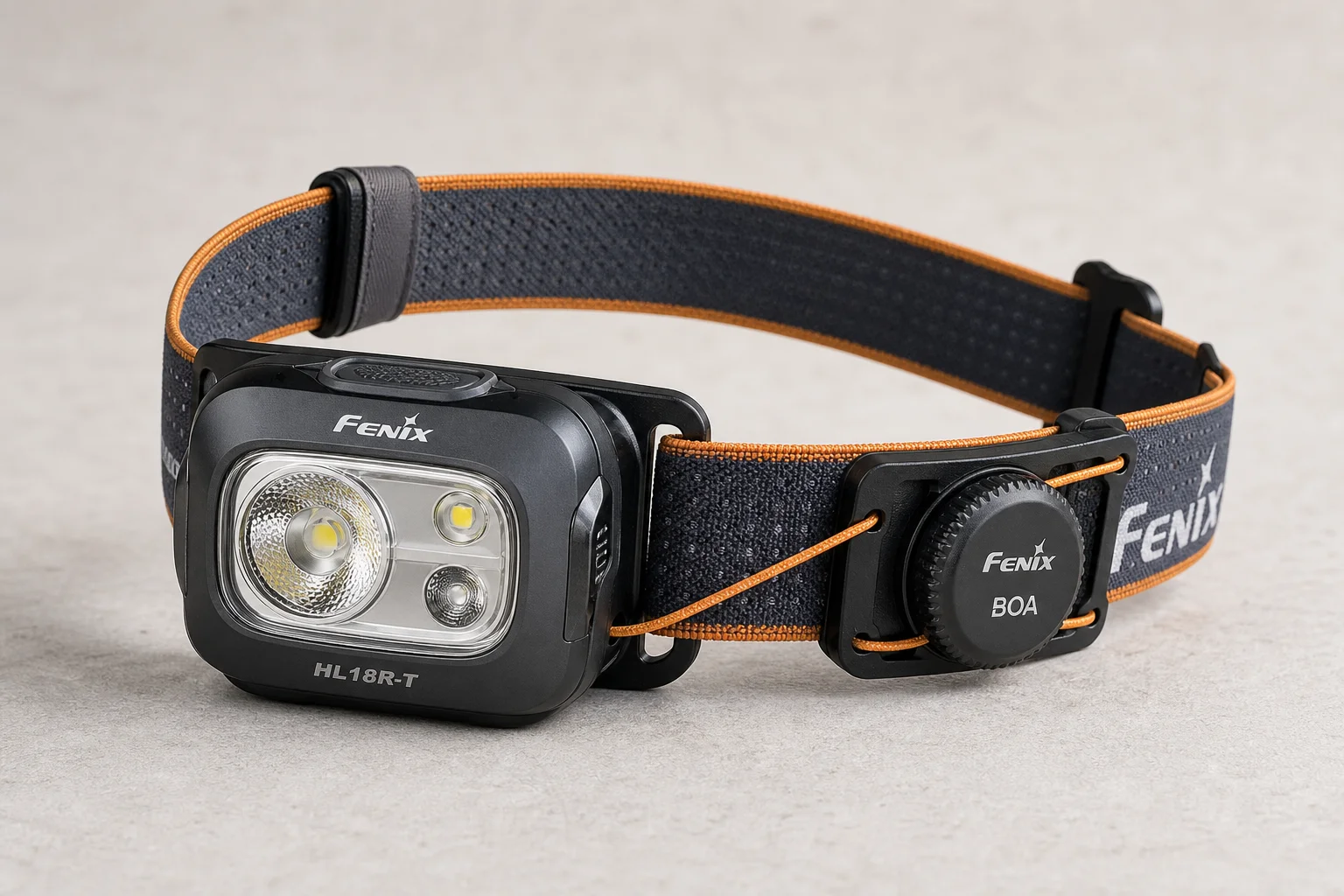
Headlamps: Fenix HL18R-T
Fenix headlamps are valued for durability and performance-to-price ratio. While the HM65R-T remains the go-to for longer overnight efforts, the newer HL18R-T version 2 serves shorter evening runs perfectly.
The HL18R-T offers white, warm, and red light modes, with 800 lumens on turbo and 350 lumens on high. Turbo mode sustains approximately 400 lumens for nearly three hours before thermal step-down, while high mode delivers just under 200 lumens for up to six hours. At just over 100 g, it is significantly lighter than larger models. A two-way BOA strap system allows quick adjustment for downhill stability or flat-terrain comfort.
The rechargeable proprietary lithium battery contributes to the compact, lightweight design. At approximately USD 55, the HL18R-T justifies adding multiple headlamp models to a quiver, each optimized for different run lengths and purposes.
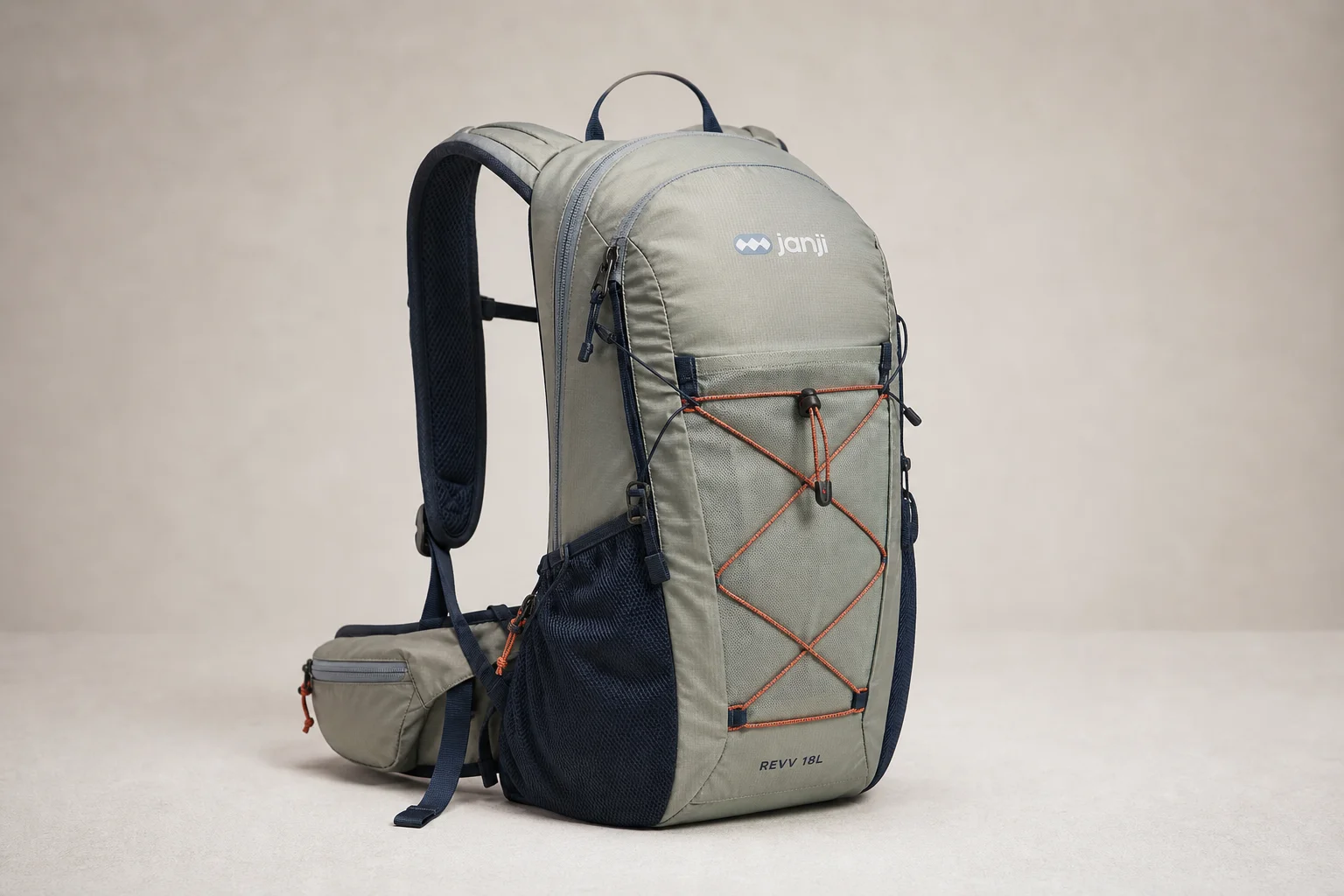
Running Pack: Janji Revy 18L
The Janji Revy 18L excels as a run commuting pack and works well for hut-to-hut fastpacking, though it is slightly undersized for true fastpacking with a full sleeping system, tent, and sleeping bag. For its intended use cases, it delivers excellent performance and practicality.
Cooling Accessory: East Peak Ice Bandana
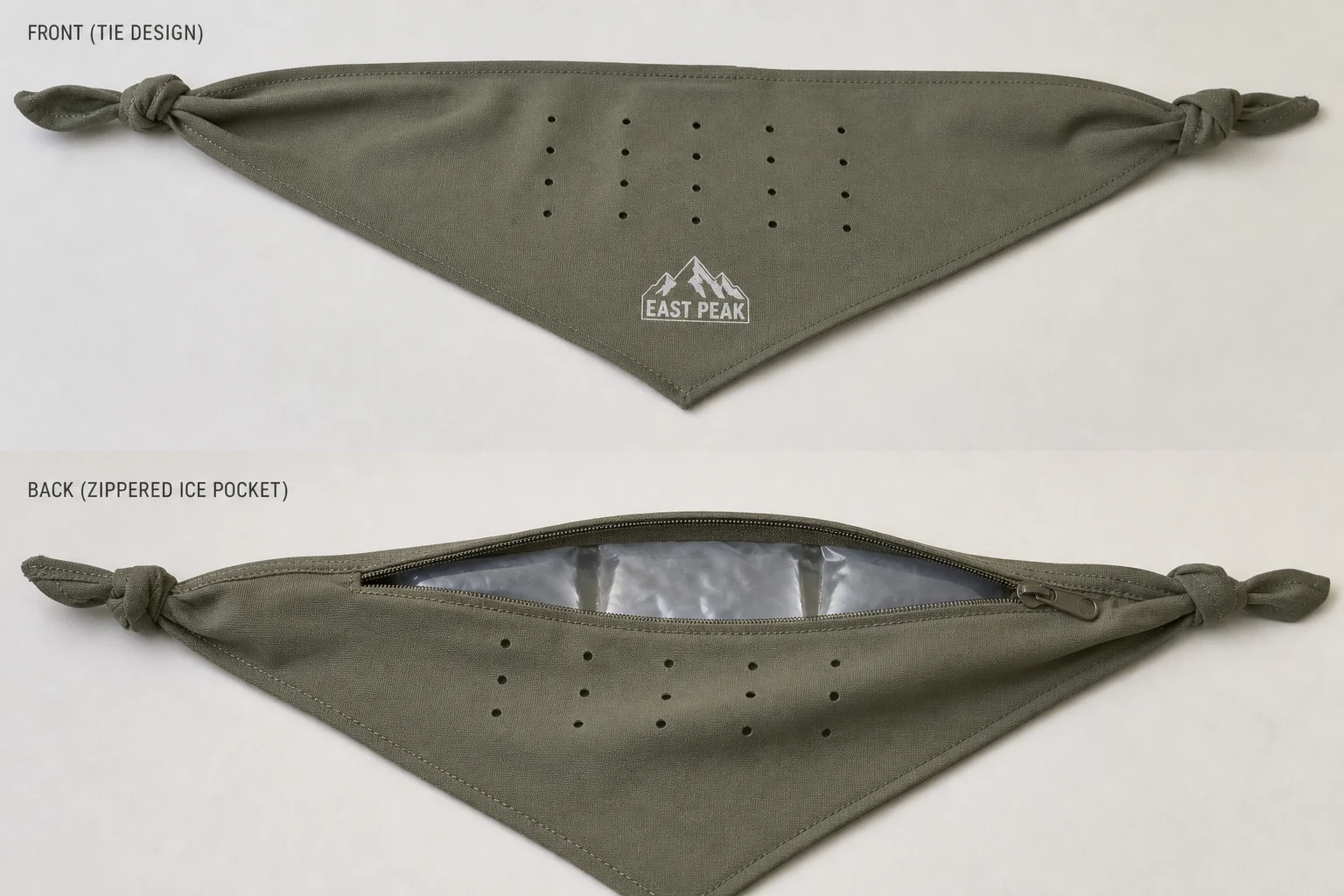
The East Peak ice bandana, spotted on Kilian Jornet at Western States, is a thoughtfully engineered solution for race-day cooling. Unlike a simple bandana with ice, this design features a zippered rear pocket for ice that allows crew members to refill without removing the bandana. Holes in the back allow melting ice to drip down the runner’s back for continuous cooling.
During Badwater 135, this bandana proved invaluable in managing heat stress. It will see future use in any hot-weather ultramarathon.
Mesh Duffel: Tantrums Trail Head 20L
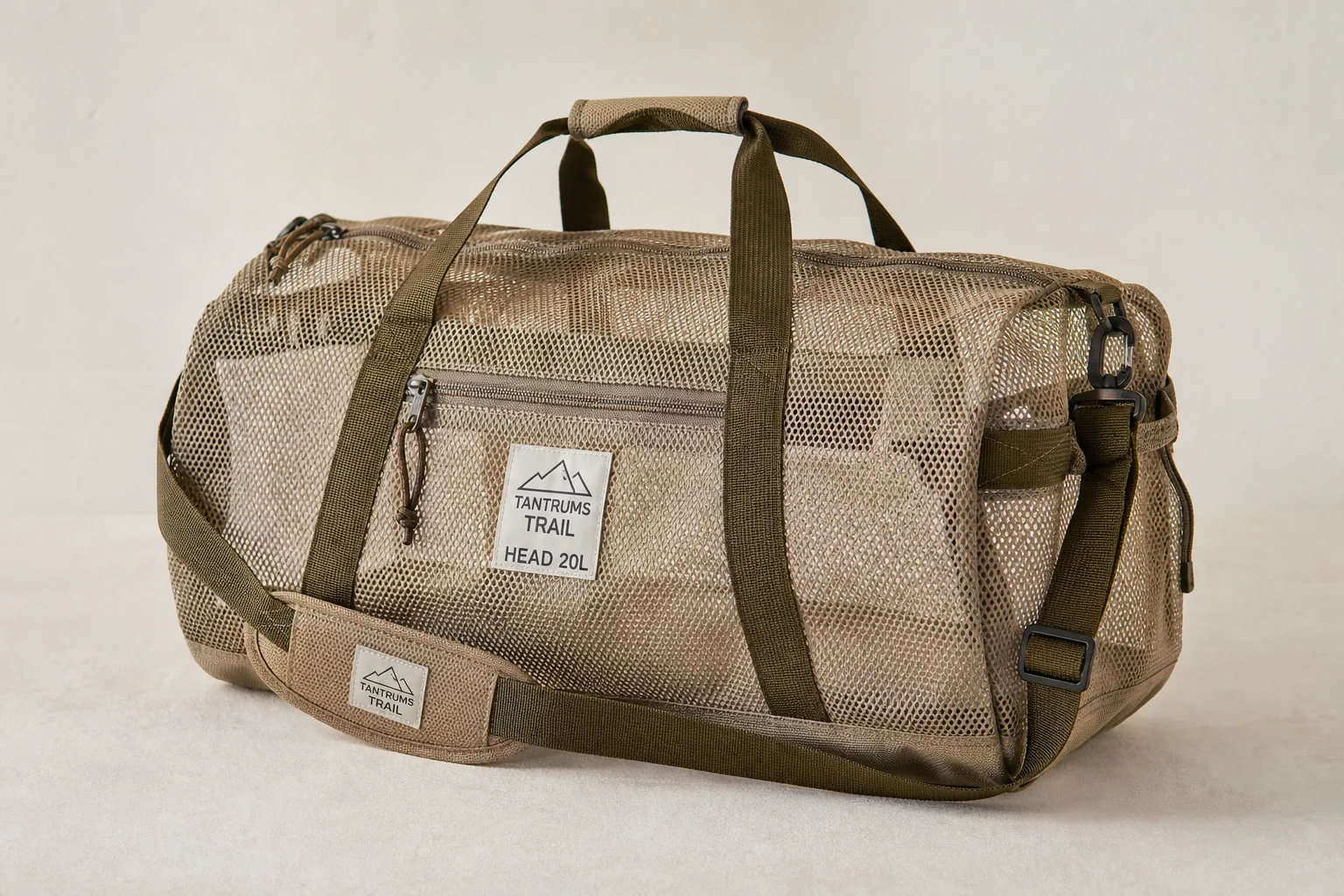
The Tantrums Trail Head 20L mesh duffel is a surprisingly practical addition to any ultrarunner’s kit. Lightweight and compact, it serves as a travel bag or packs inside larger bags for carrying wet clothes, recovery tools, foam rollers, and other bulky items. At the Mammoth 200, having two duffels made it easy for crew to organize and access gear.
While not the most affordable duffel option, its versatility and durability justify the investment for frequent travelers and ultrarunners.
Conclusion
These nine products represent genuine discoveries and reliable standbys that shaped the 2025 season. From ultramarathon shoes to cooling accessories, each earned its place through real-world use in training, racing, and adventure. The diversity of brands reflects a season of testing beyond a single sponsor relationship, resulting in a collection of gear that performs across varied conditions and distances.
Further reading
Related Reviews
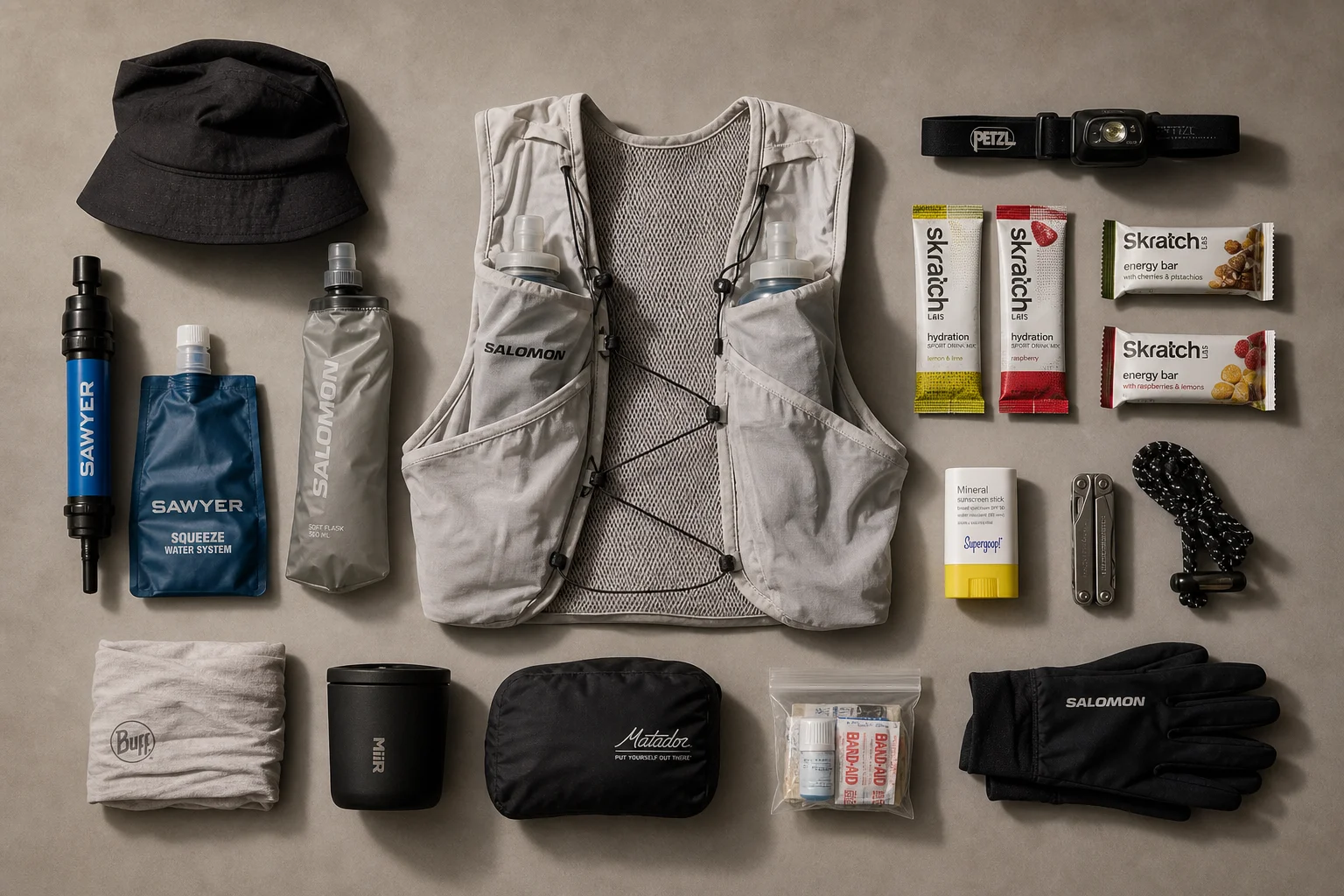
Trail Running Gear
28-Mile Trail Run Pack Loadout: Ultralight Gear for High Alpine Self-Supported Running
A complete breakdown of gear, clothing, hydration, nutrition, and safety equipment for a 28-mile high alpine trail run with 7,800 feet of elevation gain.
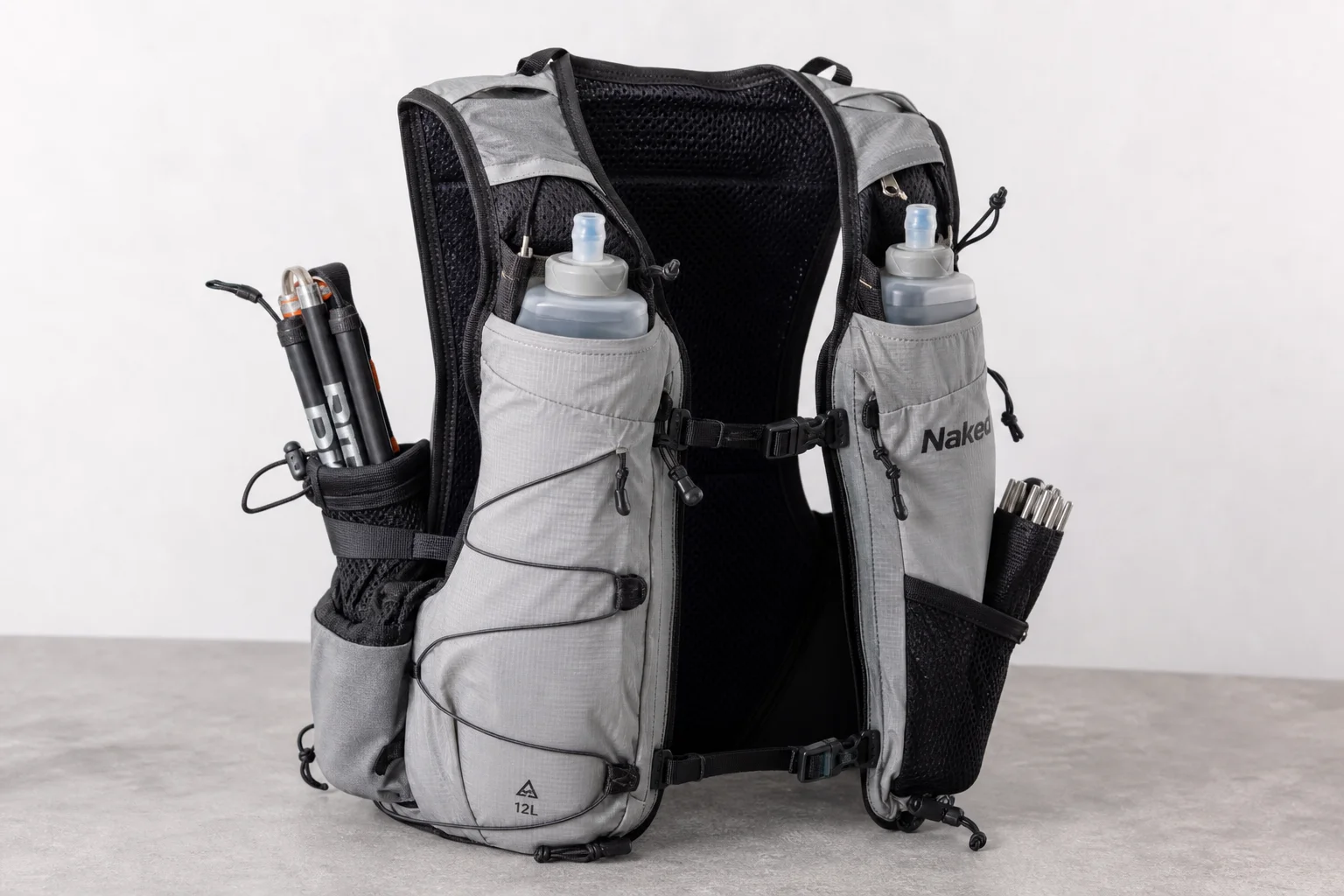
Trail Running Gear
Instinct Evolution 7L Pack Review: Versatile Trail Running Vest with Thoughtful Hydration Design
A detailed look at the Instinct Evolution 7L, a trail running pack that prioritizes accessible hydration and organized gear storage with some trade-offs in hardware simplicity.
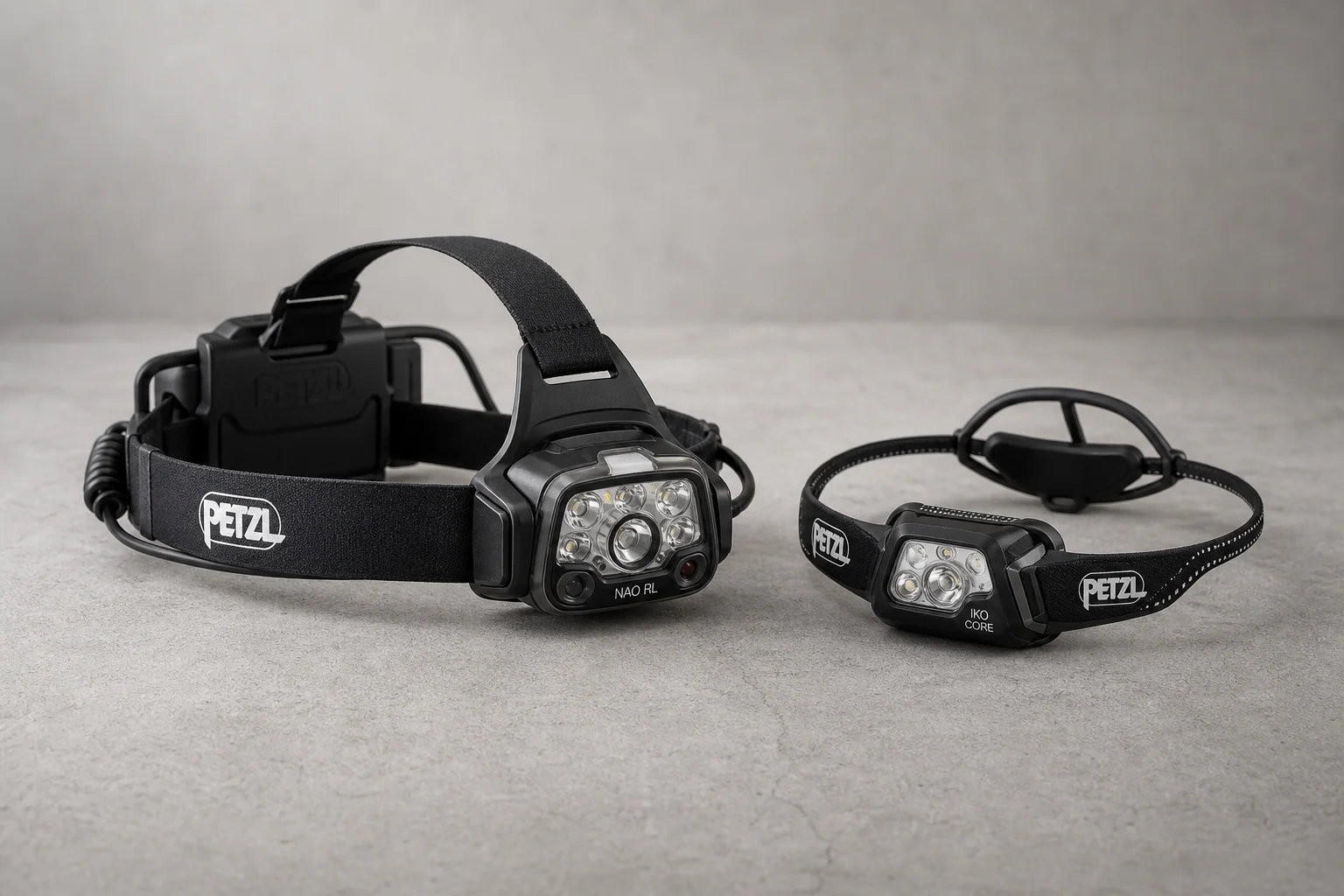
Trail Running Gear
Petzl NAO RL vs IKO Core: Trail Running Headlamp Comparison
Two Petzl headlamps tested for trail running: the powerful NAO RL with reactive technology and the ultralight IKO Core, with real-world performance insights and use-case recommendations.