Hiking Gear
Best Trekking Poles Tested: Strength, Weight, and Real-World Performance
Eight top trekking poles ranked by strength-to-weight ratio, deflection testing, and practical features. Find the best match for your hiking style.
Introduction
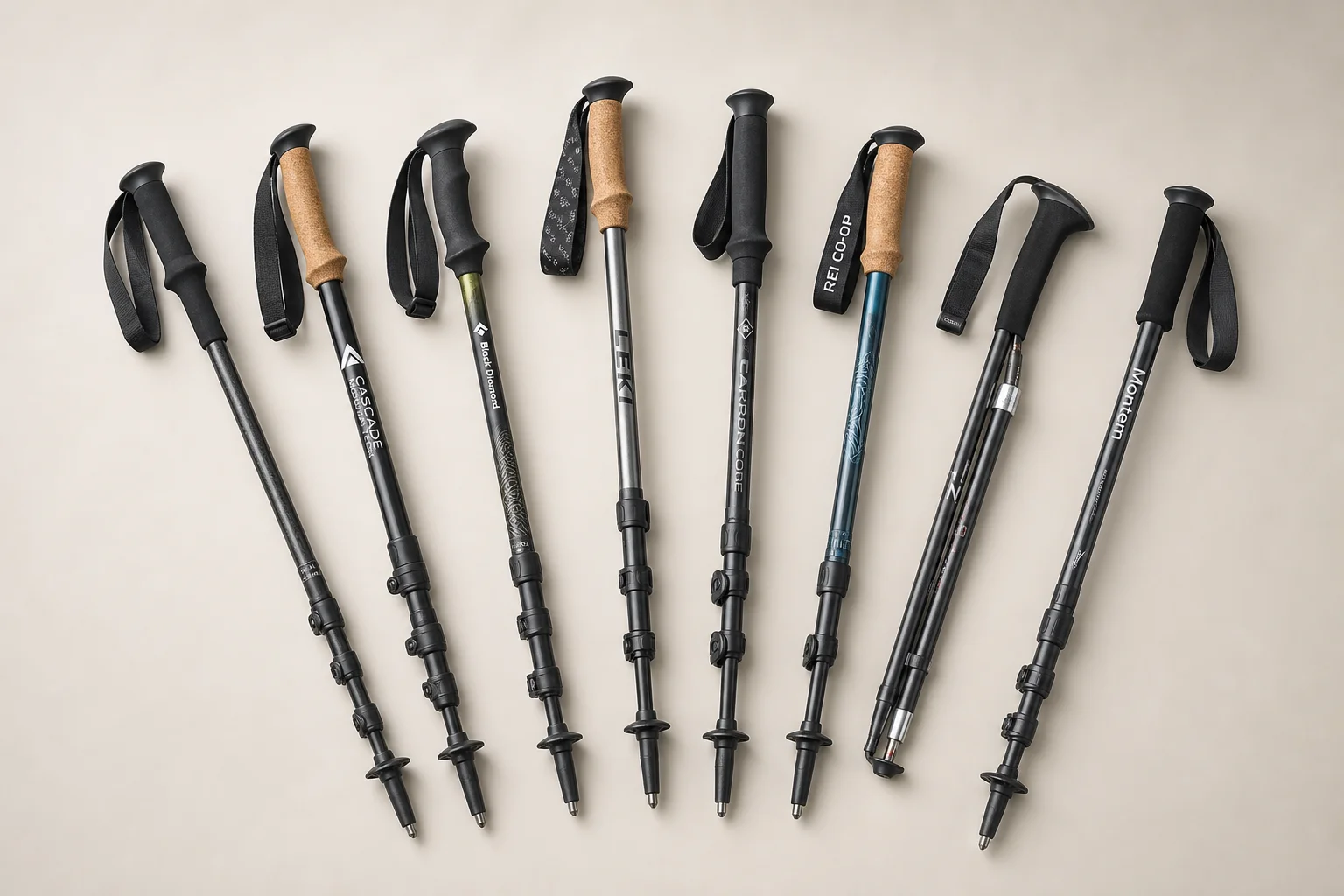
Finding the best trekking poles means balancing strength, weight, comfort, and durability. I tested 25 different pairs by measuring deflection under load, weighing each model, and evaluating real-world features like handles, straps, and locking mechanisms. The results reveal clear winners and some surprising trade-offs worth understanding before you buy.
Testing Methodology: Deflection and Strength
To quantify pole stiffness and strength, I used two deflection tests that simulate real hiking stress.
The first test hung 35 pounds (16 kilograms) from the center of each pole and measured how much it bent. This mimics the moment when you shift weight onto your poles to catch a fall or stabilize on uneven ground. Poles that deflect more are more likely to break under this kind of loading.
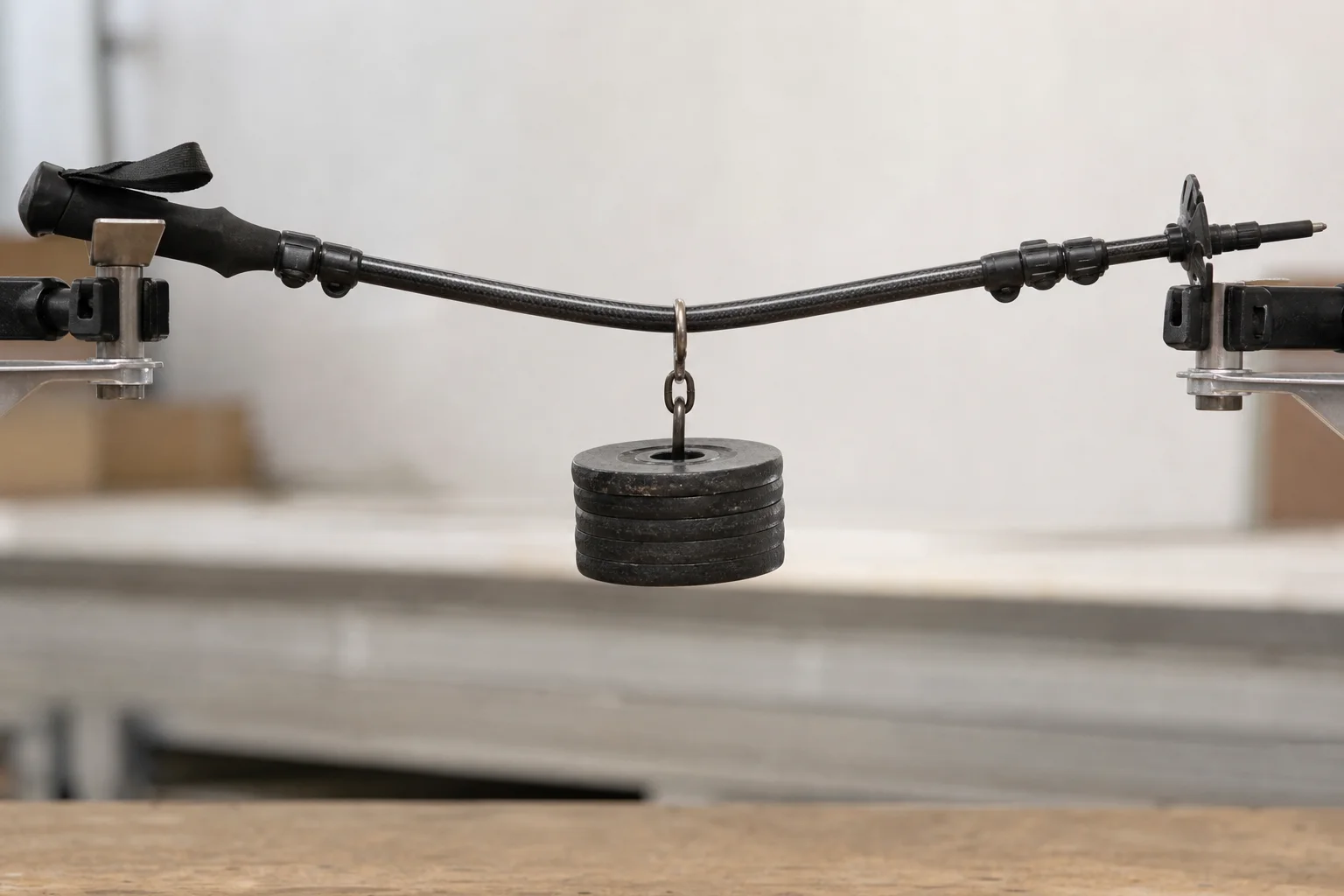
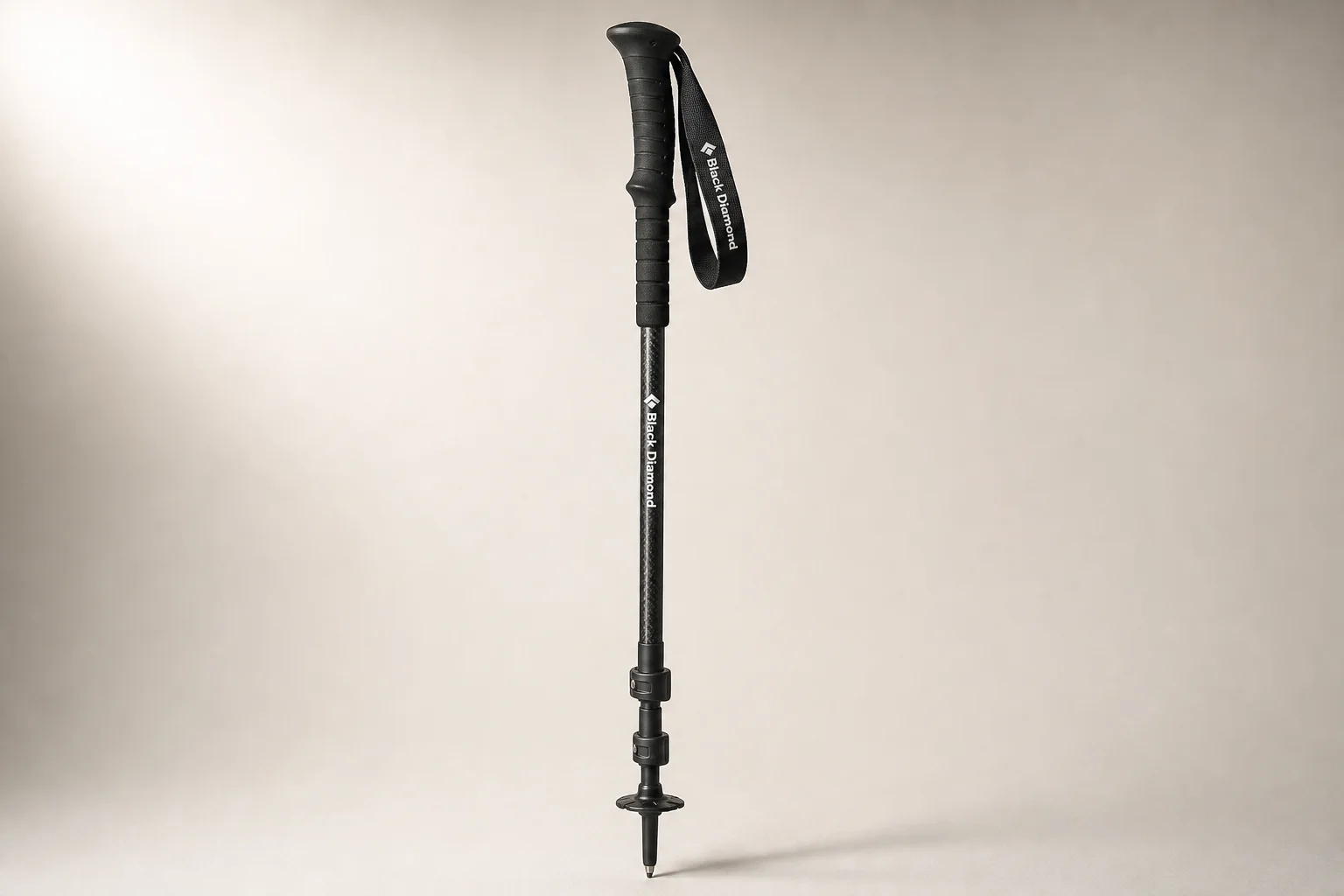
Results showed clear material differences. Z-poles deflected about 1 centimeter more than telescoping models on average, and aluminum poles deflected roughly 1 centimeter more than carbon fiber. The Black Diamond Distance Carbon, which is known for snapping, deflected 10 centimeters under this test, while the Black Diamond Alpine Carbon Cork deflected only 3 centimeters and proved practically indestructible.
The second test clamped one end of the pole between heavy rubber mats while hanging 5 pounds (2.25 kilograms) from the opposite end. This simulates jamming the tip between roots or rocks and levering forward, a common cause of pole failure. Poles that bend more in this test receive significantly more stress on the joints, which are the most likely break point. Aluminum increased deflection by about 1 centimeter compared to carbon, but the choice between telescoping and Z-pole design made no measurable difference in this scenario.
Why Strength and Weight Matter
The lightest poles I tested ranged from 115 grams to 180 grams per pair. Lighter poles decrease arm fatigue, are more accurate to swing and plant, feel more fun to use, and pack smaller when not in use. However, lightness only matters if the pole is strong enough. Among the ten lightest models tested, only half were stronger than average across the entire group.
To rank poles by a single metric, I created a strength-to-weight ratio by multiplying center deflection, end deflection, and weight. This analog to the strength-to-weight ratio used in other gear analysis revealed that the top five highest-scoring poles were all carbon fiber telescoping models. No aluminum poles and no Z-poles made the top five, despite some Z-pole designs offering excellent collapsibility.
Noise and Vibration
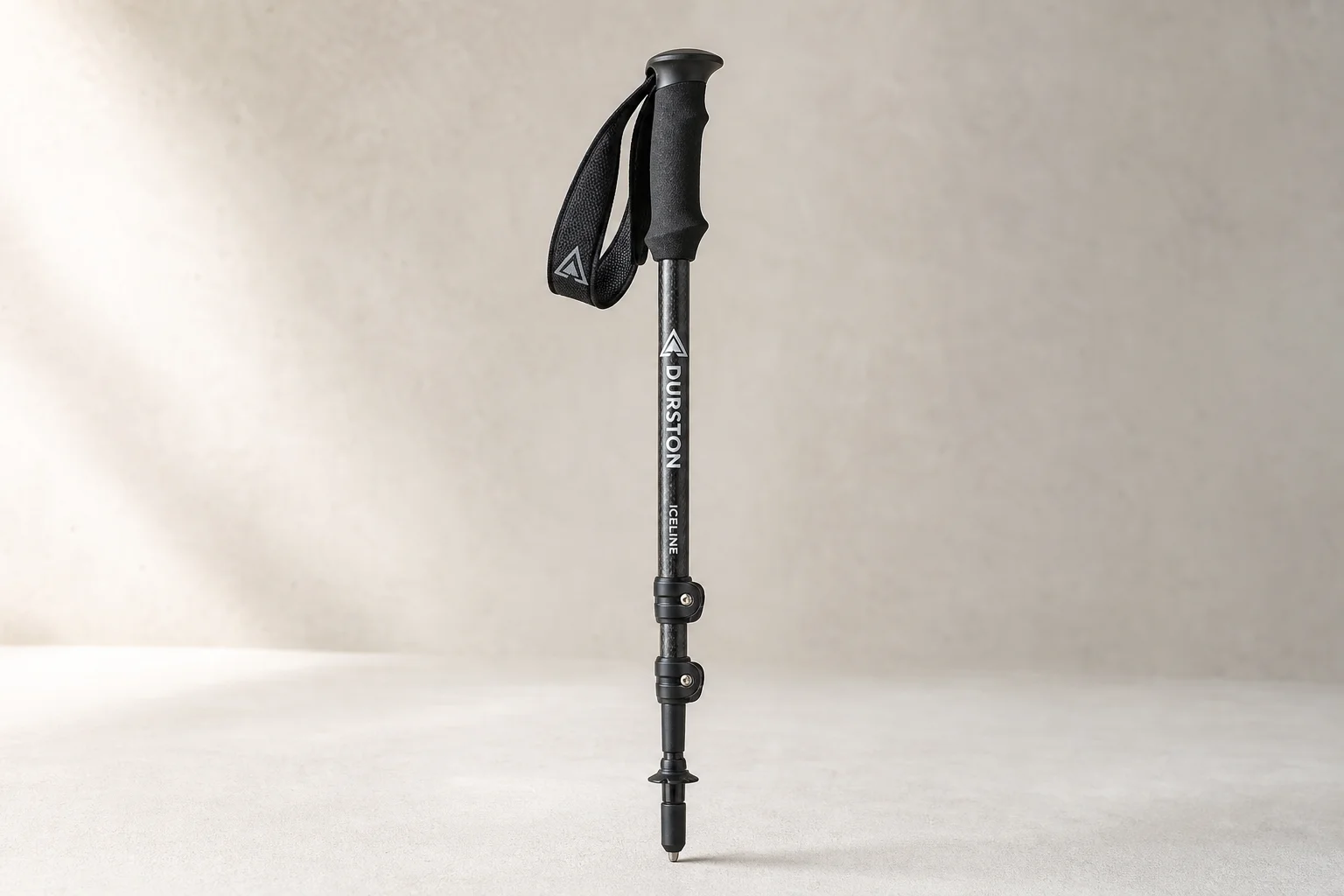
Rattle and reverb matter more than many hikers realize. Noisy poles are annoying to hear and hold during long days on the trail. Quiet, low-reverb poles like the Durston Iceline, which had less rattle than any other pair tested, earned bonus points in my scoring. The Iceline achieves this quiet performance through two rubber O-rings in the ferrules that dampen vibration.
Handle and Strap Design
Evaluating handles and straps is more subjective than measuring deflection, so I surveyed hiking partners to score these features. Most agreed that thin, soft, cloth-like wrist straps were preferable to clunky padded straps. Narrow to medium-width handles were preferred over thick handles.
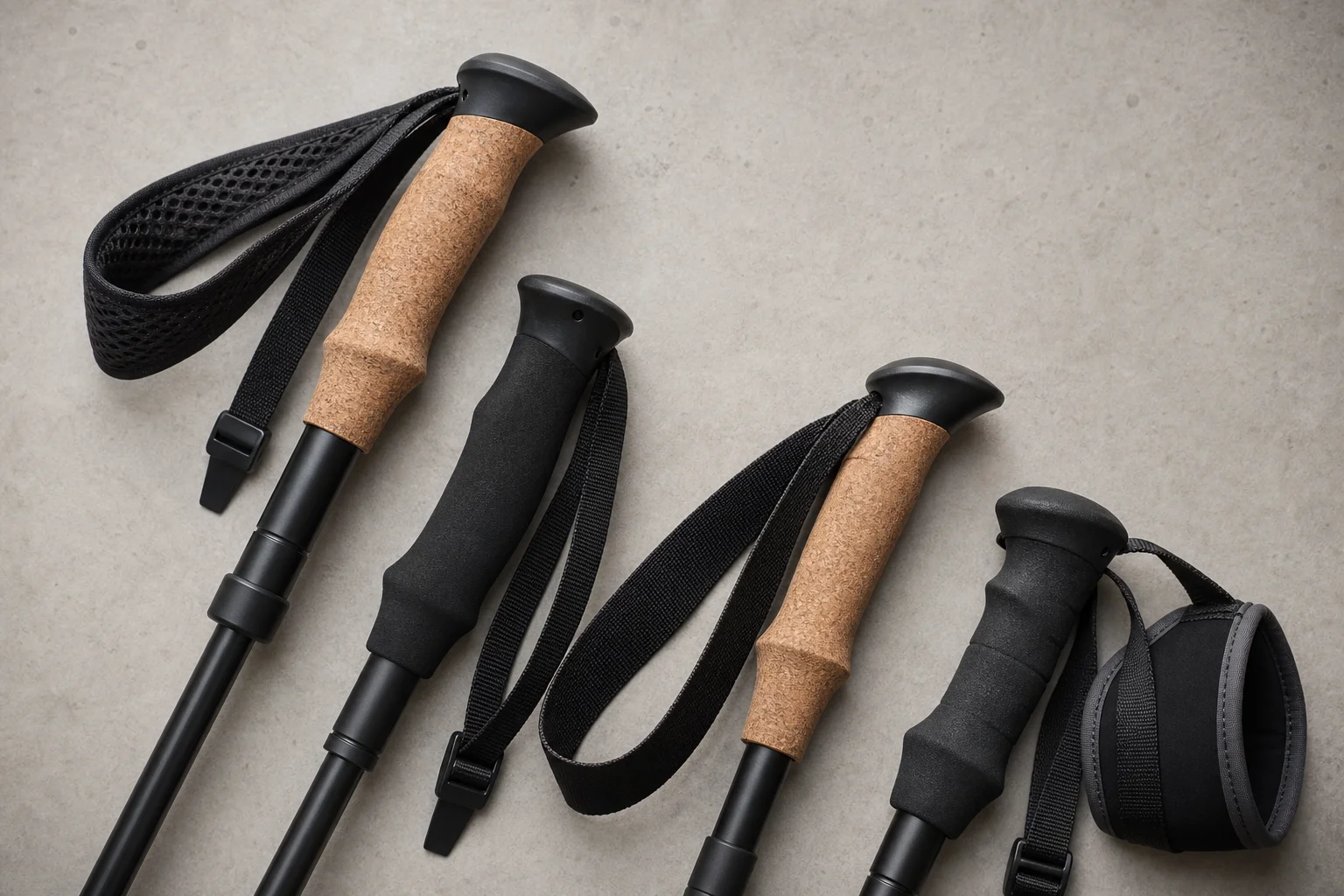
Opinions varied on cork versus foam grips. Cork is natural, stiffer, and absorbs no water, but can be up to half an ounce heavier per pole and attracts rodents once it becomes salty from sweat. Foam is lighter, cheaper, and softer, but lacks the natural feel. Since foam is technically lighter, it scores better, but the choice is largely personal preference.
Grip extenders are useful for navigating steep slopes on cross-country travel, but are mostly dead weight for 99 percent of normal hiking movement. Flip locks also matter: janky or visually distracting designs were penalized, as were twist locks, which are slower and less reliable than quality flip locks.
Scoring System
I used weighted scoring across four categories: strength (out of 9), weight (out of 6), trim including handle, wrist strap, and flip lock quality (out of 6), and rattle (out of 3). This system provides a good generalization for ranking poles overall, though your choice should also be based on personal needs and hiking style.
Top Performers and Honorable Mentions
Before revealing the top three, here are four poles that are strong, light, and exceptional in some way, but fell just short of the top tier.
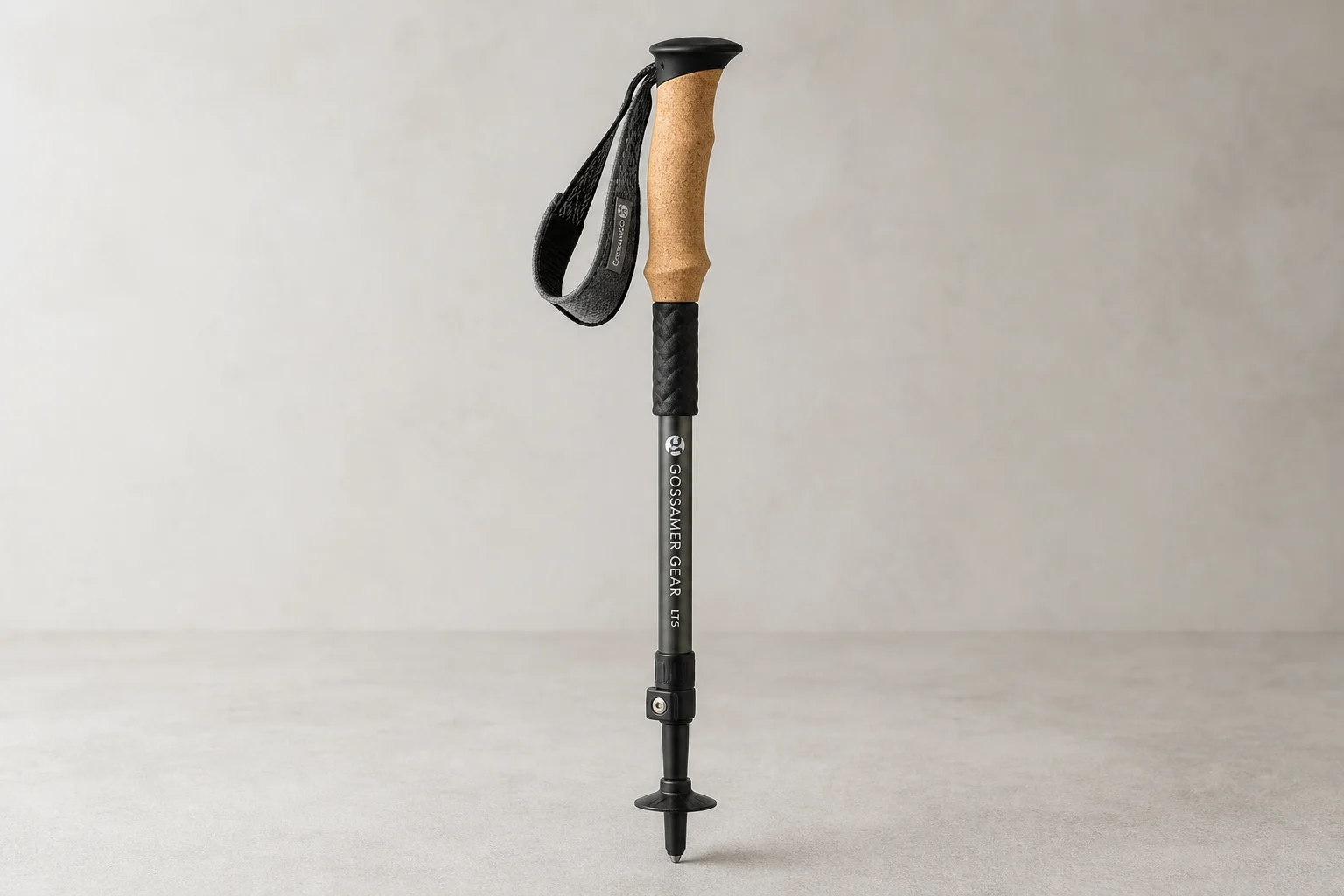
The Gossamer Gear LT5 was the second lightest model tested and features the most comfortable handle and wrist strap combination. However, it is not as strong as the top performers and uses twist locks rather than flip locks.
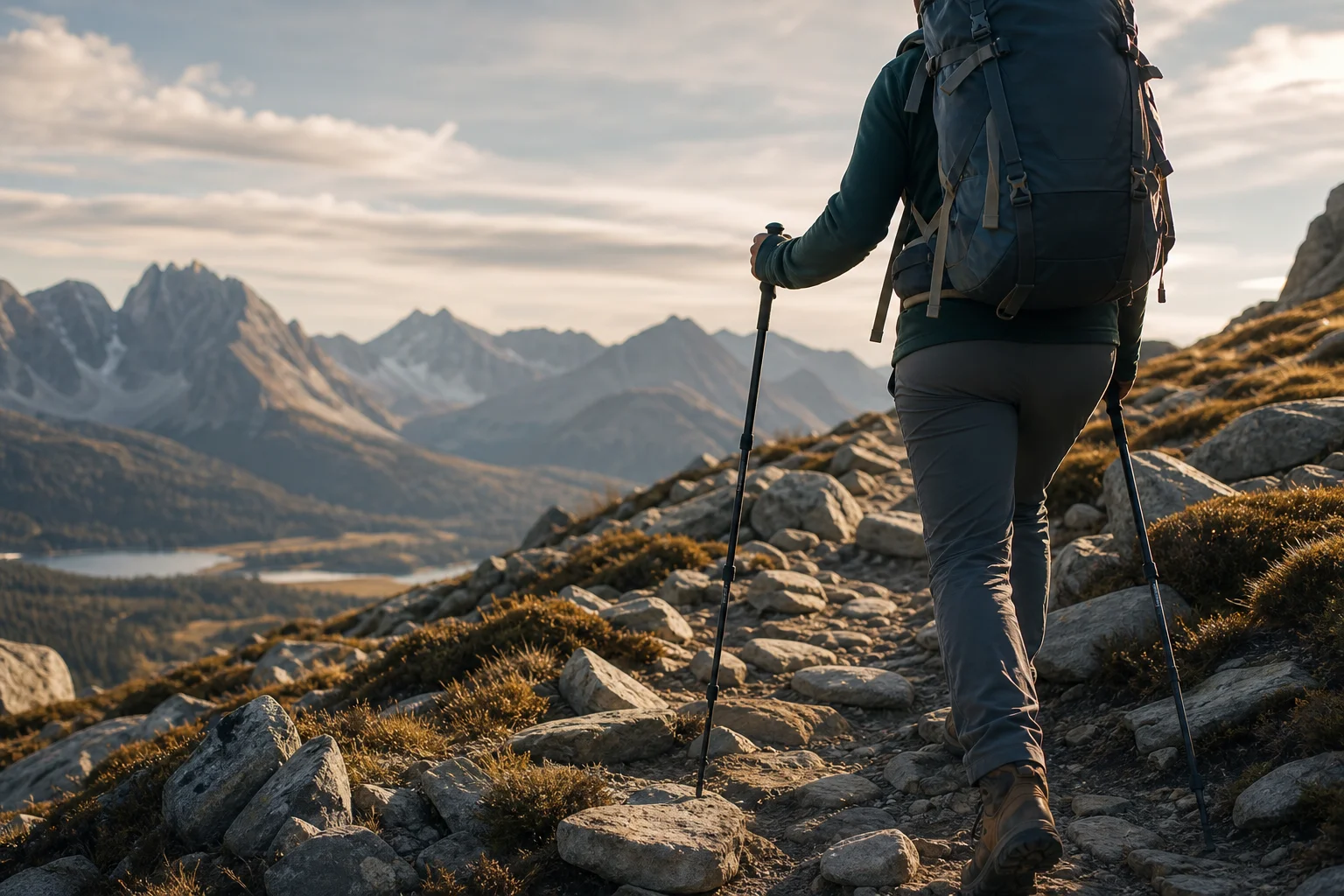
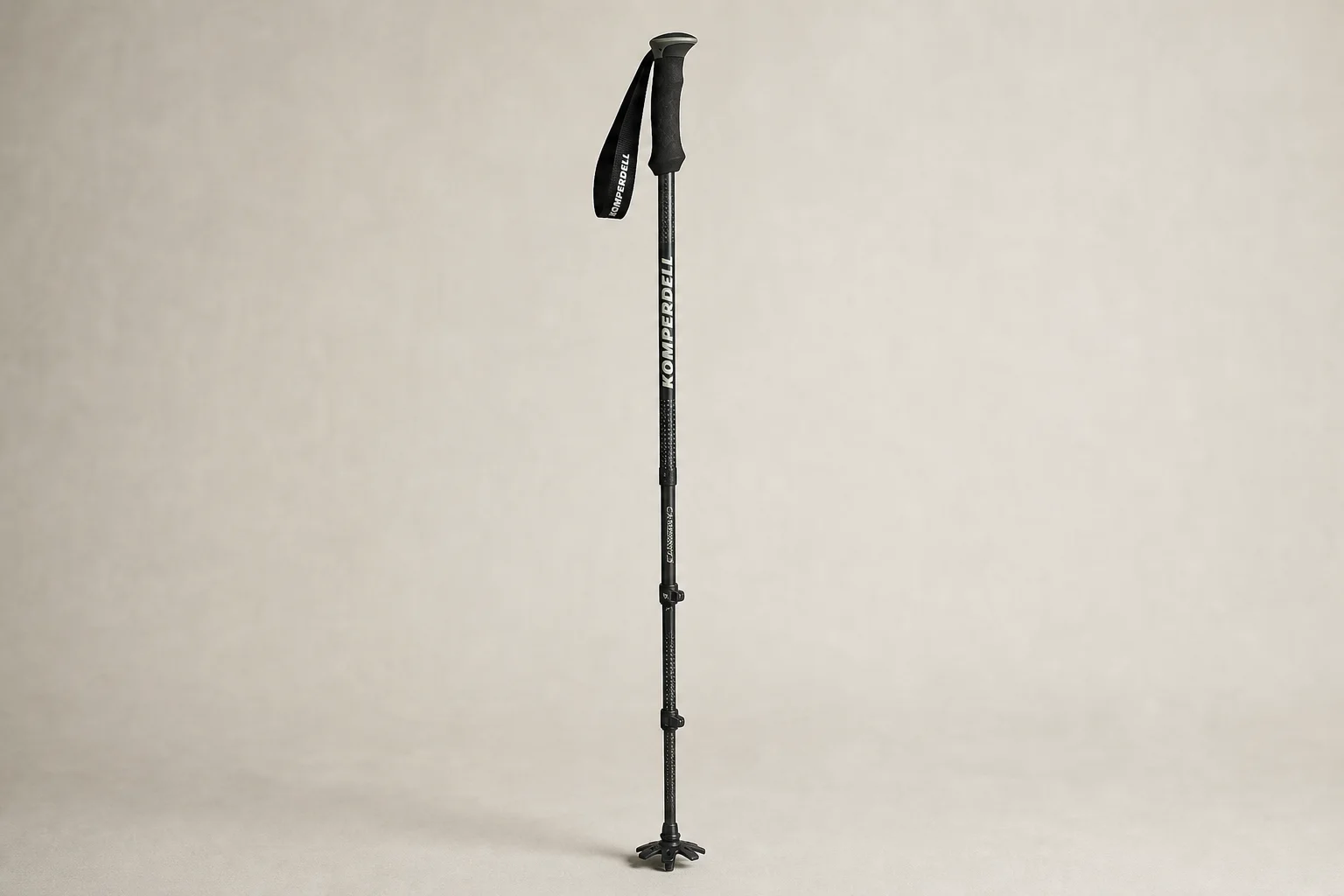
The Komperdell Carbon Ultralight is quite strong, reasonably light, and extends up to 140 centimeters, making it the best option for tall hikers who need maximum reach.
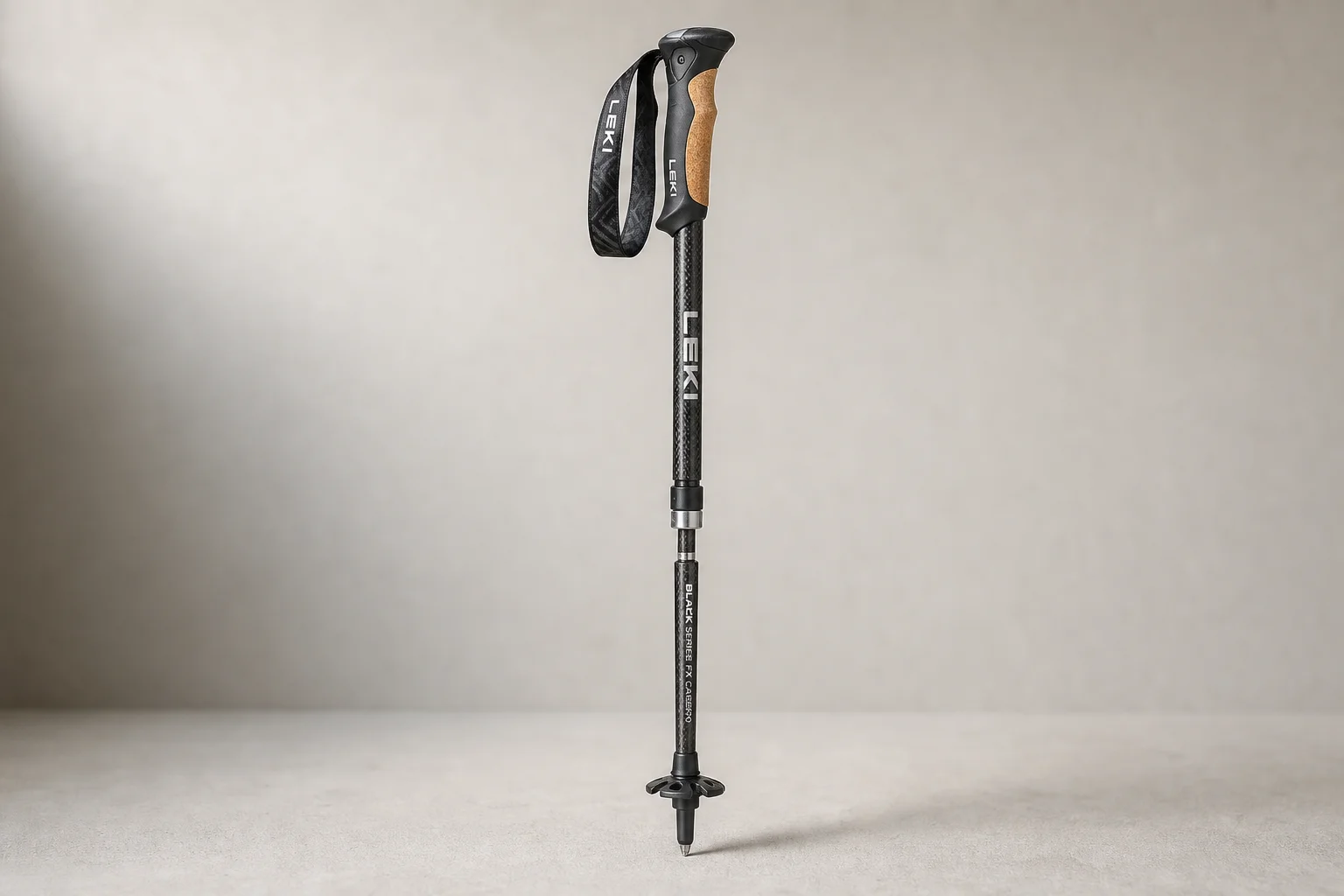
The Leki Black Series FX Carbon is the stiffest Z-pole tested, which addresses that design’s greatest weakness of excessive deflection. However, it is midweight rather than lightweight.
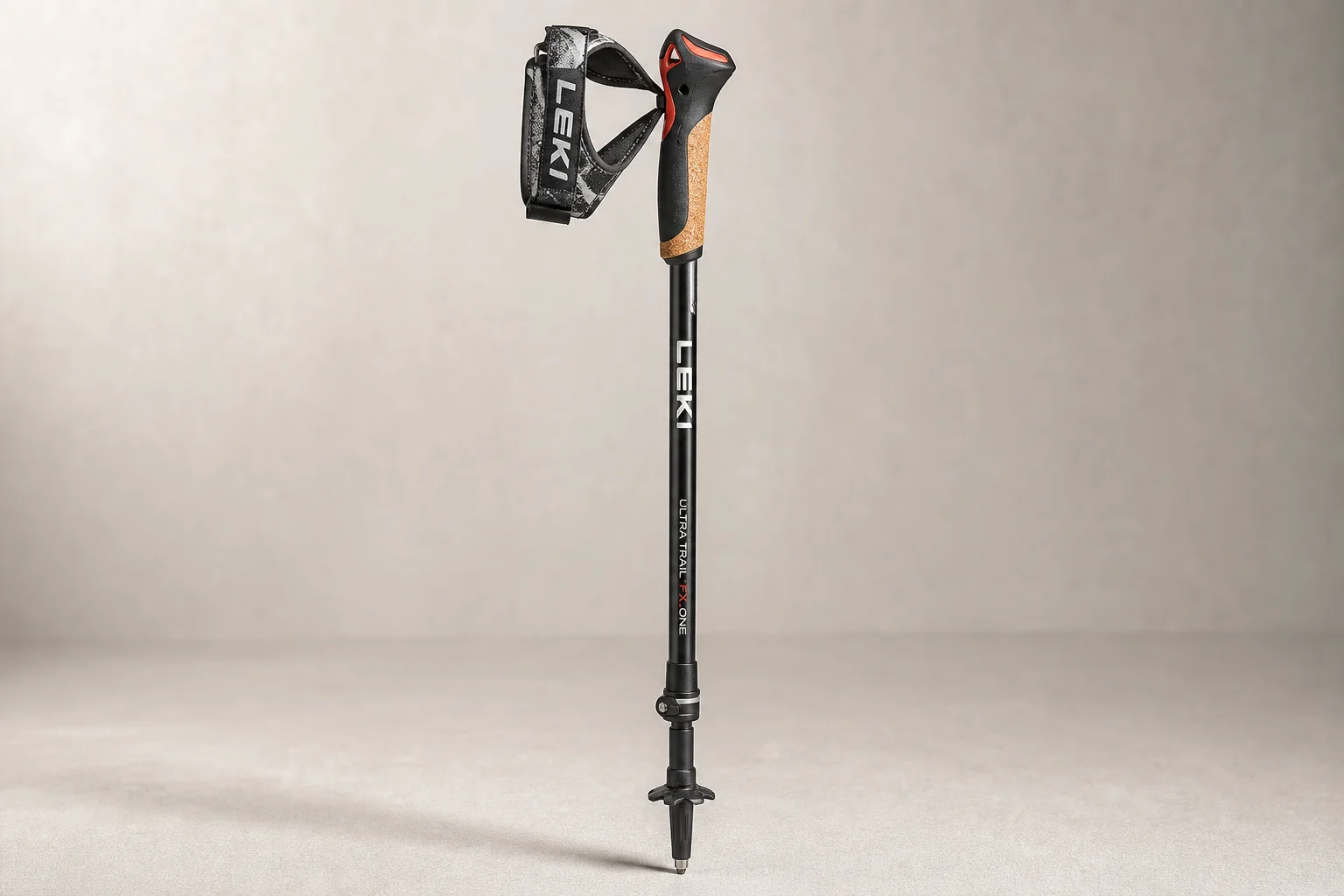
The Leki Ultra Trail FX.One is very light, collapsible, strong, and trusted by elite ultramarathoners. It features a unique Shark Strap instead of a traditional wrist strap loop, which wears like a glove and increases power transfer from arm to ground.
Best Overall: Durston Iceline
The Durston Iceline scored highest across the entire group, primarily because it achieved the best strength-to-weight ratio. Miraculously, these poles were both the third lightest and the third stiffest among all 25 models tested. They also had the least reverb and rattle of any pole, collapse down nearly as small as Z-poles, and feature the most breathable mesh wrist straps, which are durable and reasonably comfortable.
The Iceline design is most similar to a Z-pole without the center connector line. The top section connects to the middle section with a traditional adjustable-height flip lock, while the middle section connects to the bottom with a quick-connect ferrule. The O-rings on the ferrule dampen vibration and contribute to the pole’s exceptional quietness.
A potential drawback is that they max out at 127 centimeters, which may not fit tall hikers or tall trekking pole shelters.
Second Place: Black Diamond Alpine Carbon Cork
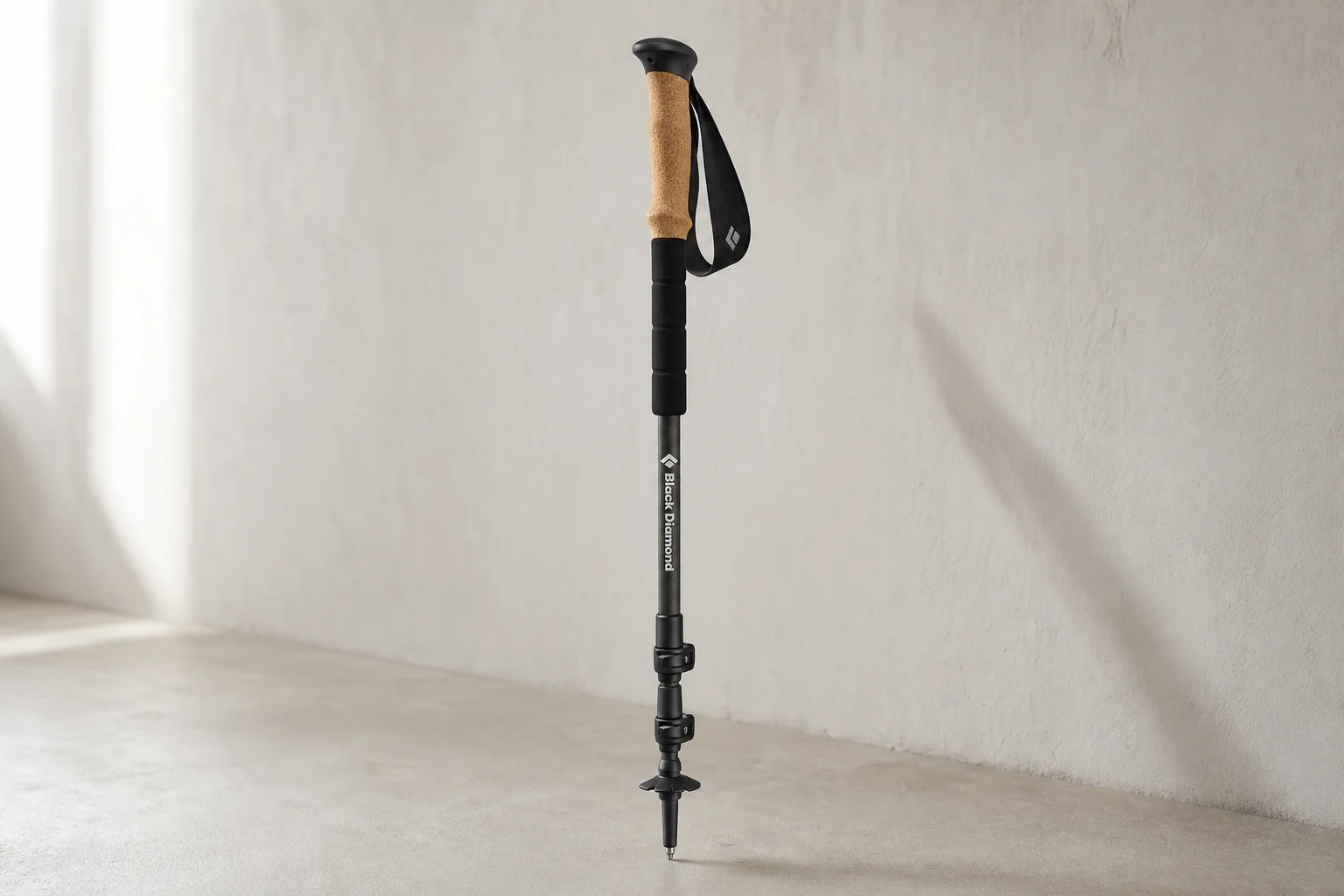
The Black Diamond Alpine Carbon Cork scored second overall because it was the strongest pole tested across all 25 models. These poles have been trusted by thru-hikers and mountaineers for decades because of their durability and proven reliability. The only reason they do not rank first is that lighter poles are easier to use, and these are solidly midweight.
They feature a nice cork handle, foam grip extender, and some of the best flip locks available. These locks are ultra snappy and make it very clear when they are closed and taut. The collapsed height is an industry standard 61 centimeters. The wrist strap is somewhat clunky compared to modern designs, but the overall package remains a proven choice for serious mountain use.
Third Place: Cascade Mountain Tech Carbon Ultralight
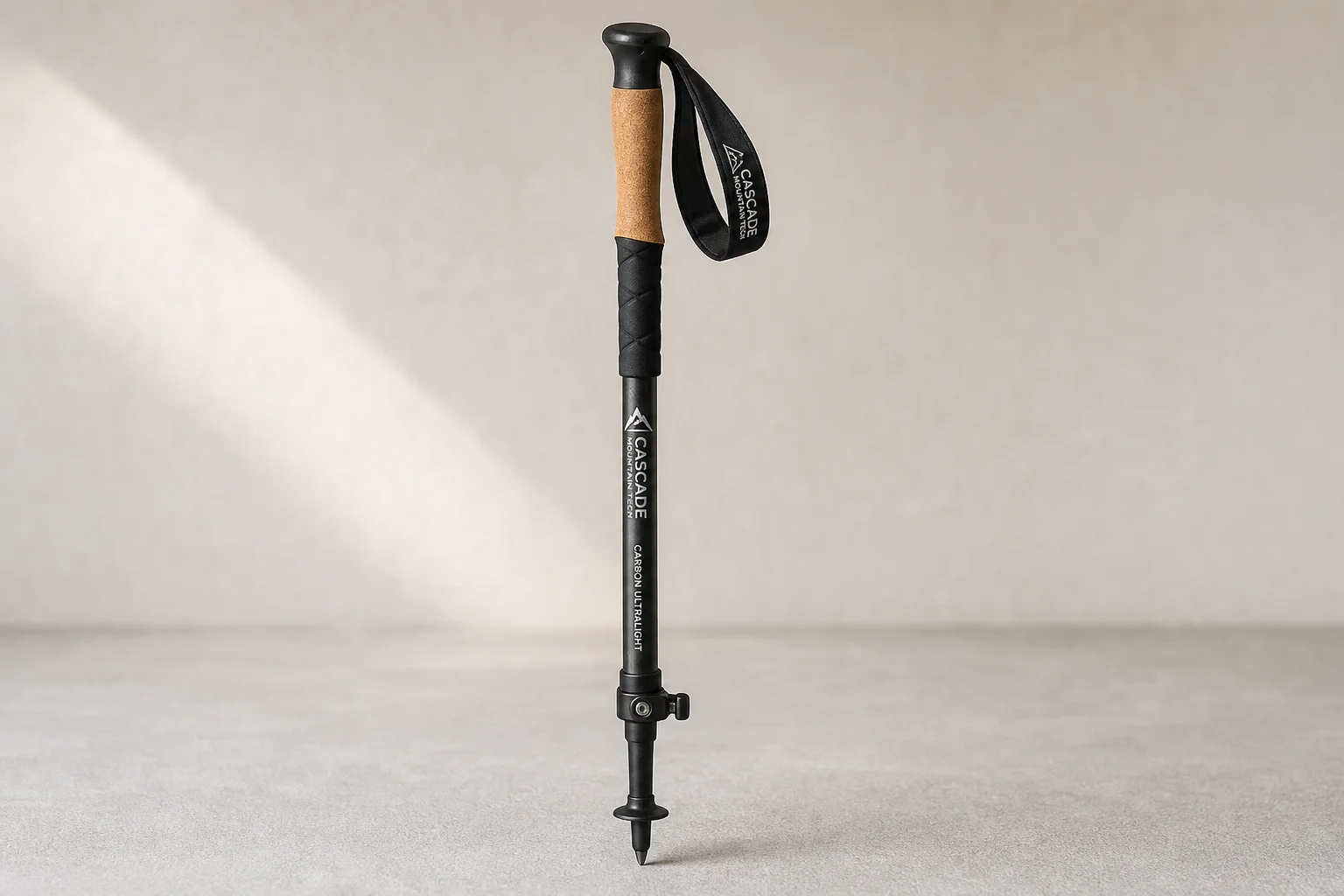
The Cascade Mountain Tech Carbon Ultralight scored third overall and costs only $65, making it a huge upgrade over the original model. This pole is extremely stiff relative to its lightweight, partly because of its single flip lock and two-part composition, which reinforces the center against deflection.
The handle plus extender is light and effective, though the cheap nylon webbing wrist strap is a weak point. The biggest drawback is a tall minimum collapsed height that makes it difficult to fit into running vests or small daypacks, though it will still fit into the side pockets of backpacking backpacks. Since most people use their poles most of the time anyway, this limitation is largely mitigated for typical hiking use.
Other Featured Models
The Gossamer Gear LT5 offers exceptional comfort in the handle and wrist strap, making it ideal for hikers who prioritize feel over maximum strength. The Black Diamond Distance Carbon, despite its reputation for snapping, remains popular among ultralight backpackers who accept the trade-off. The Komperdell Carbon Ultralight extends to 140 centimeters for tall hikers. The Leki Black Series FX Carbon provides the stiffest Z-pole design available. The Leki Ultra Trail FX.One combines ultralight weight with proven ultramarathon durability.
Conclusion
The best trekking poles are those that combine strength and light weight without sacrificing comfort or durability. A good pair should have reliable locking mechanisms, comfortable wrist straps, a grip that suits your preference, and minimal rattle. The Durston Iceline leads because it balances all these factors exceptionally well. The Black Diamond Alpine Carbon Cork remains the strongest choice for mountaineers and thru-hikers who prioritize durability. The Cascade Mountain Tech Carbon Ultralight offers outstanding value for hikers on a budget. Choose based on your height, hiking style, and priorities, and you will find a pair that serves you well on the trail.
Further reading
Related Reviews
Hiking Gear
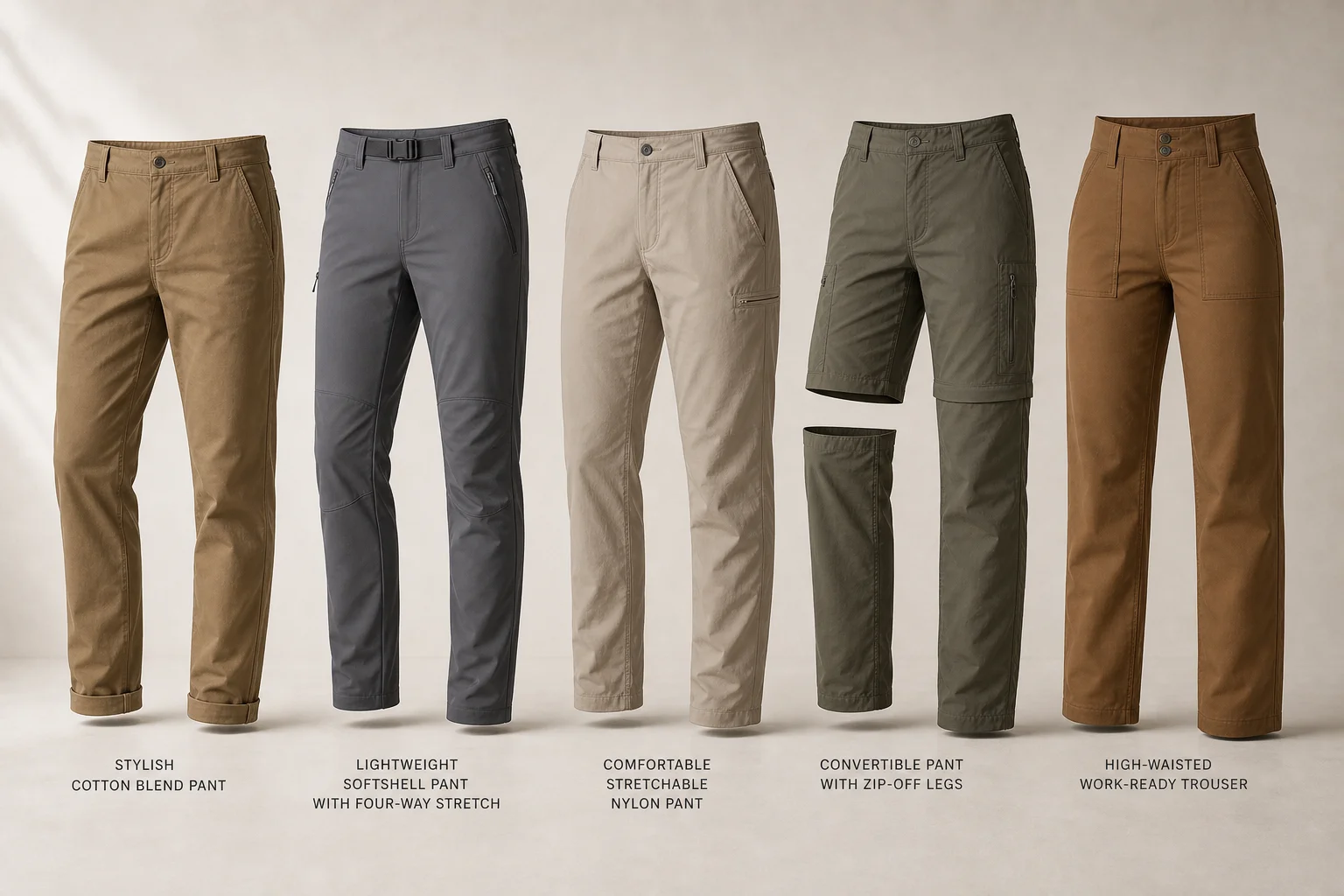
Best Hiking Pants on Amazon: Five Practical Options for Different Needs
A practical review of five hiking pants with clear strengths and trade-offs, from lightweight convertible styles to durable work-ready trousers.
Hiking Gear
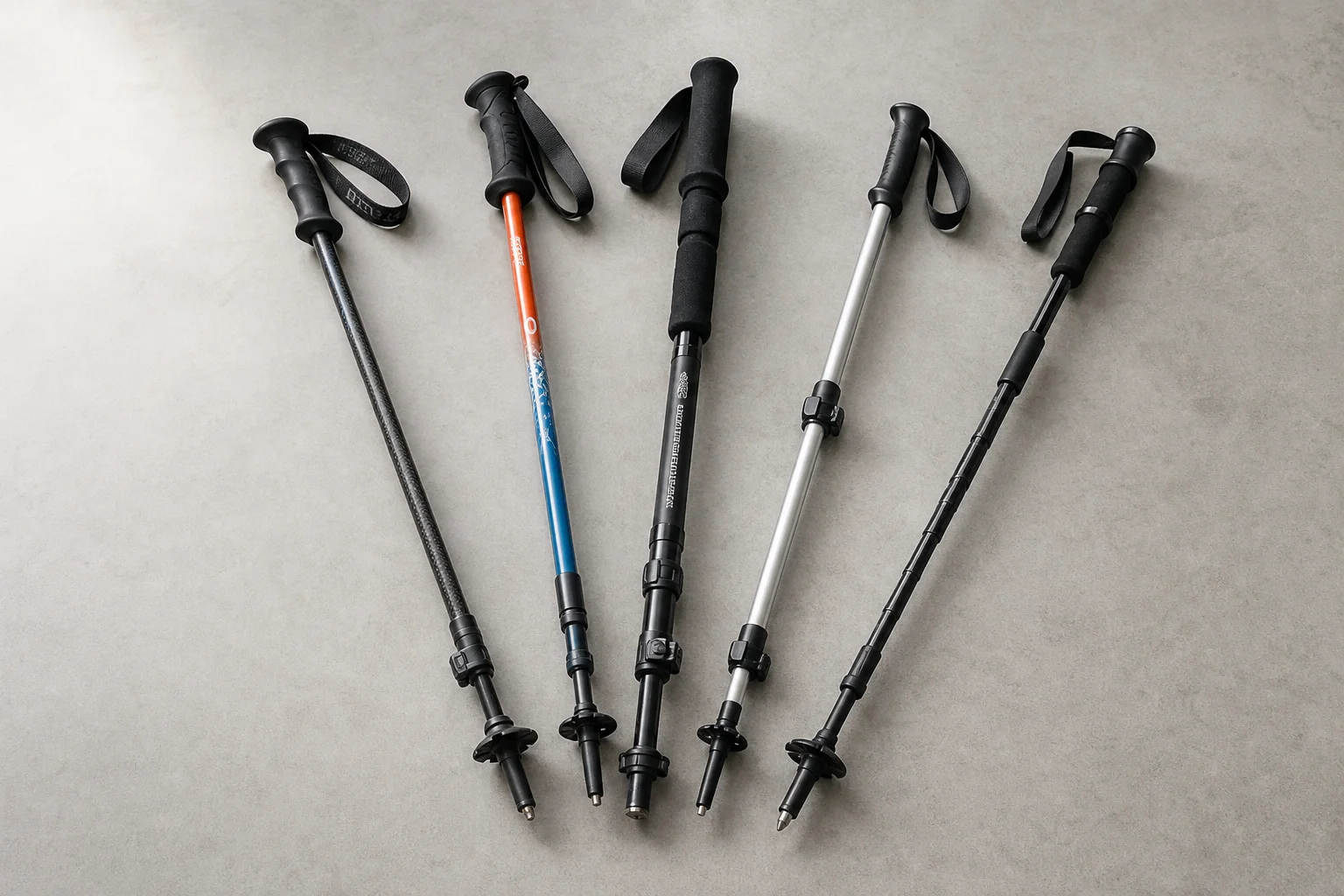
Best Hiking Poles 2026: Five Options for Different Trail Needs
A practical review of five hiking poles, from lightweight carbon designs to versatile all-terrain options, with clear strengths and trade-offs for each.
Hiking Gear
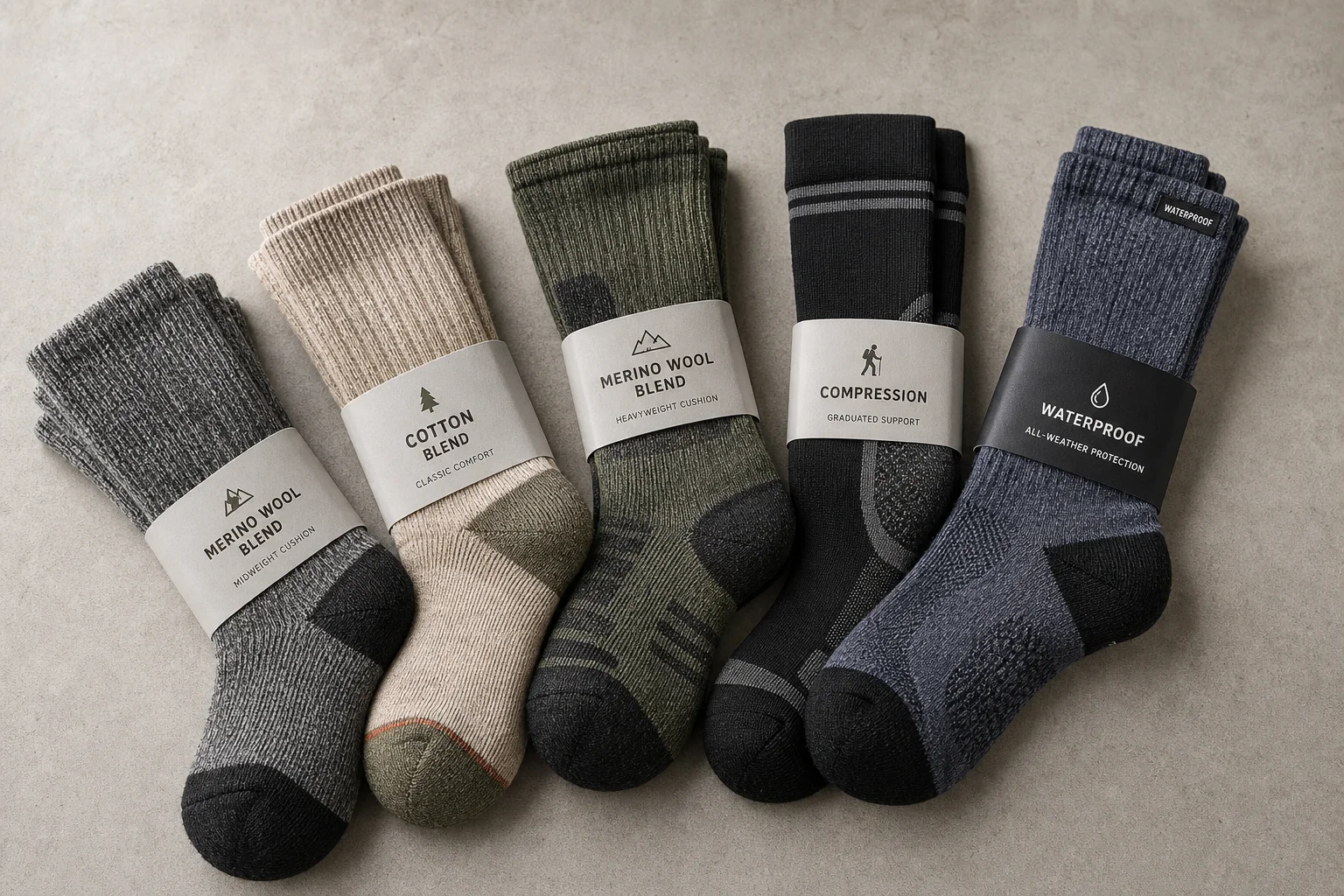
Best Hiking Socks 2026: Five Top Choices for Different Trail Needs
A practical roundup of five hiking socks, from lightweight merino options to heavy-duty compression styles, with clear guidance on which suits your outdoor activity.