Yoga Equipment
Best Yoga Mats 2026: Five Options for Different Practice Styles
A practical guide to five yoga mats with distinct strengths, from lightweight travel options to thick cushioned designs for joint support.
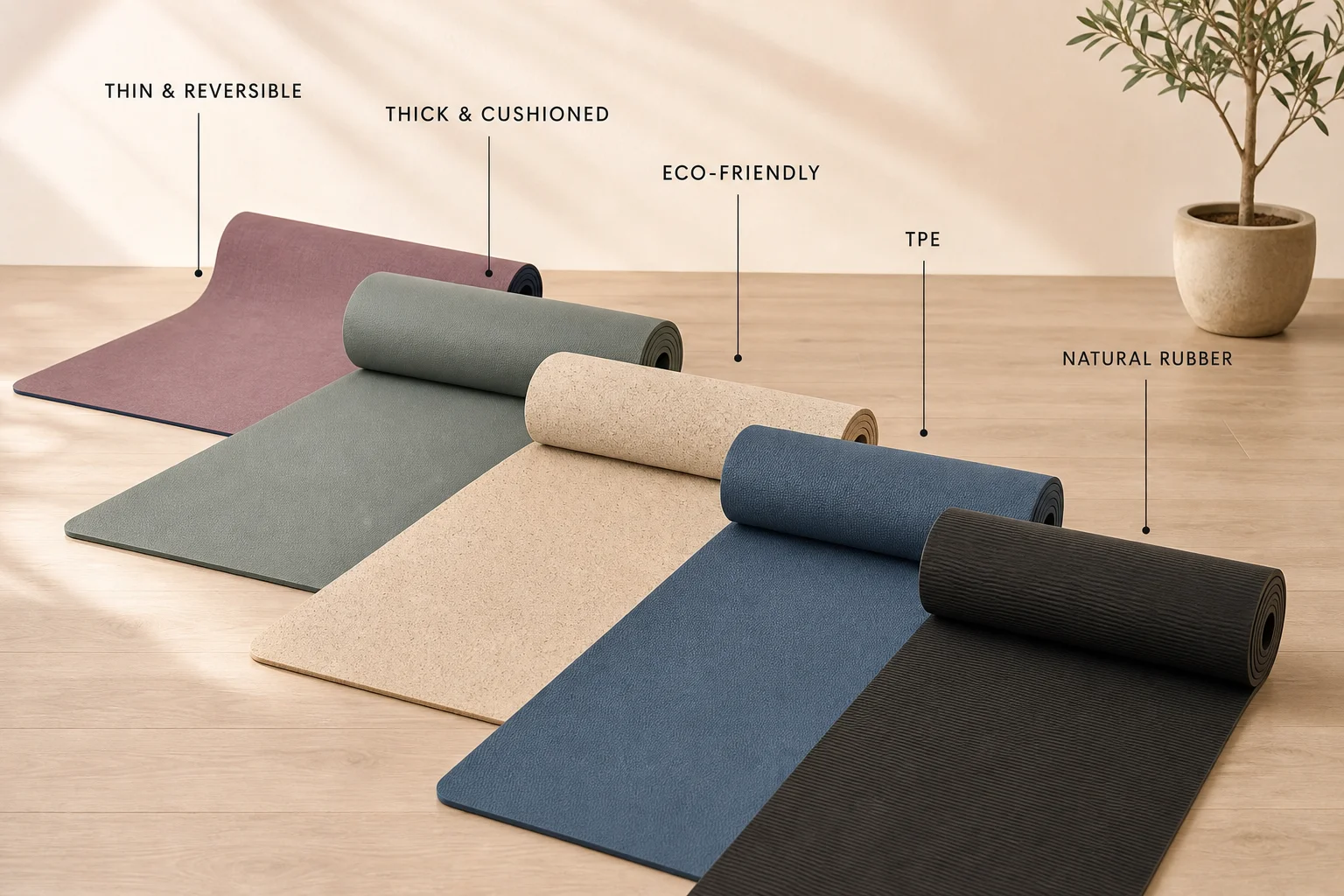
Introduction
Choosing the right yoga mat can significantly improve your practice by providing the comfort, support, and stability you need. Whether you are a beginner or an experienced yogi, the right mat makes a real difference in how you feel during and after your sessions. This guide covers five yoga mats with distinct strengths, helping you find the option that best matches your practice style and needs.
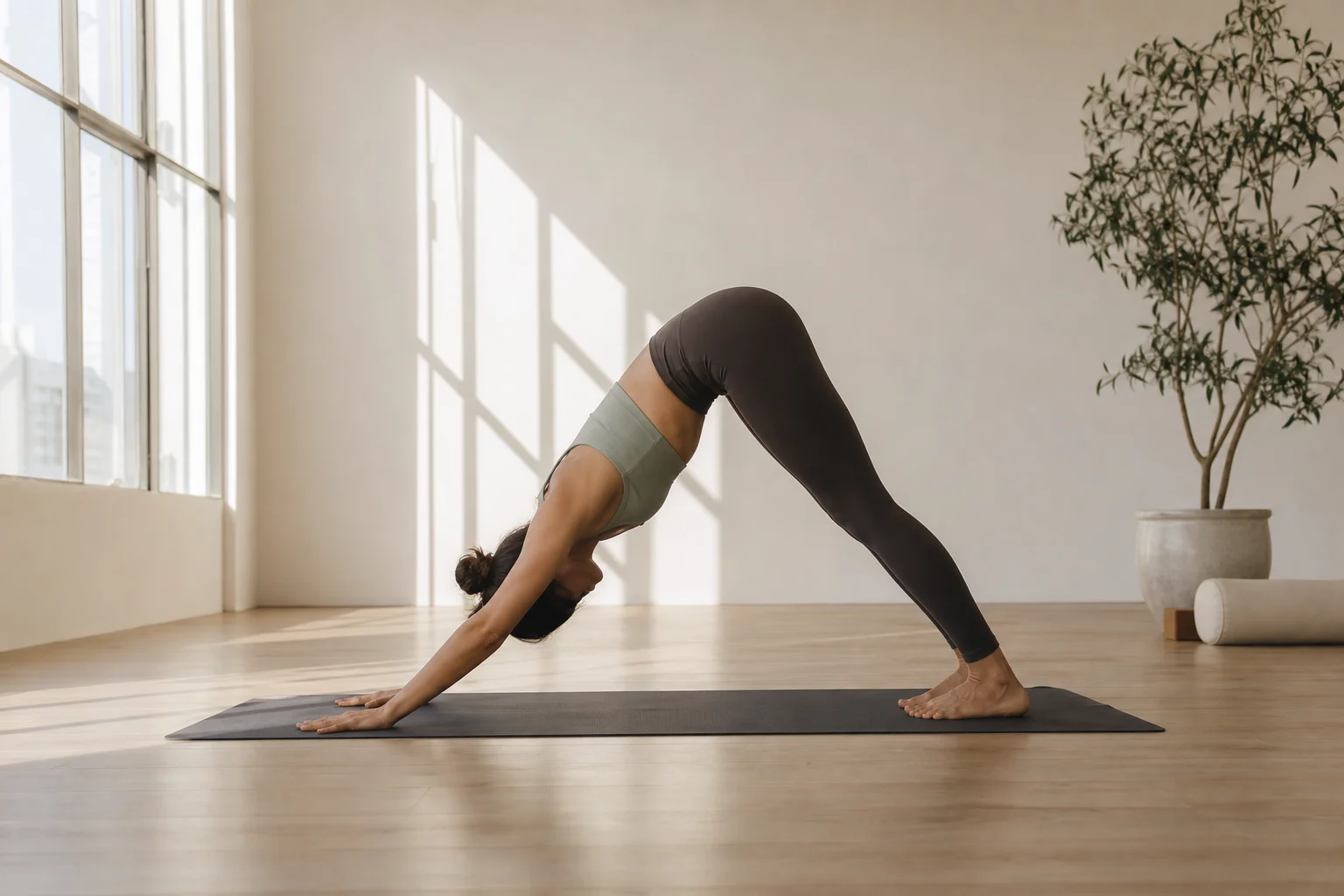
Gaiam Yoga Mat
The Gaiam Yoga Mat is a lightweight, six-millimeter thick option designed for comfort and support across all yoga styles. Its reversible design offers flexibility: one side features a textured surface for added grip and traction, while the other side is smooth for a more traditional feel. Made from PVC-free materials, this mat is free of toxic chemicals often found in conventional yoga mats, making it a healthier choice for both you and the environment.
Measuring 24 by 68 inches, the mat provides ample space for your practice. It is easy to clean and maintain with just a damp cloth after each use. The mat comes with a convenient carrying strap for easy transport to and from class. As a bonus, you receive a downloadable yoga workout to help improve your practice.
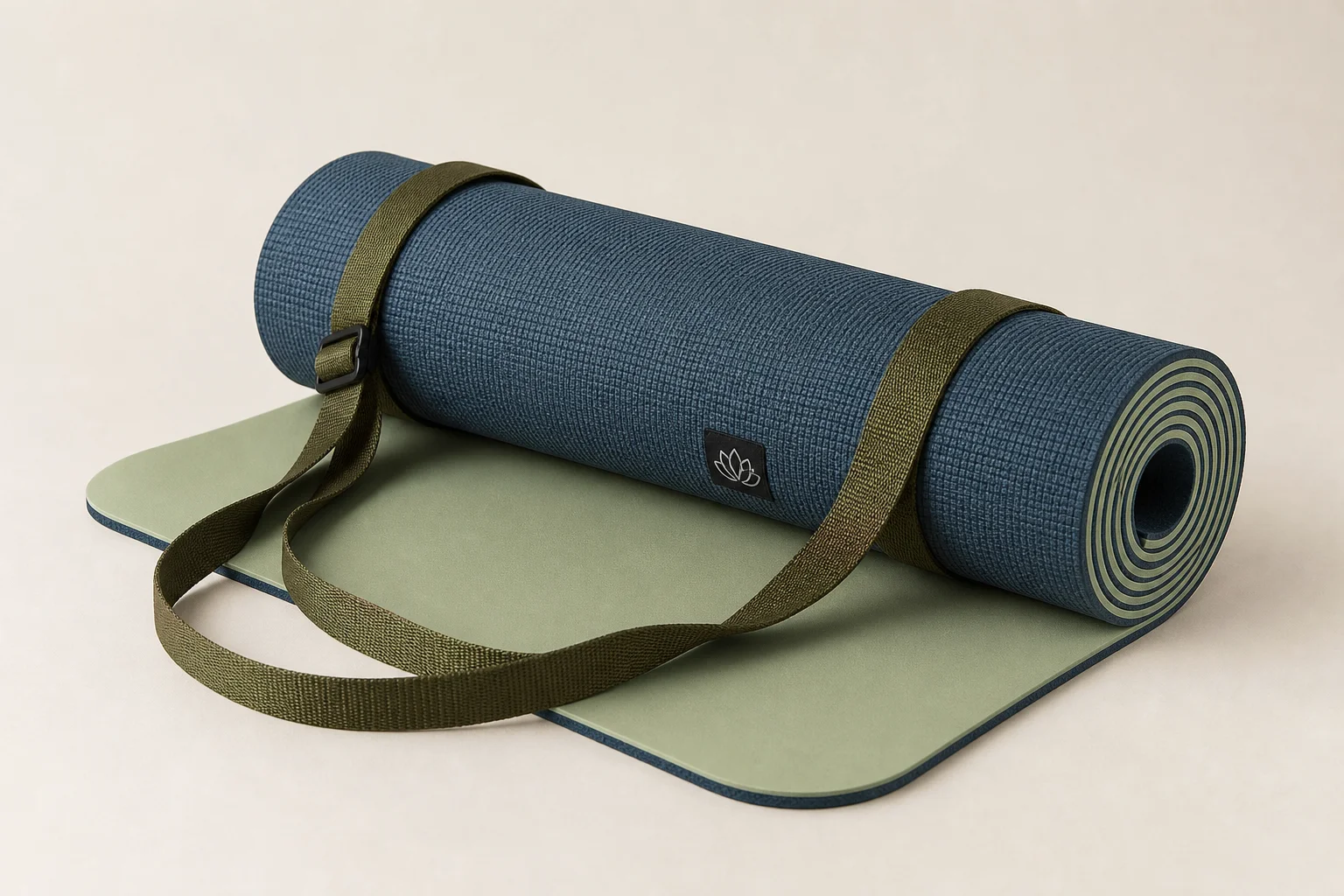
Gaiam Essentials Thick Yoga Mat
The Gaiam Essentials Thick Yoga Mat is designed for those who prioritize cushioning and joint support. At an extra-thick 2.5 inches, this mat is made of durable NBR foam and provides substantial support for yoga, Pilates, and other floor exercises. The extra thickness offers meaningful support for your joints and muscles, making it easier to hold poses for longer periods without discomfort.
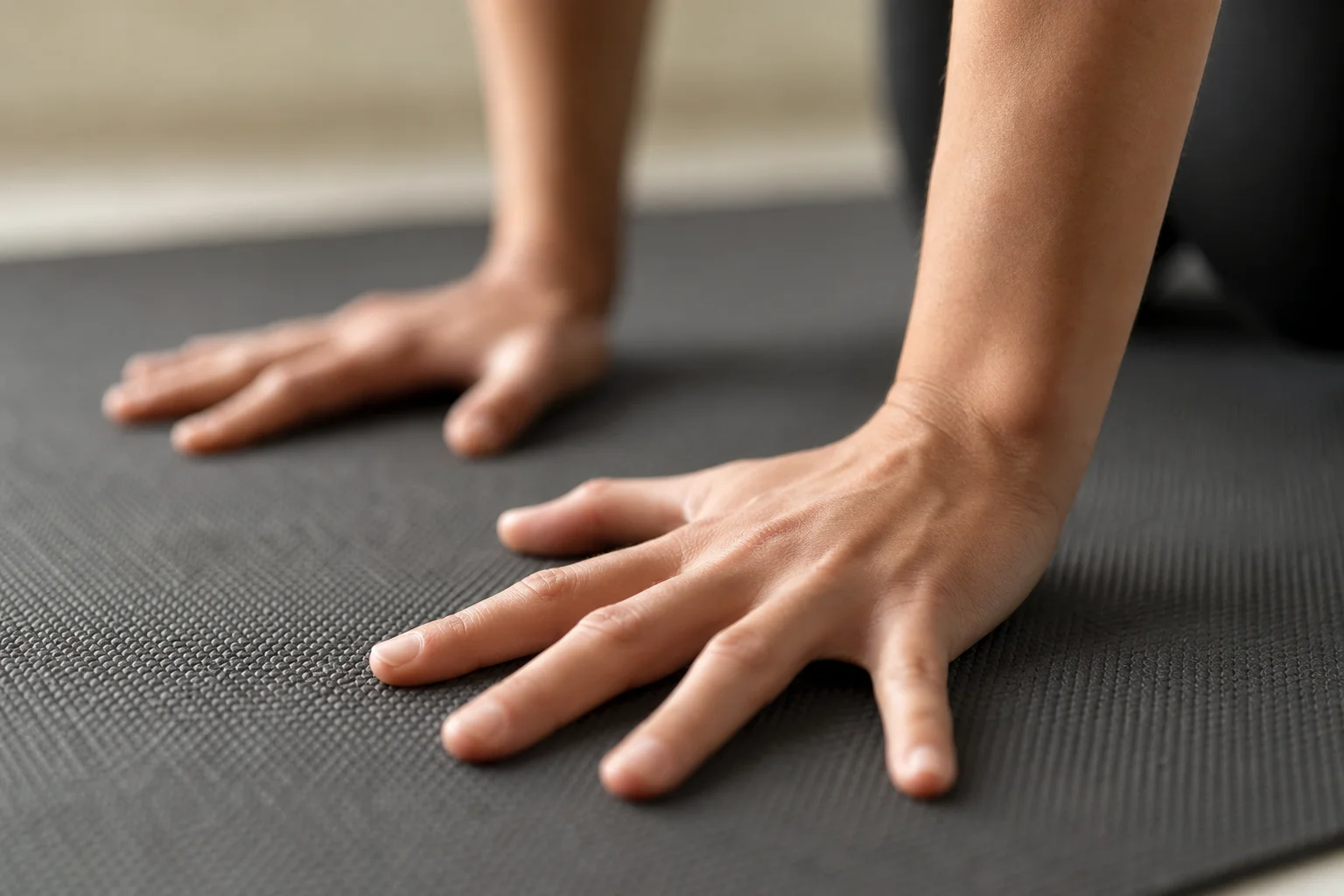
This mat rolls up tightly despite its thickness and comes with an adjustable carrying strap that fits comfortably over your shoulder or backpack. It is easy to clean and works well for both home and studio use. The main trade-off is that the mat can show dirt more readily than some alternatives.
Humano Yoga Mat
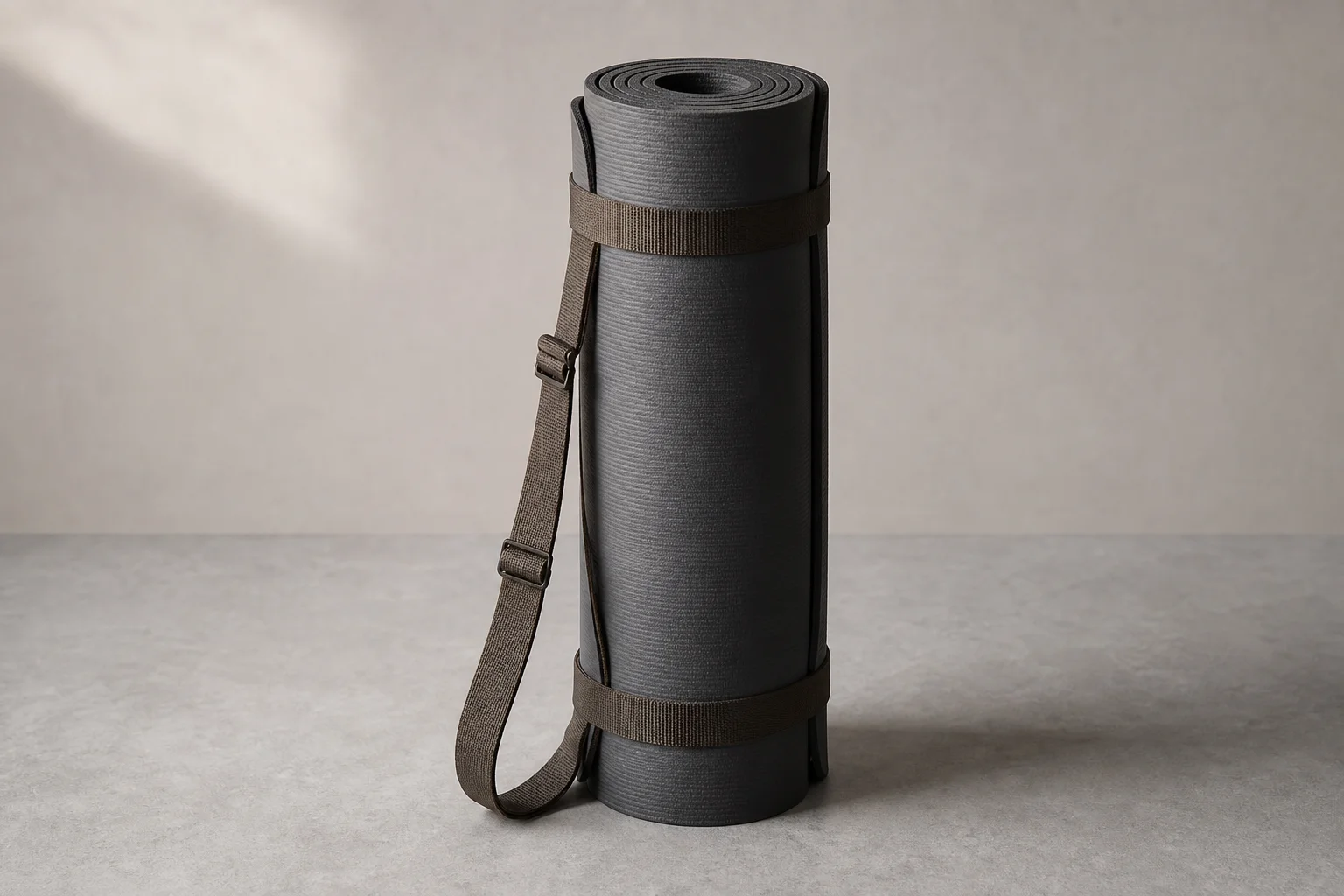
The Humano Yoga Mat is made with eco-friendly materials and is free from PVC and unpleasant odors. The skin-friendly surface allows you to hold poses comfortably for extended periods, while the non-slip surface provides the stability needed to stay balanced during practice. The eight-millimeter thick cushioning offers ample support for your joints and muscles without being overly thick.
The mat comes with a free carry strap and is easy to clean with a damp cloth using cold water or mild detergent. To maintain longevity, avoid using a washing machine, dryer, or exposing it to extended sunlight. The mat dries quickly after cleaning.
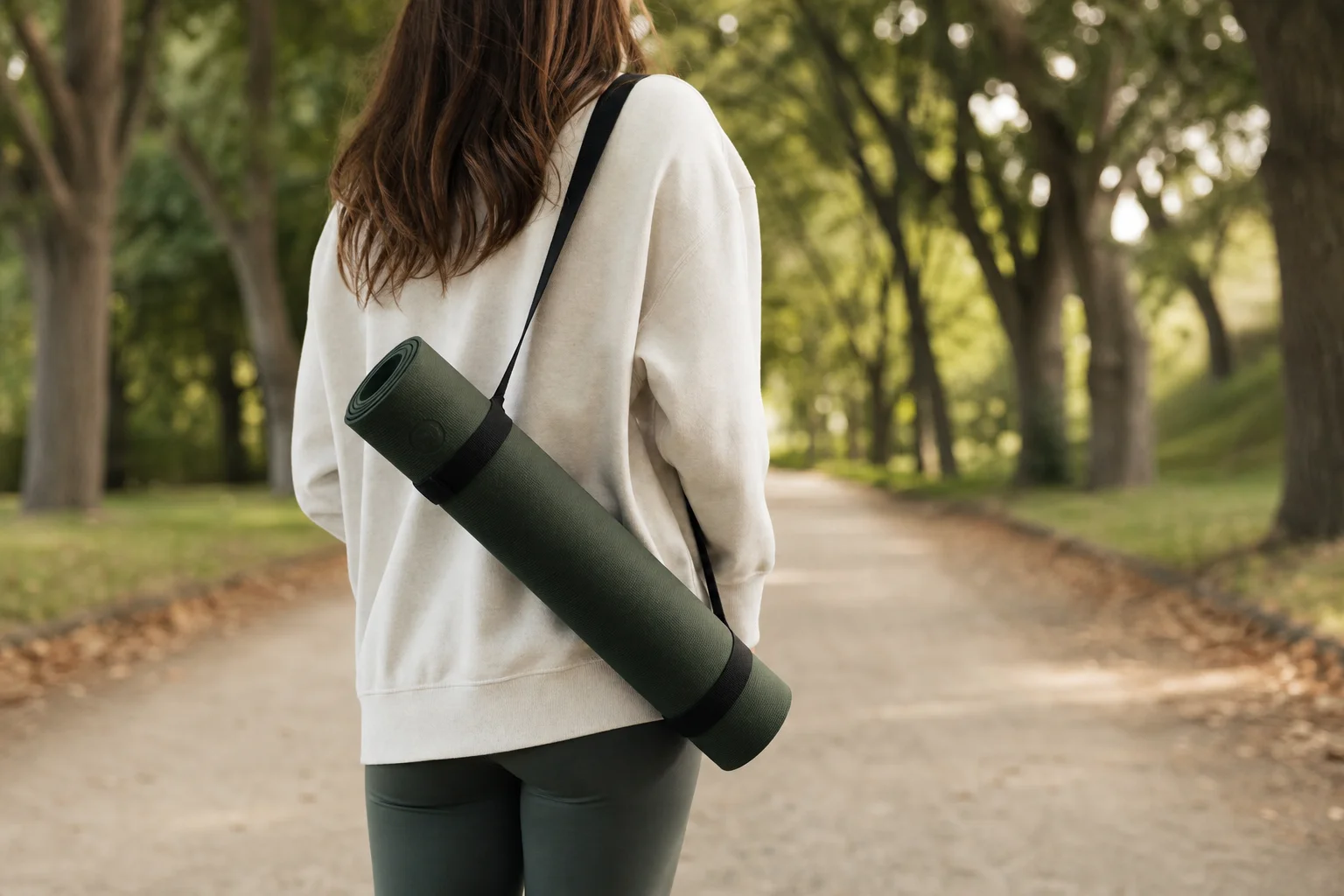
One consideration is that this mat can lose density over time with regular use, which may affect its cushioning properties after extended periods.
IUGA Yoga Mat
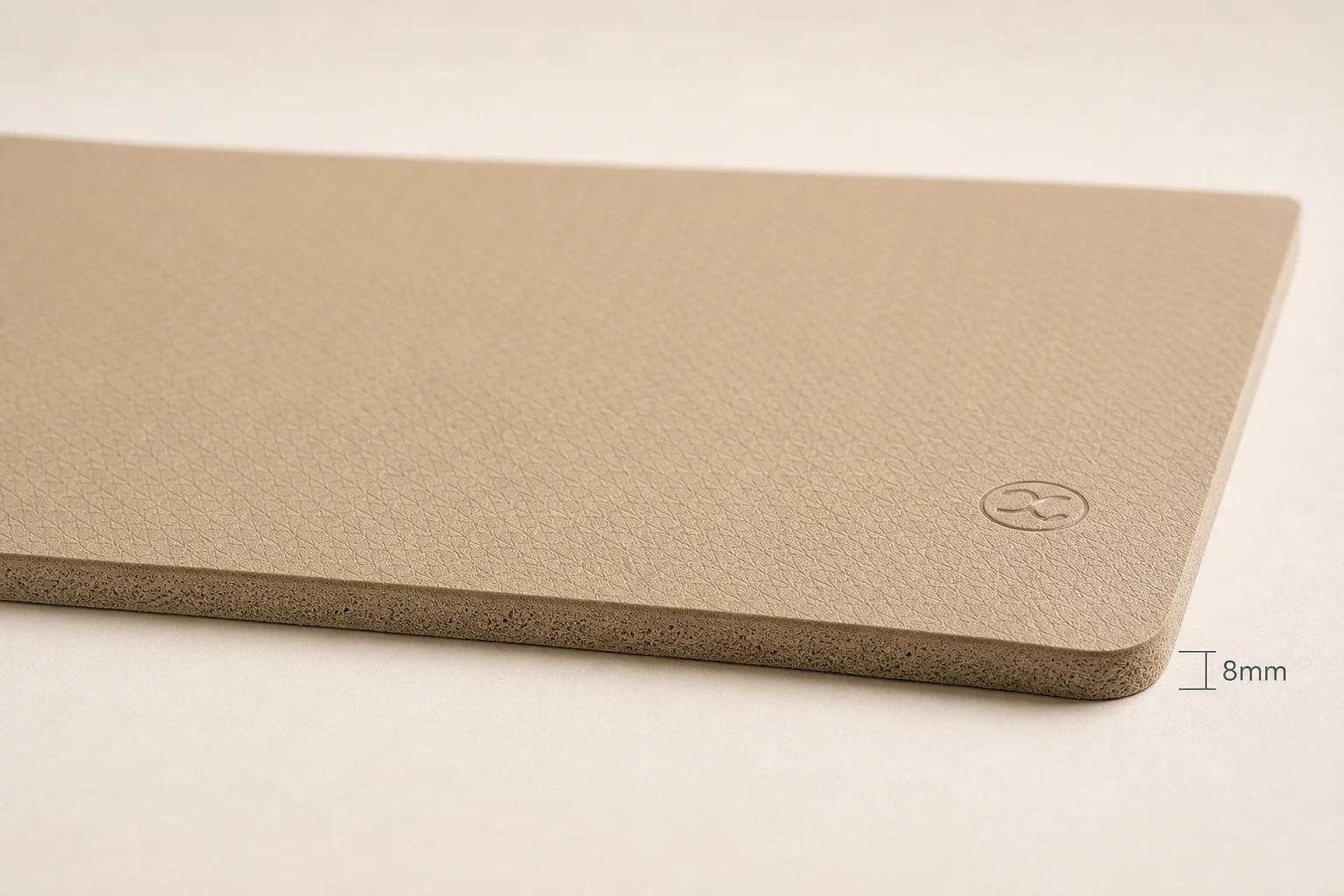
The IUGA Yoga Mat is made with SGS-certified TPE material, a safe and eco-friendly alternative to PVC. The TPE material is skin-friendly, non-toxic, and has no lingering odors. Double-sided non-slip surfaces provide a stable and secure base for your practice, allowing you to focus on your poses without worrying about slipping.
This mat is suitable for daily use and works well for yogis of all levels. It is free of latex, making it an excellent choice for those with latex allergies or sensitivities. The mat comes with a free carry strap for easy transport. The main consideration is that it can be slightly difficult to clean compared to some alternatives.
Jade Harmony Yoga Mat
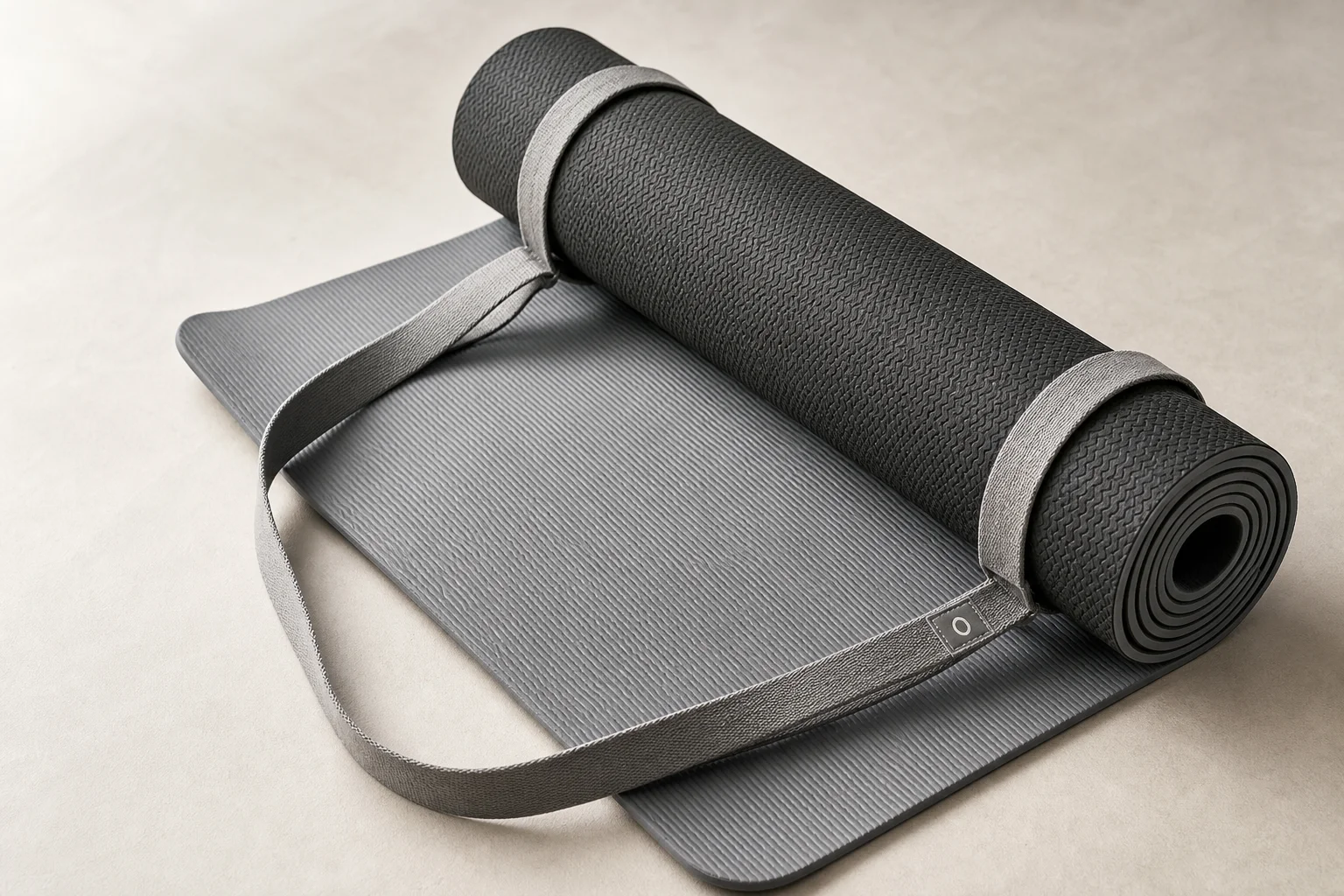
The Jade Harmony Yoga Mat is made from natural rubber, offering superior cushioning compared to synthetic rubber options. The natural rubber provides a durable and grippy surface that allows you to focus on your poses without slipping. Made with environmentally friendly materials, this mat is free from PVC, EVA, and other synthetic rubber.
The mat is biodegradable, recyclable, and non-toxic, making it a strong choice for environmentally conscious practitioners. It is made in the U.S. and offers superior cushioning and grip whether you are a beginner or experienced yogi. The mat absorbs sweat effectively and is firm and supportive. It is also portable and easy to transport. The primary consideration is that it is priced higher than many alternatives.
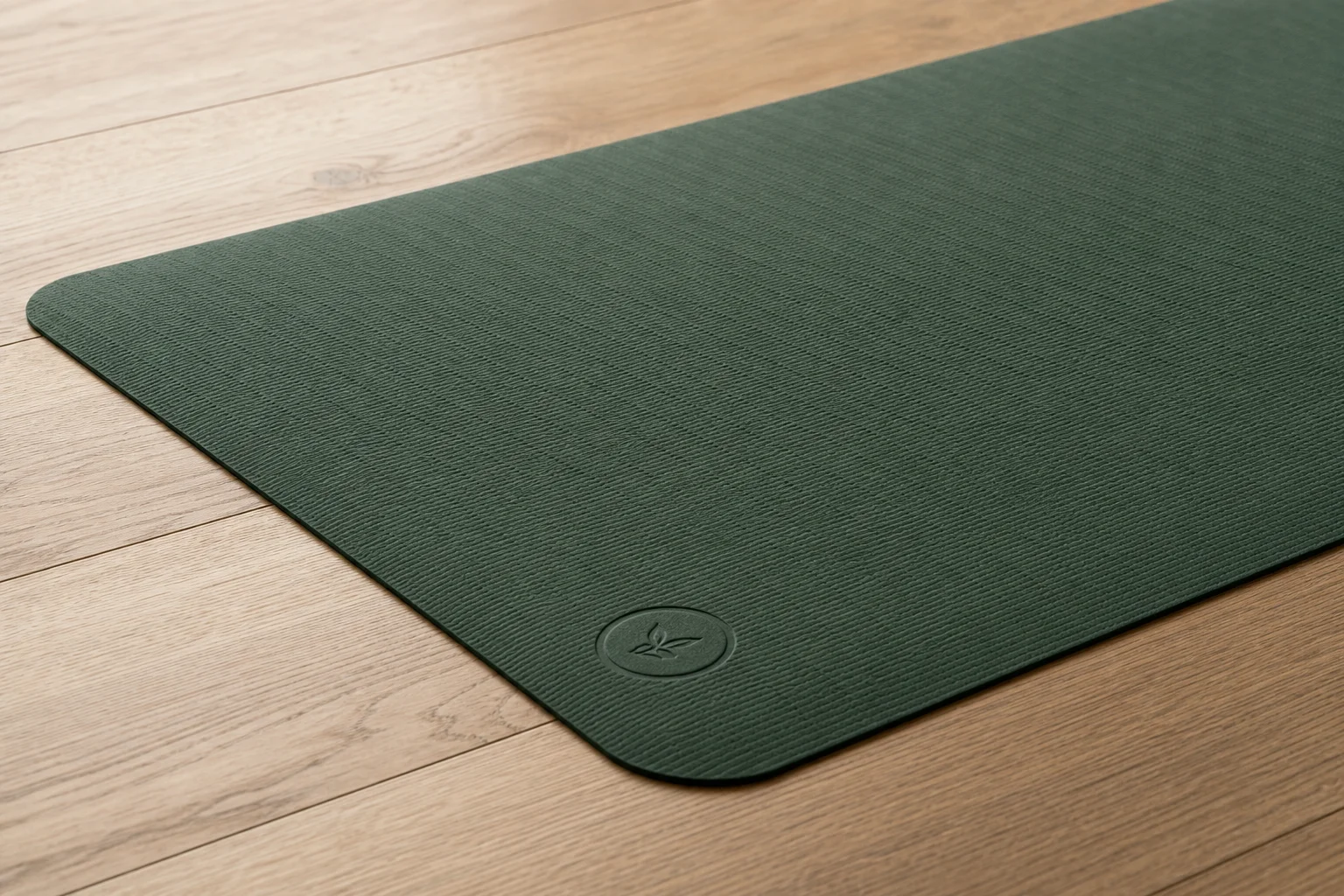
Things to Consider Before Choosing a Yoga Mat
Thickness
One of the most important factors when selecting a yoga mat is its thickness. Thicker mats provide more cushioning for your joints, which is especially beneficial if you have sensitive knees or hips. However, if you prefer a more barefoot feel or plan to travel with your mat, a thinner option may be better suited to your needs.
Size
Make sure the mat is the right size for your body and the type of yoga you practice. Standard yoga mats are typically 68 inches long and 24 inches wide. If you are taller or prefer more space to move around, consider an extra-long or extra-wide mat.
Material
Different materials offer varying levels of grip and durability. Natural rubber is eco-friendly and offers excellent grip. PVC is durable and easy to clean. TPE is a safe, non-toxic alternative to PVC. Foam mats are lightweight and good for travel. Consider which properties matter most for your practice style and lifestyle.
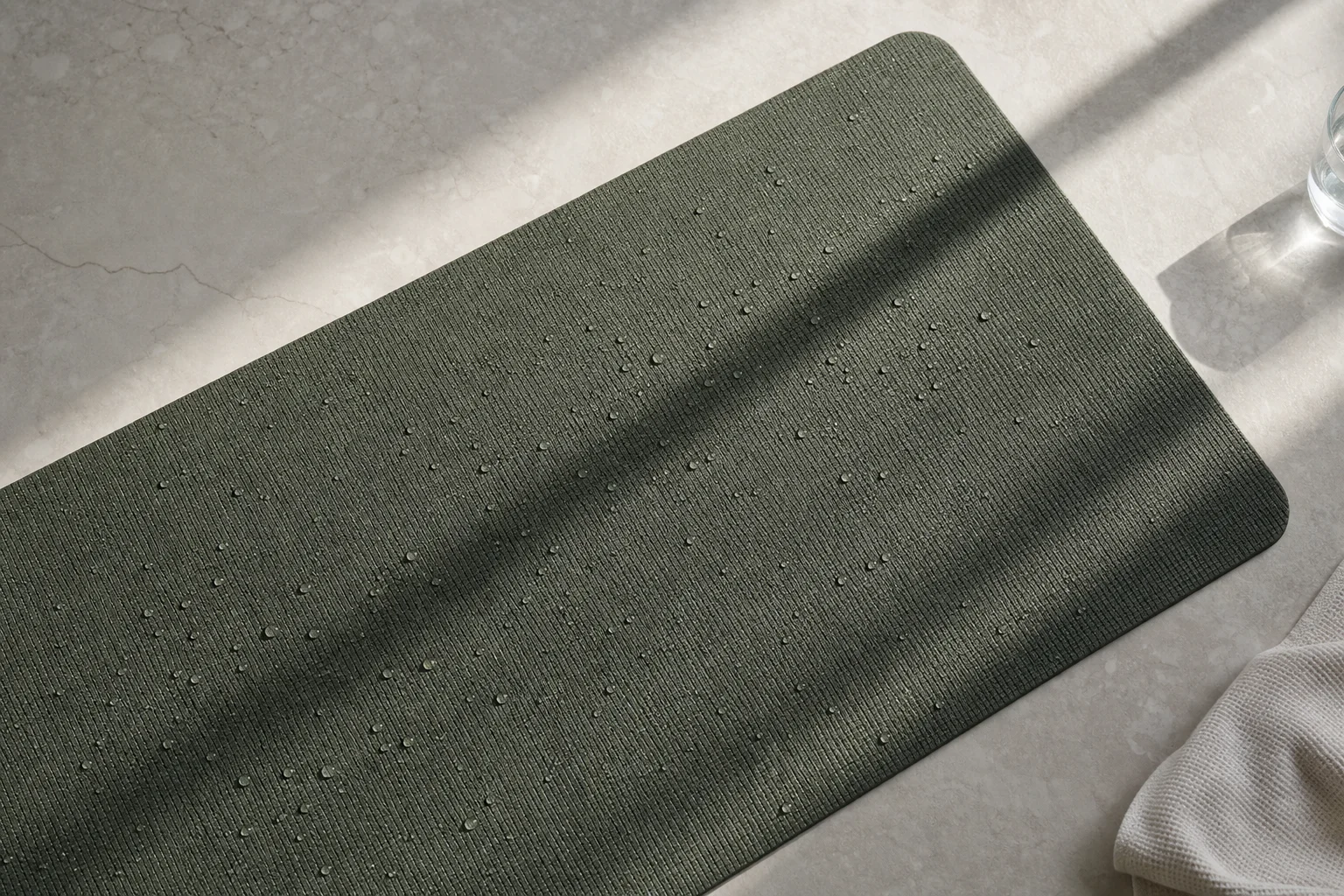
Conclusion
The right yoga mat depends on your specific needs, practice style, and budget. If you prioritize portability and a reversible design, the Gaiam Yoga Mat offers good value. For maximum joint support, the Gaiam Essentials Thick Yoga Mat delivers substantial cushioning. If eco-friendly materials and quick-drying properties matter to you, the Humano Yoga Mat is a solid choice. The IUGA Yoga Mat suits those seeking TPE construction and latex-free design. For those willing to invest in premium natural rubber construction, the Jade Harmony Yoga Mat offers superior durability and grip. Consider your thickness preference, available space, and material priorities to find the mat that will best support your practice.
Further reading
Related Reviews
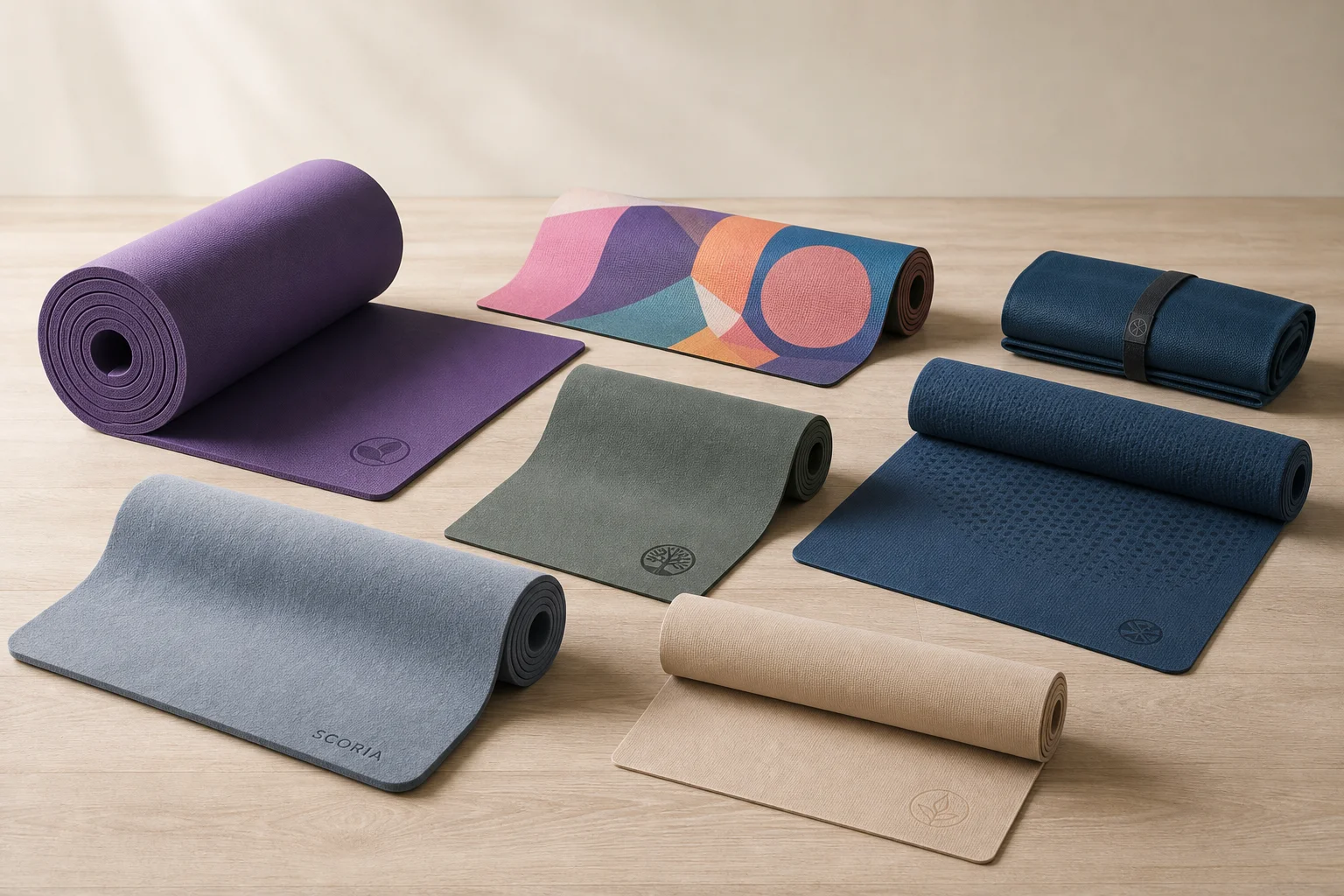
Yoga Equipment
Best Yoga Mats for Home Practice: Seven Options for Every Style and Budget
A practical guide to seven yoga mats covering overall performance, affordability, travel, eco-friendliness, grip, washability, alignment work, and lightweight portability.
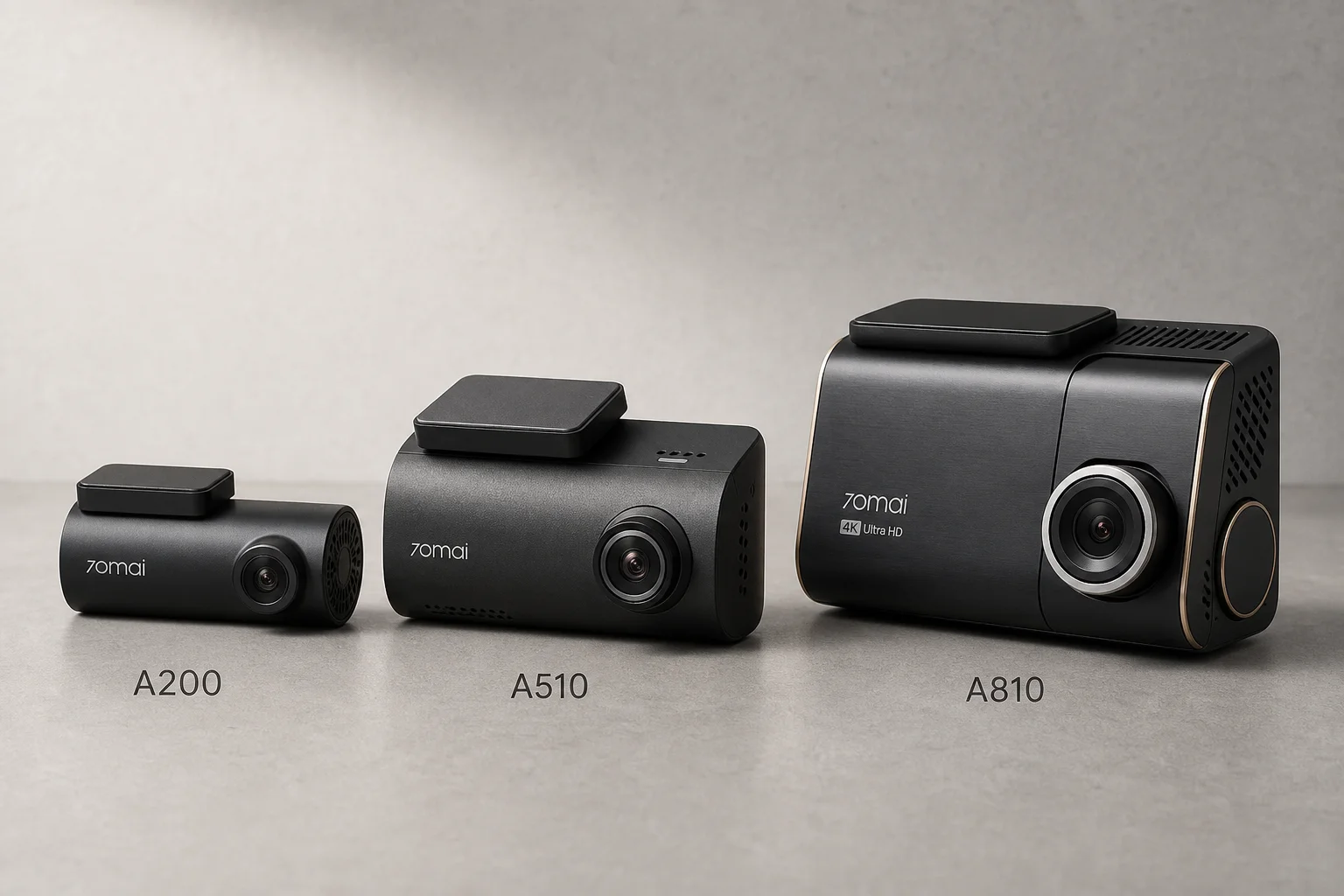
Automotive Accessories
70mai Dash Cam Comparison: A200 vs A510 vs A810
Three dash cameras from 70mai across different price points reveal how resolution and sensor quality impact real-world footage clarity, especially for number plate visibility and low-light performance.

Cycling Power Meters
Five Affordable Power Meters for Road and Off-Road Cycling
Five practical power meter options under $500 that deliver reliable power measurement without breaking the budget.