Cycling Gear
Budget vs Premium Cycling Helmets: What You Actually Get for the Extra Cost
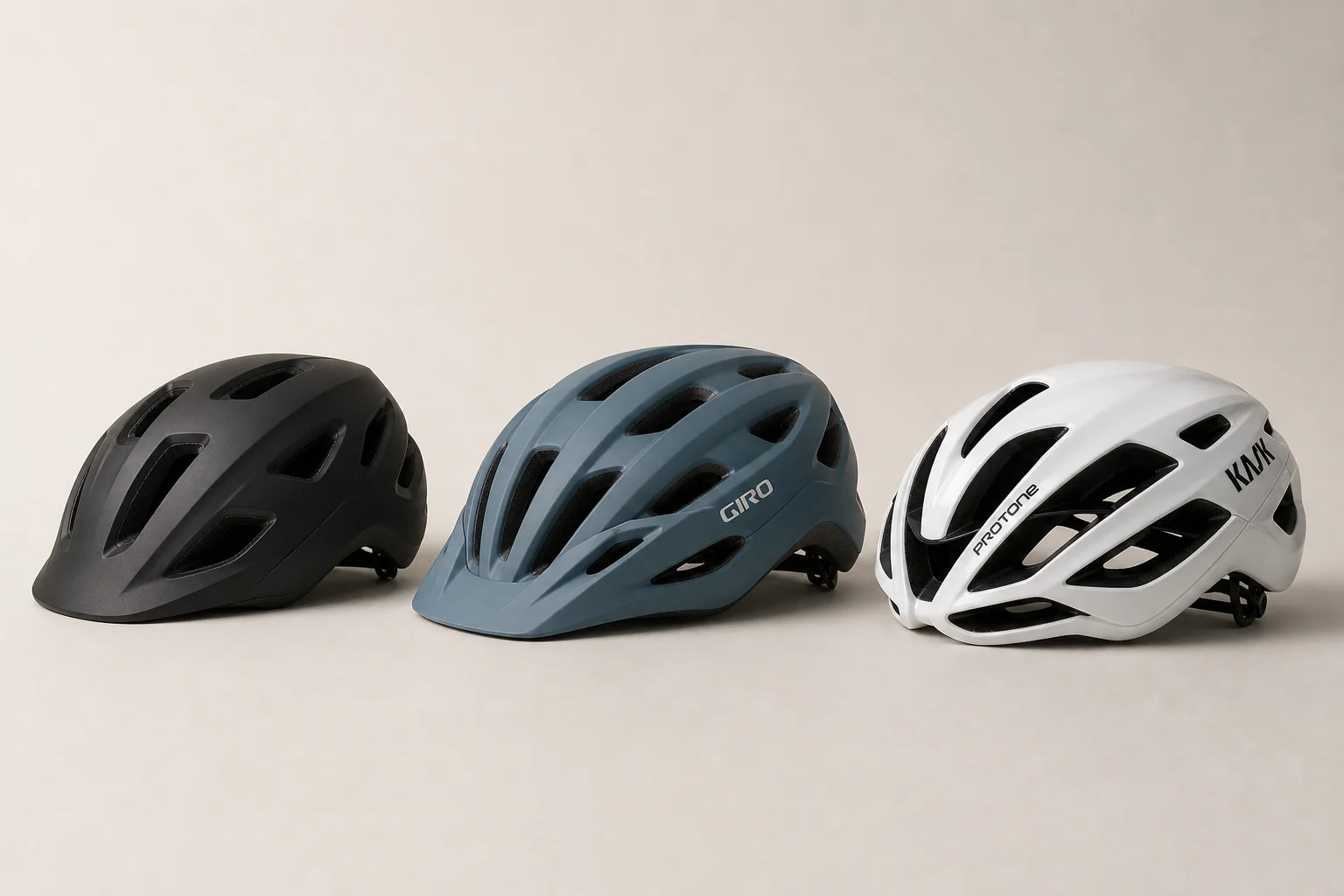
A practical comparison of three helmets at different price points reveals where premium helmets truly differ from budget options, and where safety standards matter most.
Introduction
Cycling helmets come in a bewildering range of prices, from budget options under £20 to premium models costing £200 or more. The natural question is whether a more expensive helmet actually protects you better. The answer is more nuanced than price alone suggests, and understanding where premium helmets genuinely differ from budget alternatives helps you make a smarter purchase.
Helmet Fit and Safety Standards
The most important factor when buying any helmet is fit. A helmet that is too large will shift during a crash and fail to protect you. A helmet that is too small will sit too high on your head and offer inadequate coverage. Proper fit matters far more than price.
All helmets sold in regulated markets must meet strict safety standards. In the United States, helmets must pass the CPSC standard. In the UK and Europe, helmets must comply with EN 1078 and carry a CE mark. These standards ensure that whether you buy a £15 helmet or a £200 model, both offer the same baseline protection in a crash.

This is the critical point: once a helmet meets your country’s safety standard, paying more does not buy you additional crash protection. The price difference reflects other features that improve comfort, durability, and aerodynamics, not safety performance.
Weight and Shell Construction
One might expect premium helmets to be significantly lighter than budget alternatives. Testing three helmets across price tiers reveals a surprise: the budget helmet and the premium helmet weigh exactly the same at 279 grams, while the mid-range option weighs 244 grams.
The weight similarity masks important differences in construction. The budget helmet’s shell is noticeably more flexible when tested with a push-and-pull motion, while the premium helmet remains rigid and stable. This suggests the premium model uses denser polystyrene or a more sophisticated shell design.
The premium helmet also features a deeper internal shell, particularly around the sides and back, which provides additional coverage in areas where protection matters most. This deeper construction may explain why the premium and budget models weigh the same despite the premium helmet’s superior rigidity.
Padding and Comfort
Padding quality separates budget helmets from more expensive options in ways you will feel on longer rides.
Budget helmet padding is made from cheap material that feels uncomfortable and is unlikely to remain pleasant during extended cycling sessions. The mid-range helmet uses breathable padding with extra thickness at the front to capture sweat and provide additional protection. The premium helmet features multi-layer breathable padding with similar sweat-capture design.
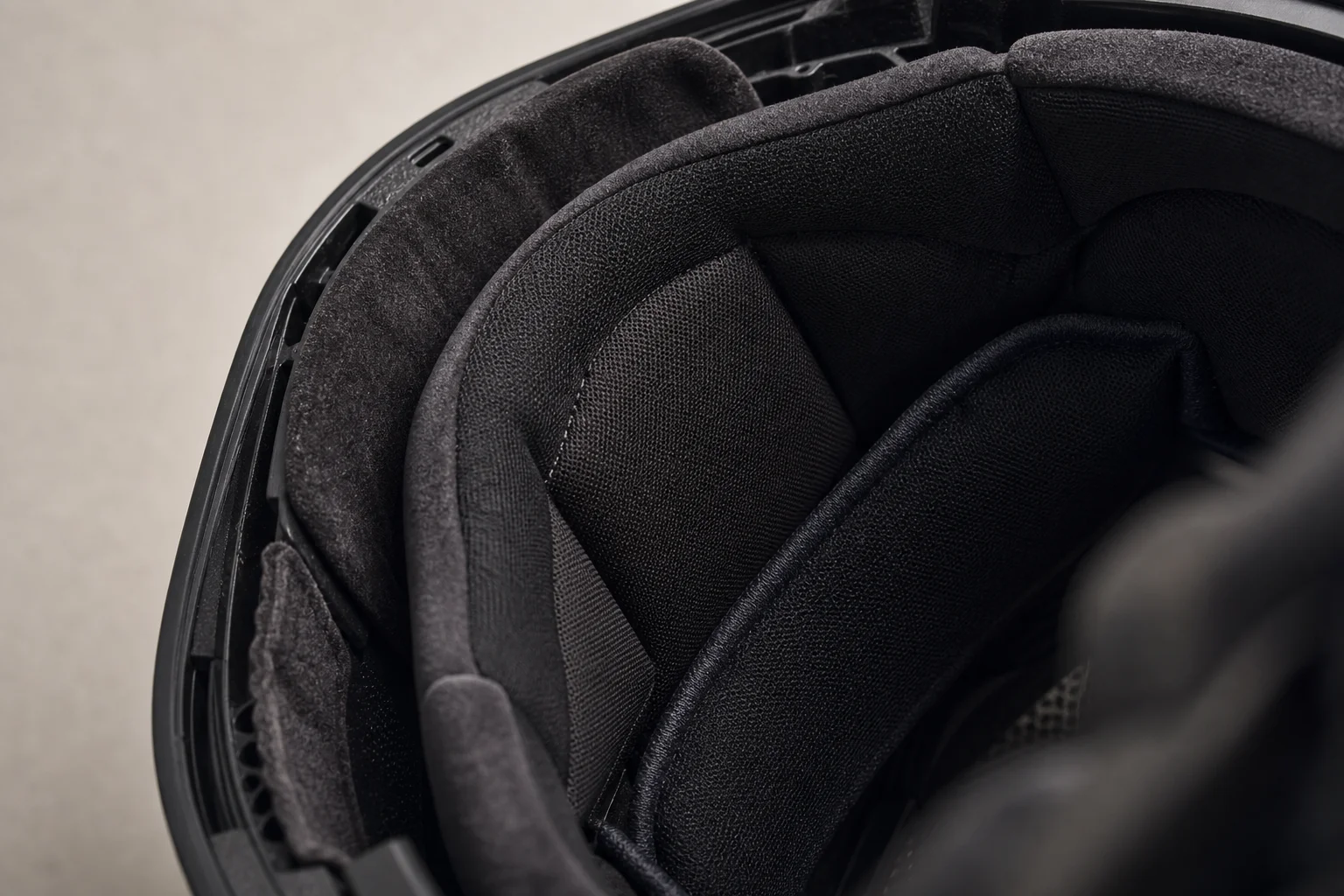
For short local rides, budget padding is adequate. For rides lasting more than an hour, the difference becomes noticeable. The breathable padding in mid-range and premium helmets allows better moisture management and prevents the clammy feeling that cheap padding creates.
Straps and Retention Systems
The chin strap and closure system reveal clear quality differences across price tiers.
Budget helmet straps are made from decent material but feel lower quality compared to alternatives. The closure mechanism feels like cheap plastic. These straps work fine for casual local riding but become uncomfortable on longer journeys.
The mid-range helmet uses higher-quality straps with a closure system that does not feel plasticky or flimsy. The premium helmet takes this further with high-quality straps and a closure mechanism that feels solid and refined.
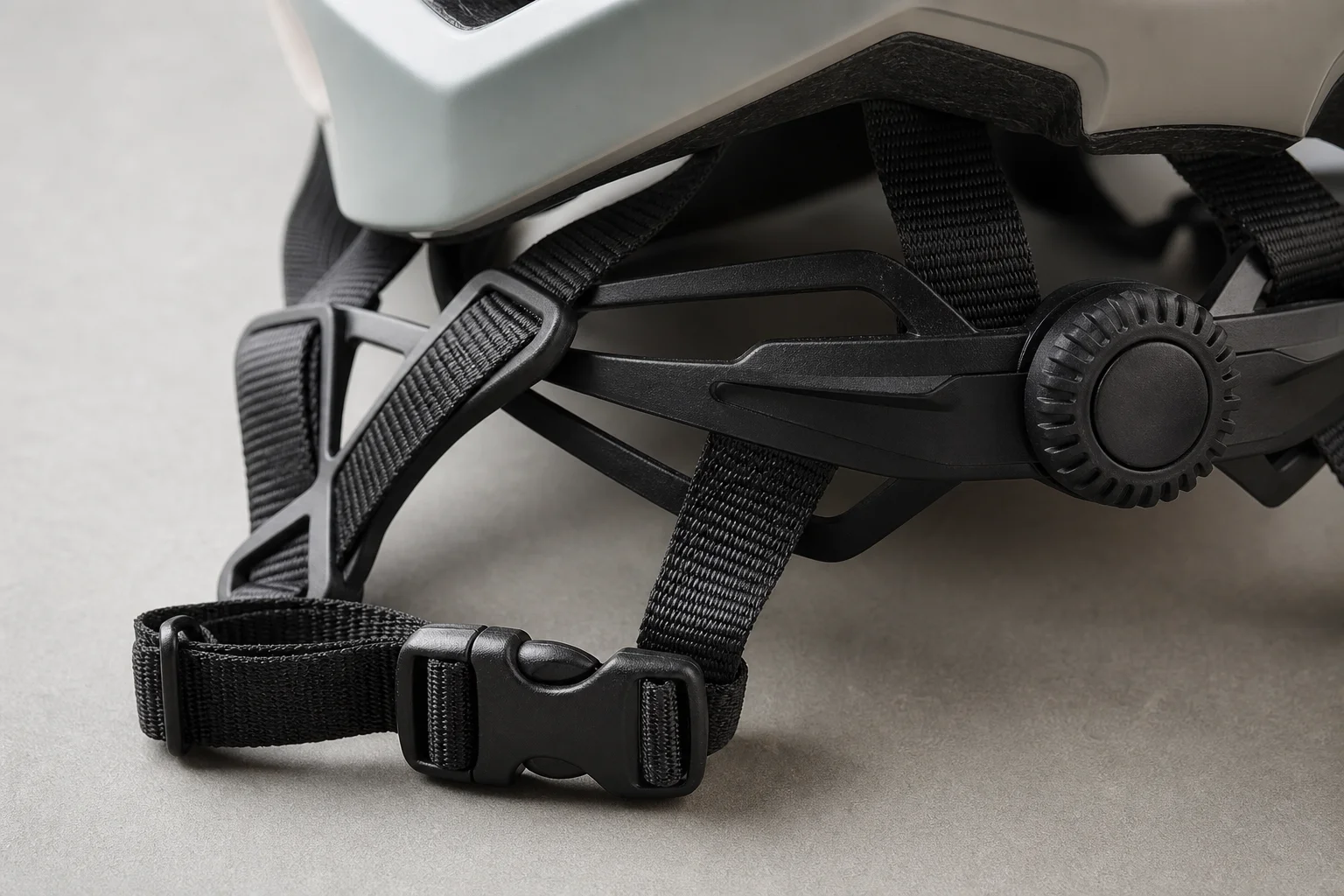
The most distinctive feature of the premium helmet is a leather chin strap that is washable, more comfortable against the skin, and prevents irritation during extended wear. This is a small detail that makes a meaningful difference on all-day rides.
All three helmets include a retention system, a dial at the back that adjusts the helmet diameter for a snug fit. The budget helmet offers only rotational adjustment. The mid-range and premium helmets add vertical adjustment, which is essential if you wear your hair in a ponytail or have a protruding scalp at the back of your head.
Ventilation and Aerodynamics
All three helmets have vents, but the design quality improves significantly with price.
Budget and mid-range helmets have functional vents that provide basic airflow. The premium helmet’s vents were tested in a wind tunnel to ensure that regardless of head position, air flows smoothly out of the helmet. This design reduces aerodynamic drag and maximizes cooling efficiency, which matters on long rides or in warm conditions.

The wind-tunnel-tested ventilation is a genuine engineering advantage that you will notice during sustained efforts or in hot weather. It is one of the few performance benefits that premium helmets offer beyond comfort and durability.
Aesthetics and Design
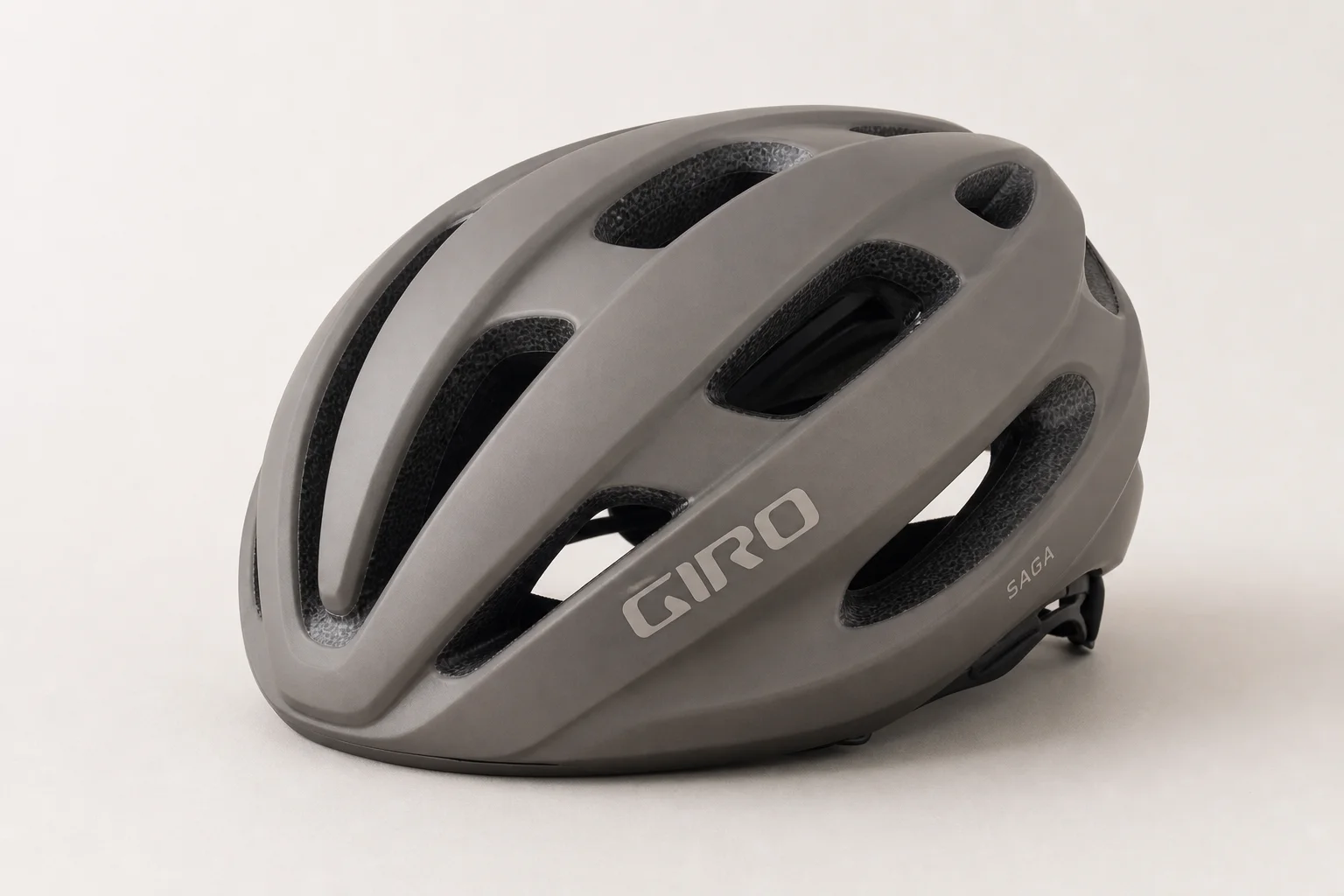
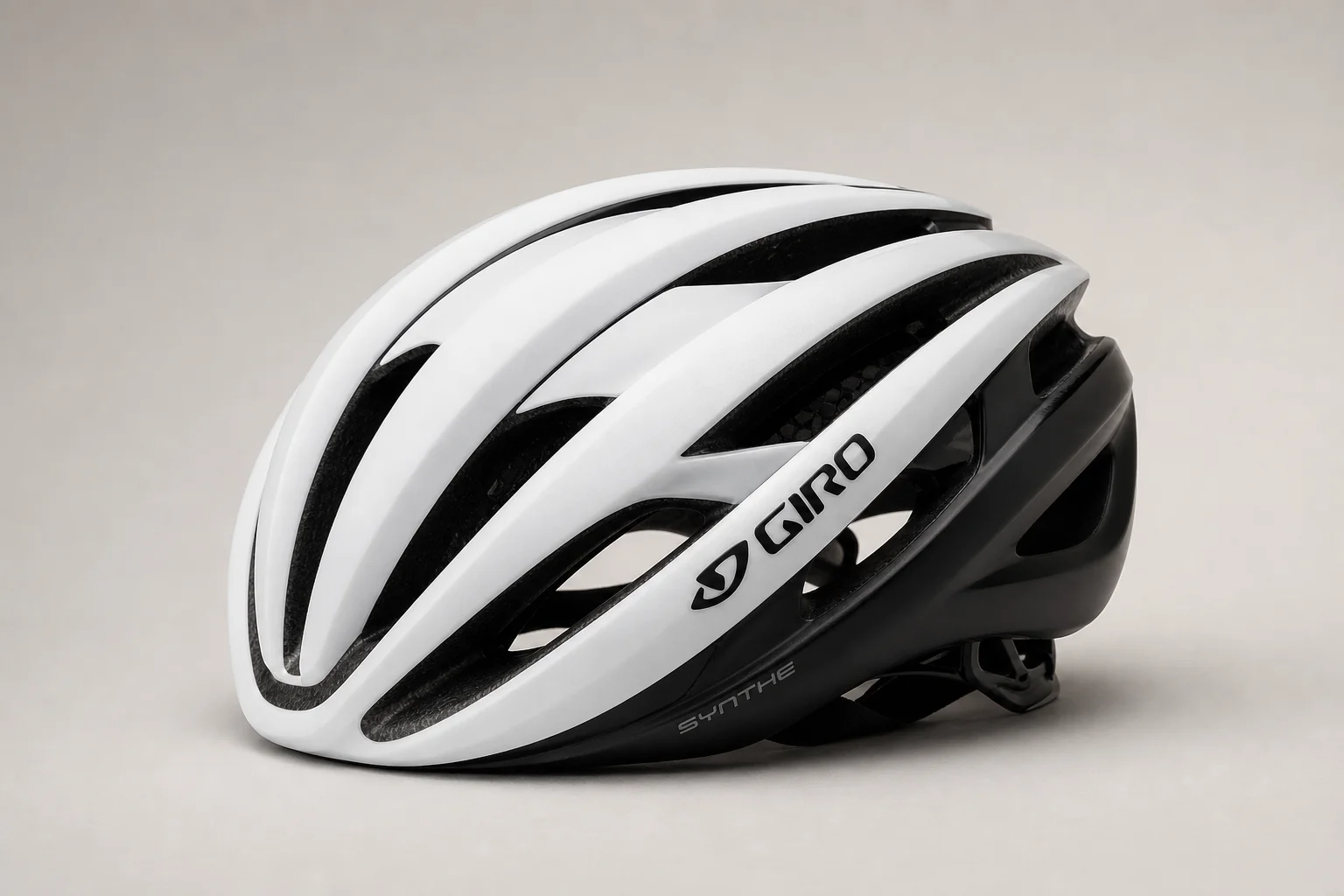
Helmet aesthetics vary widely across brands and price points. Budget helmets often have a generic appearance, while mid-range and premium options offer more refined designs. The Giro Saga and Kask Protone both feature modern, sleek profiles that appeal to riders who care about how their gear looks.
Conclusion
A budget helmet protects you just as well as a premium helmet, provided both meet your country’s safety standards. If you choose to spend more on a helmet, you are paying for better padding, improved straps, superior retention adjustment, refined ventilation design, and more durable construction. You are not buying additional crash protection.
For casual local riding, a budget helmet is a sensible choice. For regular riders who spend hours in the saddle, the comfort and durability improvements of a mid-range helmet like the Giro Saga justify the extra cost. Premium helmets like the Kask Protone make sense if you prioritize aerodynamics, premium materials, and the best possible comfort on long rides.
The best helmet is the one that fits you properly and that you will actually wear every time you ride.
Further reading
Related Reviews
Cycling Gear
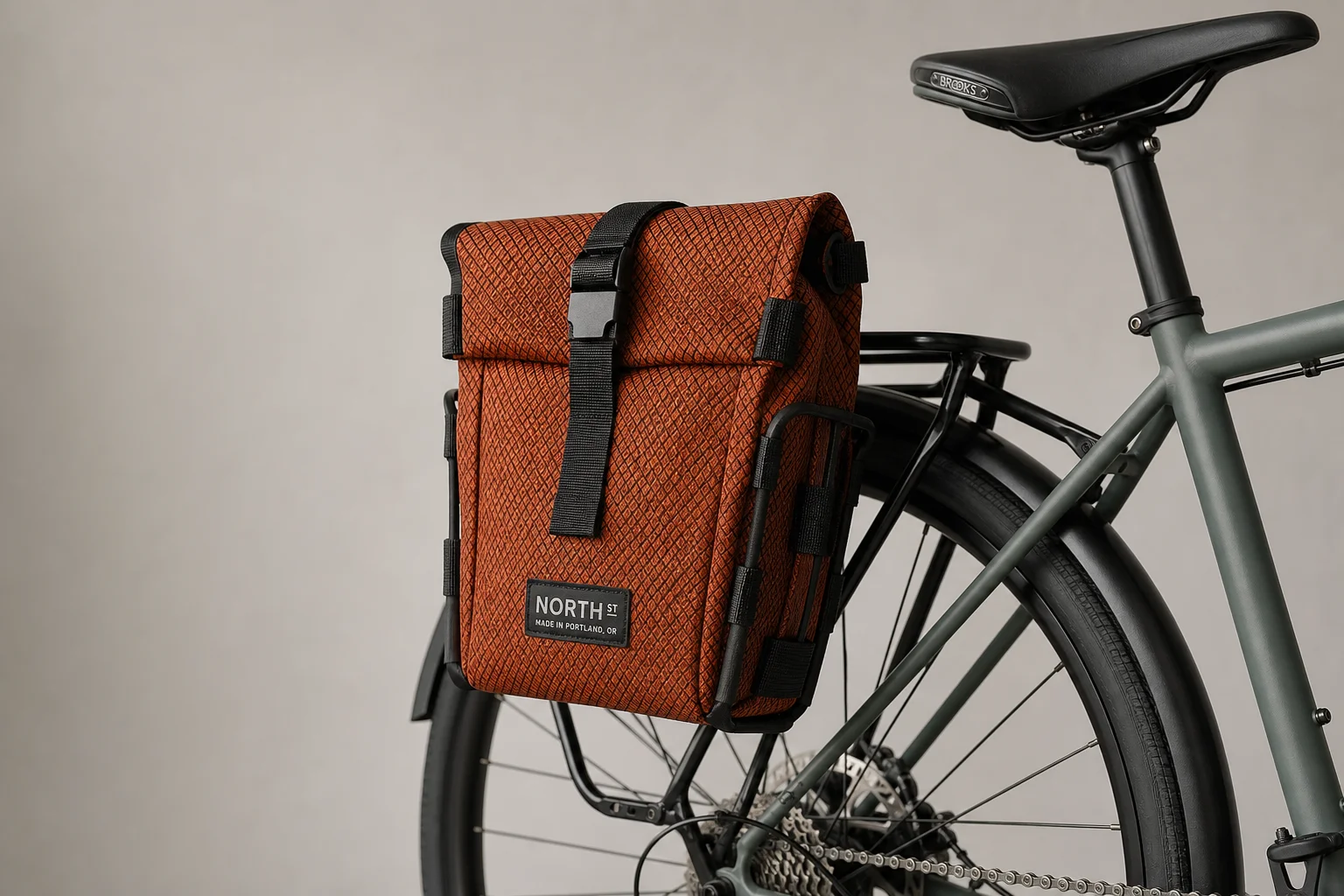
North St. Bags Commuter 14L Micro Pannier Review: Compact Commuting Solution
A practical 14-liter pannier designed for urban commuting and light bike packing, with easy attachment and thoughtful storage details.
Cycling Gear
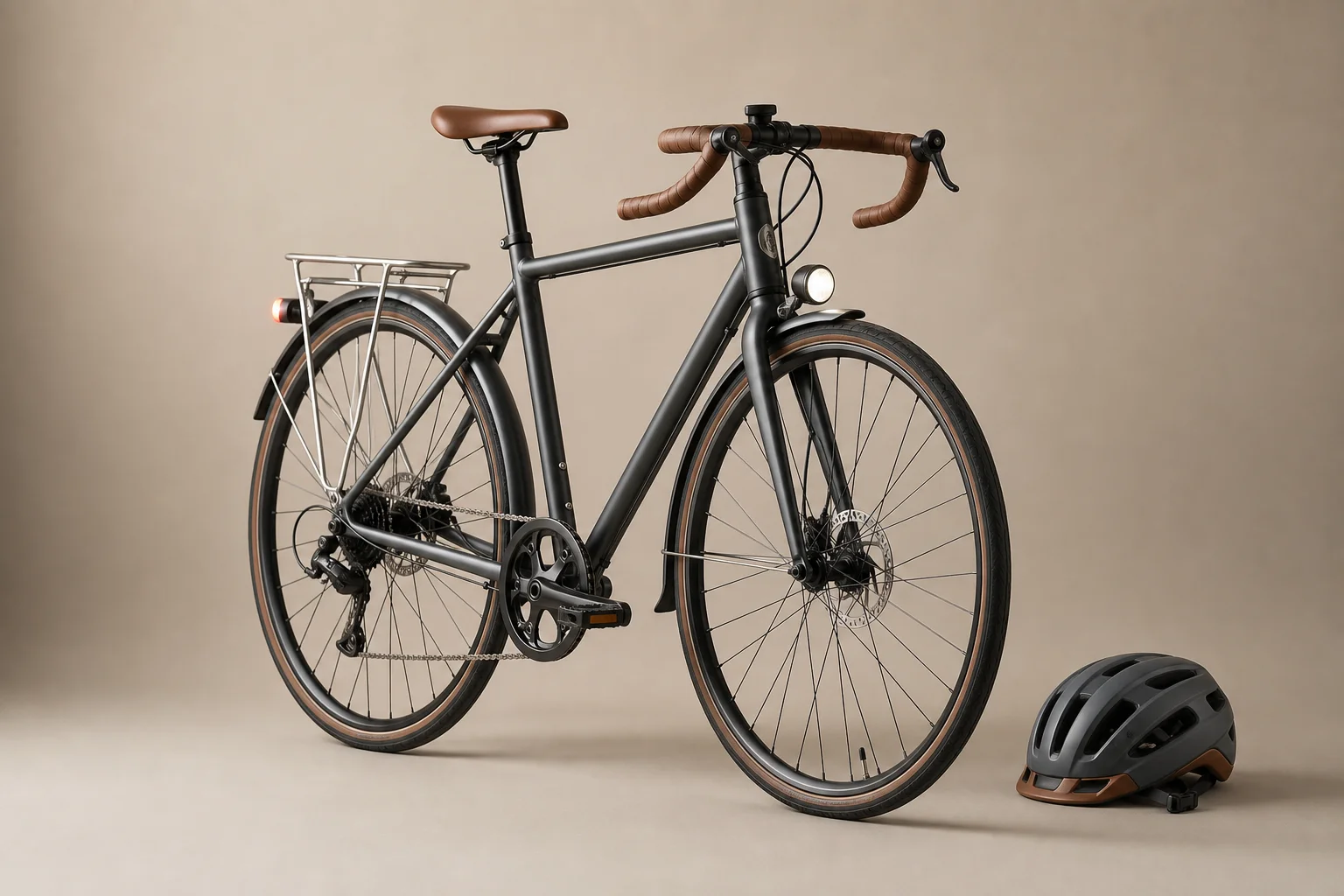
Urban Bike Commute Essentials: Five Practical Gear Items That Make Daily Riding Better
Five functional accessories that transform urban commuting from basic transportation into a reliable, enjoyable daily routine.
Automotive Accessories
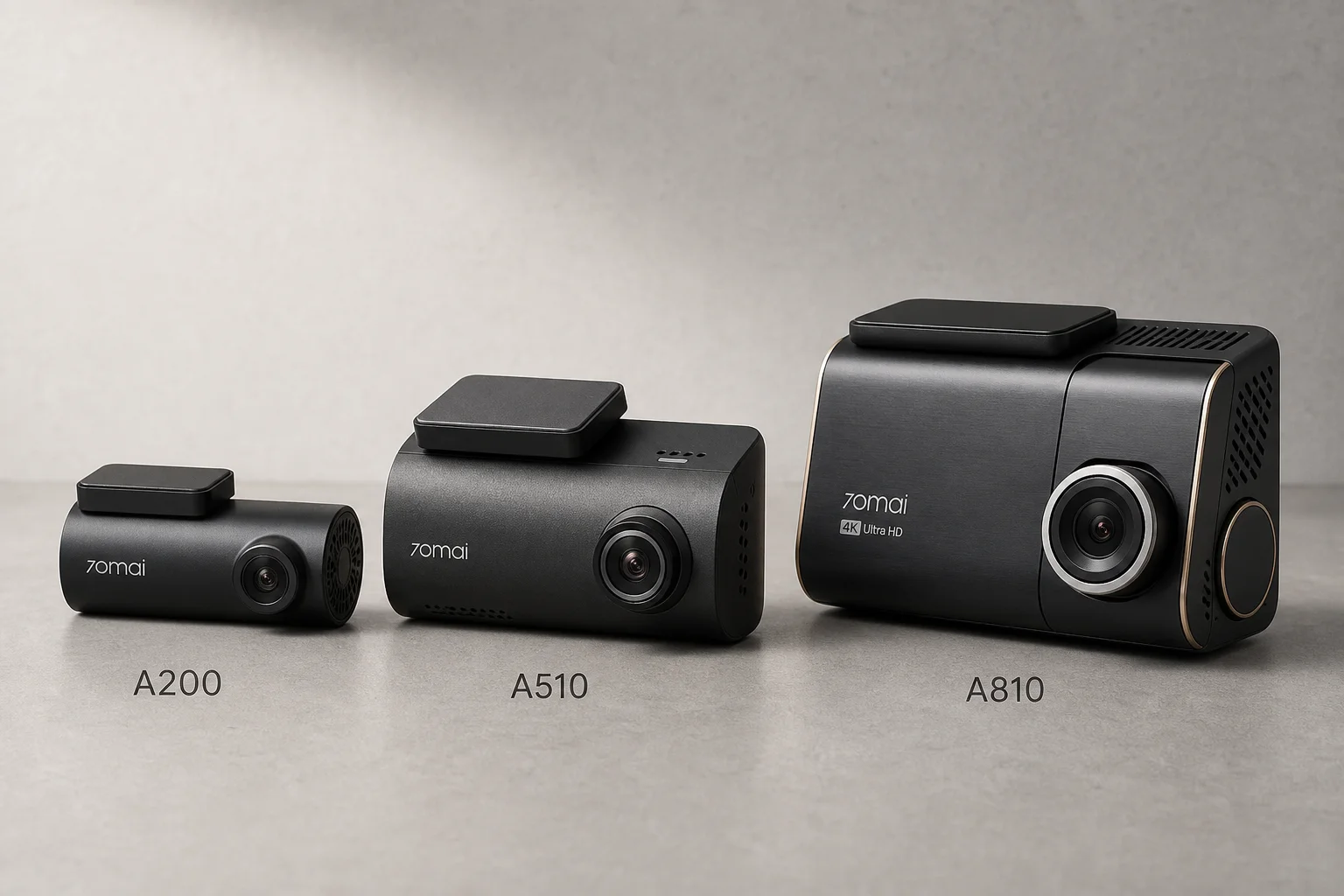
70mai Dash Cam Comparison: A200 vs A510 vs A810
Three dash cameras from 70mai across different price points reveal how resolution and sensor quality impact real-world footage clarity, especially for number plate visibility and low-light performance.