Bicycle Accessories
Choosing Bicycle Panniers: Five Tips for Touring and Commuting
A practical guide to selecting panniers that match your riding needs, from material durability and waterproofing to attachment systems and long-term value.
Introduction
Bicycle panniers are essential for touring and commuting, but choosing the right pair involves more than picking the cheapest option. Whether you are planning a multi-week tour or daily commuting, understanding what matters in a pannier helps you invest in gear that will last and perform when you need it most.
Tip One: Consider Your Use Case
The first decision is identifying how you will use your panniers. Are you commuting daily, embarking on a bicycle tour, or doing a mix of both? This choice shapes every other decision you make.
For touring, panniers take significant abuse over weeks or months of travel. They are packed heavily, exposed to varied weather, and subjected to constant movement and vibration. For commuting, panniers face less extreme conditions but must still withstand daily wear and the occasional rough weather.
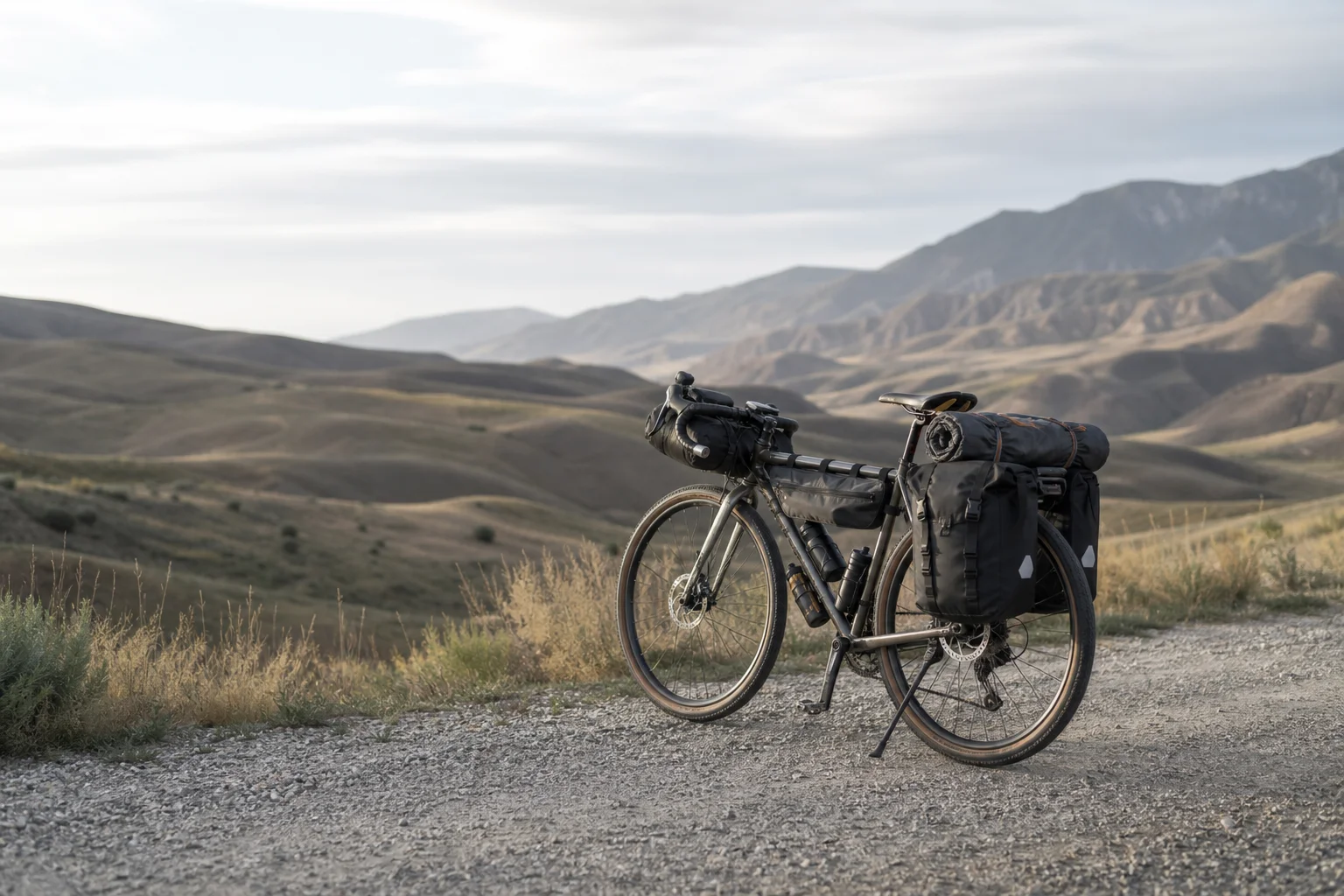
If you are new to panniers, starting with a commuting setup allows you to understand what features matter to you before investing in more expensive touring-specific gear.
Tip Two: Material, Durability, and Waterproofing
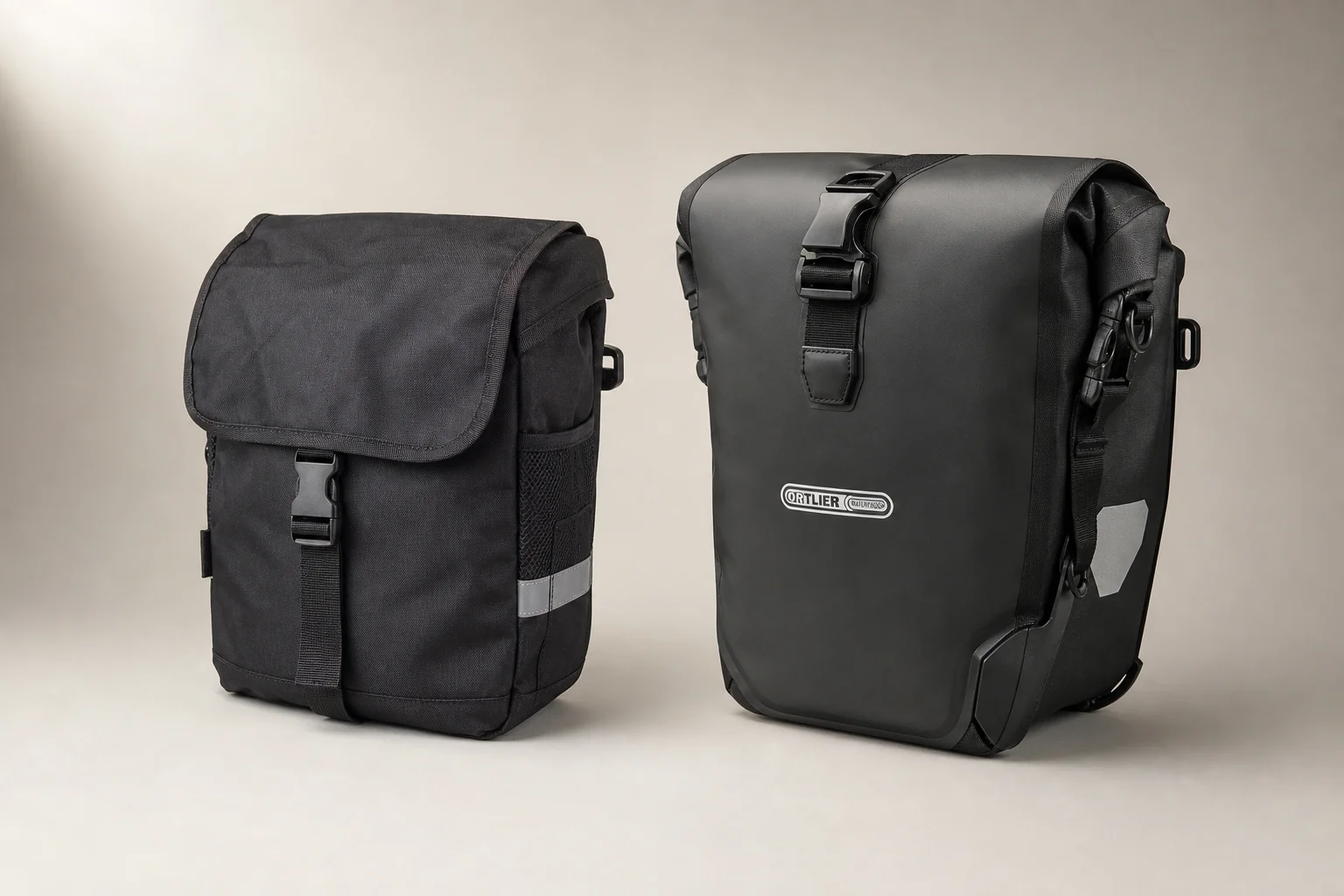
Material and construction quality directly affect how long your panniers will last. Two common approaches are budget nylon panniers with waterproof covers and premium waterproof panniers with integrated protection.
Budget nylon panniers use thicker nylon material but lack built-in waterproofing. They require a separate waterproof cover that you deploy during rain. This works for commuting but becomes tedious when touring in variable weather, especially when managing four panniers across front and rear racks.
Premium waterproof panniers feature material with a protective coating that sheds water without additional covers. This peace of mind is valuable during extended tours where weather can be unpredictable for days at a time.
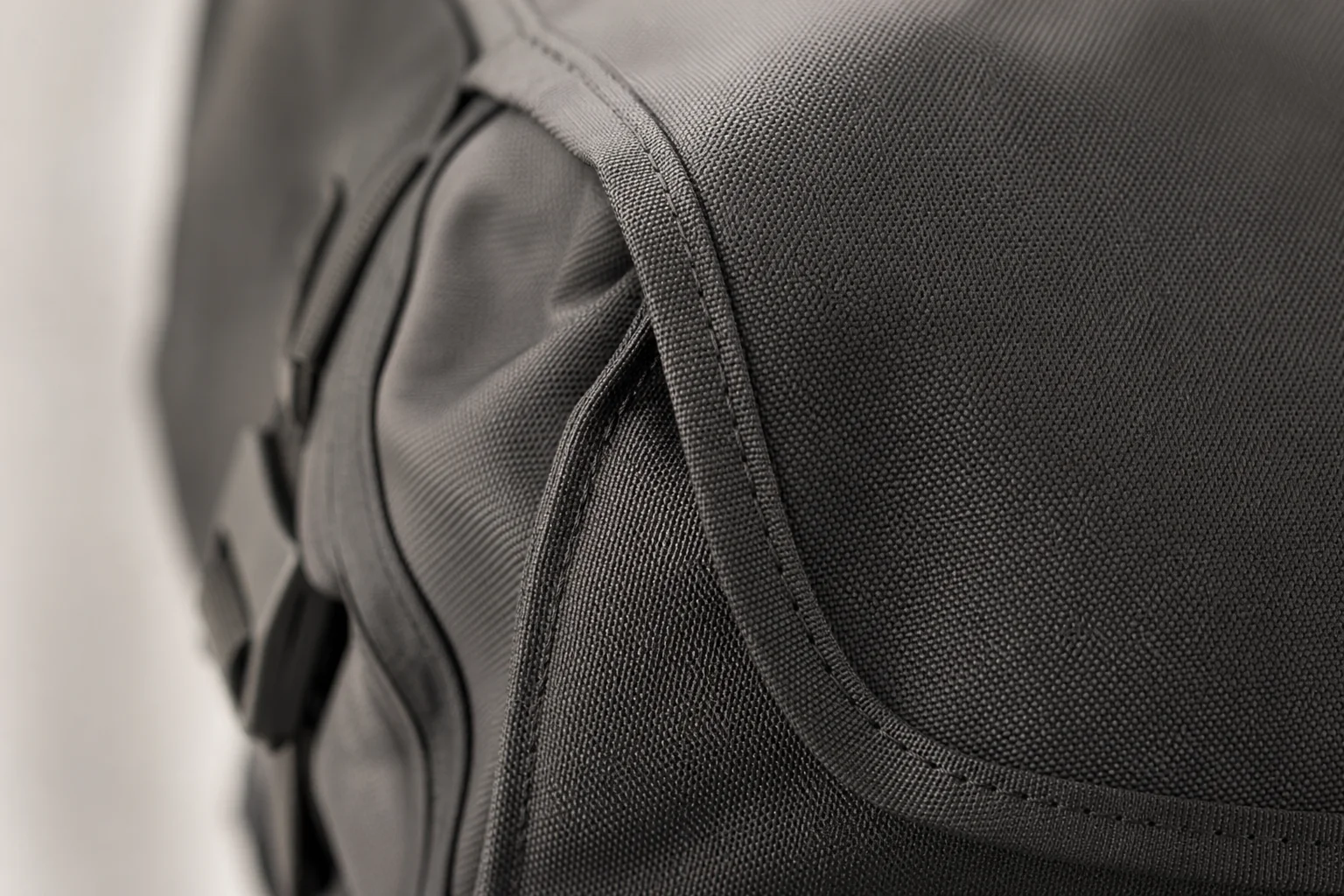
Beyond the outer material, internal construction matters. Look for internal stiffeners or cradles made of reinforced plastic. These prevent the pannier from collapsing and protect the fabric from wear. Premium options often reinforce these cradles with additional material and add protective plastic at the bottom where the pannier contacts the rack. Budget panniers may have basic cradles without this extra reinforcement, which can lead to fraying and wear within months of regular use.
For commuting, water-resistant material with a cover is often sufficient. For touring, waterproof construction provides genuine value and reduces the risk of water damage to your gear.
Tip Three: Capacity and Design Features
Panniers come in various sizes, typically ranging from 30 to 40 liters per pair. Capacity alone does not determine usability; design features matter equally.
Top-loading panniers are the most common. Some feature a large external pocket for quick access, while others use a roll-top closure that compresses the contents. Internal organization varies: some panniers include flat internal pockets for separating items, while others offer minimal internal structure.
Consider what you need to access frequently. If you carry tools, snacks, or documents, internal or external pockets speed up retrieval. If you pack everything loosely, a simple roll-top design may suffice. Neither approach is inherently better; it depends on your packing habits and what you carry.
Tip Four: Attachment System and Adjustability
How a pannier attaches to your rack affects compatibility and ease of installation. Hook-based systems are most common, but they vary significantly in adjustability.
Basic hook systems use plastic hooks with limited adjustment. The lower attachment point may flip horizontally or vertically, but the upper hooks cannot adjust in width. This works if your rack matches the pannier design but creates problems when using different racks or upgrading equipment.
Premium attachment systems use aluminum hooks coated with plastic, fully adjustable upper and lower attachment points, and additional bungee cord connections that can be secured with knots. This flexibility allows the same panniers to fit multiple racks without modification.
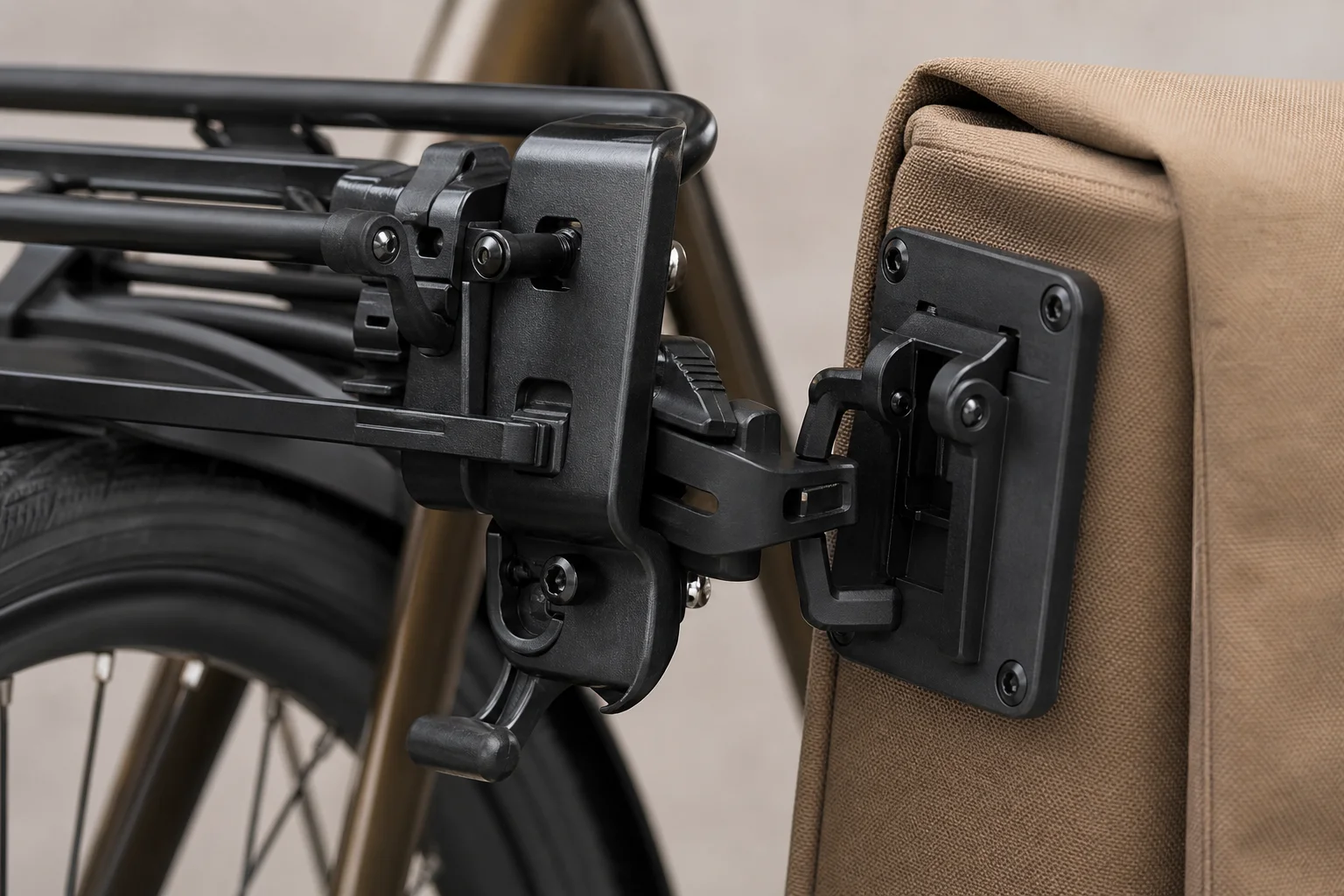
Other attachment methods exist, such as velcro-based systems or material straps, each with different durability and ease-of-use profiles. Ensure you understand how the attachment system works and whether it will fit your current or planned racks before purchasing.
Tip Five: Warranty, Repair Services, and Price
Panniers are long-term investments. If you plan to use them for years, consider whether the manufacturer offers repair services and warranty coverage. Budget panniers may be replaced rather than repaired when damage occurs. Premium brands often provide repair services, replacement parts, and extended warranties that justify the higher initial cost.
Price varies widely. Budget options cost significantly less but may require replacement within a few years. Premium panniers cost more upfront but can last a decade or longer with occasional repairs. The decision depends on your budget, how long you plan to tour or commute, and whether warranty support matters to you.
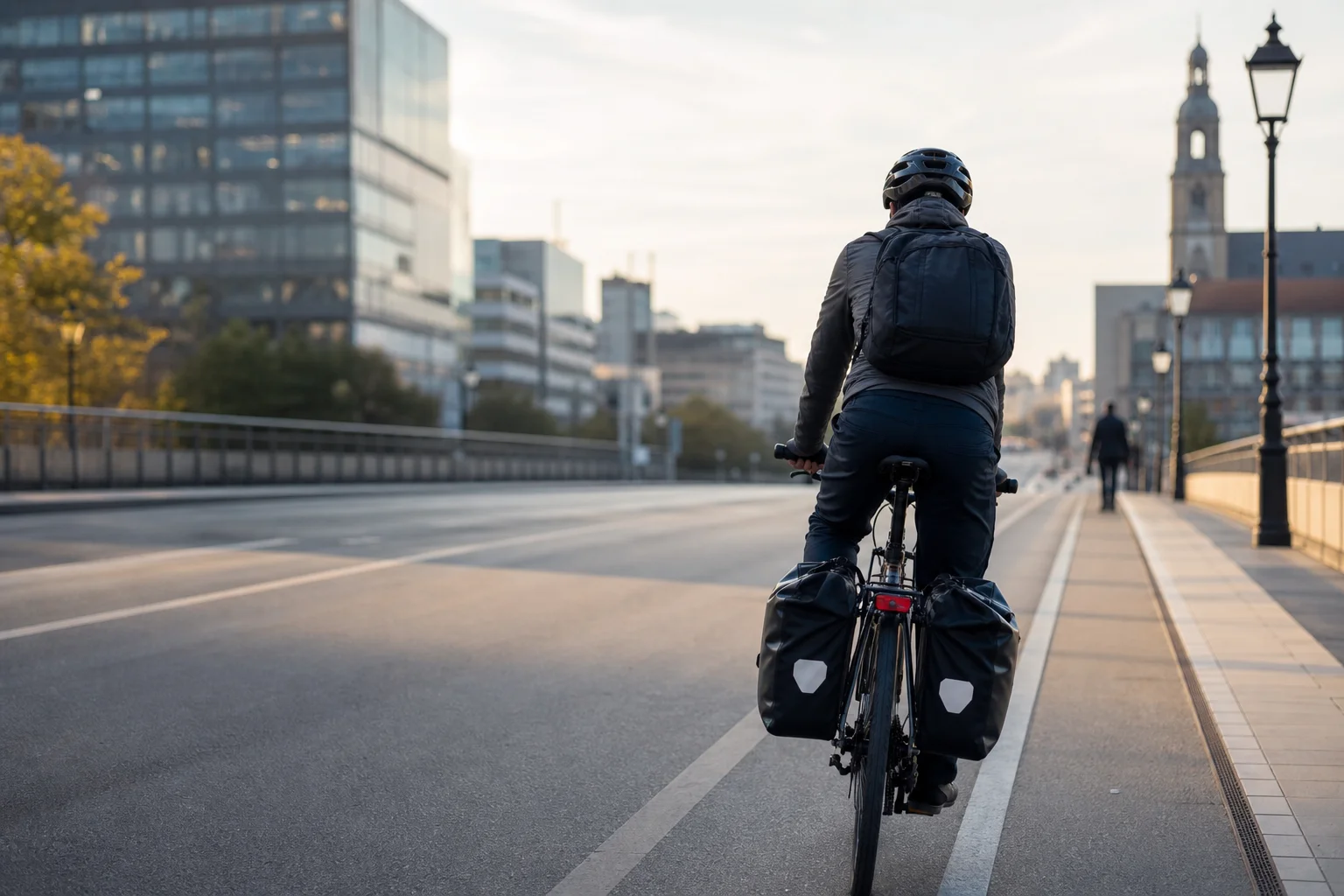
Ultimately, the right pannier balances your use case, budget, and priorities. If you commute occasionally and want low cost, budget panniers with a waterproof cover work well. If you tour regularly or commute daily in wet climates, waterproof construction and adjustable attachment systems justify the premium price. Consider what features matter most to you, and choose accordingly.
Conclusion
Selecting panniers is a personal decision based on your riding style, climate, budget, and long-term plans. By evaluating use case, material durability, capacity, attachment systems, and warranty support, you can find panniers that will serve you reliably for years to come.
Product link
View more details for Ibera PakRak
This product is mentioned in the review. Check the specifications, options, and compatibility before buying.
View more details for Ibera PakRakFurther reading
Related Reviews
Automotive Accessories
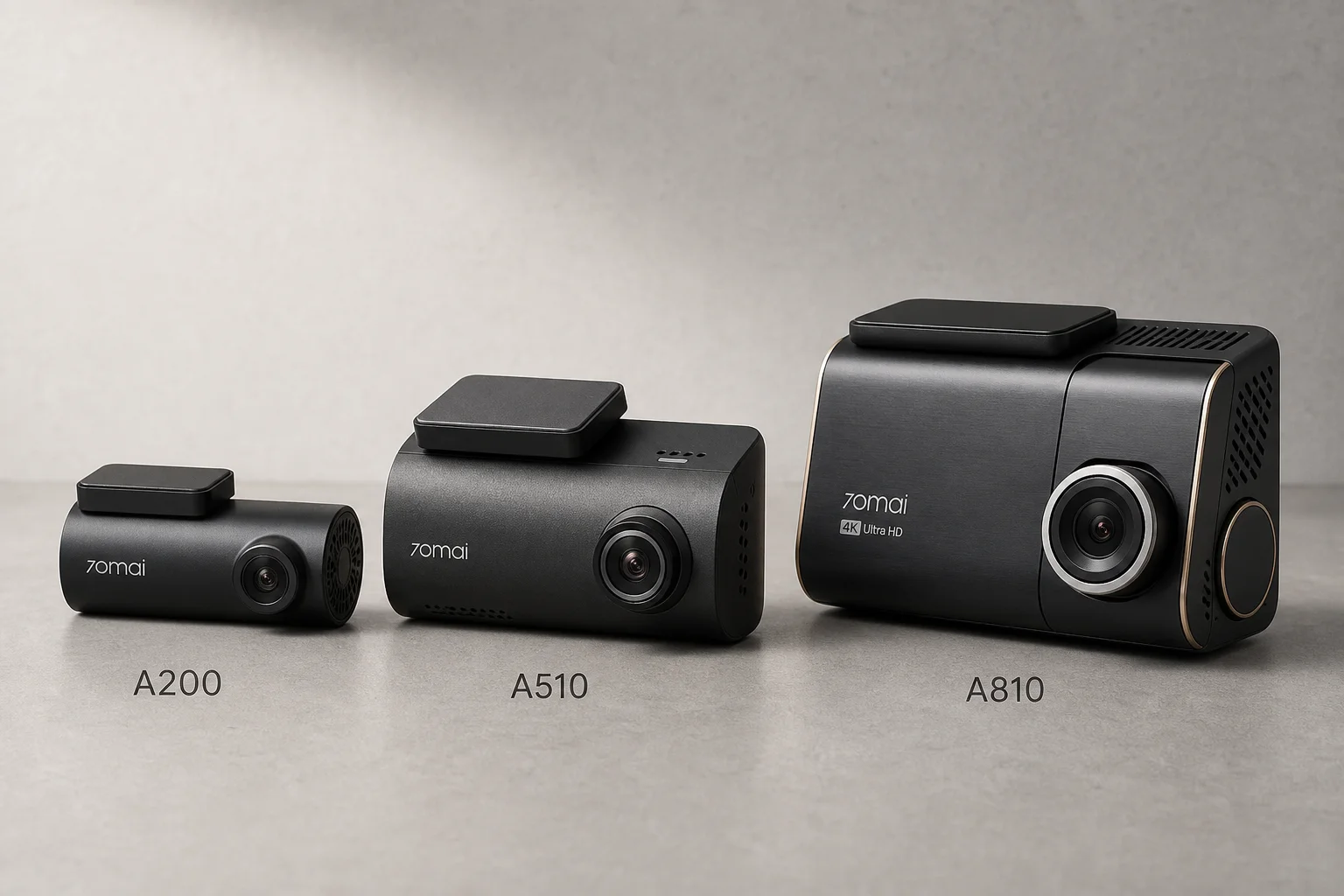
70mai Dash Cam Comparison: A200 vs A510 vs A810
Three dash cameras from 70mai across different price points reveal how resolution and sensor quality impact real-world footage clarity, especially for number plate visibility and low-light performance.
Cycling Power Meters
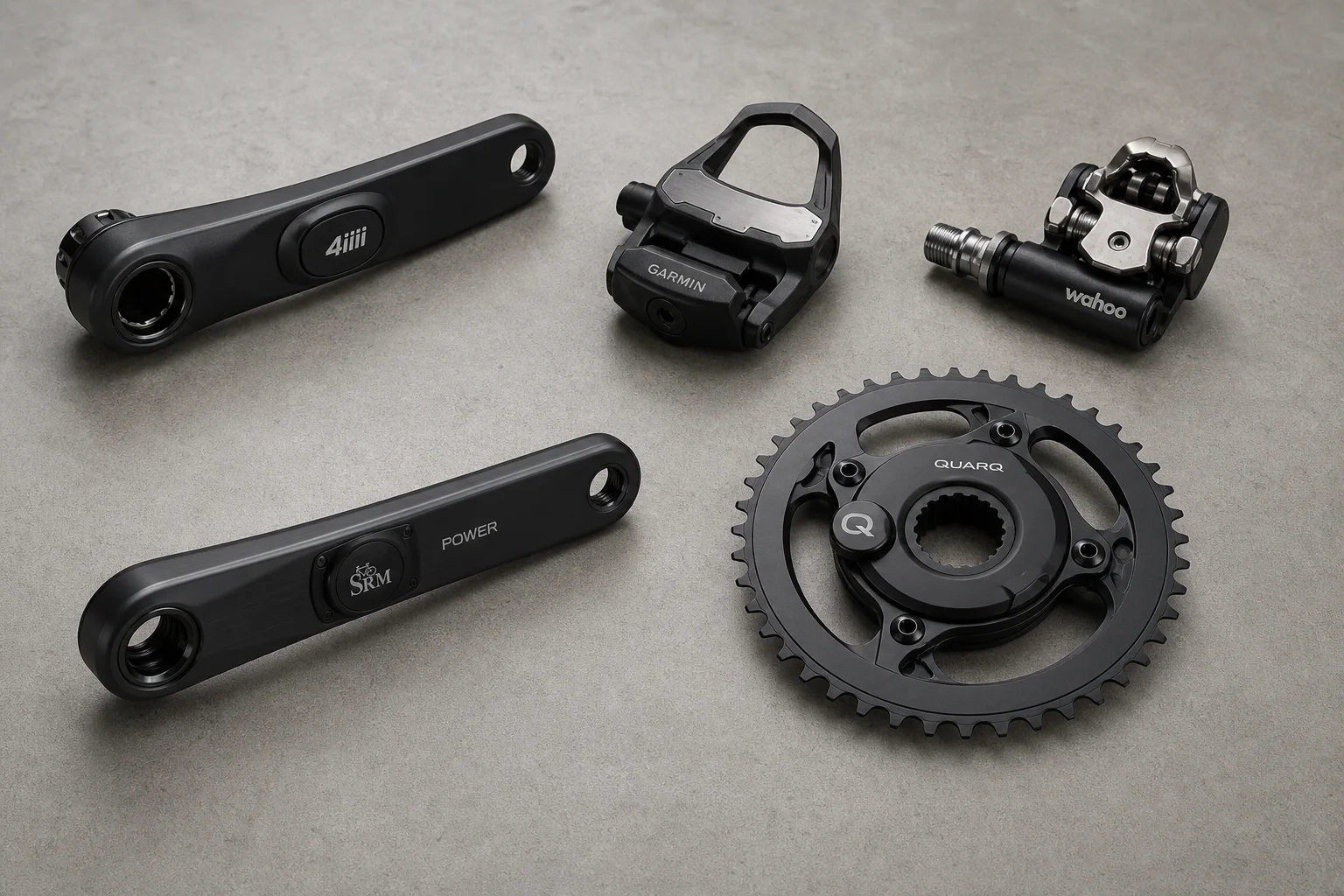
Five Affordable Power Meters for Road and Off-Road Cycling
Five practical power meter options under $500 that deliver reliable power measurement without breaking the budget.
Coffee Gear
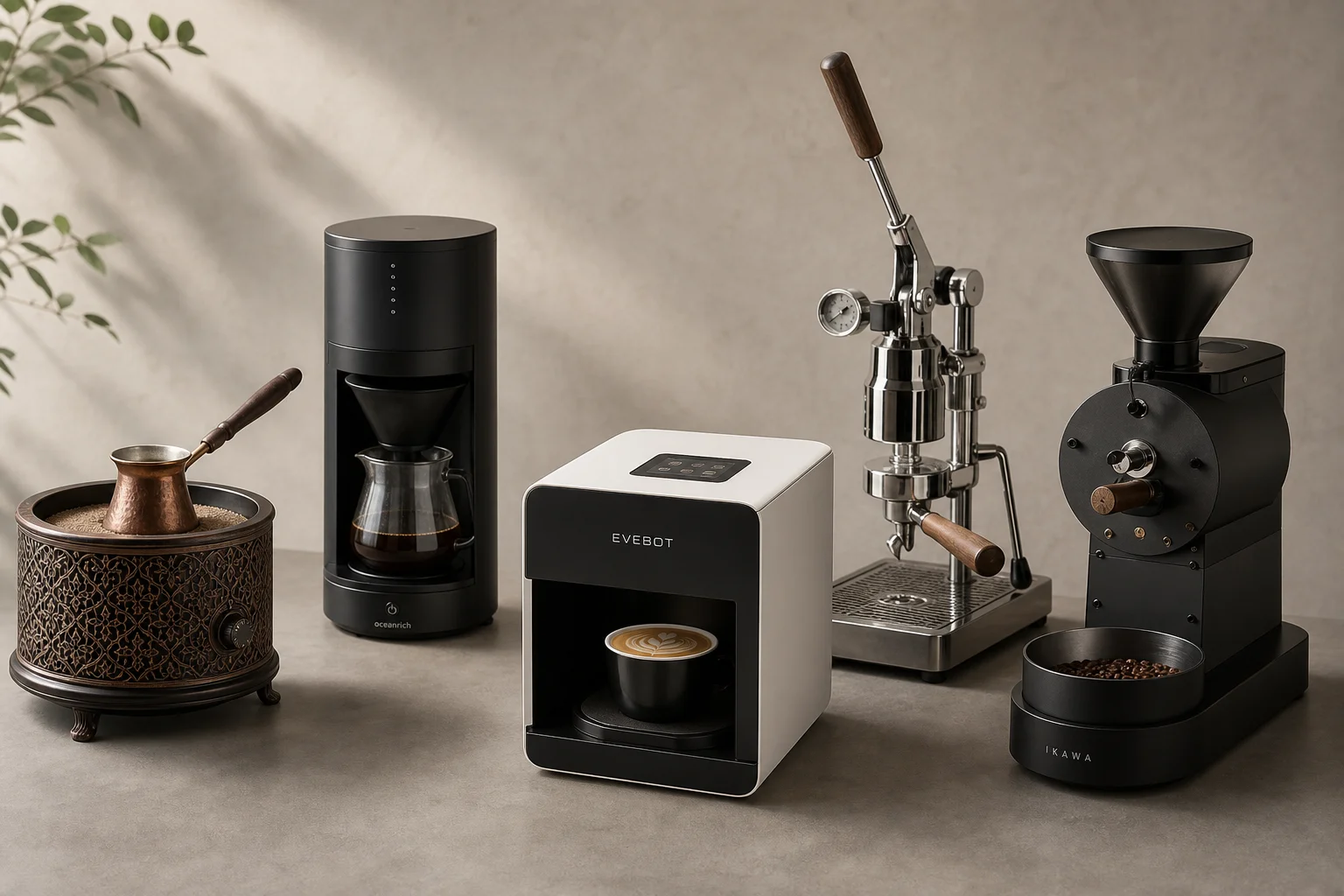
AliExpress Coffee Gear Review: Five Products Worth Testing
A practical look at five coffee tools from AliExpress, including a sand heater, automatic brewer, latte art printer, espresso machines, and home roaster.