Hiking Gear
Hiking Shoes vs Hiking Boots: Which Should You Choose?
A practical comparison of hiking shoes and boots for day hiking, covering ankle support, waterproofing, breathability, and which option works best for beginners.
Introduction
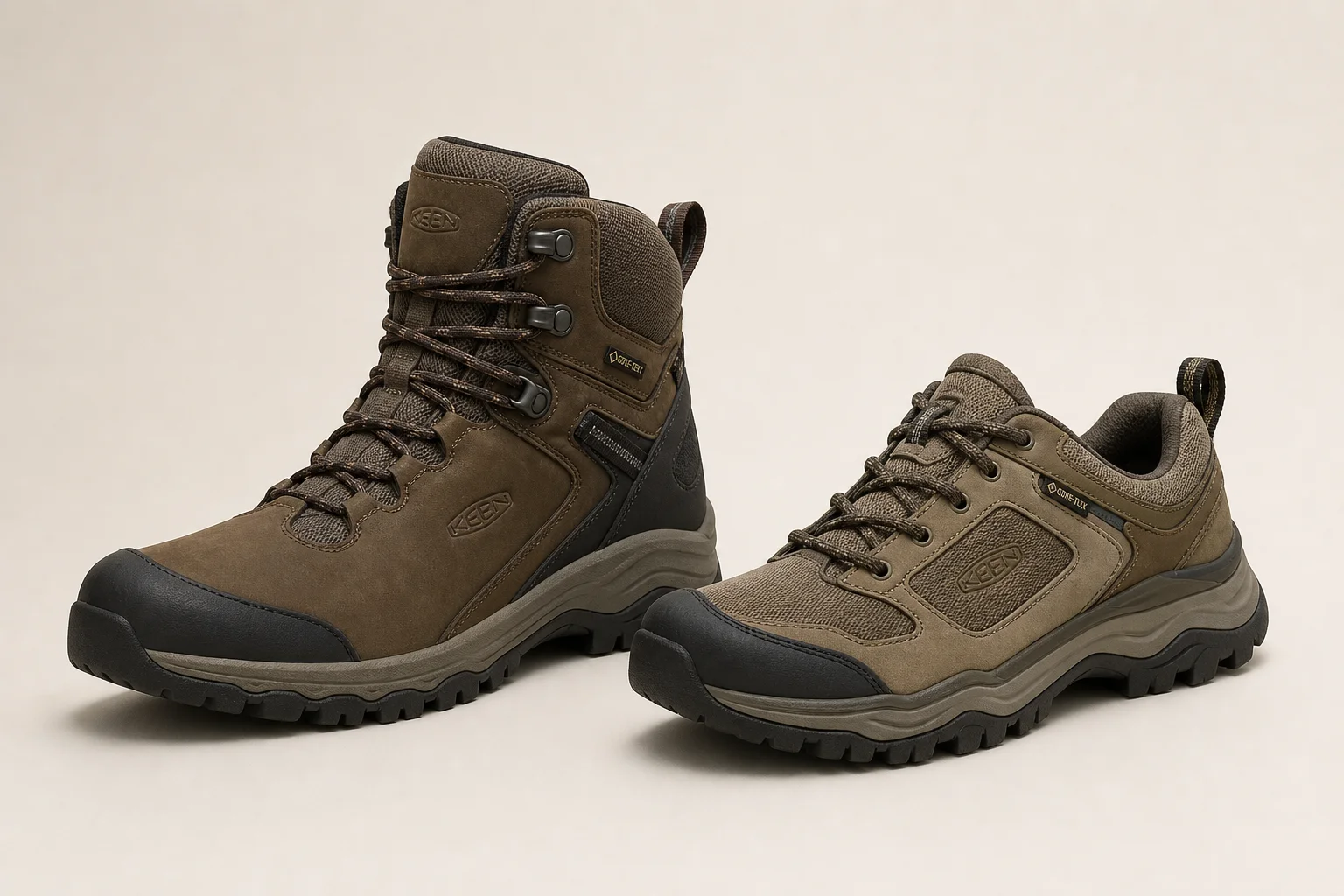
The choice between hiking shoes and hiking boots matters more than many people realize, especially when you are starting out. Both have clear strengths and trade-offs that affect comfort, safety, and how often you will actually want to use them. Understanding these differences helps you pick the right footwear for your hiking style and the conditions you expect to encounter.
Understanding Hiking Boots
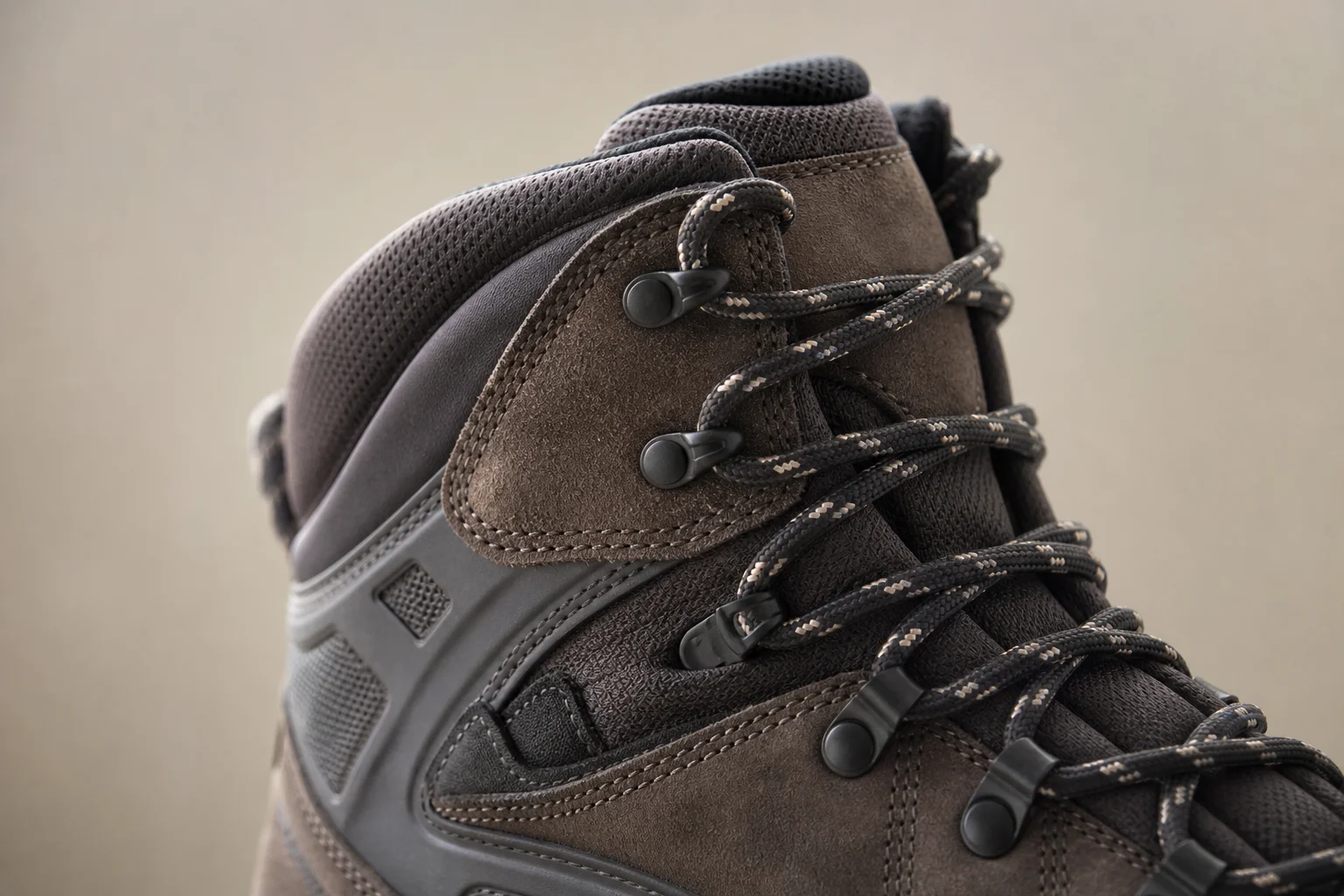
Hiking boots offer higher ankle coverage with extended lacing that wraps around the ankle area. This design provides meaningful ankle support on uneven terrain, reducing the risk of rolling an ankle when stepping on rocks or roots. The extra material also creates natural advantages for layering and waterproofing.
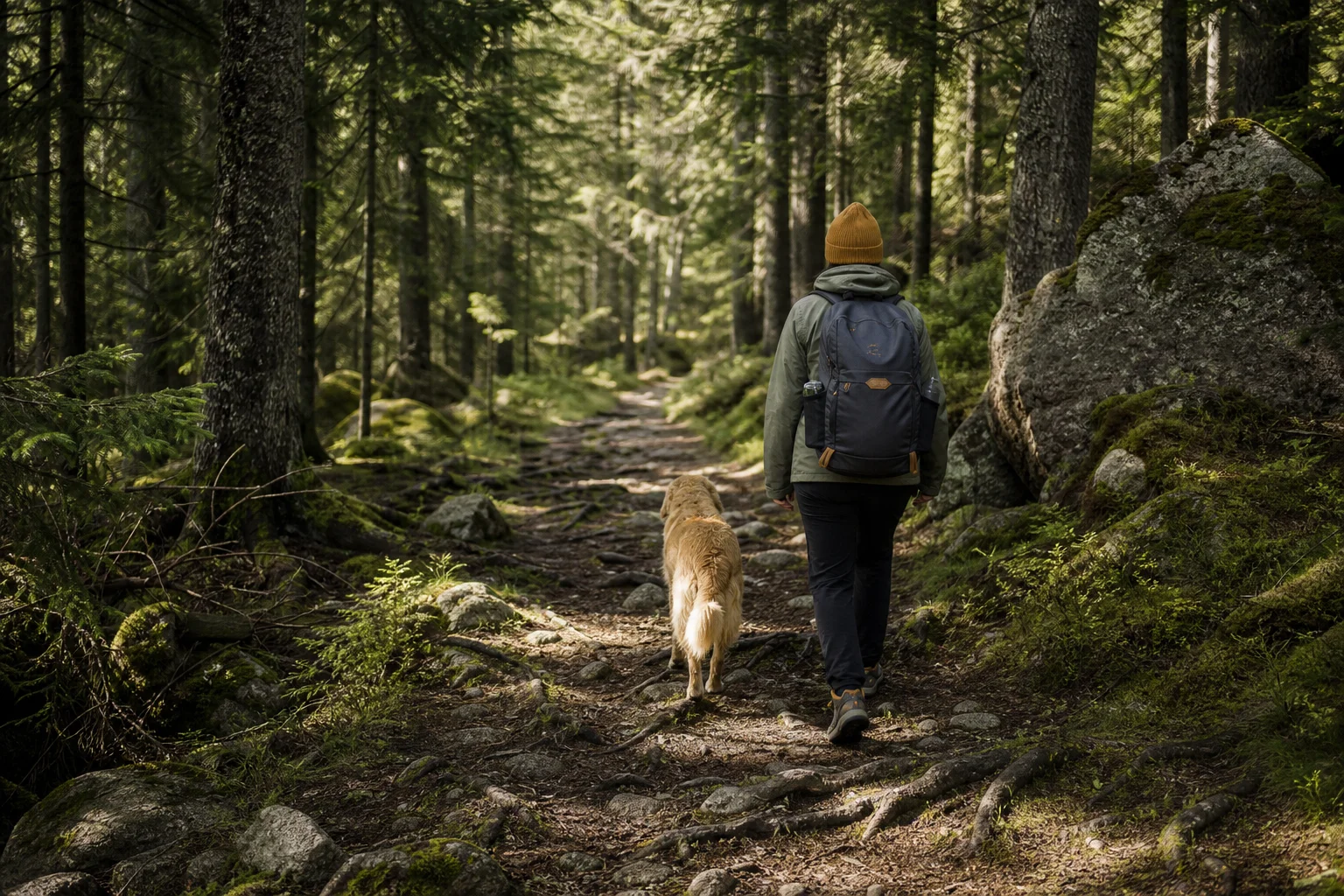
More material around the ankle means you can pair boots with gaiters or layer them with pants, increasing versatility across different seasons and conditions. The height of the boot also keeps the opening further from the ground, which reduces the chance of water splashing or seeping into your shoe during stream crossings or wet conditions.
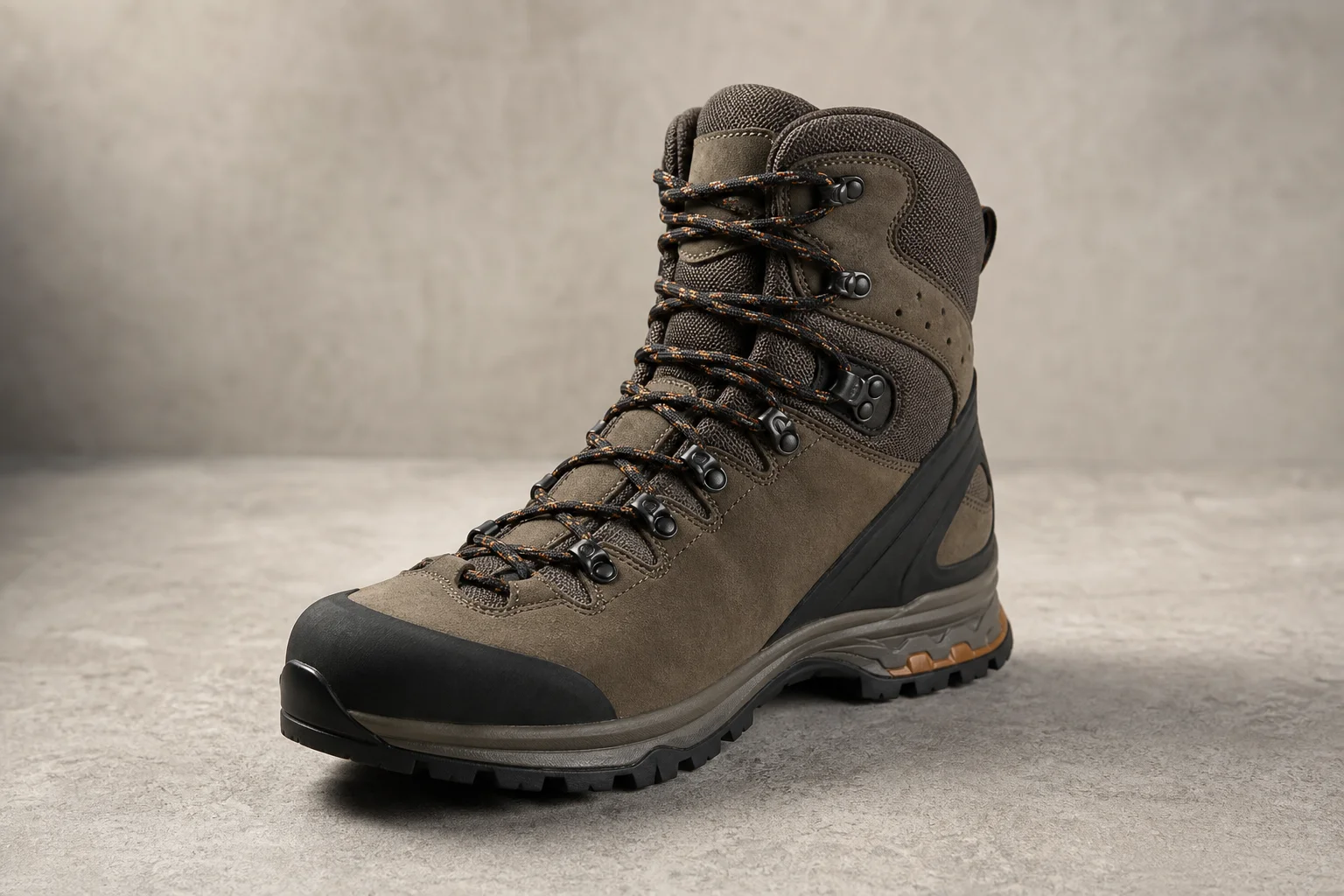
Understanding Hiking Shoes
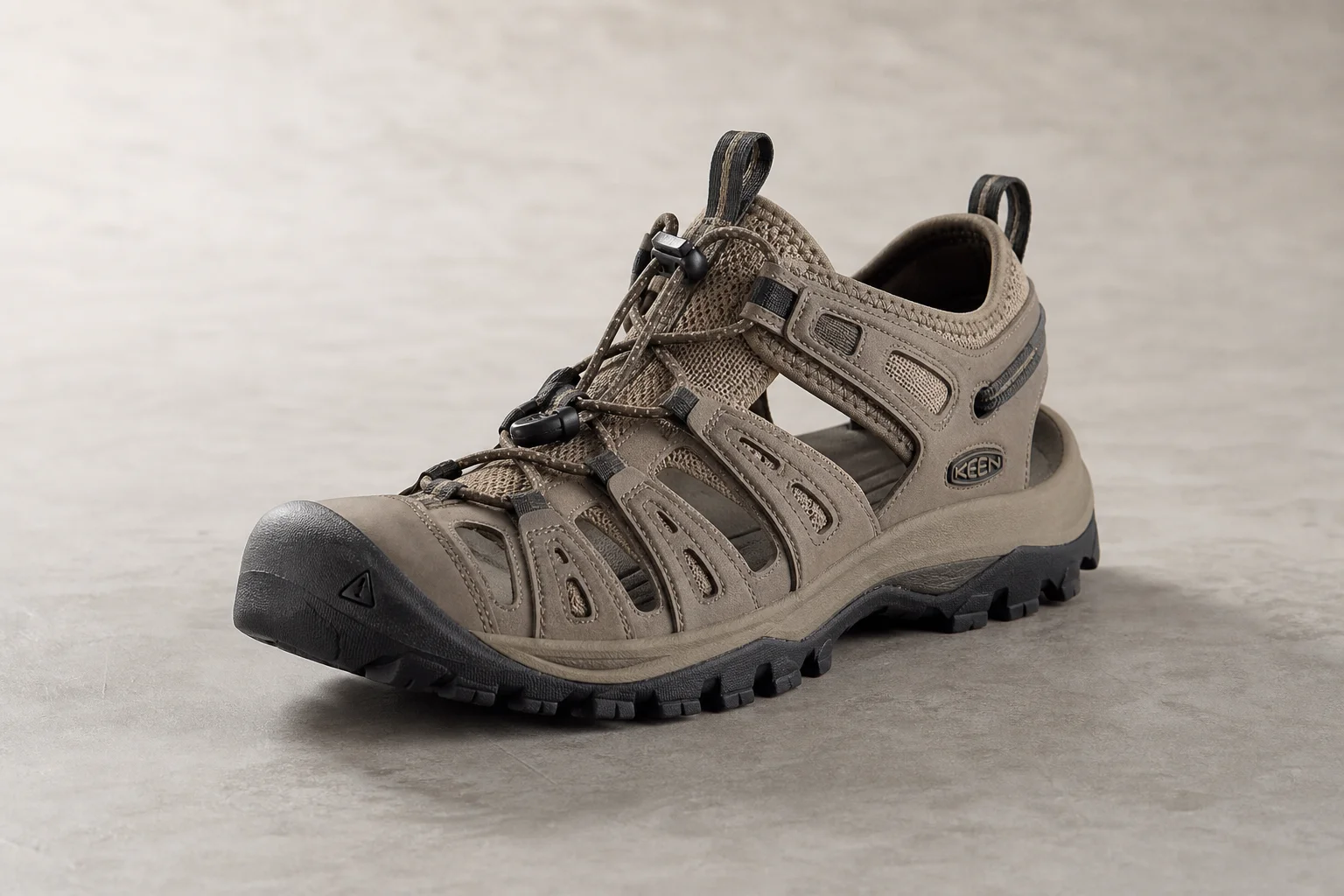
Hiking shoes sit lower on the ankle with minimal material coverage, resembling casual sneakers with added grip and support. This design prioritizes freedom of movement and breathability, making them comfortable on warmer days when your feet need to stay cool.
The trade-off is reduced ankle support. If you are concerned about ankle stability or have a history of rolling your ankles, hiking shoes may not provide the security you need. However, for day hikes on well-maintained trails, many hikers find the improved comfort and cooler foot temperature worth the reduced support.
Waterproofing Trade-offs
Most hiking boots and shoes come in waterproof and non-waterproof versions. Waterproofing keeps water out, which seems like an obvious benefit. However, the waterproof membrane that blocks water also traps air inside the shoe, making it significantly harder for your feet to breathe.
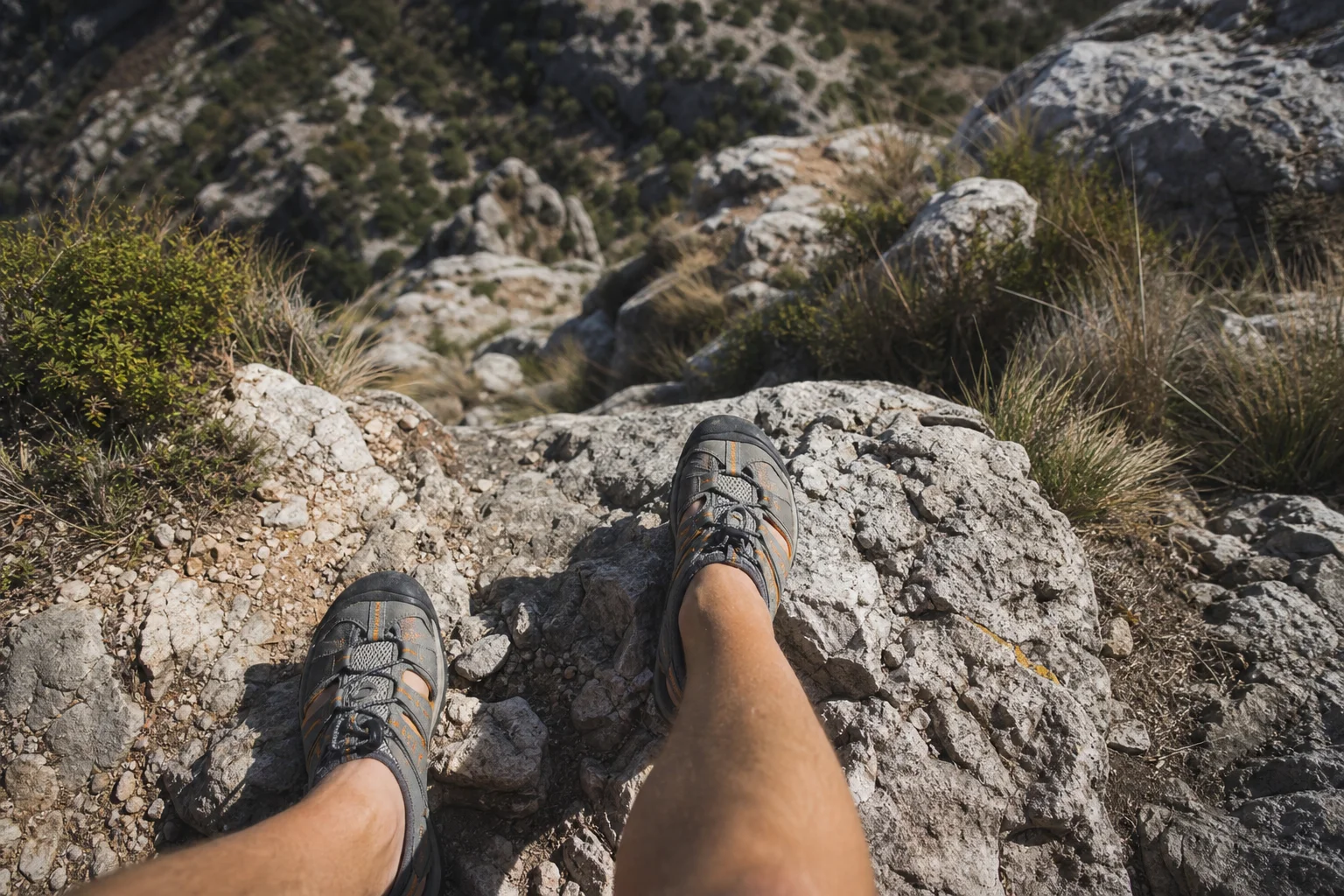
In temperatures above 50 degrees Fahrenheit, waterproof footwear often causes feet to overheat and sweat excessively. Non-waterproof options allow better airflow and keep feet cooler during warm-weather hikes. The choice depends on your climate and the seasons when you plan to hike most often.
Getting Started: Recommendations for Beginners
If you are new to hiking and can only choose one type of footwear, a non-waterproof hiking boot is the most practical starting point. Boots provide the ankle support that beginners benefit from most, especially on uneven terrain. Starting with non-waterproof boots also encourages you to plan hikes during fair weather, which makes your first experiences more enjoyable and less likely to end in wet, uncomfortable feet.
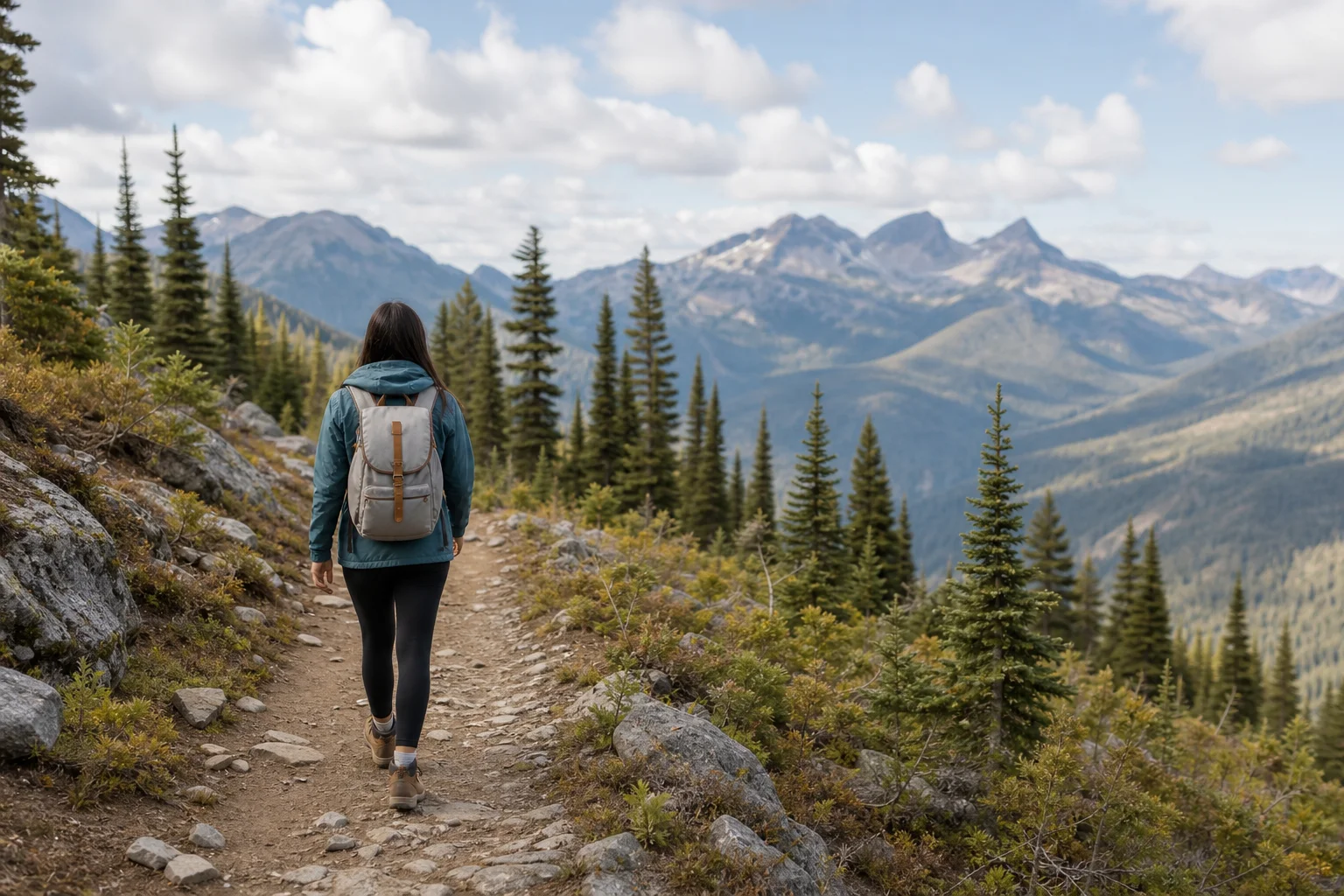
Non-waterproof options are typically less expensive than their waterproof counterparts, which helps keep costs down when trying a new hobby. As you gain experience and understand your own hiking preferences, you can add a second pair of shoes or boots that matches your specific needs, whether that is a lightweight shoe for warm days or a waterproof boot for wet seasons.
Conclusion
Both hiking shoes and boots have legitimate uses for day hiking. Boots excel at providing ankle support and versatility across different conditions and seasons. Shoes offer comfort and breathability for warm-weather hikes on established trails. The best choice depends on your terrain, climate, ankle stability concerns, and how often you plan to hike. Starting with a non-waterproof boot gives beginners the support and confidence to explore safely while keeping costs reasonable.
Further reading
Related Reviews
Hiking Gear
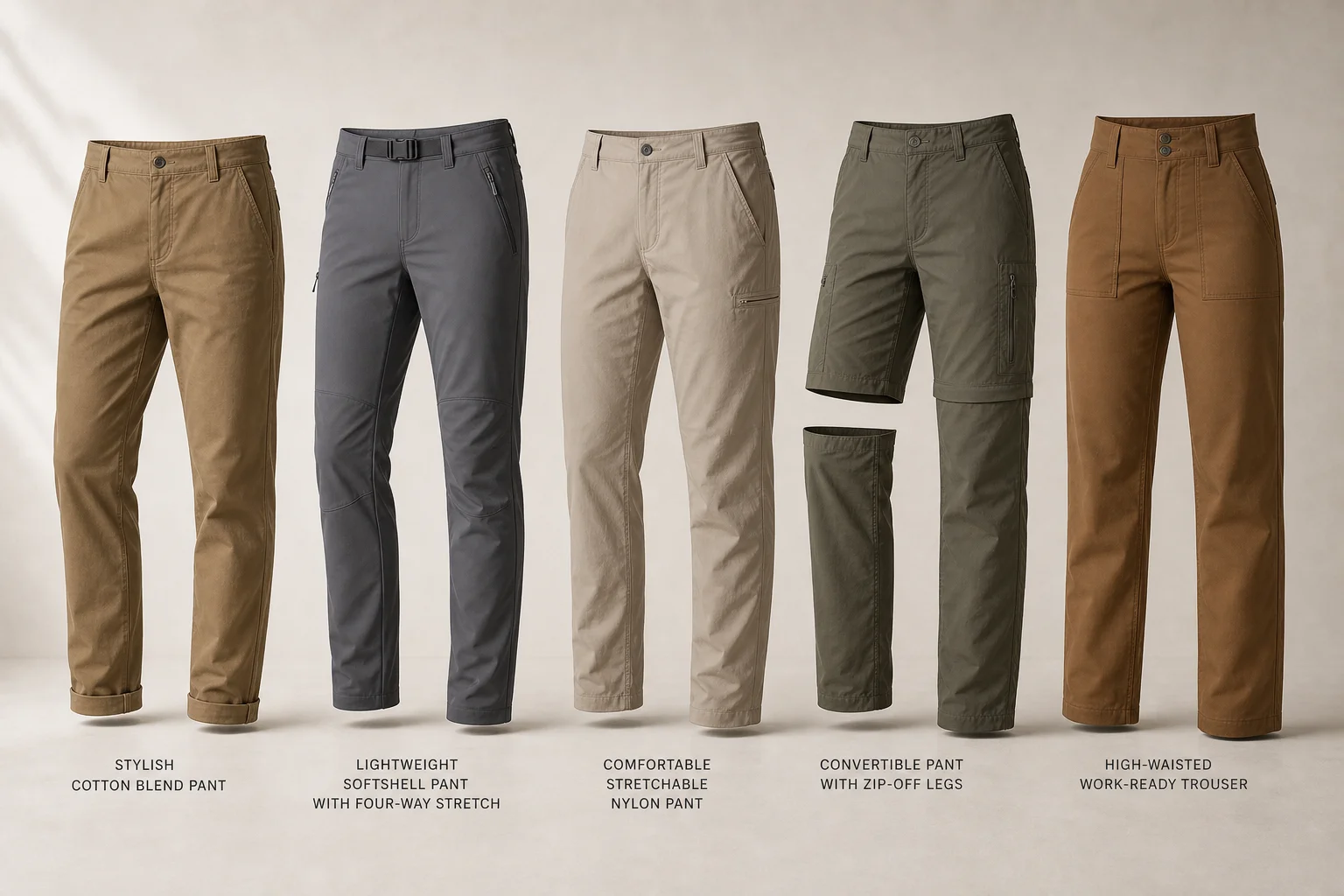
Best Hiking Pants on Amazon: Five Practical Options for Different Needs
A practical review of five hiking pants with clear strengths and trade-offs, from lightweight convertible styles to durable work-ready trousers.
Hiking Gear
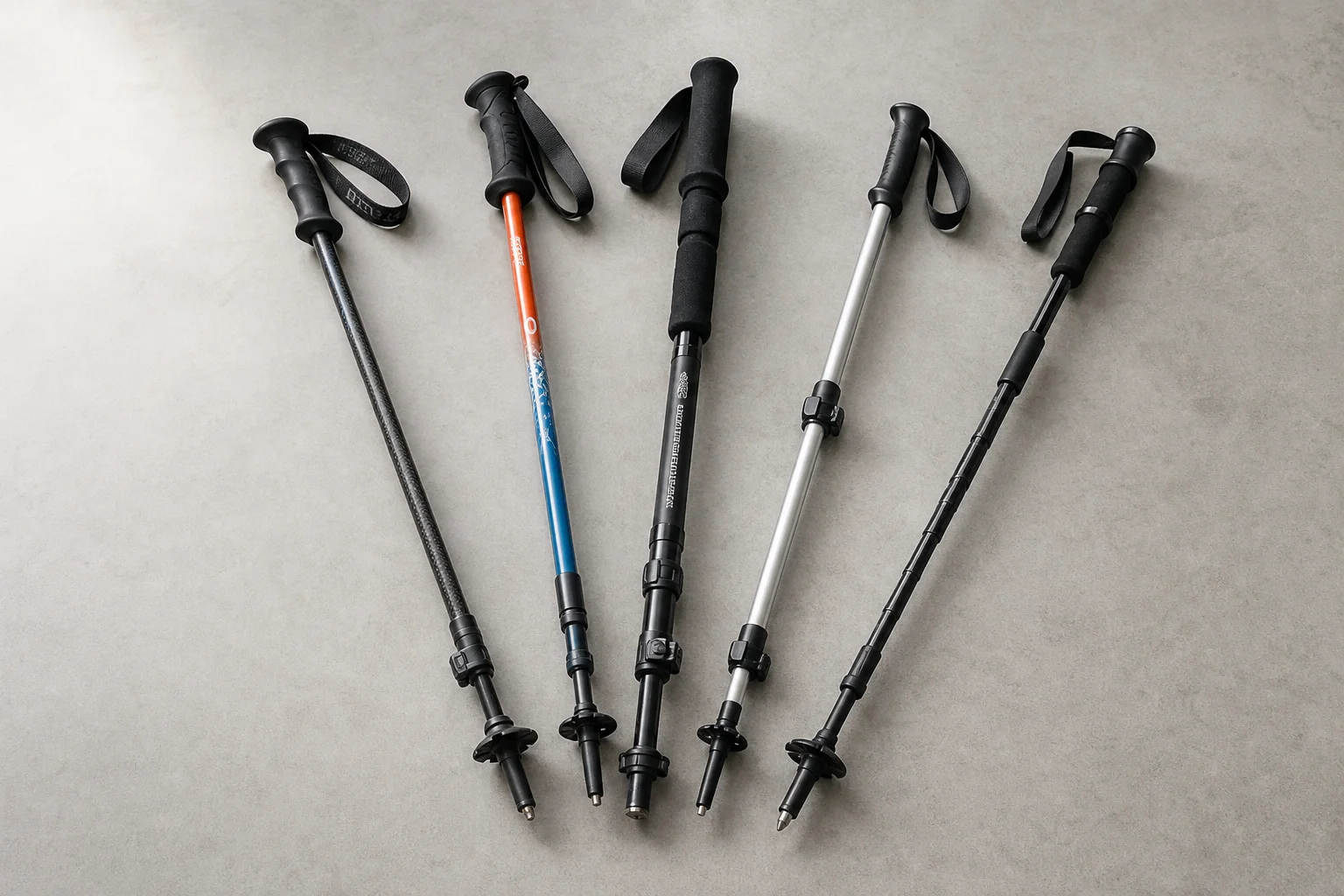
Best Hiking Poles 2026: Five Options for Different Trail Needs
A practical review of five hiking poles, from lightweight carbon designs to versatile all-terrain options, with clear strengths and trade-offs for each.
Hiking Gear
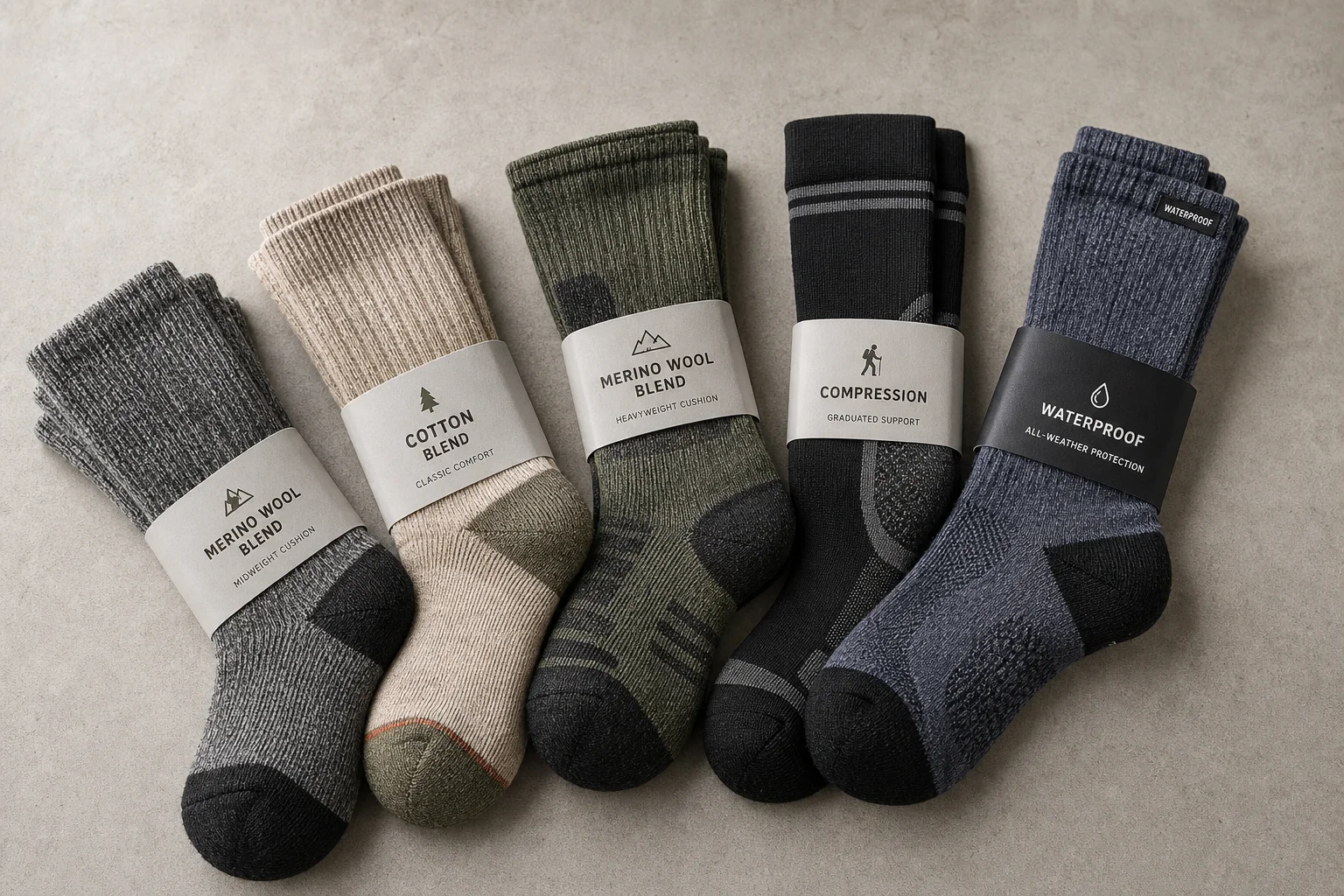
Best Hiking Socks 2026: Five Top Choices for Different Trail Needs
A practical roundup of five hiking socks, from lightweight merino options to heavy-duty compression styles, with clear guidance on which suits your outdoor activity.