Reef Tank Care
How to Eliminate Cyano Bacteria from Your Reef Tank: A Practical Two-Step Solution
Cyano bacteria outbreaks are common in reef tanks but manageable. Learn how to identify the problem, treat it effectively, and prevent recurrence with proven methods.
Introduction
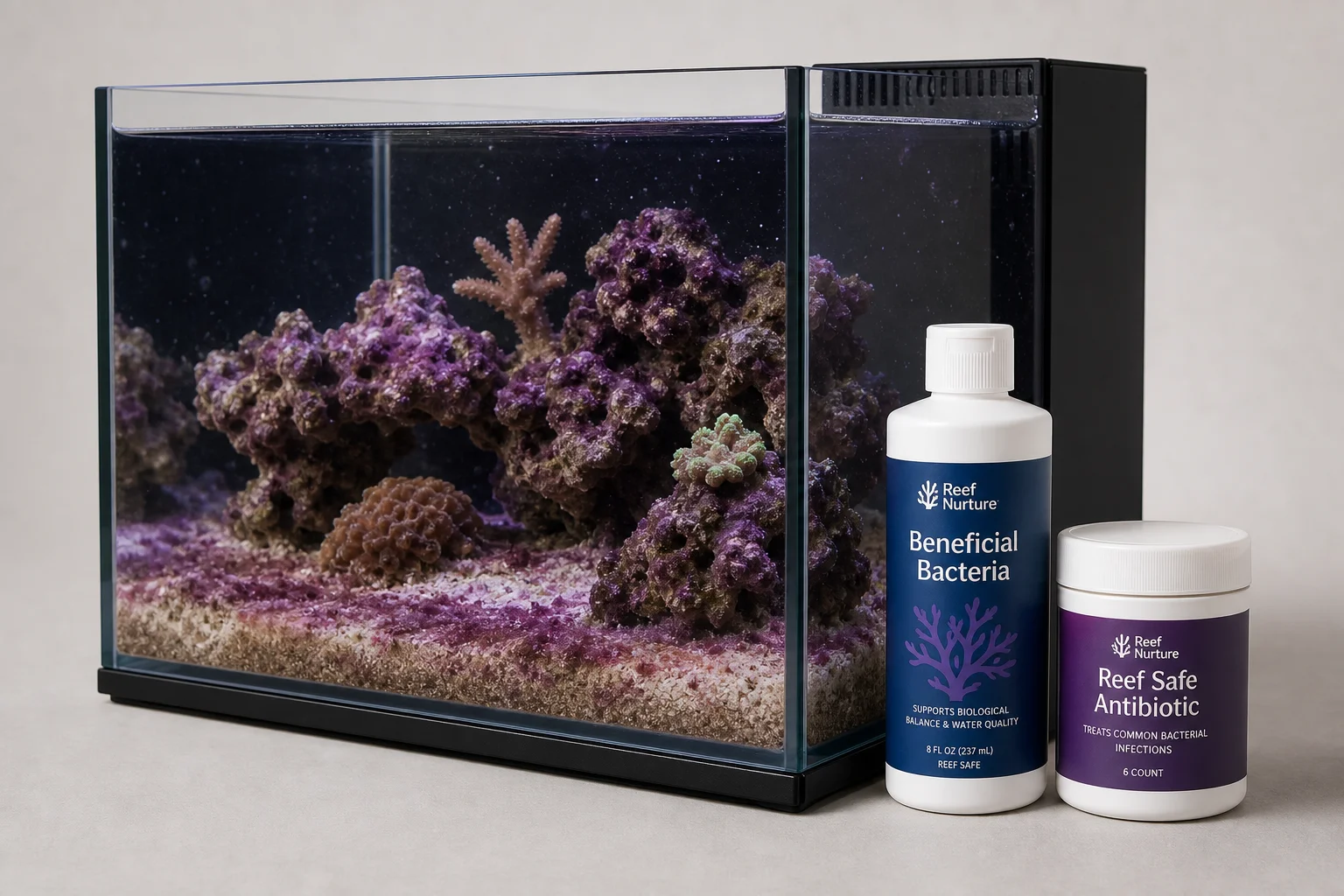
Cyano bacteria outbreaks are nearly inevitable in reef tanks, but they are far easier to eliminate than many hobbyists believe. Whether it appears as a small purple patch or spreads across your entire tank, a straightforward two-step approach combined with daily maintenance will resolve the problem within weeks to a couple of months.
What Is Cyano Bacteria and Why It Matters
Despite its appearance, cyano bacteria is not algae but rather a photosynthetic aquatic bacterium. In nature, cyano blooms appear in warm, stagnant water during summer months, often accompanied by warning signs at lakes and beaches. In reef tanks, cyano typically displays purple, green, or reddish coloration, though purple is most common.
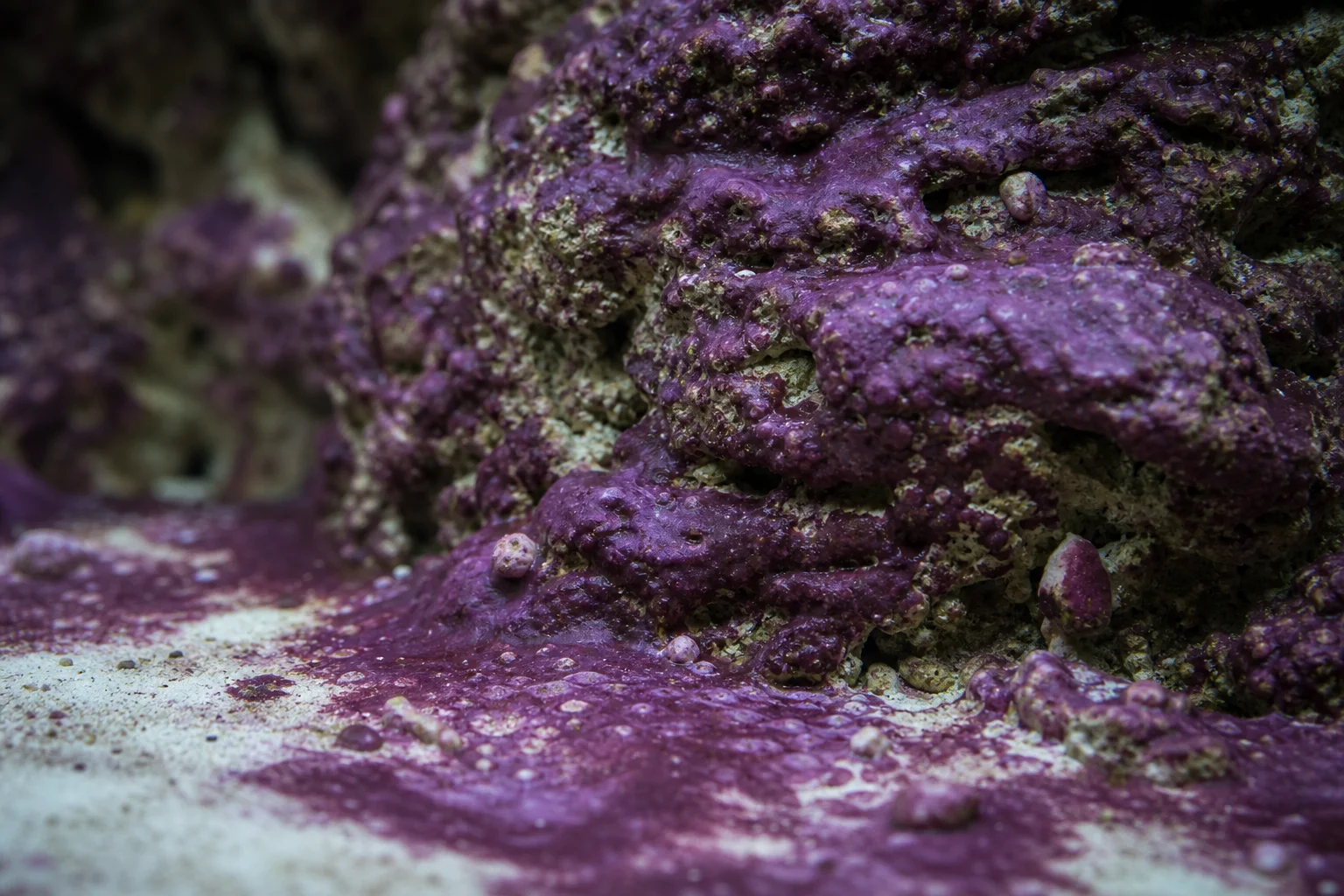
While cyano bacteria poses no direct danger to you or your livestock, it can harm your tank’s ecosystem. If cyano covers photosynthetic corals, it starves them of light and nutrients, potentially causing tissue damage or death. Identifying cyano early makes treatment significantly easier.
Identifying Cyano Bacteria
Beginners often confuse cyano with diatoms or other unwanted growths. Three reliable identification markers help confirm a cyano outbreak:
Color: Purple, green, or reddish tones are typical. Purple is most common in established tanks.
Growth pattern: Cyano spreads like a mat across rocks, sand, and coral surfaces, covering everything indiscriminately. It can expand noticeably within a day or two.
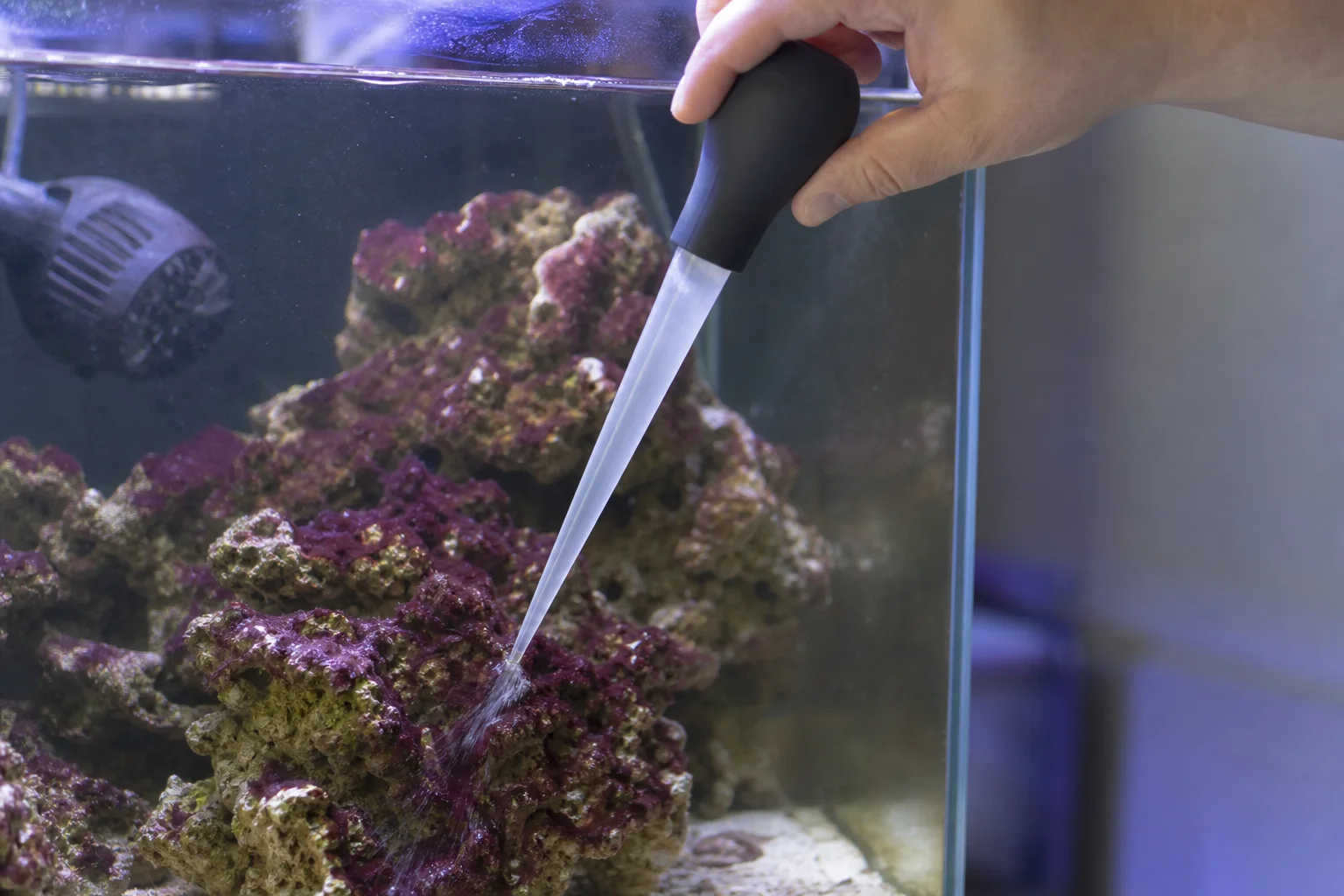
Attachment strength: Unlike algae with root systems, cyano bacteria attaches loosely. A blast from a turkey baster or powerhead dislodges it immediately, revealing the underlying surface.
What Causes Cyano Bacteria
The exact cause remains debated. Some hobbyists attribute cyano to high-nutrient systems; others blame nutrient-poor conditions. Experience shows cyano appears in both scenarios. The most reliable pattern is location: cyano almost always originates in low-flow areas of the tank where water movement is minimal and detritus accumulates.
The Two-Step Treatment Method
Treating cyano requires only two steps, both simple and repeatable.
Step One: Increase Water Flow
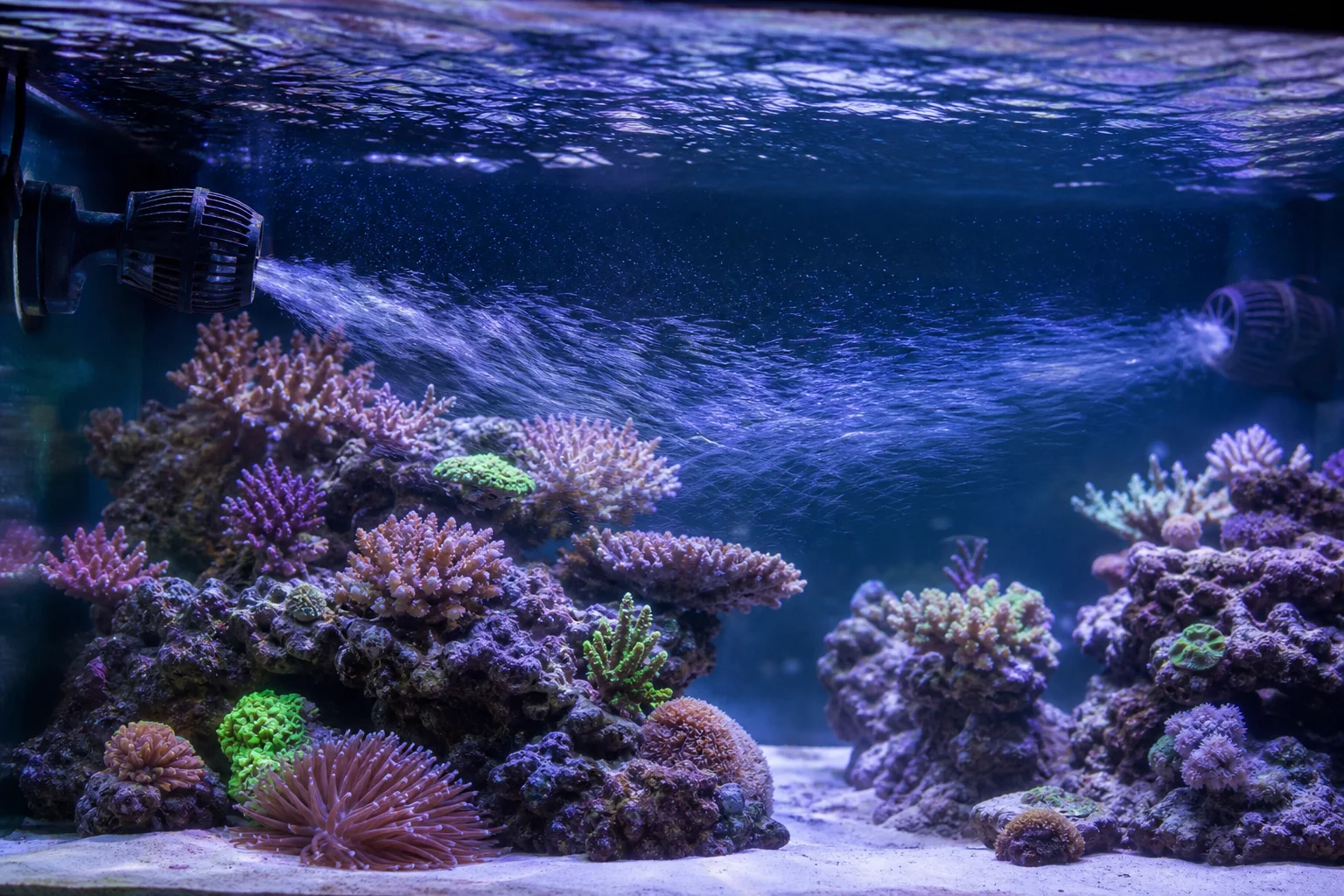
Cyano bacteria attaches so loosely that increased water movement alone eliminates most of it. The bacterium lacks the strength to hold on against strong current.
Increase flow by:
- Turning up your existing wave maker
- Repositioning your wave maker to target dead spots
- Adding a second powerhead or wave maker to eliminate stagnant zones
The goal is to eliminate dead spots as completely as possible. Once cyano loses its grip, it floats freely in the water column until mechanical filtration captures it.
Step Two: Manual Removal
After increasing flow, use a turkey baster to manually blast any remaining cyano. The newly dislodged bacteria will be sucked into your mechanical filtration system.
This two-step approach resolves approximately 95% of cyano outbreaks. However, treatment is not a one-time fix. You will need to repeat manual removal daily for several days or weeks as new cyano appears. Progress may feel slow, but persistence works.
Accelerating Your Success Rate
Two additional strategies speed up cyano elimination:
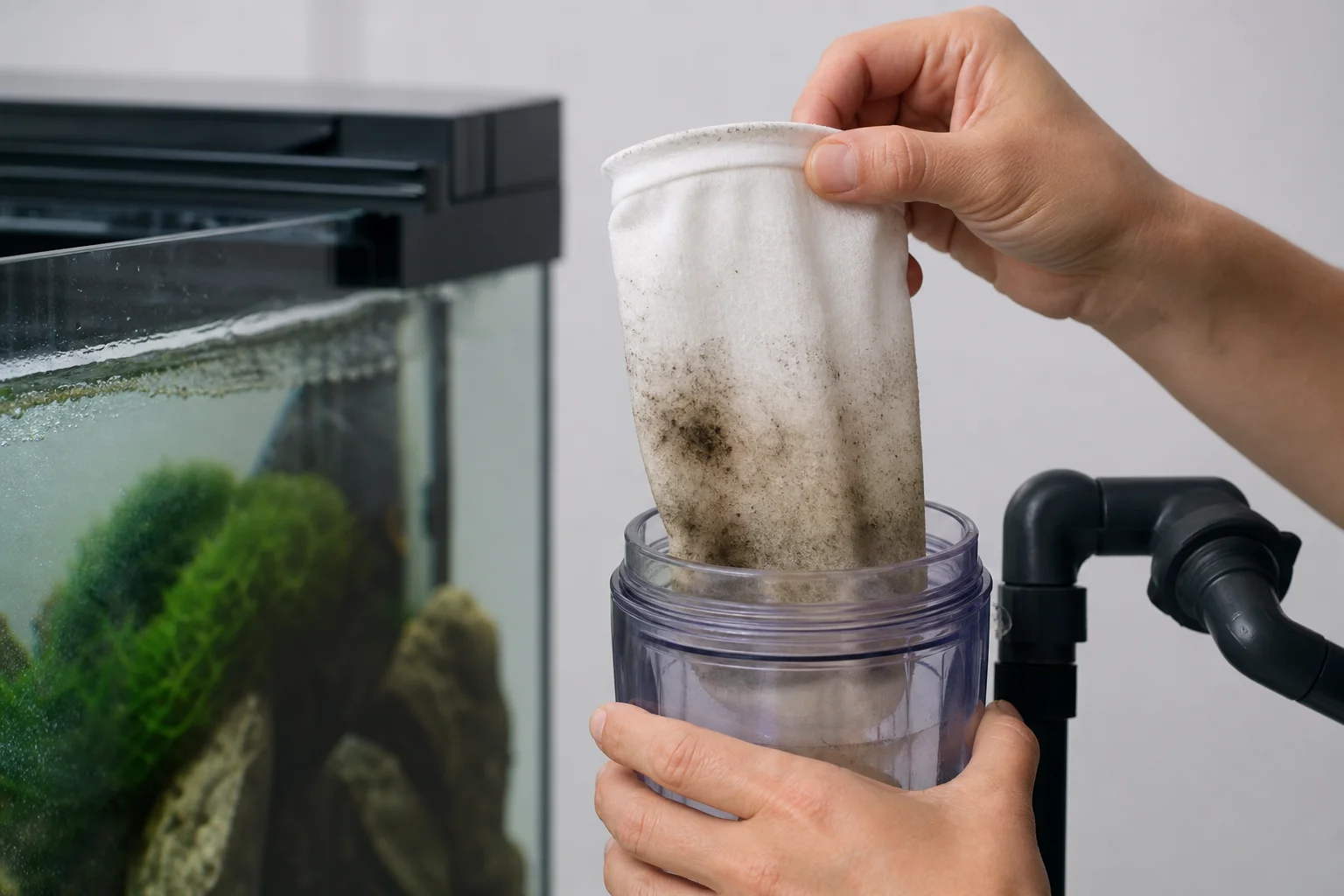
Use a 100-micron filter sock and change it daily. Fine filter socks clog quickly but capture substantial amounts of cyano bacteria. Daily replacement removes maximum cyano from your system before it can re-establish.
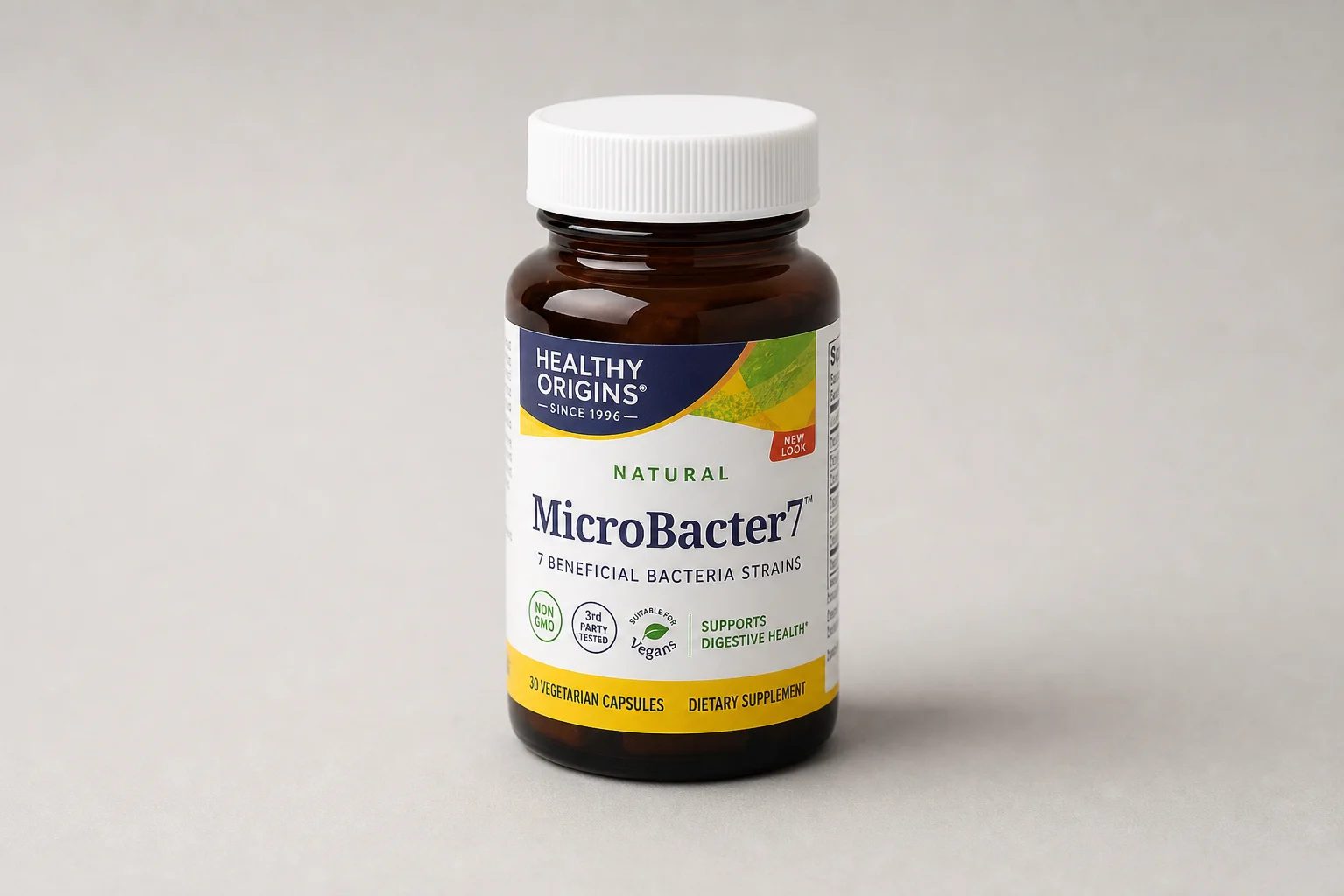
Dose daily with beneficial bacteria. Products like MicroBacter7 may help by introducing competing bacteria that outcompete cyano for space and resources in your tank. While the mechanism is not definitively proven, many hobbyists report success with this approach.
When All Else Fails
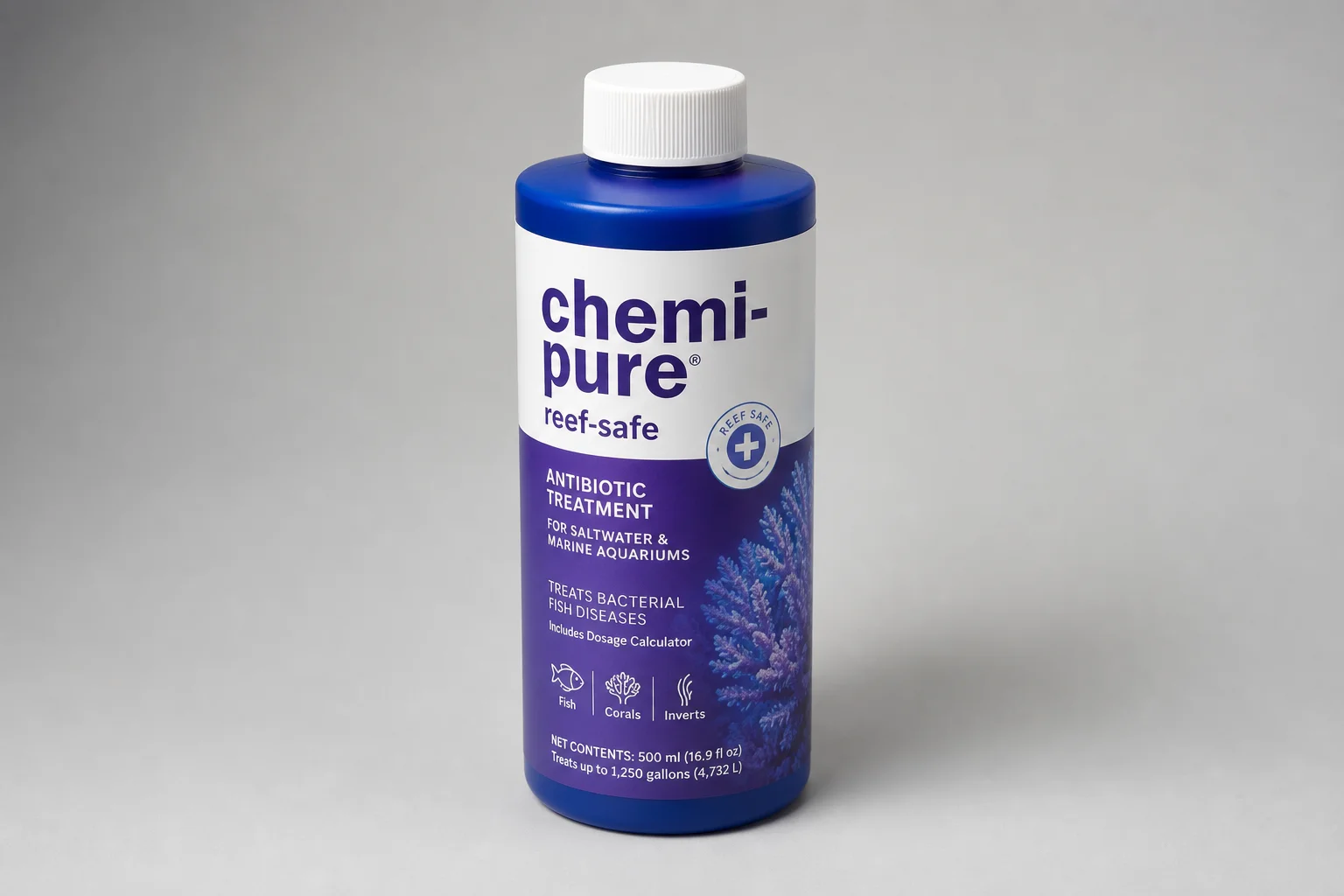
If cyano persists after three months of flow adjustment and manual removal, reef-safe antibiotics offer a reliable solution. Chemi-Pure works as a highly effective treatment that eliminates cyano bacteria within 48 hours when used according to label instructions.
Conclusion
Cyano bacteria is a common first challenge for reef hobbyists, but it is entirely manageable with consistent effort. Start by increasing flow and performing daily manual removal. Add a fine filter sock and beneficial bacteria to accelerate results. If needed, reef-safe antibiotics provide a final option. With patience and the right approach, your tank will be cyano-free and thriving.