Aquarium Equipment
Innovative Marine Helio PTC Heating System Review: A Safer Approach to Reef Tank Temperature Control
The Helio PTC introduces solid-state ceramic heating technology with self-regulating safety features, magnetic mounting, and preset operation for reef aquariums from 10 to 250 gallons.
Introduction
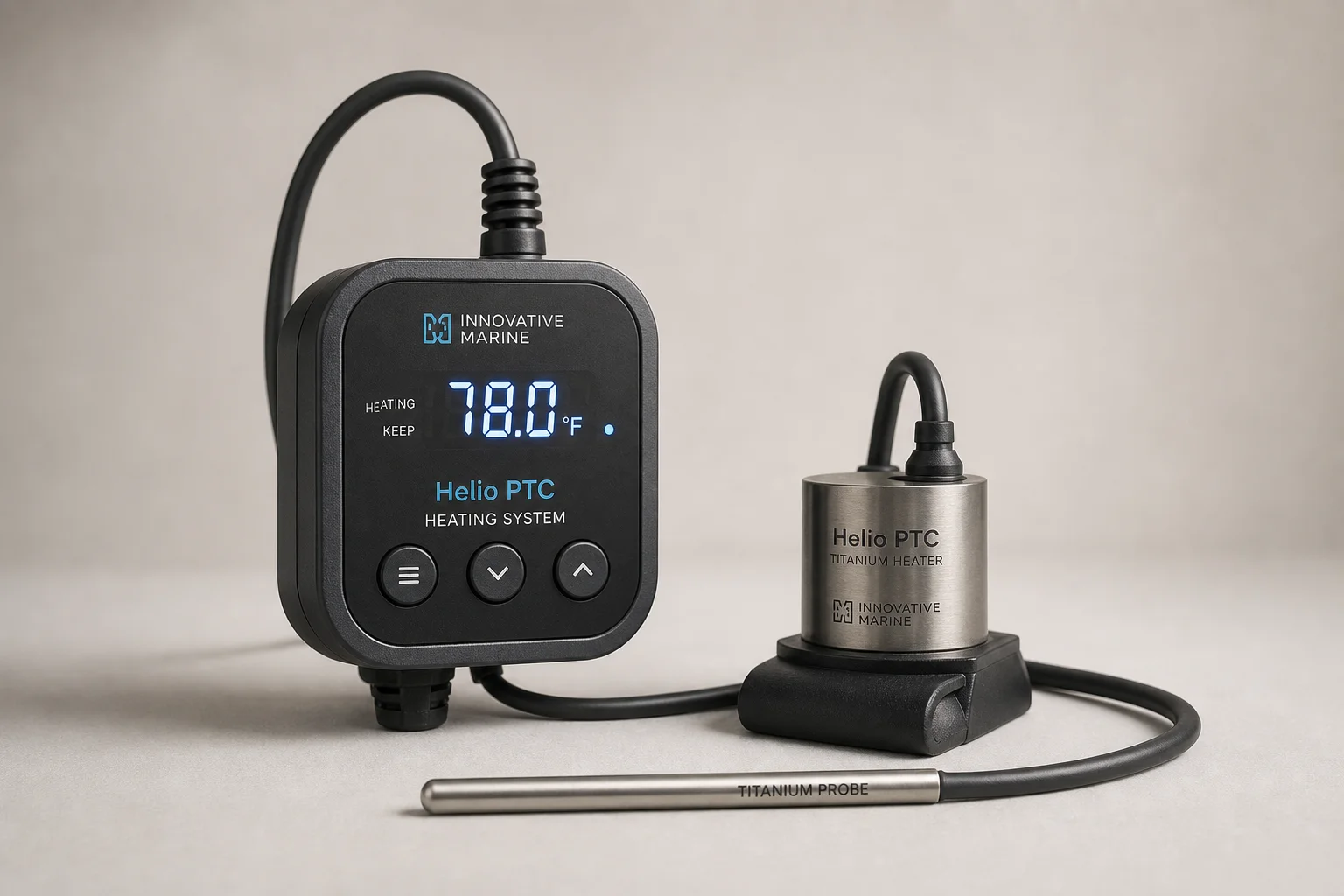
Reef tank heating has traditionally relied on resistance wire heaters paired with separate controllers to prevent catastrophic overheating. The Innovative Marine Helio PTC introduces a fundamentally different approach using solid-state ceramic heating technology that self-regulates temperature, eliminating the need for external redundancy in many setups. This system combines a compact titanium heating element, a capable digital controller, and preset operation designed for immediate use in tanks ranging from 10 to 250 gallons.
What Makes the Helio PTC Different
Traditional resistance wire heaters generate heat through electrical resistance, and if the thermostat fails in the on position, the element continues heating indefinitely, risking tank catastrophe. The Helio PTC replaces this approach with a solid-state ceramic chip that self-regulates its own temperature output.
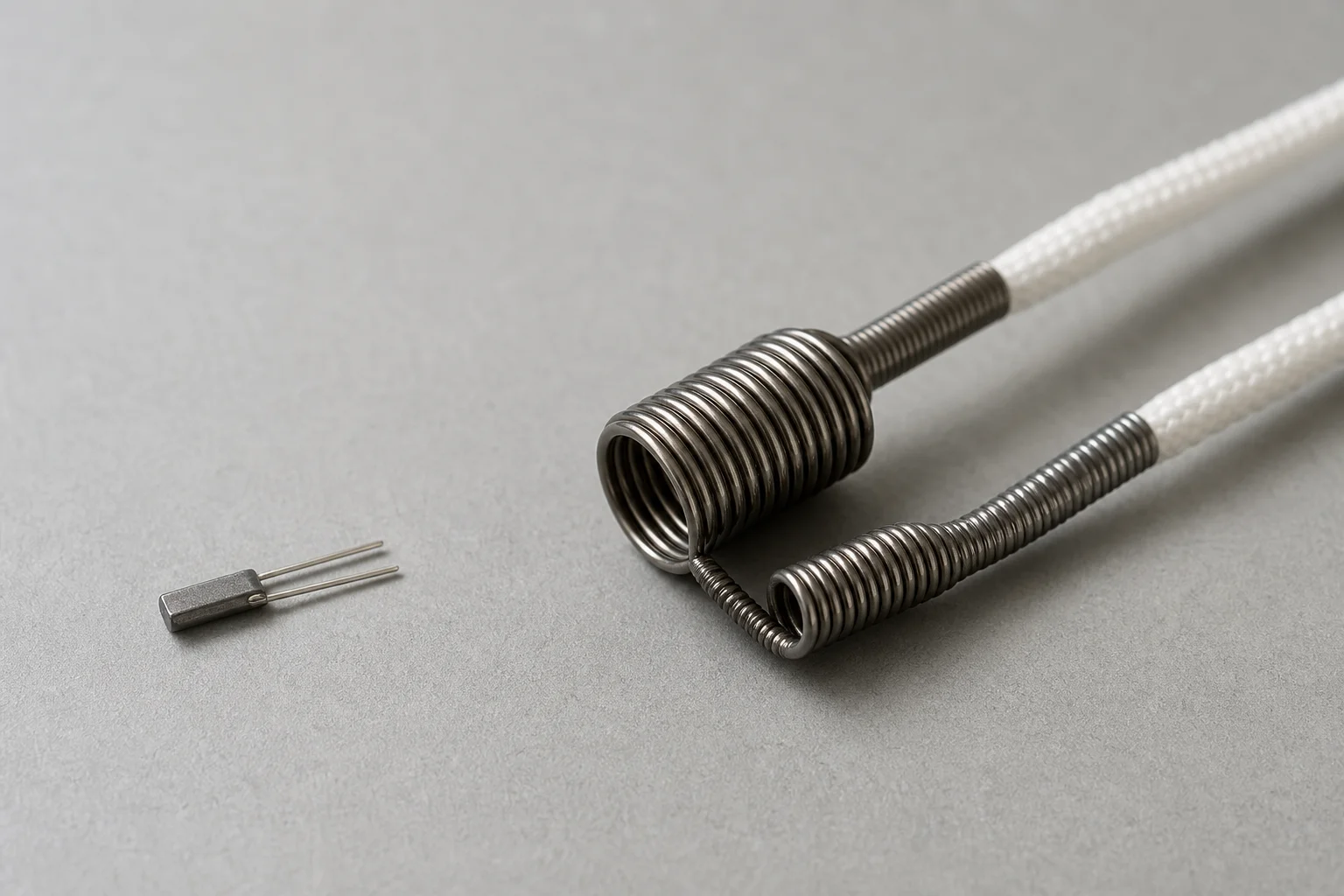
This means the heating element cannot overheat even if the thermostat fails or the sensor is removed from the water. The element will automatically limit its temperature rise, protecting both itself and the tank from dangerous temperature spikes. This is a meaningful safety improvement over conventional systems, particularly for aquarists who want to reduce their reliance on external controller redundancy.
Safety Features and Self-Regulation
The self-regulating ceramic technology is the core innovation. Unlike resistance heaters that grow hotter the longer they remain powered, the PTC element reaches a stable temperature and maintains it automatically. This eliminates the scenario where a stuck thermostat or sensor malfunction causes runaway heating.
The controller itself includes preset alarms set to 74 degrees Fahrenheit (low) and 80 degrees Fahrenheit (high), with both audible and visual alerts. The system comes preset to 77 degrees Fahrenheit, which suits most reef tanks without adjustment. For those who need different thresholds, the controller allows full customization of temperature setpoints and alarm levels.
Installation and Setup
The Helio PTC ships with either a single or dual heating element configuration. Single-element versions are available in 100, 200, 350, and 500 watts for tanks between 10 and 125 gallons. Dual-element versions come in 200, 400, 700, and 1,000 watts for tanks between 25 and 250 gallons. The dual-element option adds a layer of redundancy, with each element capable of maintaining temperature independently if the other fails.
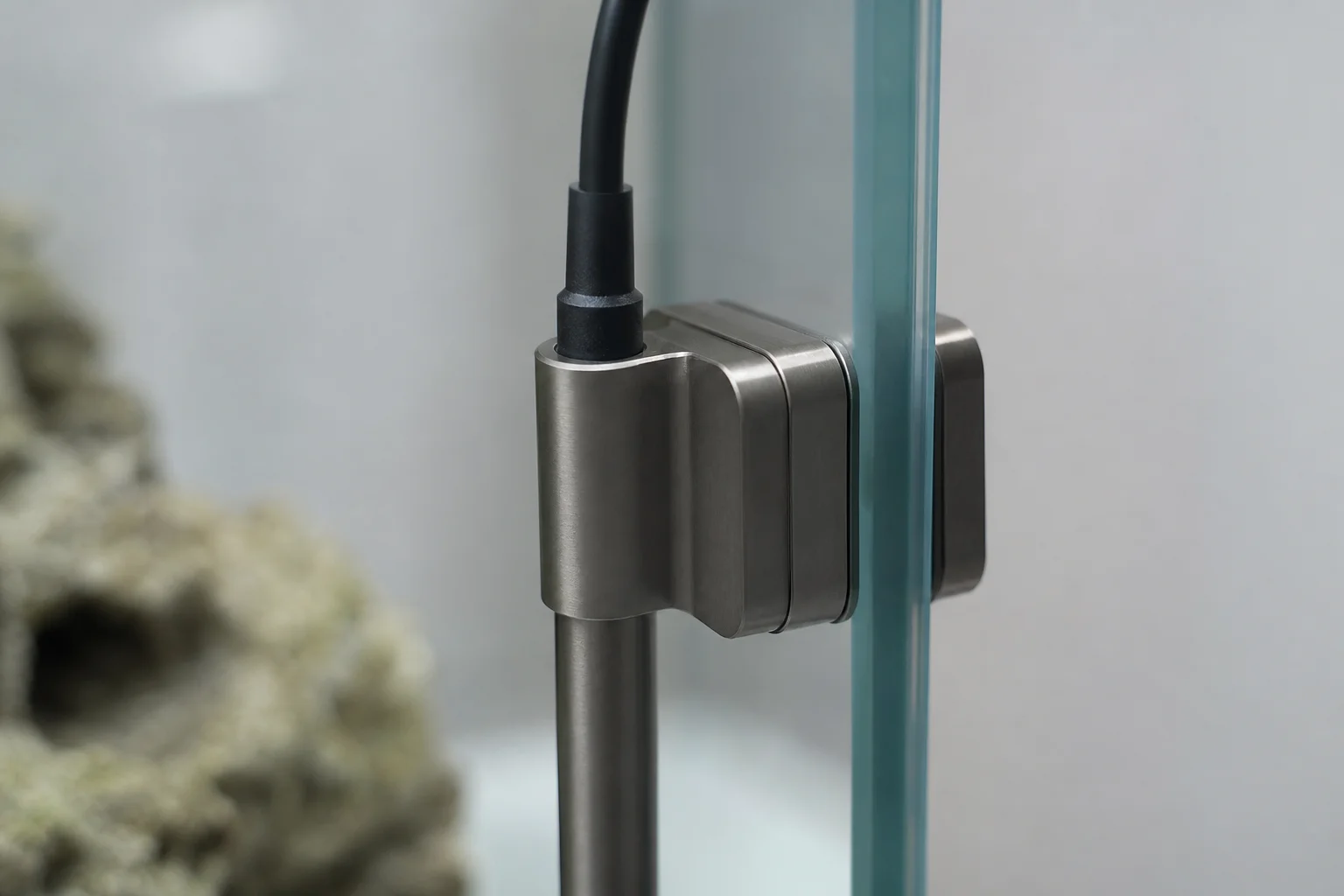
Both the heating element and temperature sensor use robust magnetic mounts rated for panels up to half an inch thick. Setup requires only connecting the controller to power, placing the temperature sensor in the tank, and securing the heating element. The preset 77-degree operation means most users can plug in and run without adjustment. The controller mounts via included double-sided velcro tape, and the comprehensive manual covers calibration and customization for those who need it.
Temperature Range and Calibration
The controller supports a temperature range from 59 to 93 degrees Fahrenheit, with alarm thresholds adjustable one degree beyond those limits. Accuracy is within plus or minus one degree Fahrenheit, with 0.1-degree resolution for fine adjustments. Periodic calibration is supported with a range of plus or minus 9 degrees Fahrenheit, and Innovative Marine recommends using a NIST-certified reference thermometer to ensure accuracy.
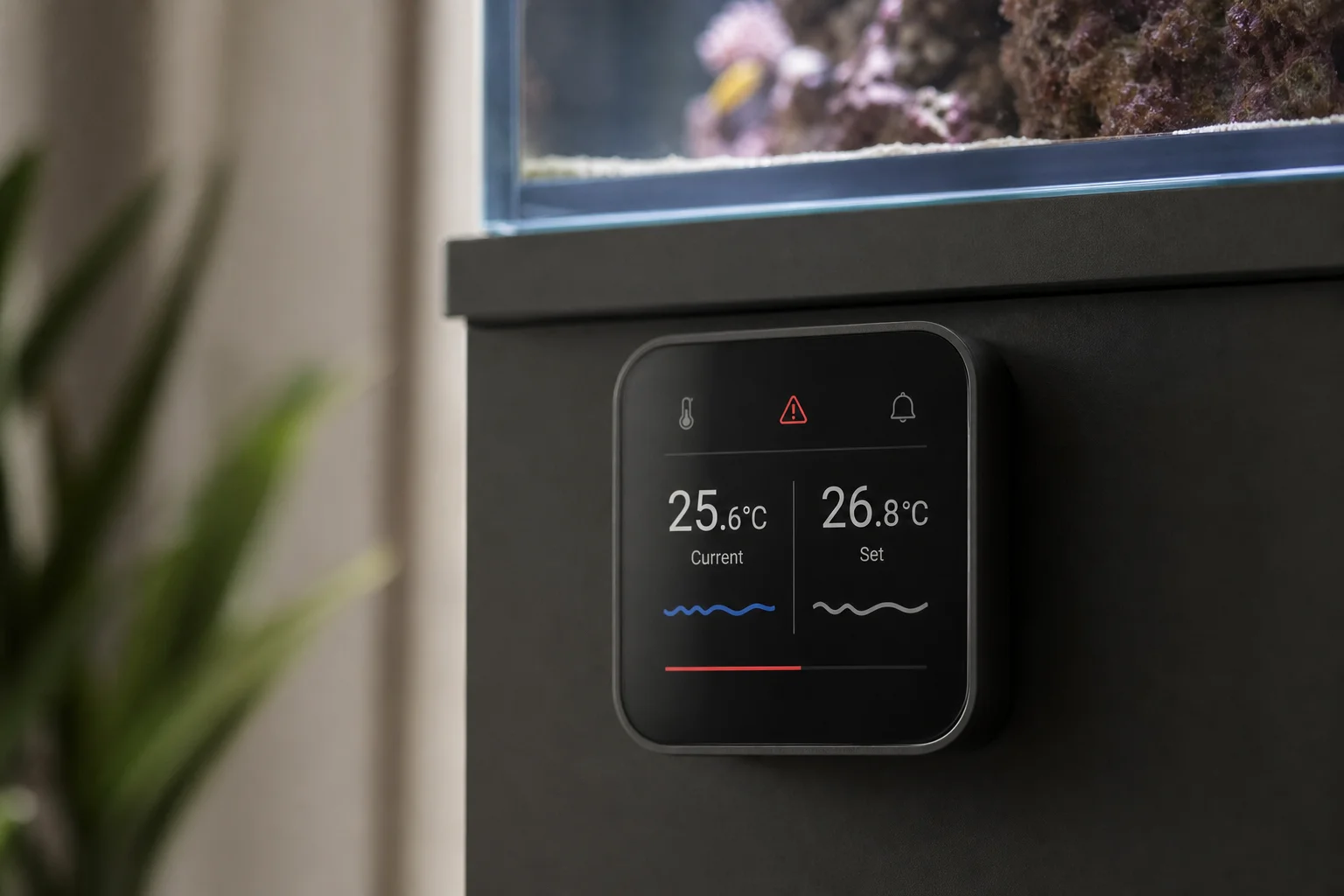
For most reef aquarists, the factory preset settings eliminate the need for calibration. Those running specialized systems or wanting to match a reference thermometer can adjust the controller to account for any sensor drift over time.
Conclusion
The Helio PTC represents a meaningful shift in reef tank heating philosophy, prioritizing safety through self-regulating technology rather than relying solely on external controllers. The compact titanium heating element, preset operation, and solid-state ceramic design make it a practical choice for aquarists seeking a heating solution with built-in redundancy and minimal setup complexity. Whether running a single element for smaller tanks or dual elements for larger systems, the Helio PTC delivers the safety margins and ease of use that modern reef keeping demands.
Product link
View more details for Innovative Marine Helio PTC
This product is mentioned in the review. Check the specifications, options, and compatibility before buying.
View more details for Innovative Marine Helio PTCFurther reading
Related Reviews
Aquarium Equipment
Adaptive Reef Neptune Systems Custom Control Board Review: Purpose-Built Organization for Apex Systems
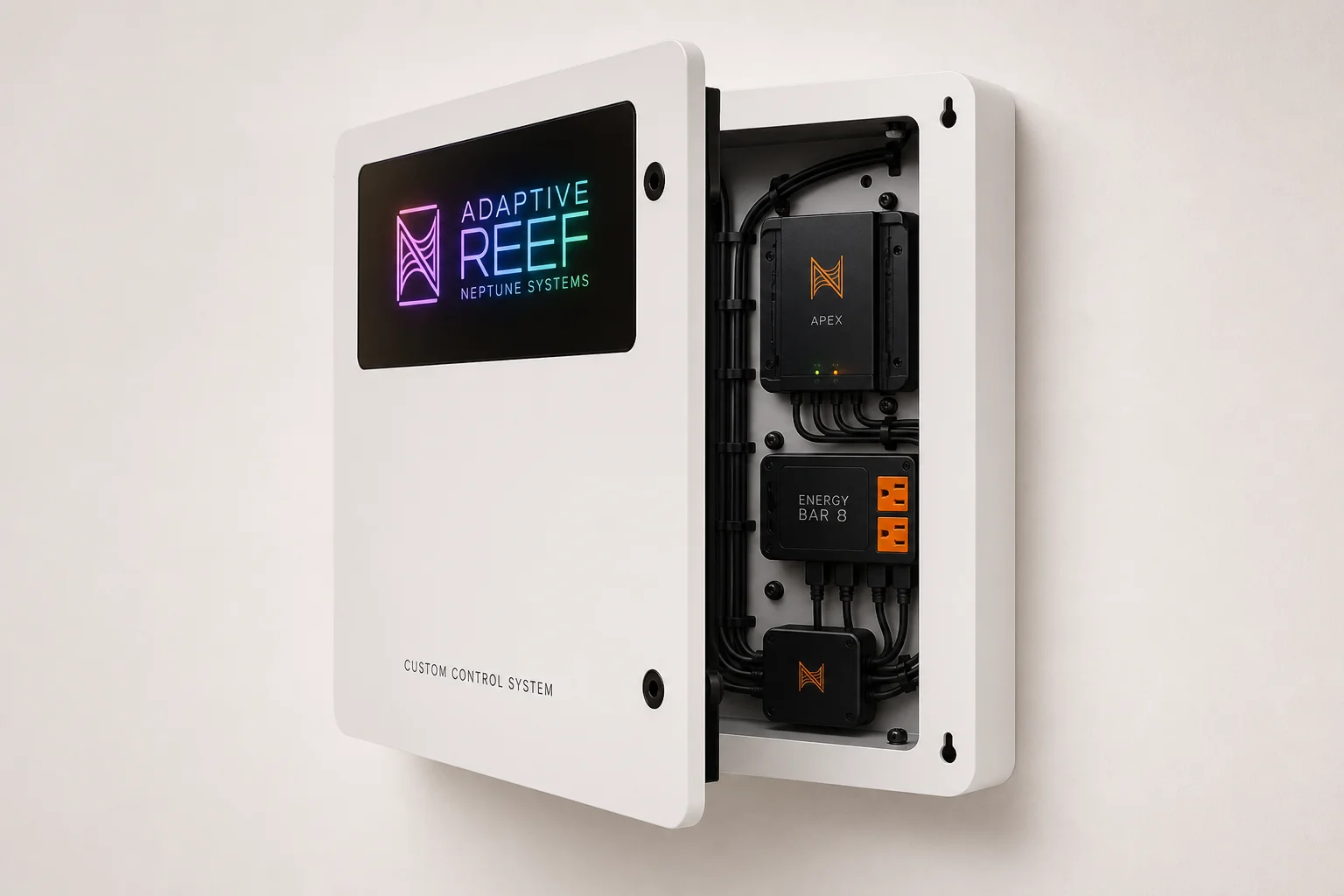
A pre-configured controller board designed specifically for Neptune Systems Apex setups, offering integrated cable management, tablet mounting, and RGB lighting in a ready-to-use package.
Aquarium Equipment
Aqua Ultraviolet Advantage Hang-On UV Sterilizer: 8-Watt vs 15-Watt Guide
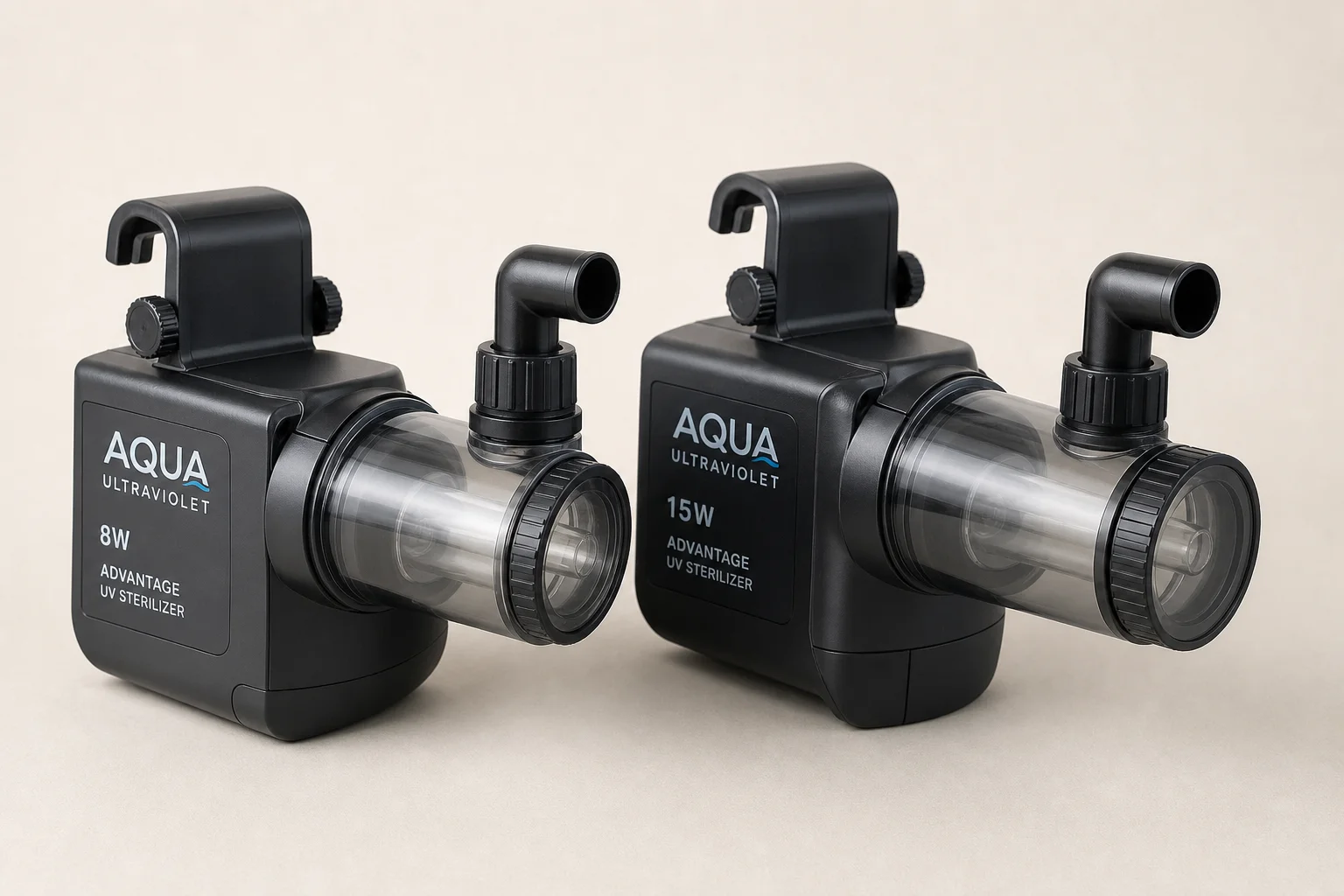
Two compact UV sterilizers designed for aquarium owners seeking parasite and algae control without complex plumbing or large footprints.

Aquarium Equipment
Best Aquarium CO2 Systems: Five Options From Budget DIY to Multi-Tank Setups
A practical guide to five aquarium CO2 systems, from homemade fermentation kits to pressurized cylinders with multi-tank regulators. Find the right setup for your tank size and budget.