Camera Comparison
iPhone 16 Pro vs Sony RX100 Mark VII: A Detailed Camera Comparison
We tested both cameras across 35+ comparison shots in diverse lighting conditions to evaluate photo and video quality, color science, and practical usability.
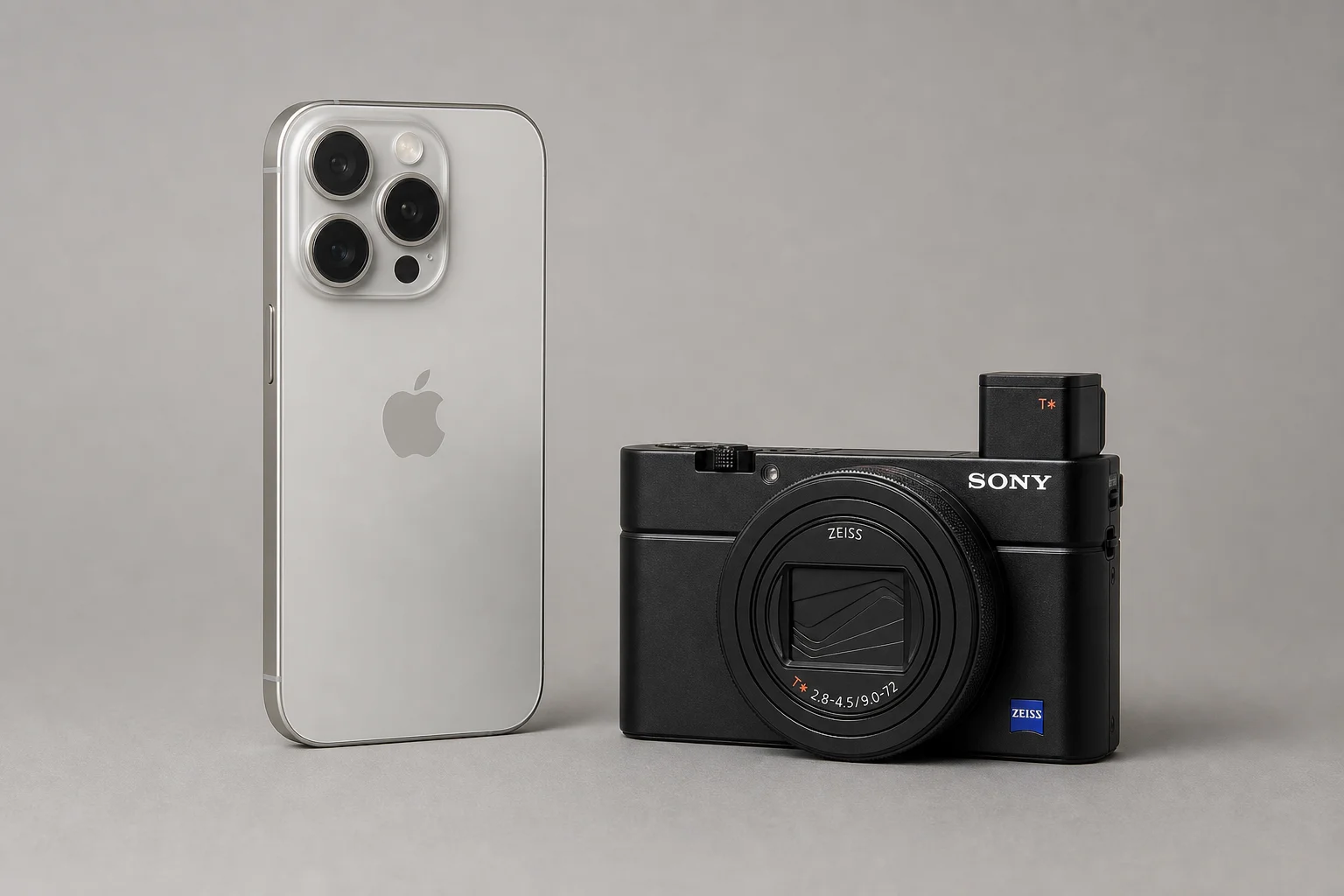
Introduction
The smartphone has become the default camera for most people, yet compact dedicated cameras like the Sony RX100 Mark VII still attract serious enthusiasts. We tested both the Apple iPhone 16 Pro and Sony RX100 Mark VII across over 35 comparison shots in varied lighting conditions to evaluate their real-world performance in photo and video capture, color science, and usability.
Color and Exposure Handling
In white balance tests, the two cameras reveal distinct approaches. The RX100 Mark VII drifts toward cooler, blueish tones in auto white balance mode, while the iPhone 16 Pro corrects toward warmer, more neutral rendering. The iPhone’s approach delivers a cleaner, more inviting look, though it occasionally sacrifices accuracy. For auto white balance, the iPhone 16 Pro has a slight edge.

When shooting backlit scenes with the sun in frame, the RX100 Mark VII preserves highlight detail but darkens shadows, while the iPhone 16 Pro lifts exposure across the scene, creating a brighter but flatter appearance. For backlighting work, the RX100 Mark VII’s control proves more valuable.
In dynamic range tests using standard color profiles, the RX100 Mark VII balances highlights and shadows with a smoother roll-off, whereas the iPhone 16 Pro lifts mid-tones for more visible detail but sacrifices cinematic curve. When exposing directly for sunlight, the Mark VII maintains tighter highlights while the iPhone 16 Pro brightens the scene and clips highlights more aggressively. The RX100 Mark VII’s smoother gradient transitions make it preferable for exposure-critical work.
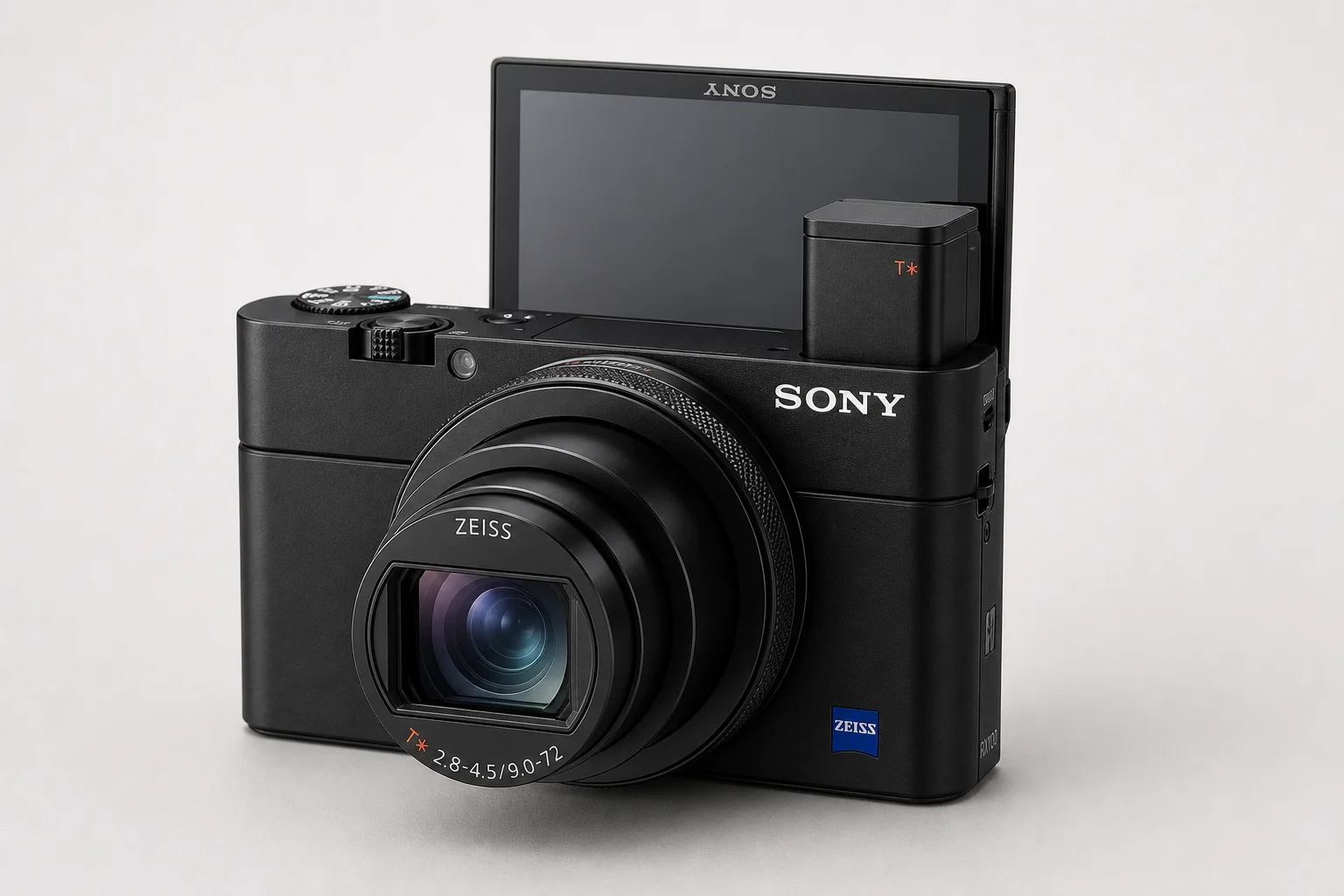
Image Quality and Color Rendering
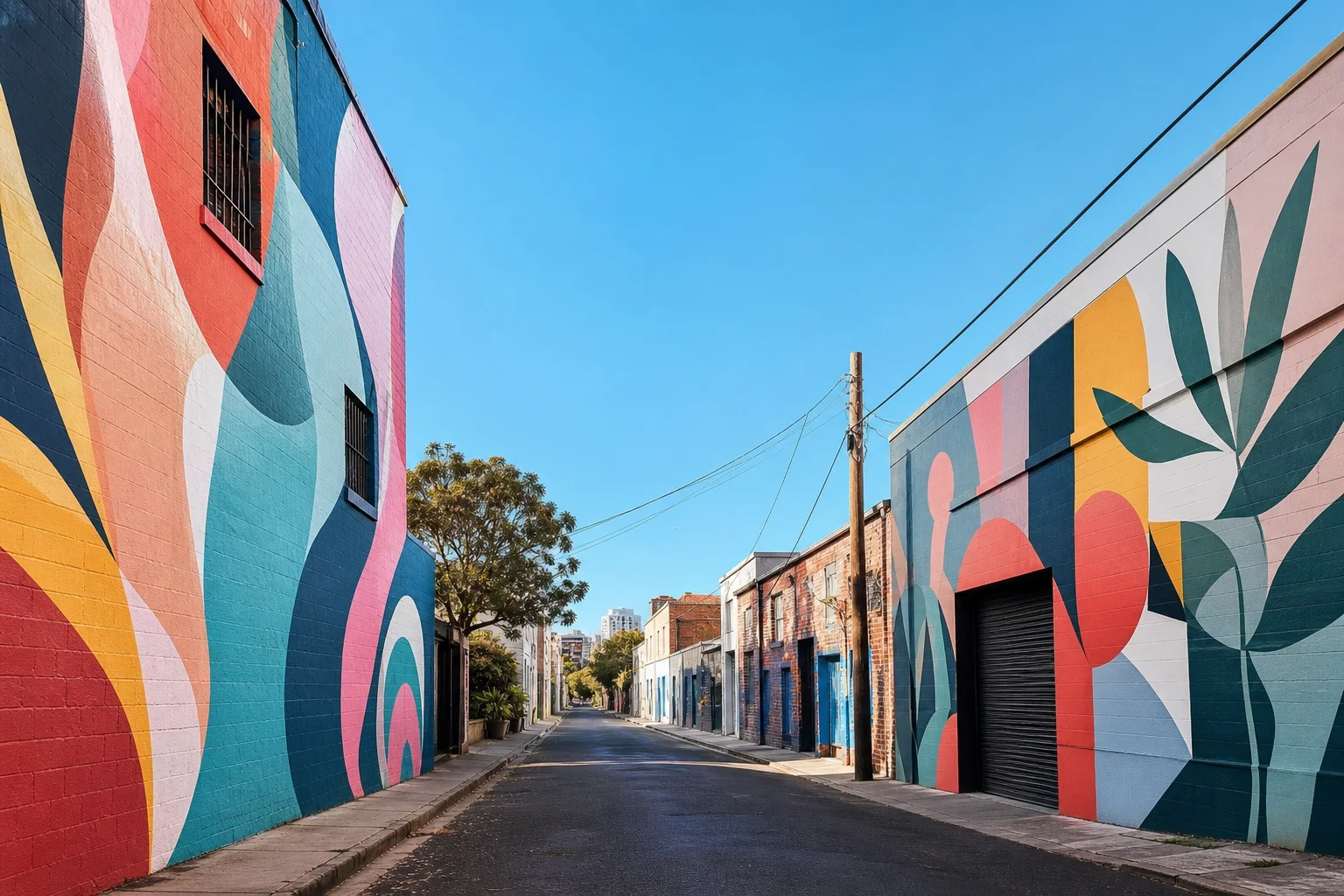
Color rendering splits noticeably between the two cameras. The RX100 Mark VII keeps tones natural and muted, while the iPhone 16 Pro pushes saturation in murals and skies, creating a punchier but more processed feel. Many users prefer the iPhone’s approach because it requires less color grading in post-production.
In landscape shots, the RX100 Mark VII leans darker with more contrast in foliage, while the iPhone 16 Pro lifts mid-tones and shows more background detail, though with less drama. At golden hour with sun breaking through trees, the RX100 Mark VII displays stronger lens flare with warmer tones, while the iPhone 16 Pro reduces flare and cools the image slightly.
For headshots in golden hour light, the RX100 Mark VII maintains neutral skin tones with balanced saturation, while the iPhone 16 Pro renders skin tones too warm and oversaturated, creating an unflattering appearance. If shooting exterior headshots in warm light, the RX100 Mark VII is the clear choice.
Dynamic Range and Skin Tone Performance
When using Log color profiles, the differences become more pronounced. The RX100 Mark VII shoots 8-bit Log, which holds less detail and proves harder to grade in post-production, whereas the iPhone 16 Pro’s Apple Log is smoother and delivers superior grading results. However, the RX100 Mark VII renders colors more true to life, while the iPhone 16 Pro boosts greens and oranges for a vivid but less balanced look.

For skin tones in Log, the RX100 Mark VII stays cooler and more consistent across scenes, while the iPhone 16 Pro warms the subject, which can flatter individual shots but shift accuracy when cutting between scenes. In sky tests, the RX100 Mark VII captures subtle blues with smoother gradients, creating a calmer, more cinematic feel. The iPhone 16 Pro produces brighter rendering with less refined gradients, making the sky appear cleaner at first glance but less natural overall.
Stabilization, Autofocus, and Practical Handling
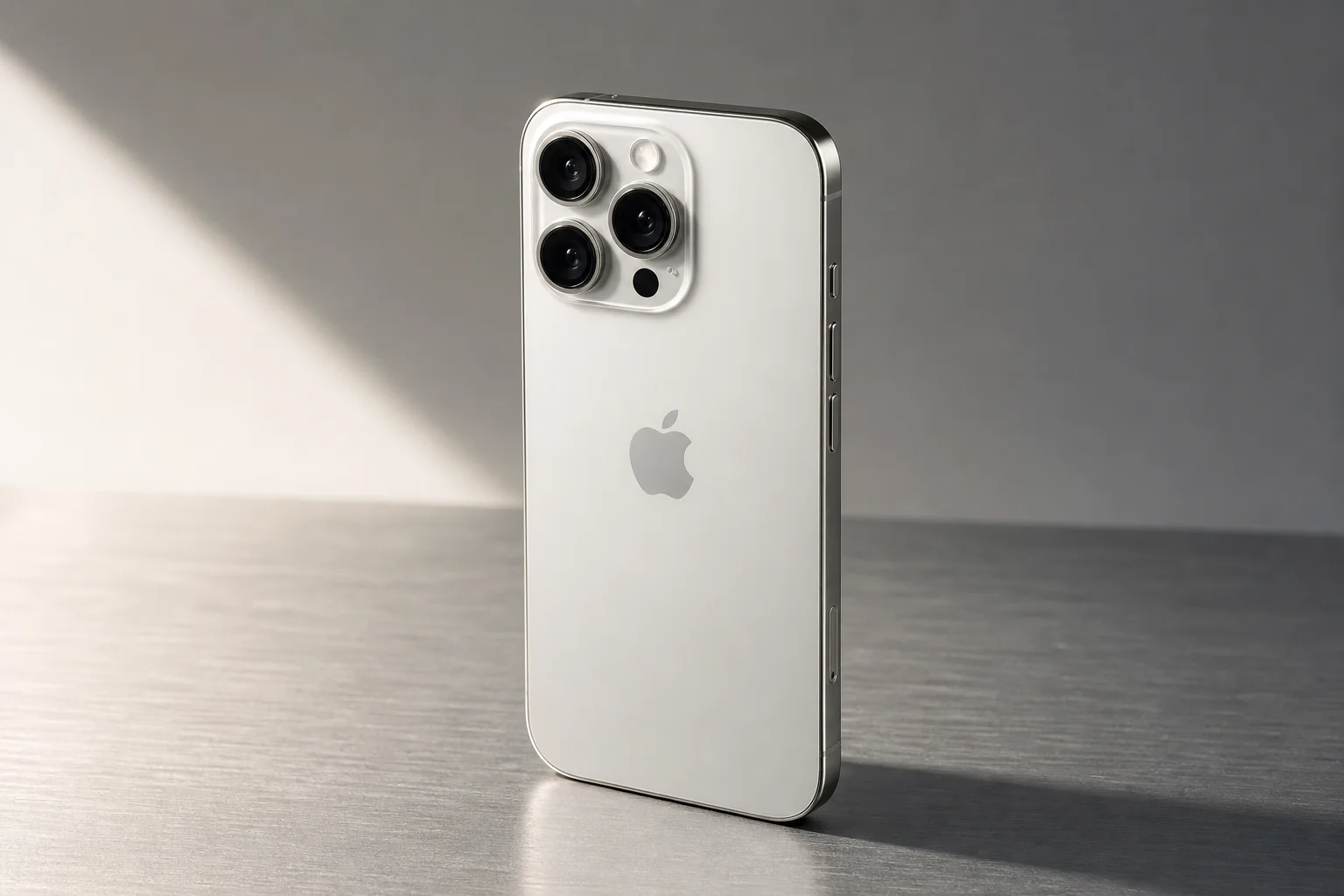
The iPhone 16 Pro clearly wins in stabilization. Walking shots appear noticeably smoother and more stable, while the RX100 Mark VII struggles when handheld, especially on uneven terrain like sand. In autofocus tests, the RX100 Mark VII tracks subjects smoothly but occasionally hesitates, while the iPhone 16 Pro snaps quickly and keeps faces locked even with movement, partly due to its fixed aperture keeping more in focus.
When transitioning from light to shade, the RX100 Mark VII adjusts exposure gradually, while the iPhone 16 Pro reacts faster, making changes obvious but maintaining brightness consistency. For travel and vlogging, the iPhone 16 Pro’s brighter, more saturated rendering delivers a friendlier look that requires minimal post-processing, while the RX100 Mark VII’s flatter tone demands more grading work.

A critical difference emerges in screen design: the iPhone 16 Pro lacks a flip-up display, forcing blind shooting in bright sunlight, while the RX100 Mark VII’s articulating screen lets you frame shots visually. The RX100 Mark VII also includes a pop-up viewfinder, invaluable in bright conditions where the iPhone’s display becomes difficult to see and risks overheating.
In zoom performance, the RX100 Mark VII shows superior optical sharpness with its 24-200mm lens, resolving fine detail at maximum zoom. The iPhone 16 Pro’s digital zoom struggles with noise and clipped highlights, appearing softer and relying on digital sharpening.
For controls, the RX100 Mark VII offers tactile dials and buttons for direct adjustment, while the iPhone 16 Pro keeps everything minimal and touch-based, limiting customization. The RX100 Mark VII’s 24-200mm zoom lens provides a complete focal range in one body, whereas the iPhone 16 Pro uses multiple fixed lenses with software interpolation between them, creating visible quality drops when zooming.
Conclusion
Both cameras excel in different contexts. The RX100 Mark VII delivers real optics, pro-level control, and a 1-inch sensor that handles challenging lighting with grace, making it ideal for users who value exposure control and optical zoom. The iPhone 16 Pro leverages computational power for instant shareability, superior stabilization, and convenience, suiting those who prioritize speed and ease of use over manual control. Your choice depends on whether you prioritize flexibility and control or speed and convenience.
Further reading
Related Reviews
Automotive Accessories
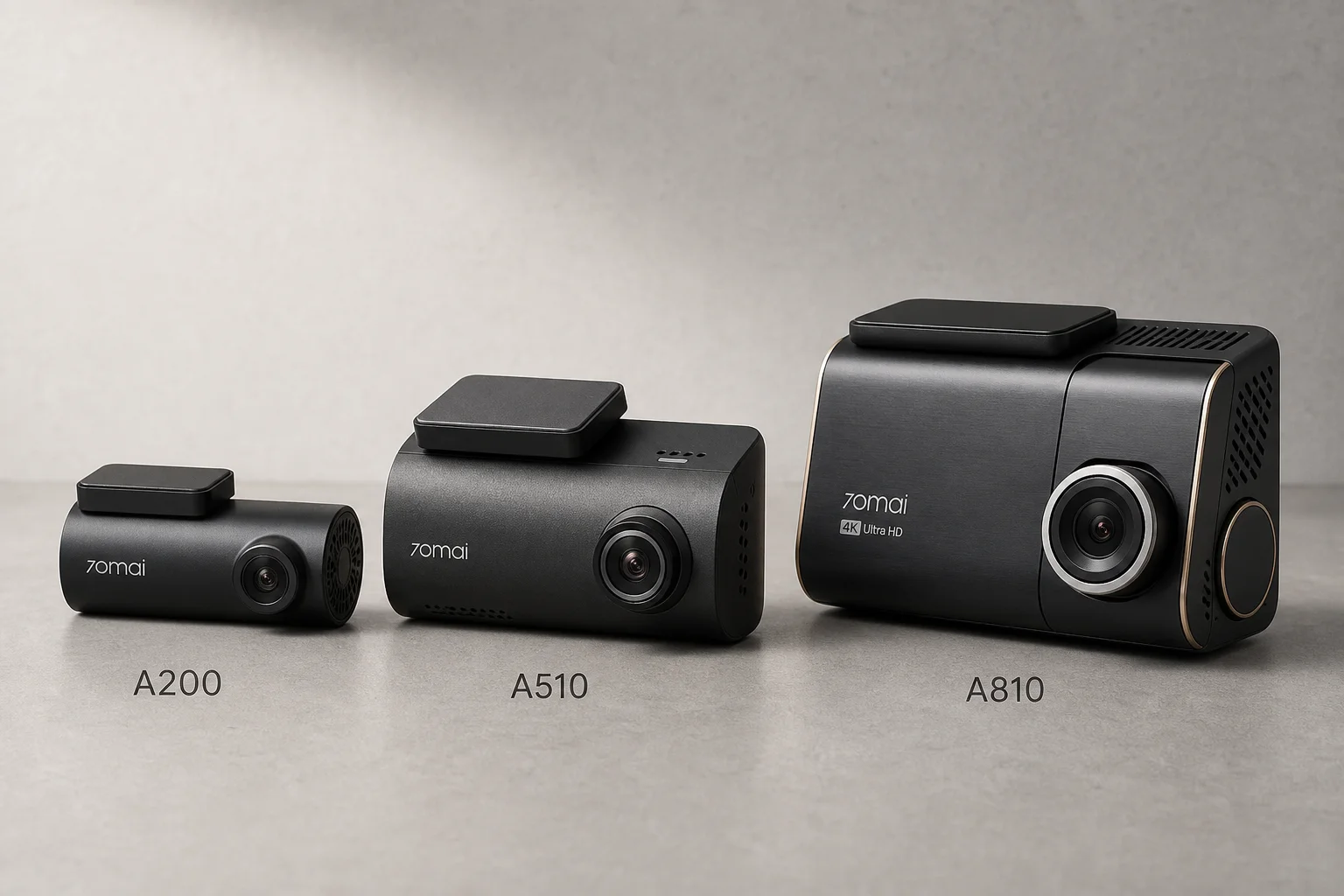
70mai Dash Cam Comparison: A200 vs A510 vs A810
Three dash cameras from 70mai across different price points reveal how resolution and sensor quality impact real-world footage clarity, especially for number plate visibility and low-light performance.
Action Cameras
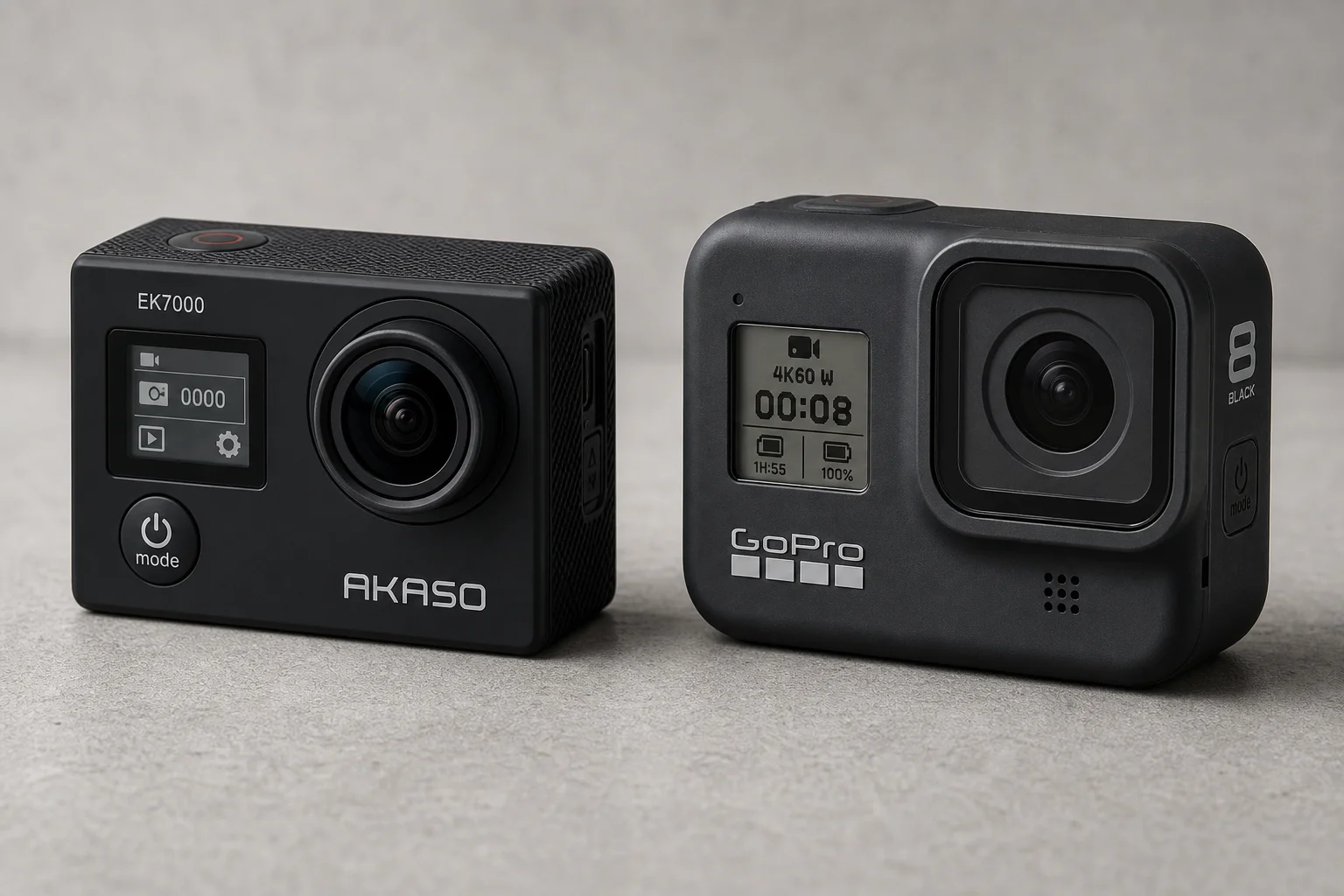
Akaso EK7000 vs GoPro Hero 8 Black: Budget Action Camera Tested
A $50 budget action camera faces off against the GoPro Hero 8 Black. Here's how the Akaso EK7000 really performs in video, audio, and photo quality.
Action Cameras
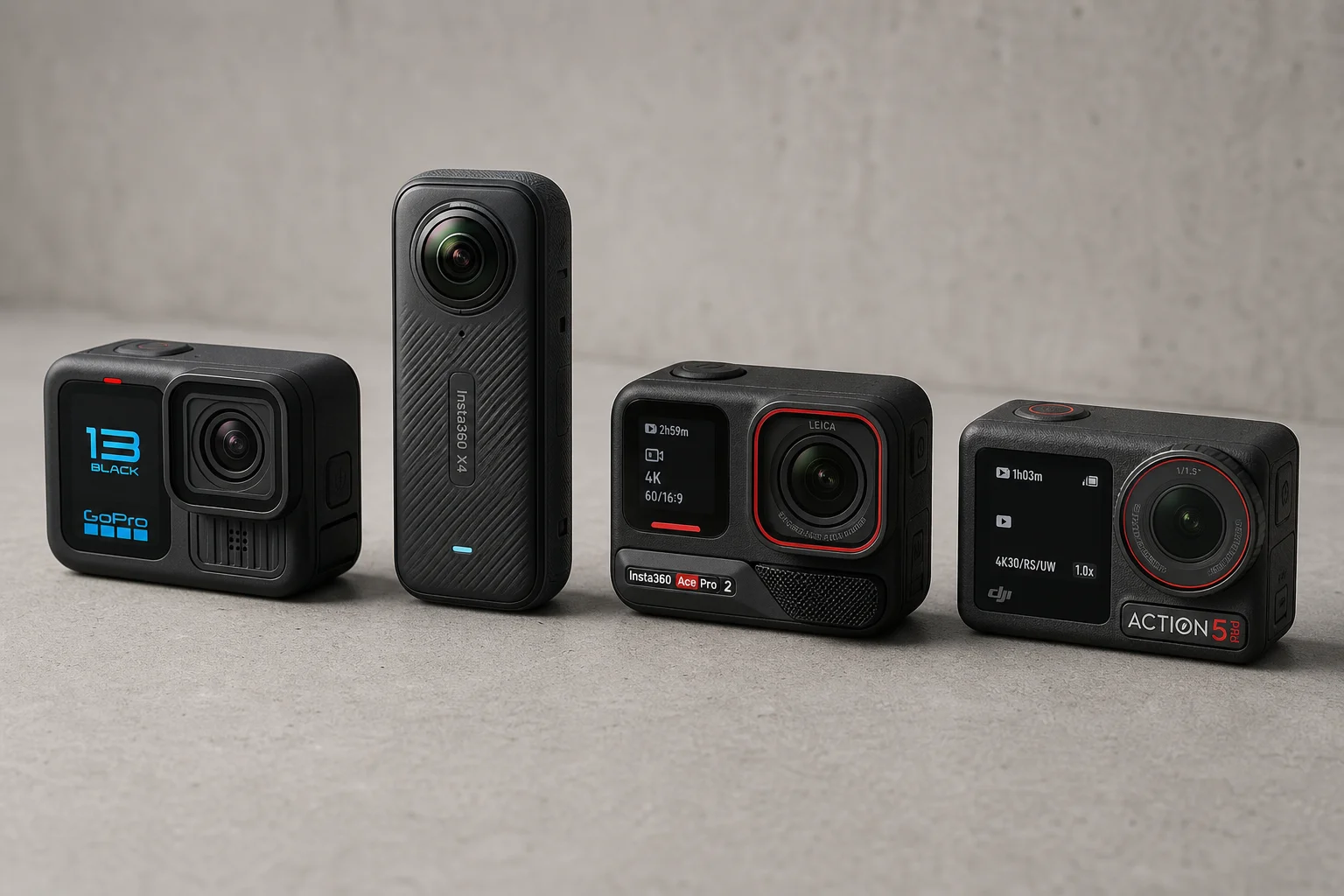
Best Action Cameras for Scuba Diving: Four Underwater Performers Tested
We tested the GoPro Hero 13, Insta360 X4, Insta360 Ace Pro 2, and DJI Osmo Action 5 on multiple dives in tropical and cold water. Here's how they compare for underwater filming.