Kitchen Appliances
KitchenAid K-150 Blender vs 7 Cup Food Processor: Which Kitchen Tool Should You Choose?
A practical comparison of the KitchenAid K-150 ice-crushing blender and the KitchenAid 7 Cup Food Processor to help you decide which appliance fits your cooking needs.
Introduction
Choosing between a blender and a food processor can feel confusing because both appliances process food, yet they excel at different tasks. Whether you want to make creamy smoothies, nutritious soups, or prepare fresh vegetables for cooking, understanding the strengths of each tool will help you make the right choice for your kitchen.
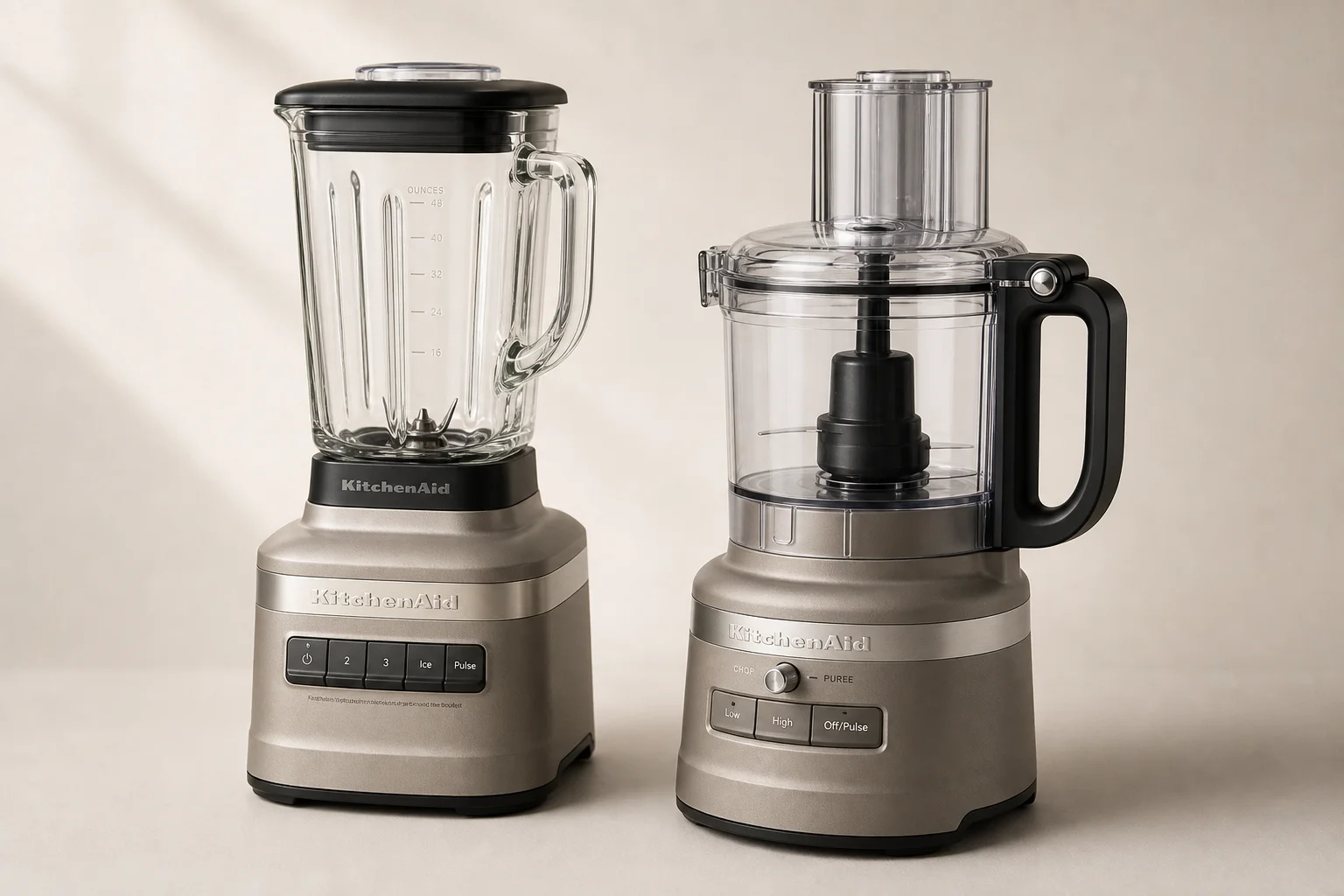
The KitchenAid K-150 blender and the KitchenAid 7 Cup Food Processor represent two distinct approaches to food preparation. This comparison explores their key differences across blade design, accessories, performance, and the types of recipes each handles best.
Blade Design and Versatility
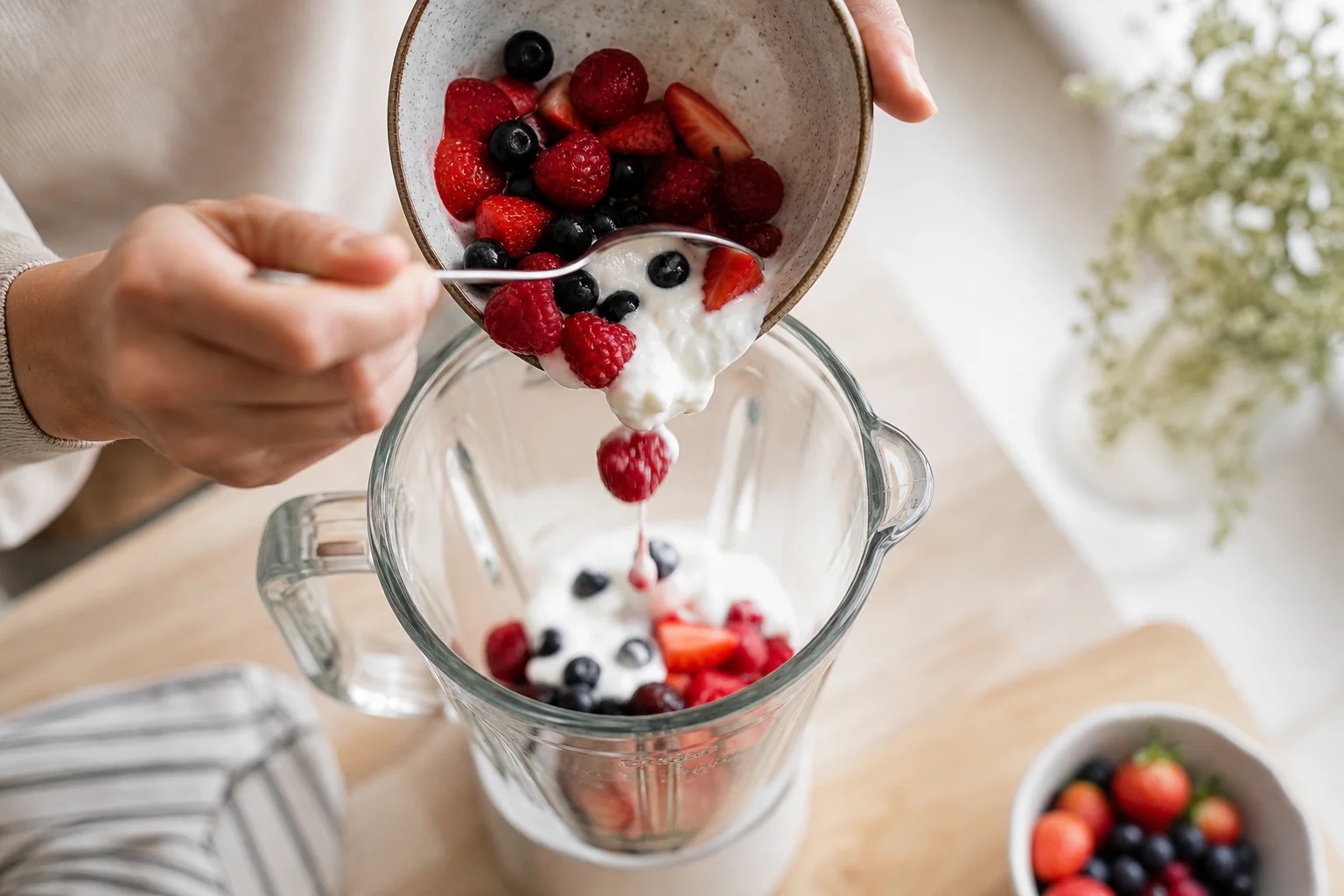
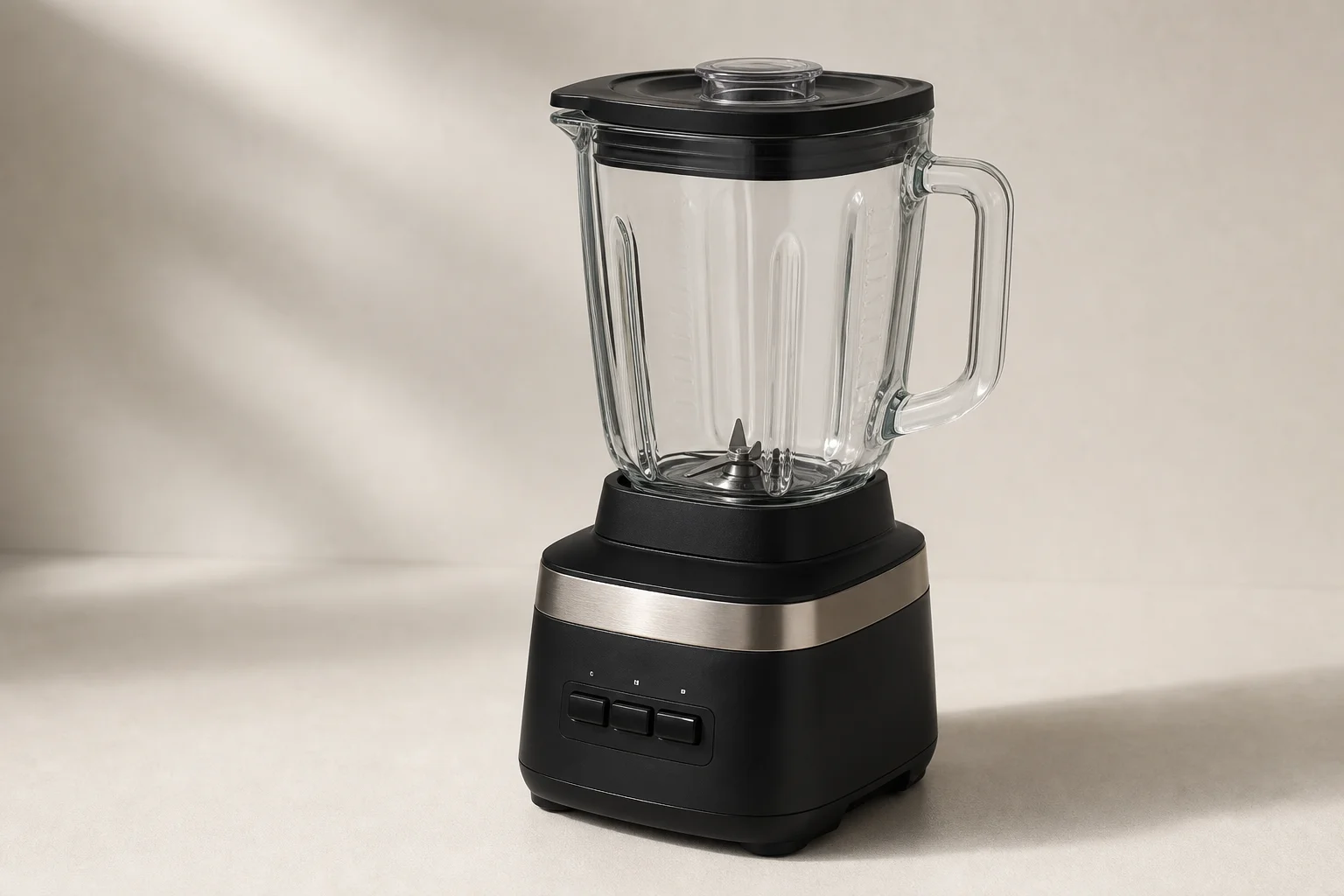
The blade system is fundamental to how each appliance works. The KitchenAid K-150 features an asymmetric fixed plate that blends at four different angles, allowing it to crush ice and process tougher fruits like pineapple and raw mango with ease. This design is optimized for creating smooth, uniform textures in liquids and soft foods.
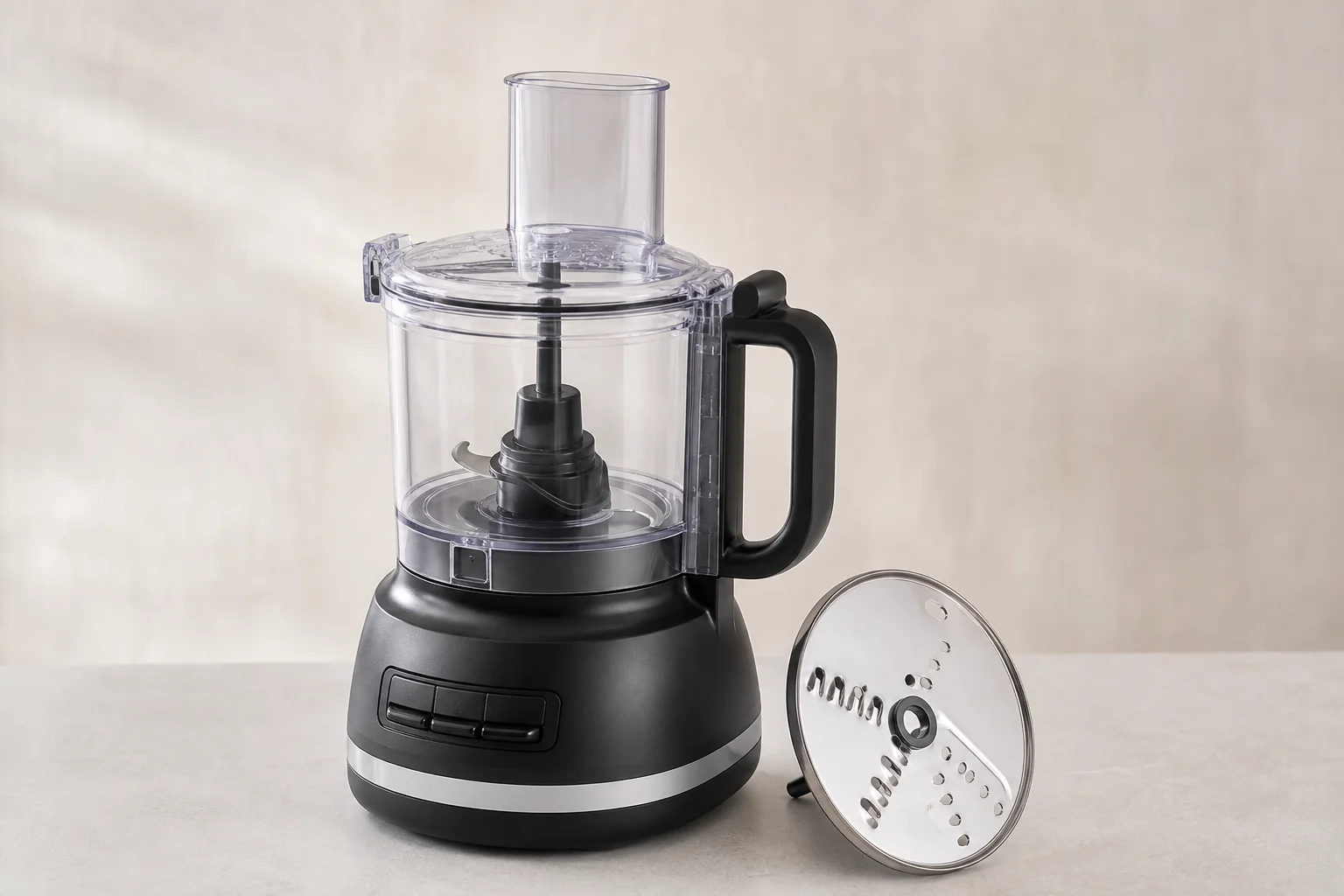
The KitchenAid 7 Cup Food Processor takes a different approach with multiple interchangeable disks and blades. This system lets you chop vegetables, grind nuts, puree fruits and meat, and even knead bread dough inside the work bowl. The versatility of multiple cutting surfaces gives the food processor a clear advantage for tasks requiring precision slicing, grating, shredding, and dicing.
Accessories and Included Components
What comes in the box matters because it determines how much you can do right away. The KitchenAid K-150 blender includes a 48-ounce jar with a lid, which is the standard setup for most blenders and covers basic blending tasks.
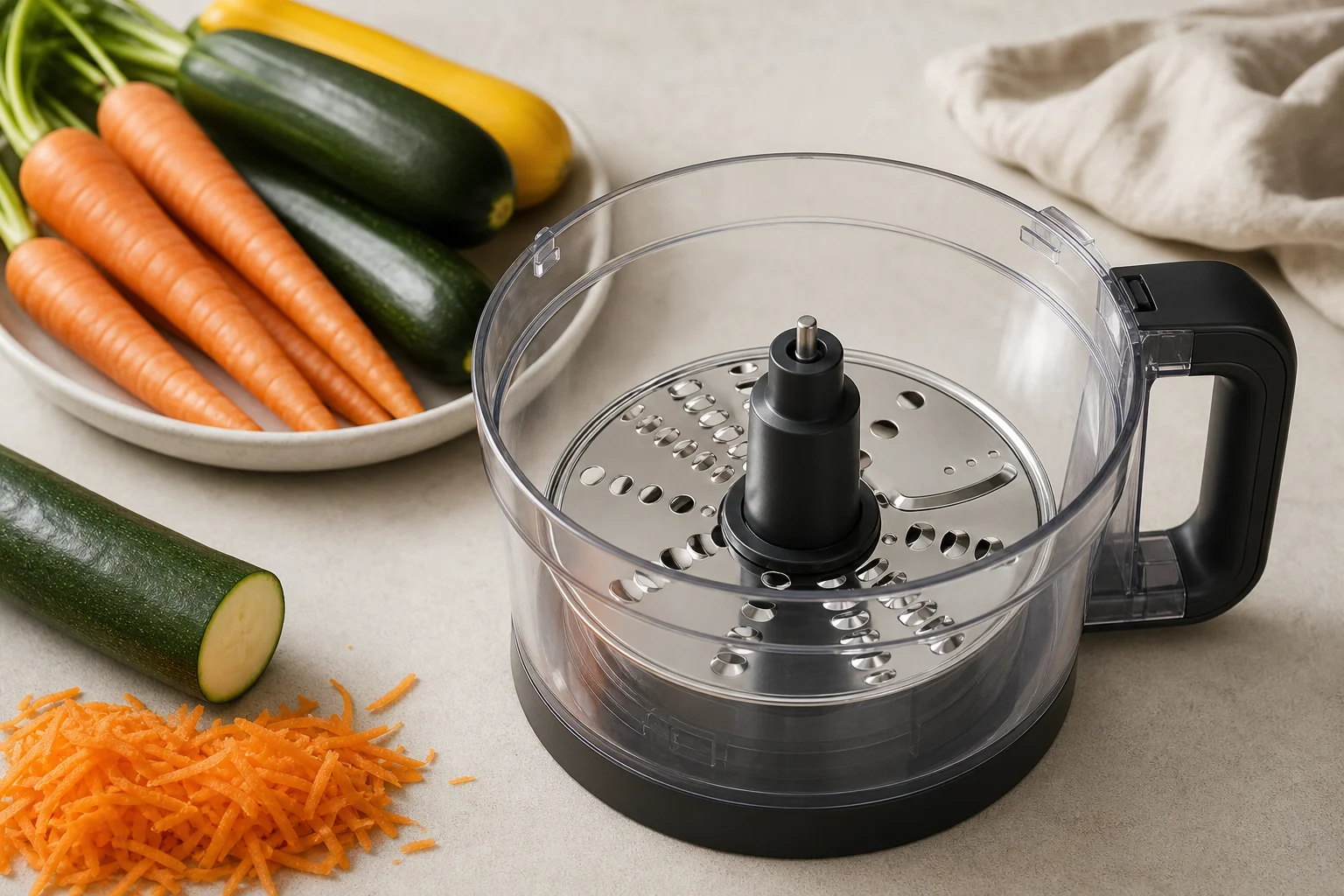
The KitchenAid 7 Cup Food Processor arrives with more accessories: a 7-cup work bowl, a lid, a multi-purpose blade, and a reversible medium slicing and shredding disc. This broader accessory set simplifies food preparation by letting you switch between different cutting styles without purchasing additional parts.
Performance and Speed
Both appliances deliver strong performance with three-speed options. The KitchenAid K-150 blender can crush ice in approximately 10 seconds, making it particularly effective for frozen beverages and iced coffee. Its motor is designed to handle tough, solid-frozen ingredients.
The KitchenAid 7 Cup Food Processor works swiftly across its three speed settings as well, handling both hard vegetables and softer ingredients efficiently. While the blender may have a slight edge in raw power for frozen items, the food processor excels at consistent, controlled processing of varied textures.
What Each Appliance Does Best
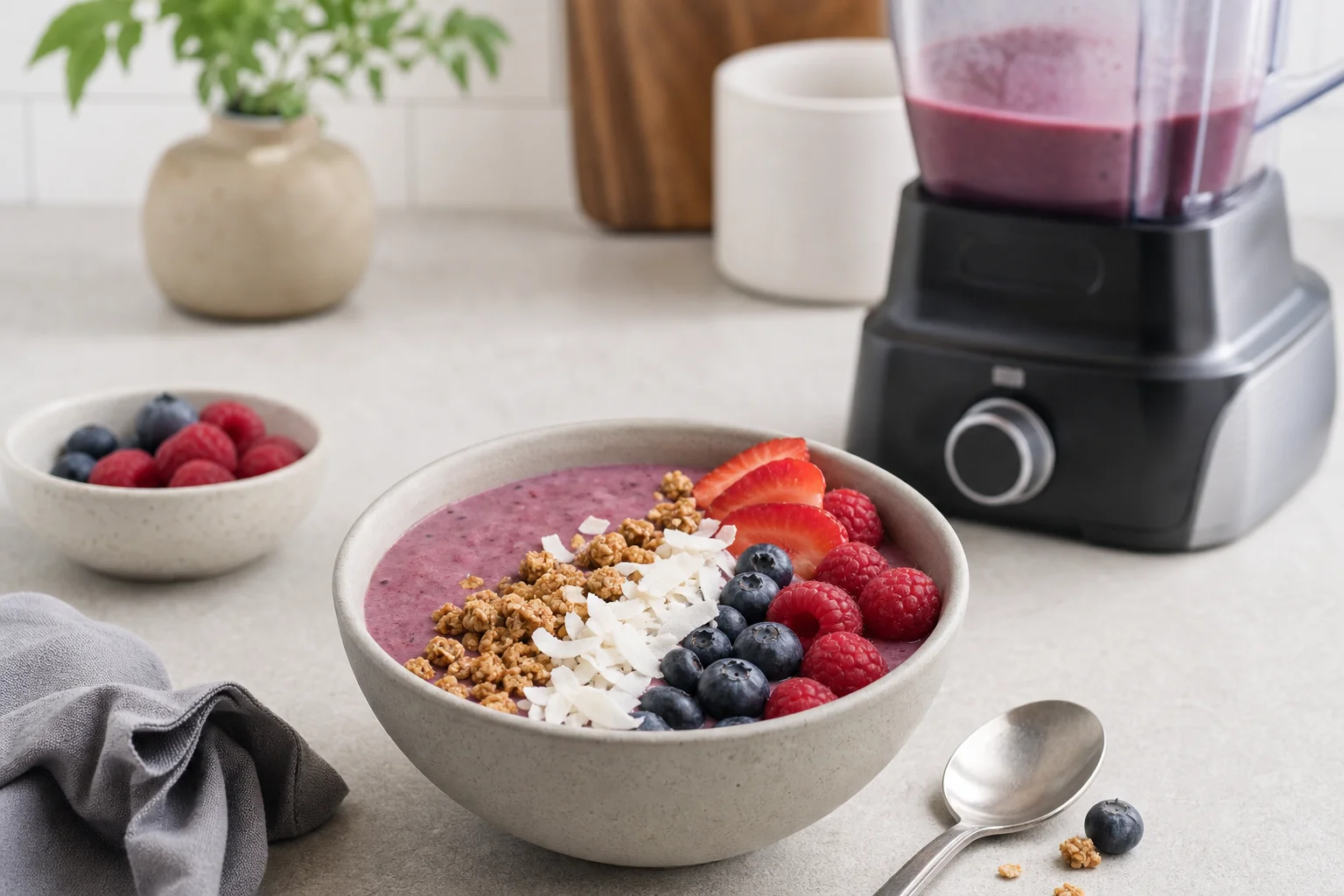
The KitchenAid K-150 blender shines when you want to create smooth, drinkable results. Mixed berry smoothies, tomato soup, protein shakes, smooth baby food, finely powdered sugar, and iced coffee are all within its wheelhouse. If your cooking centers on beverages and smooth purees, this blender covers your needs.
The KitchenAid 7 Cup Food Processor handles the heavy lifting of food preparation. Bread crumbs, pizza dough, shredded cheese, sliced vegetables, minced meat, pesto, and cauliflower rice are tasks where the food processor truly excels. If you spend time prepping ingredients for cooking, this appliance streamlines the work.
Budget Considerations
Both the KitchenAid K-150 blender and the KitchenAid 7 Cup Food Processor are priced within reach for most home cooks. Neither appliance requires a significant investment, and both offer strong value relative to their capabilities and build quality.
Conclusion
The KitchenAid K-150 blender and the KitchenAid 7 Cup Food Processor serve different purposes in the kitchen. Choose the blender if you prioritize making smoothies, shakes, soups, and frozen beverages with powerful, consistent results. Choose the food processor if your focus is on heavy-duty ingredient preparation like slicing, shredding, mincing, and dough work. Many home cooks benefit from having both appliances on hand, as they complement each other well and cover the full range of food processing tasks.
Further reading
Related Reviews
Kitchen Appliances
Arboleaf Smart Kitchen Scale Review: Connected Cooking Made Simple
A Bluetooth-enabled kitchen scale that syncs with a nutrition-tracking app, offering real-time weight monitoring and recipe guidance for home cooks.
Kitchen Appliances
Best Air Fryer Toaster Ovens: Three Top Picks for Multi-Function Cooking
Three high-performing air fryer toaster ovens tested for versatility, ease of use, and real-world cooking results. Find the right fit for your kitchen.
Kitchen Appliances
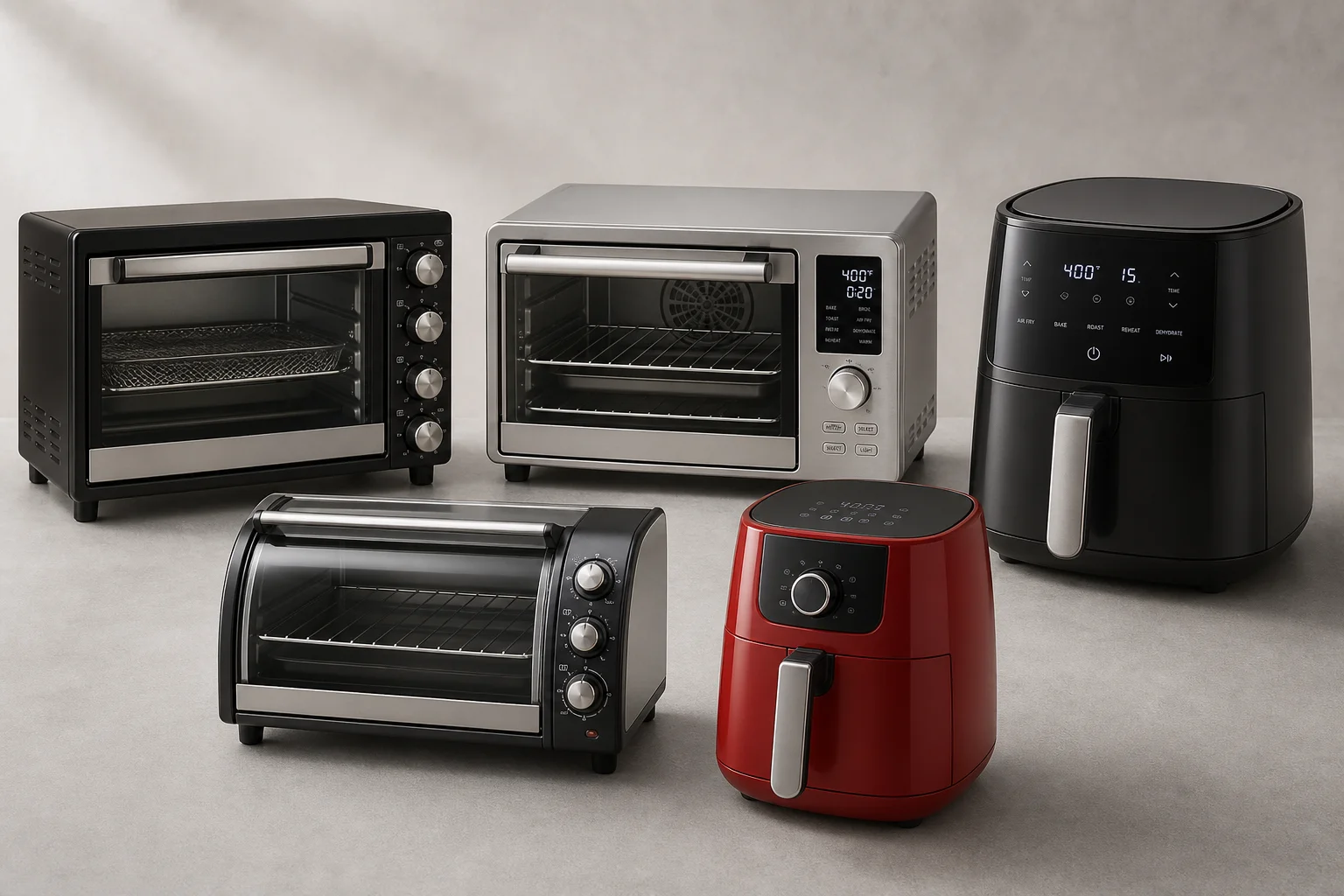
Best Air Fryer Toaster Ovens Under 100: Five Practical Options for Budget-Conscious Kitchens
Five air fryer and toaster oven combinations that deliver real cooking performance without breaking the bank, each with distinct strengths for different kitchen needs.