E-Cargo Bikes
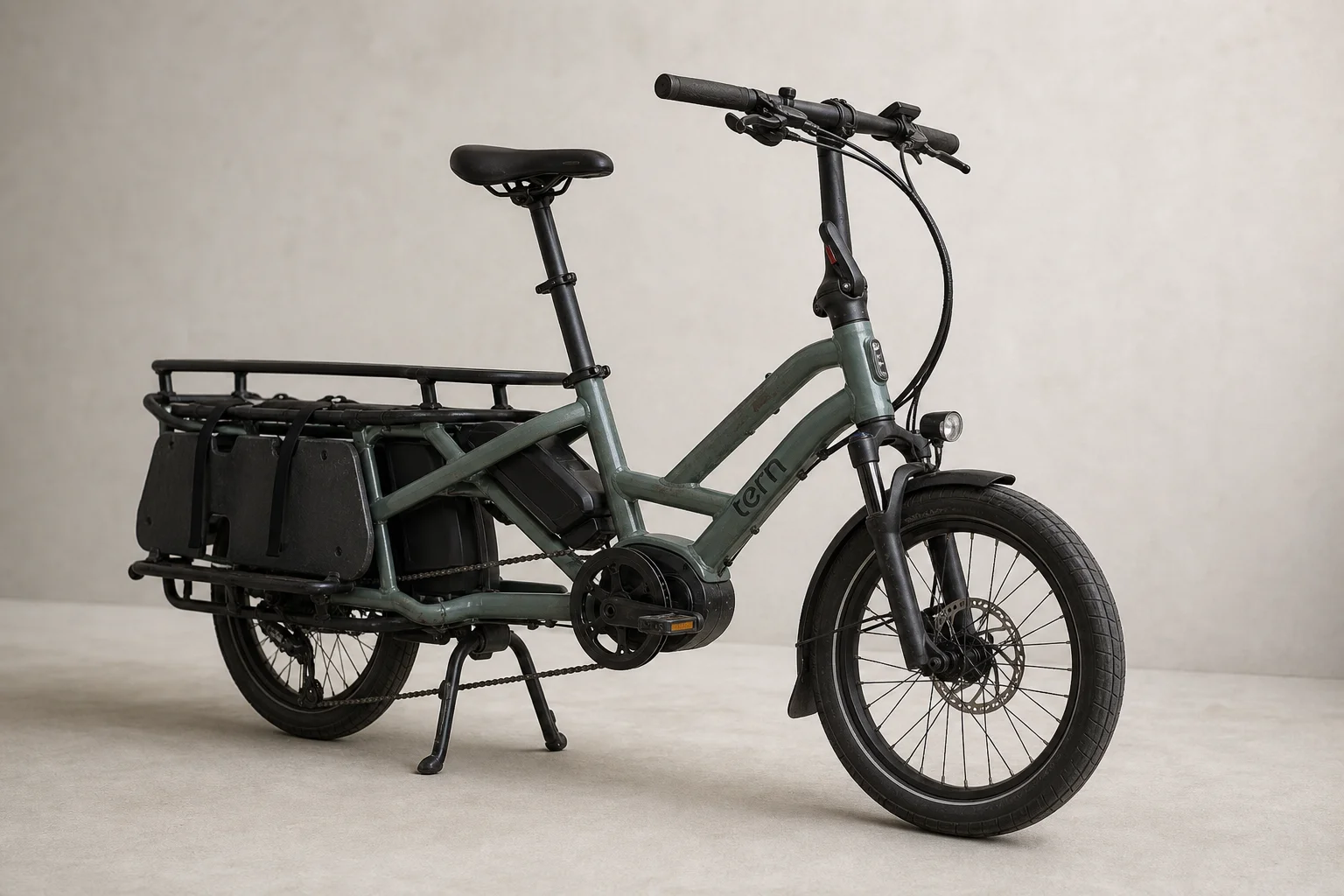
Living with an E-Cargo Bike: A 5-Year Review of the Tern GSD
After five years and thousands of miles with a Tern GSD e-cargo bike, here's what it's really like to replace a second car with an electric cargo bike, including costs, practicality, and whether the savings justify the investment.
Introduction
After five years of ownership and thousands of miles of riding, the Tern GSD has become a faithful companion for city trips, shopping, commuting, and family transport. The question many people ask is simple: can an e-cargo bike really replace a second car? And if so, what does the financial reality look like?
Why an E-Cargo Bike Is Easier Than You Think
The biggest misconception about cargo bikes is that they are only for cyclists. They are not. A bike like the Tern GSD is designed for anyone who needs to move around a city, regardless of fitness level or cycling experience.
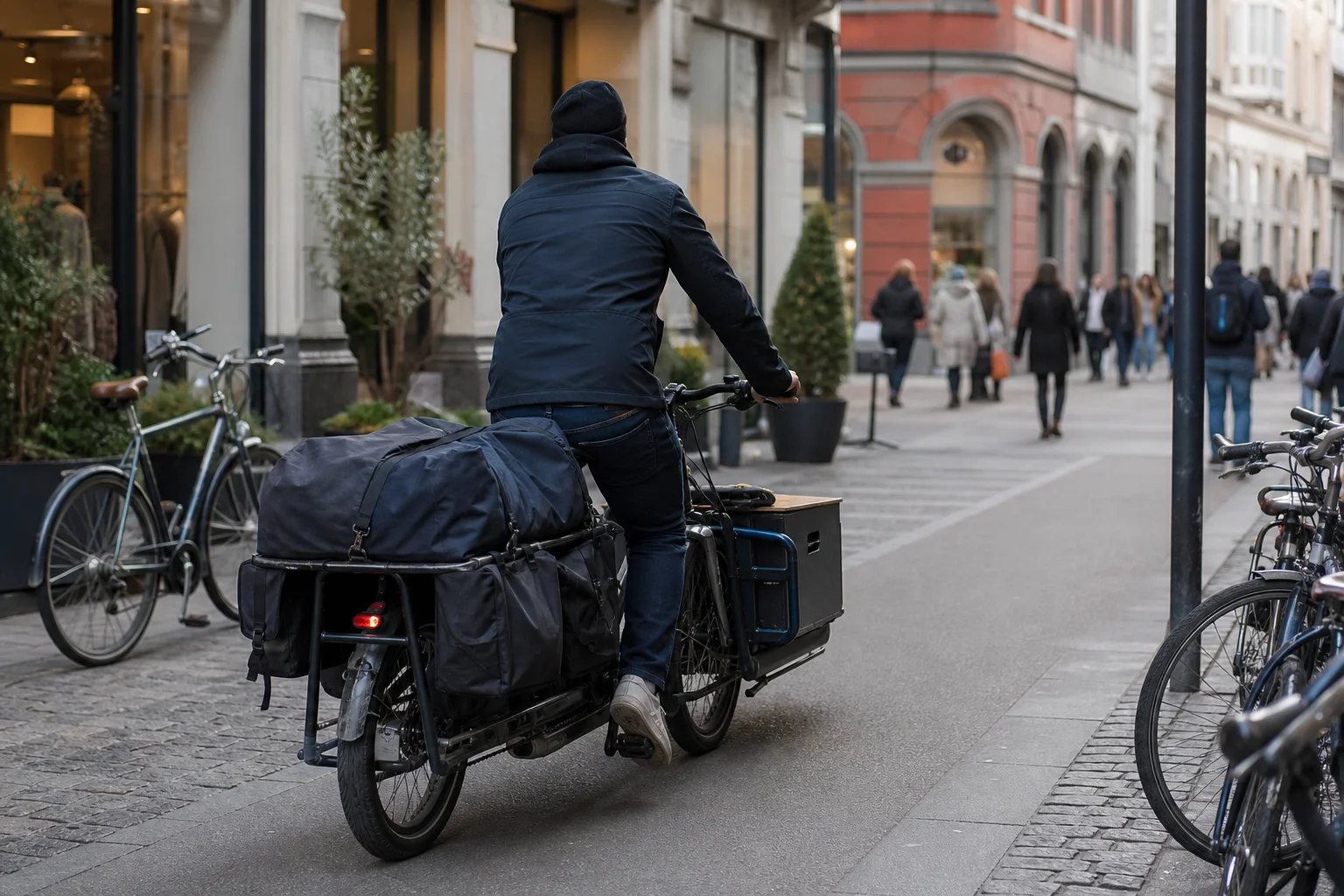
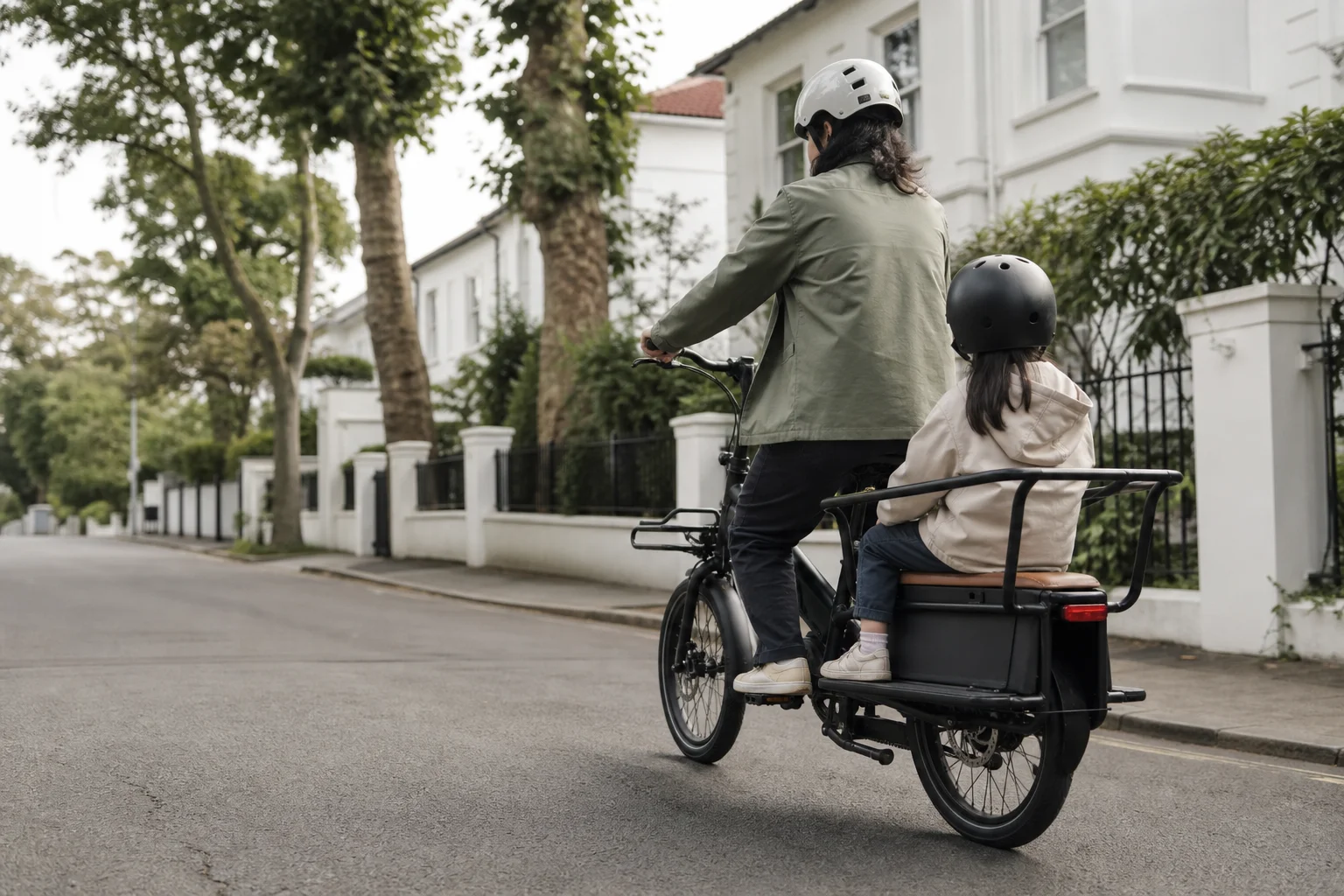
The GSD is easy to live with for several practical reasons. First, it rides like a normal bike despite its longtail design. The small wheels mean it is not significantly longer than a standard city bike, making it simple to manoeuvre and easy to store. It fits in a shed or garage without issue, and can even stand upright in the corner of a room if space is tight. In town, it parks in a normal bike rack near shops for free.
Second, you do not need to be fit. The latest Bosch Smart System features an auto mode that adjusts power delivery automatically. When you hit a hill or run into a headwind, the motor provides more assistance without requiring any manual switching. Even in hilly cities, riders can get around without breaking a sweat while still enjoying fresh air and outdoor movement.
Third, safety is built in. The electrical system is fully certified for fire safety, and the frame is tested to the highest standards. For route planning, apps like Komoot and Ride with GPS help you find less traffic-heavy routes. Local cycling groups on Facebook and bike bus schemes in many areas provide community support and safety in numbers.
Weather is a valid concern, but the reality is gentler than many expect. Even if you commute by bike every day for an hour all year, you will average only a couple of wet rides per month in the UK. The GSD comes with full mudguards, and because you are not exerting yourself on an e-bike, you can wear proper waterproofs without overheating. For families, the GSD has accessories to keep children dry.
What Can You Actually Carry
A common objection is that a bike cannot carry as much as a car. While that is technically true, the practical reality is different. Think about your actual car journeys: a bag to work, a child to school, the weekly supermarket shop. A cargo bike like the GSD handles all of these routinely.
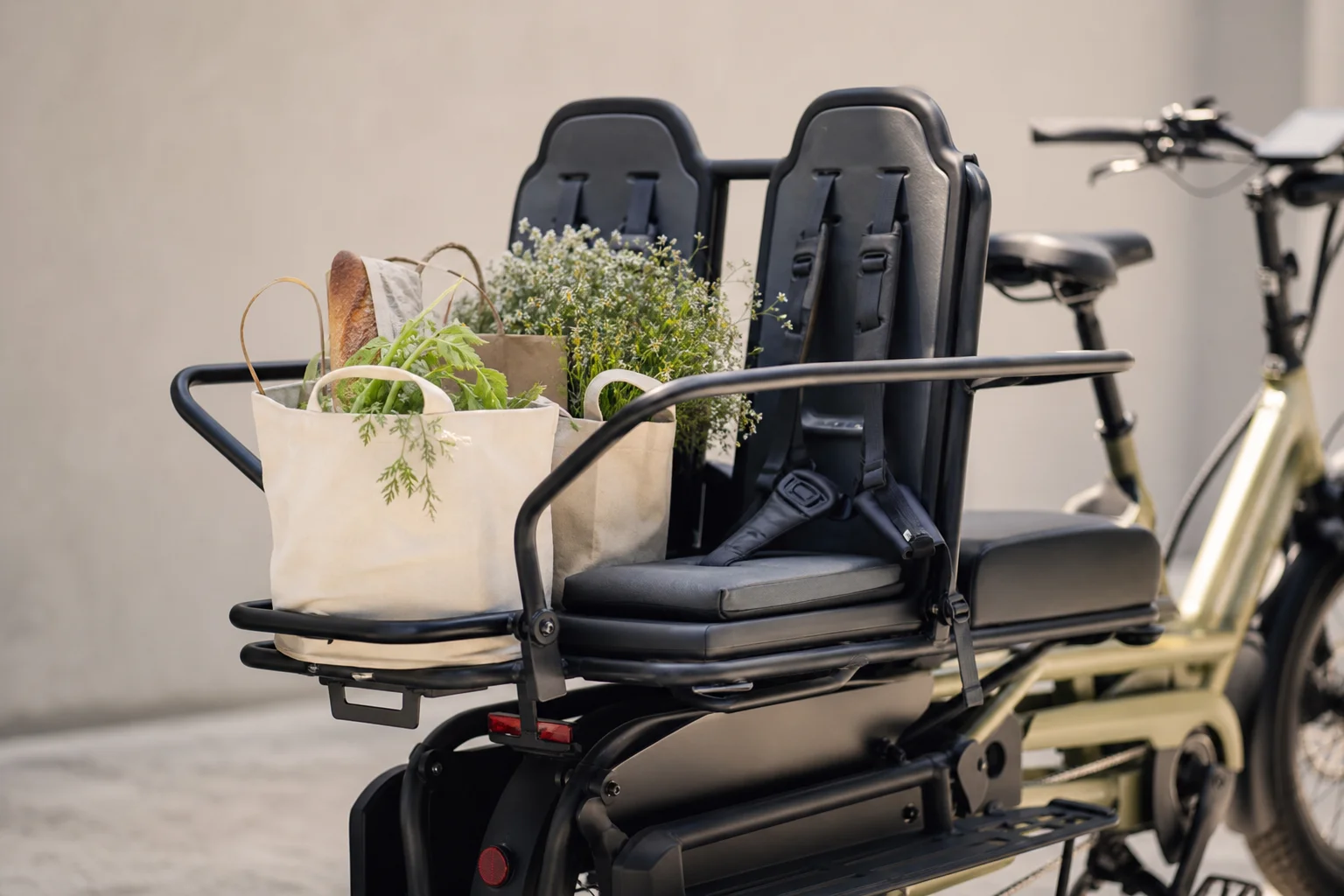
The rear rack has a load rating of 100 kilograms, which means two children in child seats, or two older children on a bench seat, present no problem. For shopping, cargo panniers on the back and a weather-resistant top bag in the front have successfully carried a family of four’s weekly groceries dozens of times without struggle. The reality is that a cargo bike can replace a surprising number of car journeys, especially if you are considering whether one of your household vehicles could be a bike instead.
The Real Cost of Ownership
The financial case for switching from a second car to an e-cargo bike is compelling. The average cost of car ownership in the UK is approximately £175 per month in running costs (fuel, servicing, tyres, insurance, maintenance), plus around £100 per month for purchase or lease, totalling roughly £3,300 per year or £35,000 over a decade.
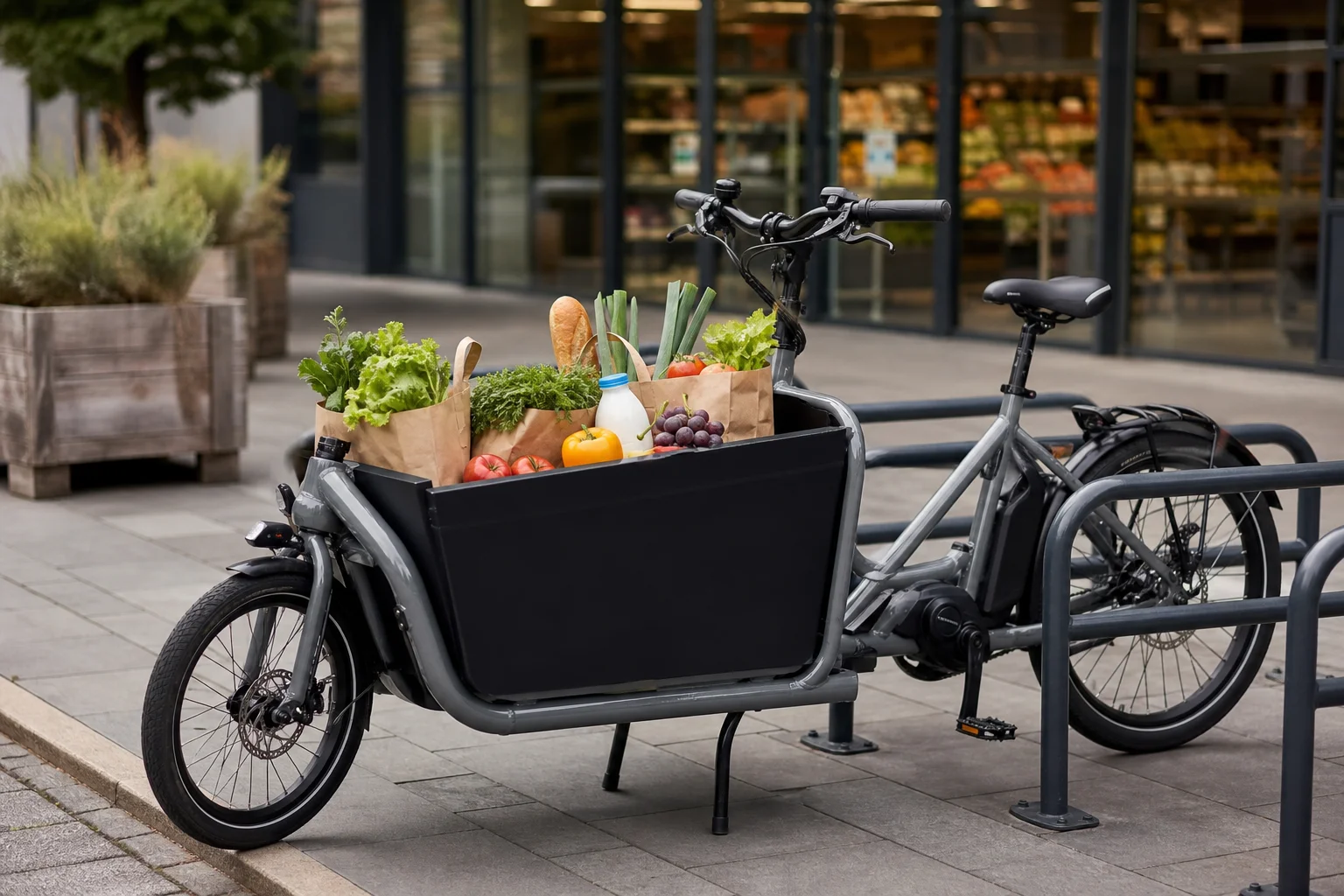
By contrast, the Tern GSD retails at approximately £4,500 for the second-generation model. The newer Quick Haul Long, a more affordable sibling with better equipment and anti-lock braking, costs £5,900 and can carry two children or a full shop. Even at this price, it costs less than two years of average car ownership.
Running costs are minimal. Charging the GSD once or twice per week costs roughly 30 pence, or about £25 per year. Maintenance includes replacing chains, cassettes, and brake blocks over time. The Tern 7-year support programme ensures that essential parts, including motor system spares, remain available for at least seven years after purchase. The Bosch motor system is the most popular in the world, making repairs straightforward and reliable.
Most owners will service the bike once per year at a local cycle shop for approximately £200, similar to a car service. Home maintenance is simple: keep it charged and ensure tyres are properly inflated.
Five Years of Real-World Use
Over five years, the original GSD has required three new chains, two new rear cassettes, and frequent brake block replacements due to hilly terrain and heavy loads. The only motor-related repair was a speed sensor replacement on the rear wheel. This is a remarkably reliable record for a bike carrying heavy loads in challenging conditions.
The financial reality is clear. If a second car would have cost a conservative £2,000 per year (£10,000 over five years), and the GSD retailed for £4,500 with a current resale value of at least £2,000 even in well-used condition, the total cost of ownership works out to approximately £3,275 after five years. This includes £125 in charging costs, £300 in parts, a £100 lock, and insurance premiums. The savings compared to running a second car total over £6,200 over five years, enough to fund a newer model and accessories.
Conclusion
Cargo bikes are expensive, but the financial case for replacing a second car with a Tern GSD is straightforward. The combination of low running costs, minimal maintenance, and strong resale value makes the investment recoverable within two to three years. For families and city dwellers considering whether one household vehicle could become a bike instead, the GSD offers a practical, reliable, and cost-effective answer.
Product link
View more details for Tern GSD
This product is mentioned in the review. Check the specifications, options, and compatibility before buying.
View more details for Tern GSDFurther reading
Related Reviews
Bike Security
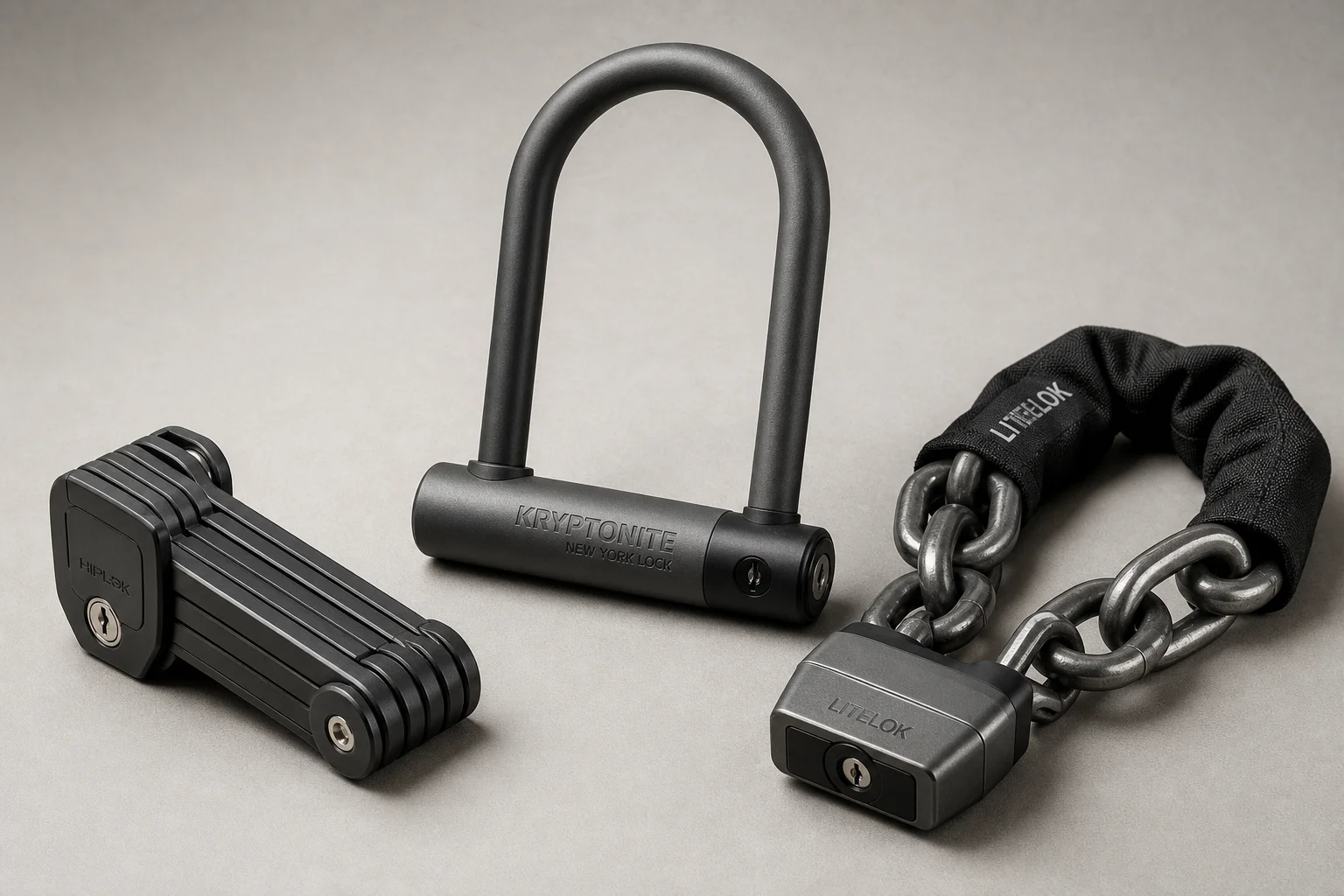
Best Bike Locks for Urban Cycling: A Practical Security Strategy
Three Abus locks matched to different locking scenarios, plus a framework for balancing security with the practicality of actually using your bike.
Cycling Accessories
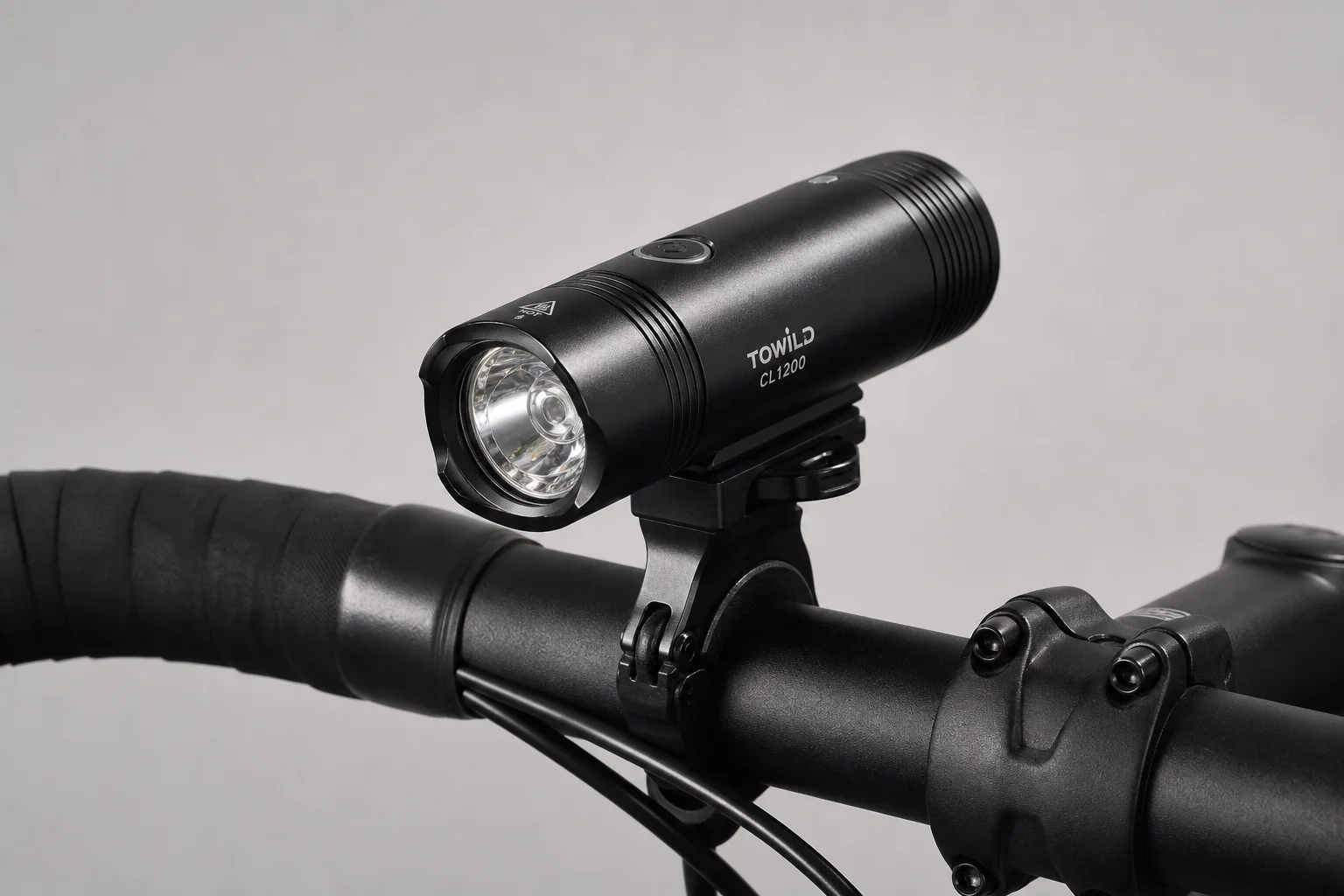
Essential Bike Commuting Accessories: Building a Safe & Comfortable Ride
From lights to locks, explore the key accessories that enhance the safety and convenience of your daily bike commute. Learn how to choose the right gear for your riding style.
E-Bikes
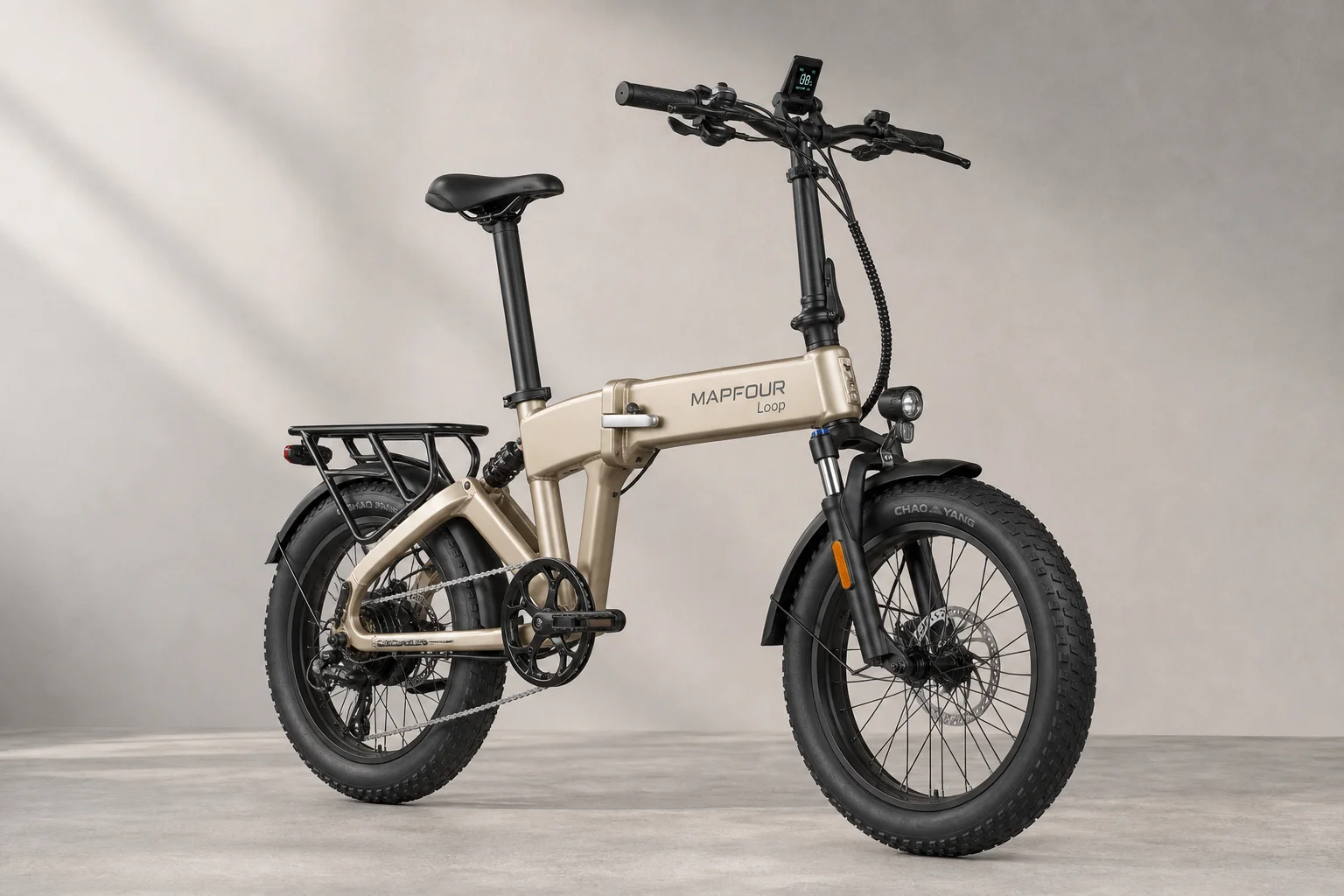
MapFour Loop Folding E-Bike Review: The Perfect Blend of Urban Utility and Off-Road Stability
The MapFour Loop is a versatile folding e-bike that blends city practicality, rugged off-road stability, and smart technology. Equipped with a 720Wh battery, full suspension, and a 2-hour fast charger, it delivers a massive 135 km range.