Coffee Brewing
No-Bypass Brewing: Tricolate vs Next Level Brewer Compared
Two pour-over brewers designed to eliminate water bypass and deliver stronger, more flavourful coffee. Which suits your brewing style?
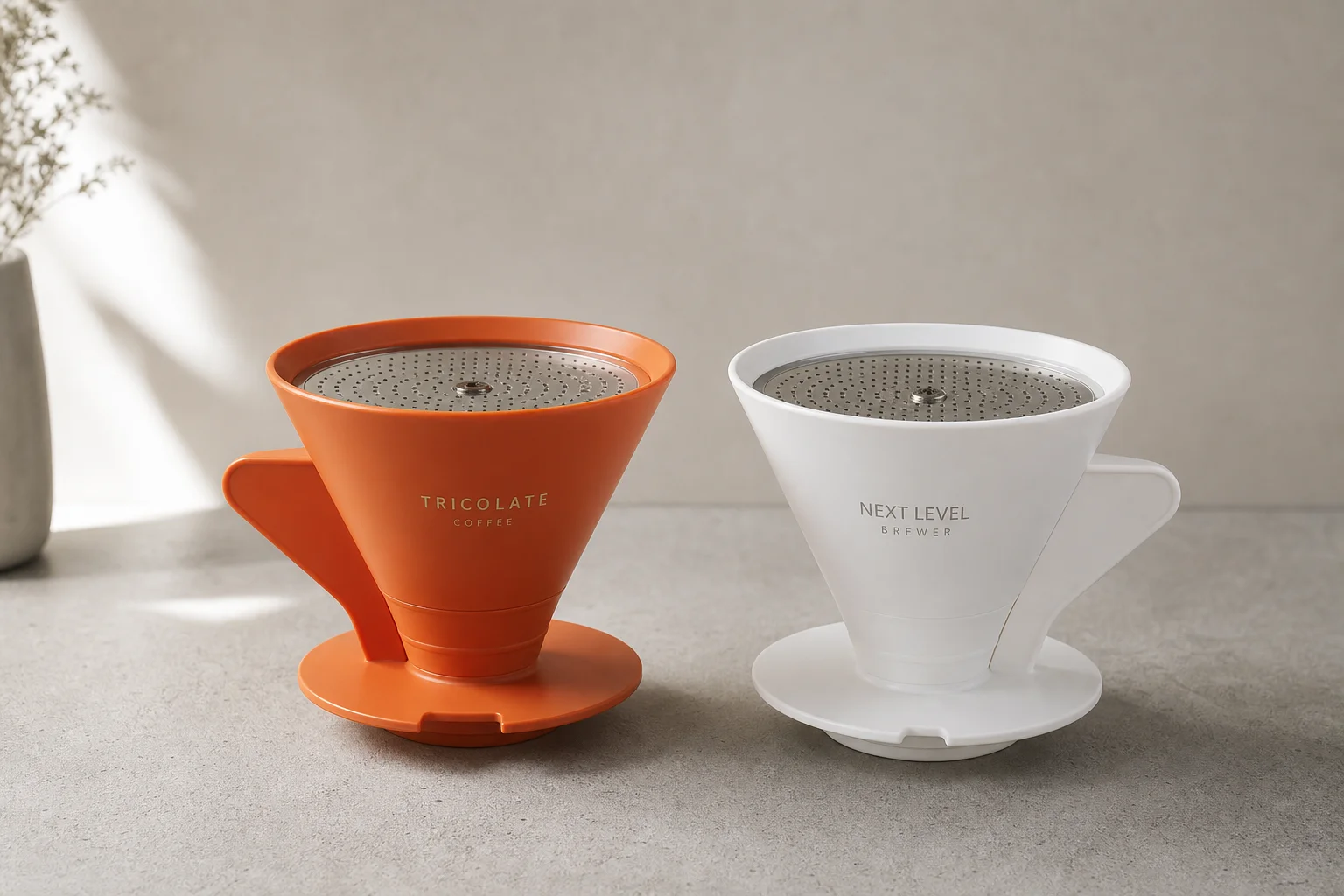
Understanding No-Bypass Brewing
Traditional pour-over brewing has a fundamental quirk: not all water that enters the brewer actually passes through the coffee bed. In a standard cone dripper, water poured at the top flows down through the grounds, but some water finds an easier path, flowing sideways through the paper filter and around the coffee bed itself. This “bypass water” doesn’t contribute meaningfully to flavour development.
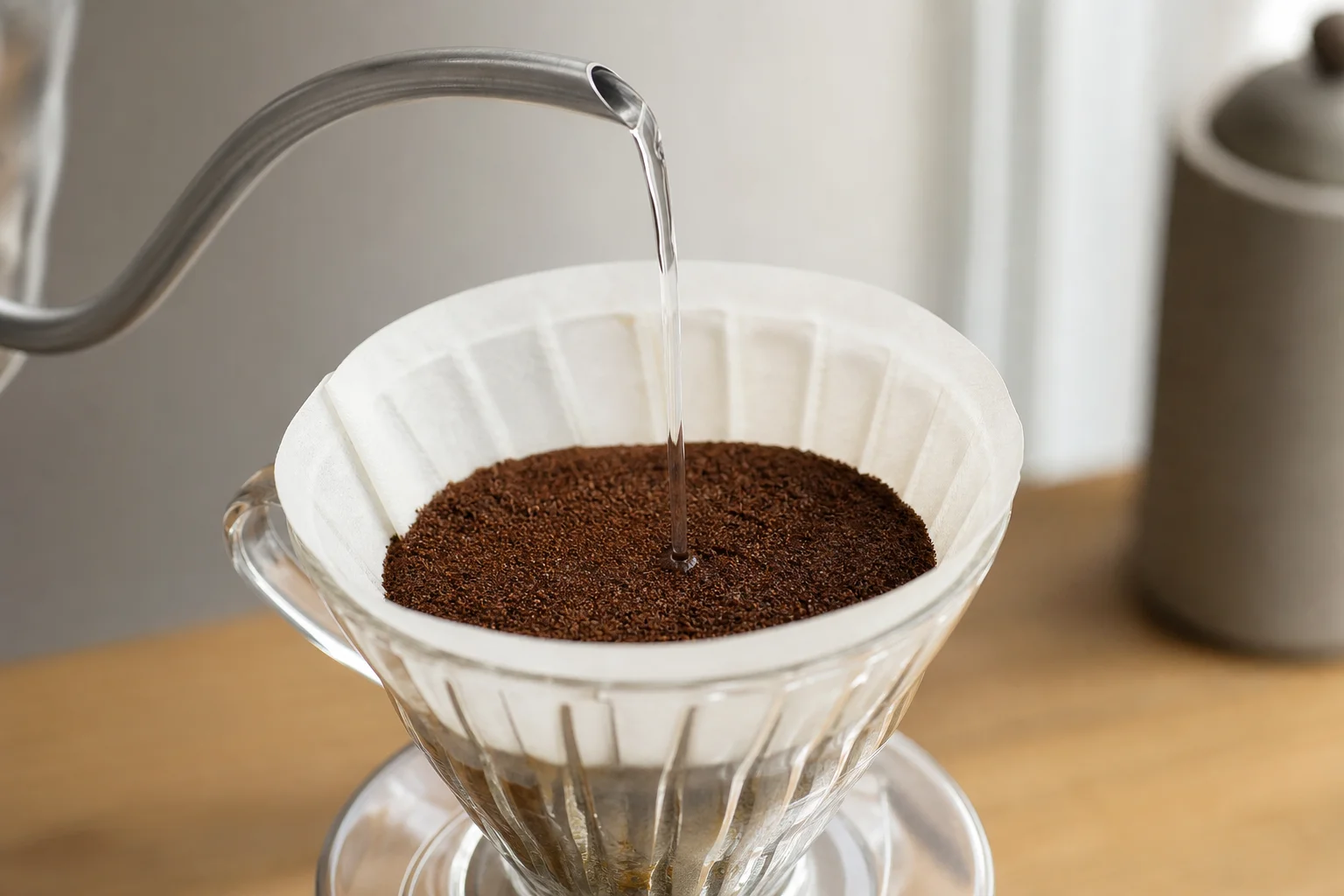
No-bypass brewing addresses this by forcing all water through the coffee bed as the only escape route. The result is a more complete flavour profile, with more soluble compounds drawn from the grounds into the cup. The trade-off is brew time: these brewers typically take five to ten minutes to complete, compared to three to four minutes for conventional pour-overs. If speed is your priority, these brewers may not suit your routine. However, if you’re willing to invest the time, the flavour difference is noticeable and worth exploring.
Tricolate Brewer: Design and Approach
The Tricolate emphasises efficiency through reduced coffee dose. Rather than the standard 60 grams per litre used in traditional pour-overs, Tricolate recommends 45 grams per litre. Over time, this savings can offset the brewer’s cost within 150 to 200 cups, depending on your coffee budget.
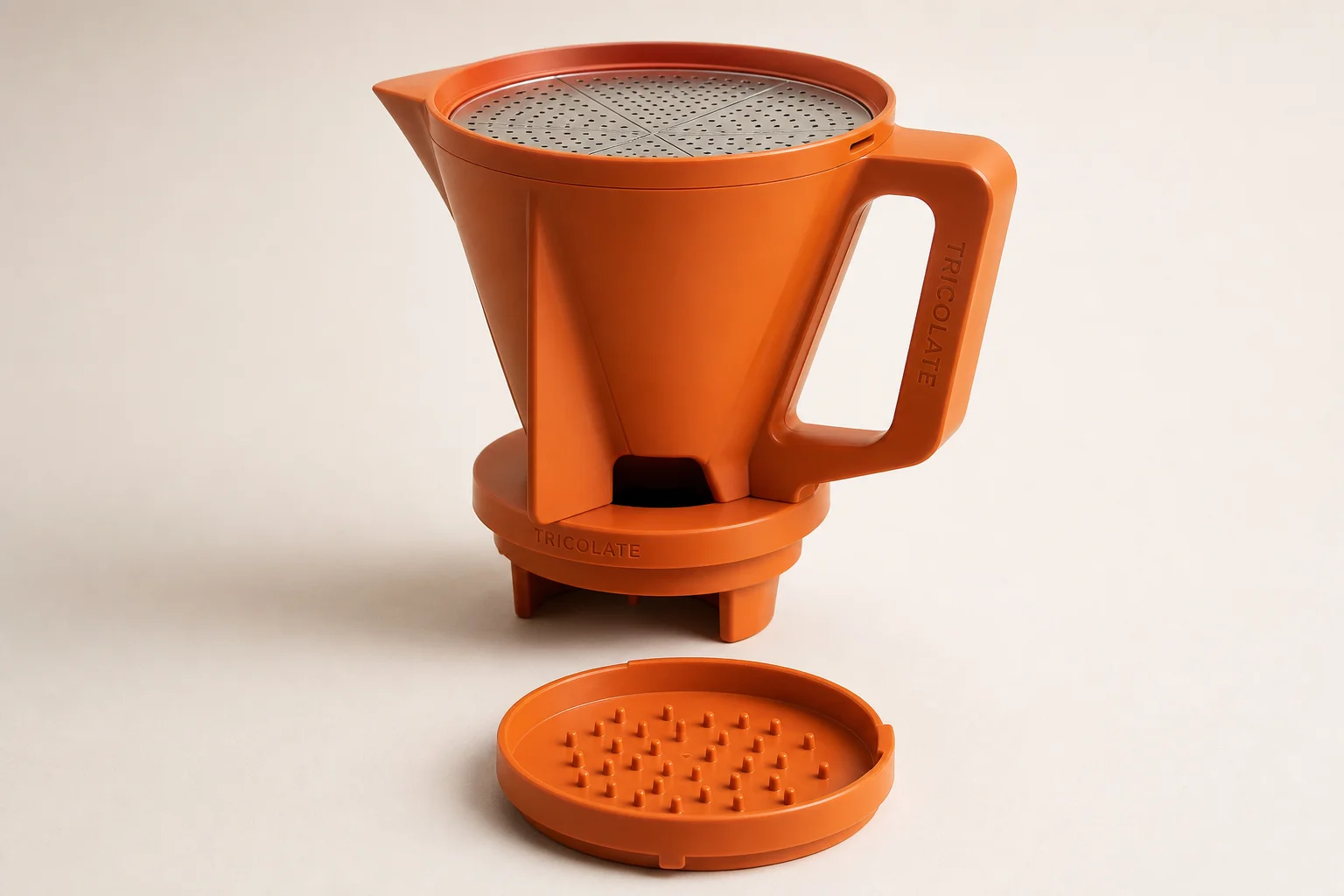
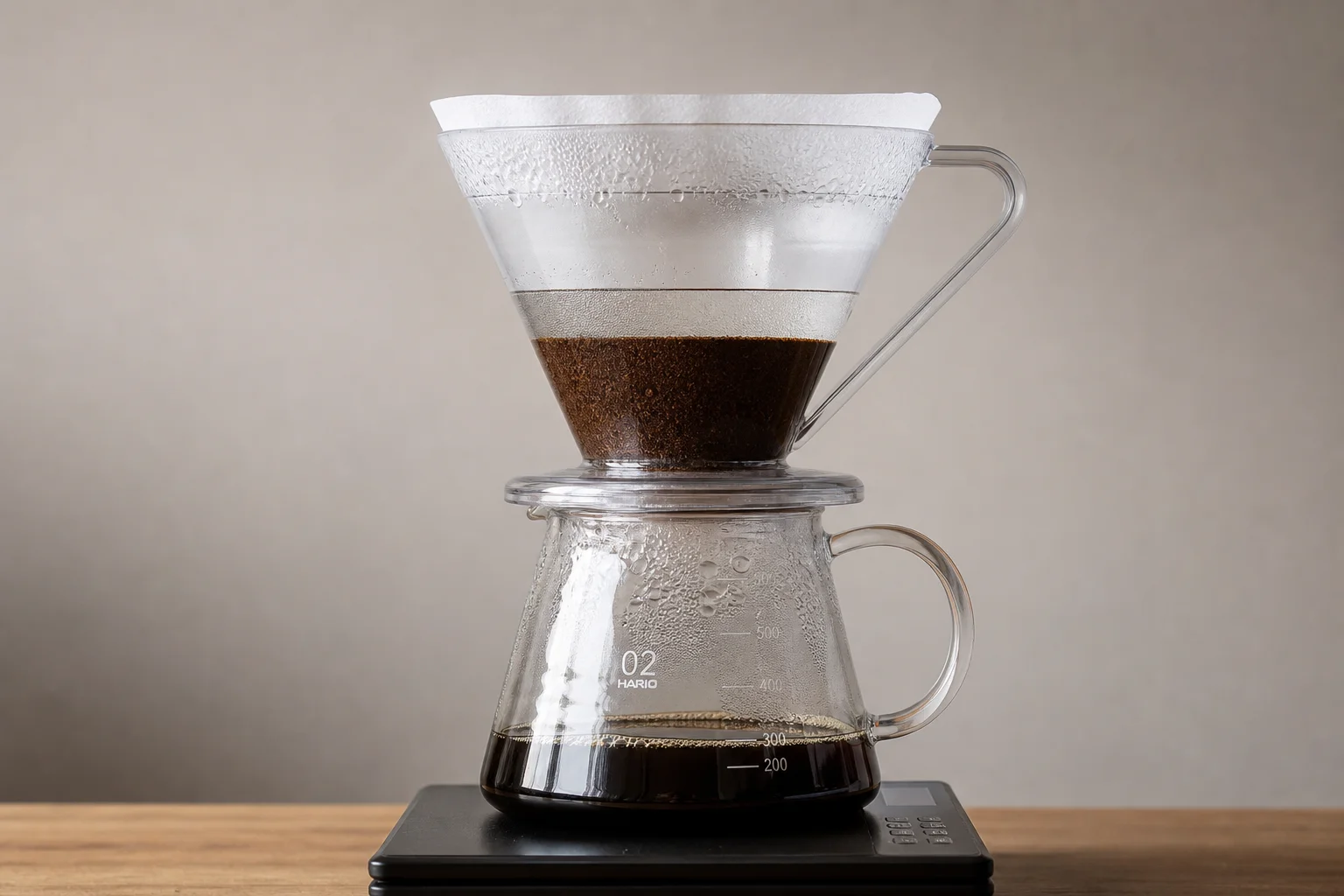
The construction is straightforward: a removable base piece, a filter bed, and a shower screen that distributes water evenly across the grounds. Setting up requires patience. Dropping a paper filter into the top and ensuring it settles properly at the bottom demands care, and rinsing the paper to confirm it’s seated flush takes attention to detail.
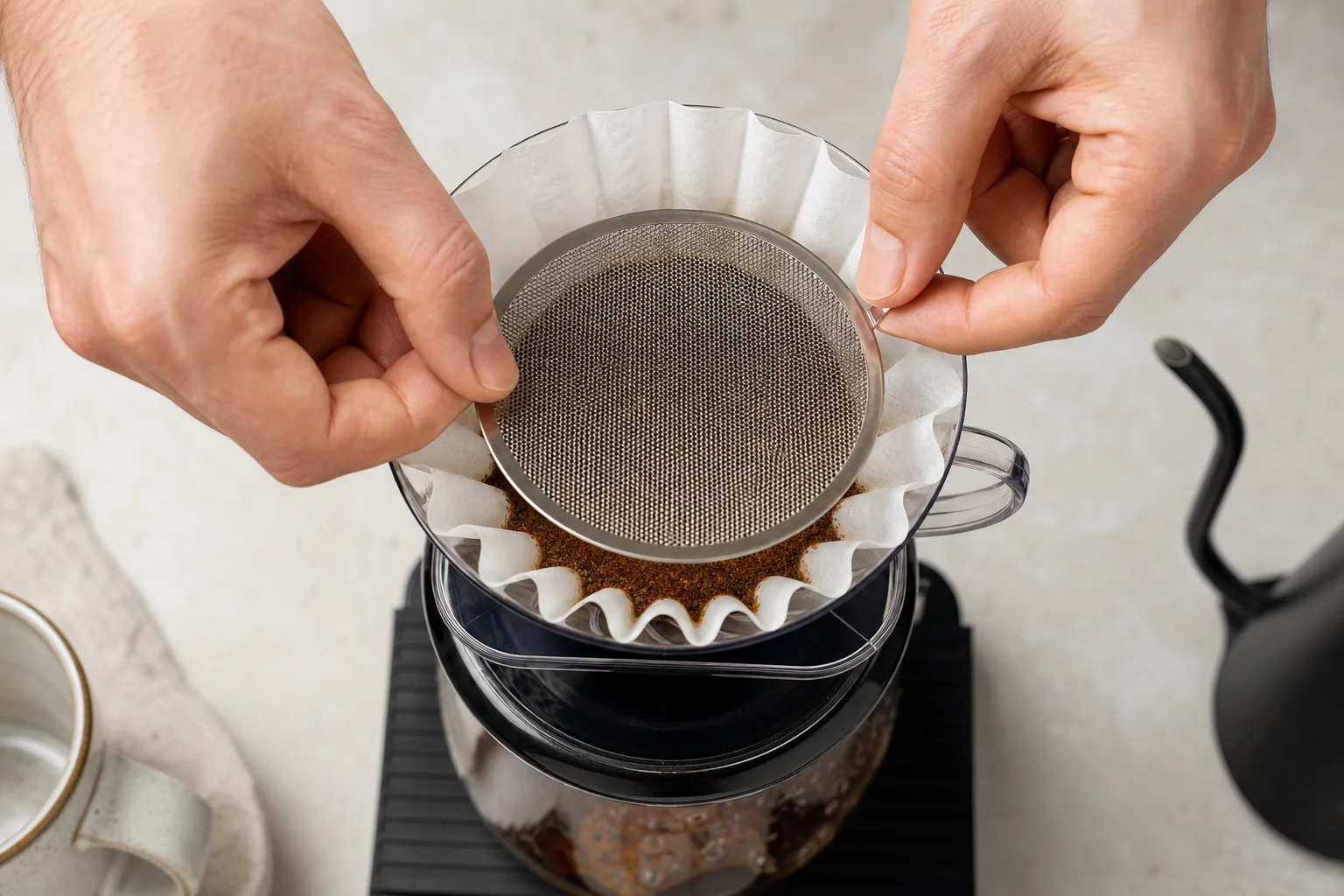
Brewing with the Tricolate works best with a finer grind than you’d use for standard pour-overs, though not as fine as espresso. A 15-gram dose with 333 grams of water is a practical starting point. Begin with a 45-gram bloom, wait 30 to 35 seconds, then add the remaining water with a gentle swirl. The brew will take around five to five and a half minutes. You don’t need a fancy pouring kettle; any regular kettle works fine.
Cleanup is straightforward. A gentle knock dislodges the spent grounds, and the base piece can be removed for thorough rinsing if needed. The plastic construction is food-safe and durable, though it lacks the premium feel of some alternatives.
Next Level Brewer: Philosophy and Technique
The Next Level takes a different philosophical approach. Rather than reducing coffee dose, it recommends a larger 30-gram dose but uses less water overall. By brewing with roughly 360 to 370 grams of water instead of the full 500 millilitres, you achieve a higher concentration that you then dilute to normal drinking strength. This method yields a similar final cup strength but through a different brewing path.
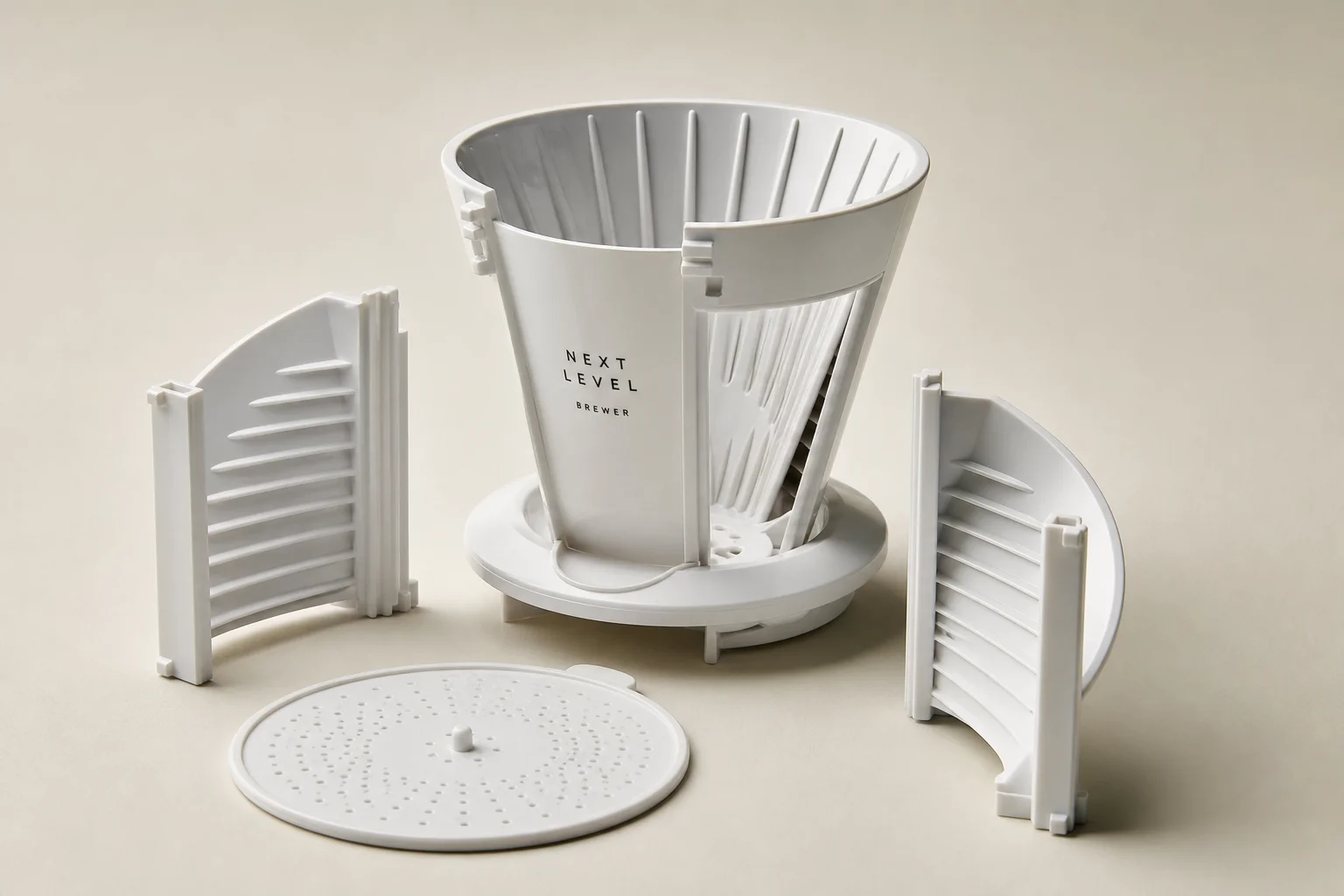
Setup differs slightly: the side walls detach, allowing you to place the filter on top before reassembling the brewer. This design feels more considered, though the white plastic can stain and discolour over time with regular use.
The recommended grind is coarser than the Tricolate’s, closer to what you’d use for a two-cup pour-over. A 90-gram bloom followed by water additions up to 380 grams mirrors the Tricolate’s technique, but the larger dose and coarser grind create a different brewing dynamic. Excessive agitation causes clogging, so minimal swirling is key. Cleanup requires removing the brew chamber before knocking out the grounds, and the white plastic does require more aggressive cleaning to prevent staining.
Comparing the Results
Brewing the Tricolate with a low dose and high concentration yields a cup with pronounced texture and complexity, though the flavours can feel crowded and harder to distinguish individually. The Next Level, brewed with a larger dose and normal concentration, produces a cleaner cup with more clarity in the acidity and individual flavour notes, though it may lack some of the texture and sweetness of the higher-concentration approach.
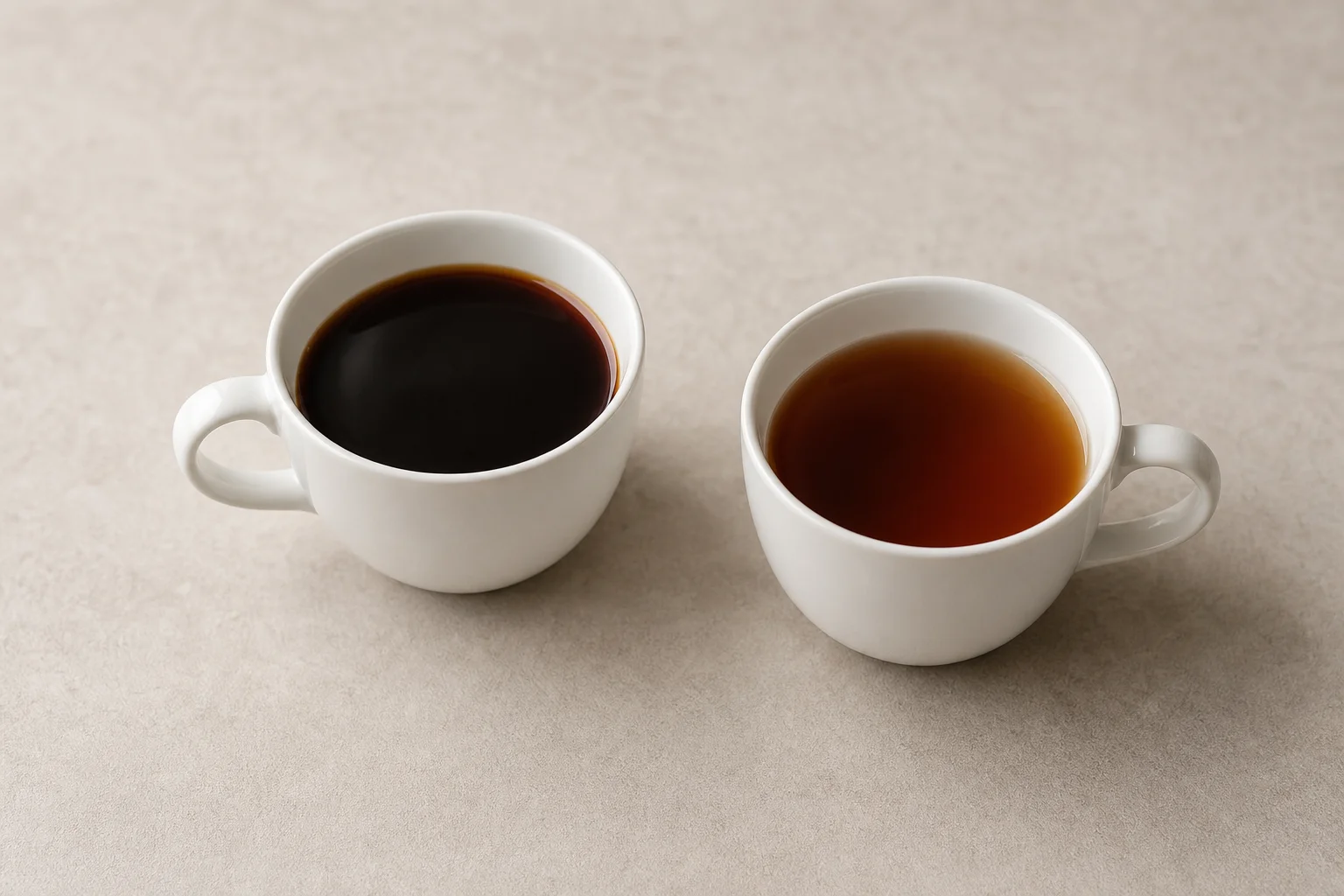
Interestingly, if both brewers achieve similar concentration levels, the difference between them becomes subtle. The choice between them depends less on technical performance and more on your brewing preferences and capacity. The Tricolate suits smaller volumes and works well when you have limited coffee remaining in a bag. The Next Level handles larger volumes better, making it preferable if you’re brewing for two people.
In terms of design, the Next Level feels slightly more refined, with its detachable chamber and considered setup process. The Tricolate’s plastic construction is functional but less premium. However, the Tricolate’s colour options, including warm orange and deep blue finishes, offer aesthetic appeal that some may prefer.
Conclusion
Both brewers represent an interesting category for coffee enthusiasts willing to invest time for flavour. They’re not everyday brewers for those in a hurry, but they’re valuable additions to a brewer collection for exploring how concentration and technique influence taste. The Tricolate suits smaller doses and single-cup brewing, while the Next Level handles larger volumes more comfortably. Neither is objectively superior; the choice depends on your typical brewing volume, aesthetic preferences, and patience for a slower brew cycle.
Further reading
Related Reviews
Coffee Brewing
AeroPress Clear Review: A Transparent Upgrade With Caveats
The new AeroPress Clear uses Tritan material and costs $50, but doesn't brew better coffee than the original. We tested durability, staining, and what the price increase means for the brand's future.
Coffee Brewing
Espresso Puck Prep: Techniques and Tools for Better Extraction
A comprehensive guide to espresso puck preparation, covering distribution methods, tamping techniques, and tools that genuinely improve your shots.
Coffee Brewing
Moka Pot Variations: Four Interesting Adaptations Worth Exploring
A detailed look at four moka pot variations, from pressure-valve designs to milk-steaming models and automated float systems, with honest assessments of their brewing strengths and practical trade-offs.