Camera Gear
Panasonic S9 with 18-40mm Lens: Finally a Complete Compact Full-Frame System
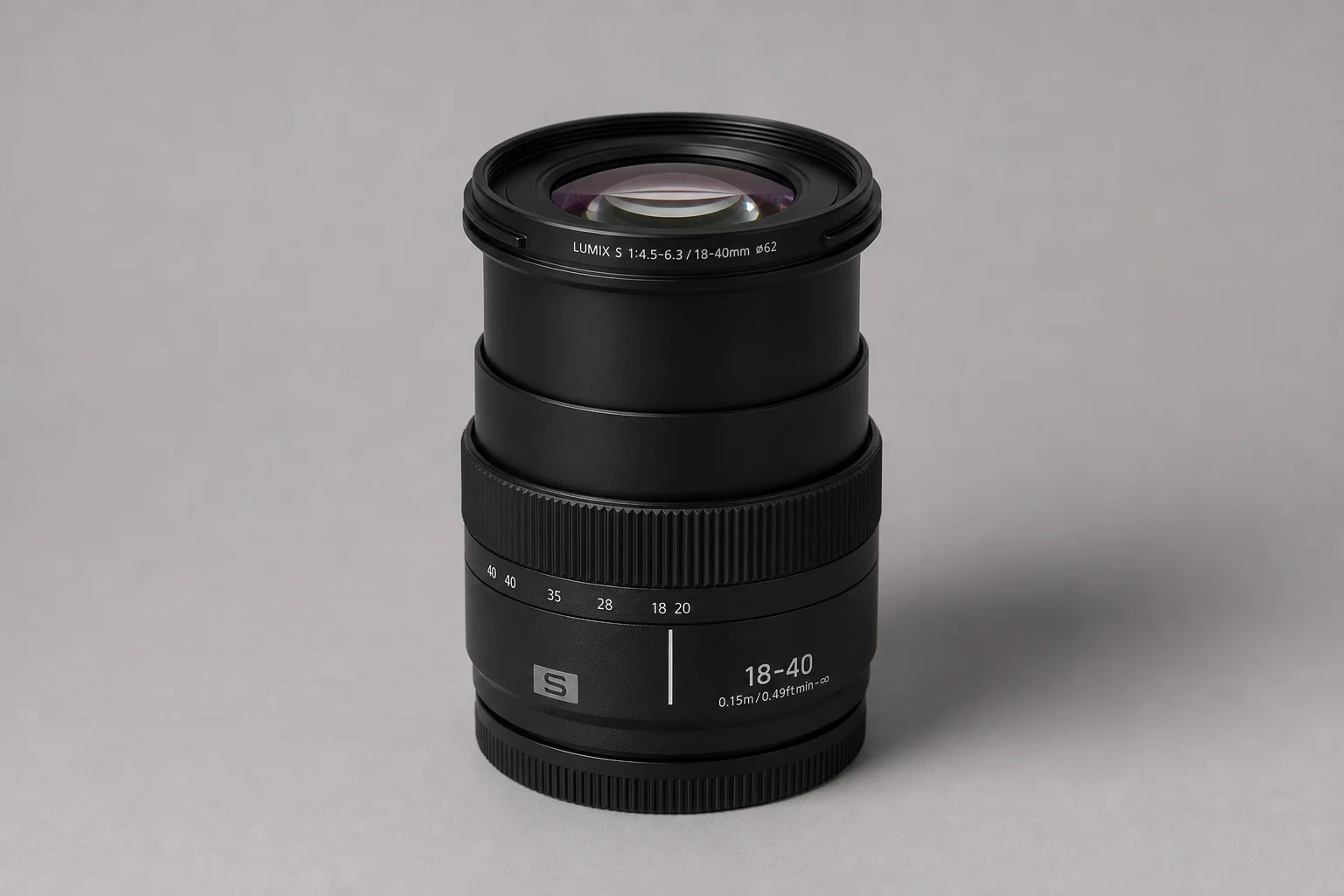
The Panasonic S9 compact full-frame camera gains a proper kit lens. We test the new 18-40mm autofocus zoom and the firmware update that removes recording limits.
Introduction
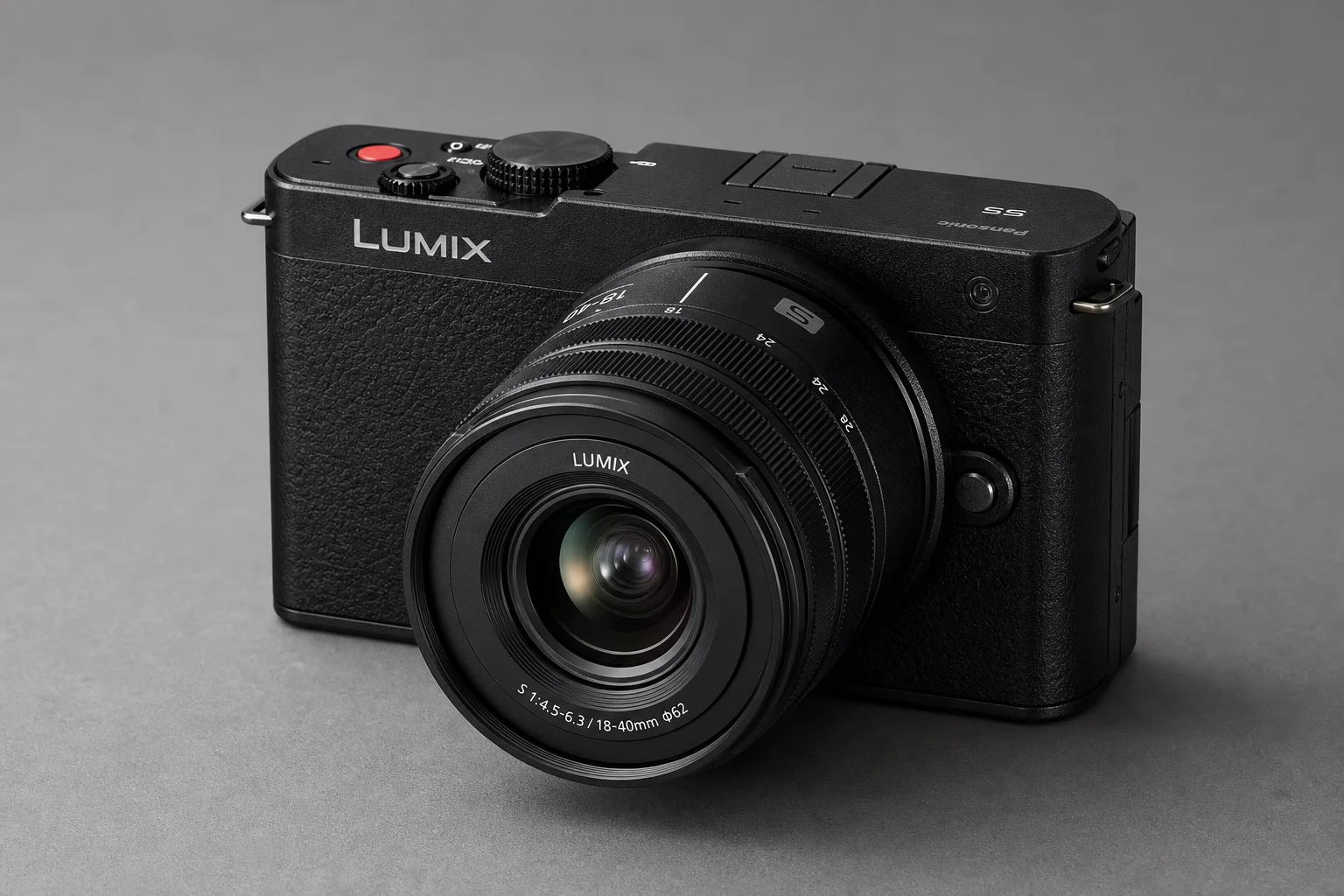
The Panasonic S9 arrived nearly five months ago as an exceptionally compact full-frame mirrorless camera with impressive in-body stabilization and 6K video capability. Yet it launched with a significant limitation: the bundled 20-60mm lens, while capable, defeated the purpose of owning such a small camera body. The promised 18-40mm autofocus zoom lens was nowhere to be found. Now that lens has finally arrived, and Panasonic has released a firmware update that removes the video recording time limits. The S9 is finally a complete system.
Design and Portability
The S9 body itself is genuinely small for a full-frame camera. Panasonic’s in-body stabilization is among the best in the industry, and autofocus performance has improved significantly across the Panasonic lineup. The camera takes 6K open-gate video and offers the same feature set as the larger S5II, yet in a form factor that makes a real difference for travel and run-and-gun shooting.

The 18-40mm lens is a revelation for this camera. It is the smallest full-frame autofocus zoom lens ever made. The previous record holder was Sony’s 28-60mm paired with the ZV-E1 vlogging camera, but a 28mm starting focal length is too narrow for comfortable handheld framing without digital stabilization. The 18mm starting point of the Panasonic lens is far more practical for vlogging and travel work, allowing you to frame wider shots without stretching your arms or relying on digital zoom.
The lens extends when deployed and retracts when stowed, which is a minor inconvenience offset by the dramatic size and weight savings. It is splash-proof, freeze-proof, and dust-proof, though the camera body itself still requires care in wet conditions.
Lens Performance and Optical Quality
The 18-40mm has a maximum aperture of f/4.5 at the wide end, stepping to f/5.6 at 40mm. This is not a large aperture, but it is appropriate for a kit lens. Depth of field is shallower than you might expect from those numbers because you are still working with a full-frame sensor, though it will not match the shallow focus of faster primes.
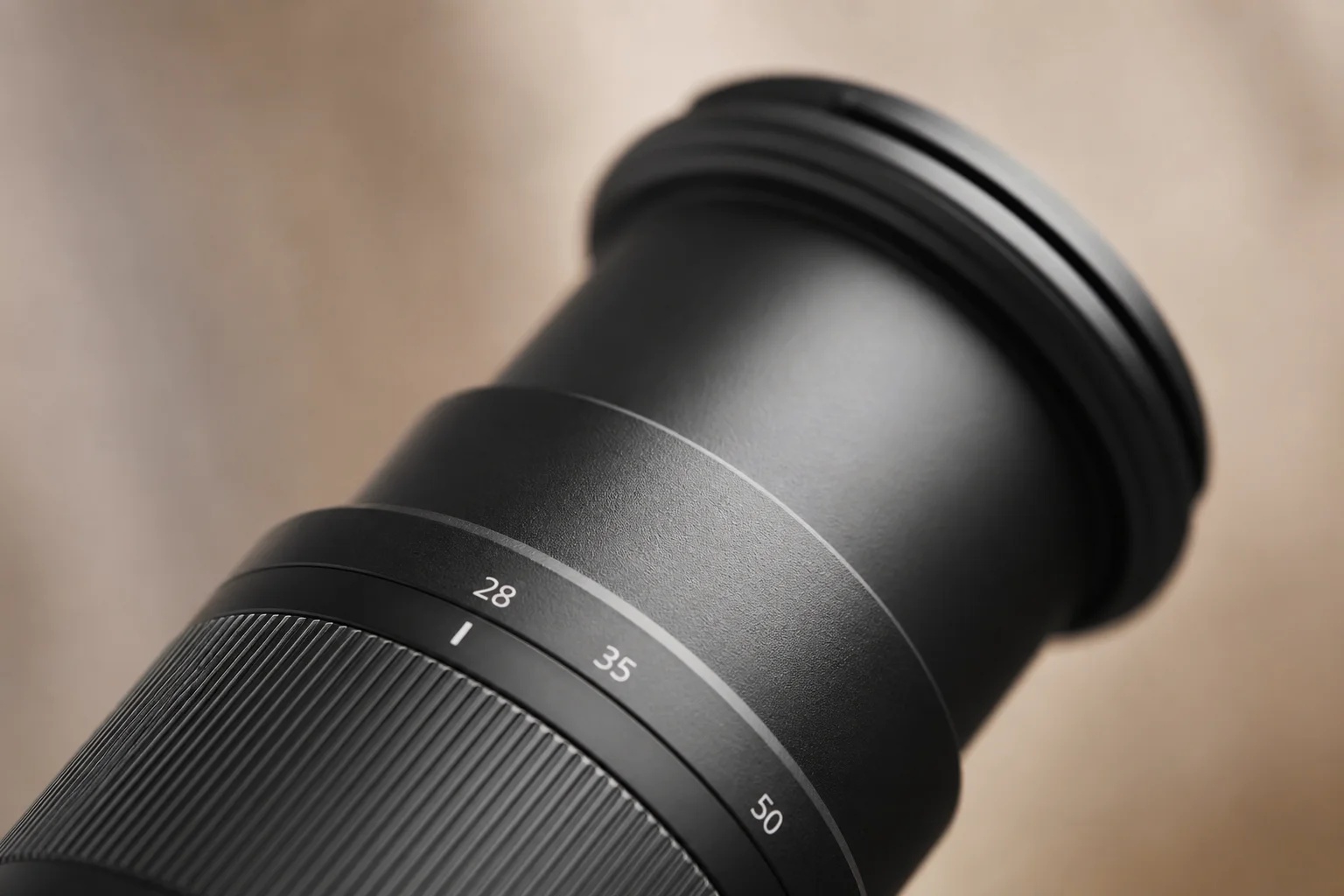
Bokeh is busy and not particularly pleasing, but the modest aperture means you will not encounter it often in real shooting. Lens flare is well-controlled, even when shooting directly into sunlight. The variable aperture is slightly annoying for video work, as the image darkens slightly when zooming, but this is a minor trade-off for the compact size.
A clever hybrid zoom feature activates when shooting 4K video. The S9 sensor can capture 6K, so when recording 4K, the camera combines physical lens movement with digital zoom to effectively extend the range to 18-62mm without quality loss. If you shoot 1080p, the effective range becomes 18-120mm. This is a smart use of the sensor’s excess resolution.
Video Recording Capabilities
The original S9 had severe recording time limits: 10 minutes for 6K, 15 minutes for 4K, and 20 minutes for 1080p. These restrictions were frustrating for a camera marketed as a video tool, especially when cameras from a decade ago could record longer. A new firmware update removes these limits entirely.
With the recording limit disabled, the S9 can now shoot 6K continuously for as long as your battery and memory card allow. In real-world testing at room temperature (23 degrees Celsius), the camera managed 1 hour and 20 minutes of continuous 6K recording before thermal concerns became relevant. In a controlled heat chamber simulation of a hot climate (approximately 25 degrees Celsius), the camera recorded 6K for 27 minutes continuously before triggering a high-temperature warning.
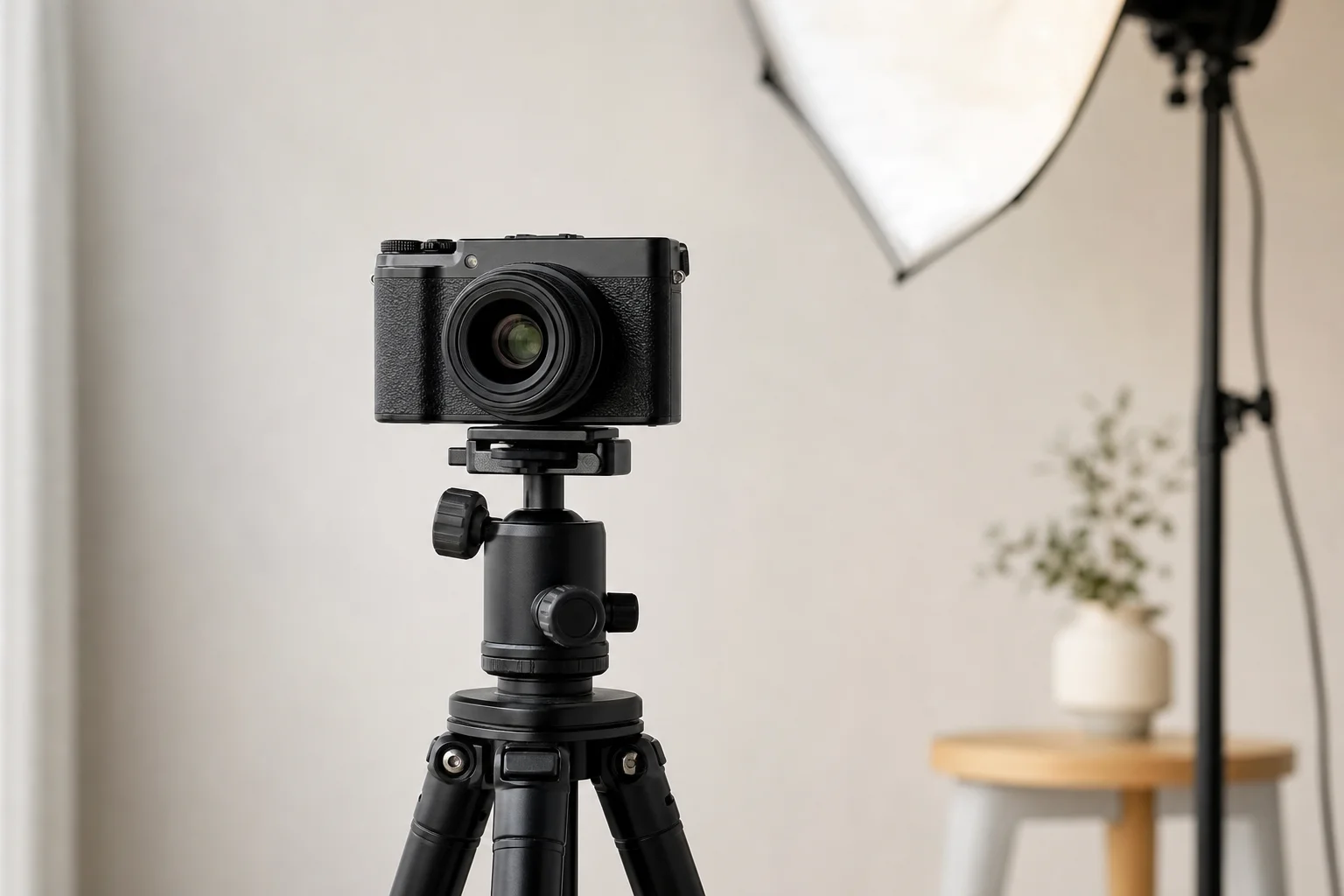
This is respectable thermal performance for a camera this small. The only limiting factors are now battery life, memory card capacity, and ambient temperature. For most travel and event work, this is more than adequate.
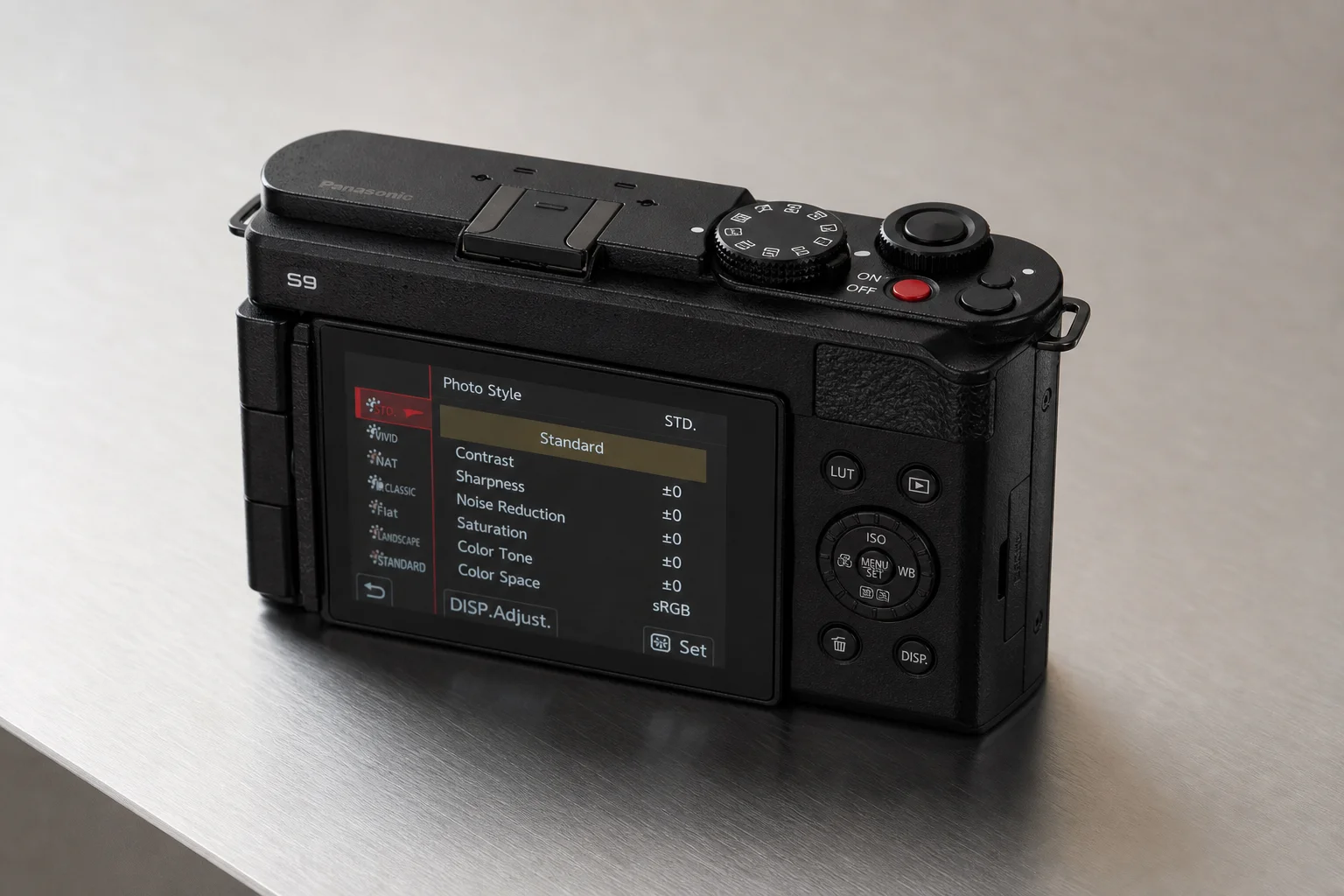
The firmware also brings subject detection for cars, motorcycles, trains, and aeroplanes, bringing the S9 autofocus capabilities in line with the S5II and S5IIx. A new feature allows multiple custom frame lines on the screen, which can be positioned anywhere, not just the centre. These improvements make the S9 more practical for professional video work.
Firmware Updates and Practical Improvements
The removal of recording time limits is the most significant firmware change, but the addition of subject detection and customizable frame lines shows Panasonic is actively improving the camera’s video toolset. The S9 now feels like a complete, mature product rather than a promising prototype with artificial constraints.

For travel, leisure, and video shooting, the S9 with the 18-40mm lens is genuinely compelling. It is lighter and more portable than the S5II, costs only slightly less, yet delivers the same 6K video capability and in-body stabilization in a form factor that makes a tangible difference in the field. The lens is not fast, but it is practical, well-designed, and finally makes the small camera body feel like a cohesive system rather than a mismatch of compromises.
Conclusion
The Panasonic S9 is now a complete compact full-frame system. The 18-40mm lens is the smallest full-frame autofocus zoom ever made, and the firmware update that removes recording limits transforms the camera from a curiosity into a genuine alternative to larger mirrorless bodies. For photographers and videographers who value portability without sacrificing image quality, the S9 is worth serious consideration.
Further reading
Related Reviews
Camera Gear
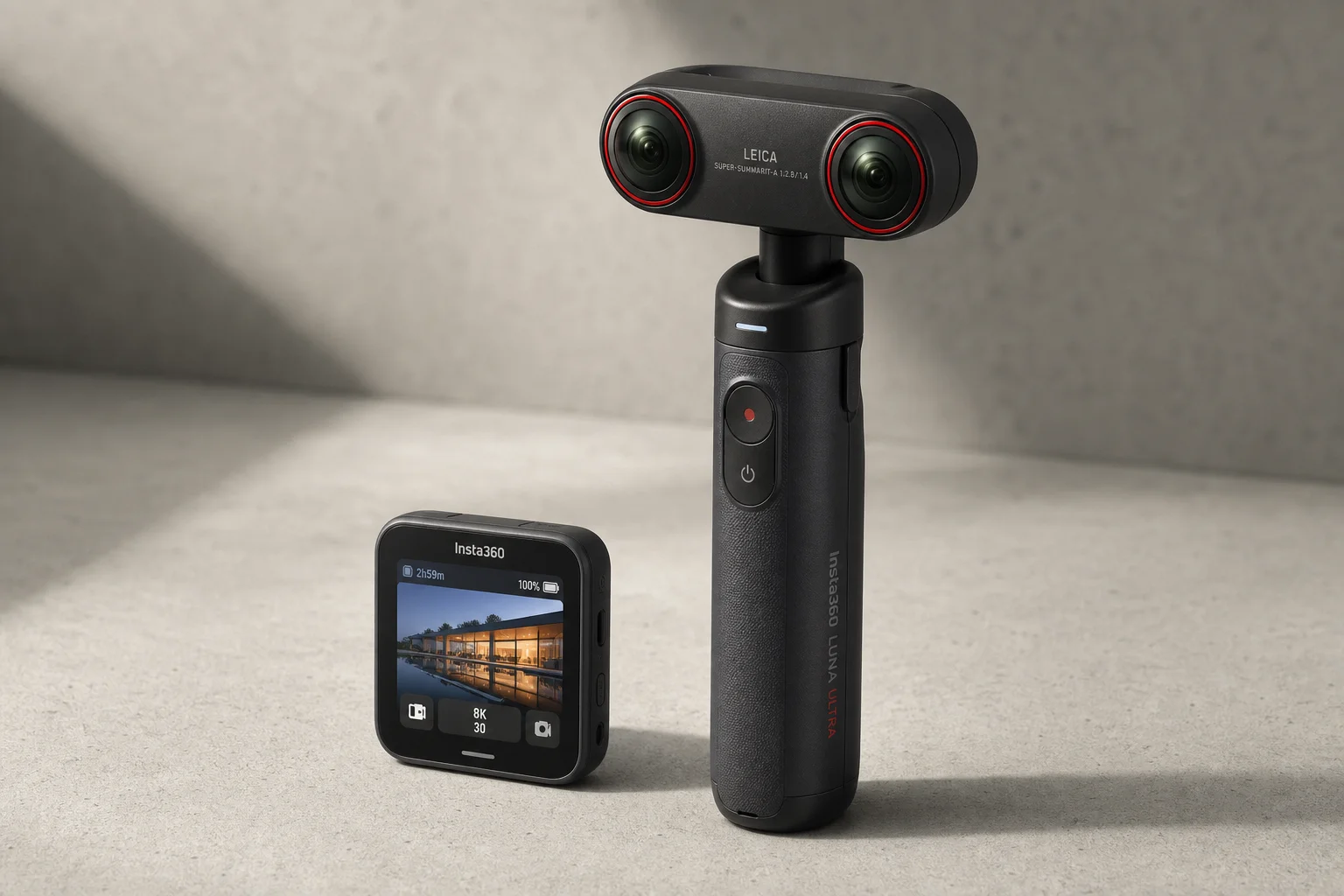
Insta360 Luna Ultra Review: A Dual-Camera Gimbal Camera with Leica Optics
The Insta360 Luna Ultra brings dual cameras, a detachable screen, and Leica-designed optics to handheld gimbal cinematography. A detailed look at its strengths, limitations, and real-world performance.
Camera Reviews
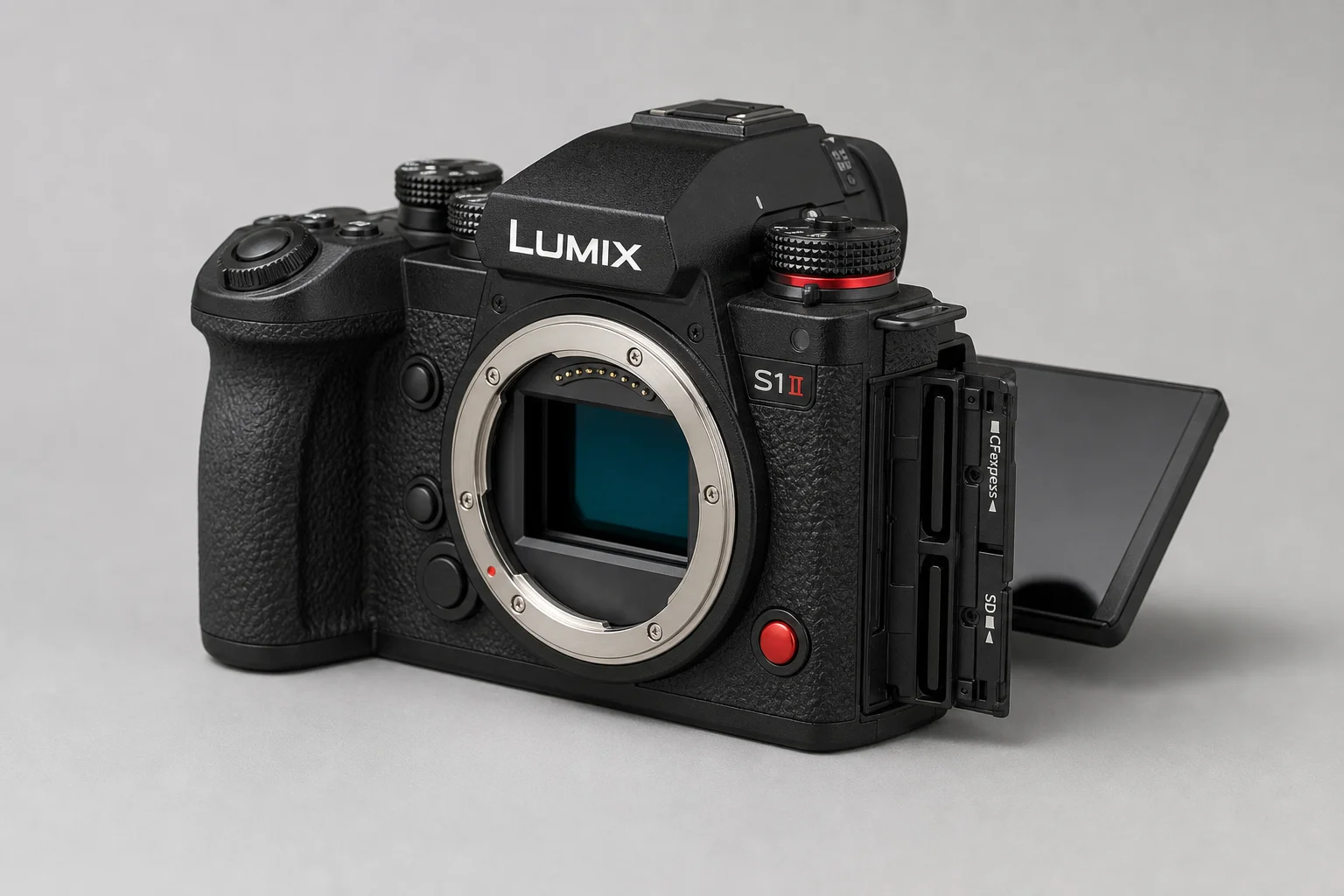
Panasonic S1 II Review: Strong Video, Compromised Still Photography
The S1 II delivers exceptional video capabilities and a 70fps burst mode, but AF tracking inconsistencies and buffer limitations undermine its appeal as a true hybrid camera.
Camera Lenses
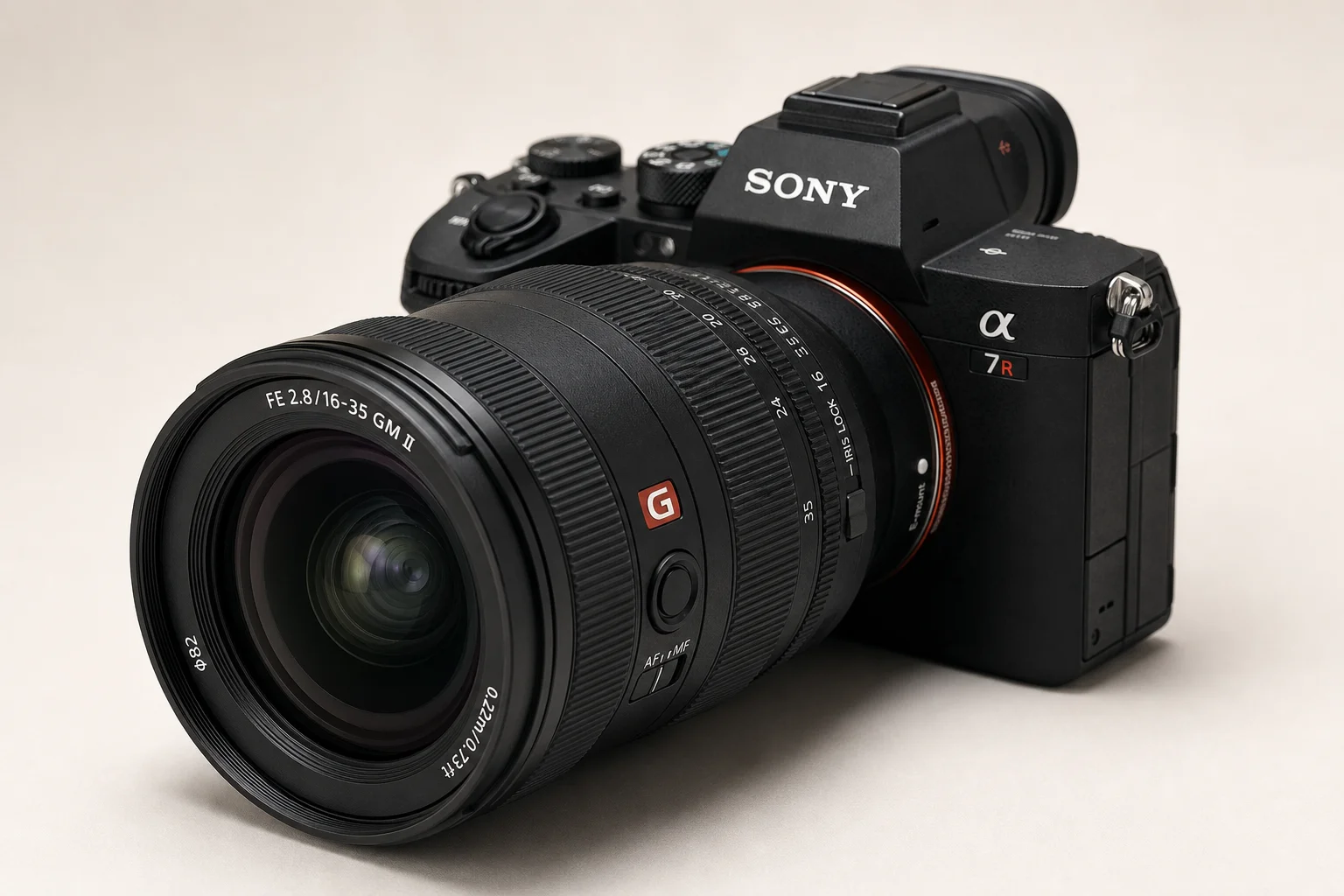
Sony 1635mm F2.8 GM2 Lens Review: Compact Wide-Angle Performance
The Sony 1635mm F2.8 GM2 delivers impressive optical sharpness and a notably lighter design compared to previous F2.8 ultra-wide lenses, making it a practical choice for landscape and video work.