Camera Reviews
Panasonic S1 II Review: Strong Video, Compromised Still Photography
The S1 II delivers exceptional video capabilities and a 70fps burst mode, but AF tracking inconsistencies and buffer limitations undermine its appeal as a true hybrid camera.
Introduction
The Panasonic S1 II arrives as the latest full-frame addition to Panasonic’s L-mount ecosystem, following the S1R II released months earlier. It brings an attention-grabbing 70fps continuous burst mode and significant video enhancements, including 5.1K 50/60p open-gate recording and 4K up to 100/120p. Yet despite these headline features, the camera reveals a familiar tension in Panasonic’s design philosophy: exceptional video performance paired with still-photography compromises that prevent it from being a true hybrid workhorse.
Video Capabilities and Storage
The S1 II’s video feature set stands apart in the full-frame market. For the first time on a Panasonic full-frame camera, you get 50 or 60p recording at full-frame resolution. The 5.1K open-gate mode at 50/60p is particularly noteworthy, offering a wider capture area than standard 16:9 framing without the crop penalty of other systems. At 4K, the camera reaches 100 or 120p, though this mode introduces a 1.24x crop known as full-area video and disables subject detection.
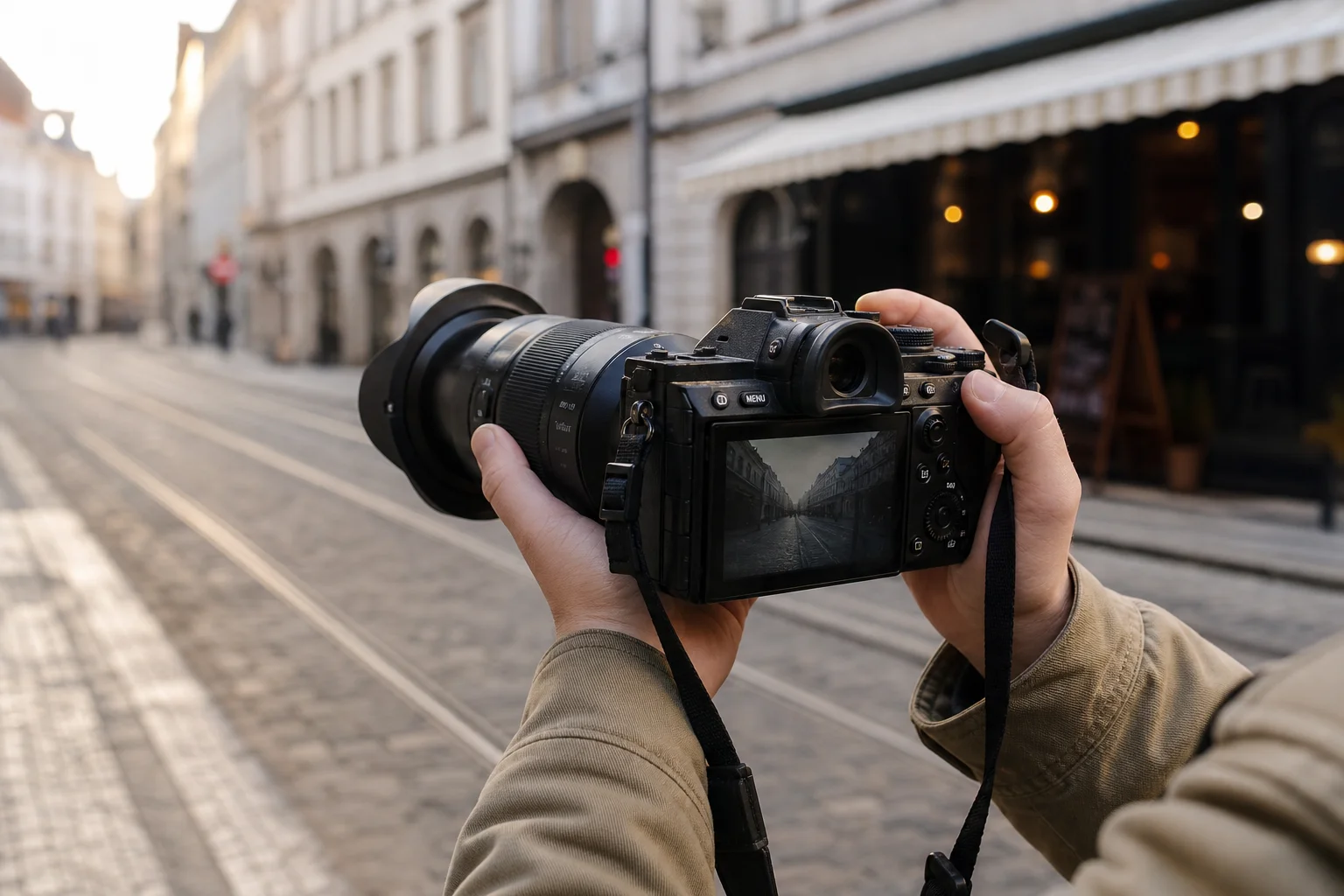
The camera includes a new subject detection mode called urban spots detection, designed to handle unconventional framing scenarios where standard human detection might struggle. Traditional human detection can become confused when subjects are upside down or in unusual positions; urban spots detection aims to reduce this confusion, though it still occasionally prioritizes background subjects over intended focal points.
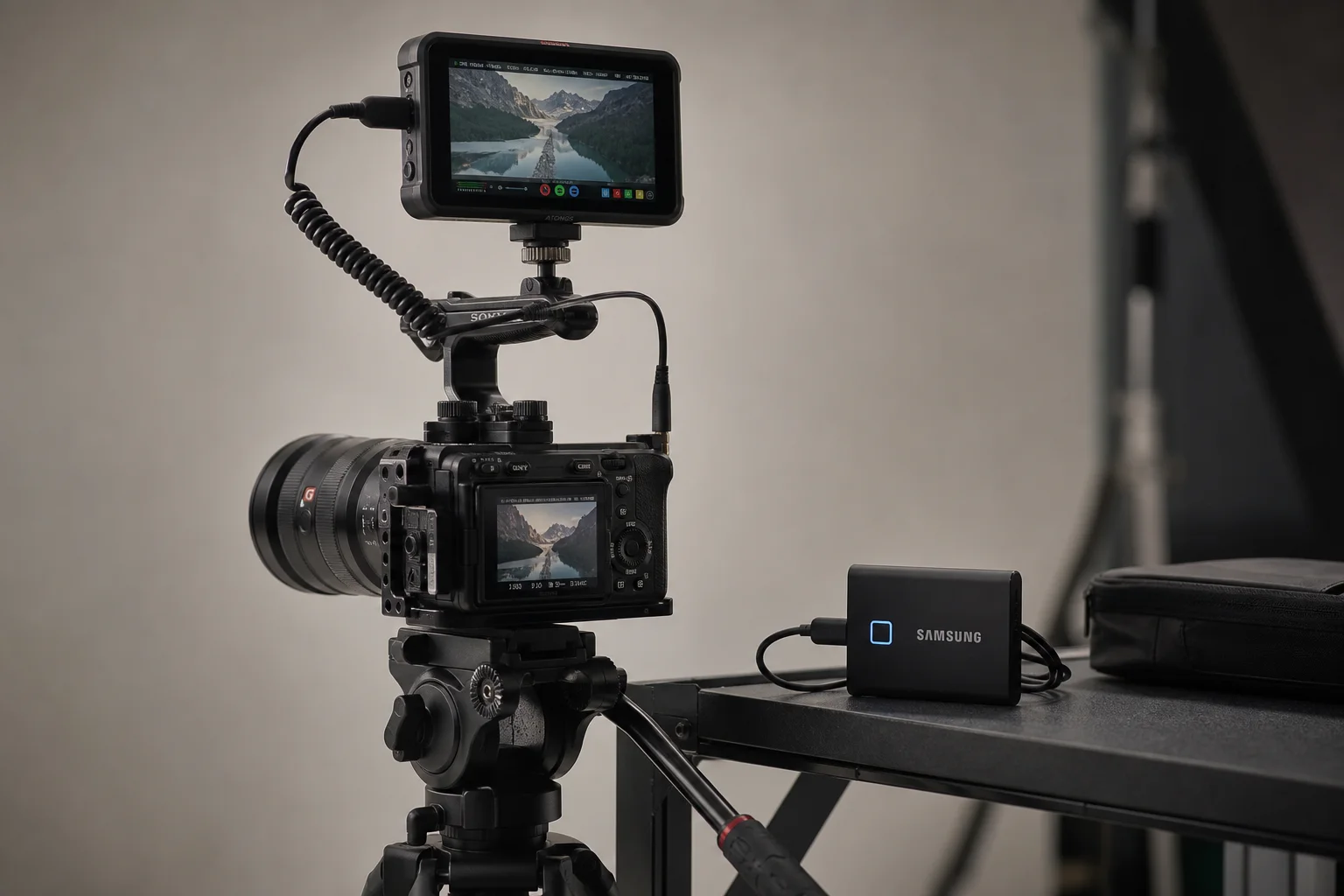
Beyond frame rates, Panasonic has added a practical new feature: the ability to copy files directly between CFexpress and SD cards via the camera’s interface, or to external SSD storage without requiring a separate power source. Testing with a 143GB card showed the process takes approximately 12 to 13 minutes on the camera itself, compared to 3 minutes on a Mac mini, but the convenience of backup without a laptop is genuine.
The camera also inherits the S1R II’s cropless electronic image stabilization and false colour monitoring, both of which have been improved over the previous generation.
Body Design and Build
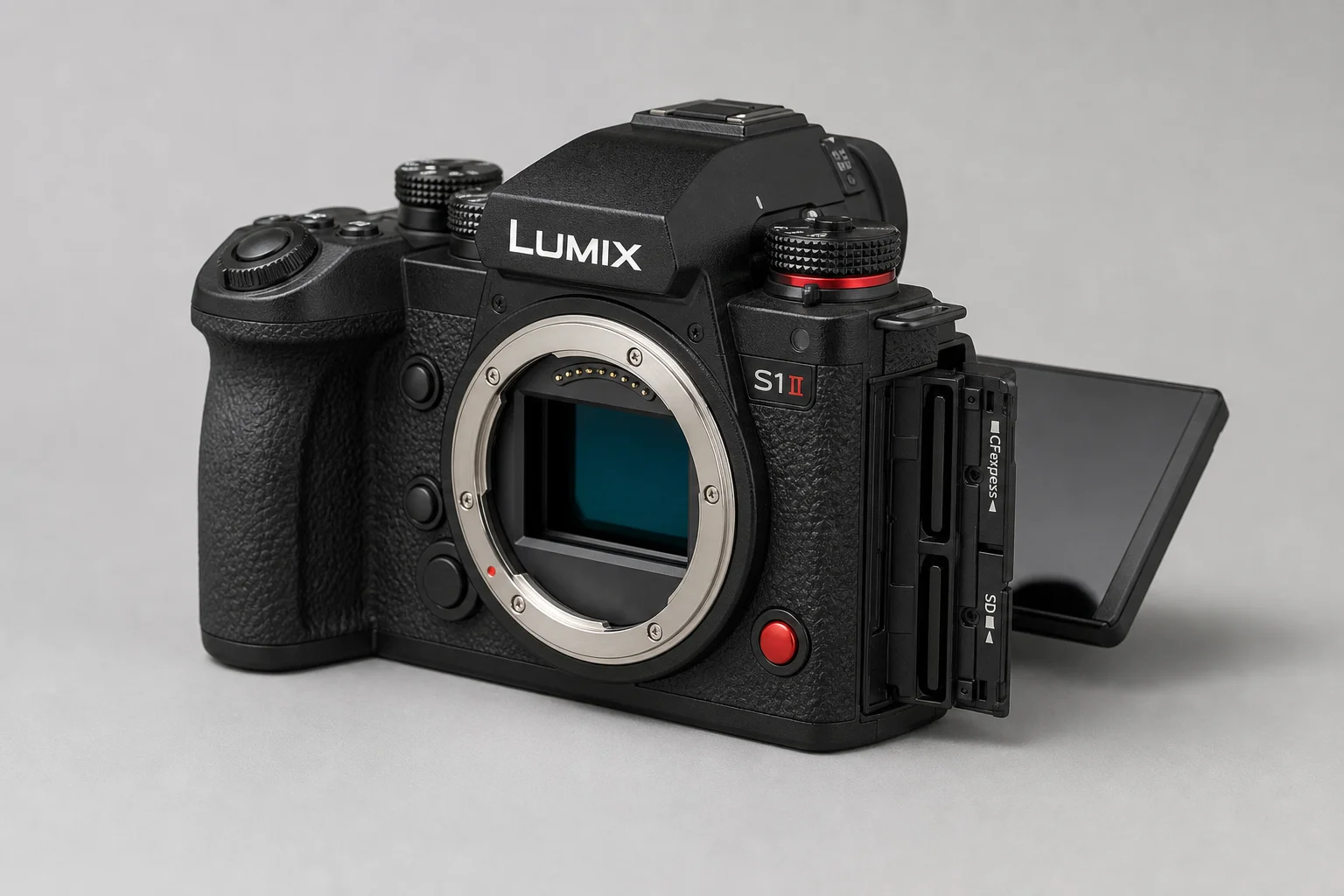
The S1 II shares its chassis with the S1R II, which itself carried over the body design from the original S1. This consistency means you get all the ergonomic and physical features that have proven solid across the lineup: a cooling fan (present since the S5 II), dual card slots for CFexpress and SD, and a tilt screen that articulates smoothly and locks into position with a satisfying click.
The front-mounted record button is conveniently placed for video work, and the shutter cover is a simple mechanical design rather than a motorized element. The tilt screen remains one of the best implementations in its class, offering genuine flexibility for both stills and video without the bulk of a fully articulating design.
Burst Performance and Buffer Issues
The 70fps electronic shutter burst mode is technically impressive on paper. At 70fps RAW, the S1 II outpaces the Nikon Z9 (20fps RAW), Sony A1 II (30fps RAW), and Canon R1 (40fps RAW). However, real-world performance reveals a critical weakness: the buffer fills within approximately 2 seconds, even with fast CFexpress cards. Testing showed that the camera can consistently capture around 170 shots before the buffer becomes full, requiring a minute or more to clear before shooting again.

Switching to mechanical shutter mode at 10fps provides more practical utility. You can still achieve 170 shots in a single burst, translating to roughly 17 seconds of continuous shooting. However, even at 10fps, the buffer depletes quickly, leaving only about 4 seconds of usable burst before the buffer indicator shows critically low capacity. This limitation severely restricts the 70fps mode to niche scenarios where you have time to wait between bursts, making it more of a specification highlight than a practical feature for most shooting situations.
Autofocus Tracking Limitations
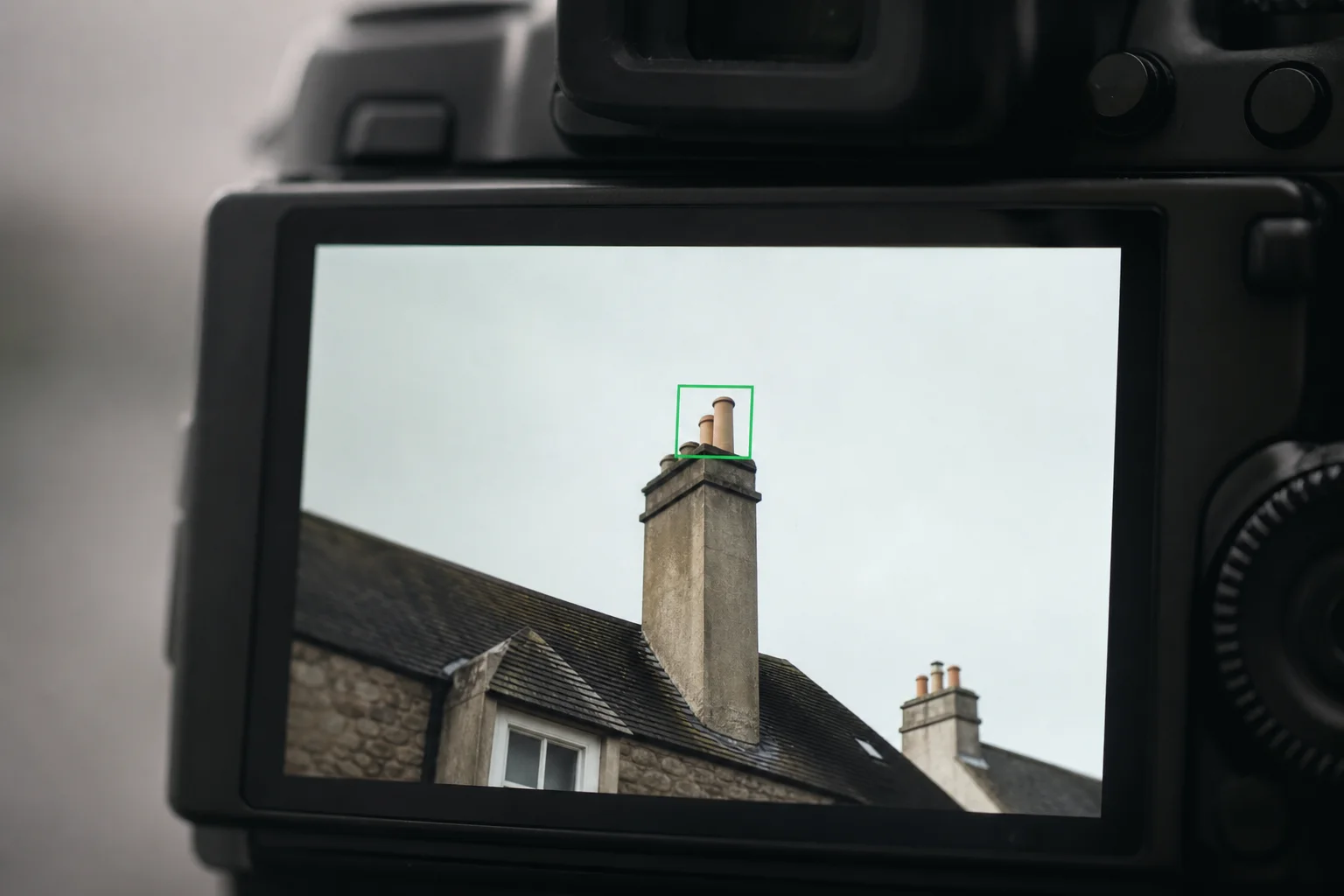
The most significant weakness of the S1 II is its autofocus tracking behavior, particularly when using AF-C continuous autofocus without subject detection. While Panasonic’s human and animal detection systems work well, the general AF tracking exhibits quirks that no other major brand exhibits to the same degree.
When tracking non-human subjects, the focus box sometimes jumps and changes size unexpectedly, creating an unpredictable shooting experience. Other manufacturers’ cameras maintain steady focus tracking without these erratic repositioning movements. This behavior is especially frustrating in street photography or any scenario where you want to avoid constantly switching between AF modes.
Panasonic has improved AF tracking incrementally over recent generations, and the S1 II represents another small step forward. The tracking now works reliably enough for most situations, but the occasional erratic behavior remains. In roughly 1 out of 10 tracking attempts, the camera does something unexpected, which is annoying enough to discourage reliance on the feature. Nikon, Sony, and Canon all deliver significantly more predictable AF tracking performance.
Autofocus Detection Modes
The urban spots detection mode is a thoughtful addition for video work, addressing real scenarios where standard human detection becomes confused. However, it does not fully solve the broader AF tracking inconsistency issue that affects still photography workflows.
Overall Assessment
The S1 II is best understood as a video-first camera that happens to shoot stills competently. Its 5.1K open-gate 50/60p recording, 4K 100/120p capability, and external SSD backup features place it among the strongest video performers in the full-frame market. For videographers and content creators who prioritize motion capture, the feature set is compelling.
For still photographers, however, the AF tracking quirks and buffer limitations create friction. The 70fps burst mode is more marketing specification than practical tool. If you need a true hybrid camera with equally strong still and video performance, the Nikon Z5 II offers a more balanced experience at a lower price point, even if it lacks some of the S1 II’s video sophistication.
Panasonic has demonstrated the ability to address AF issues, as evidenced by the improvements made to the S5 II. If the company can apply similar focus refinement to the S1 II’s tracking behavior, it would transform the camera from a video specialist into a genuinely compelling all-around system. Until then, the S1 II remains a camera for creators who know exactly what they need it to do and are willing to work within its specific strengths.
Conclusion
The Panasonic S1 II delivers exceptional video capabilities and a thoughtfully designed body, but AF tracking inconsistencies and impractical burst buffer management prevent it from being a true hybrid workhorse. It is best suited for videographers and content creators who can leverage its strong motion-capture features and can accept its still-photography limitations.
Buying link
View Panasonic S1 II on Amazon
This product is mentioned in the review. The link below takes you to Amazon; check the specifications, options, and compatibility before buying.
View Panasonic S1 II on AmazonFurther reading
Related Reviews
Camera Reviews
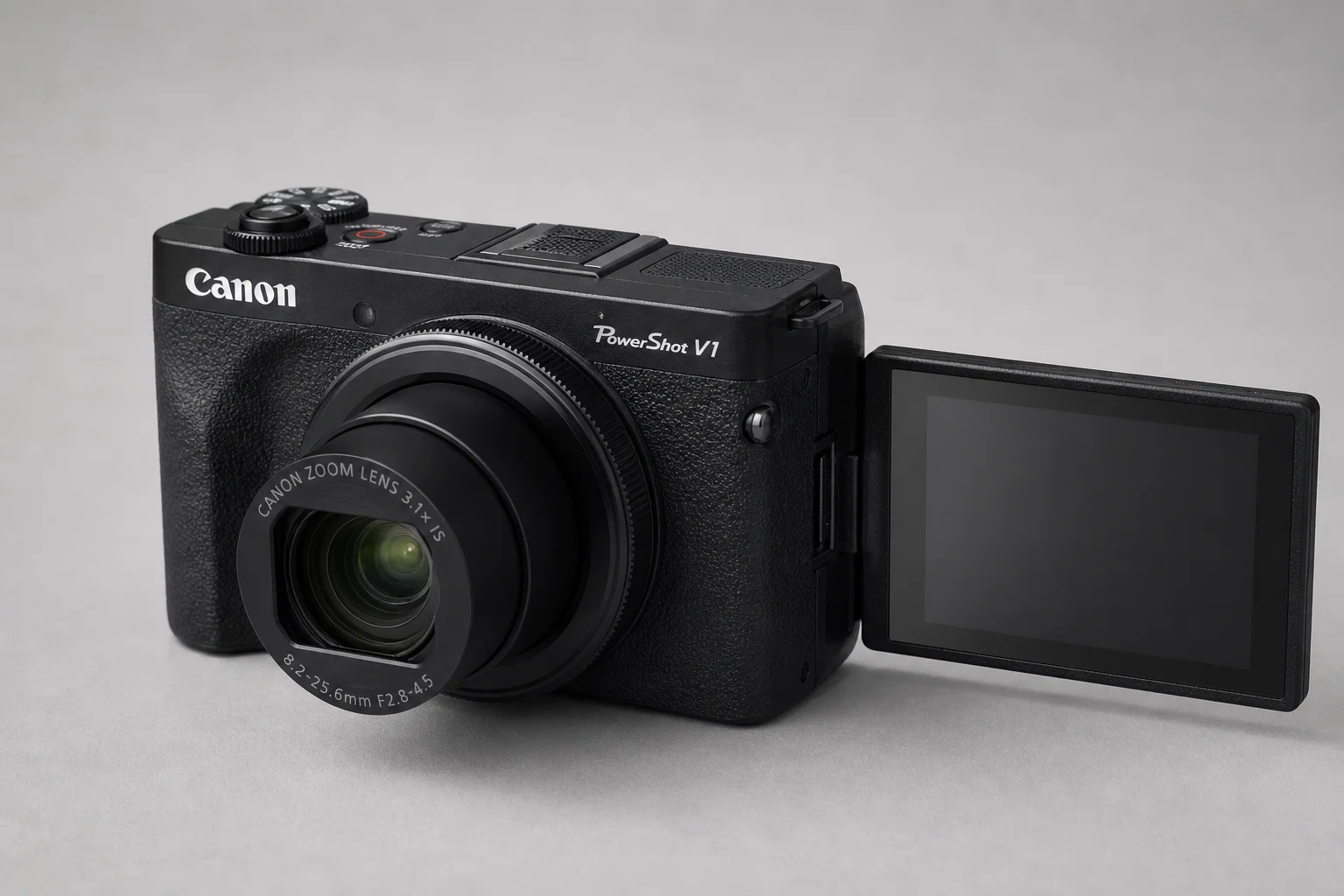
Canon PowerShot V1 Review: A Serious Vlogging Camera with Real Trade-offs
The Canon PowerShot V1 brings a larger sensor and optical stabilization to compact vlogging, but size, battery life, and dynamic range limitations deserve careful consideration.
Camera Reviews
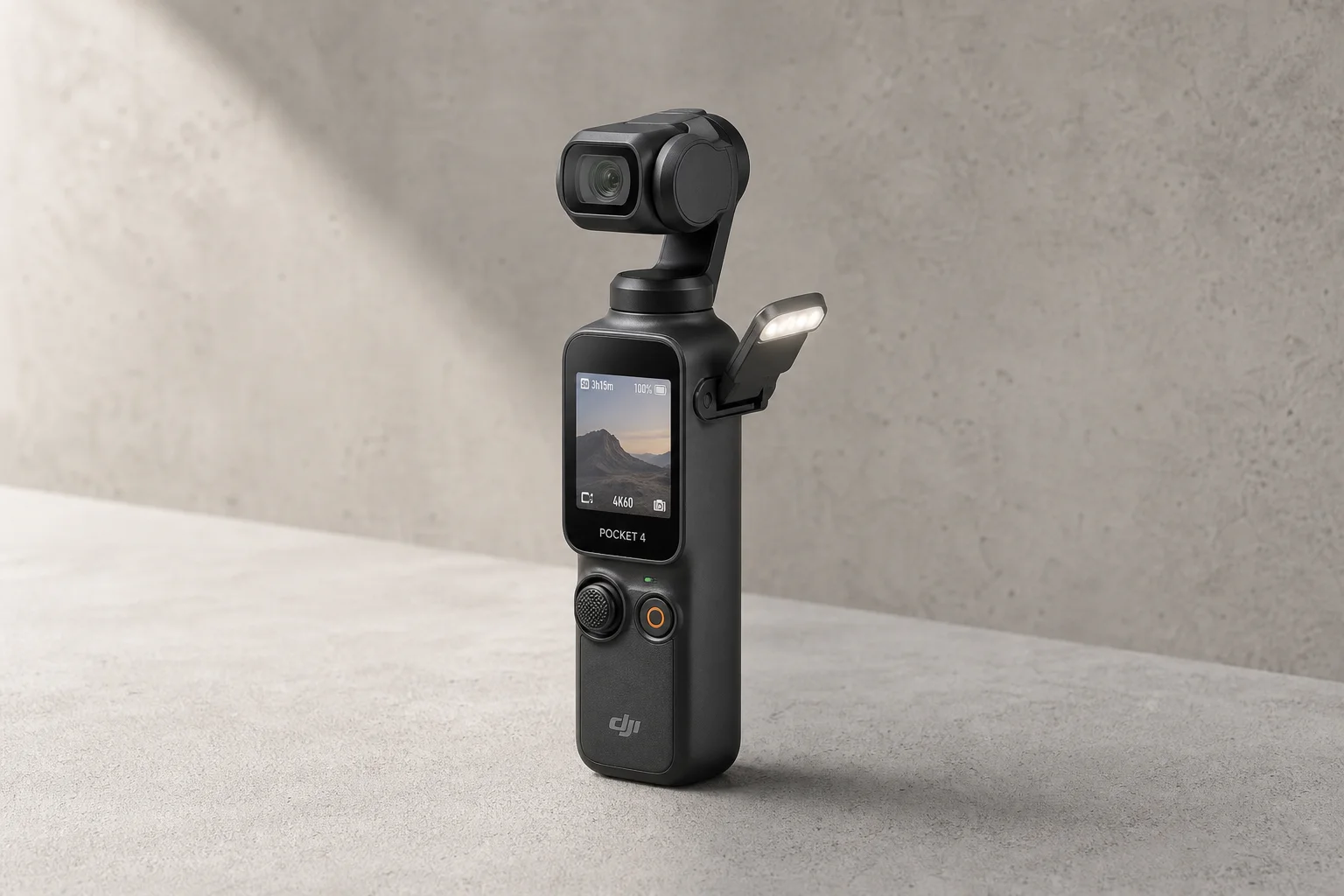
DJI Pocket 4 Review: Compact Gimbal Camera with 1-Inch Sensor and Fill Light
The DJI Pocket 4 brings a 37-megapixel 1-inch sensor, built-in fill light, 4K 240fps video, and 107GB internal storage to a single-handed stabilised camera. A detailed look at what's new and what remains unchanged.
Camera Reviews
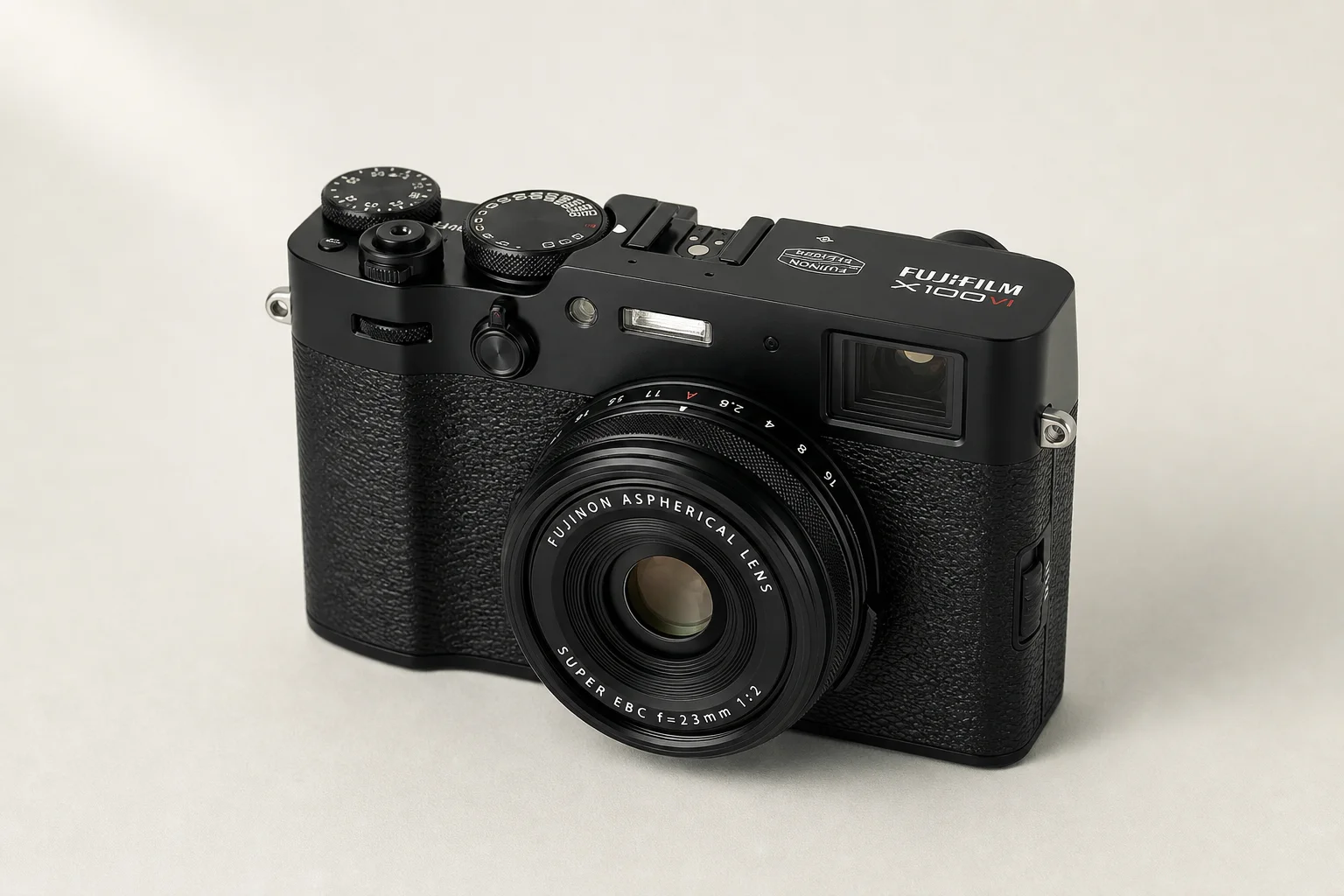
Fujifilm X100 VI Review: A Refined Compact Camera with Meaningful Upgrades
The X100 VI brings a 40-megapixel sensor, in-body stabilization, and improved autofocus to Fujifilm's iconic compact rangefinder. A closer look at what's changed and whether the upgrade makes sense.