Camera Reviews
Fujifilm X100 VI Review: A Refined Compact Camera with Meaningful Upgrades
The X100 VI brings a 40-megapixel sensor, in-body stabilization, and improved autofocus to Fujifilm's iconic compact rangefinder. A closer look at what's changed and whether the upgrade makes sense.
Introduction
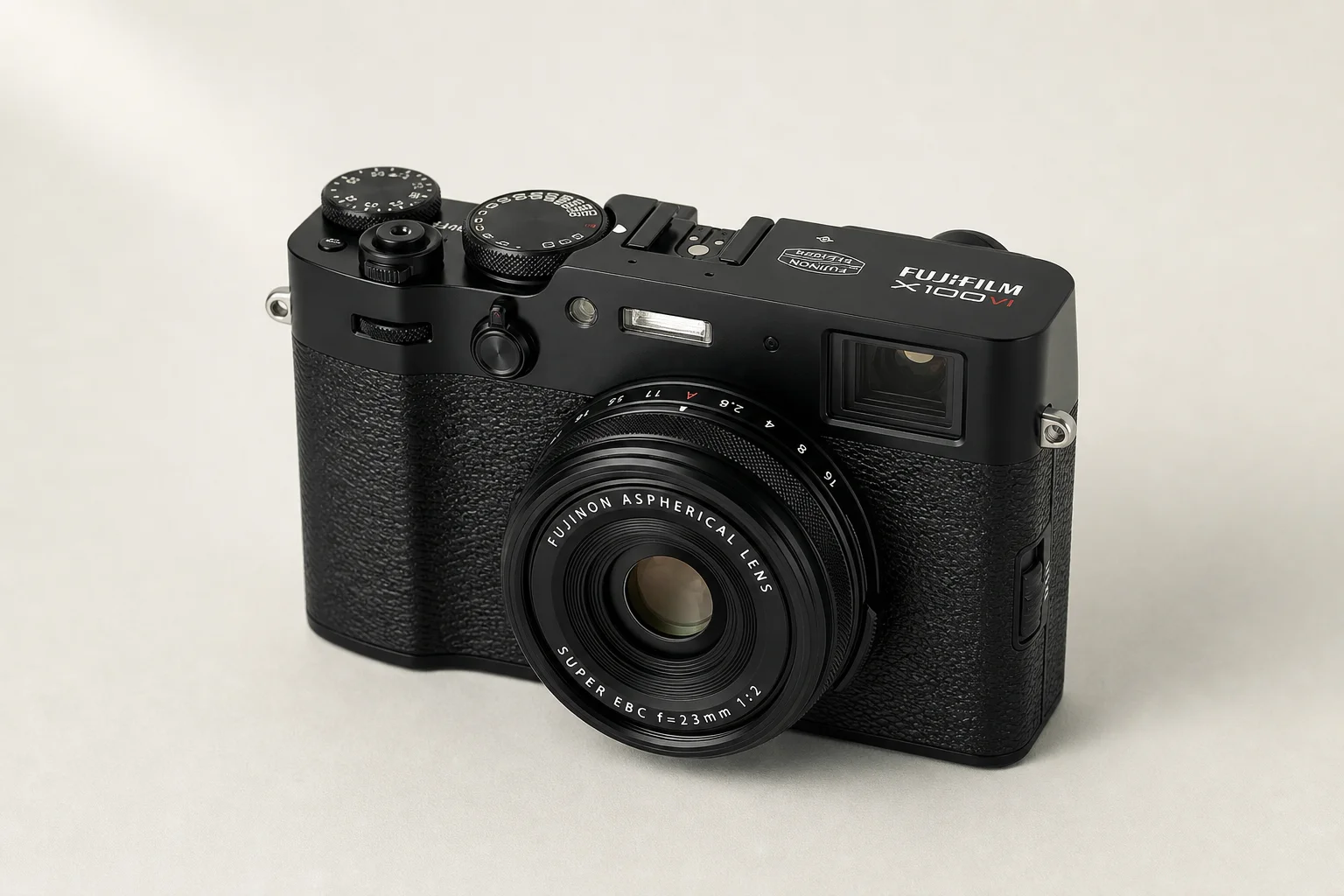
The Fujifilm X100 VI arrives as an incremental but thoughtful refinement of one of the most beloved compact cameras in photography. While the exterior remains nearly identical to its predecessor, the Mark VI introduces a 40-megapixel sensor, in-body stabilization, and improved autofocus with AI subject detection. For photographers who value manual control and optical viewing, the changes address real limitations without abandoning the camera’s core identity.
Sensor and Processing Power
The jump from 26 to 40 megapixels represents a meaningful upgrade for the X100 line. The higher resolution provides genuine flexibility for composition work, particularly in street photography where cropping in post-production is common practice. A 40-megapixel sensor gives photographers more latitude to reframe shots without sacrificing detail.

The new processor brings faster autofocus performance and, for the first time on an X100 camera, AI-powered subject recognition. The system detects humans, animals, insects, cars, trains, bikes, motorcycles, aircraft, and drones. While not revolutionary, this detection layer adds a layer of confidence when shooting in complex scenes.
Video capabilities have also improved. The camera now shoots 4K at 4:2:0 in 10-bit colour using the full sensor width, with a 1.2x crop factor. A new 6.2K option is also available. The addition of in-body stabilization helps smooth handheld video, though walking motion still produces noticeable movement compared to dedicated video cameras.
Design and Build Quality
The X100 VI is marginally thicker than the Mark V, with Fujifilm claiming a 2mm increase in body depth and a 0.5mm thicker grip. In practice, the difference is imperceptible when holding the camera. What is immediately noticeable is the sharpness of the edges and the premium finish of the aluminium surfaces.
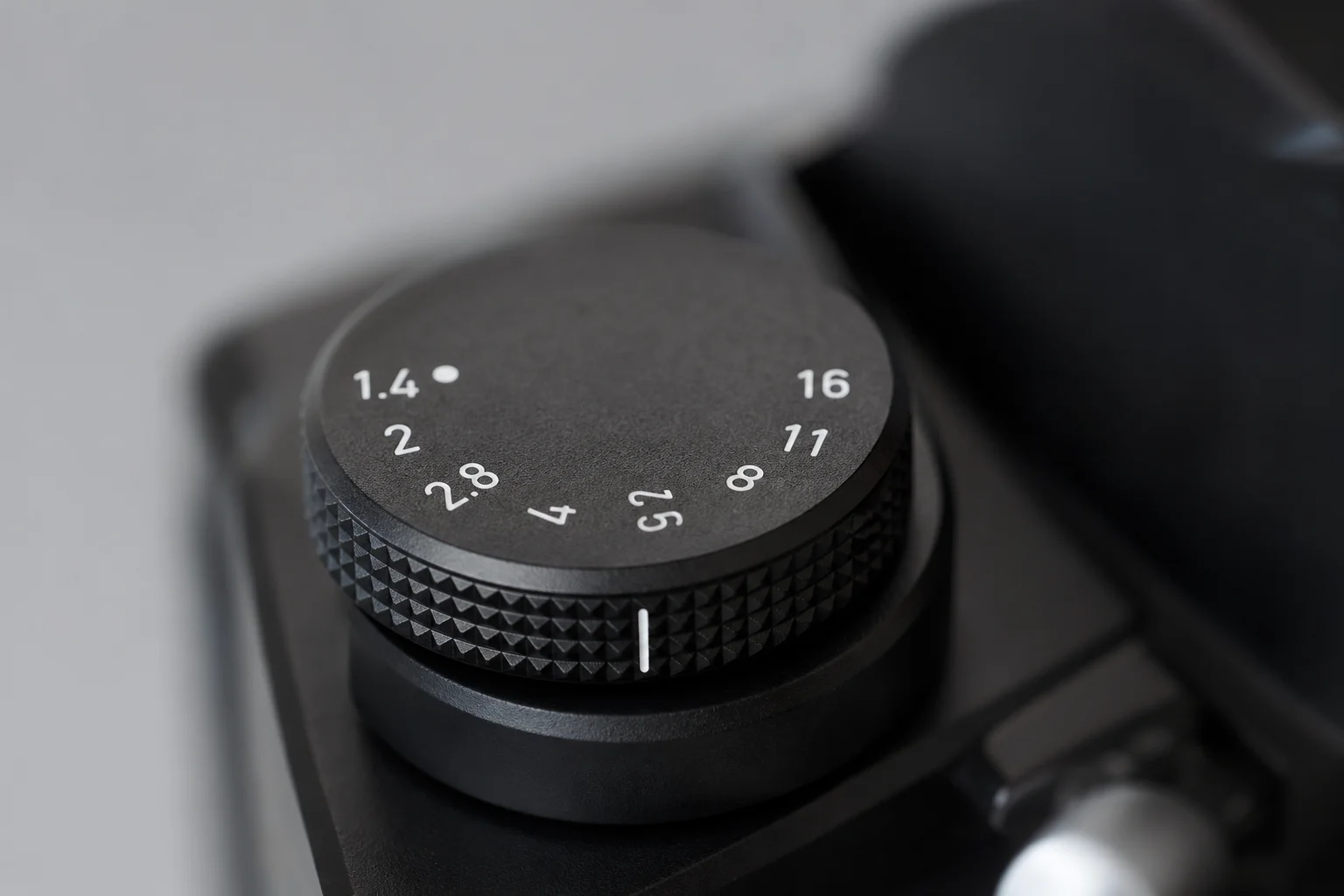
Fujifilm developed a new manufacturing process combining pressing and cutting to achieve the sharp edges seen on the Mark VI. This approach mirrors techniques used in high-end consumer electronics, where precision edge work requires both process and cost investment. The result is a camera that feels refined and intentional in hand.
The tilting LCD screen, introduced on the X100 XV, returns with a flush design that integrates seamlessly with the camera body. The screen tilts up and down while remaining nearly flush to the back plate, a detail that reinforces the overall cohesion of the design.
Battery efficiency has improved despite the addition of in-body stabilization. The X100 VI uses the same battery as the Mark V but delivers more shots per charge, a practical benefit for photographers who shoot throughout the day.
Manual Controls and Shooting Experience
The X100 VI retains the manual aperture dial and shutter speed dial that define the Fujifilm shooting philosophy. Rather than forcing photographers into mode-based workflows, the camera allows direct adjustment of exposure settings without switching between Program, Aperture Priority, or Shutter Priority modes.
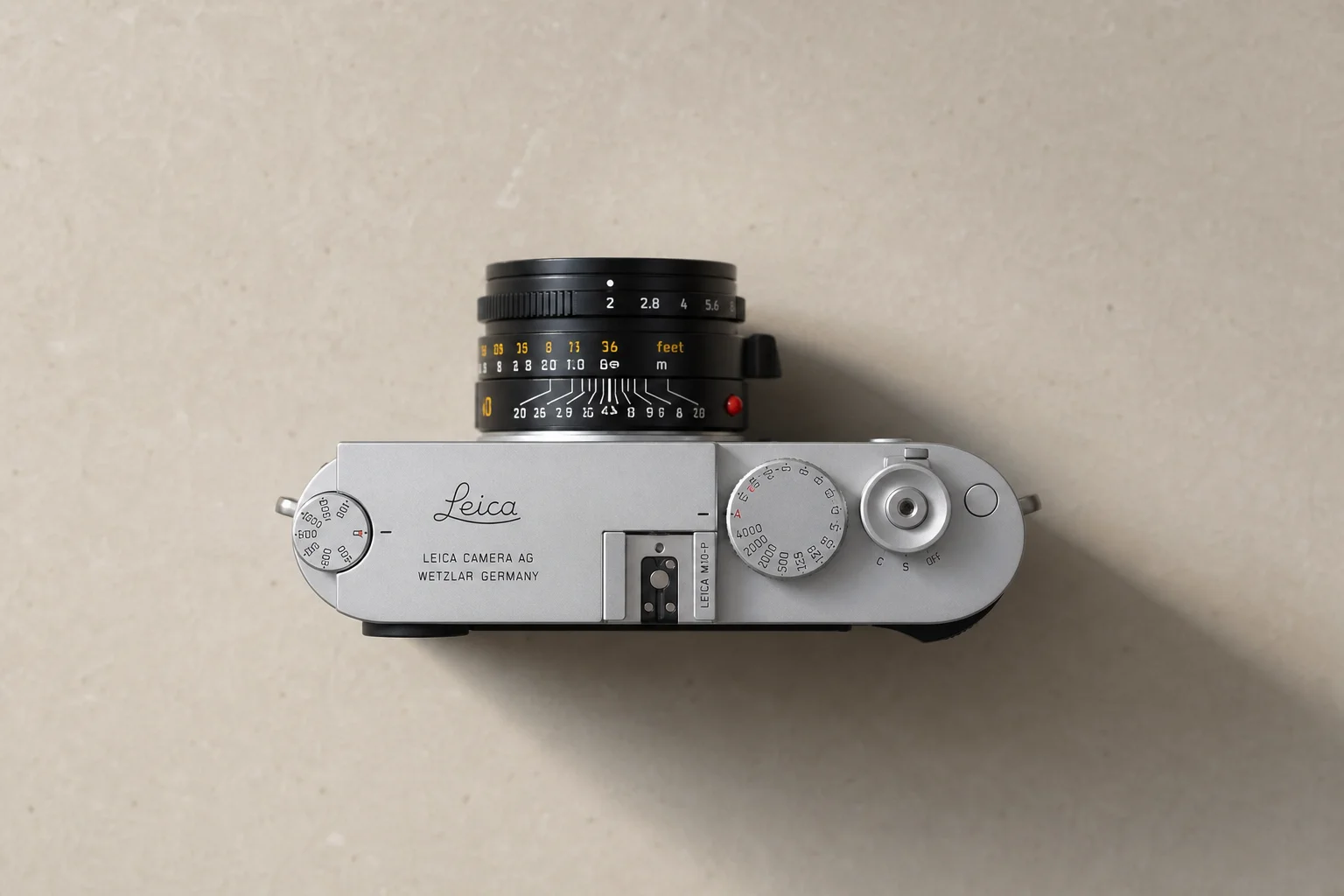
This approach mirrors the tactile feedback of manual film cameras. Photographers familiar with mechanical cameras will recognize the intuitive connection between dial position and exposure setting. The aperture dial, in particular, provides haptic feedback that lets experienced users adjust settings without looking at the camera. This level of control and involvement in the shooting process is rare in modern digital cameras.
The optical viewfinder remains a defining feature. Unlike DSLR designs that use a mirror and prism, the X100 VI’s optical viewfinder is a true window onto the scene. When you raise the camera to your eye, you are looking directly at the world with compositional overlays, not through a periscope-like optical path. This creates a more intuitive and connected shooting experience, particularly for photographers transitioning from film cameras.
The Optical Viewfinder Advantage
The optical viewfinder is not without compromise. In low light or when precise focus confirmation is critical, the electronic viewfinder option provides clearer information. However, for general shooting and composition work, the optical path offers a directness that many photographers prefer. The choice between optical and electronic viewing remains available, allowing photographers to select the tool that suits the moment.

For photographers accustomed to manual film cameras, the X100 VI’s combination of manual dials, optical viewfinding, and direct exposure control creates a shooting experience that feels connected and intentional. This is not a camera designed around maximum automation or computational photography. It is designed around the photographer’s involvement in the image-making process.
Pricing and Alternatives
The X100 VI carries a retail price of approximately $1,600. At this price point, photographers have alternatives. The Fujifilm XT30 Mark II with a kit lens offers similar image quality at a lower price. The Sony A6700 and Ricoh GR IIIx are also competitive options. However, the X100 VI’s value lies not in raw specifications but in the shooting experience it provides.
If budget is a primary concern, the X100 Mark V remains an excellent camera and is still widely available. The Mark VI’s improvements are meaningful but incremental. The decision to upgrade depends on whether the 40-megapixel sensor, in-body stabilization, and improved autofocus justify the investment for your specific shooting style.
Conclusion
The Fujifilm X100 VI is a refined tool for photographers who value manual control, optical viewing, and a direct connection to the image-making process. The 40-megapixel sensor and in-body stabilization address real limitations of the previous generation, while the new manufacturing process delivers a premium feel that justifies the camera’s position in the market. For photographers seeking a compact camera that prioritizes shooting experience over maximum automation, the X100 VI is a thoughtful choice.
Product link
View more details for Fujifilm X100 VI
This product is mentioned in the review. Check the specifications, options, and compatibility before buying.
View more details for Fujifilm X100 VIFurther reading
Related Reviews
Camera Reviews
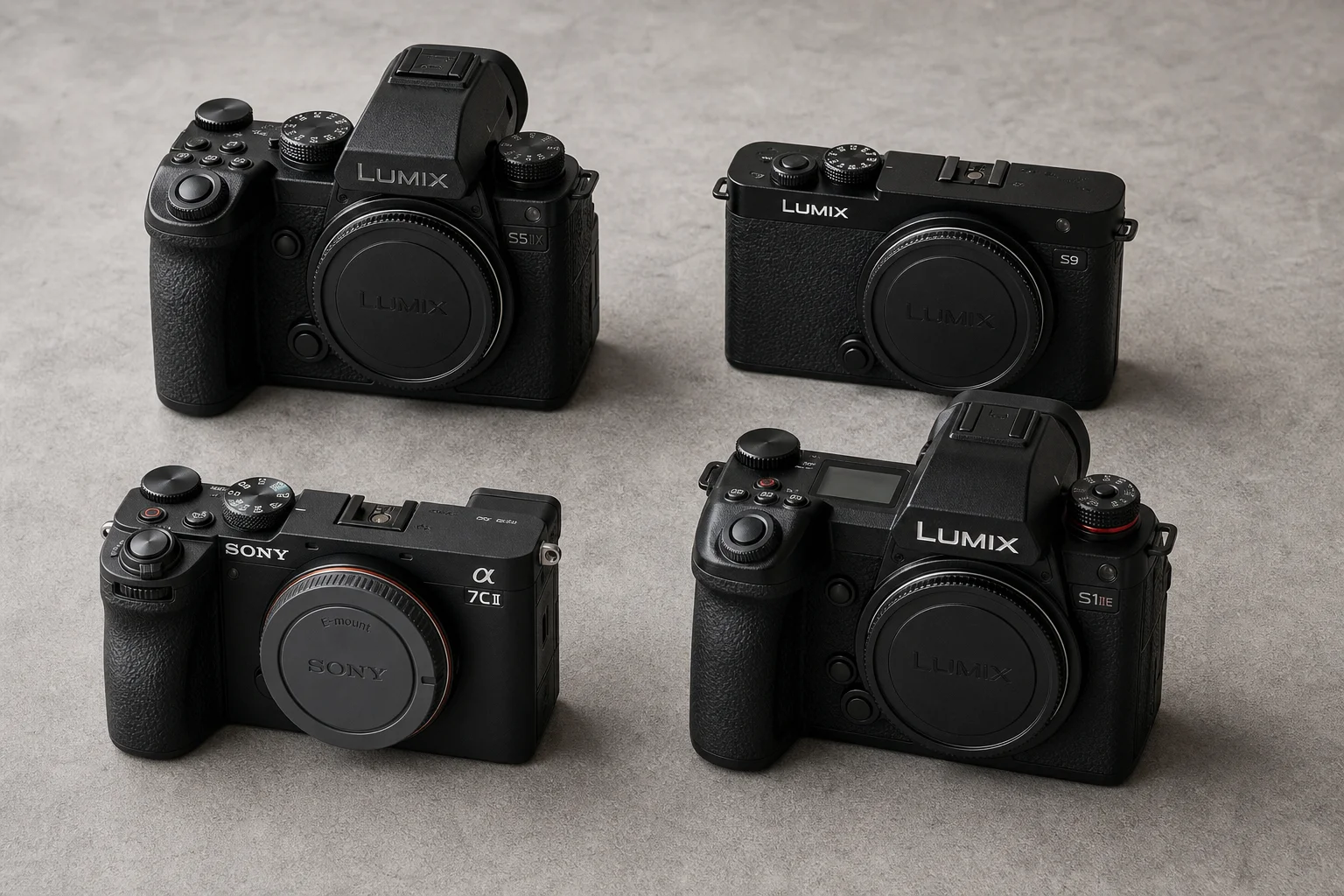
Best Budget Full-Frame Cameras for Video: Four Strong Options Compared
Four full-frame cameras that deliver excellent video capabilities without premium pricing. Lumix leads with unique features, while Sony offers strong autofocus for hybrid shooters.
Camera Reviews
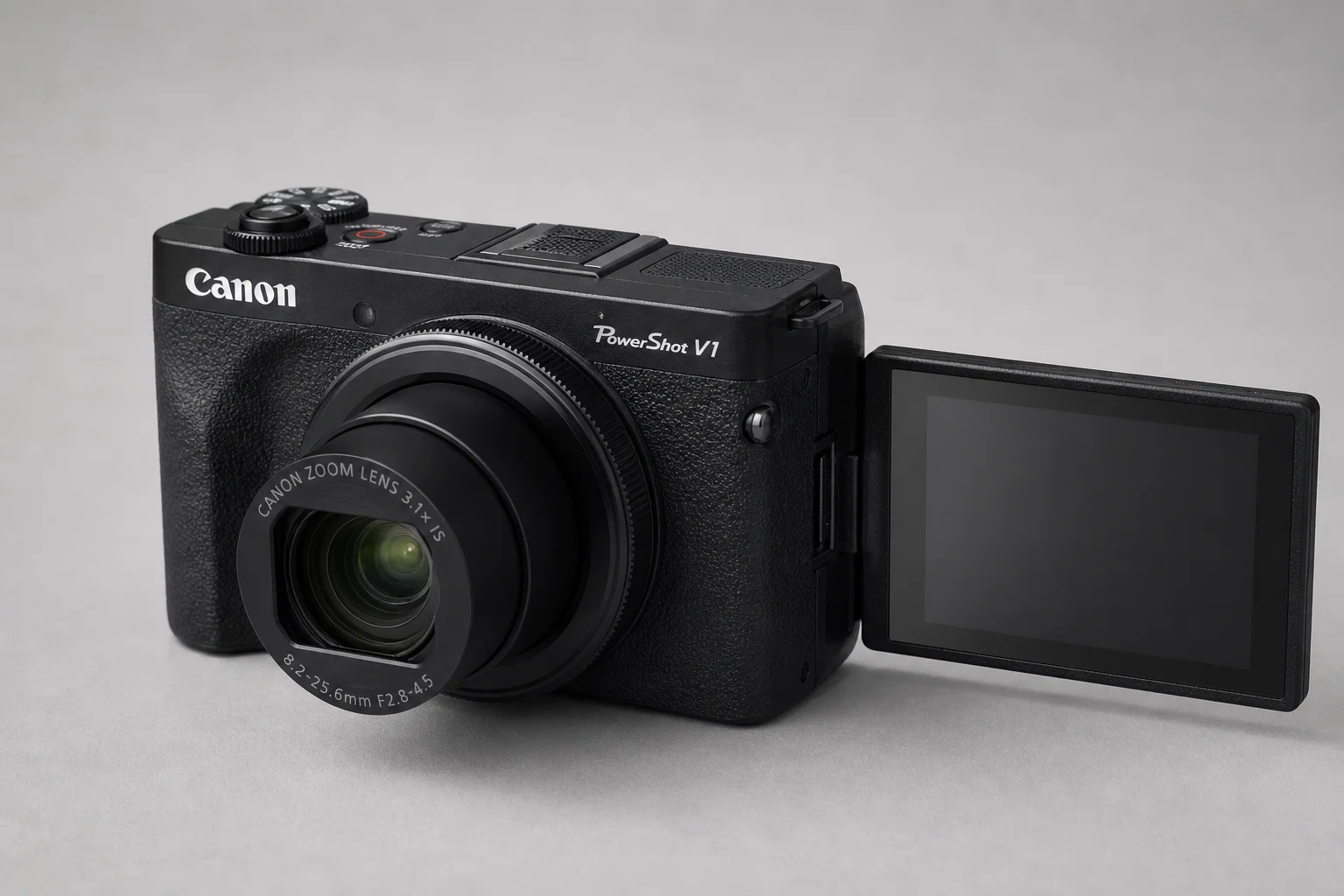
Canon PowerShot V1 Review: A Serious Vlogging Camera with Real Trade-offs
The Canon PowerShot V1 brings a larger sensor and optical stabilization to compact vlogging, but size, battery life, and dynamic range limitations deserve careful consideration.
Camera Reviews
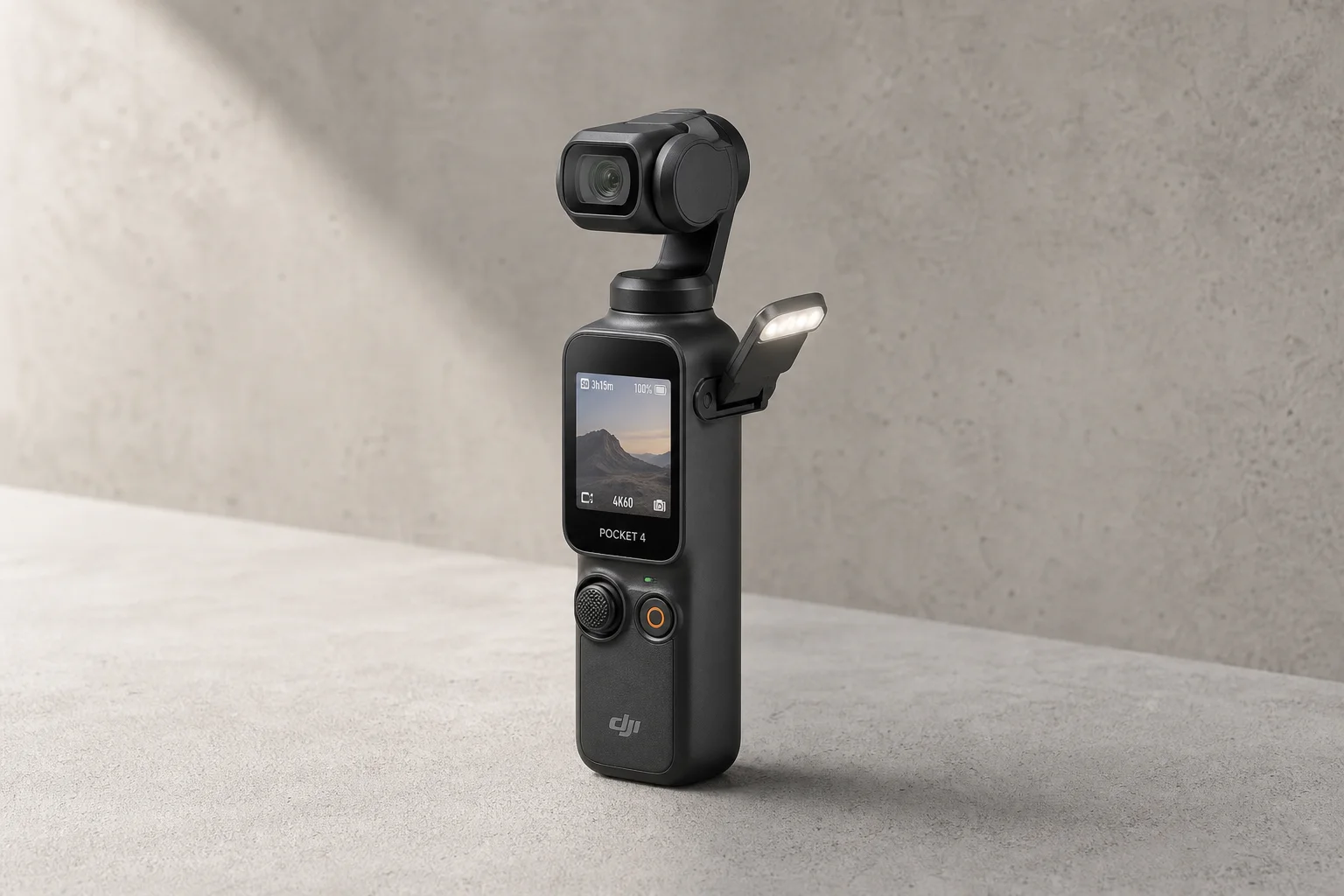
DJI Pocket 4 Review: Compact Gimbal Camera with 1-Inch Sensor and Fill Light
The DJI Pocket 4 brings a 37-megapixel 1-inch sensor, built-in fill light, 4K 240fps video, and 107GB internal storage to a single-handed stabilised camera. A detailed look at what's new and what remains unchanged.