Automotive Tools
Polyvance Radiator Repair Kit Review: Fixing Plastic Tank Leaks at Home
A practical guide to repairing cracked or leaking plastic radiator tanks using the Polyvance Radiator Repair Kit, with step-by-step instructions and real-world results.
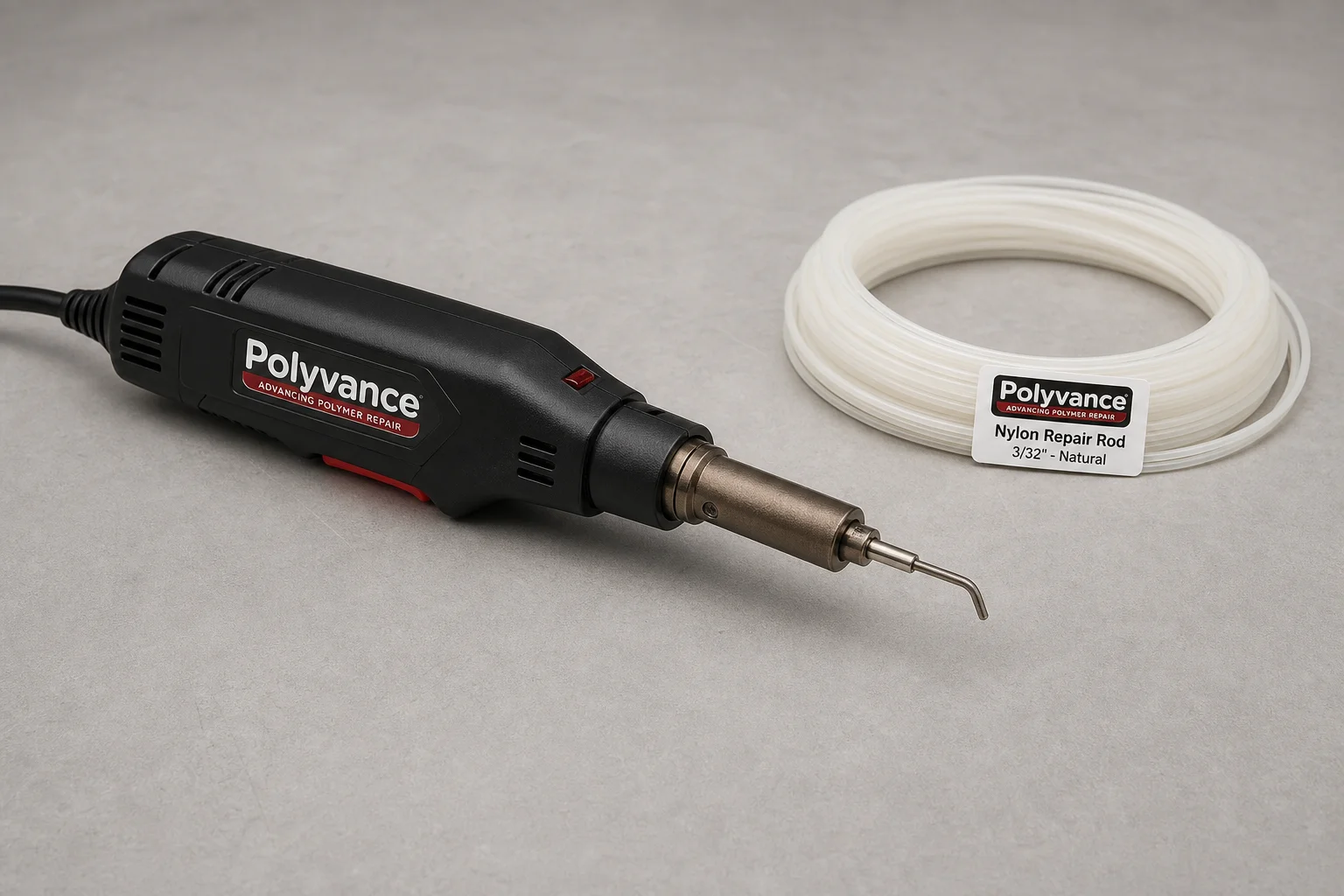
Introduction
Plastic radiator tanks are common on modern vehicles, but they can develop cracks or leaks over time. The Polyvance Radiator Repair Kit offers a DIY solution to fix these problems without replacing the entire radiator. This kit uses a plastic welder and nylon rod to permanently seal cracks and holes in nylon radiator tanks.
How the Polyvance Radiator Repair Kit Works
The Polyvance Radiator Repair Kit is designed to repair leaking plastic radiator tanks by melting nylon rod material directly into the damaged area. The kit includes a plastic welder tool and nylon repair rod that bonds with the existing tank material to create a permanent seal.
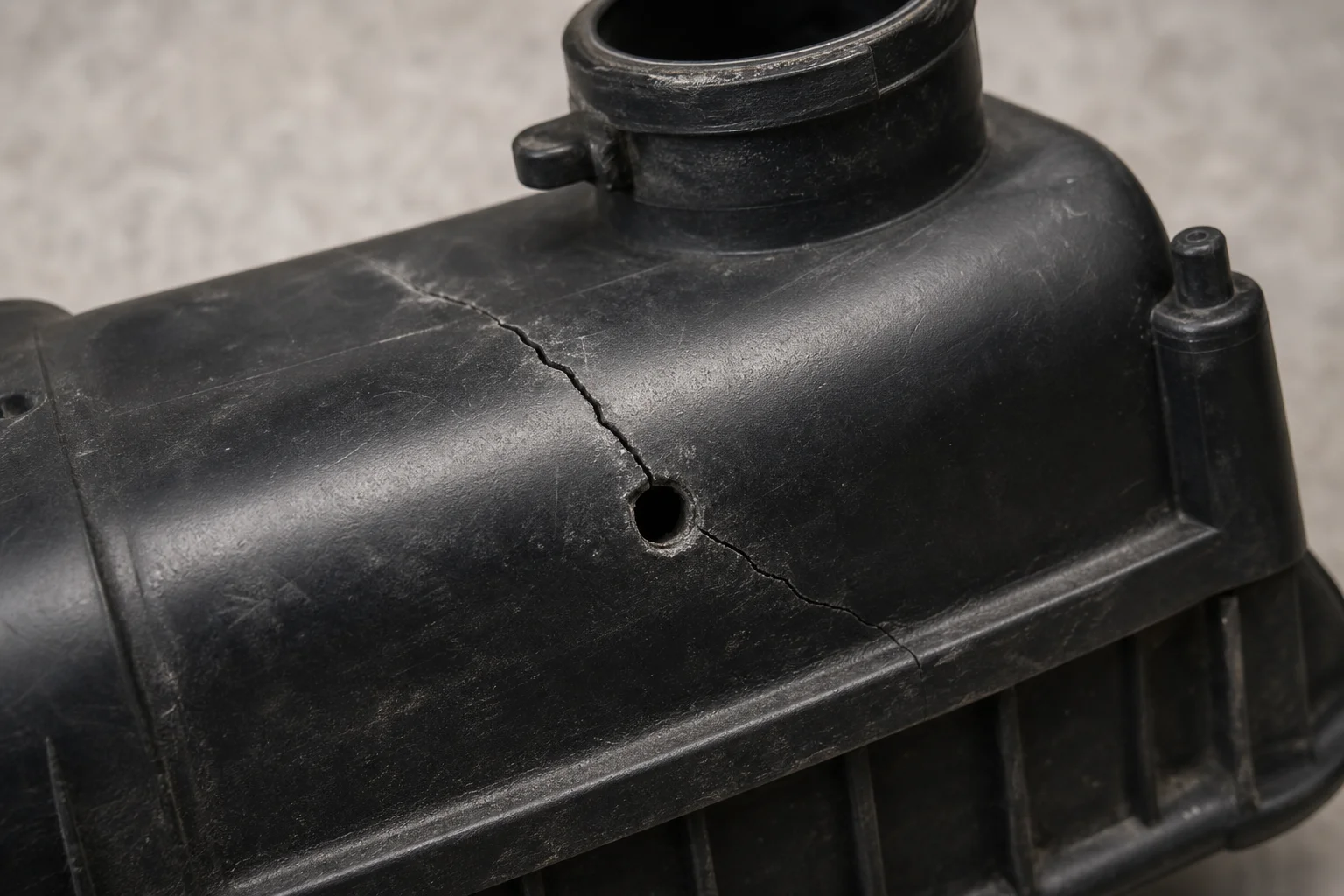
The repair process works because plastic radiator tanks are made of nylon, which has a melting point around 425 degrees Fahrenheit. By melting compatible nylon rod into the damaged area and mixing it thoroughly with the existing plastic, you create a strong, integrated repair that can withstand normal coolant system pressure and temperature cycles.
Preparing the Damaged Area
Before starting the repair, drain the radiator until the coolant level is below the damaged area. This prevents coolant from interfering with the repair process and reduces safety hazards from hot fluid.
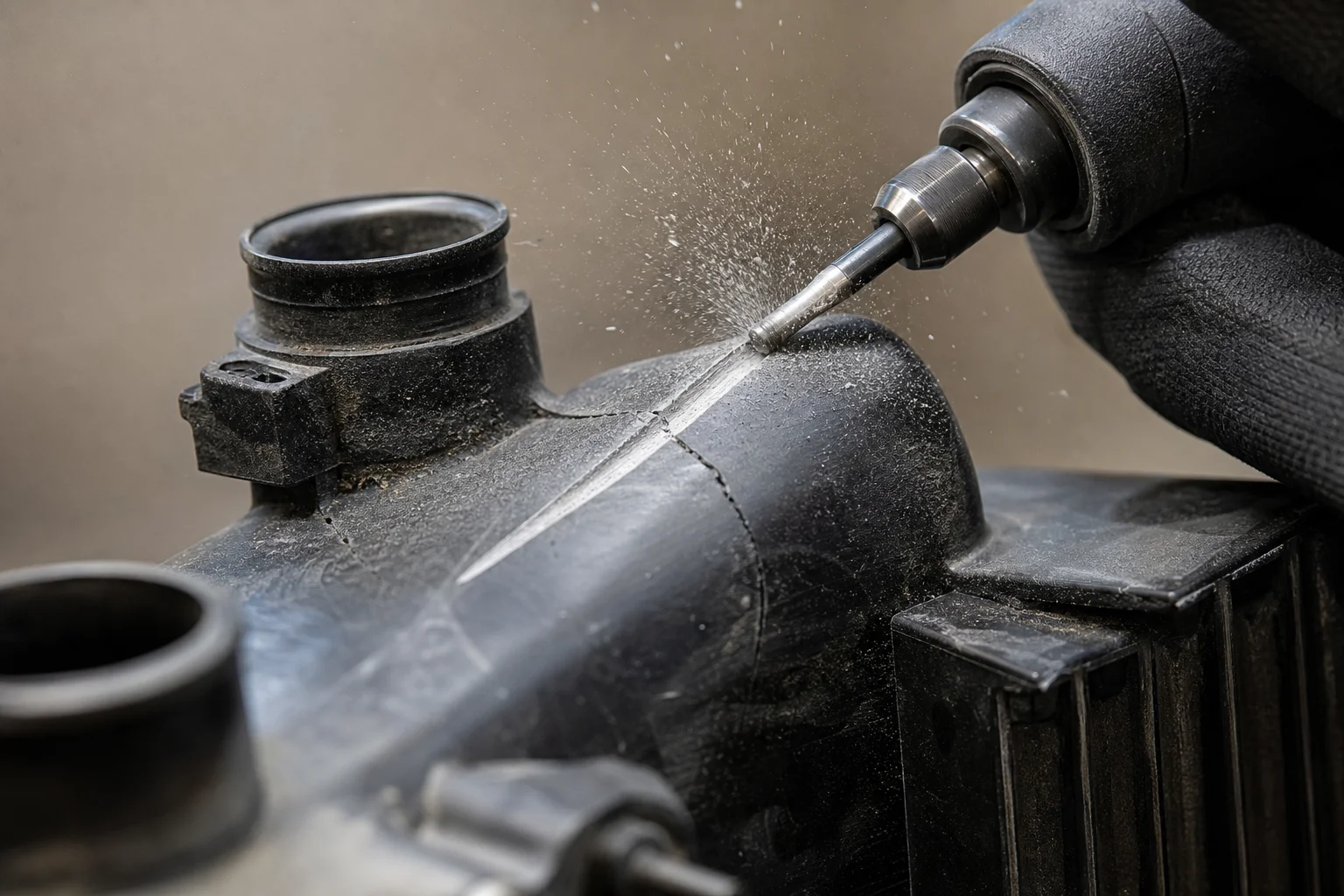
Next, create a v-groove along the crack line, cutting about two-thirds of the way through the plastic thickness. You can either melt the groove using a heat gun, or use a rotary tool to grind the v-groove. The v-shaped channel provides a path for the melted nylon rod to flow into and bond with the surrounding plastic.
Pre-softening the plastic with a heat gun before welding is optional but speeds up the repair process. The heat makes the nylon more receptive to the melted rod and helps achieve a stronger bond.
Welding the Repair
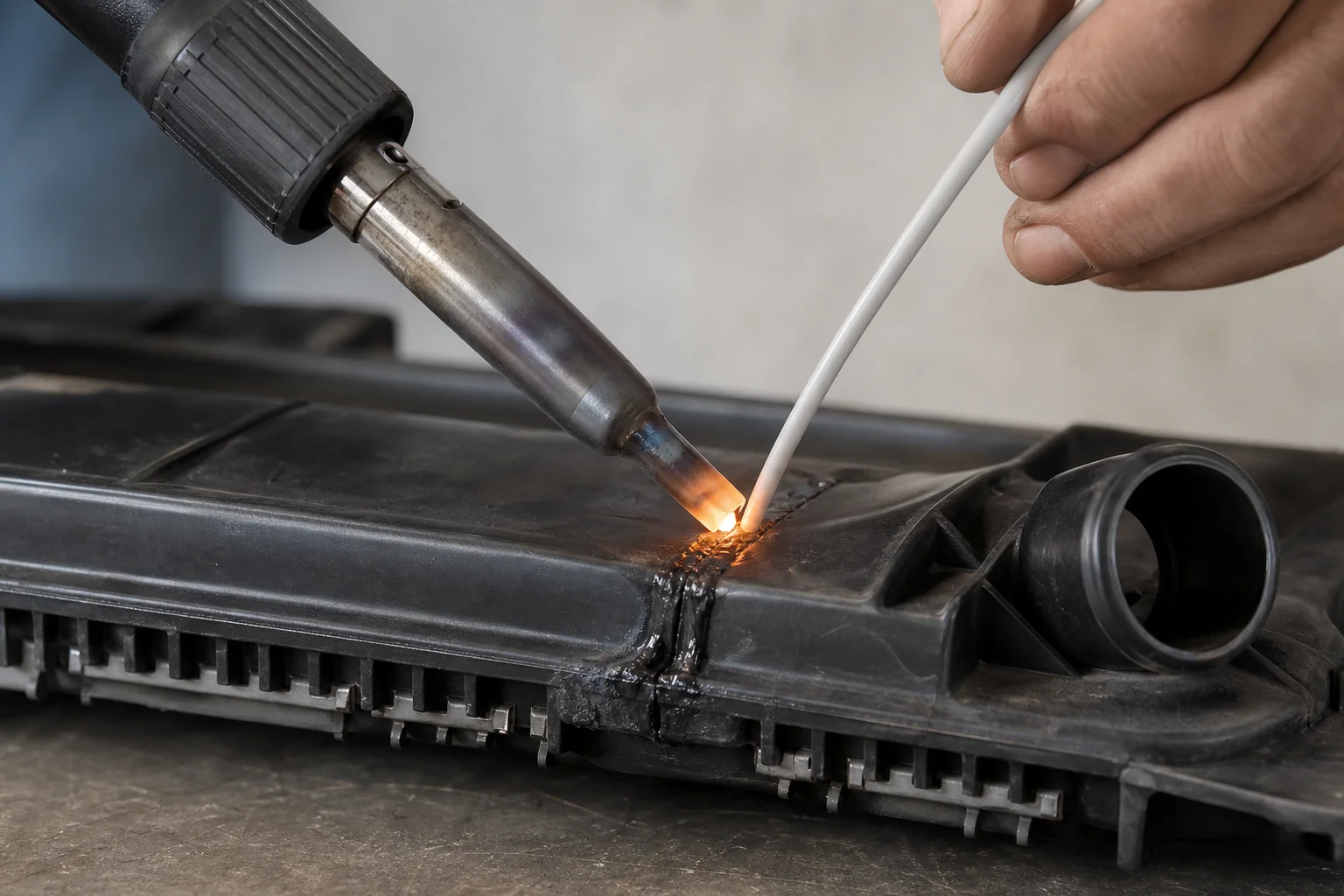
Melt the nylon rod into the v-groove using the plastic welder. The rod should emerge melted and slightly brown in color, but not heavily discolored. While the melted plastic is still hot, use the welder tip to stir and mix the new plastic with the existing radiator plastic. Keep mixing until the repair area is a uniform color, ensuring a good blend of old and new material for maximum strength.
Testing the Repair
Allow the plastic to cool and re-solidify completely before refilling the radiator. Once cooled, refill the coolant system and start the engine. Run the vehicle for at least 45 minutes to allow the engine to reach full operating temperature and confirm the repair holds under normal conditions.
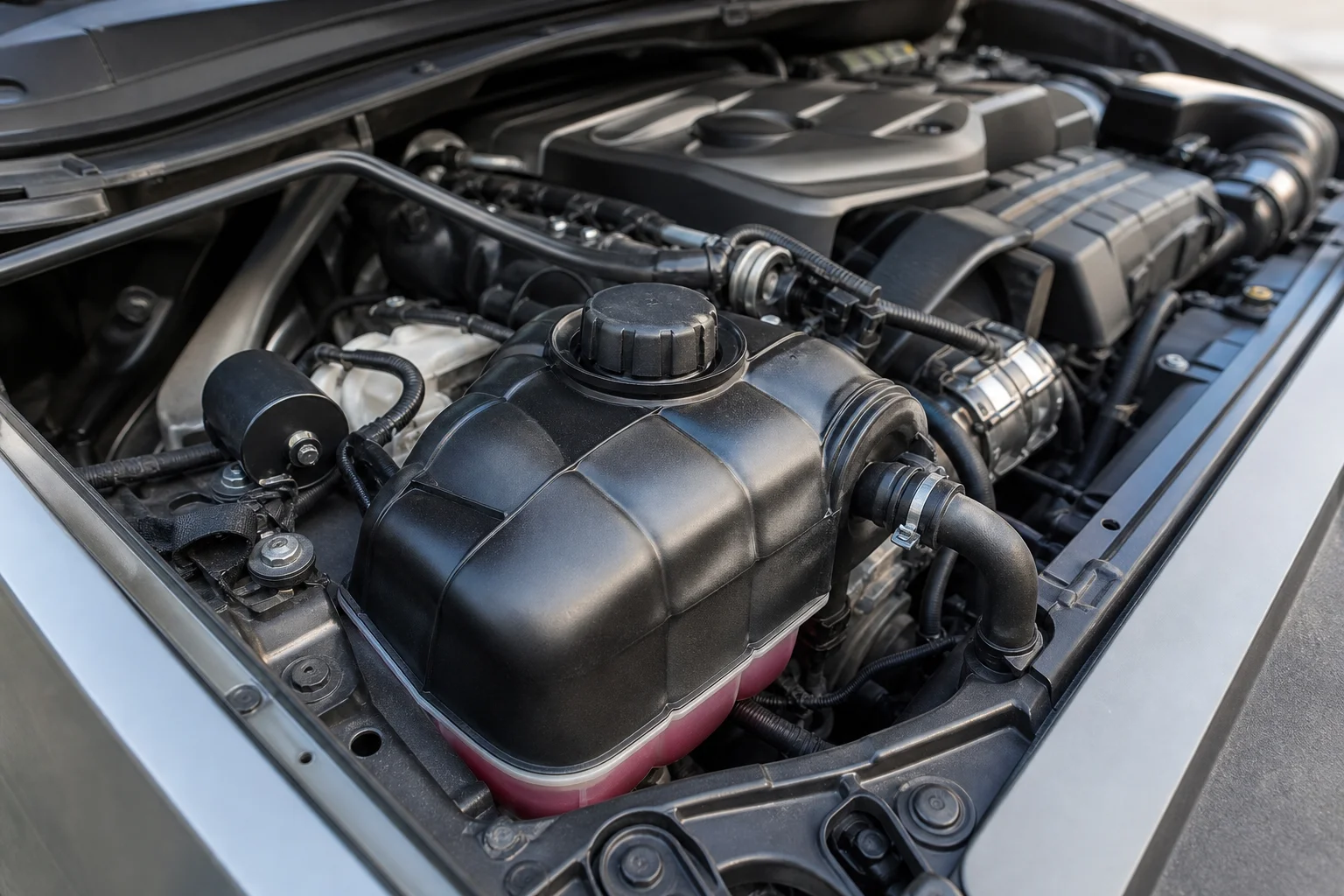
A successful repair shows no leaking from the damaged area, even after the engine reaches operating temperature and the coolant system is under full pressure. The repaired tank should function identically to an undamaged radiator.
Conclusion
The Polyvance Radiator Repair Kit provides a practical alternative to radiator replacement for owners facing plastic tank cracks or leaks. The process requires basic tools and patience, but delivers a permanent repair that can extend the life of an otherwise serviceable radiator. This approach makes sense for vehicles where radiator replacement would be expensive or inconvenient.
Product link
View more details for Polyvance Radiator Repair Kit
This product is mentioned in the review. Check the specifications, options, and compatibility before buying.
View more details for Polyvance Radiator Repair Kit