Skincare
Rosacea Treatment Guide: Lifestyle Changes, Over-the-Counter Options, and Prescription Solutions
A comprehensive guide to managing rosacea through lifestyle interventions, over-the-counter products, prescription treatments, and professional procedures.
Introduction
Rosacea is a chronic skin condition characterized by facial redness, flushing, and easy irritation. It occurs because the skin becomes hypersensitive and develops more superficial blood vessels near the surface. The condition typically appears on the cheeks and nose, often beginning around age 30, though it can develop earlier. Both men and women of all skin tones can experience rosacea, though it may be underdiagnosed in men and people with darker skin tones due to visibility differences.
Understanding rosacea and its treatment options is essential for managing symptoms effectively. This guide walks through a structured approach: starting with lifestyle changes, progressing to over-the-counter solutions, then prescription treatments, and finally professional procedures.
Understanding Rosacea Subtypes
Rosacea presents in four overlapping subtypes. Erythematotelangiectatic rosacea, the most common form, features facial redness and prominent superficial blood vessels. Papulopustular rosacea resembles acne with papules and pustules on a red background. Rhinophymatous rosacea involves chronic nasal inflammation that thickens the nose over time. Ocular rosacea affects the eyes, causing redness, irritation, and a gritty sensation.
Lifestyle Interventions and Trigger Avoidance
The foundation of rosacea management begins with identifying and avoiding personal triggers. Common triggers include sun exposure, spicy foods, cold temperatures, and emotional embarrassment.
Sun Protection: People with rosacea require extra diligence with sunscreen. Use a minimum SPF 50 and choose physical sunscreens containing zinc and titanium rather than chemical sunscreens with oxybenzone or avobenzone, which can irritate sensitive skin. Reapply sunscreen in the afternoon, not just in the morning.
Dietary Adjustments: Avoiding spicy foods can help reduce flushing episodes. If spicy food is a known trigger for you, eliminating it may provide noticeable improvement.
Cold Weather Protection: Wear a scarf or ski mask during winter months to prevent the sudden temperature changes that trigger redness.
Identifying Personal Triggers: Keep a diary on your phone noting when you flush. Over time, you may identify unique triggers such as specific cosmetics, foods, or exercise types that affect your skin.
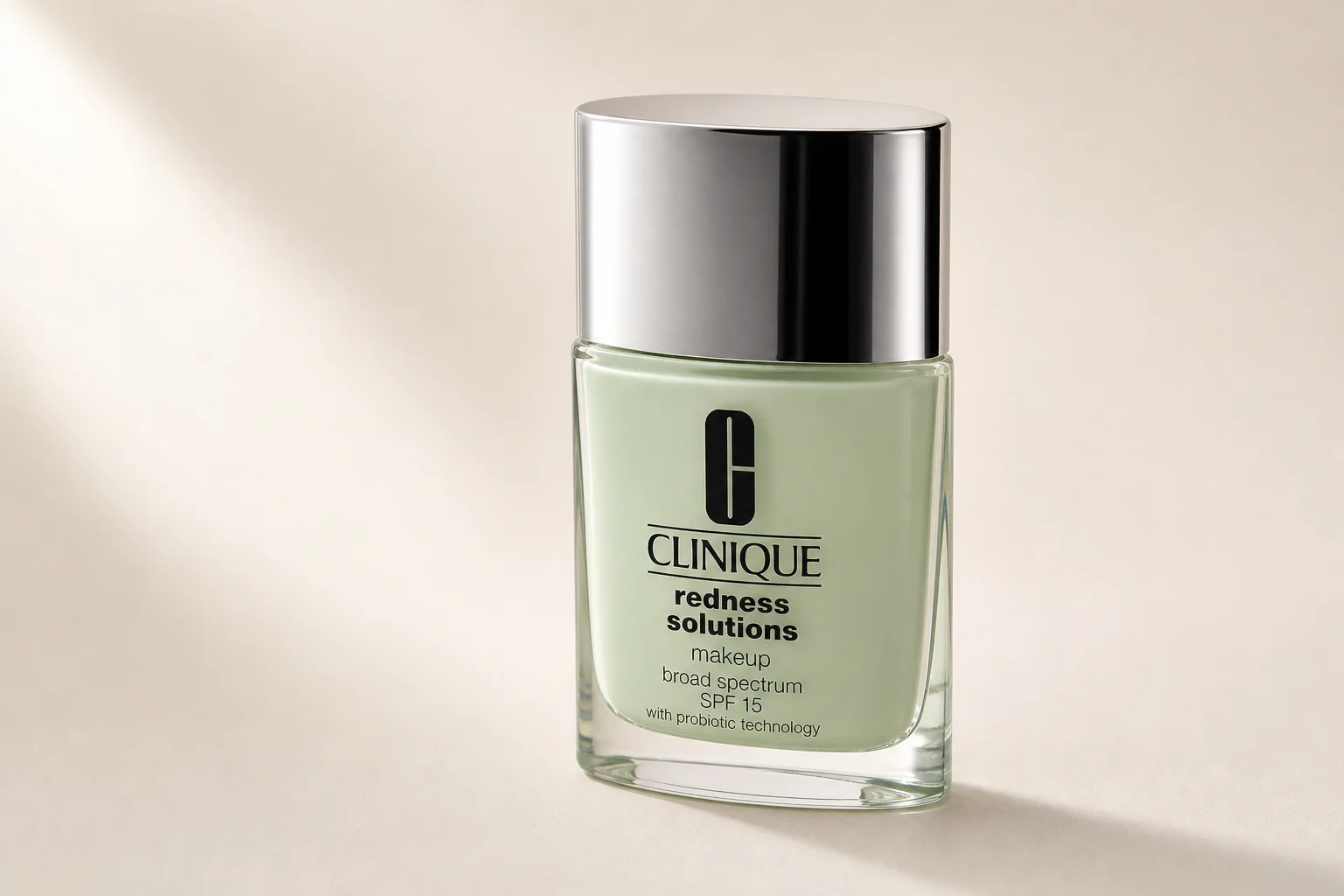
Makeup Solutions: Green-tinted makeup products can neutralize redness and provide a more even baseline appearance. Clinique offers a Redness Solutions line designed for this purpose.
Over-the-Counter Treatment Options
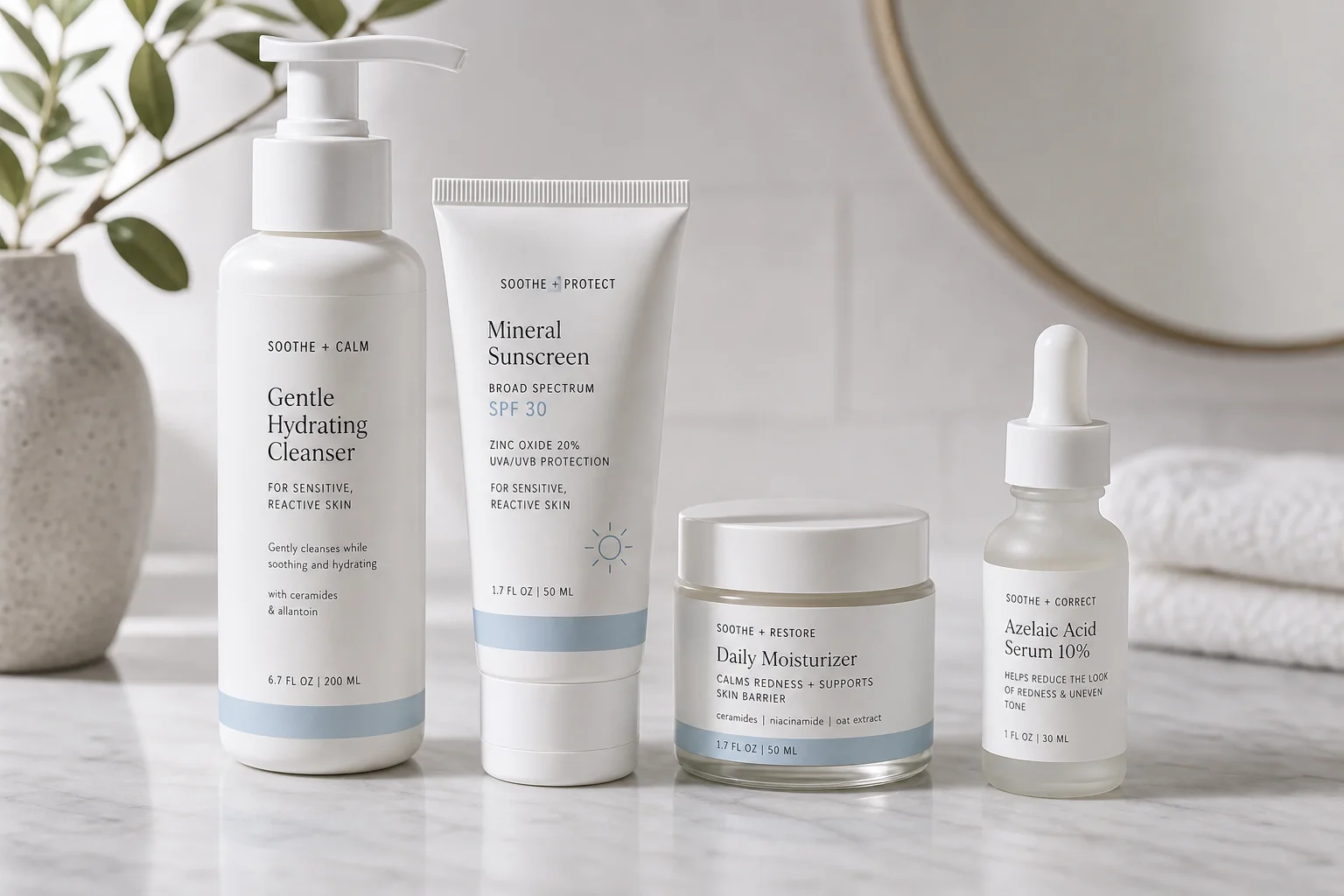
Before selecting over-the-counter products, understand which ingredients to avoid. People with rosacea should skip physical exfoliants, chemical exfoliants (glycolic acid, salicylic acid, lactic acid), benzoyl peroxide, certain vitamin C formulations, chemical sunscreens, and retinoid products unless specifically formulated for sensitive skin.
Moisturizers: A solid, hydrated skin barrier has an anti-inflammatory effect. Hypoallergenic moisturizers from brands like Vanicream are ideal for rosacea-prone skin.
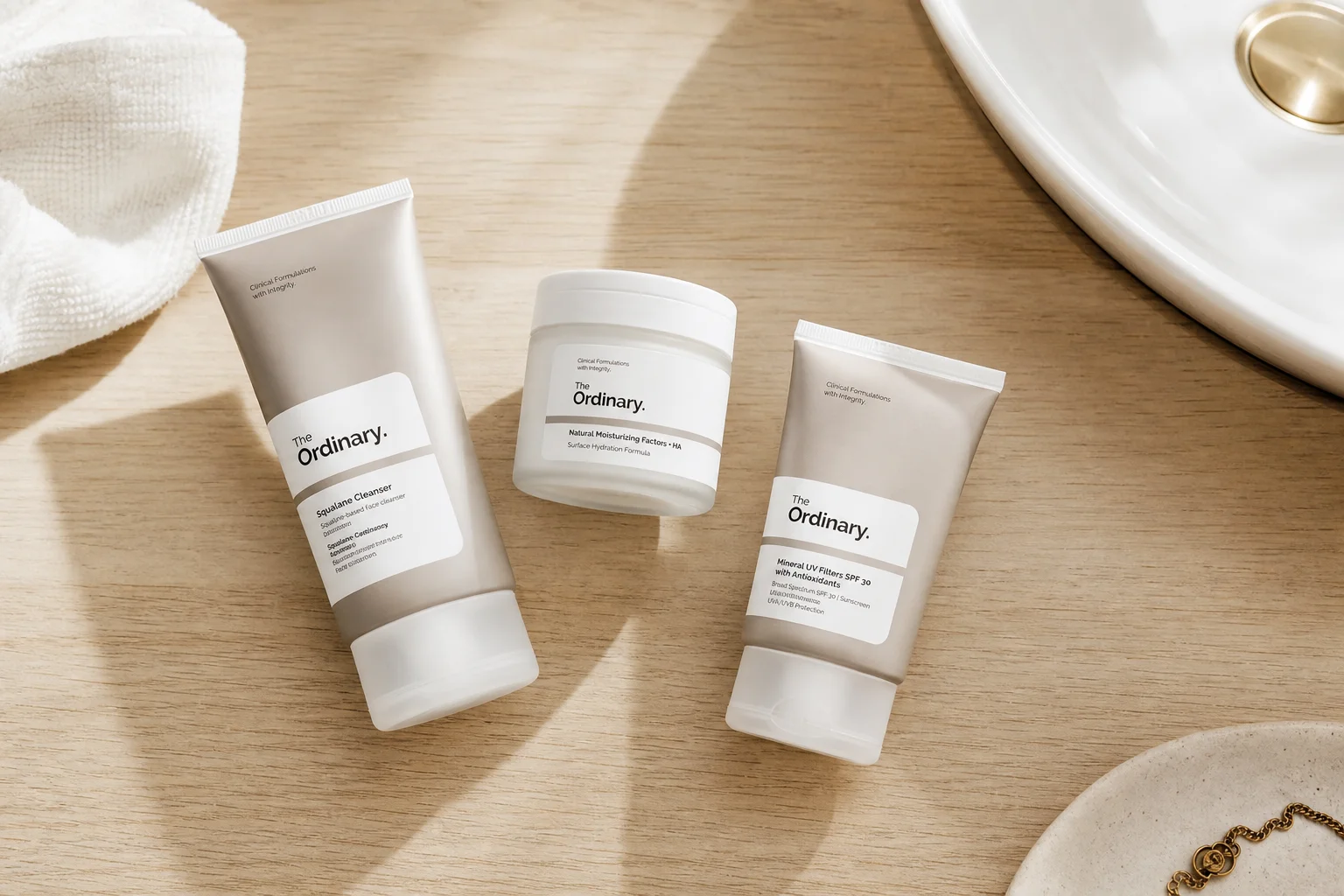
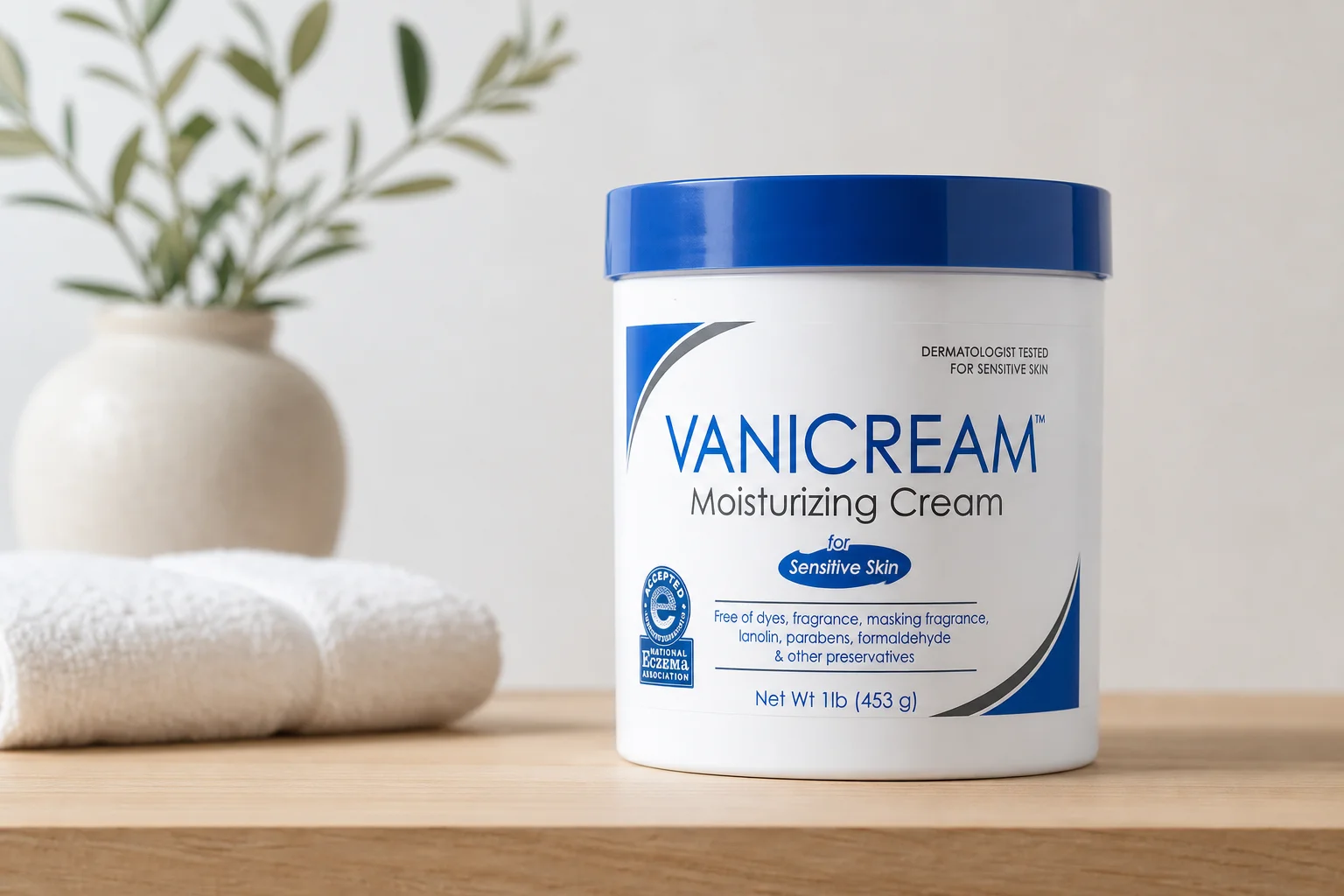
Gentle Hydrating Cleansers: Use only hydrating cleansers, avoiding foaming or medicated options. Look for products that do not foam.
Physical Sunscreens: Zinc and titanium-based formulations protect without irritation.
Azelaic Acid: This ingredient is your best over-the-counter ally for rosacea. It reduces inflammation and redness while remaining suitable for sensitive skin. Higher concentrations are prescription-only.
Sulfur-Based Products: Sulfur creams, cleansers, and masks offer anti-inflammatory benefits, though they are uncommon in the US market and have a distinctive rotten-egg smell.
Prescription Creams and Topical Treatments
Prescription options provide stronger anti-inflammatory and redness-reducing effects.
Metronidazole: While a first-line option, metronidazole tends to produce modest results and is often prescribed only when insurance requires it.
Azelaic Acid (15-20%): Finacea is the most popular prescription azelaic acid formulation, available as a foam. Azelaic acid is anti-inflammatory, reduces redness and pigmentation, suits sensitive skin, and is safe during pregnancy.
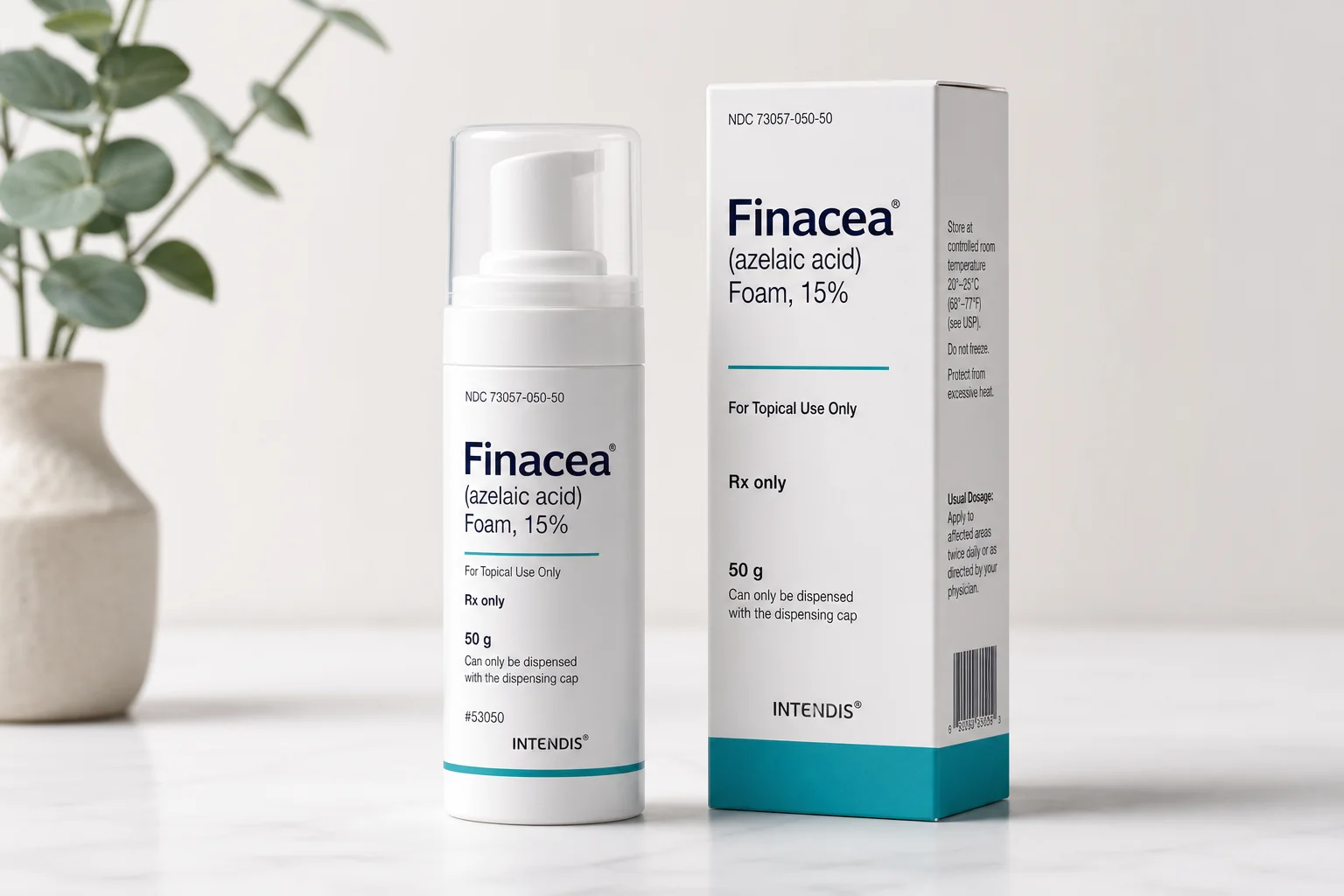
Ivermectin Cream: This anti-parasitic cream targets the Demodex mite, which may exist in higher concentrations in people with rosacea. Ivermectin cream often produces superior results compared to other prescription topicals.
Oxymetazoline (Rhofade): This medication constricts superficial blood vessels, reducing redness. The effect is temporary and reversible, making it ideal for events when you want to minimize redness. Notably, oxymetazoline is the active ingredient in Afrin nasal spray, which some people use as a cost-effective alternative by mixing it into moisturizer.
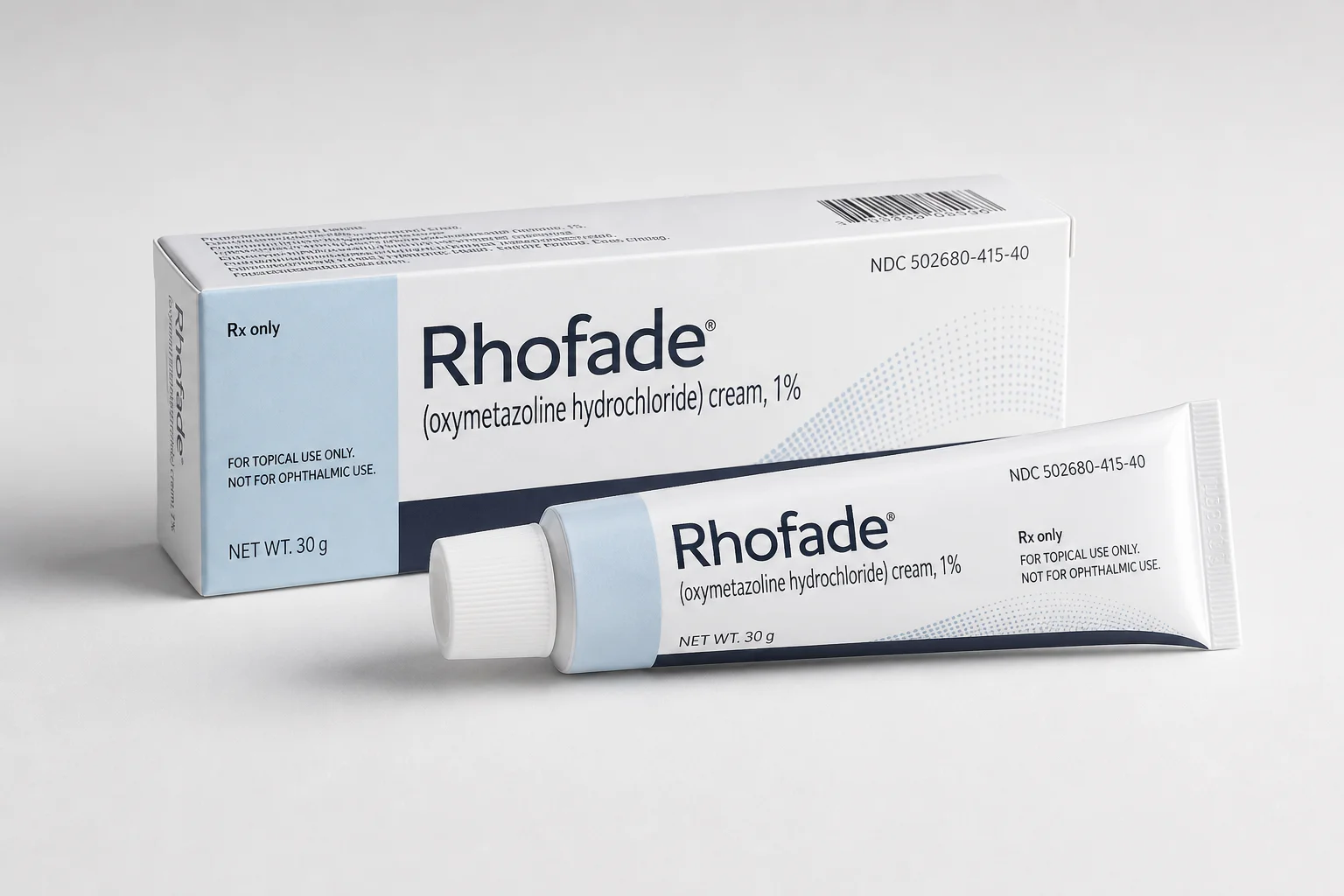
Oral Medications for Severe Rosacea
Oral medications are typically reserved for severe rosacea resistant to topical treatments or for rhinophymatous rosacea affecting the nose.
Oral Doxycycline: This antibiotic and anti-inflammatory tablet is highly effective for rosacea. High-dose doxycycline is safe for two to three months, but a low-dose extended-release version called Oracea allows longer-term use without safety concerns.
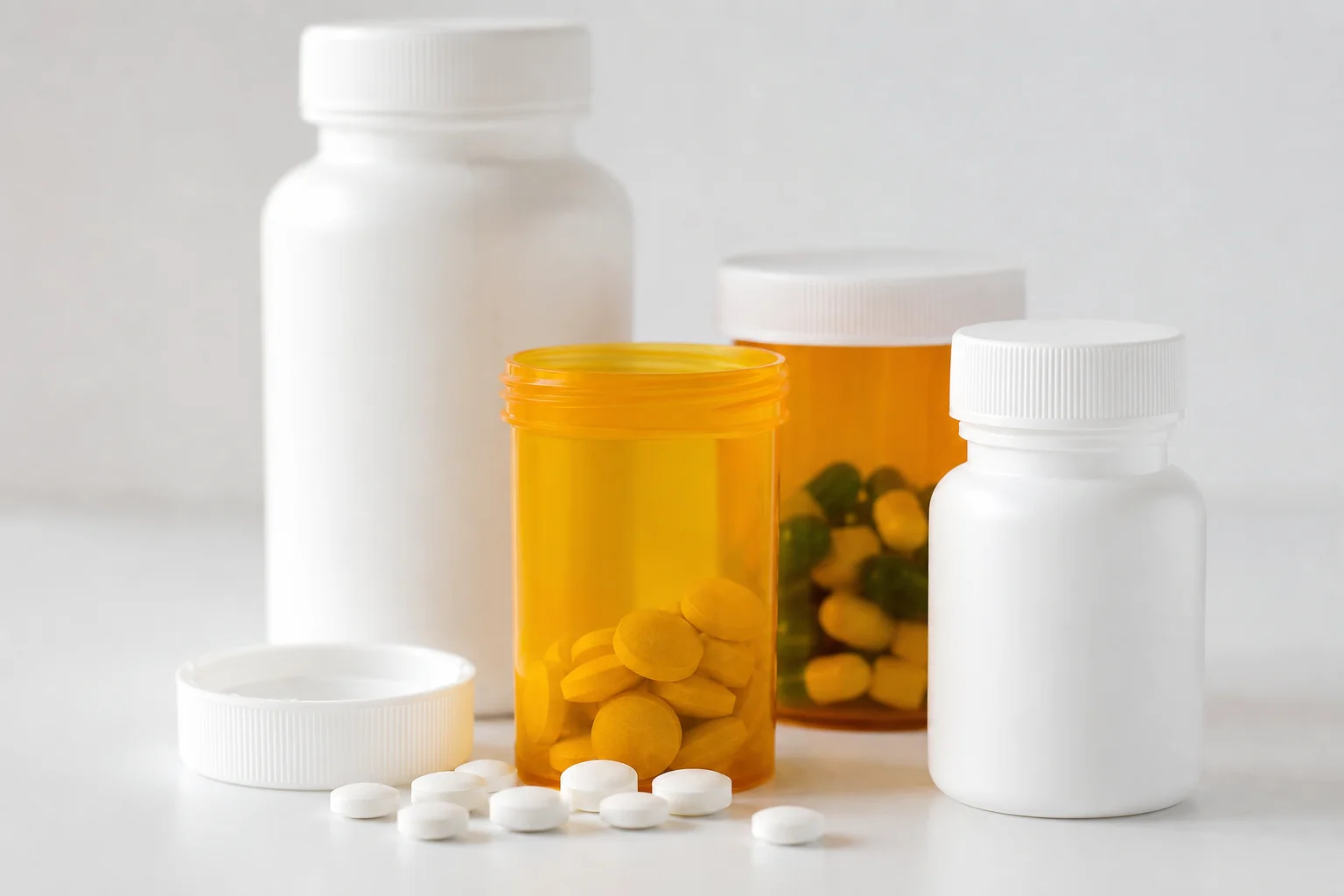
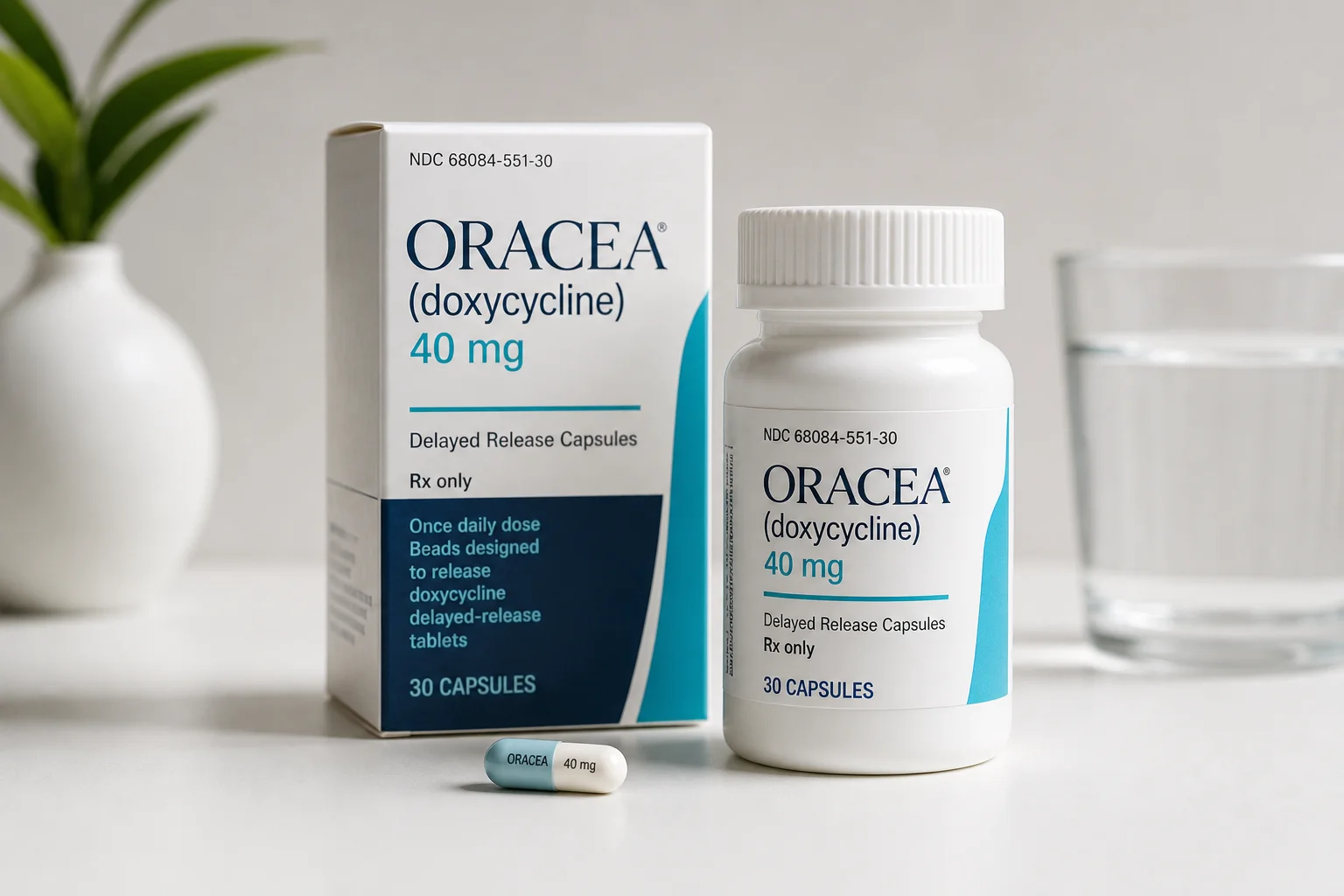
Other Antibiotics: Erythromycin and metronidazole tablets are sometimes used, though doxycycline is generally preferred.
Low-Dose Isotretinoin (Accutane): Reserved for cases where other treatments fail, low-dose isotretinoin can provide significant improvement.
Professional Procedures
Vascular lasers represent the most effective long-term solution for rosacea. IPL (intense pulsed light) and V-beam lasers destroy superficial blood vessels, eliminating redness with minimal downtime. Most people need only one or two treatments for lasting results. These procedures work best for fair skin; darker skin tones carry a higher risk of burns.
The primary drawback is cost, as insurance typically does not cover vascular laser treatments. In most areas, treatments range from $300 to $500 per session, making a two-treatment course cost $600 to $1,000 for a long-term fix.
Conclusion
Managing rosacea effectively requires a personalized approach combining lifestyle modifications, appropriate over-the-counter products, and when necessary, prescription treatments or professional procedures. Start by identifying your triggers and protecting your skin barrier with gentle cleansing and hydration. If over-the-counter options prove insufficient, prescription creams like azelaic acid or ivermectin offer proven benefits. For severe cases, oral medications or vascular laser procedures provide significant long-term improvement. Consulting with a dermatologist helps determine the best treatment path for your specific rosacea subtype and severity.
Further reading
Related Reviews
Skincare
LED Face Masks: What Works, What Doesn't, and How to Choose
A dermatologist's guide to LED face mask wavelengths, safety standards, and realistic expectations for acne and anti-aging results.
Skincare & Anti-Aging
At-Home Anti-Aging Devices Rated: Which Actually Work and Which Waste Your Money
A board-certified facial plastic surgeon rates five popular at-home anti-aging devices, revealing which ones deliver results and which ones could damage your skin.
Makeup
Best Foundations for Mature Skin: Six Options from Budget to Premium
A practical review of six foundations designed for mature skin, from drugstore to luxury, with honest assessments of coverage, finish, and hydration.