Power Tools
Ryobi 18V One+ Tools: A Practical Review of Real Performance and Value
An honest look at Ryobi's 18V One+ platform, including standout tools, real limitations, and who should consider this system.
Introduction
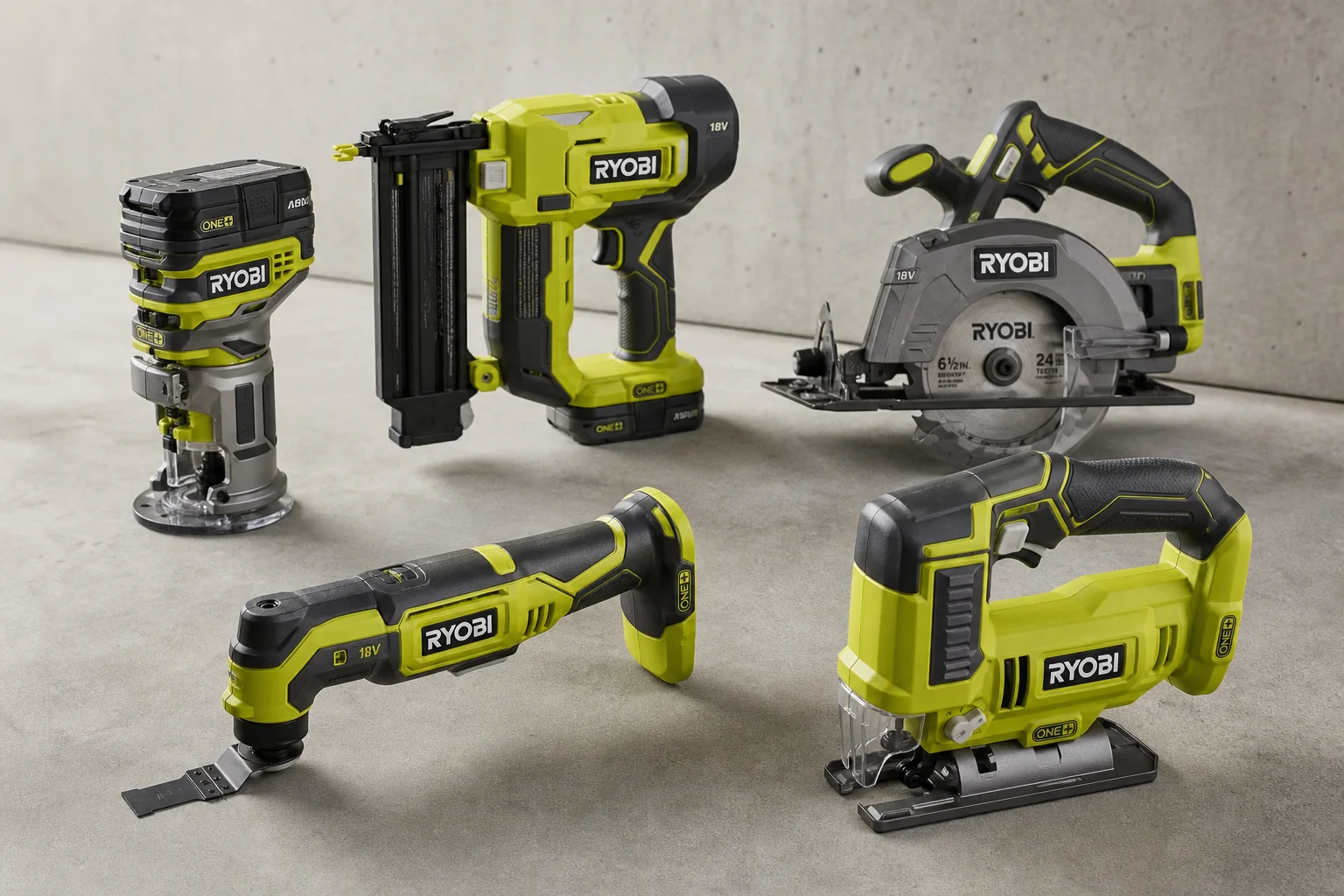
Ryobi has built a reputation as the budget-friendly option in the cordless tool world, but dismissing the brand entirely misses the point. The 18V One+ platform offers real value for homeowners and weekend woodworkers, though it comes with clear trade-offs. This review covers the tools that genuinely deliver, the ones to avoid, and who should actually consider this system.
The Trim Router: A Solid Foundation
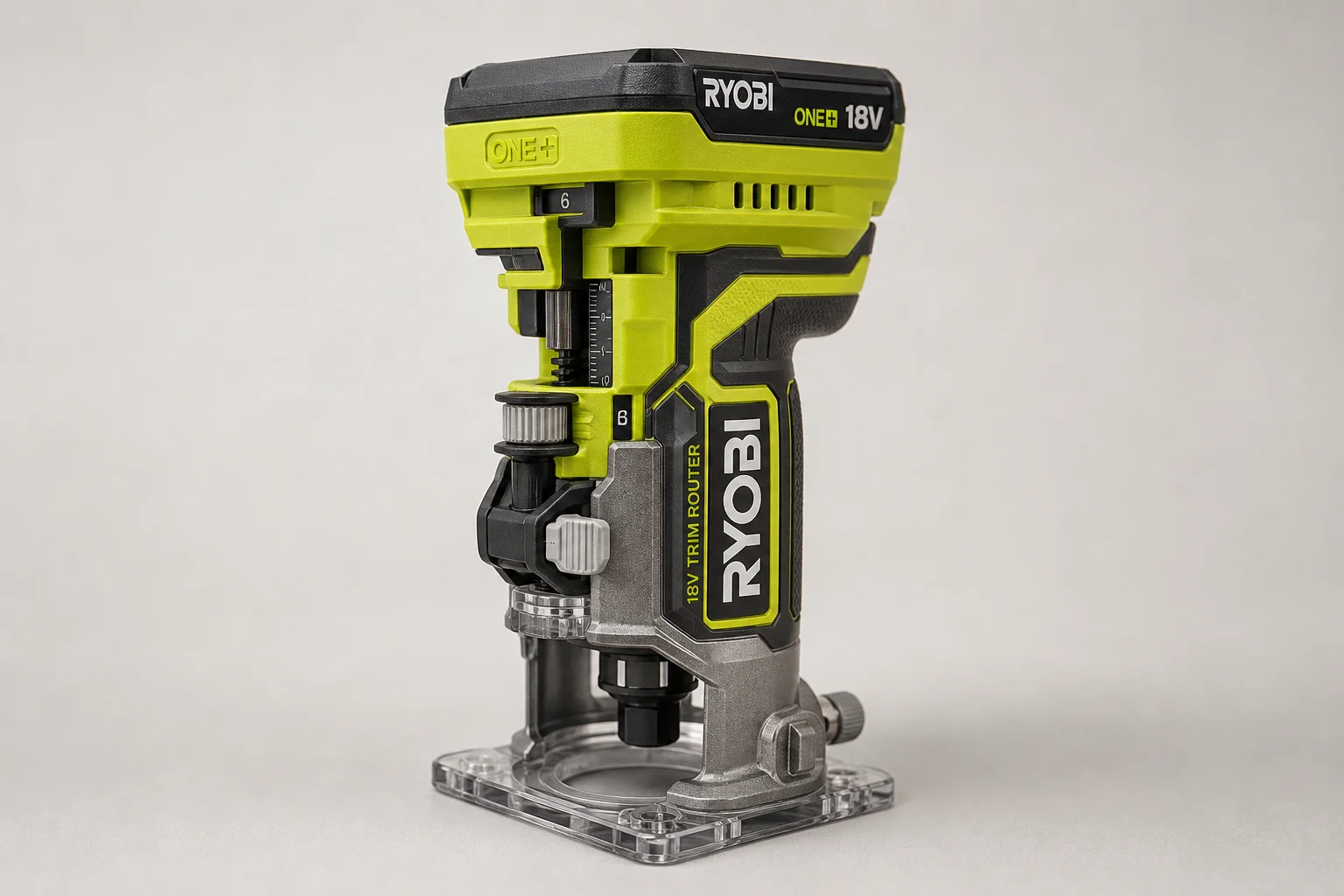
The newer Ryobi 18V trim router represents a meaningful improvement over earlier versions. The original design suffered from poor balance due to an oversized shoulder that made edge work awkward. The current version addresses this with a slimmer profile and better weight distribution.

In practice, this router handles edge profiles and chamfers well. It features variable speed control from 10,000 to 30,000 RPM, a soft-start motor that prevents jerking, and built-in LED illumination. The depth adjustment mechanism works smoothly, with a fine-tuning dial that locks securely in place. The base is cast rather than plastic, which adds durability without excessive weight.
This is not a heavy-duty production router for deep grooves or table mounting. It excels at portable edge work and fits comfortably in one hand. For the price point, it represents genuine value, especially when paired with the high-performance batteries.
The Brad Nailer: Cordless Convenience
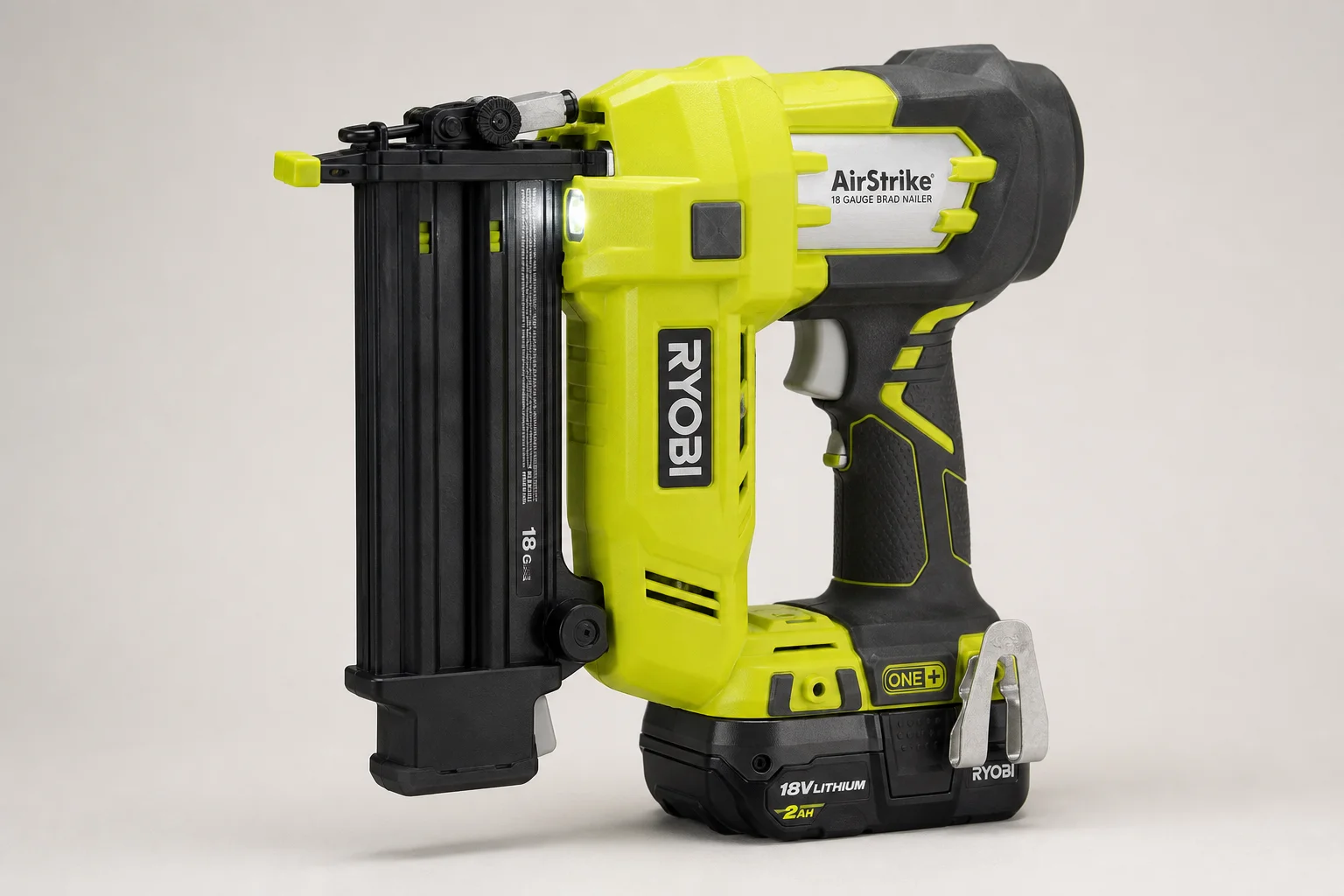
The AirStrike 18 Gauge Brad Nailer stands as arguably the best value in Ryobi’s lineup. Cordless brad nailers are rare at this price, and this one includes features typically found on more expensive models.
The nailer accepts standard 18-gauge brad nails from 5/8 inch to 2 1/8 inches long. A pressure adjustment dial lets you control depth, and dual triggers offer single-fire or continuous-fire modes. The continuous mode fires nails as long as you hold the trigger, which saves time on repetitive work like baseboards or trim installation.
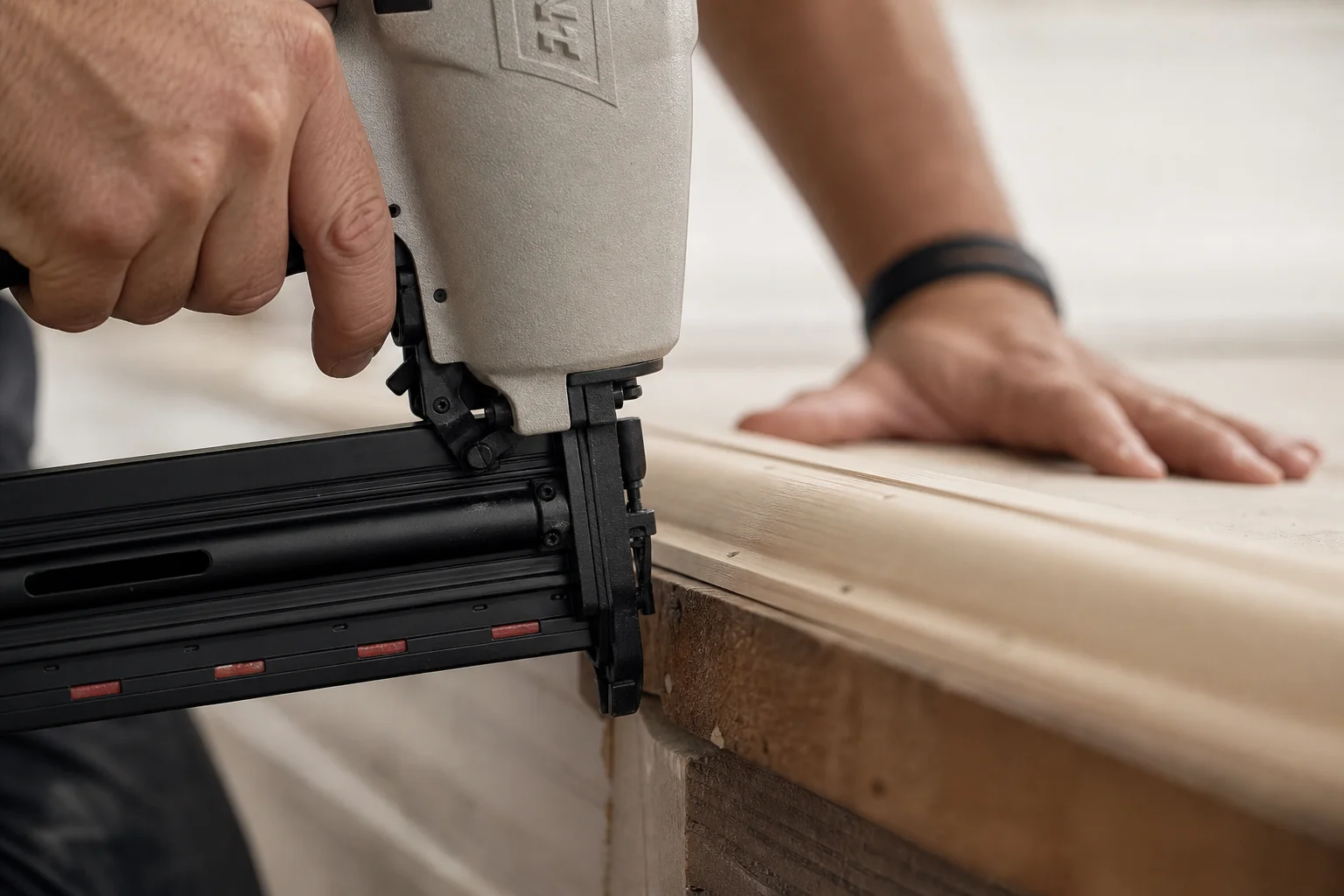
Firing consistency is excellent, with all nails reaching the same depth. The ergonomics are solid despite the tool’s weight, and the LED on the front provides useful illumination in tight spaces. For the cost, this tool delivers capabilities that would otherwise require pneumatic equipment or a significantly larger investment.
The Circular Saw: Lightweight Power
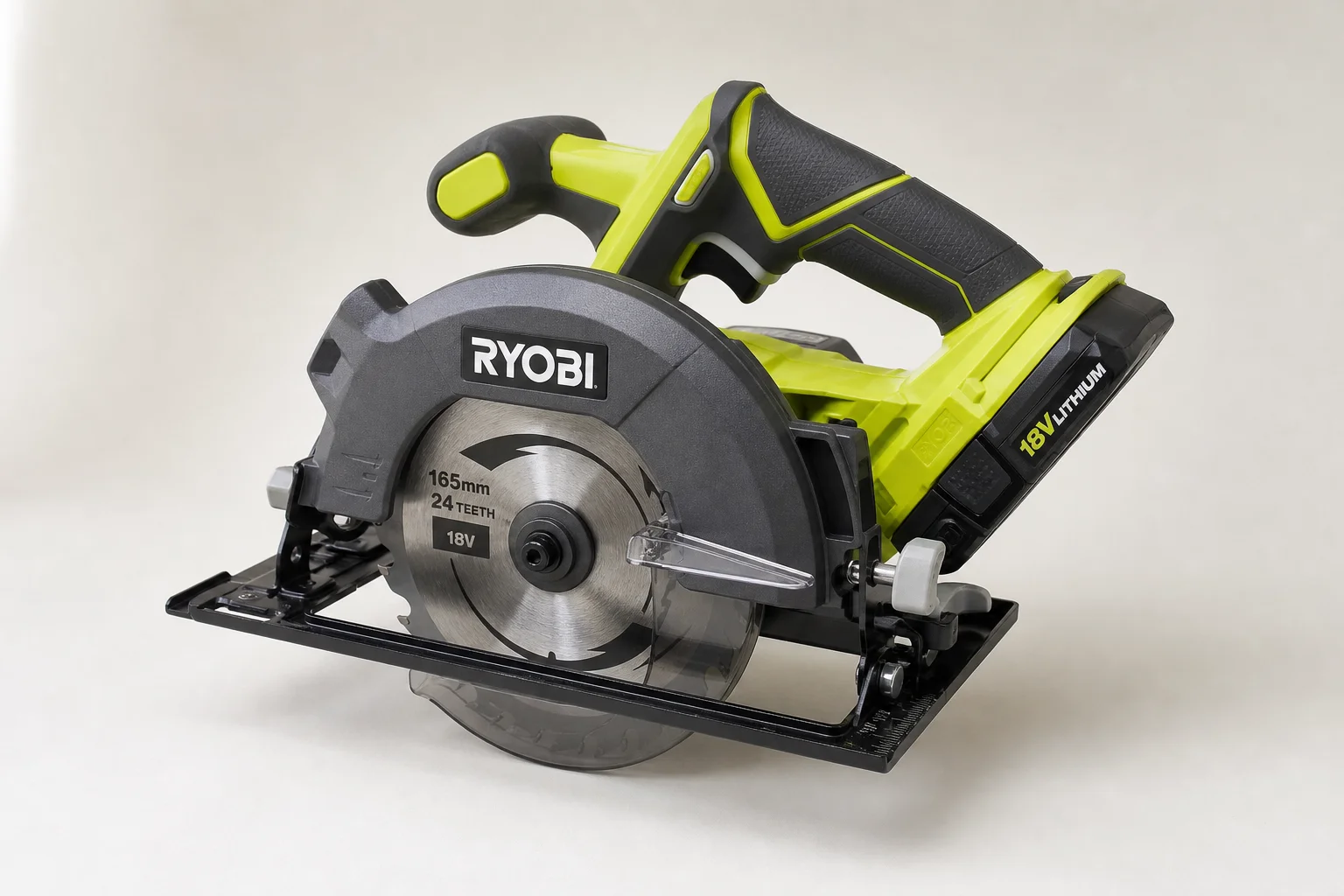
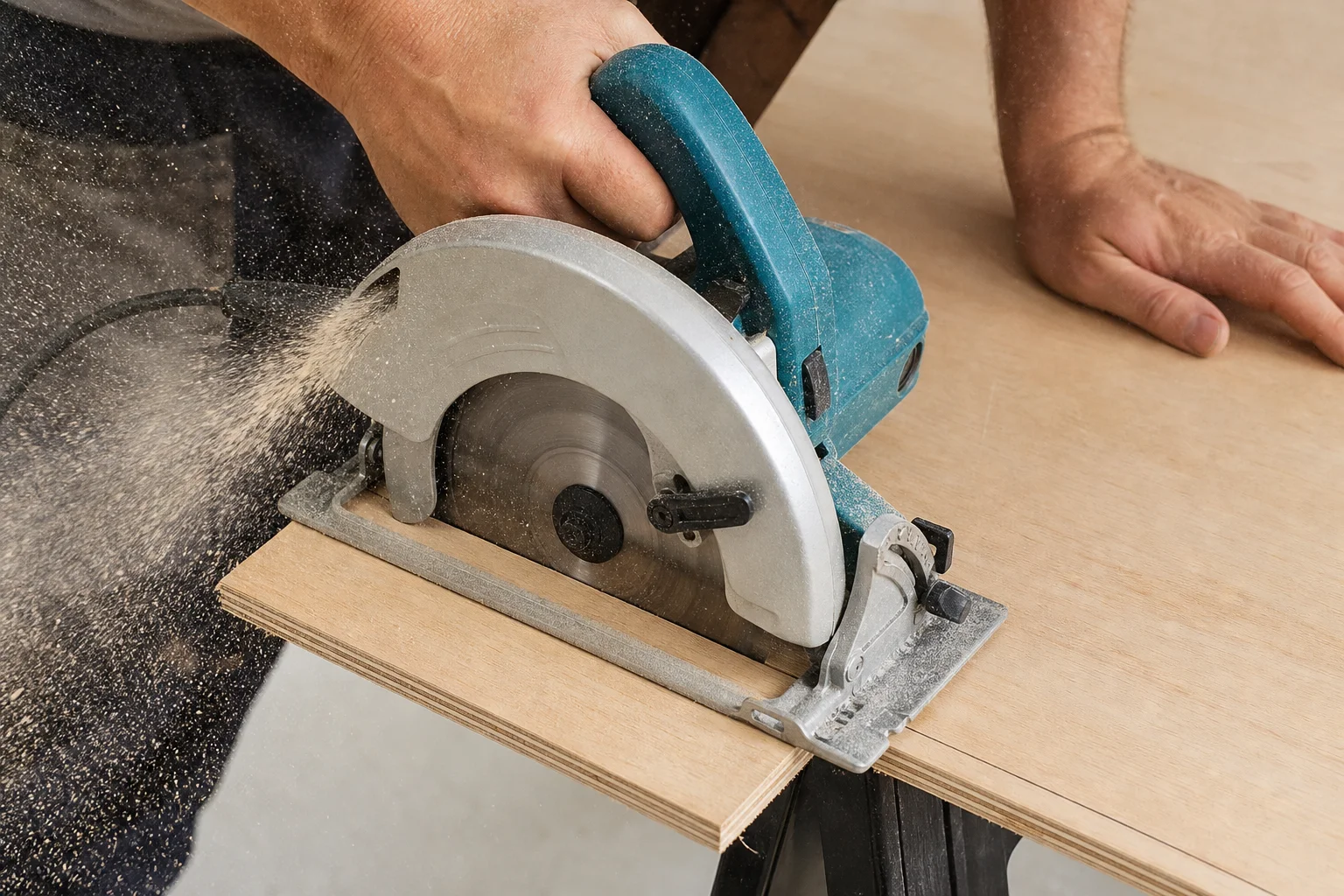
The 7 1/4-inch circular saw balances power and portability effectively. It cuts through standard materials without bogging down, and the included blade is surprisingly good quality. The depth adjustment is straightforward, and the soft-start motor reduces strain on the battery.
Compared to heavier alternatives, this saw is noticeably easier to manipulate freehand. It handles bevels up to 56 degrees and includes a built-in LED. The trade-off is that it is not designed for the sustained, heavy-duty work that professional-grade saws handle. For DIY projects and job-site work, it performs well.
The Jigsaw: Precision Curves
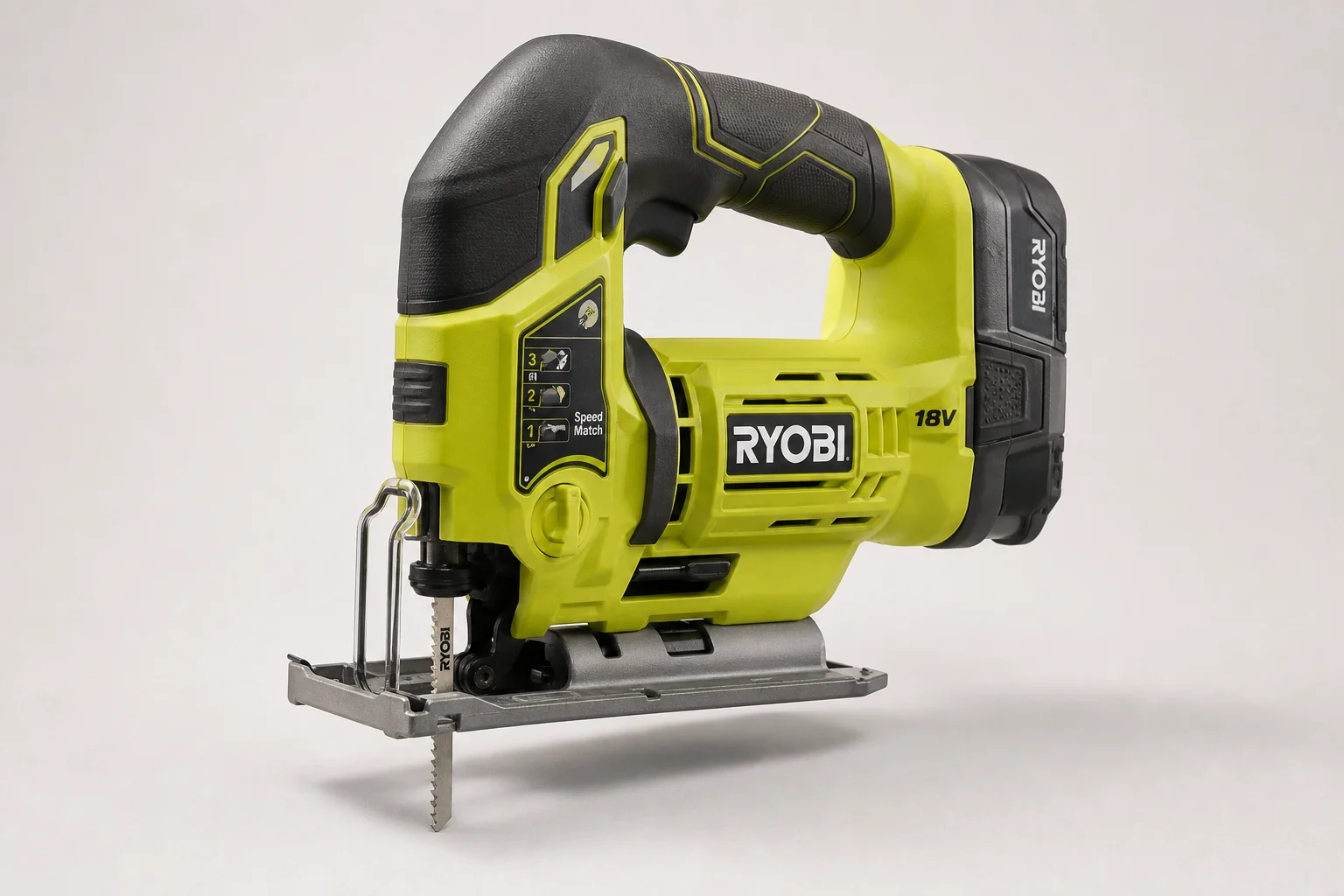
The barrel-grip jigsaw is one of Ryobi’s strongest recent releases. It features variable speed from 0 to 3,000 strokes per minute, four oscillation settings, and a toolless blade change. The non-marring shoe can be removed if needed, and a blower function clears sawdust from the cut line.
At the zero oscillation setting, cut quality is remarkably clean with minimal tear-out. As you increase oscillation, the tool cuts more aggressively but with more visible tear-out. The barrel grip design is more comfortable than traditional handle styles for curved cuts. Vibration is minimal, and the overall build quality feels solid.
This tool excels at cutting curves, scrollwork, and intricate shapes. It is not designed for ripping thick stock, but for its intended purpose, it delivers results comparable to tools costing significantly more.
The Reciprocating Saw: Compact and Capable
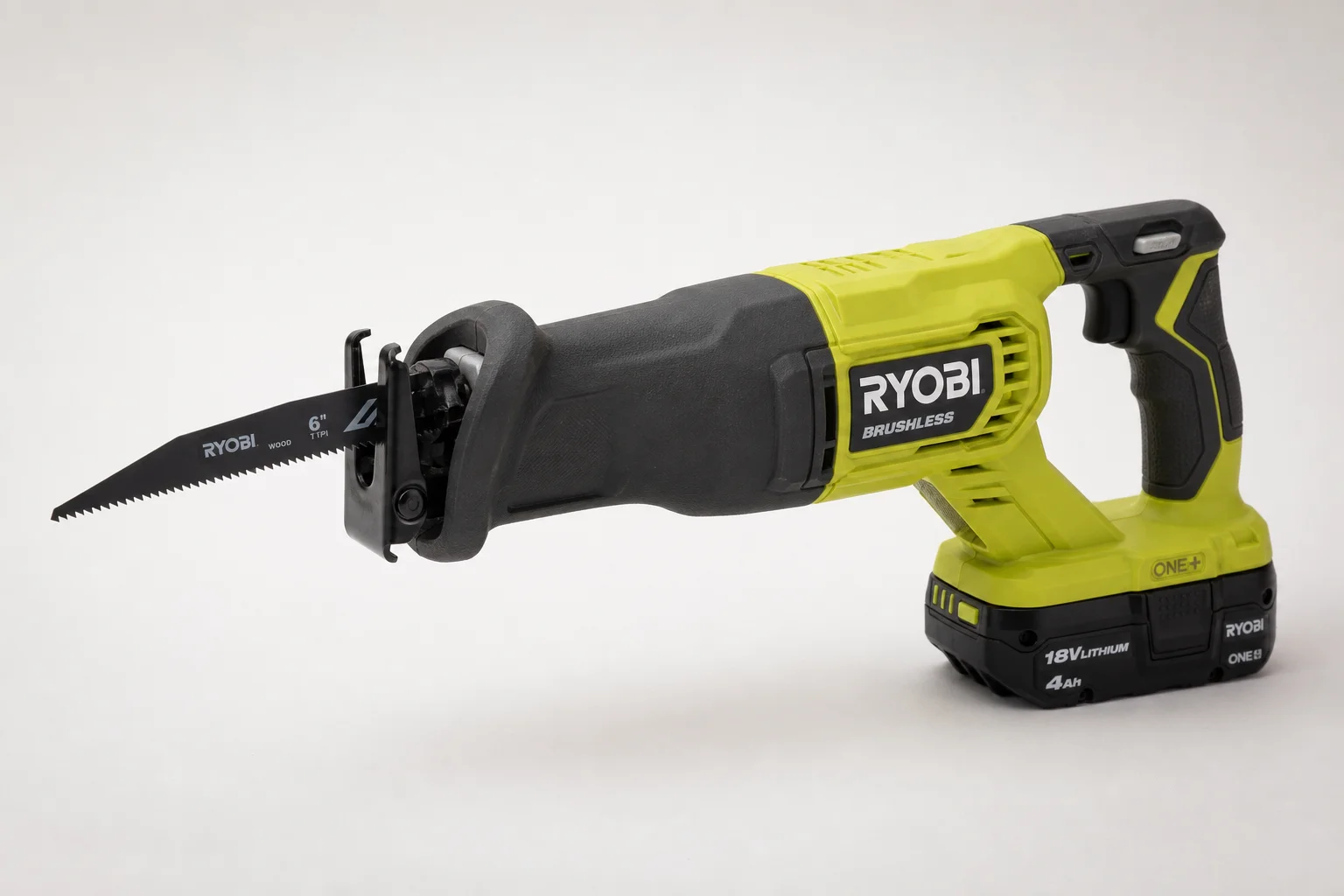
The new brushless one-hand reciprocating saw is 31 percent more compact and 24 percent lighter than the previous version. It offers toolless blade changes, variable speed controlled by trigger pressure, and a lock button to prevent accidental firing.
This tool is designed for rough cutting tasks: breaking down pallets, cutting metal pipes, and aggressive demolition work. The brushless motor delivers more power and better battery life than brushed alternatives. For occasional use, it performs adequately. Heavy daily use would benefit from a more robust design.
The Random Orbit Sander: A Surprising Upgrade
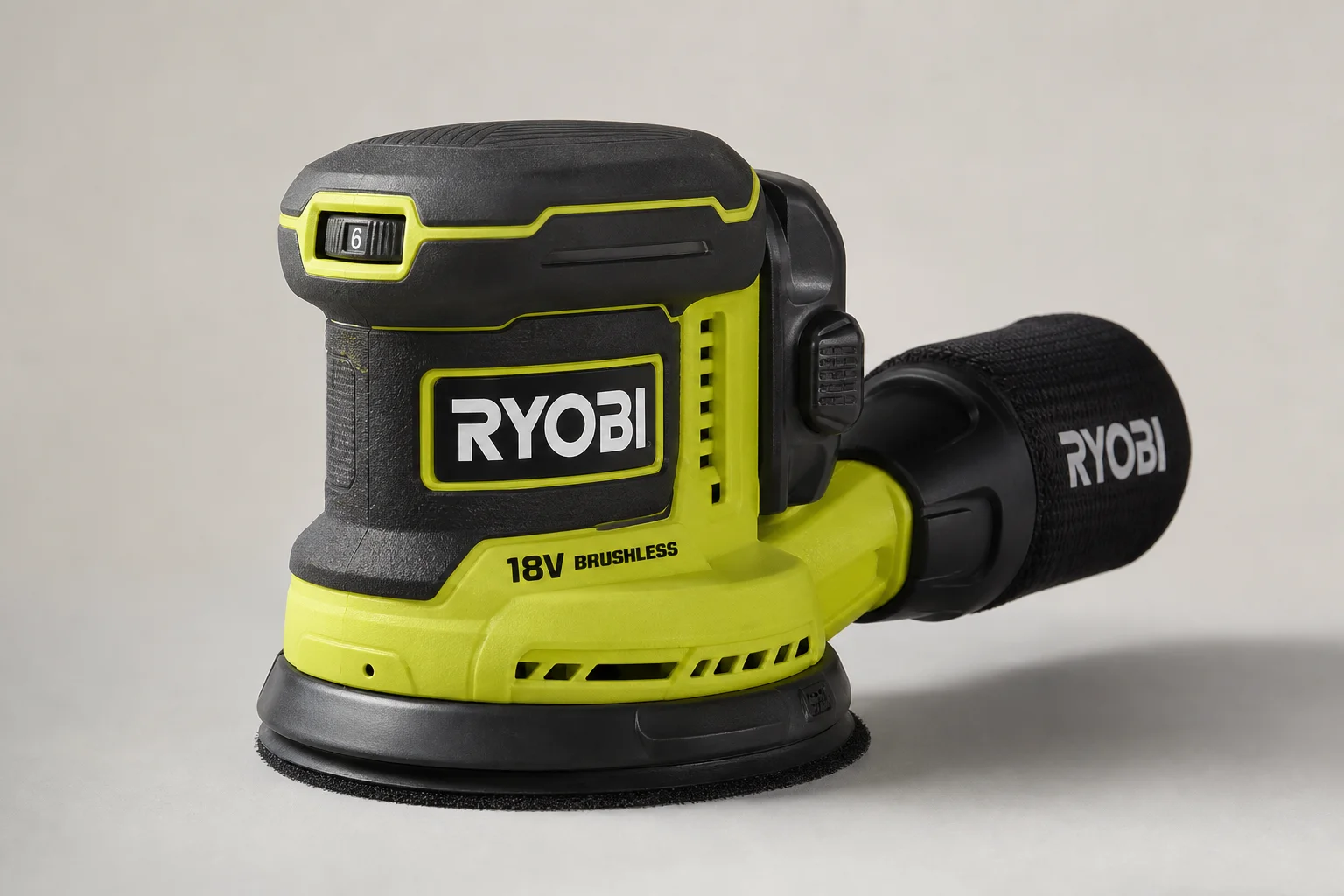
The brushless random orbit sander represents a dramatic improvement over Ryobi’s previous cordless sanding option. The earlier model lacked power and vibrated excessively. This new version is night-and-day different.
Vibration is minimal even at maximum speed, and the tool maintains consistent pad rotation under normal pressure. Three speed settings range from 7,000 to 11,000 RPM. The battery orientation has been redesigned for better balance, and the tool includes an LED work light. Dust collection is fair with the included bag, and the tool accepts standard hook-and-loop sandpaper.
This sander is not a Festool Rotex, but for cordless sanders in general, it is genuinely impressive. It handles finishing work on walnut, pine, and plywood without bogging down.
Tools to Avoid
Not every Ryobi tool deserves consideration. The 5 1/2-inch circular saw is underpowered and impractical for most woodworking projects. The older brushed random orbit sander was weak and vibrated excessively, though the new brushless version corrects these issues. The table saw is known for fence problems that make it difficult to keep square to the blade.
The Battery Advantage
One genuine strength of the Ryobi platform is battery compatibility. A battery purchased in 2022 will work with any tool made back to 1996, and vice versa. This backward and forward compatibility is rare in the industry and speaks to Ryobi’s long-term commitment to the 18V platform.
The new 18V Lithium High Performance Edge batteries deliver noticeably better performance than standard 4-amp-hour batteries. They provide up to 4 times the runtime, run cooler, and deliver up to 2 times more power. For tools that demand consistent performance, these batteries are worth the investment.
Who Should Buy Ryobi
Ryobi makes sense for homeowners tackling occasional projects, beginners learning woodworking, and anyone who values immediate availability over premium features. A complete starter kit with drill, driver, sander, jigsaw, and circular saw costs significantly less than comparable Milwaukee or DeWalt bundles.
The platform’s breadth is also compelling. Over 260 products run on the same 18V battery, from power tools to outdoor equipment to lighting. This ecosystem appeal drives many purchasing decisions.
Ryobi does not make sense for professionals working job sites where tools take abuse, or for anyone requiring precision and durability under heavy daily use. The tools are not designed for that environment, and pushing them beyond their intended use leads to premature failure.
Conclusion
Ryobi’s 18V One+ platform delivers real value in specific contexts. The trim router, brad nailer, circular saw, jigsaw, reciprocating saw, and random orbit sander all perform their intended functions well. The ecosystem of compatible batteries and accessories adds practical appeal.
The brand’s reputation for poor quality is outdated. Recent tools show genuine engineering and thoughtful design. That said, they remain budget-oriented tools with real limitations on power, precision, and durability under heavy use.
If you already own Ryobi batteries or plan to work primarily on weekends in a home shop, these tools deserve serious consideration. If you need professional-grade durability or precision work, look elsewhere. The key is matching the tool to the actual job.
Further reading
Related Reviews
Power Tools
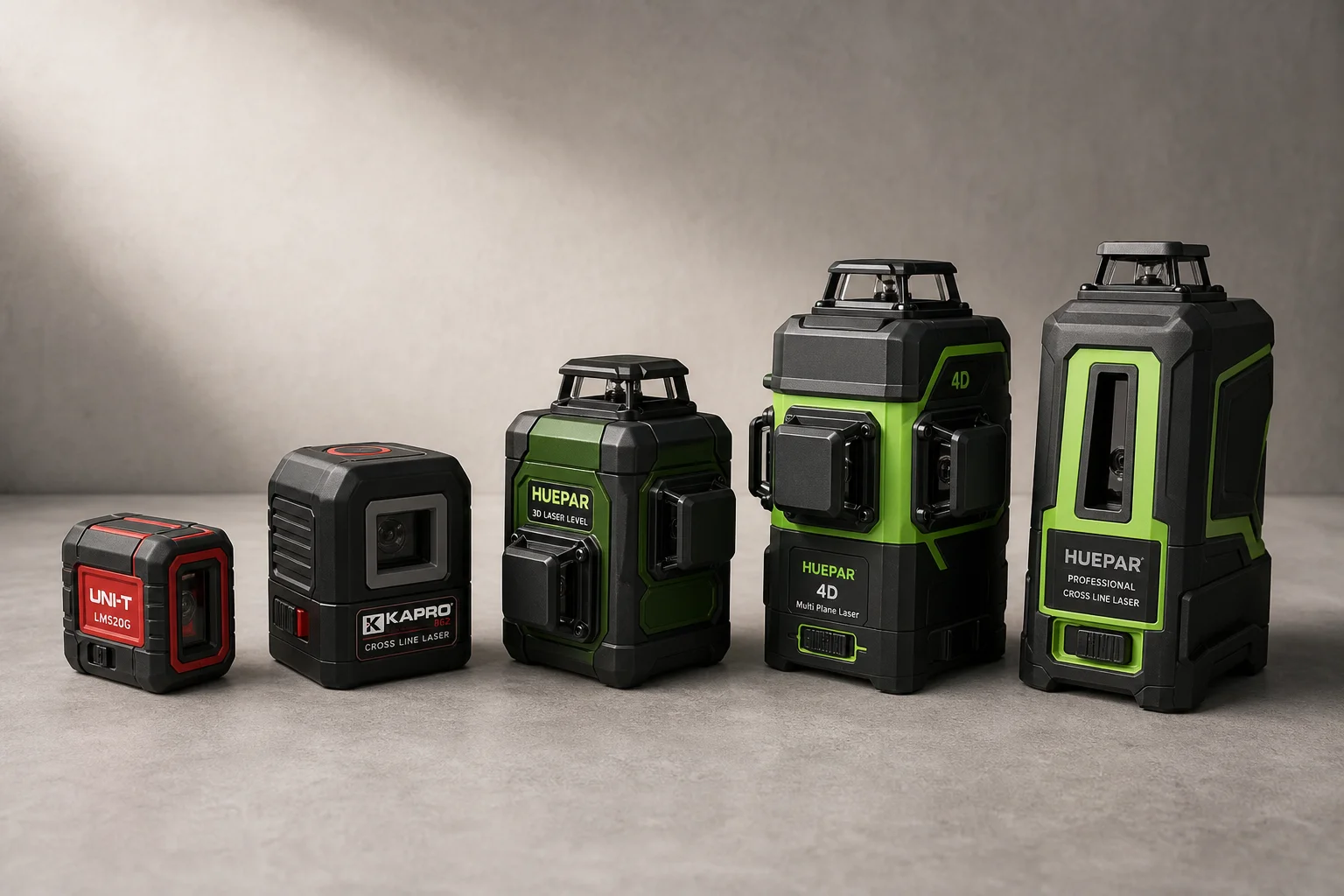
Best Laser Levels 2026: Five Tools Ranked by Accuracy and Versatility
A practical ranking of five laser levels from budget-friendly to premium, with real specs and clear use cases for each.
Power Tools
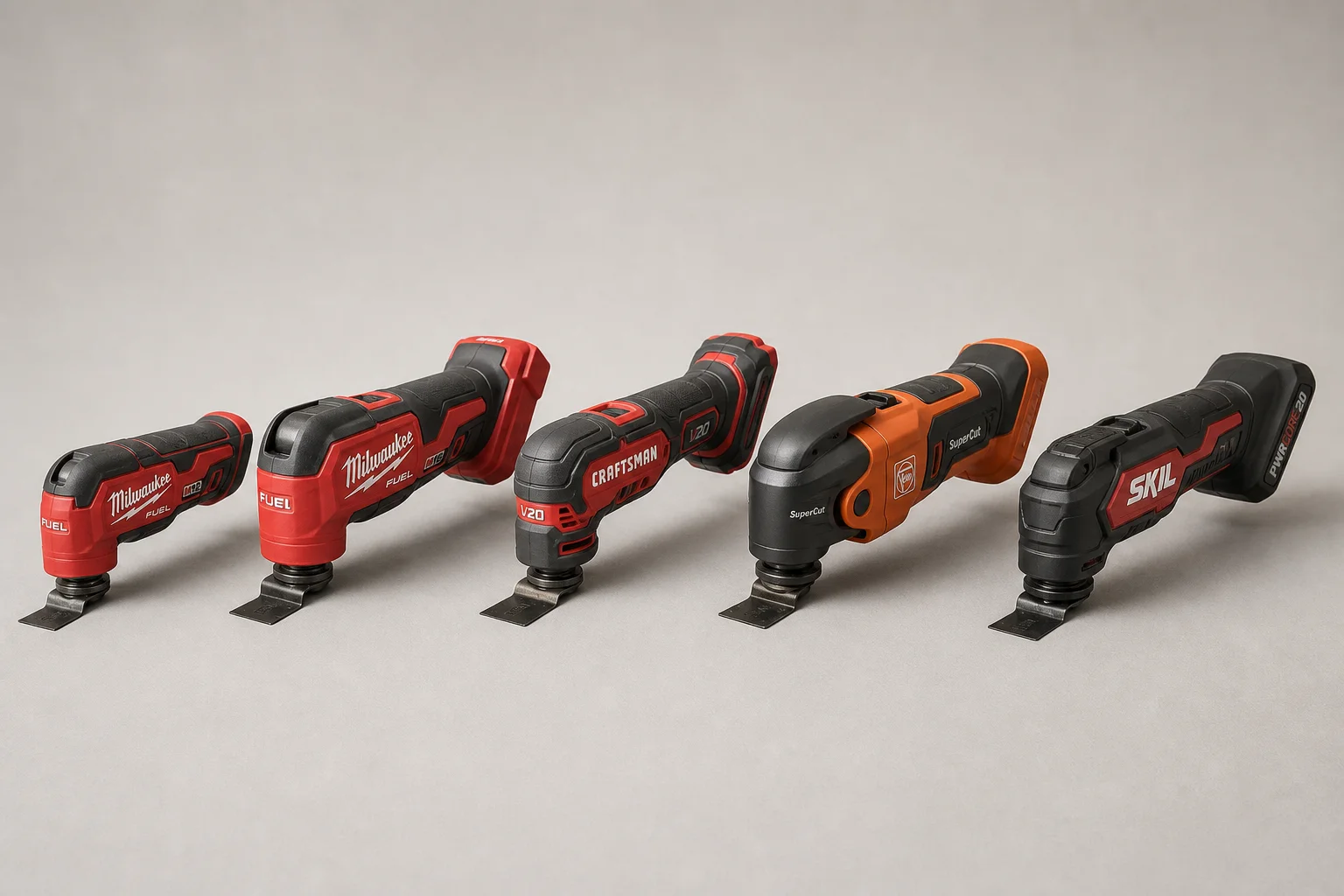
Best Oscillating Multi-Tools 2026: Five Models Tested Head-to-Head
We tested five cordless oscillating multi-tools across ergonomics, vibration control, cutting speed, and value. Here are the standouts.
Power Tools
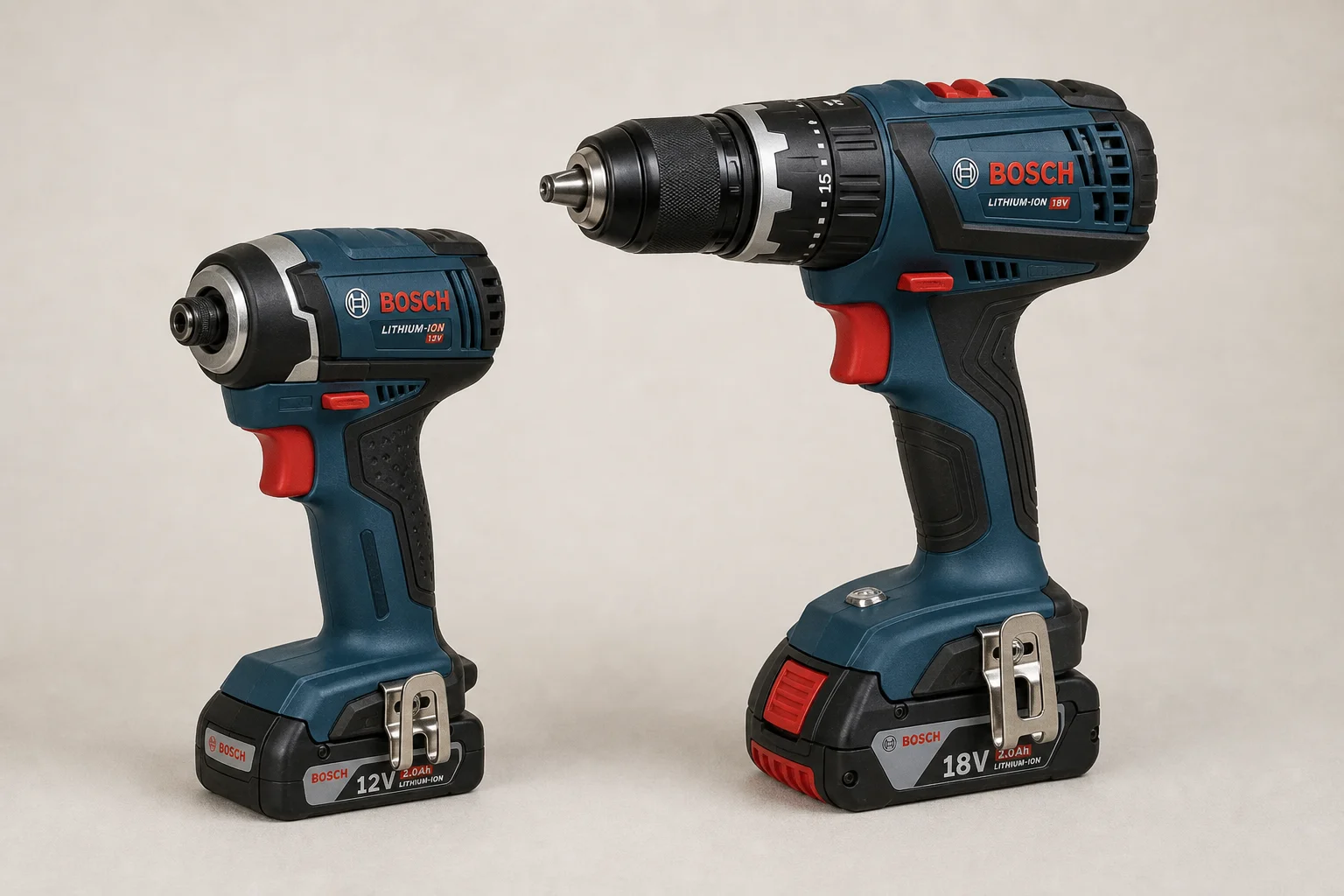
Impact Driver vs Drill: Key Differences and When to Use Each
Understand the mechanical differences between impact drivers and drills, and learn when to reach for each tool based on your specific task.