Workshop Tools
Shop Vacuum Performance Tips: Four Essential Upgrades and Maintenance Strategies
Four practical tips to boost shop vacuum suction, reduce filter wear, save money on consumables, and protect your health in the workshop.
Introduction
Shop vacuums are essential workshop tools, but their performance depends heavily on how you use and maintain them. Four key strategies will dramatically improve suction power, extend filter life, reduce ongoing costs, and protect your health in the workshop.
Tip 1: Always Use a Vacuum Bag
Using a vacuum bag makes an enormous difference in performance. A Festool vacuum with a bag two-thirds full of sawdust delivers 126 CFM at the hose end. The same vacuum without a bag, relying only on the filter, drops to 30 CFM by the time you finish collecting the same amount of sawdust. The filter becomes choked and airflow collapses.
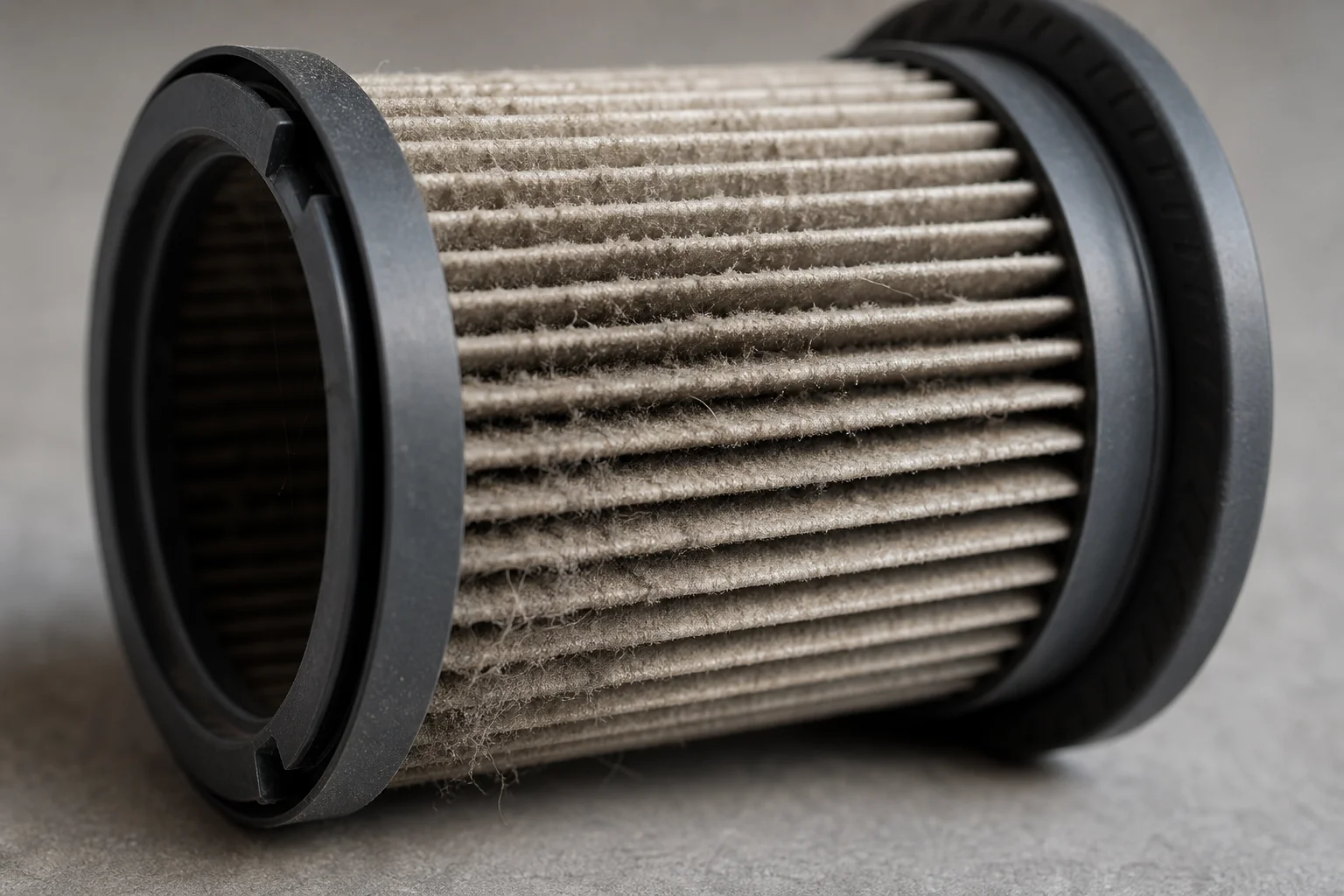
Vacuum bags also extend filter lifespan significantly. Instead of beating the filter with aggressive cleaning every time you empty the vacuum, bags allow for gentle cleaning every 15 to 20 uses. In practice, filters last much longer when bags are used consistently.
Tip 2: Save Money on Vacuum Bags
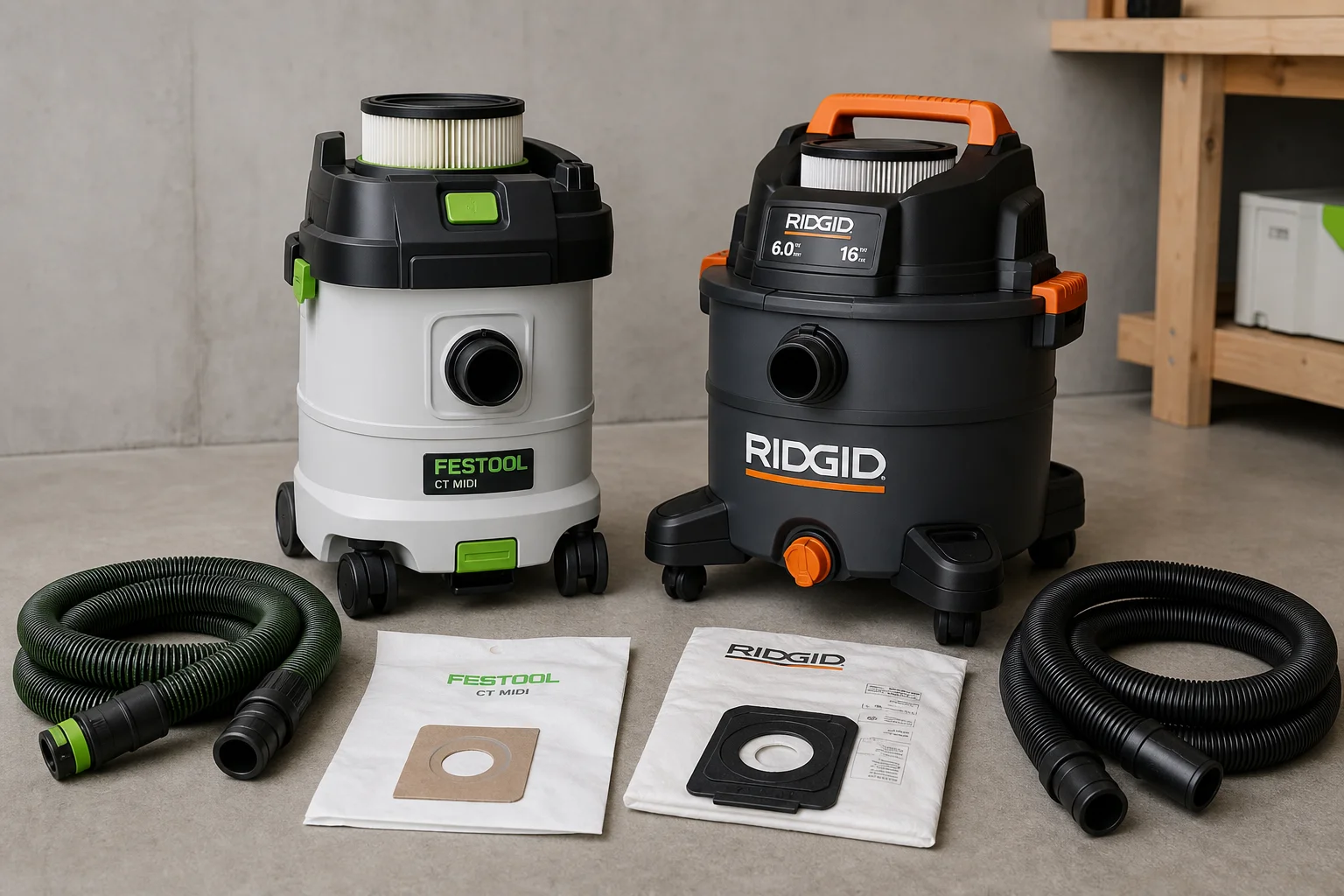
Vacuum bags sold at retail are expensive. A Rigid vacuum bag costs around 15 Canadian dollars at home improvement stores. The same bag purchased online costs approximately 4.50 Canadian dollars, delivering identical performance at a fraction of the price.

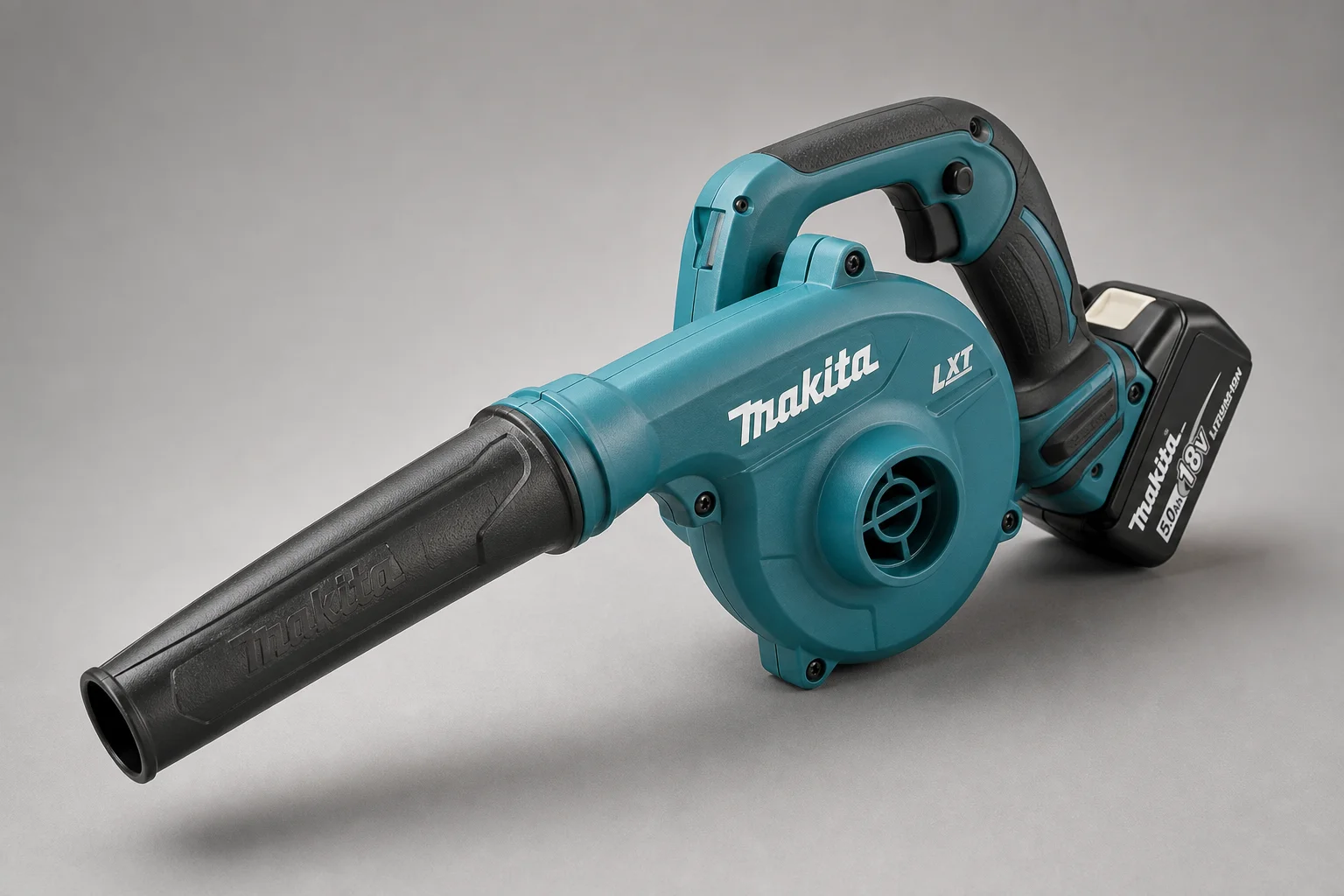
Festool bags, priced around 12 Canadian dollars each, offer a reusable cloth fabric option. When a bag fills up, you can cut it open, empty the contents into a garbage can, shake out the bag, and blow it clean with a blower. After sealing the end with binder clips, the bag performs as well as a new one. Many users report reusing these bags over 15 times across different dust types, from drywall to sawdust, without performance loss.
Tip 3: Upgrade to a Larger Diameter Hose
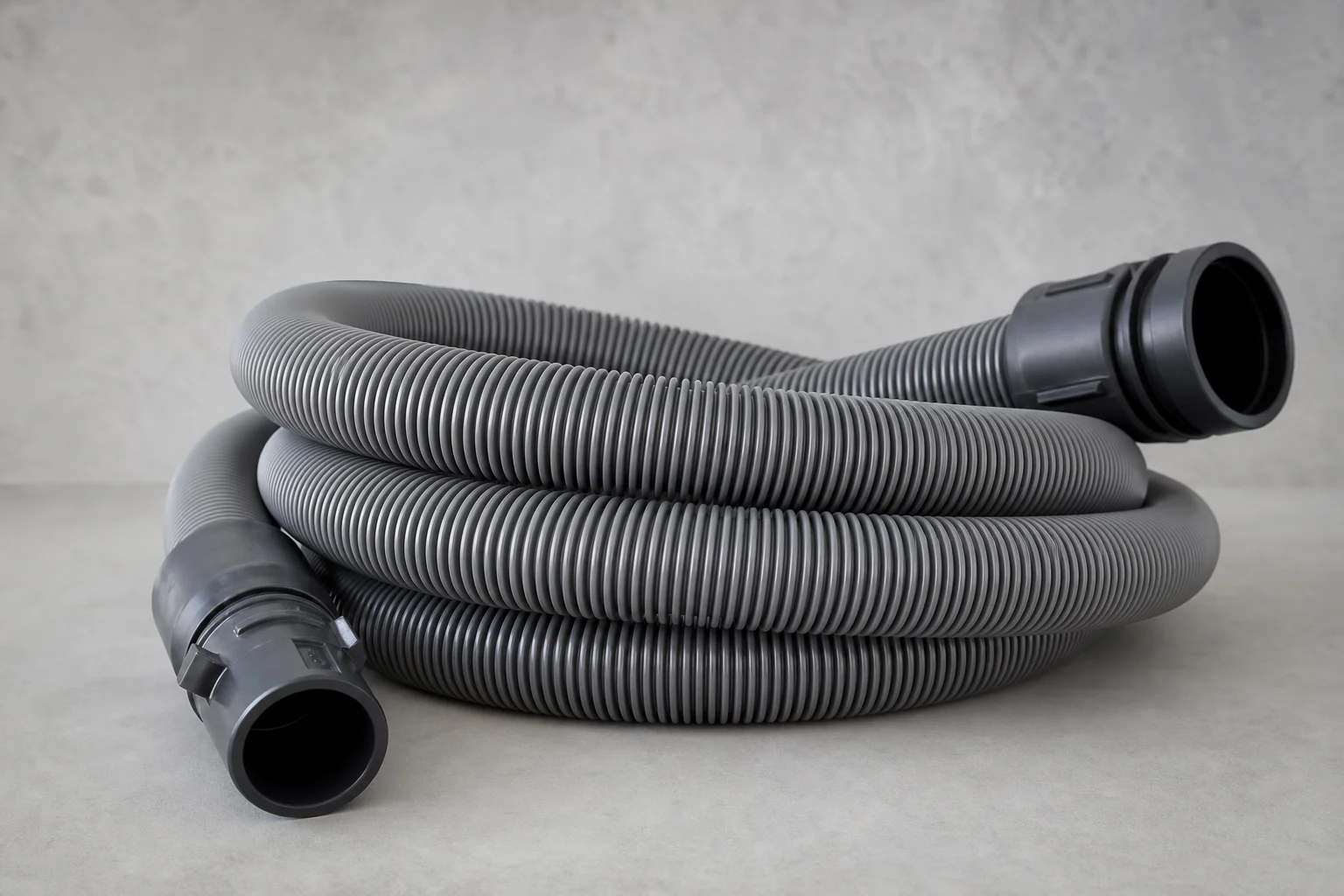
Stock hoses that come with shop vacuums are often thin and inflexible. Upgrading to a larger diameter hose dramatically improves usability and dust collection performance. Replacing a 1.125-inch hose with a 1.875-inch hose increases wind speed at the point of dust collection by 45 percent.
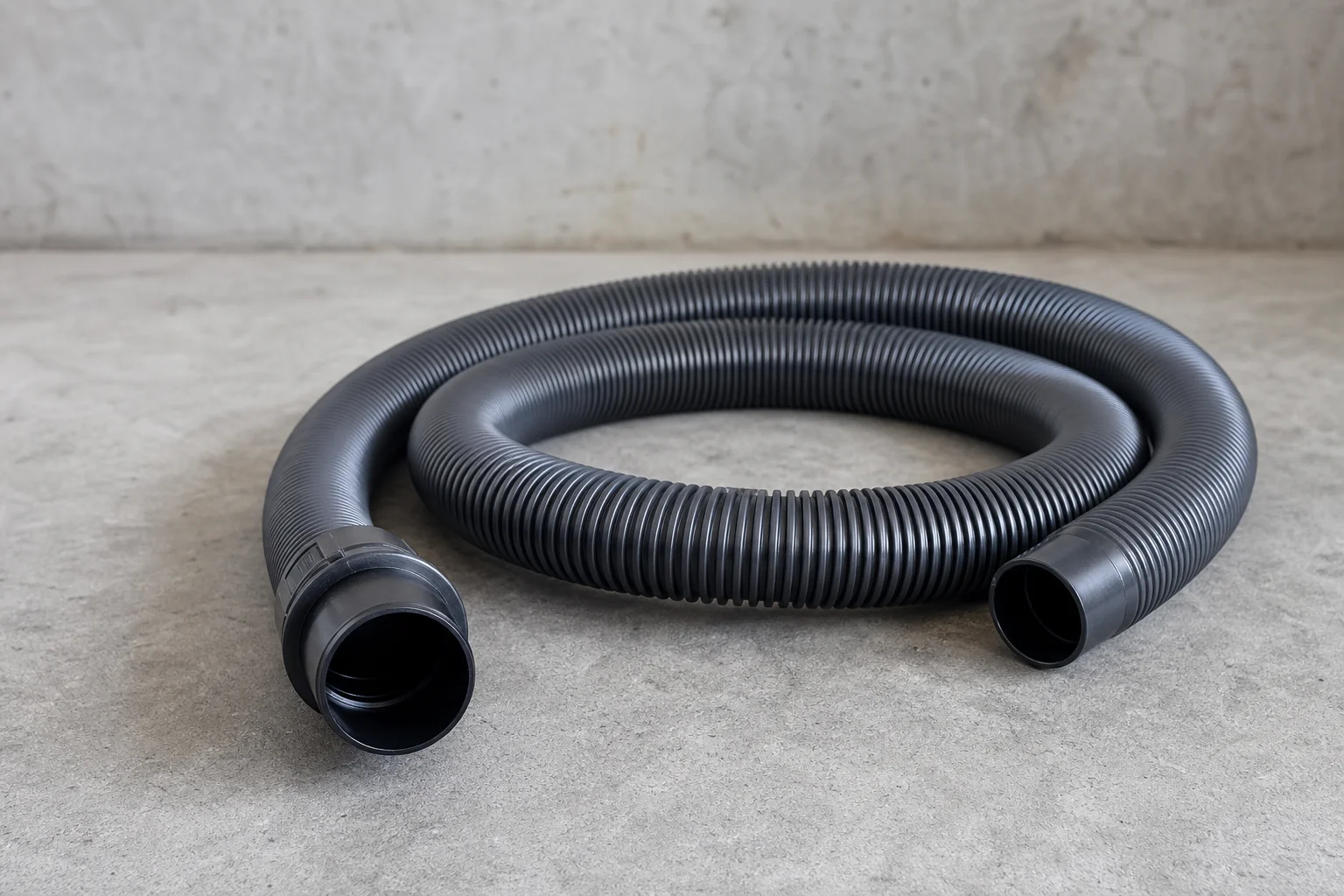
A larger, flexible hose is significantly more pleasant to work with and delivers noticeably better dust capture at tools like miter saws. Quality aftermarket hoses offer excellent flexibility and diameter at reasonable cost. Many users find that sourcing locally is ideal, but online retailers offer competitive pricing on both genuine and compatible hose options.
Tip 4: Replace Single-Pleat Filters for Health
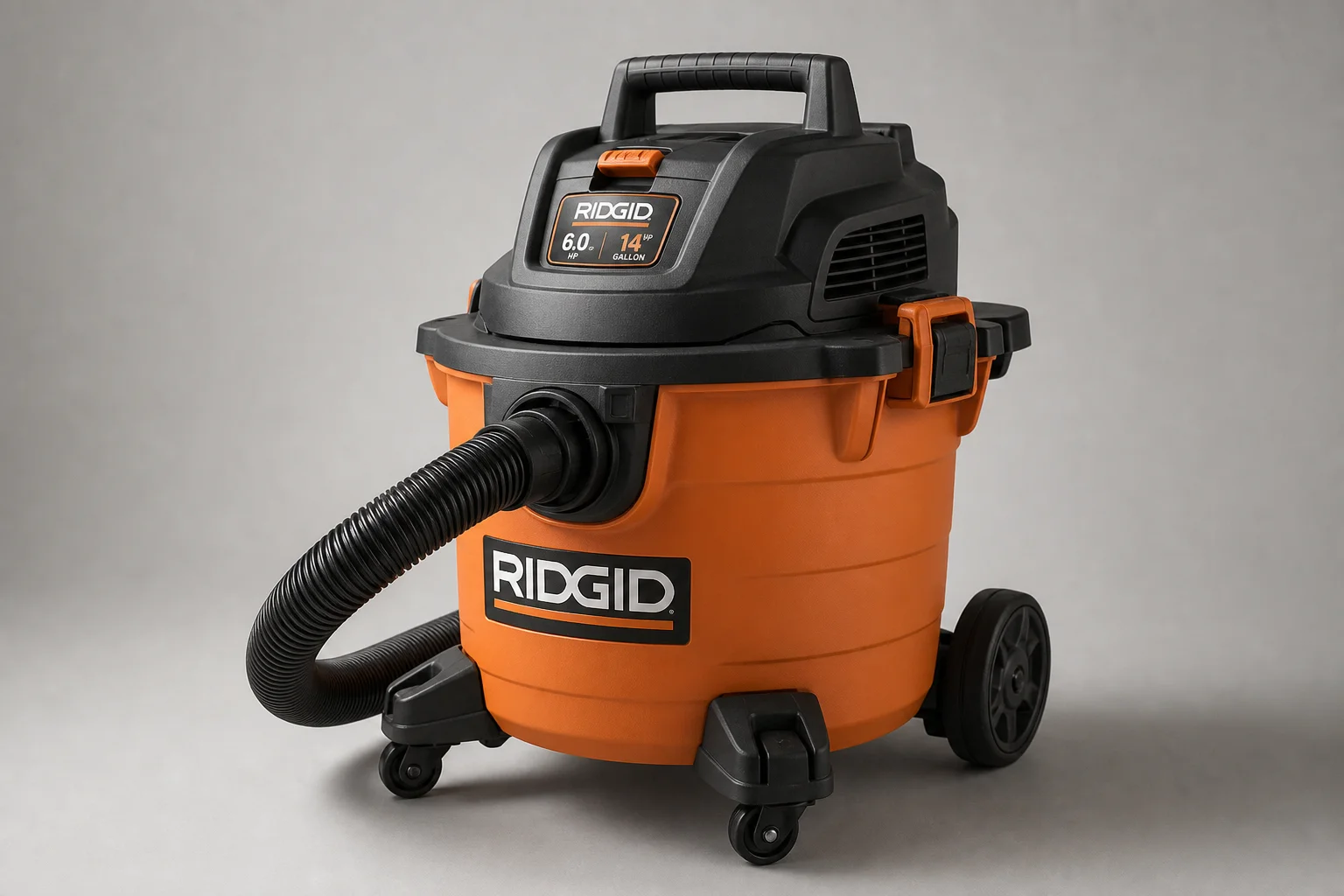
Consumer-level vacuums typically ship with cheap white single-pleat filters. These filters are ineffective at capturing fine dust particles. When a Rigid vacuum with a single-pleat filter runs, fine particulate shoots out the back, creating a visible layer of dust across the entire workspace and posing a serious health risk to your lungs.

Upgrading to a fine-dust filter, typically blue and featuring three layers instead of one, dramatically improves air filtration. For work involving concrete dust, five-layer green HEPA filters provide even better protection. Investing in proper filtration is essential for maintaining clean air and protecting respiratory health in any workshop environment.
Conclusion
These four tips represent the most impactful upgrades and maintenance practices for shop vacuum performance. Using bags, sourcing affordable consumables, upgrading hoses, and installing proper filters will improve suction, reduce costs, extend equipment life, and protect your health in the workshop.
Further reading