Winter Gear
Winter Snowshoeing Gear Review: What Worked and What Didn't on the Trail
A detailed breakdown of clothing and equipment tested on a winter snowshoeing trip, covering base layers, boots, gaiters, and sleeping systems with honest insights on performance and comfort.
Introduction
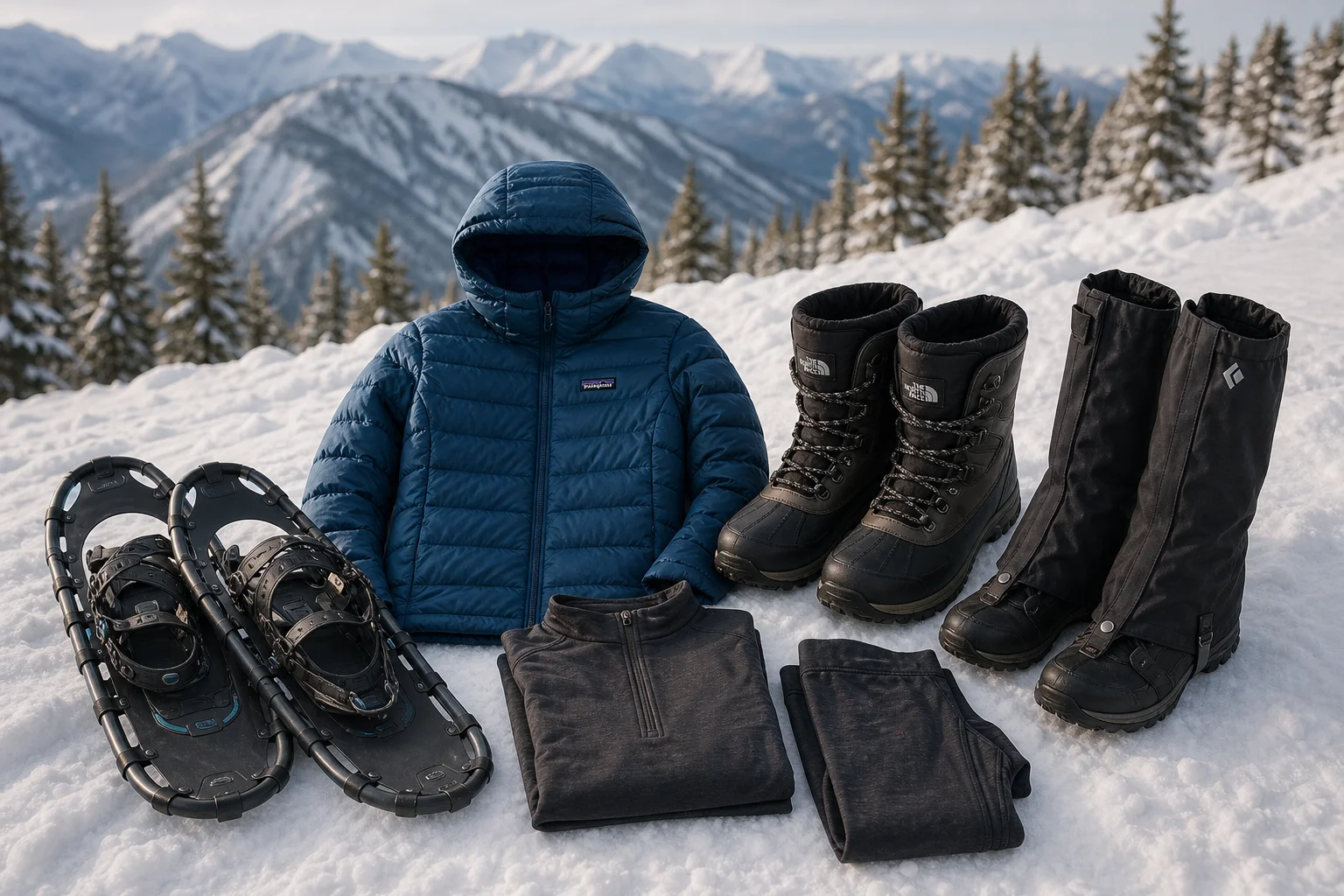
Winter snowshoeing demands careful attention to layering and gear selection. On a recent winter trip, I tested a full range of clothing and equipment to see what truly performs in cold, snowy conditions and what falls short. Here is an honest breakdown of what worked, what didn’t, and why it matters.
Base Layers and Mid-Layer Tops
Layering is critical in winter, especially when you are moving uphill and generating heat. For the approach, I wore a synthetic REI base layer shirt under my REI Sahara Sun hoodie. The Sahara Sun hoodie is a piece I return to repeatedly because it wicks moisture effectively and feels comfortable against the skin. The base layer itself was a used gear purchase, and it performed well without any surprises.
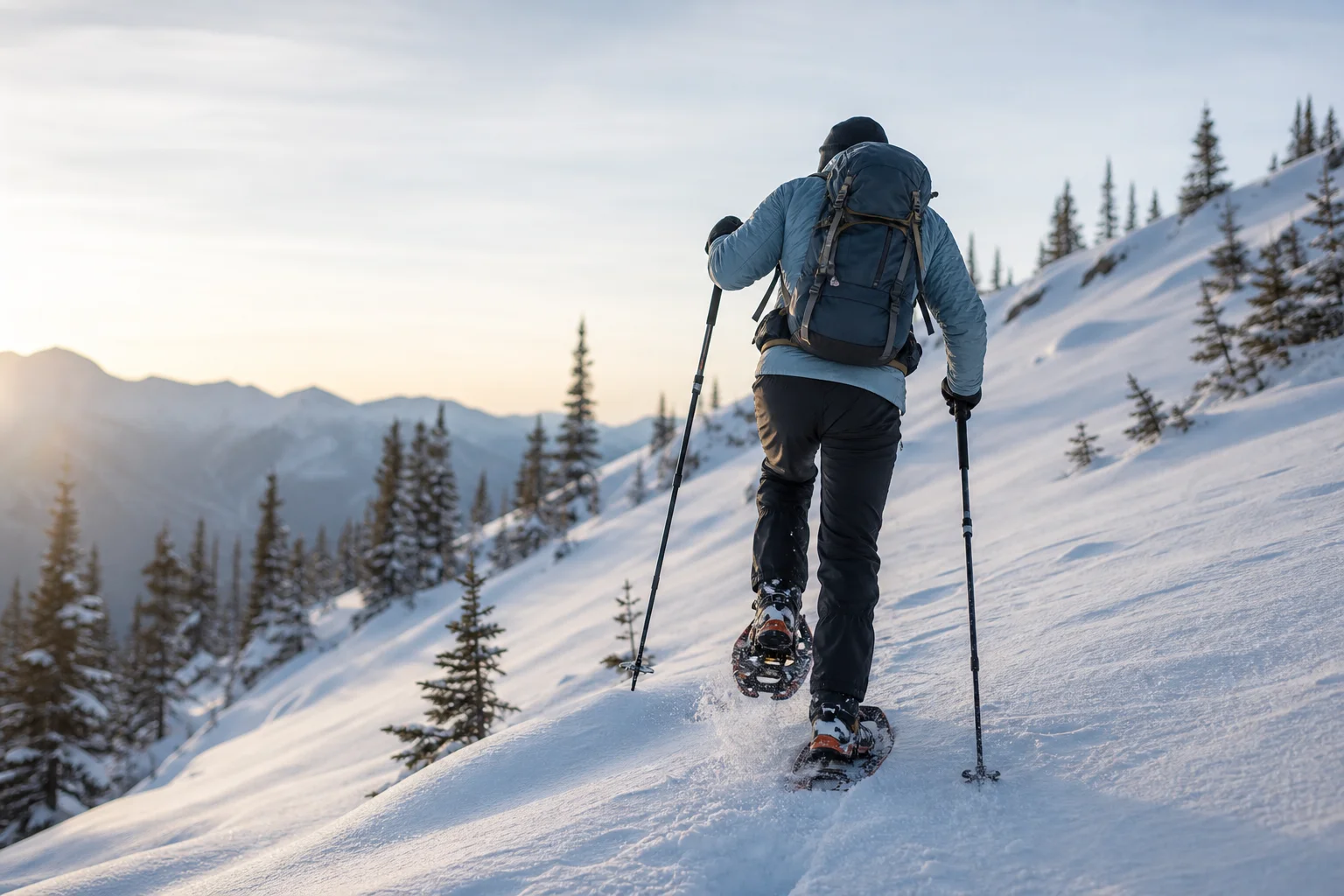
Over these, I wore my usual Prana pants, which I have relied on for years. While REI no longer makes the exact model I own, the current versions should offer similar performance. The key is choosing a mid-layer pant that moves with you and doesn’t restrict motion when you are navigating uneven terrain.
Footwear and Gaiters
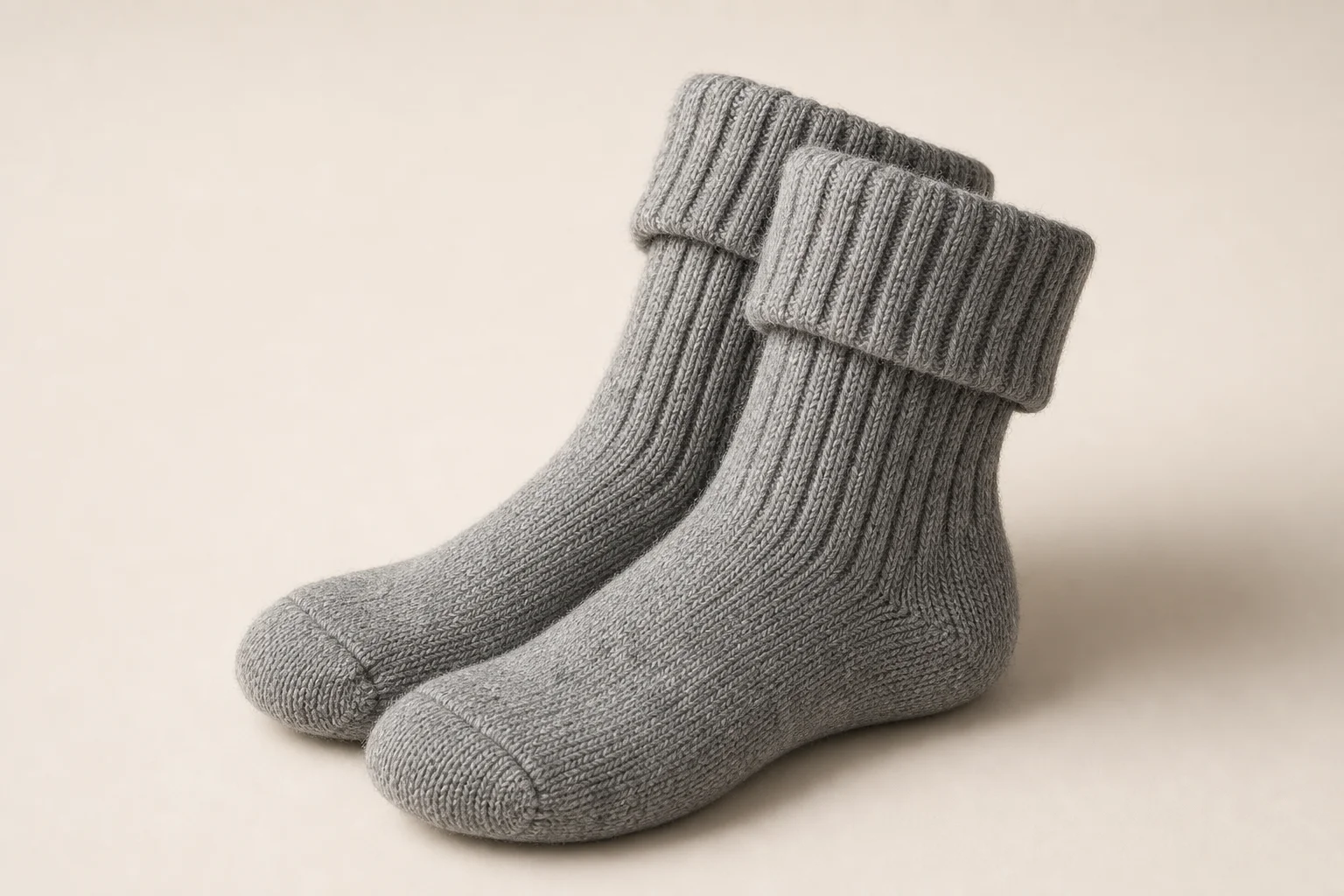
Socks matter more than many people realize. I switched from Balega to Darn Tough boot socks after seeing how well they worked for others. These socks are noticeably cushioned and tall enough to stay above the boot collar, which is essential for keeping snow out of your boots. I was very happy with this choice.
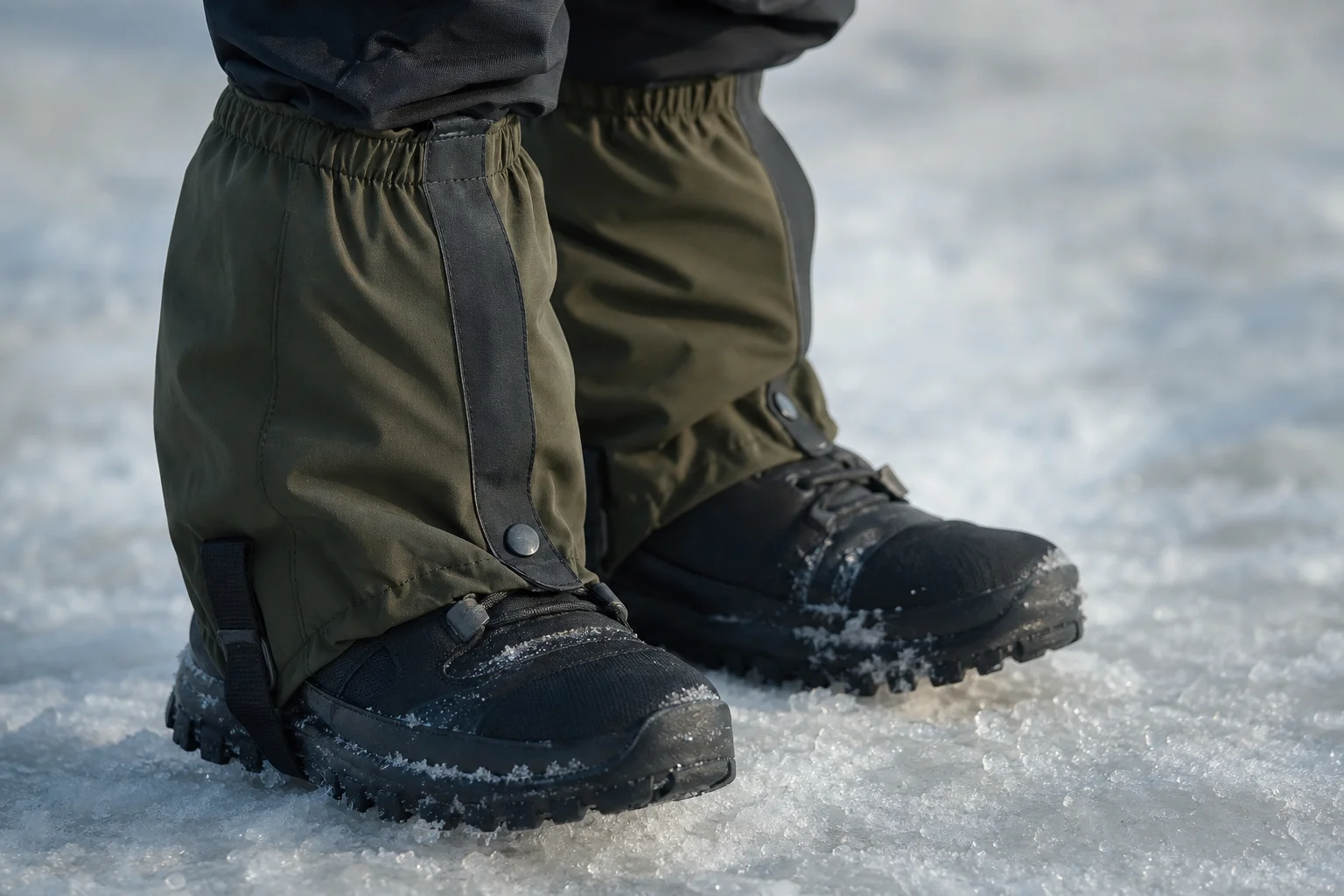
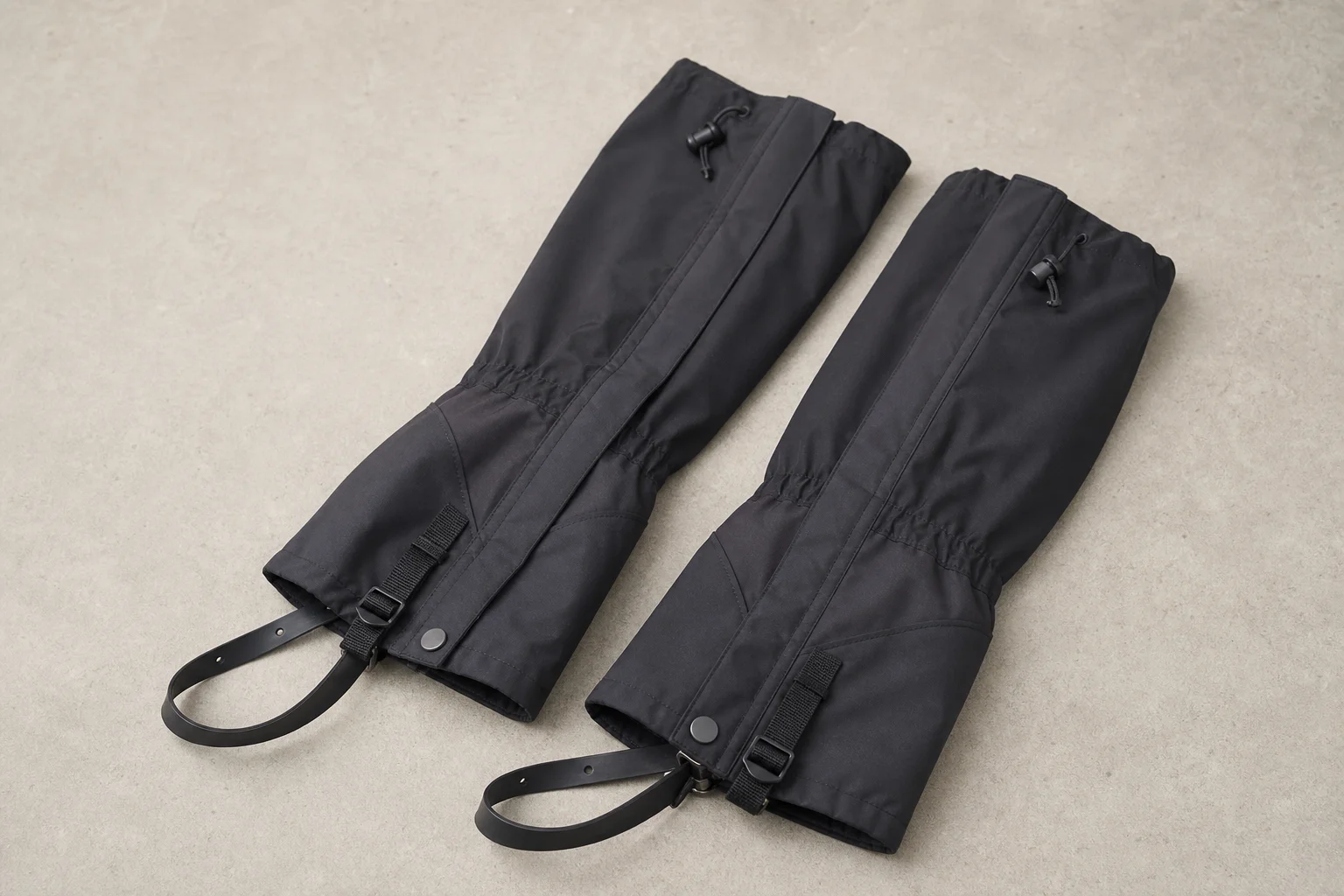
The Outdoor Research snow gaiters were genuinely transformative. I tested several pairs to ensure they would fit over my pants and boots without binding, which can be challenging for anyone with larger calves. These gaiters did an excellent job of keeping snow out of my boots and pants, and I would not hesitate to recommend them.
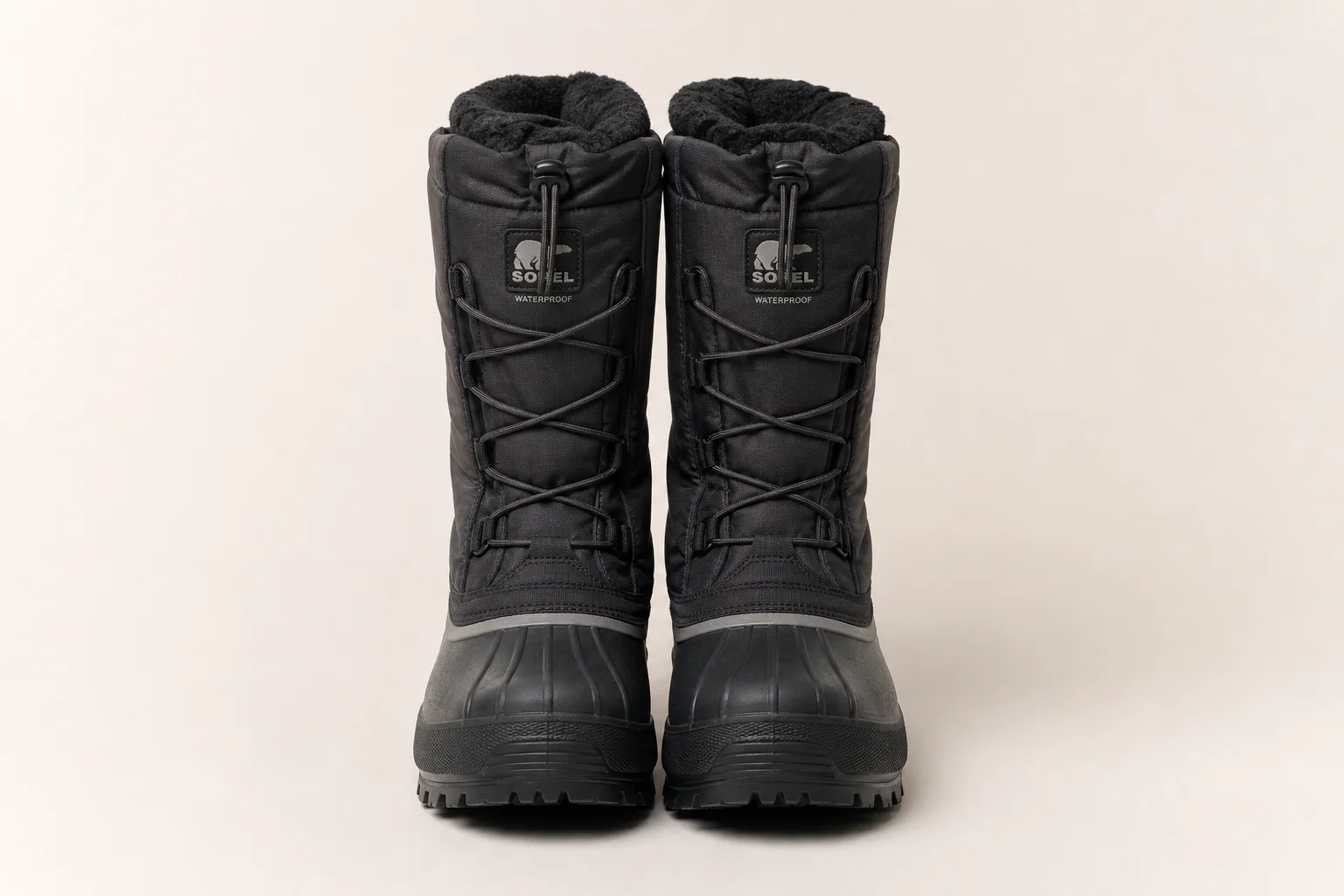
For boots, I wore the Oboz Bridger snow boots for the second time. They are stiff initially, but they break in reasonably well. My feet did get cold during stationary periods or early mornings when I was not moving, and there was some moisture accumulation by the end of the day, though it is hard to say how much was sweat versus actual water ingress. What impressed me was the wide option, which is rare and valuable. I sized down to a 9.5 wide, which fit perfectly even with the thicker boot socks.
Snowshoes and Accessories
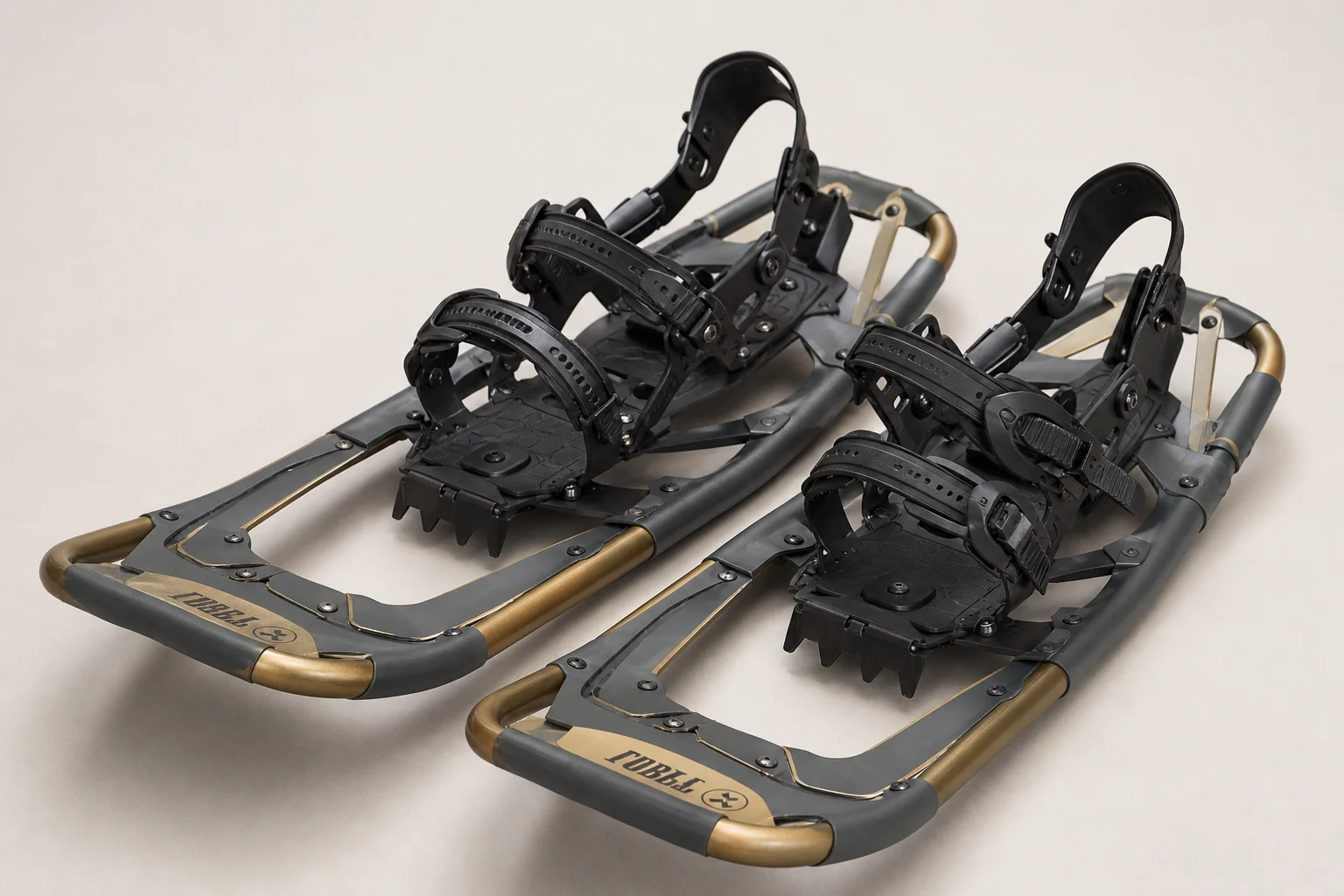
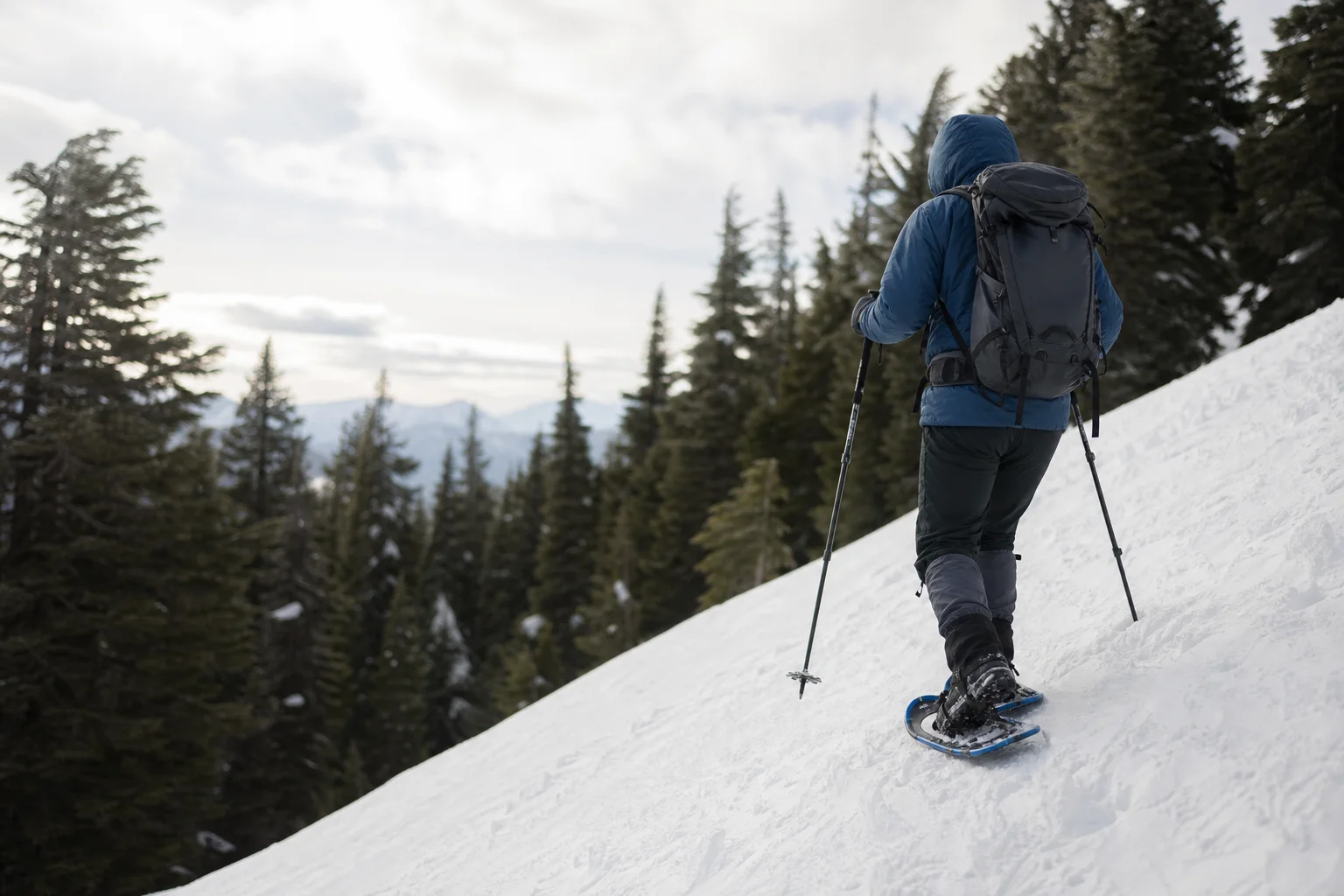
The TSL Symbioz Elite snowshoes were comfortable and responsive. The heel lift is critical when ascending, and the crampons provided reliable traction. They were noticeably more comfortable with the Bridger boots than with my previous Merrell Moabs.
For eye protection, I chose snow goggles over sunglasses. The reflection off snow is intense, and goggles offer better protection because they seal around the eyes and block light from entering at the sides. This made a real difference in comfort and eye safety.
Sleep System and Camp Clothing
At camp, I layered carefully for warmth. REI midweight wool base layers were exceptionally comfortable and kept me warm throughout the night. I wore them loose rather than skin-tight, and they are genuinely pleasant enough to wear around the house.
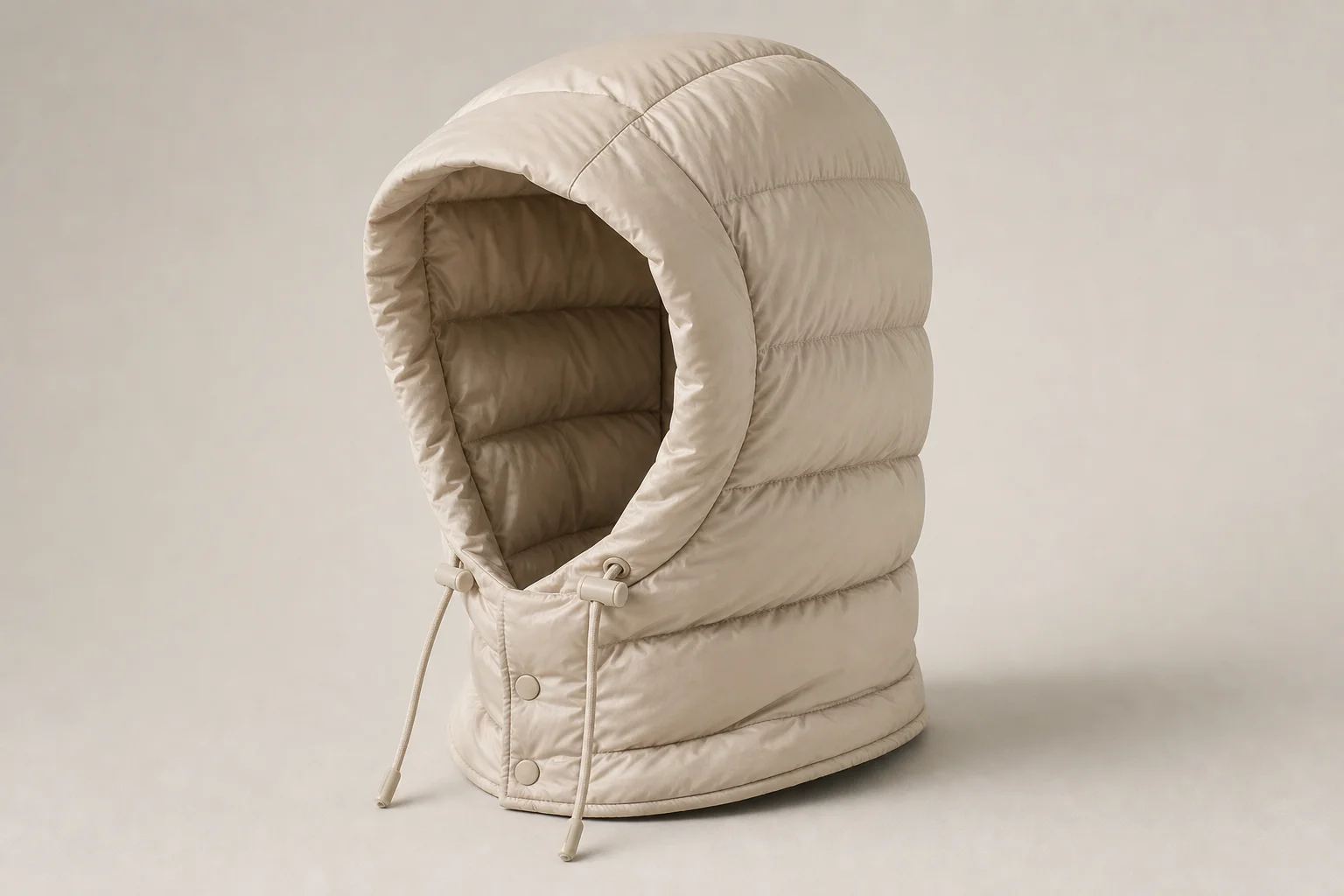
I also added REI fleece pants, which I could have left behind but kept out of habit. For sleeping, I invested in a Catabatic Crestone hood, which is a down hood designed to work with quilts that lack a hood. As a stomach sleeper, I appreciated how it moves with me as I shift positions during the night.
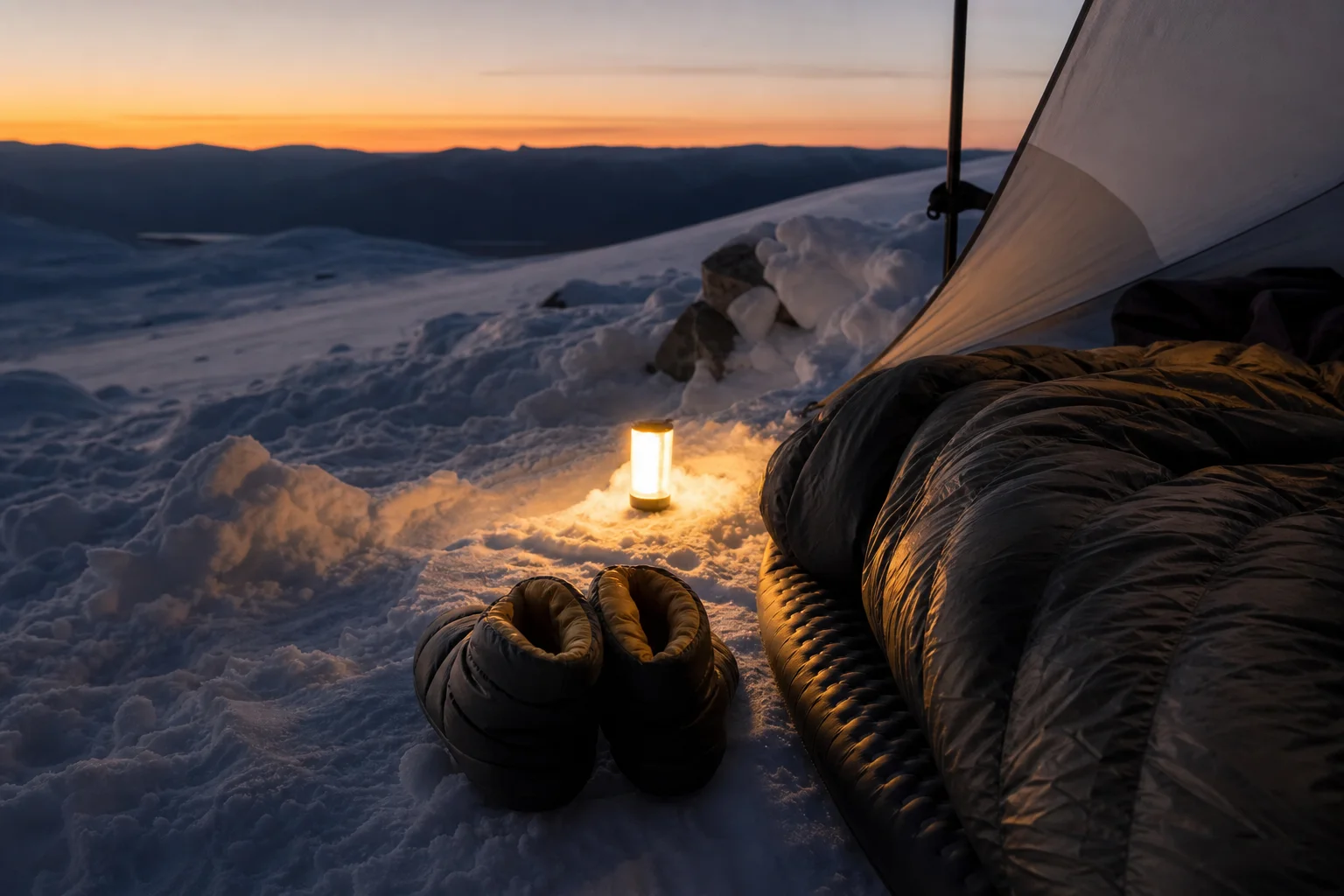
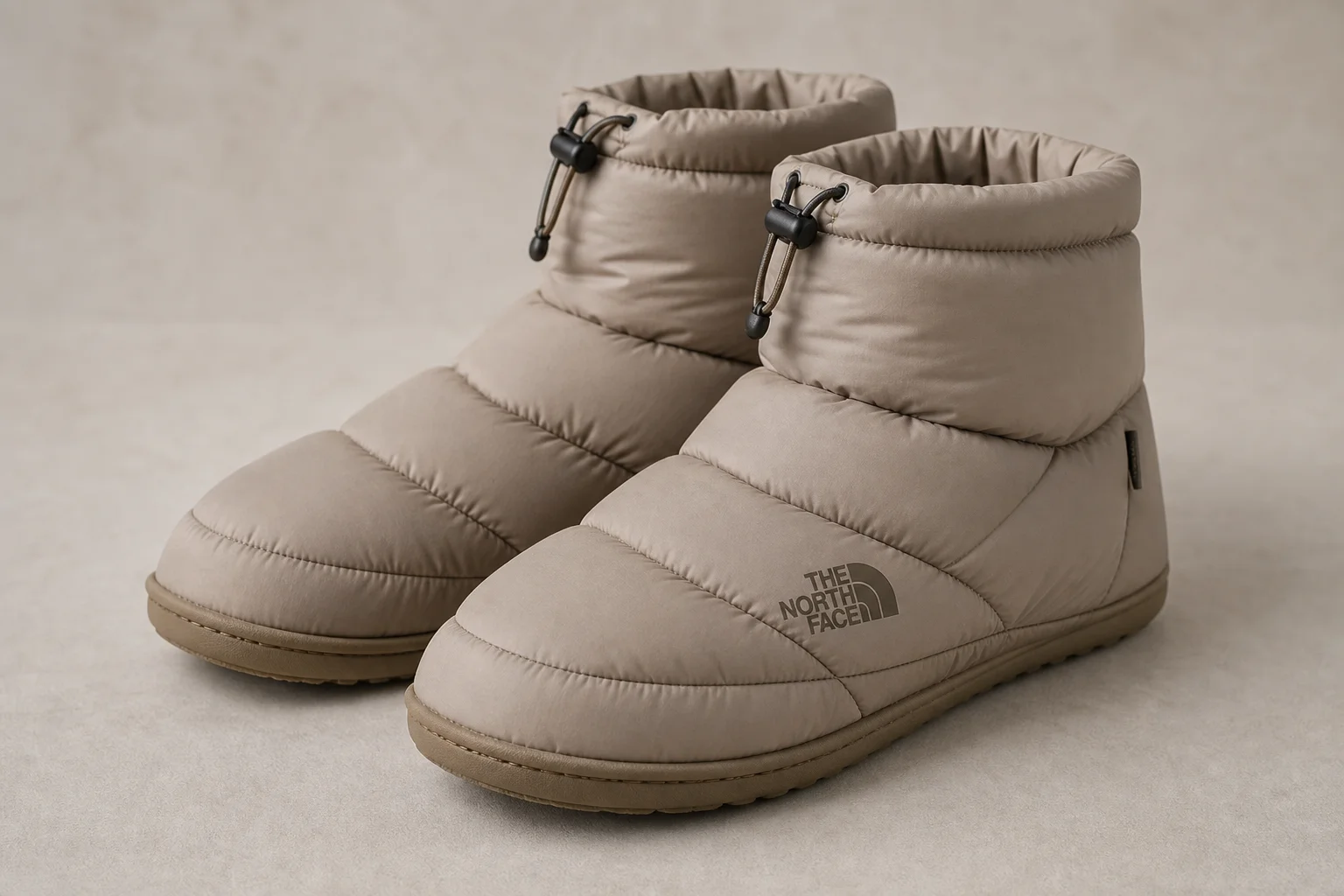
Goose Feet Gear down booties are a staple for me. They are warm and comfortable, and I have ultralight covers for them that allow me to move around camp without removing them, though on this trip the deep snow made that impractical.
Layering for the Hike Out
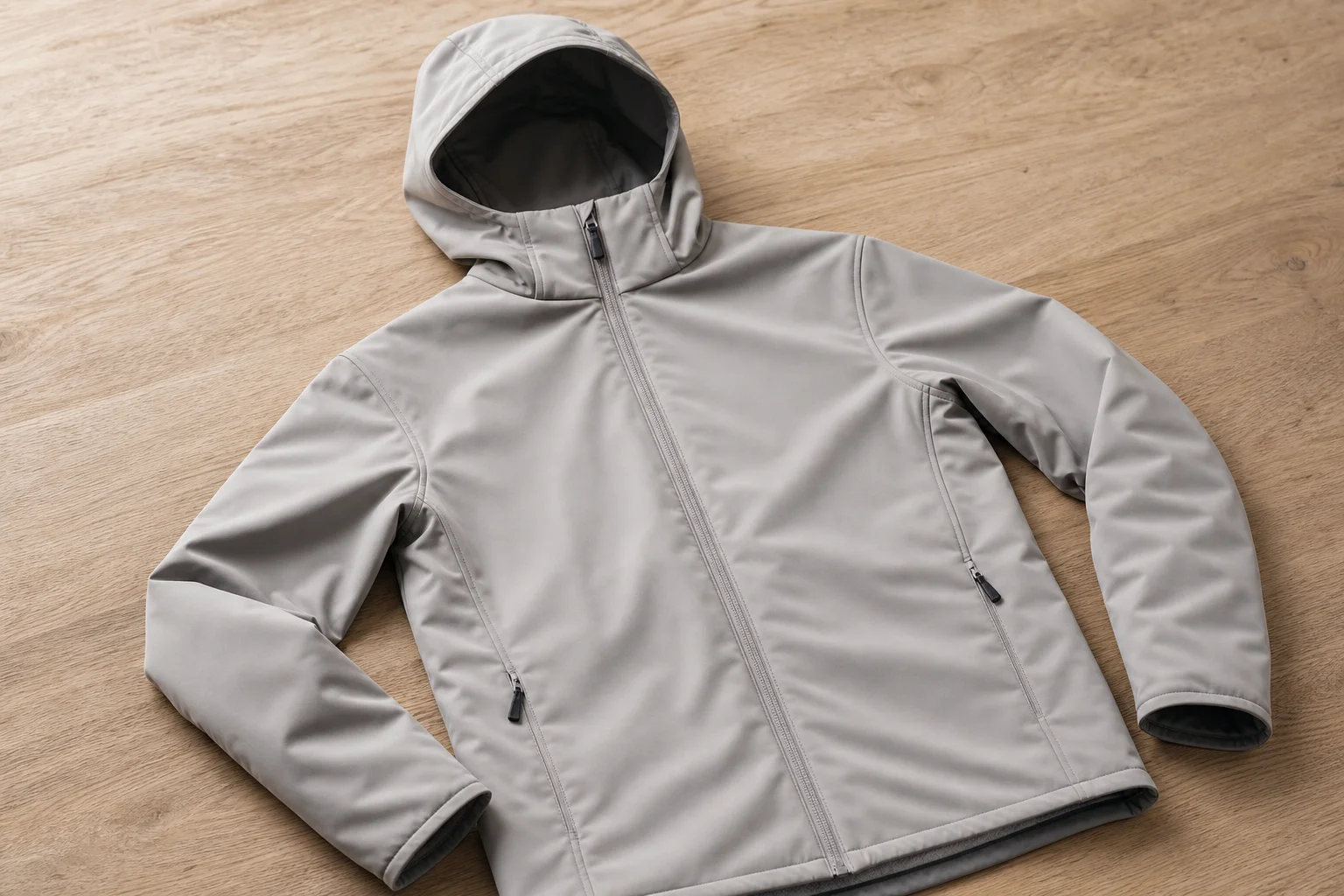
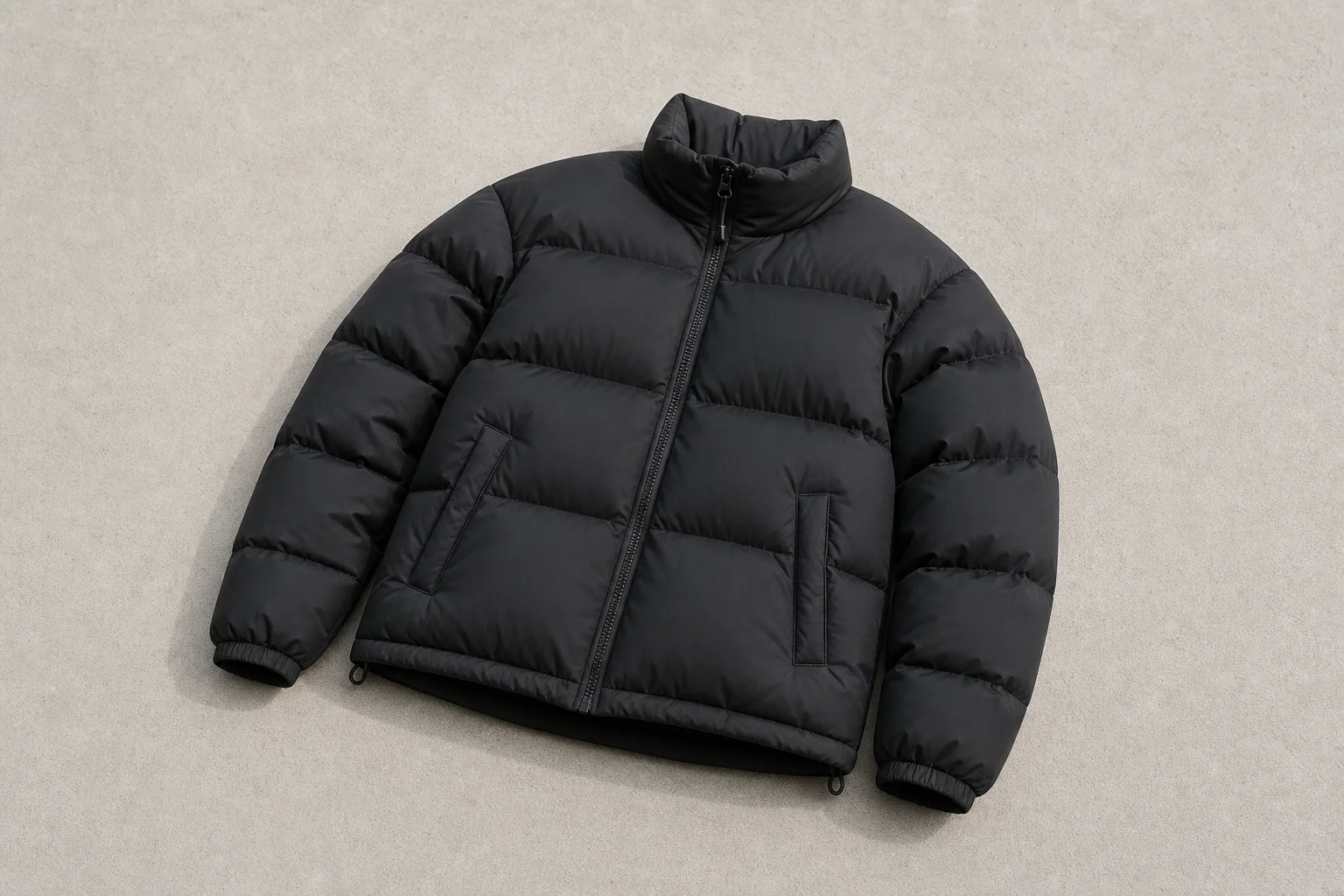
The hike out presented different challenges. The temperature dropped from about 40 degrees on the approach to around 15 degrees on the descent, and I was no longer generating heat from climbing. I removed my Nuptse jacket and added a Columbia fleece under my REI rain jacket. I kept my snow gaiters and goggles on throughout.
In hindsight, I wish I had removed my fleece pants before the descent. The combination of base layers, fleece, and rain pants made movement awkward, especially when falling and getting back up. I also regret not taking time to switch into my thicker, warmer boot socks, which I had dried overnight in my foot box.
The North Face Nuptse jacket is heavier than many modern ultralight puffies, but it delivers genuine warmth that lighter alternatives struggle to match. It is worth the weight penalty for serious winter use.
Conclusion
Winter snowshoeing gear works best when it is chosen for your specific body and conditions. Finding pieces that fit well, especially in larger sizes, requires patience and testing. The gear I used on this trip proved its value through real-world performance, and I learned what to keep, what to leave behind, and what to adjust for the next winter adventure.
Further reading
Related Reviews
Outdoor Gear
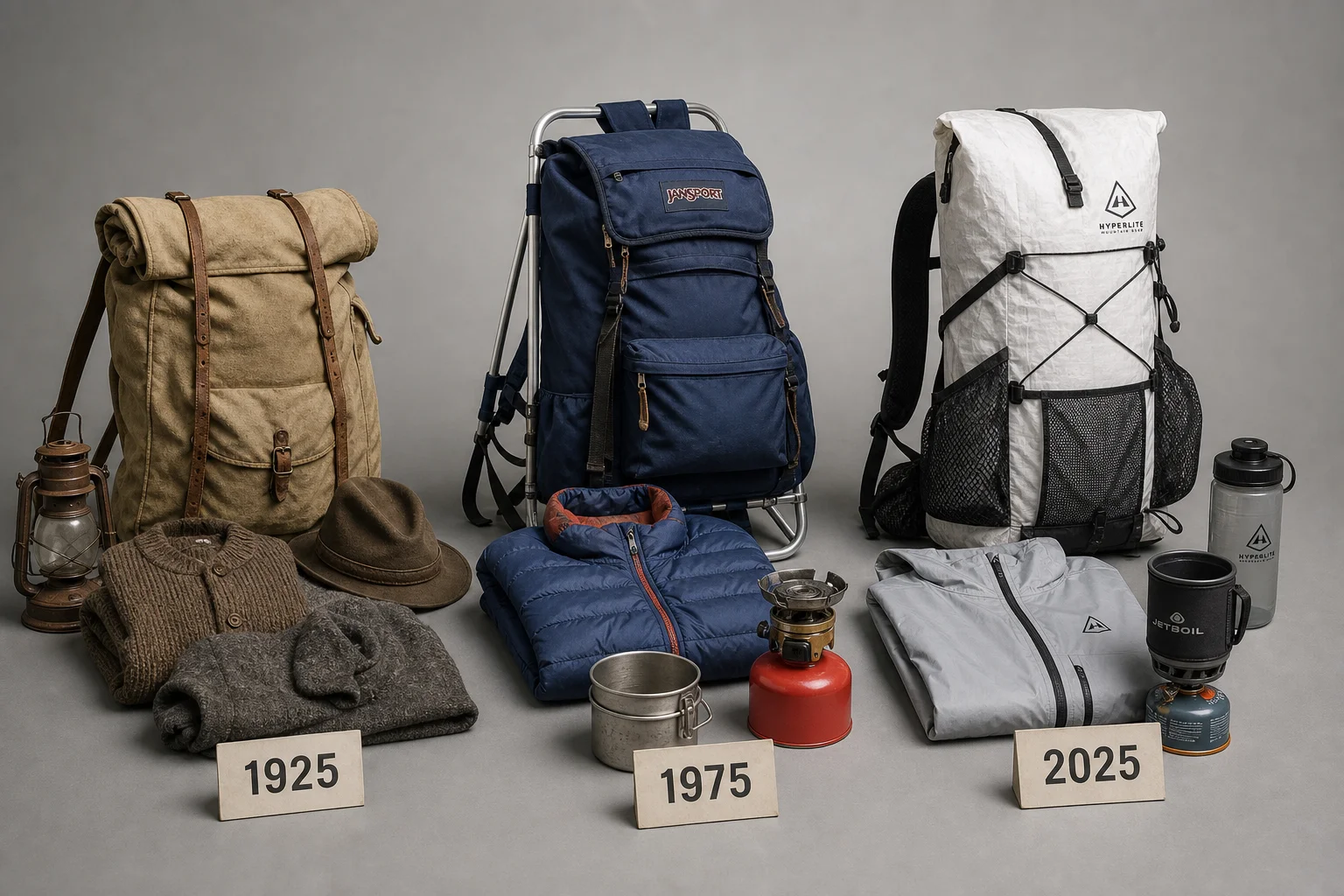
Backpacking Gear Evolution: 100 Years of Technology Compared
We tested backpacking gear from 1925, 1975, and 2025 across a three-day hike in Yosemite. Here's how technology has transformed comfort, weight, and the outdoor experience.
Backpacking Gear
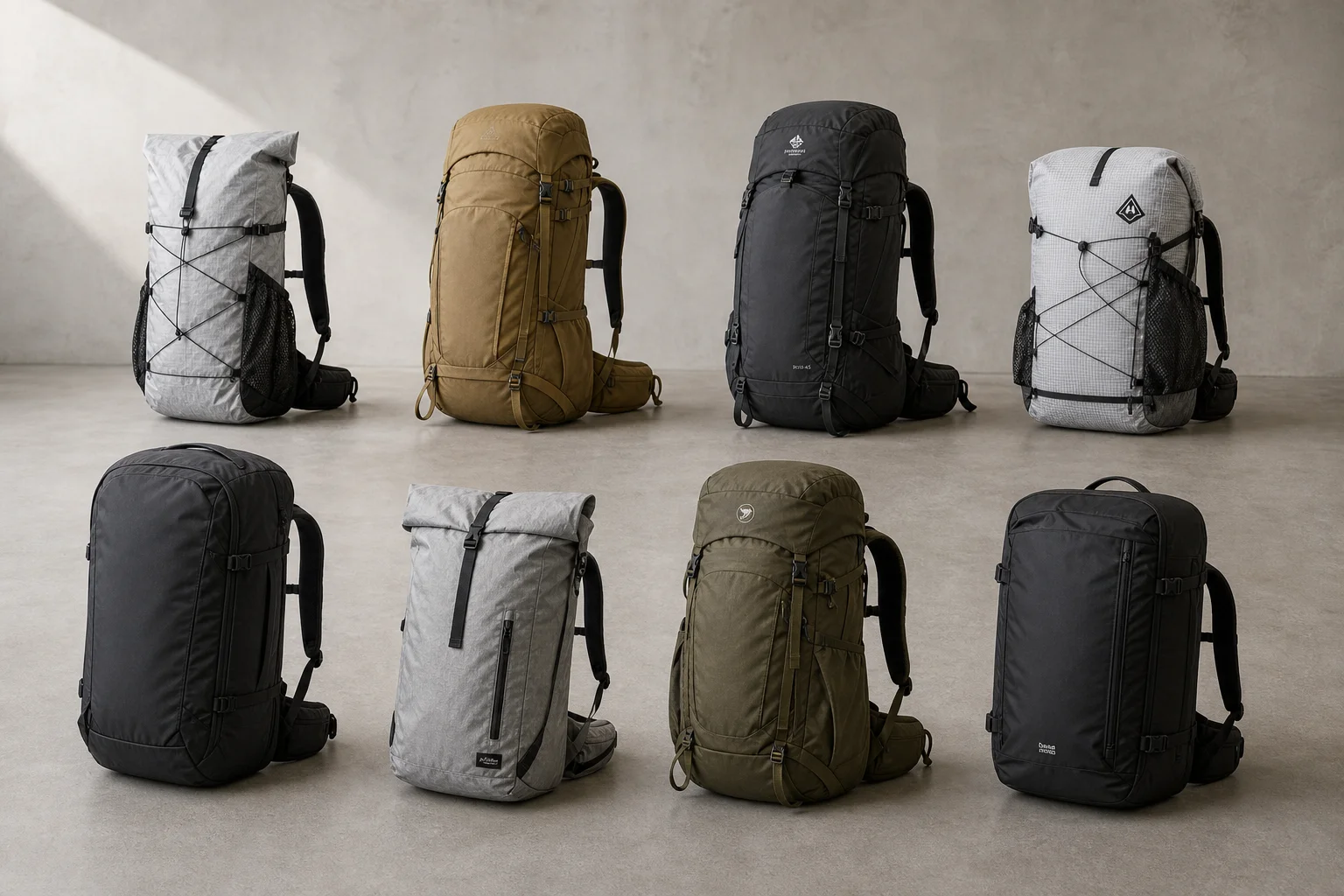
Best Backpacking Packs 2026: Eight Tested Options for Every Trip Type
Eight backpacking packs tested on a 5-day trip in Southern Utah, covering ultralight, budget, organizational, and versatile options for different backpacking needs.
Camping Gear
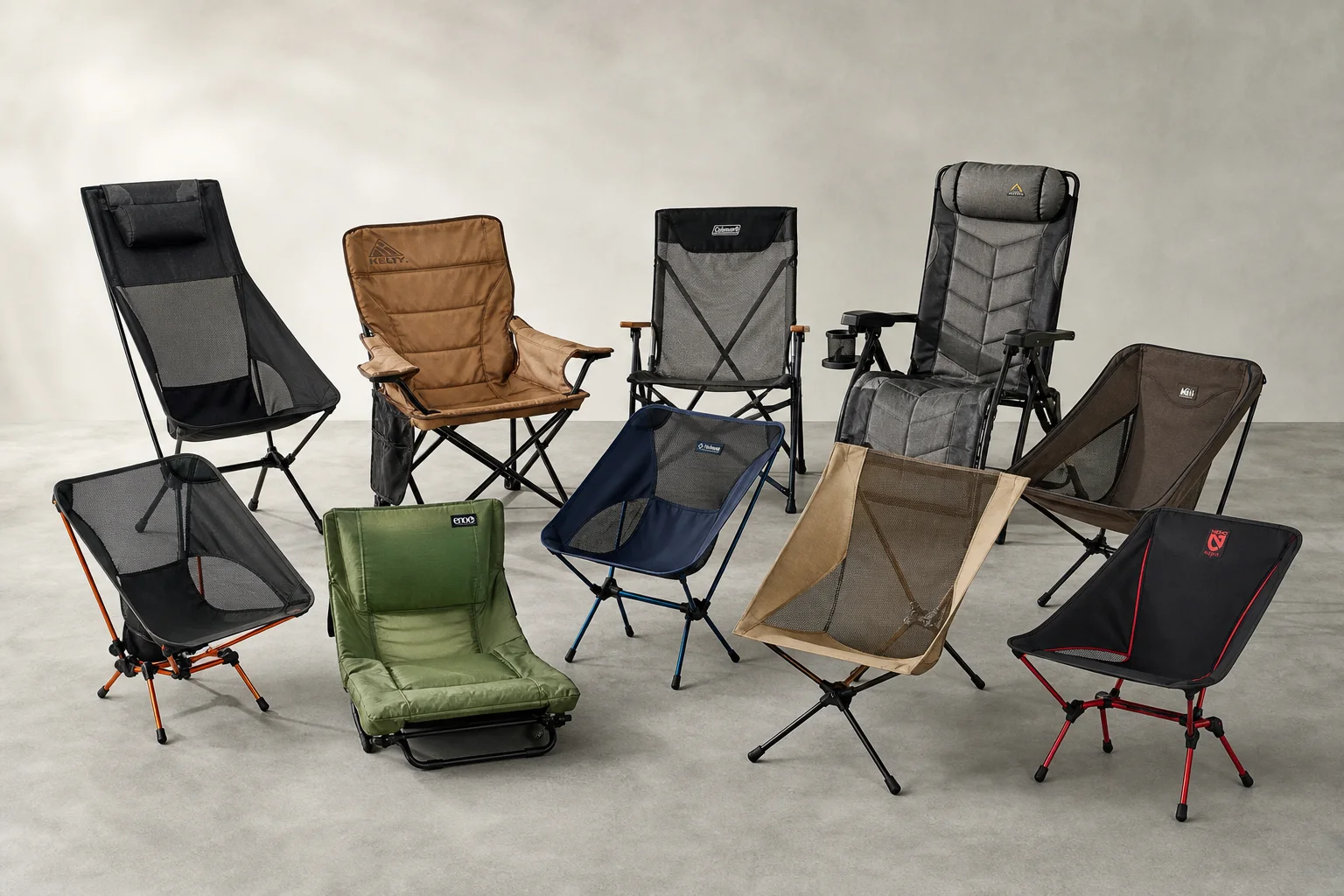
Best Camping Chairs 2026: Comprehensive Test of 21 Models
A detailed comparison of 21 camping chairs tested across comfort, breathability, features, quality, and portability to help you find the right chair for your needs.