Kitchen Appliances
Tiger vs Zojirushi Rice Cookers: Two Approaches to Cooking Rice
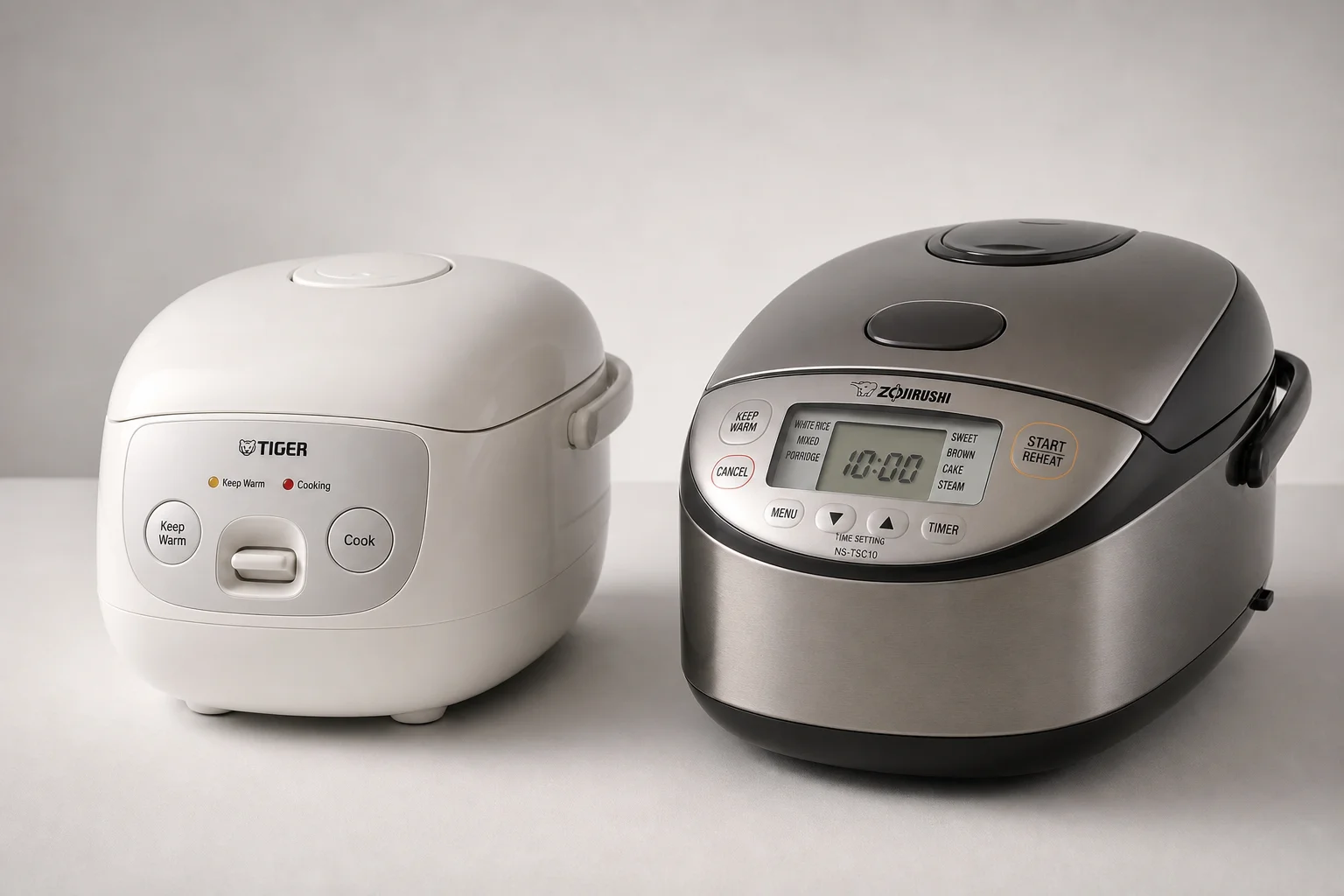
Tiger and Zojirushi represent distinct philosophies in rice cooker design. Tiger prioritizes versatility and family convenience, while Zojirushi emphasizes precision and culinary refinement. Understanding these differences helps you choose the right cooker for your kitchen.
Introduction
Tiger and Zojirushi represent two distinct philosophies in rice cooker engineering. Tiger designs appliances that simplify everyday cooking and multitask within the kitchen, treating the rice cooker as a versatile household helper. Zojirushi, by contrast, approaches rice cooking as a refined craft, building machines that extract the most delicate textures and flavors from each grain. Both brands carry decades of heritage and enjoy worldwide recognition, yet the way they serve you differs fundamentally. Understanding these differences helps you select the cooker that aligns with your cooking priorities and kitchen lifestyle.
Design Philosophy and User Interface
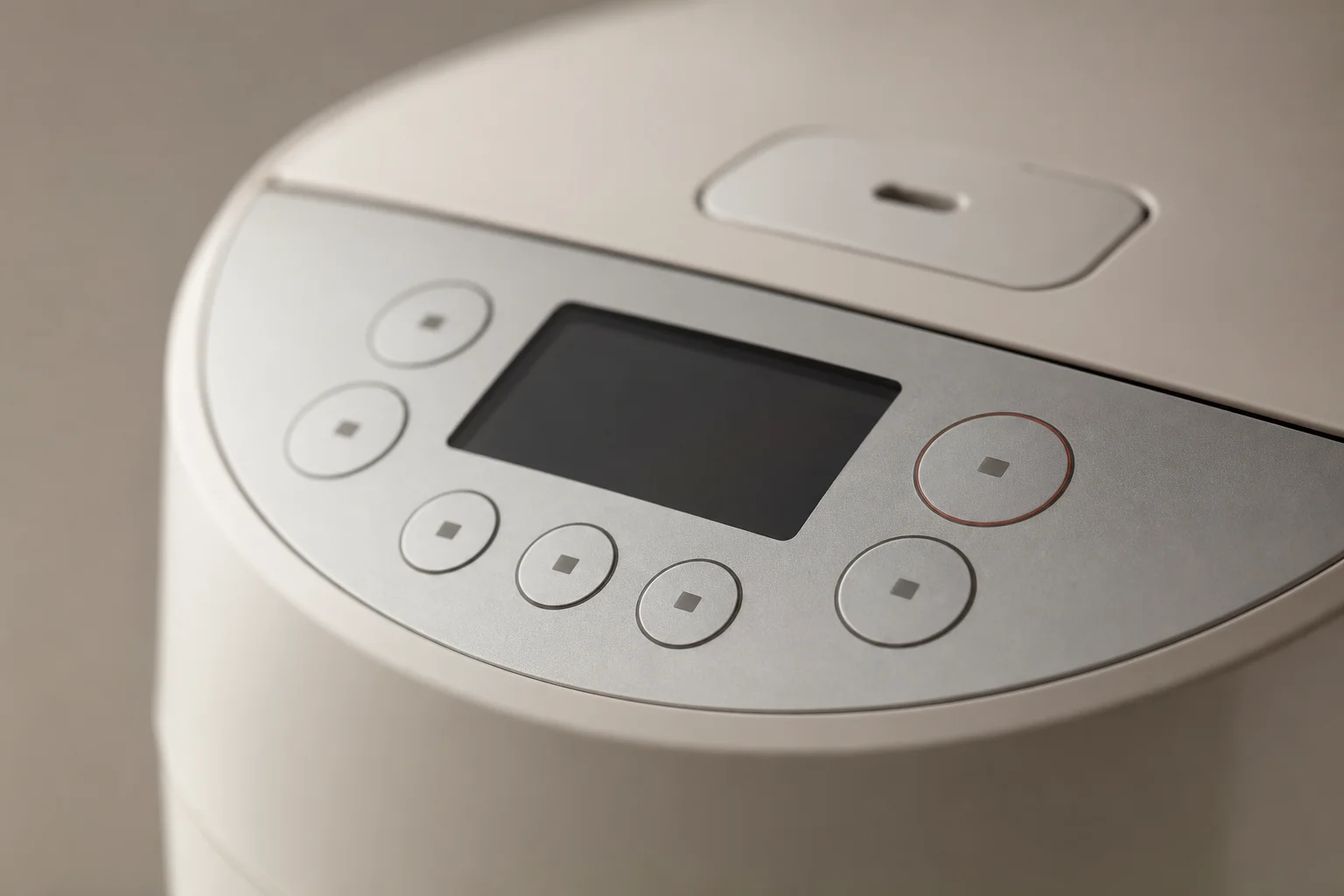
Tiger rice cookers typically feature a classic, approachable design with straightforward controls. The interface invites you to press a button and trust the outcome, making them accessible to households that value simplicity and speed. The aesthetic feels familiar and unpretentious, fitting naturally into a busy kitchen.
Zojirushi leans toward sleek, modern styling with smooth lines and LCD displays that convey precision and sophistication. The menus provide a sense of control, as if you are working with a specialized tool rather than a simple appliance. This design language appeals to cooks who enjoy exploring settings and fine-tuning results.
Versatility vs. Specialization: Entry-Level Models
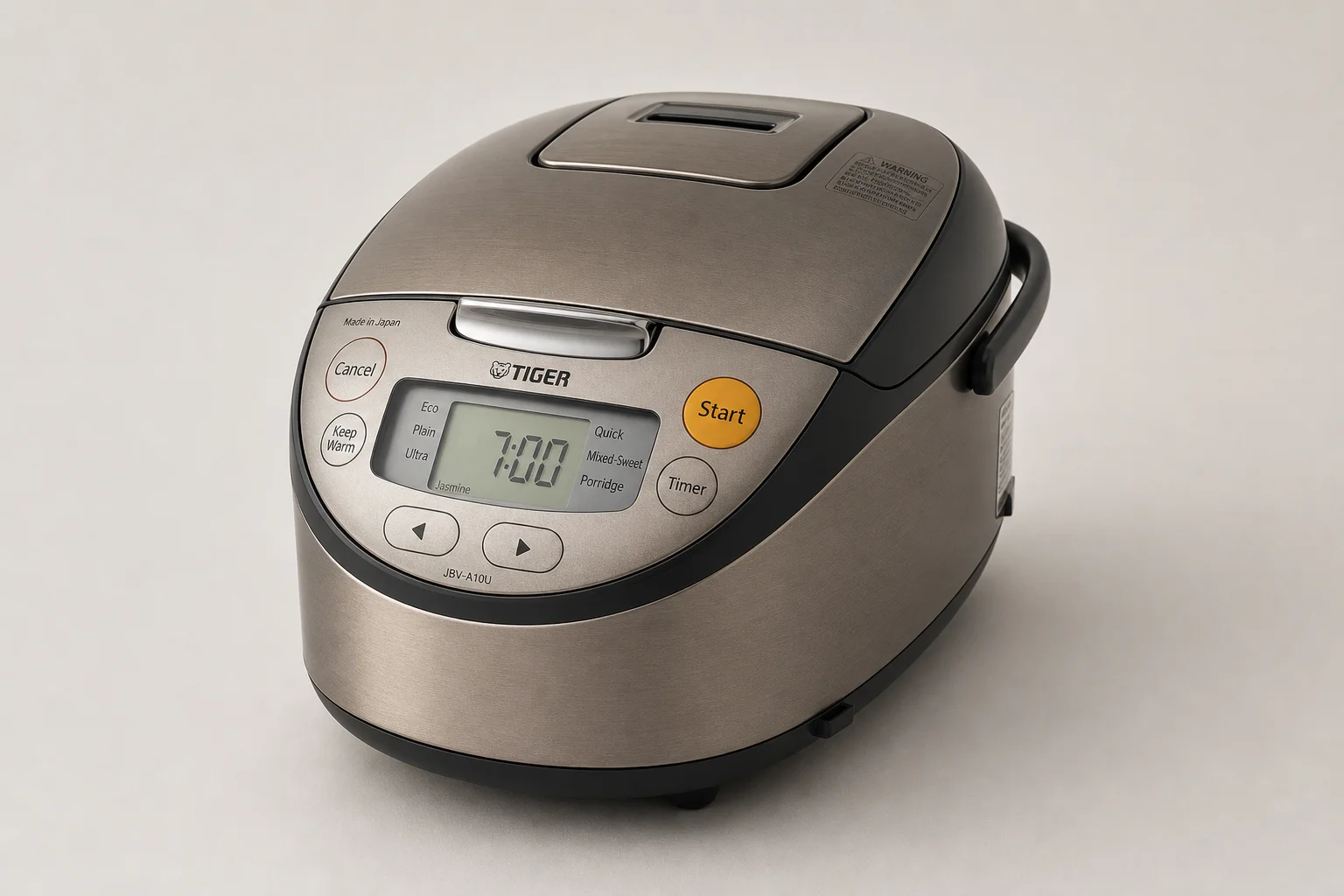
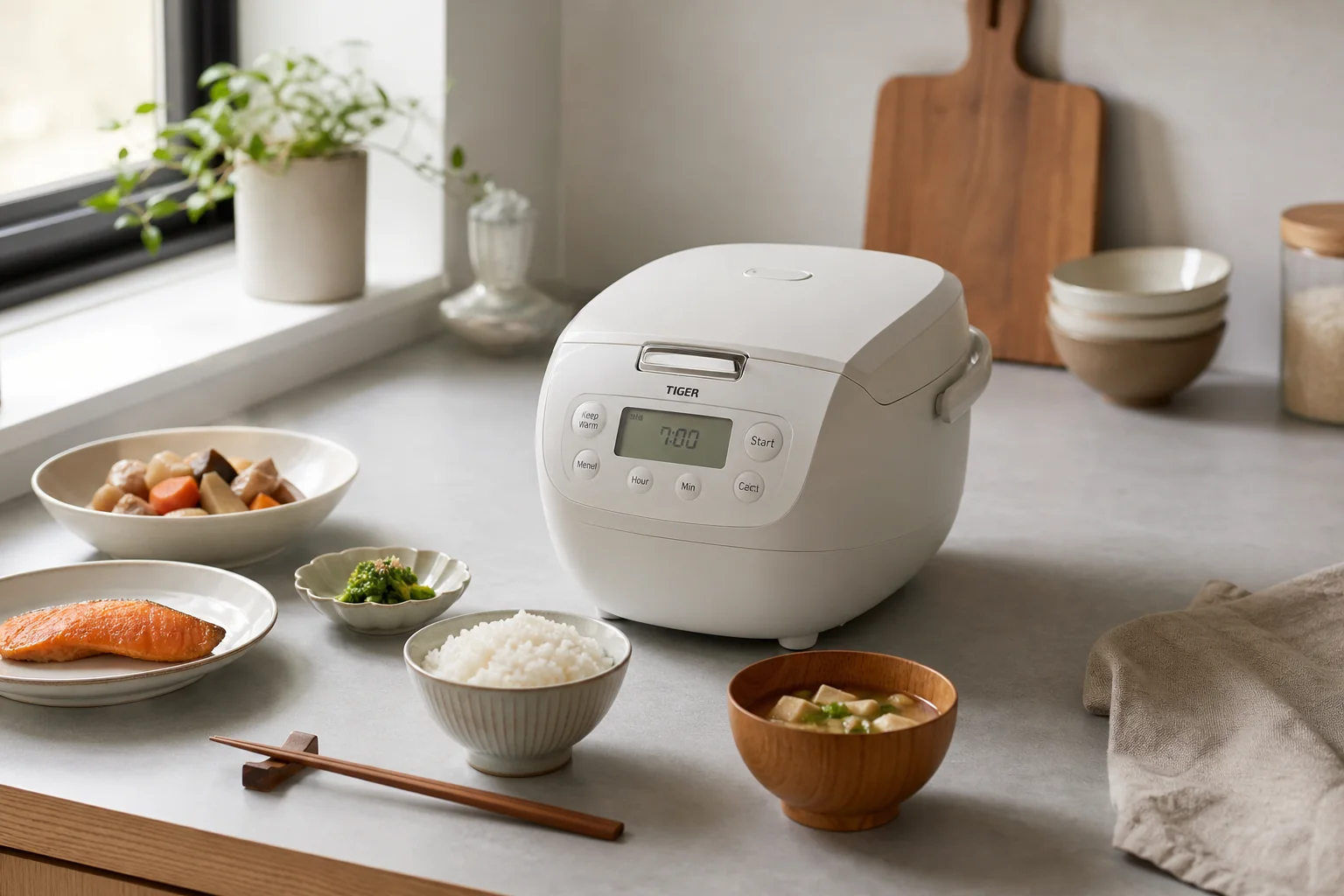
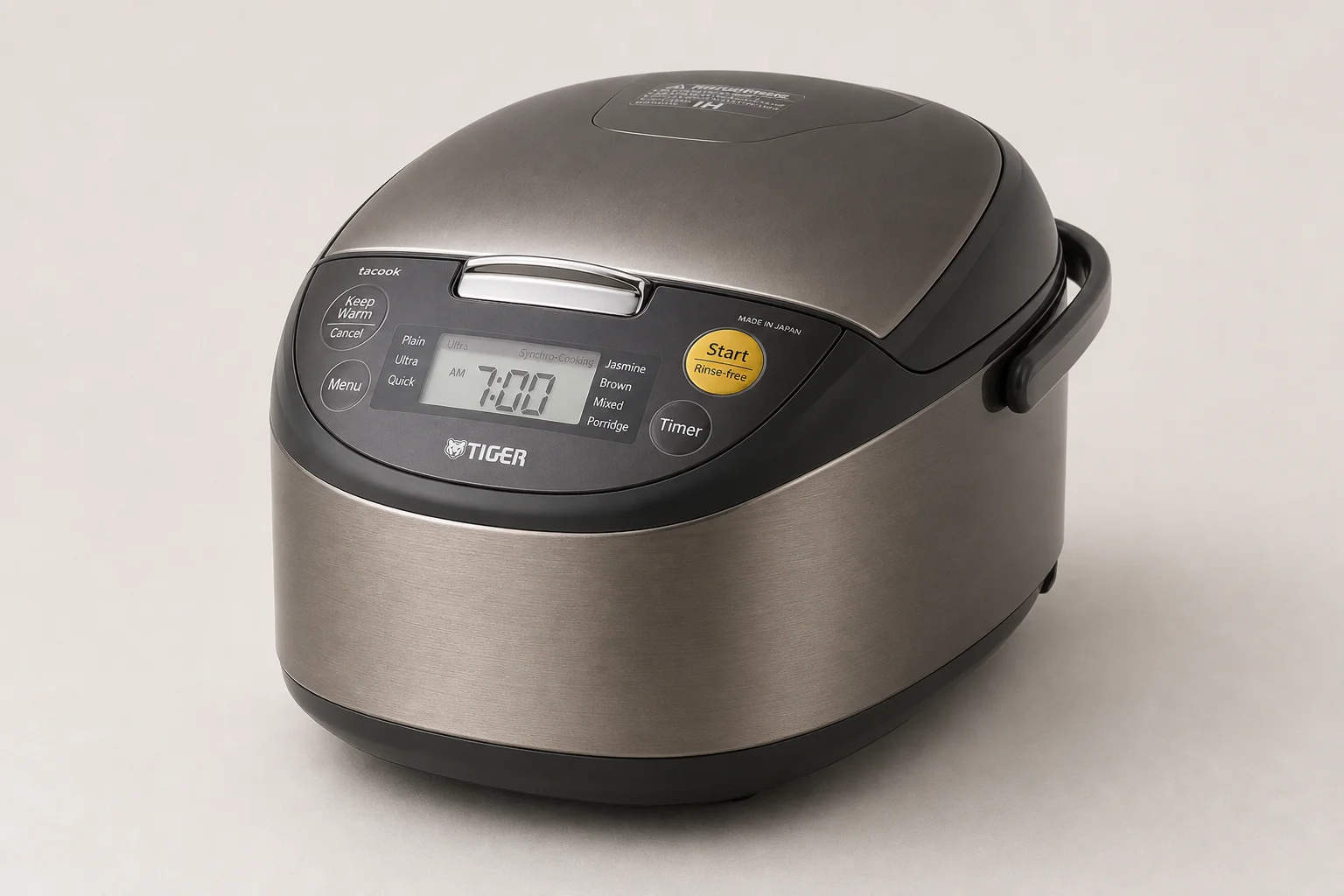
The Tiger JBV-A10U exemplifies Tiger’s approach to everyday cooking. This 5.5-cup cooker features Tiger’s famous dual-cook synchronized cooking function, allowing you to place a dish in an upper tray while rice cooks below. Both finish at the same time without flavor transfer, so you can prepare steamed rice alongside a salmon fillet or curry in a single machine.
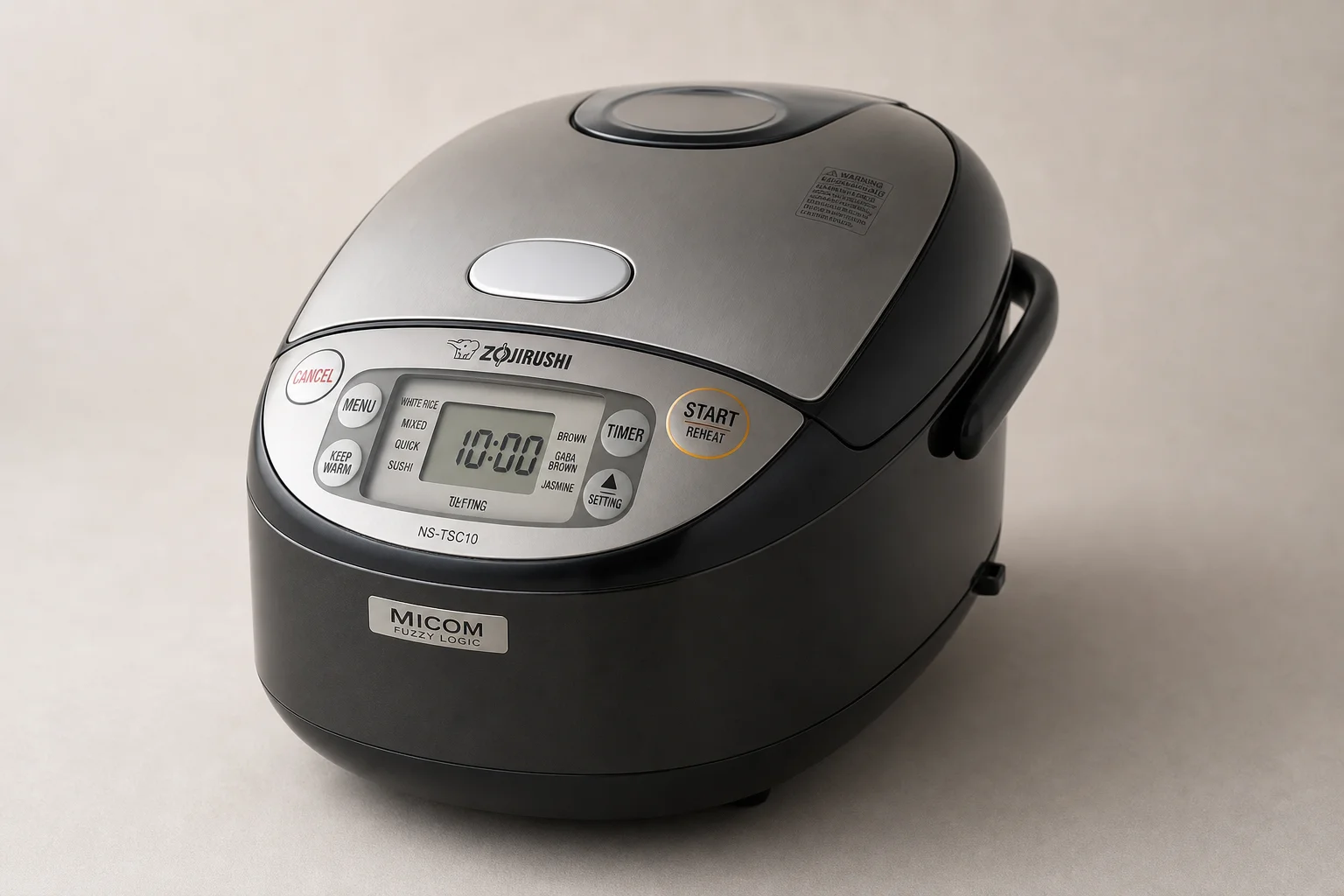
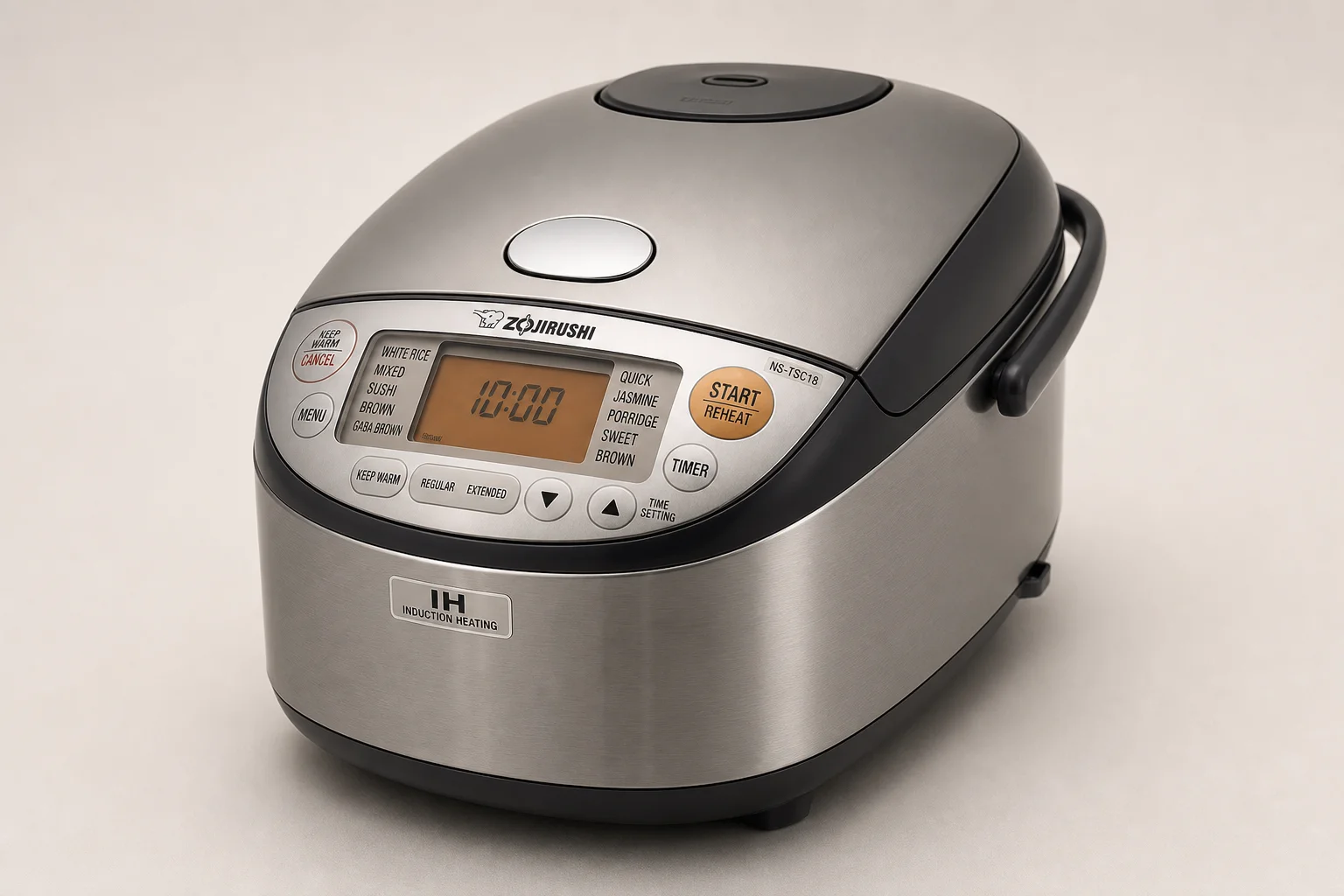
The Zojirushi NS-TSC10 also offers 5.5-cup capacity but follows a different strategy. Rather than cooking two dishes simultaneously, it dedicates all its energy to the rice itself, using advanced fuzzy logic to adjust cooking time and temperature dynamically. The result is rice that feels almost hand-tended, with every grain fluffy and distinct.
Both cookers occupy similar counter space, but one prioritizes versatility while the other prioritizes perfection in a single element.
Inner Pan Construction and Precision
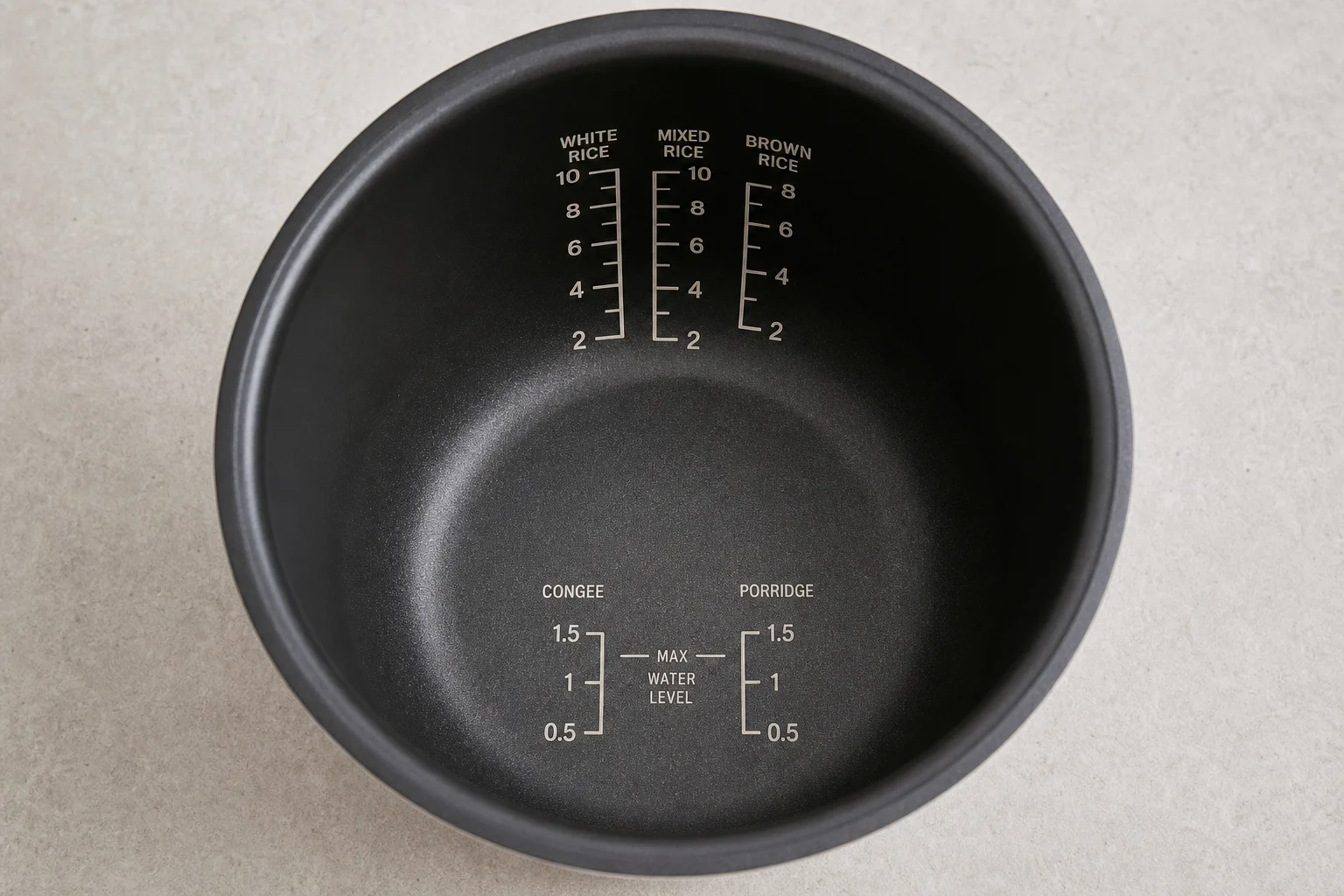
Tiger’s non-stick pans, such as those in the JBV-A10U, are thick and built for durability. They withstand daily use and deliver even heating across the cooking surface, supporting the brand’s emphasis on reliable, hassle-free results.
Zojirushi’s pans often feature multiple layers of coating and precise waterline markings. Rather than pouring water by feel, you measure it against carefully etched guides that help you achieve the exact rice texture you want. This attention to measurement detail makes the cooker feel like a precision instrument rather than a simple household appliance.
Heating Technology and Cooking Precision
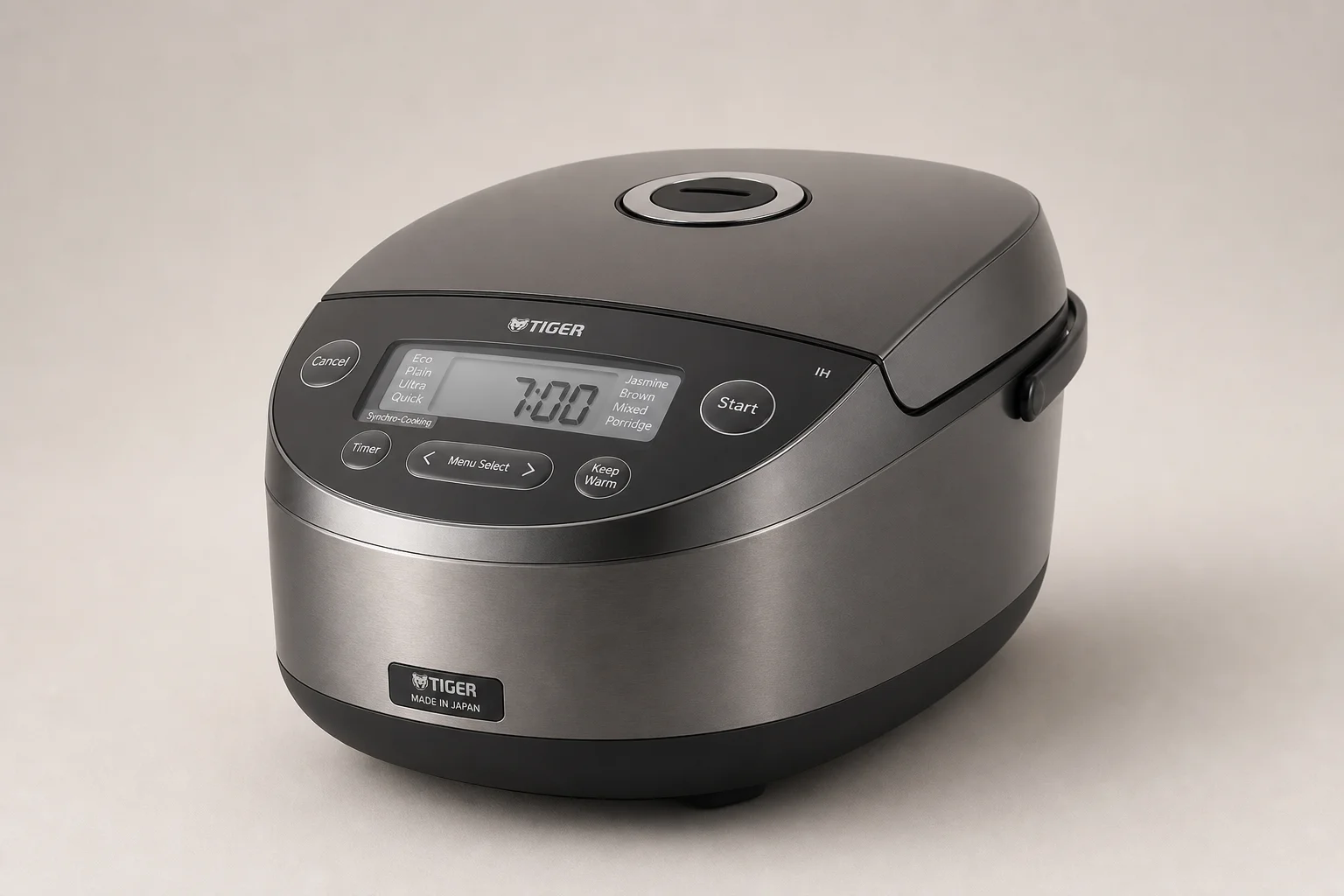
Tiger’s JKTS series uses induction heating to provide more precise temperature control than simpler models. This upgrade delivers beautifully consistent rice with a soft, plump bite, stepping up the reliability and quality of everyday cooking.
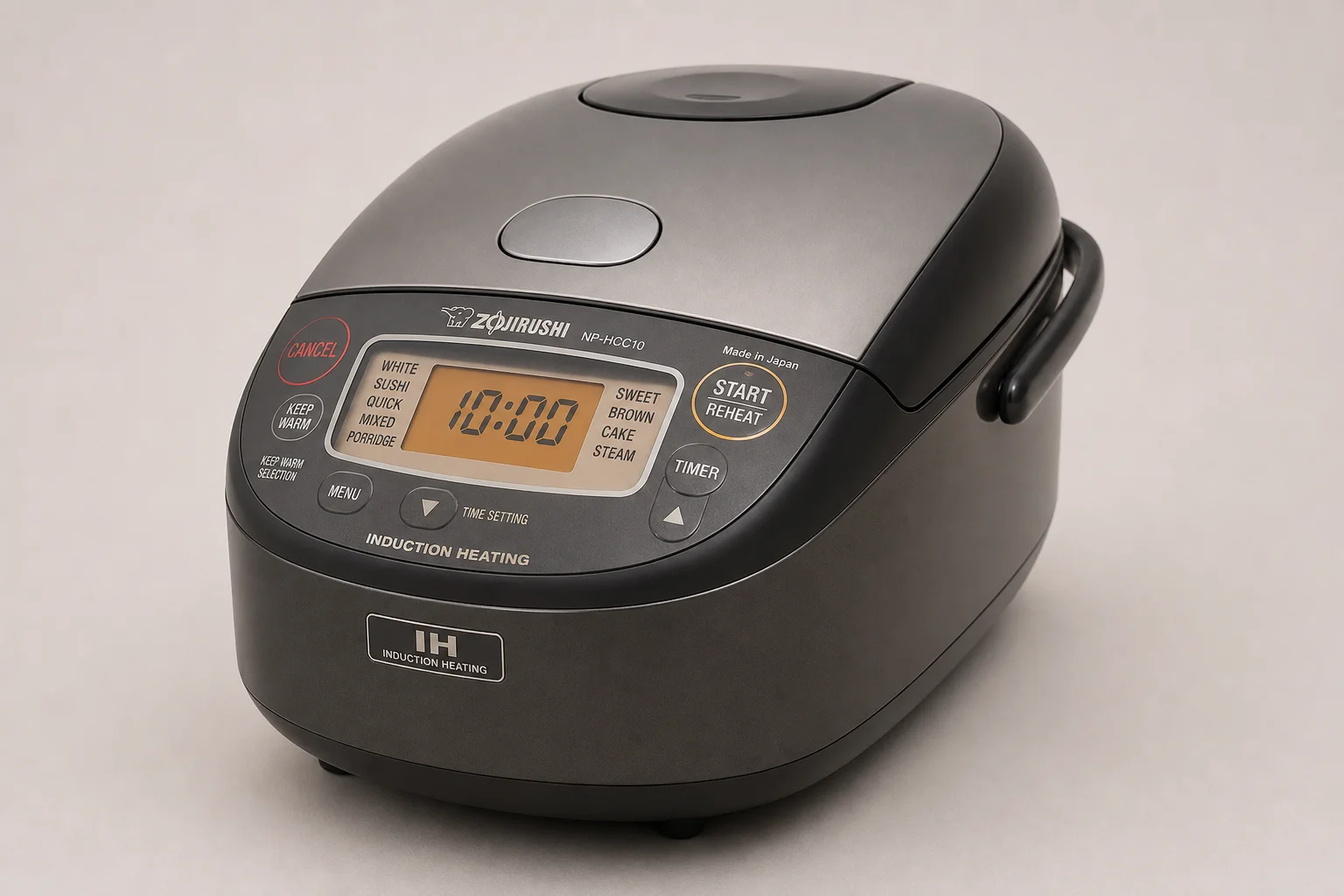
Zojirushi’s NP-HCC10 also employs induction heating but layers in multiple specialized menu settings: gaba brown rice, sushi rice, porridge, and others, each carefully tuned for that specific grain or cooking style. Where Tiger emphasizes reliable results across everyday dishes, Zojirushi offers the ability to explore rice at a more specialized level.
Capacity and Family Cooking
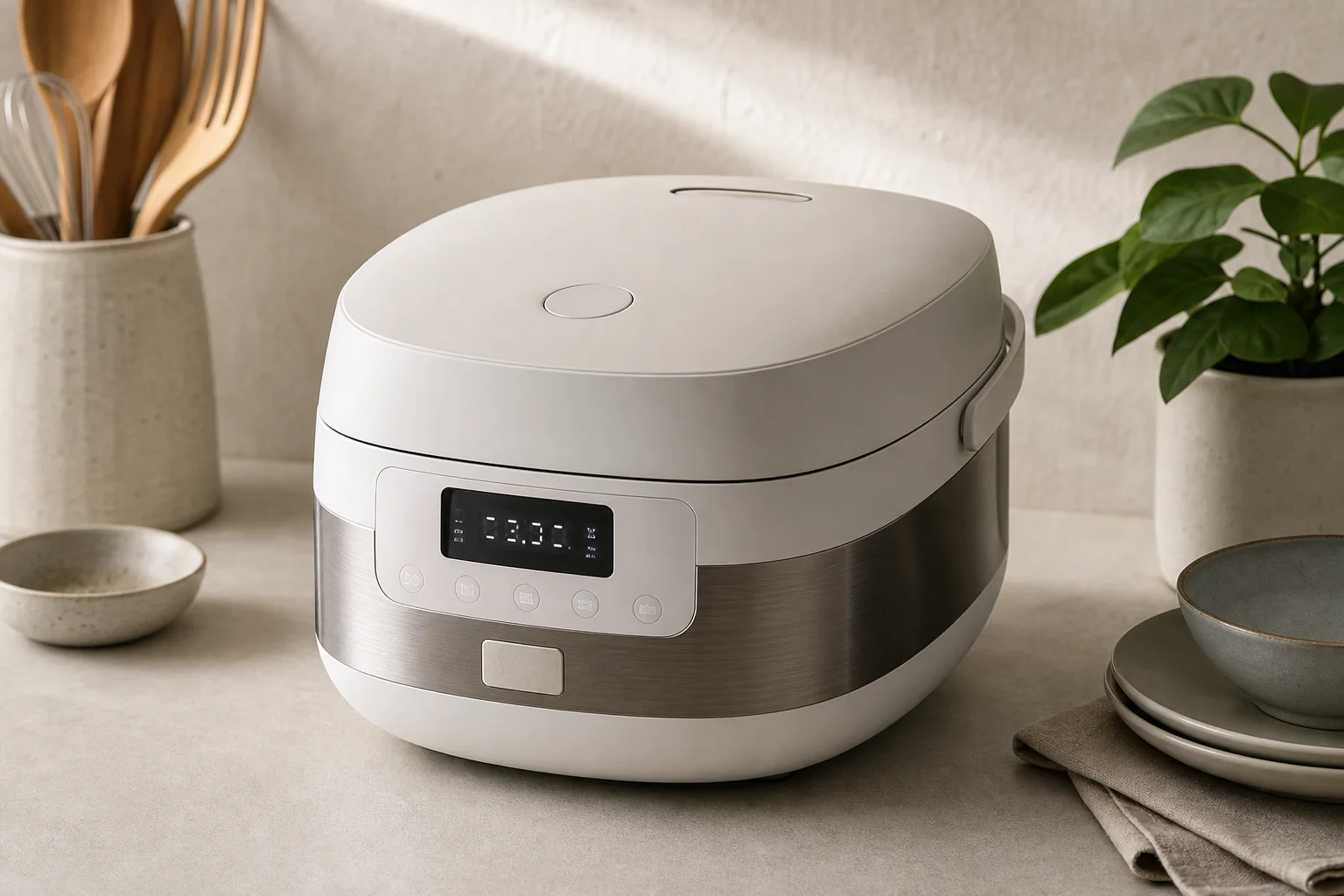
Both brands offer 5.5-cup and 10-cup models, but they market them differently. Tiger emphasizes family-sized cooking with the JBV-A10U and its 10-cup sibling, the JBV-A18U. These cookers are built for households that want to feed everyone at once, with the bonus of a main dish cooking alongside the rice.
Zojirushi’s NS-TSC10 and NS-TSC18 also come in those capacities but feel tailored to people who want a refined aesthetic and a machine that looks as polished as it cooks. The emphasis is on quality and presentation rather than sheer feeding capacity.
Conclusion
Neither brand is objectively better; the choice depends on what you value most. If you want a cooker that doubles as a meal partner, letting you prepare rice and a main dish together, Tiger’s dual-cook models like the JBV-A10U are ideal. If you want a cooker that treats rice as the star of the table, offering specialized menu settings and advanced heating technologies, Zojirushi’s NS-TSC10 or NP-HCC10 will bring restaurant-grade precision into your kitchen. Tiger brings versatility and family-friendly convenience, while Zojirushi offers precision and culinary refinement. By choosing one, you are investing in a rice cooker that reflects your approach to cooking.
Further reading
Related Reviews

Kitchen Appliances
Arboleaf Smart Kitchen Scale Review: Connected Cooking Made Simple
A Bluetooth-enabled kitchen scale that syncs with a nutrition-tracking app, offering real-time weight monitoring and recipe guidance for home cooks.
Kitchen Appliances
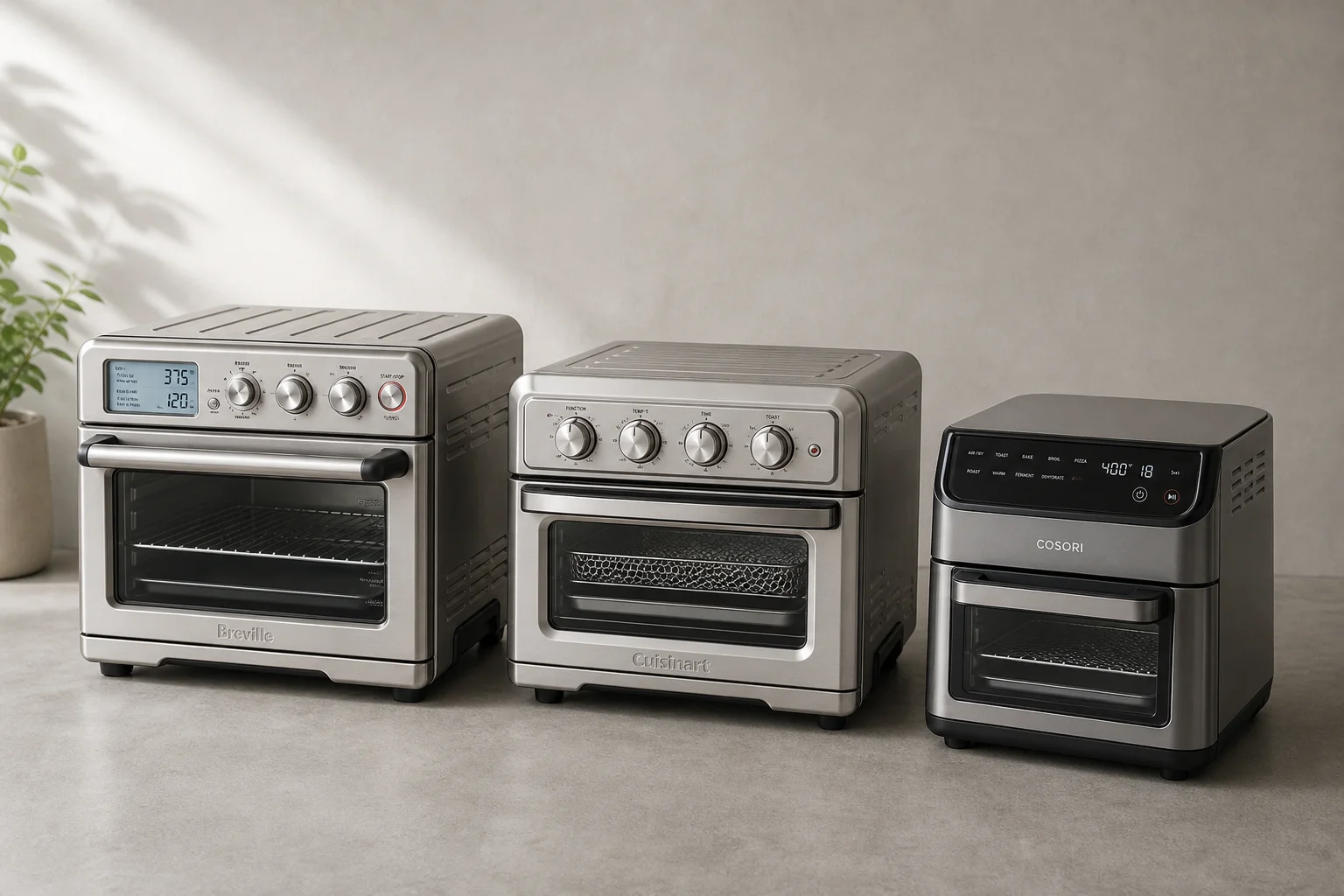
Best Air Fryer Toaster Ovens: Three Top Picks for Multi-Function Cooking
Three high-performing air fryer toaster ovens tested for versatility, ease of use, and real-world cooking results. Find the right fit for your kitchen.
Kitchen Appliances
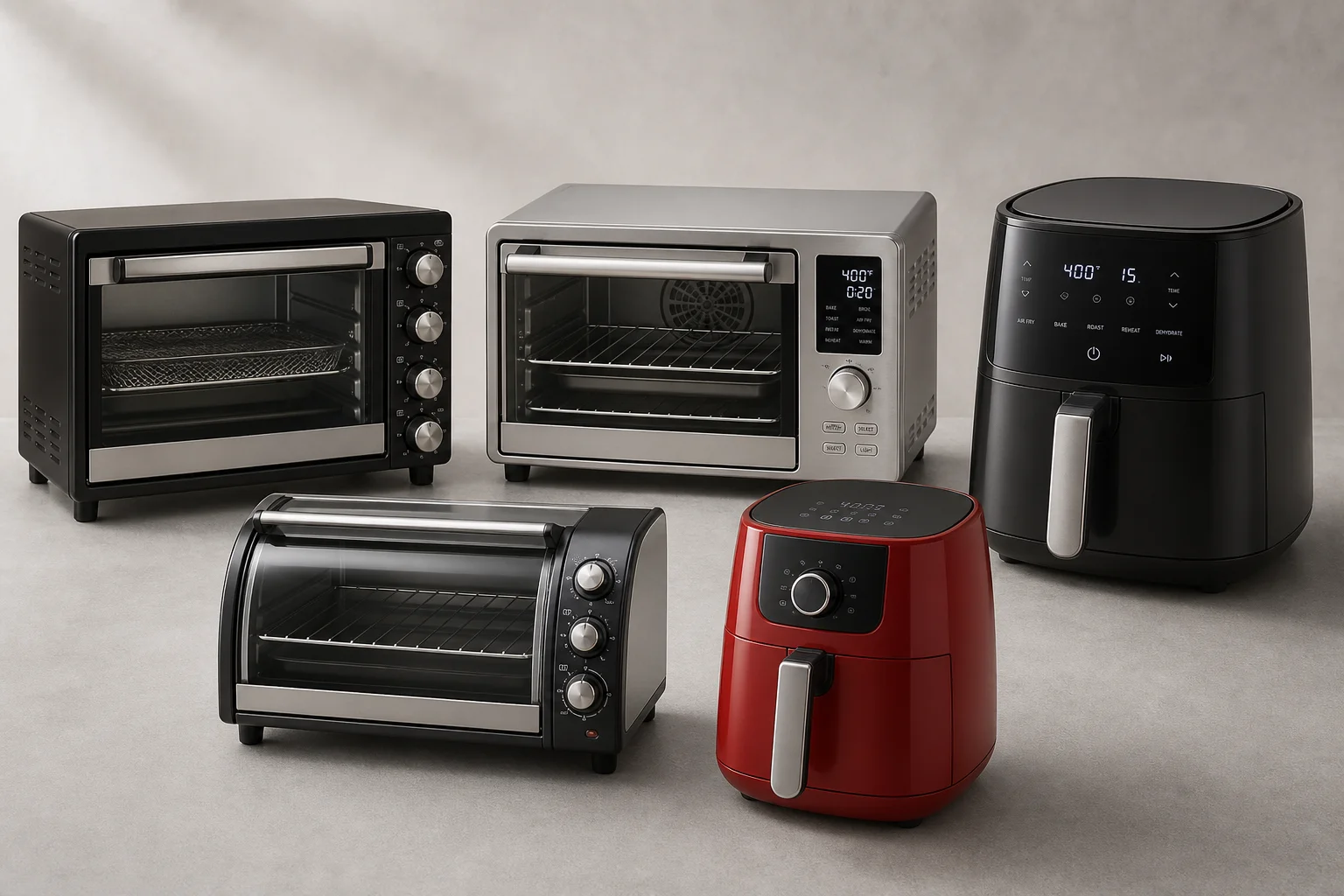
Best Air Fryer Toaster Ovens Under 100: Five Practical Options for Budget-Conscious Kitchens
Five air fryer and toaster oven combinations that deliver real cooking performance without breaking the bank, each with distinct strengths for different kitchen needs.