Reef Aquarium Care
Top 10 Hardest Corals to Keep: Expert Guide to Challenging Species
A practical guide to the most difficult corals in the hobby, from plate corals and deep-water acros to gonipora and elegance corals, with expert tips for success.
Introduction
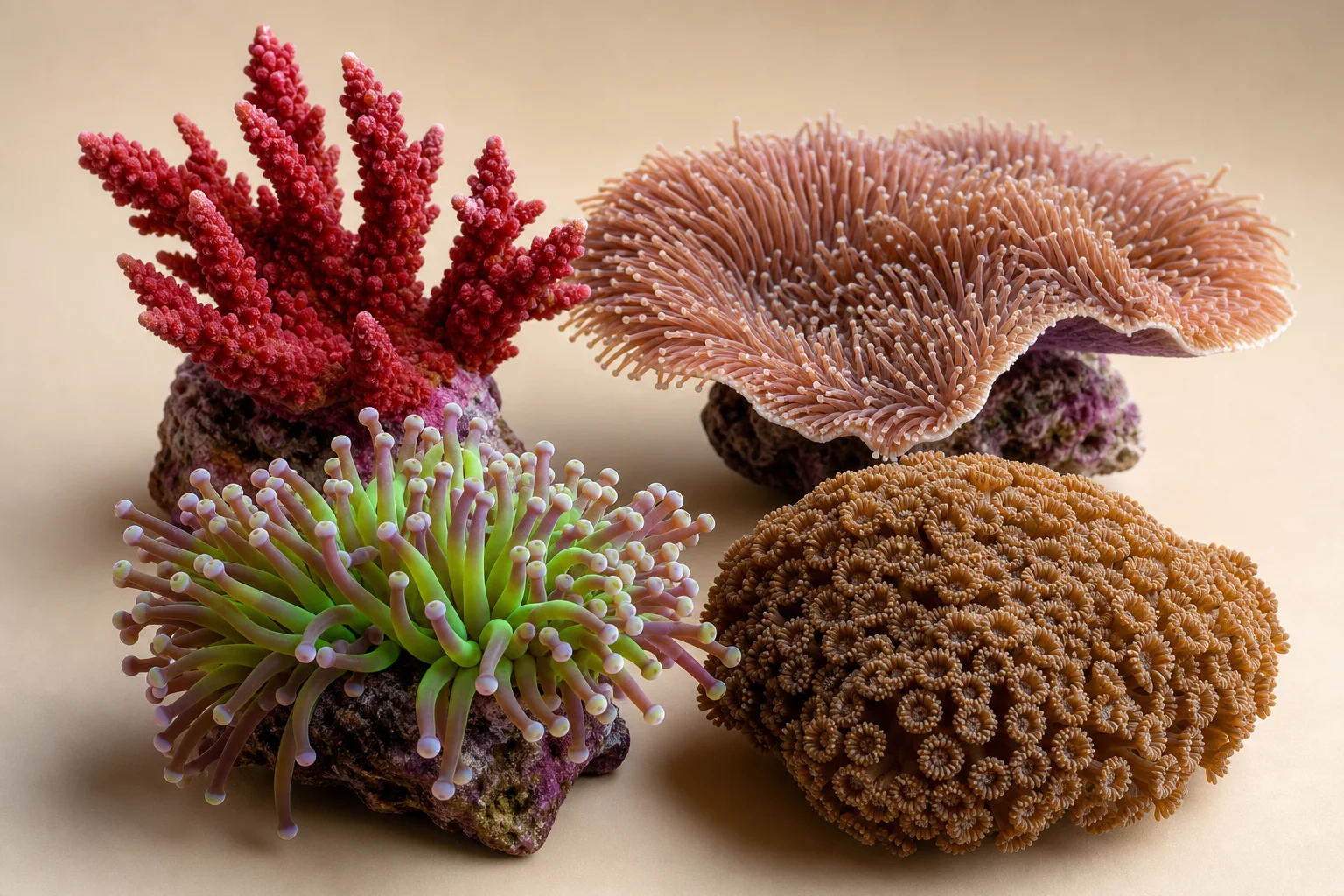
Keeping a thriving reef aquarium means understanding which corals demand the most attention and care. Some species are notoriously difficult to maintain, not because they are inherently fragile, but because they have specific requirements that many hobbyists overlook or because they arrive in poor condition from collection and shipping. This guide covers the ten most challenging corals in the hobby, based on real experience, and offers practical strategies to improve your success rate.
Plate Corals and Placement Challenges
Plate corals rank among the most difficult corals to keep, despite their popularity. The core issue is placement. Many hobbyists place them on the sand bed, but most plate coral species actually live on rock walls in the wild. Only one species naturally inhabits sand, and placing others on sand causes stress, edge recession, and slow decline.
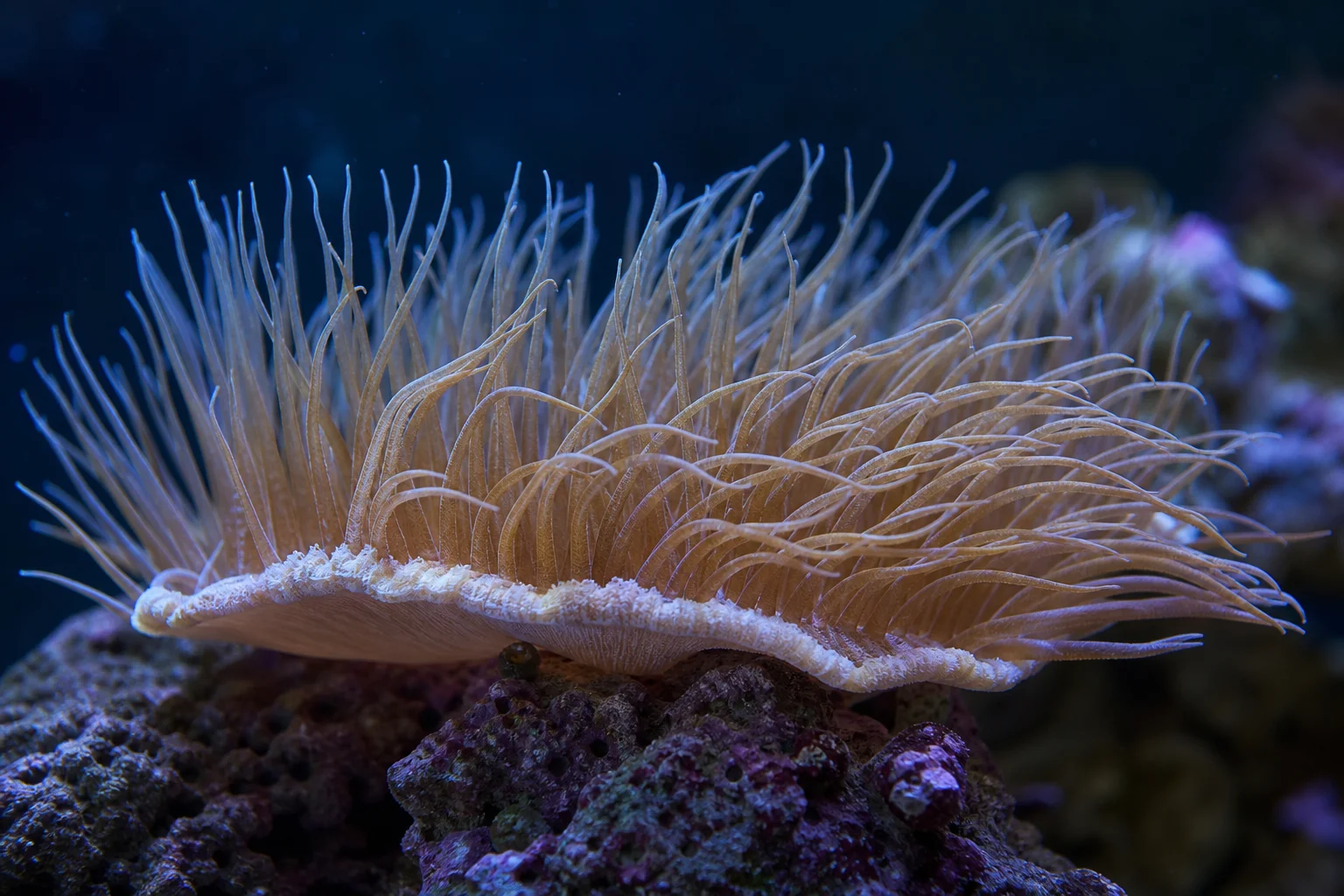
Plate corals have delicate flesh and long, flowing tentacles that make them vulnerable to irritation from sand and cleanup crew disturbance. They also demand precise feeding: enough to sustain them, but not so much that water quality suffers. Proper identification is essential because different plate coral species have vastly different needs. Long-tentacled varieties behave differently from short-tentacled ones, and elongated forms differ from circular specimens. Research your exact species before purchase and position it on stable rockwork away from sand and aggressive tank mates.
Deep-Water and Smooth-Skin Acropora
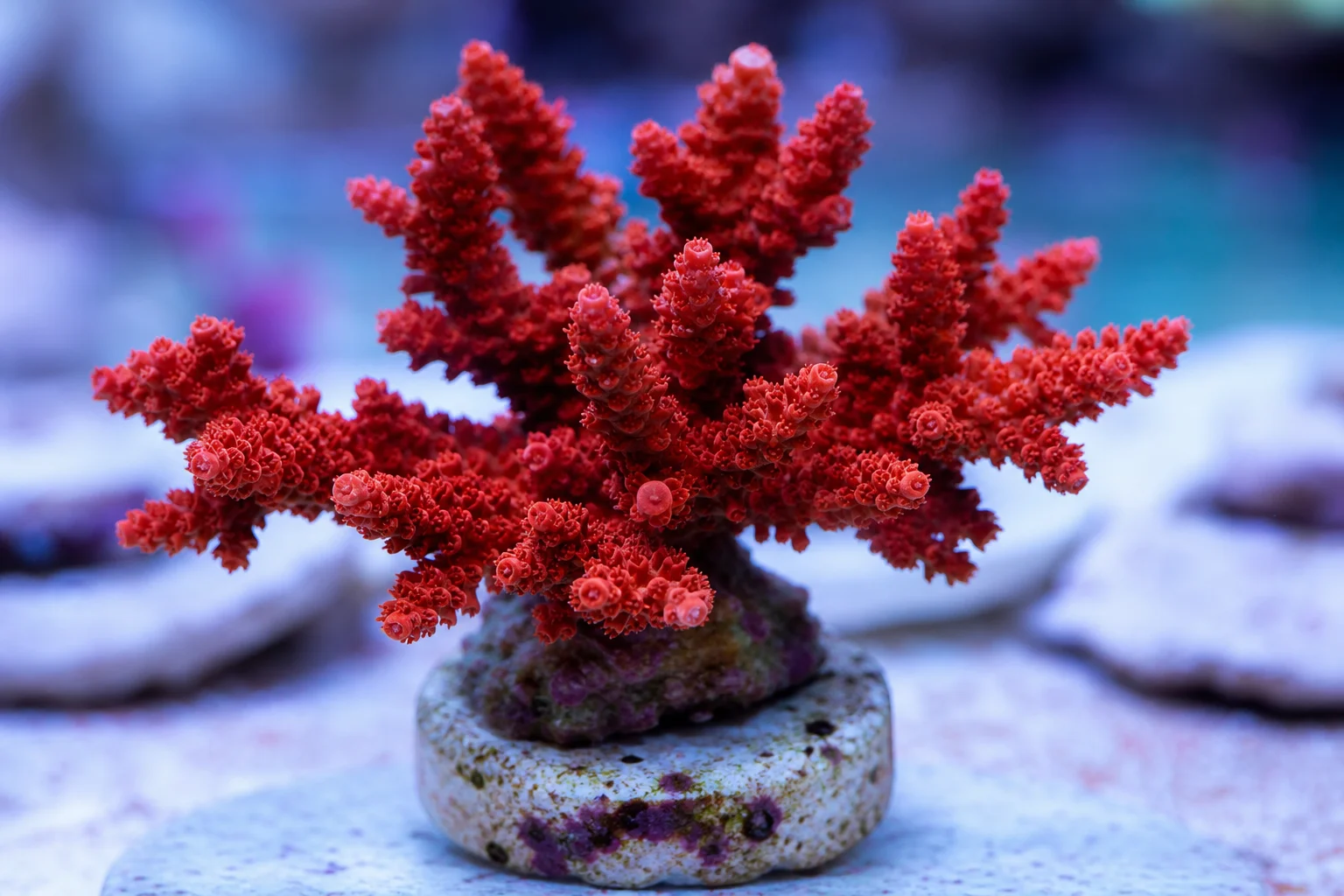
Deep-water acropora and smooth-skin acropora species are notoriously difficult during acclimation. Once established, they can thrive, but the first two weeks are critical. Many hobbyists report that these corals appear fine for the first two days, then their flesh begins peeling off within a week, even when all other acropora in the tank are doing well.
The Red Dragon Acropora and Hawkins Echinata are exceptions; they handle acclimation better than most deep-water varieties. For other species, larger fragments tend to acclimate more successfully than small frags, which is the opposite of what works for standard acropora. Sourcing locally is strongly recommended because these corals do not ship well. Once acclimated, keep them in lower light initially, then raise intensity gradually as they regain color. If they fade, increase light to help them absorb more nutrients, but avoid the shock of sudden bright conditions.
Fancy Torch Corals and Brown Jelly Disease
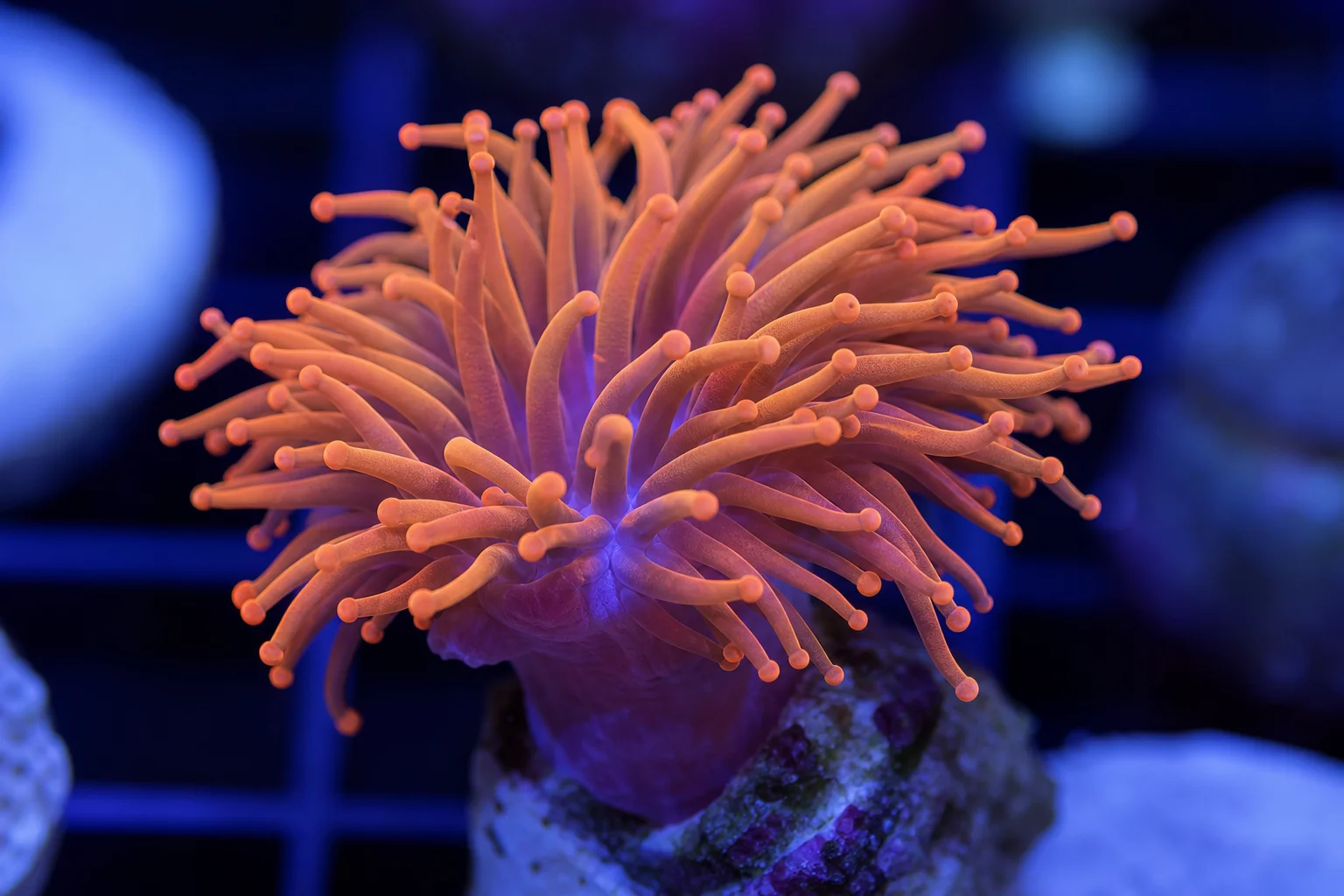
Fancy torch corals, including the Banana Torch, Holy Grail Torch, and other high-priced varieties, are far more challenging than common torch corals like the Dragon Soul. The problem compounds when multiple torches are kept together: they appear to fight chemically in the water, and if one develops brown jelly disease, it spreads rapidly to the entire population, decimating your collection.
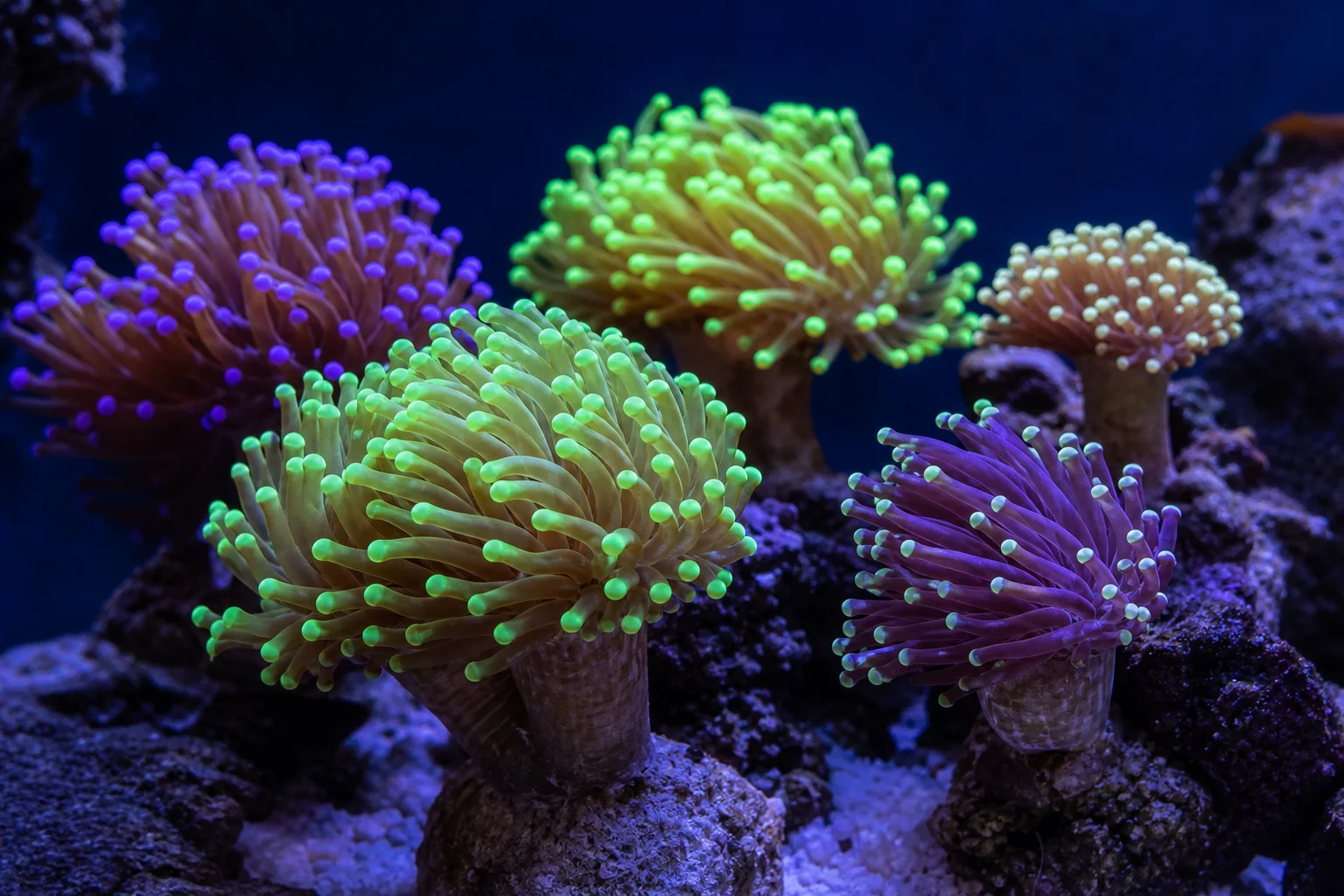
Getting fancy torches to fully extend is a persistent challenge. Many of these expensive variants are wild-caught, given a name, and immediately fragmented into small pieces for resale at inflated prices. They have not been aquacultured, so they are not adapted to captivity, have just endured long-distance transit, and have been chopped from large colonies. This combination makes them far more prone to stress and disease than established aquacultured lines like the Dragon Soul, which has been in the hobby long enough for reliable captive breeding.
Collector Hammers and Euphyllia Challenges
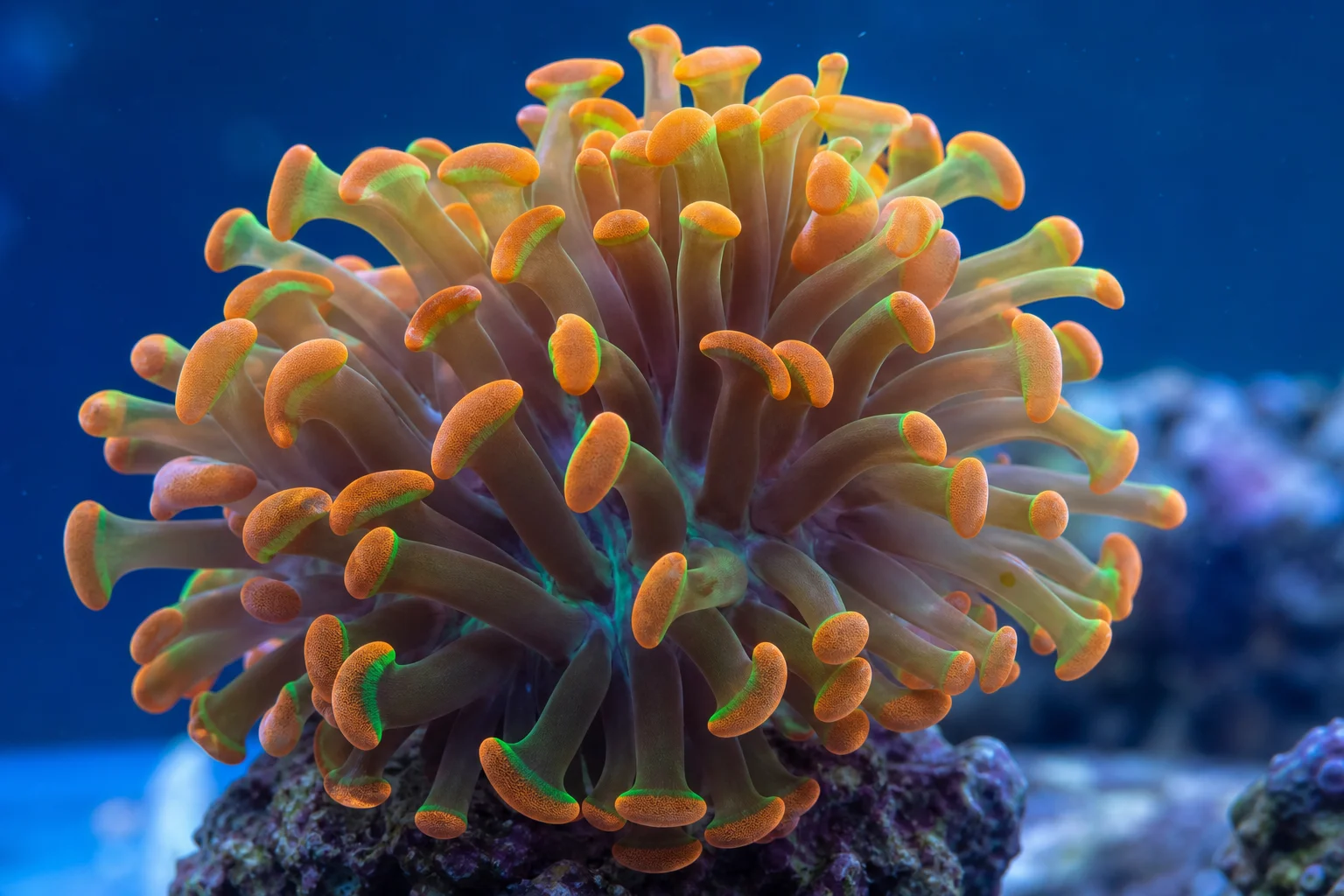
High-end hammer corals, including the King Spanner and Octospanner varieties, fall into the same category as fancy torches: they are often wild-caught, newly named, and fragmented from large colonies. Brown jelly disease is common, and they are slower growers than fully aquacultured euphyllia, making it unlikely that a newly named variant is truly captive-bred in quantity.
If you want a hammer or euphyllia, seek out aquacultured specimens from reputable sources, local hobbyists, or established lines like ORA. These are far healthier and easier to keep. The sourcing problem is the real issue with these corals: wild-caught specimens are simply not adapted to captive conditions, while aquacultured ones thrive with standard care.
Non-Photosynthetic Corals and Feeding Complexity
Non-photosynthetic corals are among the hardest to maintain because they rely entirely on food in the water column rather than light. Most reef tanks do not have enough suspended food to sustain them unless the tank is specifically designed for non-photosynthetic species. Dendrophyllia and sun corals are easier starting points than blueberries, sea fans, or non-photosynthetic gorgonians.
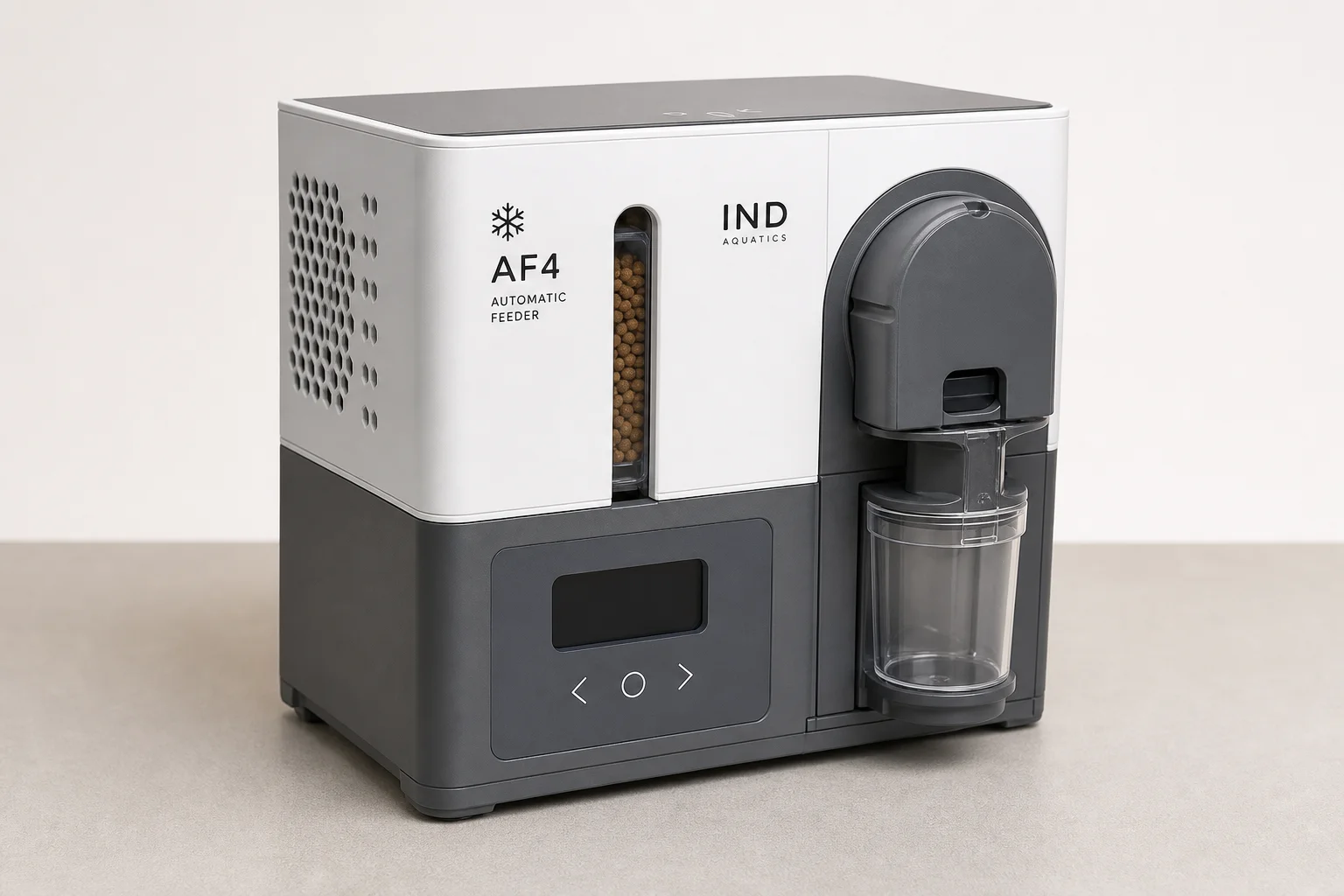
The challenge is balancing multiple competing needs: enough food suspended in the water to feed the corals, enough flow to deliver that food, enough light to see them but not so much that algae blooms, and enough filtration to remove excess food before it becomes ammonia, nitrate, and phosphate. Most hobbyists cannot realistically hand-feed multiple times daily. Automatic feeders like the IND Aquatics AF4 are game-changers for non-photosynthetic tanks, allowing refrigerated or frozen food to be dispensed on a schedule. Even with automation, expect significant physical maintenance and hand-feeding to keep these corals alive.
Xenia and Green Star Polyps: Unpredictable Growth
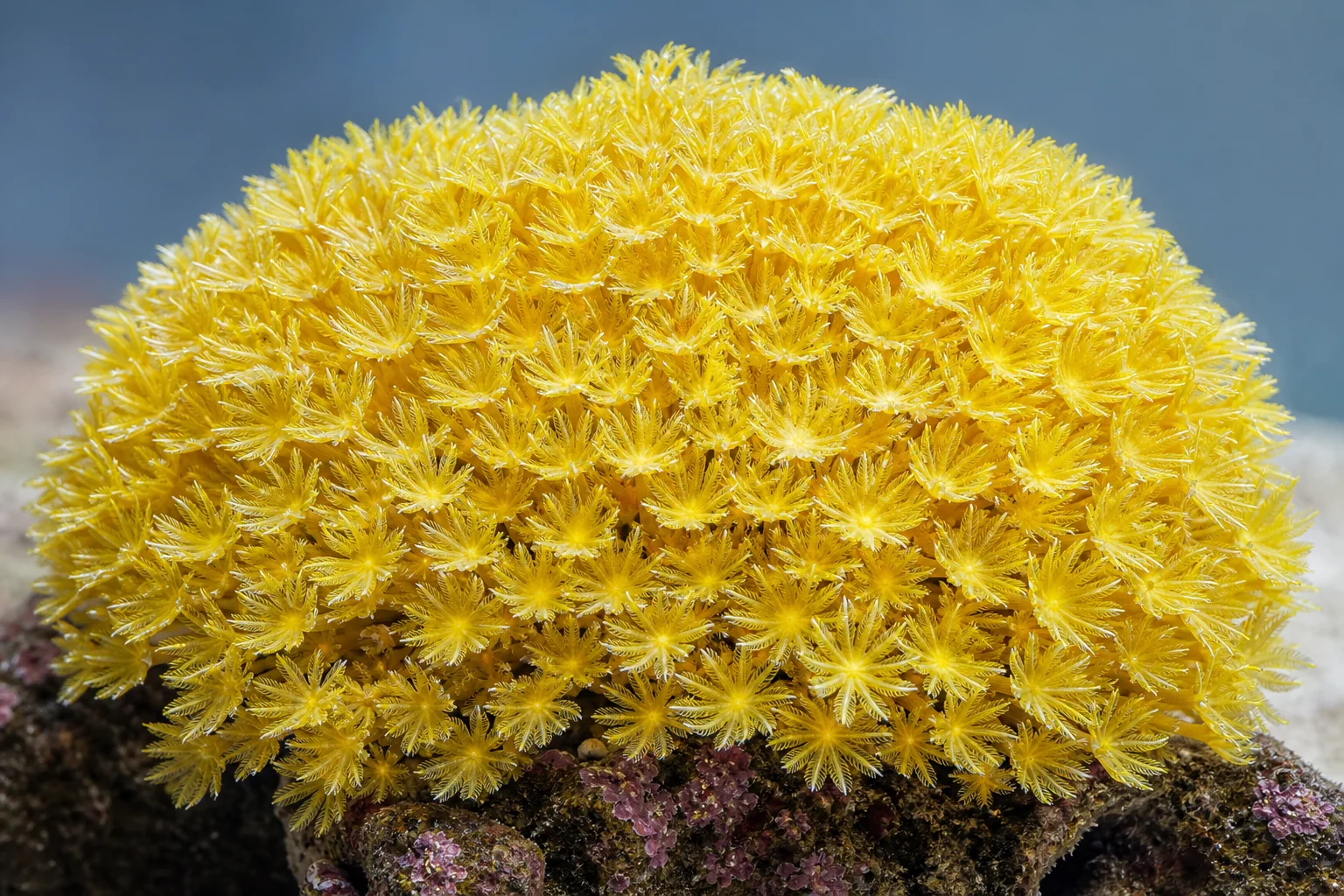
Xenia and green star polyps are controversial because their behavior is wildly inconsistent. In some tanks, they grow like weeds and become an invasive nuisance. In others, they melt away no matter what parameters or care you provide. The same species from the same source can thrive in one tank and fail completely in another, even when water chemistry, light, and flow are identical.
Some hobbyists have xenia growing aggressively in one tank while a frag from the same source does nothing in another tank six months later. Green star polyps often shrink and shrink until only a few polyps remain, then suddenly explode across the rockwork. This unpredictability makes them genuinely difficult to keep, not because they are fragile, but because success or failure seems random. Kenya trees, spidery jewels, waving hands, and anthelia fall into the same category of “weed corals” that can be surprisingly challenging.
Large Meaty Corals and Hidden Pests
Large meaty corals like scolymia and acanthophyllia are difficult for multiple reasons. They have delicate flesh that cuts easily during shipping and handling, and they come almost exclusively from the wild (though captive-spawned scolymia are now entering the hobby). The biggest hidden problem is pests living inside their thick skeletons. Boring worms and other critters burrow deep into the skeleton where they survive even harsh dips, then slowly kill the coral over weeks or months.
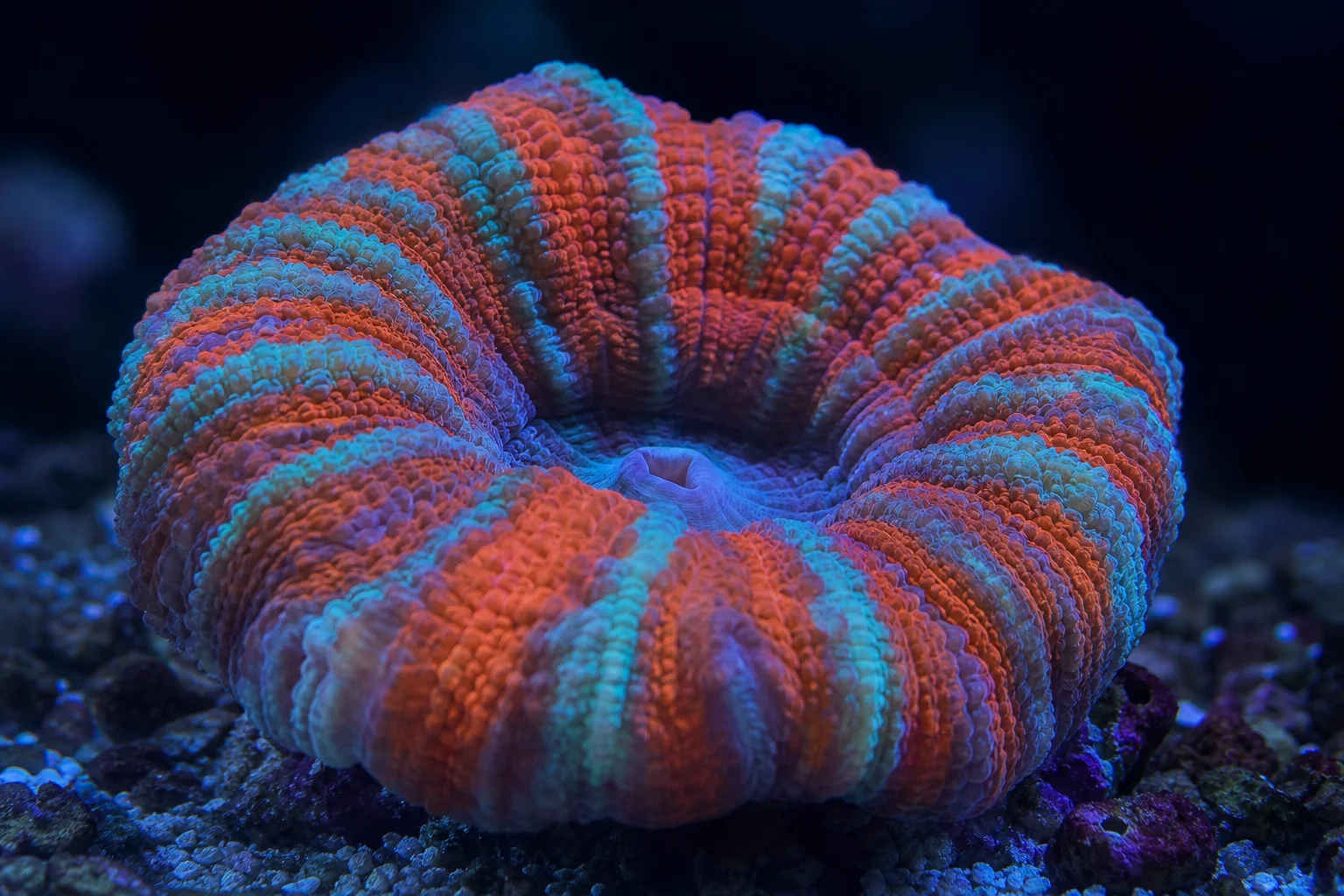
You might provide perfect water parameters, lighting, and flow, yet the coral withers away because of invisible pests in the skeleton. This is a problem that many hobbyists never anticipate. If you must keep these corals, source aquacultured specimens when possible, or obtain them from established tanks where they have already proven themselves. Avoid freshly imported wild-caught pieces, especially if they show signs of recent cutting or damage.
Yellow Corals and Lighting Spectrum Issues
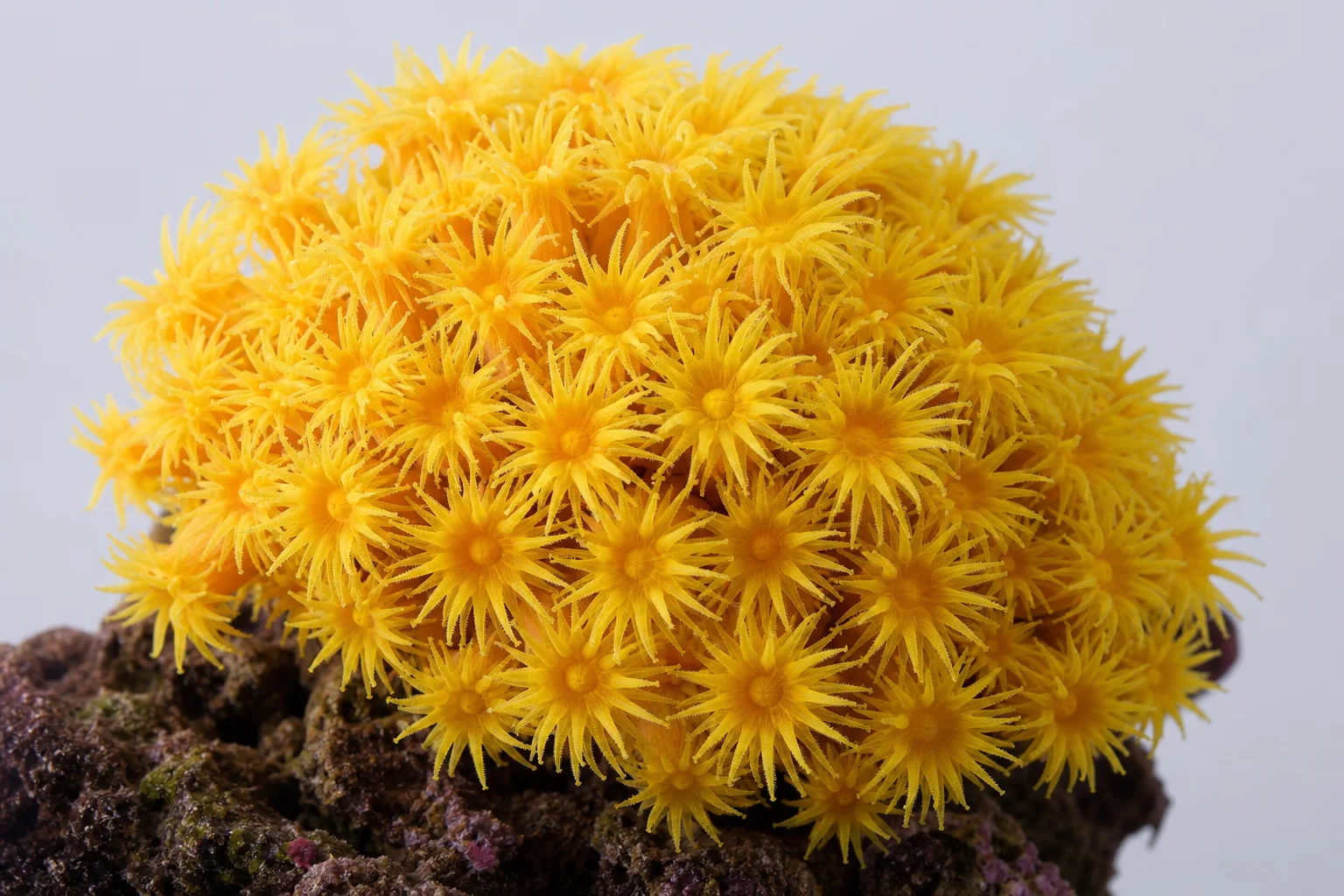
Yellow corals are challenging because most modern reef tanks run heavy blue spectrum lighting, and yellow and blue are opposite on the color spectrum. Under strong blue light, yellow corals do not display their color; instead, they appear brown or flesh-colored as the blue light suppresses yellow pigmentation and enhances green fluorescent protein. If you are running a typical reef tank with heavy blues, yellow corals will not look yellow, making them a poor choice for your setup.
Yellow corals thrive under full-spectrum daylight lighting, metal halide, or T5 daylight bulbs. The Yellow Fiji Leather is a prime example: under blue spectrum, it looks like a brown leather coral, but under full daylight spectrum, it displays stunning yellow coloration that is rare in reef tanks. If you want to keep yellow corals, either switch your lighting to full spectrum or avoid them entirely. Aquacultured yellow corals are available, though less common than wild-caught options.
Elegance Corals and Recovery Issues
Elegance corals are notoriously difficult, especially wild-caught Indo specimens. New captive-spawned elegance corals are easier to keep, but wild-collected ones rarely recover from the stress of collection and shipping. When you see them at the store cut into perfect squares or as large colonies cut in half, they almost never recover from that damage.
Full-circle elegance corals with the attachment point intact do slightly better, but they present another problem: they need to be positioned carefully. On sand, they do not thrive. On rock, they puff up, their skin touches the rock, they get cut, and infection follows. This is such a common story that many aquarium service professionals have stopped recommending them. If you want an elegance coral, source a captive-spawned specimen or obtain one from an established tank. If you can only find wild-collected ones, Australian specimens are collected sustainably and are typically the full-circle form rather than the problematic cut pieces.
Gonipora and Aggression Challenges
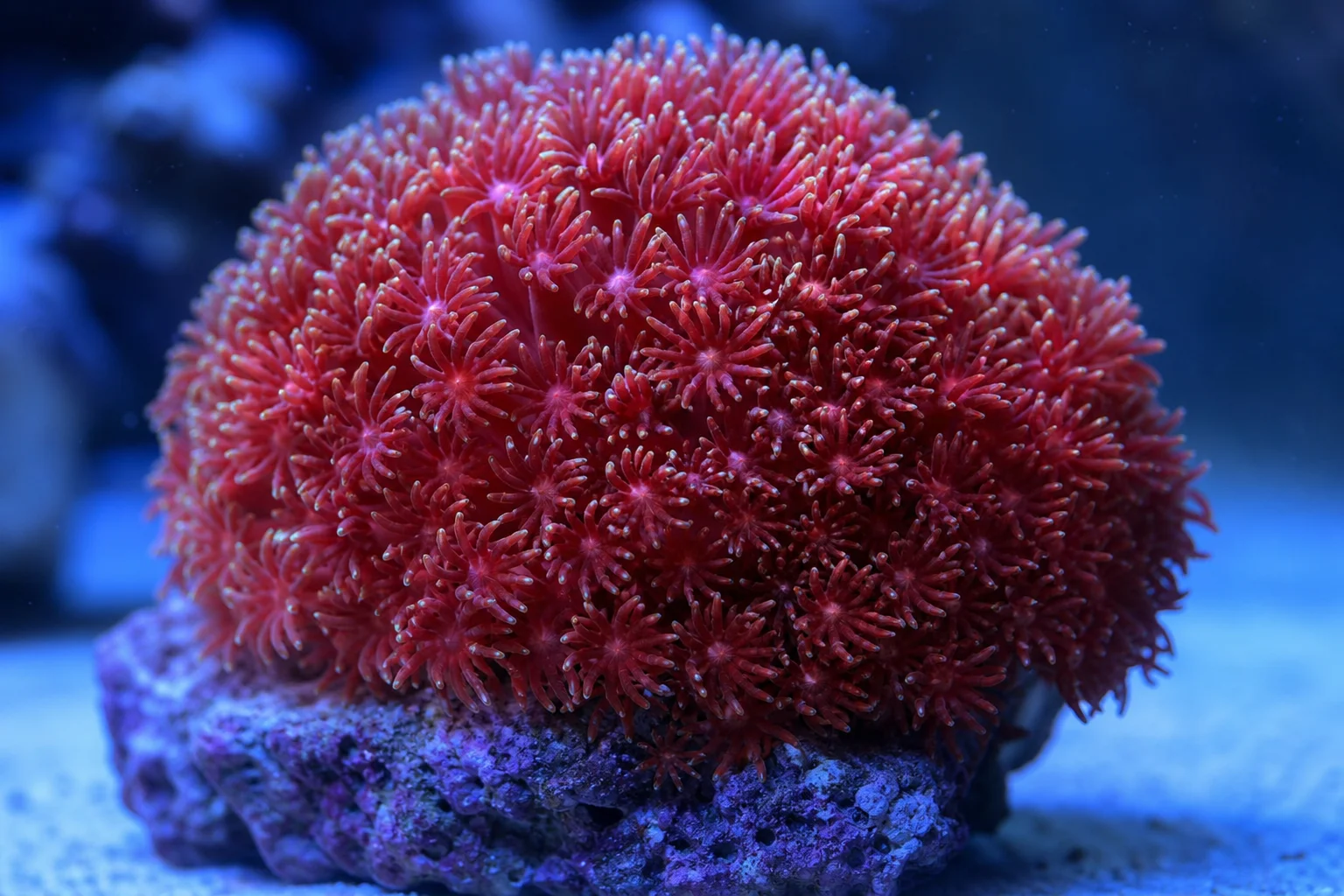
Gonipora are hit-or-miss, especially the fancy glitter varieties that are likely wild-caught and not fully aquacultured. Beyond sourcing issues, gonipora can be surprisingly aggressive toward each other. Many hobbyists assume all gonipora can touch, but this is not always true. Large healthy specimens have been observed stinging and melting the flesh of neighboring gonipora, even when they are the same species or color morph. This aggression is not limited to gonipora touching carpeting corals or bernardpora; it occurs between gonipora and gonipora.
Fragging gonipora is also extremely difficult and requires a band saw. Cutting the tops off is hard on recovery, though the top usually survives while the bottom recedes. Smaller specimens can be cut into quarters, but this is labor-intensive and risky. Respect goes to stores aquaculturing high-end gonipora, as it is a genuinely challenging task. If you want gonipora, seek out aquacultured specimens like the ORA Red Goni, which grow easily and are beautiful. Avoid wild-caught fancy variants unless you have significant experience.
The Importance of Aquaculture and Sourcing
The single most important factor in keeping difficult corals is sourcing. Aquacultured corals are far more likely to survive and thrive than wild-caught specimens. Captive-bred corals are already adapted to tank conditions, have been handled with care, have not endured 30-hour ocean transit, and have not been fragmented from giant colonies. They are less likely to carry pests, and their coloration is more stable over time.
Wild-caught corals may look stunning in the store after a few weeks in captivity, but they often change color dramatically within weeks as they adjust. Acros turn brown, acans turn green, and the vibrant colors you paid for disappear. If a coral is already established in the hobby, always choose the aquacultured version. There is no reason to accept the risk and stress of wild-caught corals when captive-bred alternatives are available.
Conclusion
The hardest corals to keep share common themes: they are often wild-caught, newly named, or poorly sourced; they have specific placement or lighting requirements that many hobbyists overlook; or they are prone to disease and pests that are difficult to detect and treat. Success with these species depends on proper identification, research into exact species requirements, careful sourcing from reputable aquaculture operations, and realistic expectations about the time and effort required.
If you are new to the hobby, avoid these corals until you have experience with more forgiving species. If you are experienced and want to keep challenging corals, prioritize aquacultured specimens, source locally when possible, and be prepared for the extra maintenance and monitoring they demand. The reward is a more diverse and interesting reef, but only if you go in with realistic expectations and a commitment to proper care.
Further reading
Related Reviews
Automotive Accessories
70mai Dash Cam Comparison: A200 vs A510 vs A810
Three dash cameras from 70mai across different price points reveal how resolution and sensor quality impact real-world footage clarity, especially for number plate visibility and low-light performance.
Cycling Power Meters
Five Affordable Power Meters for Road and Off-Road Cycling
Five practical power meter options under $500 that deliver reliable power measurement without breaking the budget.
Coffee Gear
AliExpress Coffee Gear Review: Five Products Worth Testing
A practical look at five coffee tools from AliExpress, including a sand heater, automatic brewer, latte art printer, espresso machines, and home roaster.