Cookware
Traditional vs Ceramic Non-Stick Skillets: Which Is Right for Your Kitchen?
A practical comparison of PTFE-based and ceramic non-stick skillets, including safety considerations, performance differences, and buying guidance for both types.
Introduction
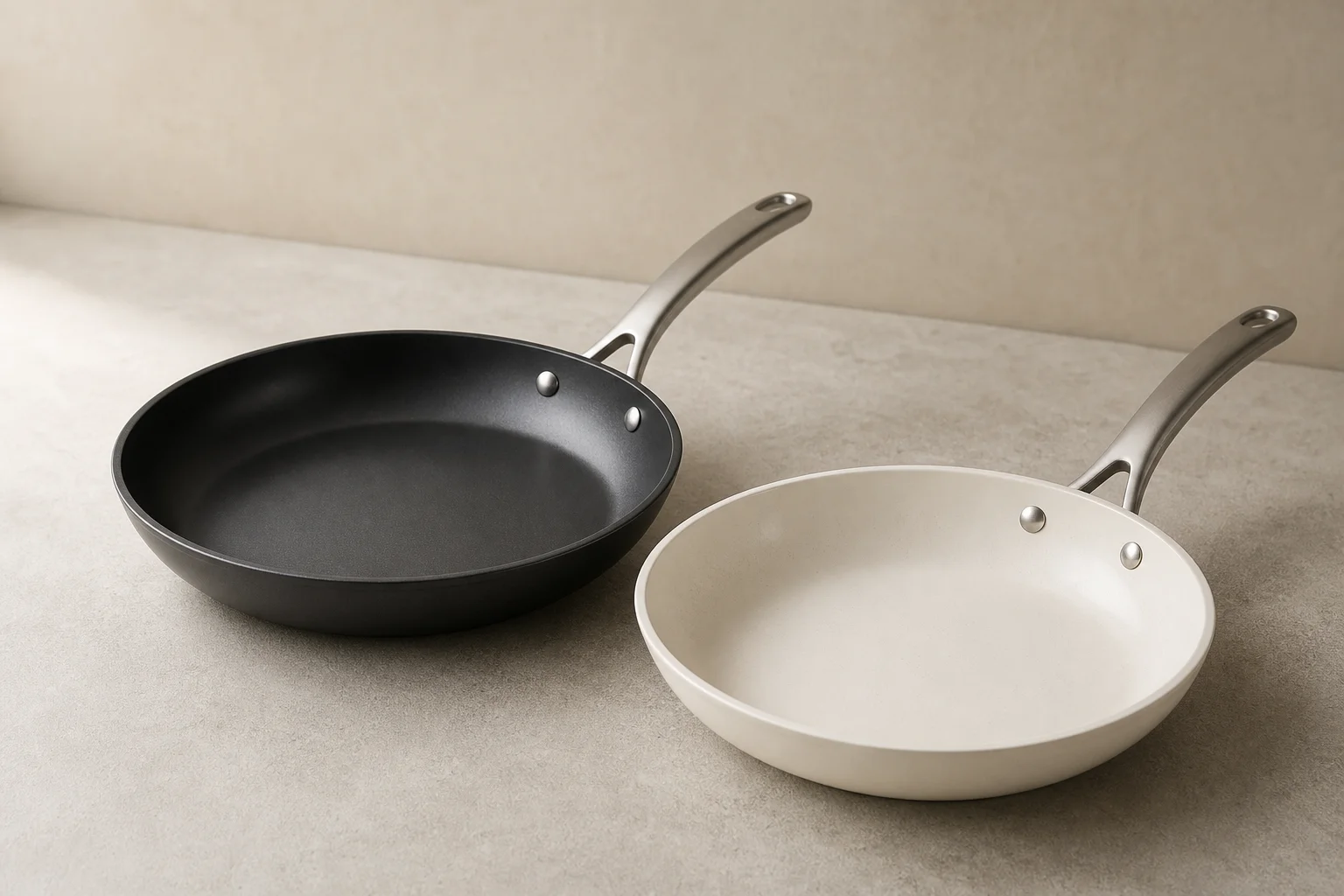
Non-stick skillets remain among the most popular cookware choices worldwide. They offer convenience, ease of use, and simple cleanup. However, questions about safety and durability have led many cooks to reconsider their options. Understanding the differences between traditional PTFE-based non-stick and newer ceramic alternatives helps you make an informed choice based on your cooking style and priorities.
Understanding Traditional Non-Stick Coatings
Traditional non-stick skillets rely on a coating called PTFE, or polytetrafluoroethylene, commonly known as Teflon. Manufacturers apply this coating by spraying it onto aluminum pans and then baking it to cure. Depending on quality, they apply anywhere from one to five layers of this material.
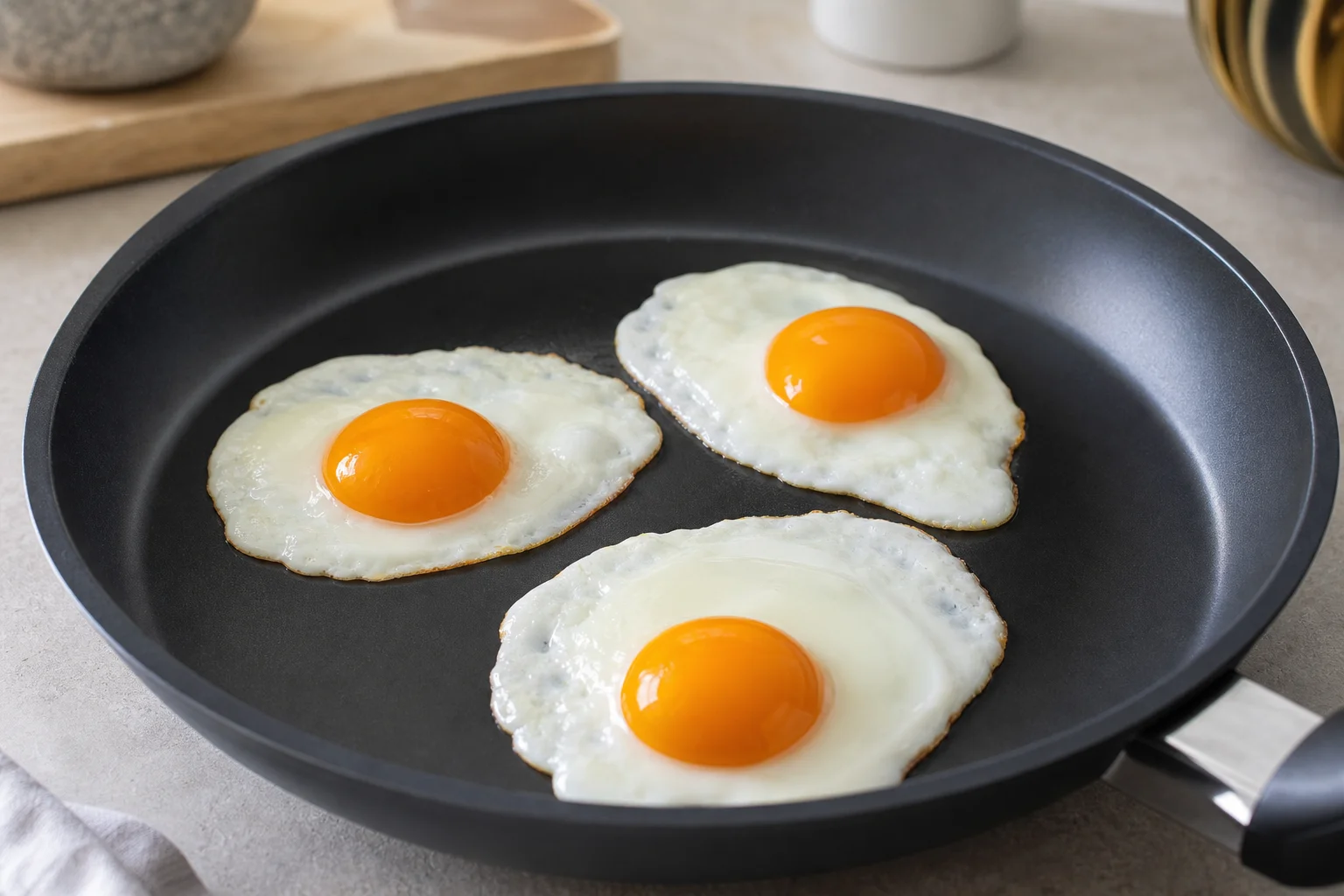
PTFE coatings are hydrophobic and oleophobic, meaning they repel both water and oil. This makes them highly effective at preventing food from sticking, which is why they remain the gold standard for non-stick performance. Traditional non-stick skillets excel at cooking eggs, stir-fries, fish, and other delicate foods that benefit from minimal friction.
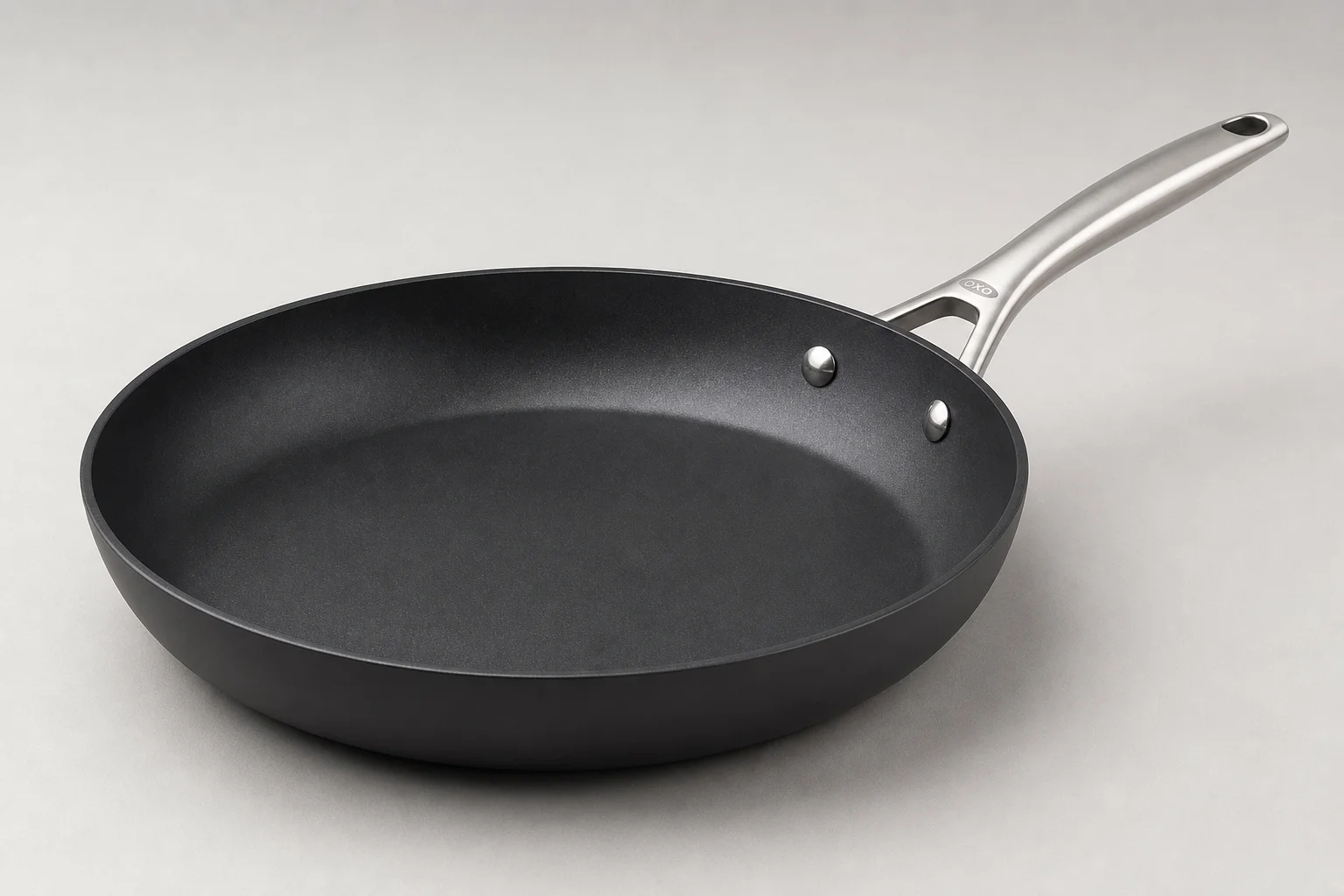
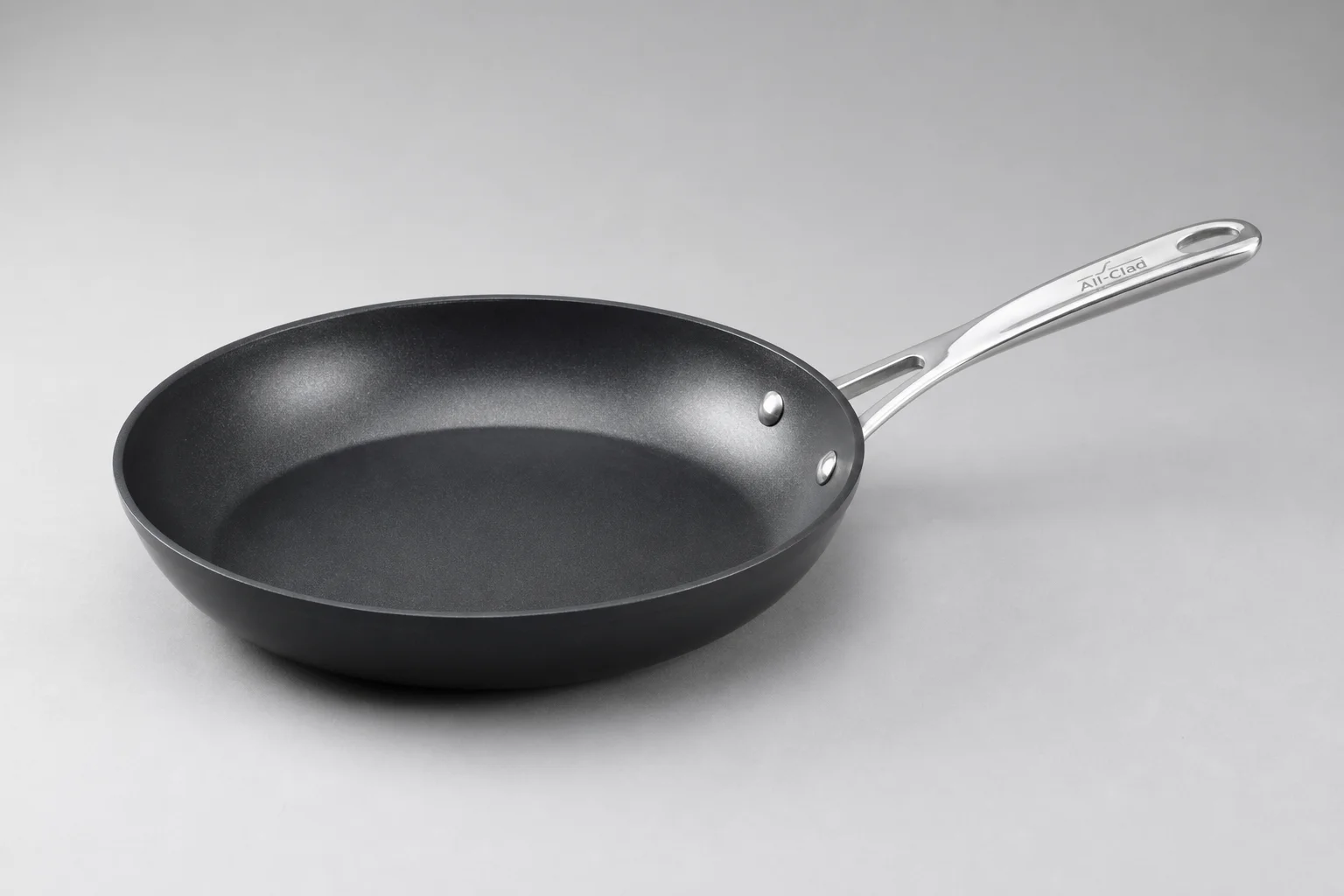
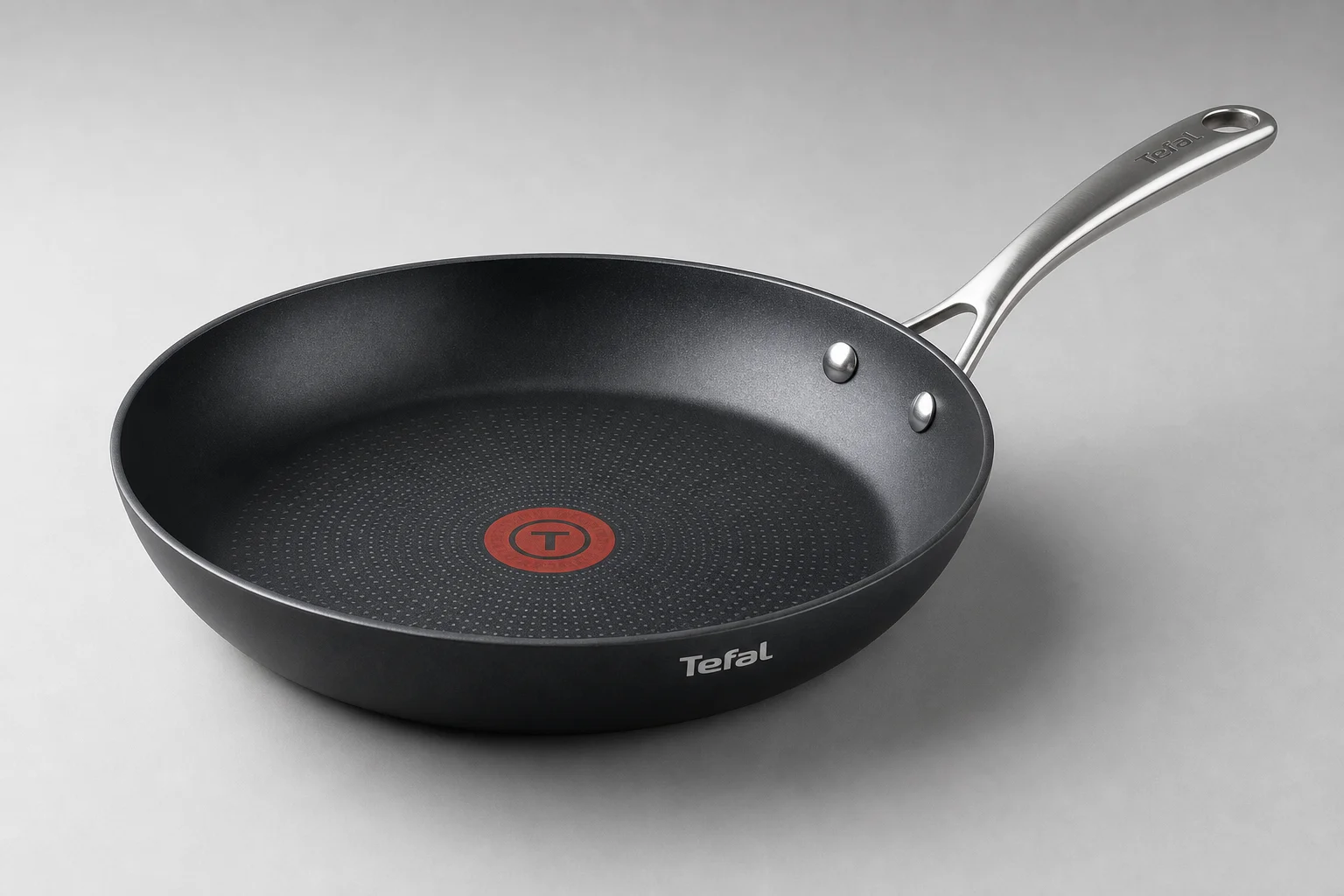
The OXO non-stick skillet has been a top recommendation for years, offering reliable performance and user-friendly design. The All-Clad and Tefal models also perform exceptionally well, with the added advantage of induction compatibility.
Safety Considerations for Traditional Non-Stick
PTFE belongs to a class of chemicals called PFAS, sometimes referred to as “forever chemicals” because they do not biodegrade easily in the environment. Health concerns have been raised about these compounds.
Experts indicate that the primary risk comes from overheating the pan. When PTFE coatings are heated above safe temperatures, they can emit fumes that are harmful to inhale. This is why Teflon maintains a page titled “Teflon and Bird Safety” - the fumes can be lethal to pet birds, which is why coal miners historically carried caged birds into mines as early warning systems for dangerous gases.
To use traditional non-stick skillets safely, follow these guidelines: never broil with them or use them at temperatures above 500 degrees Fahrenheit. If using them in the oven, keep the temperature at 450 degrees or lower, since ovens cycle up and down. Never heat an empty non-stick skillet; always add oil or butter first, as these fats will smoke at lower temperatures (around 350-400 degrees depending on the type) before the pan reaches dangerous heat levels.
Key Features to Look For
When shopping for any non-stick skillet, several design elements matter as much as the coating itself.
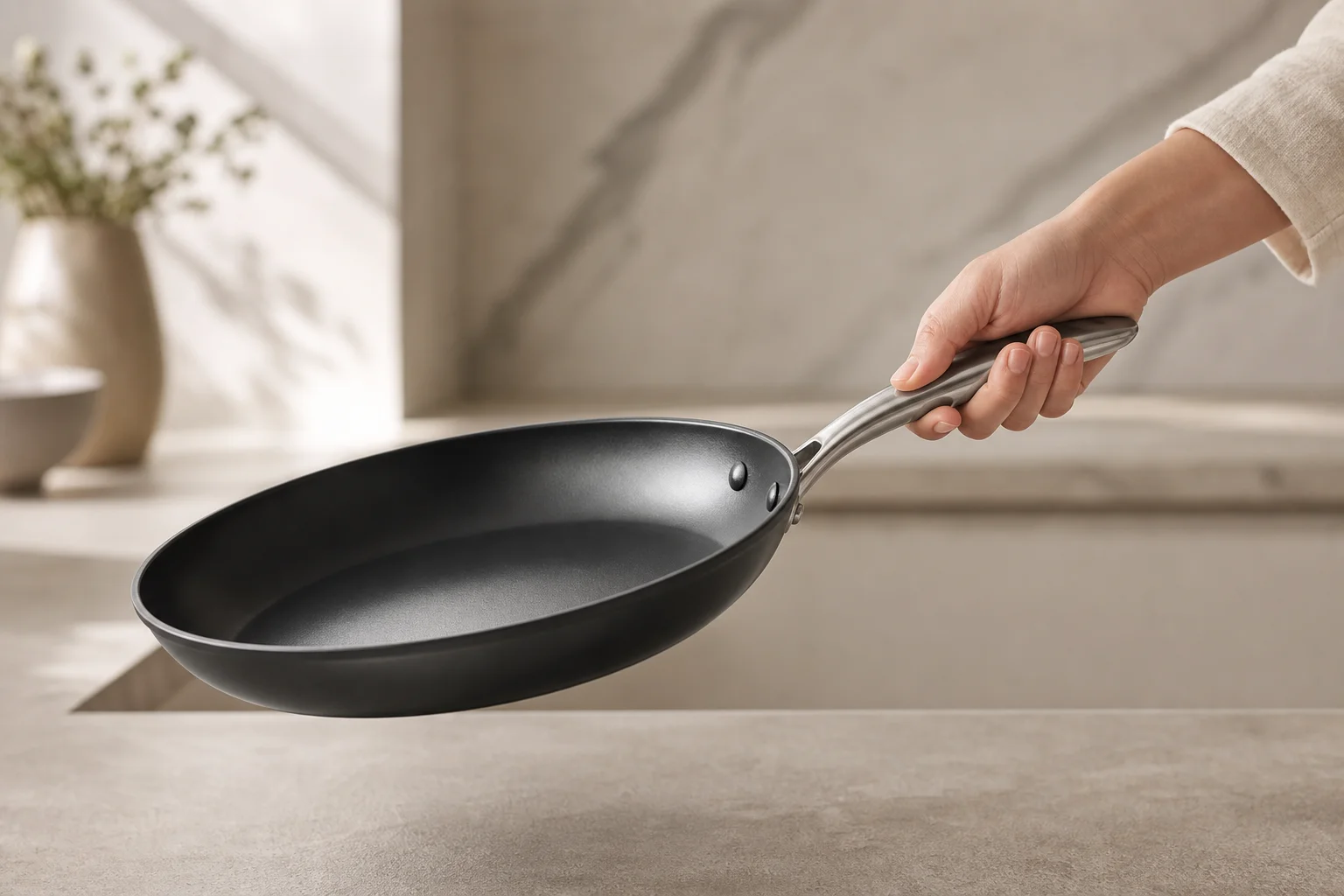
Look for gently sloped walls that are tall enough to contain food while allowing easy tossing without spillage. Lightweight construction is essential - quality 12-inch models should weigh around 2.5 pounds and be manageable with one hand. The actual cooking surface diameter should be between 9 and 10 inches, providing enough room for food to spread and brown rather than pile up and steam.
Stainless steel handles are preferable to silicone-coated ones because they are more durable, heat-safe, and easier to clean. All of the top traditional non-stick skillets tested performed excellently across these design criteria.
Extending the Life of Your Non-Stick Skillet
Non-stick coatings gradually lose their effectiveness over time, but proper care extends their lifespan significantly. Never use non-stick cooking sprays in non-stick pans - the lecithin in these sprays builds up on the surface and actually makes the pan stickier over time. Avoid metal utensils, as they can scratch the coating and create spots where food will stick.
Contrary to older concerns, modern non-stick coatings no longer flake like paint chips if scratched, but you should still avoid scratching to prevent those spots from becoming sticky. Always hand-wash your non-stick skillet with mild soap and water; dishwashers wear off the coating more quickly. Never use abrasive sponges or cleaners like Ajax or Bar Keepers Friend.
When stacking pans for storage, place paper plates or paper towels between them to prevent metal-to-metal contact that would scratch the coating. You can refresh a worn-looking surface by wiping a thin coat of vegetable oil onto a warm pan and then buffing most of it off.
What Makes Ceramic Non-Stick Different
Ceramic non-stick cookware offers an alternative for cooks concerned about PTFE exposure. Like traditional non-stick, ceramic coatings are applied by spraying and then heating to harden. However, the coating material is derived from glass-like ceramic made from beach sand, with no risk of releasing toxic fumes even at high temperatures.
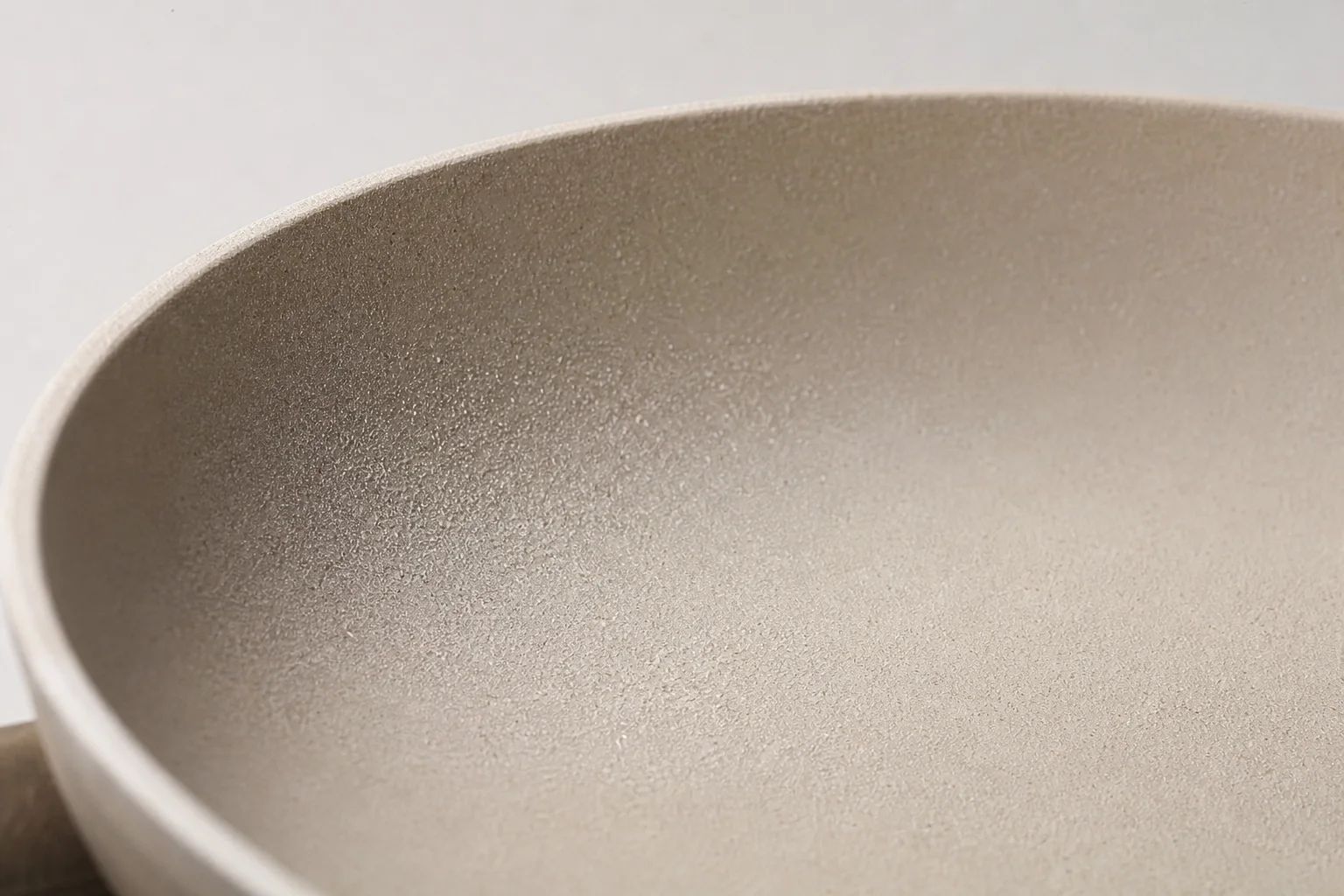
Ceramic surfaces are more brittle than PTFE and more prone to developing microscopic cracks during everyday use. As the surface becomes rougher, food is more likely to stick, and scrubbing stuck-on food can cause further degradation. In general, ceramic non-stick is not quite as non-stick or durable as traditional PTFE coatings, and it loses its slickness more quickly over time.
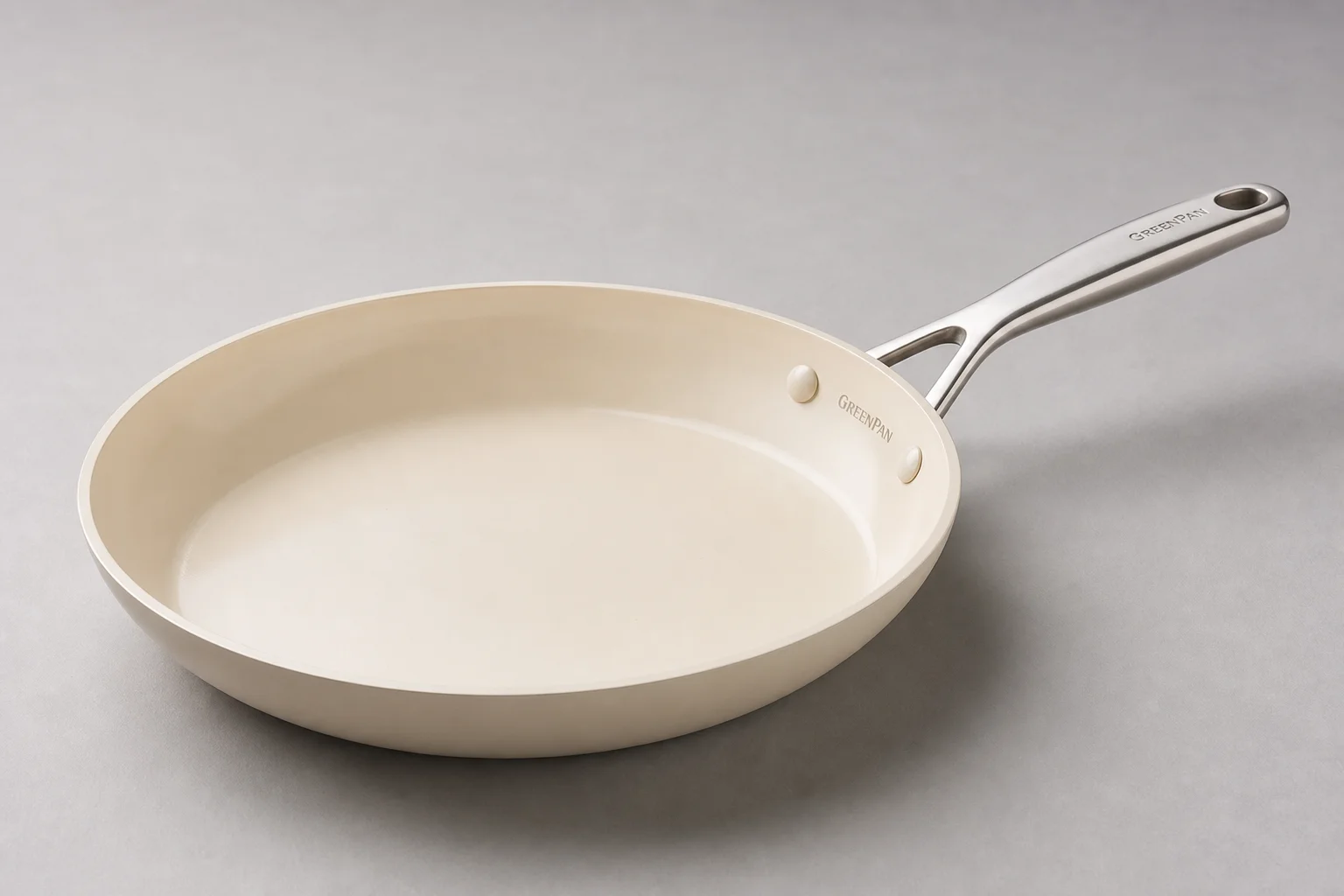
However, newer ceramic models are improving in quality. Recent testing of 14 ceramic skillets found that the best performers were nearly as good as top traditional non-stick options, though only a small number passed rigorous testing standards. The GreenPan ceramic skillet stood out as a clear winner, acing most tests including the demanding 50-egg test, where each egg released beautifully from the pan.
Important Differences in Ceramic Performance
One critical difference between ceramic and traditional non-stick is heat conductivity. PTFE acts as a thermal insulator, slowing heat transfer from the aluminum pan to the food. Ceramic coatings conduct heat more quickly, meaning the pan runs hotter than a traditional non-stick skillet at the same burner setting.
This requires adjustment in cooking technique. You may need to lower the flame or remove the pan from heat sooner than recipes specify. Following visual cues and trusting your instincts becomes more important. Food may stick slightly more, and the pan may require a bit more gentle effort to clean. For experienced cooks willing to adapt, these are manageable adjustments.
Like traditional non-stick, ceramic pans require the same care: no metal utensils, no abrasive cleaners, no dishwasher, no broiler use, and no non-stick sprays. With ceramic, these precautions are more about durability than safety.
Maintaining Your Non-Stick Skillet
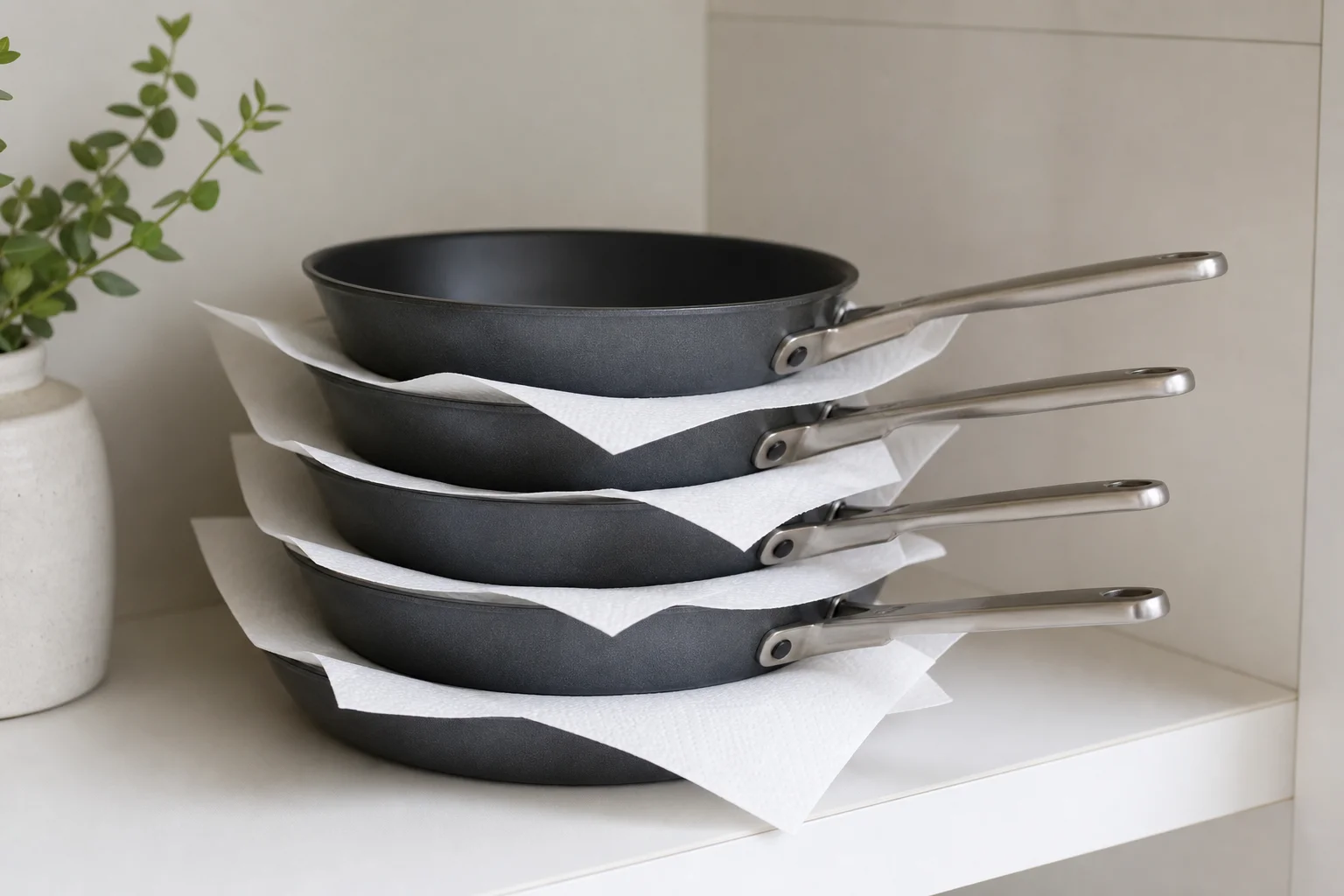
Proper maintenance is essential for both traditional and ceramic non-stick skillets. Hand-washing with mild soap and water is the standard approach. Avoid stacking pans directly on top of each other without protection, as this causes scratching. Paper towels or paper plates between pans prevent damage during storage.
For either type, turn on your range hood and crack a window when cooking at higher temperatures. This simple ventilation practice, combined with keeping pans at safe temperatures, ensures safe use of traditional non-stick skillets.
Conclusion
Traditional PTFE non-stick skillets offer superior non-stick performance and durability, making them ideal if cooking performance is your priority. The OXO, All-Clad, and Tefal models all deliver reliable results when used and maintained properly.
Ceramic non-stick skillets provide peace of mind for cooks concerned about PTFE exposure, with no risk of harmful fumes even at high temperatures. While slightly less durable and requiring some cooking technique adjustments, quality ceramic options like GreenPan are improving rapidly and offer a viable alternative.
Your choice depends on your priorities: choose traditional non-stick for maximum performance, or ceramic if avoiding PTFE chemicals is your main concern. Either way, proper use and maintenance will keep your skillet performing well for years.
Further reading
Related Reviews
Cookware
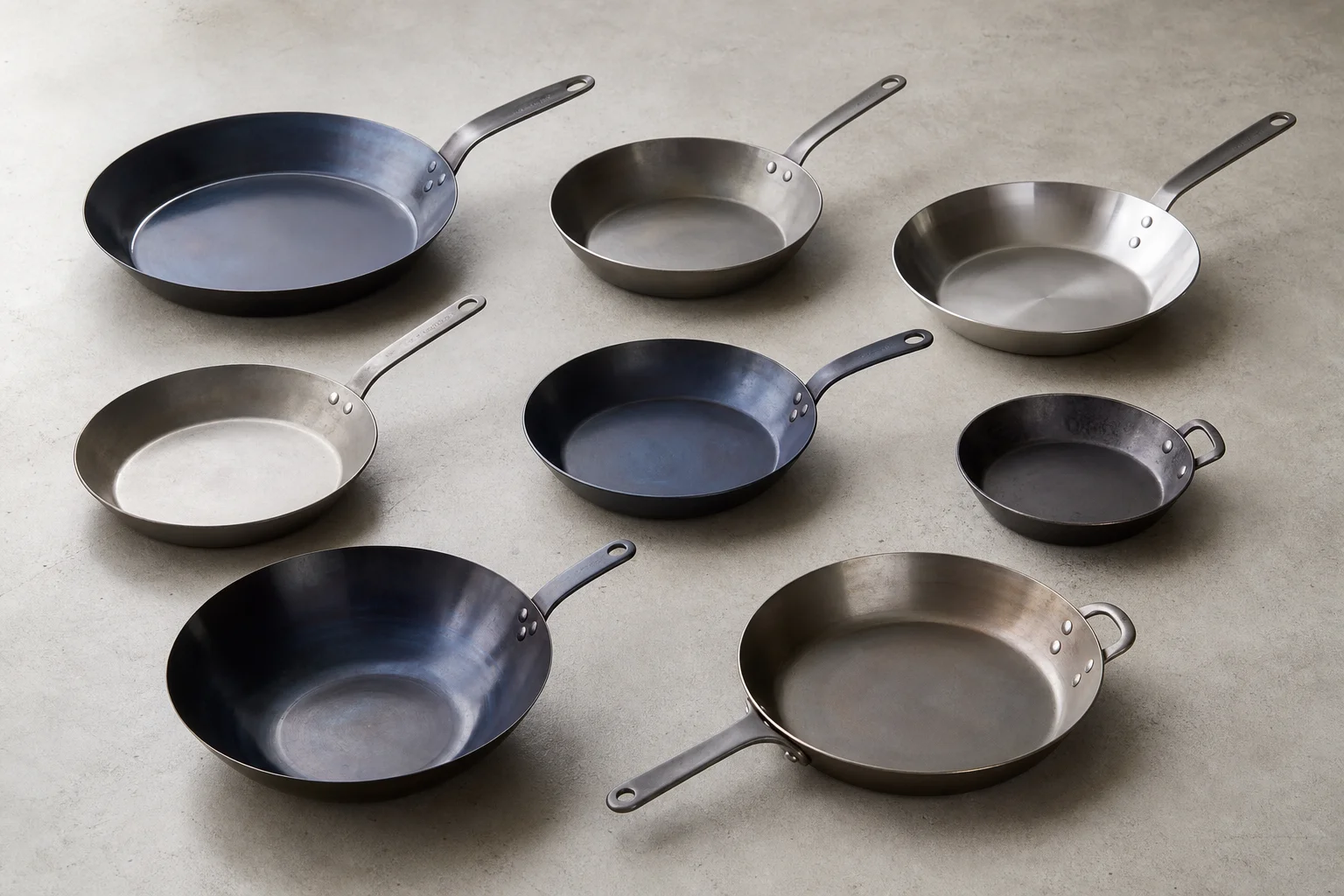
Best Carbon Steel Pans Tested: Which Brands Deliver Real Value
We tested eight popular carbon steel pans with controlled durability, heat, and cooking tests. Here's which ones perform best and which to avoid.
Cookware
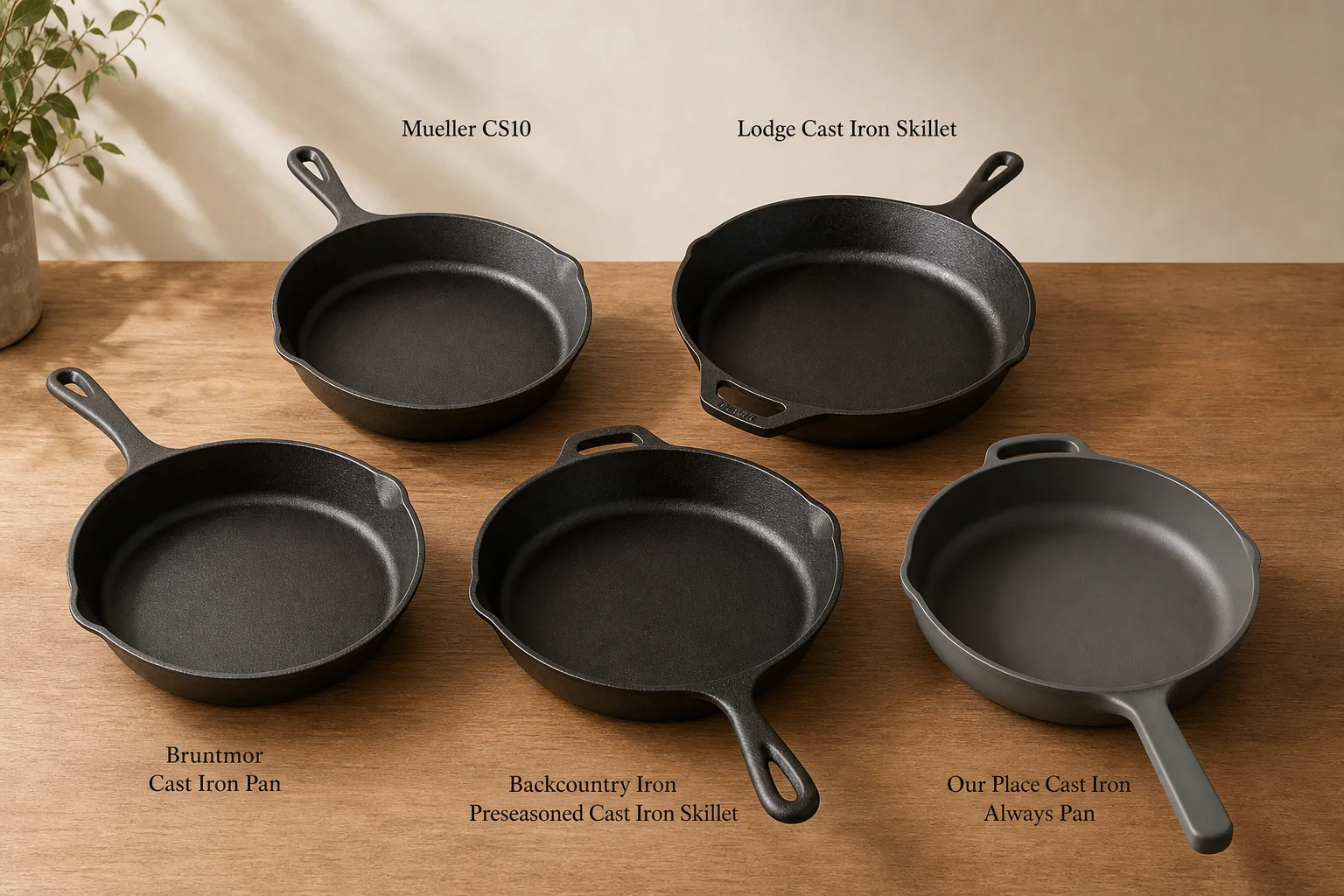
Best Cast Iron Pans 2026: Five Options from Budget to Premium
A practical breakdown of five cast iron skillets, from affordable Mueller to premium Our Place, with clear strengths and trade-offs for different cooking needs.
Cookware
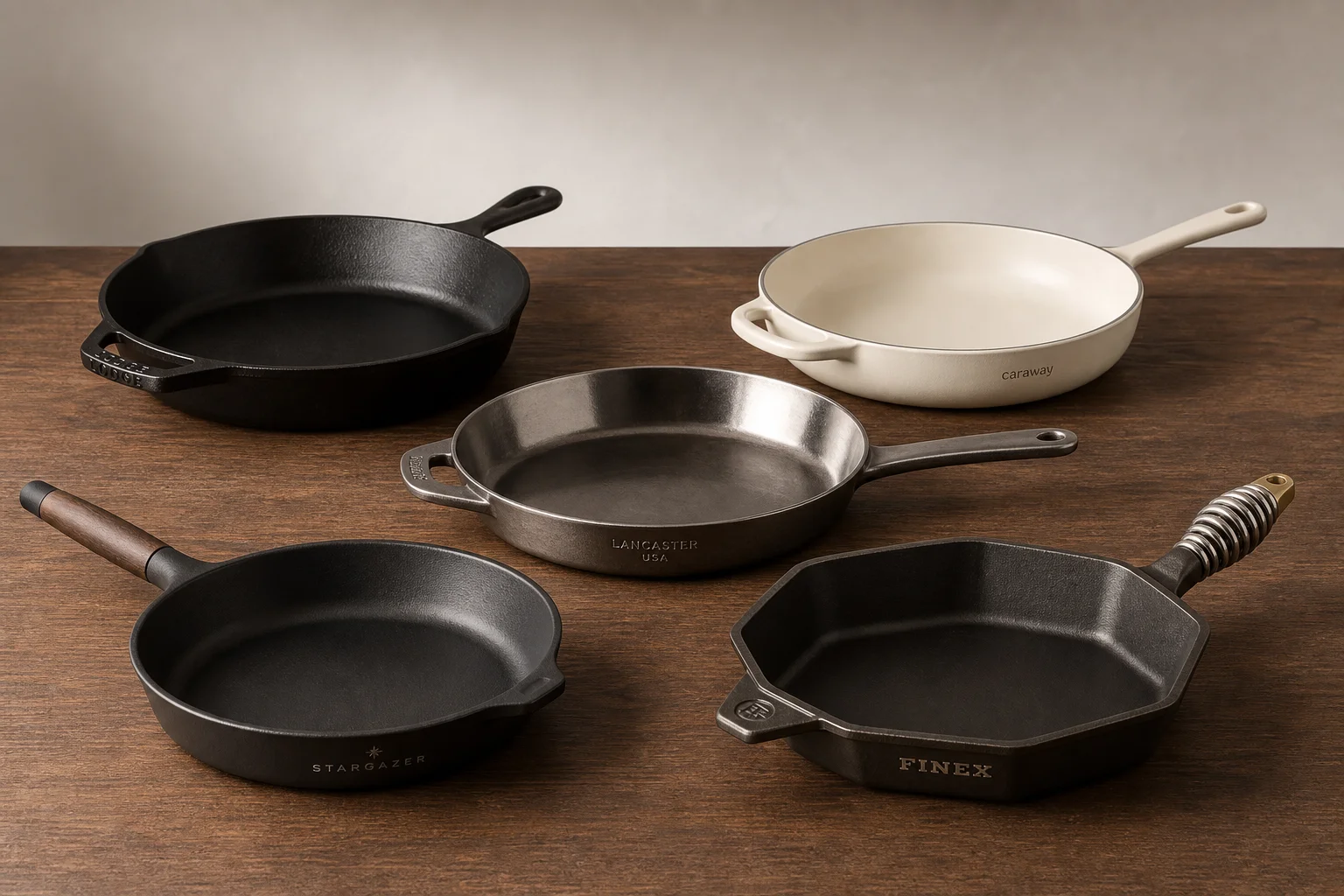
Best Cast Iron Skillets: Five Options for Every Kitchen
A comprehensive guide to five cast iron skillets, from budget-friendly classics to premium handcrafted options, each with distinct strengths and use cases.