Coffee Brewing
Tricolate v3 Pourover Brewing Guide: 8 Methods for Different Coffee Roasts
Master the Tricolate v3 dripper with eight distinct brewing recipes designed to highlight specific flavor profiles across light, medium, and dark roasts.
Introduction
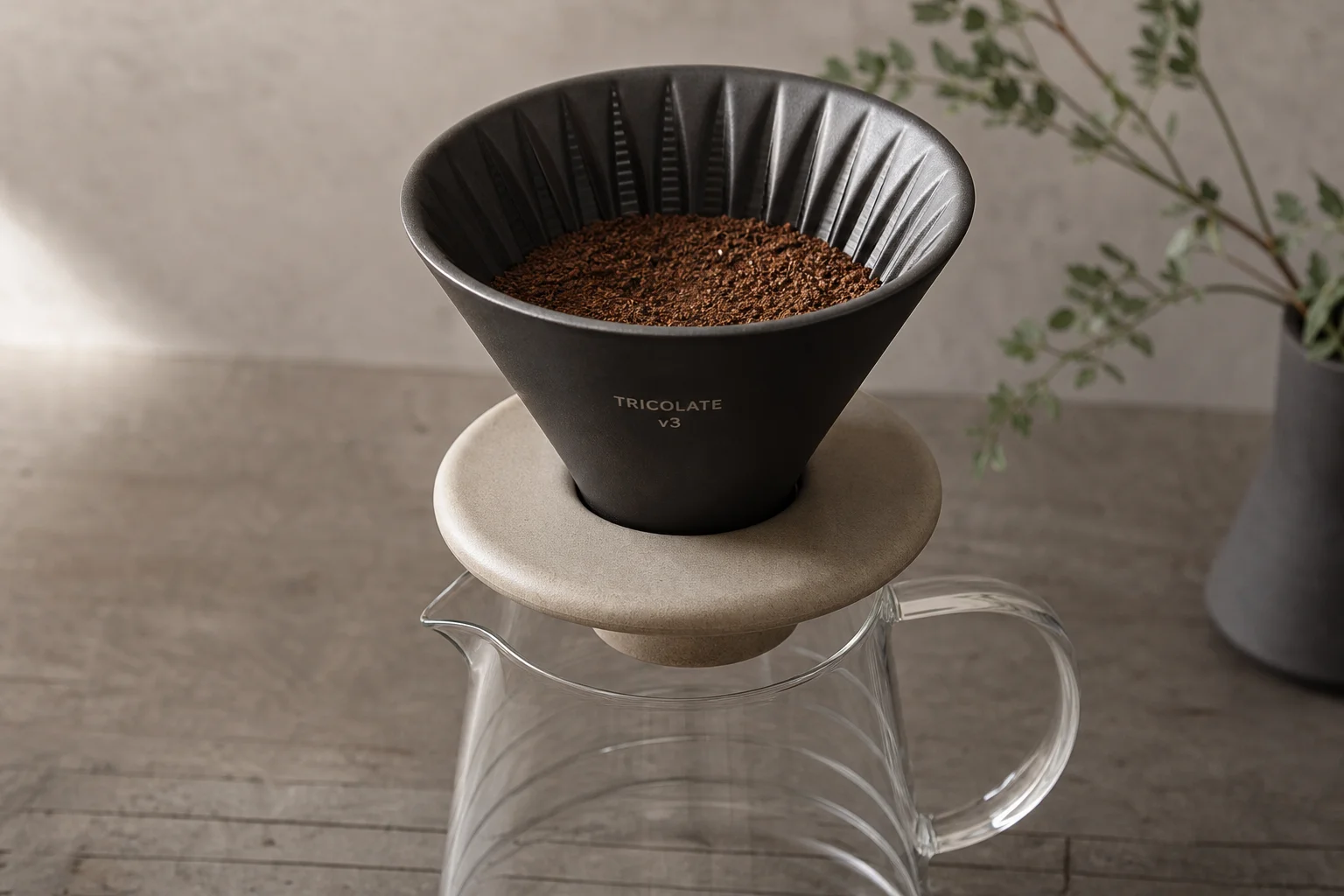
The Tricolate v3 is a pourover dripper designed to highlight different flavor profiles through precise control of grind size, water temperature, and pour timing. This guide covers eight distinct brewing methods, each optimized for specific roast levels and desired flavor characteristics. Whether you prefer clean clarity, bold sweetness, or delicate floral notes, there is a mode suited to your coffee and taste preferences.
Mode 1: Official Spec Coffee
The Official Spec method produces a clean, balanced, and sweet cup with clear clarity. This approach works well with any roast level and serves as a reliable baseline for exploring the Tricolate v3’s capabilities.
Use 15g of coffee ground at C40 20 clicks (medium-fine). Heat water to 94°C and prepare a total pour volume of 260ml.
Begin with a bloom pour up to 60ml from 0:00 to 0:30, then gently swirl. Follow with a final pour up to 260ml from 0:30 to 2:10, swirling gently once more. Remove the dripper after the water has drained completely, stir, and enjoy.
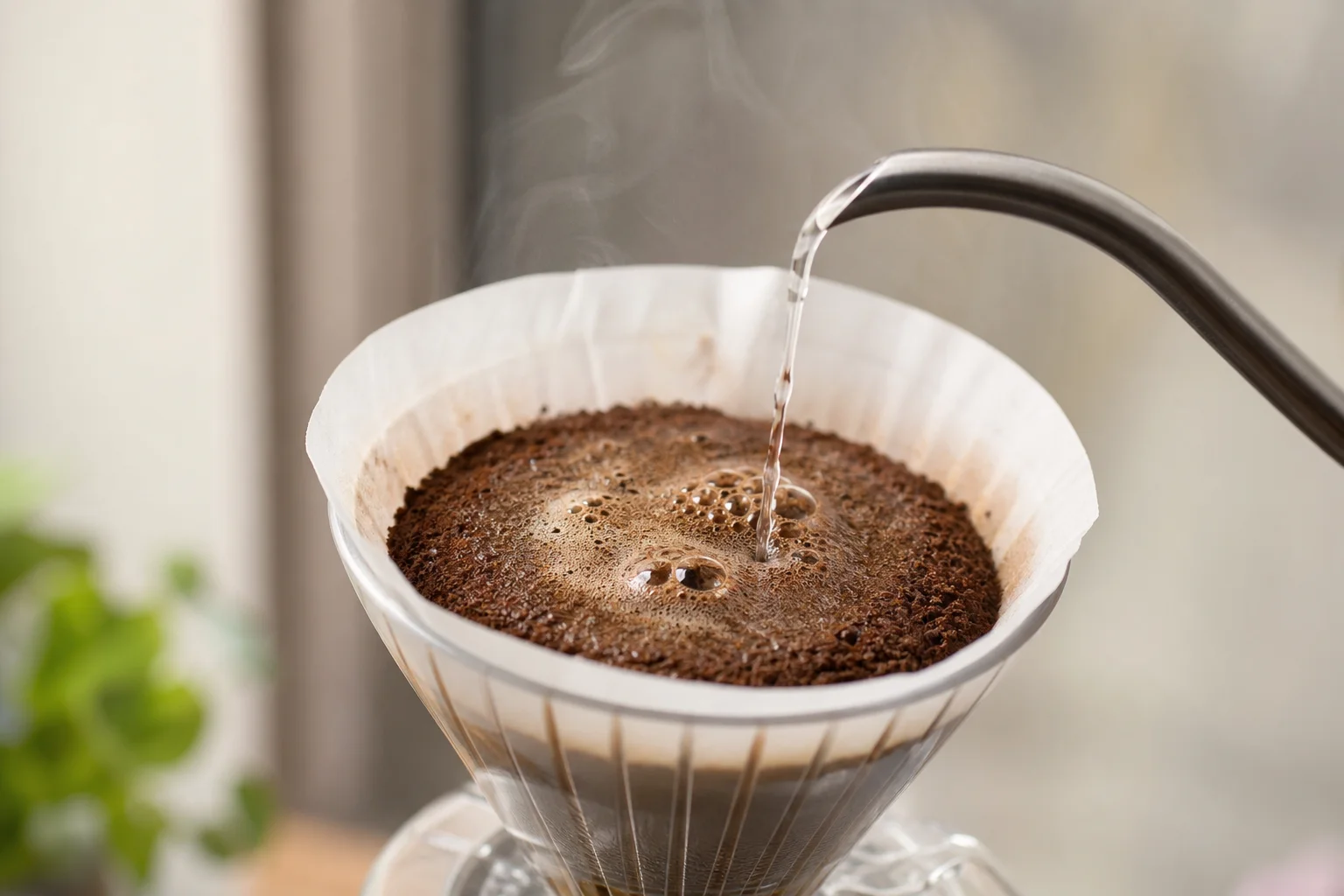
This method emphasizes balance and clarity, making it ideal for single-origin coffees where you want to taste the bean’s inherent character without heavy extraction or under-extraction.
Mode 2: Classic Balance Coffee
The Classic Balance method suits light to medium roasts and delivers a balanced, clear, and versatile cup that works well with single-origin coffees.
Use 20g of coffee ground at C40 22 clicks (medium). Heat water to 94°C and prepare a total pour volume of 360ml.
Start with a bloom pour up to 45ml from 0:00 to 0:45, then gently swirl. Add a second pour up to 180ml from 0:45 to 1:30, swirling gently. Finish with a final pour up to 360ml from 1:30 to 2:40. Remove the dripper after drain, stir, and enjoy.
The longer total brew time and higher water volume allow for a more developed extraction while maintaining clarity and balance.
Mode 3: Aroma Boost Coffee
The Aroma Boost method is designed for light roasts and emphasizes aromatic clarity with sweet acidity. This approach highlights the coffee’s floral and fruity notes.
Use 14g of coffee ground at C40 28 clicks (medium). Heat water to 92°C and prepare a total pour volume of 220ml.
Begin with a bloom pour up to 45ml from 0:00 to 1:00, then gently swirl. Add a second pour up to 130ml from 1:00 to 1:40. Finish with a final pour up to 220ml from 1:40 to 2:20. Remove the dripper after drain, stir, and enjoy.
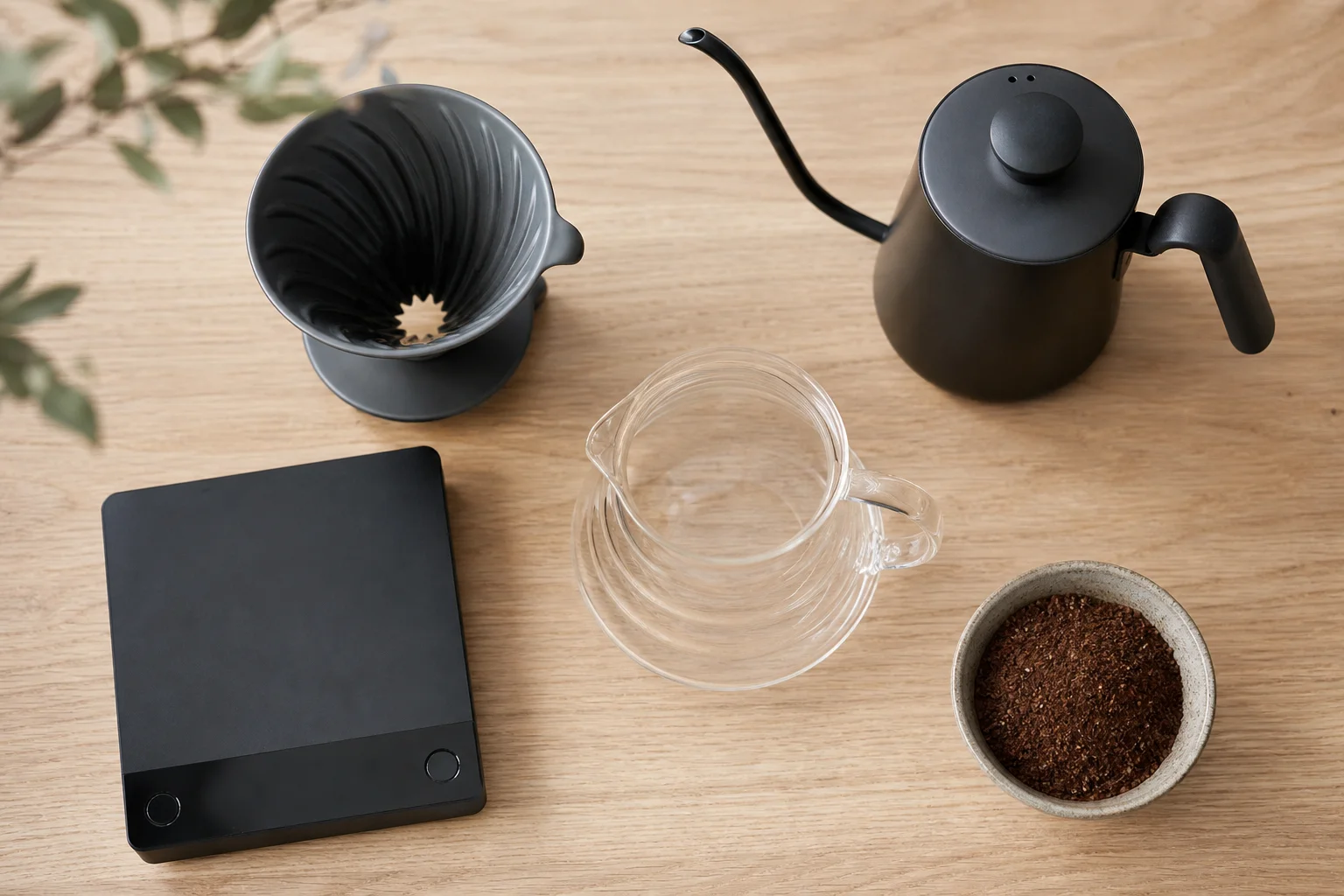
The finer grind and longer bloom phase allow volatile aromatic compounds to develop fully, resulting in a cup with pronounced clarity and brightness.
Mode 4: Floral Emphasis Coffee
The Floral Emphasis method is optimized for light roasts and maximizes floral and fruit acidity while bringing out tea-like notes.
Use 12g of coffee ground at C40 23 clicks (medium). Heat water to 88°C and prepare a total pour volume of 200ml.
Start with a bloom pour up to 30ml from 0:00 to 0:50. Add a second pour up to 90ml from 0:50 to 1:15, swirling gently. Continue with a third pour up to 140ml from 1:15 to 1:40, swirling gently. Finish with a final pour up to 200ml from 1:40 to 2:30, swirling gently. Remove the dripper after drain, stir, and enjoy.
The lower water temperature and multiple pour stages preserve delicate floral and fruity characteristics while minimizing harsh extraction.
Mode 5: Sweet Profile Coffee
The Sweet Profile method suits medium roasts and emphasizes sweetness with chocolate and caramel notes.
Use 20g of coffee ground at C40 18 clicks (medium-fine). Heat water to 93°C and prepare a total pour volume of 300ml.
Begin with a bloom pour up to 60ml from 0:00 to 0:30. Add a second pour up to 120ml from 0:30 to 1:30. Continue with a third pour up to 180ml from 1:30 to 2:30, swirling gently. Finish with a final pour up to 300ml from 2:30 to 4:30, swirling gently. Remove the dripper after drain, stir, and enjoy.
The extended final pour phase allows sugars and oils to fully develop, creating a cup with pronounced sweetness and body.
Mode 6: Rich and Bold Coffee
The Rich and Bold method is designed for medium-dark roasts and delivers a heavy body with full sweetness and cocoa and nut notes.
Use 18g of coffee ground at C40 22 clicks (medium). Heat water to 96°C and prepare a total pour volume of 300ml.
Start with a bloom pour up to 35ml from 0:00 to 0:30. Add a second pour up to 150ml from 0:30 to 1:10, swirling gently. Continue with a third pour up to 240ml from 1:10 to 2:00. Finish with a final pour up to 300ml from 2:00 to 2:50. Remove the dripper after drain, stir, and enjoy.
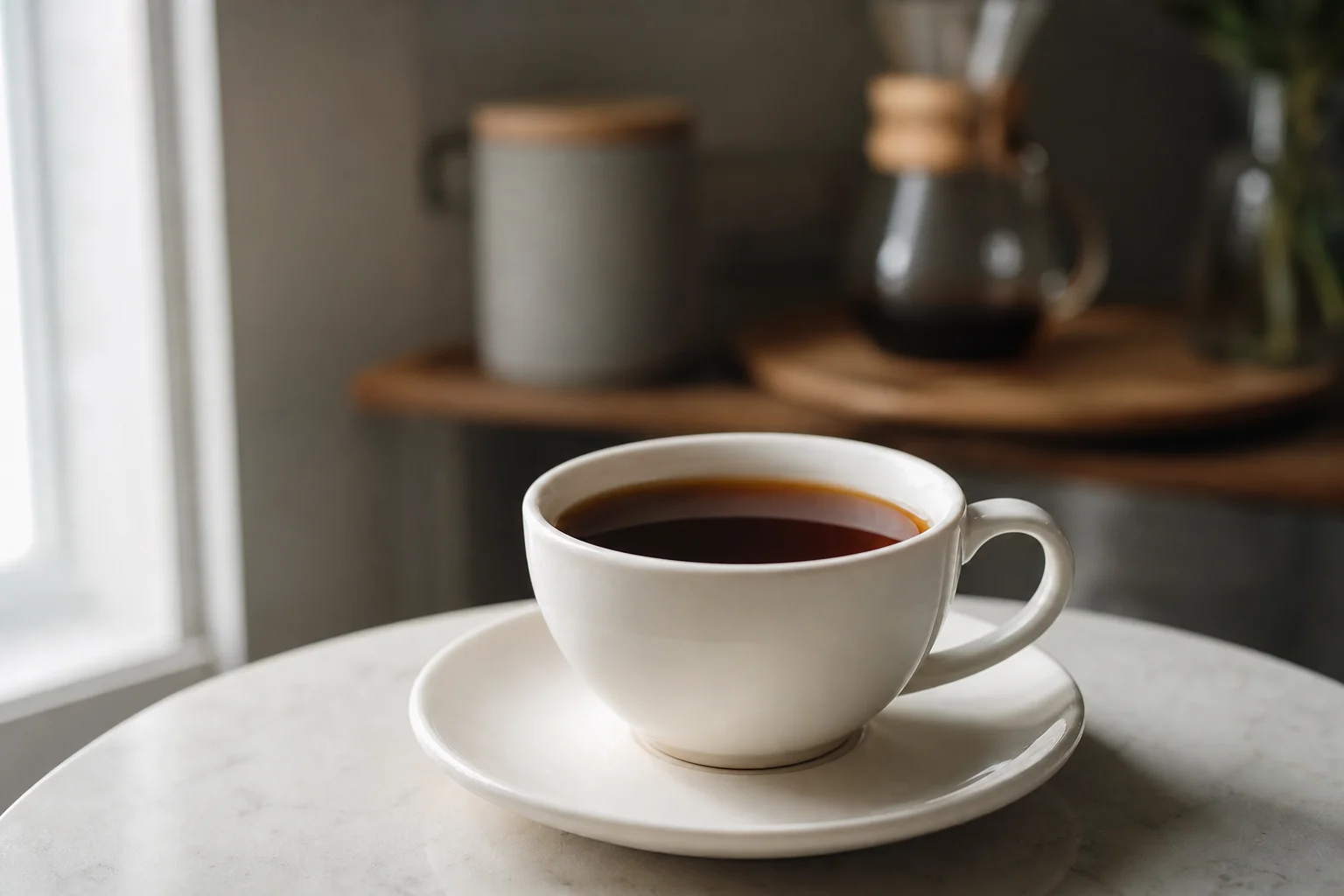
The higher water temperature and medium grind size extract deeper flavors and body, ideal for darker roasts where you want to emphasize richness and sweetness.
Mode 7: Soft Low-Temperature Coffee
The Soft Low-Temperature method works well with light to medium roasts and produces a smooth cup with low bitterness and a sweet finish.
Use 16g of coffee ground at C40 21 clicks (medium). Heat water to 90°C and prepare a total pour volume of 260ml.
Begin with a bloom pour up to 40ml from 0:00 to 0:45. Add a second pour up to 90ml from 0:45 to 1:00, swirling gently. Continue with a third pour up to 140ml from 1:00 to 1:20, swirling gently. Add a fourth pour up to 180ml from 1:20 to 1:40, swirling gently. Finish with a final pour up to 260ml from 1:40 to 2:40, swirling gently. Remove the dripper after drain, stir, and enjoy.
The lower water temperature and multiple pour stages minimize extraction of harsh compounds while preserving sweetness and smoothness.
Mode 8: Deep Sweet Balance Coffee
The Deep Sweet Balance method suits light to medium roasts and delivers a smooth, sweet body with lasting caramel and nut layers.
Use 22g of coffee ground at C40 18 clicks (medium-fine). Heat water to 95°C and prepare a total pour volume of 440ml.
Start with a bloom pour up to 60ml from 0:00 to 2:00. Add a second pour up to 250ml from 2:00 to 3:00, swirling gently. Finish with a final pour up to 440ml from 3:00 to 4:00, swirling gently. Remove the dripper after drain, stir, and enjoy.
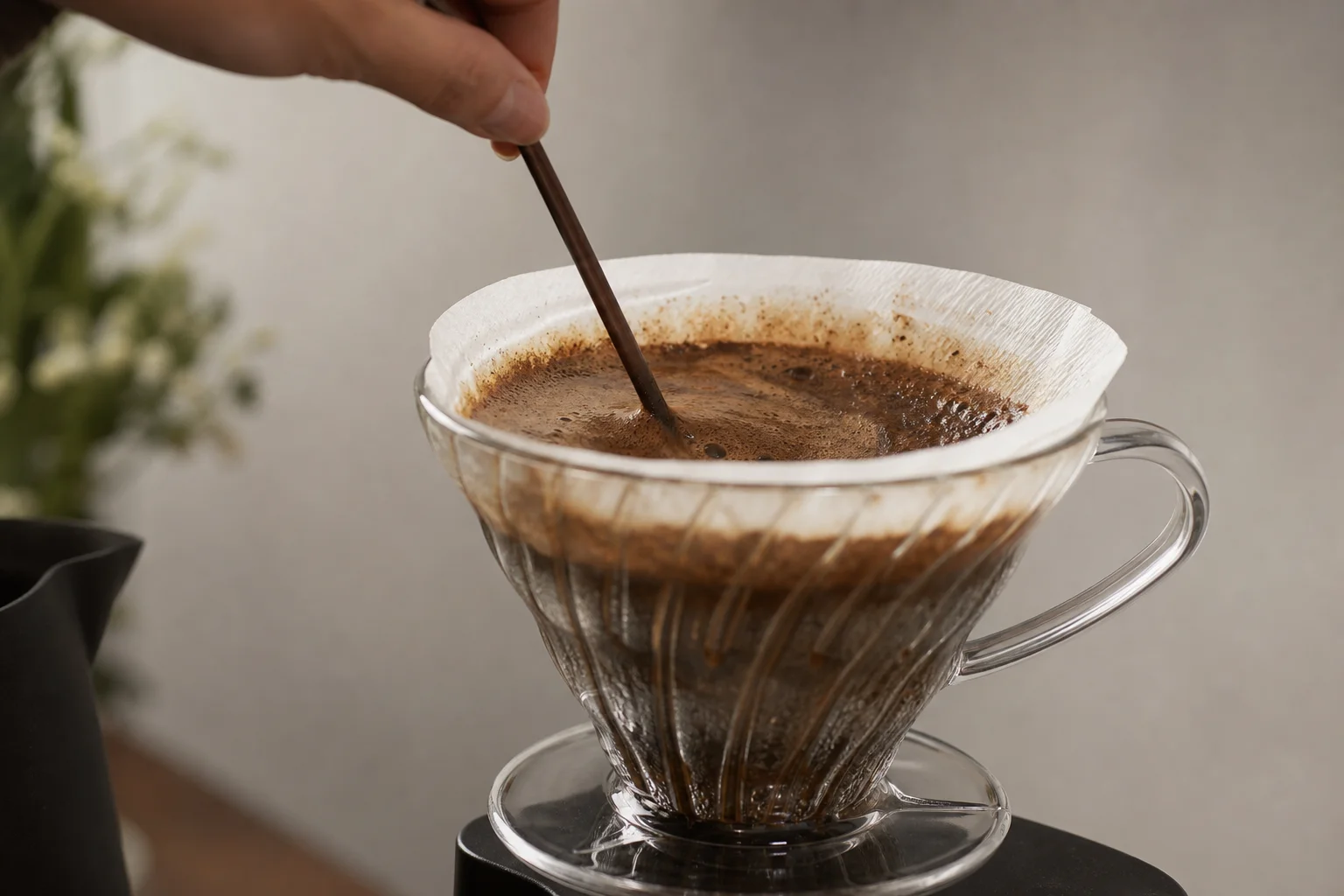
The extended bloom phase and longer total brew time allow for full development of sweetness and body, creating a cup with complex caramel and nut notes that linger on the palate.
Conclusion
The Tricolate v3’s eight brewing modes provide a flexible framework for extracting different flavor profiles from the same coffee or optimizing extraction for specific roast levels. Start with the Official Spec method to familiarize yourself with the dripper, then experiment with other modes based on your roast level and desired flavor outcome. Consistency in grind size, water temperature, and pour timing will yield the most repeatable and satisfying results.
Product link
View more details for Tricolate v3
This product is mentioned in the review. Check the specifications, options, and compatibility before buying.
View more details for Tricolate v3Further reading
Related Reviews
Coffee Brewing
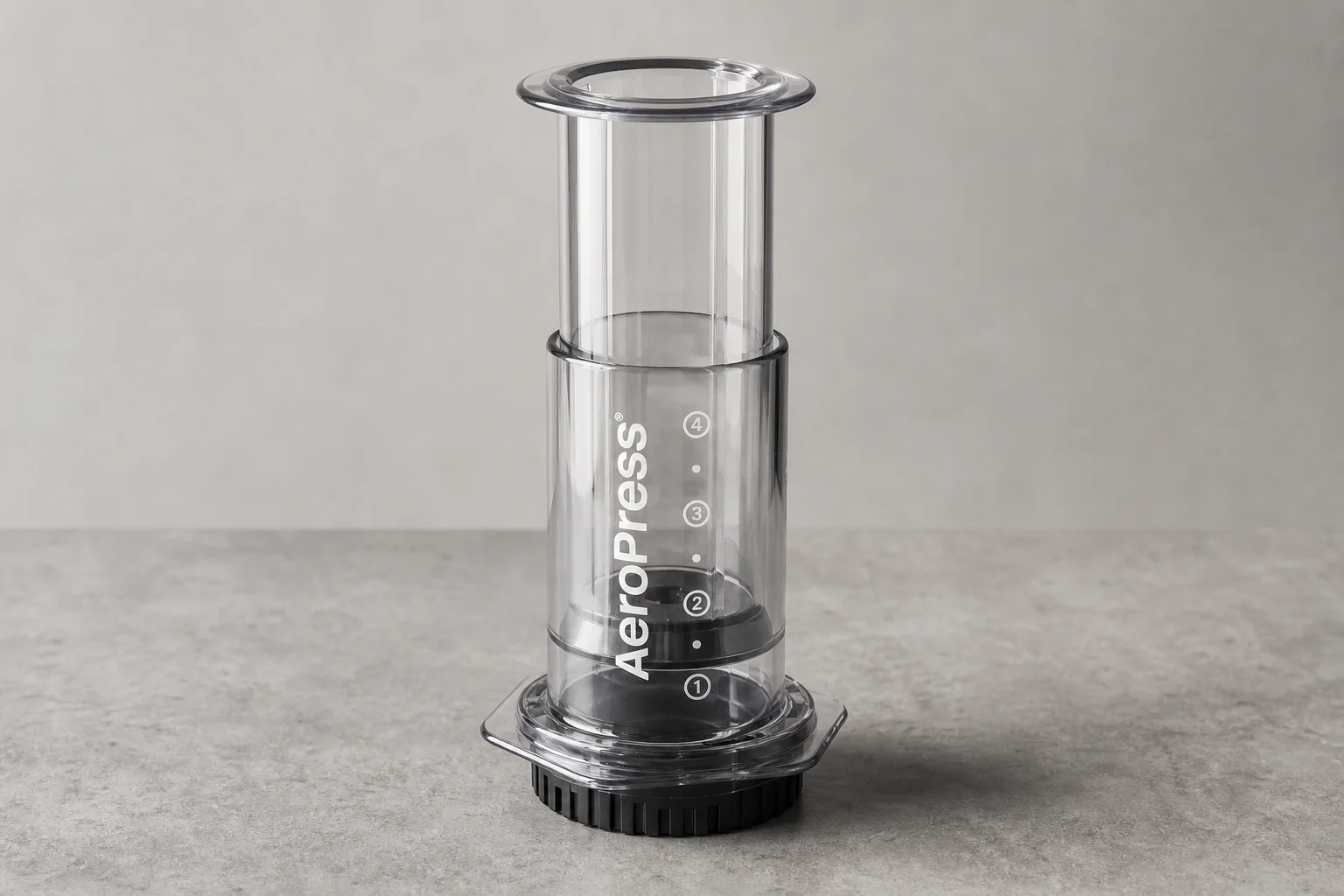
AeroPress Clear Review: A Transparent Upgrade With Caveats
The new AeroPress Clear uses Tritan material and costs $50, but doesn't brew better coffee than the original. We tested durability, staining, and what the price increase means for the brand's future.
Coffee Brewing
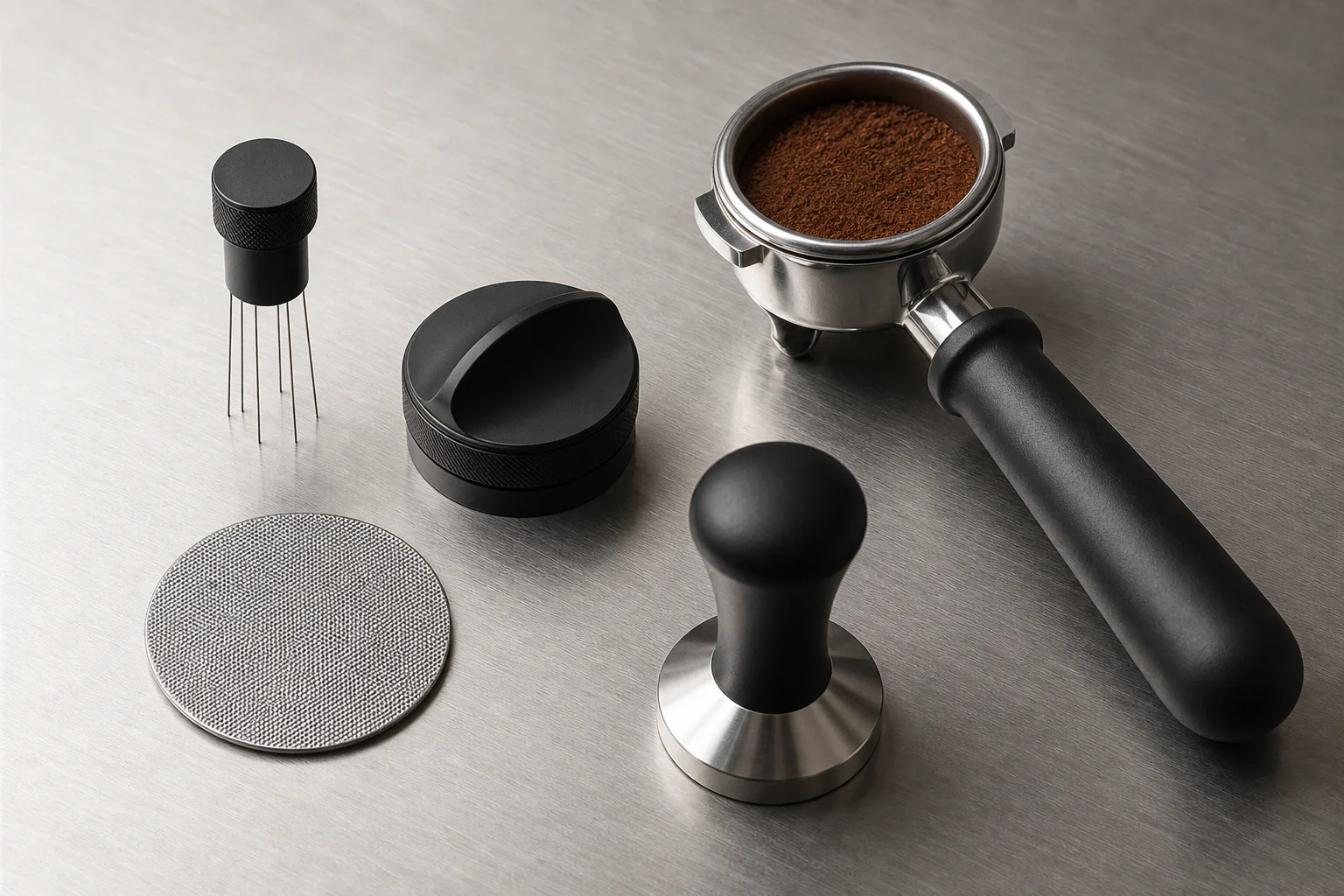
Espresso Puck Prep: Techniques and Tools for Better Extraction
A comprehensive guide to espresso puck preparation, covering distribution methods, tamping techniques, and tools that genuinely improve your shots.
Coffee Brewing
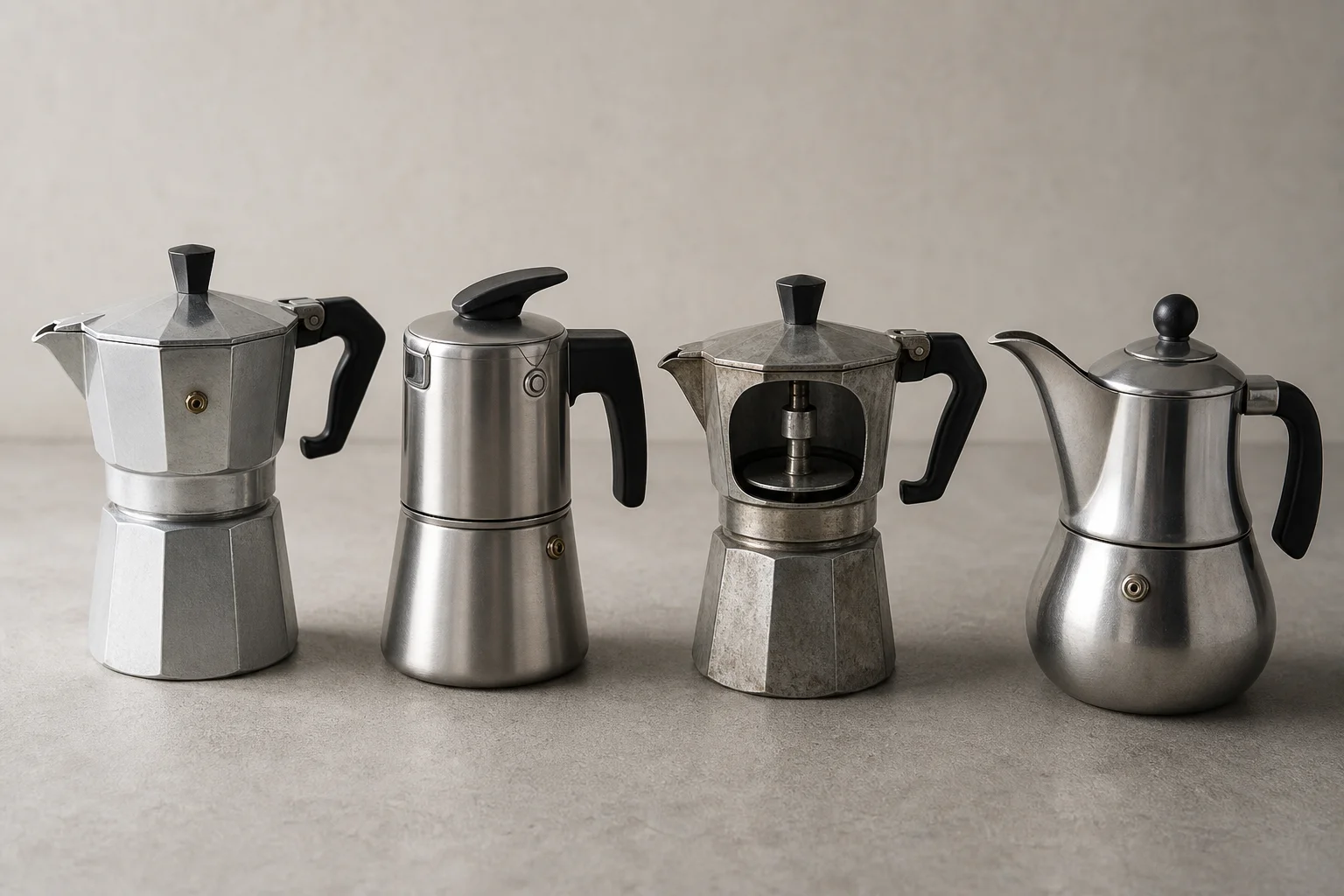
Moka Pot Variations: Four Interesting Adaptations Worth Exploring
A detailed look at four moka pot variations, from pressure-valve designs to milk-steaming models and automated float systems, with honest assessments of their brewing strengths and practical trade-offs.