Winter Hiking Gear
Winter Hiking Boot Setup Guide: Staying Dry and Warm in Snow and Ice
A complete winter hiking boot system that keeps feet warm and dry even when crossing freezing creeks, with tested gear choices and budget-friendly alternatives.
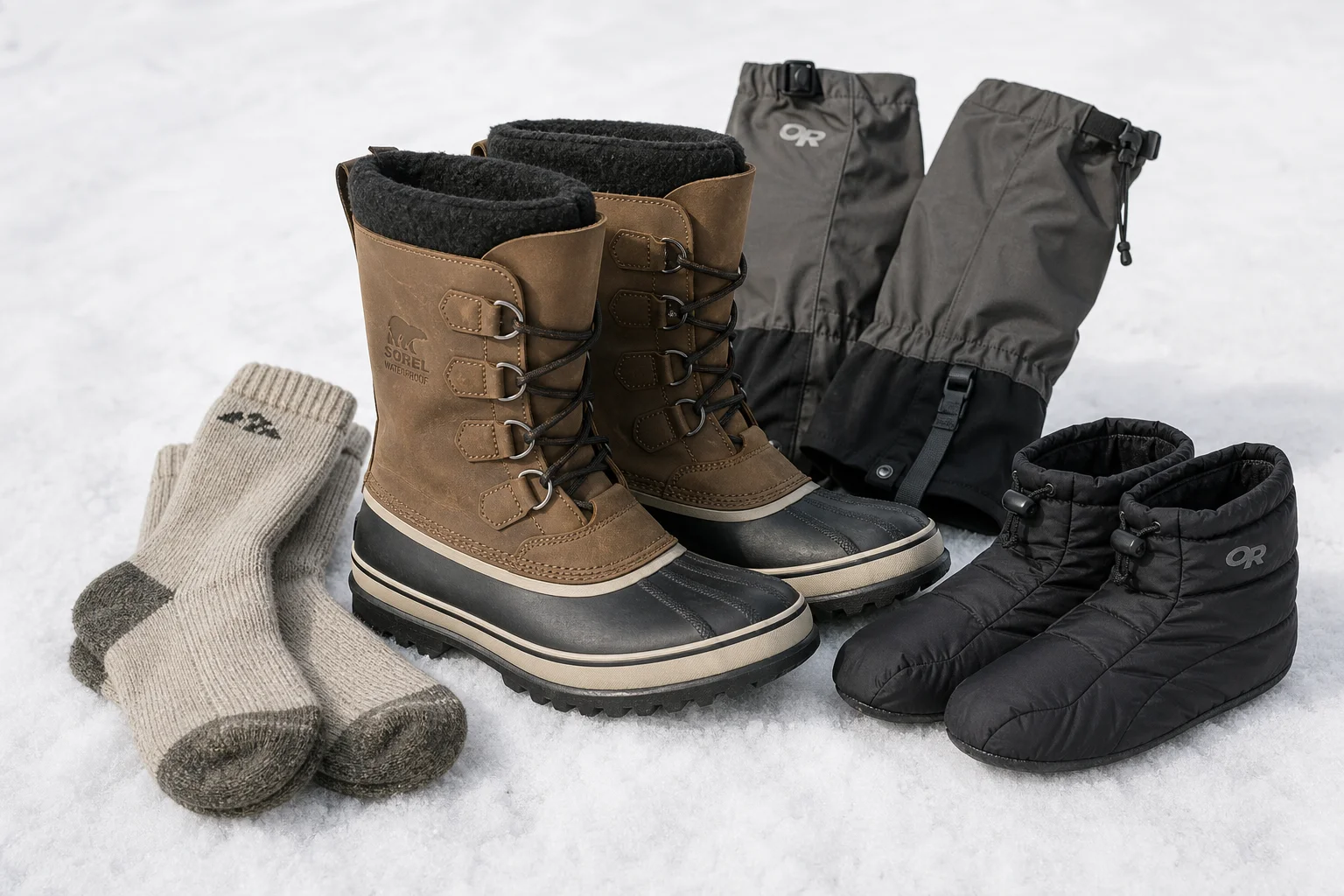
Why Standard Waterproof Hiking Boots Fall Short
Most hikers starting out with winter conditions reach for standard waterproof hiking boots, expecting them to handle snow and cold. The reality is disappointing. Regular waterproof boots claim water resistance but fail when exposed to sustained winter conditions, especially when crossing streams or breaking through ice into water. Adding gaiters helps slightly, but the fundamental problem remains: these boots lack the insulation and true waterproofing needed for serious winter hiking.
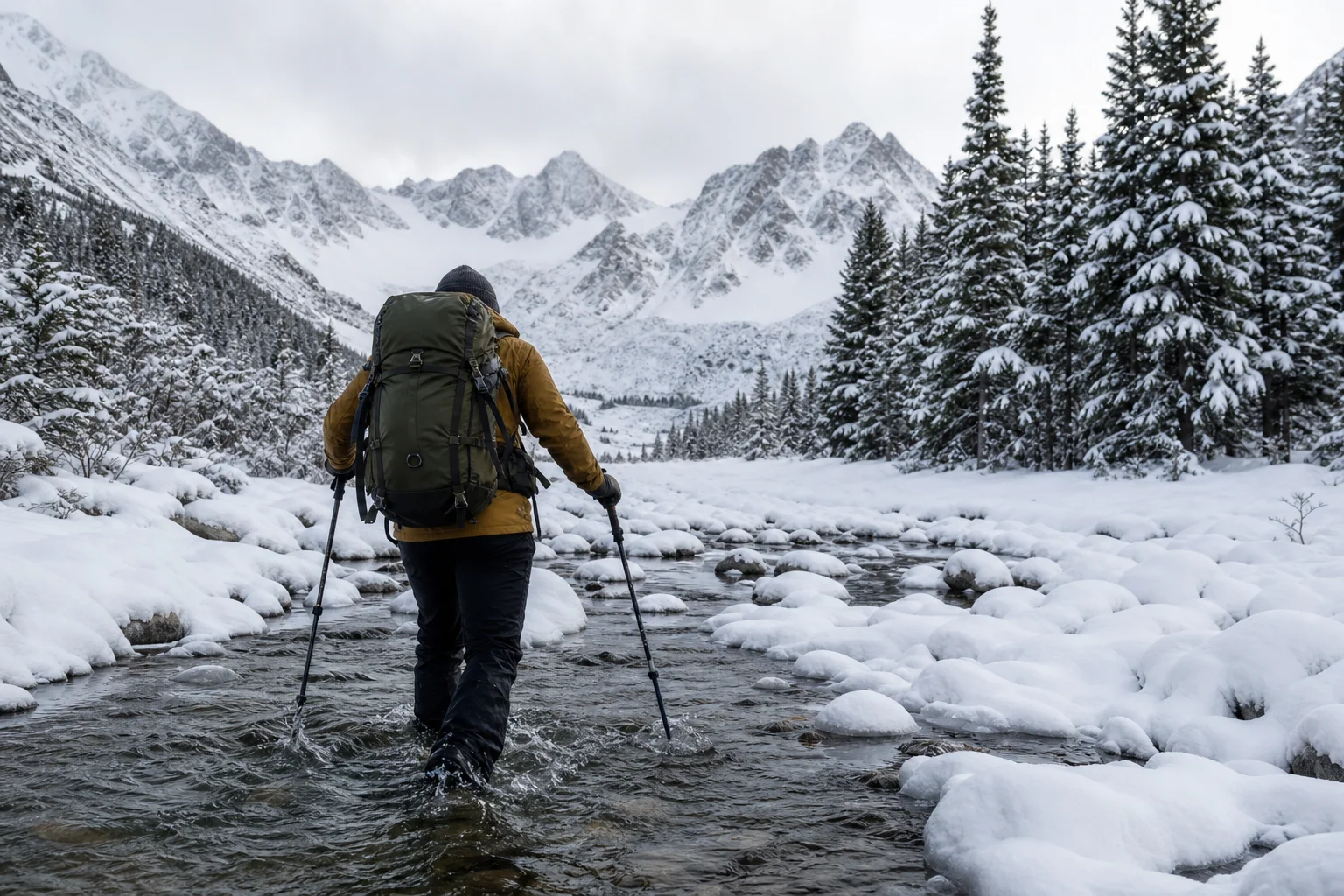
The issue is that standard hiking boots prioritize breathability and weight over the complete waterproofing and thermal protection required for winter backpacking in harsh conditions. When your feet are wet and cold, no amount of regular socks will keep them warm. This is why a completely different boot category is necessary.
The Foundation: Insulated Pac Boots
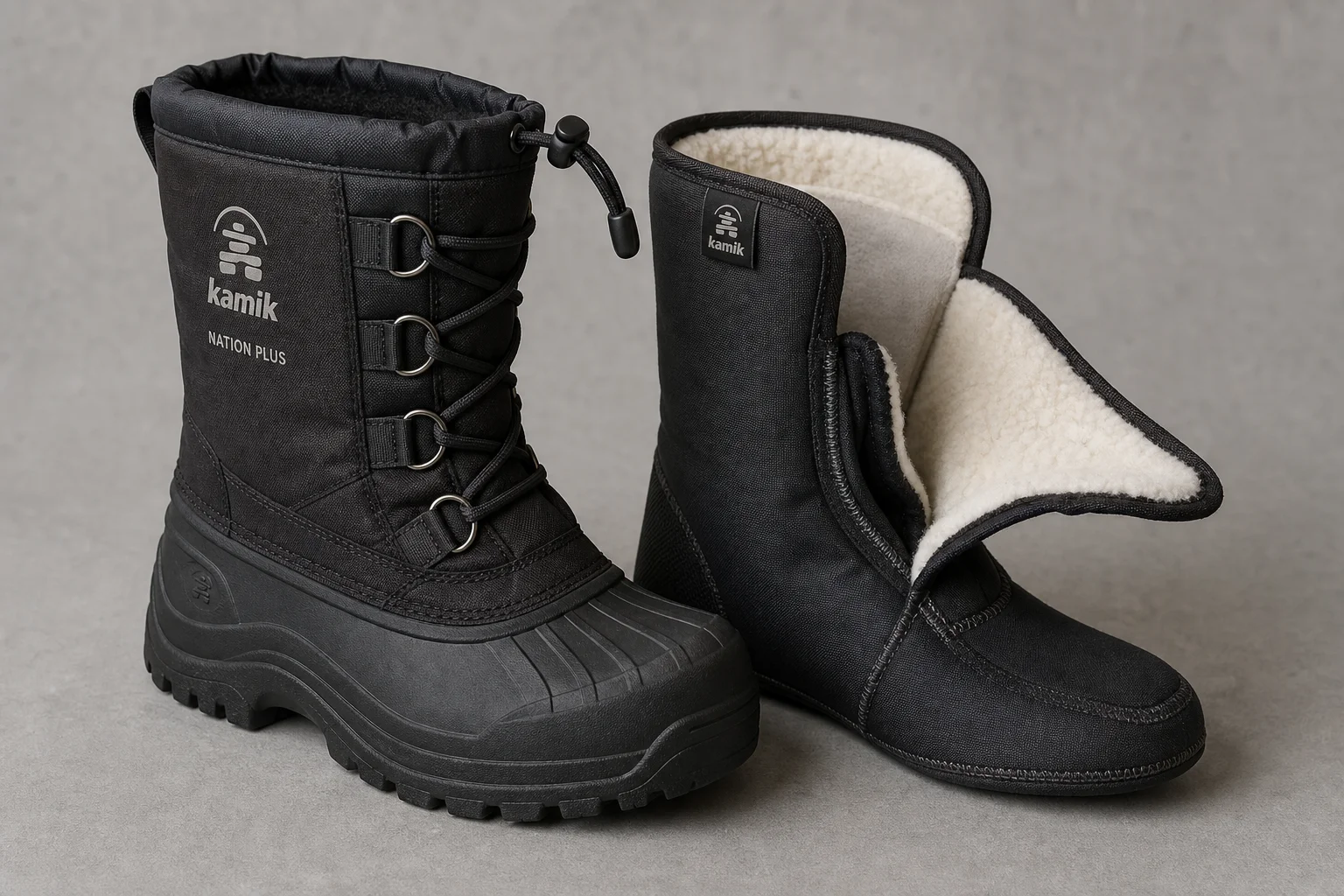
The solution begins with insulated pac boots, specifically designed for extreme cold and wet conditions. The Kamik Nation Plus Insulated Pac Boots represent an excellent entry point into this category. These boots feature removable insulated liners with 200 grams of insulation, rated to negative 40 degrees Fahrenheit. They are genuinely waterproof, not just water-resistant. You can submerge them in water and they will not leak. The tongue is fully waterproof, and the overall construction prioritizes staying dry over weight savings.
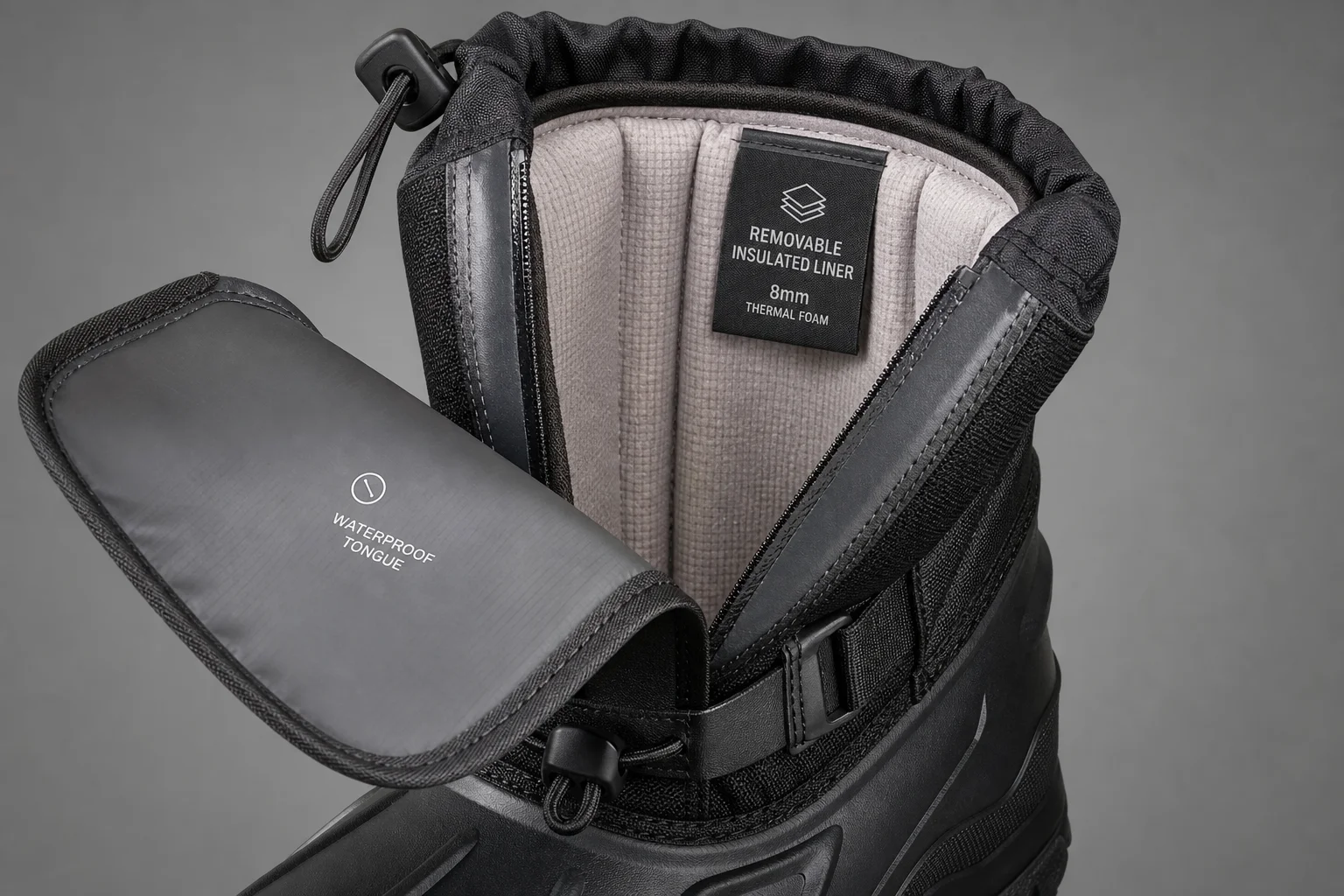
At 3.6 pounds per pair, they are surprisingly light for their size and capability. The price point of around $90 makes them accessible compared to premium alternatives like Sorel boots, which cost roughly $200. These boots form the non-negotiable foundation of any serious winter hiking setup.
Socks: Less Is More
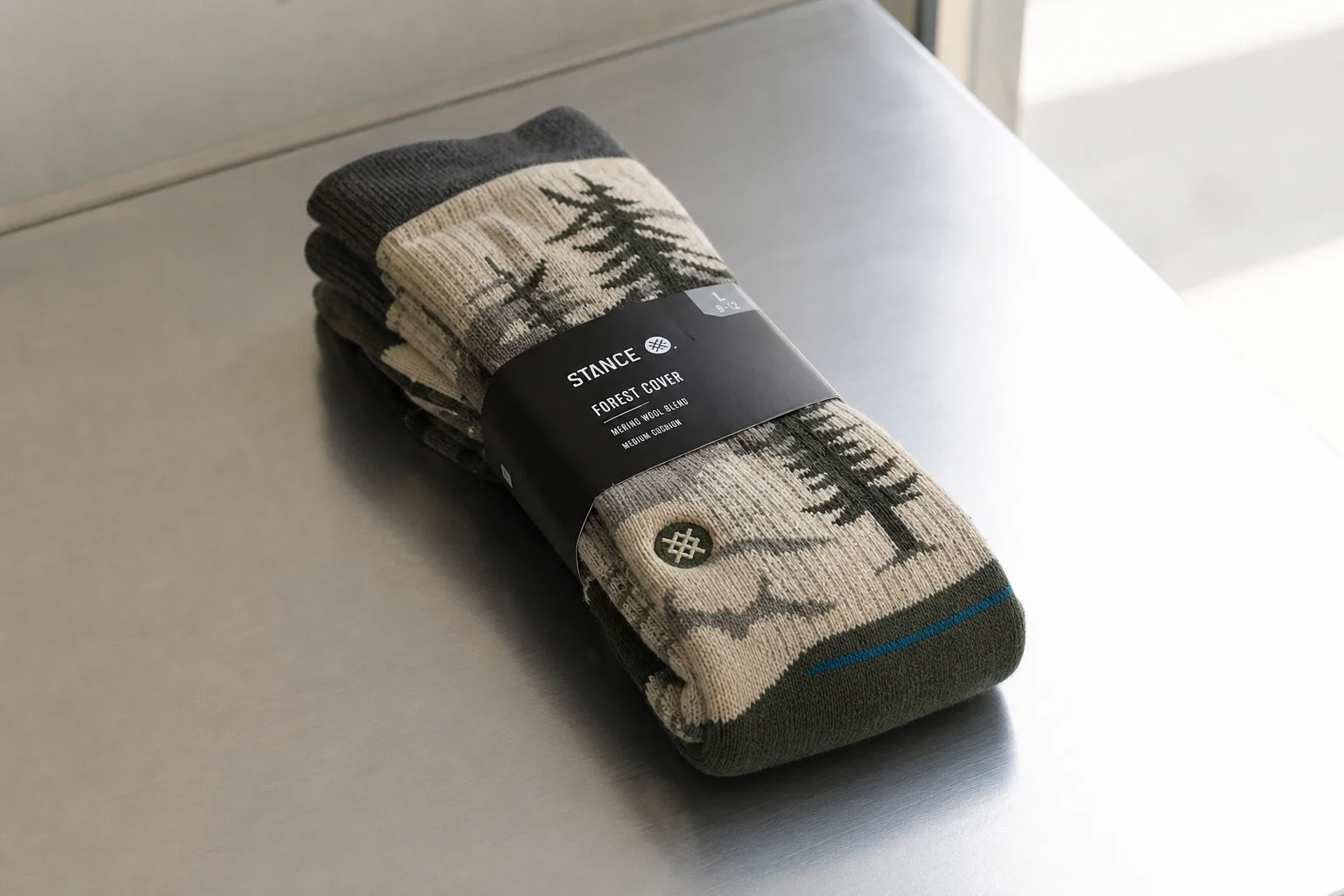
The sock choice is counterintuitive for many hikers. The Stance Forest Cover Socks are designed for snow sports and offer medium cushioning without excessive bulk. The key principle is to use only one pair of socks, not two. Wearing two pairs of socks actually reduces circulation to your feet, which works against keeping them warm. Double layers also reduce breathability within the boot, creating a damp microclimate. A single pair of quality wool-blend socks is all you need with insulated pac boots.
Sealing the System: Gaiters
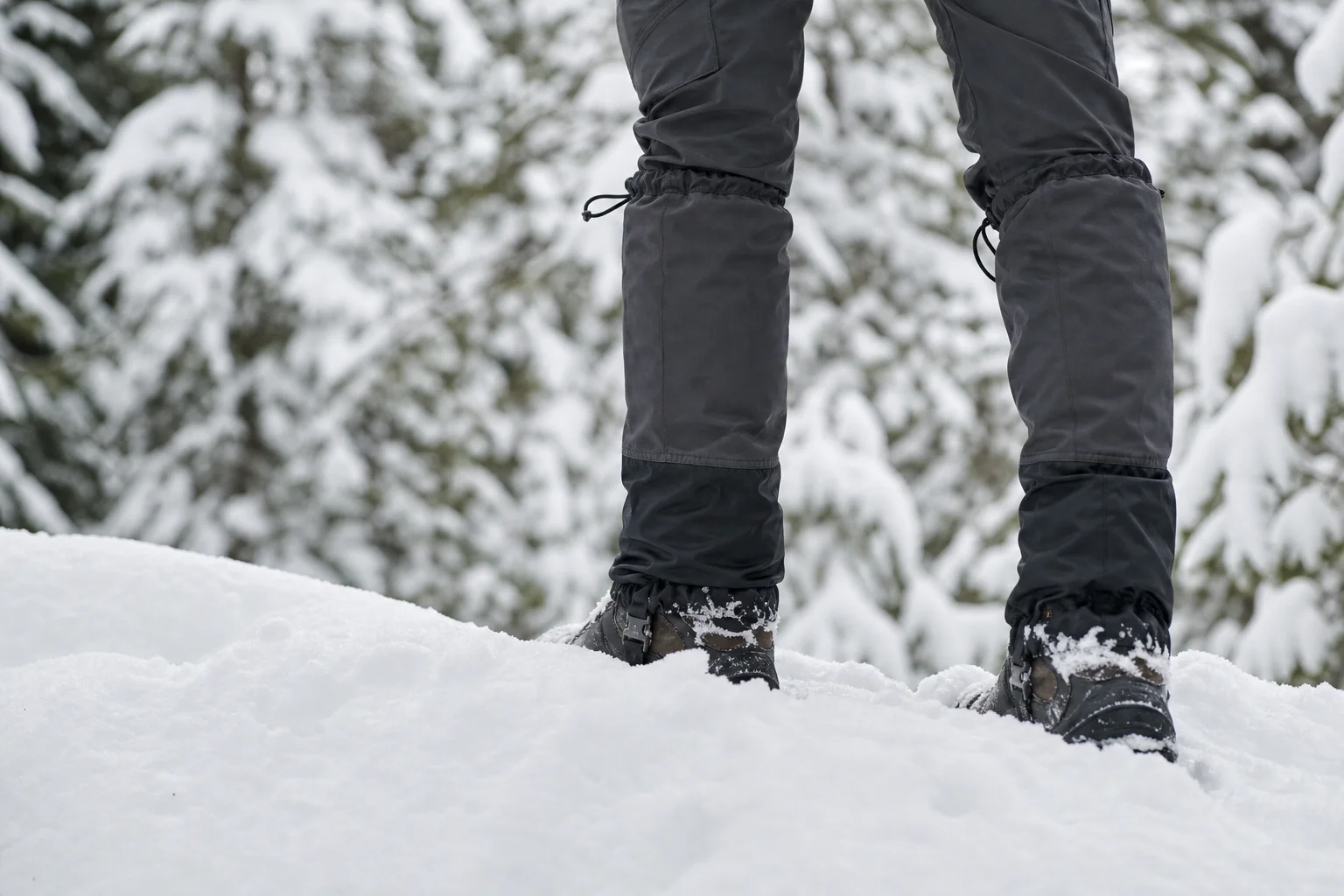
With pac boots and proper socks, you have a functional winter hiking setup. To make it truly indestructible and capable of handling creek crossings, you need gaiters. The REI Co-op Mountaineering Gaiters seal the gap between your boots, socks, and pants, preventing water and snow from entering the boot from above. When properly layered with base layers, soft shell pants, and hard shell rain pants, gaiters create a complete waterproof barrier from foot to waist.
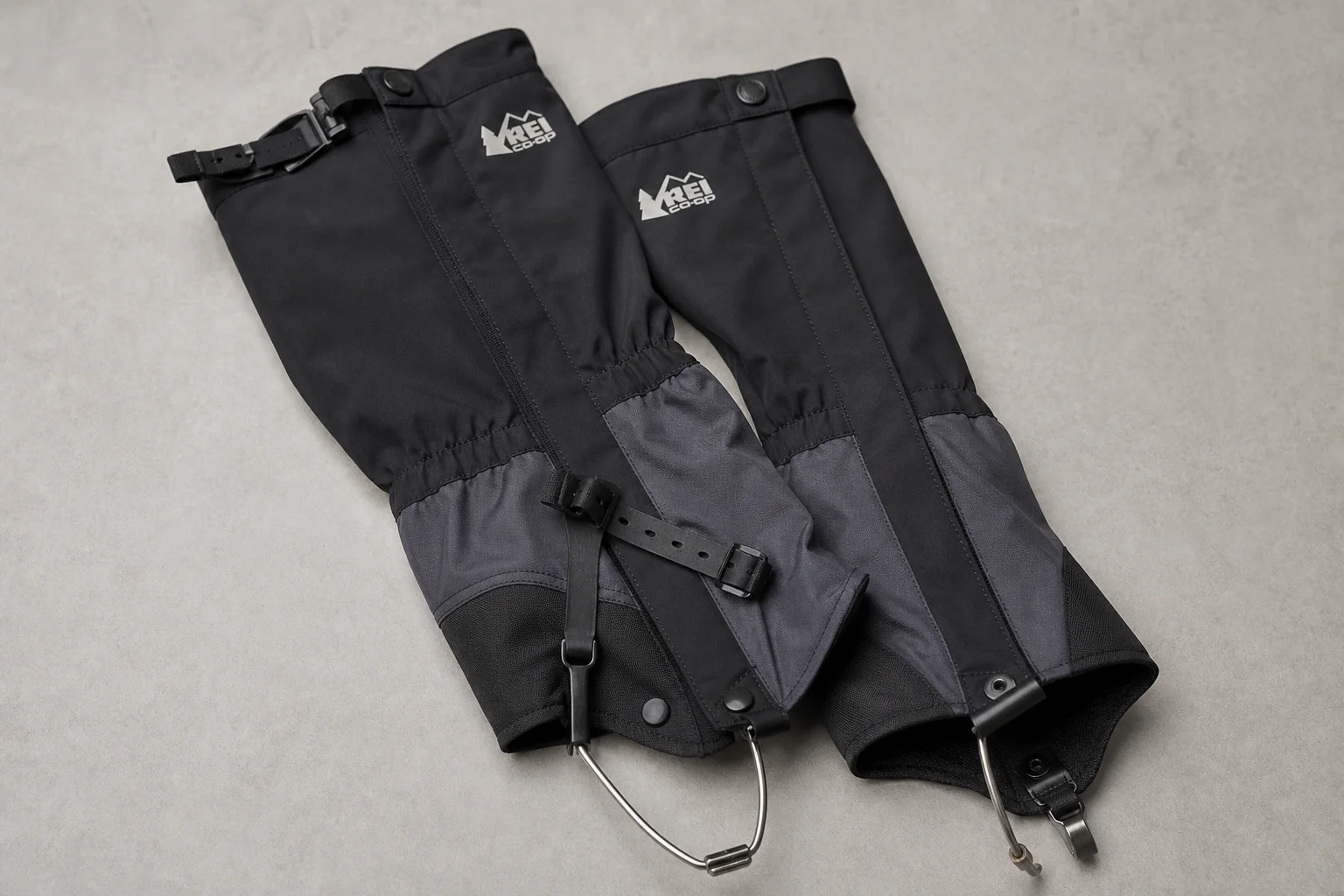
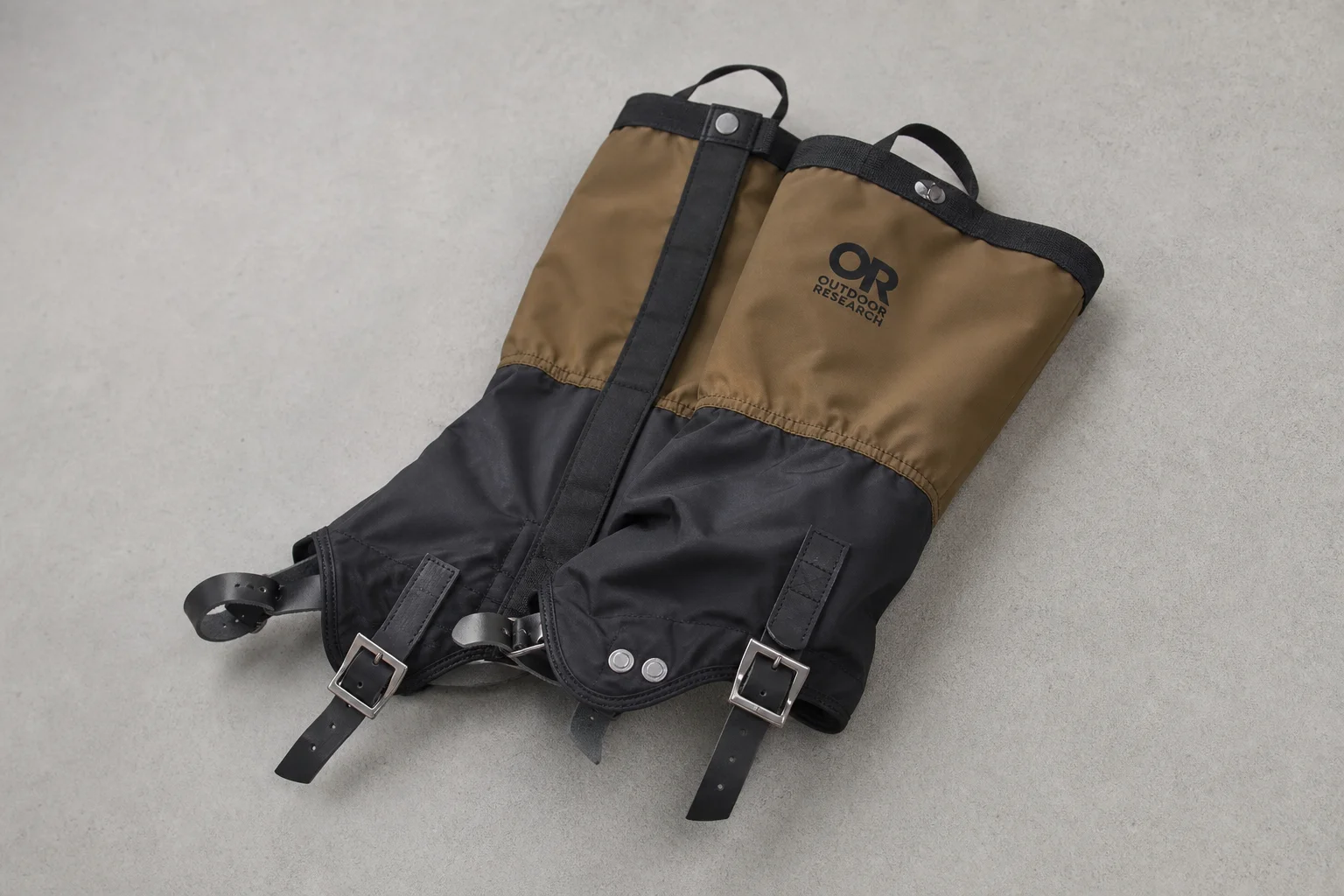
The REI Co-op gaiters cost around $75 and use a simple adjustable hook system rather than a metal buckle. This design choice matters. The Outdoor Research Rocky Mountain Gaiters, a popular alternative at $50, use a metal cinch buckle that can break in cold conditions and rough terrain. The plastic hook adjustment on the REI gaiters proves more durable in mountaineering conditions. If you choose different gaiters, avoid any design with a metal buckle and opt for plastic or hook-based adjustment systems.
Camp Comfort: Booties and Extra Warmth
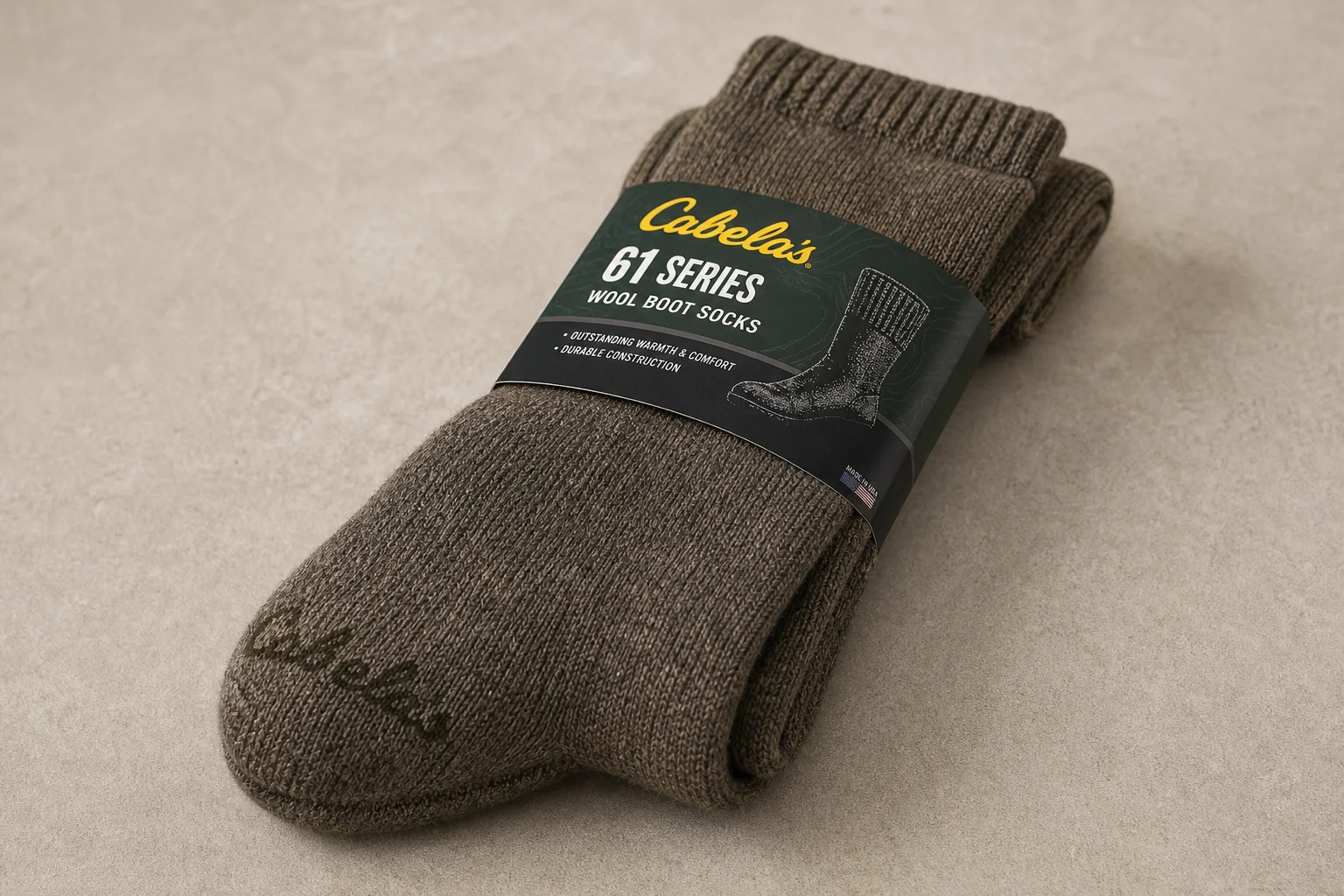
Beyond the essential setup, additional gear transforms winter camping from survival to comfort. The Cabela’s 61 Series Wool Boot Socks are thick, fluffy, and made from 70% wool. At $14, they are worth carrying as a spare pair for camp use or emergency backup. These socks are noticeably warmer and more cushioned than the primary hiking socks.
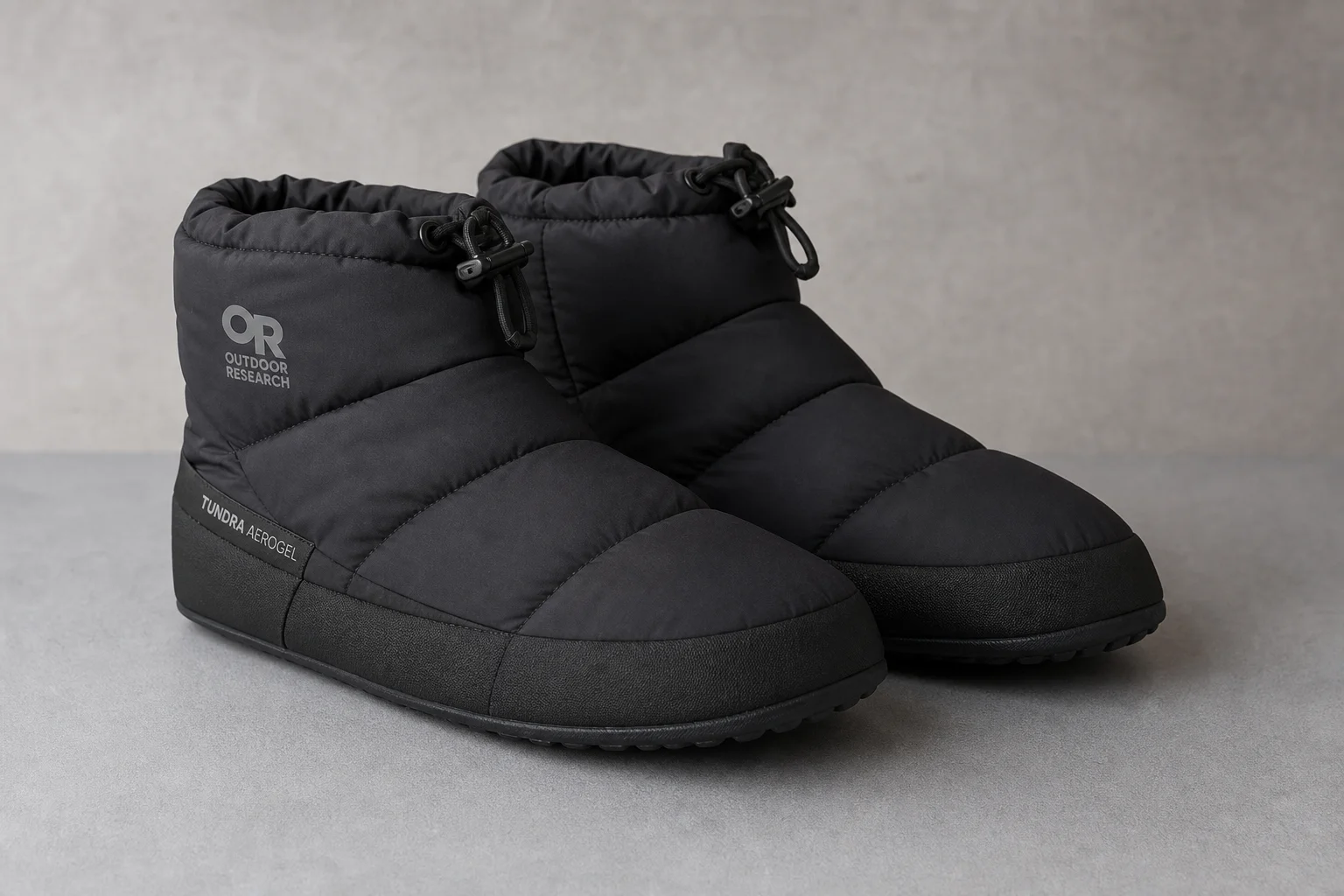
The Outdoor Research Tundra Aerogel Lightweight Booties weigh only 9.3 ounces and use PrimaLoft insulation. They cinch securely so they do not slip off, and the thick sole provides insulation from cold snow and ground. While they do not offer traction on ice despite claims, they excel at providing warmth and comfort around camp. Removing heavy pac boots at the end of the day and changing into these lightweight booties dramatically improves the camp experience. They are warm, comfortable, and light enough to justify carrying them.
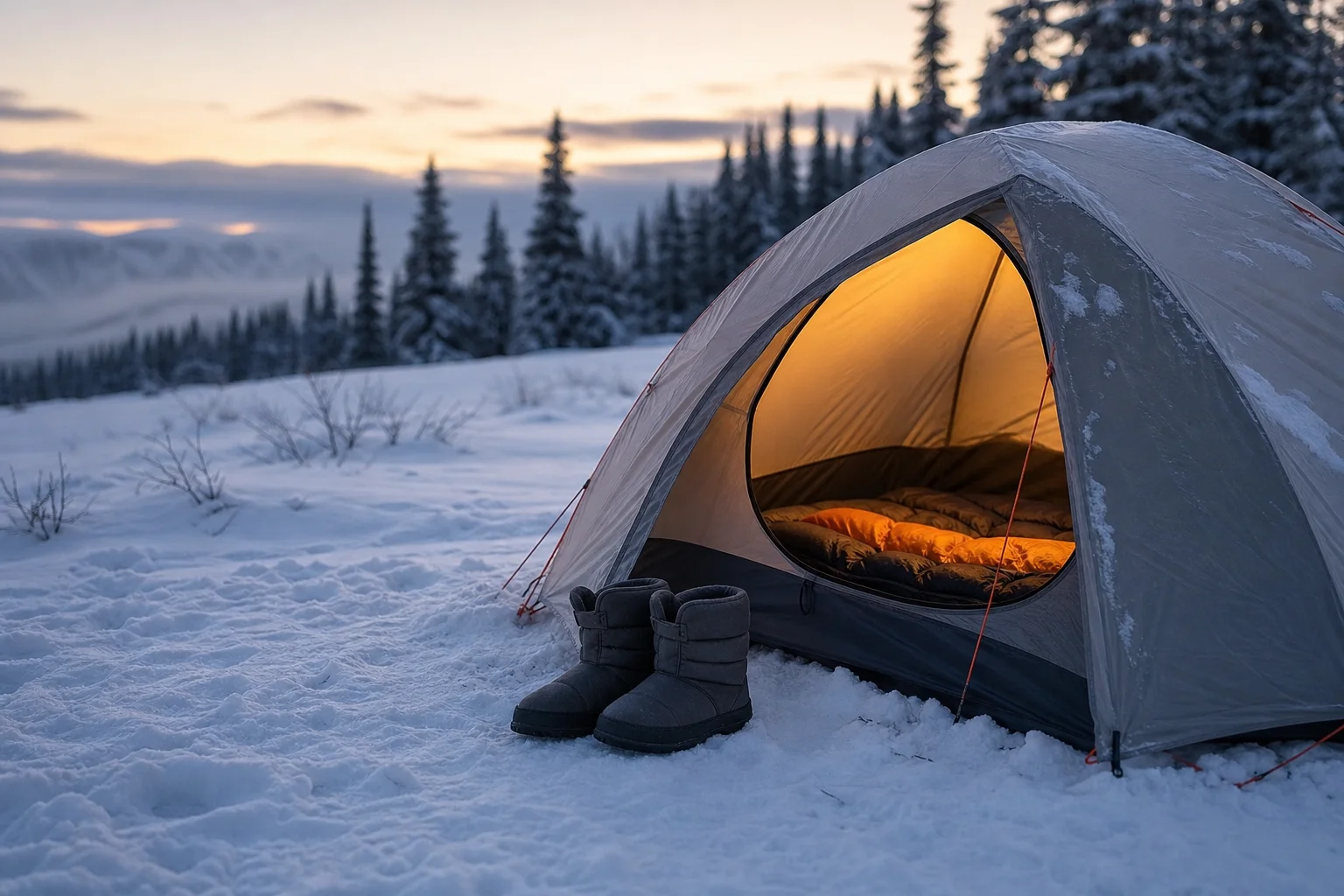
Foot warmers are the final versatile addition. These chemical heat packs are inexpensive and serve multiple purposes: placed in booties for extra warmth, inserted into pac boots before putting them on in the morning to avoid cold feet, or added to a sleeping bag for additional nighttime warmth. Carrying several packs of foot warmers costs little and provides significant comfort benefits throughout a winter trip.
Conclusion
A complete winter hiking boot setup requires moving beyond standard waterproof hiking boots to insulated pac boots, proper socks, and gaiters. This combination allows you to hike confidently through snow, cross creeks, and break through ice without compromising foot warmth or dryness. The essential setup of pac boots, one pair of quality socks, and gaiters costs under $200 and handles extreme winter conditions. Additional gear like booties, extra socks, and foot warmers elevates the experience from functional to genuinely comfortable, making winter backpacking enjoyable rather than merely survivable.
Further reading
Related Reviews

Camping Gear
Camping Kitchen Essentials: Four Practical Gear Pieces for Outdoor Cooking
A practical guide to four camping kitchen items that make outdoor cooking easier, from portable tables to insulated coolers and tea sets.
Bikepacking Gear
Essential Bikepacking Gear 2026: Eight Items That Make a Real Difference
Eight practical items that deliver genuine comfort and reliability on bikepacking trips, from lightweight camp seating to satellite communication.
Running Gear
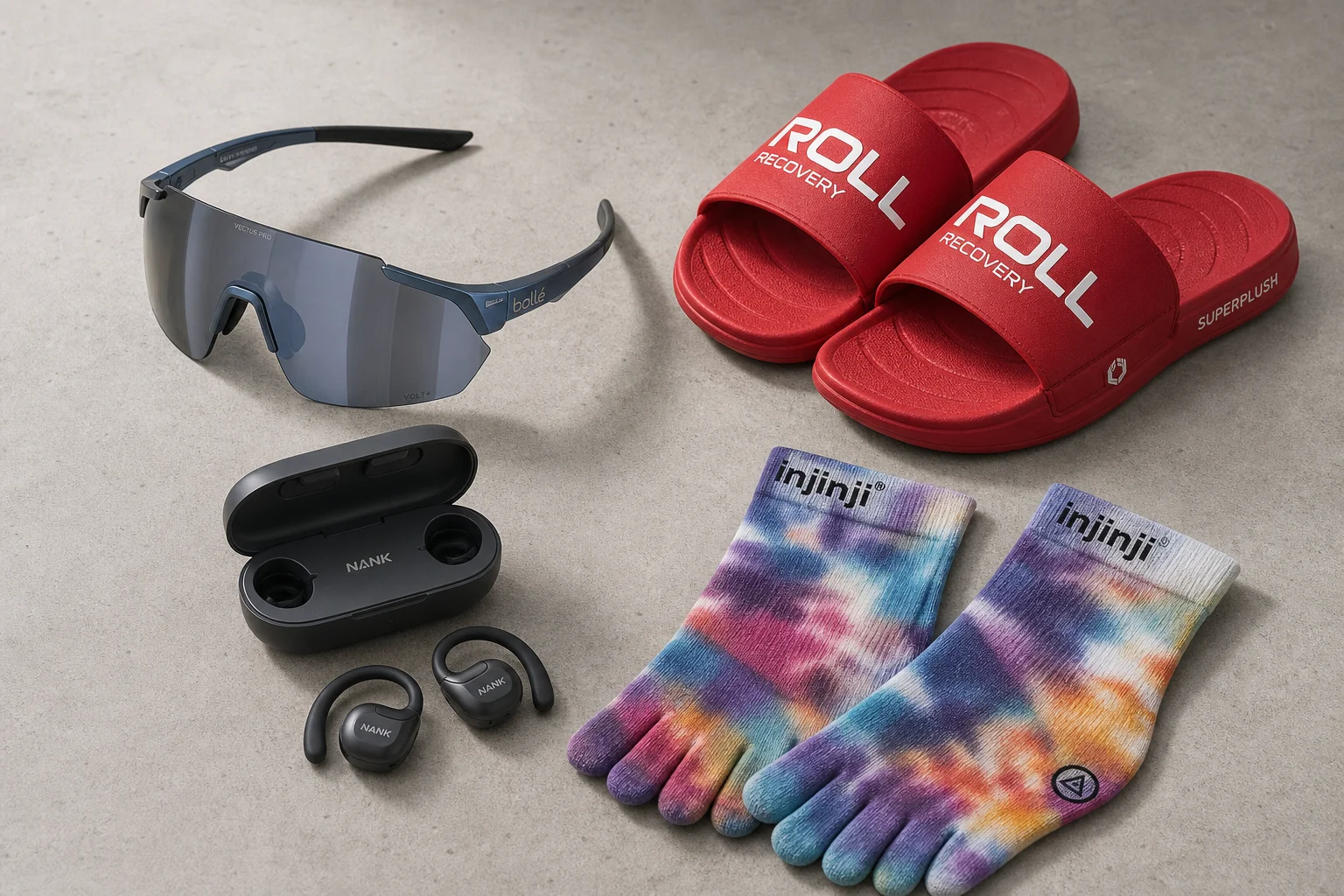
Head-to-Toe Running Gear Review 2026: Sunglasses, Headphones, Recovery Slides, and Socks
A comprehensive gear roundup covering sunglasses, bone conduction and clip-style headphones, recovery sandals, and performance socks tested in training and racing.