Saltwater Aquarium Setup
10 Questions About Cycling a Saltwater Aquarium: What You Need to Know
Essential questions and answers for cycling a reef tank or saltwater aquarium, from biome building to light management and bacterial supplements.
Introduction
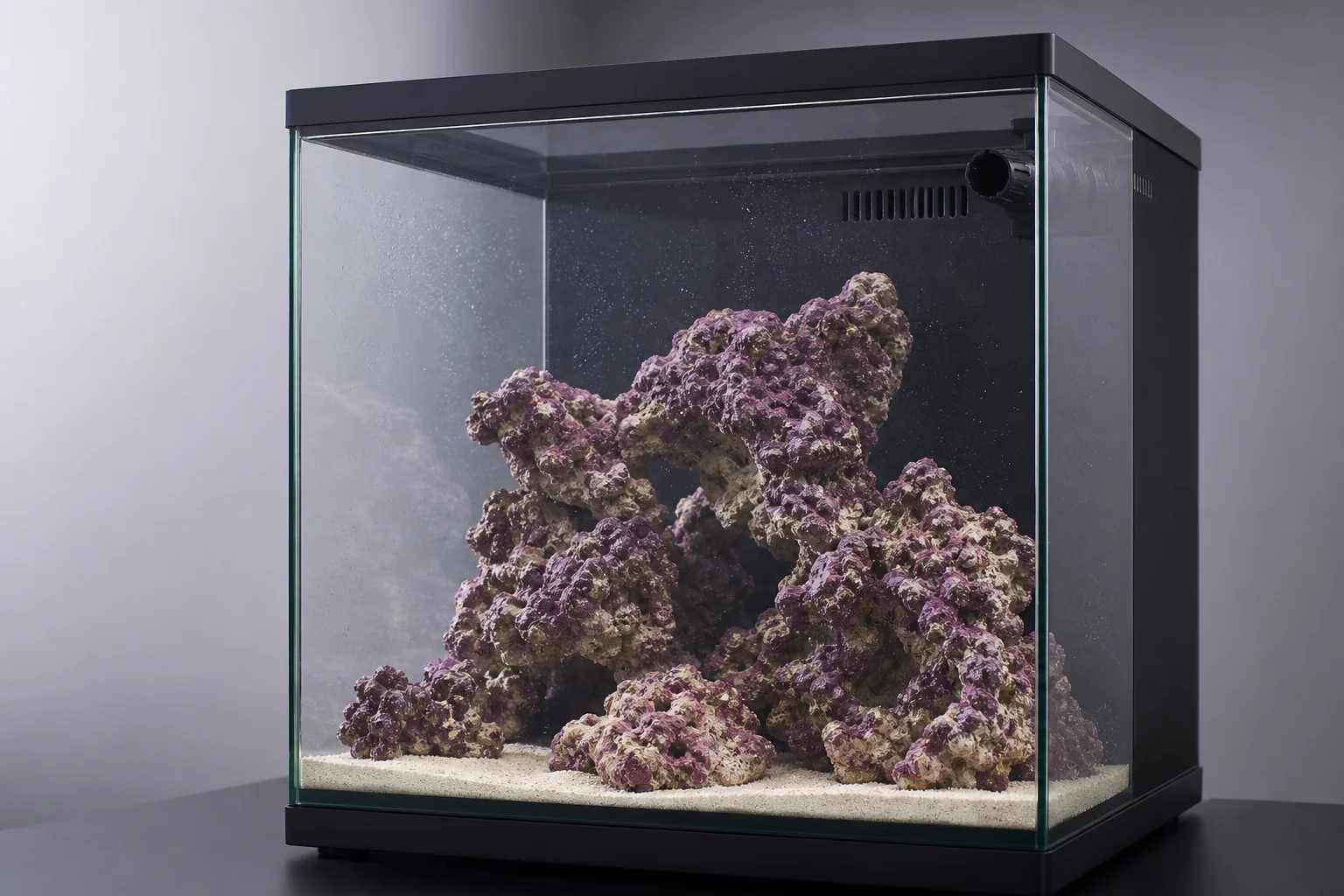
Cycling a saltwater aquarium or reef tank involves far more than managing ammonia levels. Modern reef keeping has evolved significantly, and the questions today’s aquarists ask reflect a deeper understanding of biome building, bacterial colonization, and the delicate balance required for a thriving system. This guide addresses ten essential questions that will help you navigate the cycling process successfully.
Question 1: Is Today’s Saltwater Aquarium Cycle Only About Ammonia?
No. While ammonia management remains important, the cycling process encompasses much more. Modern cycling focuses on building a complete biome, which includes beneficial bacteria, copepods, amphipods, coraline algae, and microfauna. These organisms work together to prevent pest algae and maintain system stability.
This represents a shift from older practices when aquarists used live rock harvested directly from the ocean, which naturally arrived colonized with beneficial organisms. Today, most systems use dry rock, so you must actively establish the microbial and biological communities that create a healthy reef environment.
Understanding that cycling is about biome development, not just ammonia reduction, changes how you approach the entire process and what you monitor along the way.
Question 2: How Do I Get Coraline Algae to Grow?
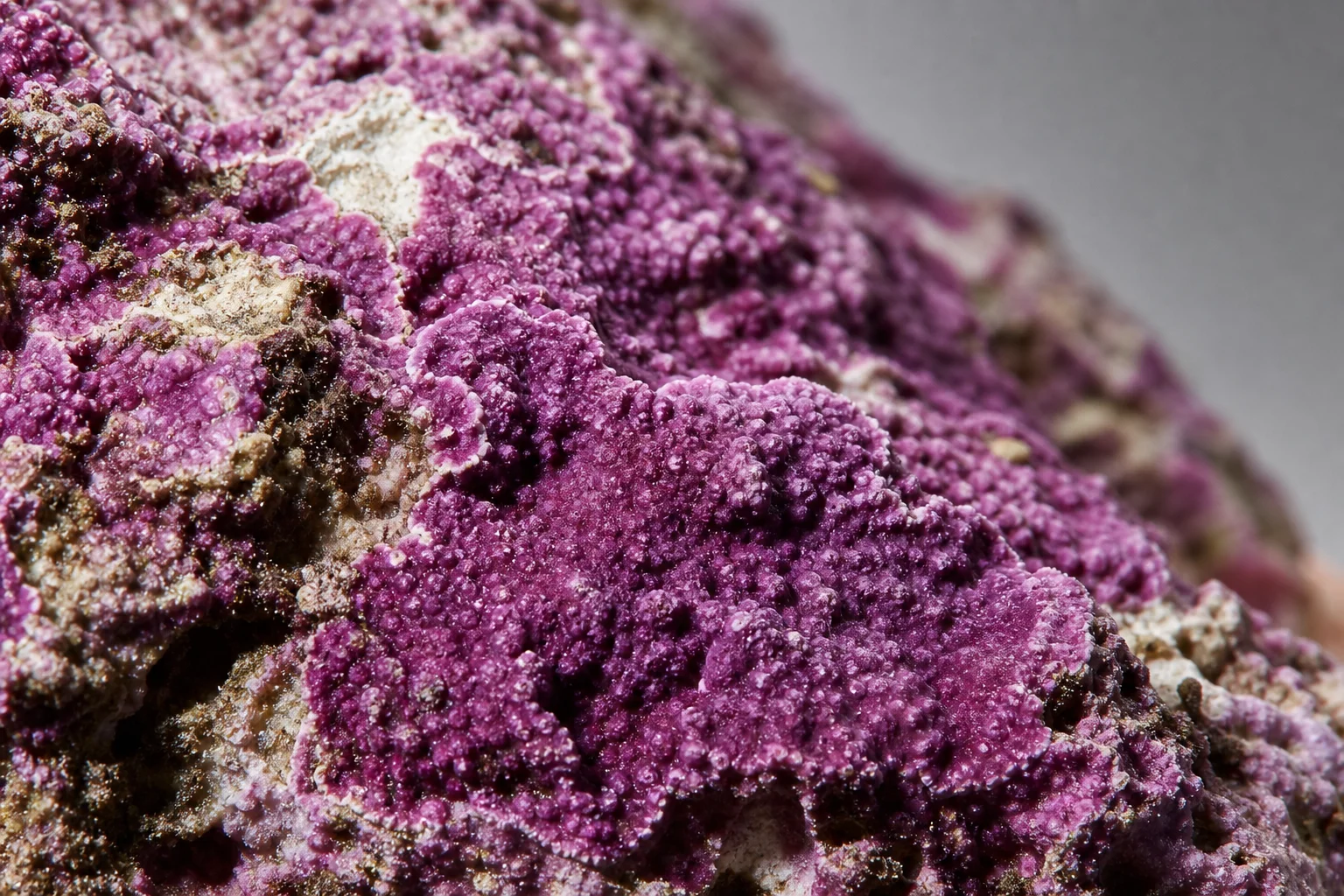
Purple coraline algae is more than aesthetically pleasing. It actively prevents other algae from establishing, competes with slimes and unwanted films, and indicates a healthy cycling progression. Rapid coraline growth suggests your system is on the right track for coral success.
The key factors for coraline growth are stable alkalinity of at least 9 dKH, a pH of 8.0 or higher (ideally around 8.3), and lower light levels. Coraline actually grows faster in lower light conditions, sometimes thriving under office-level lighting at just 10 PAR. This low-light environment also gives coraline a competitive advantage over photosynthetic pests.
Question 3: What Is the Most Common Way to Ruin Your Cycle?
Turning your lights on at full intensity is the most frequent mistake. While it seems logical that tank inhabitants need light, photosynthetic pests like algae, diatoms, and bacteria actually benefit far more from high light than beneficial organisms do.
Beneficial bacteria, copepods, and amphipods thrive on organic matter and grow slowly. Conversely, cyano, dinos, hair algae, and briopsis capture light energy rapidly and outcompete slower-growing beneficial organisms when light levels are high. Starting with full-intensity lighting, especially at 350 PAR on day one, often triggers algae blooms that derail the cycle.
Keep lights low during the initial cycling phase to allow beneficial organisms to establish dominance before introducing higher light levels.
Question 4: Does the Acclimation Mode on My Lights Actually Help?
Yes, but extend it longer than the default settings. Most light acclimation modes ramp up over one week, but extending this period to a full month during your initial cycle provides better results. Start at zero PAR and gradually increase to LPS-level lighting (around 75-150 PAR) over that first month.
If you encounter photosynthetic algae blooms, simply turn the lights off and reset the acclimation schedule. This flexibility allows you to find the right light level for your specific system without constantly adjusting settings.
Question 5: What Are These Spots Growing on My Rock?
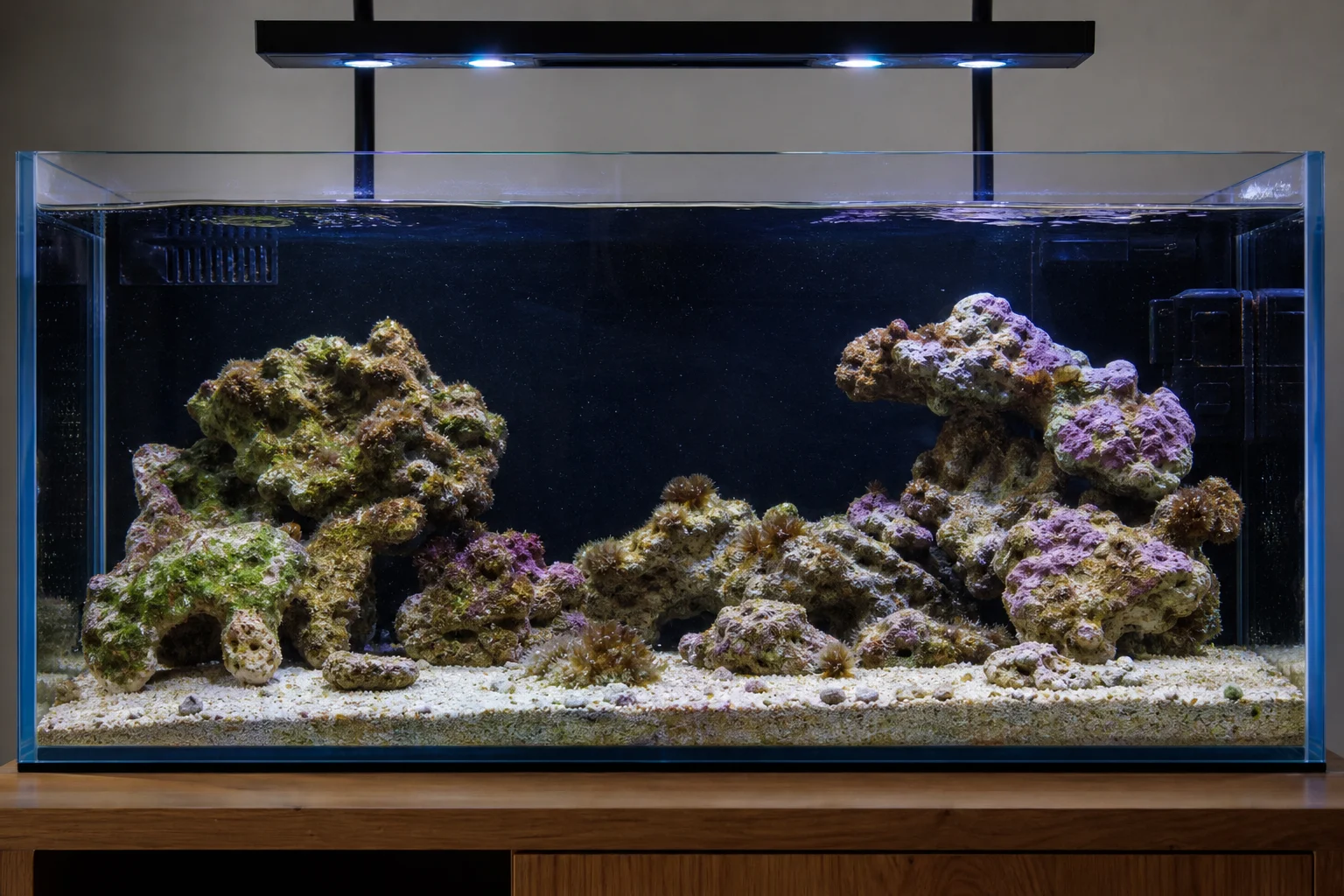
Most of the time, the answer is to leave them alone. The cycling process naturally includes an “ugly brown phase” where various algae types, films, and organisms appear on the rock. Unless something is clearly going wrong, resist the urge to intervene.
This ebb and flow is normal and typically resolves itself as the biome matures. Diatoms, green films, and patches of different algae are part of the natural progression. Patience during this phase usually results in a stable system.
Question 6: What If I Cannot Handle Seeing Algae Growth?
Purple rock is designed for this situation. While it may develop the same algae and films as white or tan rock, the growth is invisible against the purple background. If you are new to reef keeping and struggle with the visual chaos of the cycling phase, purple rock provides the same biological benefits with less visual stress.
The rock functions identically to other dry rock types, but the aesthetic advantage makes the cycling period more tolerable for impatient aquarists.
Question 7: Should I Cycle Rock Individually or as an Aquascape?
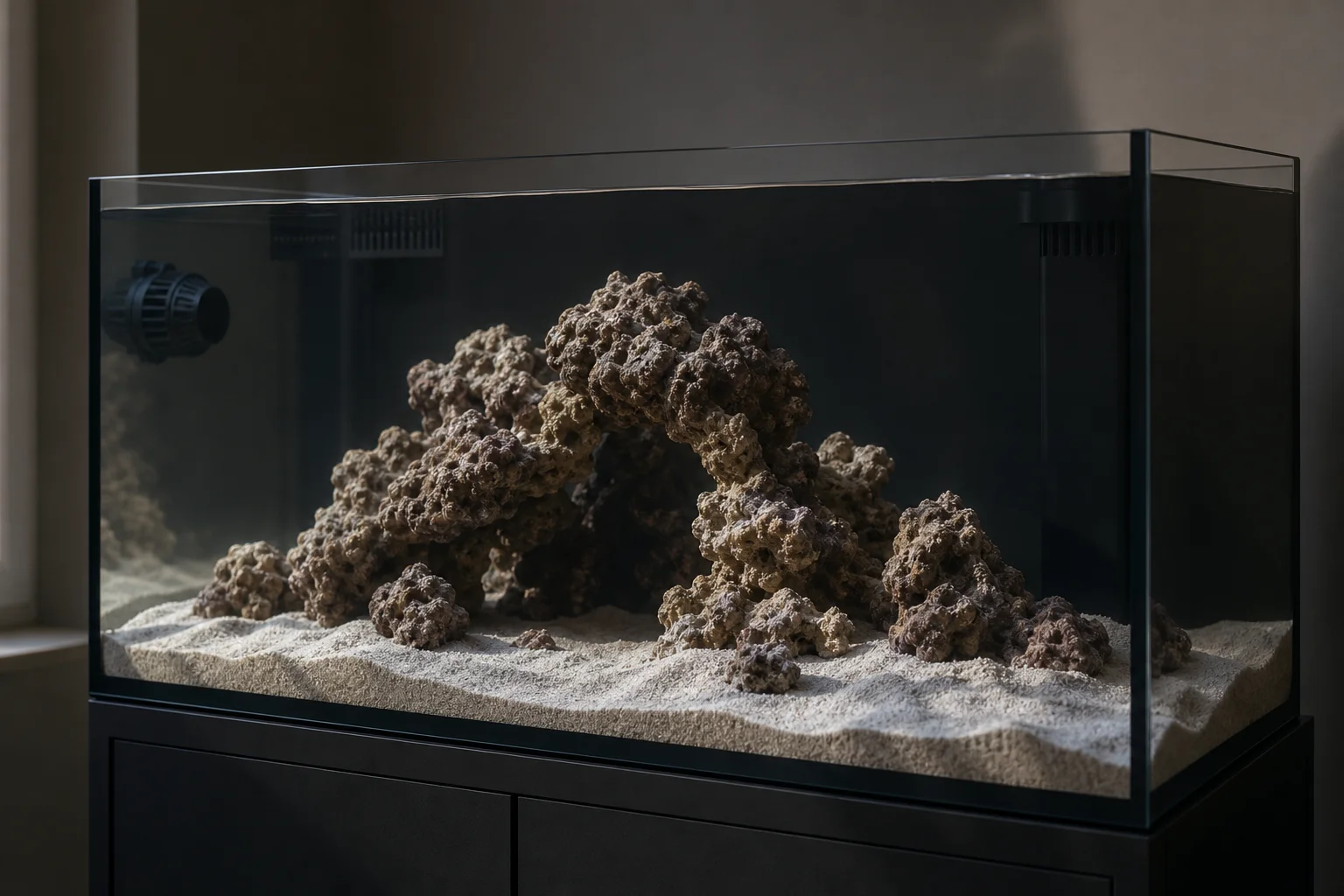
Build your aquascape first, then cycle it as a complete structure. While the rock is dry, glue pieces together using epoxy or mortar to create your final layout. Once assembled, place the entire aquascape in the tank or a separate container to cycle.
This approach is far more efficient than cycling individual pieces and then reassembling them. If you cycle loose rock and then build your aquascape, the drying process kills the biome you spent weeks establishing. The only exception is if you have sourced expensive live rock from the ocean, in which case cure it in a separate bin first to allow organics to break down before adding it to your main system.
Question 8: How Do I Actually Add Biome to the Tank?
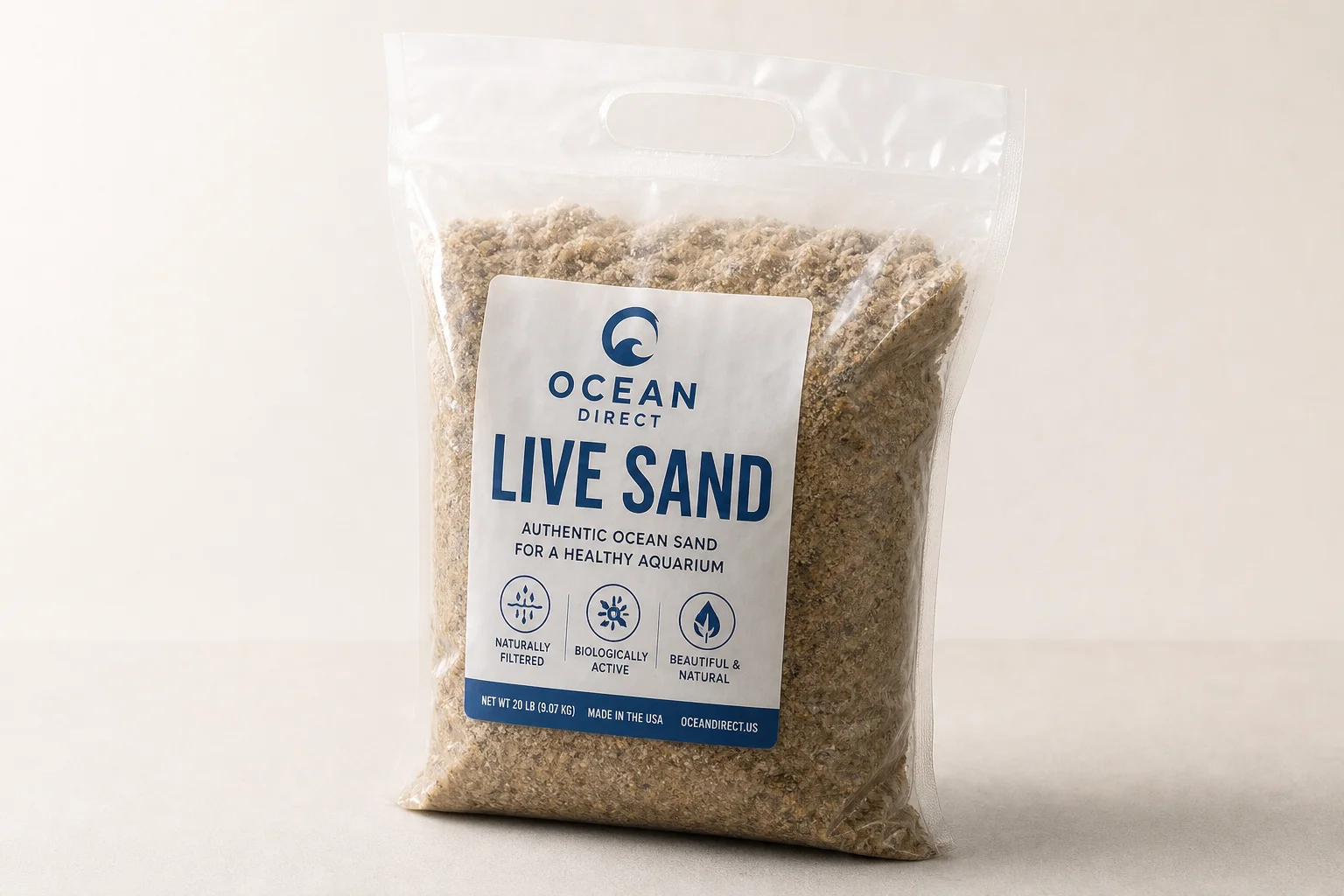
Several options exist for introducing beneficial organisms and bacteria. Ocean Direct Live Sand is harvested directly from the ocean in breathable bags, never sifted, and arrives moist with established biome. Recent testing has shown it maintains biome diversity better than many established tanks after just one month.
Other biome sources include muds from established locations like Fiji, live rock or rubble from established tanks, and even a few scoops of sand from a mature system. Beyond physical sources, you can also add coraline algae scraped from established rocks, copepods in bottled form, and other targeted biological supplements.
Ocean Direct and similar ocean-sourced muds are preferred because they introduce beneficial bacteria without the unwanted algae species that often come with live rock from established tanks.
Question 9: Do Bacterial Bottles Have All the Biome I Need?
Testing is ongoing, but anecdotal evidence suggests bacterial supplements work well. Products like Microbacter7 from Brightwell Aquatics, various KZ formulations, and other bacterial starters have been used successfully for years. However, comprehensive testing to determine which products deliver the most complete biome is still underway.
Question 10: What Is the Best Way to Cycle a Tank?
Current best practice involves a two-month approach followed by gradual light acclimation. Month one should have no lighting at all, allowing beneficial bacteria and organisms to establish without competition from photosynthetic pests. Month two introduces low-intensity LPS lighting at 75-150 PAR.
If you plan to keep SPS corals, slowly ramp lighting using your light’s acclimation mode from 150 PAR up to your target intensity (often 350 PAR) over additional weeks. This gradual progression gives beneficial organisms time to outcompete pests at each light level.
To execute this strategy accurately, use a PAR meter to measure actual light intensity in your tank. This removes guesswork and ensures you are hitting the target ranges for each phase.
Conclusion
Cycling a saltwater aquarium is a process that rewards patience and understanding. By focusing on biome development rather than ammonia alone, managing light carefully, and selecting appropriate biome sources, you create the foundation for a thriving reef system. The ten questions covered here represent the most common concerns today’s aquarists face, and addressing them systematically will significantly improve your cycling success.
Further reading
Related Reviews
Saltwater Aquarium Setup
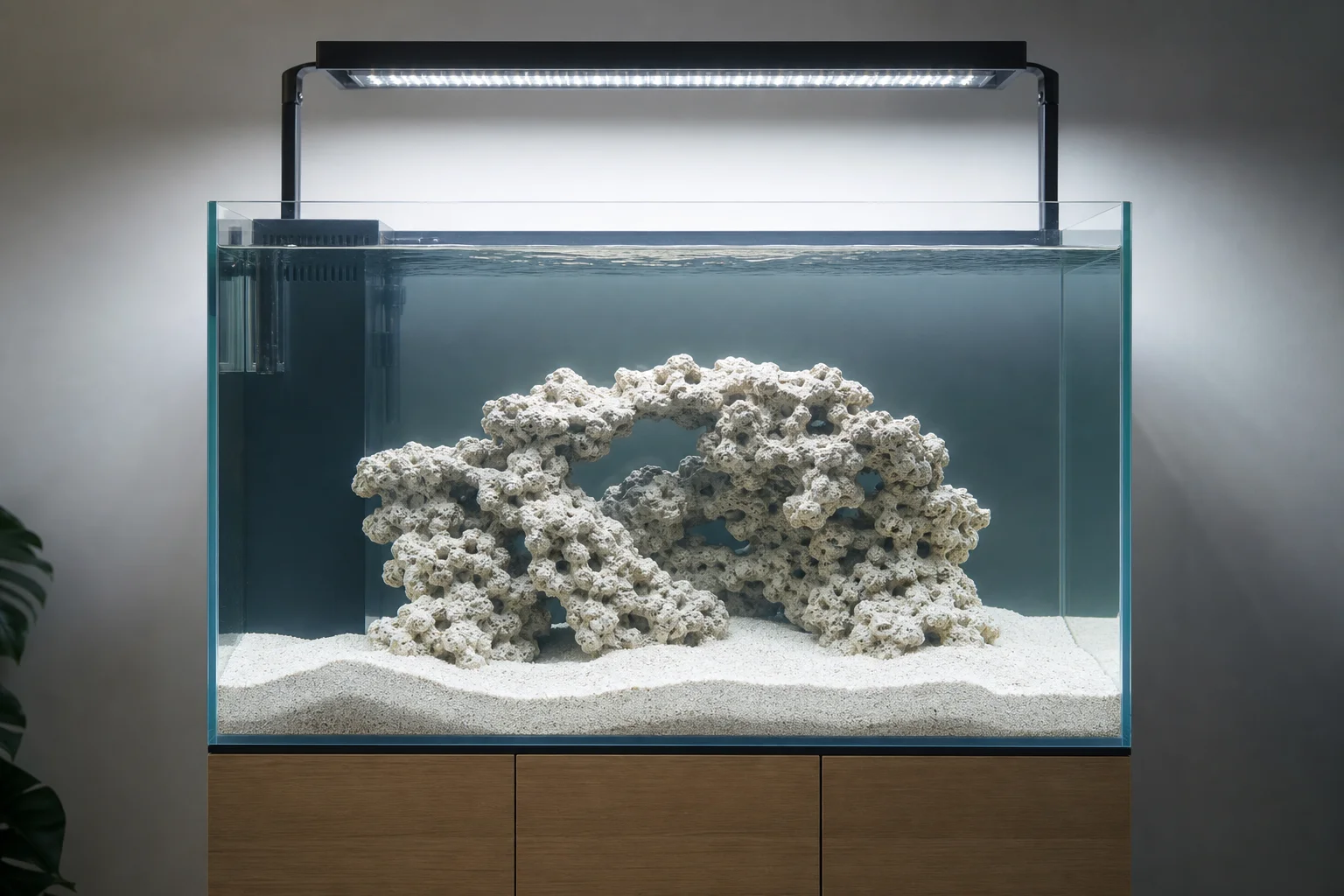
Cycling a Saltwater Aquarium: 10 Questions You Didn't Know to Ask
Essential guidance on cycling reef tanks and saltwater aquariums, covering biome development, coraline algae growth, lighting strategies, and bacterial supplements.
Saltwater Aquarium Setup
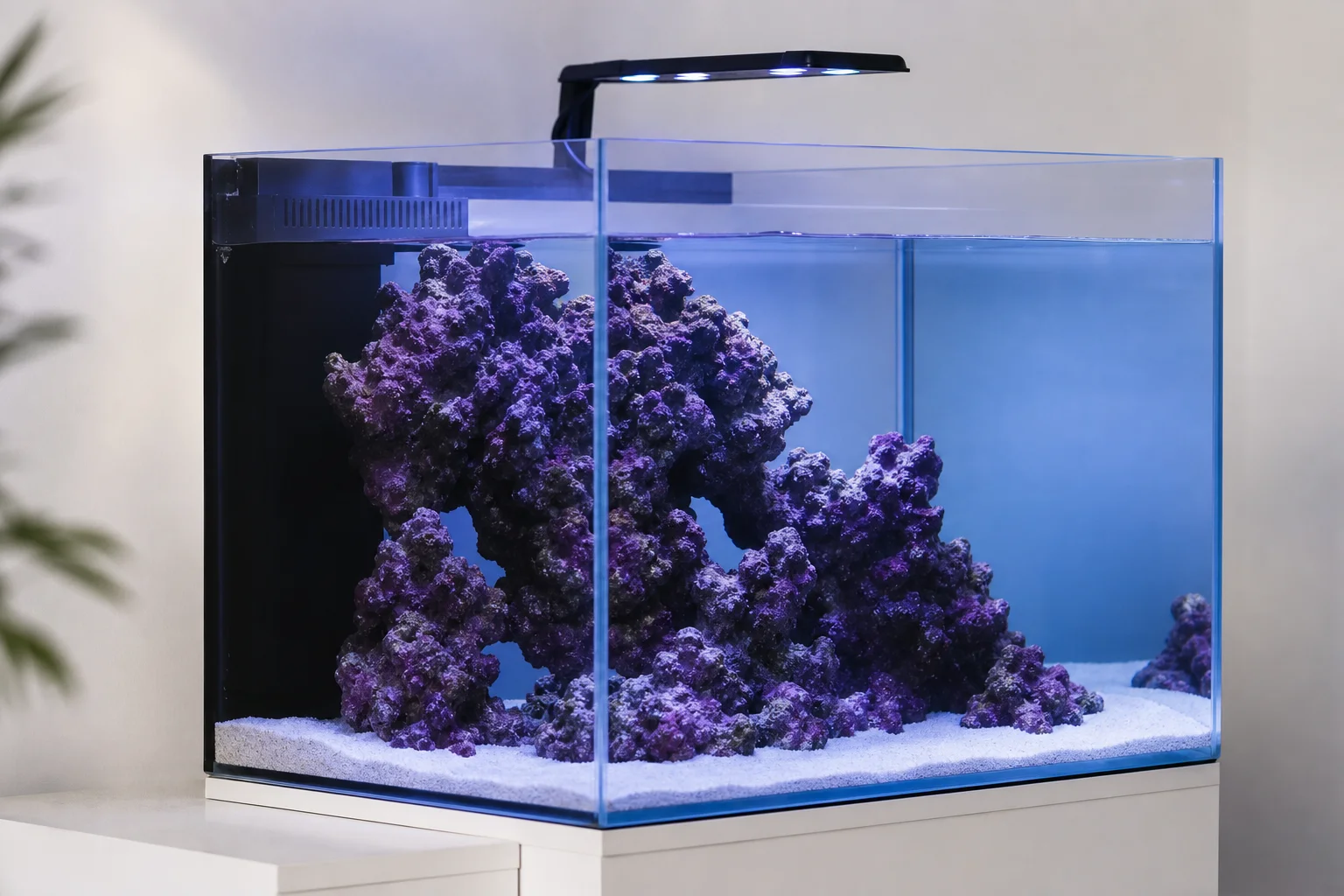
Cycling a Saltwater Tank: 10 Questions Every Reefer Should Ask
Essential guidance on cycling a reef tank, from biome development and coraline algae growth to light management and bacterial supplements.
Aquarium Lighting
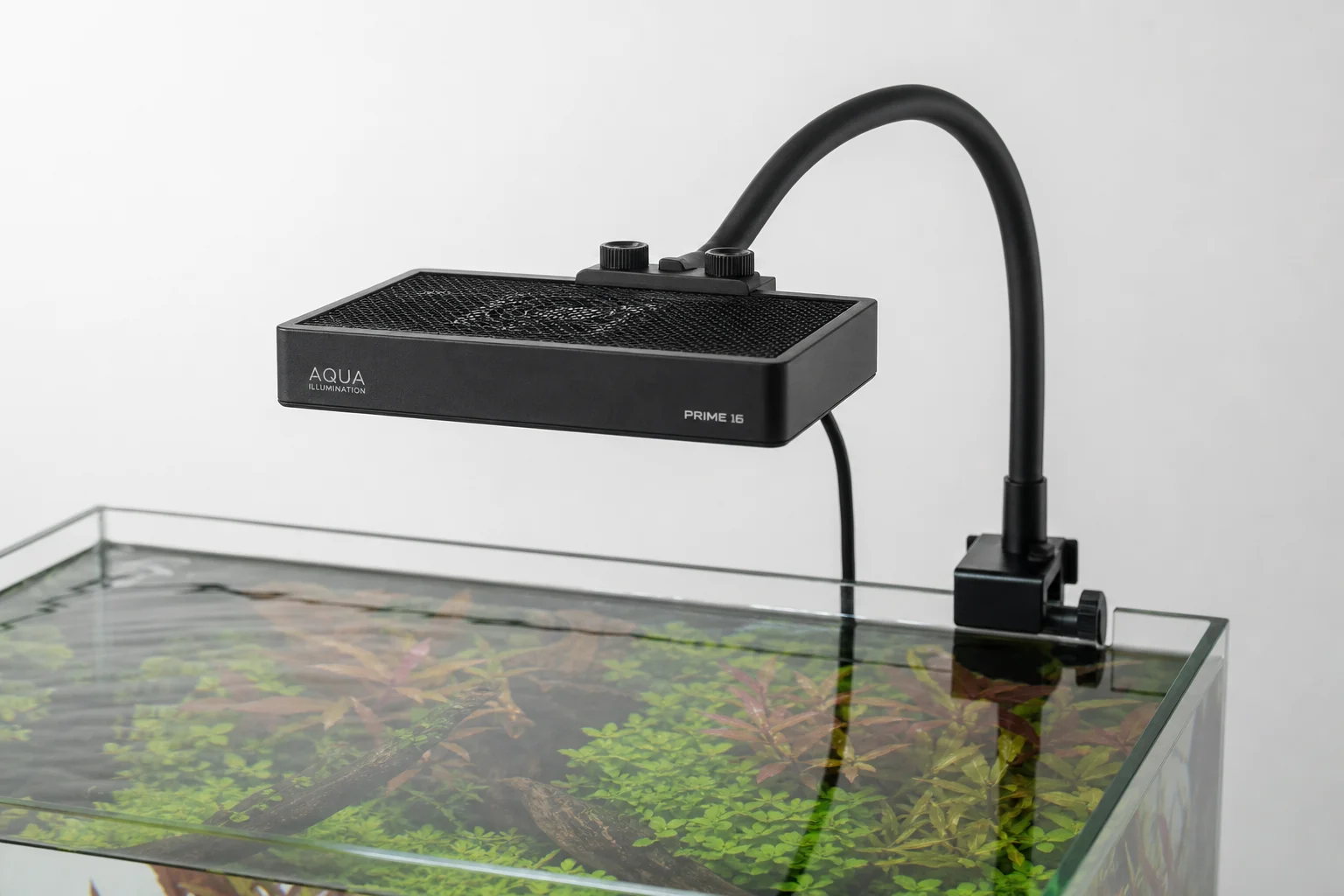
Aqua Illumination Prime 16 Freshwater: Setup Guide and Lighting Control
A complete walkthrough of unboxing, mounting, app pairing, and scheduling the Aqua Illumination Prime 16 Freshwater light for macroalgae tanks.