Saltwater Aquarium Setup
Cycling a Saltwater Tank: 10 Questions Every Reefer Should Ask
Essential guidance on cycling a reef tank, from biome development and coraline algae growth to light management and bacterial supplements.
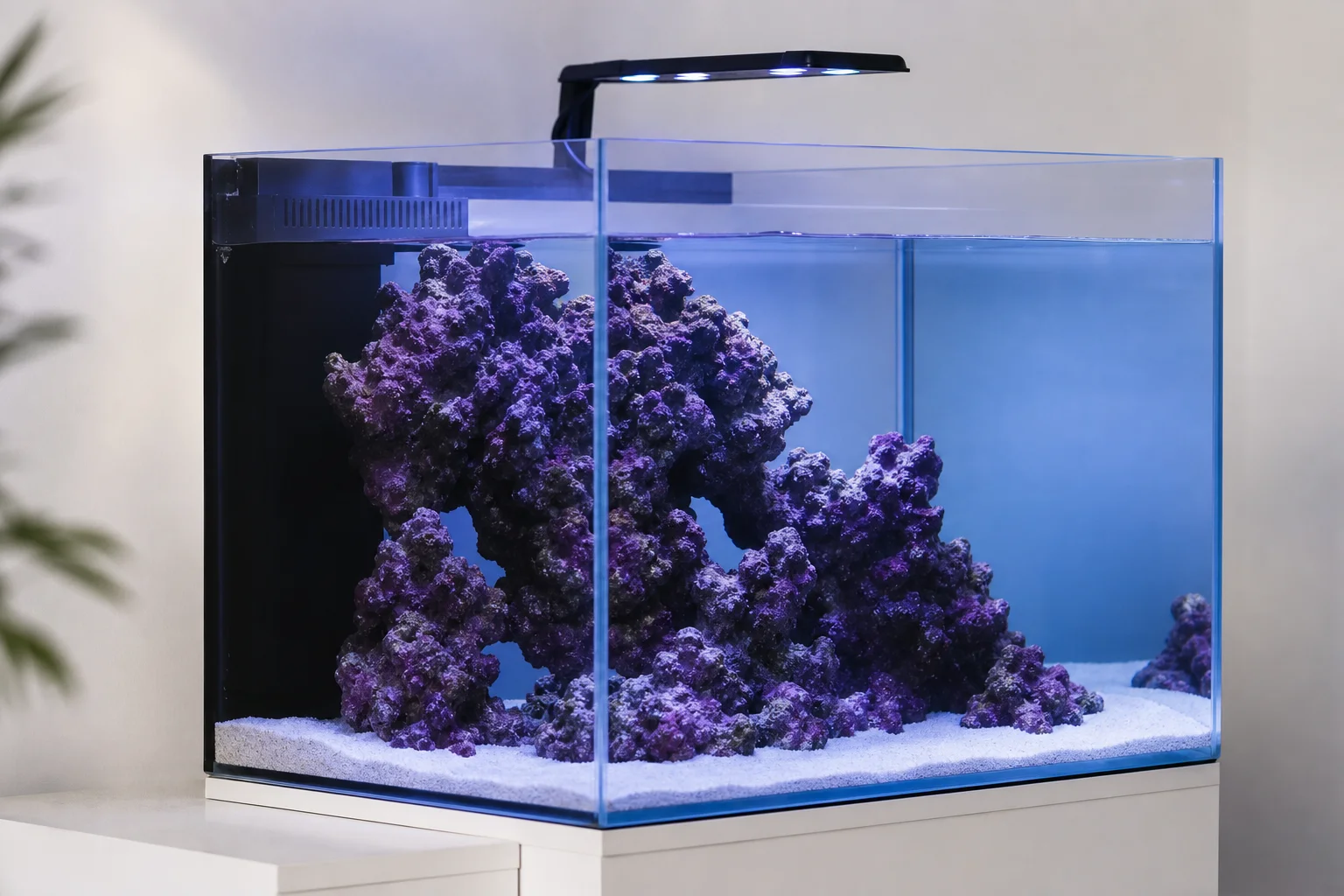
Introduction
Cycling a saltwater reef tank has evolved significantly as hobbyists move away from wild-harvested live rock toward dry rock systems. Modern cycling requires understanding far more than just ammonia levels. This guide addresses the ten most pressing questions reefers ask when setting up a new tank, from biome development to light management and bacterial supplements.
Question 1: Is Cycling Only About Ammonia?
No. While ammonia management remains important, modern reef cycling involves building a complete biome. This includes beneficial bacteria, copepods, amphipods, coraline algae, and microfauna that collectively create a healthy ecosystem.
The shift reflects a change in how tanks are set up. Older systems relied on wild-harvested live rock that arrived pre-colonized with beneficial organisms. Today’s dry rock systems require deliberate biome establishment. Beyond preventing ammonia toxicity, you need bacteria that outcompete harmful species like cyanobacteria and diatoms, and microfauna that consume algae before it becomes visible.
Understanding this broader perspective helps you approach cycling as ecosystem development rather than a simple chemical process.
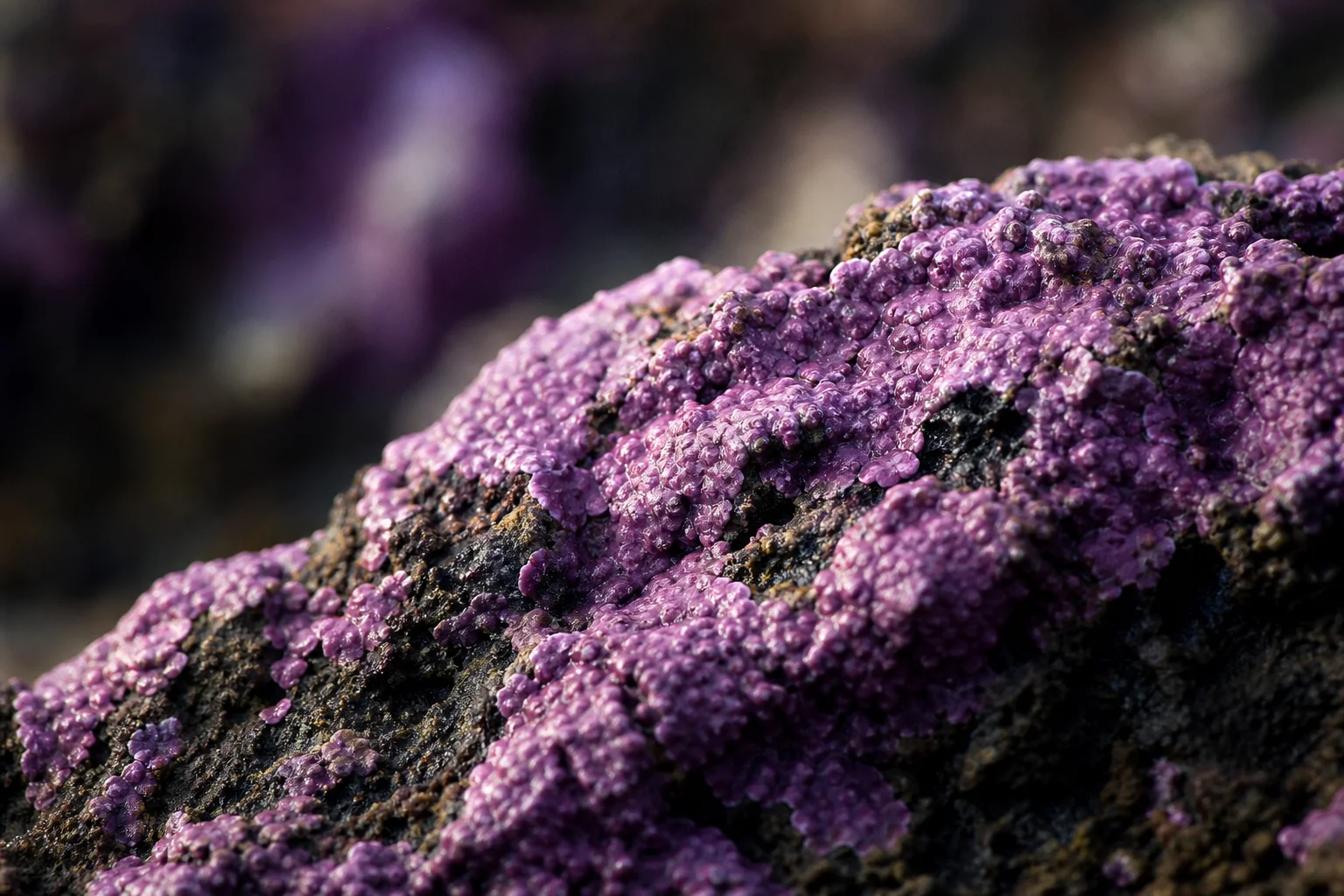
Question 2: How Do I Grow Purple Coraline Algae?
Purple coraline algae serves both aesthetic and functional purposes. It prevents other algae from establishing and inhibits slime film growth. Rapid coraline growth indicates you are managing the tank correctly.
Three factors drive coraline growth: stable alkalinity of at least 9 dKH, pH of 8.3 or higher, and lower light levels. Coraline algae actually grows faster under minimal light, such as office lighting at 10 PAR, rather than high-intensity illumination. This low-light environment also prevents photosynthetic pests from outcompeting beneficial organisms.
Question 3: What Is the Most Common Way to Ruin Your Cycle?
Turning lights on at full intensity is the single most common cycling mistake. While the urge to illuminate the tank is natural, high light favors photosynthetic pests over beneficial bacteria and microfauna.
Beneficial organisms like copepods and bacteria rely on organic compounds for energy, a slow process. Photosynthetic algae, cyanobacteria, and diatoms convert light energy rapidly and outcompete beneficial life when light levels are high. Keeping lights low during cycling allows coraline algae and beneficial bacteria to establish dominance before pests gain a foothold.
Question 4: Does Acclimation Mode on My Lights Actually Help?
Yes, but extend the acclimation period longer than the default setting. Most acclimation modes ramp light over one week, but extending this to a full month during the initial cycle provides better results.
Start at zero PAR and ramp to low levels (75-150 PAR) over the first month. If you plan to run SPS corals later, slowly increase from there using the light’s acclimation mode. If you encounter photosynthetic algae, simply turn the lights off to reset the cycle, then restart the acclimation mode. This flexibility allows you to find the right light level without constant manual adjustments.
Question 5: What Are These Spots Growing on the Rock?
Most algae and film growth during cycling resolves itself without intervention. The “ugly brown phase” is a normal part of tank development. Unless something is severely compromised, leave the tank alone and let the cycle progress.
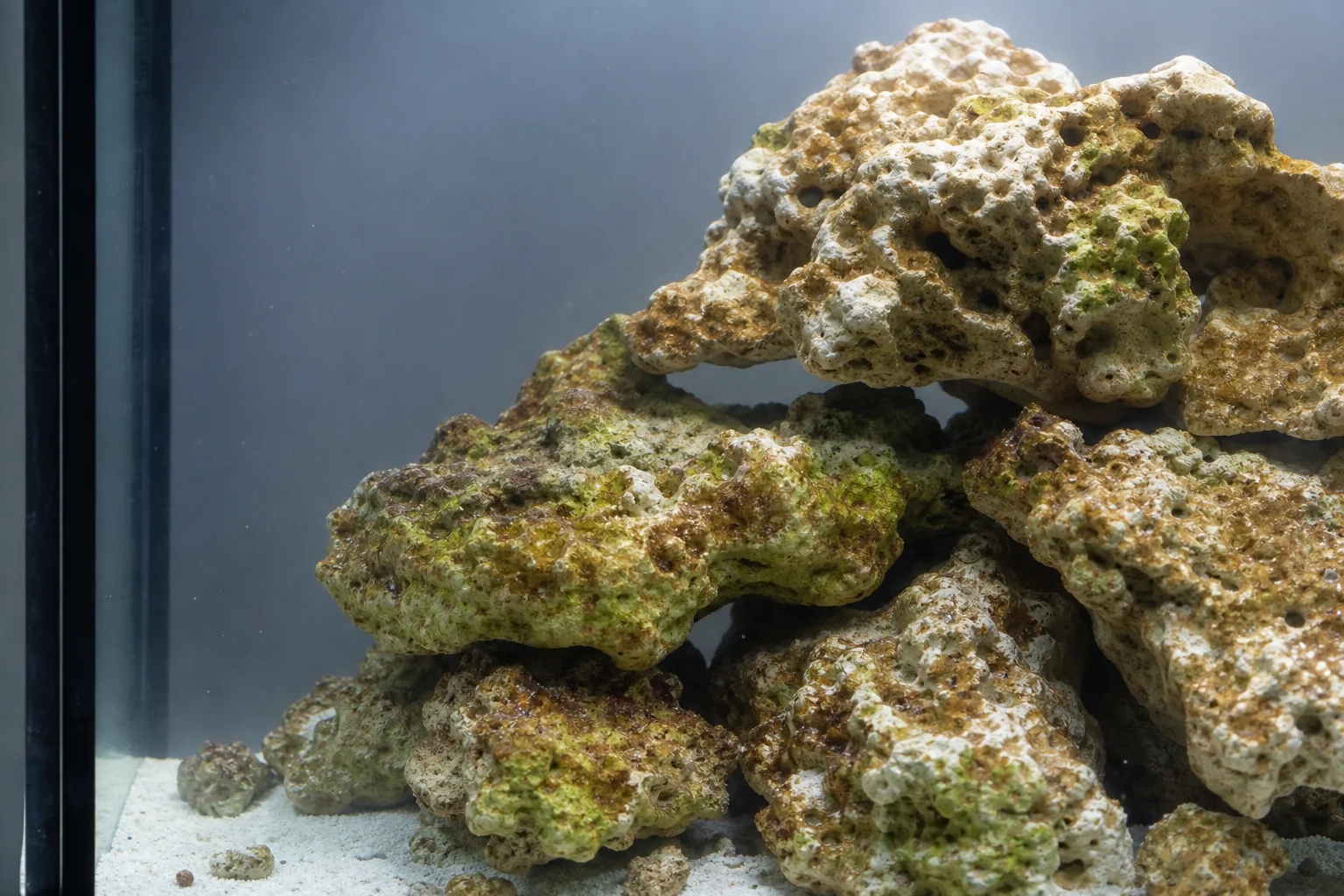
Many new reefers encounter patches of cyanobacteria, green film, or various algae types. These are part of the natural ebb and flow of a developing ecosystem. Resist the urge to intervene; the biome will self-regulate as beneficial organisms establish dominance.
Question 6: I Cannot Handle Seeing Algae Growth. What Should I Do?
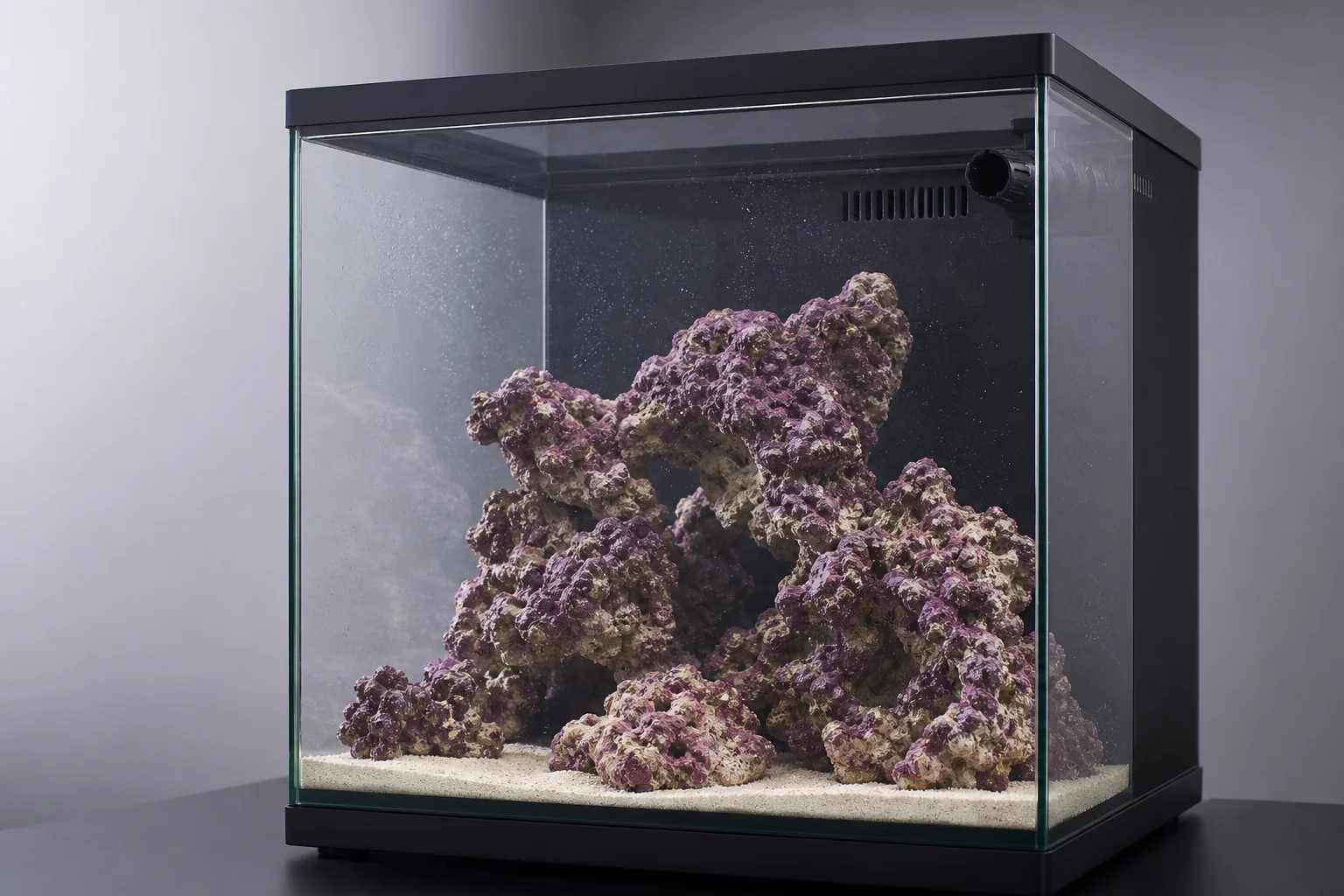
Purple rock is designed for reefers with low patience during cycling. While purple rock may develop the same algae and film as white rock, the growth is invisible against the dark purple surface.
If you are new to reef keeping and struggle with the visual chaos of the brown phase, purple rock provides psychological relief without changing the underlying biology. The biome develops normally; you simply cannot see minor algae growth.
Question 7: Should I Cycle Rock in a Bucket First?
No. Build your aquascape while the rock is dry, using epoxies and mortars to glue pieces together. Once the structure is complete, place the entire aquascape in the tank to cycle as one unit.
Cycling individual pieces in buckets wastes time. If you spend two months establishing a biome on loose rock, then dry it out during aquascaping, all that microbial growth dies. Build first, cycle second.
The only exception is if you have sourced expensive live rock from the ocean. In that case, cure it in a separate container to allow organics to decompose before adding it to your display tank.
Question 8: How Do I Add Biome to the Tank?
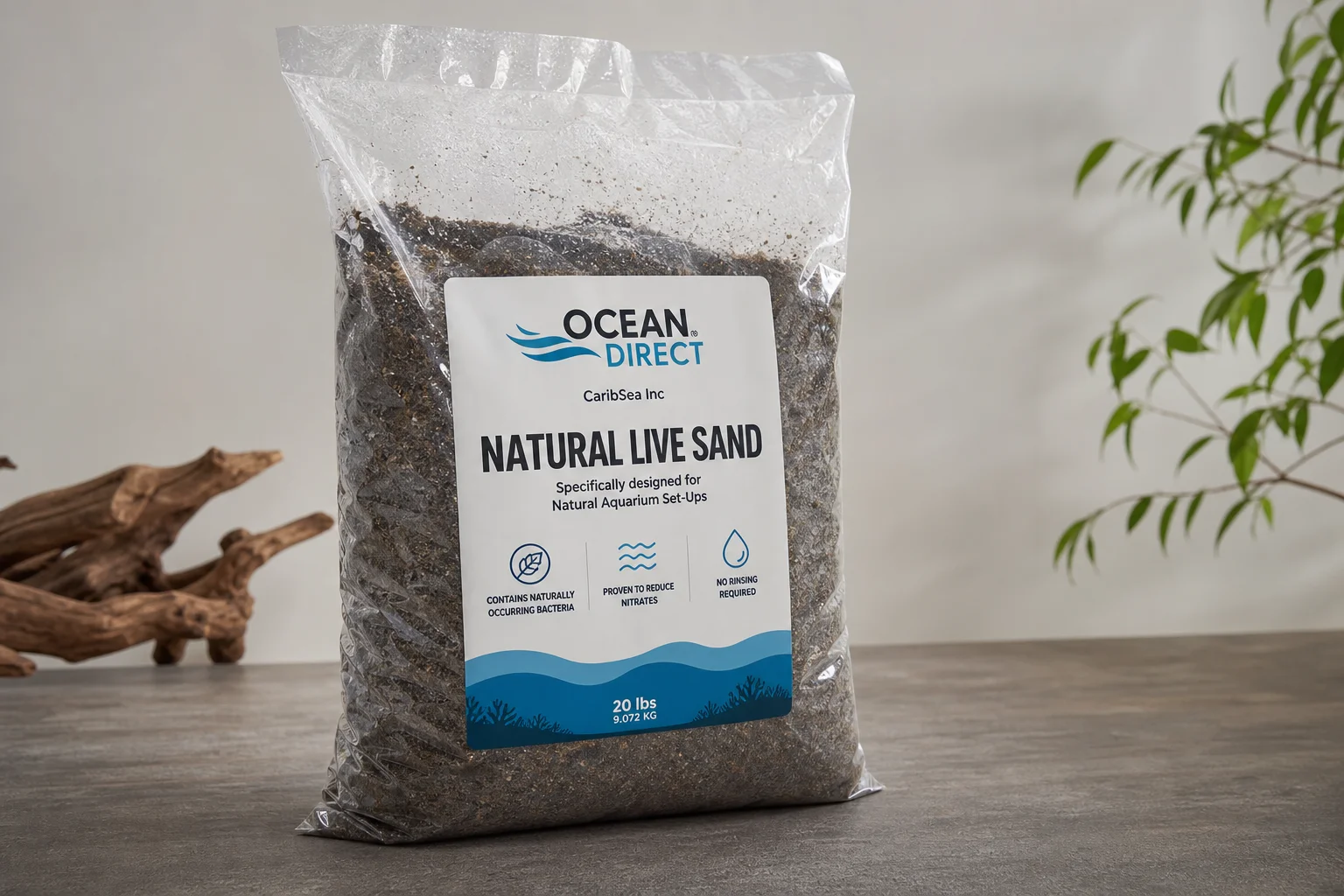
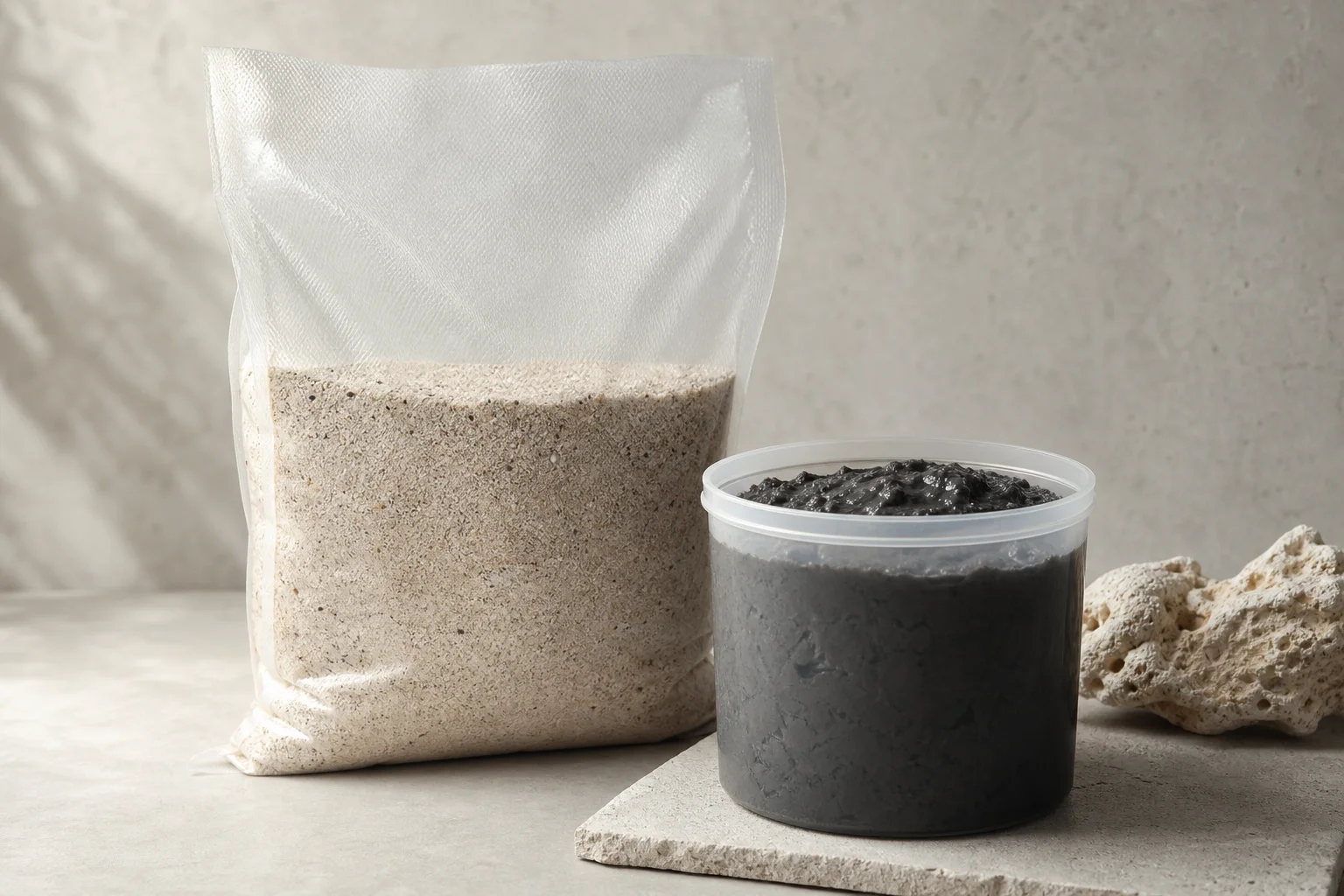
Several products introduce beneficial organisms and bacteria. Ocean Direct sand is harvested directly from the ocean in breathable bags, never sifted, and marketed as containing ocean biome. Testing has shown it maintains biome diversity better than many established tanks.
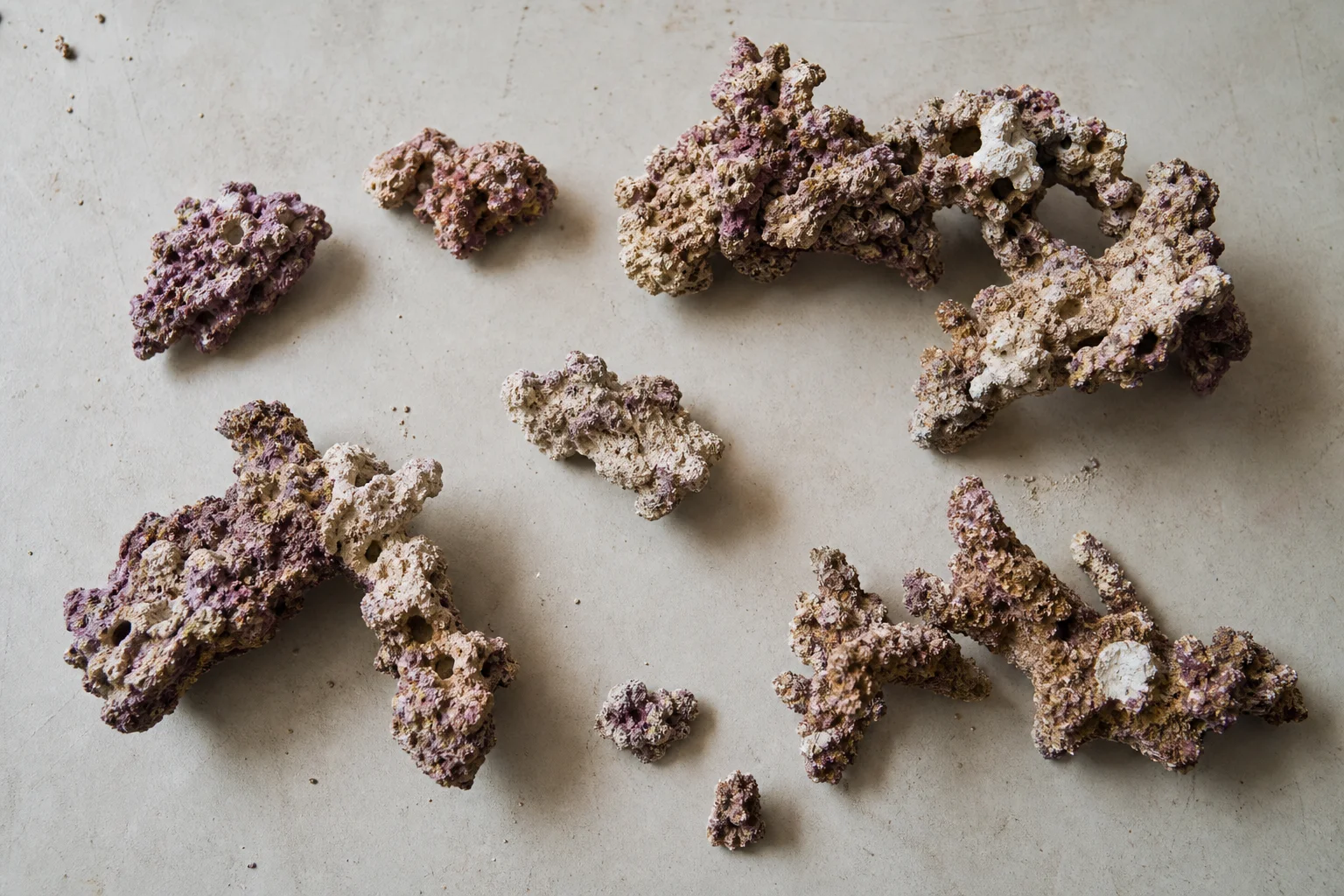
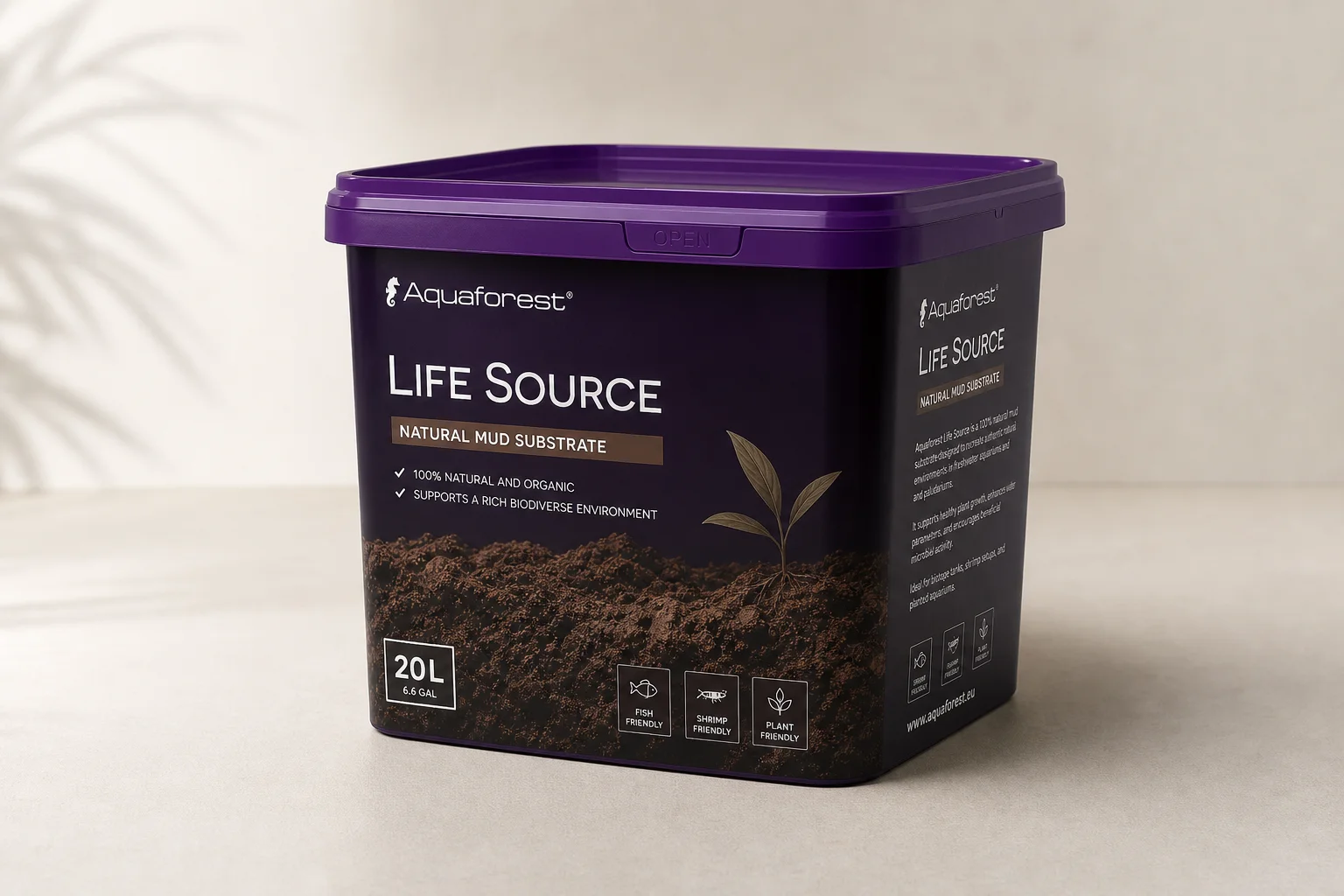
Aquaforest Life Source is a mud product from Fiji that introduces bacteria and beneficial microorganisms. You can also use rubble or sand from established tanks, though these may introduce unwanted algae. Coraline algae in a bottle and copepod cultures are also available.
Ocean Direct and similar muds are preferable because they introduce beneficial bacteria without the photosynthetic algae problems that come from established tank rubble or live rock.
Question 9: Do Bacterial Starter Supplements Contain All the Biome I Need?
Testing is ongoing. Many bacterial products exist, including Brightwell MicroBacter7, Dr. Tim’s bacterial starters, and Prodibio formulations. Anecdotal evidence suggests they work well, but comprehensive testing is still underway.
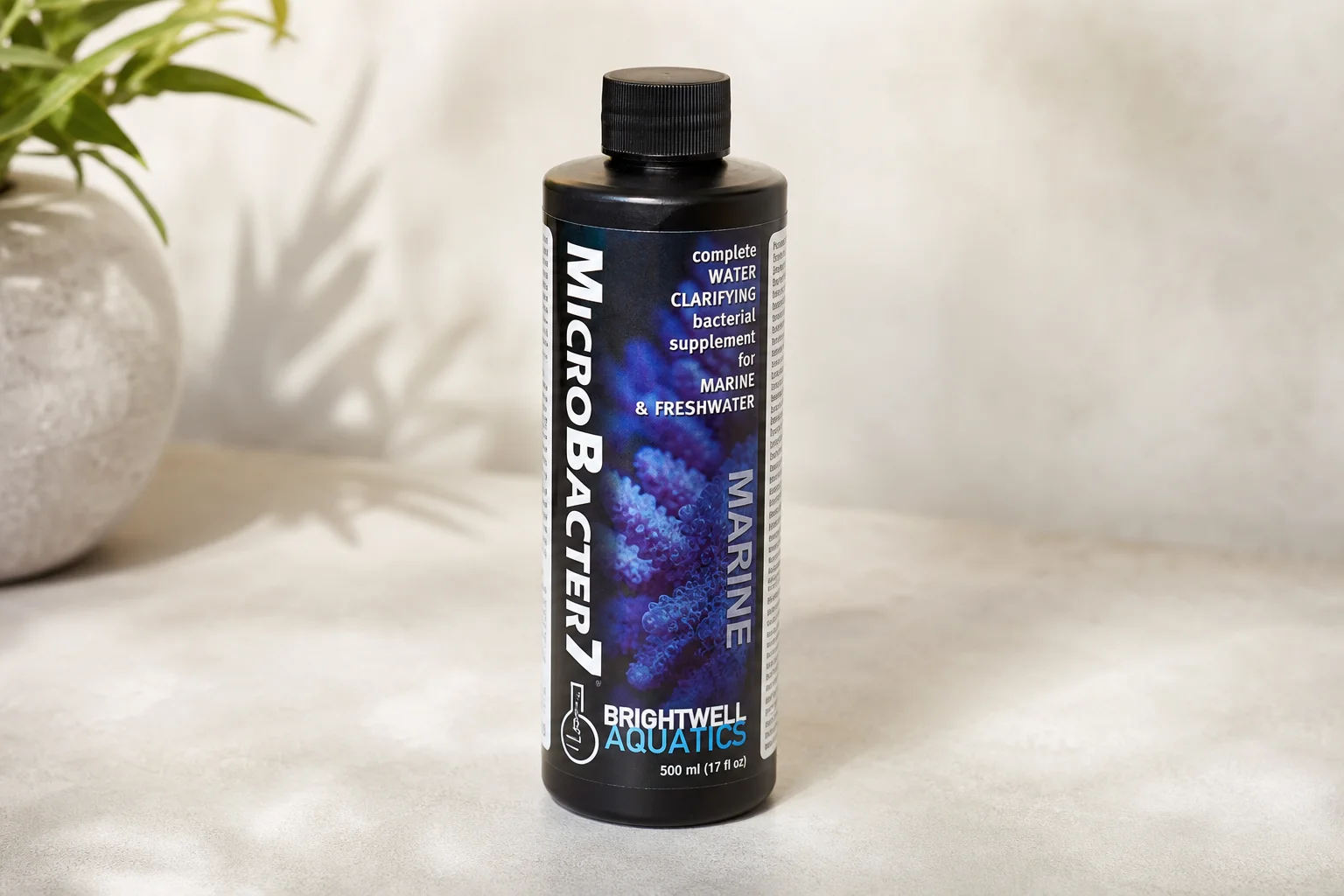
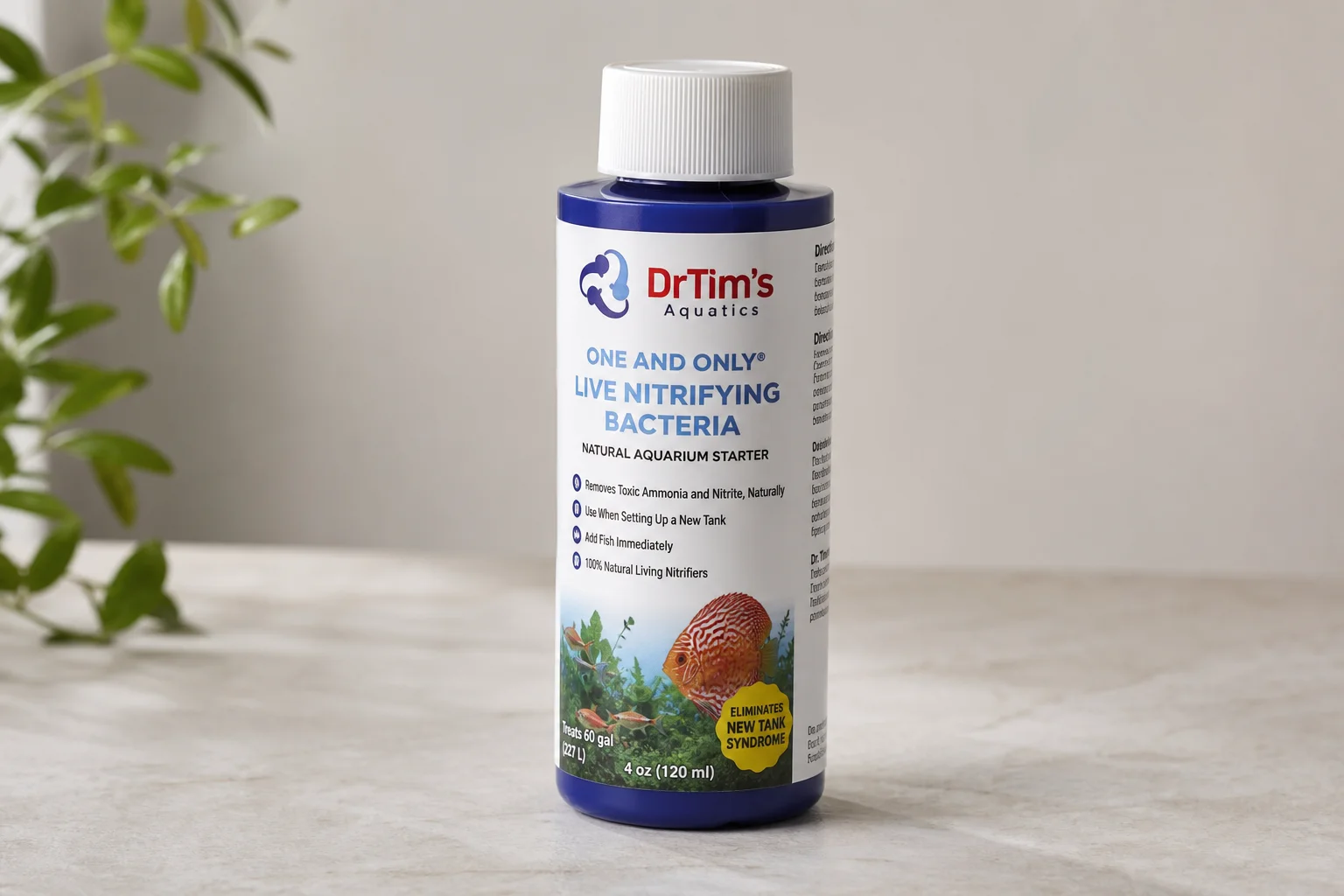
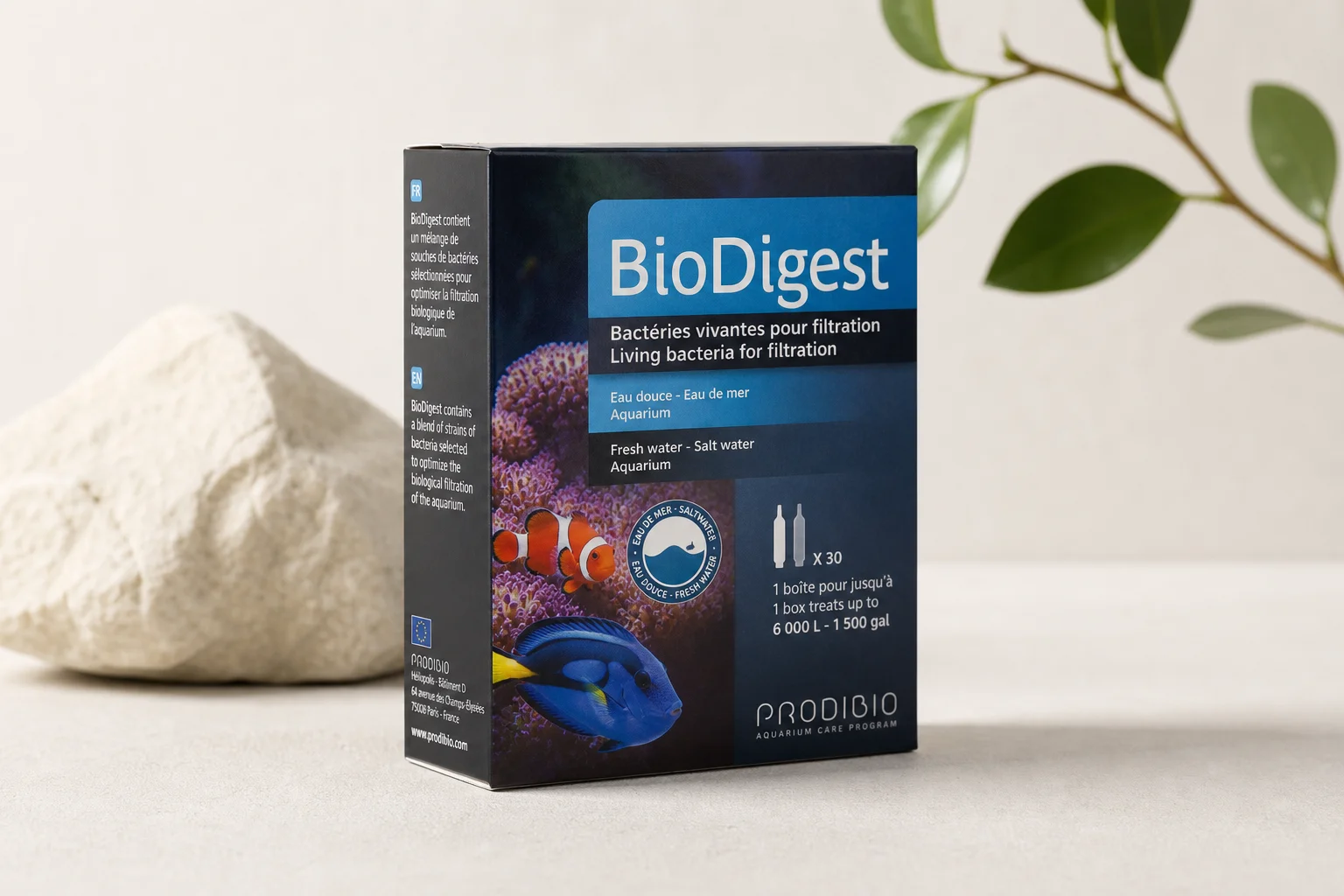
These products have been used for decades with reported success, but definitive data on which formulations provide the most complete biome is not yet available.
Question 10: What Is the Best Way to Cycle a Tank?
Current best practice is a two-month cycle with progressive light increase. Month one: no light. Month two: low light (75-150 PAR). If adding SPS corals, slowly ramp light to 350 PAR using the light’s acclimation mode.
This timeline allows beneficial bacteria, copepods, and coraline algae to establish before introducing high light that favors pests. Accurate PAR measurement is essential; a PAR meter allows you to verify you are in the correct light zones. Many retailers offer PAR meters with a 60-day return window, allowing you to use the tool during cycling and return it if needed.
Conclusion
Modern reef tank cycling requires understanding biome development, light management, and substrate selection. By addressing these ten questions, you can cycle your tank with confidence, avoid common mistakes, and establish a healthy ecosystem that supports thriving corals and fish.
Further reading
Related Reviews
Saltwater Aquarium Setup
10 Questions About Cycling a Saltwater Aquarium: What You Need to Know
Essential questions and answers for cycling a reef tank or saltwater aquarium, from biome building to light management and bacterial supplements.
Saltwater Aquarium Setup
Cycling a Saltwater Aquarium: 10 Questions You Didn't Know to Ask
Essential guidance on cycling reef tanks and saltwater aquariums, covering biome development, coraline algae growth, lighting strategies, and bacterial supplements.
Reef Aquarium Supplies
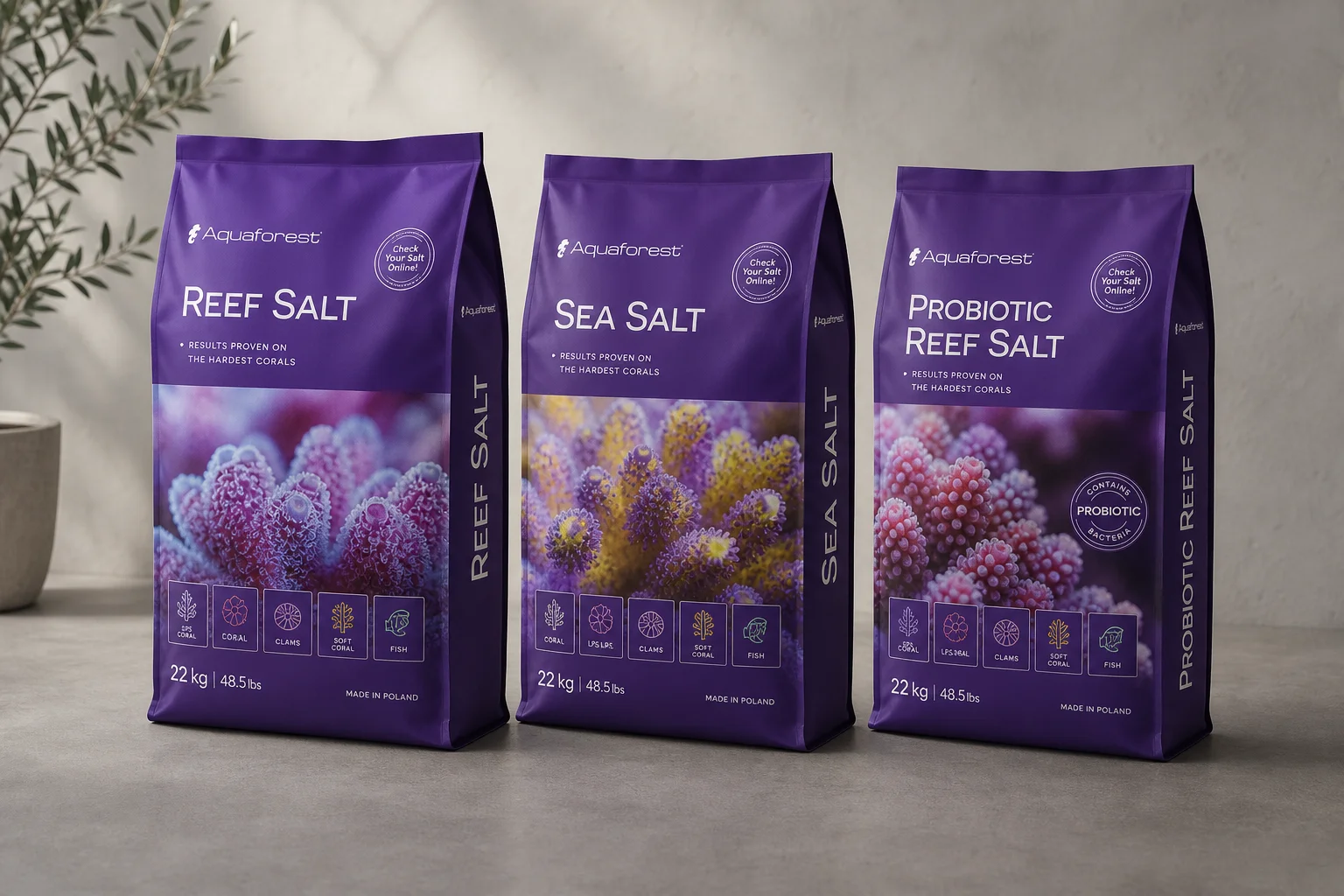
Aquaforest Salt Mixes Comparison: Which Reef Salt Is Right for Your Tank?
A detailed breakdown of Aquaforest's three salt formulations—Reef Salt, Sea Salt, and Probiotic Reef Salt—to help you choose the best match for your reefing style.