3D Printing
3D Printing Trends 2026: Multi-Material Systems, Stronger Filaments, and Desktop Metal Casting
FormNext 2025 revealed the direction of 3D printing in 2026: accessible multi-material printers, high-strength filaments, and innovative software solutions that bring industrial capabilities to the desktop.
Introduction
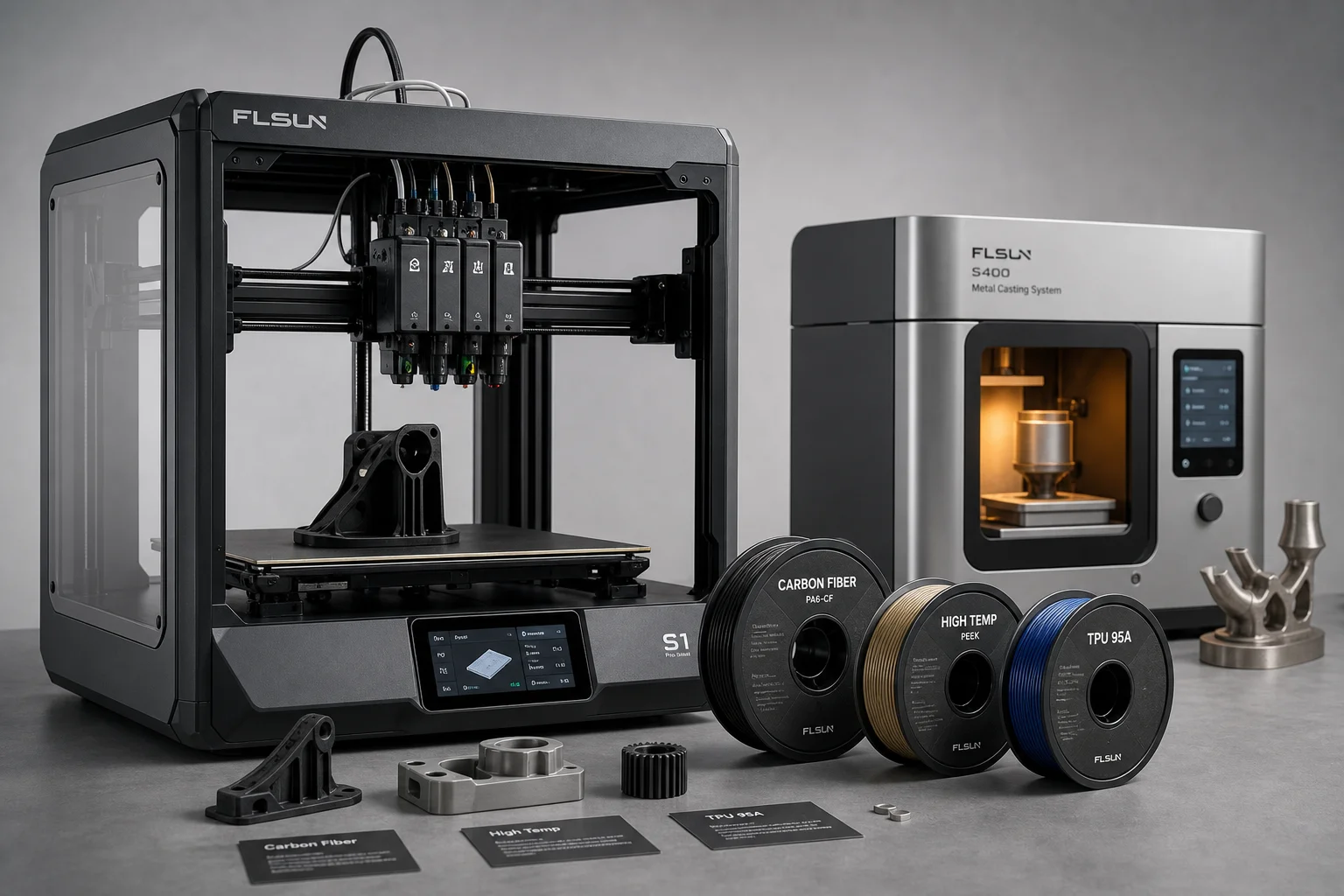
FormNext 2025 confirmed that 2026 will bring significant shifts to desktop 3D printing. The trends are clear: accessible multi-material systems, stronger and more specialized filaments, and software innovations that blur the line between FDM printing and industrial manufacturing. This overview covers the most promising developments that will shape how makers, engineers, and hobbyists approach 3D printing in the coming year.
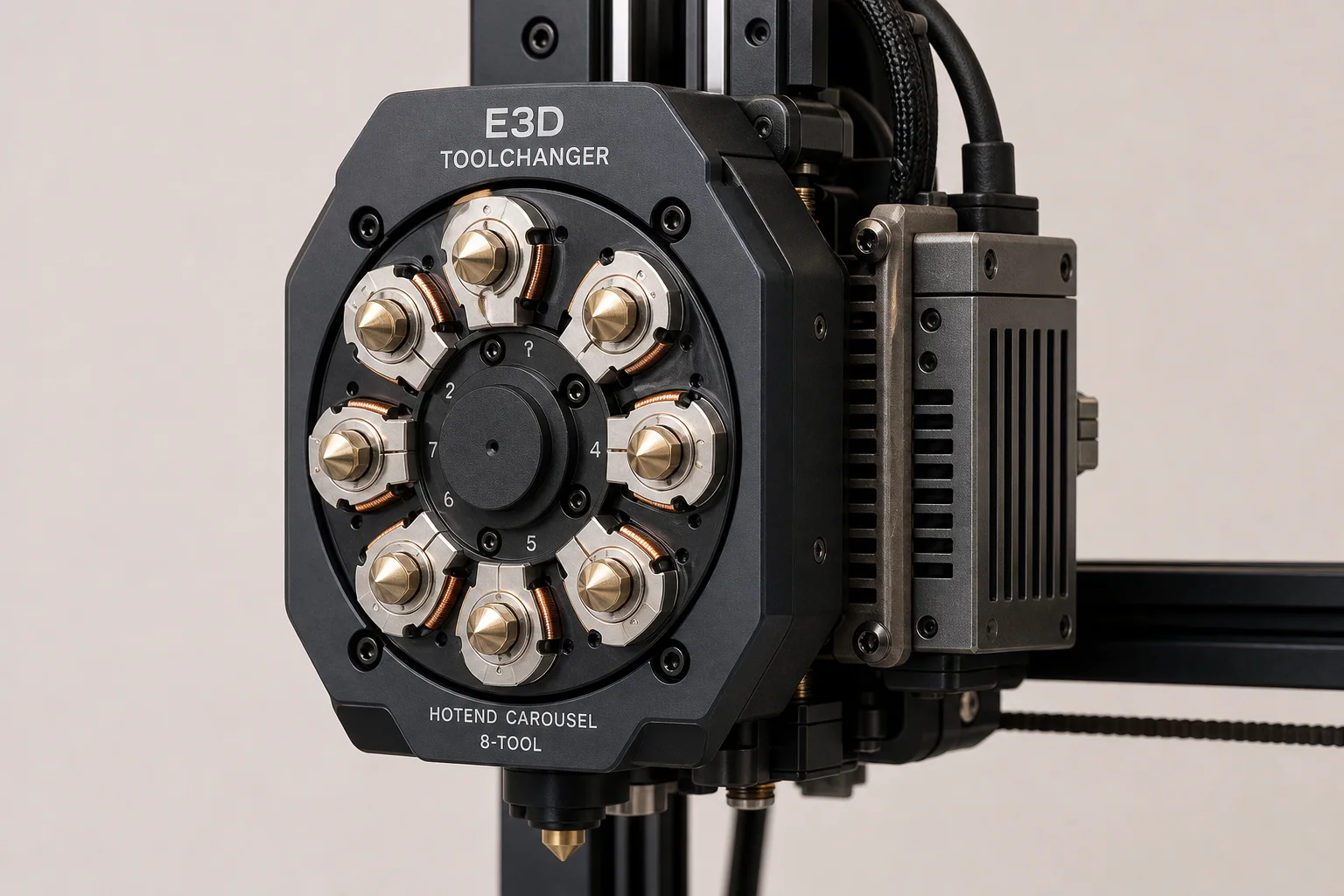
Bondtech INDX: Multi-Tool Passive Toolchanging
The Bondtech INDX system represents one of the most significant announcements for Prusa users. This desktop multi-tool platform uses what Prusa calls “passive toolchanging,” where up to eight nozzles can be swapped without moving the electronics. The system works by inductively heating each nozzle to a maximum of 300°C, eliminating the need for cables on the tool itself.
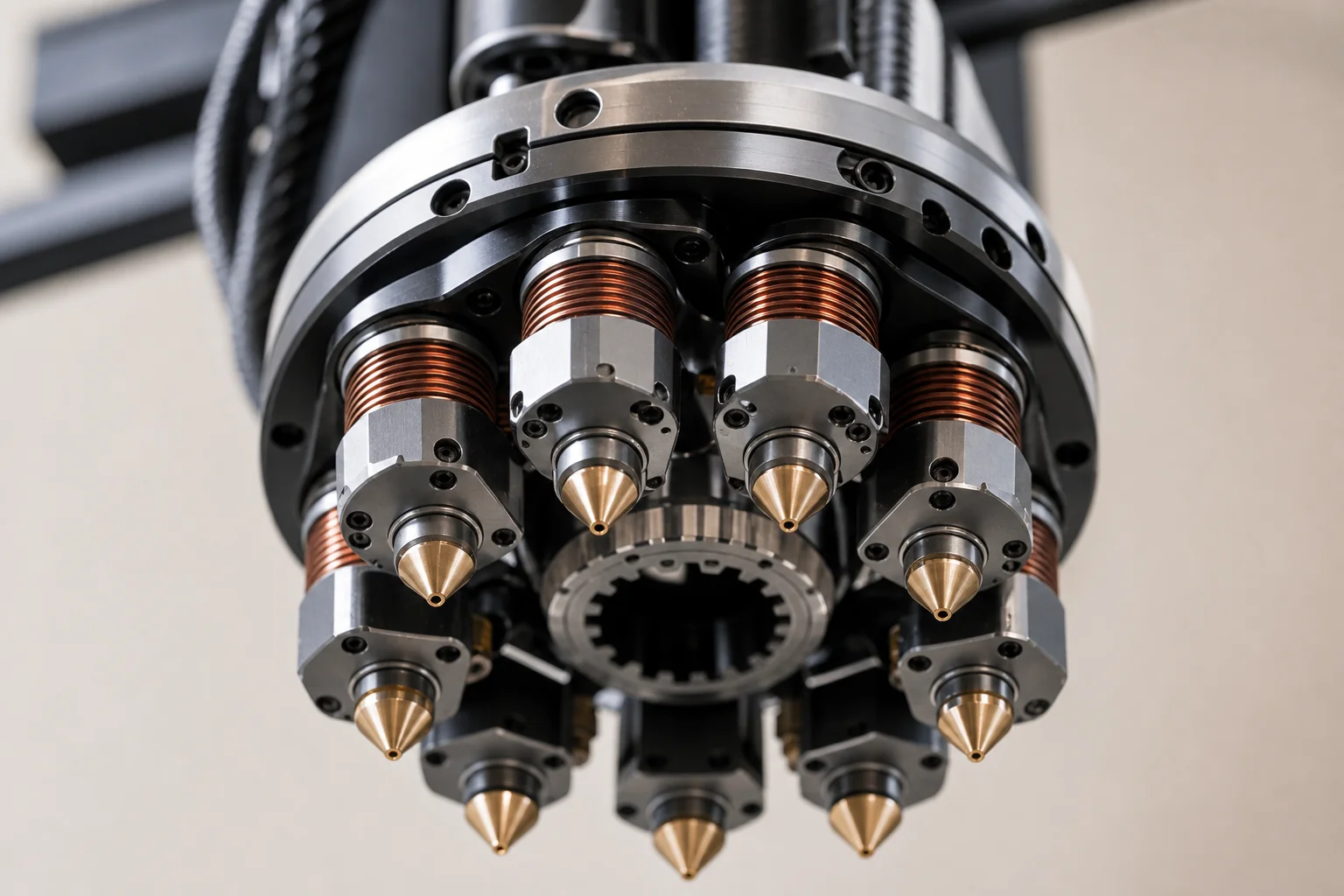
Tool change time currently sits at 15 seconds per swap, with Prusa targeting a reduction to 10 seconds. The system supports different nozzle sizes, and slicer support is planned for PrusaSlicer 3.0. Calibration details remain in development, though the final version is expected to use a load cell for temperature sensing and a pin-based alignment system similar to the Prusa XL.
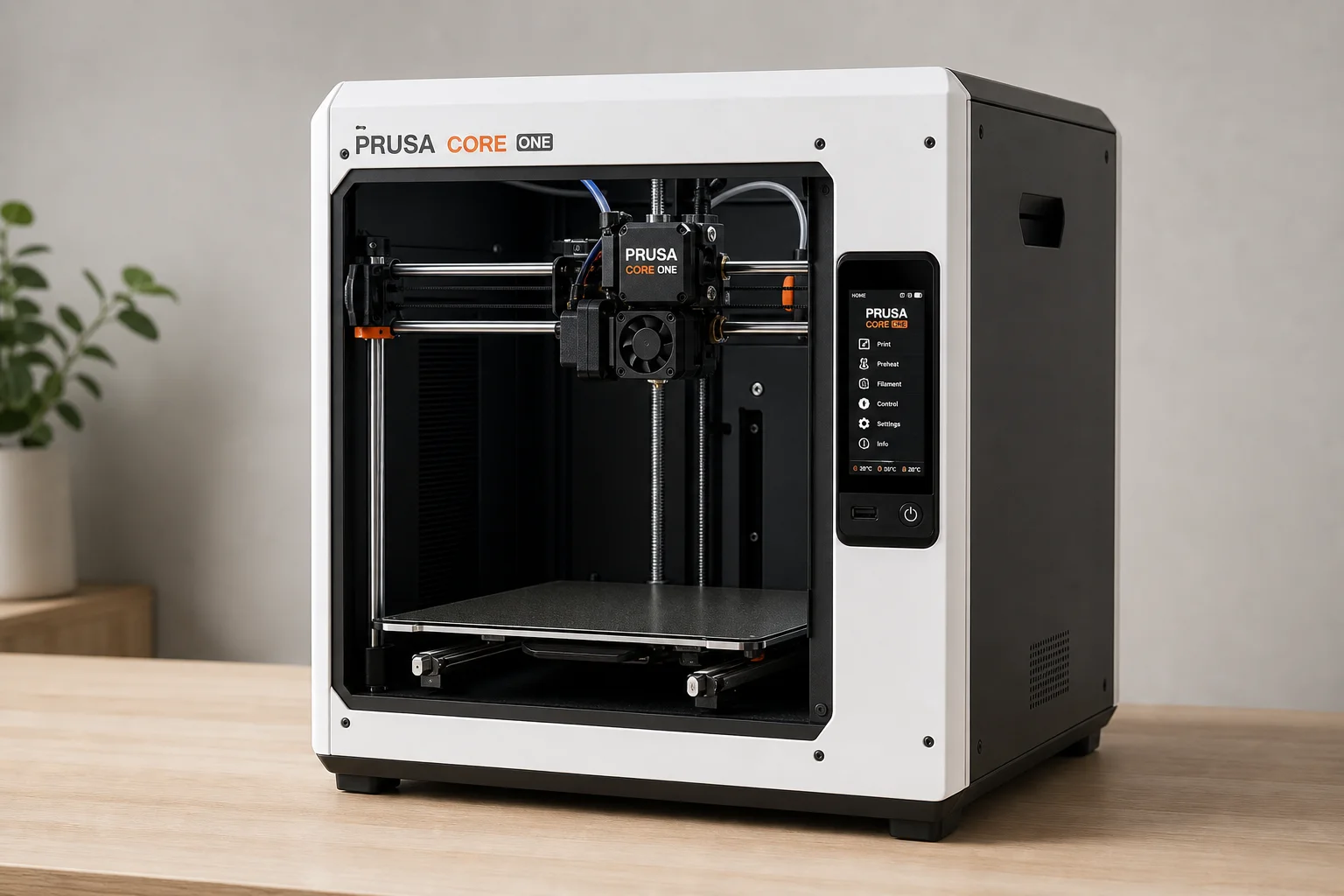
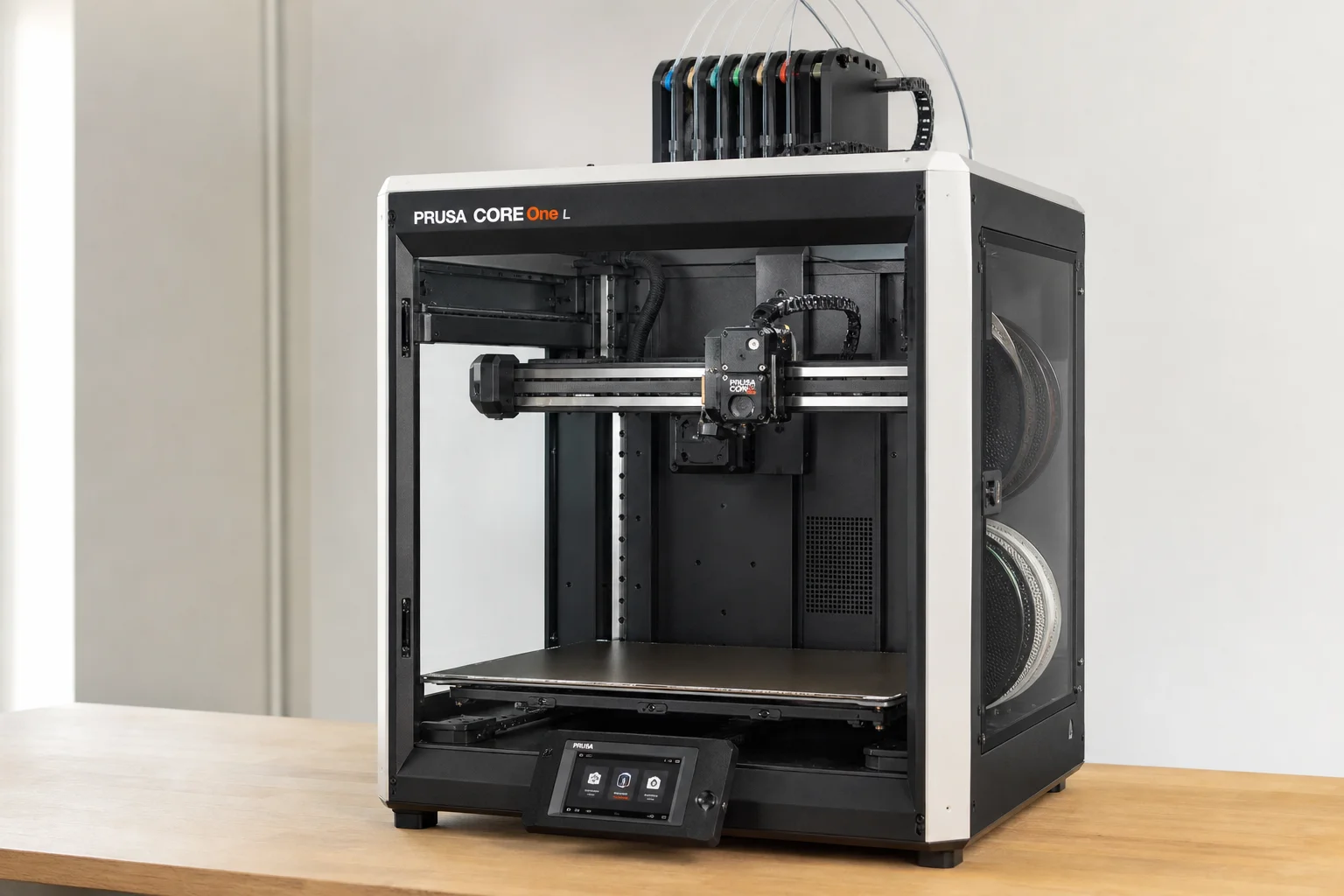
For the standard Core One, pricing is expected to start at 499 euros for a 4-tool configuration and 699 euros for the full 8-tool setup, though final pricing has not been confirmed. The Core One L will receive INDX support with potential for up to 10 tools, thanks to an additional 5 cm of space in the X direction. The system is scheduled to launch in the first quarter of 2026 as a Founders Edition through Bondtech before moving to the Prusa shop at scale.
Aumatis Desktop Metal Casting: From 3D Print to Metal Part
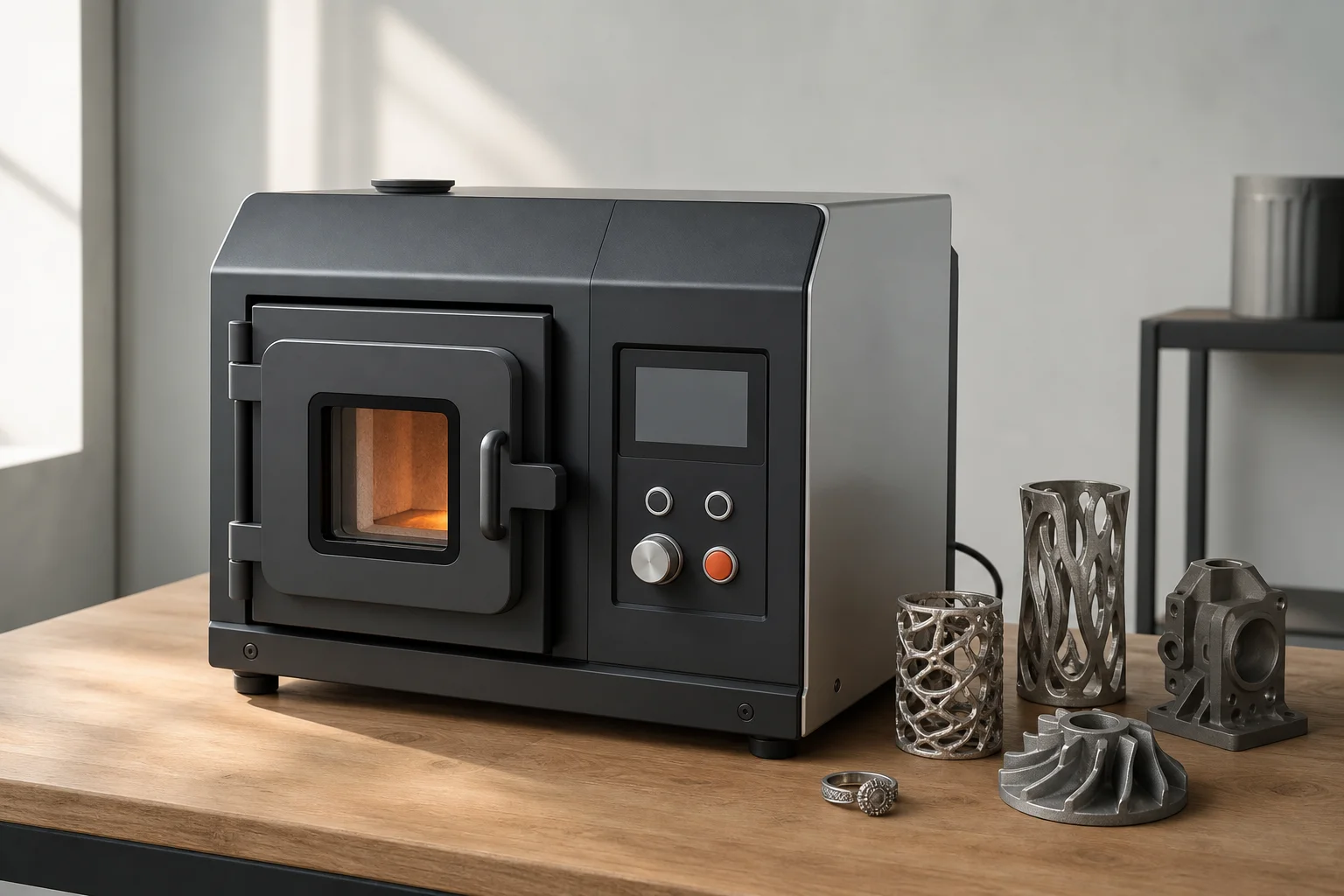
Aumatis, a spin-off from the Technical University of Munich, demonstrated a desktop machine that converts 3D-printed plastic parts into metal components using vacuum investment casting. The process is well-established in industry but rarely accessible at this scale.
The workflow is straightforward: print a model in PLA, attach a sprue, place it in a mold container, pour in investment material, and wait 45 minutes for the mold to solidify. The machine then handles the rest automatically, burning out the plastic, melting the metal, and casting under vacuum to ensure proper mold fill. Aumatis claims the entire process from CAD to finished metal part takes under 24 hours with only 30 to 45 minutes of hands-on work.
Part size is currently limited to approximately 110 mm in diameter and 100 mm in height. The sample parts on display showed impressive detail, including intricate features and organic shapes successfully cast in metal. Aumatis is exploring a DIY or maker-focused version to make the technology more accessible to hobbyists, though the current system remains primarily industrial in scope.
FibreSeek FibreSeeker 3: Continuous Carbon Fiber Integration
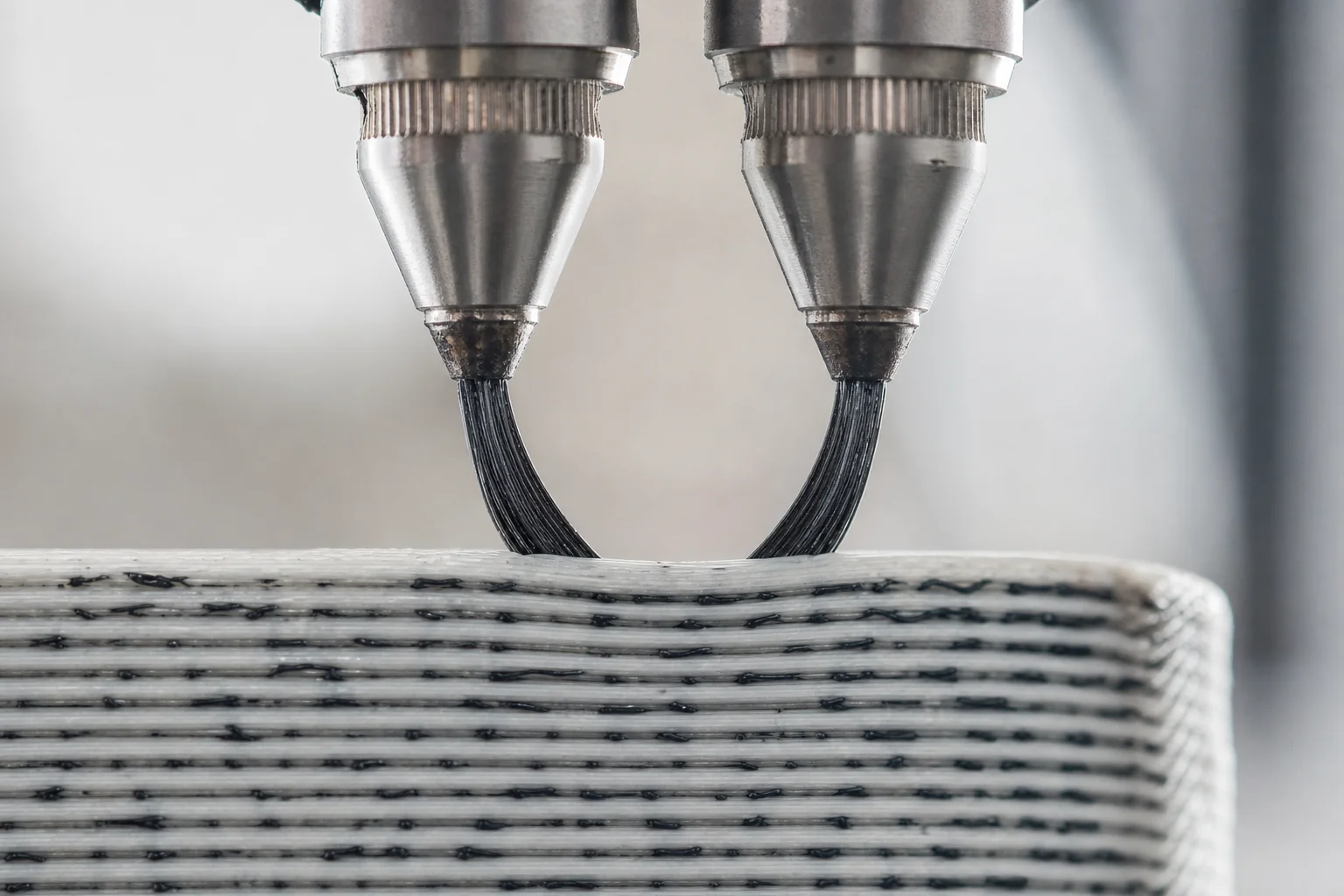
FibreSeek’s FibreSeeker 3 uses a patented dual-nozzle design to deposit continuous carbon fiber directly into the extruded filament during printing. The printer itself appears to be a solid base machine, but the continuous fiber capability is the standout feature.
Sample prints at the show looked promising, and the printer does appear capable of delivering the intended results. However, reviews have noted some hardware and software issues that warrant careful evaluation before purchase. Marketing claims on their Kickstarter campaign include vague statements like “10x faster” and comparisons to CNC machining timelines that lack specificity.
The core idea is sound, but potential buyers should be aware of the current software limitations and hardware refinements still in progress. The target market may be better served by schools, makerspaces, and advanced hobbyists rather than general consumers, and a price increase paired with more robust software might better serve those segments.
Recreus 2.2 mm TPU: Thicker Filament for Faster Flexible Printing
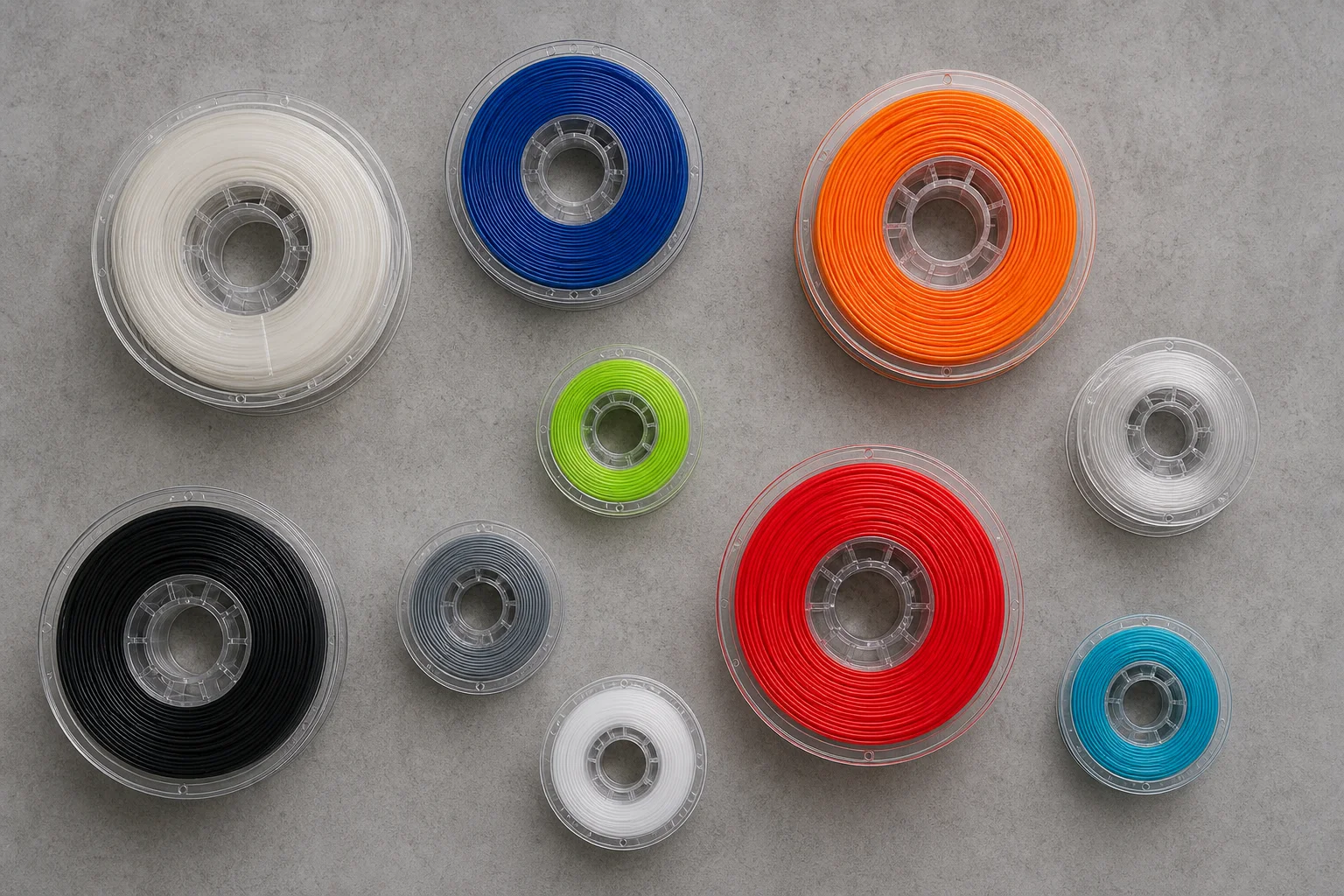
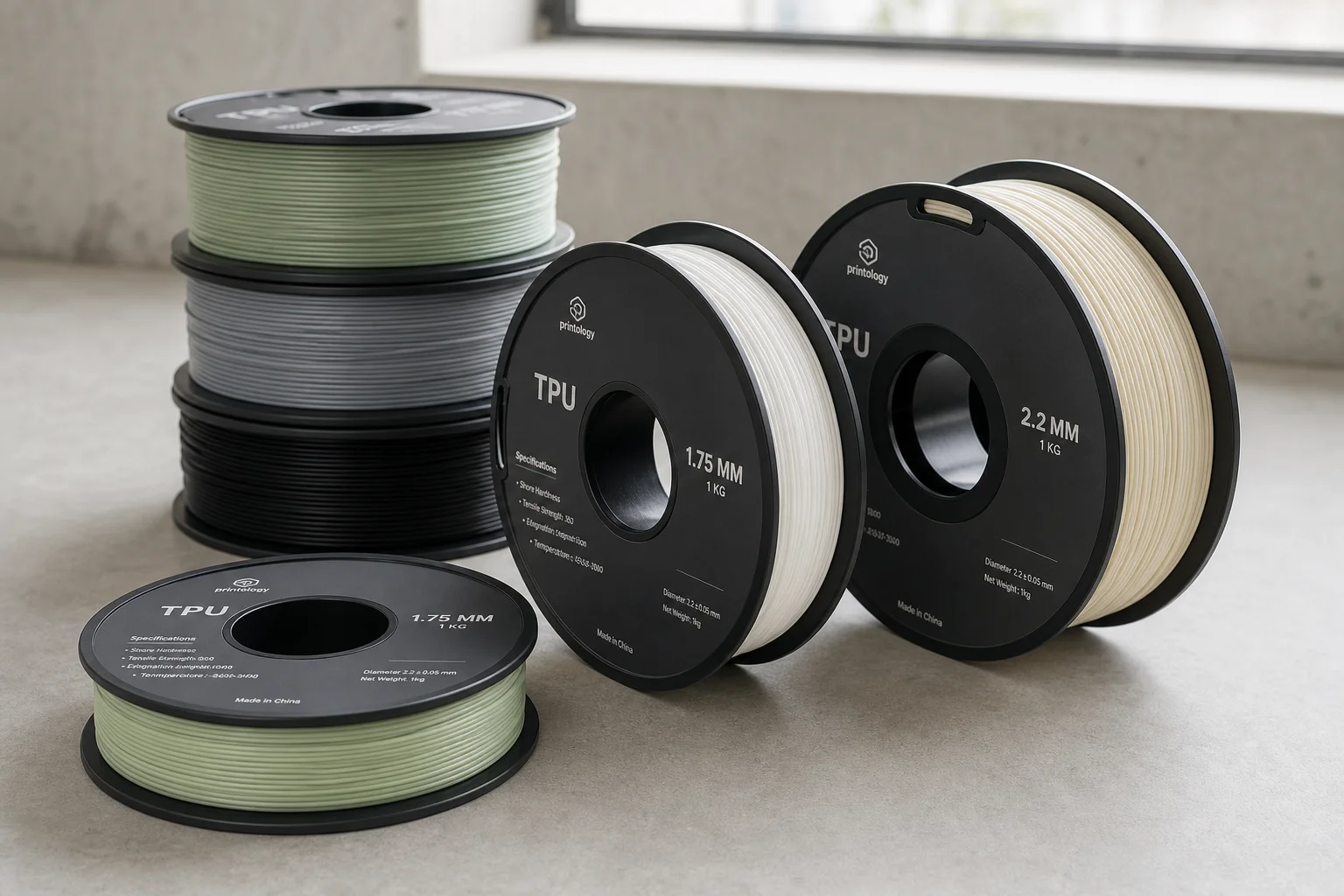
Recreus, a Spanish specialist in flexible materials, introduced a 2.2 mm diameter TPU filament to address a fundamental limitation of flexible printing: speed. Standard TPU filaments at 1.75 mm can buckle during extrusion, limiting print speed. By increasing the diameter to 2.2 mm, the filament becomes more rigid and resists deformation in the extruder path.
The 2.2 mm diameter is a deliberate middle ground. It remains compatible with standard 1.75 mm extruders and PTFE tubes, requiring only a hotend or nozzle swap. Affordable nozzle options exist for most printers, and the system still accepts standard 1.75 mm filament, so users are not locked into the thicker variant.
Recreus demonstrated the material on multiple printer brands at the booth, including Prusa and Bambu Lab machines, with thousands of hours of testing and numerous material swaps showing no clogs. The approach appears to work as intended and could reshape the TPU market by making flexible printing faster and more reliable.
Z-Polymers Tullomer: High-Strength Engineering Filament
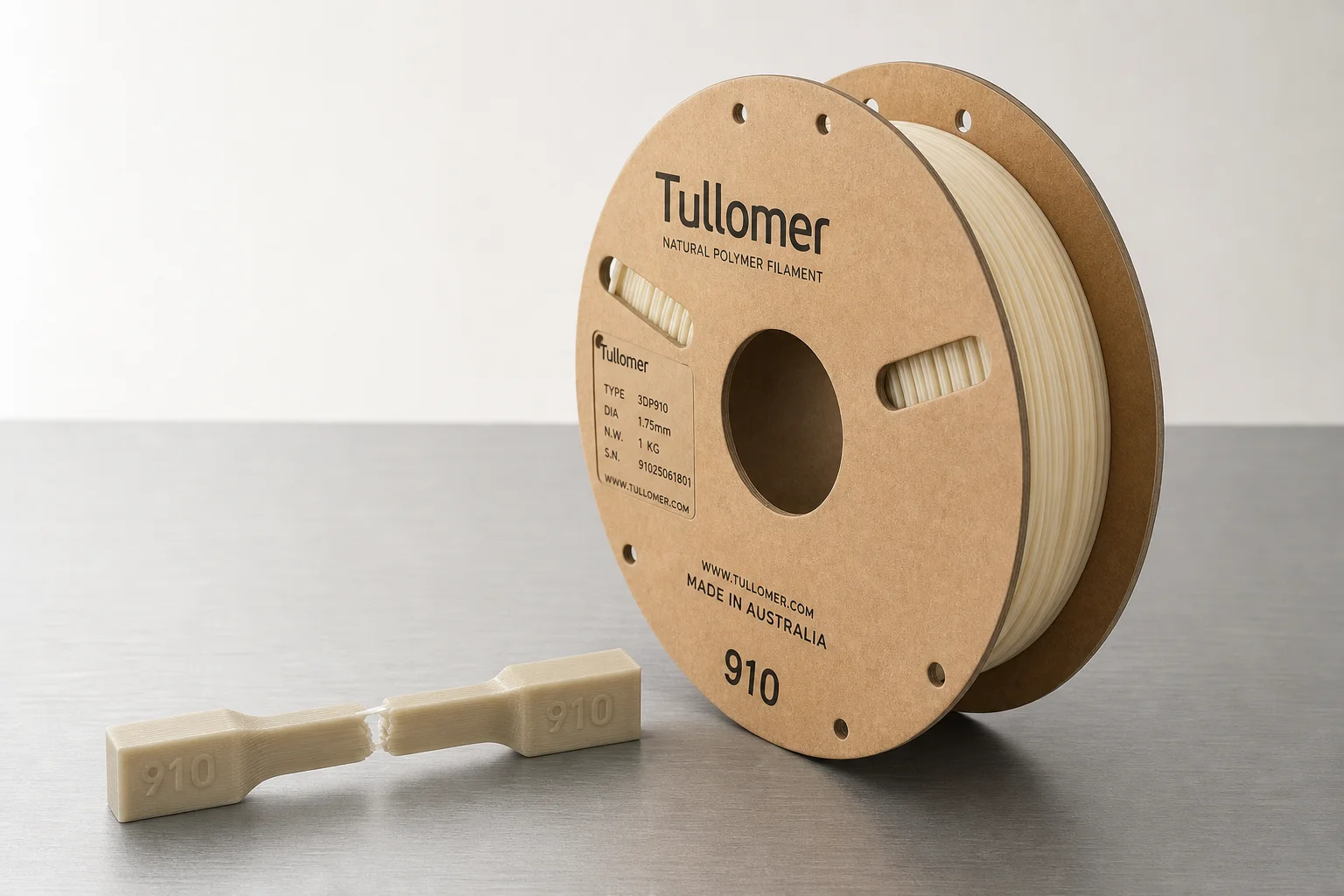
Z-Polymers’ Tullomer filament is marketed as stronger than steel and printable on standard consumer 3D printers. According to the manufacturer’s technical data sheet, test bars achieve 250 MPa tensile strength and 25 GPa stiffness, significantly above typical filaments. The company positions it as a replacement for aluminum, steel, and PEEK in certain applications.
Pricing is the primary barrier: a 500-gram spool costs approximately 275 dollars, with one kilogram at 500 dollars. However, Z-Polymers demonstrated a practical strategy for cost management: combine Tullomer with cheaper filament and use Tullomer only where strength is critical. For example, reinforcing a quadcopter frame with 10 grams of Tullomer in high-stress areas adds only about 5 dollars to the part cost while delivering significant strength gains.
This approach makes expensive engineering filaments viable for hobbyists and small-scale makers working on specialized projects where targeted reinforcement provides real value without the cost of printing entire parts from premium material.
E3D Fuge: High-Flow Nozzle Technology
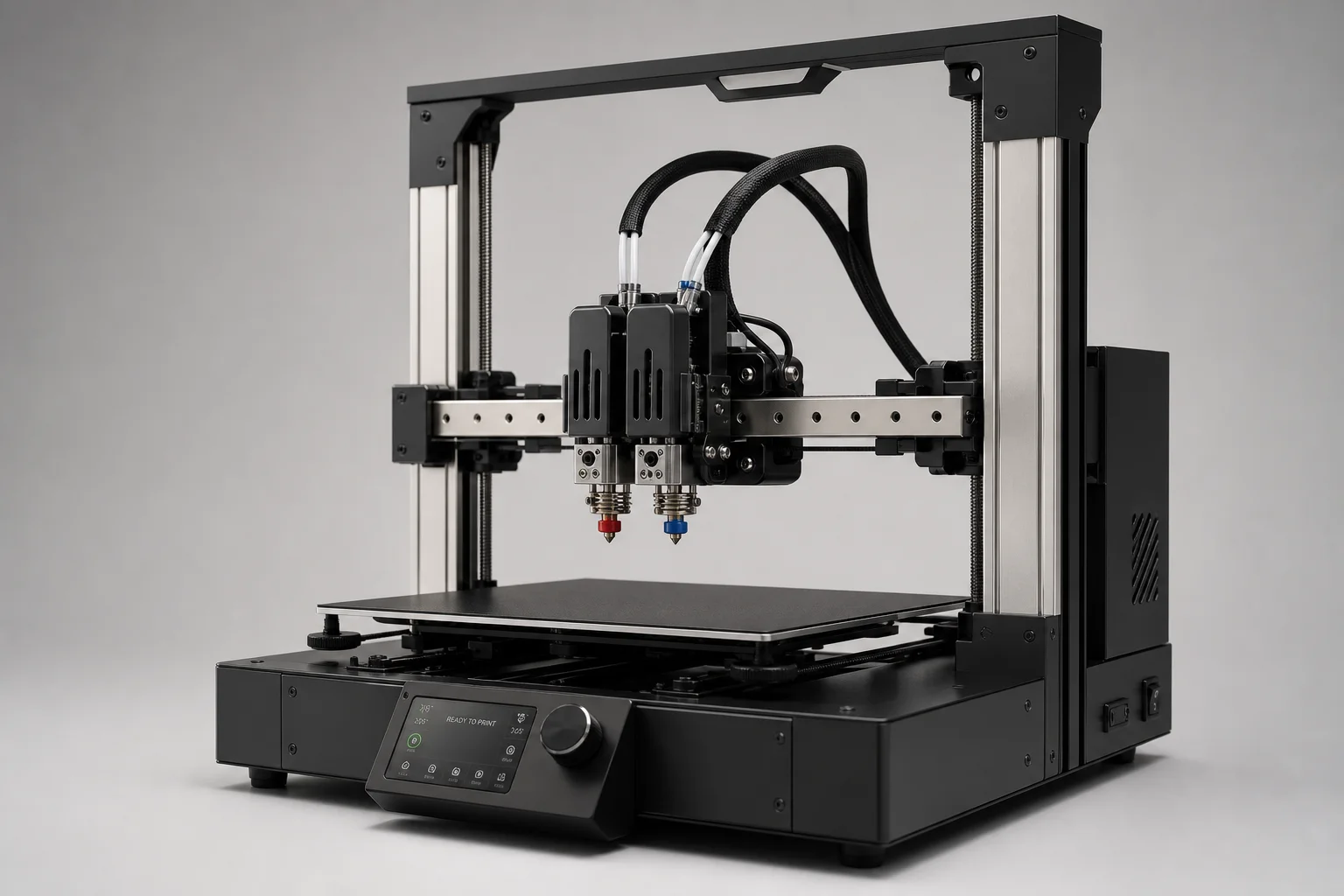
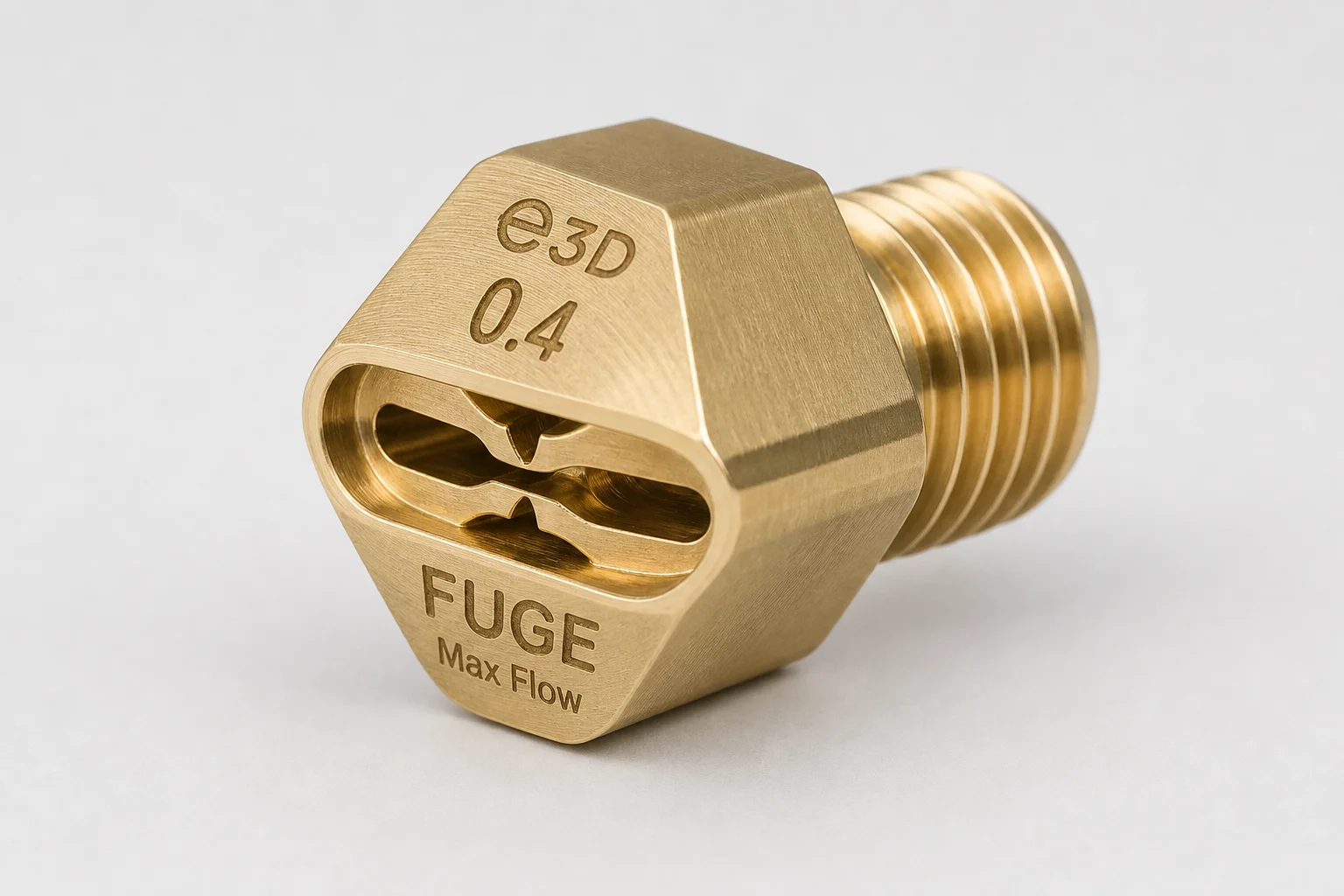
E3D introduced Fuge, a new high-flow nozzle design that differs from existing approaches like Bondtech’s HF nozzles. While Bondtech splits filament into three strands to reduce heat travel distance, Fuge flattens the filament into a wider, thinner profile. This increases the surface area exposed to heat, allowing the center of the filament to reach melting temperature more quickly.
The exact machining process remains proprietary, though the geometry suggests the nozzle is likely composed of two pressed-together pieces. E3D demonstrated the technology on a modified Rat Rig V-Minion at the show, achieving notably fast print speeds. Detailed specifications and availability information were limited at the event.
Conclusion
The 2026 3D printing landscape will be defined by accessibility and capability expansion. Multi-tool systems like the Bondtech INDX bring industrial-grade flexibility to desktop printers, while materials like Tullomer and the 2.2 mm TPU address real limitations in strength and speed. Desktop metal casting and continuous fiber integration represent the blurring of boundaries between FDM printing and traditional manufacturing. For makers and engineers, these developments mean more options, faster workflows, and the ability to tackle projects that previously required outsourcing or industrial equipment.
Further reading
Related Reviews
3D Printing
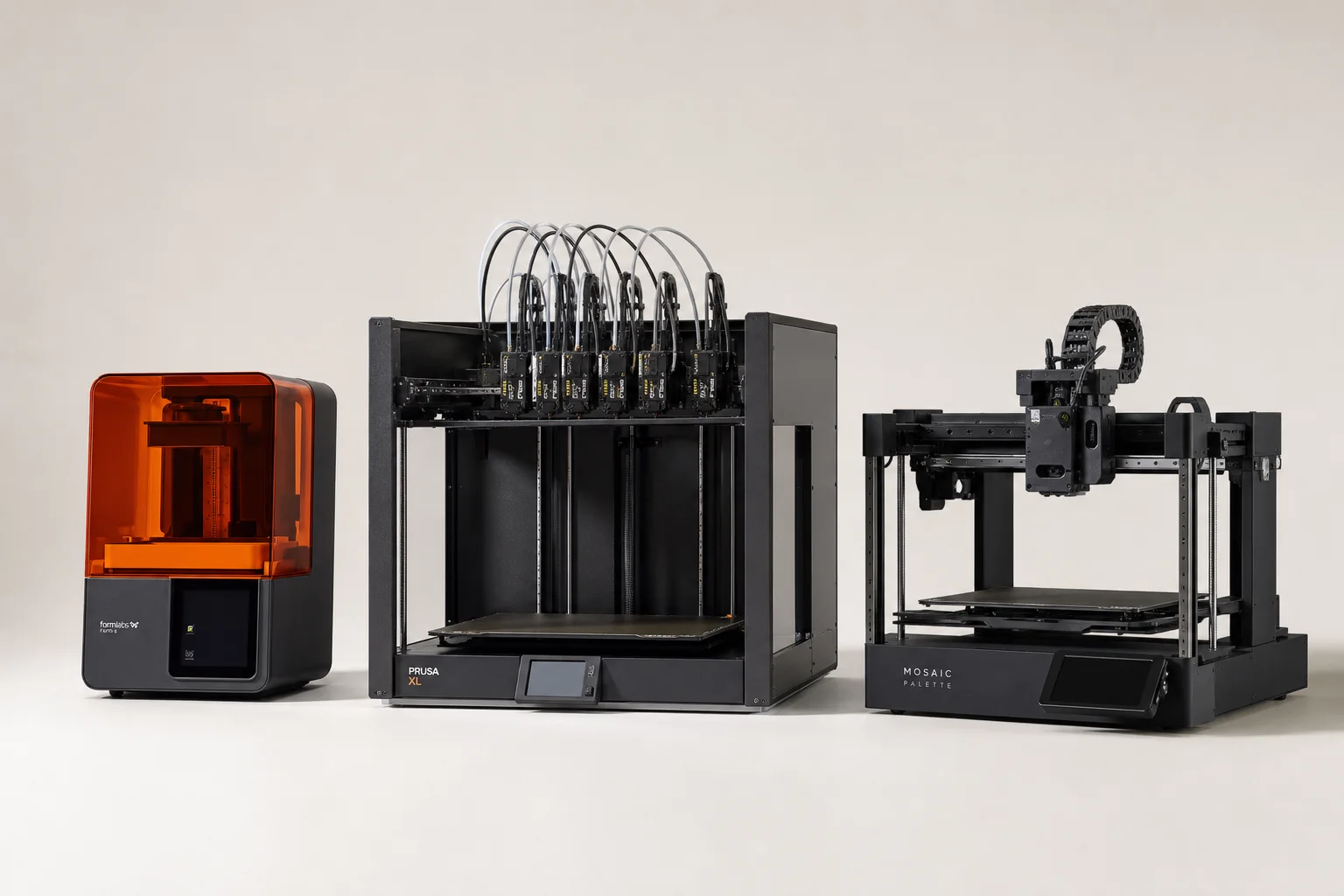
3D Printer Wishlist 2026: Industry Hopes and Manufacturer-Specific Improvements
A comprehensive review of what the 3D printing industry needs in 2026, from universal standards to manufacturer-specific feature requests across leading brands.
3D Printing
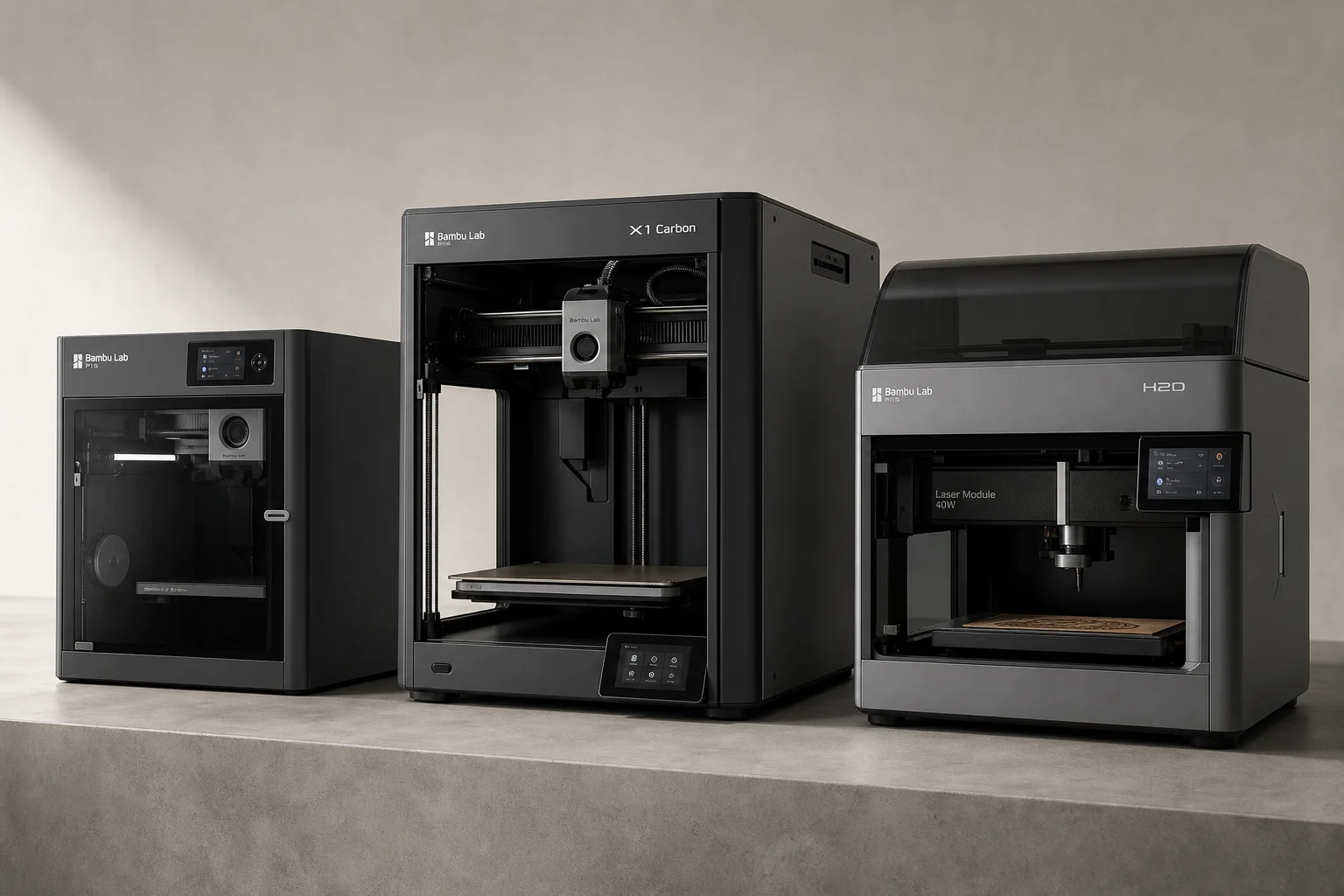
Bambu Lab 3D Printer Lineup 2025: Which Model Fits Your Needs
A comprehensive breakdown of Bambu Lab's current printer lineup, from mid-range workhorse models to flagship multifunction machines, with honest trade-offs for each.
3D Printing
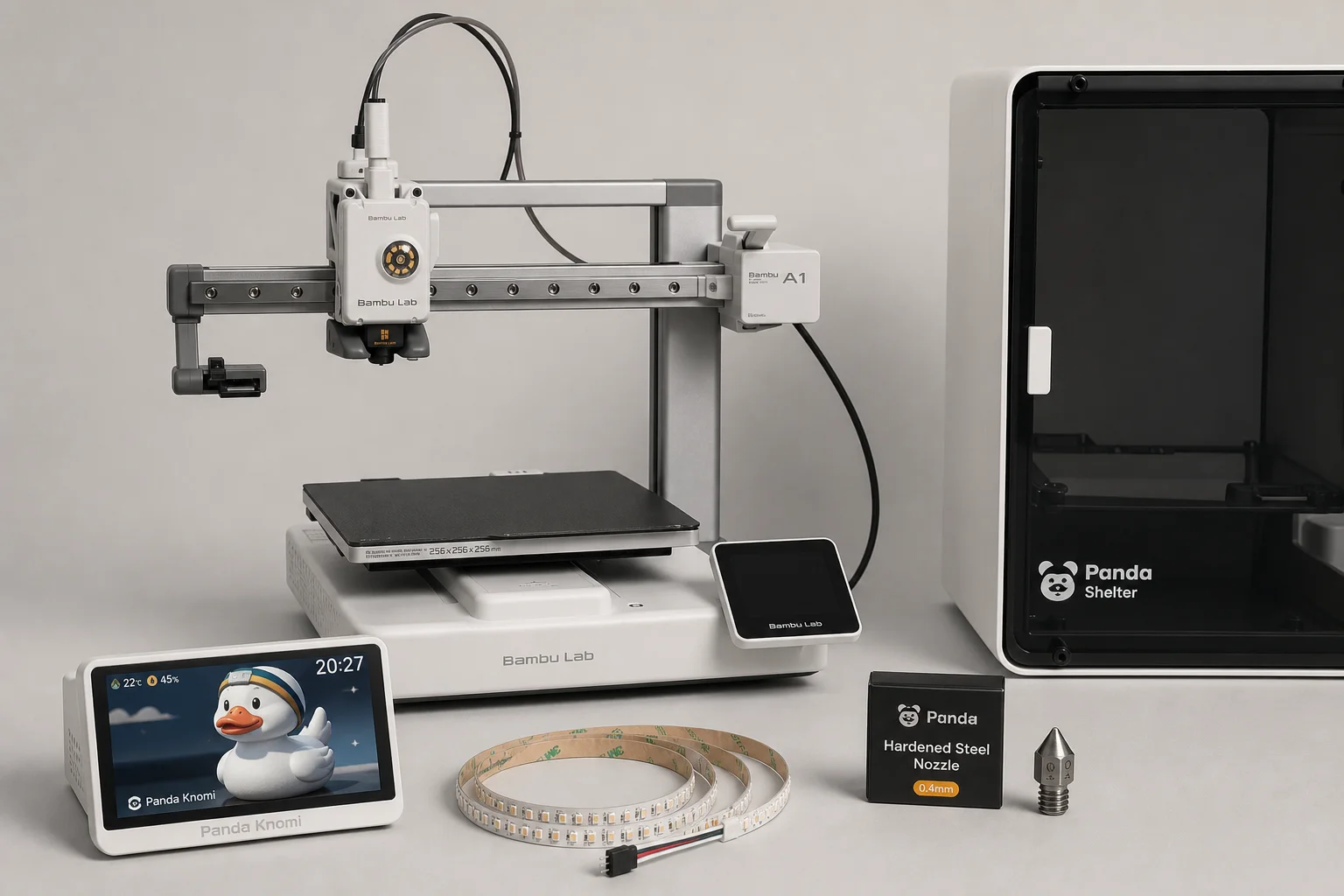
Bambu Lab A1 Upgrades Guide: Nine Practical Enhancements Ranked
A comprehensive ranking of nine upgrades for the Bambu Lab A1 3D printer, from essential display modules to premium mounts and enclosures.